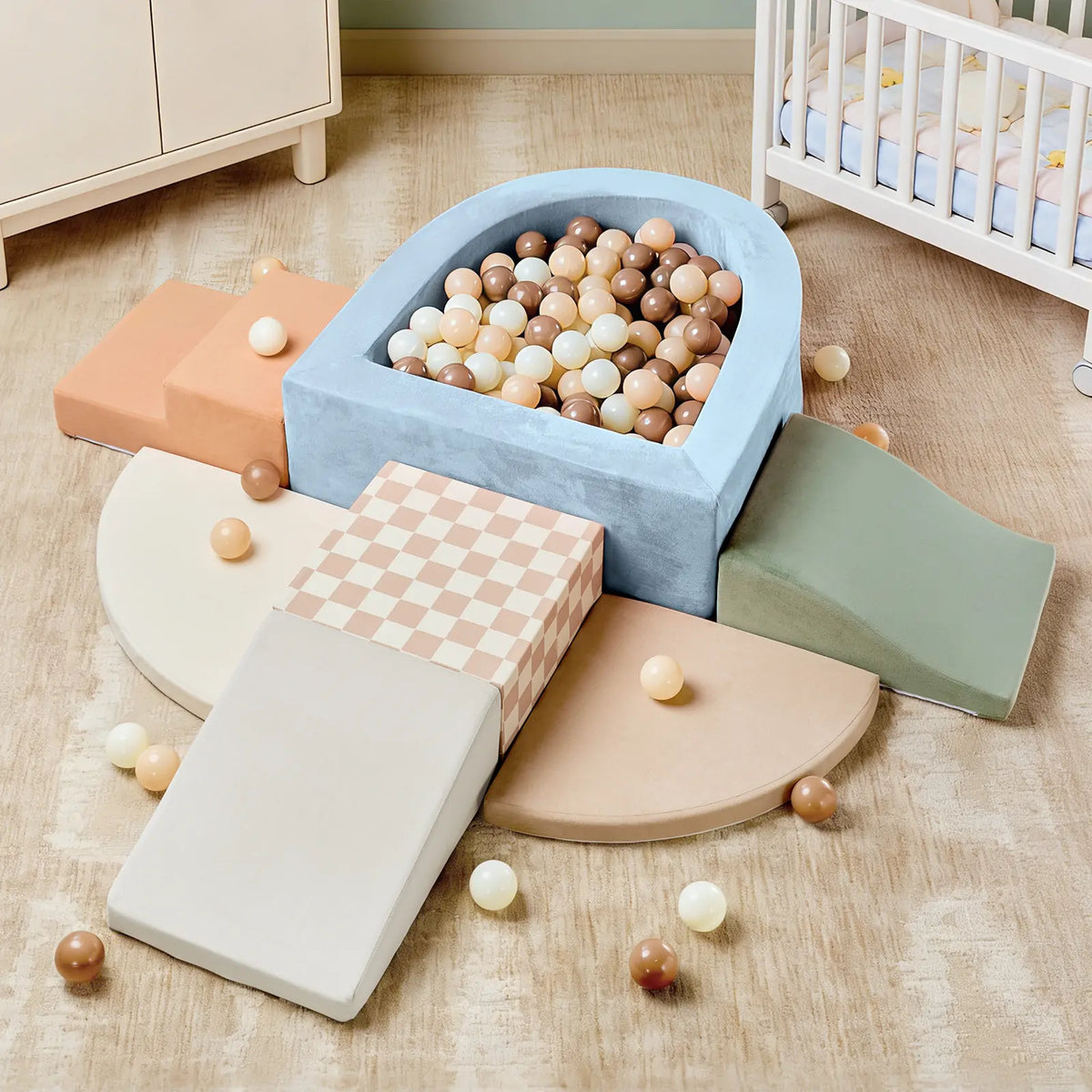
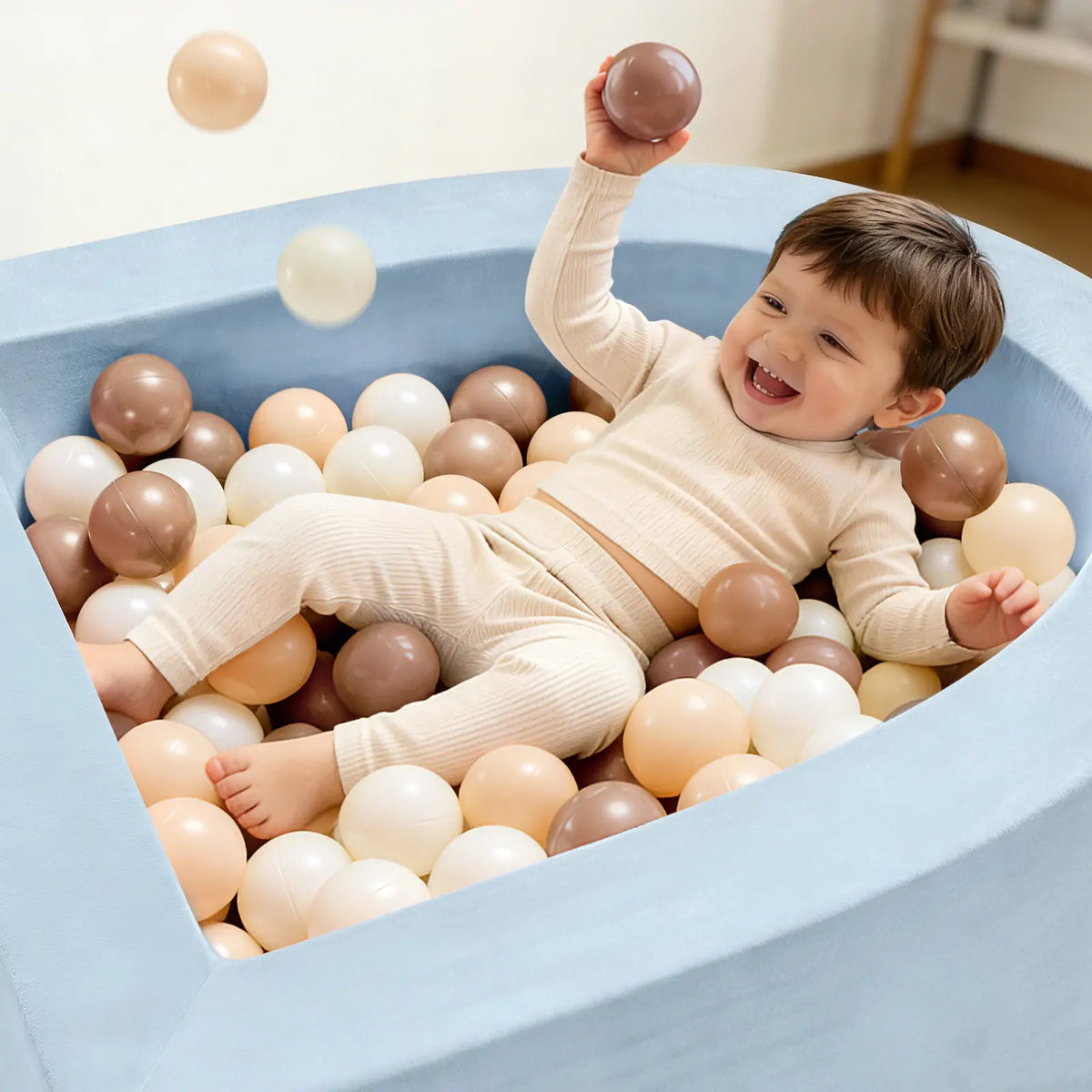
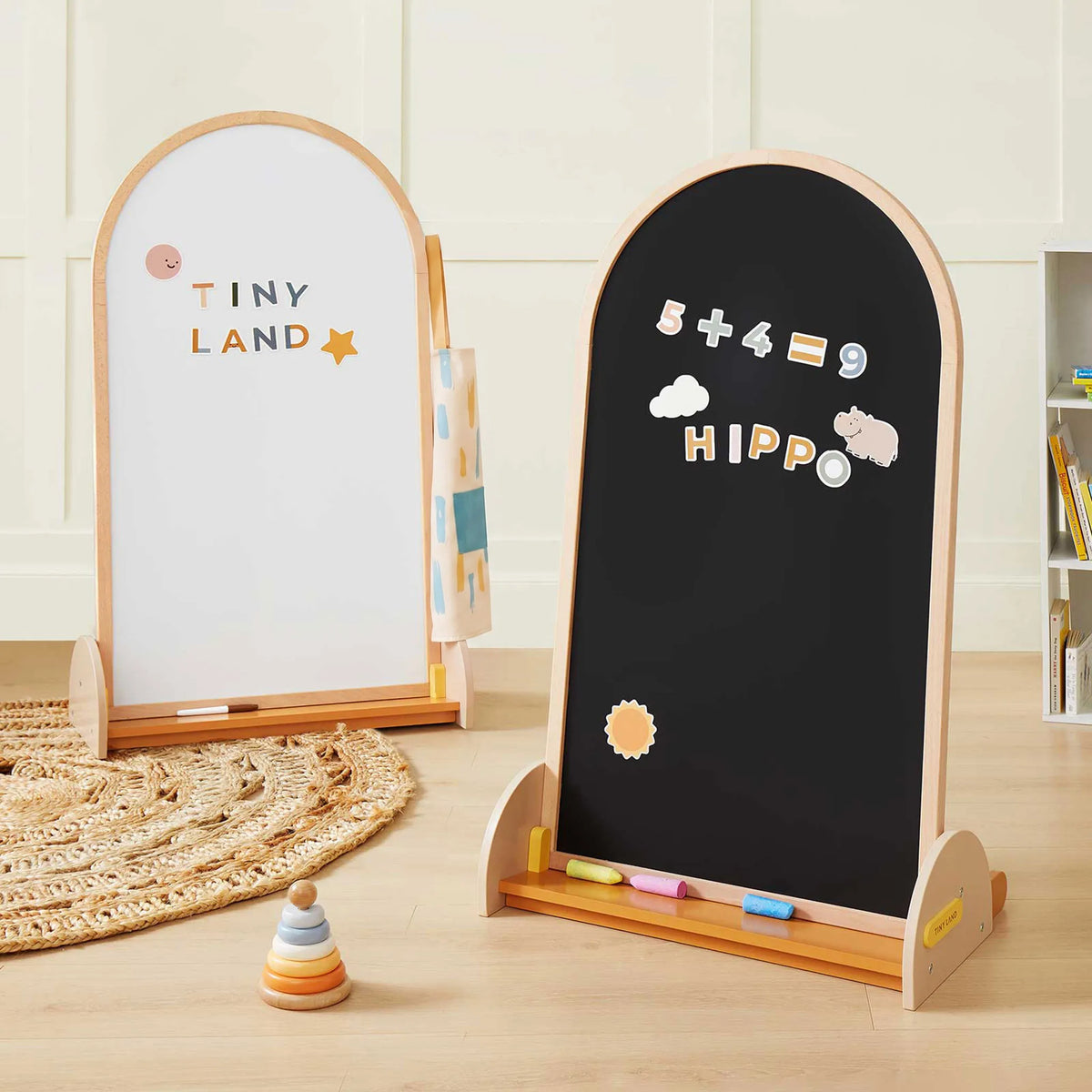
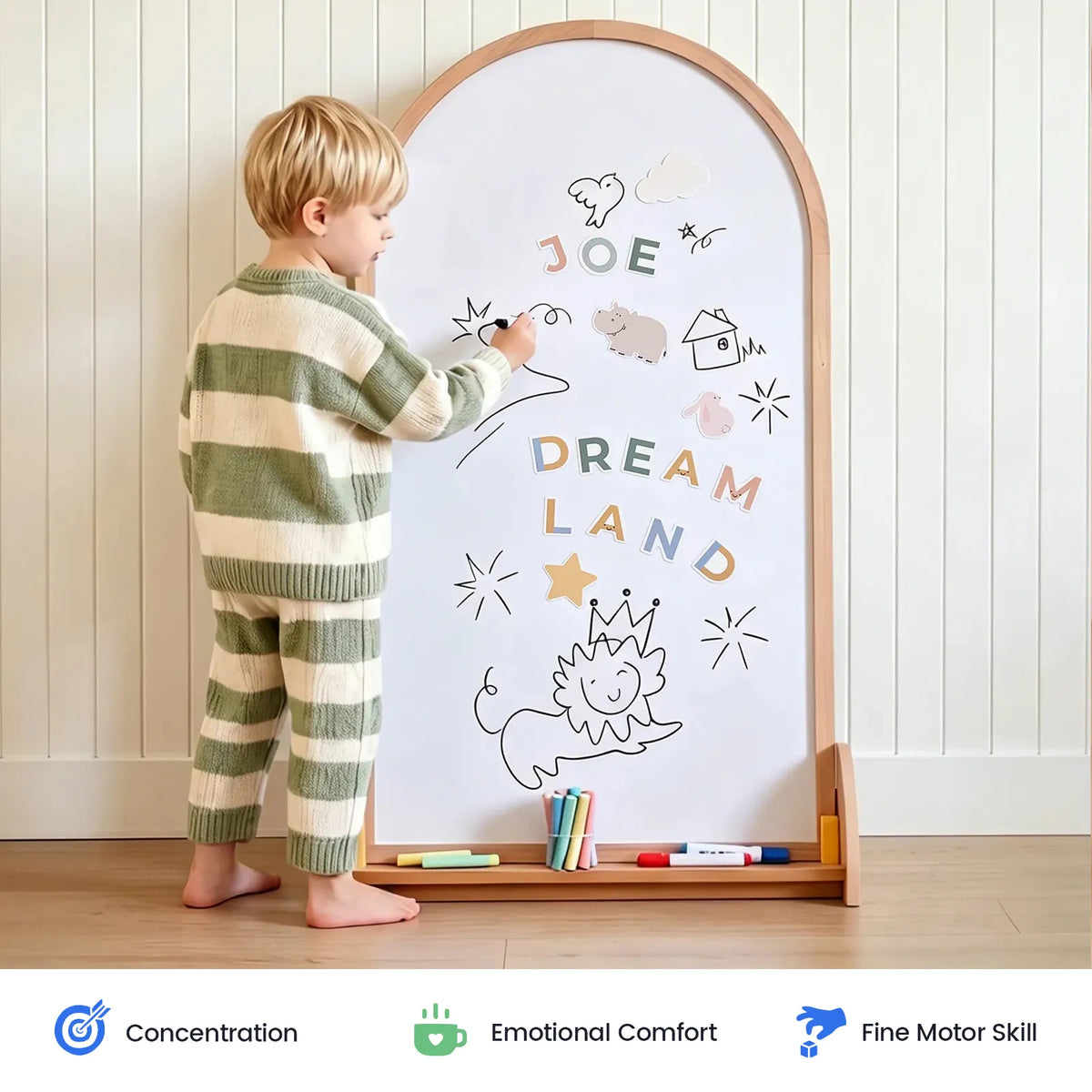



Pretend play (also known as dramatic or imaginative play) is a fundamental pillar of early childhood development.
Between the ages of 2 and 5, children use pretend play to process real-world experiences, develop empathy, and build oral language skills.
Through pretend play, children recreate familiar experiences, explore different roles, and create their own stories.
A play kitchen can become a neighborhood cafe, a dollhouse can become a family home, and a simple teepee tent can transform into an exciting camping adventure.
Unlike toys with fixed outcomes, open-ended toys allow children to make decisions, explore possibilities, and develop their own ideas.
These experiences support important developmental skills, including language acquisition, executive functioning, creativity, social interaction, and problem-solving.

Early childhood educators recognize pretend play as an important way children develop communication skills, emotional understanding, and confidence while learning through meaningful experiences.
For parents searching for pretend play ideas for toddlers, creating simple play environments at home can provide opportunities for children to learn through imagination.
These dramatic play activities for 2 year olds encourage children to explore familiar experiences while building essential skills through play.
With thoughtfully designed open-ended toys and play spaces, children can create meaningful experiences that grow with their imagination.

7 Easy Pretend Play Setup Ideas
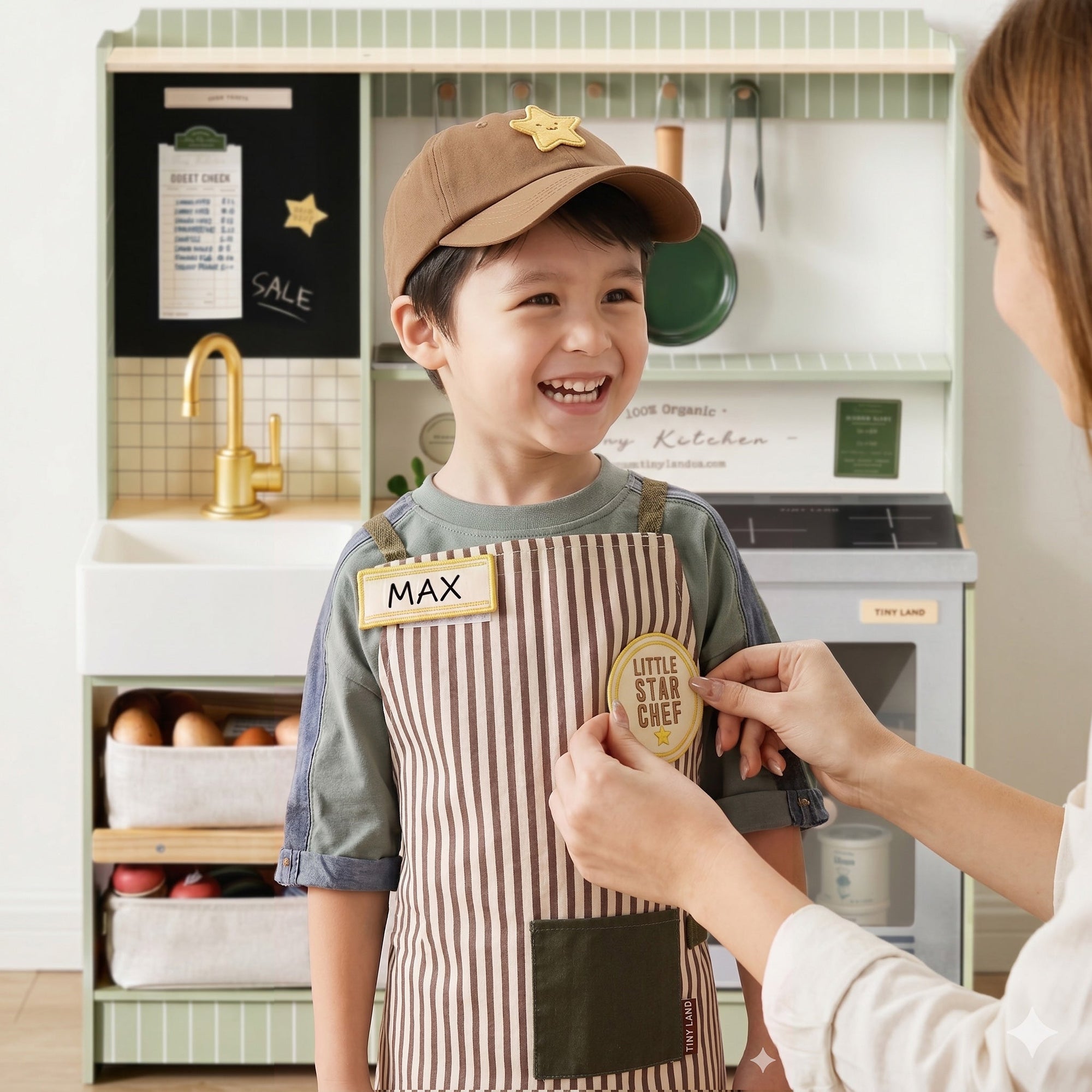
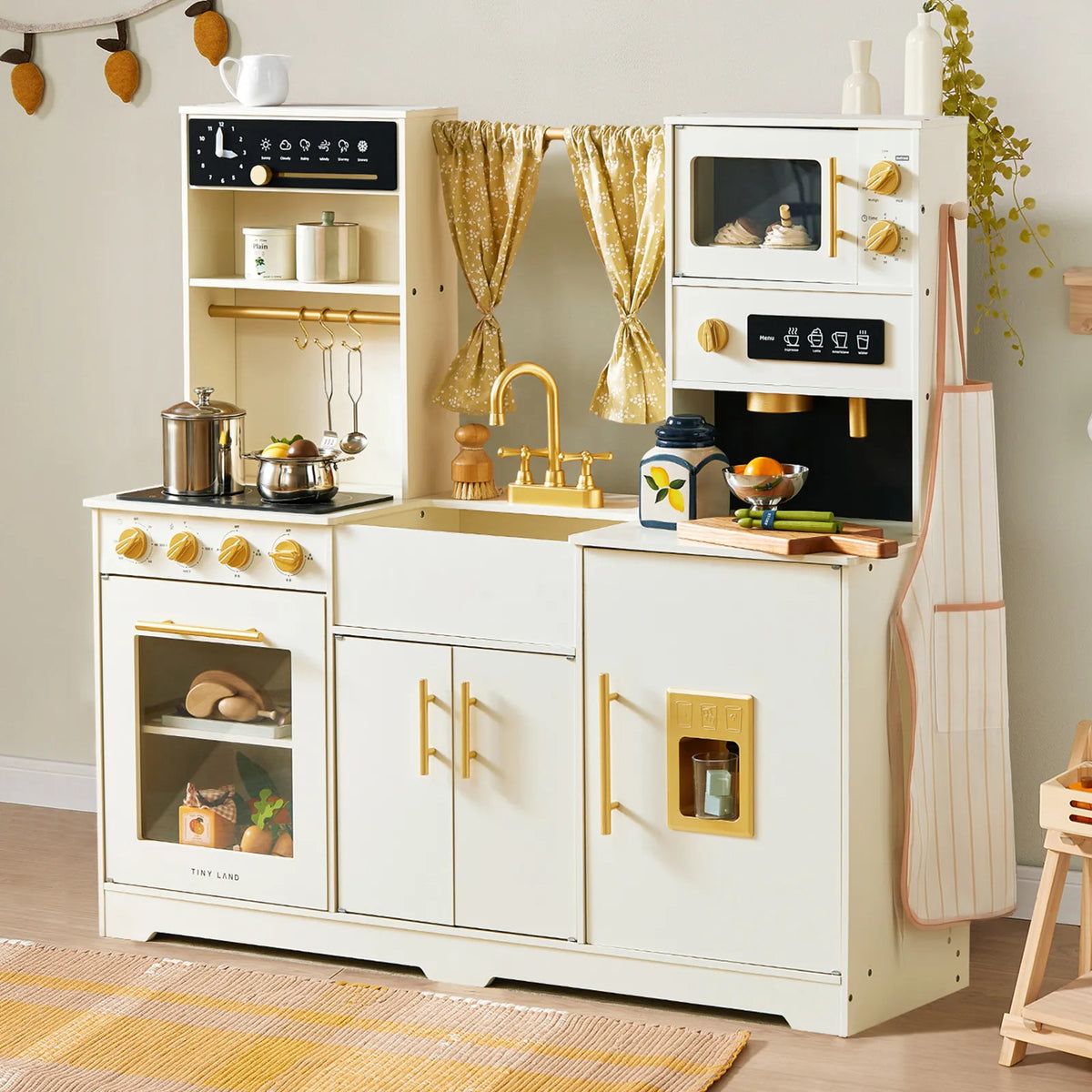
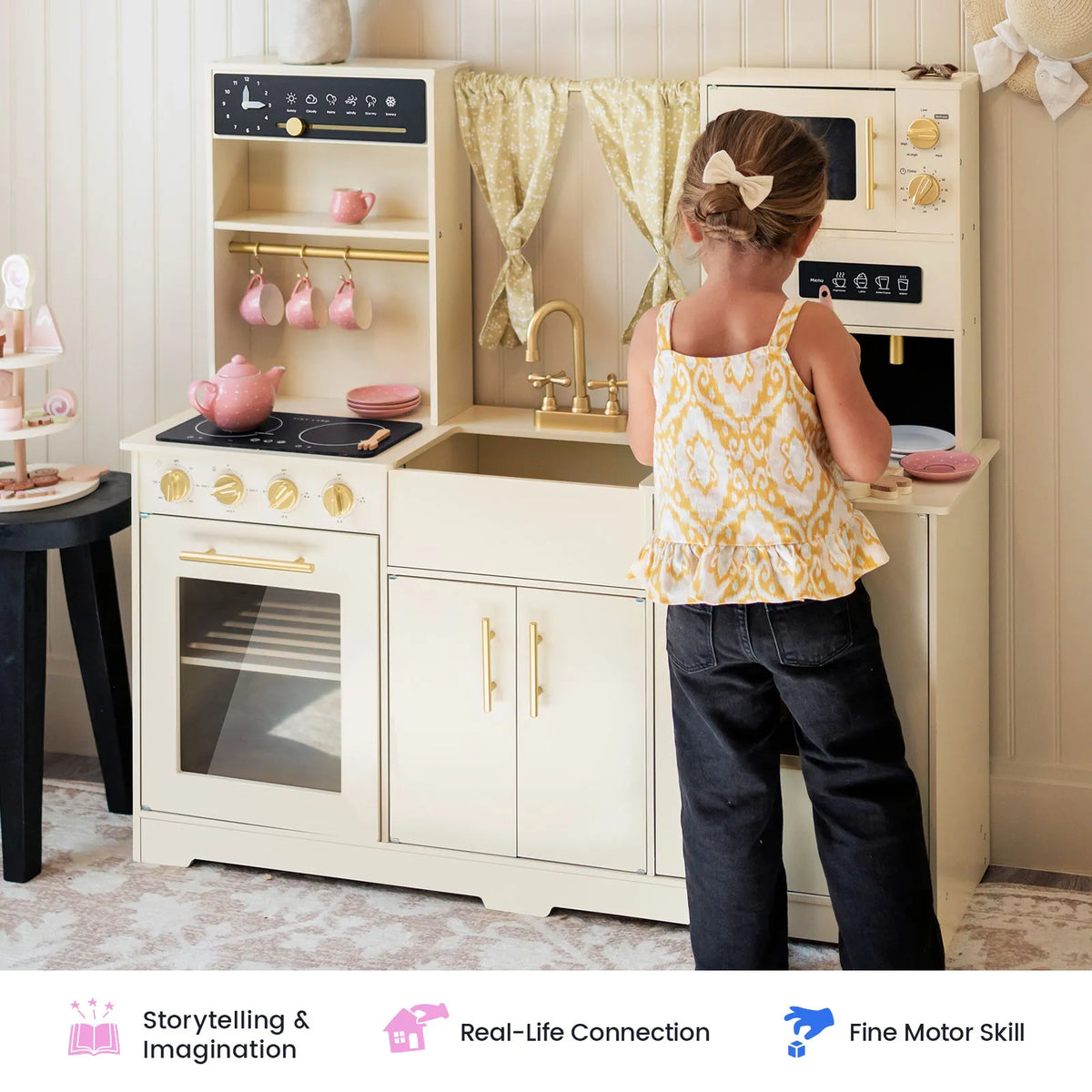
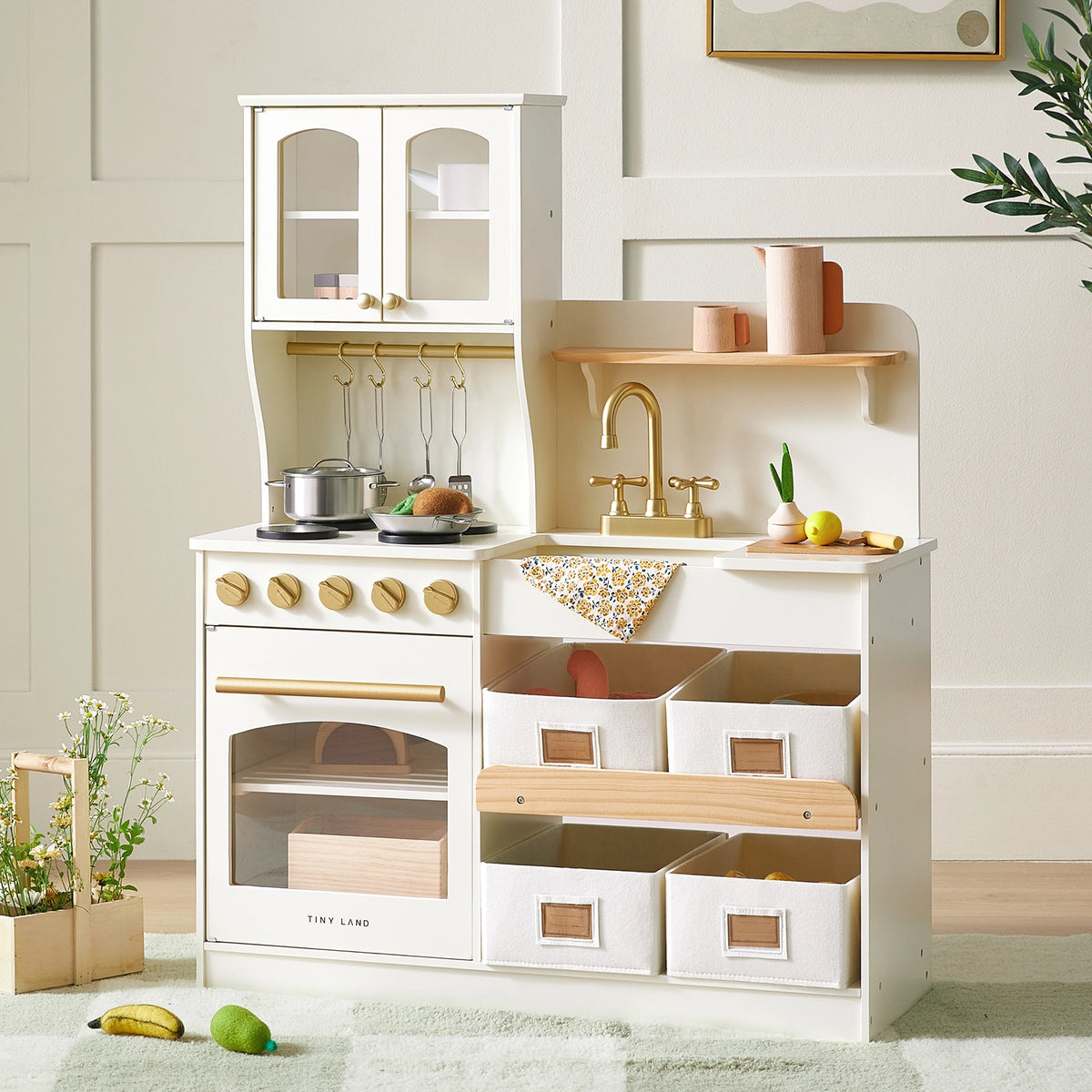
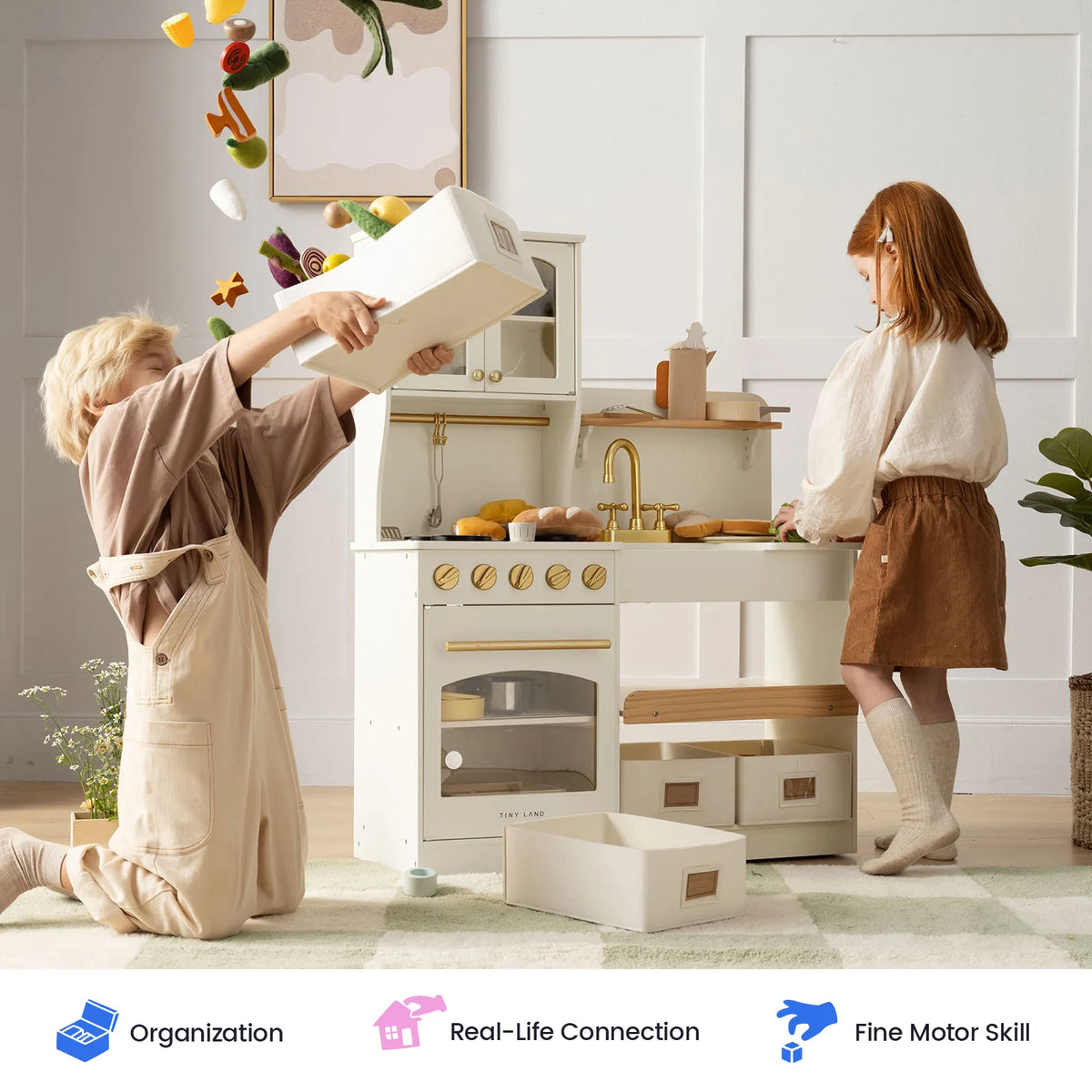
The Neighborhood Cafe
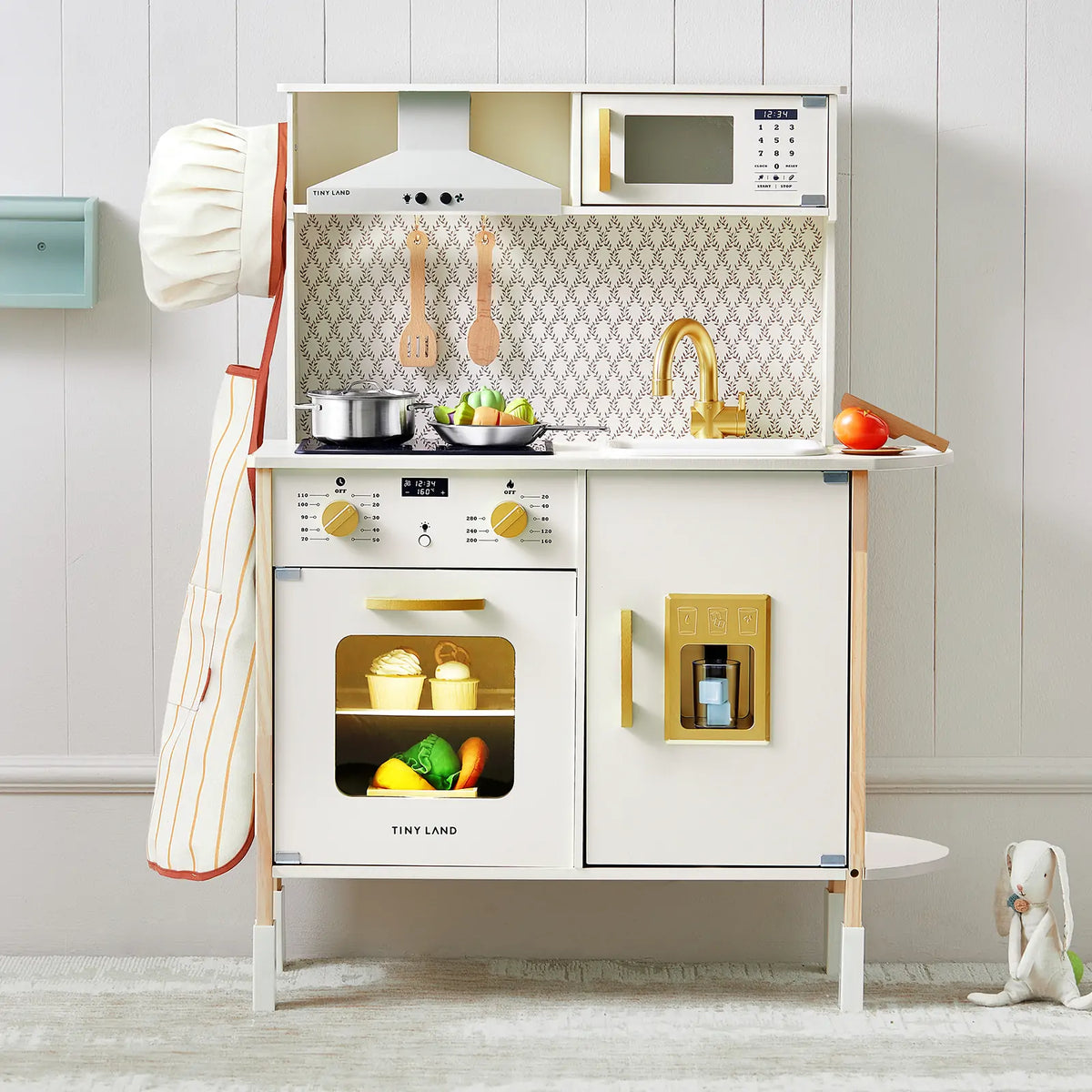
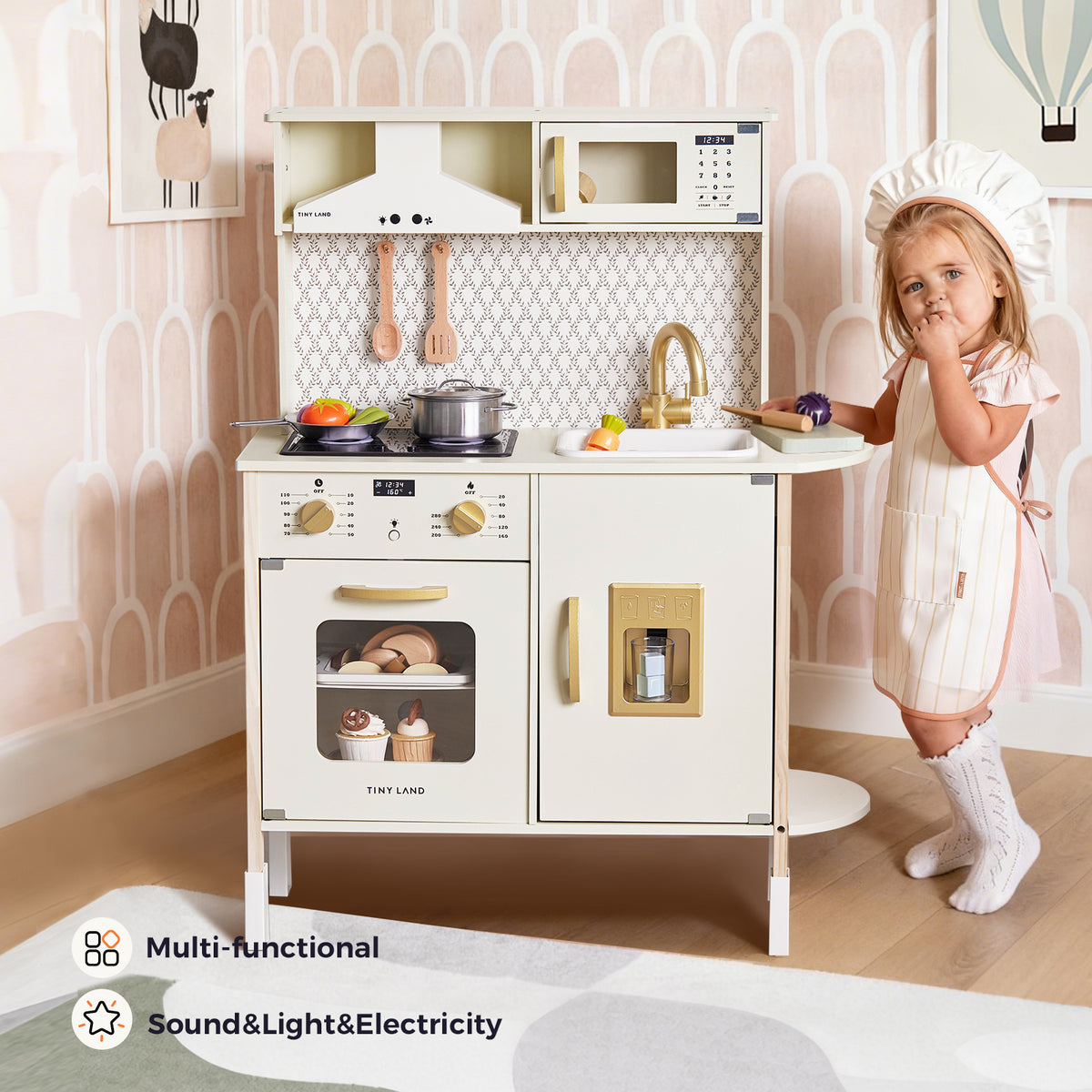
Props: Play kitchen, wooden cups, felt pastries, play money/notepad.
Create a cozy pretend cafe where toddlers can prepare food, take orders, serve customers, and create their own restaurant stories.
A simple cafe setup allows children to recreate everyday experiences while exploring different social roles.
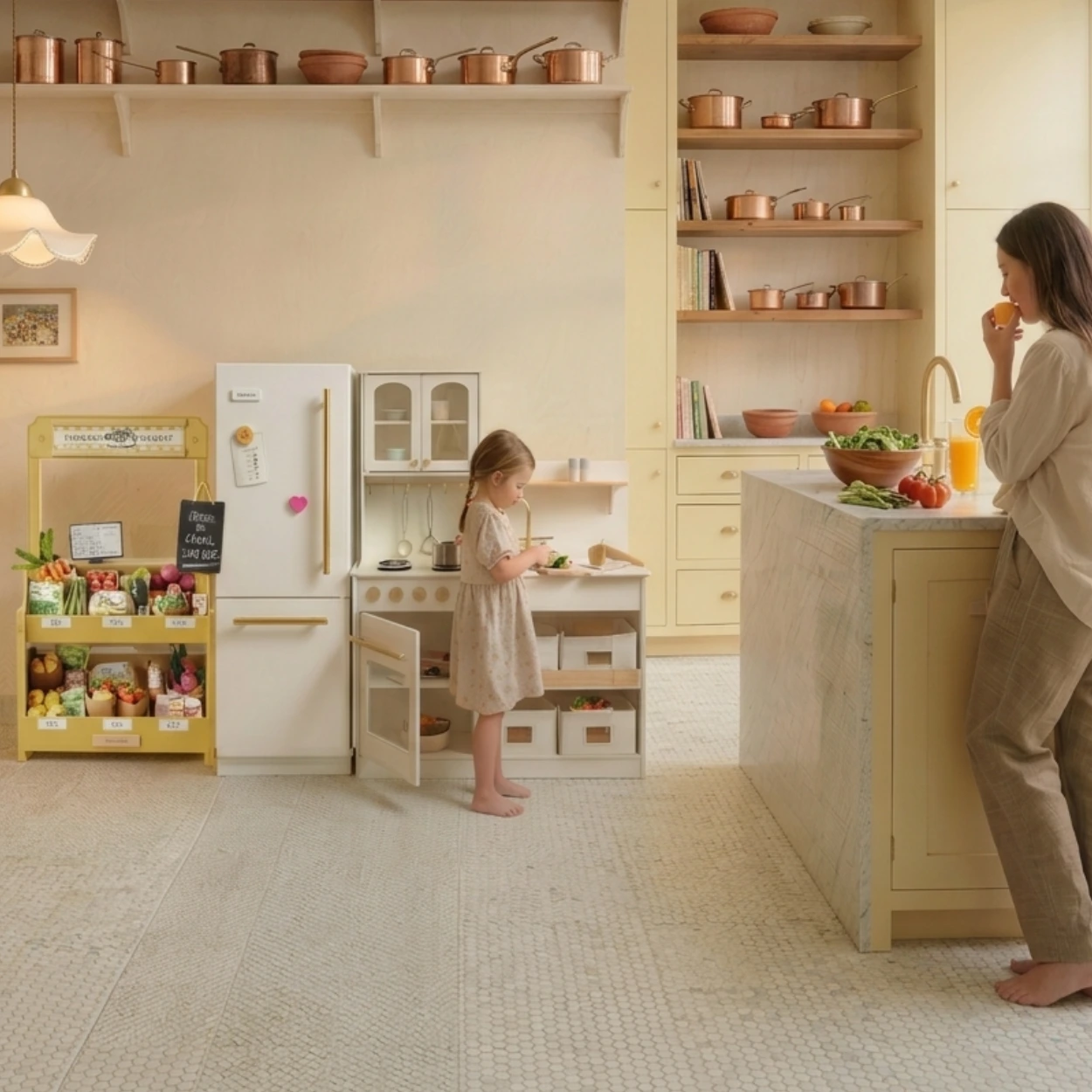
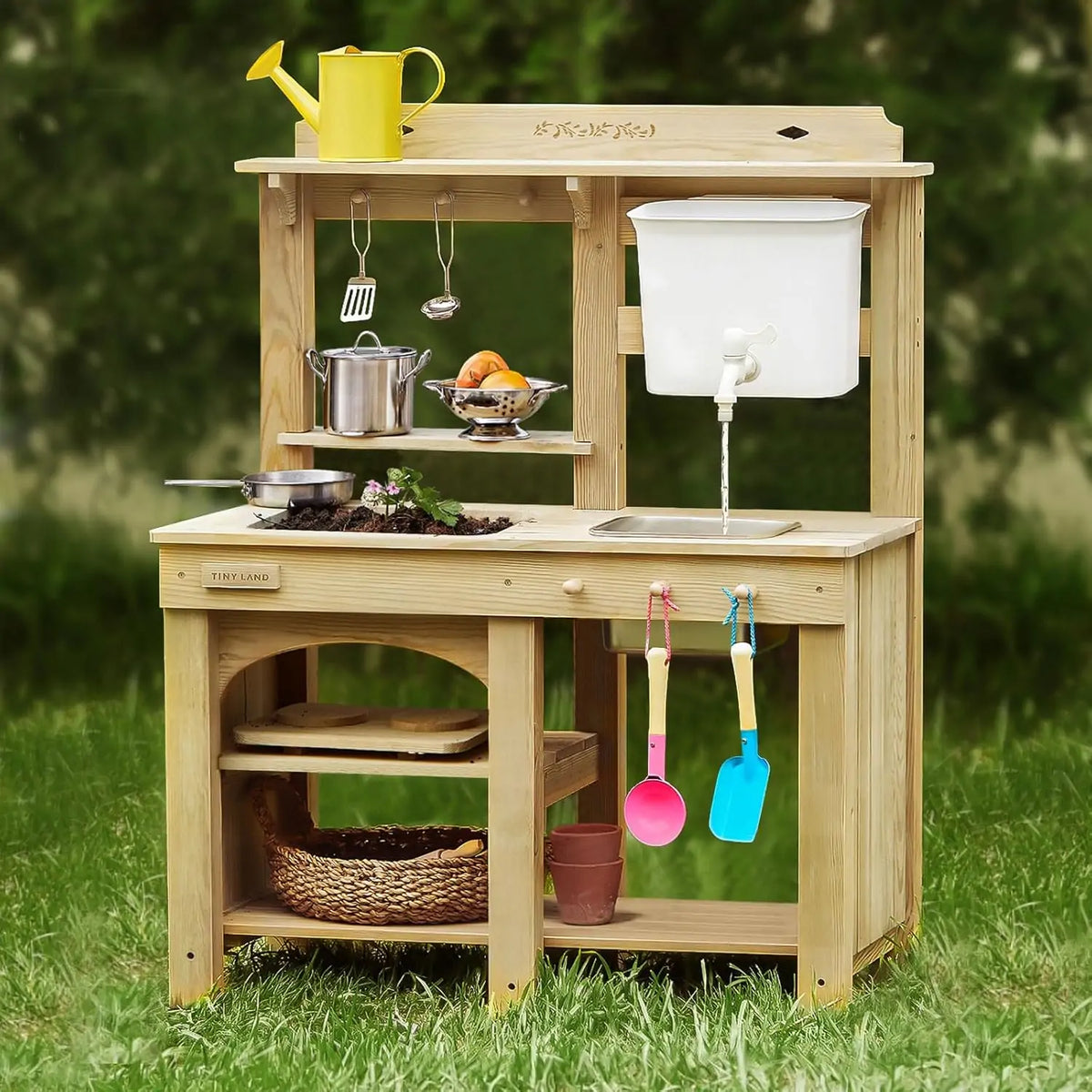
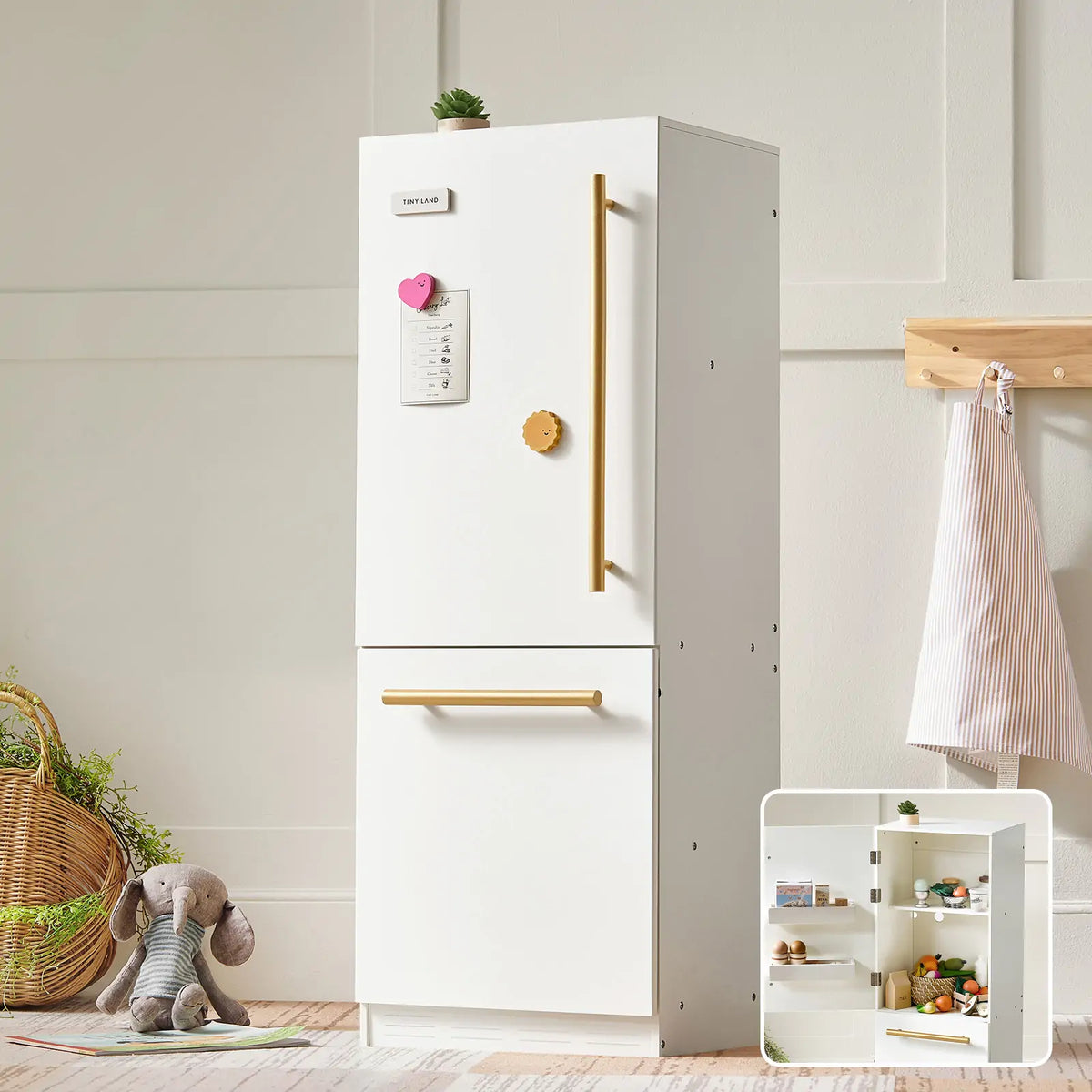
A play kitchen can become a restaurant, bakery, or family kitchen depending on where their imagination takes them.
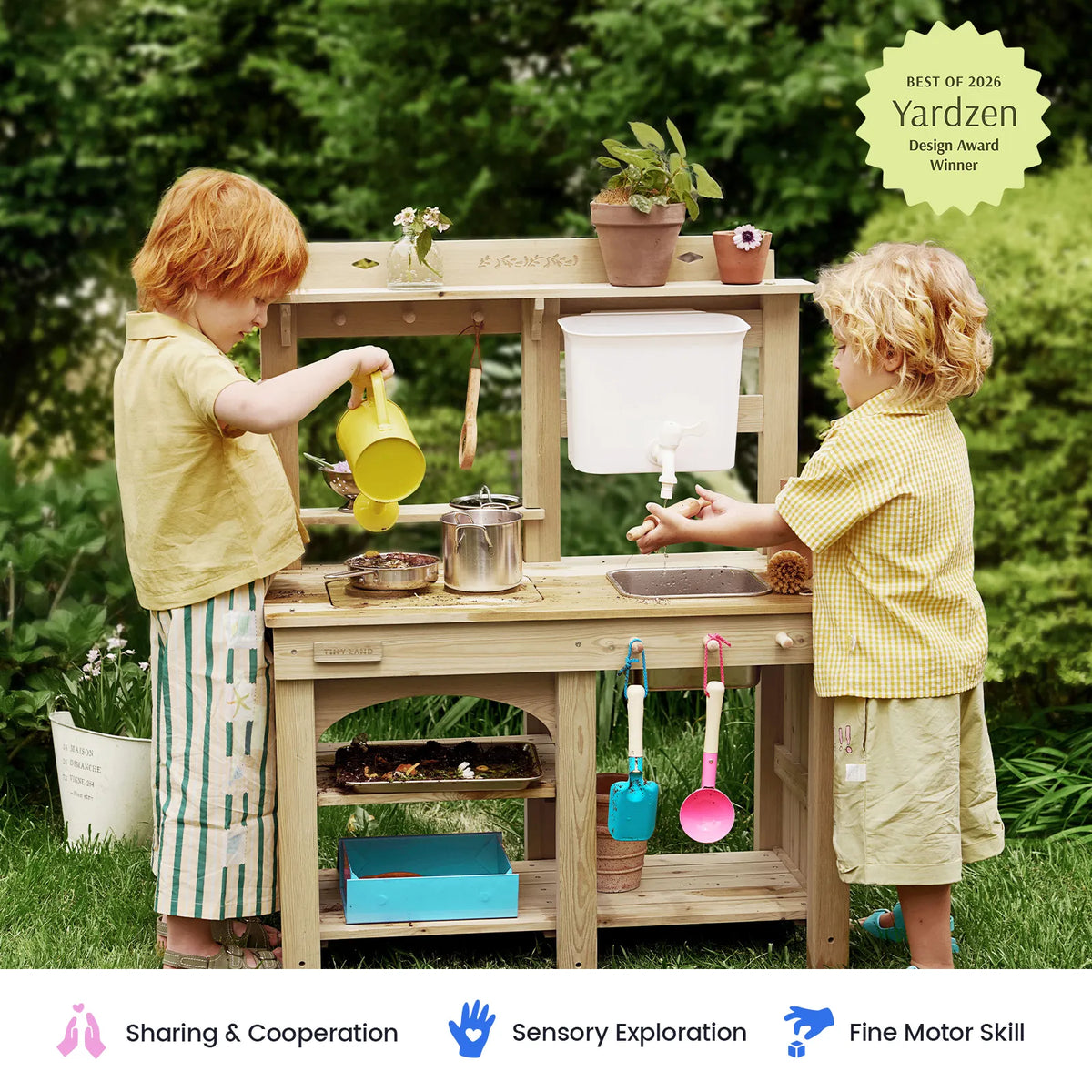
Children can take turns becoming chefs, customers, or servers, creating opportunities for conversations and collaborative storytelling.
Skill Focus: Social interaction, counting, and language development.
Through play kitchen roleplay, children practice vocabulary, develop communication skills, and learn how to interact with others in different social situations.

Little Construction Zone
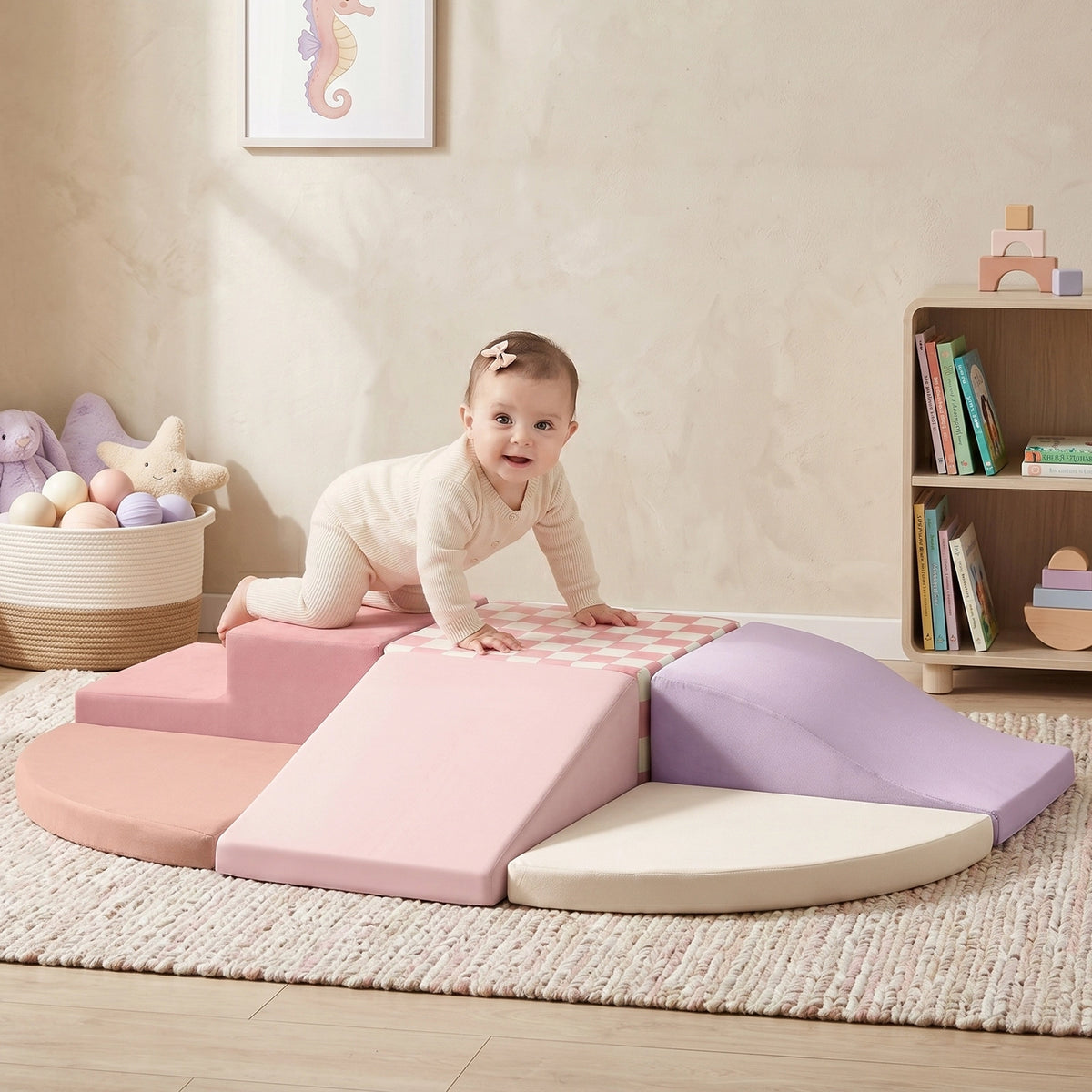
Props: Wooden blocks, climbing frames, toy trucks.
Transform a play area into a mini construction zone where children can build structures, move materials, and imagine themselves as builders or engineers.
Building projects encourage toddlers to plan, test ideas, and solve problems as they create their own designs. Open-ended construction play helps children understand how objects work together while developing early engineering concepts.
Skill Focus: Engineering concepts, spatial awareness, and problem-solving.
This type of pretend play supports early STEM learning by encouraging creativity, logical thinking, and hands-on exploration.

Home Grocery Store
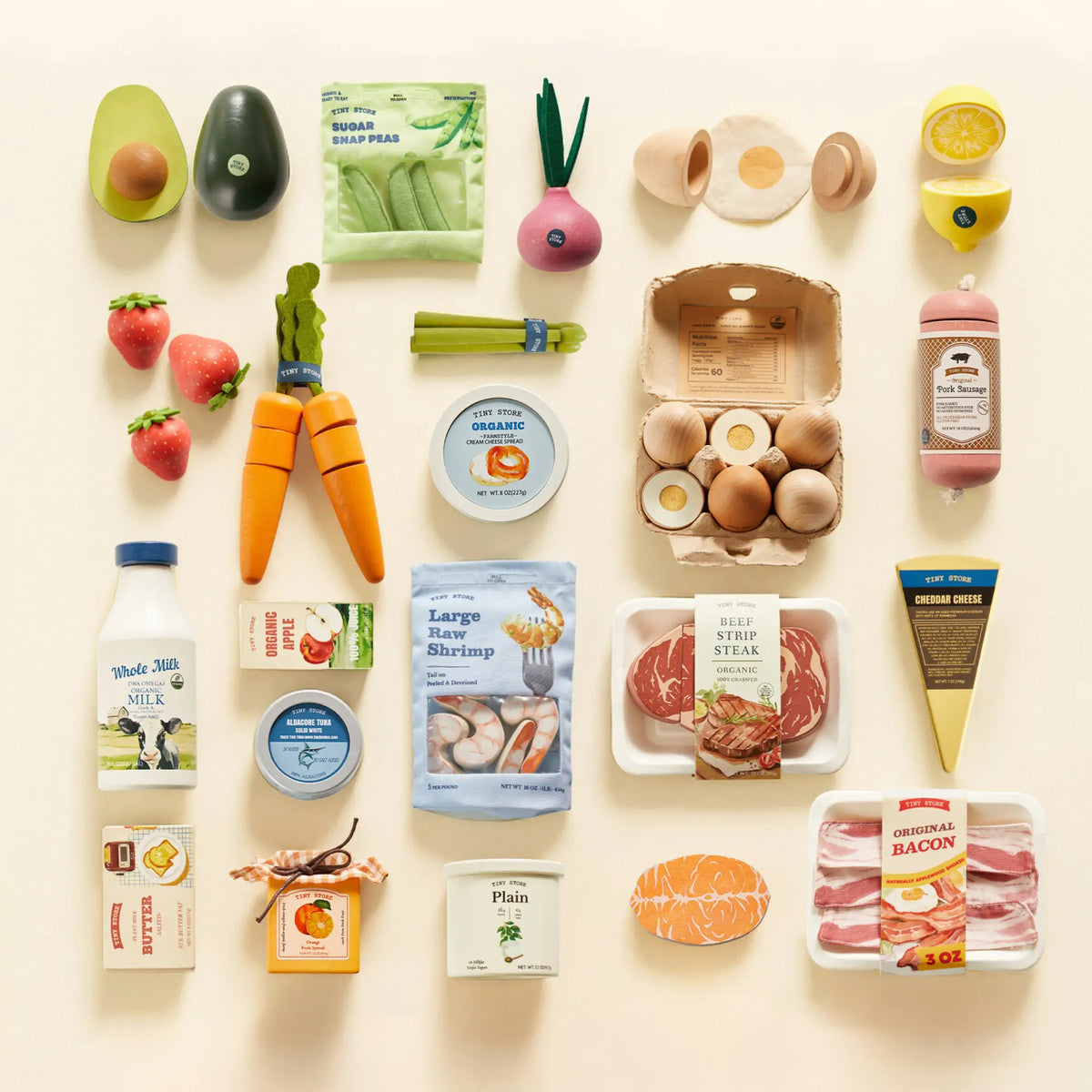
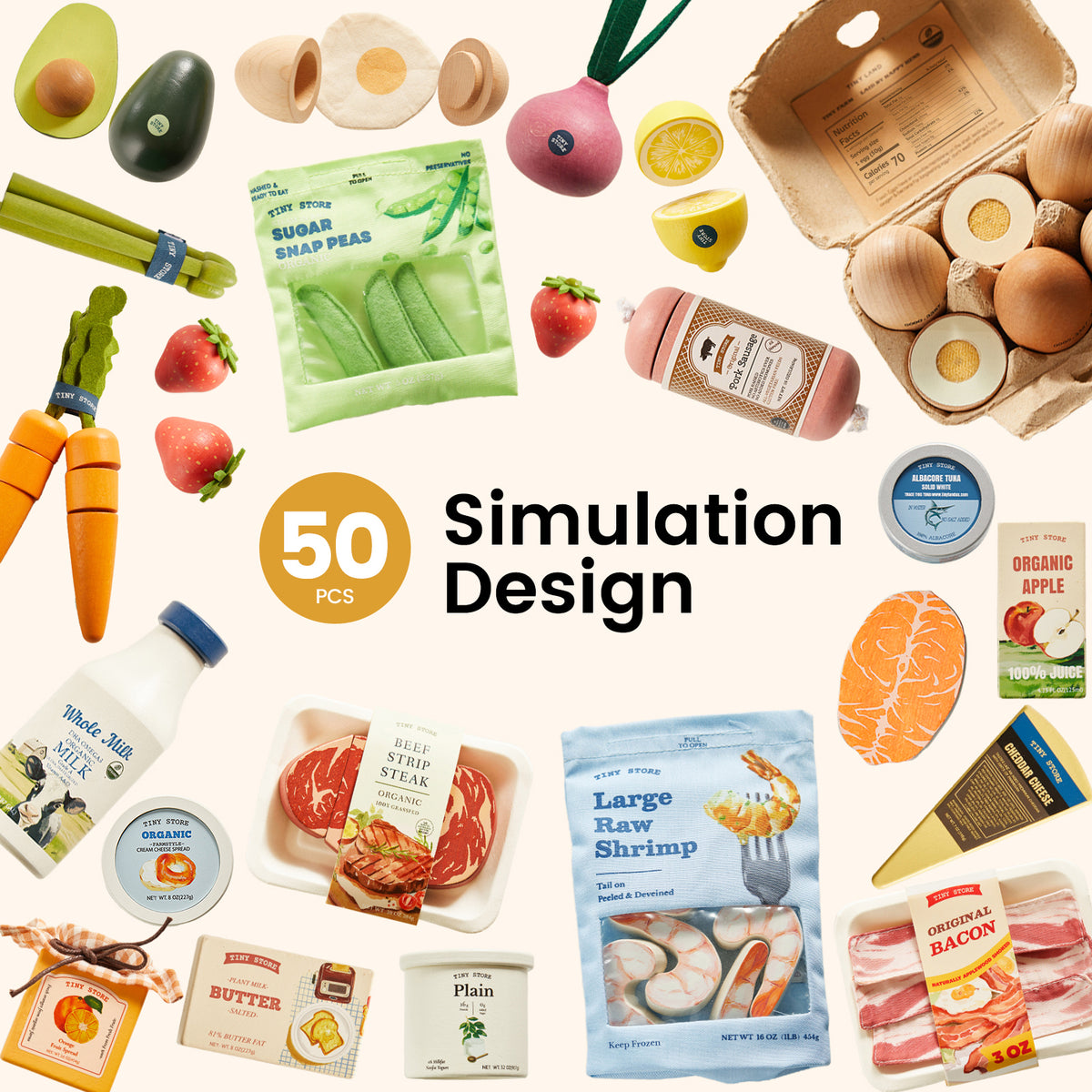
Props: Play food sets, shopping basket, price tags.
Create a pretend grocery store where children can organize products, create shopping lists, and take turns as shoppers or cashiers.
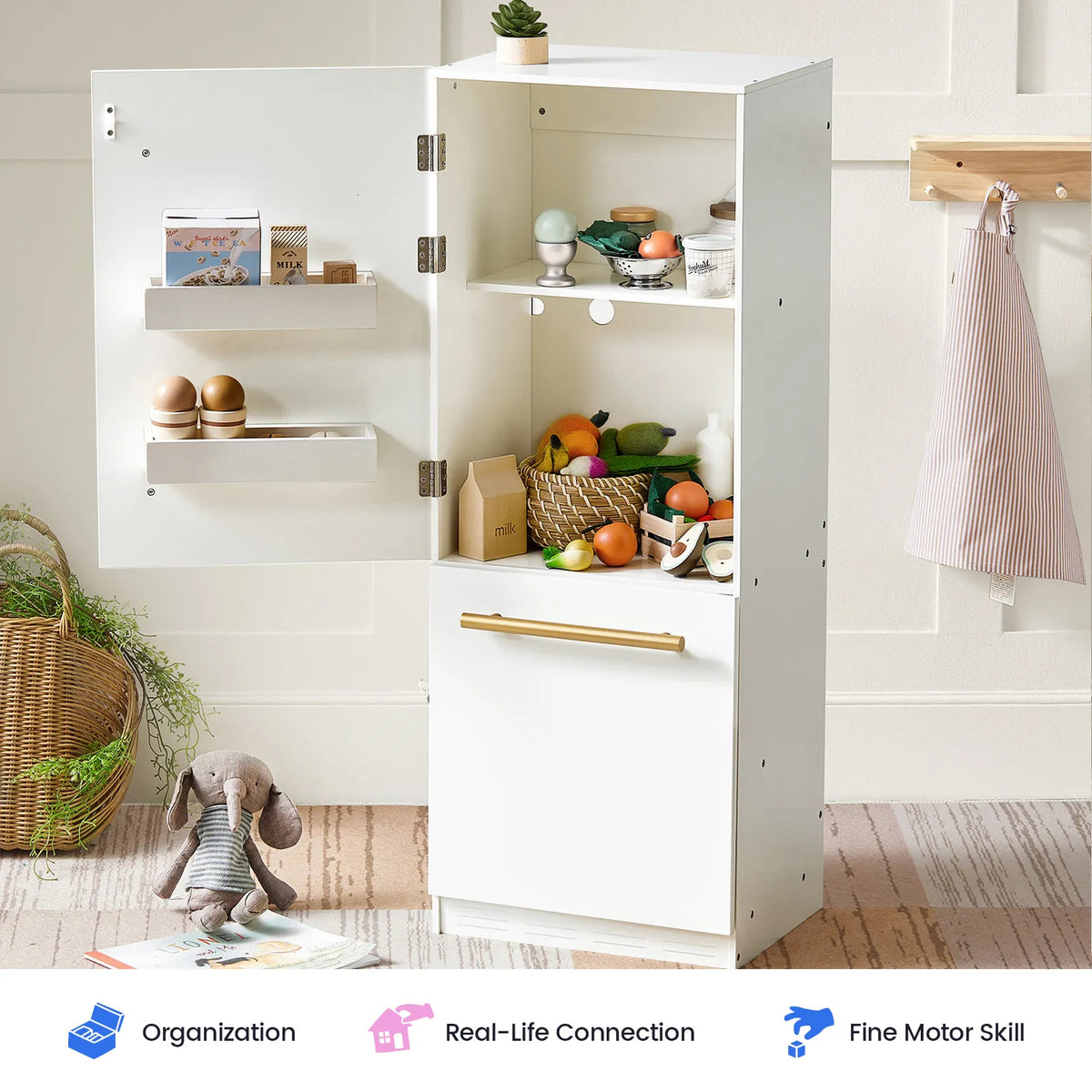
Sorting fruits, vegetables, and other pretend foods introduces children to categories while helping them practice counting and decision-making skills.
Skill Focus: Categorization (sorting fruits vs. vegetables) and basic math concepts.
A grocery store setup combines imaginative play with early learning by helping toddlers connect numbers, organization, and everyday experiences.

Camping Adventure in the Living Room
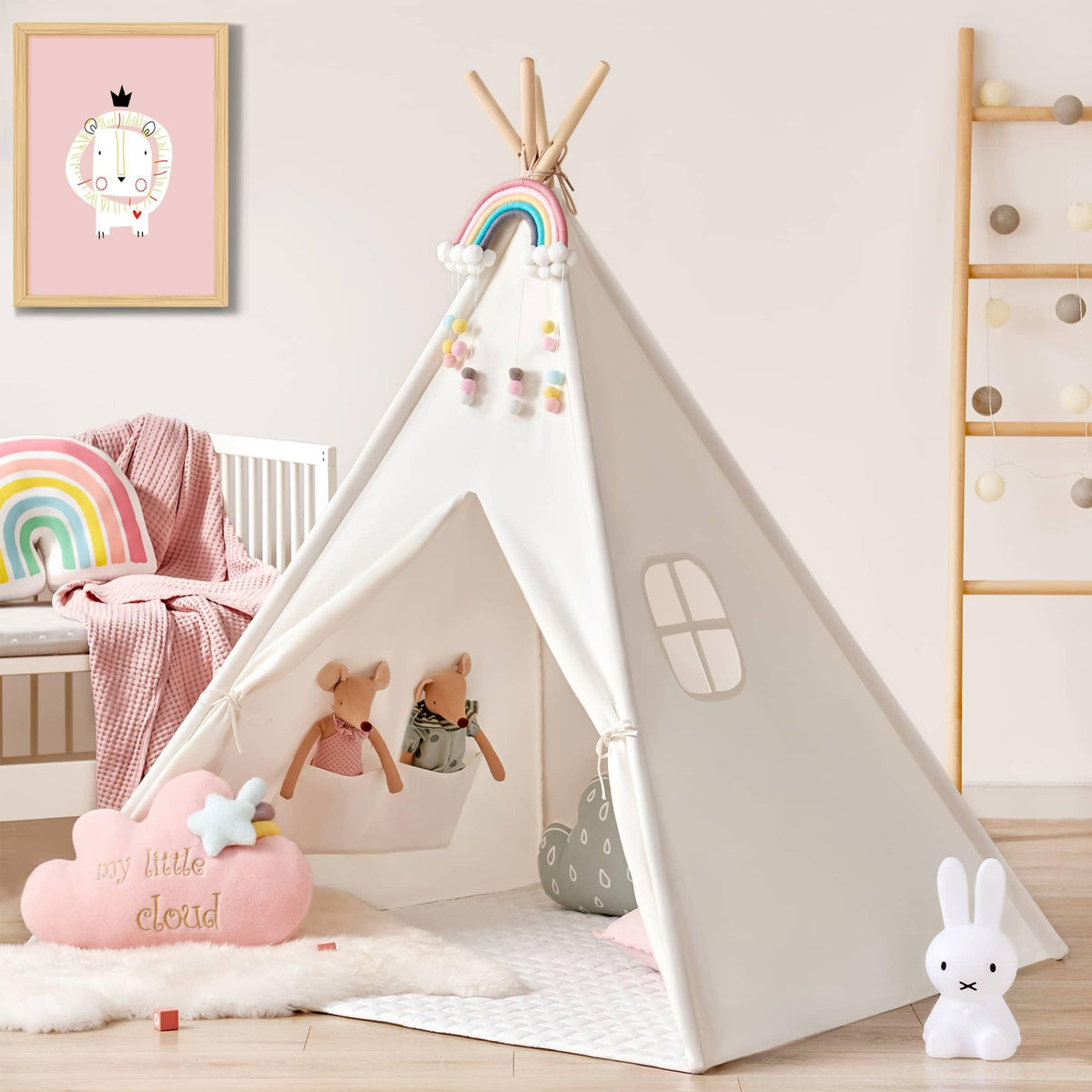
Props: Kids teepee tent, flashlight, plush animals, pretend campfire.
Create an indoor camping experience using a cozy teepee tent, blankets, and favorite stuffed animals. Children can imagine exploring nature, discovering new places, or creating stories around their pretend campfire.
Indoor camping is one of the easiest imaginative play ideas at home because familiar spaces can quickly become exciting new worlds.
Skill Focus: Storytelling, emotional comfort, and imaginative world-building.
An indoor camping teepee creates a dedicated space where children can practice storytelling, express emotions, and develop independence through creative exploration.

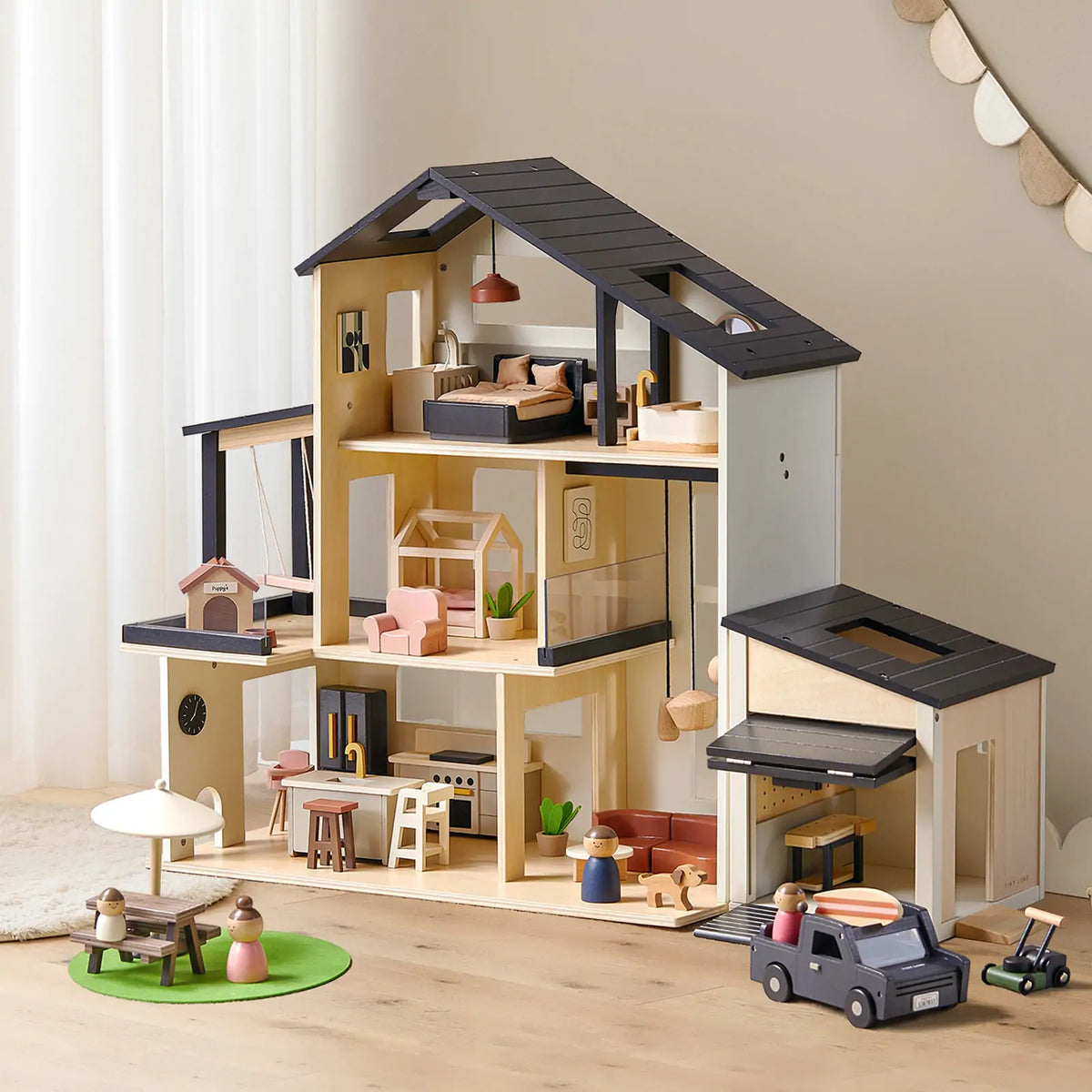
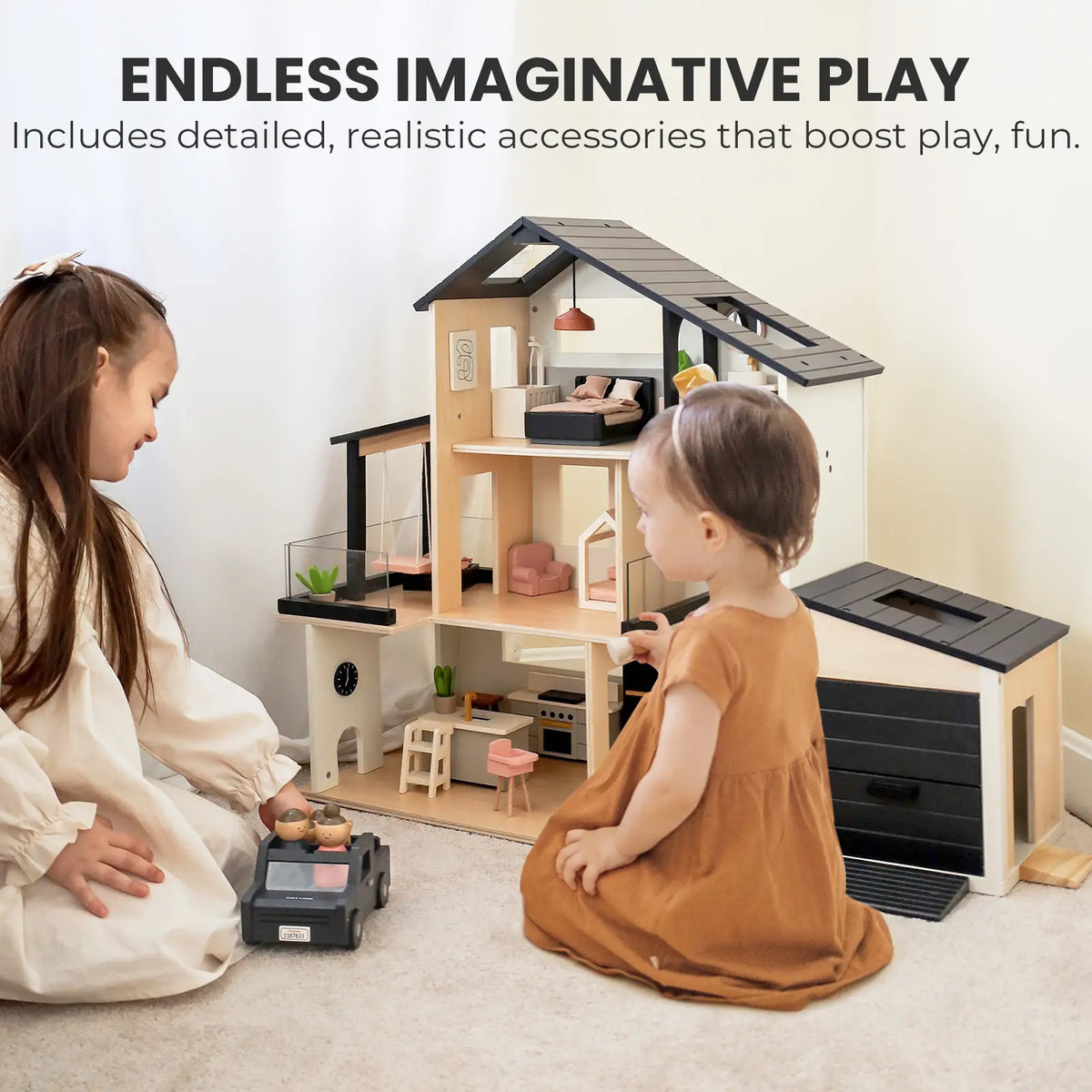
Dollhouse Daily Routine
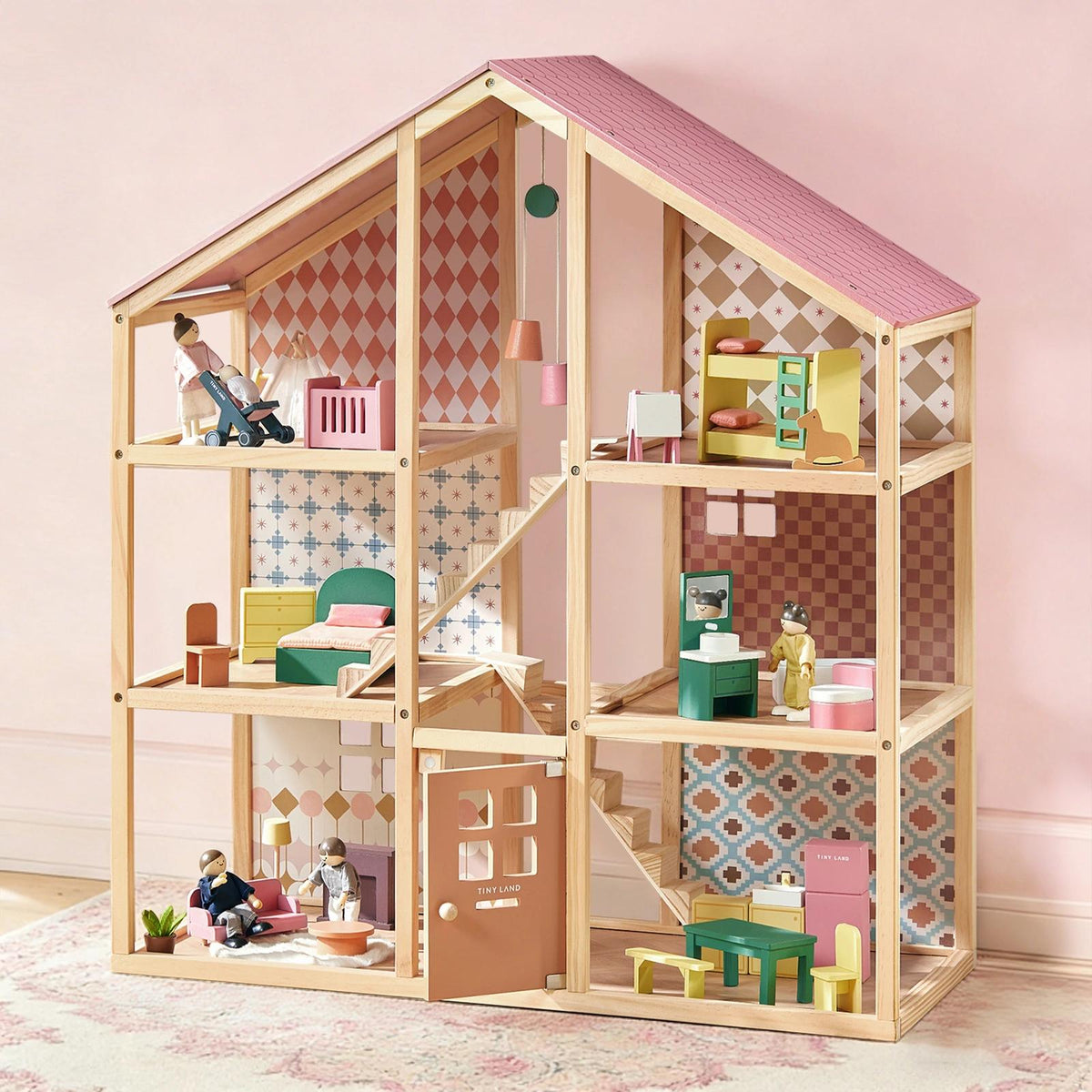
Props: Wooden dollhouse, small figurines, miniature furniture.
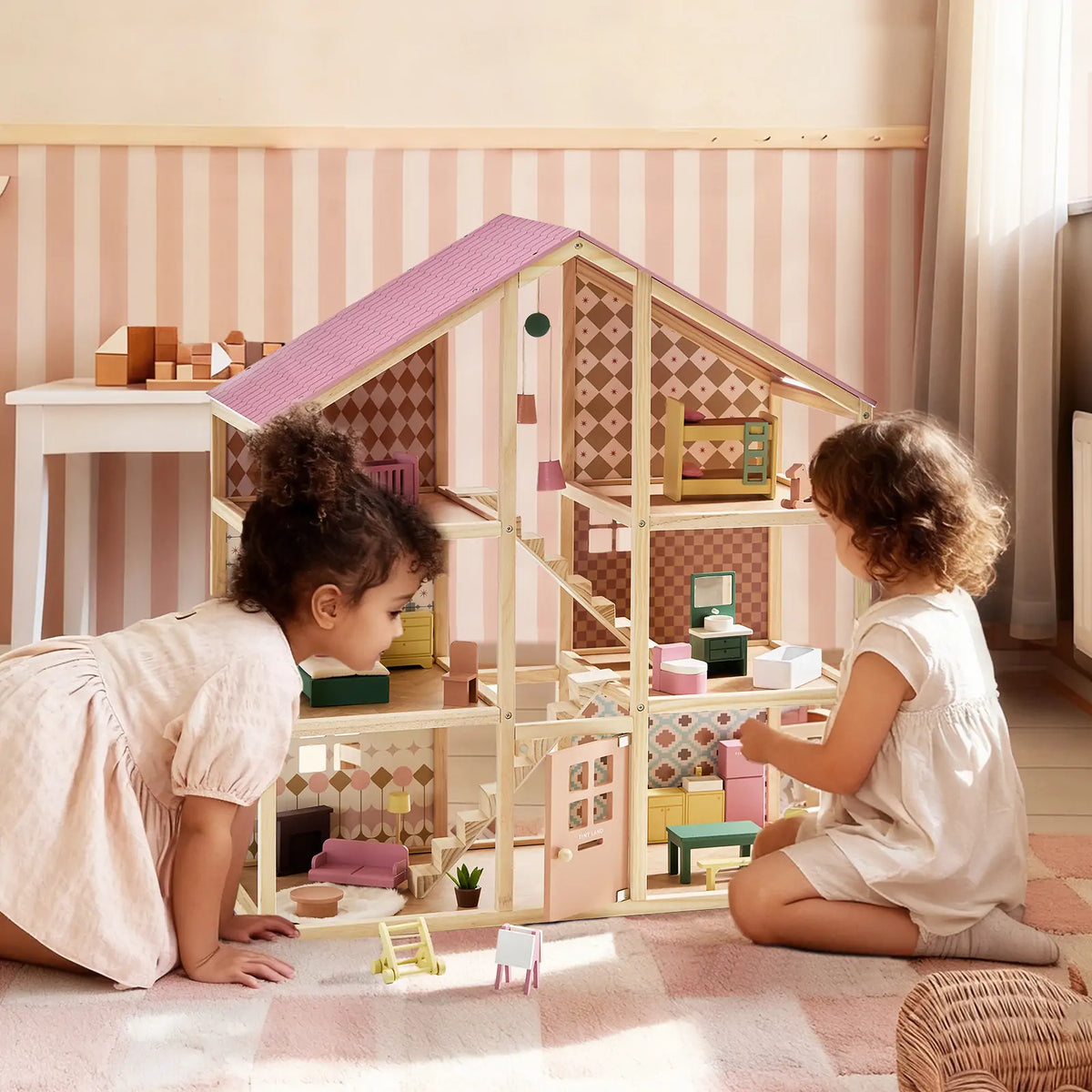
A wooden dollhouse allows children to recreate familiar daily routines, such as preparing meals, caring for family members, or getting ready for bedtime.
Through dollhouse routines, children explore relationships, process emotions, and practice understanding different perspectives.
Skill Focus: Emotional processing, fine motor control, and empathy.
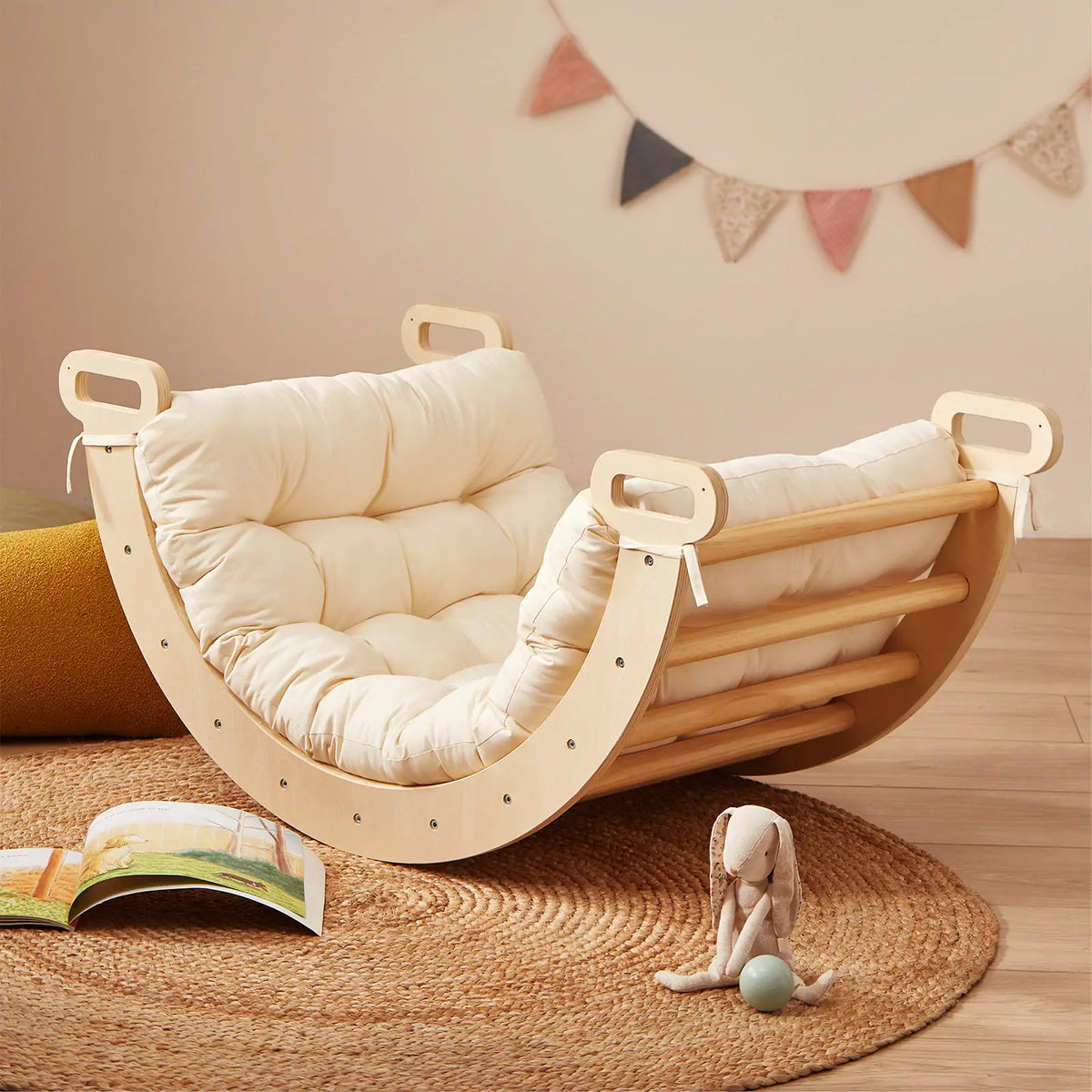
Moving small figures and arranging miniature furniture also strengthens fine motor skills while encouraging children to create detailed stories.

Doctor’s Clinic
Props: Pretend stethoscope, bandages, stuffed animals.
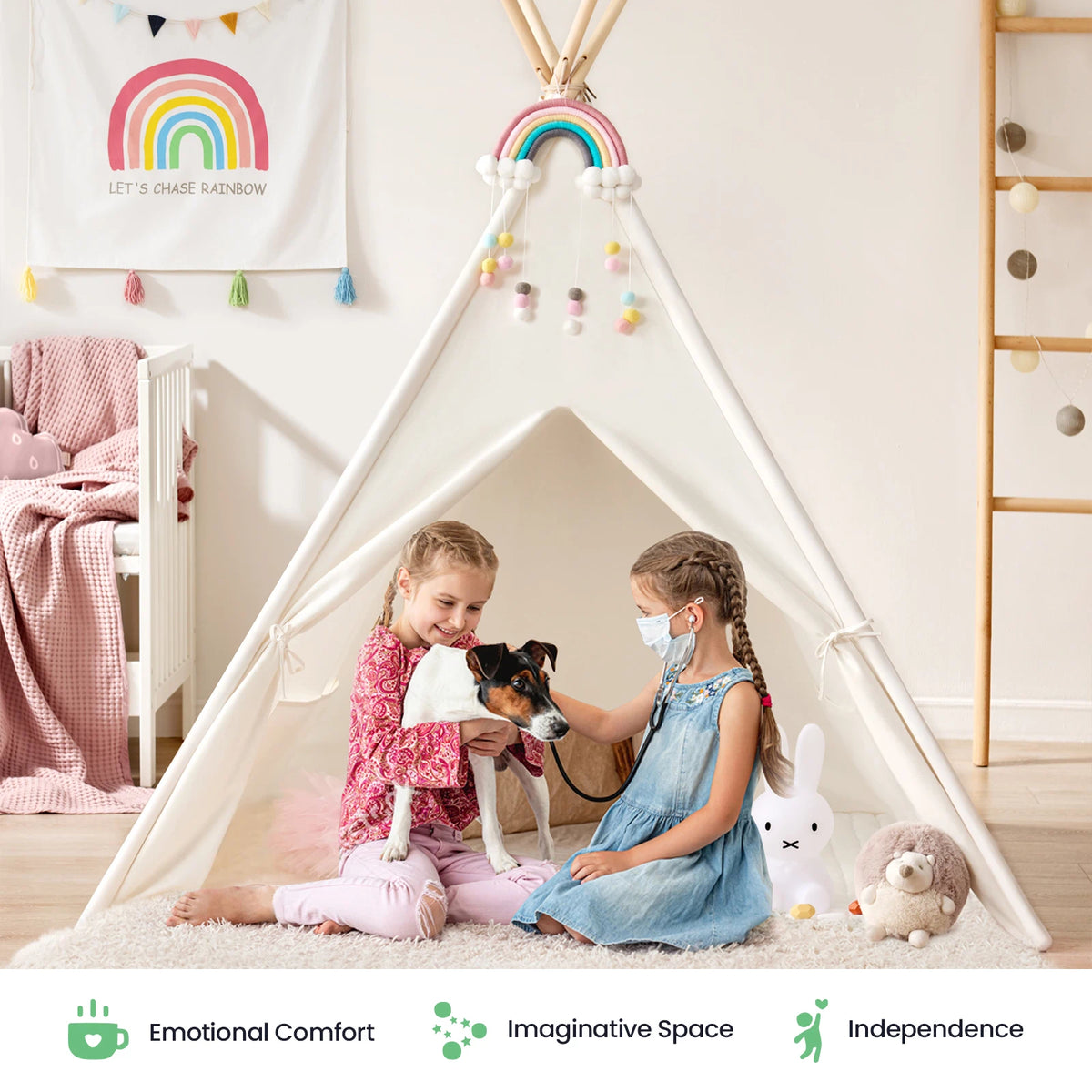
Create a pretend doctor’s clinic where children can care for stuffed animals, check patients, and create their own healthcare stories.
Doctor roleplay gives children a safe way to explore medical experiences and understand feelings connected to caring for themselves and others.
Skill Focus: Empathy and easing real-life doctor visit anxieties.
By pretending to help others, toddlers practice compassion, communication, and emotional awareness while building confidence.

Indoor Obstacle Course
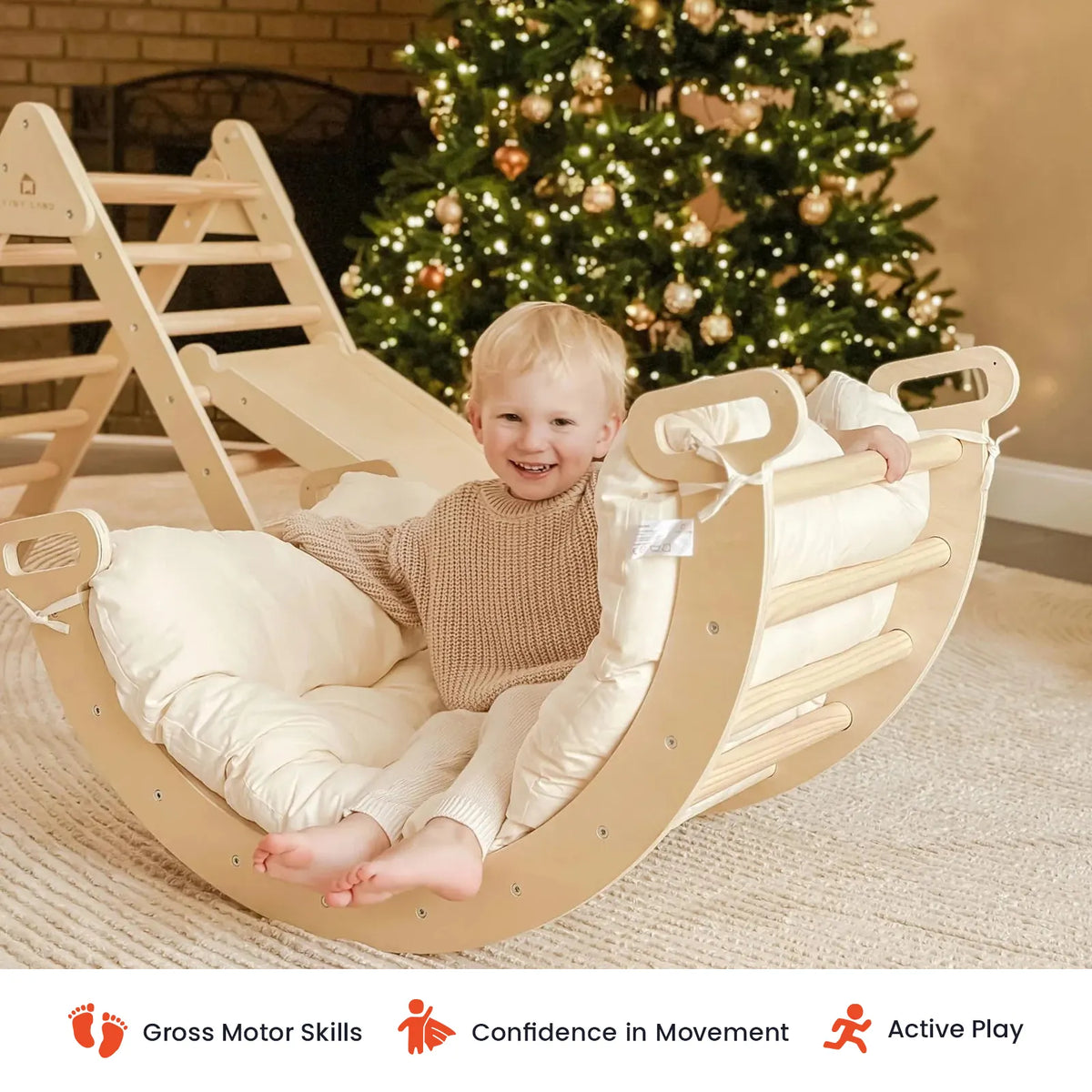
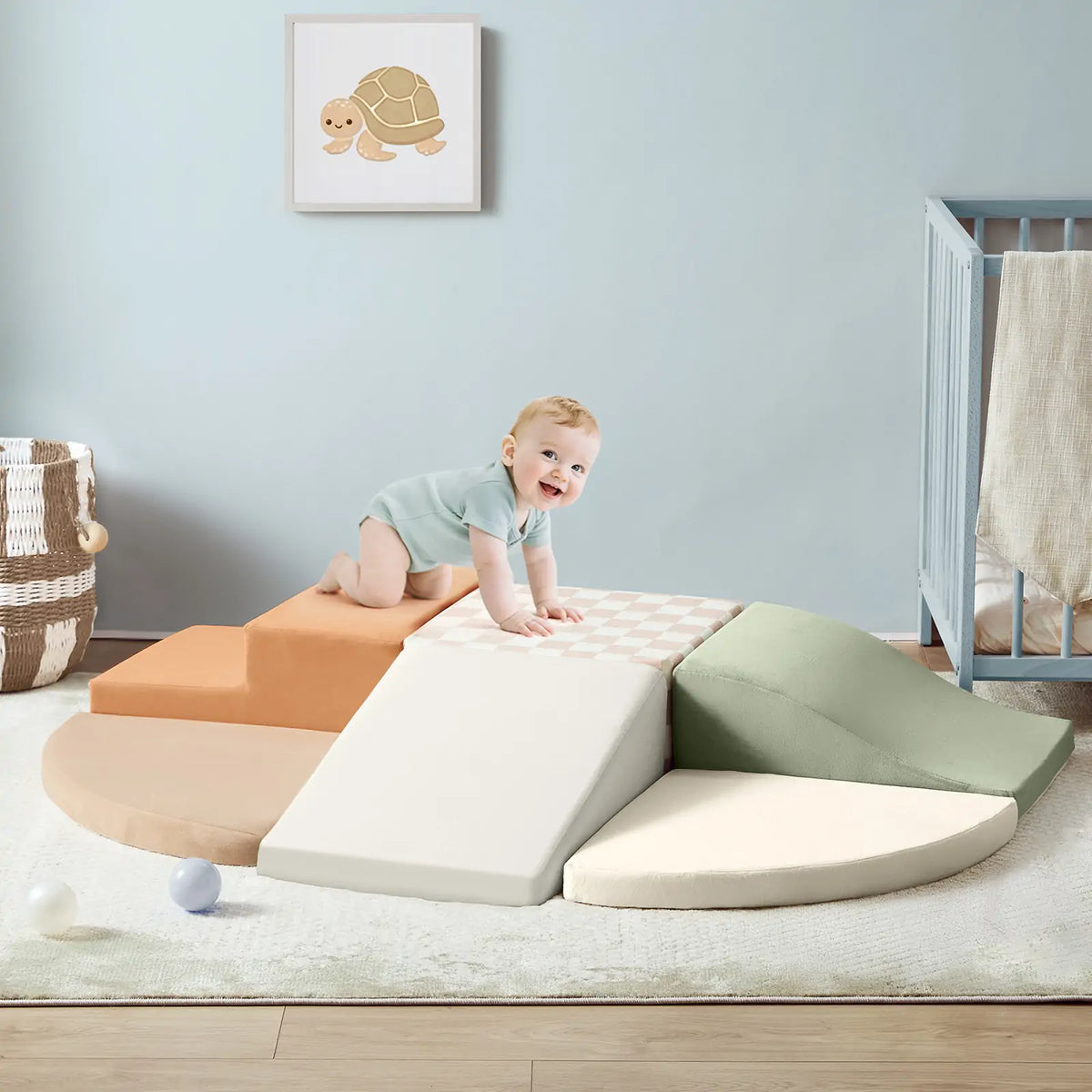
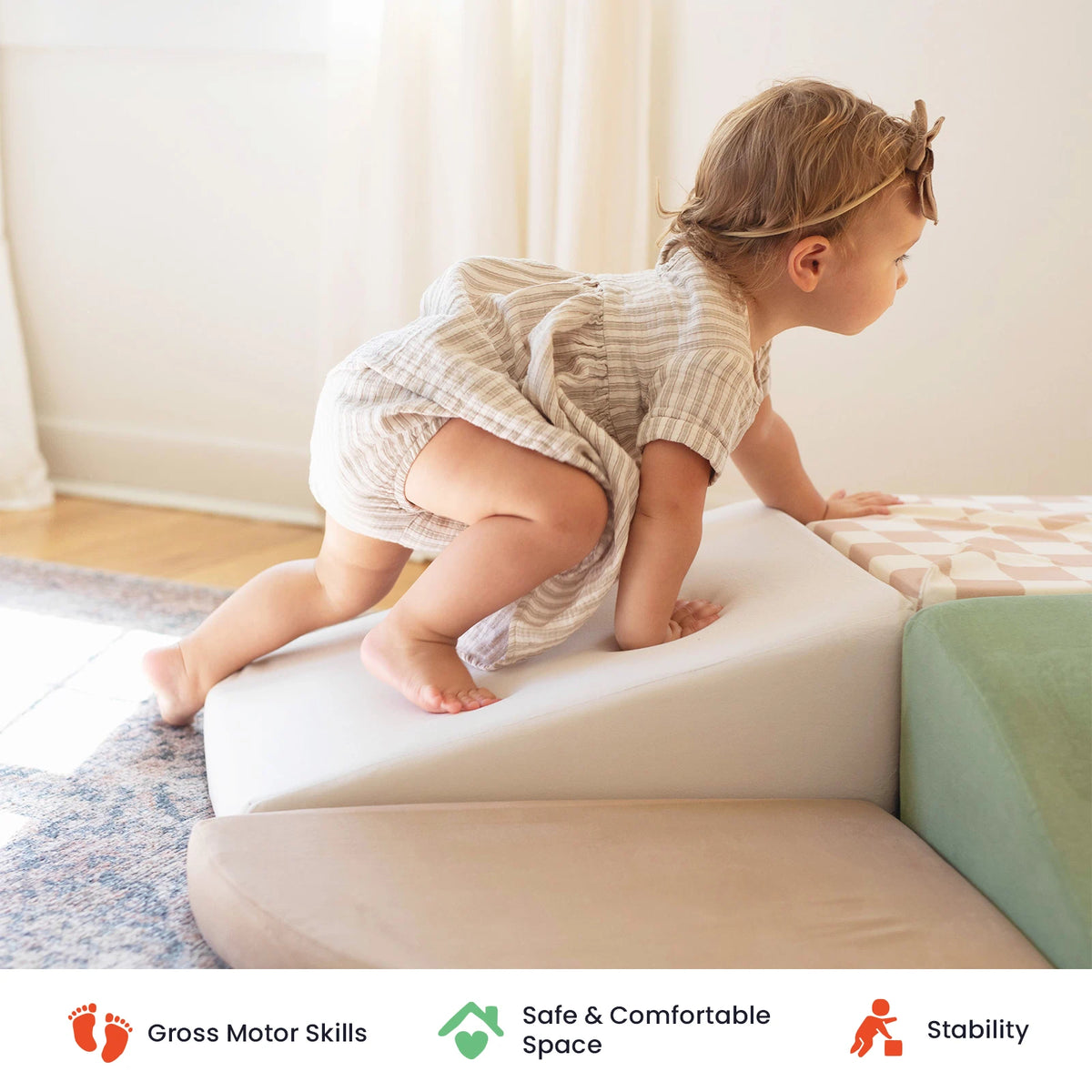
Props: Climbing blocks, balance beams, play tunnels.
Create an indoor adventure course where children can imagine they are explorers, rescuers, or adventurers completing a special mission.
Combining physical movement with storytelling makes active play more engaging while encouraging children to create their own challenges.
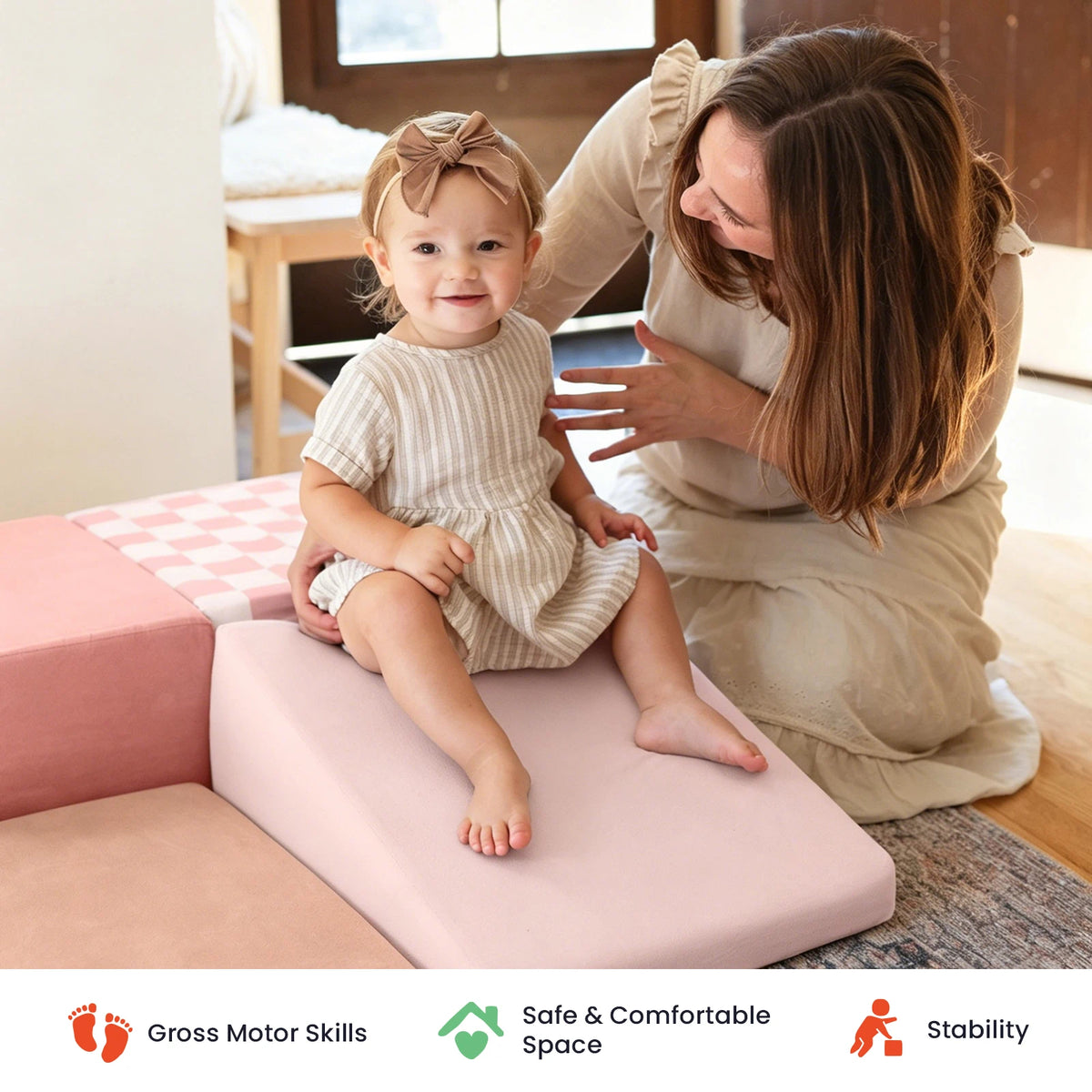
Skill Focus: Physical coordination, sequence memory, and gross motor strength.
Indoor obstacle courses support gross motor development by helping toddlers build balance, coordination, body awareness, and confidence.

Key Benefits of Pretend Play for Child Development
Pretend play supports multiple areas of child development by allowing children to communicate, collaborate, imagine, and solve problems through meaningful experiences.
Pretend Play Benefits Child Development
Social Skills
Pretend play helps children practice cooperation, negotiation, and understanding different perspectives during shared play experiences.
Language & Vocabulary
Children strengthen oral language skills by creating stories, practicing conversations, and learning new words through imaginative scenarios.
Problem Solving & Math
Pretend situations naturally introduce counting, sorting, planning, and decision-making skills.
Executive Functioning
Creating imaginary worlds helps children practice flexible thinking, self-control, memory, and planning skills.
These benefits show why pretend play is an important part of play-based learning during early childhood.

Frequently Asked Questions (FAQs)
Q: Why is pretend play important for toddler brain development?
A: Pretend play strengthens neural connections associated with executive functioning, language comprehension, social negotiation, and emotional regulation.
When children create imaginary situations, they practice planning, remembering details, solving problems, and understanding different perspectives.
These experiences support cognitive growth and help children develop important skills for future learning.
Q: How can parents encourage independent pretend play?
A: Provide open-ended toys (such as wooden blocks, play kitchens, or tents) rather than electronic toys with set outcomes, and allow children unstructured time to create their own games.
Simple indoor pretend play setups give toddlers the freedom to explore ideas independently, make decisions, and develop confidence through self-directed play.