




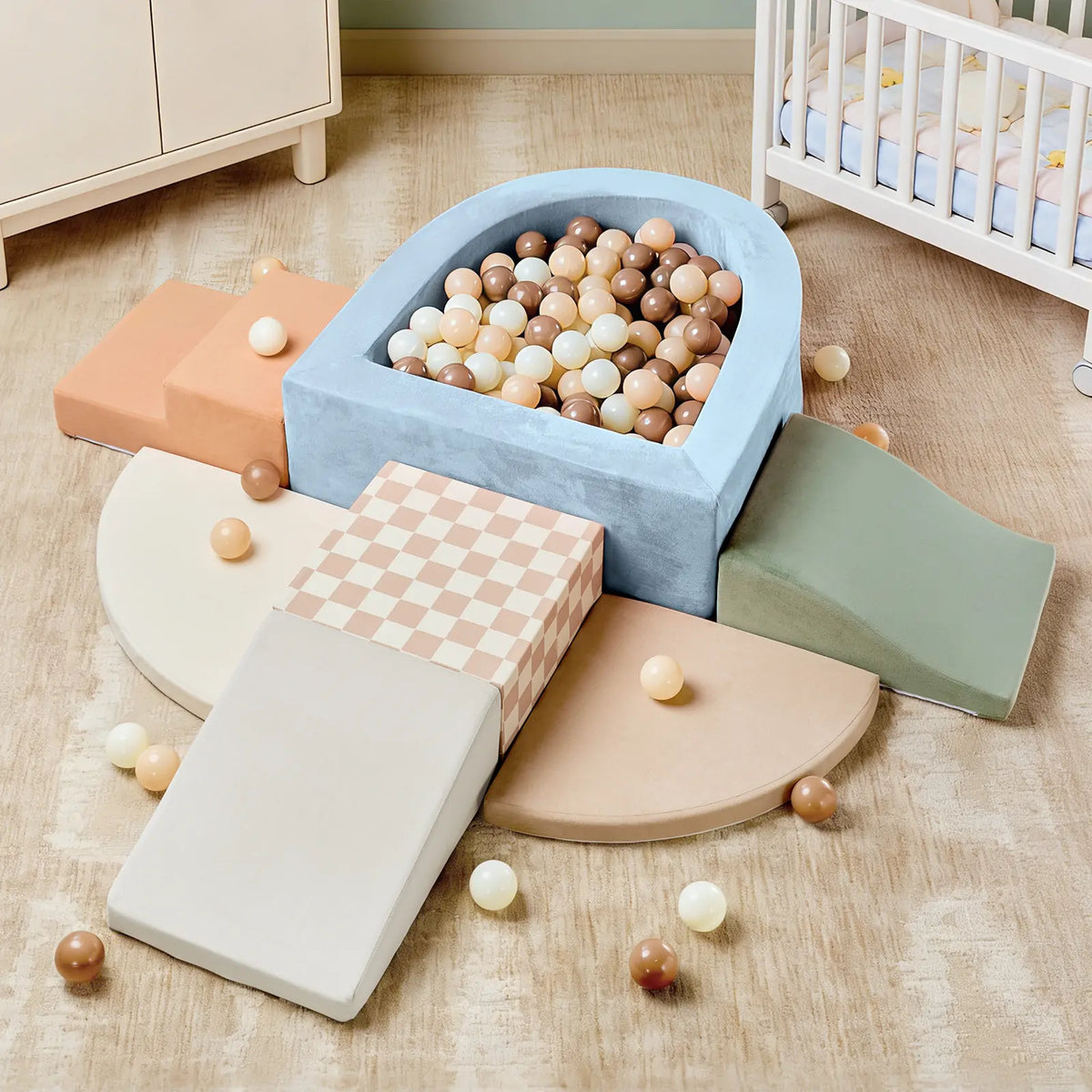
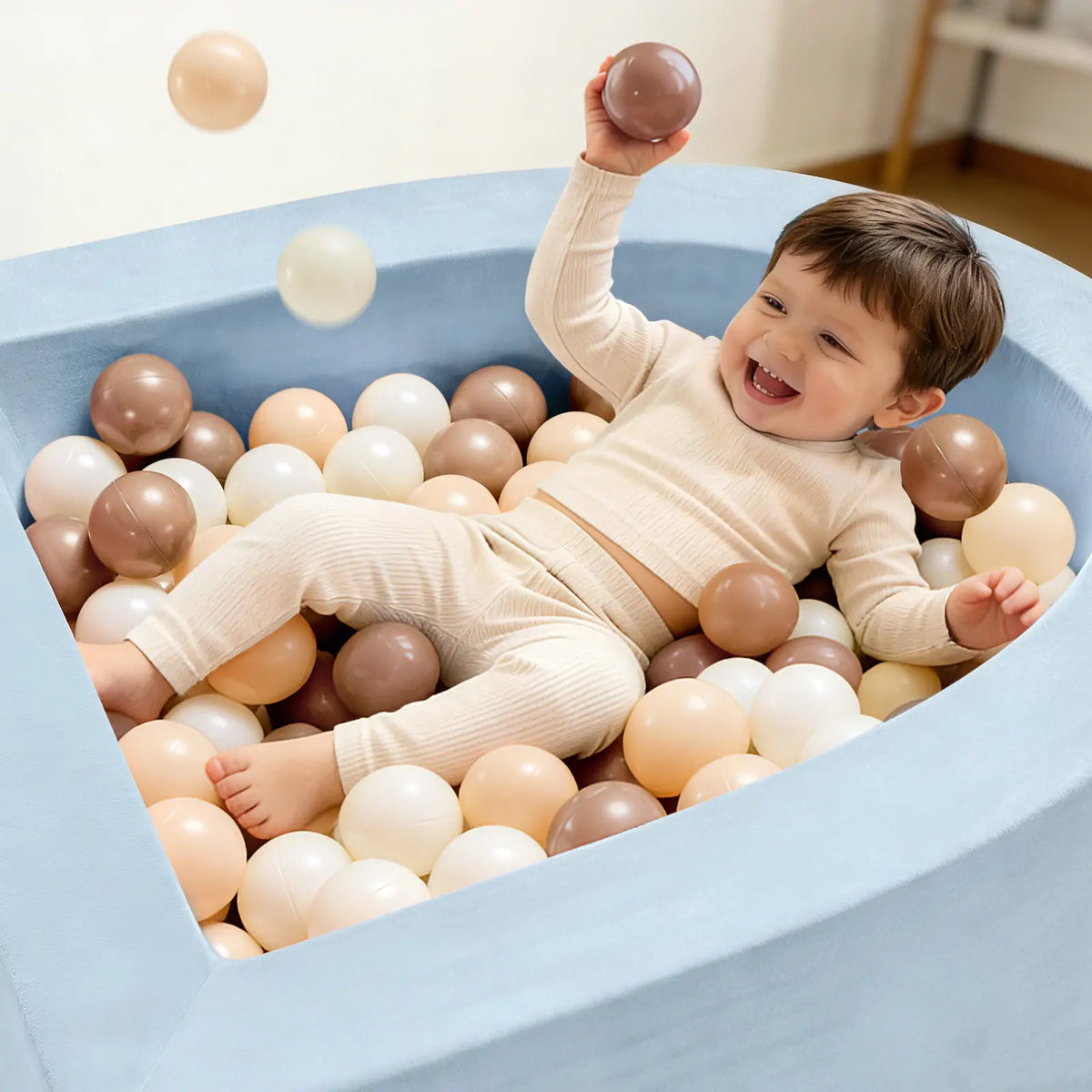
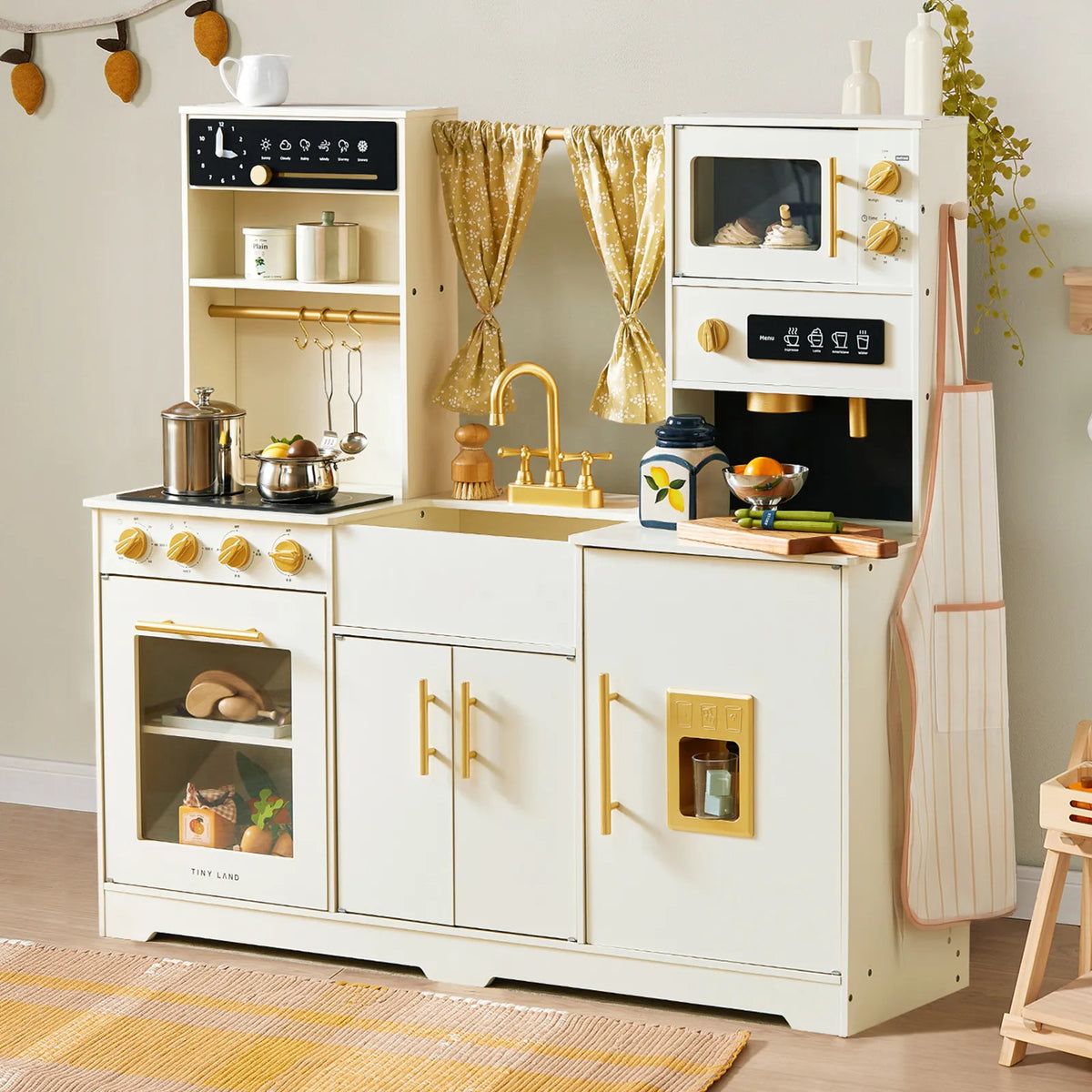
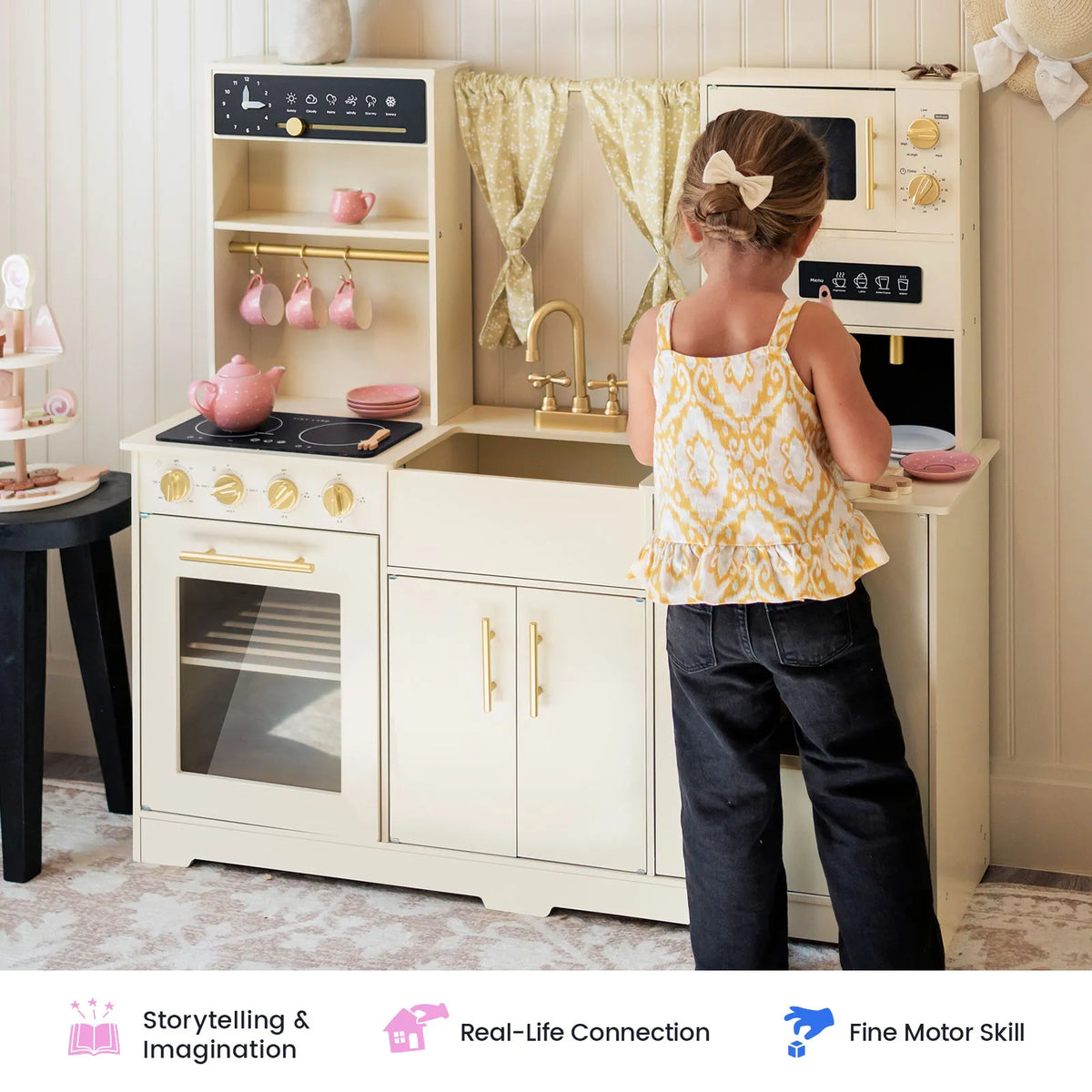
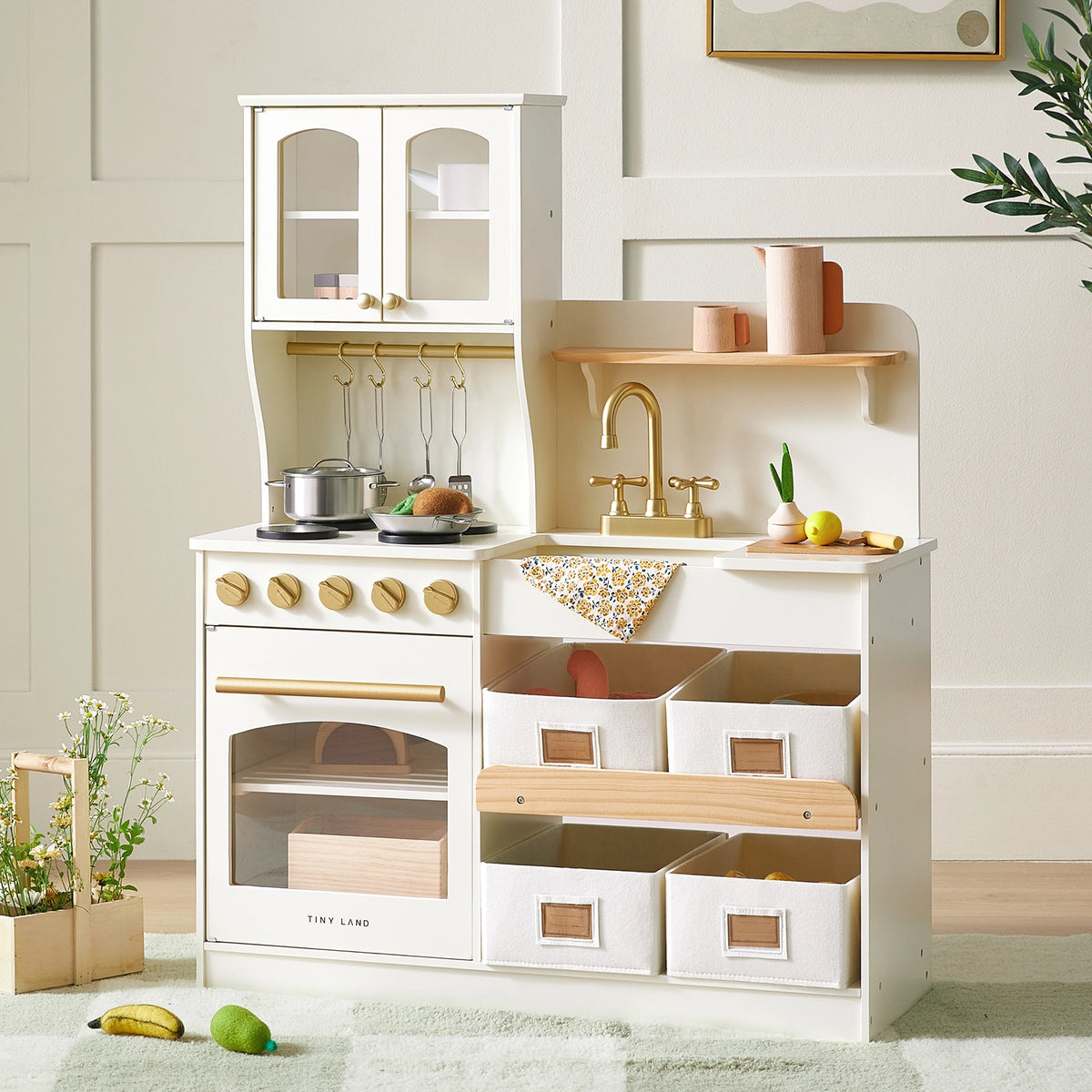
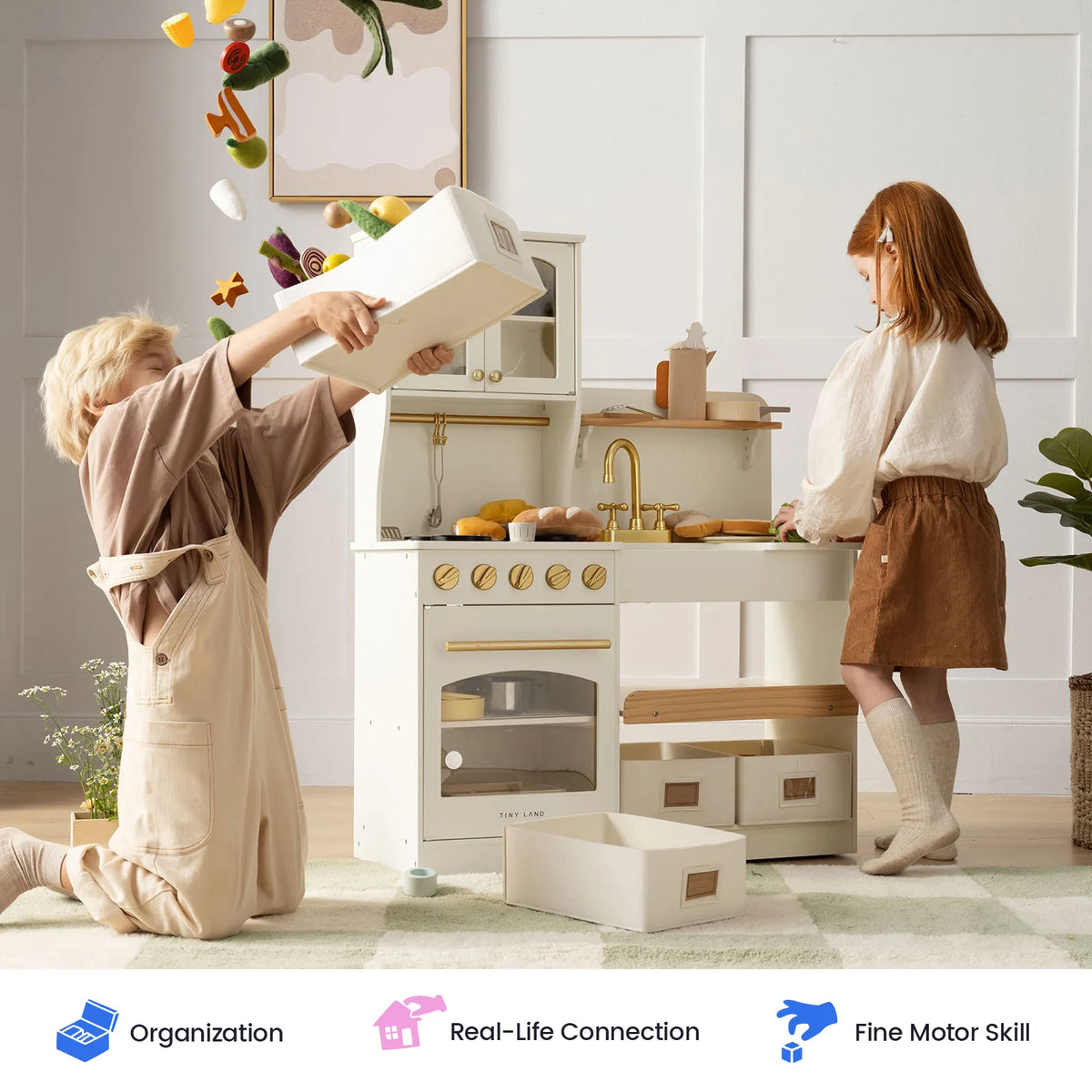
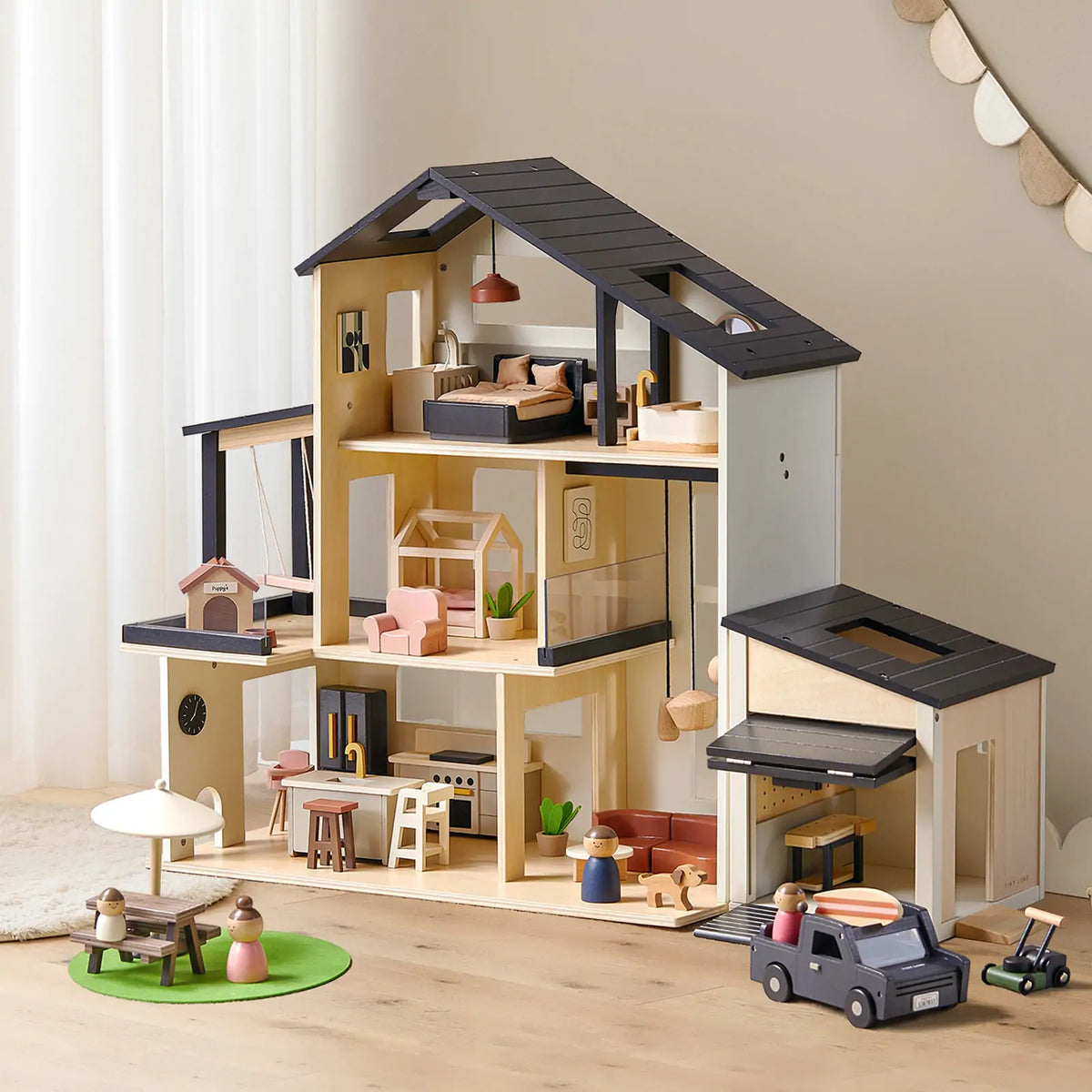
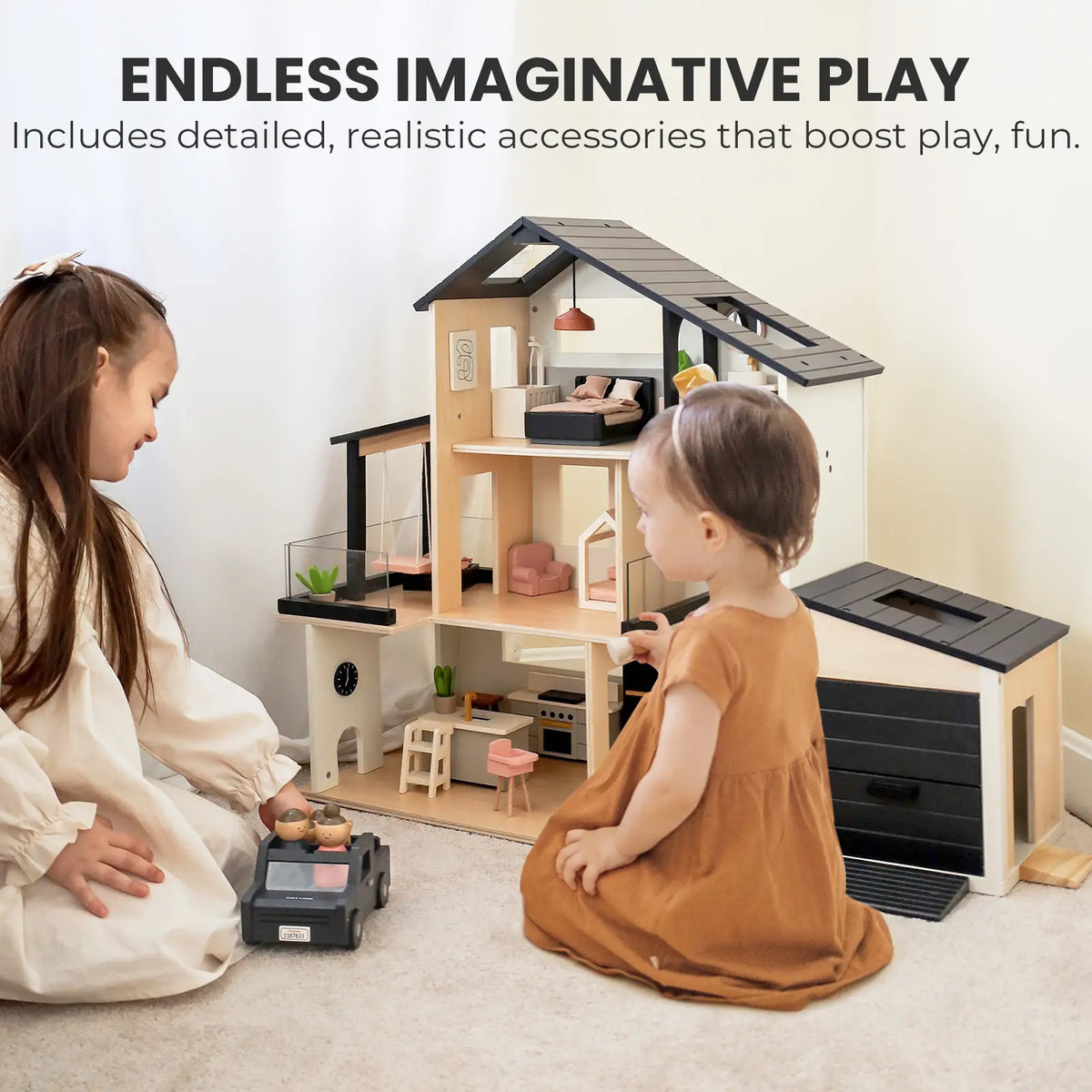



A child’s play space doesn’t have to look completely separate from the rest of your home.
The right play furniture for kids can give children room to read, imagine, and play while fitting naturally into the spaces where family life happens every day.
A cozy sofa can become a reading corner, while a play tent can turn an empty corner into a little world of its own.
For parents, it’s not only about how children will use the furniture. Design matters, too. Thoughtfully designed pieces can add warmth and character to a room while making it feel inviting for both children and adults.
Here are two versatile types of play furniture that can help you create a cozy, imaginative space without giving up the look and feel of your home.

1. Kids Sofa: A Cozy Spot for Reading, Relaxing, and Everyday Play
A kids’ sofa can be one of the most versatile pieces in a playroom or family space.
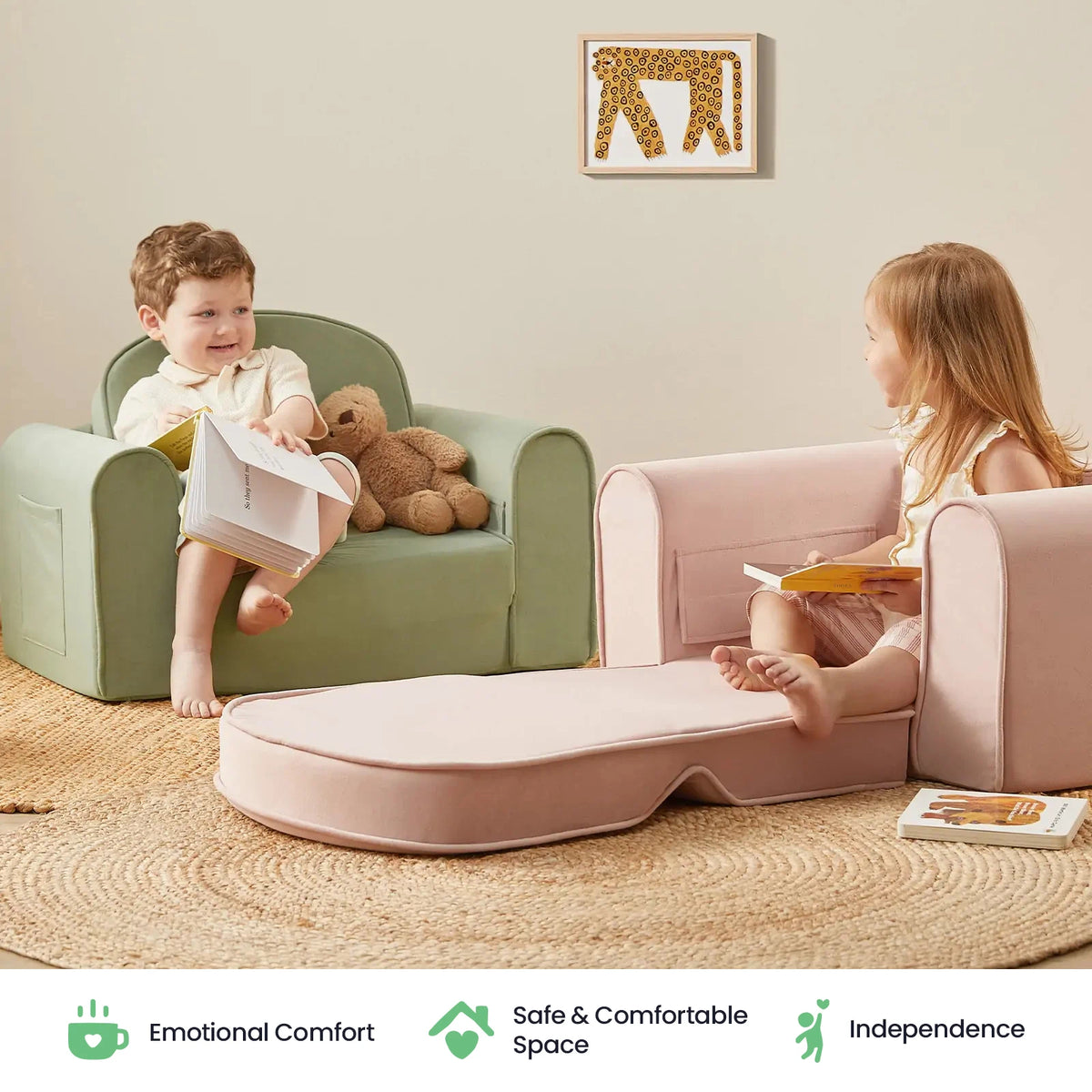
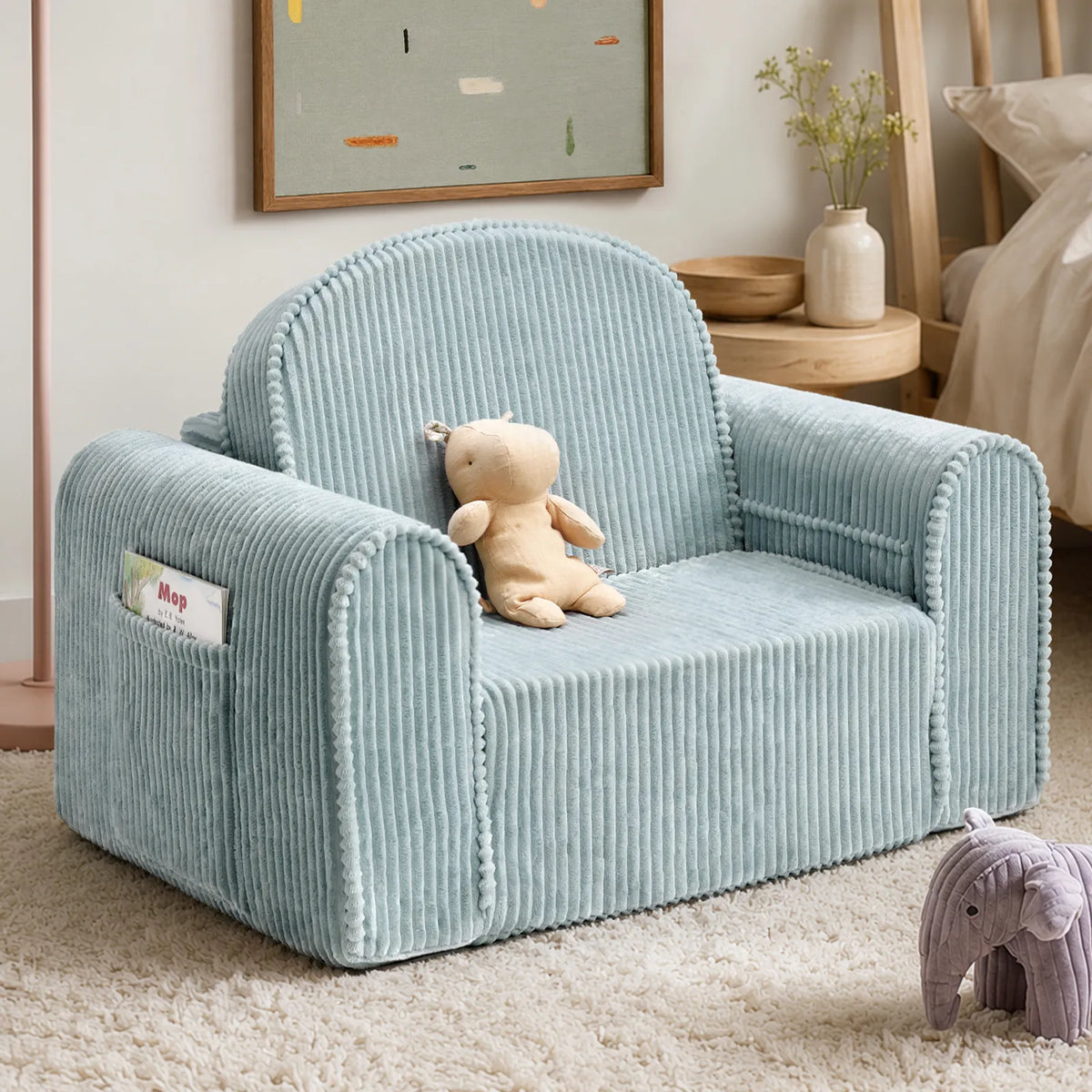
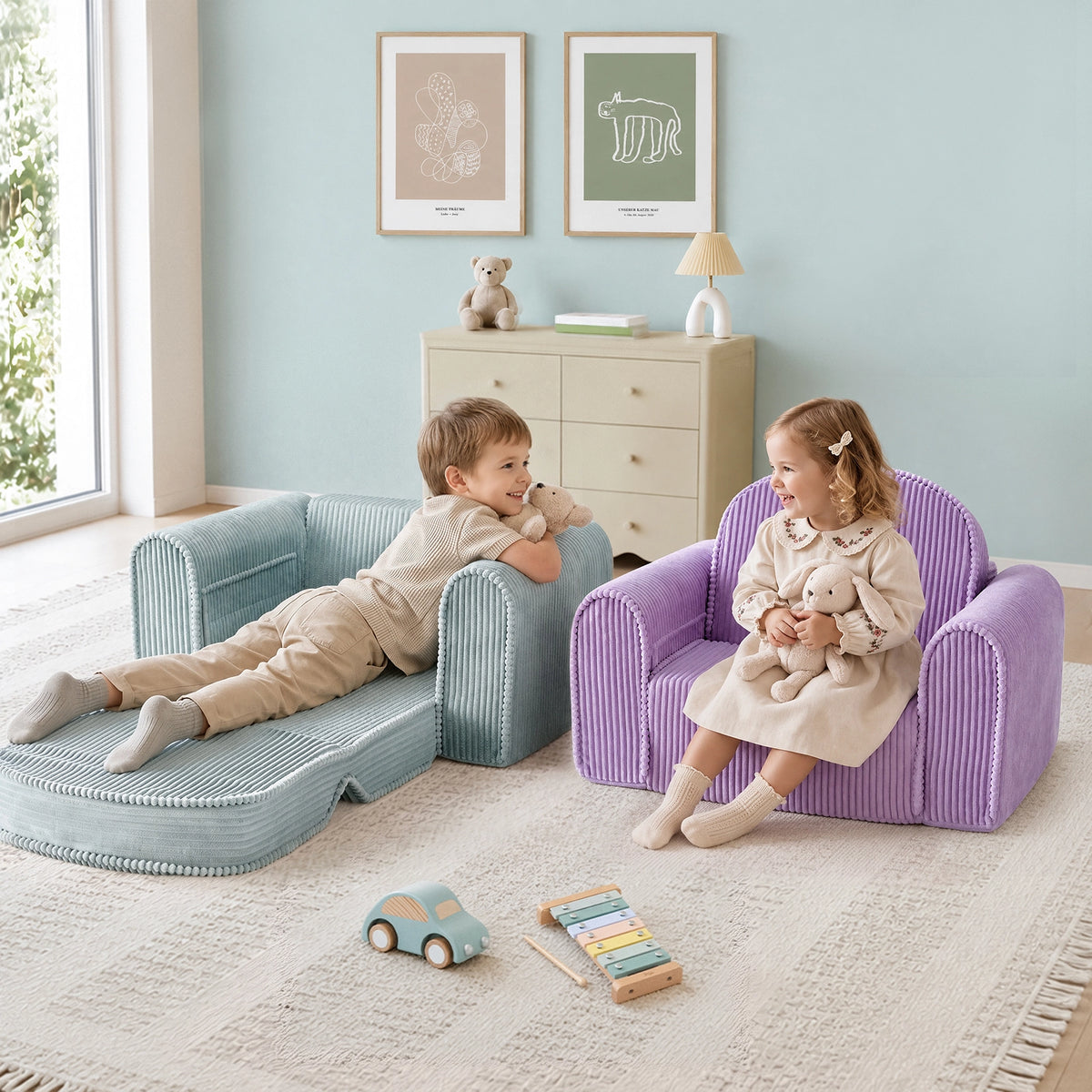
Tiny Land’s Corduroy Kids Sofa creates a comfortable place for children to sit, read, relax, look through books, or spend time with their favorite stuffed animals. Its soft corduroy look also brings a cozy, home-like feel to the room.
Instead of feeling like a piece of furniture that belongs only in a playroom, a thoughtfully designed kids’ sofa can fit naturally into a bedroom, reading corner, or shared family space.
And when play begins, the sofa can become part of the story.
Turn a Kids’ Sofa Into Part of the Play
Create a Reading Corner
Place a few favorite books nearby and create a simple space for reading together or enjoying quiet time independently.
Set Up a Pretend Café
The sofa can become the customer seating area in a pretend restaurant or café. Add pretend food, cups, or a handmade menu to start the game.
Host a Stuffed-Animal Tea Party
Invite favorite stuffed animals to join the fun and let children decide who is hosting, serving, or visiting.
Make a Storytelling Spot
A comfortable sofa can become the perfect place for children to create characters, make up stories, and share them with family.
The beauty of a good kids’ sofa is that it doesn’t need to serve only one purpose. It can be a practical piece of furniture during everyday life and become part of imaginative play when children are ready to play.
Best for: Reading, quiet play, storytelling, relaxing, and everyday family spaces.

2. Play Tents: A Little World for Imaginative Play
A play tent can transform an ordinary corner into a space that feels special to a child.
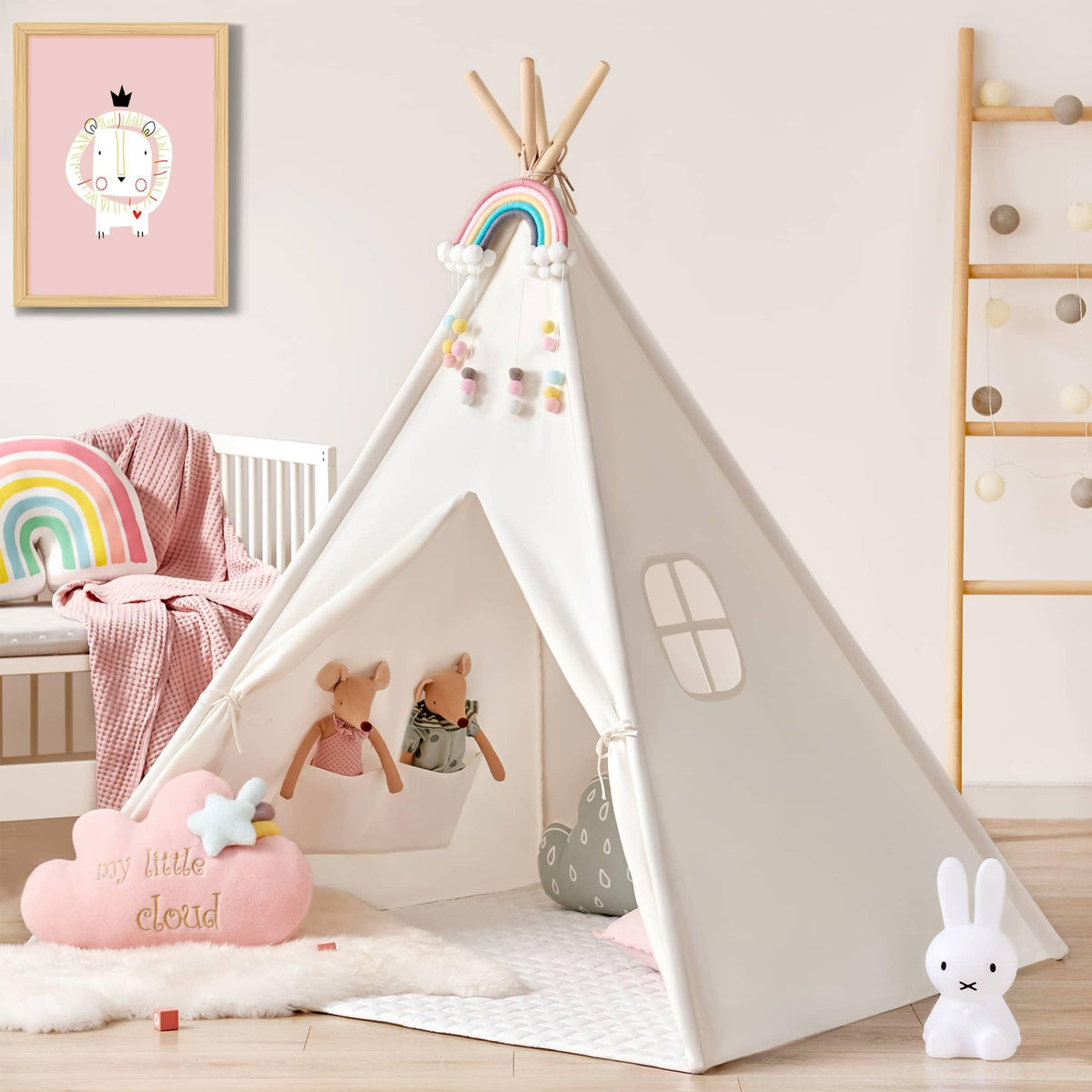
Tiny Land’s play tents include cozy teepees and playful playhouses, giving children different ways to create their own little spaces.
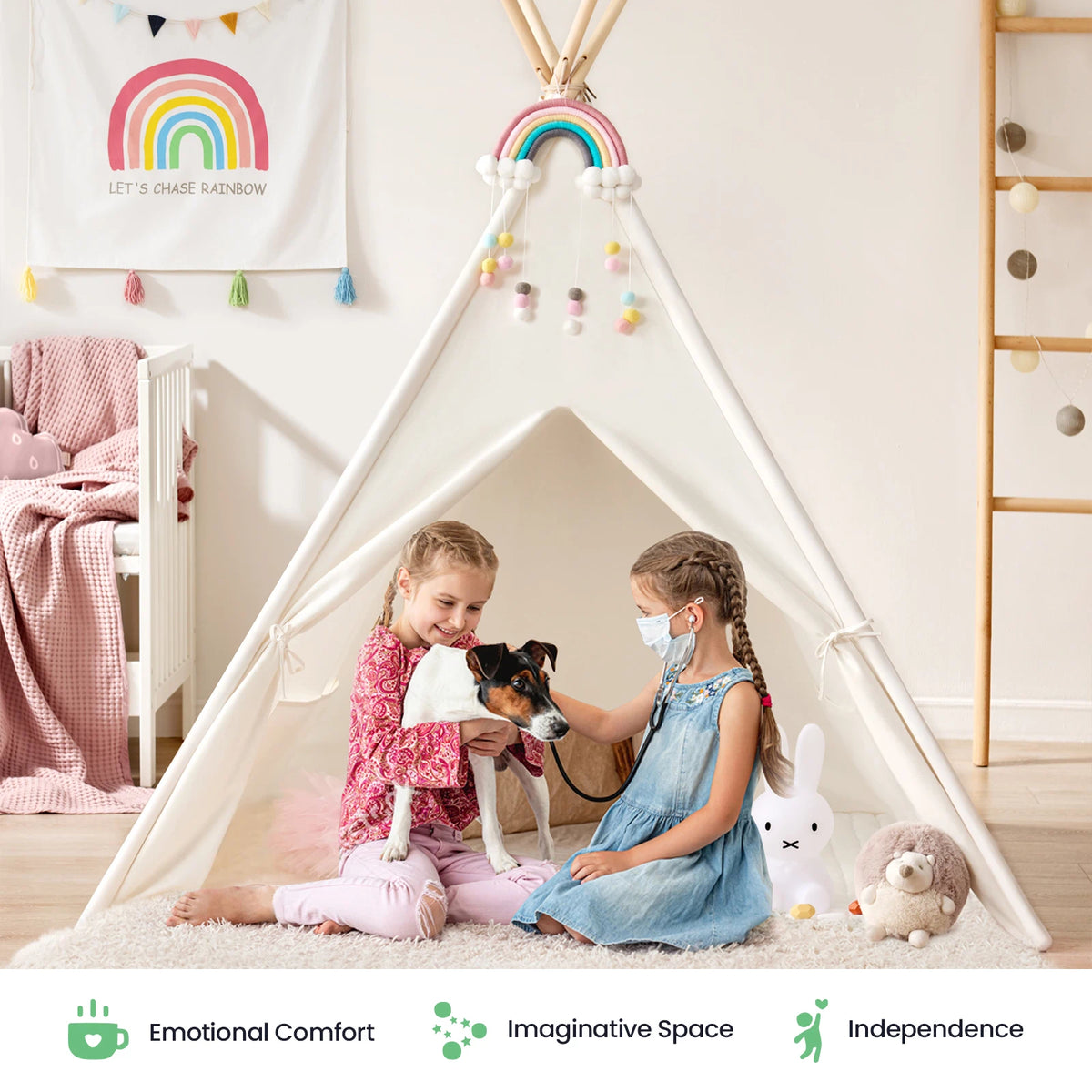
A teepee can become a reading nook, hideaway, or indoor campsite. A playhouse can become a pretend home, restaurant, store, or classroom.
The furniture stays the same. The story changes.
Teepee: A Cozy Personal Space
A teepee can give children a small space that feels like their own.
Add a few favorite books to create a reading nook. Bring in blankets and stuffed animals for indoor camping. Or simply let your child decide what happens inside.
Because the space is open-ended, there’s no single way to use it.
Try: Reading, storytelling, pretend camping, quiet play, and stuffed-animal adventures.

Playhouse: A Setting for Bigger Pretend-Play Adventures
A playhouse can provide a more defined setting for role play.
It can become a little home in the morning, a grocery store in the afternoon, or a classroom later in the day. Children can bring in dolls, stuffed animals, pretend food, books, or other favorite toys to create their own scenarios.
The playhouse gives the story a setting, while children decide what happens next.
Try: Playing house, running a pretend store, creating a restaurant, playing teacher, and making up stories.

Play Furniture That Belongs in the Home
Play furniture doesn’t have to make a room feel cluttered or overly themed.
A thoughtfully designed teepee or playhouse can become part of the overall look of a bedroom, playroom, or family space. When the colors, materials, and proportions work naturally with the surrounding room, children can have a dedicated place to play without the furniture feeling disconnected from the home.
It’s a balance parents can appreciate: a space designed for children that still feels like part of the home.
3. Put Them Together: Create a Cozy Reading and Play Corner
You don’t need a dedicated playroom to create a meaningful play space.
A kids’ sofa and a play tent can work together to turn a small corner of your home into a space for reading, quiet time, and imaginative play.
Think of the sofa as the cozy anchor and the tent as the little world.
Start With the Sofa
Place the sofa against a wall or in a quiet corner to create a comfortable spot for reading and relaxing.
Keep a few favorite books within easy reach so children can choose what they want to read.
Add a Teepee or Playhouse Nearby
Place the tent close enough to feel like part of the same play area while giving children a separate space to retreat into.
The sofa becomes the place to sit and read. The tent becomes the place to imagine and play.
Add a Few Simple Details
You don’t need to fill the area with toys.
A small basket of books, a soft rug, a few favorite stuffed animals, or a small selection of pretend-play accessories can be enough to make the space feel complete.
Keeping the area simple can also leave room for children to change the space as their interests evolve.
Create a Space That Looks Good Beyond Playtime
One of the benefits of choosing thoughtfully designed kids play furniture is that it can become part of your home rather than something that needs to be hidden away when playtime is over.
A cozy sofa can complement a living room or bedroom. A teepee can add a charming reading corner. A playhouse can give a playroom a clear focal point.
The result is a space that works for children while still feeling intentional and welcoming for the whole family.

How to Choose Play Furniture That Fits Your Home
When choosing playroom furniture for kids, think about both sides of the equation: how children will use the furniture and how it will fit into your home.
Choose Pieces With More Than One Purpose
Furniture that can support different activities can stay useful as children’s interests change.
A sofa can be used for reading, relaxing, and pretend play. A tent can become a reading nook one day and a pretend home the next.
Think About the Space You Already Have
You don’t need a large room to create a play space.
An unused corner of a bedroom, living room, or family room can become a small area for reading and imaginative play.
Look for a Design You’ll Enjoy Living With
Children’s furniture is part of your home, too.
Consider colors, materials, shape, and overall style when choosing pieces. A beautiful, thoughtfully designed piece can make a play space feel more intentional while still giving children a place that feels like their own.
Leave Room for Imagination
The best play spaces don’t need to explain exactly how children should use them.
Give them a few inviting pieces and let them decide what the space becomes.

Make Room for Play Without Losing Your Home’s Style
The best play furniture for kids works for both sides of the family.
For children, it creates places to read, imagine, pretend, and play.
For parents, thoughtfully designed furniture can add warmth and character to a home without making the space feel like it belongs only to the kids.
A cozy sofa can become a reading corner. A teepee can become a quiet hideaway. A playhouse can become an entire pretend world.
And when you bring them together, even a small corner can become a beautiful, functional space where everyday family life and imaginative play naturally meet.
Explore Tiny Land’s Play Furniture collection to create a cozy play space that children will love and parents will be happy to have at home.
