
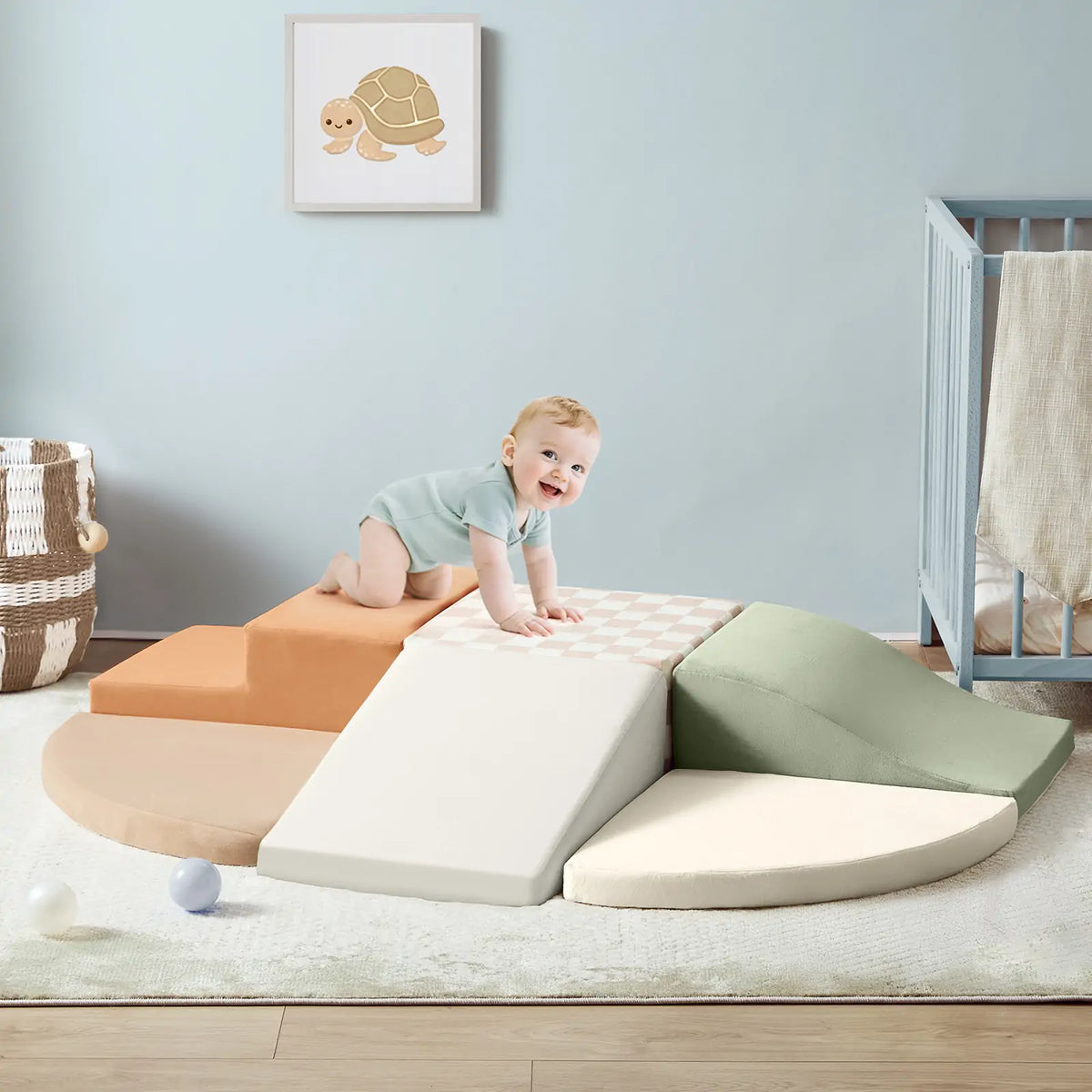

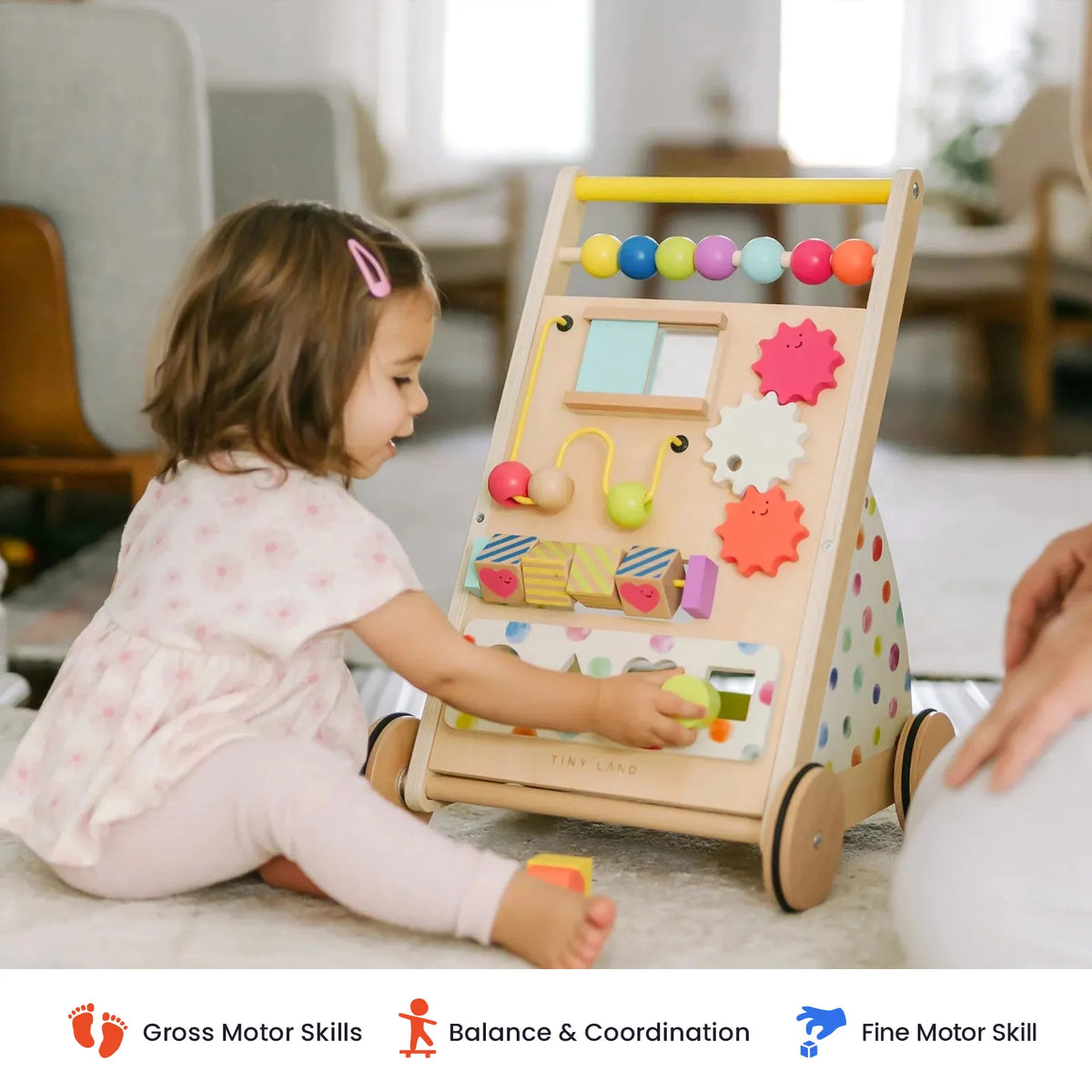

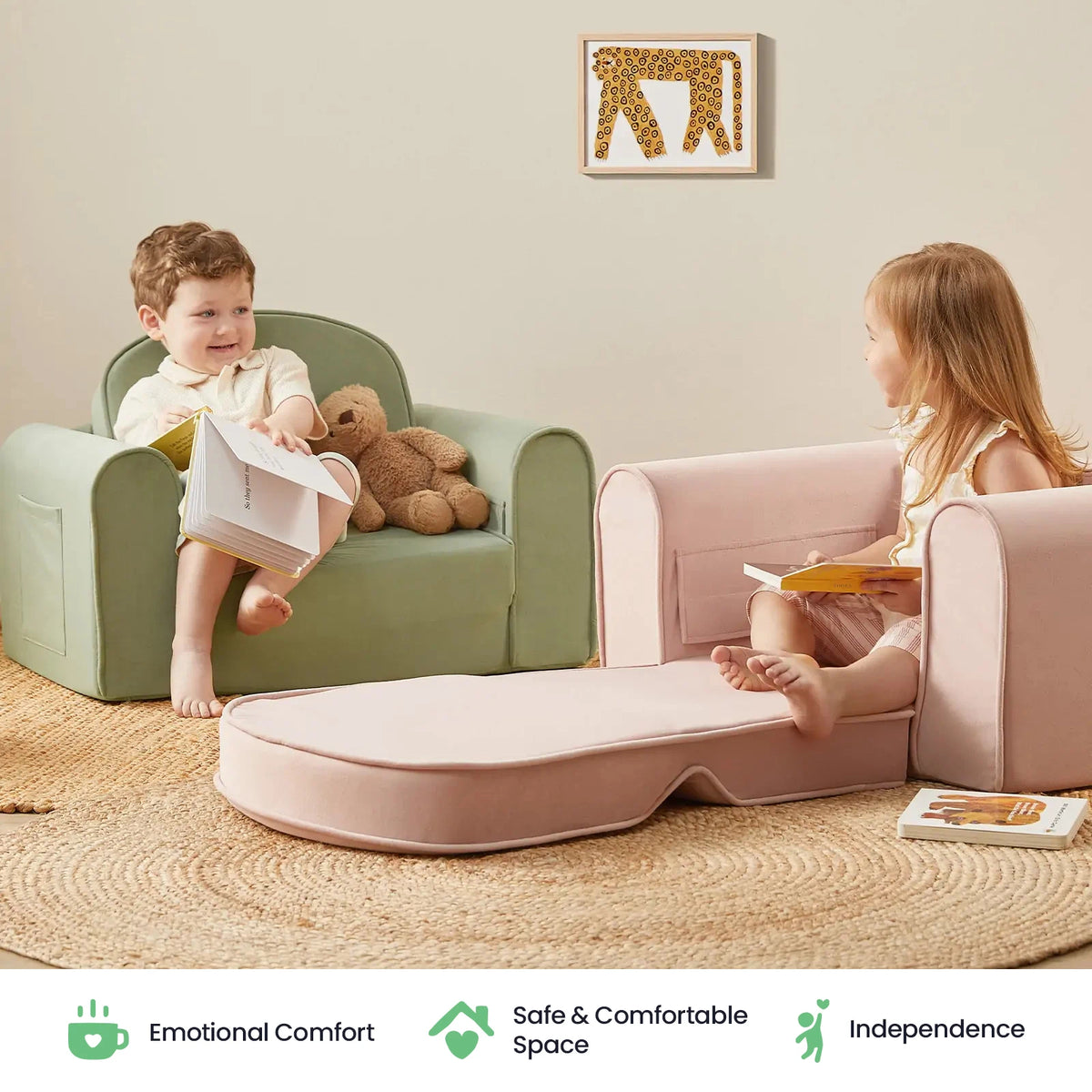
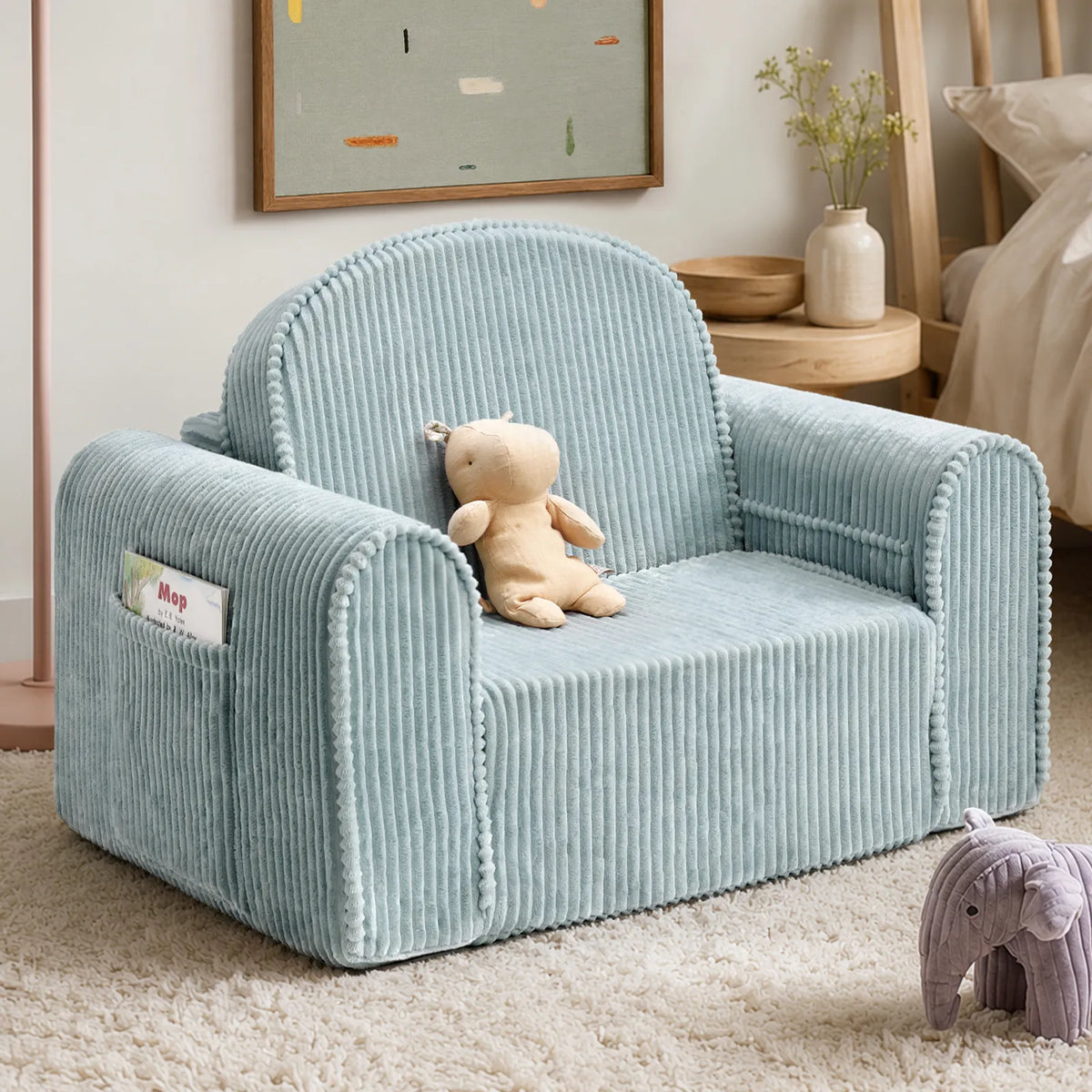
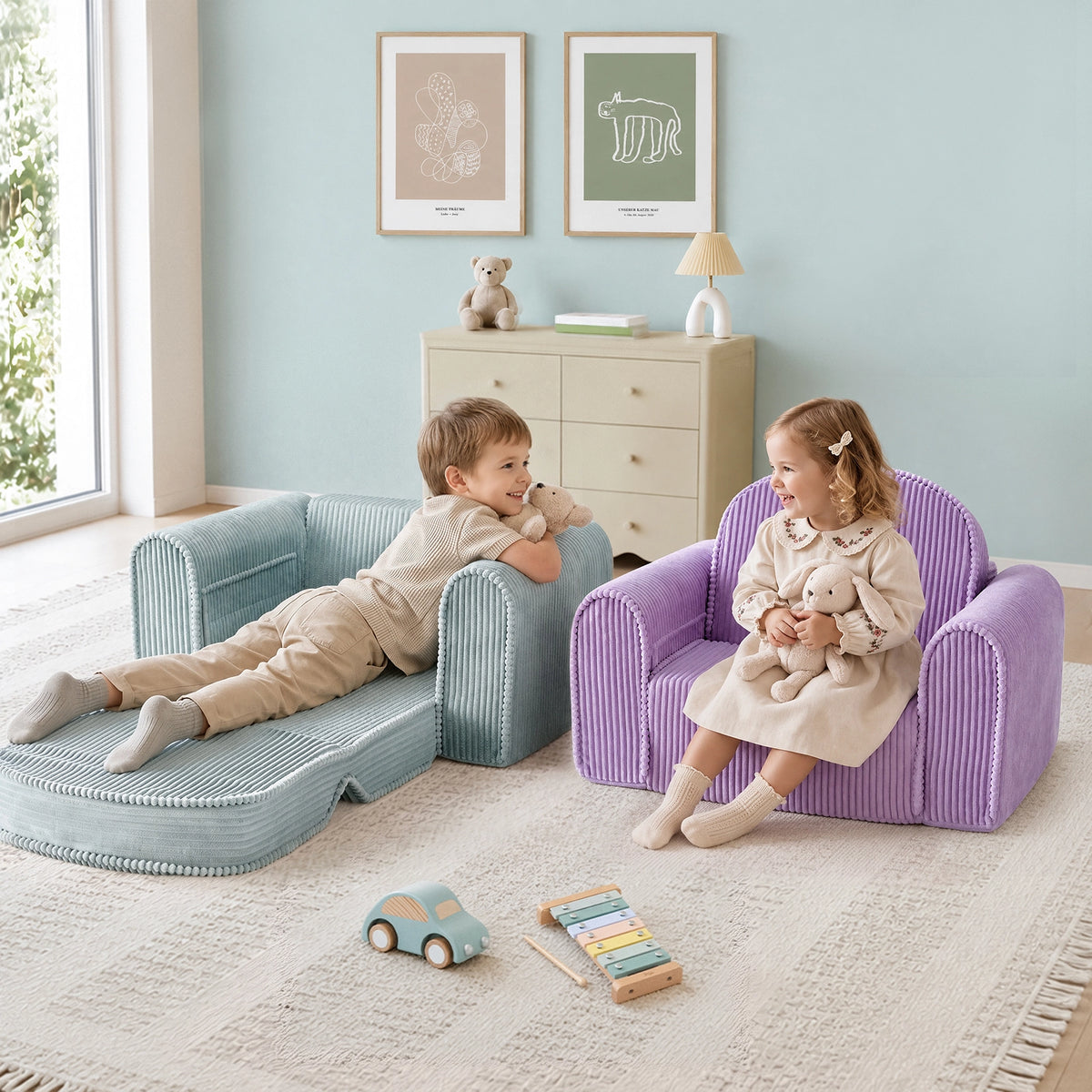

Toddlers are natural movers. They crawl over cushions, climb onto the couch, jump on the floor, push toys across the room, and pull themselves up whenever they find something sturdy. While this kind of active play may look like simple fun, it plays an essential role in gross motor development.
Climbing toys are some of the most helpful gross motor toys for toddlers because they encourage children to use their whole body. When kids climb, balance, crawl, stand, jump, and explore, they strengthen large muscle groups and build coordination, confidence, spatial awareness, and motor planning. With the right environment and age-appropriate equipment, climbing can become one of the best hands on activities for physical development.
 What Are Gross Motor Skills?
Gross motor skills are the big movements children use every day. These include crawling, walking, running, jumping, climbing, throwing, pulling, pushing, balancing, and spinning. Unlike fine motor skills, which involve small movements of the hands and fingers, gross motor skills use larger muscle groups in the arms, legs, back, shoulders, and core.
For toddlers, gross motor play is not just about being physically active. It supports learning, emotional growth, social skills, and independence. A child who practices climbing, balancing, and moving through obstacle courses is also learning how to solve problems, focus, understand space, and trust their own abilities.
This is why gross motor toys and gross motor equipment are so valuable at home, in daycare, and in early learning spaces.

Why Climbing Toys Are Great for Gross Motor Development
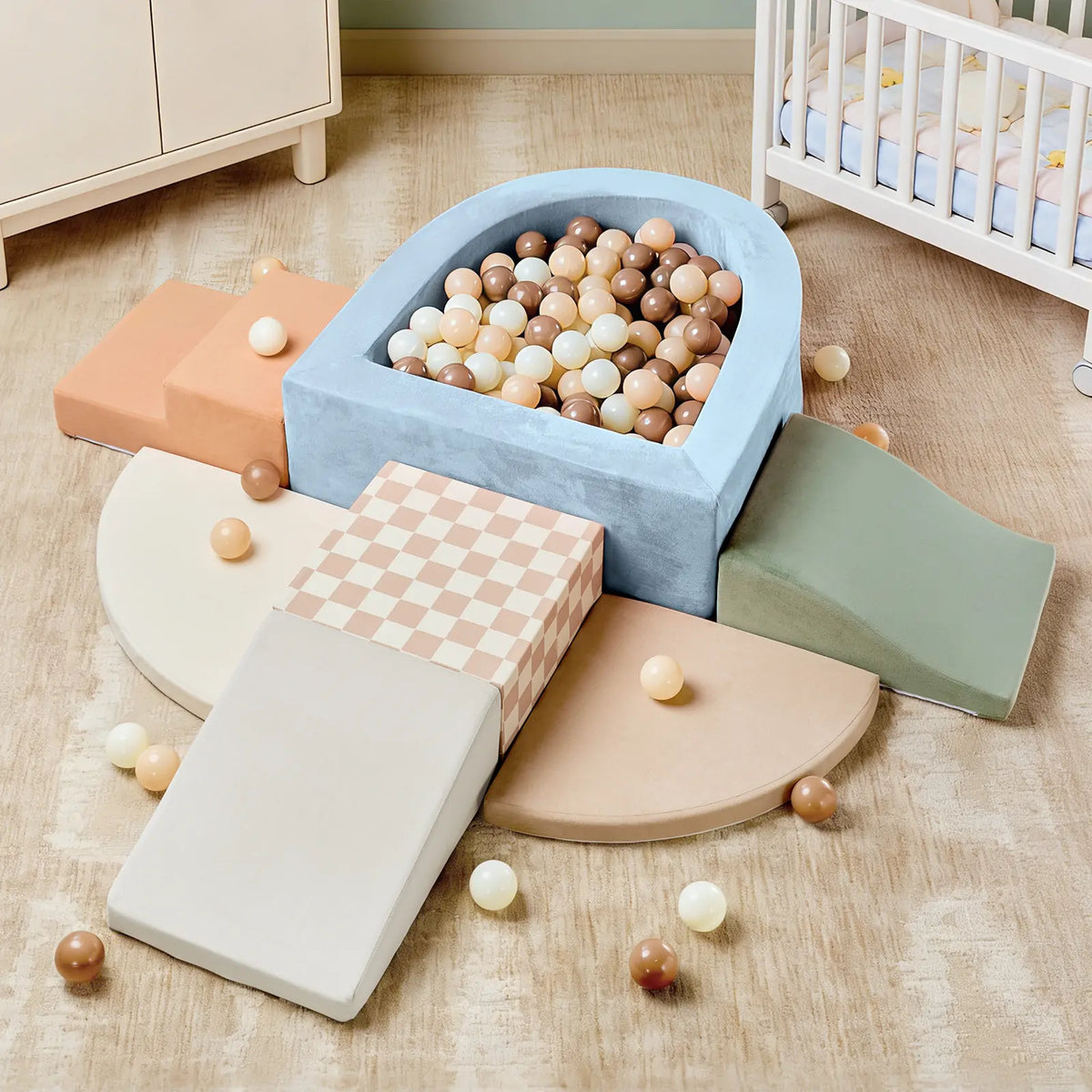
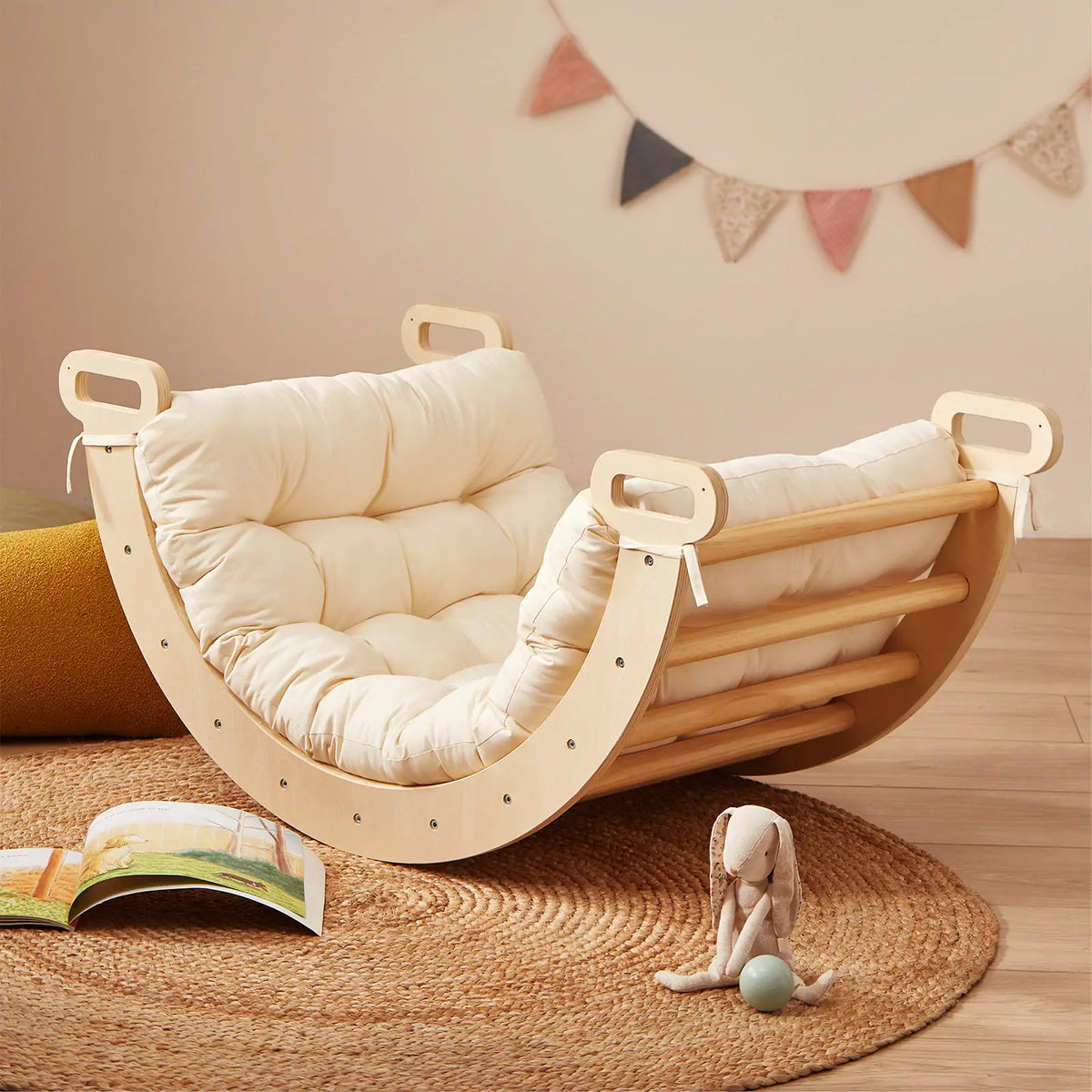
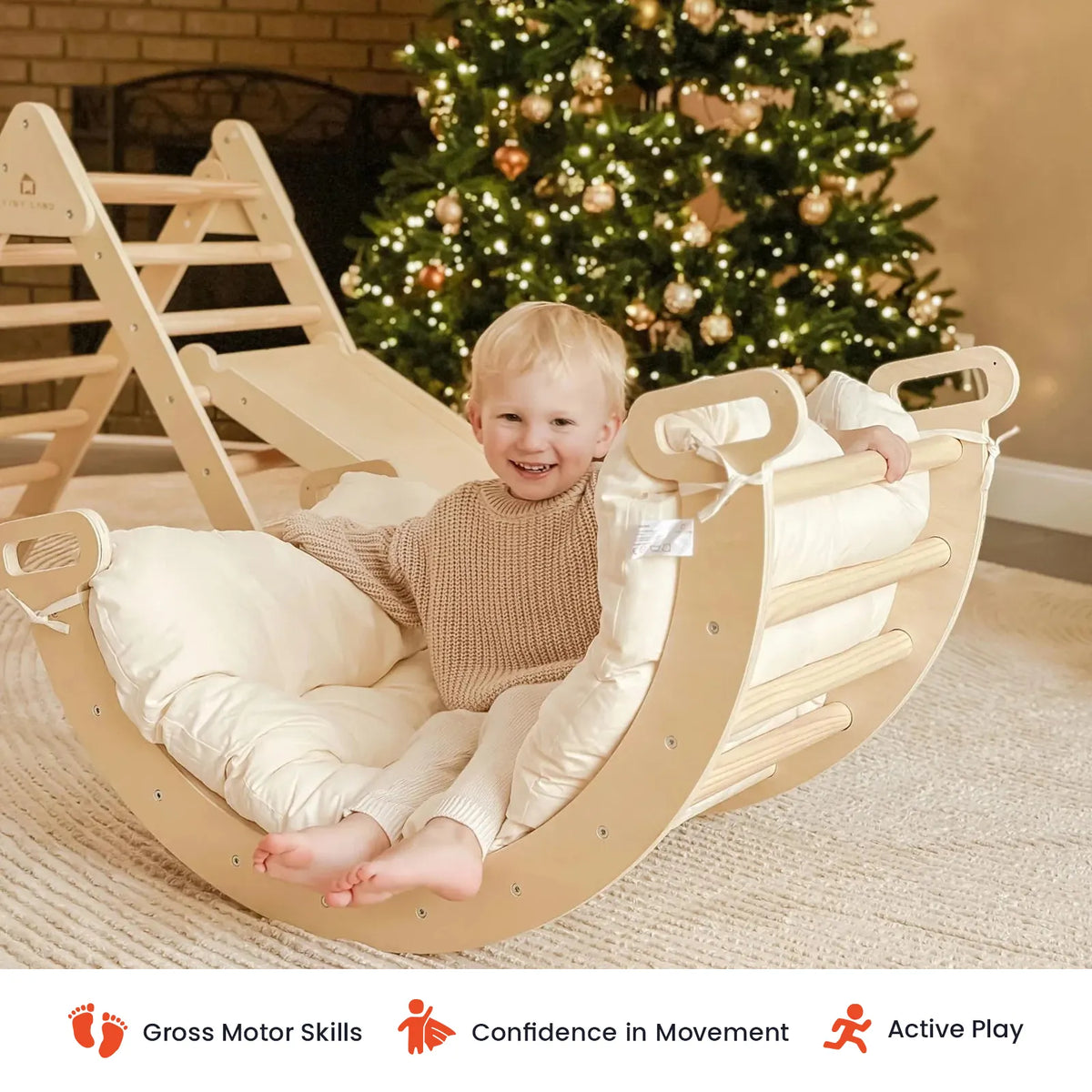
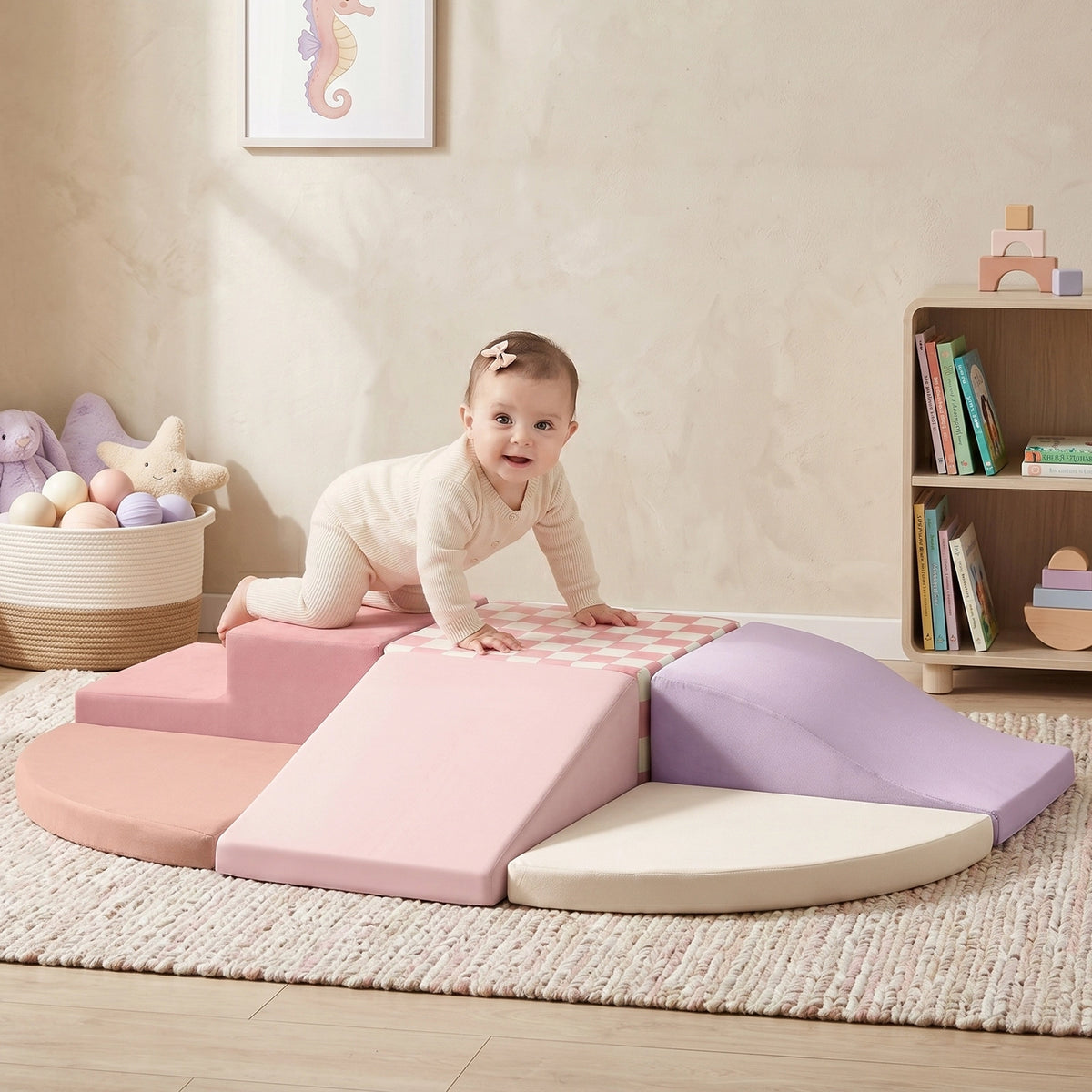
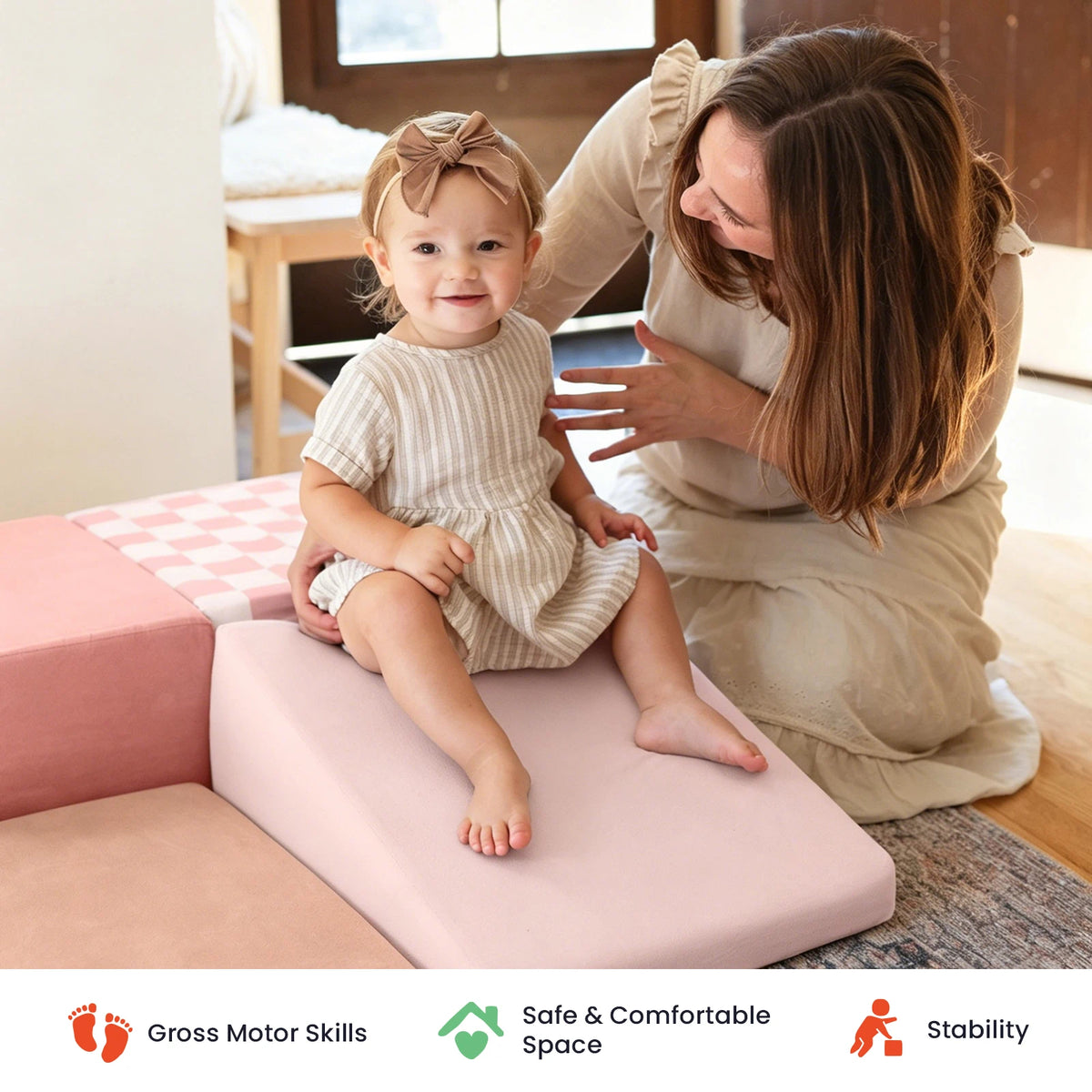
Climbing toys give toddlers safe physical challenges. A soft climbing set, a triangle climber, river stones, a balance beam, or a small indoor climbing structure can help children practice movement in a fun and controlled way.
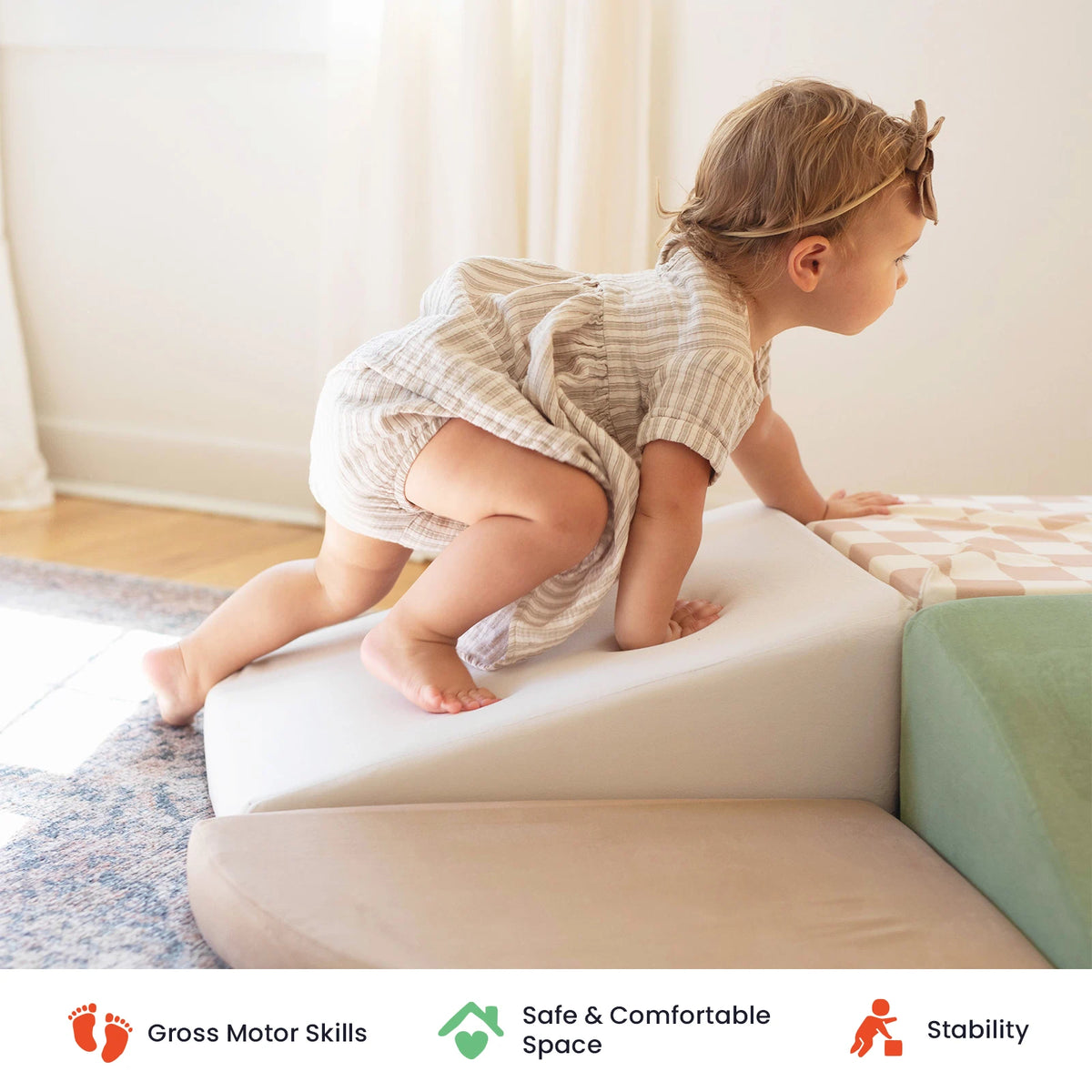
When a child climbs up, they use their arms to pull, legs to push, hands to grip, and core muscles to stay steady. When they climb down, they practice balance, control, and body awareness. These movements support motor skills and help children understand how their body moves in relation to the floor, wall, equipment, and space around them.
Climbing also supports motor planning. Before a child moves, they must think: Where should my foot go? Can I reach that step? How do I get down safely? These small decisions help children develop problem-solving skills while staying active.

Building Balance and Coordination
One of the biggest benefits of climbing toys is balance. Toddlers are still learning how to control their bodies, and climbing gives them many chances to practice. Whether they are stepping across river stones, crawling over a soft obstacle, or standing on a flat surface before climbing higher, they are learning how to shift weight and stay steady.
Coordination also improves through climbing. Children need to move arms and legs together, look where they are going, and adjust their body as they move. These skills are important for everyday activities such as walking up stairs, riding toys with two wheels, running, jumping, and playing games with a ball.
Gross motor skills toys create fun opportunities for this kind of practice. The more children move, the more confident and capable they become.

Climbing Encourages Spatial Awareness
Spatial awareness is a child’s understanding of where their body is in space. Climbing toys support this skill beautifully. A toddler learns whether they can fit through a tunnel, how much space they need to crawl under an arch, how high they can lift a leg, or how close they are to another child.
This awareness is important for safety and daily movement. Children who develop spatial awareness are better able to move around furniture, avoid bumping into others, and explore new environments with more control.
Parents can support spatial awareness by creating simple obstacle courses. For example, children can crawl under a chair, walk across bean bags, climb over a soft cushion, jump onto a mat, and throw a ball into a basket. These educational activities feel like play, but they help build important body awareness.

Active Play Supports Physical and Emotional Growth
Climbing is physically beneficial, but it also supports emotional development. When a child faces a small climbing challenge and succeeds, they feel proud. That moment of “I did it!” builds confidence.
Of course, climbing also teaches patience. Sometimes a child may need to try again, change their approach, or ask for help. These moments help children learn persistence and problem solving. They begin to understand that challenge is part of learning.
Gross motor activities also help toddlers release energy. Active play, obstacle courses, dance parties, jumping games, and climbing all give kids healthy ways to move their bodies. This can support focus, mood, and overall well-being.

Climbing Toys Can Fit Small Spaces
Some parents worry they need much space to support gross motor play, but that is not always true. A small space can still offer meaningful movement. A soft climber, foldable climbing triangle, balance stones, bean bags, or a simple floor obstacle course can turn a corner of the house into an active play area.
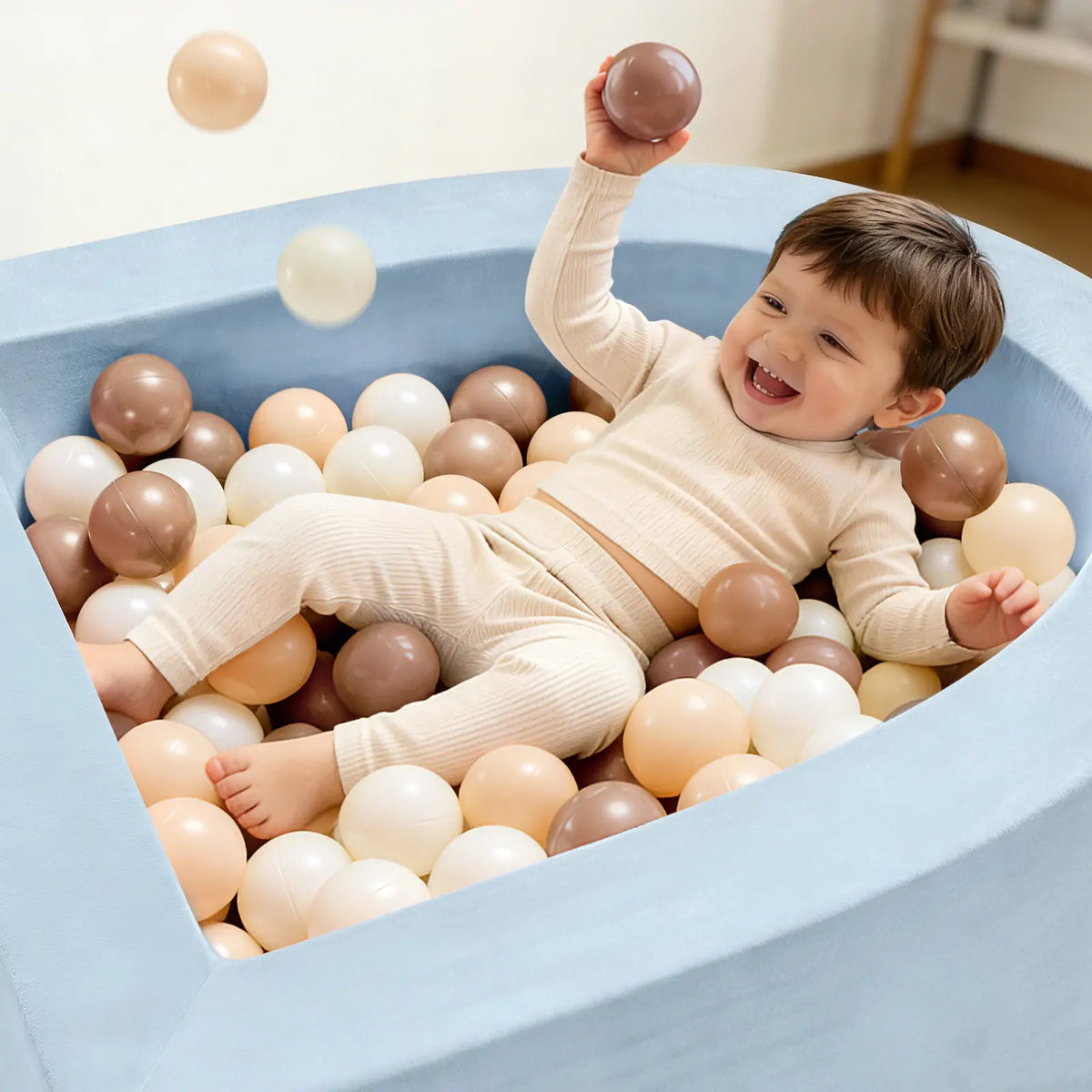
For babies and younger toddlers, even crawling over soft pillows or pulling up on safe equipment can support development. Older toddlers may enjoy more challenging motor toys such as stepping stones, low climbing frames, or a mini trampoline used with close supervision.
The key is to choose equipment that matches the child’s age, abilities, and environment. Safety should always come first.

Climbing and Imaginative Play
Climbing toys do not only support physical development. They also encourage imaginative play. A climbing triangle can become a mountain, a cave, a bridge, a house, or a rock climbing wall. River stones can become islands in a river. Bean bags can become animals, stepping spots, or treasure.
This kind of pretend play makes gross motor activities even more engaging. Children are not just climbing; they are going on an adventure. They may crawl like animals, jump over a pretend river, or rescue a toy from the top of a soft hill.
When movement and imagination come together, children stay interested longer. They also practice language, social skills, and creativity while developing gross motor skills.

Social Skills Through Movement
Gross motor play often brings children together. When kids build obstacle courses, take turns climbing, throw bean bags, or create movement games, they practice cooperation. They learn to wait, cheer for a friend, share equipment, and respect another child’s space.
These social skills are important in daycare, classrooms, playgrounds, and at home with siblings. Climbing toys can support both independent play and cooperative play, depending on the setup.
Parents can encourage positive social interaction by using simple phrases such as “Let’s take turns,” “You can go after your friend,” or “How can we make this obstacle safer?” These small conversations help children learn teamwork and safety awareness.
Choosing Safe Gross Motor Toys for Toddlers
When choosing gross motor toys for toddlers, safety matters. Look for sturdy materials, smooth edges, stable designs, and age-appropriate features. Climbing equipment should be placed on a flat surface with enough room around it. Soft mats can help create a safer landing area.
Parents should also consider the child’s abilities. A toy that is too easy may not hold attention, while one that is too difficult may feel frustrating or unsafe. The best gross motor toys offer gentle physical challenges that children can grow into over time.
Price is another factor, but the most important things are safety, quality, and usefulness. A well-made climbing toy can support years of active play and exploration.

Simple Gross Motor Activities at Home
Climbing toys can be used in many fun ways. Parents can create obstacle courses with cushions, river stones, tunnels, bean bags, and balance paths. They can set up animal movement games where children crawl like bears, jump like frogs, or stretch like cats.
Dance parties are another easy way to support gross motor development. Children can spin, jump, clap, march, and move to music. Throwing games with soft balls or bean bags also help coordination and focus.
These activities do not need to be complicated. What matters most is giving children regular chances to move, explore, and practice.

Final Thoughts
Climbing toys are more than active play equipment. They are powerful gross motor development tools that help toddlers build strength, balance, coordination, spatial awareness, motor planning, confidence, and social skills.
Whether children are crawling over soft shapes, stepping across river stones, climbing a small frame, jumping on a mat, or creating imaginative obstacle courses, they are learning through movement. Gross motor play supports the whole child—physically, emotionally, socially, and cognitively.
With safe equipment, enough room to move, and encouragement from parents, climbing toys can turn everyday play into meaningful development. For toddlers, every climb, crawl, jump, and step is a chance to grow.