








If you’ve ever wondered, do baby walkers help babies learn to walk, you’re not alone. Many parents look for ways to support their baby’s first steps and naturally want to help their child learn to walk as early and safely as possible.
Baby walkers often seem like a helpful solution—they give your baby mobility, keep them engaged, and look like they encourage movement. But when it comes to real walking development, the answer is more nuanced.
Let’s take a closer look at what actually helps babies learn to walk, and whether baby walkers play a positive role.

What Are Baby Walkers?
Traditional baby walkers are seated devices with wheels that allow a baby to move around before they can walk independently. A baby sits inside and uses their legs to push along the floor, often moving quickly without needing to balance.
It’s important to distinguish these from:
-
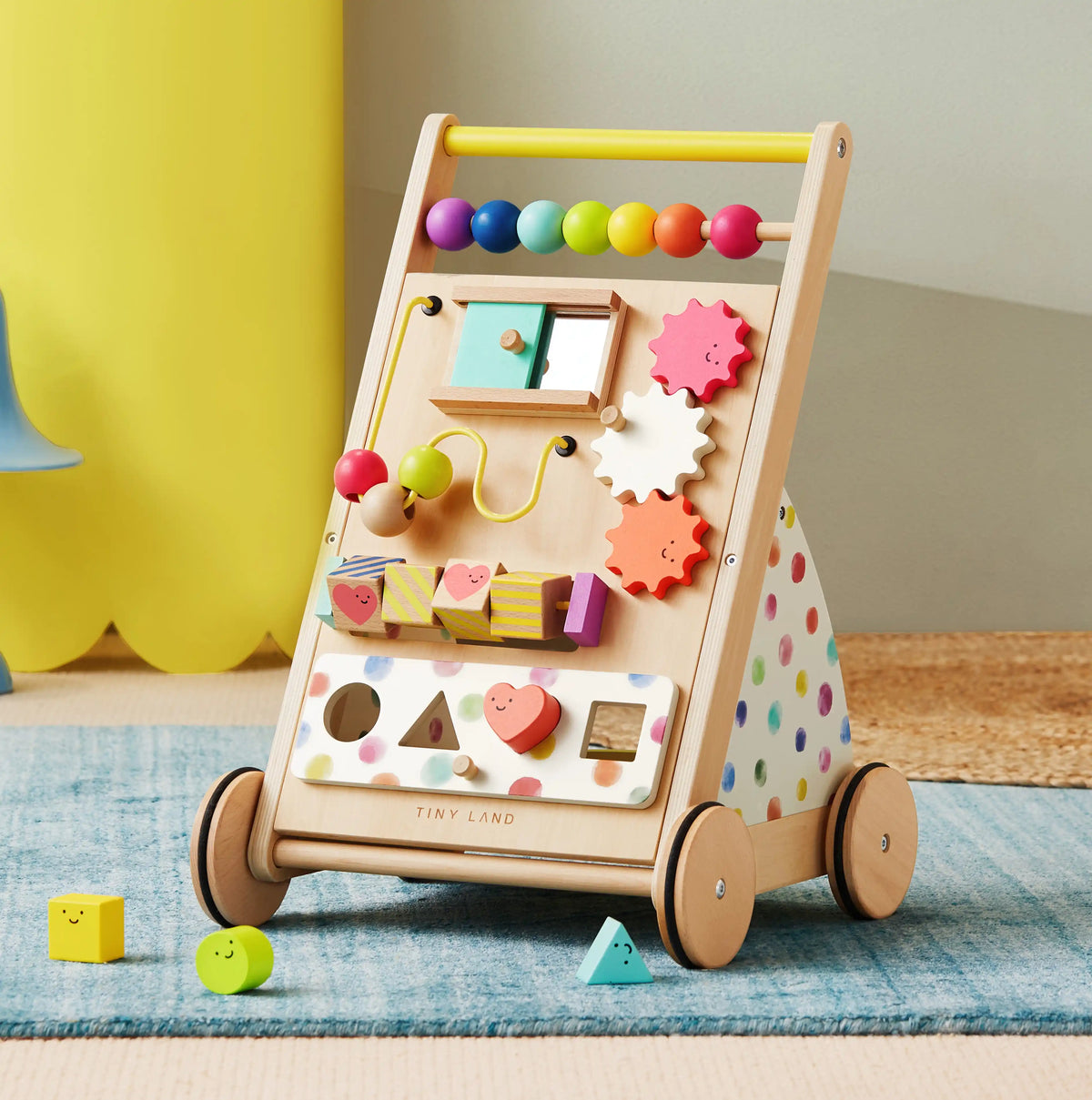
Push toys, which babies hold onto while standing and pushing
-
Stationary activity centers
-
Suspended jumpers
These products affect a baby’s development in very different ways.
Do Baby Walkers Help Babies Learn to Walk?
In short, baby walkers do not help babies learn to walk faster.
In fact, most experts agree that babies learn to walk best through natural movement—by practicing balance, building strength, and developing coordination over time.
When using a seated walker, a baby:
-
Doesn’t fully use their body weight for balance
-
May move on their toes instead of flat feet
-
Gets less practice with real walking skills
Because of this, walkers don’t support independent walking in the way many parents expect. Some research suggests they may even interfere with normal walking development, especially if used frequently.

Why Parents Still Consider Baby Walkers
Even with these concerns, many parents are drawn to wooden baby walkers for practical reasons:
-
They keep a baby entertained
-
They provide a sense of independence and mobility
-
They seem like they might help babies walk sooner
-
They give caregivers a short break during the day
These benefits are understandable—but they don’t necessarily align with what supports healthy baby’s development.
Safety Concerns Parents Should Know
1. Risk of Injuries
Because baby walkers move easily on wheels, babies can quickly reach areas that would normally be out of reach.
This can lead to:
-
Rolling toward stairs
-
Accessing dangerous objects or dangerous items
-
Increased risk of falling or other injuries
This is why walker-related accidents have been linked to visits to emergency departments, especially in homes that are not fully childproofed.
2. Less Natural Movement Practice
Babies develop best when they spend time moving freely on the floor.
Key skills like:
-
Crawling
-
Pulling up on furniture
-
Cruising along surfaces
are essential for building balance, strength, and coordination.
Time spent in a walker can reduce these opportunities, limiting valuable walking practice.
3. Posture and Muscle Development
Because the seat supports much of the body, babies may not fully engage their core, arms, and legs in the way they would during natural movement.
Over time, this can affect how they develop posture, coordination, and confidence when they begin to stand and eventually walk.

What Actually Helps Babies Learn to Walk
If your goal is to support your baby’s walking development, simple, everyday activities are far more effective.
1. Floor Time Matters
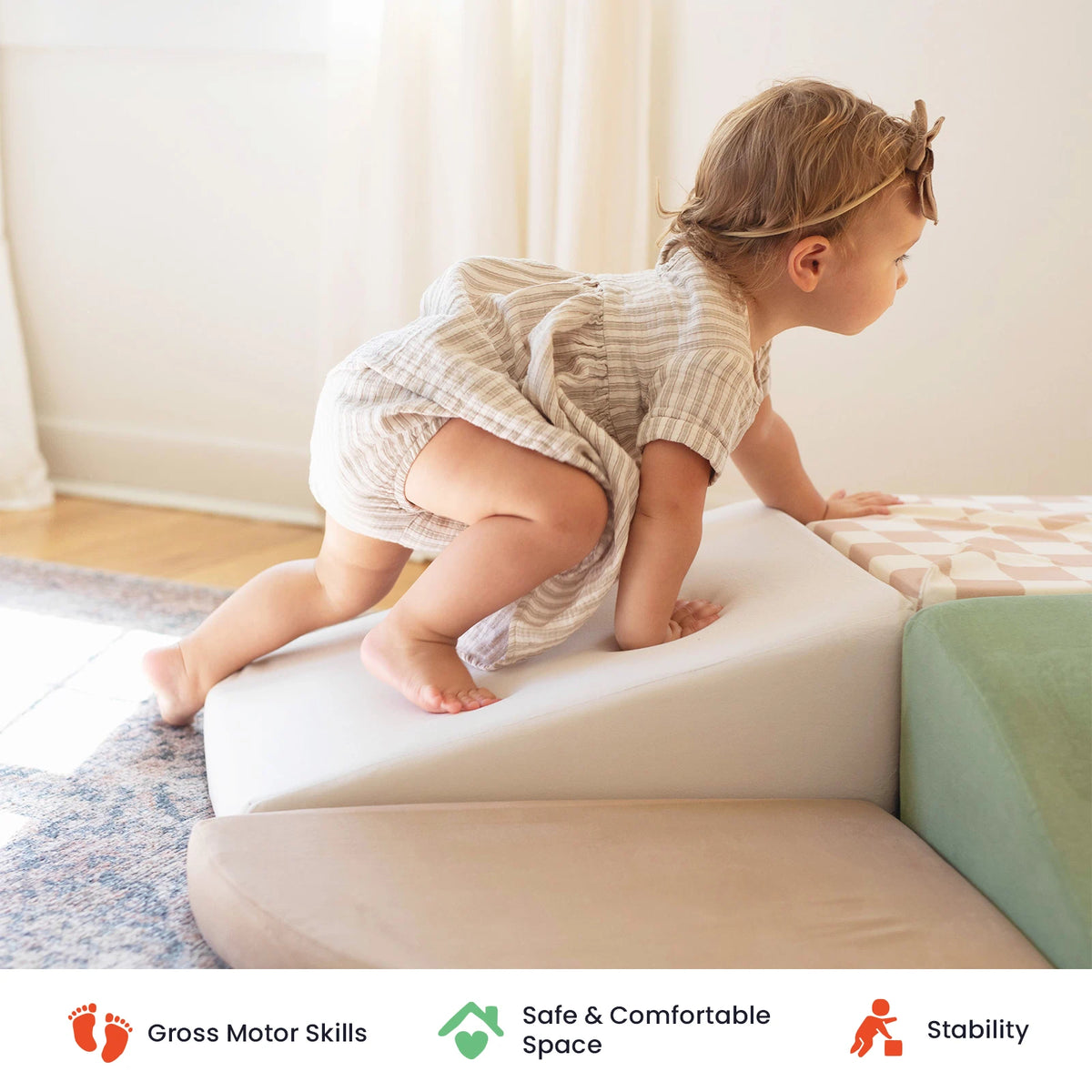
Regular floor time allows your baby to explore movement, build strength, and develop coordination naturally.
2. Pulling to Stand
Babies often begin by pulling themselves up using stable objects like a couch or low furniture.
3. Cruising Along Furniture
Once standing, babies start cruising, moving sideways while holding onto support. This is a key step before independent walking.
4. Practice at Their Own Pace
All babies learn to walk at their own pace. Repetition, small falls, and trying again are part of the process.
Safer Alternatives to Baby Walkers
If you’re looking for supportive tools, there are several safer alternatives that encourage real movement.
Push Toys
Push toys are one of the best options. They encourage babies to:
-
Stand
-
Maintain balance
-
Practice pushing forward naturally
Unlike walkers, they support proper posture and real walking mechanics.
Activity Centers
Stationary activity centers can provide engagement without the risks associated with mobility.
Supervised Play in a Safe Space
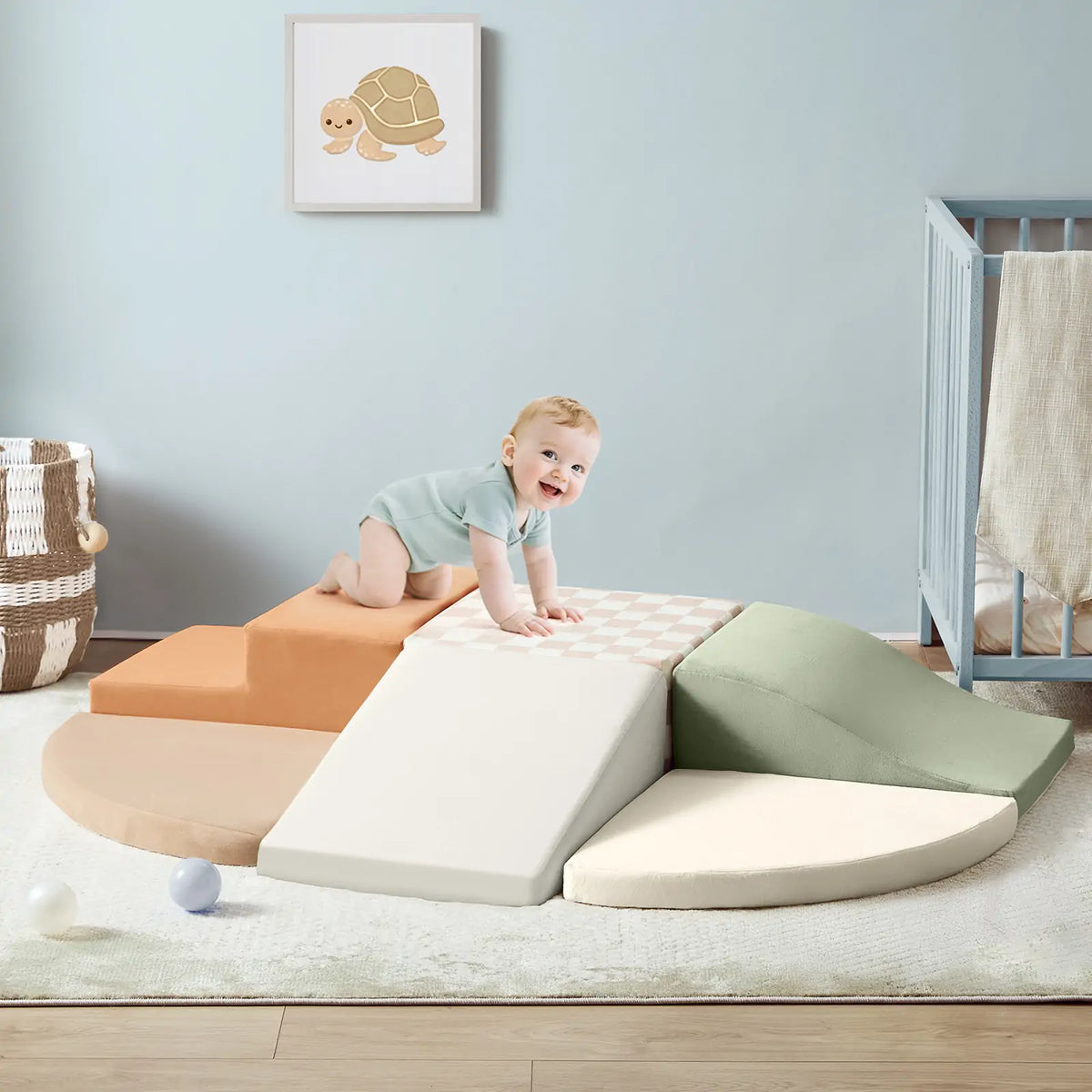
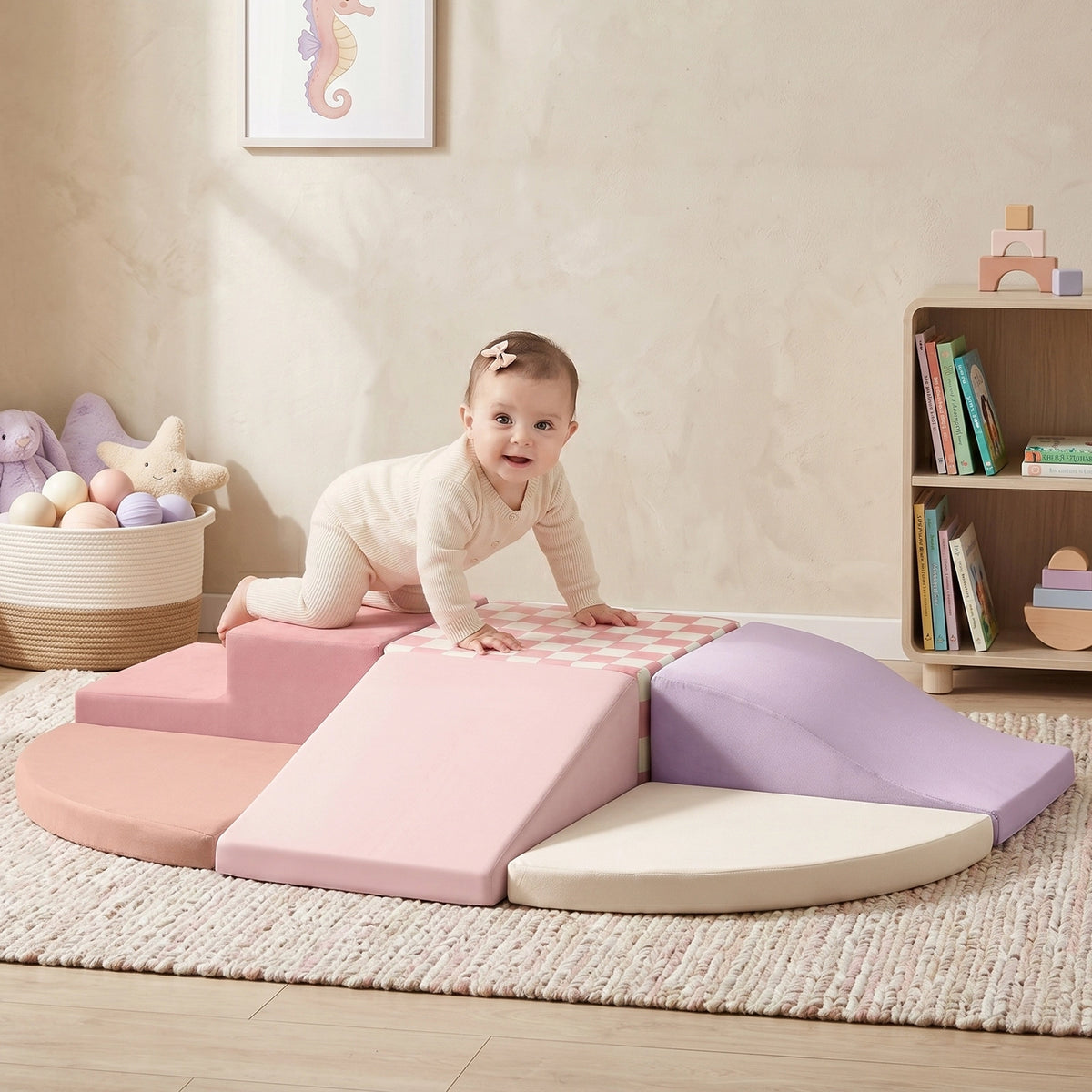
Creating a safe space at home—free from hazards—allows your baby to explore confidently. Block access to stairs, remove dangerous items, and provide a soft, open floor area.
Limit Time in Jumpers
While jumpers and similar devices can be fun, they should be used in moderation. Too much time in them can reduce opportunities for natural movement and developing walking skills.

Signs Your Baby Is Getting Ready to Walk
Every baby develops differently, but common signs include:
-
Pulling up to stand
-
Cruising along furniture
-
Standing briefly without support
-
Taking early first steps
These milestones show that your baby is progressing through normal walking development.
When to Talk to a Professional
If you have concerns about your baby’s progress, consider speaking with a pediatrician or a pediatric physical therapist.
You may want guidance if:
-
Your baby isn’t showing interest in standing or moving
-
You notice unusual movement patterns
-
You’re concerned about possible developmental delays
Getting reassurance can help you better support your child’s development.

Conclusion
So, do baby walkers help babies learn to walk?
The honest answer is no—they don’t help babies learn to walk faster, and they don’t support natural walking skills.
Babies learn best through movement, exploration, and practice. With enough floor time, a safe environment, and supportive interaction, most babies will reach those exciting first steps on their own.
Instead of relying on a walker, focus on creating opportunities for natural play and movement—that’s what truly supports healthy baby’s walking development.
FAQ
Do baby walkers help babies walk sooner?
No, they don’t. Babies typically learn to walk through natural movement and practice, not assisted devices.
Are push toys better than baby walkers?
Yes. Push toys support balance, coordination, and independent walking more effectively.
Can baby walkers cause developmental delays?
Some experts suggest that frequent use may interfere with natural movement patterns, which can impact walking development.
What helps babies learn to walk faster?
Consistent floor time, opportunities for pulling and cruising, and a safe environment are the most effective ways.
Are baby walkers safe at home?
They can increase the risk of injuries, especially around stairs or when dangerous objects are within reach.
2 comments
rakib hasan
Thank you for discussing the pros and cons of budget and luxury strollers. I went for a mid-range option, and it strikes the perfect balance for my needs. However, I’ve noticed that luxury models often have incredible features like adjustable handles and larger storage baskets. Do you think they’re worth the splurge? https://babybloglife.com/
Thank you for discussing the pros and cons of budget and luxury strollers. I went for a mid-range option, and it strikes the perfect balance for my needs. However, I’ve noticed that luxury models often have incredible features like adjustable handles and larger storage baskets. Do you think they’re worth the splurge? https://babybloglife.com/
mahmud hossain
We recently got a baby walker for our 9-month-old, and it’s been a game-changer! She loves the interactive toys on it, and I love that it gives me a moment to breathe while she’s entertained. Any tips on how to ensure she uses it safely? https://babybloglife.com/jogging-stroller-pish-posh-baby/
We recently got a baby walker for our 9-month-old, and it’s been a game-changer! She loves the interactive toys on it, and I love that it gives me a moment to breathe while she’s entertained. Any tips on how to ensure she uses it safely? https://babybloglife.com/jogging-stroller-pish-posh-baby/