As children grow, parents often focus on milestones like first words, first steps, and starting preschool. But there is another developmental change that often goes unnoticed: a child's growing desire for a space of their own.
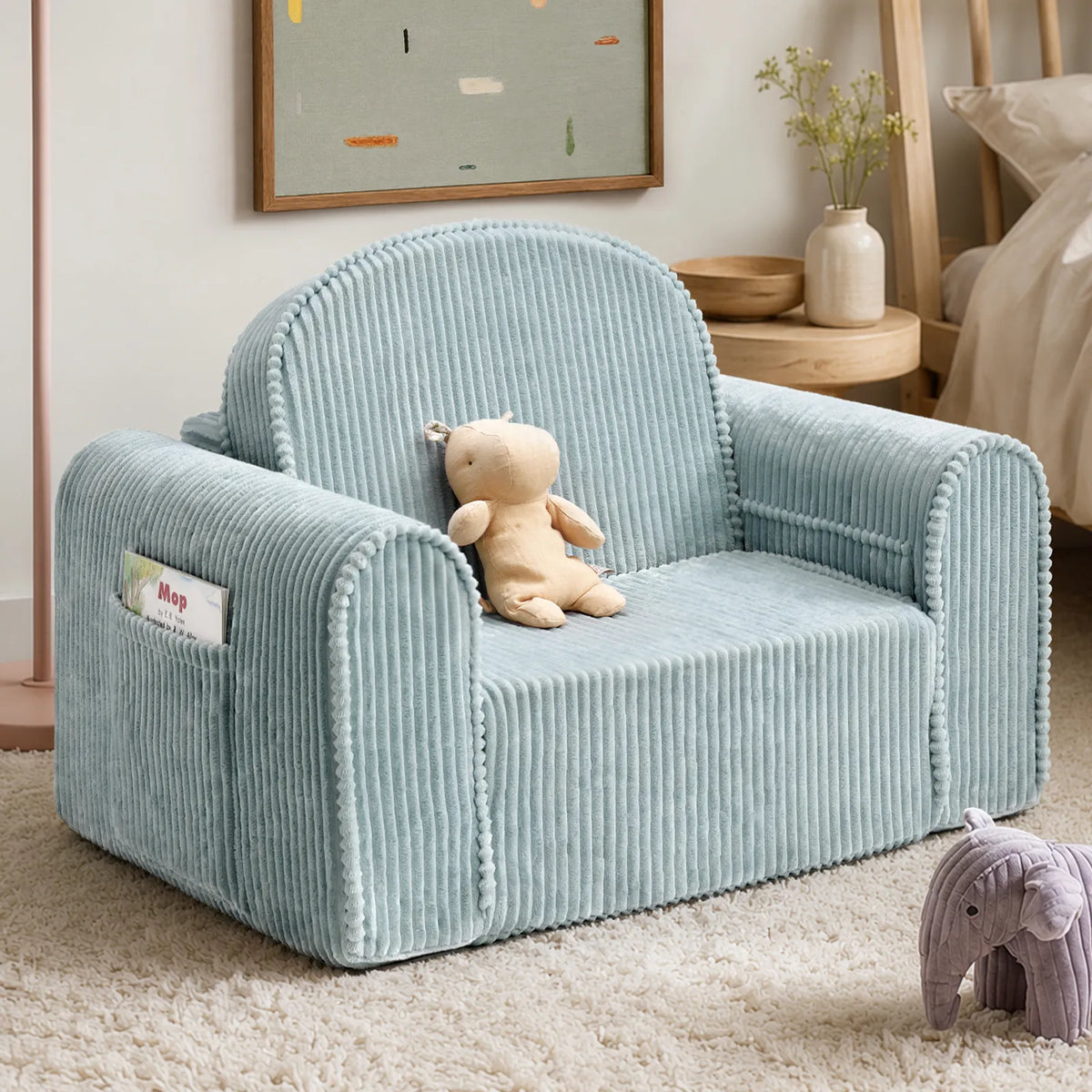
Whether it's a favorite spot on the couch, a reading corner, or a small kids chair they return to every day, children naturally seek places where they feel comfortable, secure, and in control.
This raises an important question for many parents:
Do toddlers need their own chair?
The answer has less to do with furniture and more to do with independence, confidence, and everyday development.
Why Children Naturally Seek Their Own Space
As toddlers become more independent, they begin developing a stronger sense of ownership and autonomy.
They want to choose their own books, decide what game to play, and complete simple activities without constant assistance.
Having a dedicated space helps support this process by giving children a place that feels familiar and predictable.
A personal seating area can help children:
- Feel more independent
- Build confidence in everyday routines
- Develop a sense of responsibility
- Practice making their own choices
This is one reason many children naturally return to the same chair, sofa, or corner of the room for reading, drawing, or quiet play.
At What Age Does a Child Benefit From Their Own Chair?
There is no exact age when a child suddenly needs their own seating.
However, many children begin benefiting from a toddler chair or kids seating area between ages 1 and 3, when they start exploring activities more independently.
Common signs include:
They Enjoy Looking at Books on Their Own
Many toddlers begin spending more time turning pages, pointing at pictures, and exploring books independently.
A dedicated kids chair or reading spot can help make reading feel like a natural part of everyday life.
They Spend More Time in Focused Play
Activities such as building blocks, pretend play, puzzles, and drawing often require periods of concentration.
Having a comfortable seating area can support longer engagement with these activities.
They Start Developing Daily Routines
Children thrive on consistency.
When a child regularly returns to the same space for reading or play, that space often becomes part of a comforting daily routine.
How Personal Seating Supports Independent Play
Independent play is an important part of early childhood development.
Through self-directed play, children learn to:
- Solve problems
- Explore creativity
- Build confidence
- Practice decision-making
- Develop persistence
However, independent play does not happen automatically. Children often need an environment that encourages it.
A dedicated kids chair, kids sofa, or personal play area can help create:
- A clear play zone
- Fewer distractions
- Better focus during activities
- Greater ownership of space
When children feel that a space belongs to them, they are often more willing to engage in activities without constant adult involvement.
Why Reading Corners Encourage Better Reading Habits
Many families notice that children read more when books are easy to access and comfortable seating is available nearby.
Creating a reading corner does not require a large space or expensive furniture.
Simple elements often work best:
- Child-accessible bookshelves
- Comfortable kids seating
- Soft lighting
- A calm environment
These small details help make reading feel inviting rather than something children are required to do.
Over time, these positive experiences can help build stronger reading habits and a lifelong love of books.
Kids Chair or Kids Sofa: Which Is Better?
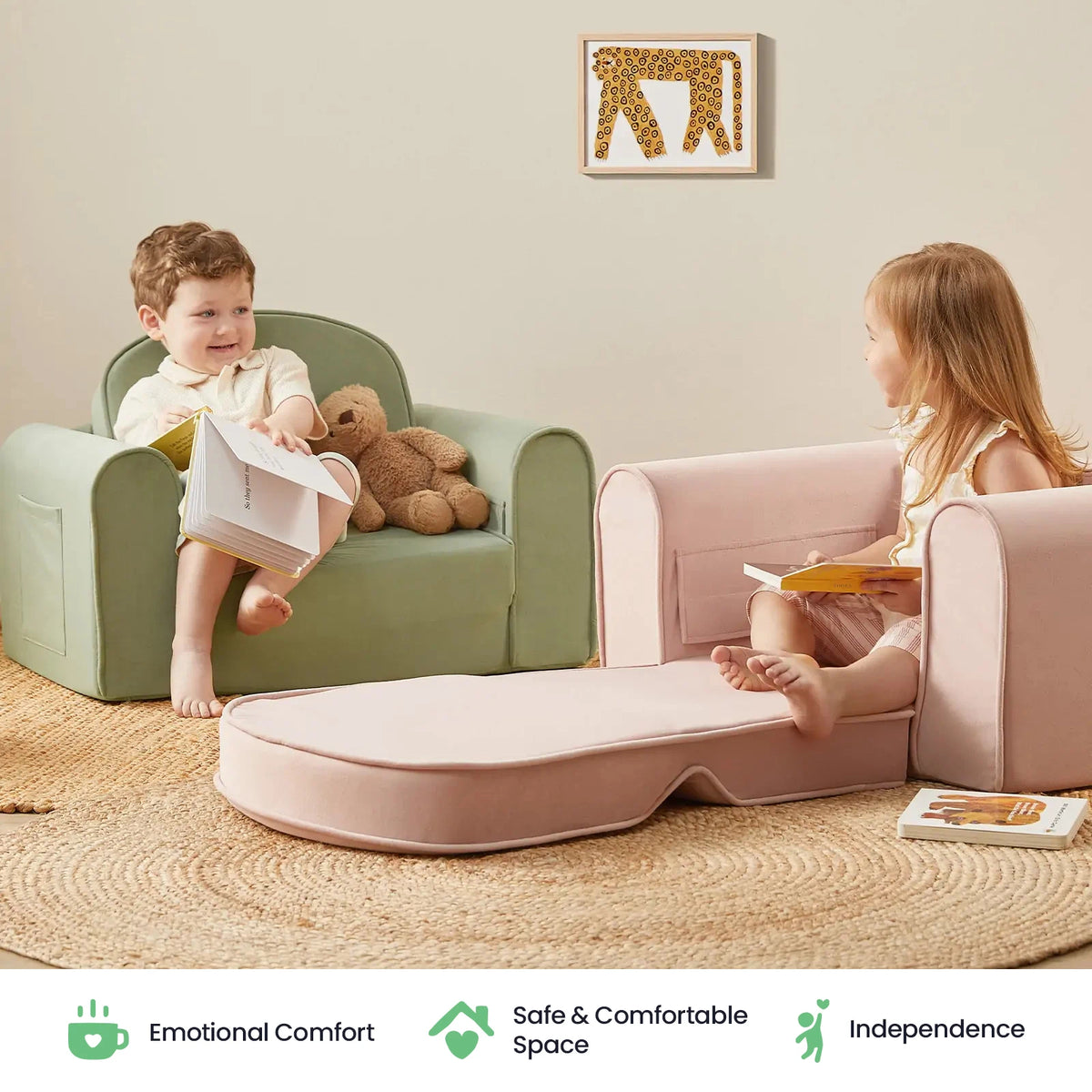
Parents often wonder whether a kids chair or a kids sofa is the better choice.
The truth is that the most important factor is not the furniture itself. What matters most is creating a space that feels comfortable, accessible, and welcoming.
A kids chair may work well for:
- Drawing and crafts
- Table-based activities
- Structured learning time
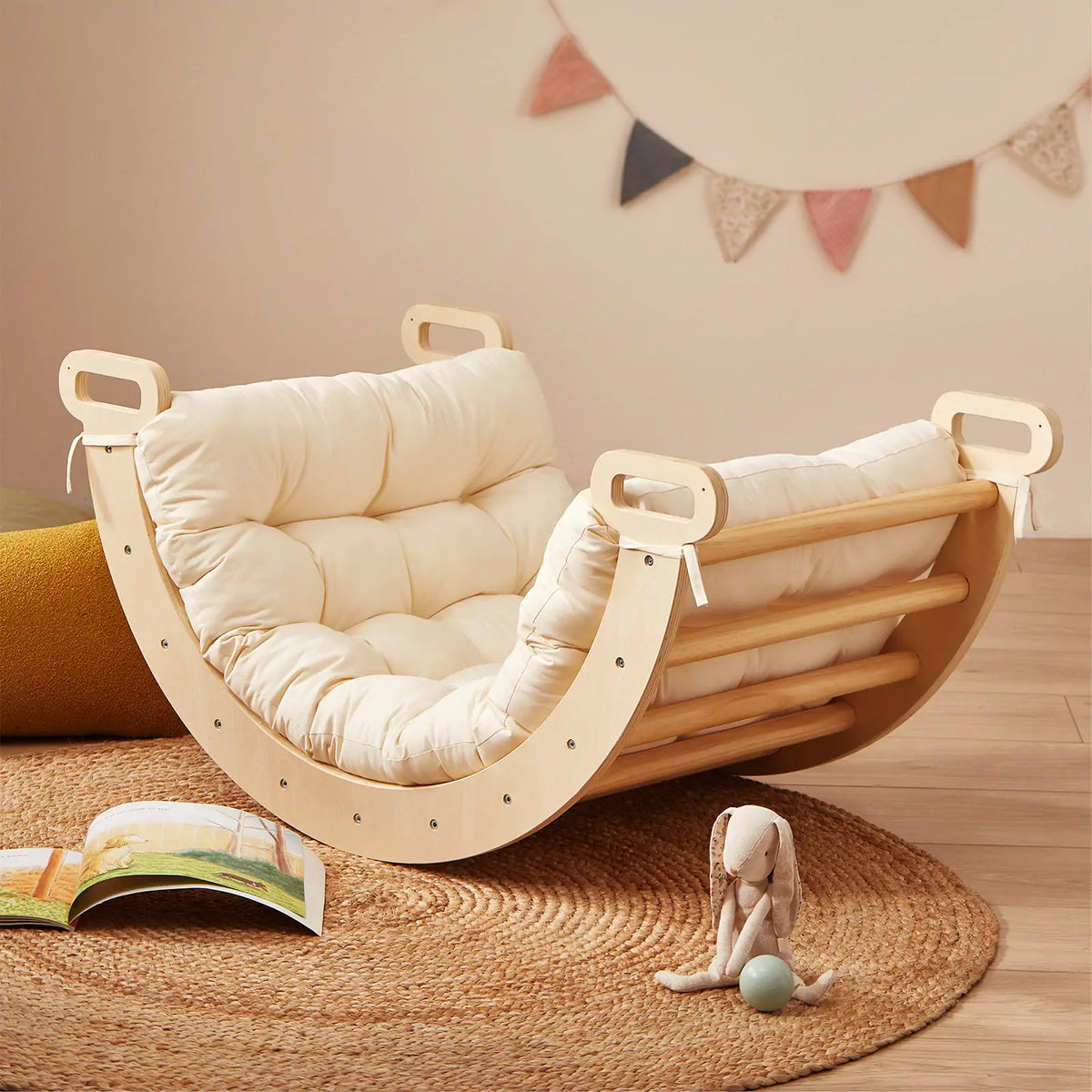
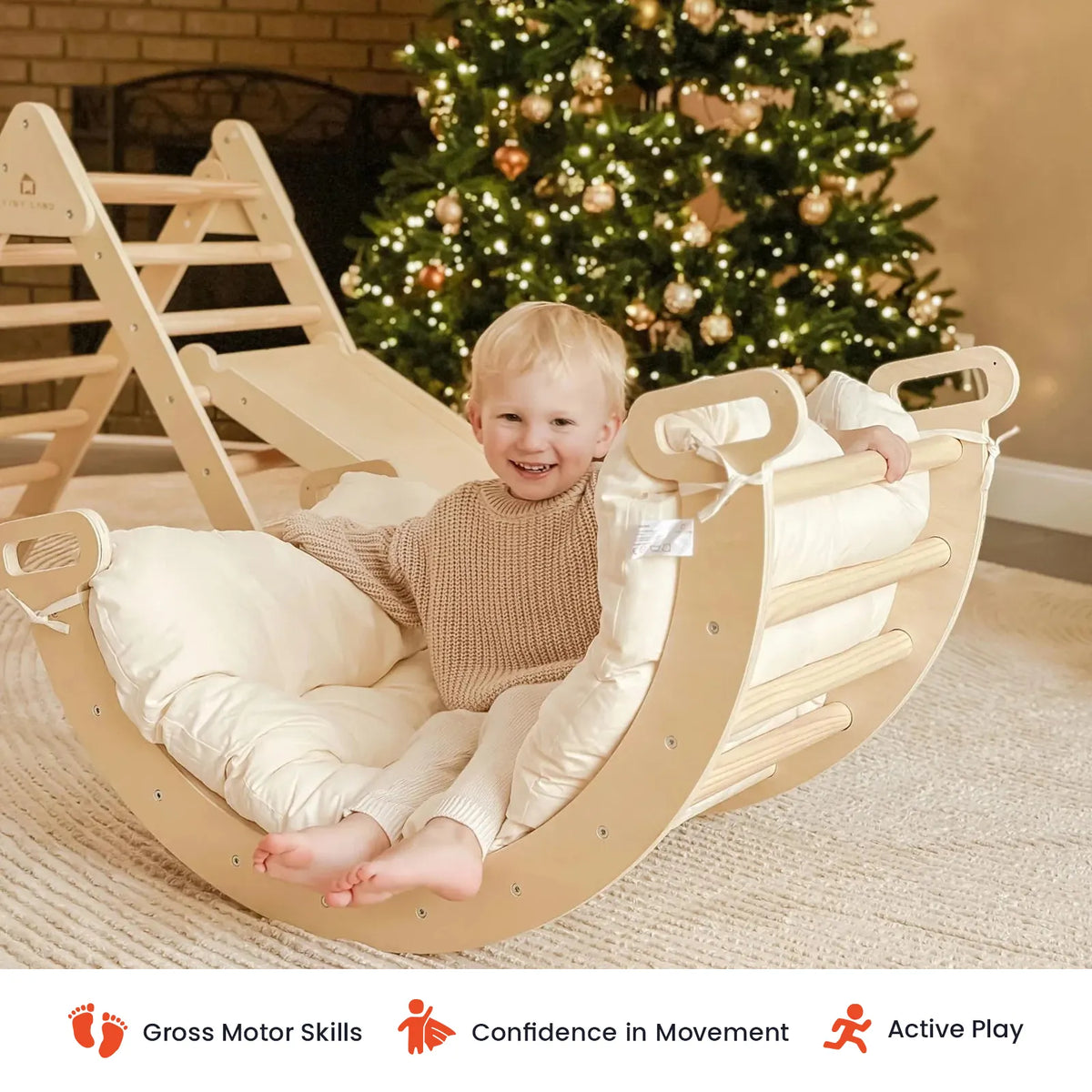
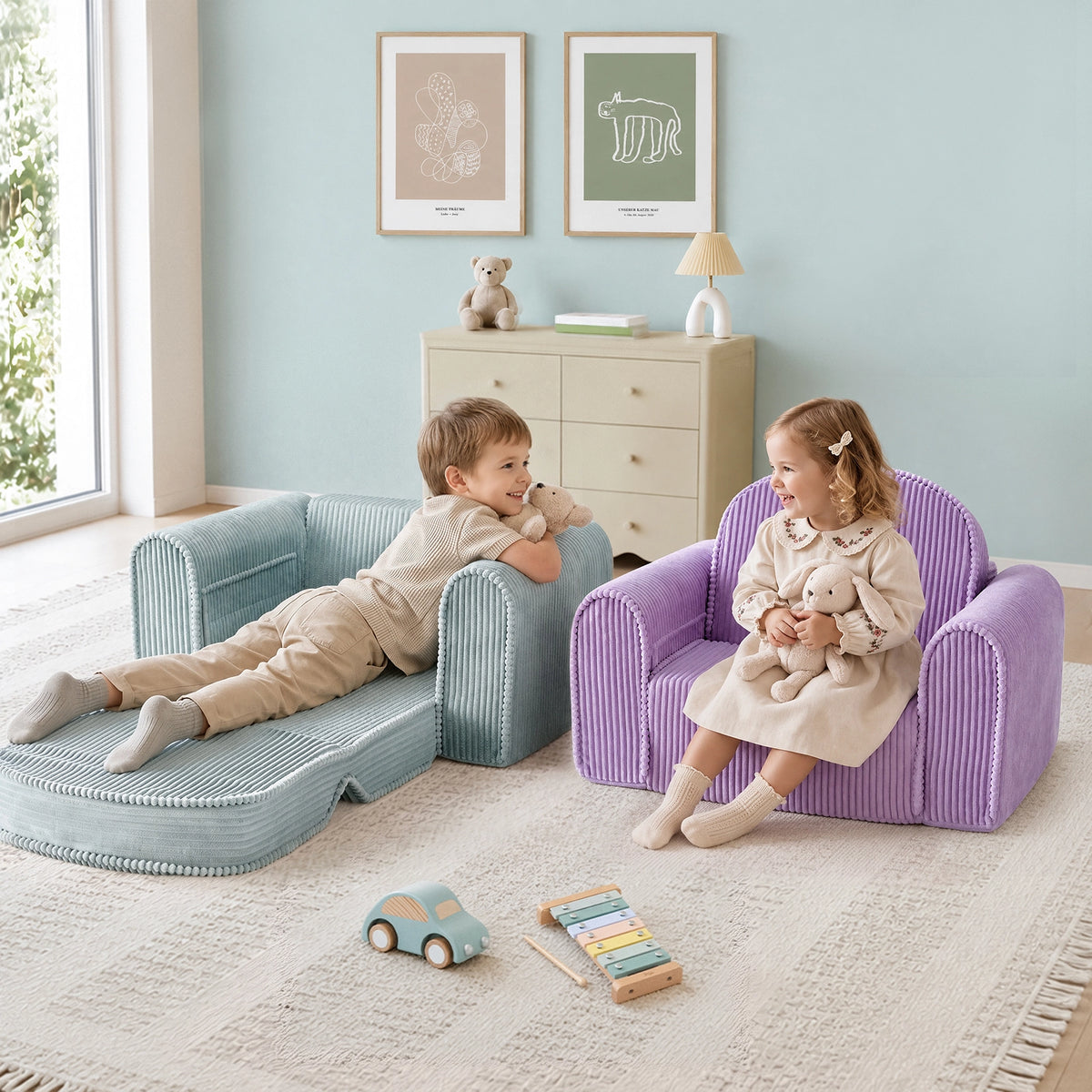
A kids sofa may work well for:
- Reading
- Storytelling
- Independent play
- Relaxation and quiet time
Both options can support child development when they are used consistently as part of a child's daily routine.
Creating a Space That Grows With Your Child
A child's personal space does not need to be large or elaborate.
In many cases, a comfortable seat, a few favorite books, and room for imaginative play are enough.
Small, consistent spaces often have the greatest impact because they become part of everyday life.
As children grow, these spaces can evolve alongside their interests and activities.
Helping Children Build Confidence Through Everyday Routines
Children develop independence through repeated experiences.
Every time they choose a book, start a puzzle, or engage in imaginative play on their own, they are practicing important life skills.
A dedicated kids chair or kids sofa cannot create independence by itself, but it can provide an environment that encourages it.
Sometimes, a small seat becomes more than a place to sit—it becomes a place where children learn to explore, create, and grow on their own.
Frequently Asked Questions
At what age does a child need their own chair?
Many children begin benefiting from their own seating between ages 1 and 3, when they start exploring books, independent play, and simple daily routines on their own.
Is a kids chair necessary?
A kids chair is not essential, but dedicated seating can help create a comfortable space for reading, play, and independent activities.
What is the difference between a kids chair and a kids sofa?
Kids chairs are often better for table-based activities and crafts, while kids sofas provide more flexibility for reading, imaginative play, and relaxation.
Can a kids sofa support independent play?
Yes. A kids sofa can create a comfortable personal space where children feel encouraged to read, play, and explore activities independently.
Final Thought
Toddlers do not need their own chair simply because they reach a certain age.
What they benefit from is having a space that feels uniquely theirs—a place where they can read, play, imagine, and explore with growing confidence.
Whether it's a toddler chair, a cozy kids sofa, or a simple reading corner, creating a child-friendly space can support independence, stronger reading habits, and everyday development in meaningful ways.