
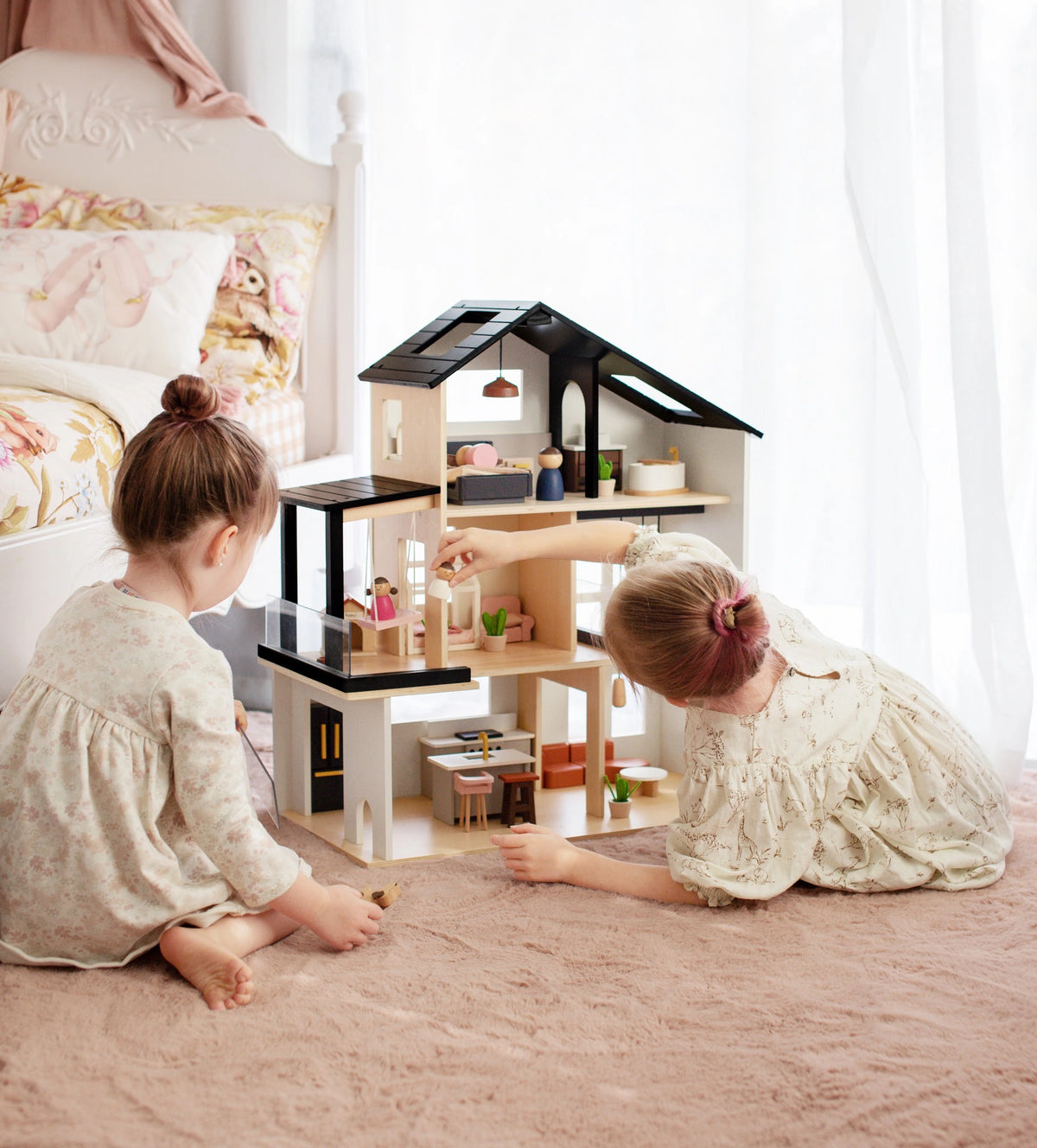
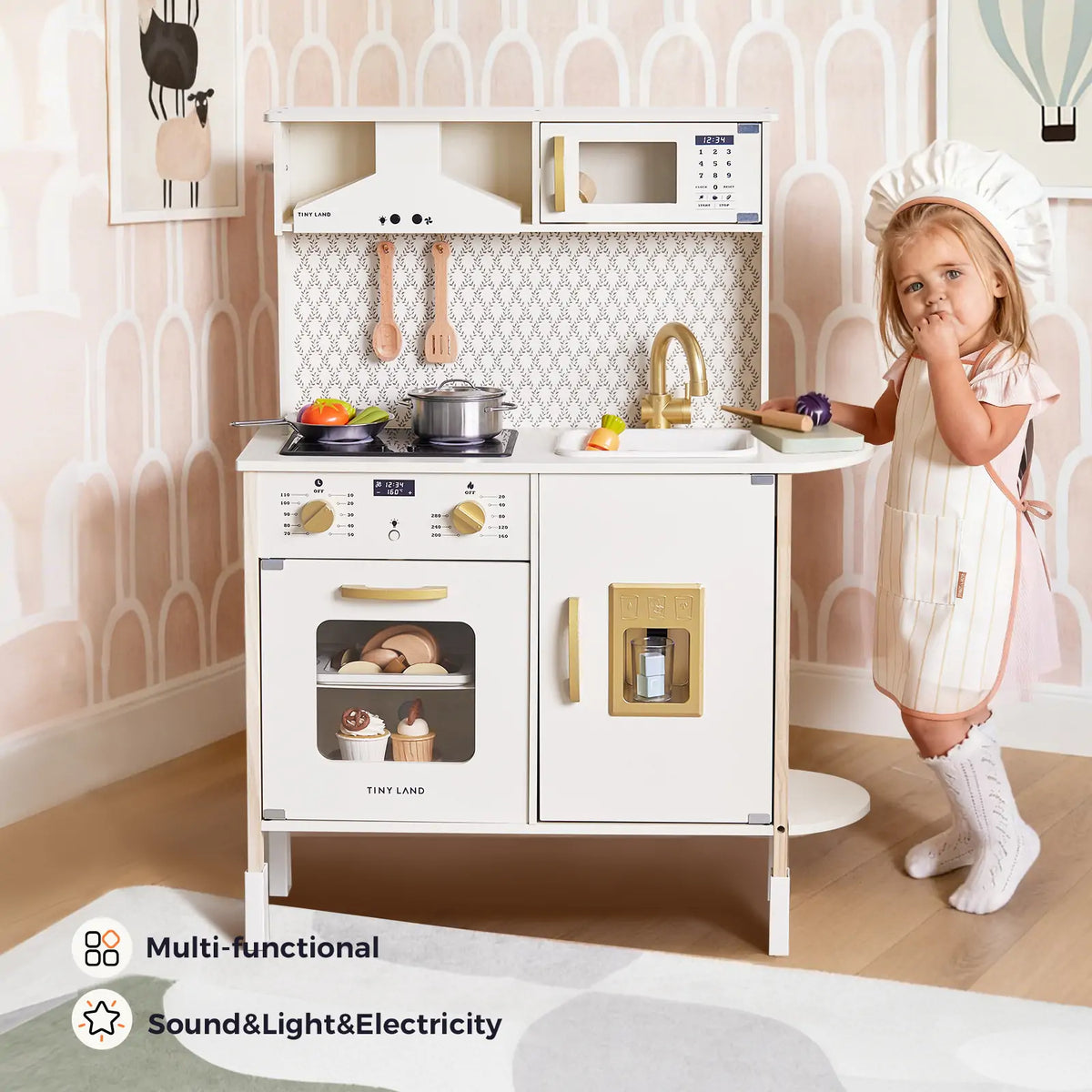





Search for a doll house online and you may still see rows of pink rooms, a smiling girl, and language that makes dollhouses sound like girls’ toys. That can leave parents wondering whether a doll house for boys is a strange gift for their son.
Honestly, it should not be. Dollhouses are storytelling toys, and storytelling has no gender. Any child who enjoys buildings, dolls, furniture, family stories, or imaginative play can enjoy a doll house. Boys may turn dollhouses into castles for knights, a fireman station, a business, or a superhero base. A girl may create the same world. The key point is that children decide what the house becomes.

Why Kids Naturally Enjoy Dollhouses
Kids are naturally drawn to miniature spaces. Dollhouses give them walls, rooms, furniture, dolls, and accessories they can control. One moment, the house is a family home. A moment later, it is a school, hospital, shop, or animal rescue center.
This freedom makes dollhouses fun. During pretend play and imaginative play, children create stories, decorate rooms, and act out real experiences. Younger kids may move dolls between rooms or copy family routines. Older children often develop longer stories with emotions, problems, and detailed role play. As language and imagination become more developed with age, dollhouses offer new ways to play and new things to discover.
Why a Doll House for Boys Is a Great Choice
Some adults still see dollhouses as too girly for boys. They may prefer blue, green, or yellow toys instead of pink toys because they hope to avoid a negative reaction or comment.
But toys do not create gender rules; adults do. A boy can love dolls, cars, blocks, furniture, and knights at the same time. A girl can enjoy tools, castles, dinosaurs, and a fireman figure. There is no useful link between gender and the stories a child should create.
A doll house for boys can support communication, creativity, empathy, and social skills. Moving dolls and furniture strengthens coordination. Acting out a family dinner or disagreement encourages role play and problem solving. Boys can use dolls to explore what happens when someone feels sad, welcomes a baby, or needs help.

What Features Make the Best Dollhouses Inclusive?
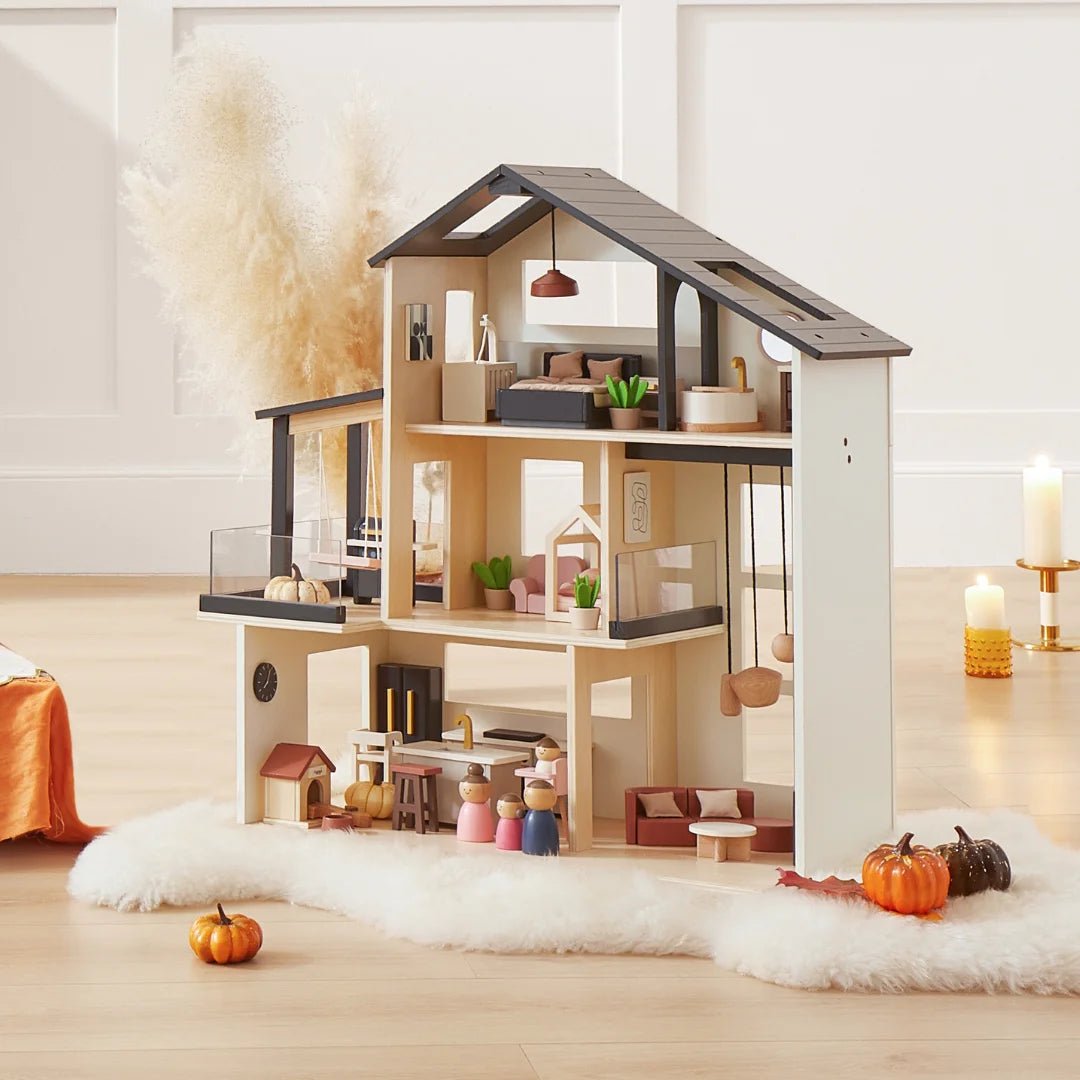
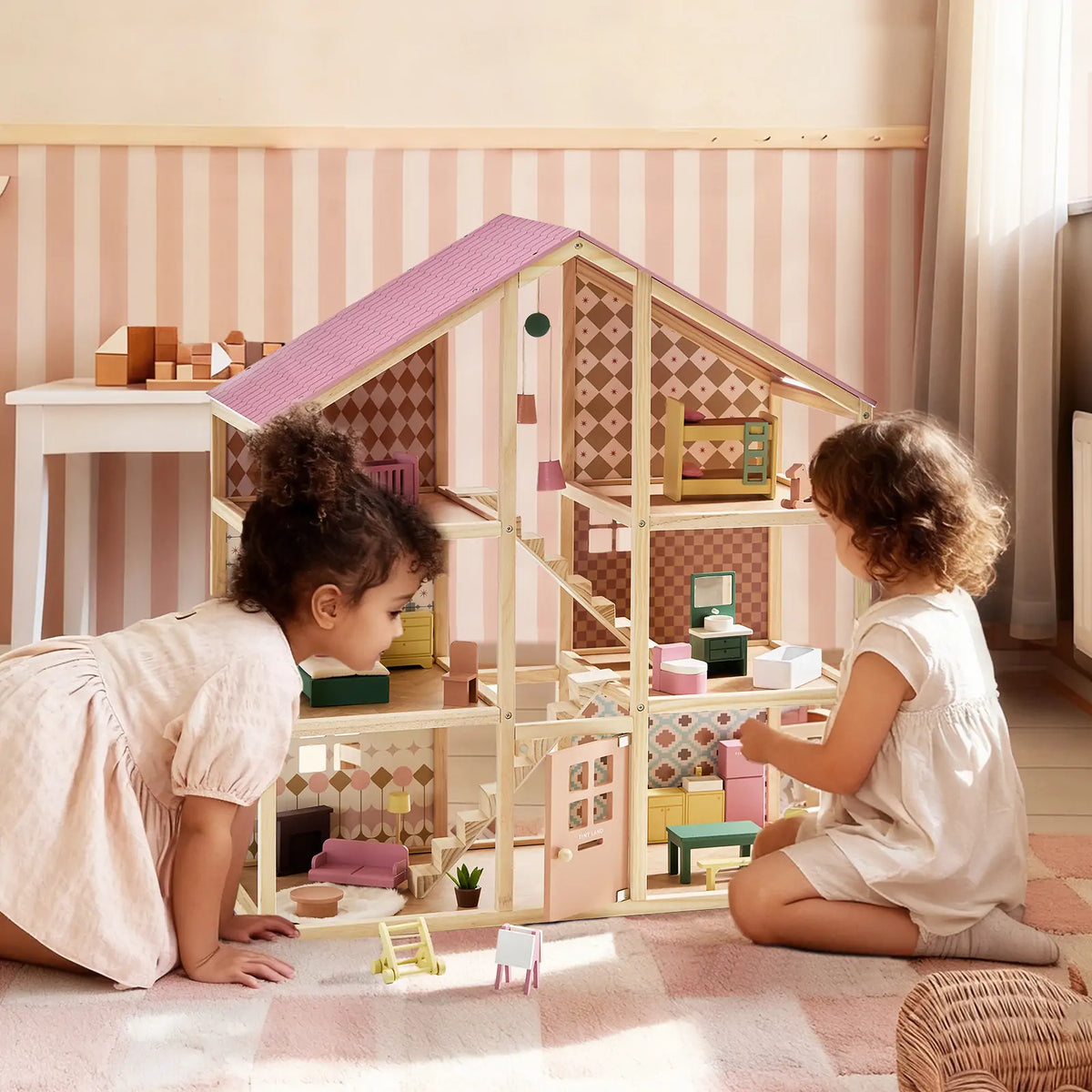
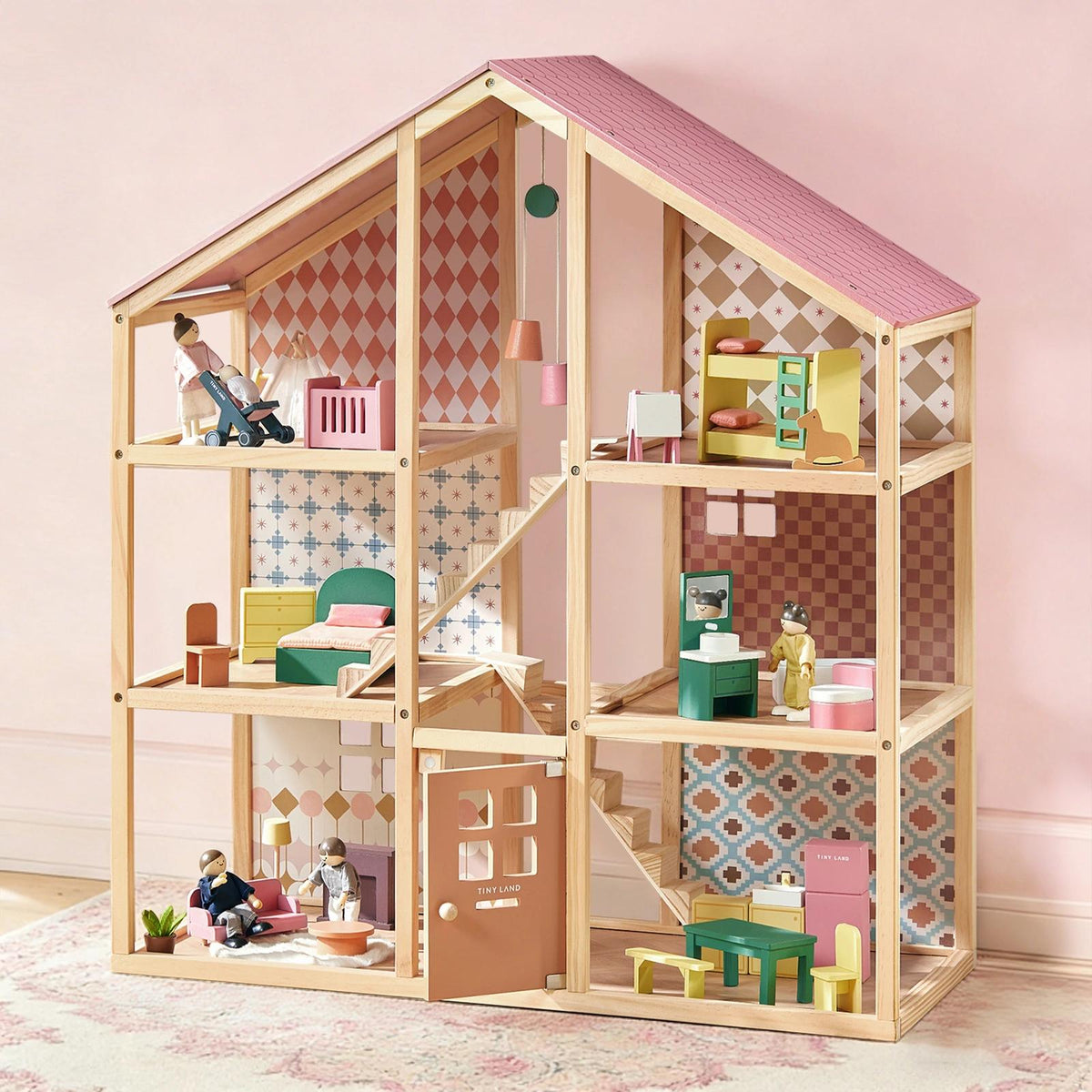
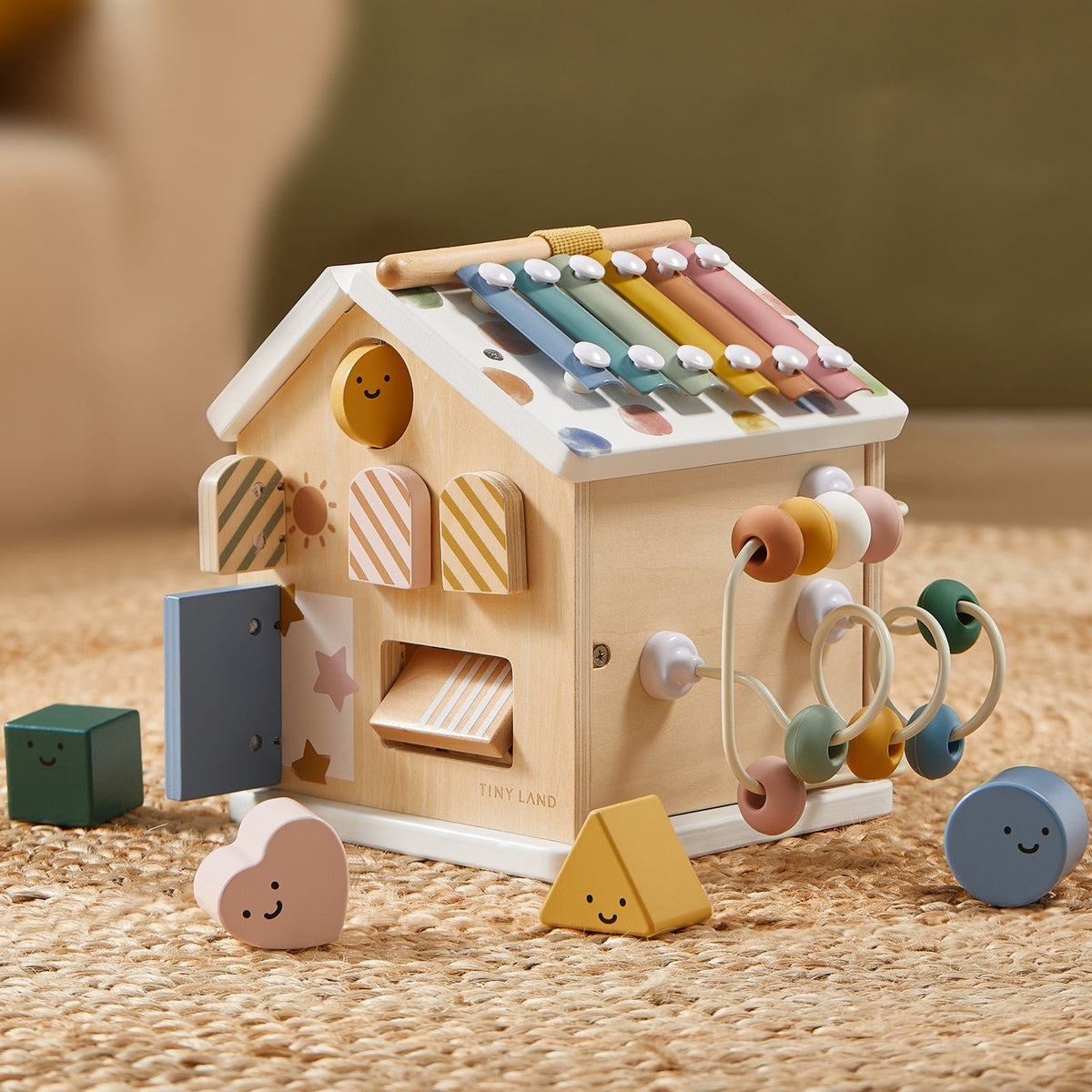
The best dollhouses offer enough details to inspire a child but enough open space for imagination. A fully furnished wooden dollhouse is a great choice because kids can begin to play immediately, yet its furniture and accessories should remain movable.
Look for dollhouses with open rooms, sturdy wood, easy-to-reach walls, and space for multiple kids. A stylish wooden dollhouse can use natural wood, blue, green, yellow, or soft pink without suggesting that only a boy or girl may enjoy it.
Useful features include wide rooms, durable furniture, open sides, and accessories that small hands can move. Avoid dollhouses that lock children into one story. The perfect house should let kids add dolls, animals, superheroes, vehicles, and homemade pieces. These flexible features keep dollhouses stylish, fun, and open to imaginative play.
Parents can also choose dolls with different skin tones, abilities, ages, and family roles. Kids are happy to mix toys from different stock sets and create something original.

Let the Child Lead the Play
Parents may purchase a dollhouse and hope it becomes a peaceful family home. Their son may turn the kitchen into a garage. Their daughter may decorate the roof as a restaurant. Another child may decide every room belongs to dinosaurs.
That reaction is part of the fun. Listen and ask, “Who lives here?” “What happens next?” or “What could we add?” These questions encourage kids to explain their ideas while keeping the child in control.
Dollhouses Build Social Skills
Dollhouses work well for siblings, friends, and group play. Several children can use different rooms at once. One child may decorate the bedroom, another may move the dolls, and another may create the next event.
Shared dollhouse play teaches kids to listen, take turns, acknowledge other ideas, and solve small disagreements. Dollhouses create a natural space for cooperative play because every child can contribute.
The game may become noisy or messy, but that is part of the fun. Boys and girls can enjoy the same house while bringing different stories to the play. They may love different things, yet dollhouses give every child room to join.

Choosing the Right Wooden Dollhouse
Before a purchase, check the recommended age, dimensions, rooms, features, and furniture quality. Stock photos can make dollhouses look larger than they are, so read the product details instead of relying on one post or image.
Large wooden dollhouses may be perfect for shared play, while smaller dollhouses fit easily in a bedroom. Fully furnished dollhouses make convenient Christmas or birthday gifts, but simpler dollhouses may give kids more freedom to decorate.
Consider whether the house can accept new dolls and accessories over time. The best dollhouses do not limit children to one family, one style, or one kind of play. They leave room for creativity, imagination, and new ideas.

Dollhouses Belong to Every Child
Dollhouses are not only for a girl, and a doll house for boys should not seem unusual. Dollhouses can become homes, castles, schools, businesses, rescue stations, or imaginary worlds.
When parents choose toys based on interest rather than gender, children feel free to discover what they love and play in ways that make them happy. Give boys and girls a house, a few dolls, and space to create. The stories may surprise the adults watching—and that is exactly the point.