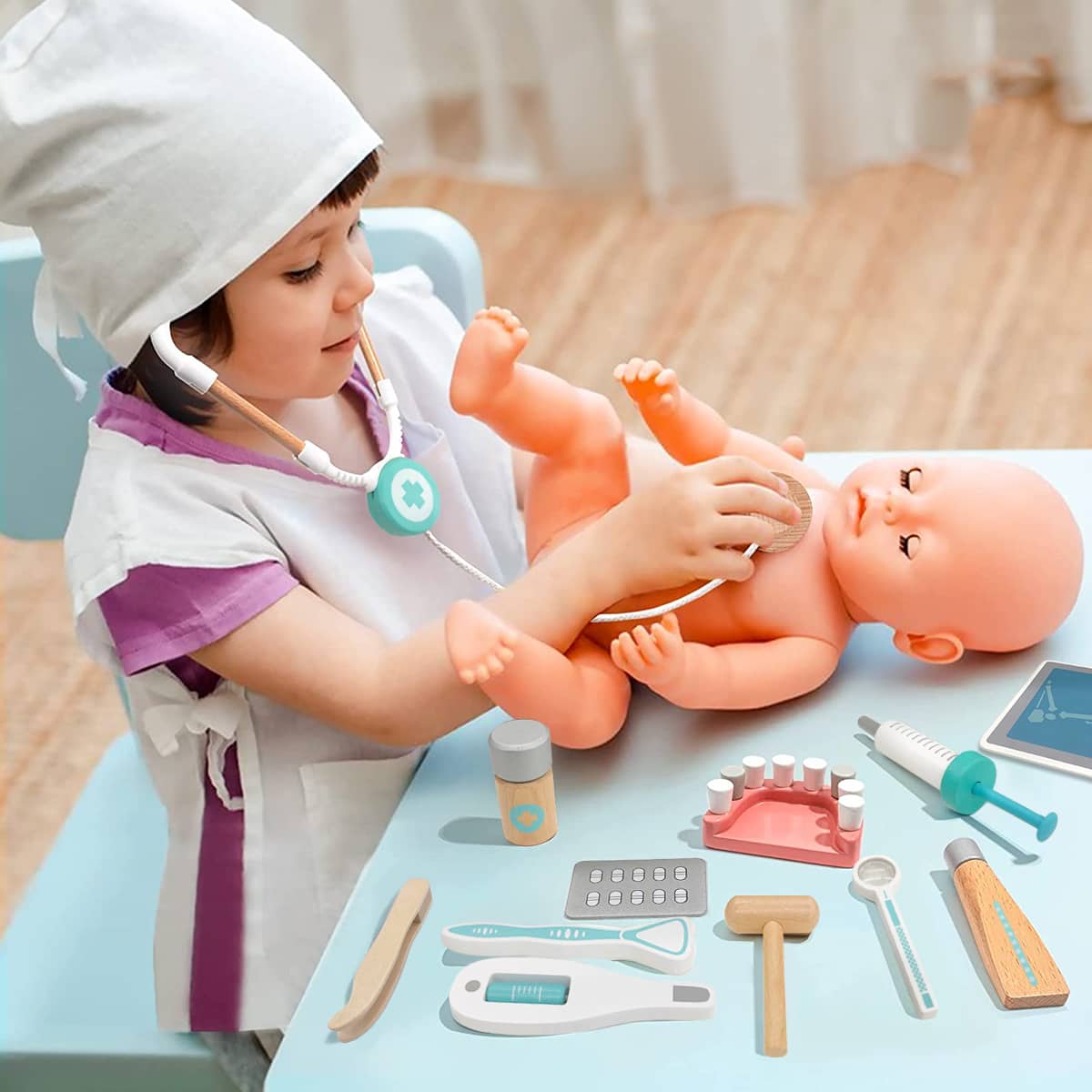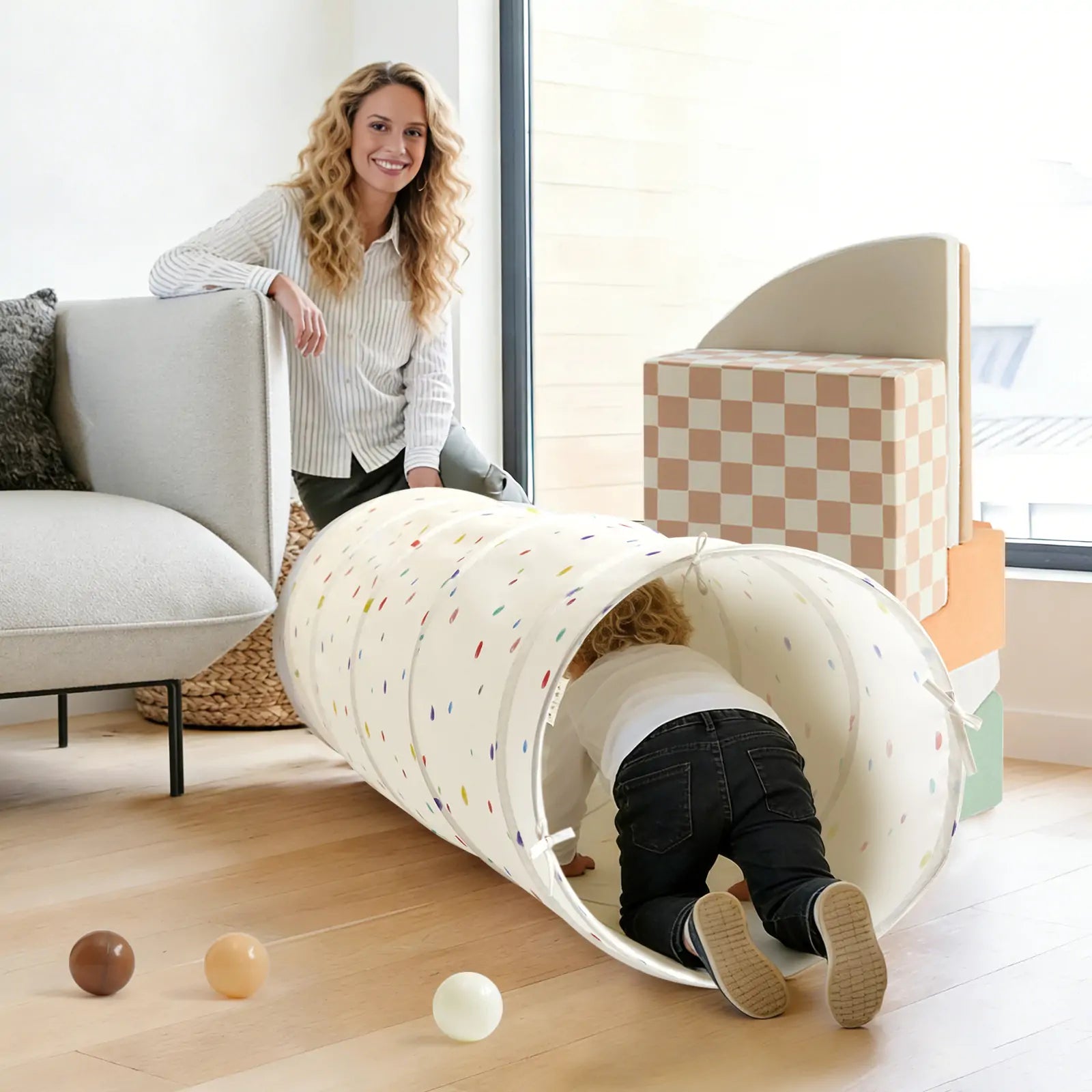
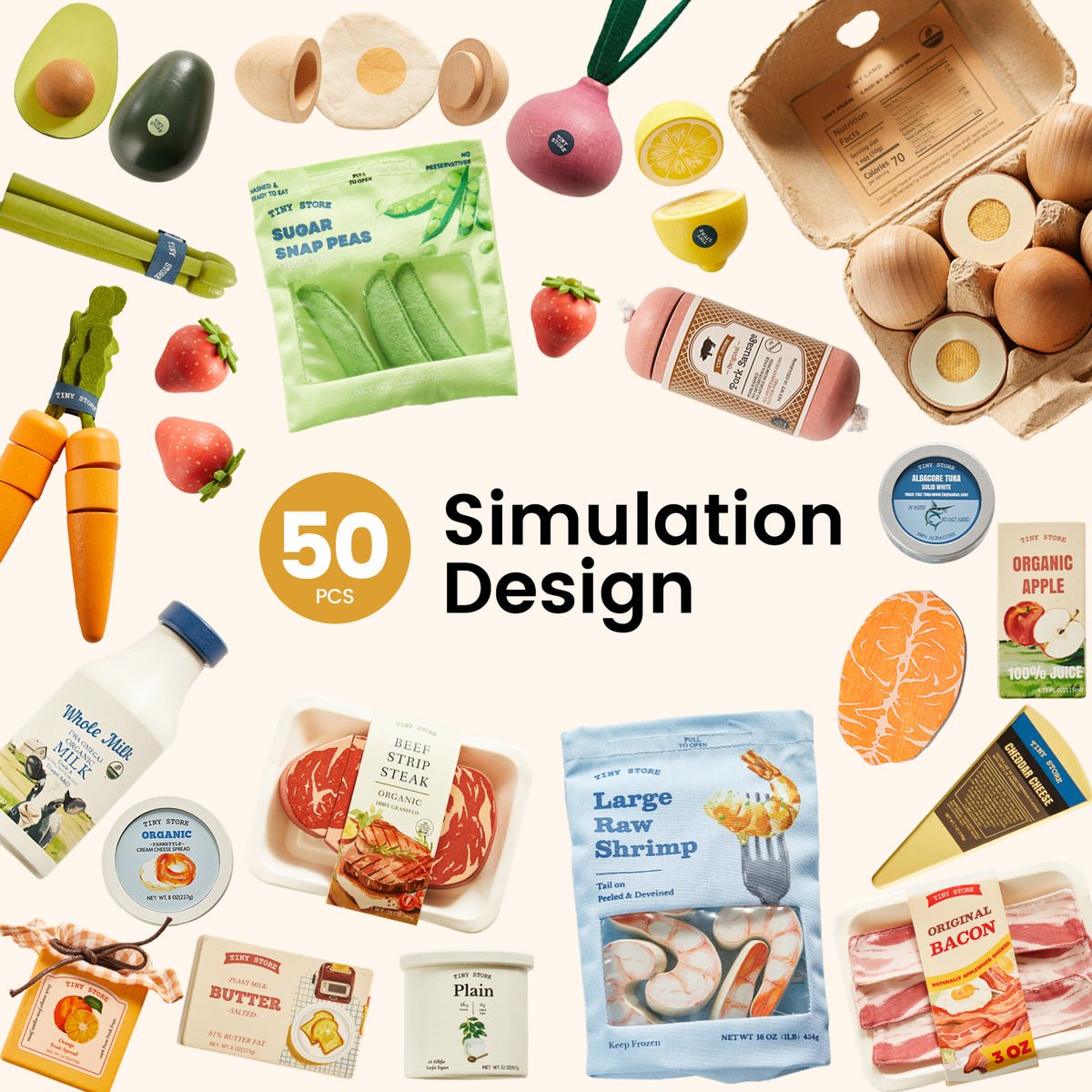
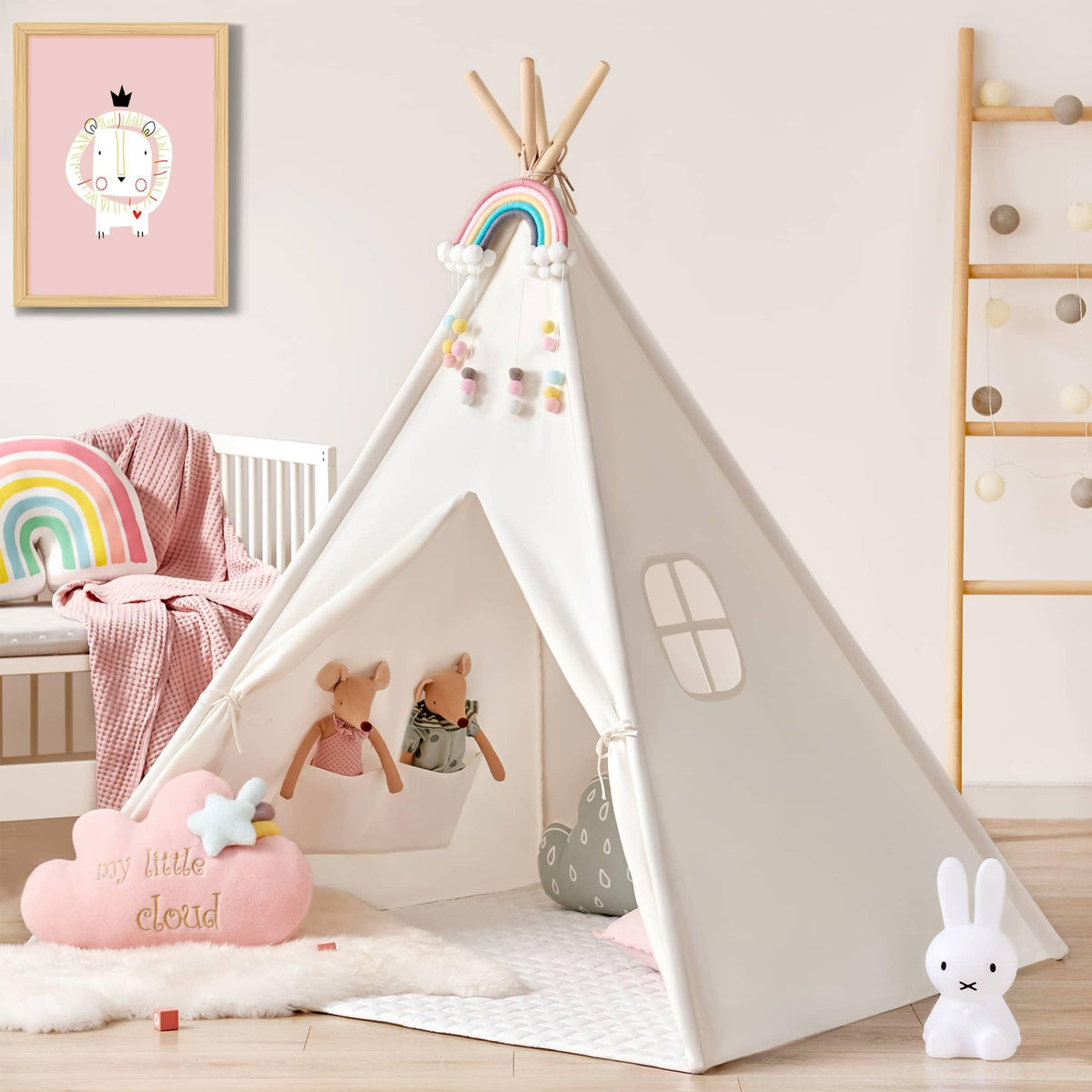
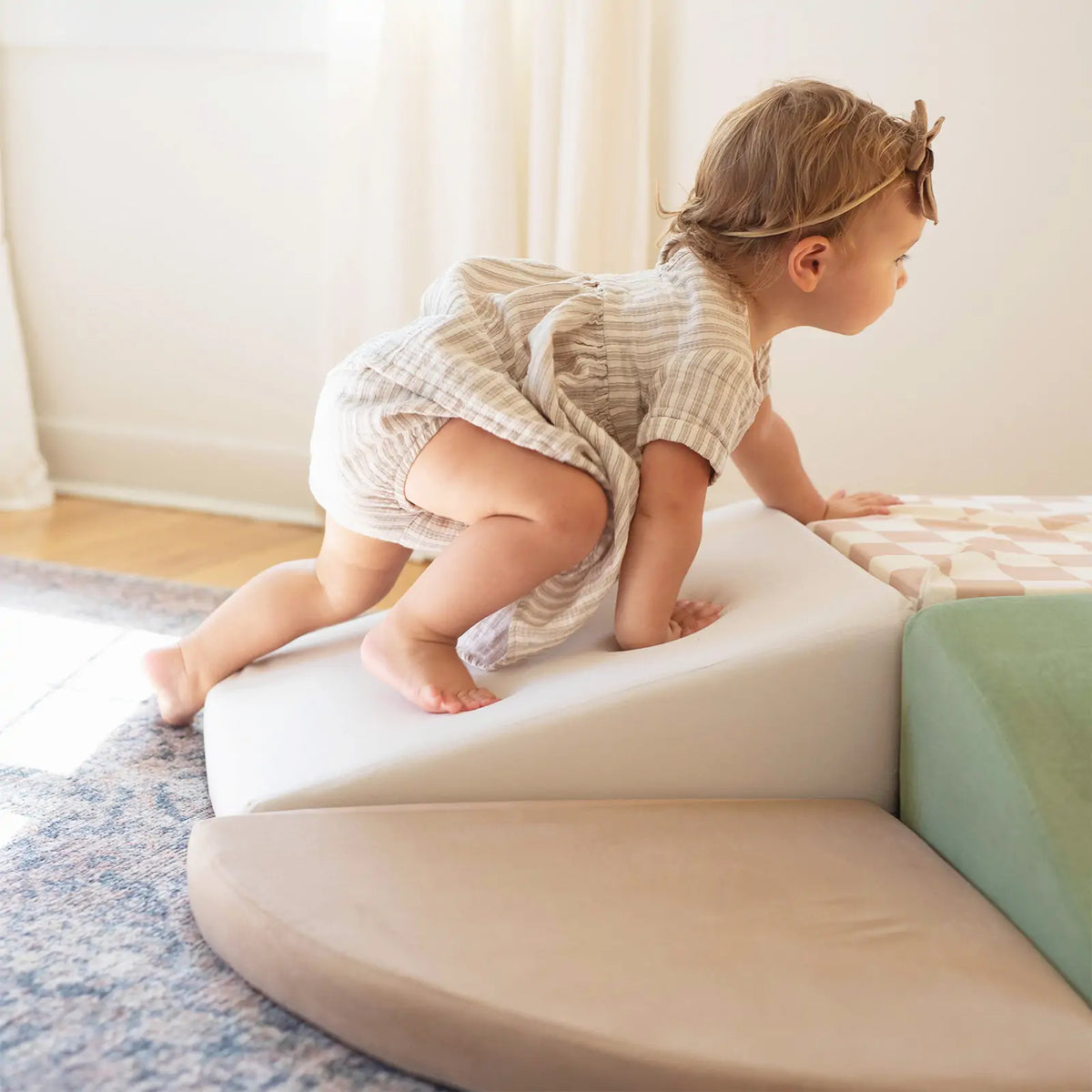

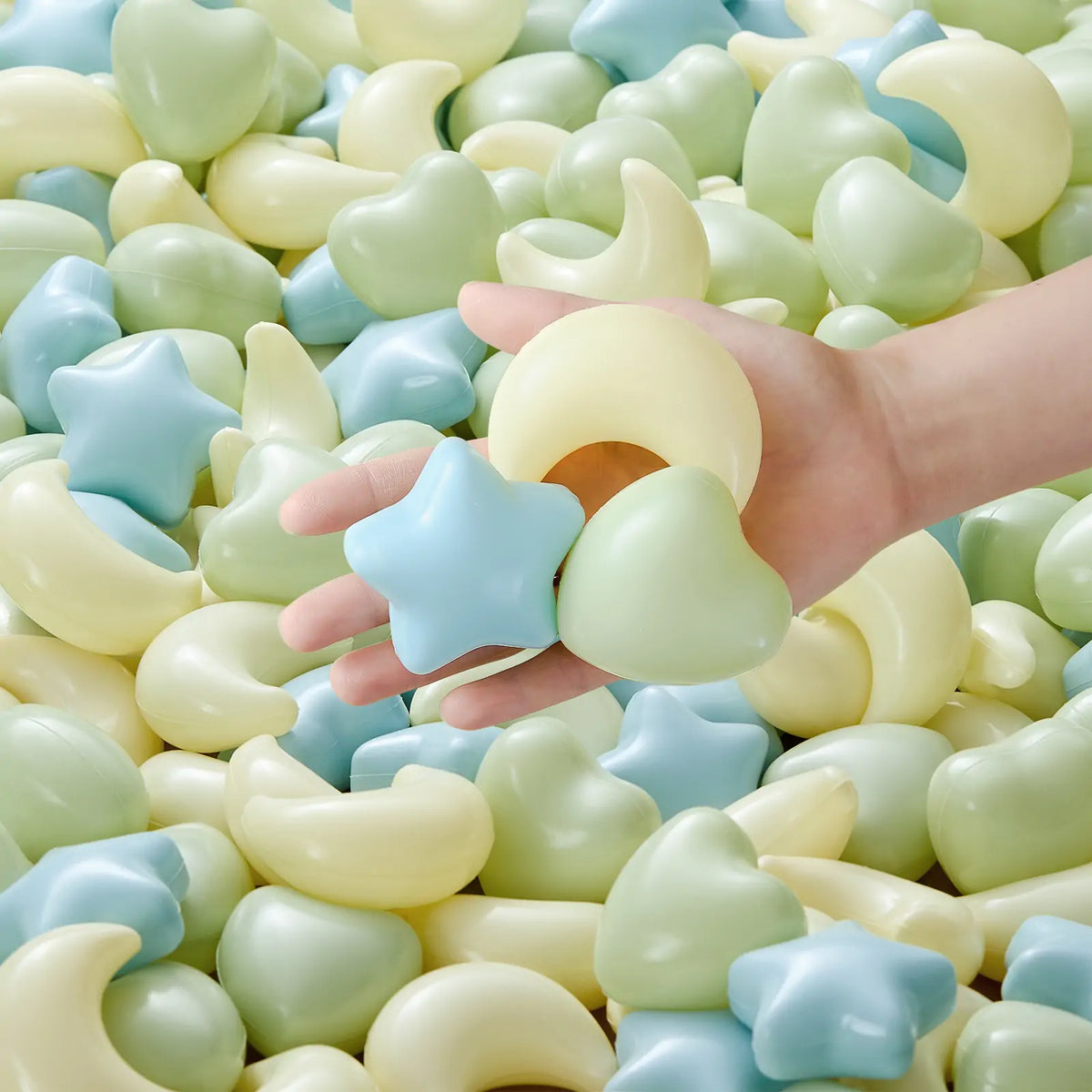
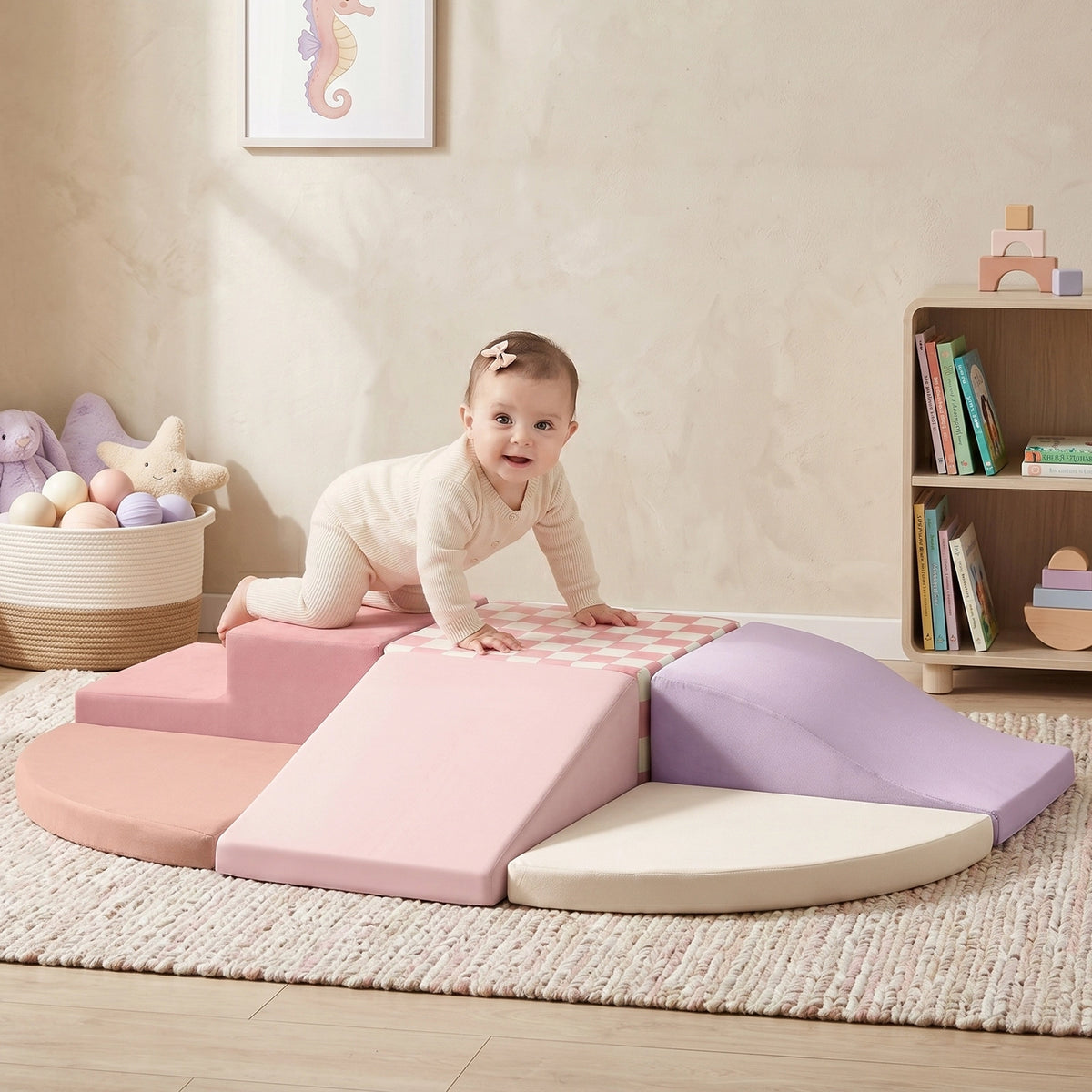
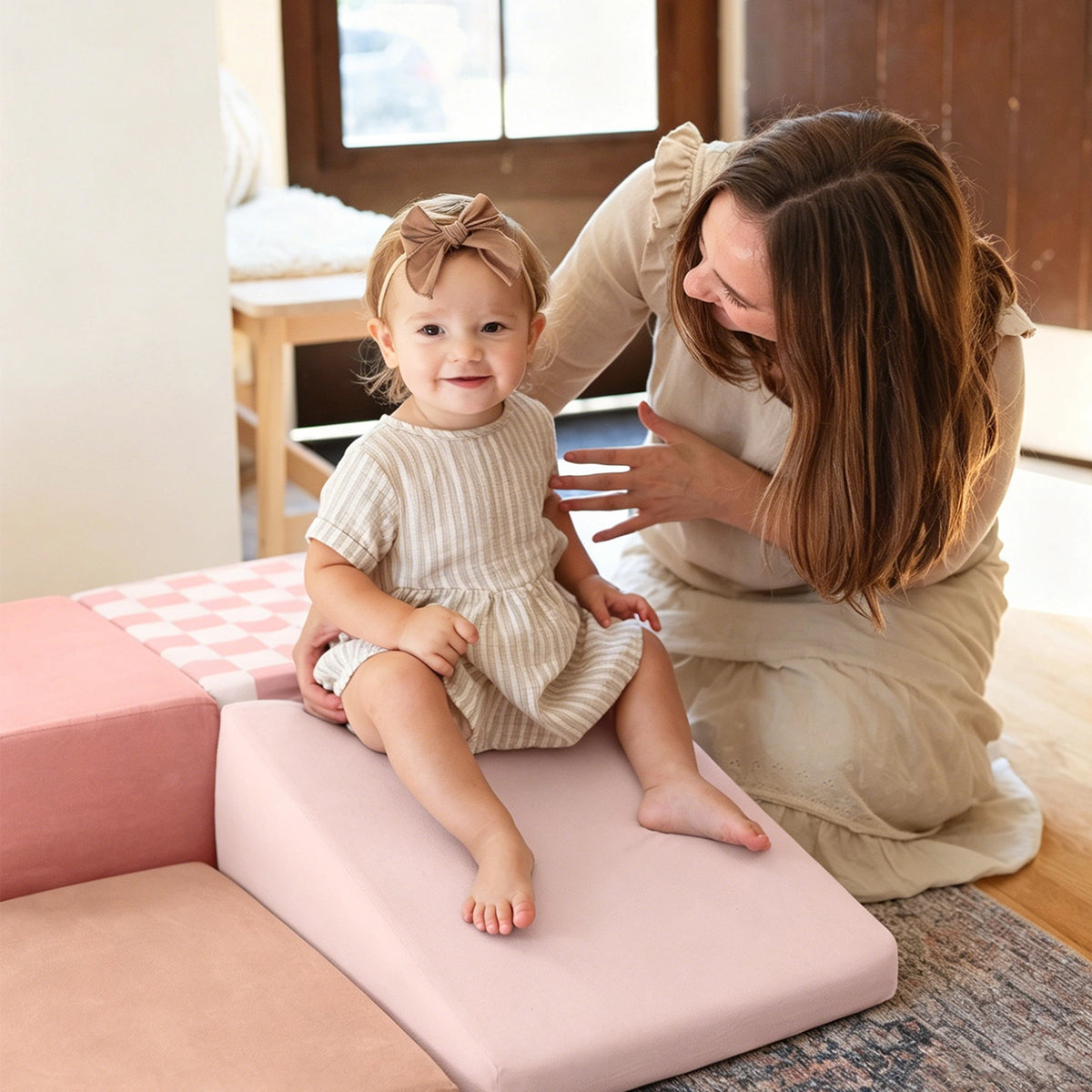
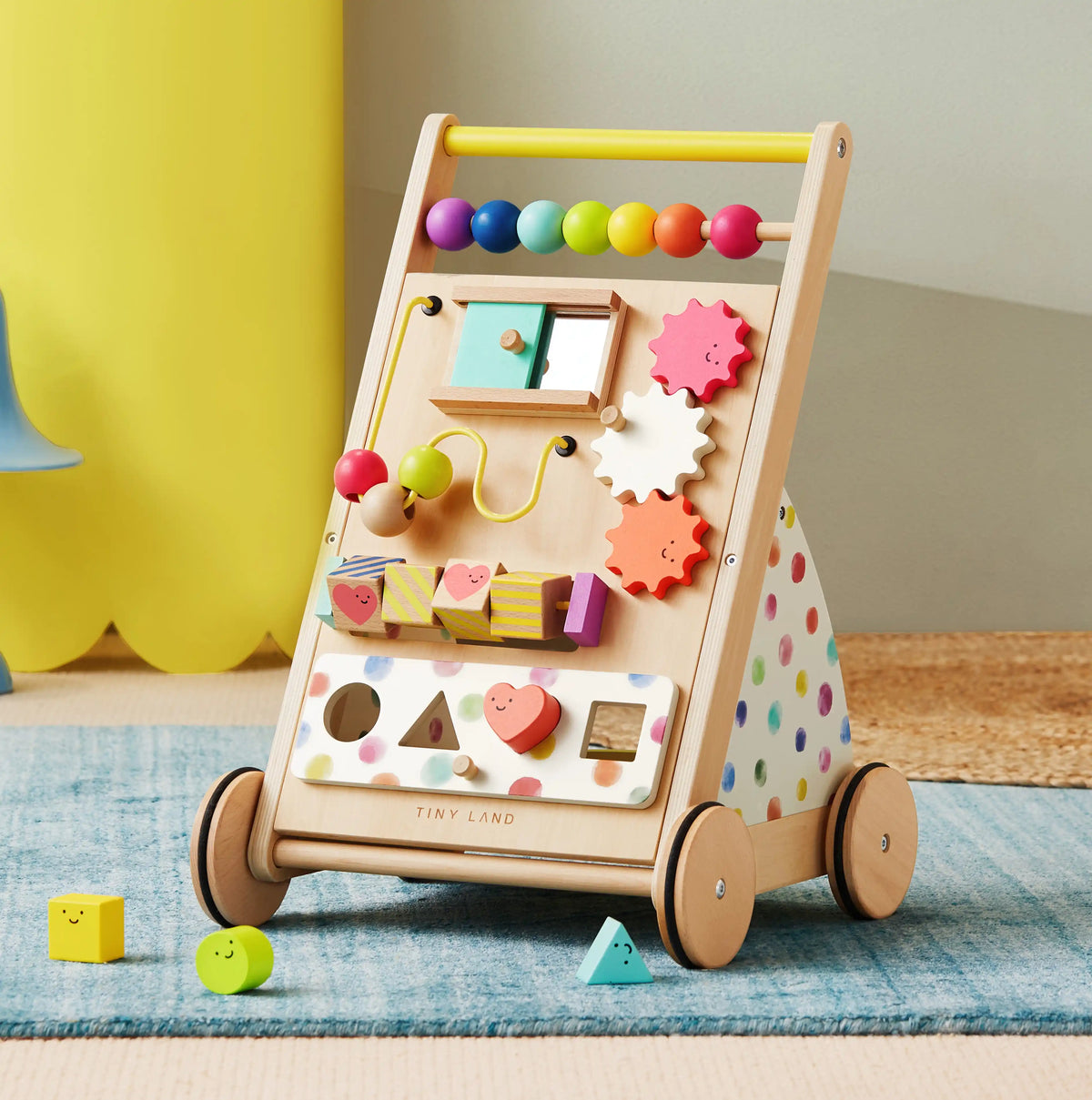


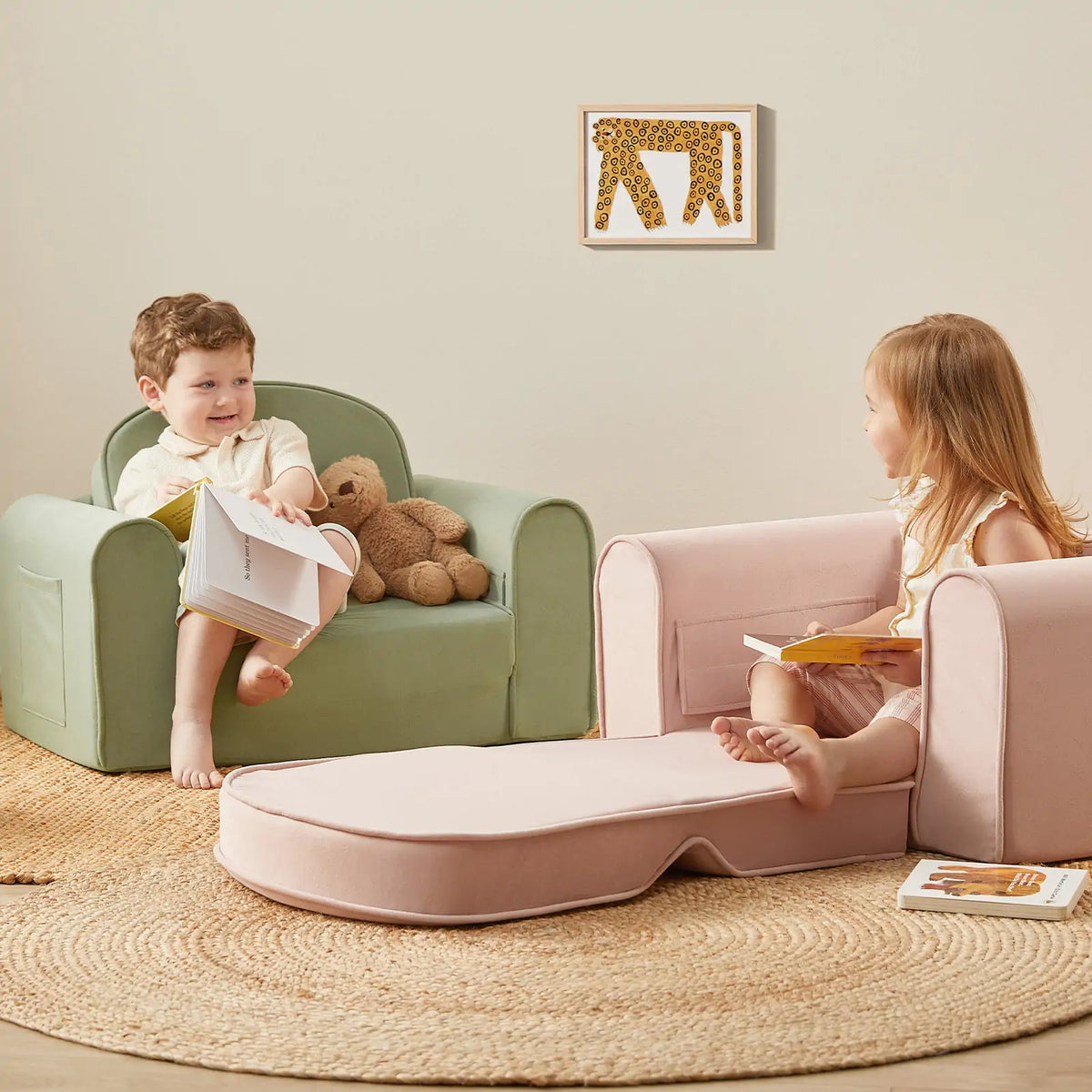

Toddlers learn with their hands. They grab blocks, stack shapes, pull strings, turn puzzle pieces, squeeze balls, and explore different textures every day. To adults, these actions may look like simple play. But for a child, they are important steps in building fine motor skills.
Fine motor skills are the small movements children make with their fingers, hands, and wrists. These skills help toddlers hold food, turn pages, pick up small objects, draw lines on paper, use scissors later in preschool, and eventually hold a pencil in kindergarten. That is why choosing the right fine motor skill toys for toddlers can make everyday play more meaningful.
The best part is that fine motor development does not need to feel like a lesson. With the right toys, toddlers can build hand strength, improve hand eye coordination, and practice problem solving while simply having fun.

What Are Fine Motor Skills?
Fine motor skills are the controlled movements children use to handle and manipulate objects. These movements involve the fingers, hands, wrists, and coordination between the eyes and hands.
When a toddler picks up a snack with their fingertips, places a shape into a sorter, stacks blocks into a tower, or turns a piece of a wooden jigsaw puzzle, they are practicing fine motor control.
These skills support many daily tasks, including eating, dressing, drawing, building, cutting, grasping toys, and holding a pencil. As children grow from infants to toddlers and then toward kindergarten, these small movements become more accurate and confident.
Fine motor development happens gradually. A child may first grab objects with the whole hand. Later, they begin using the pincer grasp, where the thumb and index finger work together to pick up small objects. Over time, this leads to better dexterity and stronger hand muscles.

Why Fine Motor Development Matters for Toddlers
Fine motor development is not only about the hands. It also supports independence, focus, early learning, and problem solving.
When toddlers play with fine motor skills toys, they learn how to control their movements. They discover how much pressure to use, how to turn an object, how to stack pieces without knocking them over, and how to try again when something does not work.
For example, when a child tries to stack blocks, the tower may fall. The child adjusts the blocks and tries a different way. This simple moment builds hand strength, patience, and problem solving skills.
That is why many parents, teachers, and even an occupational therapist may recommend hands-on play. Toddlers need many small opportunities to use their hands in different ways.

How Educational Toys Support Fine Motor Skills
Good educational toys make practice feel natural. Instead of asking a child to “train” their hands, the toy invites the child to play.
The best fine motor toys usually encourage actions like grabbing, pinching, stacking, sorting, pulling, twisting, turning, connecting, building, and manipulating objects. These actions strengthen the hand muscles and improve fine motor control.
Different toys also offer different textures, shapes, and challenges. A soft ball feels different from wooden blocks. A puzzle piece works differently from a bead on a string. These textures and movements help toddlers explore the world through their hands.
This is why fine motor activities are so valuable. They give children repeated practice without pressure.
Best Fine Motor Toys for Toddlers
The best fine motor toys are simple, safe, and interesting enough for toddlers to use again and again. They should match the child’s age and stage while still giving them room to grow.
1. Building Blocks
Blocks are one of the best toys for fine motor development. Toddlers can grab them, stack them, knock them down, organize them by color, or build simple shapes.
This kind of play supports hand strength, hand eye coordination, focus, and problem solving. A younger child may only stack two or three blocks. An older toddler may build a taller tower or use blocks in pretend play.
Blocks are also open-ended, which means children can use them in many different ways. That makes them great for both fine motor development and creativity.
2. Wooden Jigsaw Puzzles
Wooden jigsaw puzzles help toddlers practice turning, sliding, matching, and placing pieces carefully. These actions build fine motor control and strengthen the fingers.
At first, a little one may simply remove the pieces and explore the shapes. Later, they begin matching pieces to the correct spaces. This supports problem solving, shape recognition, patience, and hand eye coordination.
Puzzle knobs can help younger toddlers practice grasping. More detailed puzzle pieces can support older toddlers who are ready for a bigger challenge.
3. Shape Sorters
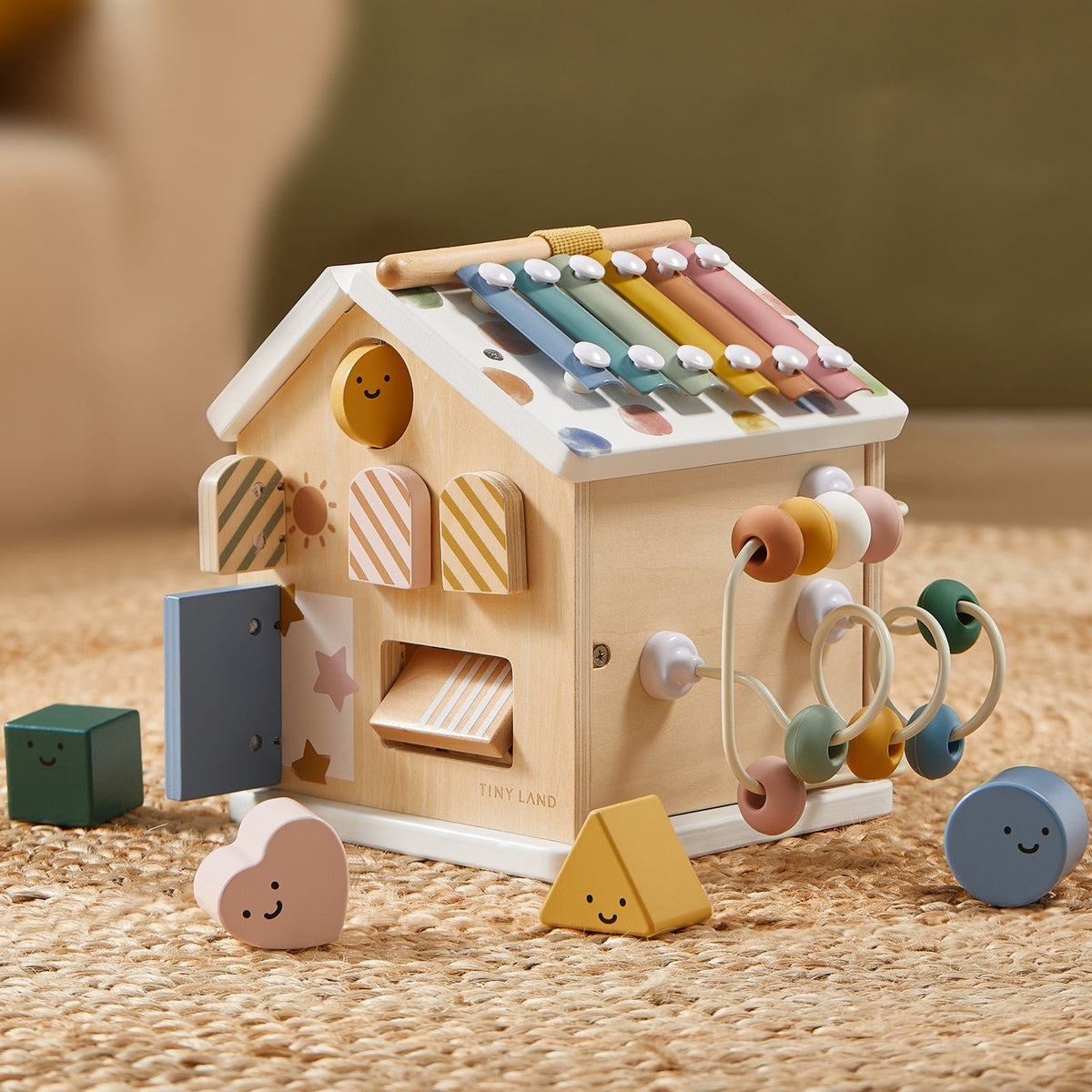
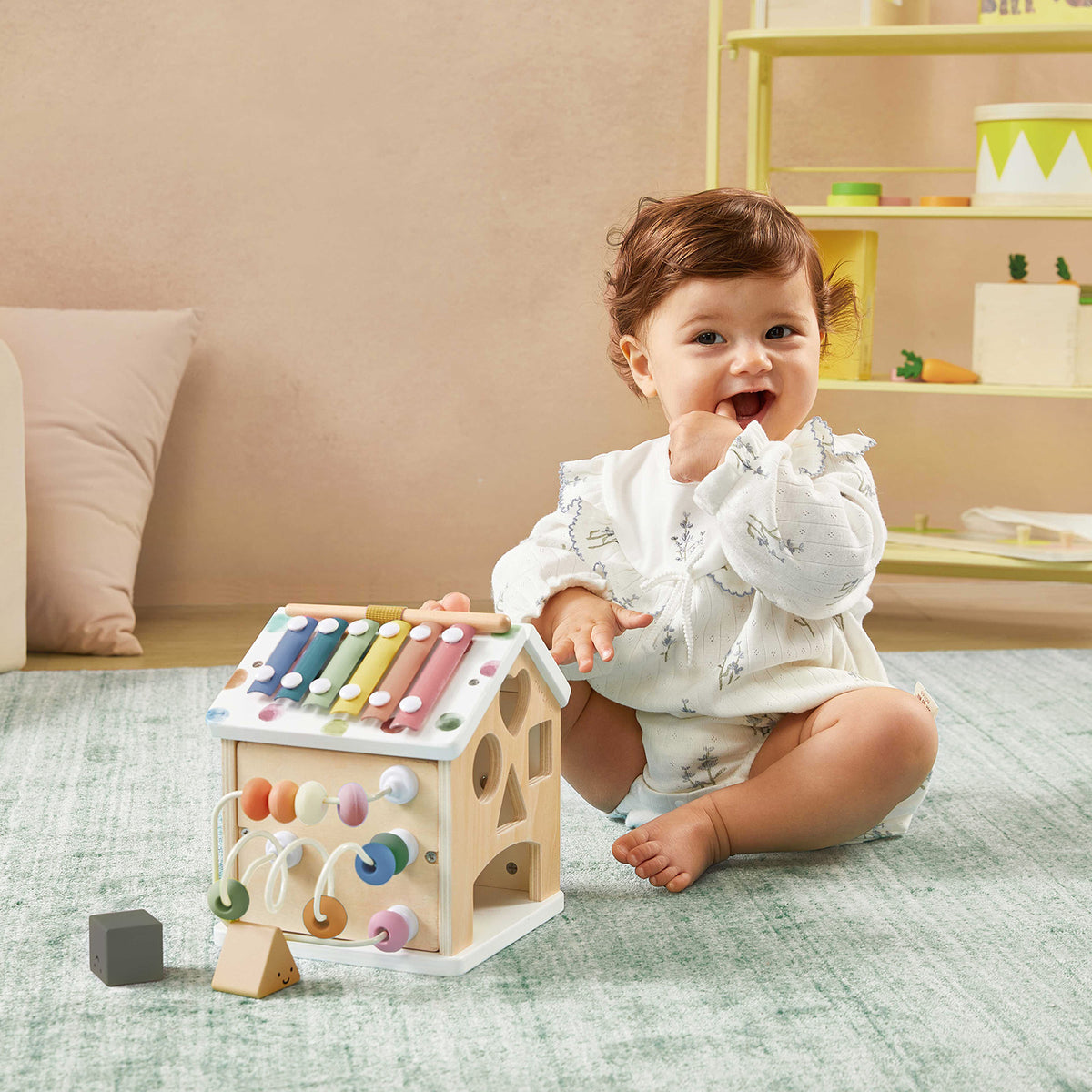
Shape sorters are classic fine motor skills toys because they require children to pick up, turn, compare, and fit objects into the right space.
This type of play helps toddlers understand shapes while also building hand control. It also encourages logical thinking because the child has to figure out which piece fits where.
Shape sorters are especially helpful because they combine early learning with hands-on play.
4. Threading Toys and Bead Mazes
Threading toys are great for practicing the pincer grasp. When toddlers pick up a bead and guide it onto a string, they use their fingertips, focus, and coordination.
For younger toddlers, larger beads and thicker strings are better. As children grow, smaller pieces can add more challenge. Parents should always choose age-appropriate toys and supervise closely when small objects are involved.
Bead mazes are also useful. Children move pieces along a path, which helps build control, focus, and hand strength.
5. Pretend Food and Play Kitchens
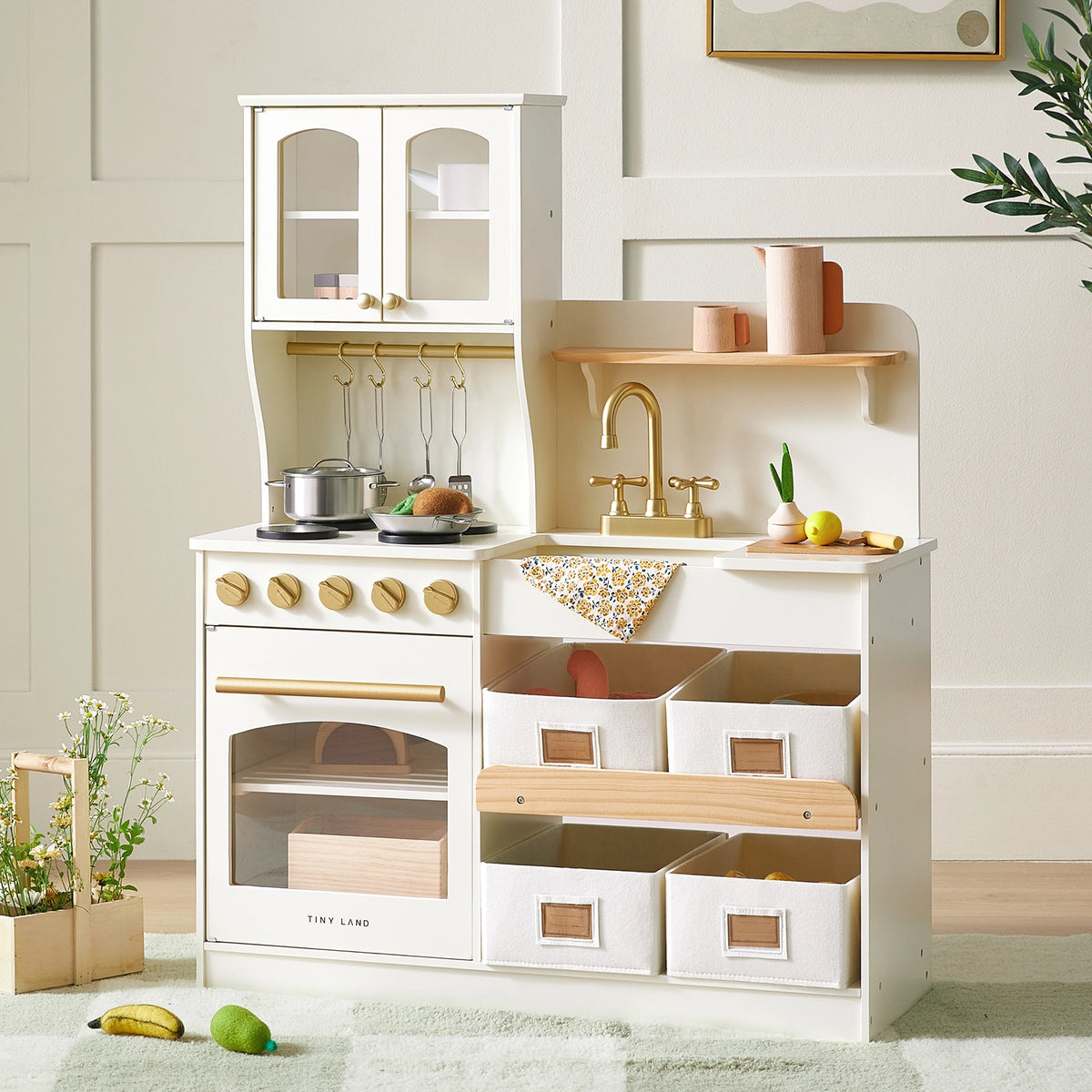
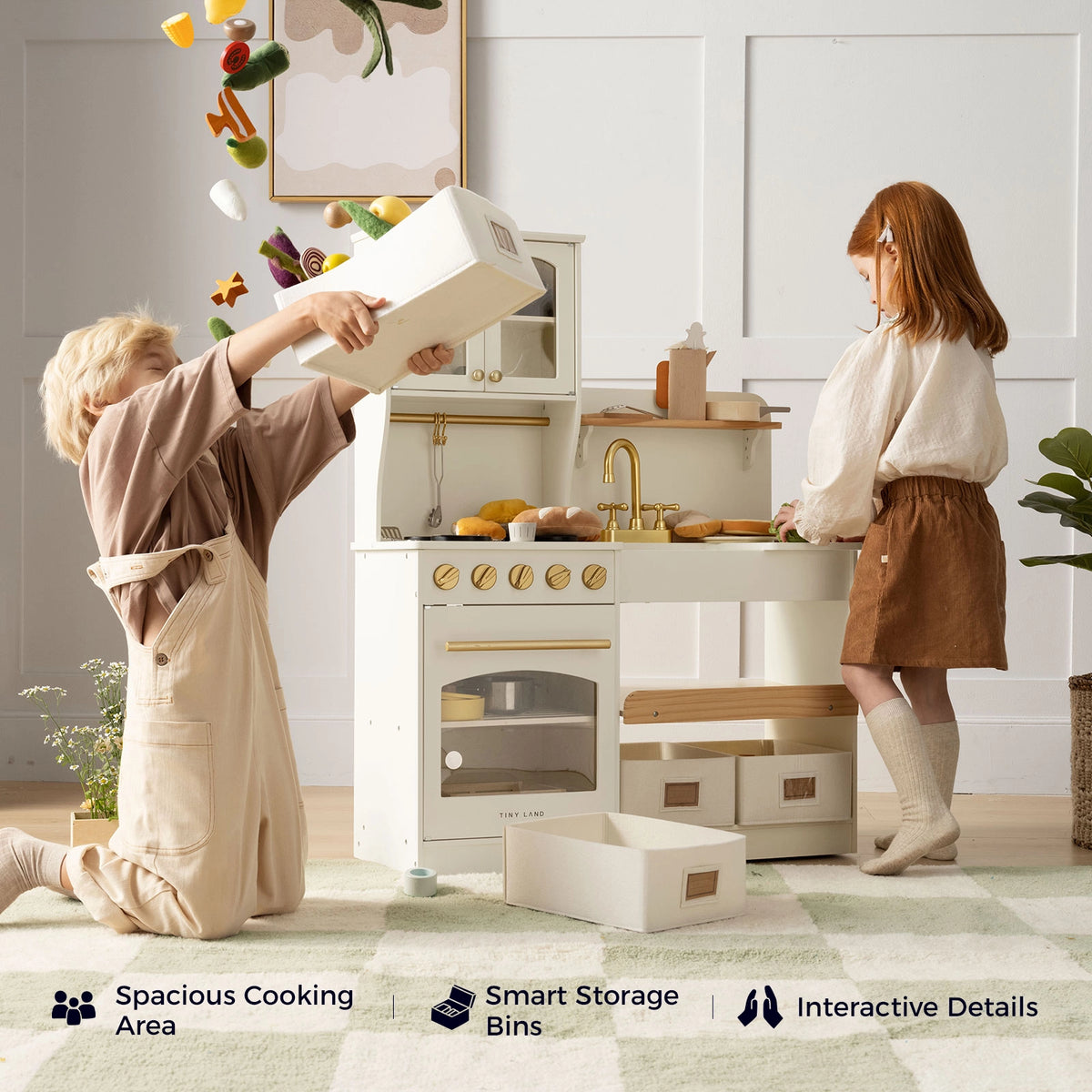
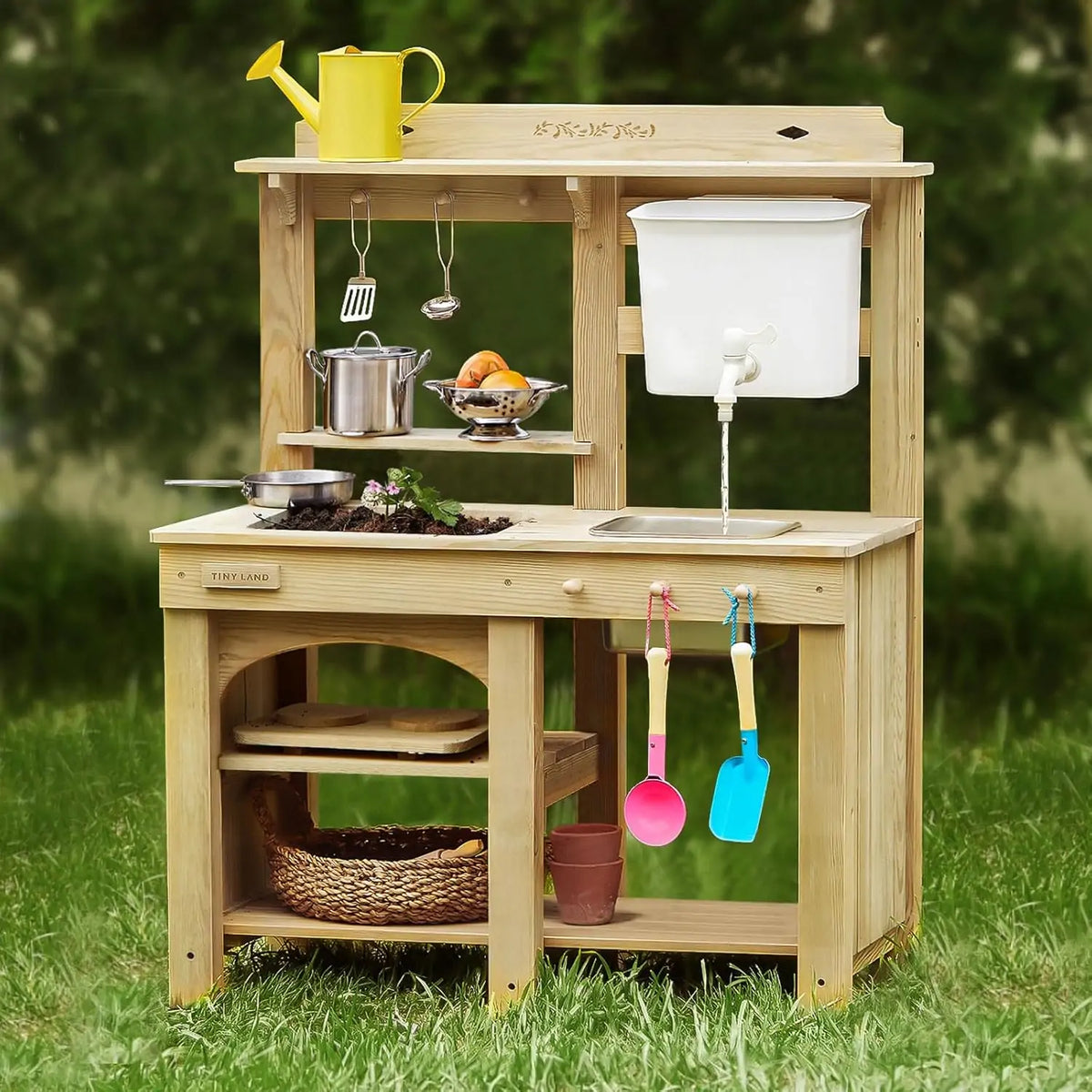
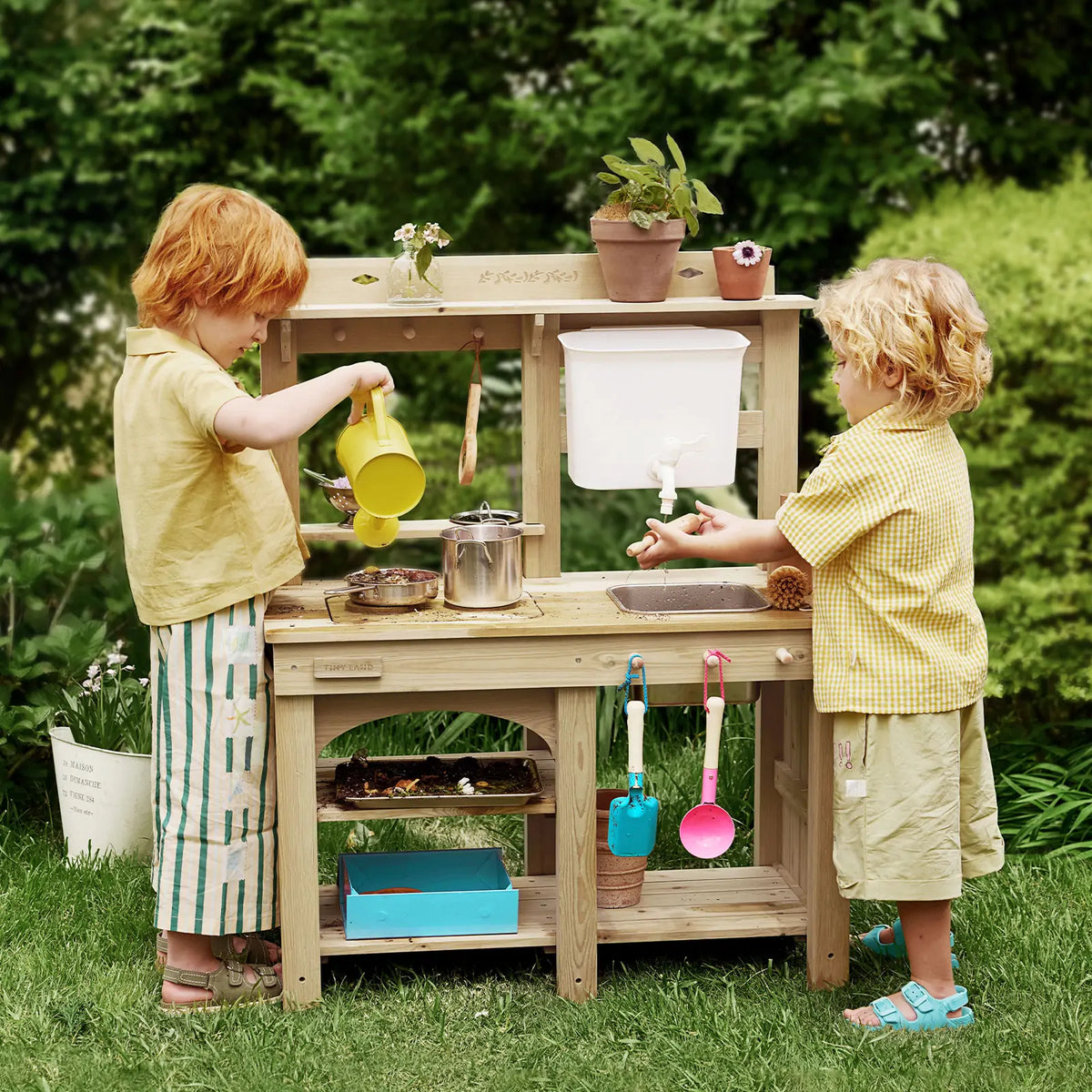
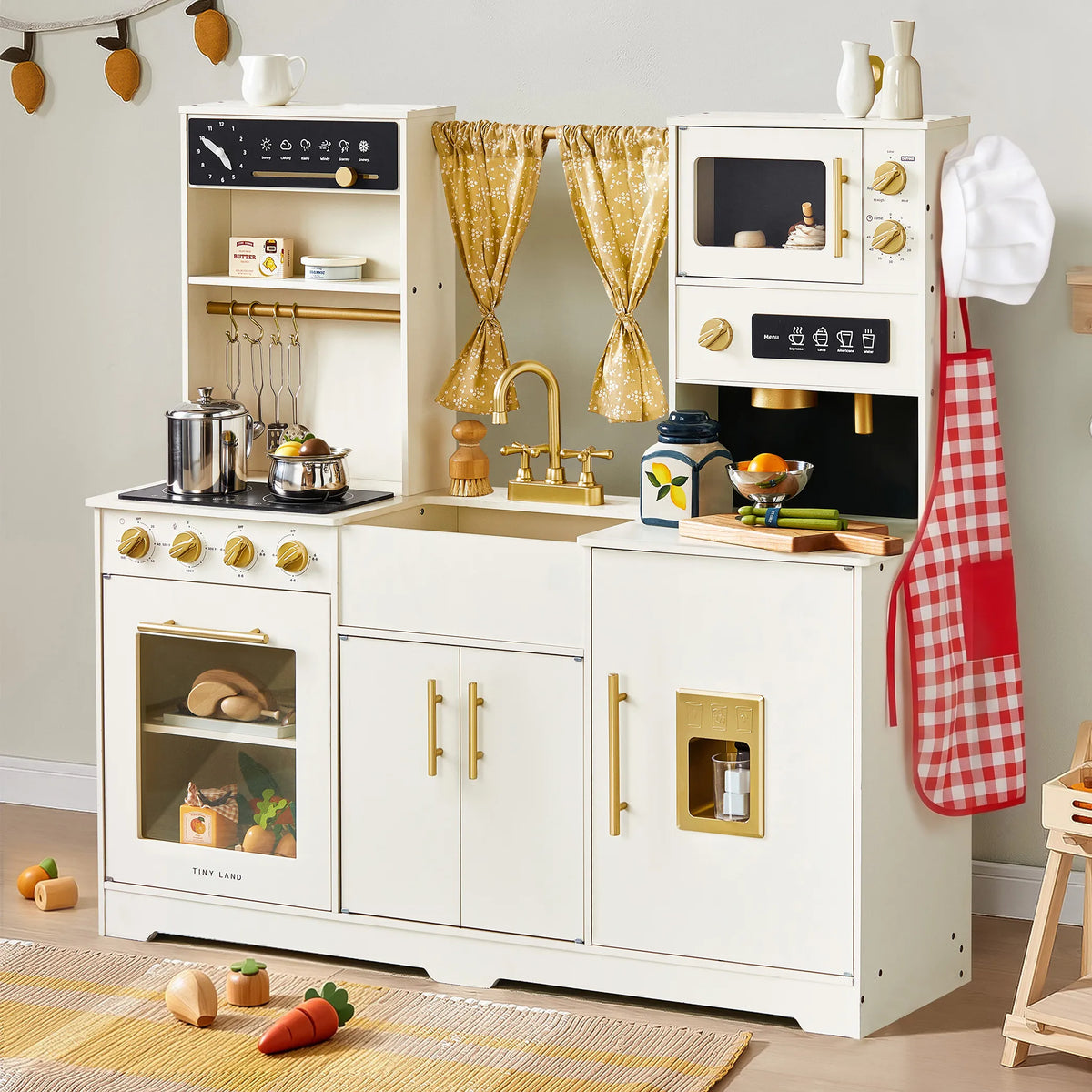
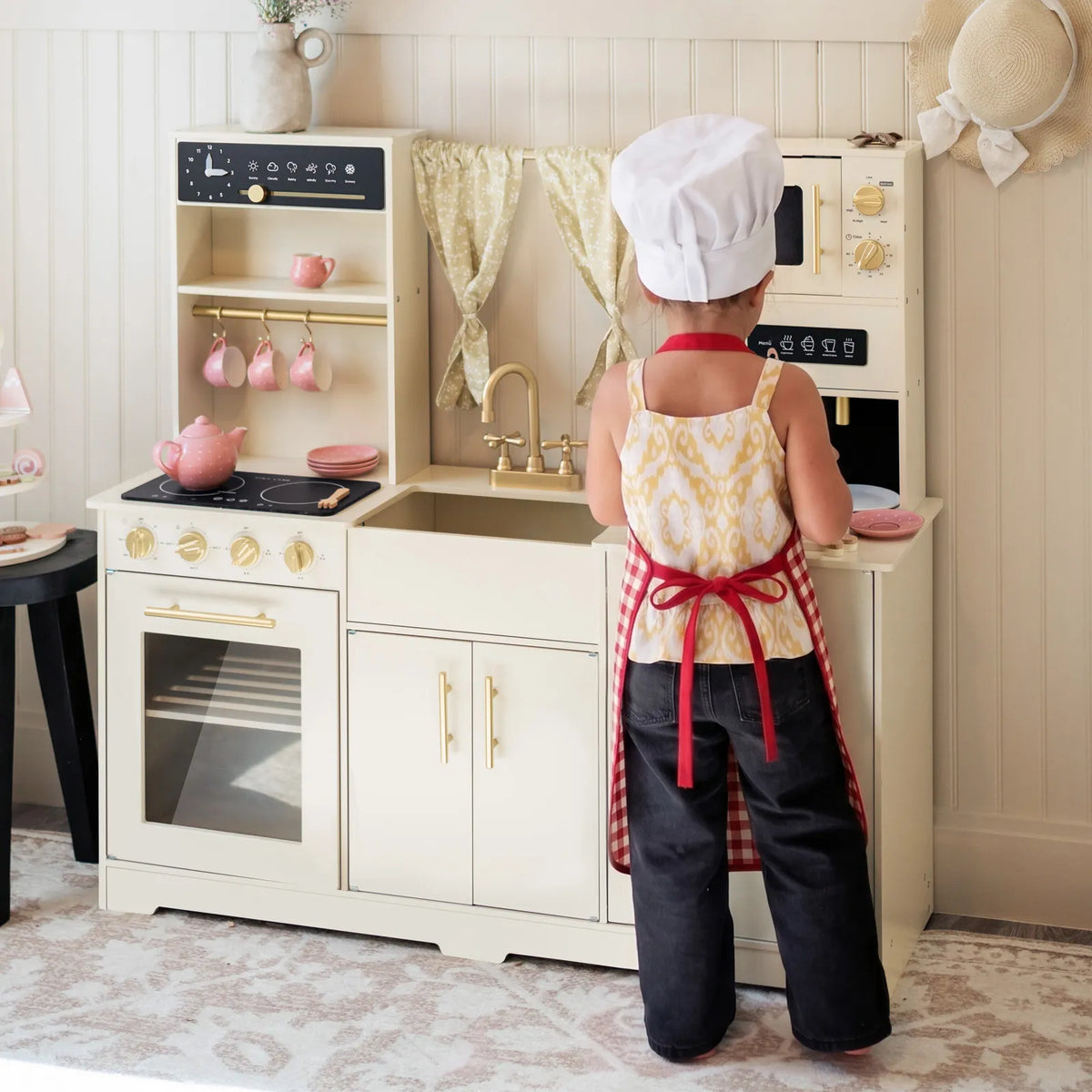
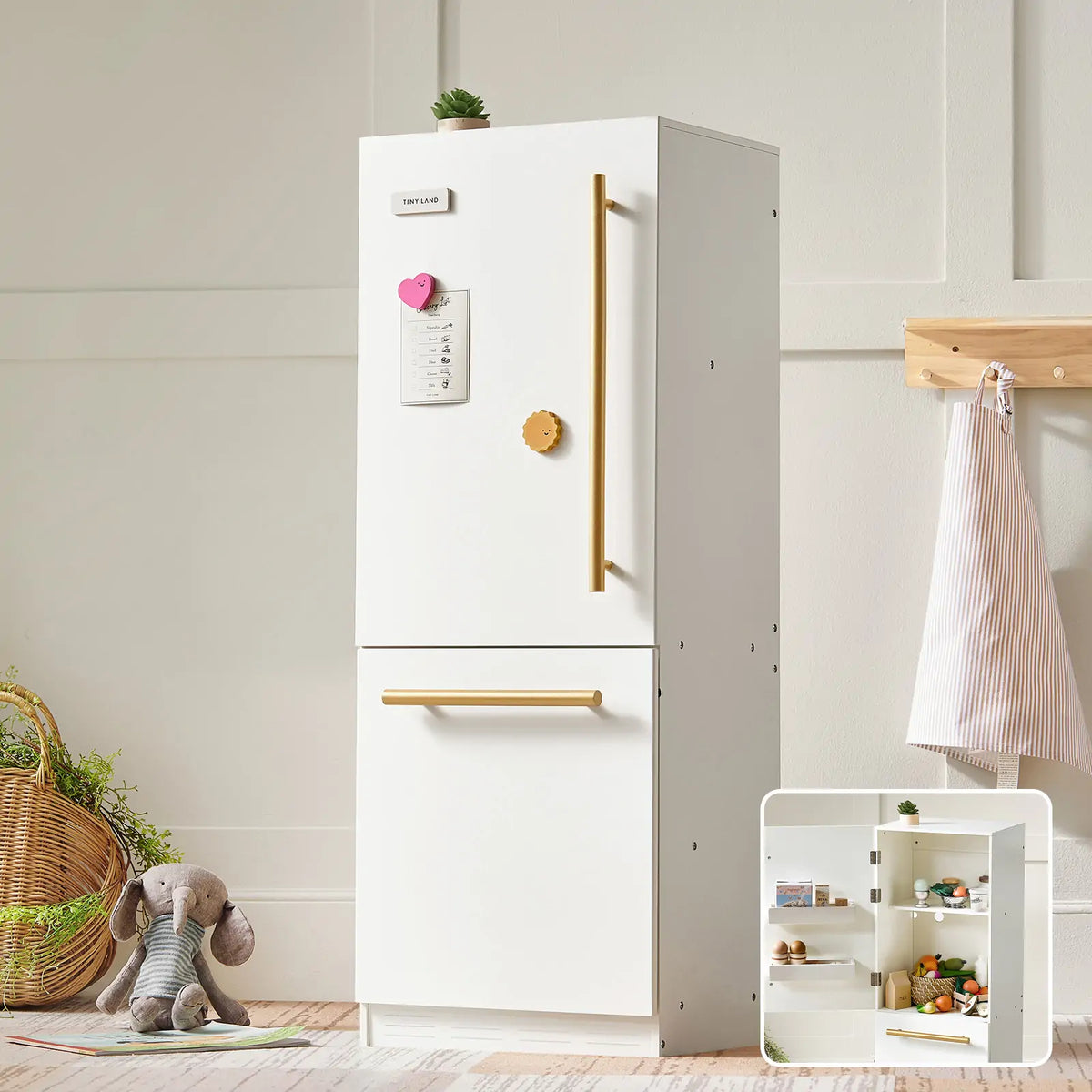
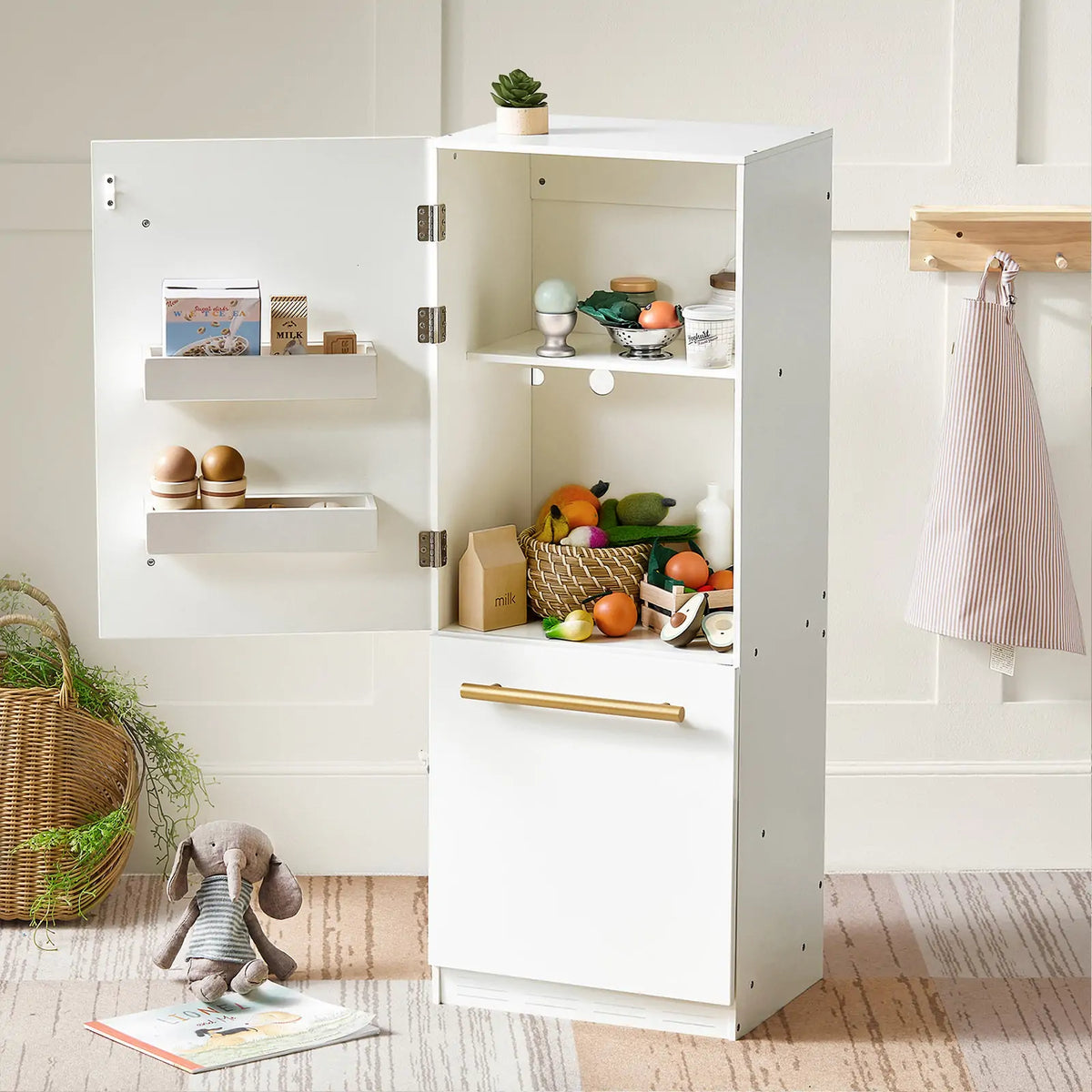
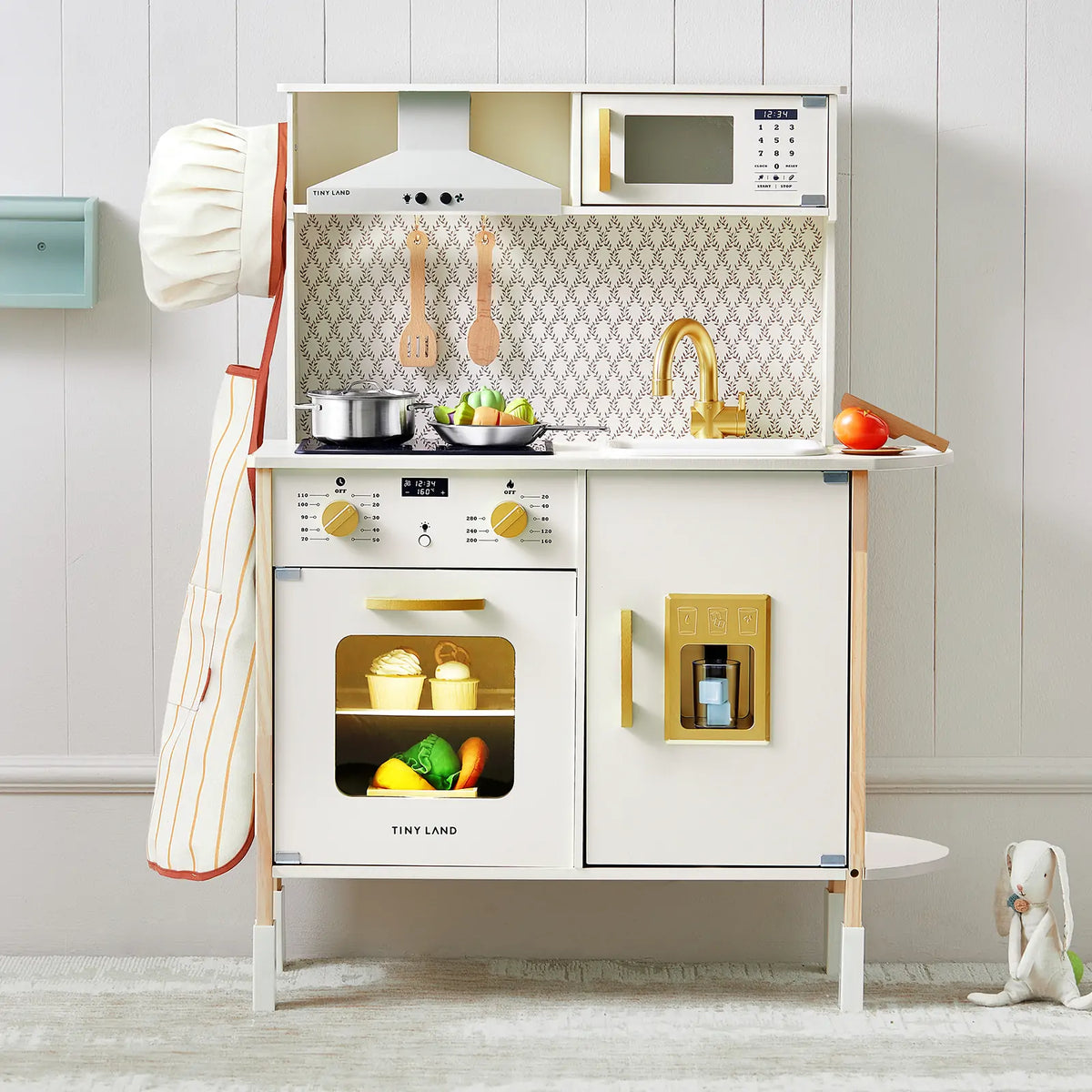
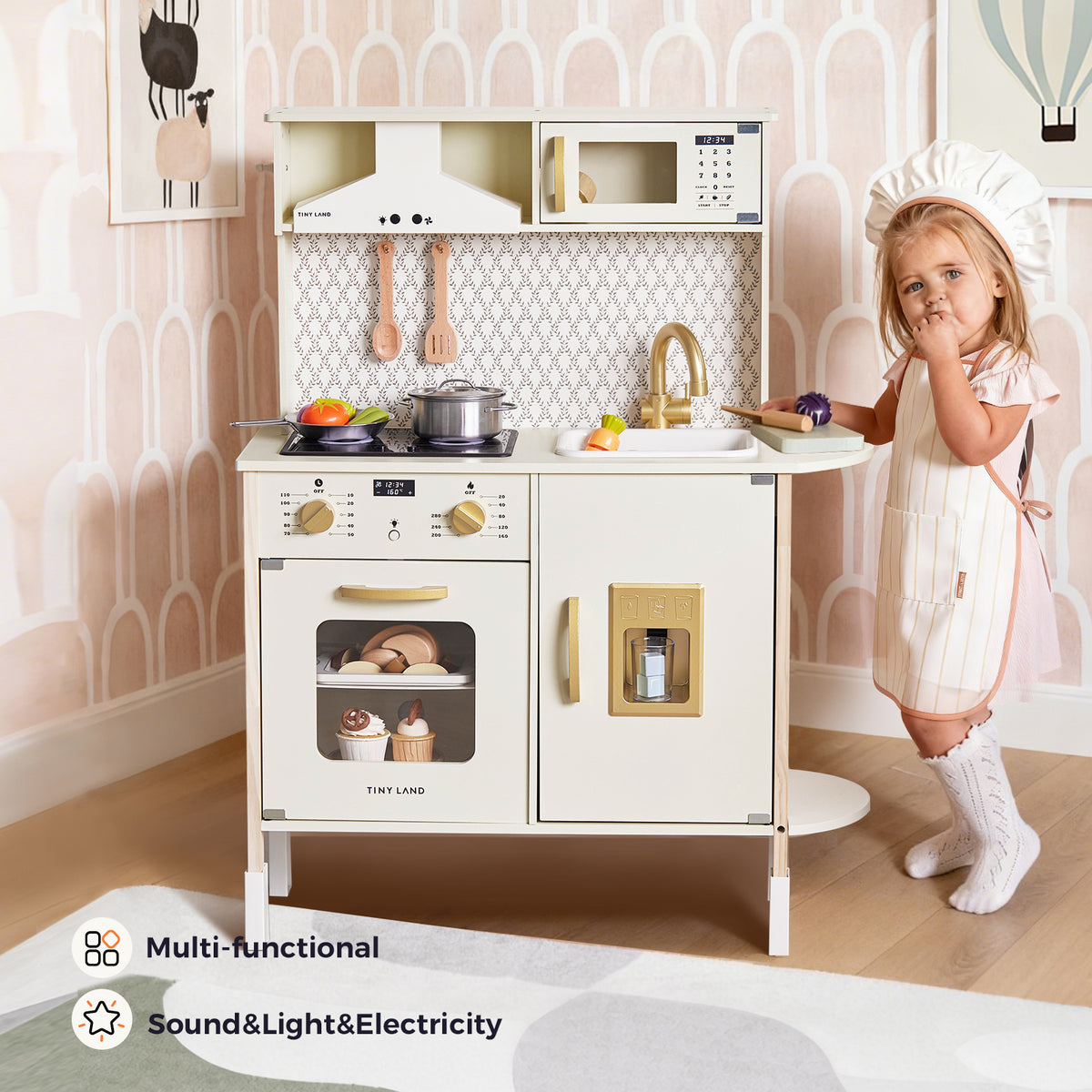
Pretend food and play kitchens may not look like typical fine motor toys, but they offer many useful movements. Toddlers can grab food pieces, sort them, stack them, place them into baskets, open doors, turn knobs, and pretend to cut food.
These actions support fine motor skills while also encouraging imaginative play. Children love copying real-world routines, and pretend food makes learning feel familiar and fun.
This kind of play also helps children connect with the world around them. They learn about food, daily habits, sharing, and simple social roles.
6. Art Supplies and Craft Kits
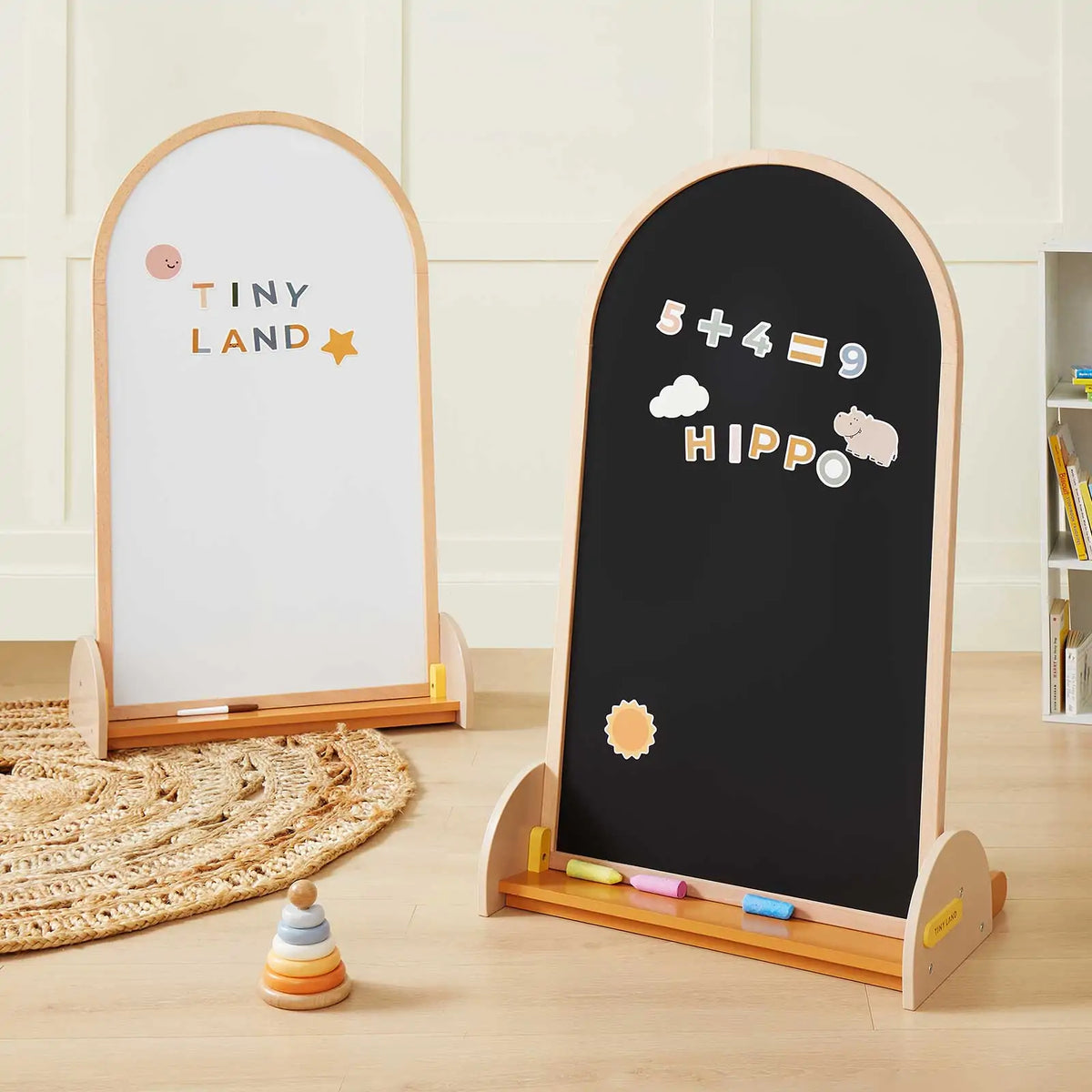
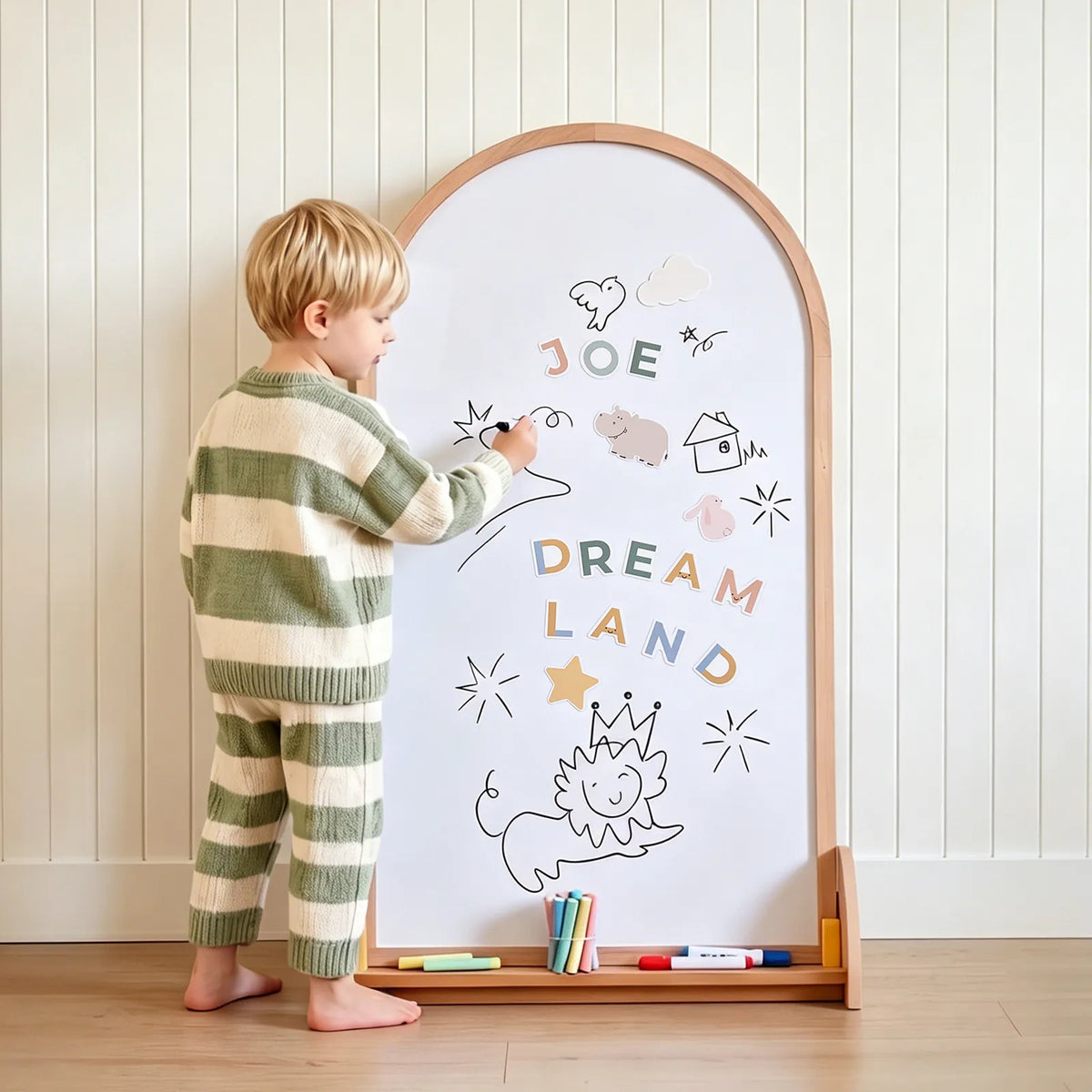
Simple art supplies can support fine motor development in a very natural way. Chunky crayons, large markers, stickers, paper, glue sticks, and beginner craft kits all help children use their fingers and hands with more control.
Drawing lines, peeling stickers, pressing paper, and holding crayons all build dexterity. As children get older, supervised cutting with toddler-safe scissors can also strengthen the hands.
Craft projects are also great because they encourage creativity and focus. The child gets to make something with their own hands, which builds confidence.
7. Balls and Sensory Toys
A ball may seem simple, but it can support both motor skills and active play. Toddlers can grab, squeeze, roll, throw, catch, and pass a ball from one hand to the other.
Different textures make this even better. A soft ball, smooth ball, or textured sensory ball gives the child different ways to explore.
Sensory toys with different textures also help children learn through touch. This is especially useful for toddlers who love to explore with their hands.
8. Animal Figures and Small World Toys
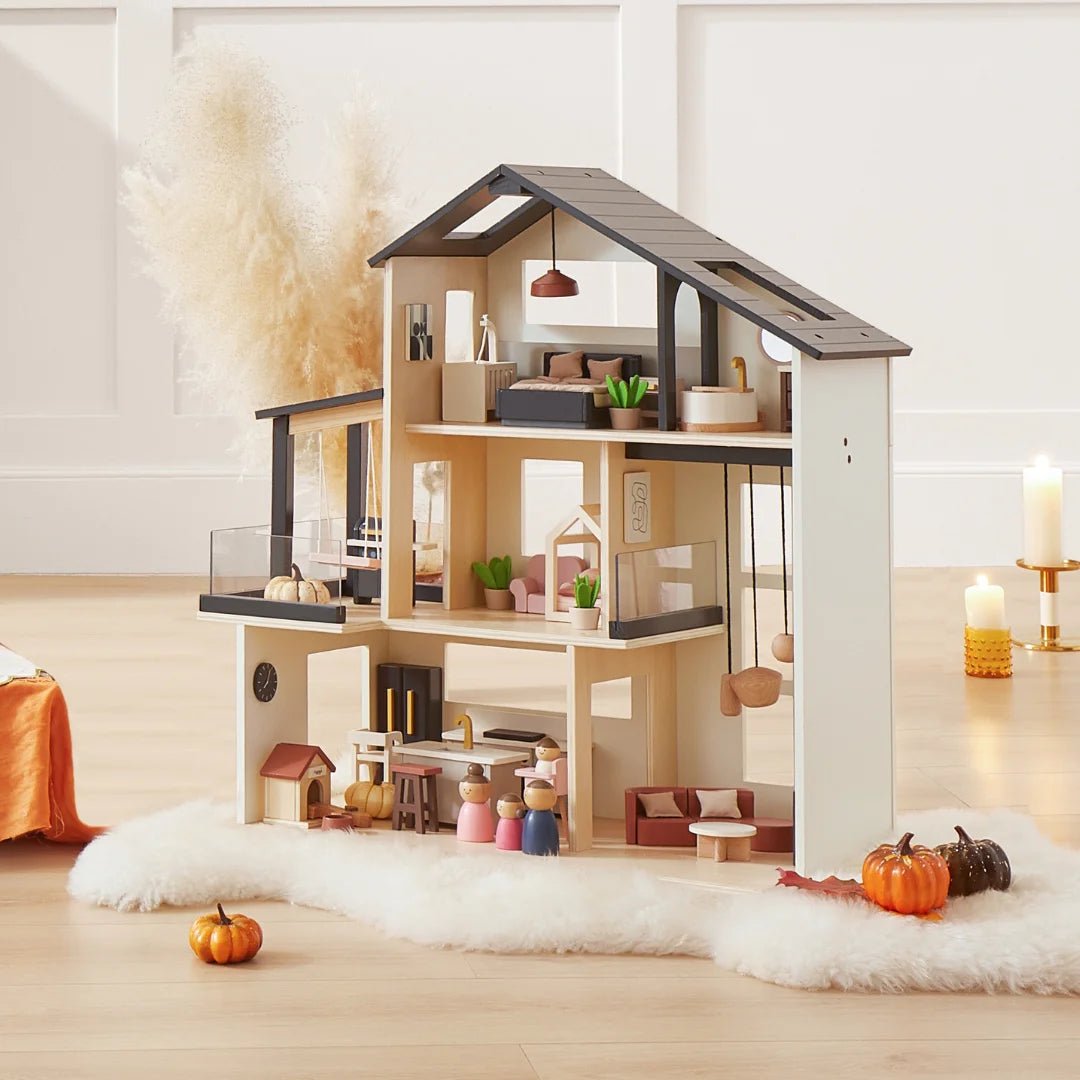
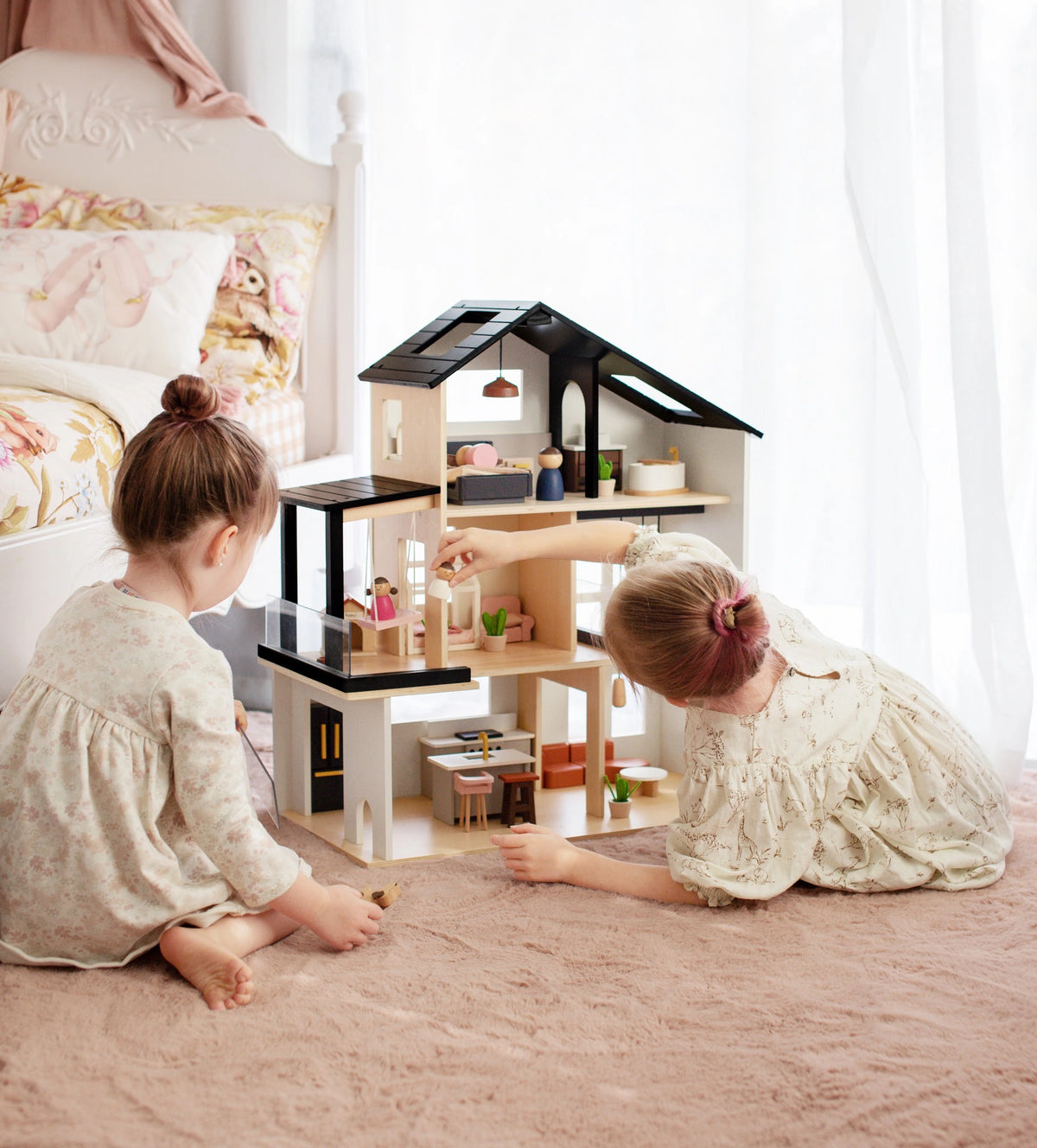
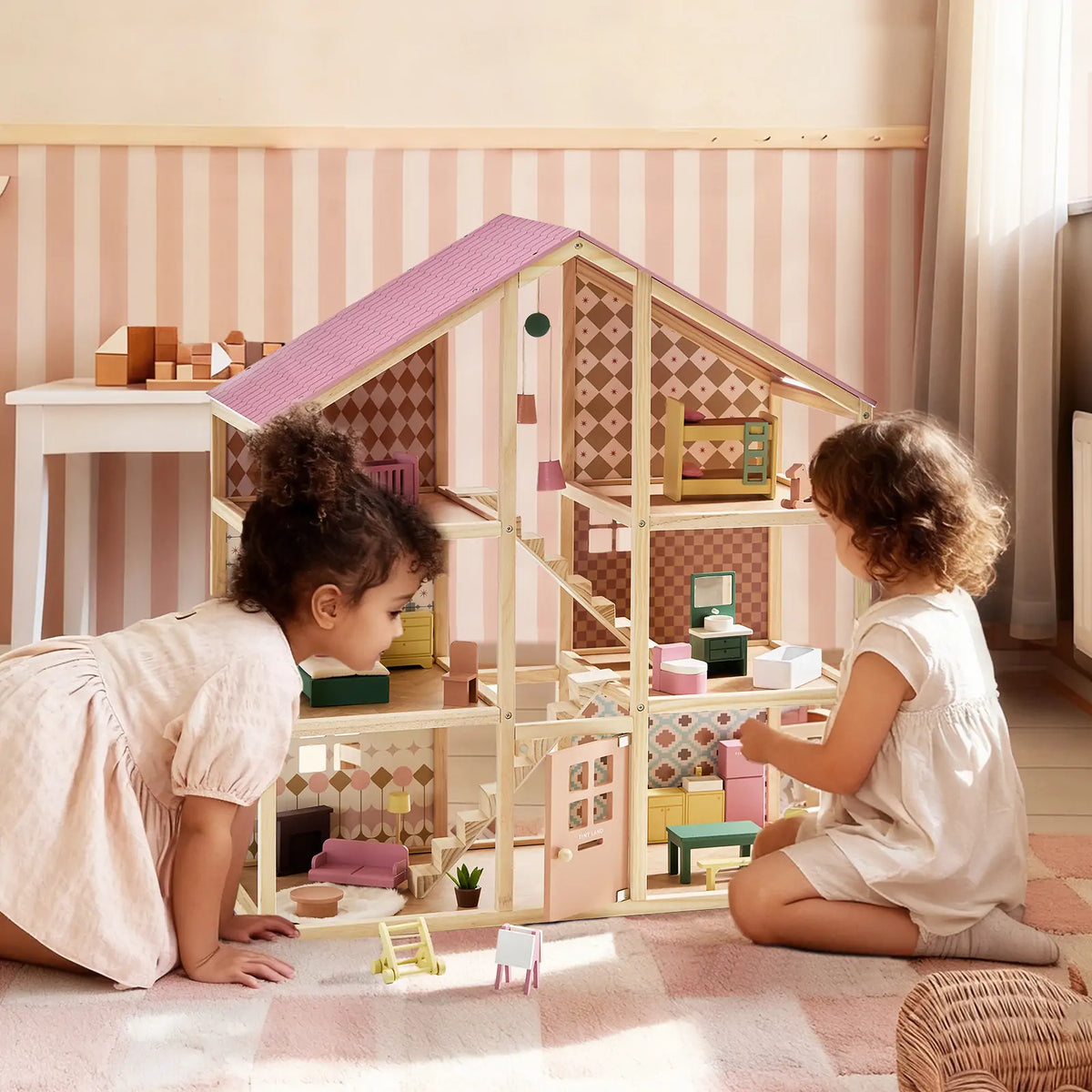
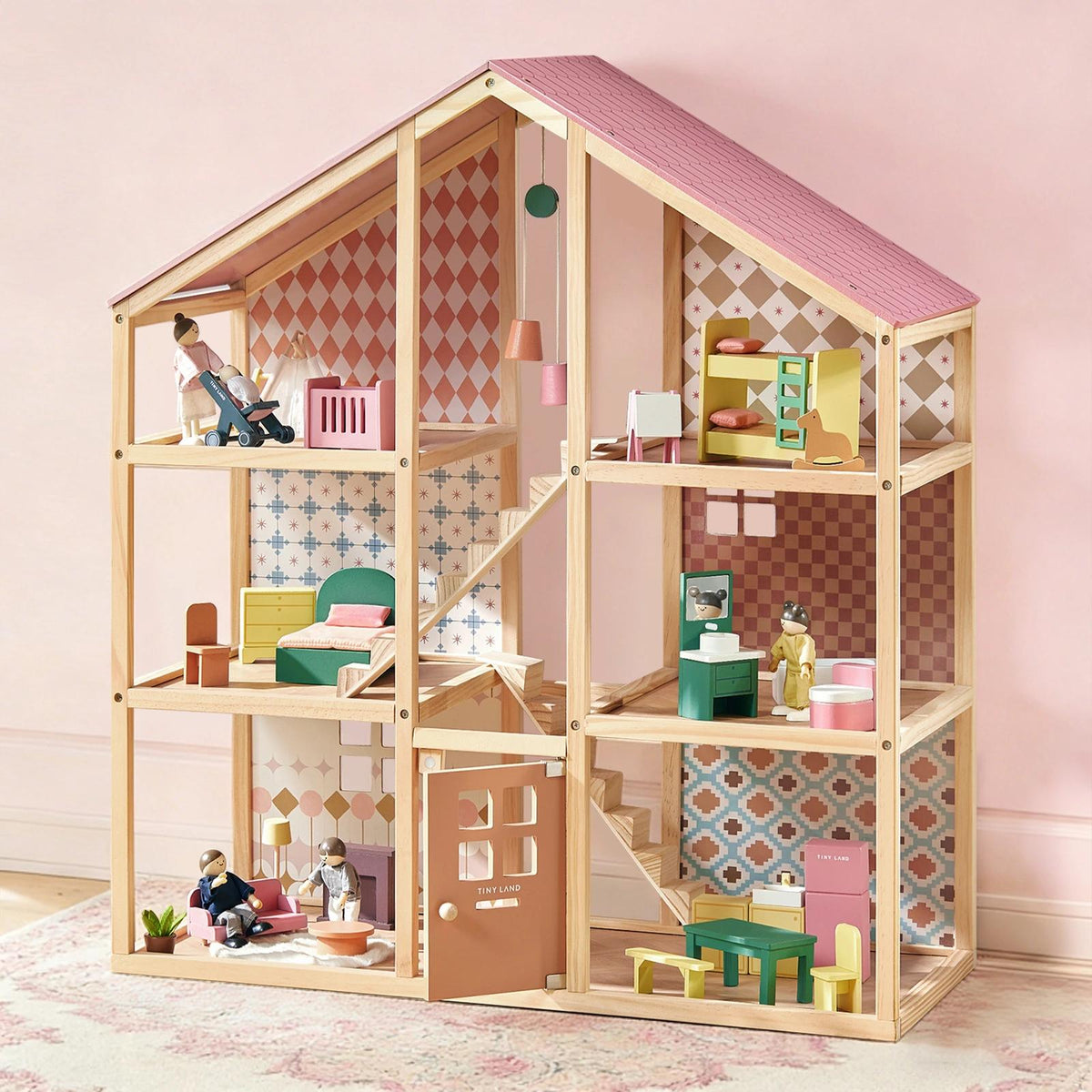
Animal figures, toy people, and small world toys encourage children to pick up, move, organize, and pretend. A child may line animals up, place them in a house, stack them in a truck, or create a small story.
These actions support grasping, hand control, creativity, and language. For toddlers, choose figures that are large enough to be safe and easy to hold.

Easy Fine Motor Activities at Home
Parents do not always need special toys to support fine motor development. Everyday play offers many opportunities.
Toddlers can stack blocks into a tower, sort animals by size, place pretend food into baskets, draw lines on paper, tear paper into small pieces, place stickers, roll a ball, match shapes, or move objects from one container to another.
These activities may seem small, but they help children practice important skills. The key is repetition. Toddlers often need to do the same action many times before it becomes easier.
It is also helpful to keep toys organized. When toys are easy to find and easy to put away, children are more likely to return to them. Some parents like to rotate toys every few weeks so play feels fresh without buying too many new items.

How to Choose Fine Motor Toys by Age
When choosing fine motor skill toys for toddlers, consider your child’s age, interests, and current stage.
For younger toddlers, choose larger pieces that are easy to grab. Look for simple shapes, soft edges, safe materials, and toys that encourage grasping, stacking, and sorting.
For older toddlers, choose toys that add more challenge. Wooden jigsaw puzzles, threading toys, craft kits, pretend food, and building sets can help children continue developing fine motor control.
A good toy should not be too easy or too frustrating. It should encourage the child to explore, try, and improve.

What Features Should Parents Look For?
The best toys for fine motor development usually have a few important features. They encourage hands-on play, include different textures, are easy for small hands to hold, and allow children to use them in different ways.
Look for toys that let toddlers stack, sort, connect, pull, twist, or manipulate objects. Open-ended toys are especially useful because children can play with them in more than one way.
A toy does not need to be labeled as “educational” to be helpful. If it encourages your child to use their hands, solve problems, focus, and explore, it can support fine motor development.
Are Baby Toys Helpful for Fine Motor Skills?
Yes. Many baby toys support early fine motor development, especially for infants and young toddlers.
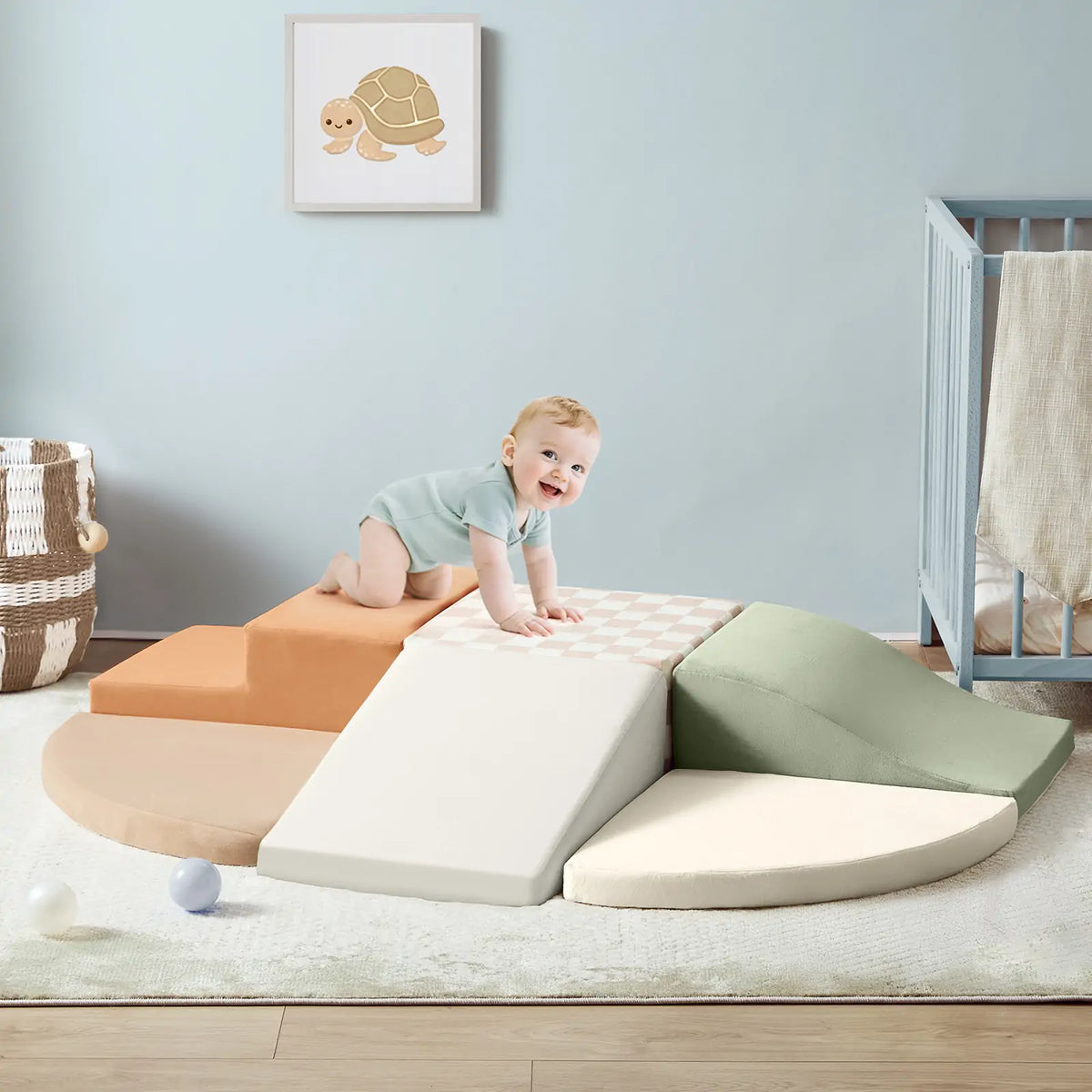
Rattles, soft blocks, stacking cups, grasping toys, textured balls, and simple activity toys help babies practice reaching, holding, shaking, and transferring objects from one hand to the other.
As infants grow into toddlers, they begin using their hands with more purpose. They grab, point, pinch, stack, and manipulate objects in more controlled ways.
Fine motor development starts early and continues through toddlerhood, preschool, and kindergarten.

Final Thoughts
Fine motor skills are built through small, repeated moments: stacking blocks, turning puzzle pieces, picking up pretend food, drawing lines on paper, grabbing a ball, or threading a string.
The right fine motor toys give toddlers opportunities to strengthen their hands, improve hand eye coordination, build focus, and practice problem solving. Most importantly, they make learning feel natural.
For parents, the goal is not to choose the most complicated toy. The goal is to choose toys that match the child’s age, encourage hands-on exploration, and offer different ways to play.
When toddlers use their hands to explore the world, they are doing more than keeping busy. They are building the skills they will use at home, at school, and throughout life.