


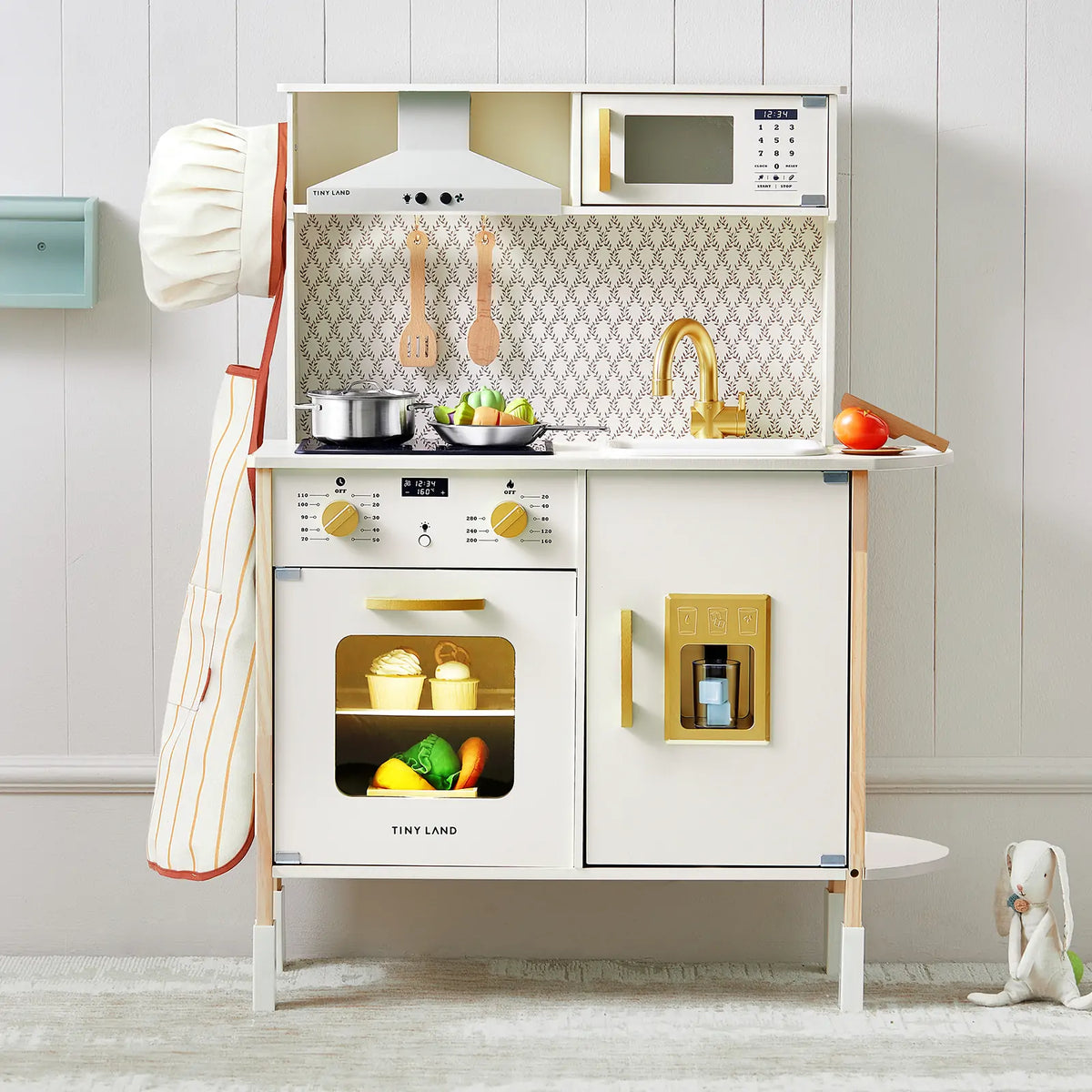
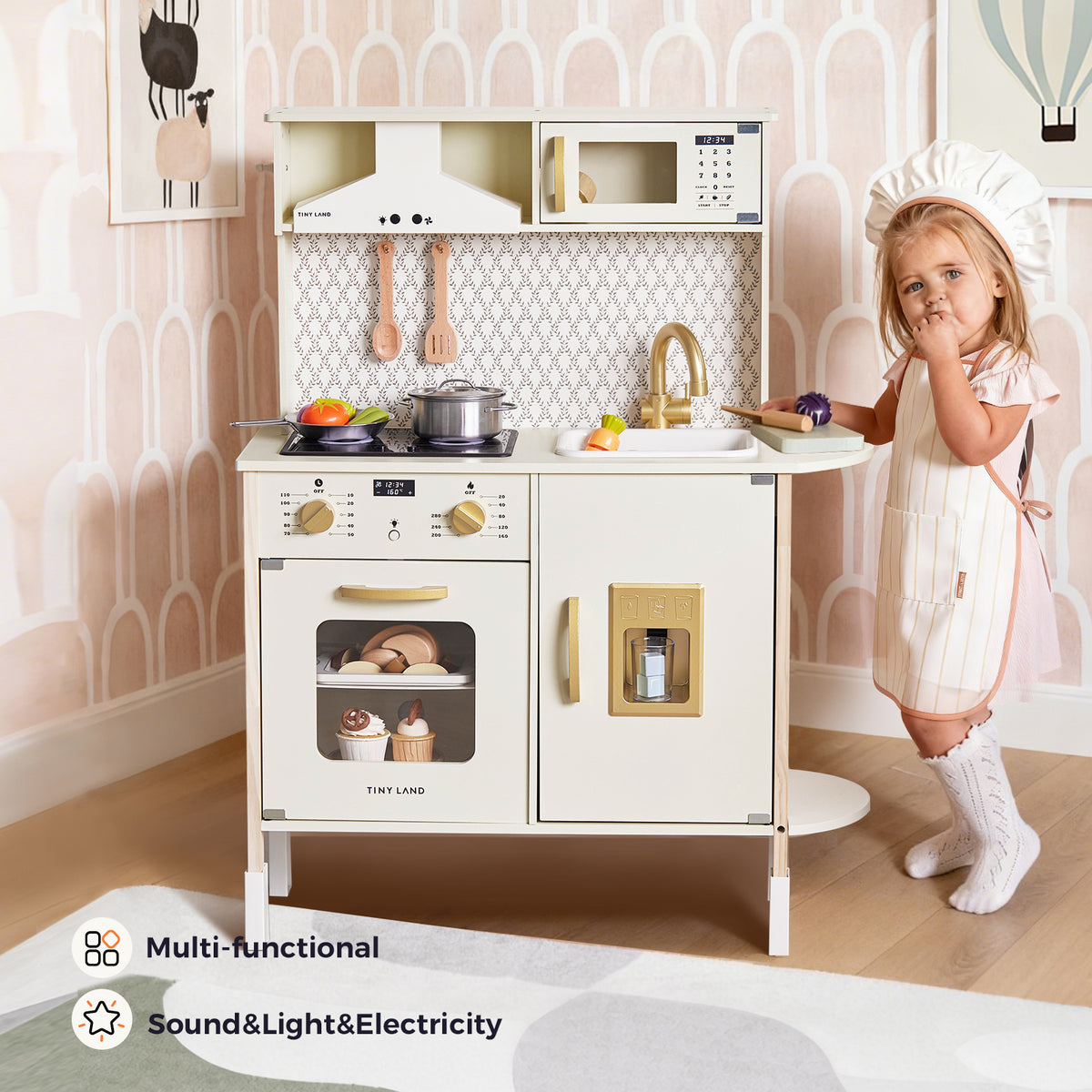
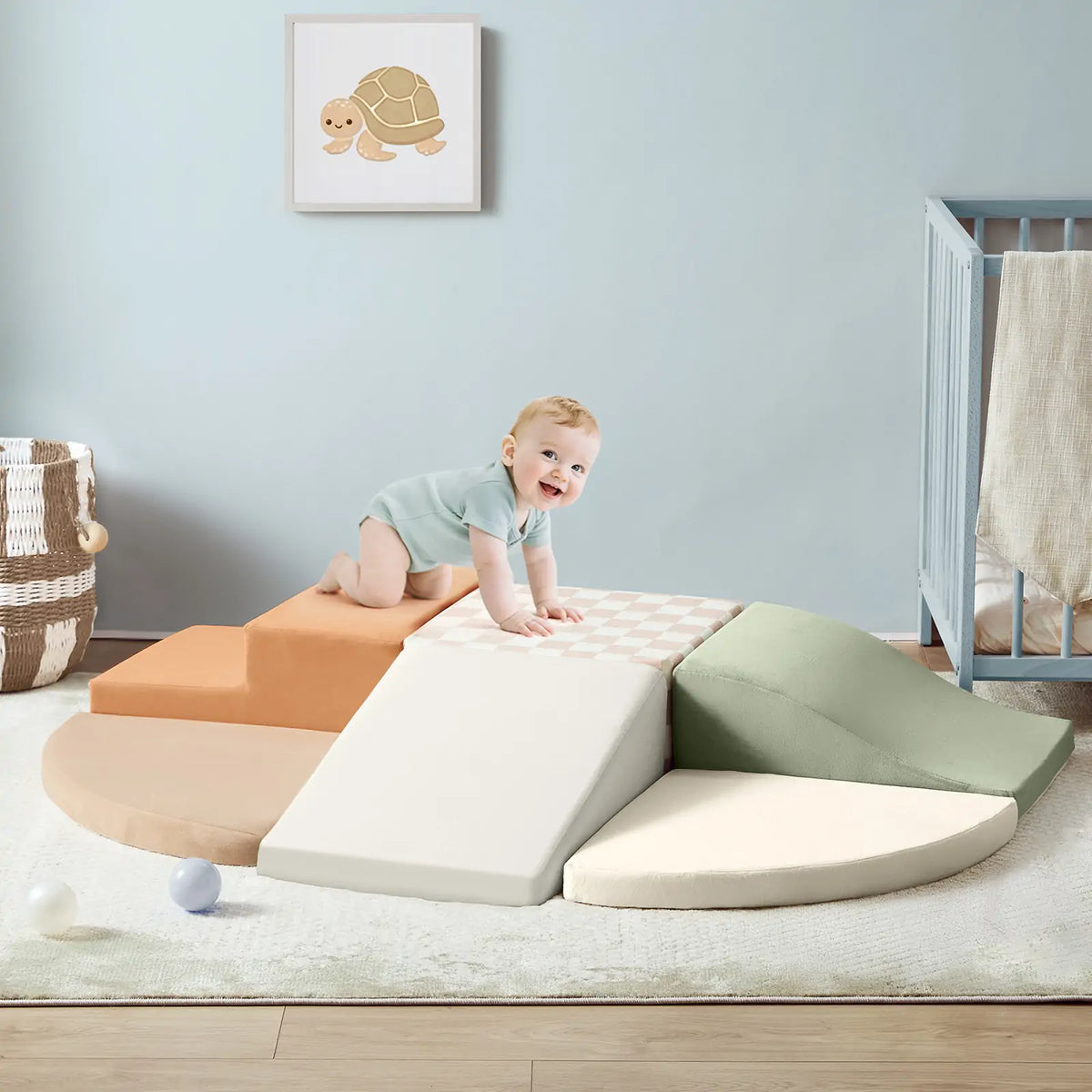
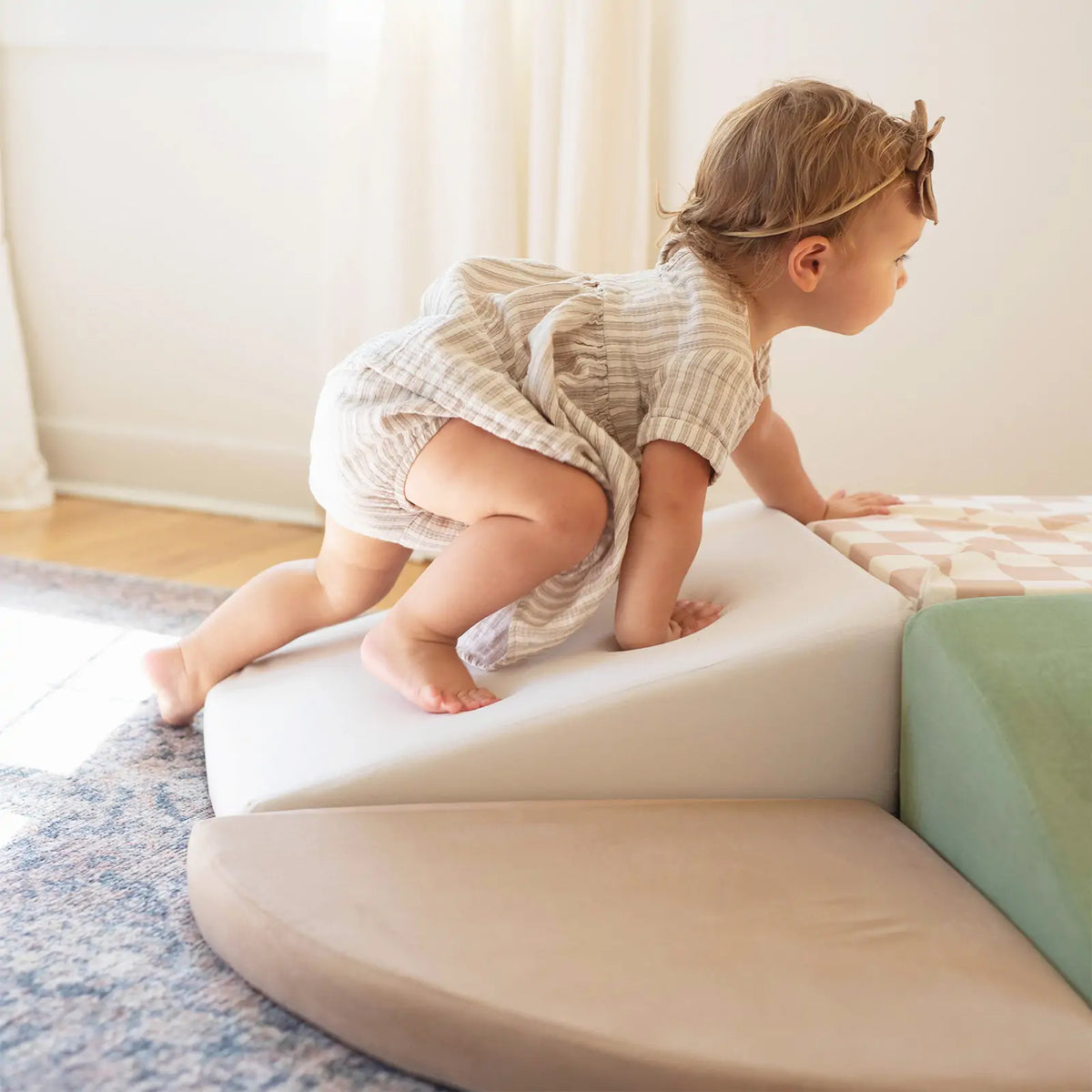

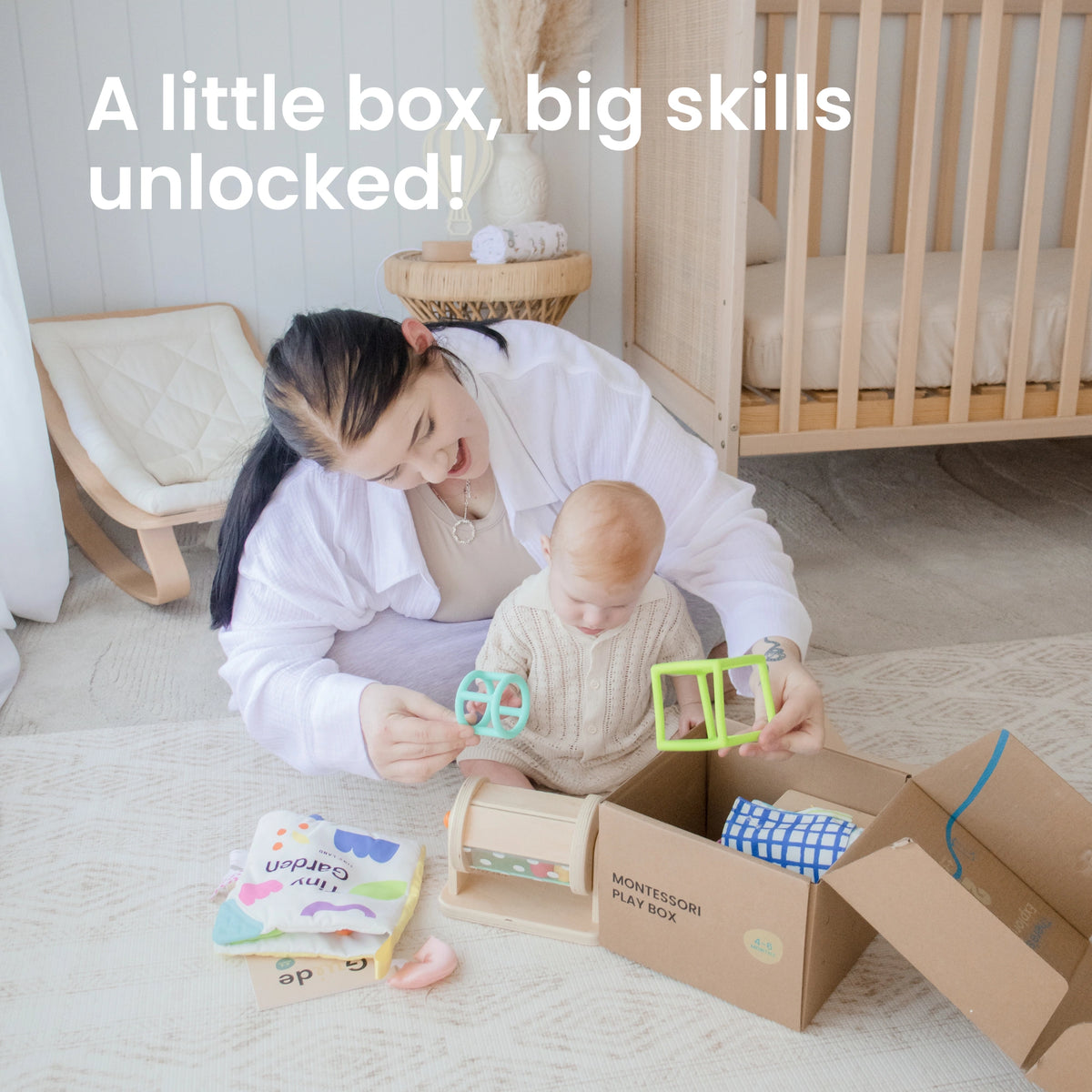
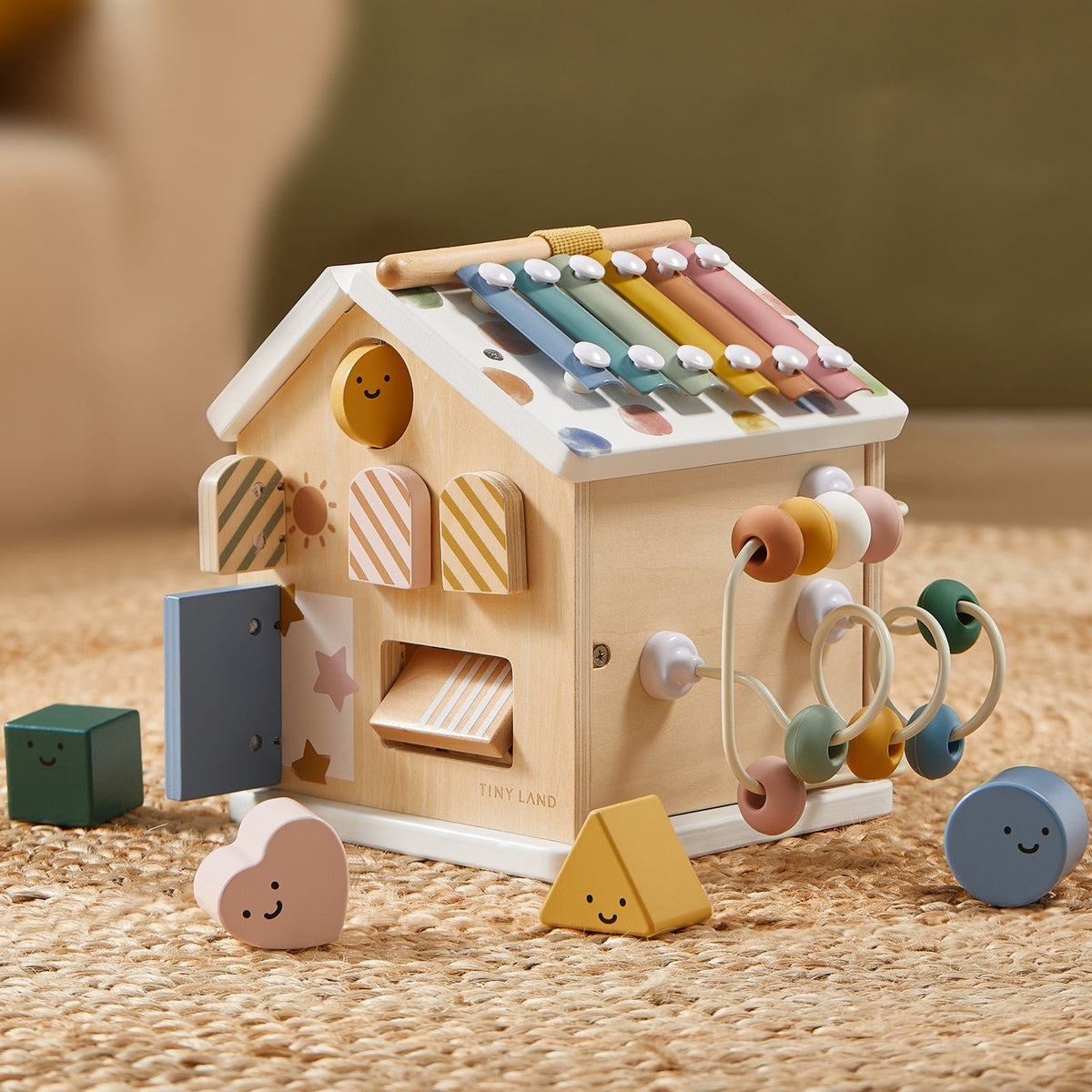
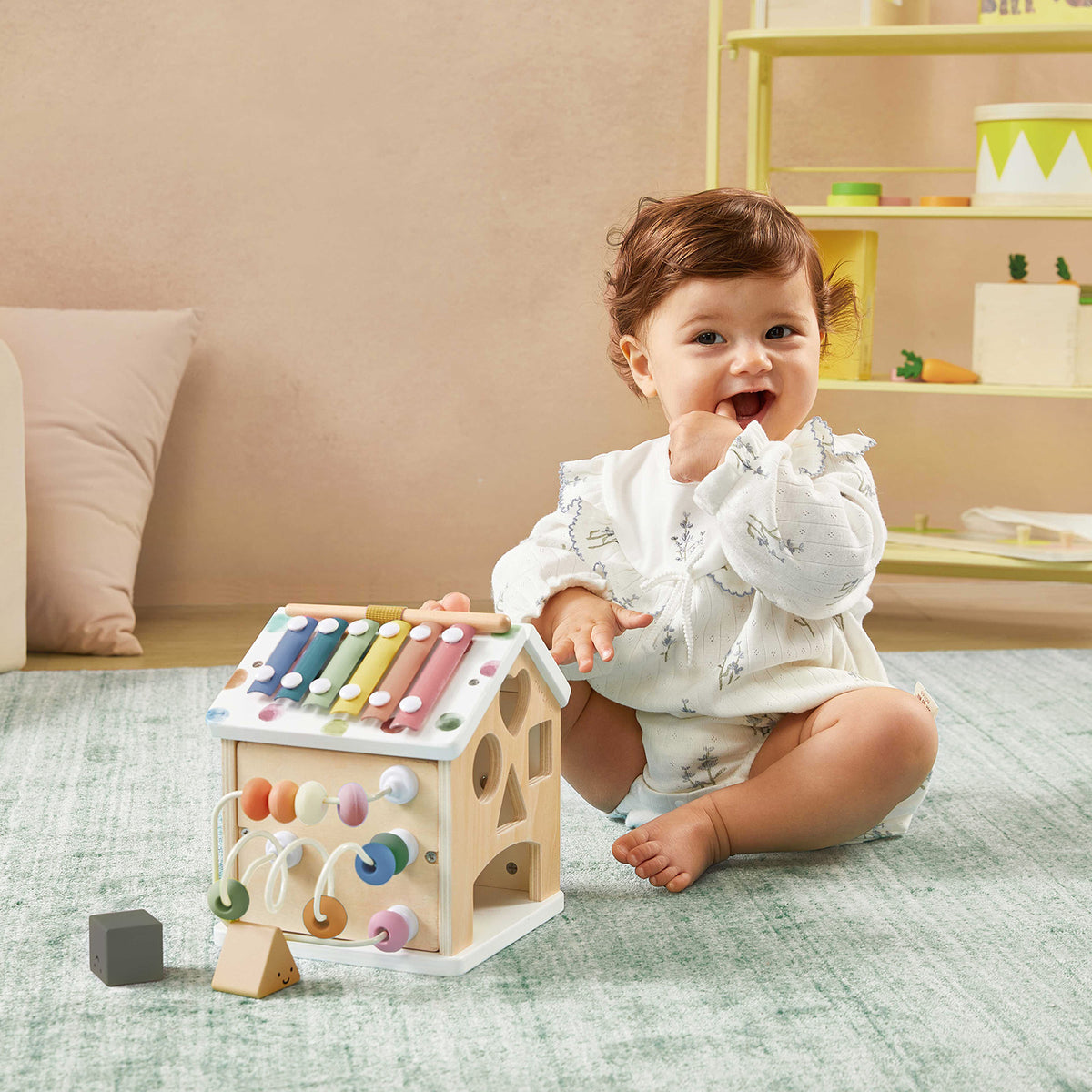
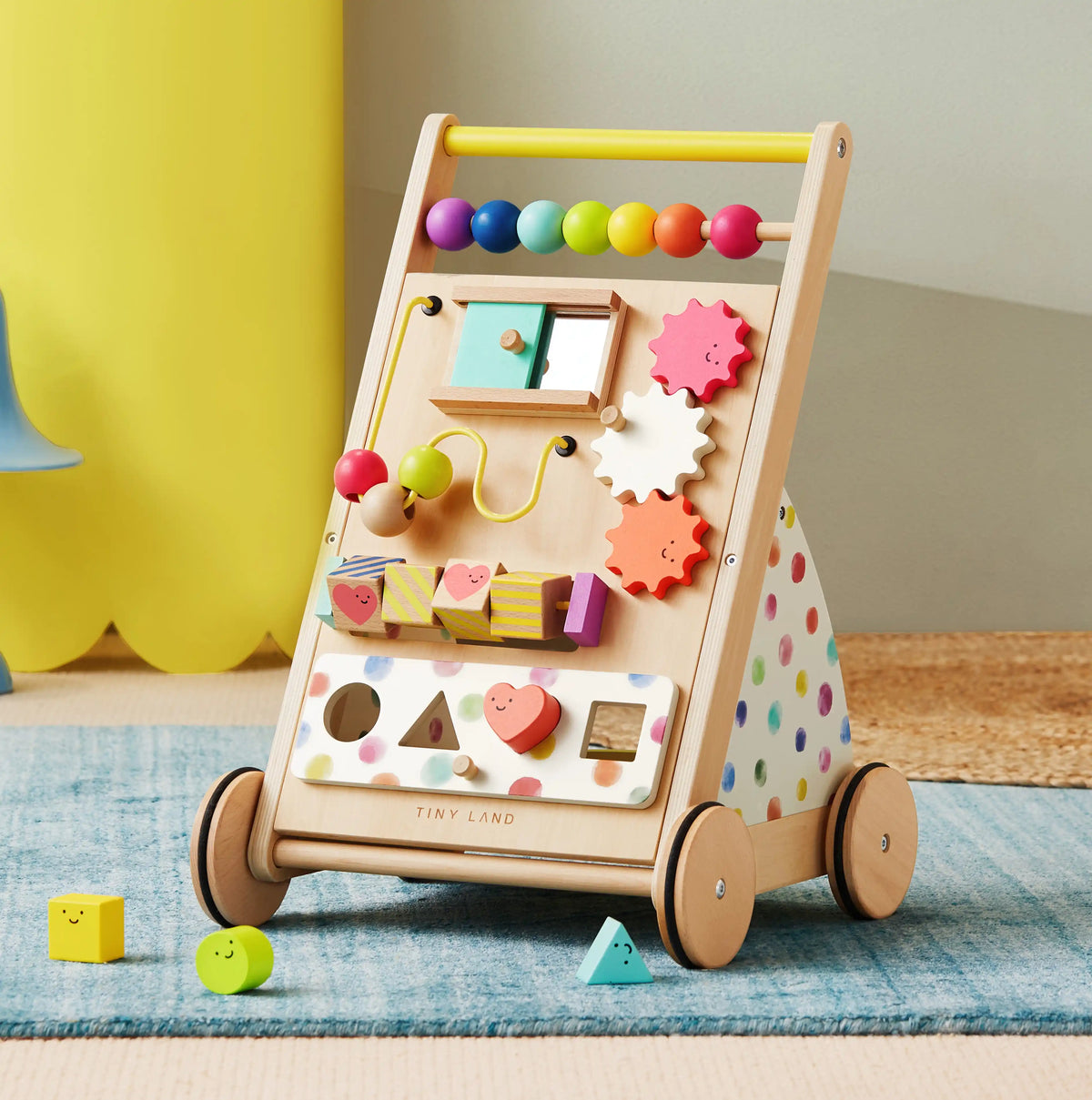



Watching your baby learn how to pinch, grab, and sort is one of the most exciting parts of early parenting. These small movements may look simple, but they are the foundation of many life abilities. The right toys can turn everyday play into powerful learning moments that help your baby grow with joy and confidence.
In this guide, we’ll explore how thoughtfully designed toys support early development and how you can use play to gently develop fine motor skills in a natural, stress-free way.

What Are Fine Motor Skills and Why Do They Matter?
Fine motor skills refer to the ability to use the hands and fingers to make small, precise movements. These movements rely on the small muscles in the hands working together with the eyes and brain.
They are important because they support:
- hand eye coordination
- Independence in everyday activities
- Strong foundations for writing, eating, and self-care
- Building confidence through successful actions
When your little one practices picking up toys, sorting pieces, or stacking blocks, they are developing essential skills that support future learning.

Fine Motor Toys: Building Skills Through Play
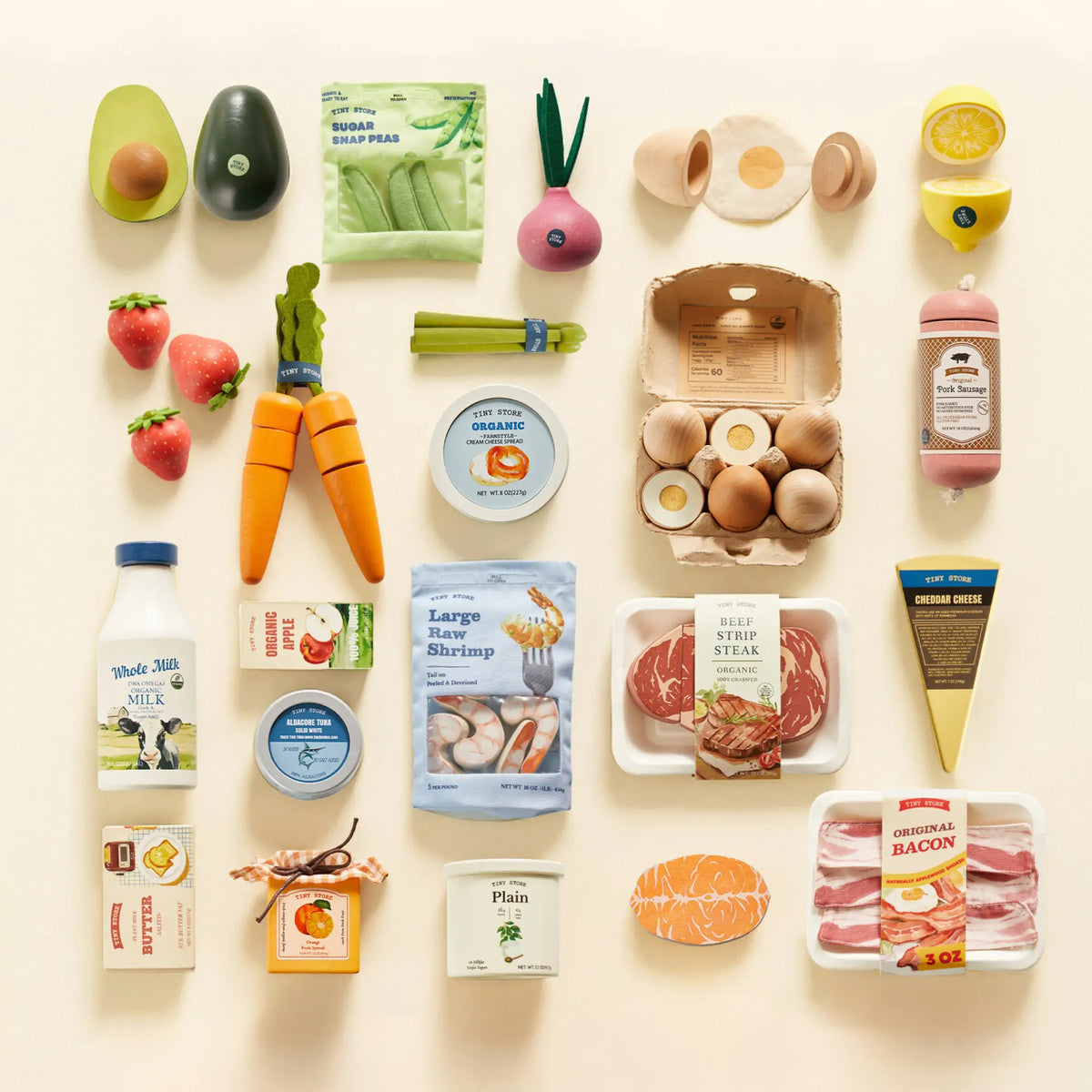
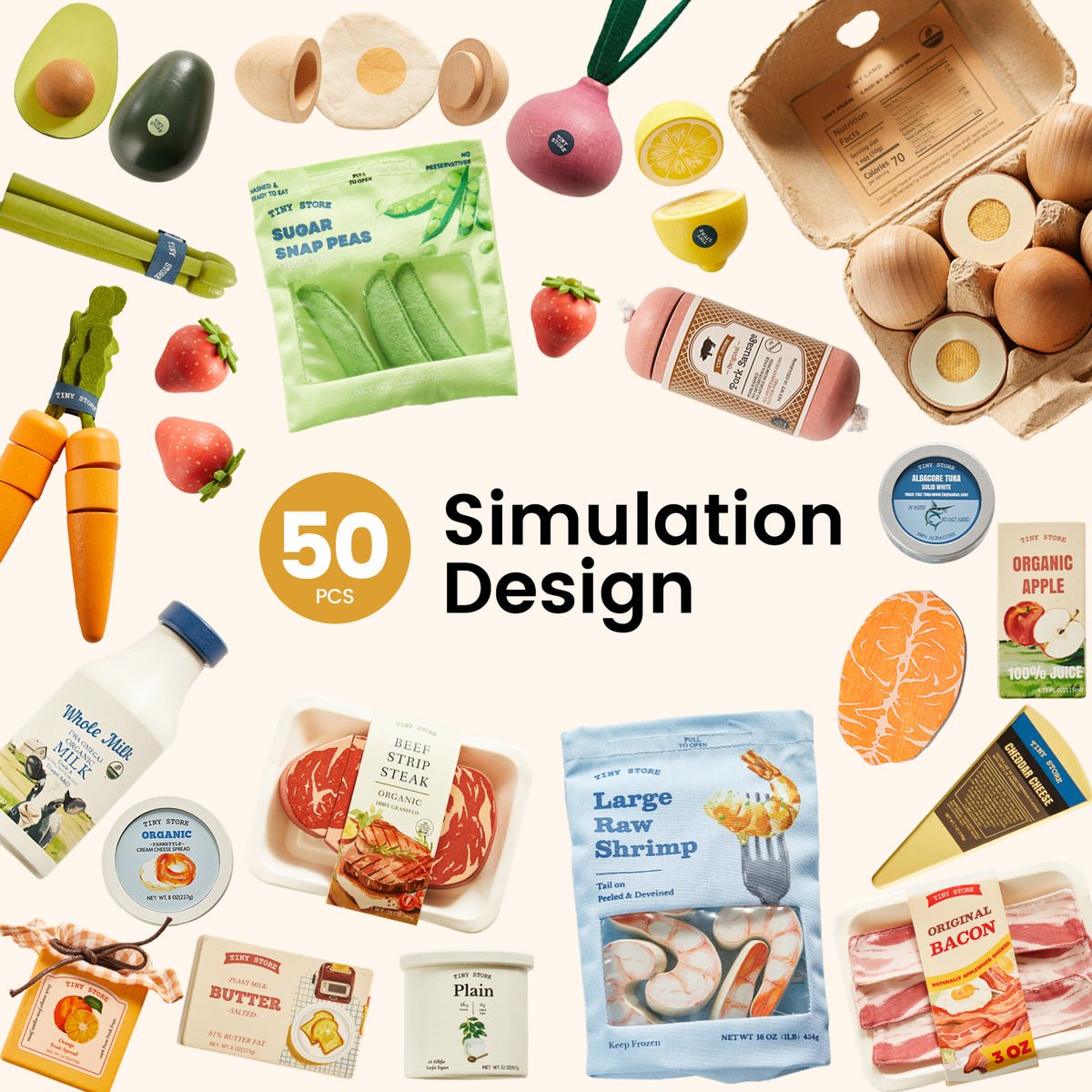
Well-designed fine motor toys make learning feel like pure play. They give babies safe opportunities to explore movements such as grasping, pinching, pulling, and fitting objects together.
These toys help:
- Strengthen finger muscles
- Improve coordination
- Build patience and focus
- Make learning fun and engaging
Unlike screen-based activities, hands-on toys allow children to learn by doing, which is the most natural way for babies to grow.

Fine Motor Development: How Toys Support Growing Hands
Strong fine motor development happens through repetition and playful exploration. Babies learn best when they can touch, move, and test things at their own pace.
Toys that encourage grasping and sorting help babies:
- Improve their control over movements
- Learn to grasp objects more precisely
- Strengthen hand stability
- Prepare for daily tasks like eating or dressing
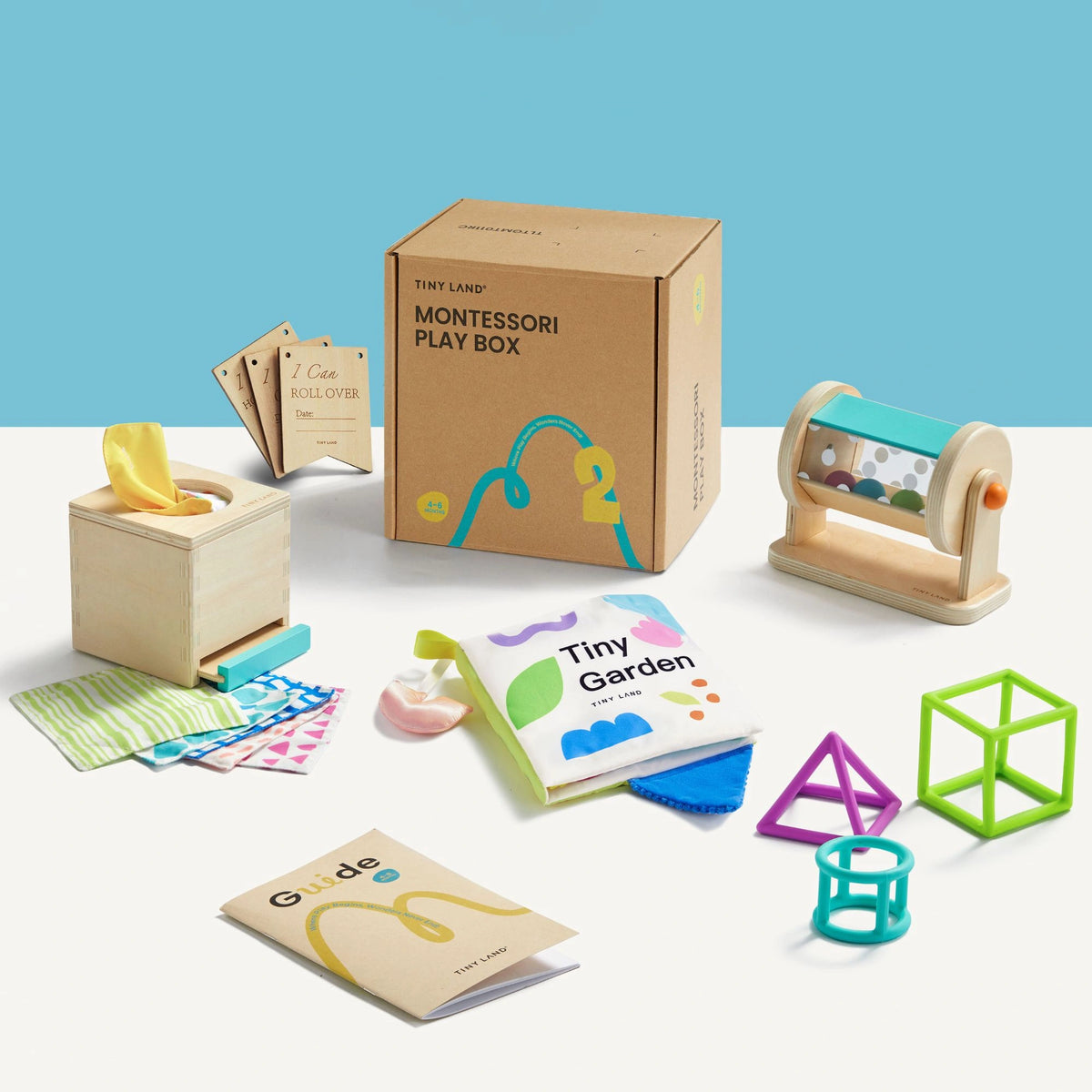
A great example is Montessori-style toys that focus on simple, purposeful actions. These toys are ideal for building focus and independence through hands-on discovery.

Brushing Teeth: How Fine Motor Skills Support Daily Habits
Even simple routines like brushing teeth depend on fine motor control. Holding a toothbrush, moving it gently, and aiming inside the mouth all require precise hand movements.
When babies practice with toys that involve gripping, turning, or pulling, they are building the skills they will one day use for:
- Feeding themselves
- Getting dressed
- Hygiene routines
- Other daily tasks
Play today creates independence tomorrow.
Cutting Toys That Improve Control and Problem Solving
Cutting toys are excellent for teaching cause-and-effect. They encourage babies to:
- pull pieces apart
- Fit parts back together
- Use both hands together
- Strengthen problem solving skills
These toys introduce:
- Recognition of different shapes
- Better hand pressure awareness
- More refined movement patterns
They are among the best toys for combining learning and play.

How Fine Motor Toys Support Learning Through Play
Through simple games, babies develop the ability to:
- Handle soft objects safely
- Improve movement accuracy
- Practice patience and focus
- Explore safely with their hands
These playful experiences also help babies understand how their actions affect the world around them.
Building Coordination Through Sorting and Matching
Sorting toys help babies learn how objects relate to one another. They develop:
- Spatial awareness
- Improved coordination
- Stronger thinking patterns
- Early problem-solving confidence
When babies match pieces by size or shape, they strengthen their brain-hand connection.

From Toys to Real Life: Skills That Transfer
Fine motor play prepares babies for real-world activities like:
- Holding utensils and eating food
- Turning pages of a book
- Opening containers
- Using tools in creative play
These are the building blocks of independence.
Why Practice Matters
Just like walking, fine motor abilities grow with practice. Short, daily play sessions are more effective than long, forced activities.
Tips:
- Rotate toys often
- Follow your baby’s interest
- Let play stay joyful and pressure-free
Why These Toys Are Perfect for Toddlers Too
Even though these toys are ideal for babies, many become favorite toddler toys because they continue to challenge growing hands and minds.
They help maintain:
- Curiosity
- Independence
- Growing confidence

Final Thoughts
The right toys do more than entertain. They build strength, focus, and independence. With thoughtfully chosen play tools, your baby learns to explore, solve, and grow in a joyful way.
Fine motor play is not about perfection. It’s about exploration, movement, and discovery. When play feels natural and enjoyable, learning happens effortlessly.

