


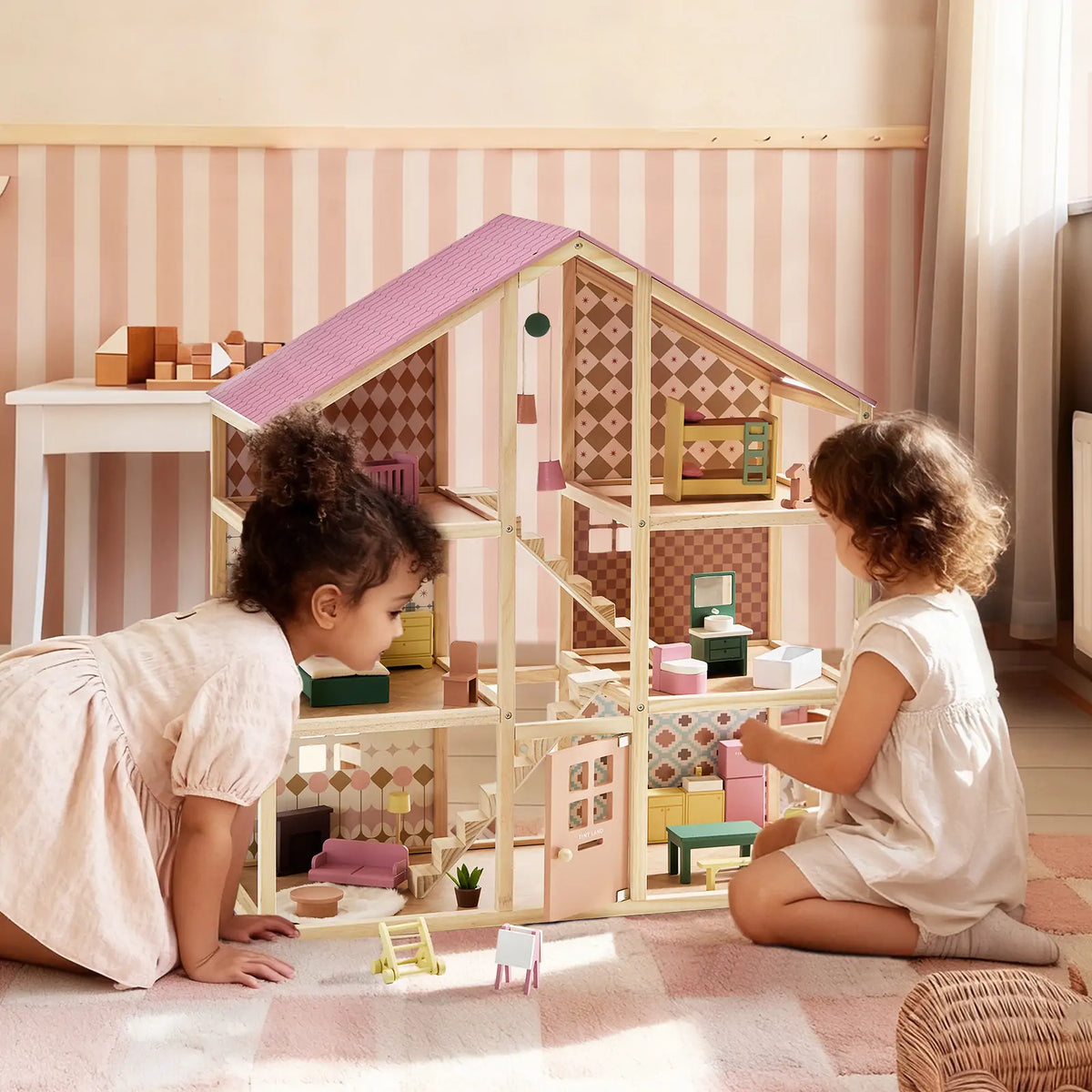
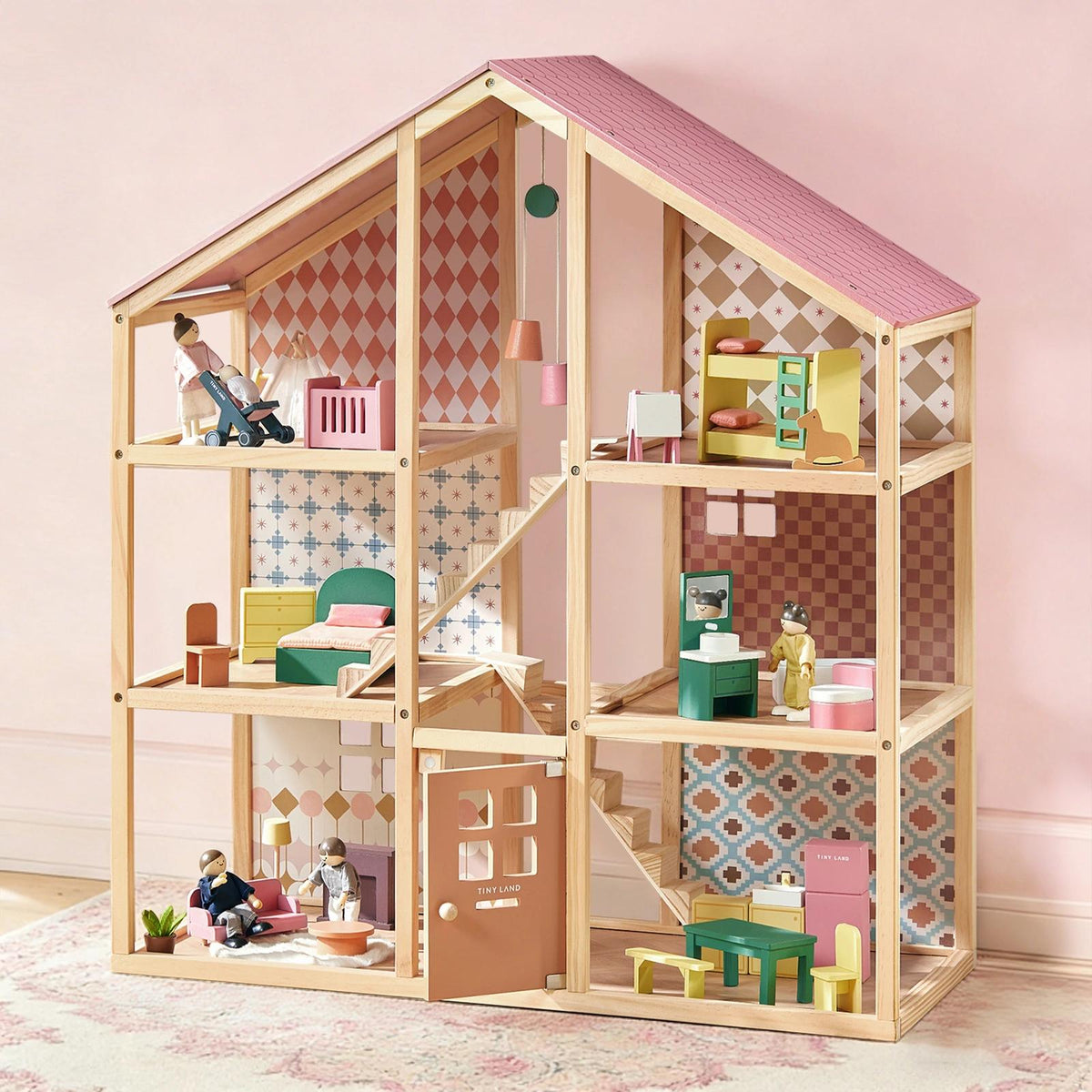
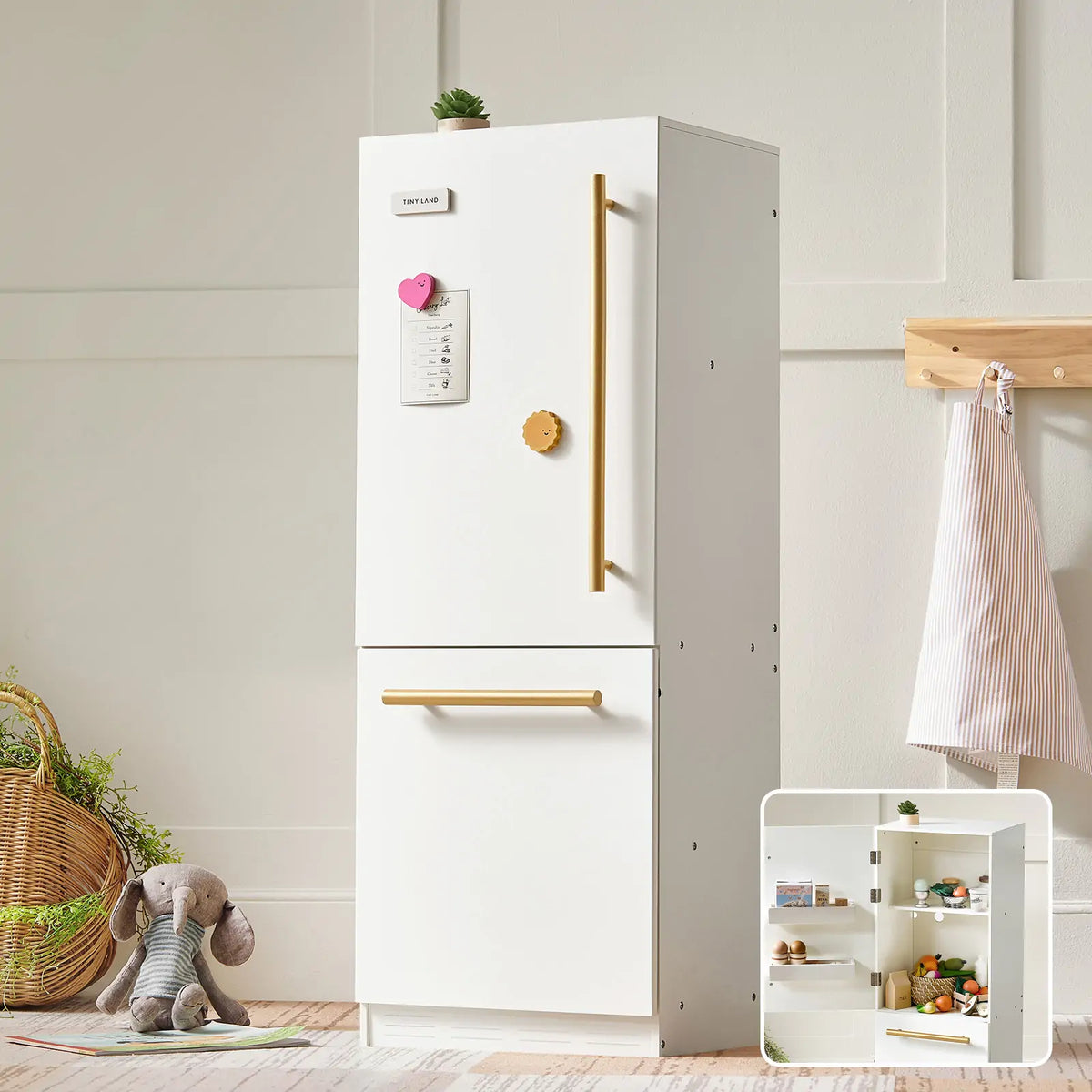
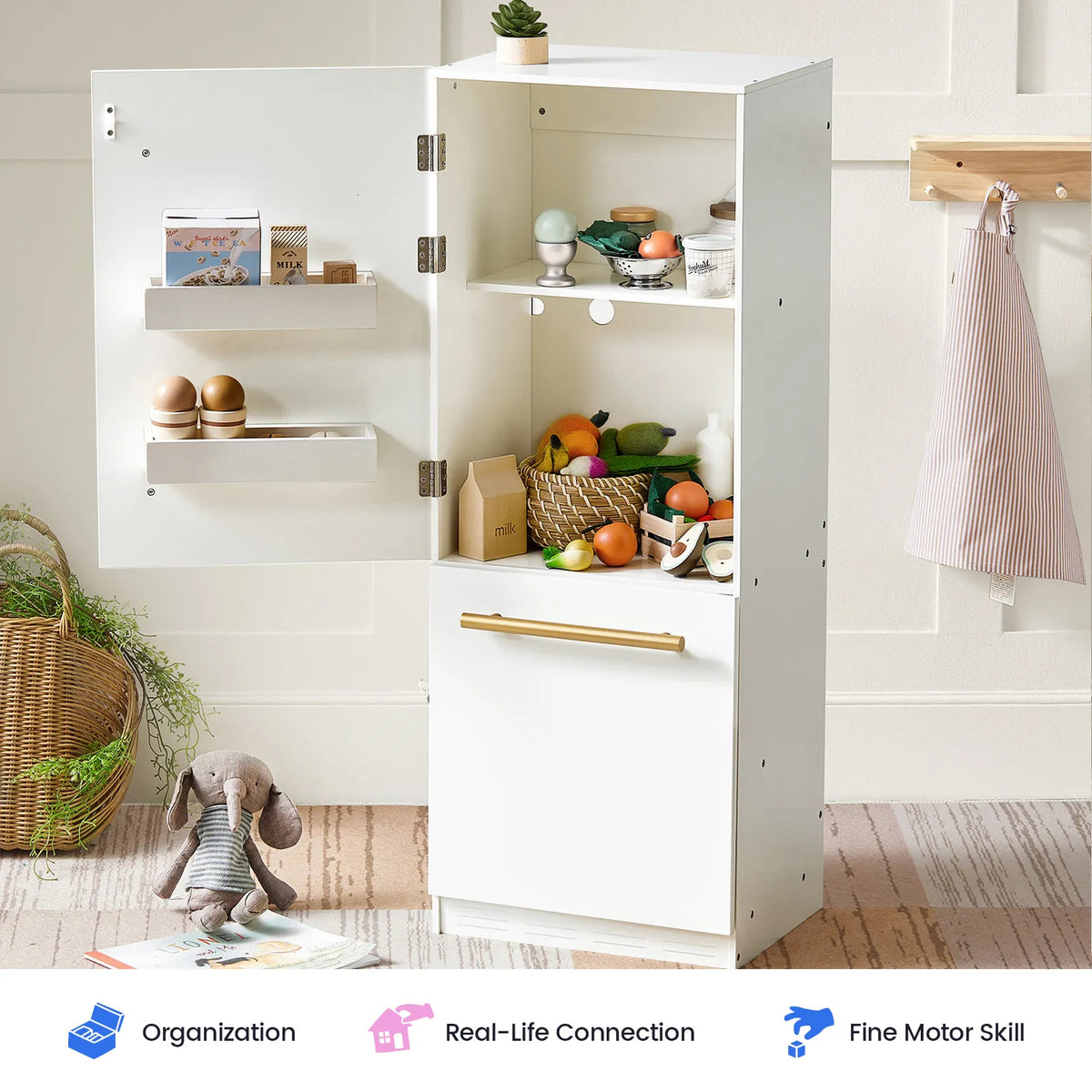



With so many play kitchens available, it can be difficult to know which one is the right fit for your child.
That’s why Tiny Land created this guide—to help you explore your options and choose with confidence.

Does Your Child Love Outdoor Play?
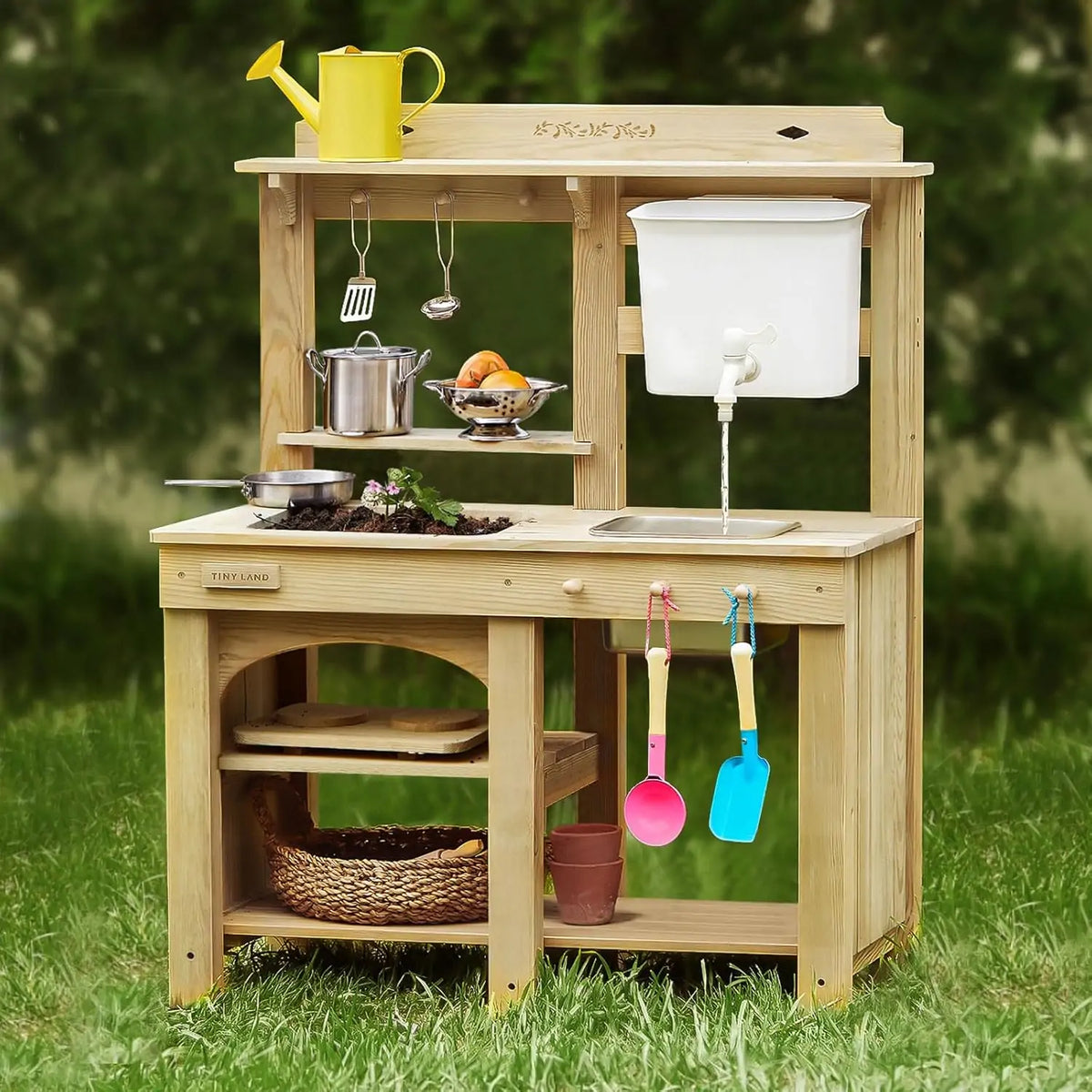
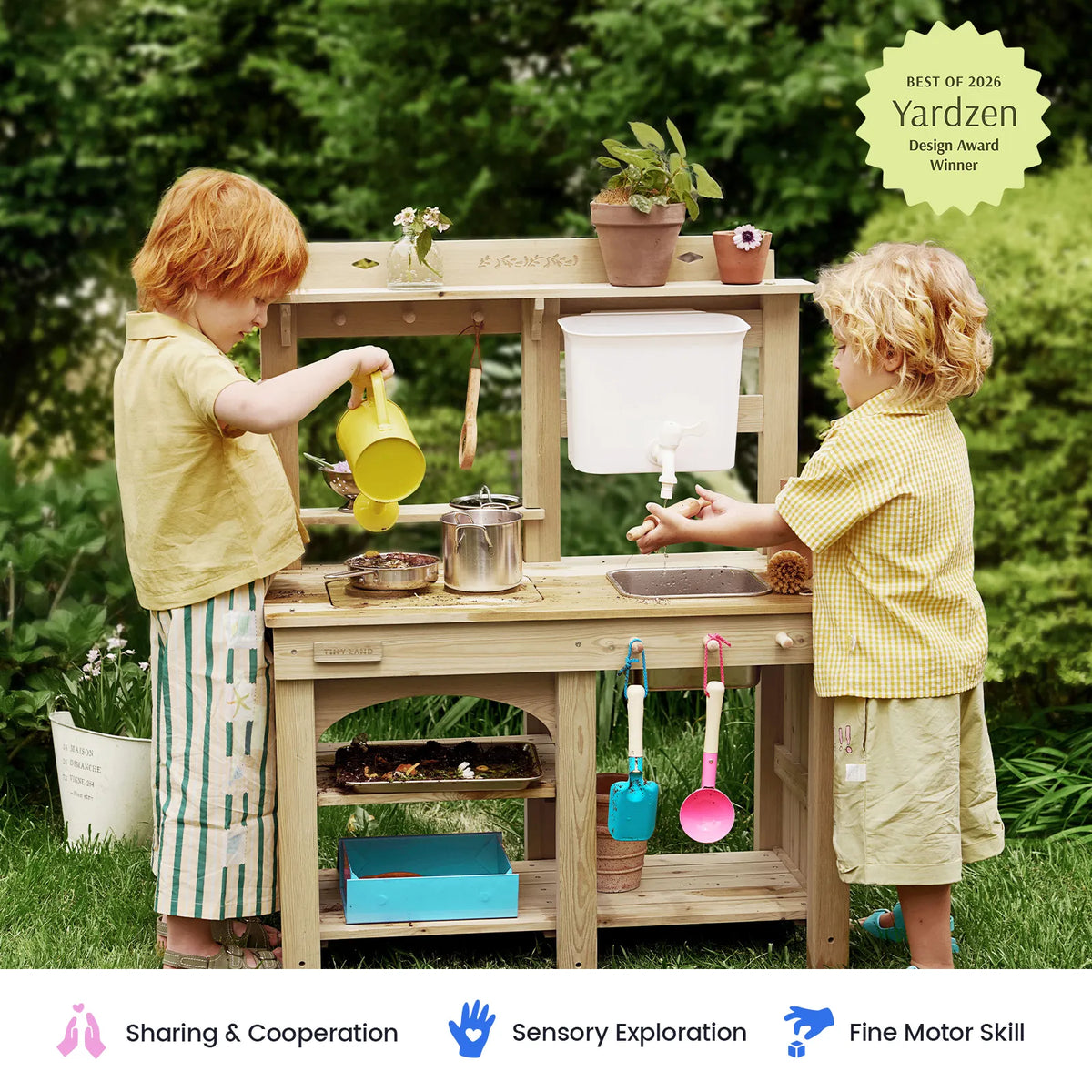
If your child enjoys water, dirt, and open-ended exploration, a mud kitchen can be a wonderful addition to your backyard.
What Kids Can Do in a Mud Kitchen
A mud kitchen turns your backyard into an open-ended space where kids can:
- Scoop and mix mud
- Splash and pour water
- Dig and build with sand
- Grow and care for plants
- Explore leaves, stones, and other natural materials
- Create and observe a small insect hotel, watching nature come to life
Why Parents Choose a Mud Kitchen
Many parents choose a mud kitchen not just for play, but for the experiences it creates.
It can help:
- Encourage screen-free outdoor time
- Support independent, open-ended play
- Create opportunities for siblings and friends to play together
- Give children the freedom to explore, get messy, and connect with nature
Through hands-on, sensory-rich play, children can naturally develop:
- Sensory awareness
- Fine motor skills
- Understanding of cause and effect
- Emotional regulation

For an Indoor Play Experience
looking for a kitchen with rich features and a more realistic, elevated design?
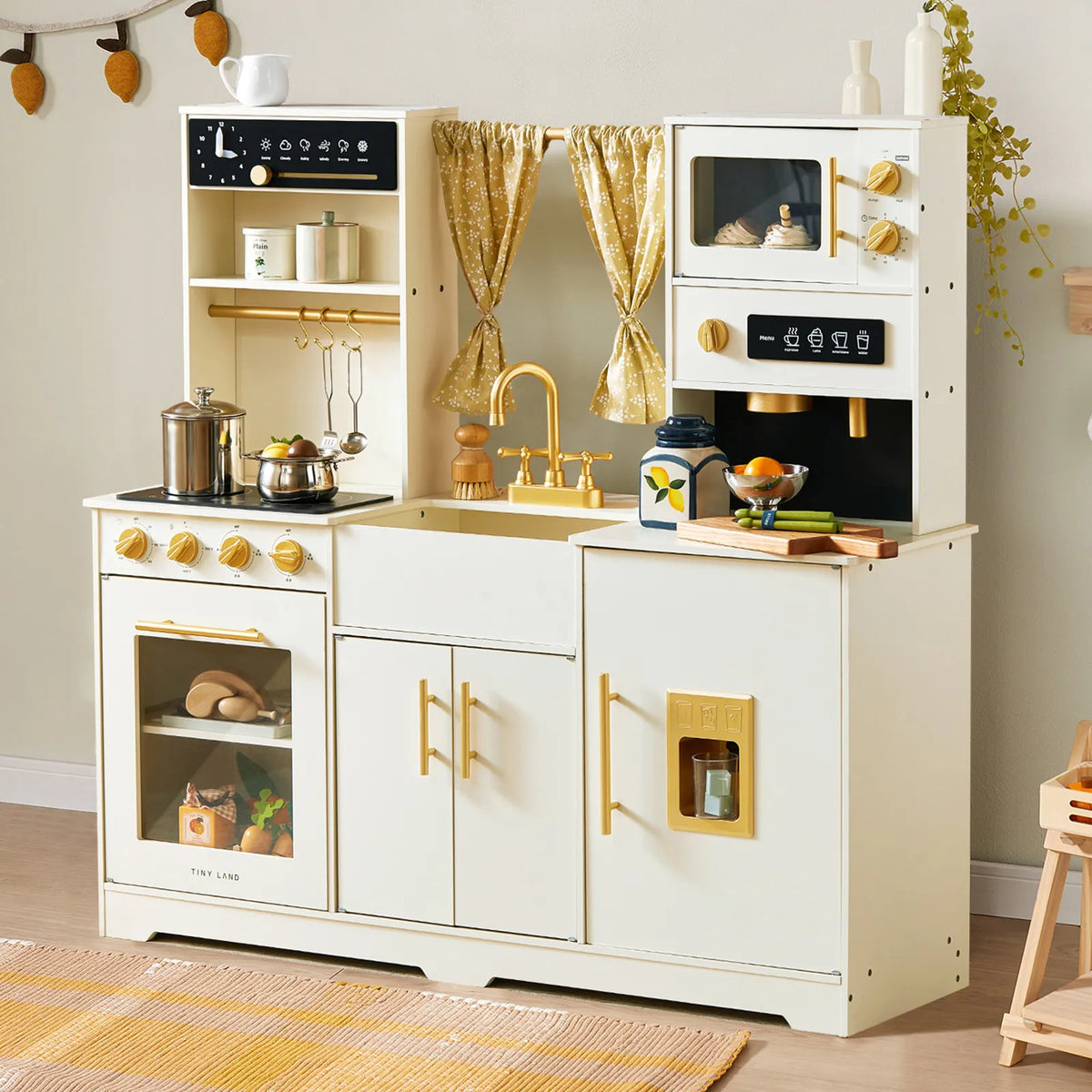
For families who prefer a more authentic, elevated design, an iconic kitchen can be a great option.
What Kids Can Do in an Iconic Kitchen
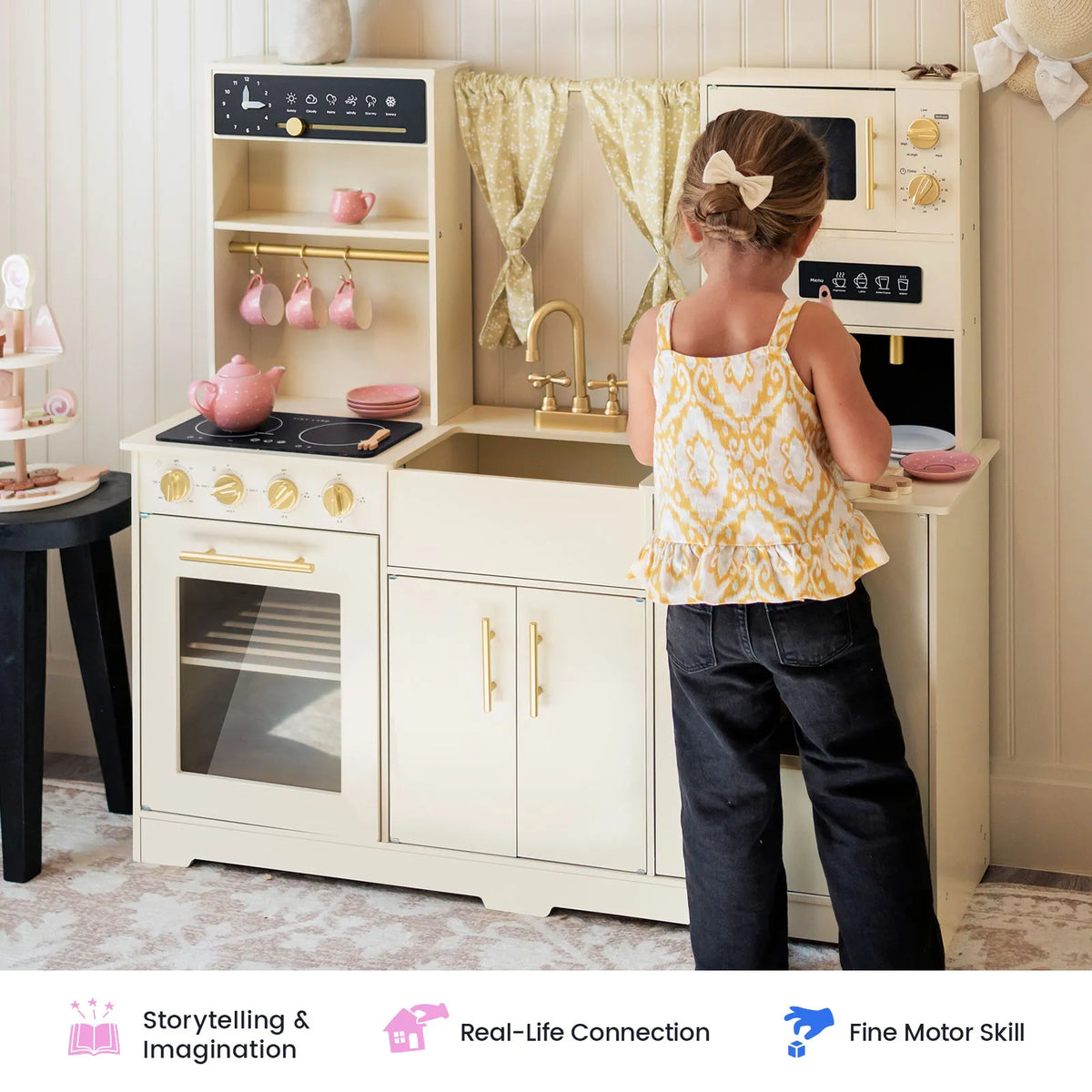
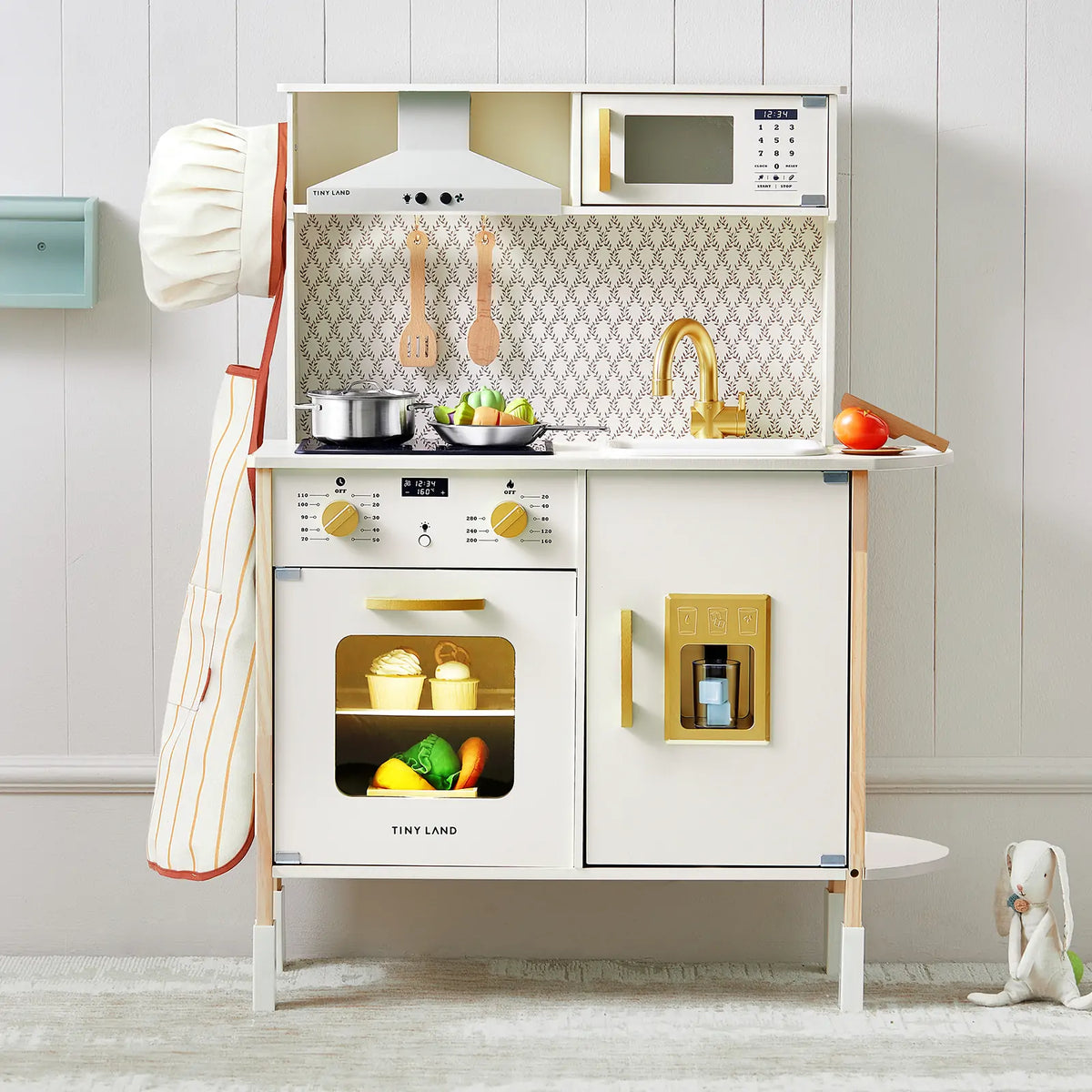
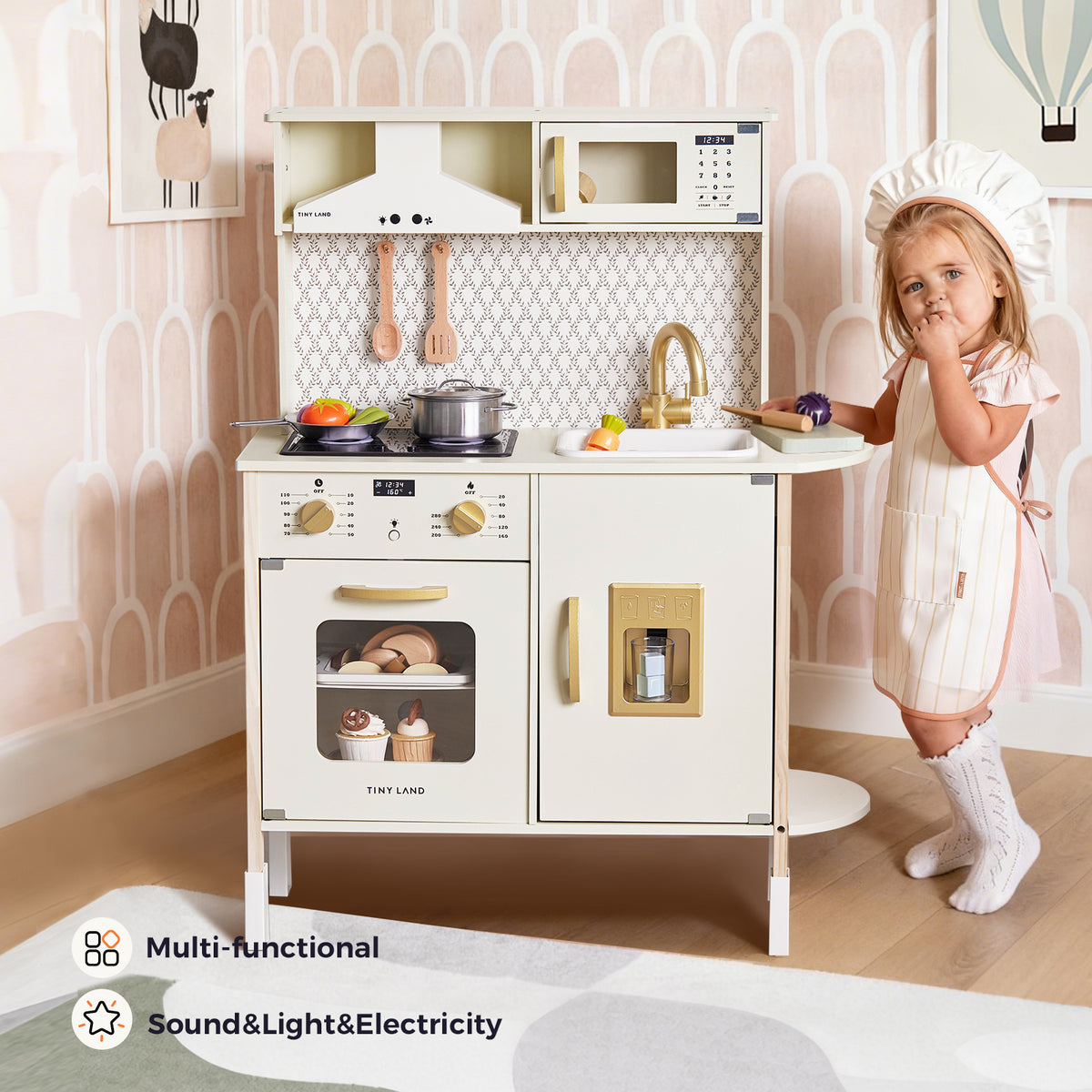
- Explore different kitchen zones, including a stove, microwave, oven, refrigerator, sink, and storage cabinets
- Enjoy a spacious setup that allows 2–3 children to play together
- Engage with a visually appealing, beautifully detailed design that encourages longer, more focused play
Through this type of play, children can naturally develop:
- An appreciation for design and detail
- An understanding of everyday kitchen routines
- Social skills through shared play
- Confidence as they imitate real-life moments

Want to Take Indoor Play a Step Further?
If you’re looking to add an extra layer of engagement, a water kitchen can bring even more realism to play.
Building on an iconic kitchen, it introduces a functional water feature—making play feel closer to real life.
Why Choose a Water Kitchen
A water kitchen can be especially engaging because it allows children to explore real-life actions in a playful way.
With it, kids can:
- Wash their hands and toys
- Practice early hygiene habits
- Experience more realistic, hands-on play
- Build independence through everyday routines
It offers a more immersive experience while still being safe and age-appropriate.

Looking for a Complete Play Kitchen Set?
Tiny Land Interactive Play Kitchen is designed to be ready to use right out of the box, with everything included for immediate play.
Why Choose an All-in-One Kitchen
- No need to purchase extra accessories
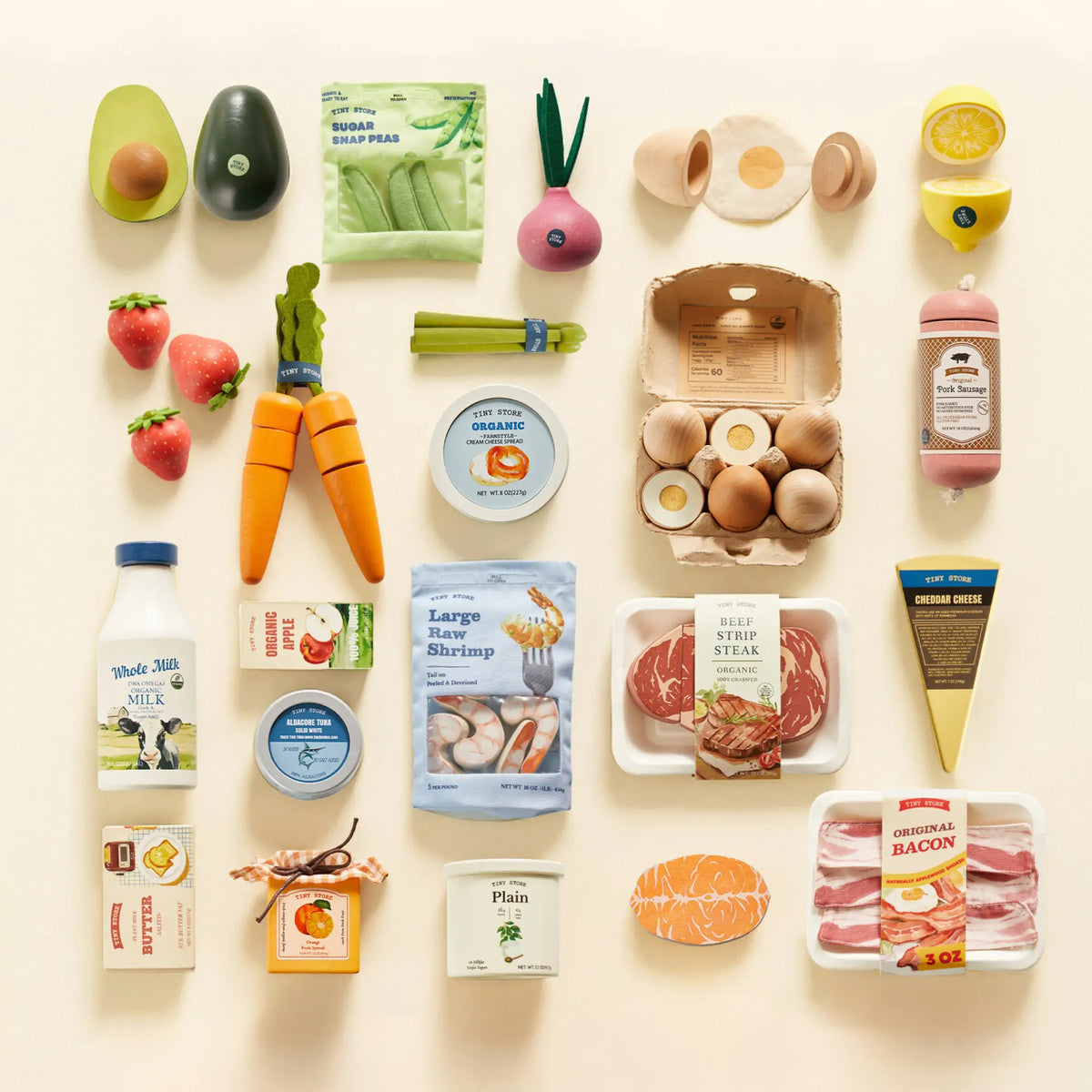
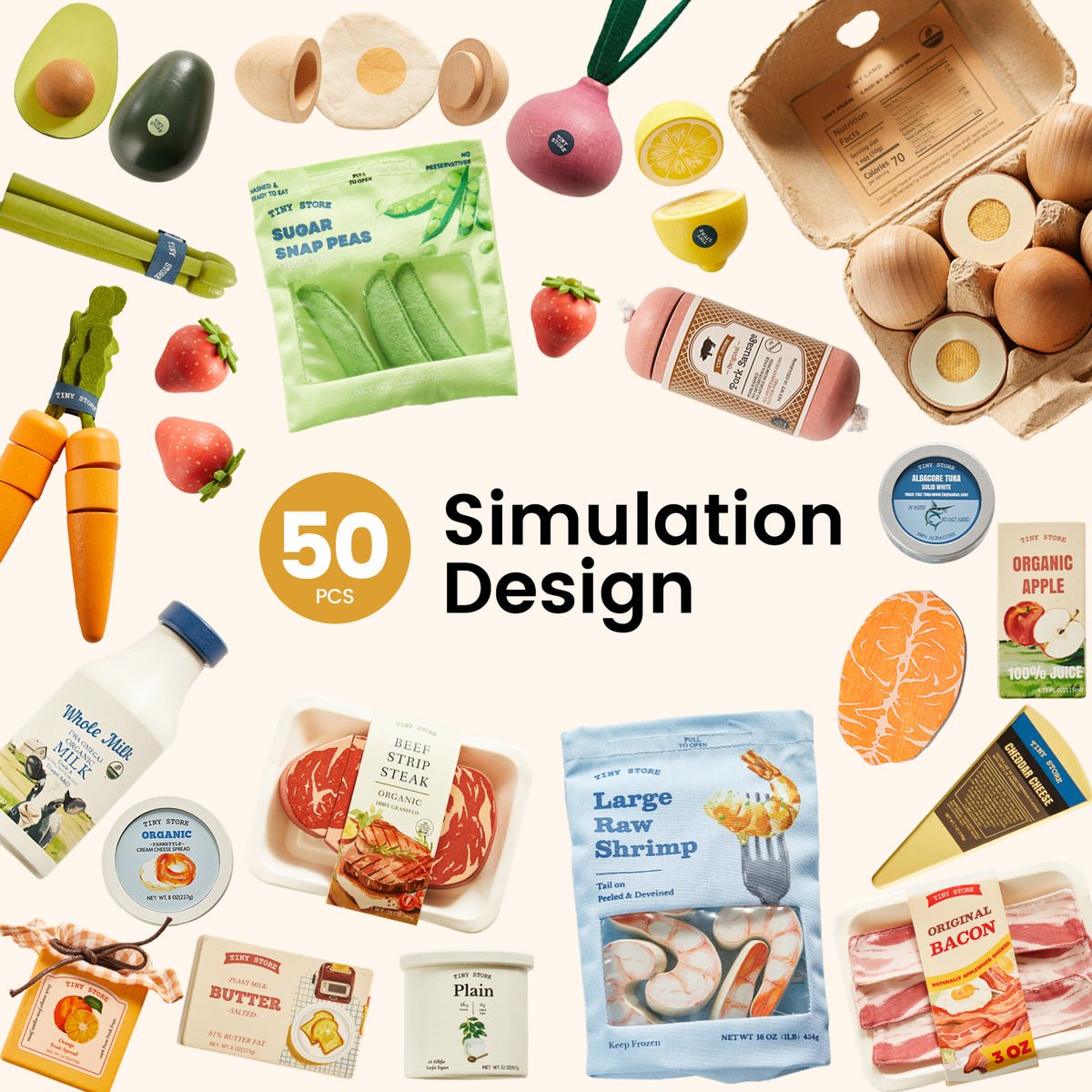
Everything is included—play food, kitchen tools, a chef hat, and an apron—so kids can start playing right away.
- Interactive features that feel real
From light-up effects to clicking knobs and gentle sound details, each element is designed to feel more realistic and engaging.
- Designed to grow with your child
With adjustable height settings, the kitchen can adapt as your child grows.
Why Parents Appreciate It
For many families, an all-in-one kitchen offers a simple way to create a complete play experience from day one.
It supports imagination, independence, and everyday learning—without requiring extra setup or guesswork.
Looking for a Kitchen That Builds Habits?
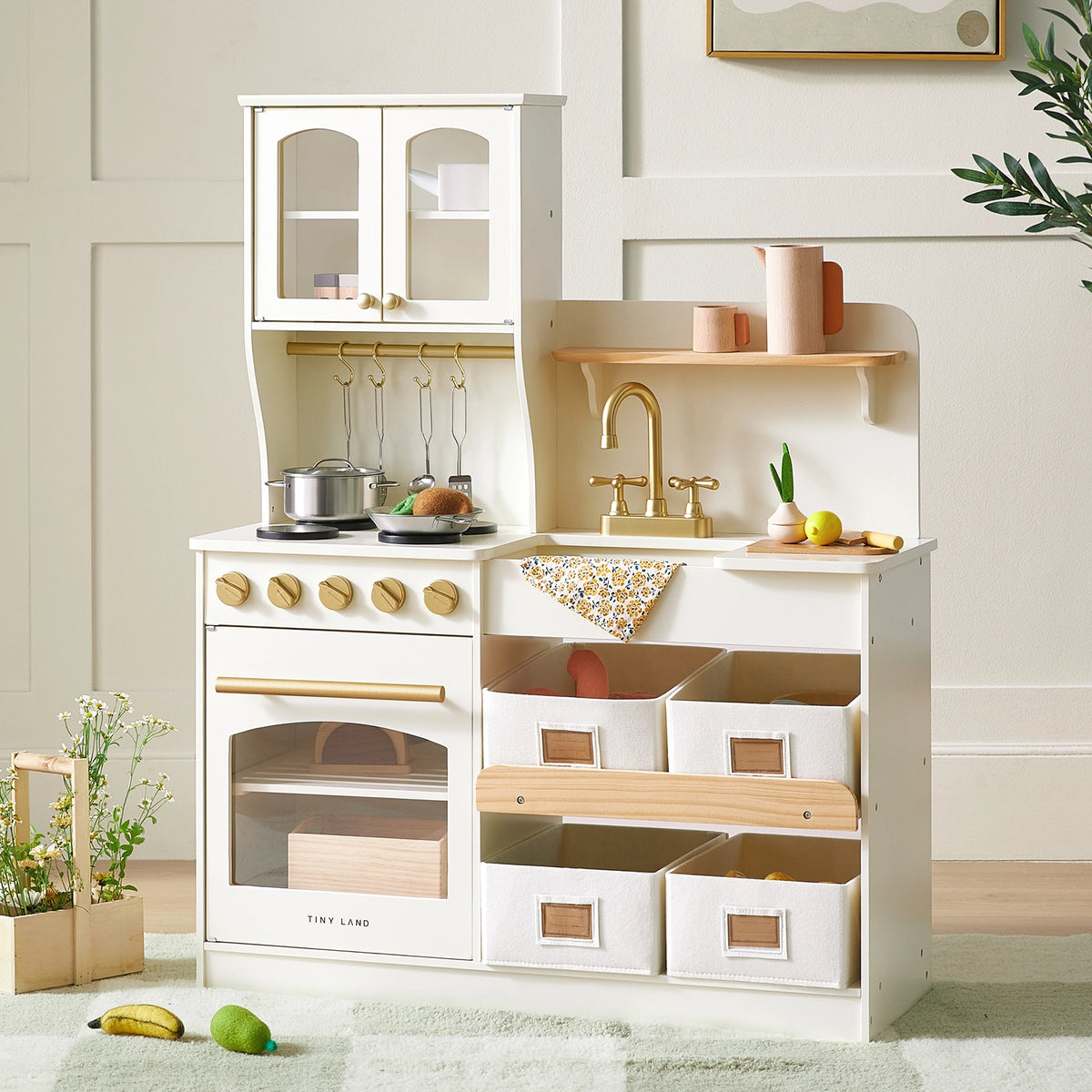
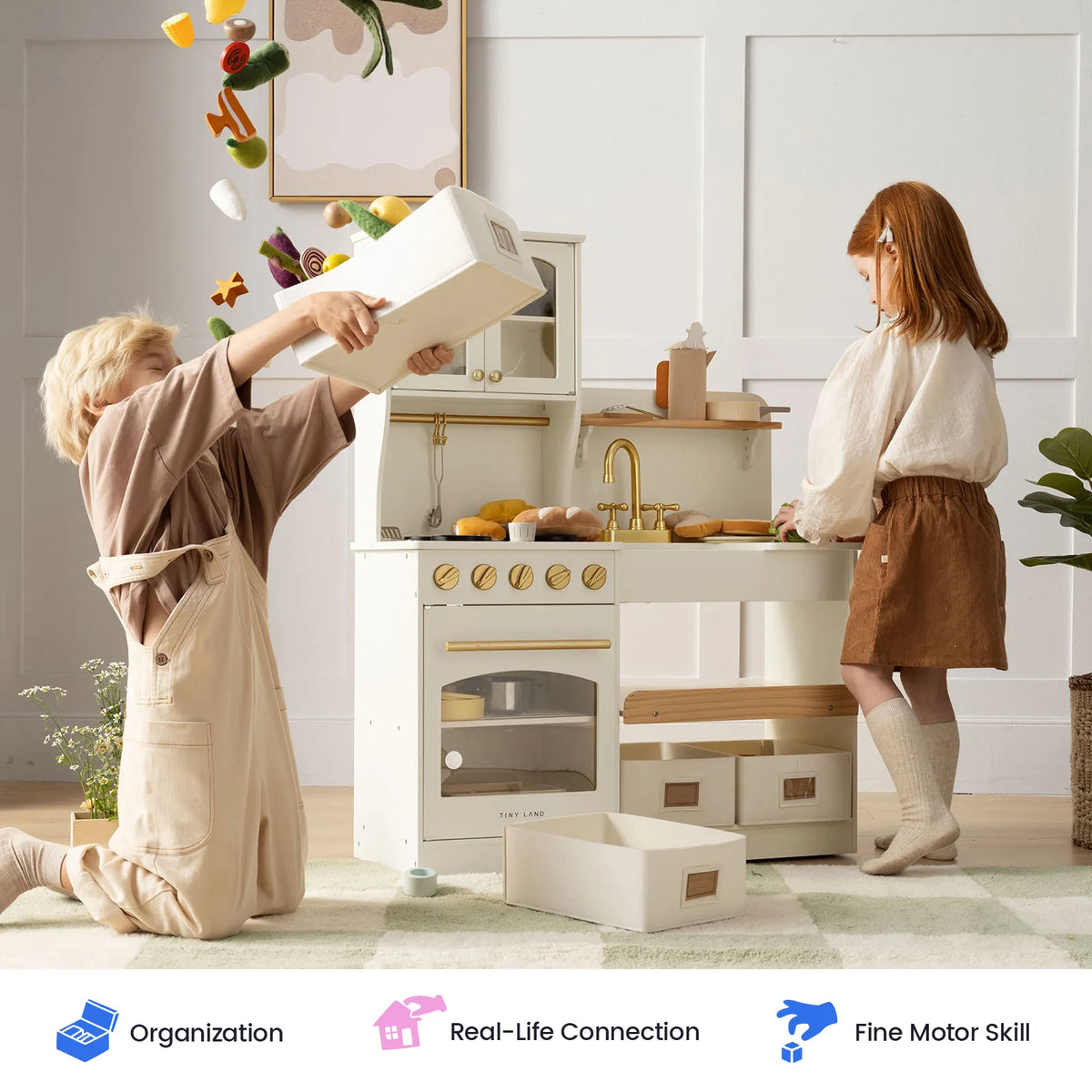
An organization-focused kitchen is designed to help children naturally develop tidying and organizing habits through play.
Why Choose an Organization-Focused Kitchen
- Encourages organization skills--kids can learn to sort and organize their play space naturally as they play with the built-in storage bins.
- Supports early tidying habits--Helps children take responsibility for cleaning up after play.
- Available in charming colors--So you can choose a style that fits your home and your child’s personality.
Why Parents Like It
This kitchen is often chosen by families who:
- Value learning through everyday routines
- Want to encourage responsibility and independence
- Prefer a clean, cohesive home aesthetic

Looking for Your First Play Kitchen?
A compact play kitchen is a great option for families looking for something simple and space-saving.
Why Choose Tiny Land Compact Kitchen
- Space-saving design
Ideal for smaller rooms or apartments
- Easy for toddlers to use
Designed at the right height for young children
- Includes essential accessories
Comes with basic items so kids can start playing right away
Why Parents Choose It
This is a good fit for families who:
- Are introducing their child to pretend play for the first time
- Have limited space at home
- Prefer a simple and budget-friendly option
- Have younger toddlers
It’s an easy, approachable way to introduce imaginative play without overwhelming your child.

Final Thoughts
No matter which kitchen you choose, what matters most is the experience your child creates through play—building imagination, confidence, and connection along the way.
Each Tiny Land kitchen is thoughtfully designed with safety and everyday use in mind, so you can feel confident while your child explores and plays.
These small moments of play can grow into meaningful memories that last for years to come.

Frequently Asked Questions
What age is a play kitchen suitable for?
Most play kitchens are designed for toddlers and preschoolers, typically starting around 2–3 years old. However, many children continue to enjoy pretend kitchen play well into early elementary years, especially as their imagination and role-playing skills grow.
Is a play kitchen worth it for child development?
Yes—play kitchens can support several areas of development through play. They help children build fine motor skills, practice social interaction, and explore real-life routines. Open-ended play like this also encourages creativity and independence in a natural way.
What’s the difference between an indoor and outdoor (mud) kitchen?
An outdoor mud kitchen focuses on sensory, nature-based play—using materials like water, sand, and natural elements. It encourages exploration and free play.
An indoor play kitchen is more structured and often includes realistic features, helping children engage in role play and everyday routines in a more familiar setting.
How do I choose the right play kitchen for my child?
It depends on your child’s interests and your space:
- If your child enjoys outdoor and sensory play, a mud kitchen can be a great fit
- If they enjoy pretend play and role-playing daily routines, an indoor kitchen may be ideal
- If you’re looking for something complete and ready to use, an all-in-one kitchen can be a simple choice
- If space is limited, a compact kitchen may be more suitable
Can multiple children play with a play kitchen together?
Yes, many play kitchens are designed for shared play. Larger or more spacious models allow 2–3 children to play together, helping them develop social skills like sharing, communication, and cooperation.
What should I look for in a play kitchen?
When choosing a play kitchen, consider:
- Your child’s age and interests
- Available space at home
- Level of realism or features you want
- Whether you prefer a simple or more complete setup
- Safety and durability of materials

