



As a parent, you’re probably all too familiar with this scene: just after picking up scattered building blocks off the floor, you step right on a doll. Your home is filled inside and out with all kinds of big toys — from indoor dress-up costumes to outdoor sports gear. These toys often gather a thick layer of dust, making cleaning a time-consuming and tiring task! Facing this kind of clutter can leave you feeling overwhelmed and exhausted.
Don’t worry, you’re not alone. With a few simple and practical organizing tips, you can easily create a space that’s both orderly and full of fun — one that sparks your child’s creativity and makes life easier for the whole family.
Here are 7 handy tips to help you smartly organize your child’s toys, making cleanup faster and playtime more enjoyable.

1. Regularly Rotate Toys (Toy Rotation)
Kids’ interests and growth change quickly, so their toys should keep up! Group toys by type — like sports toys, pretend play, or art supplies — and rotate them every few weeks. This keeps toys feeling fresh, cuts down on clutter, and helps your child focus on developing current interests and skills. Of course, if your child enjoys playing with different types of toys at the same time, you can mix and match categories to create targeted rotations.

2. Organize Toys by Season
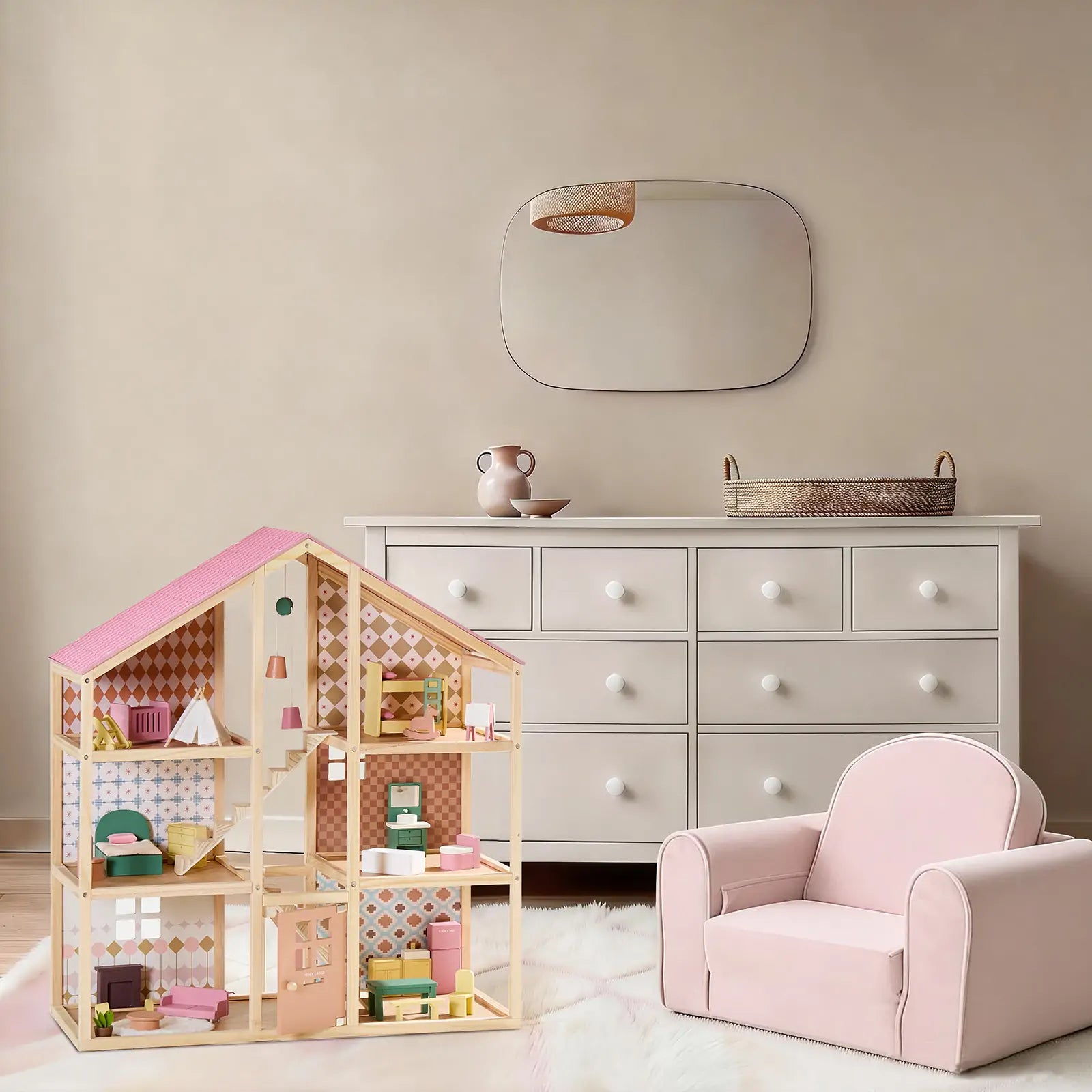
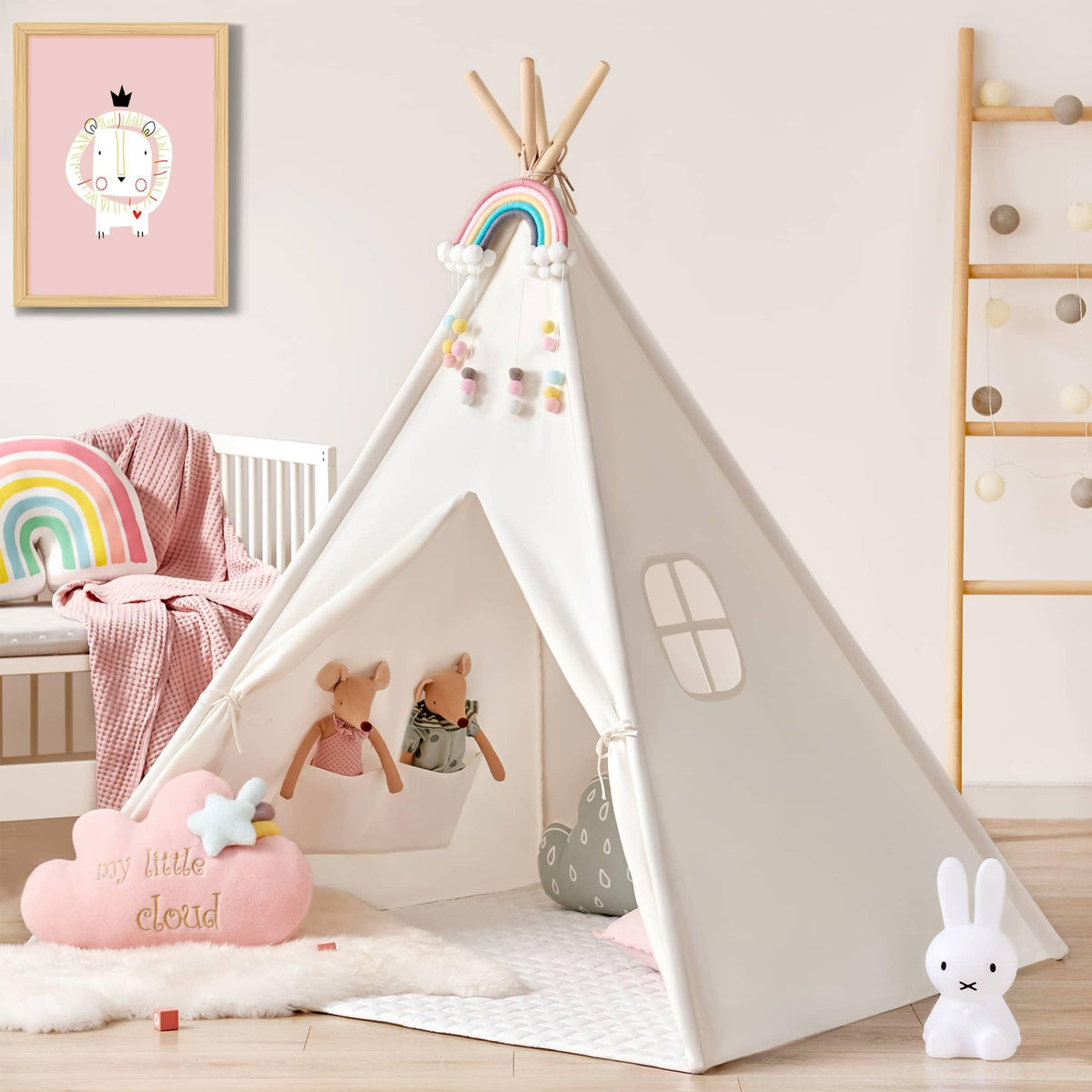
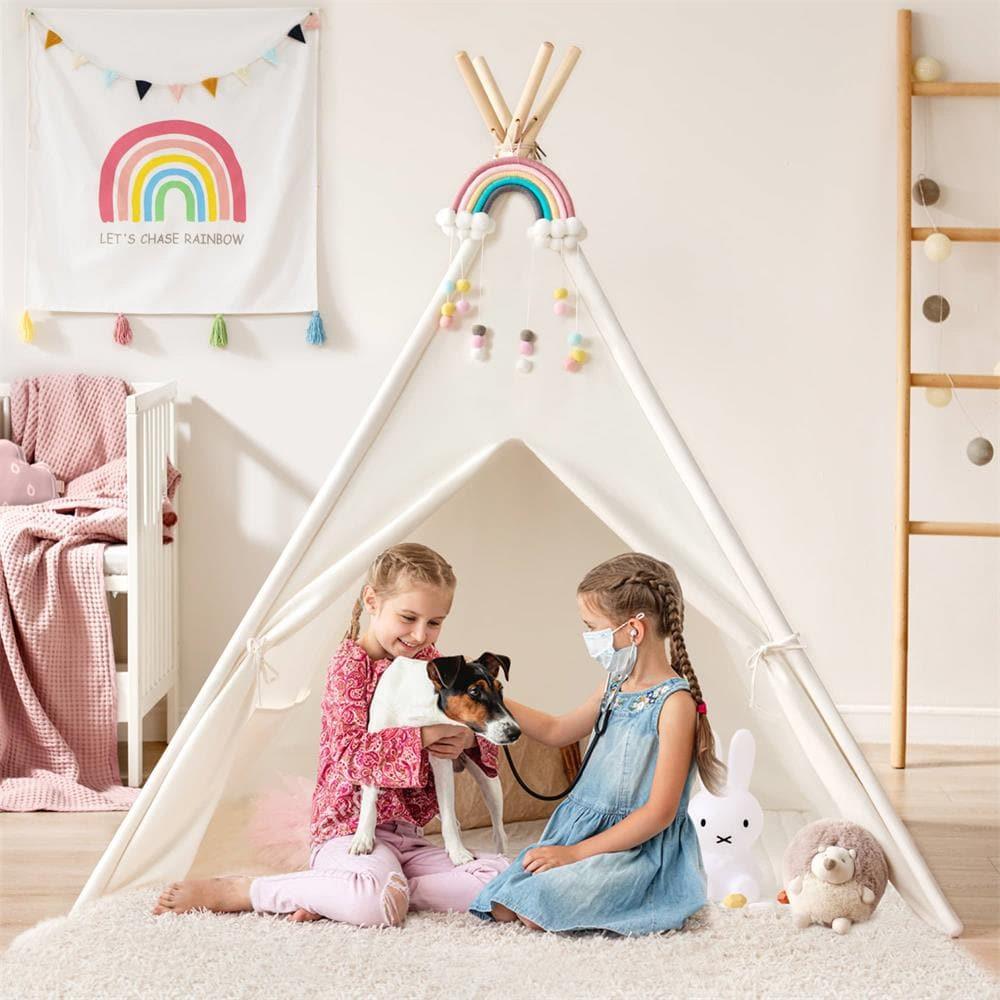
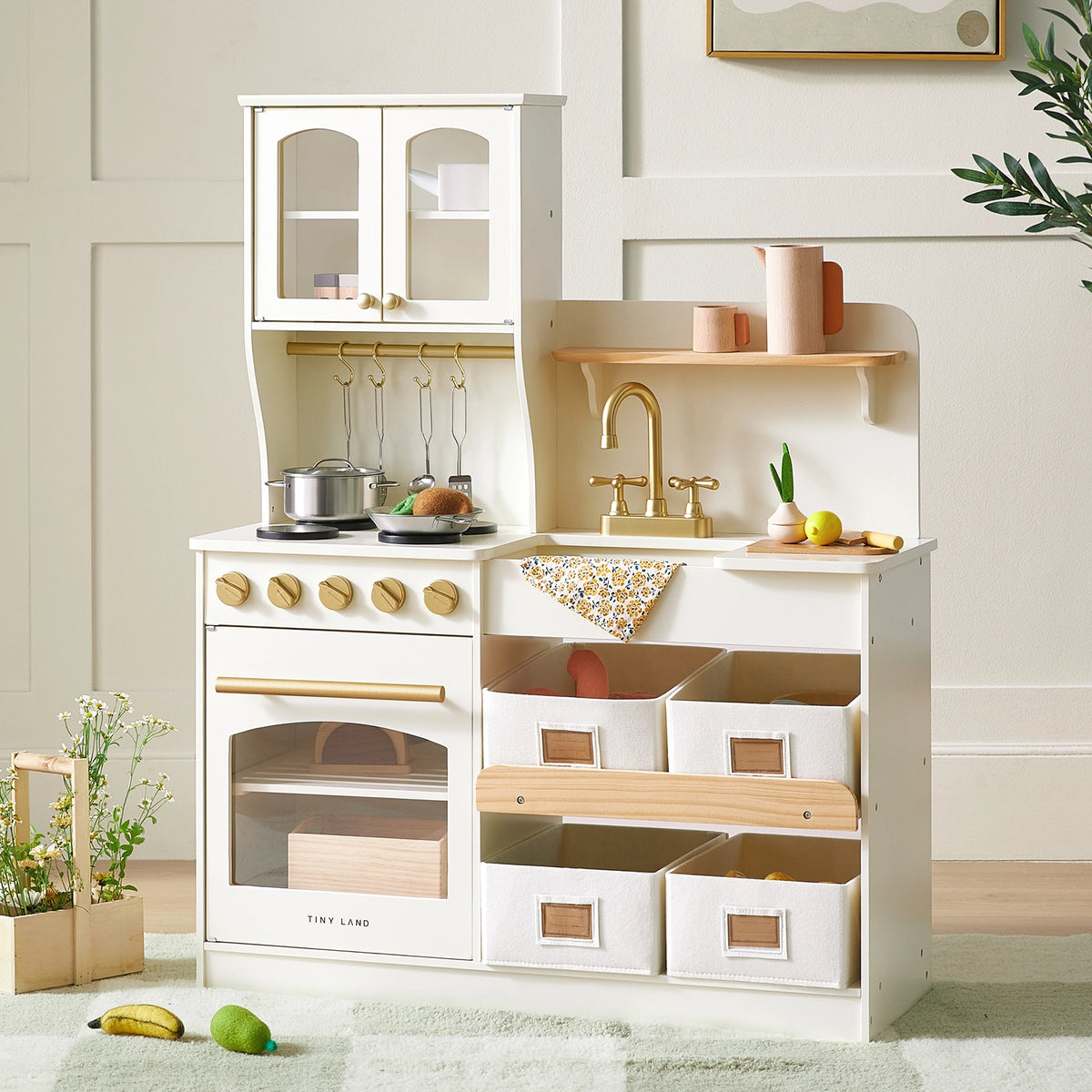
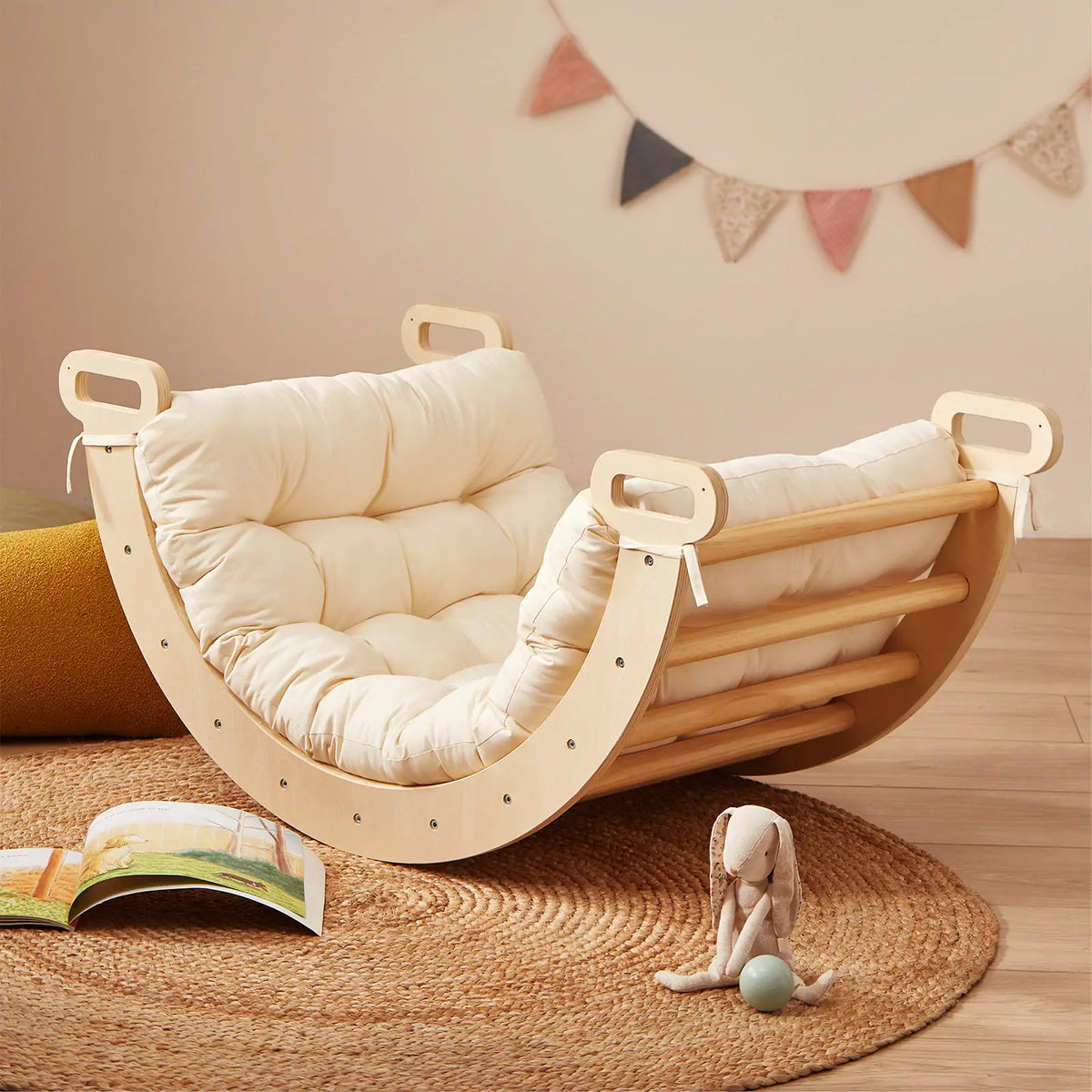
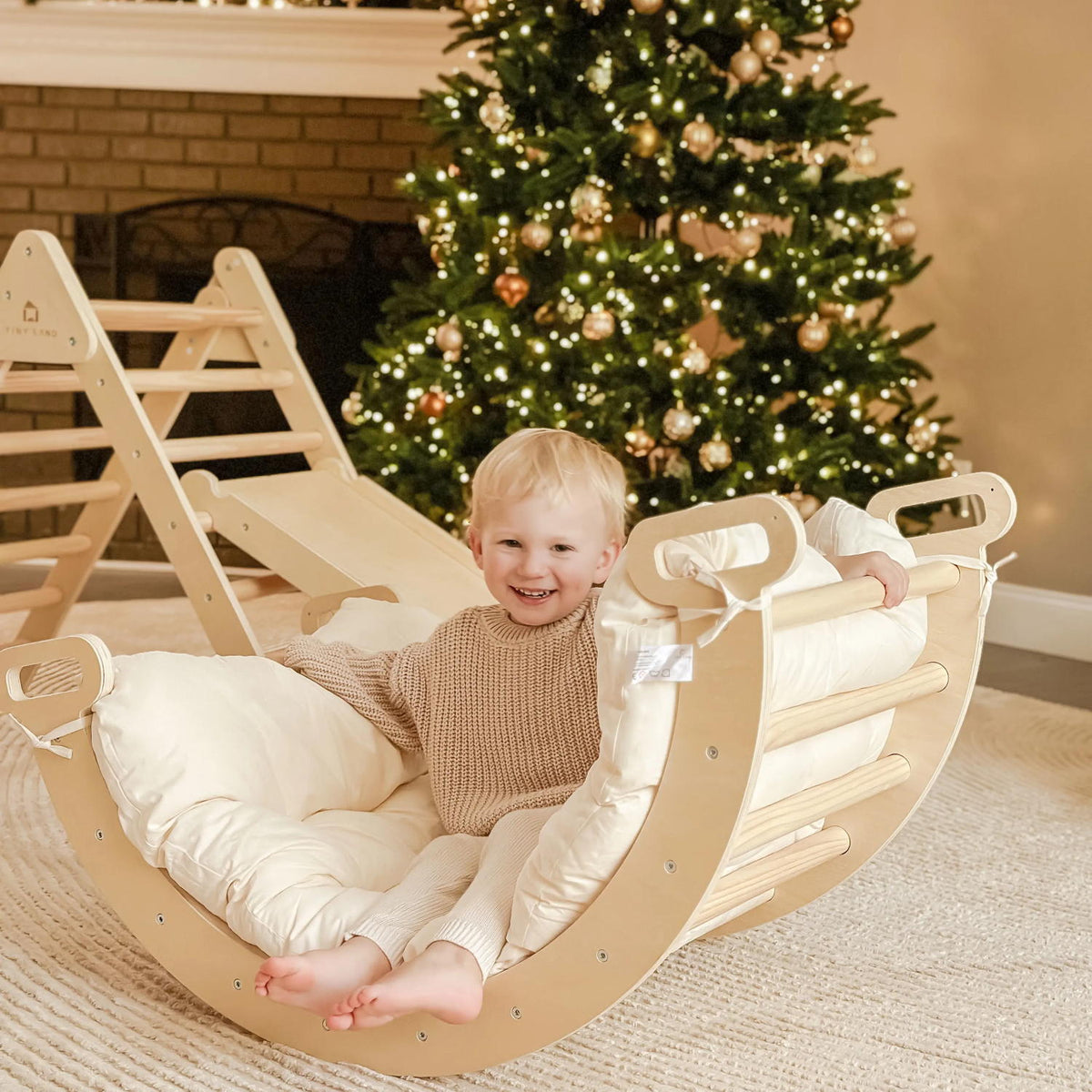
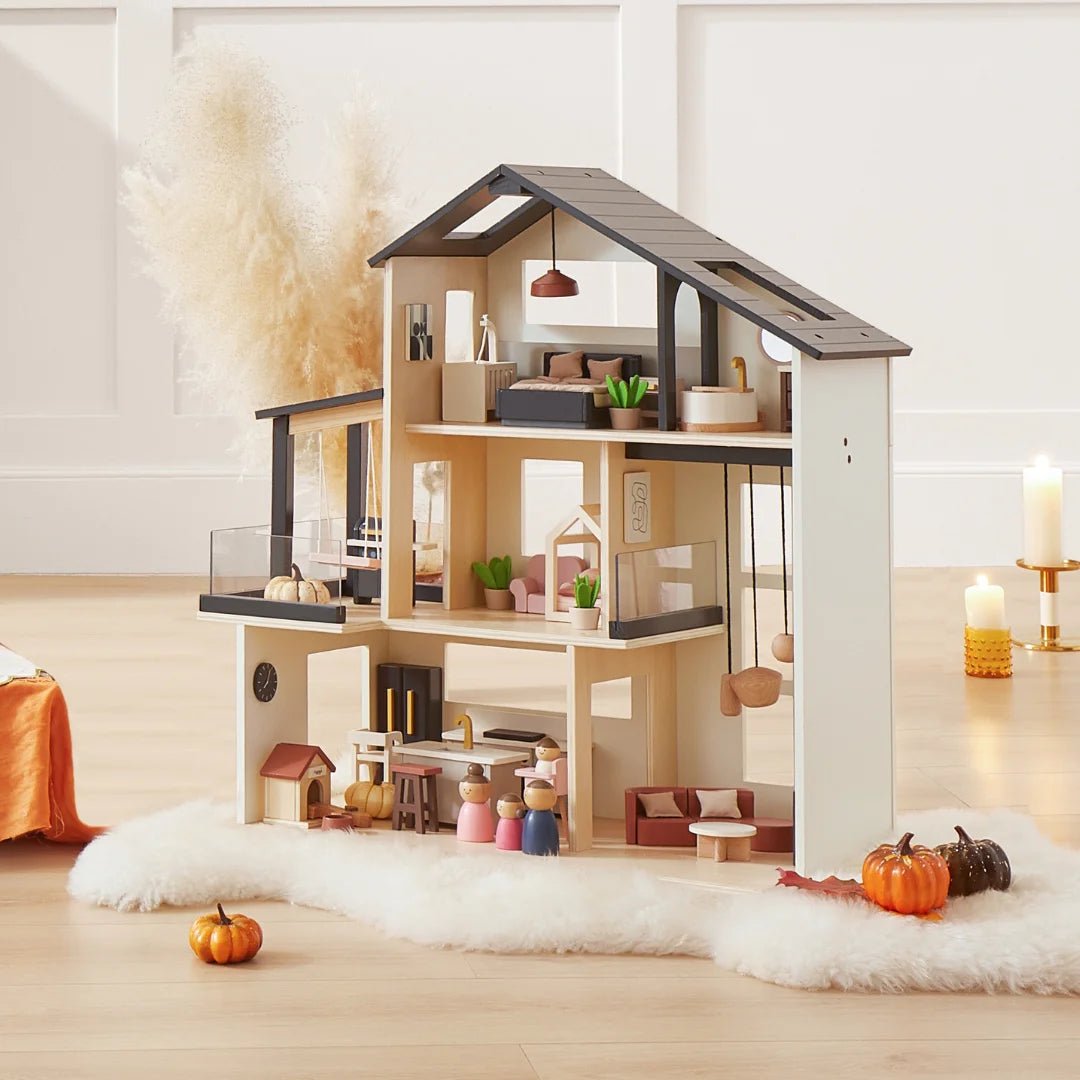
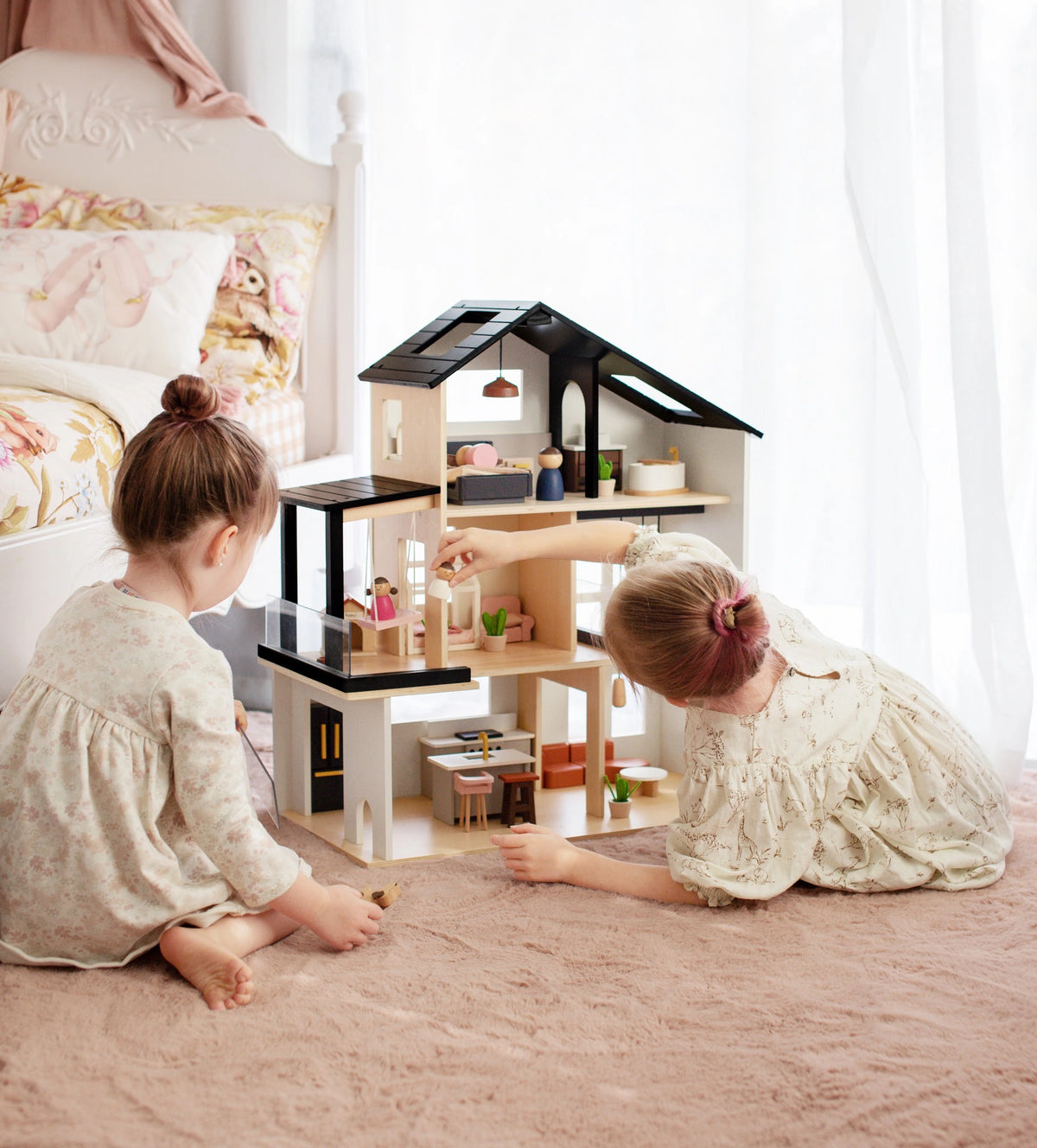
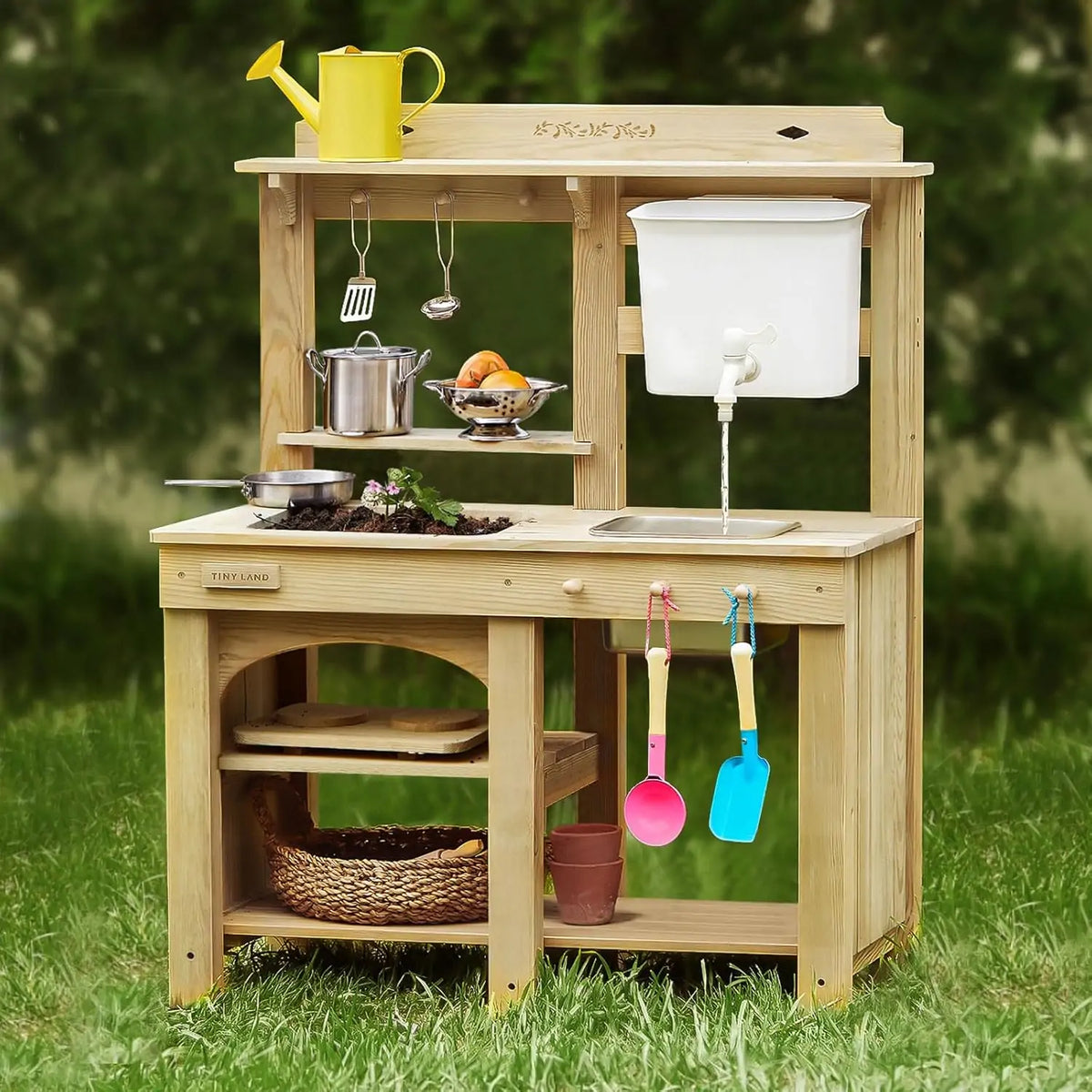
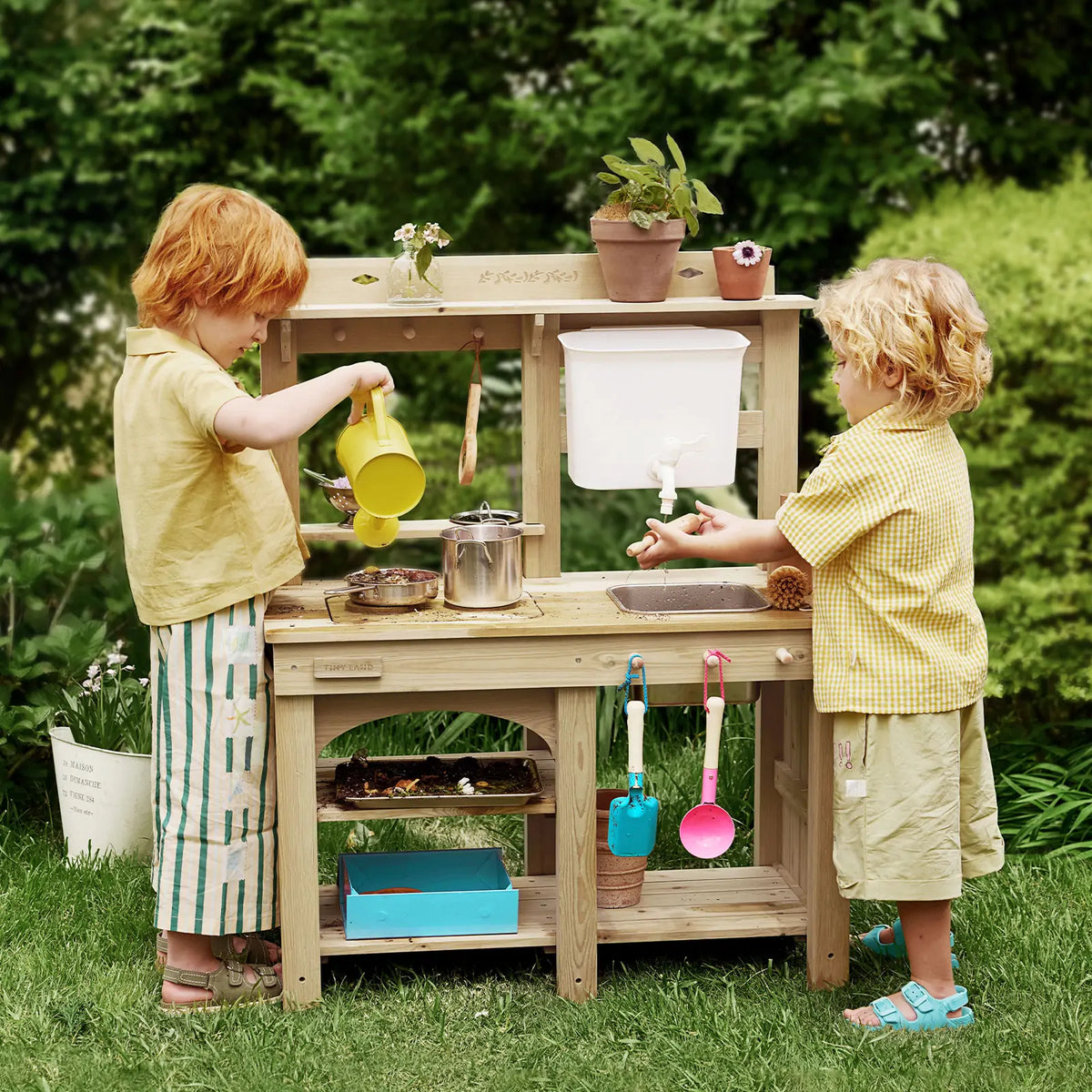
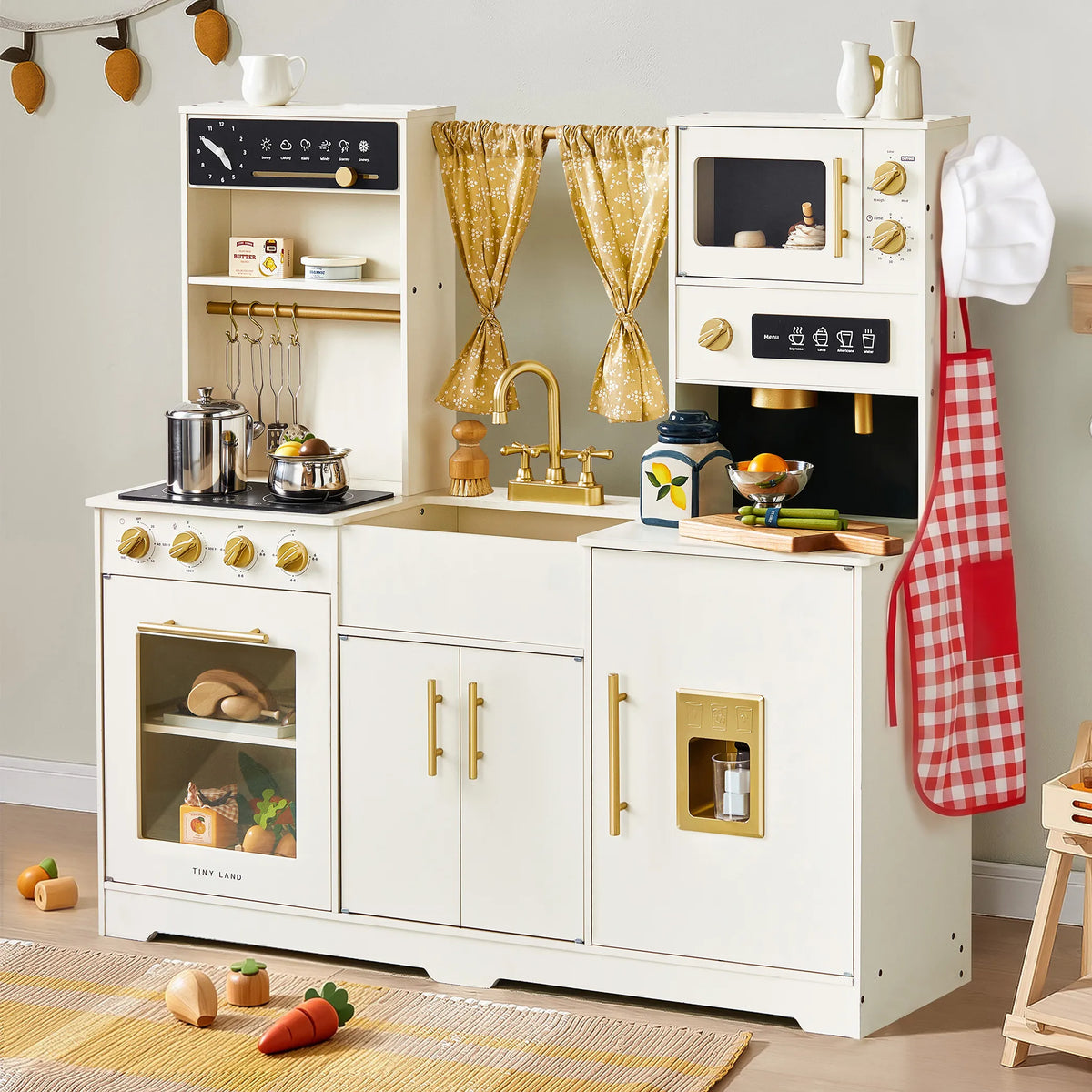
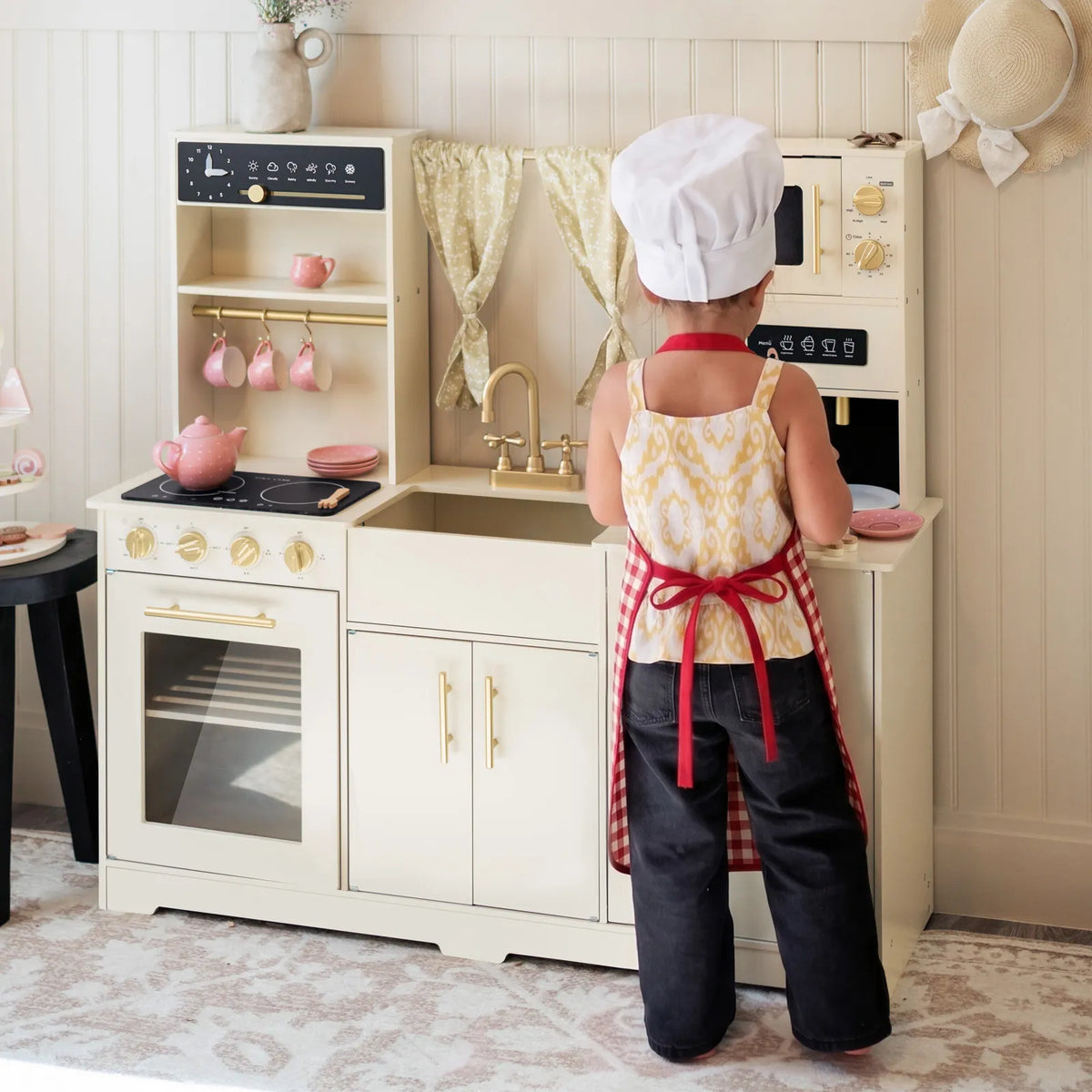
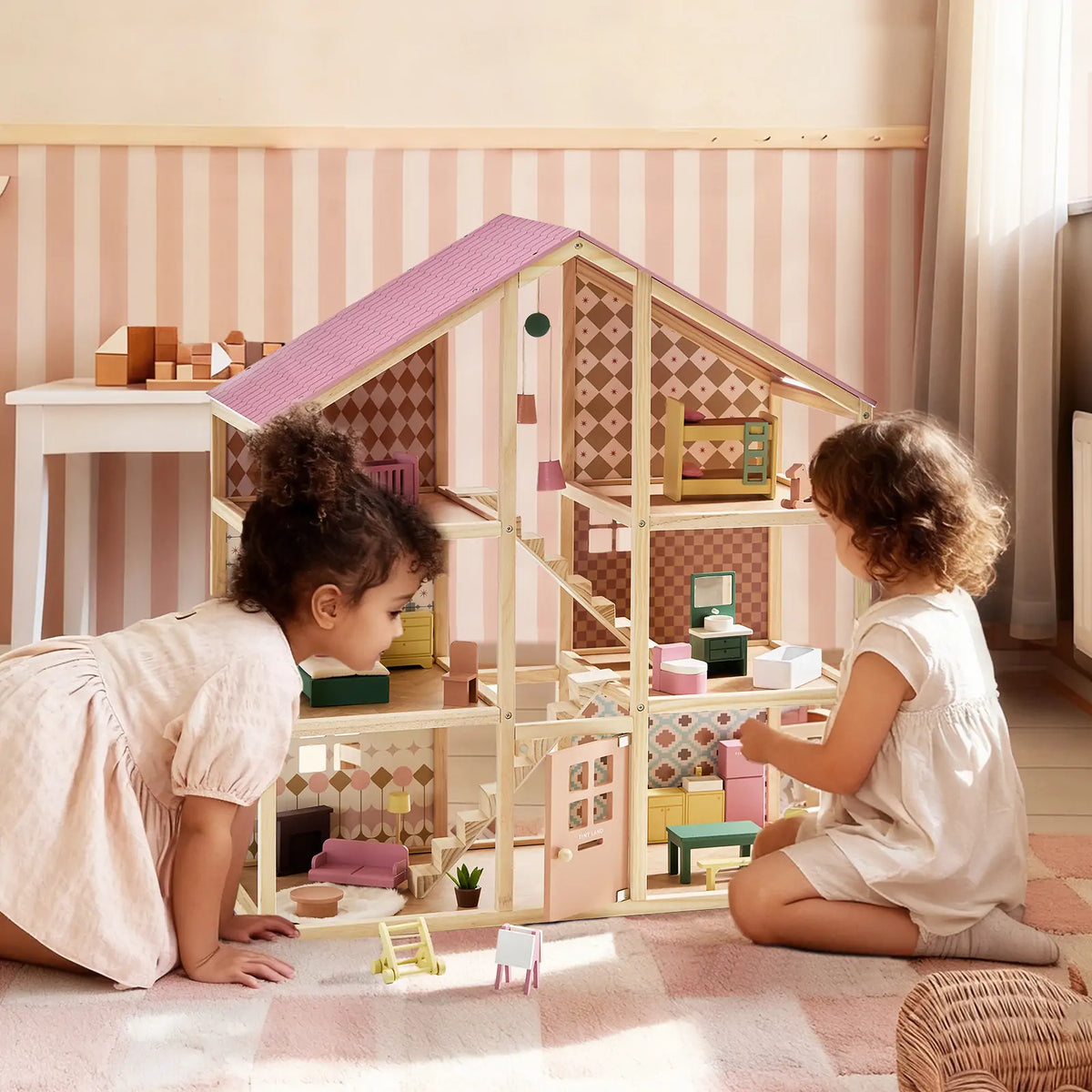
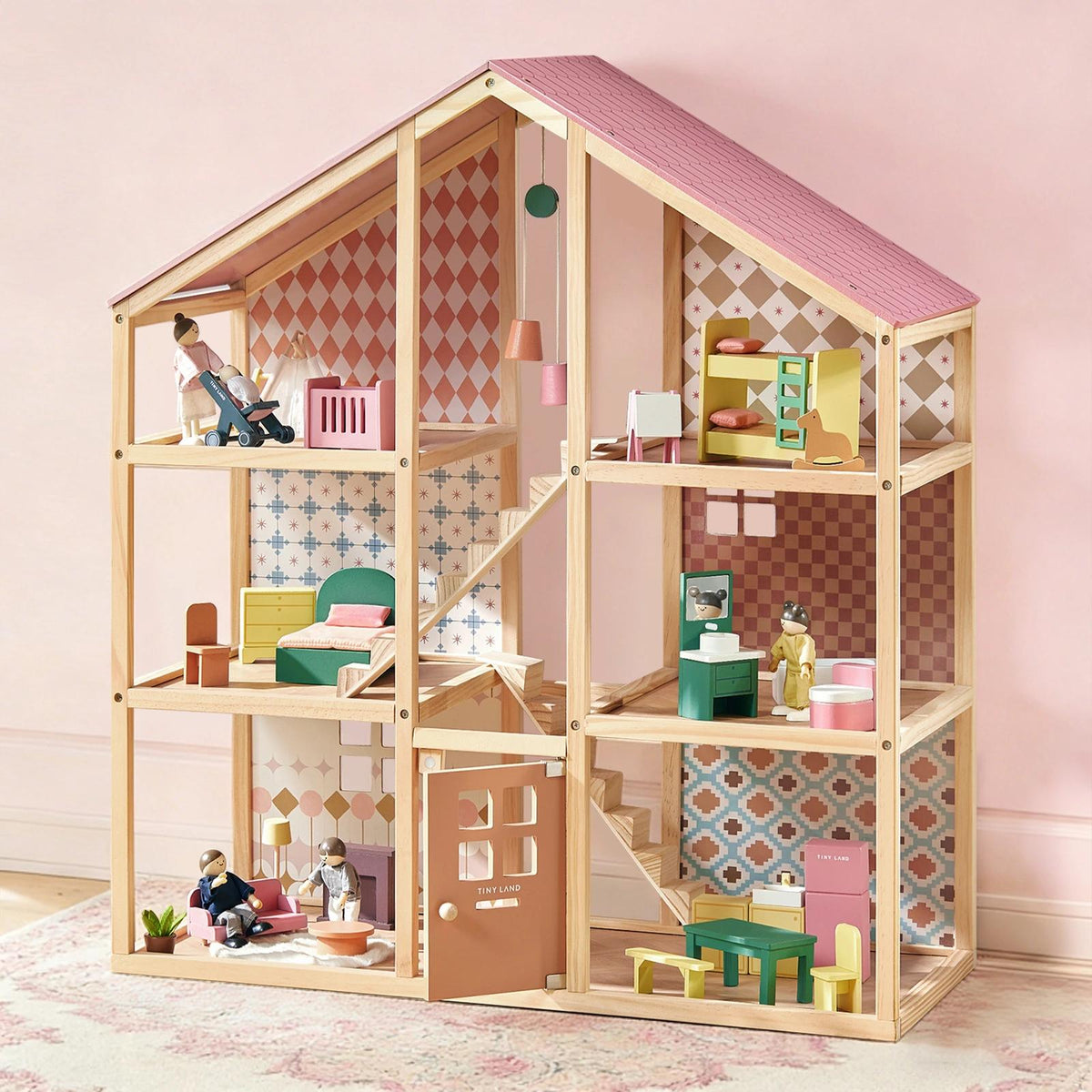
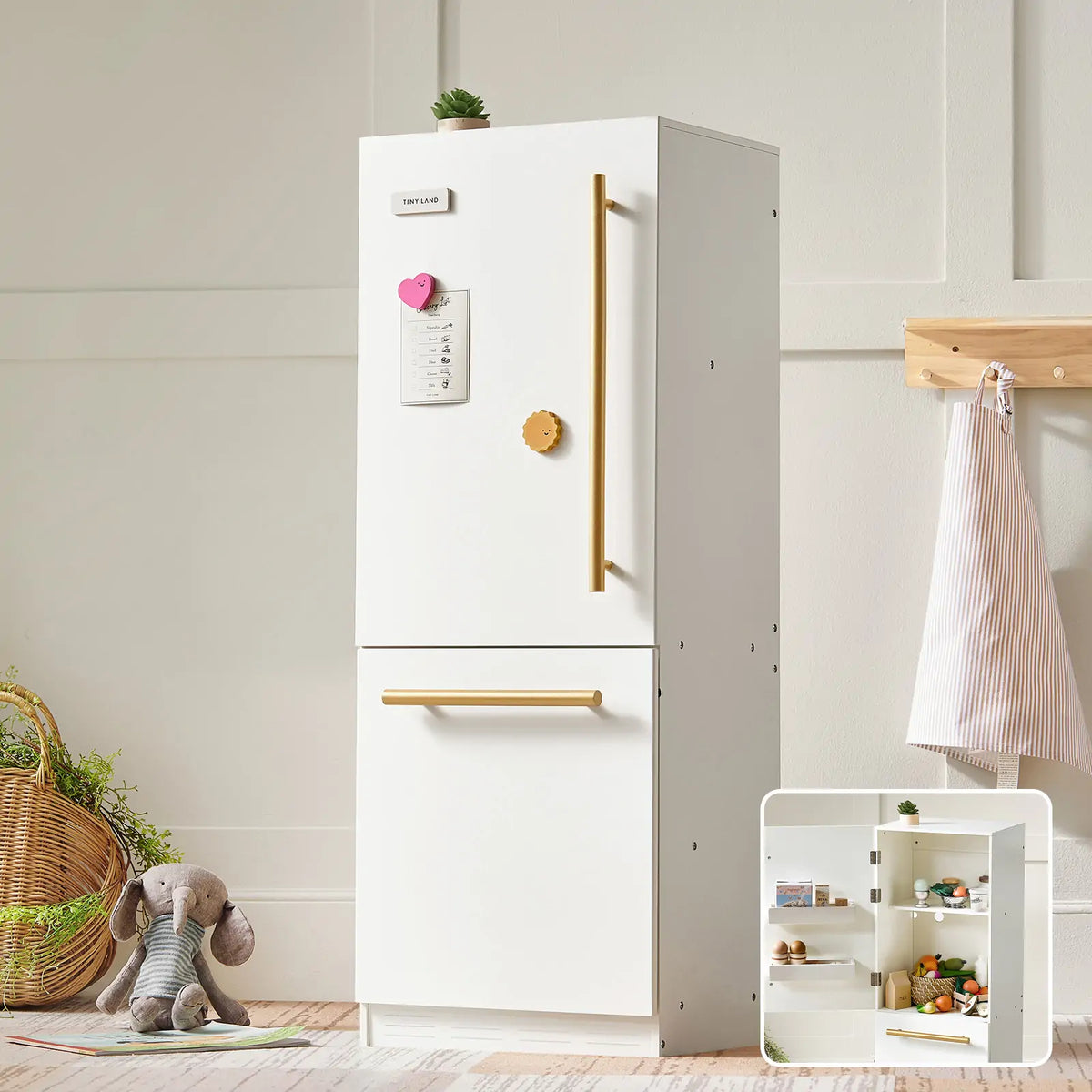
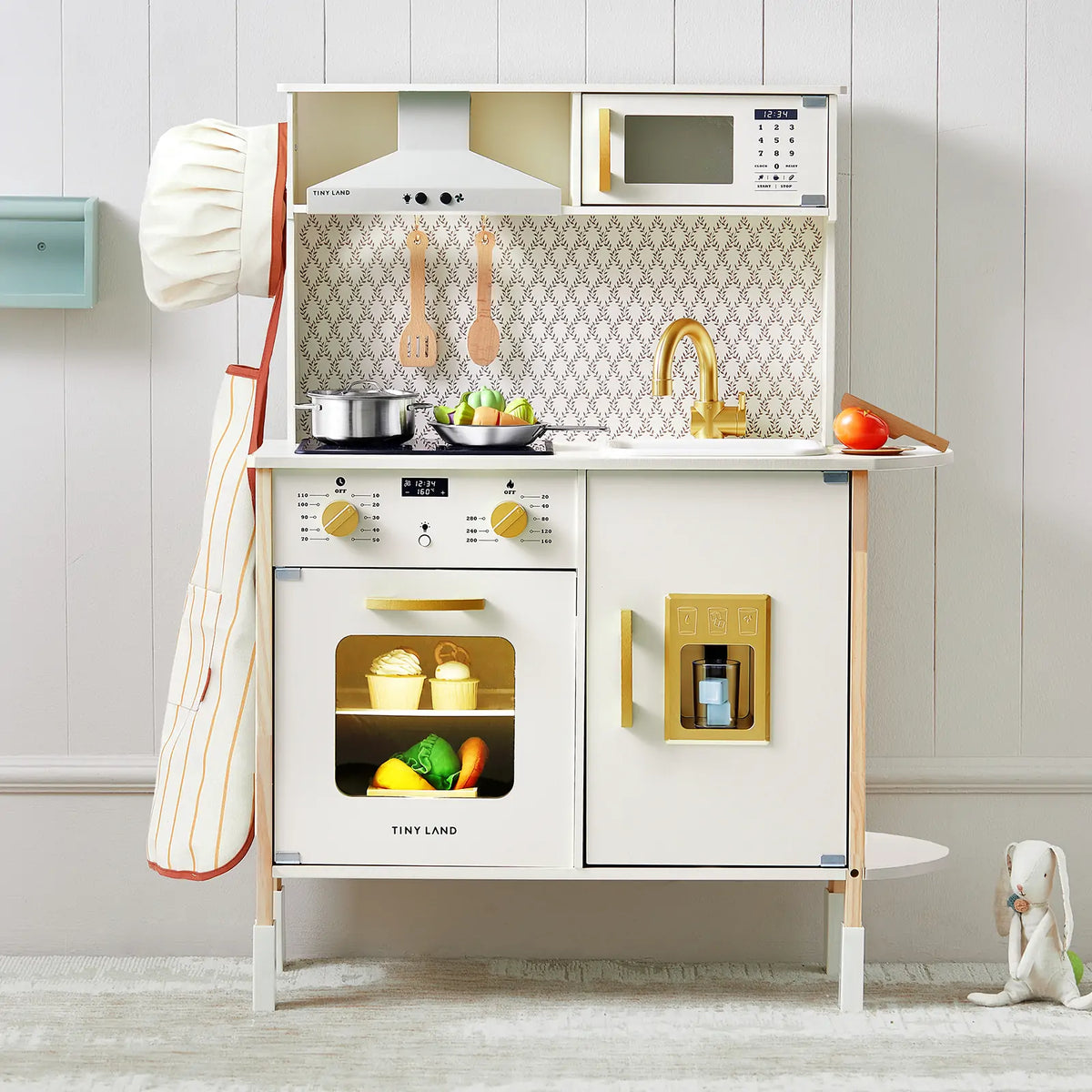
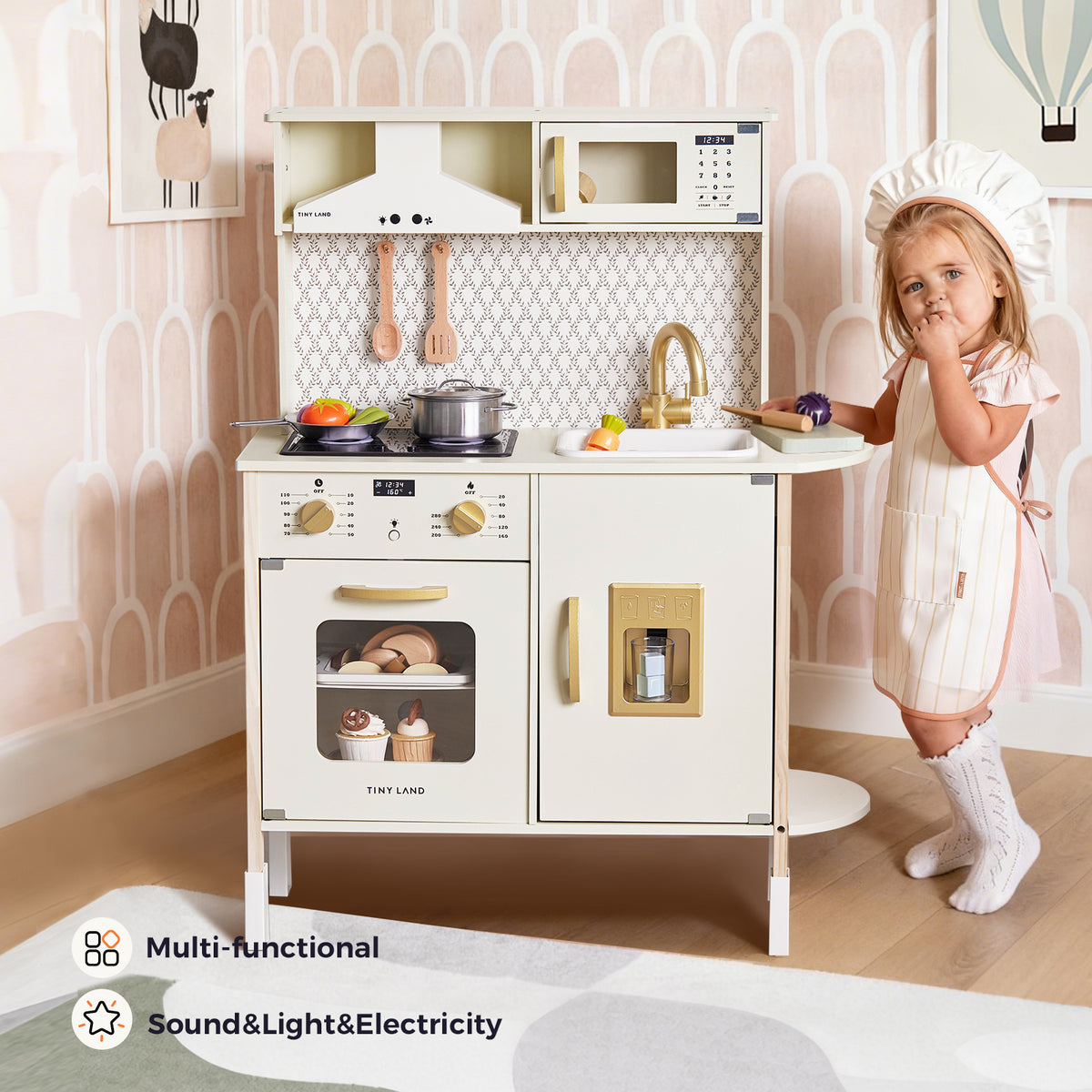
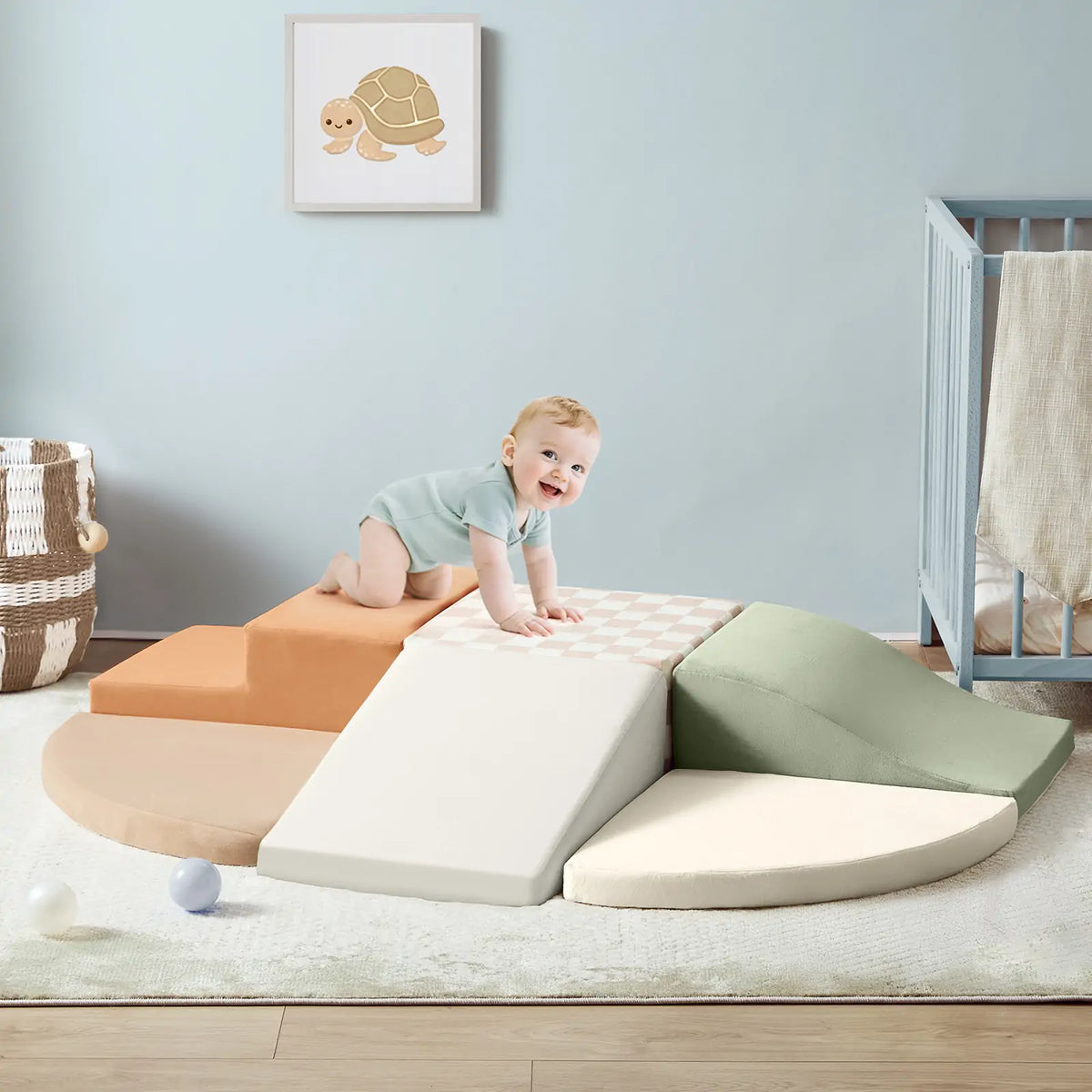
Just like changing clothes with the seasons, toys should be used and stored according to the time of year. In summer, bring out outdoor favorites like mud kitchens, stepping stones, beach tents, and water tables so your child can enjoy the sunshine and water play. When winter comes, set up indoor favorites like climbing sets, indoor play kitchens, and wooden dollhouses to create a cozy play environment. This approach not only protects your toys and extends their lifespan, but also helps your child connect with nature’s rhythms and supports healthy development based on seasonal needs.

3. Choose Toys with Built-In Storage and Encourage Cleanup Habits
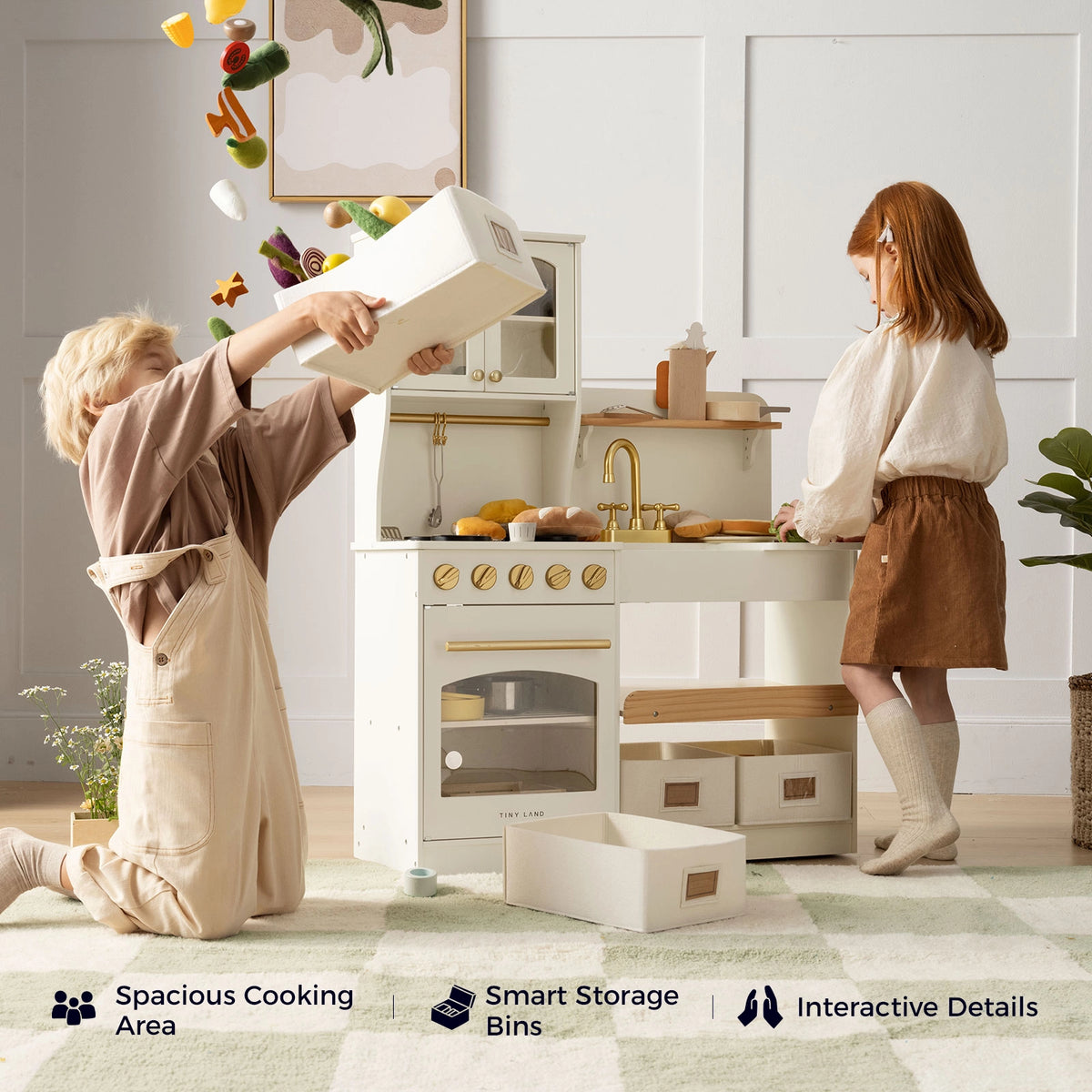
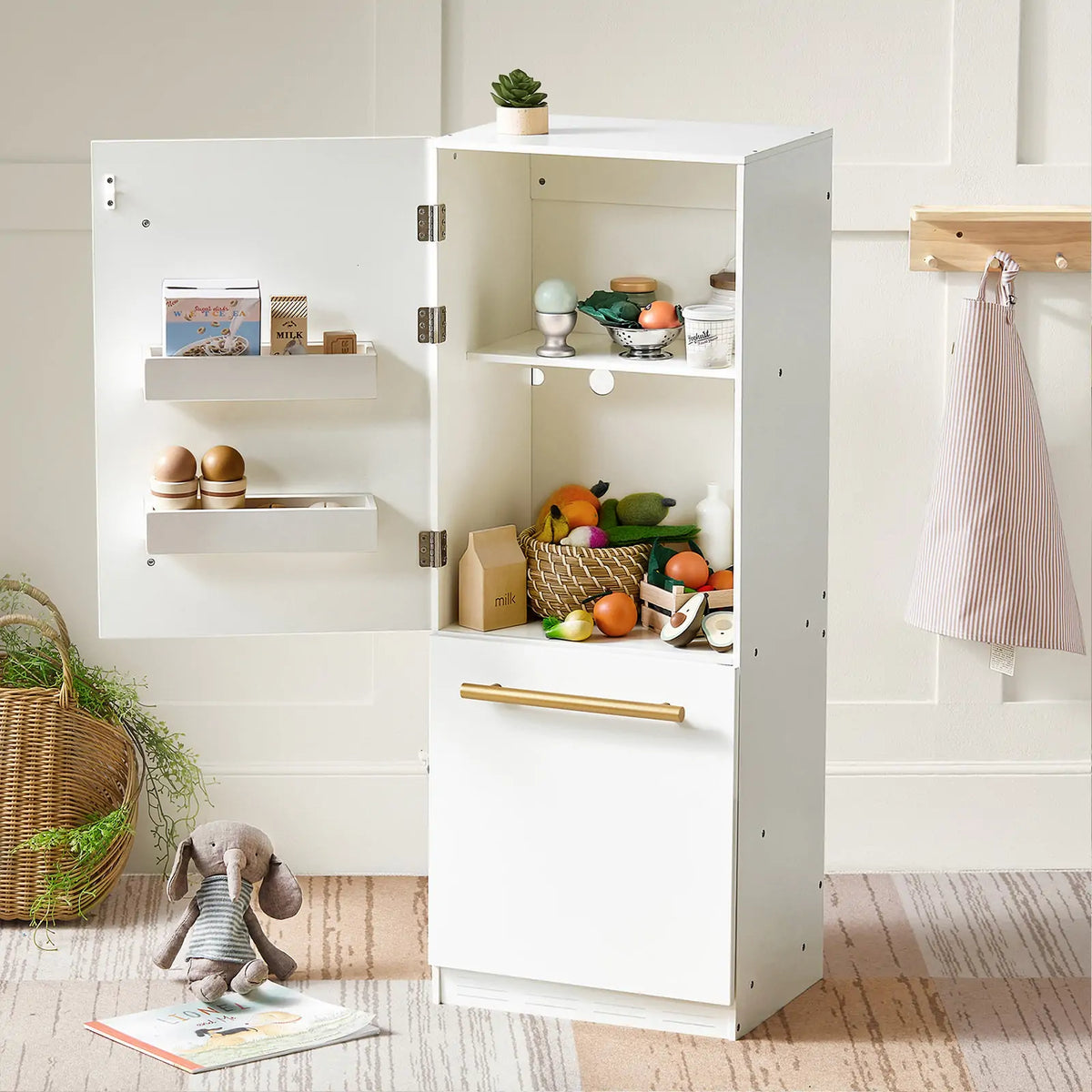
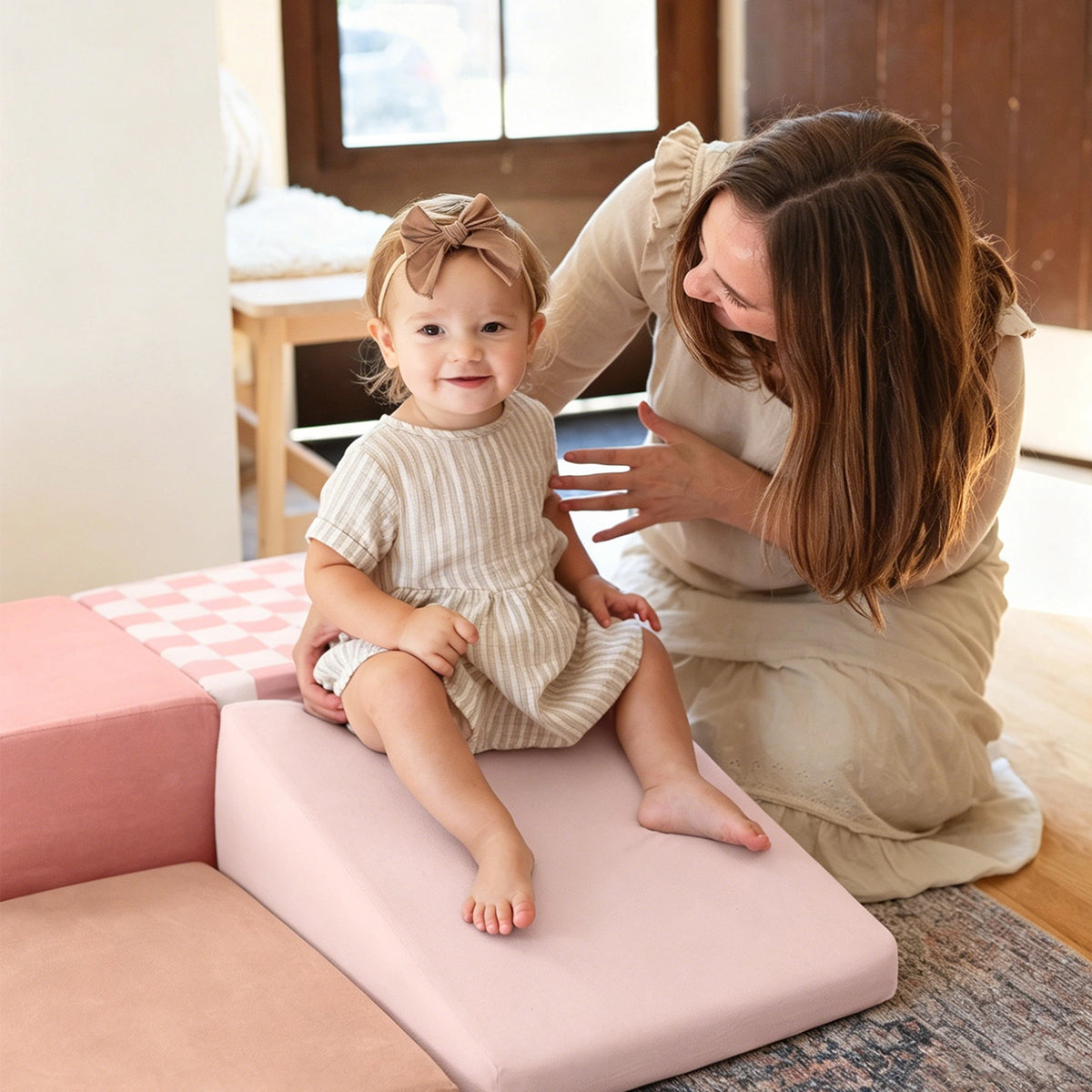
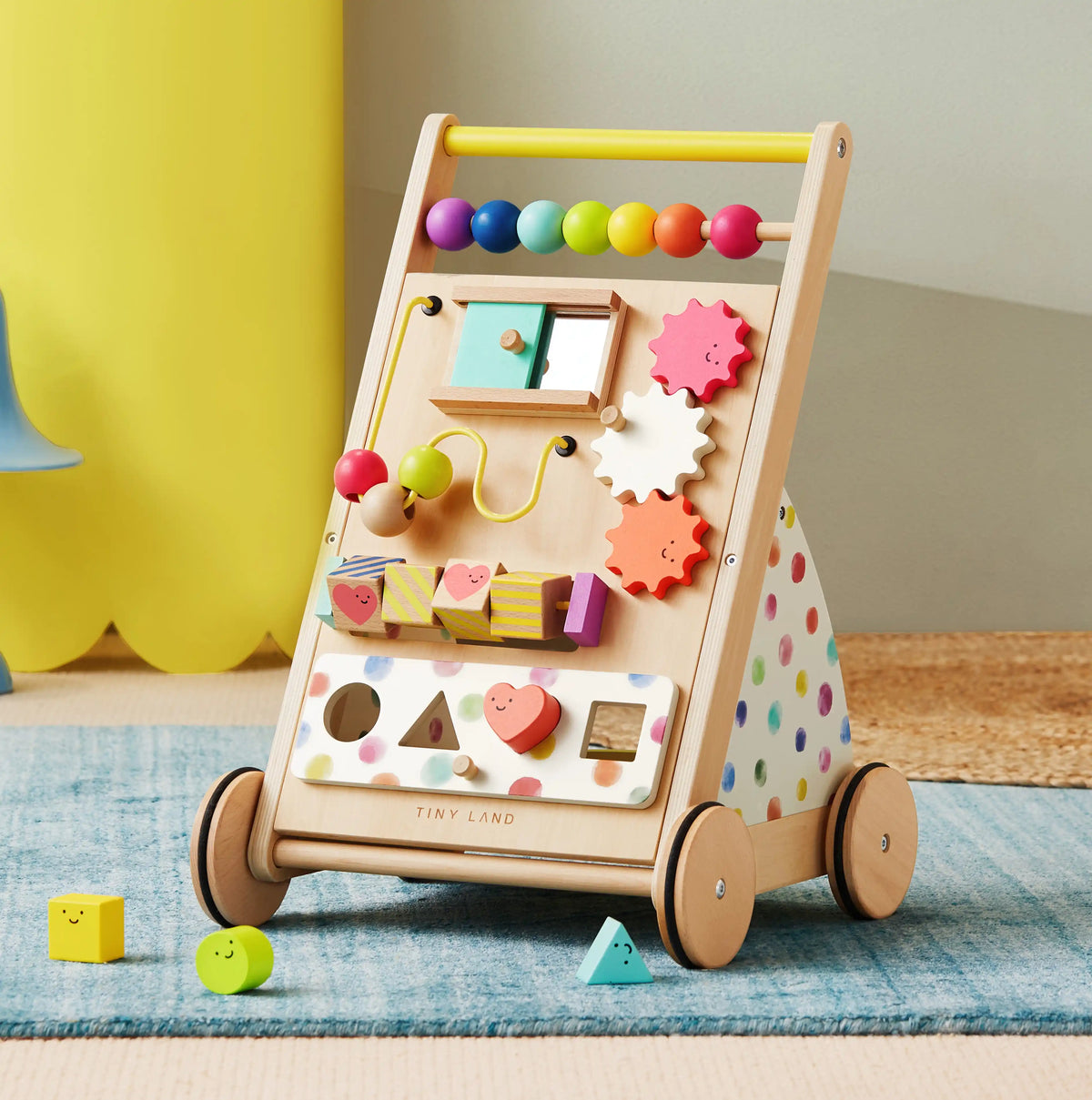
Pick toys that come with built-in storage, or use storage bins and bags alongside your toys. When toys have a “home,” children are more likely to develop the habit of cleaning up as they play and putting toys away when they’re done. Make tidying up part of your daily routine by setting aside time to organize with your child. This process helps build responsibility and pride in their space. Using fun storage solutions or singing cleanup songs can make putting toys away feel like a game.

4. Make the Most of Vertical Space and Multi-Functional Products
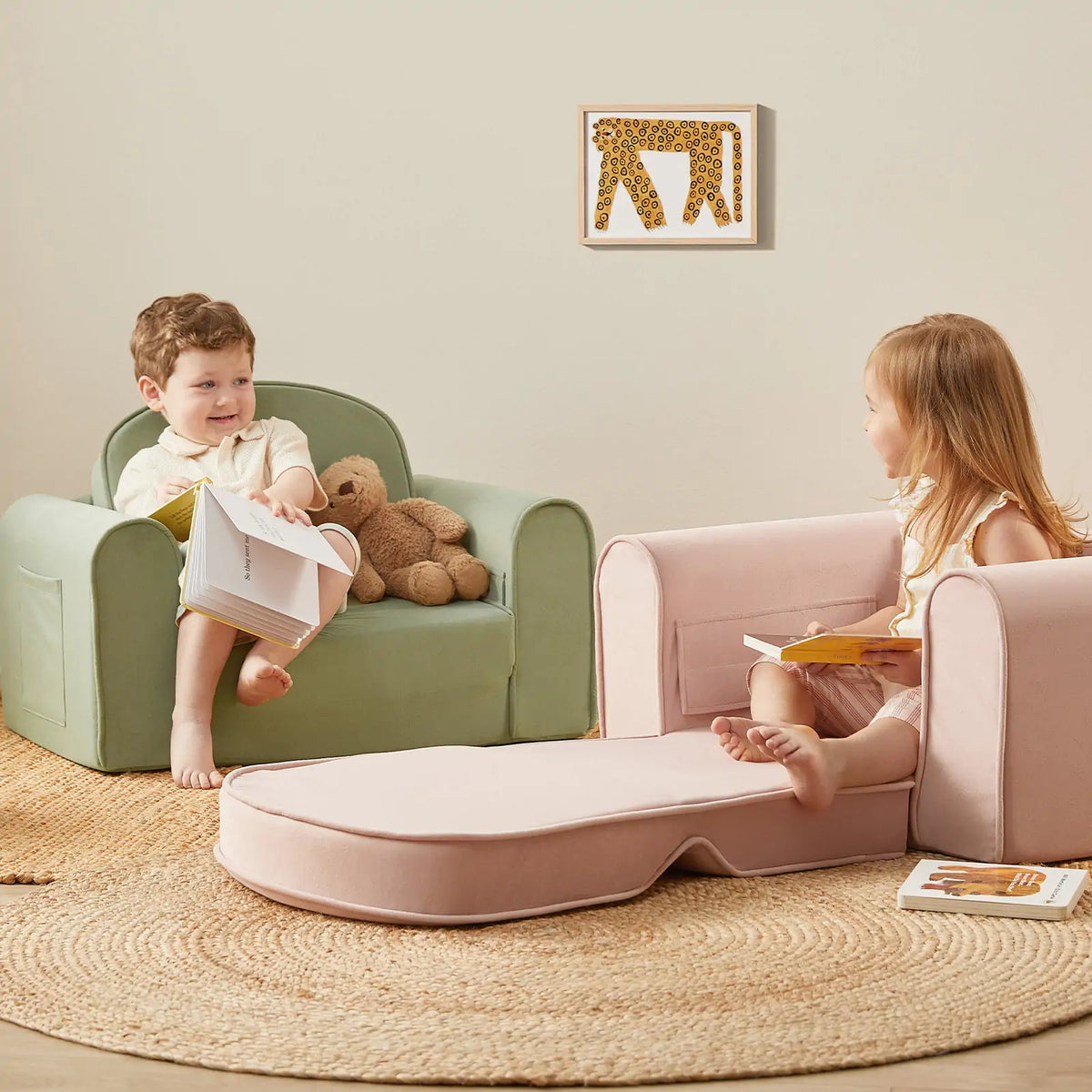
Use wall shelves, hanging baskets, or furniture with built-in storage to maximize space. Vertical storage keeps toys off the floor, helping maintain order and making toys easy to reach. Multi-functional furniture, like benches with storage compartments, combines style and practicality. Plus, some toys can double as storage spaces with clever placement, saving even more room at home.

5. Regularly Declutter and Donate
Every few months, spend some time with your child to review their toys. Set aside those they no longer play with or have outgrown and donate them to families or charities in need. This not only teaches kids about sharing and gratitude, but also helps them understand the value of their belongings and the importance of giving back. Regular decluttering prevents toy overload, frees up space, and helps children focus on the toys and activities they truly enjoy. It also fosters good habits and a sense of responsibility towards others and the environment from a young age.

6. Create a Dedicated Play Area
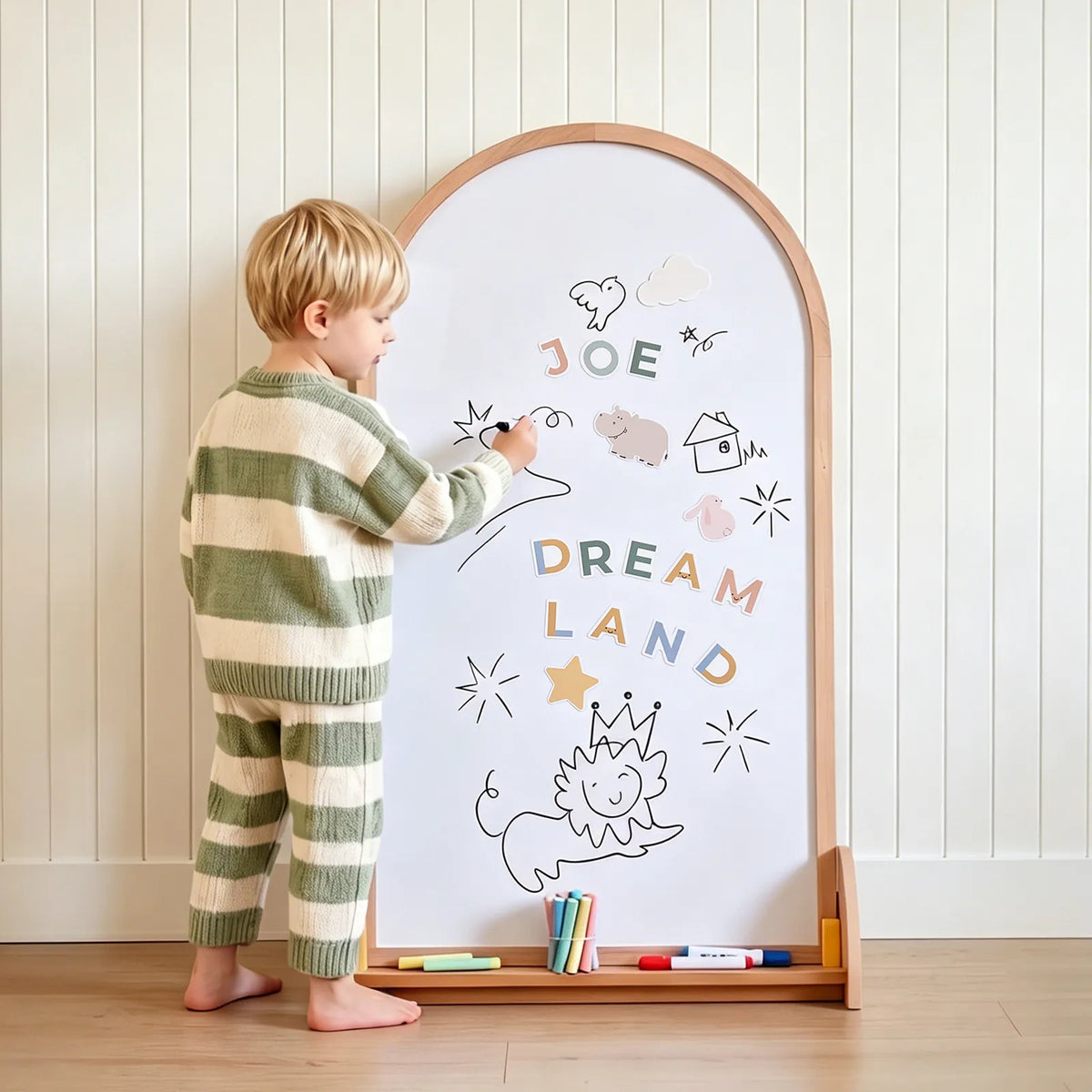
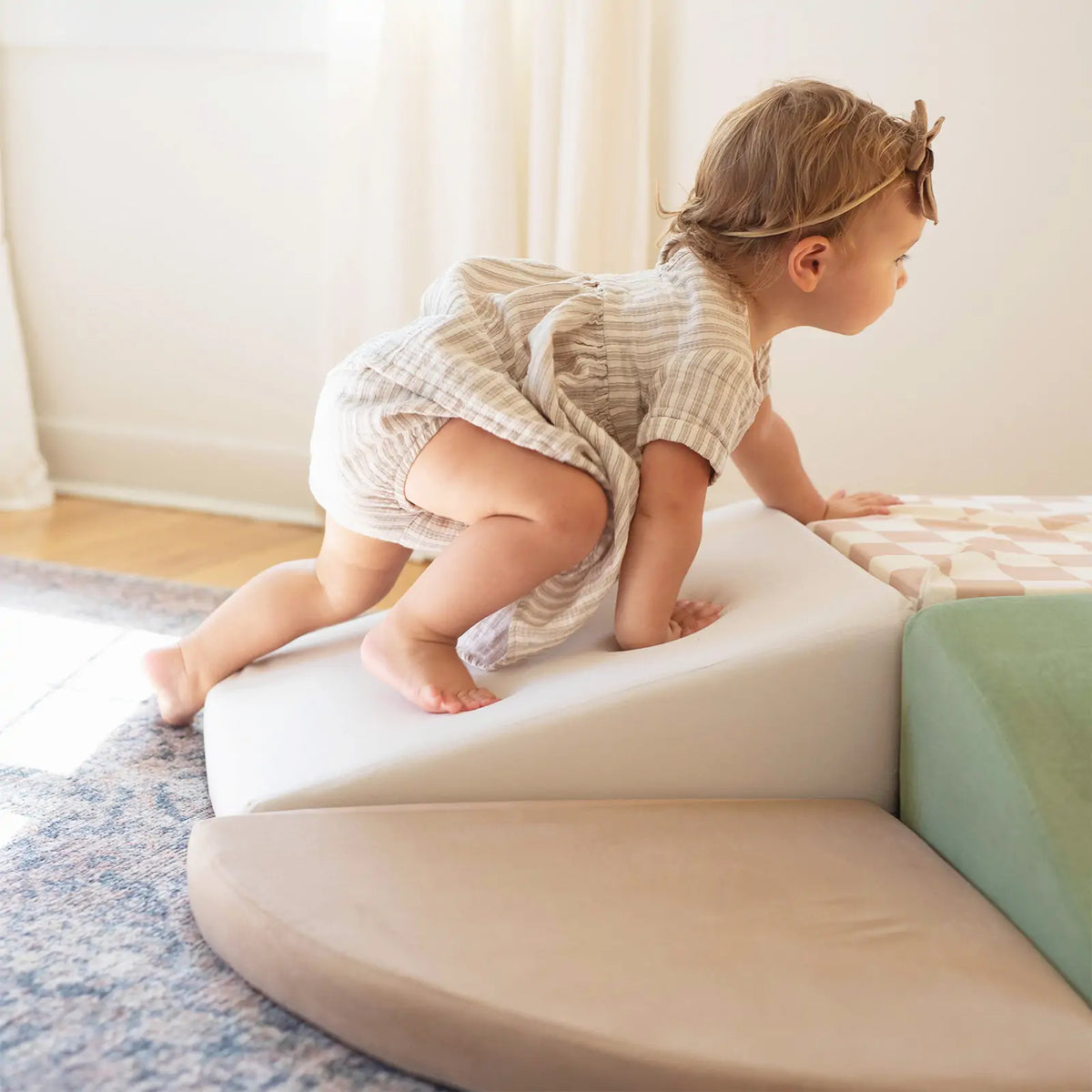
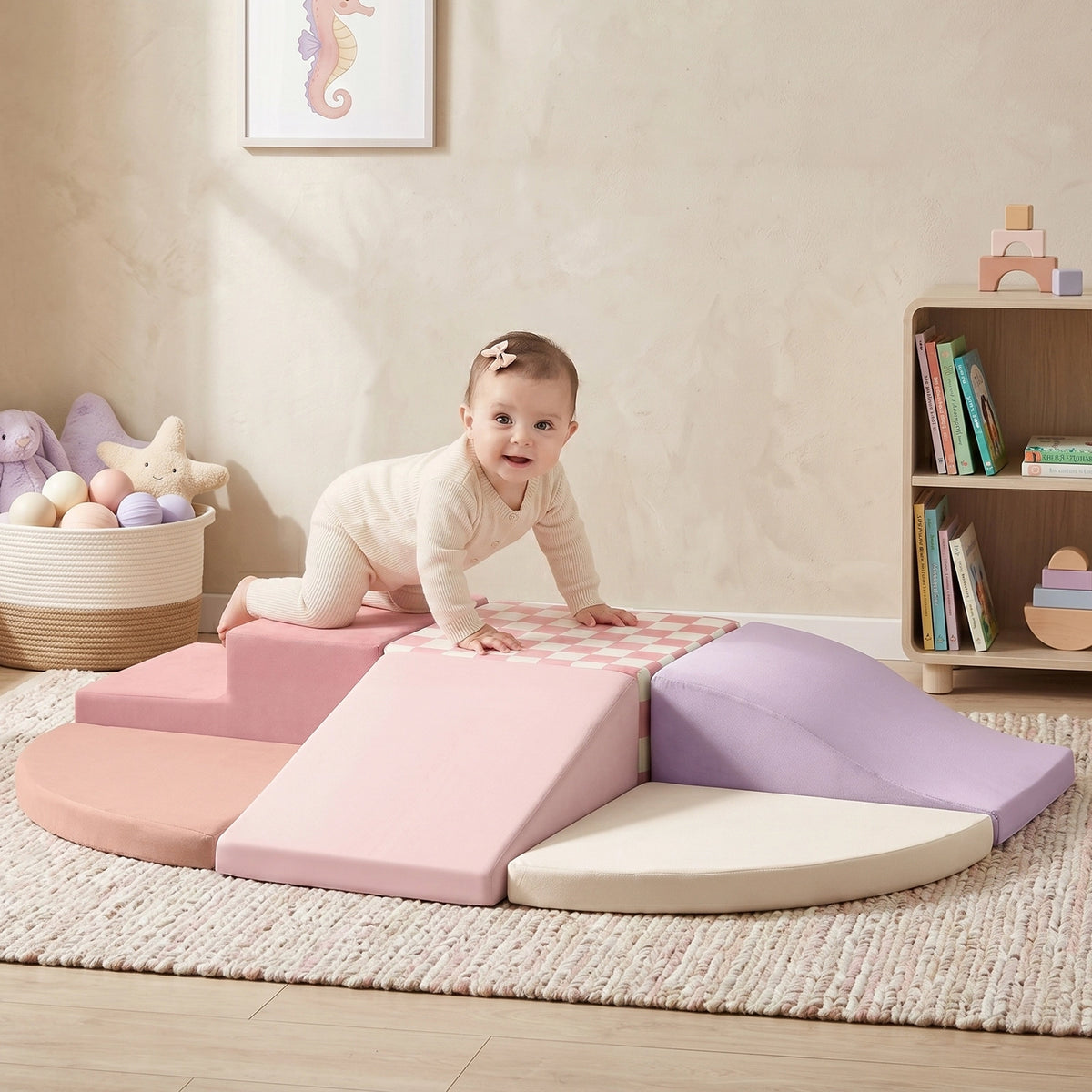
Set aside a specific space for your child to play — whether it’s a corner of the living room or a small playroom — so they clearly know where to play and where to store toys. Clear boundaries help children develop spatial awareness and make it easier for them to learn how to tidy up. A dedicated play zone also prevents toys from spreading all over the house, keeping the whole home neater. Plus, it becomes a safe, comfortable “little world” where kids can explore and play freely, giving parents peace of mind.

Conclusion
Organizing your child’s toys doesn’t have to be a burden. By applying these simple, kid-friendly tips, you can create a space that balances creativity with order. At Tiny Land, we design toys and storage solutions that support both fun and organization, helping you enjoy more quality time with your little ones.
Ready to make your play space easier to manage? Check out our collection today and turn cleanup into a breeze!