



The first day of preschool is a big milestone—for children and parents alike.
If your little one is getting ready for preschool for the first time, it's completely normal to feel a mix of excitement and uncertainty.
You may be wondering whether they'll make friends, follow classroom routines, or feel comfortable saying goodbye at drop-off.
The good news is that preschool readiness isn't about knowing the alphabet, counting to 100, or sitting still for long periods of time.
Instead, many early childhood educators encourage families to focus on building confidence, independence, communication, and curiosity through everyday experiences.
These are the skills that help children feel comfortable in a new environment—and one of the best ways to practice them is through play.
Play-based learning allows children to explore new ideas without pressure. Through pretend play, art, storytelling, and simple daily routines, children begin developing the social and emotional skills they'll use from the very first day of preschool.

What Happens During a Typical Preschool Day?
Although every preschool has its own schedule, most classrooms include similar activities throughout the day:
- Circle Time
- Arts and Crafts
- Story Time
- Pretend Play
- Snack Time
- Outdoor Play
- Music and Movement
- Clean-Up Time
You'll notice something important—young children aren't expected to spend the day completing worksheets or memorizing facts.
Instead, preschool classrooms are designed around learning through play, exploration, conversation, and hands-on experiences.
Preparing your child for preschool isn't about recreating school at home. It's about helping them become familiar with the kinds of activities, routines, and interactions they'll experience when they walk into the classroom for the first time.

What Does "Preschool Ready" Really Mean?
Many parents ask the same question:
"What should my child know before starting preschool?"
The answer may be simpler than you think.
Rather than focusing on academic skills, preschool readiness often means helping children become comfortable with everyday situations such as:
- Following simple directions
- Asking an adult for help
- Taking turns with others
- Participating in group activities
- Cleaning up after play
- Trying something new, even when it feels unfamiliar
If your child is still learning these skills, don't worry. Preschool is where much of this learning happens.
Your goal isn't to prepare a "perfect preschooler." It's simply to help your child feel confident enough to walk into a brand-new environment with curiosity instead of fear.

Five Play-Based Activities That Help Children Feel Ready for Preschool
The easiest way to prepare for preschool is by practicing small, everyday experiences through play. These activities aren't meant to teach school lessons—they're designed to help children feel more comfortable when they experience similar moments in the classroom.
1. Make Art Time Feel Familiar
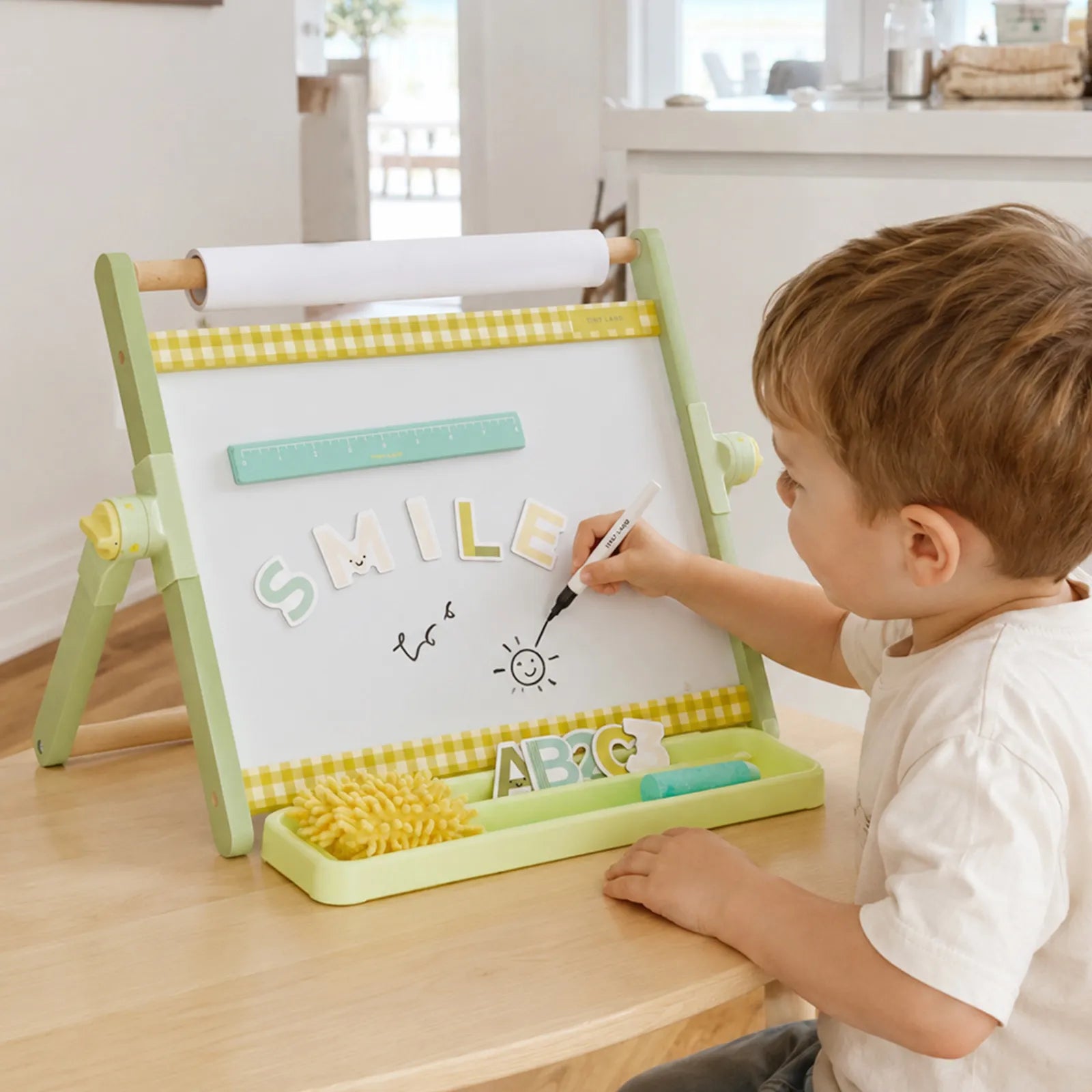
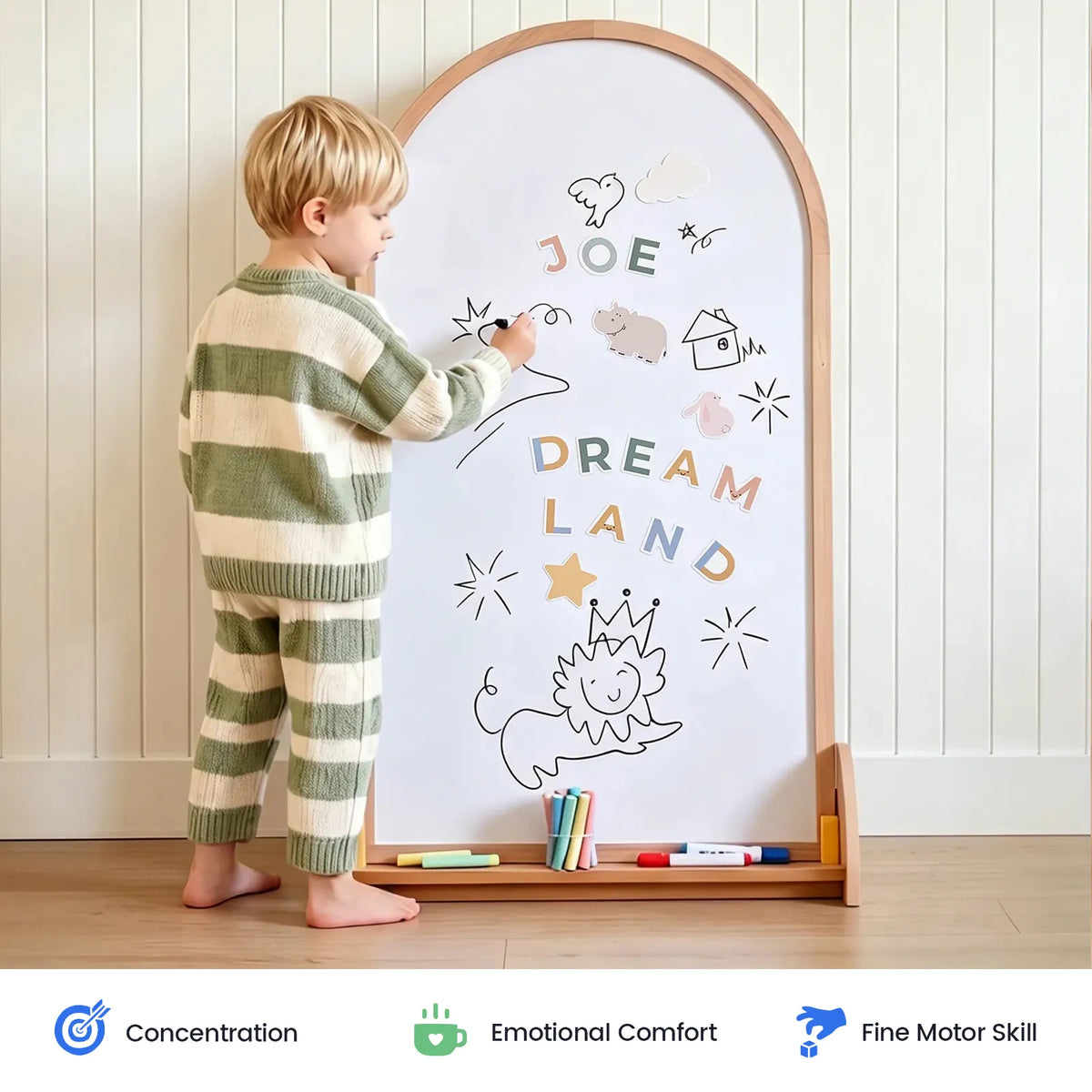
Art is often one of the first activities children participate in at preschool. They'll color, paint, draw, and create alongside other children, sometimes using materials they've never tried before.
Creating together at home helps make those experiences feel familiar rather than overwhelming.
Set aside time to color, paint, or draw together. Encourage your child to finish one picture before starting another, talk about what they created, and help put away the supplies afterward.
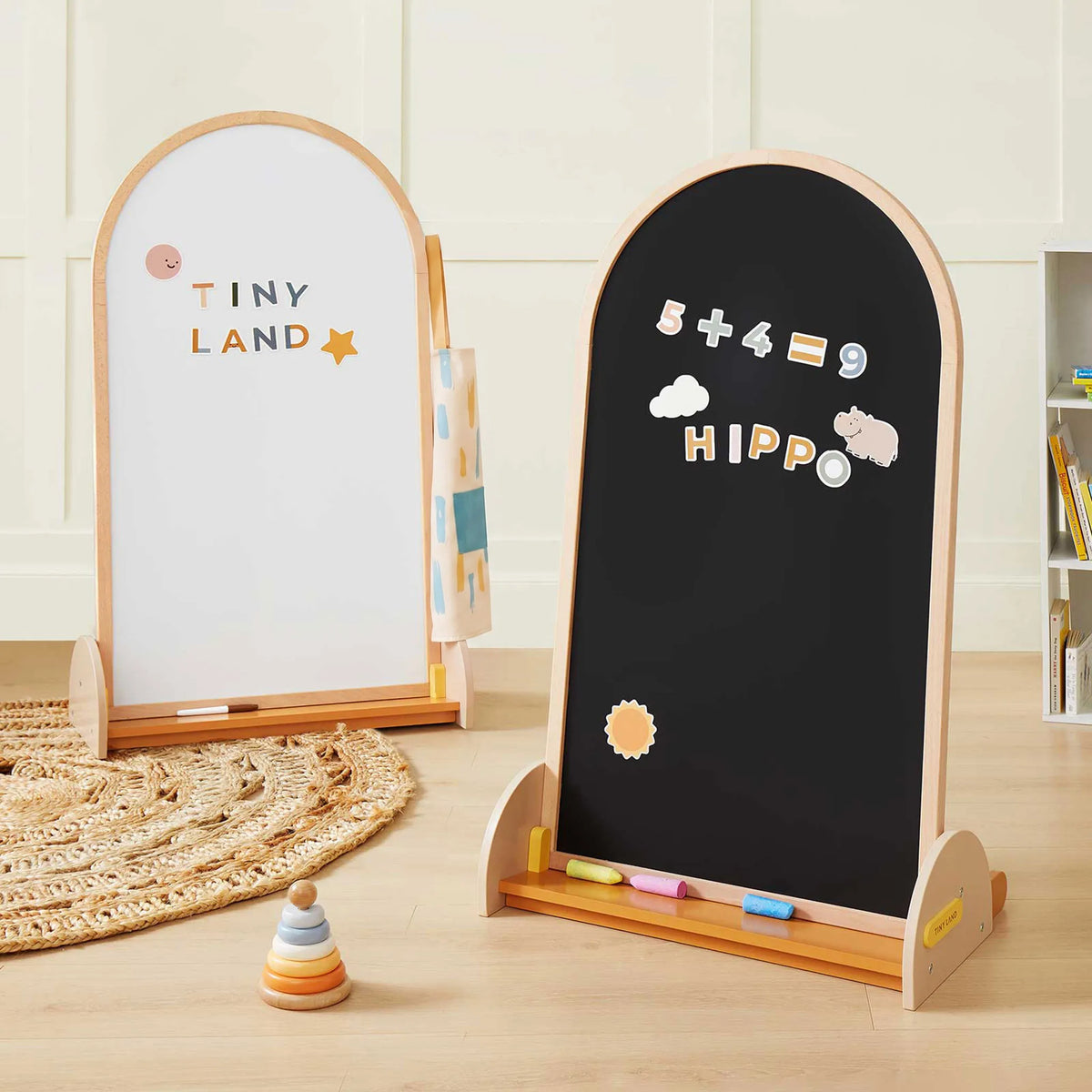
A children's easel creates a dedicated space for creativity, while a simple drawing kit introduces children to crayons, markers, colored pencils, and other materials they may use at preschool.
For an easy activity, download Tiny Land's free printable coloring pages and enjoy a relaxing art session together. Besides encouraging creativity, coloring also helps children practice focusing on one activity at a time and following simple routines—skills they'll use in preschool every day.

2. Turn Everyday Routines into Pretend Play
For many children, one of the biggest preschool adjustments isn't learning new things—it's following new routines.
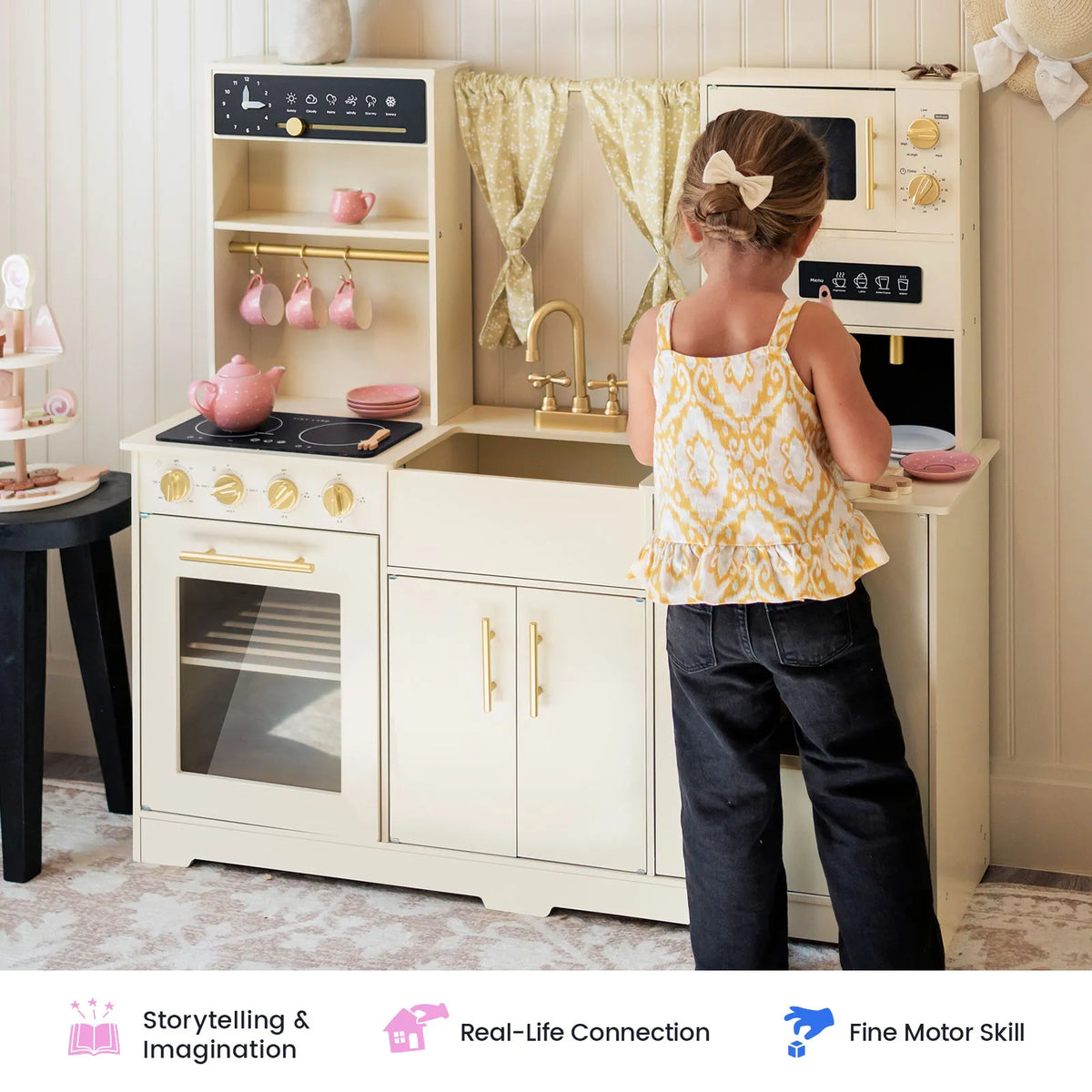
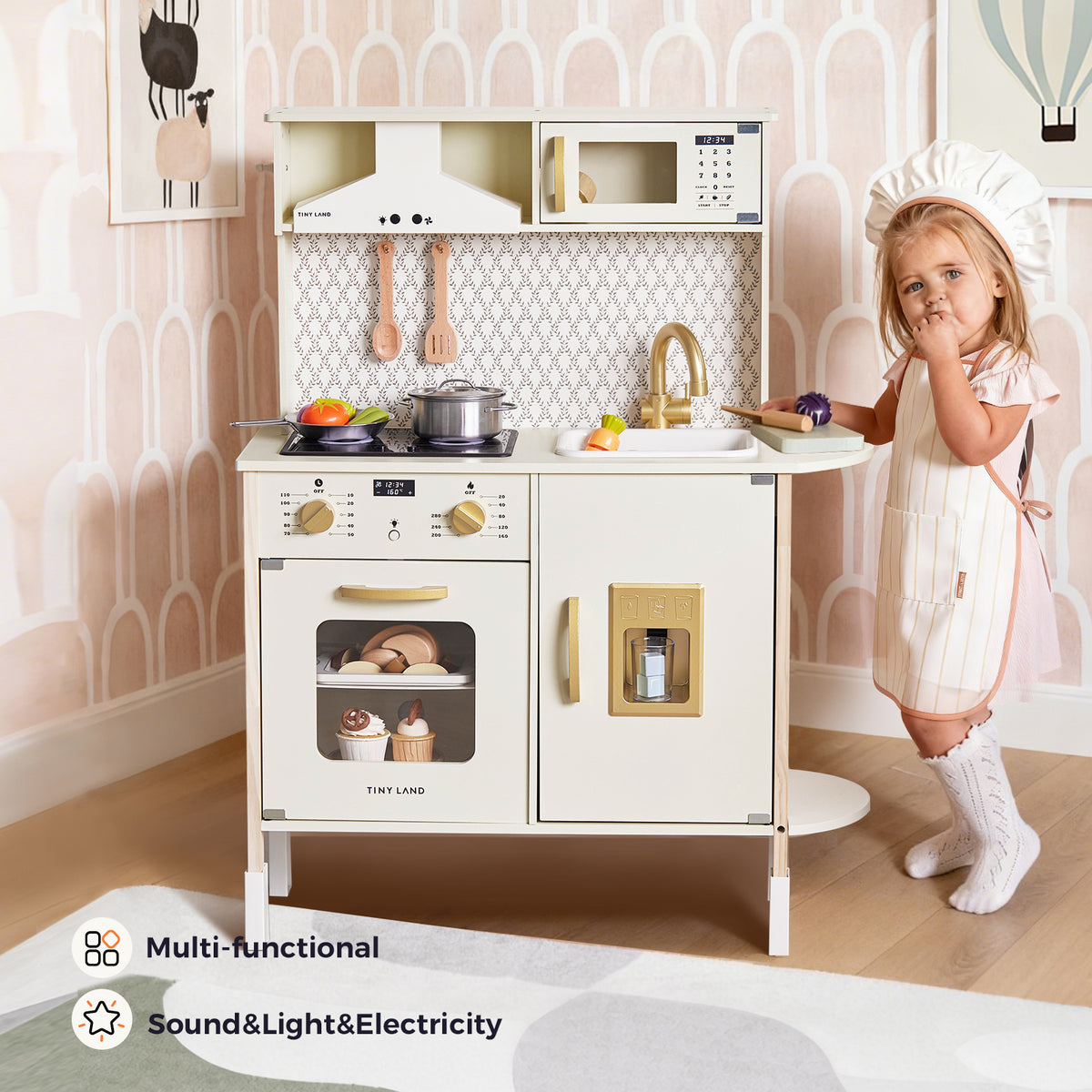
Pretend play offers a fun, low-pressure way to practice these routines before the first day.
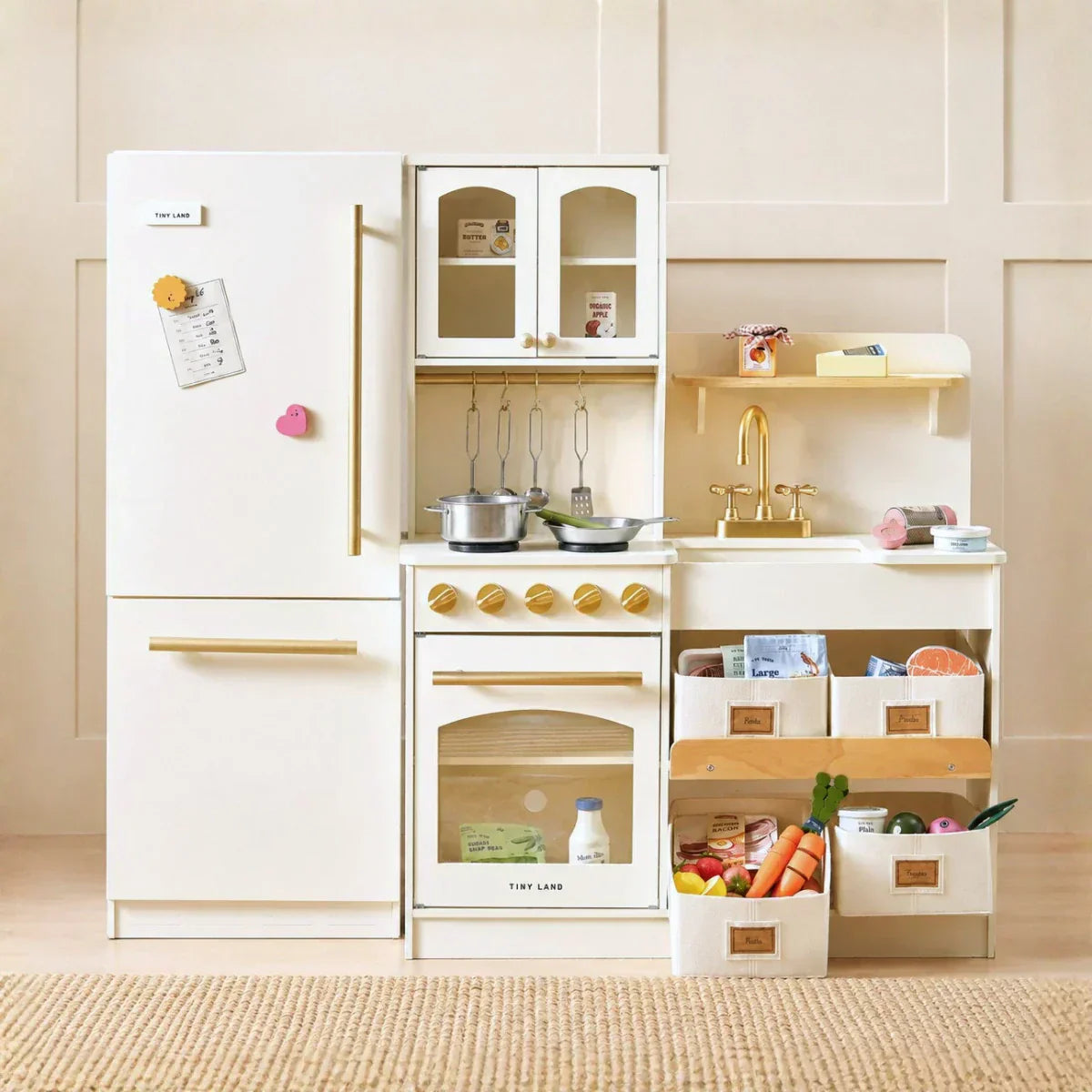
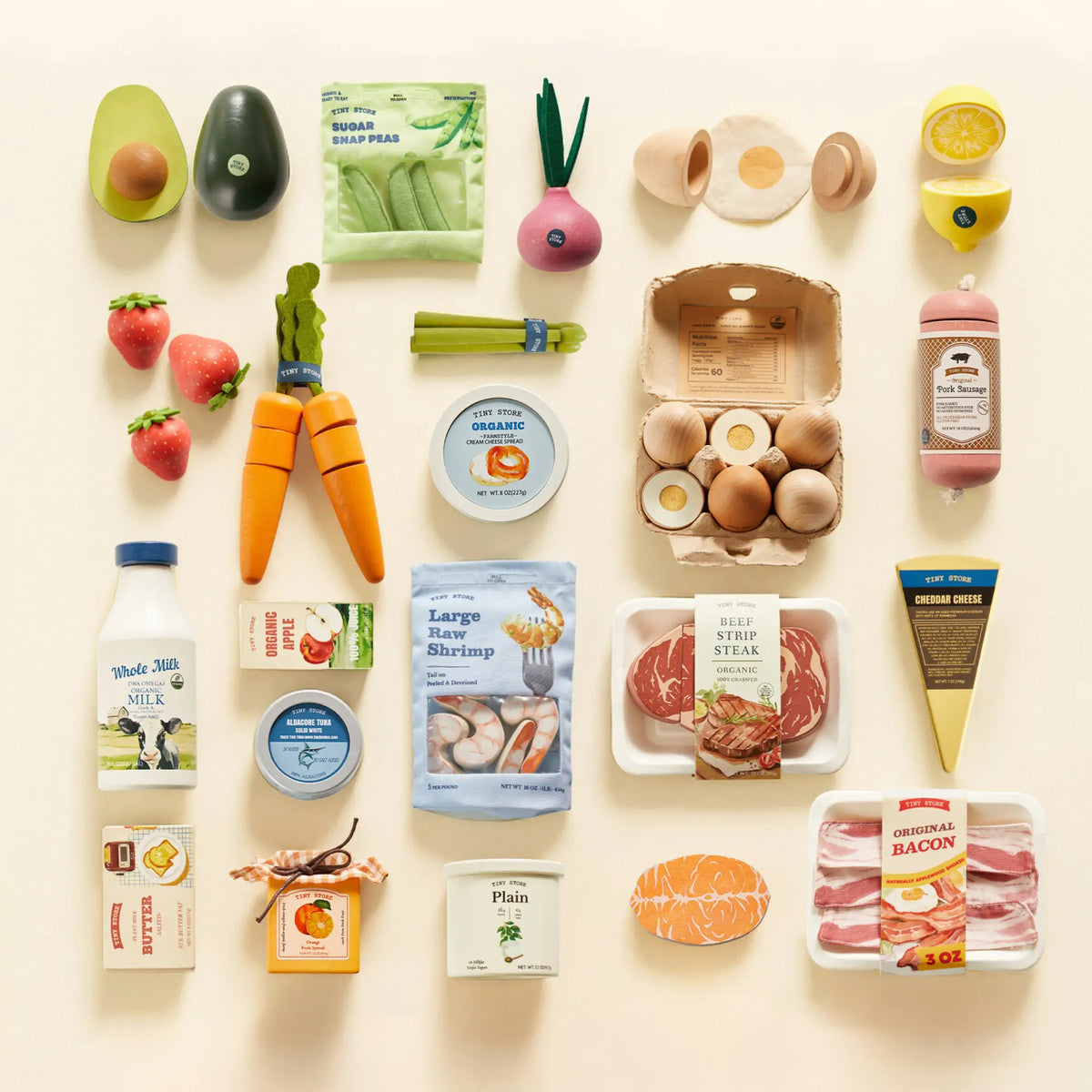
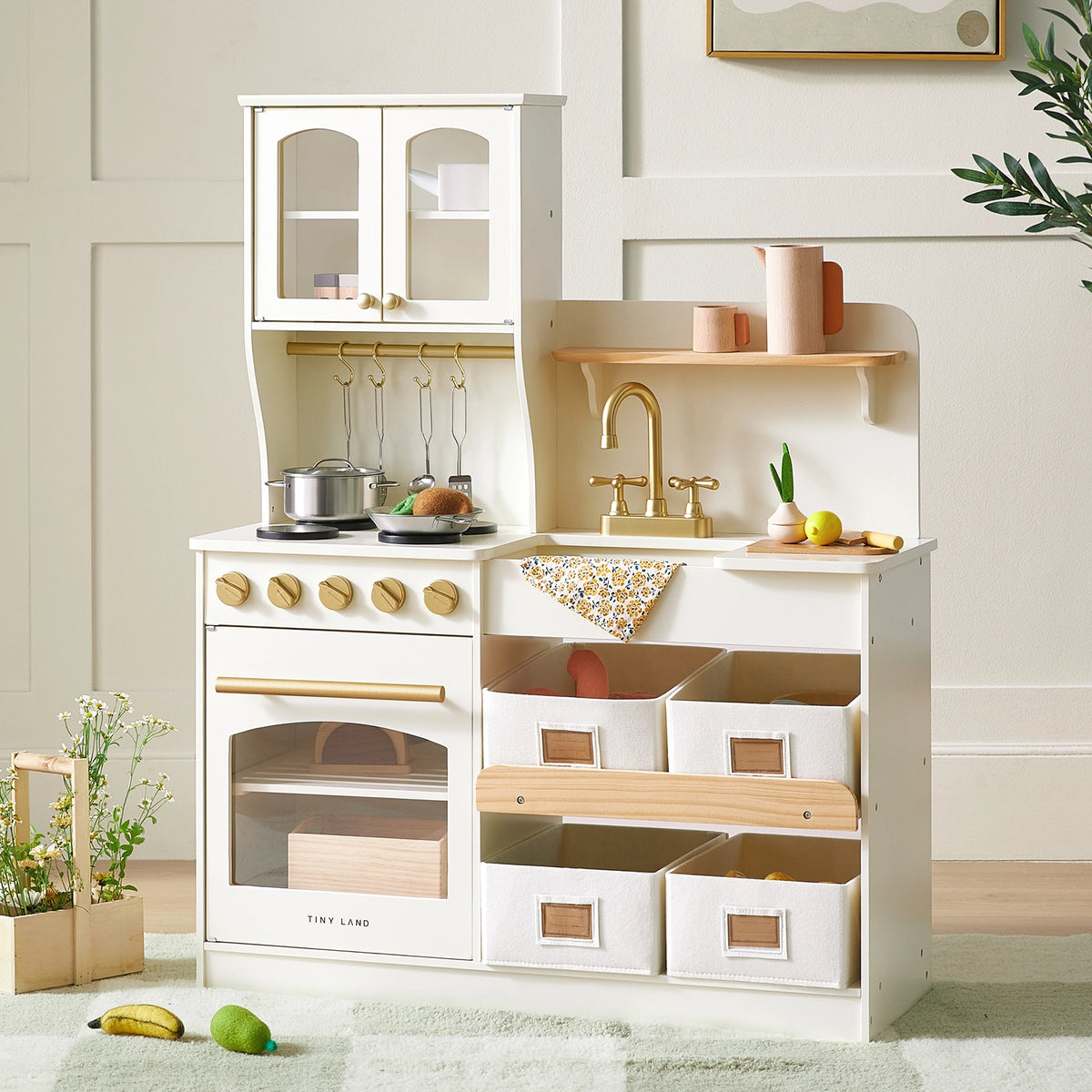
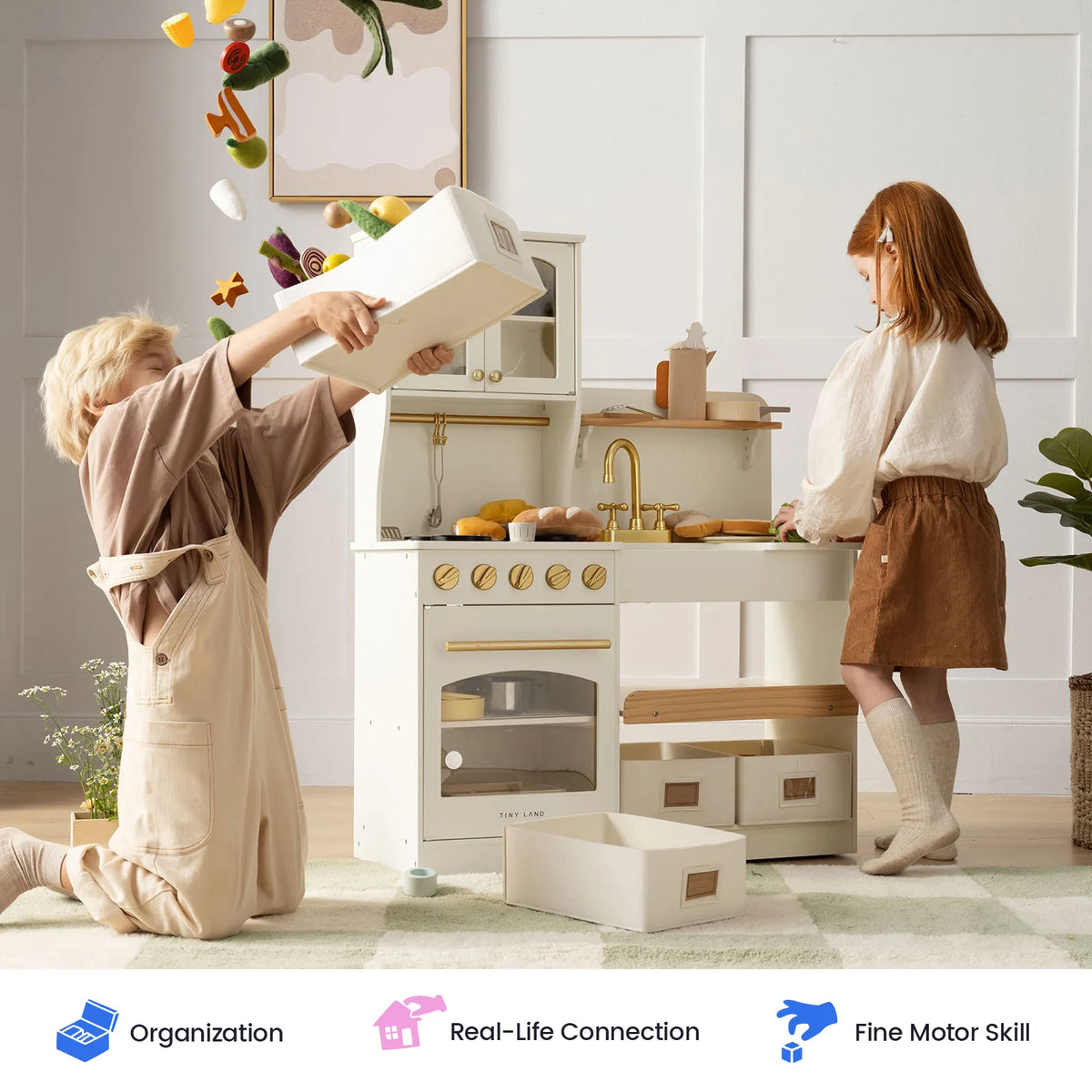
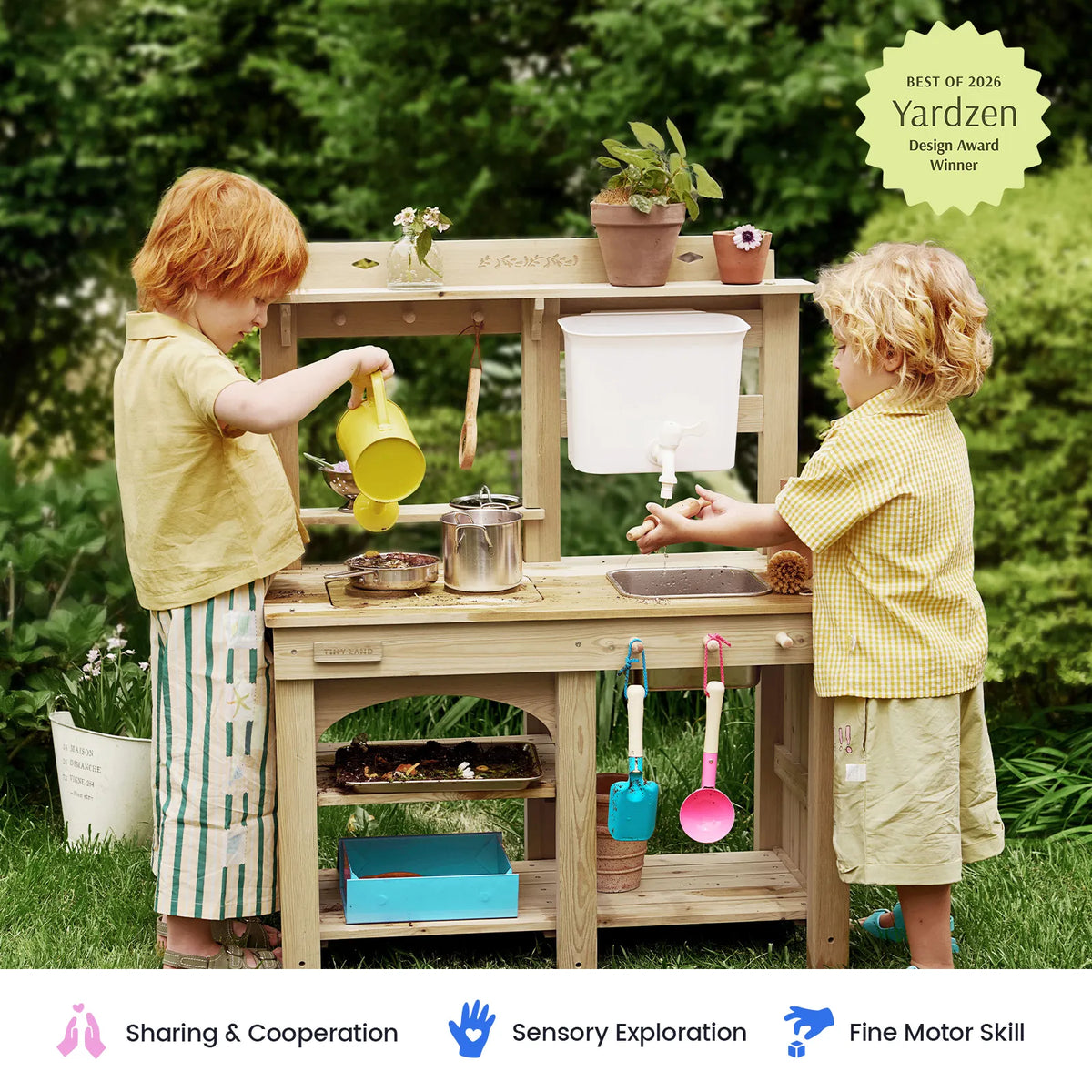
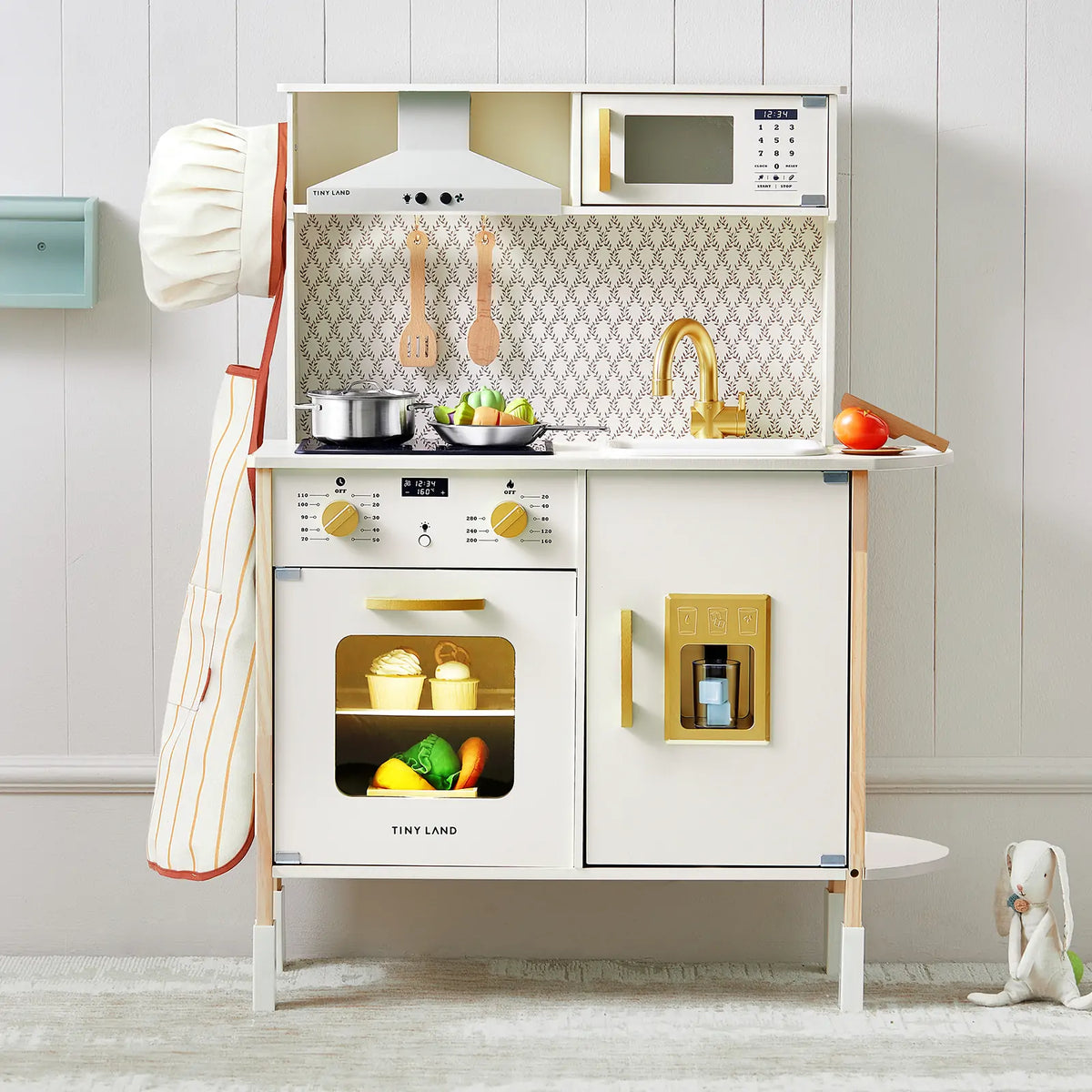
Invite your child to prepare an imaginary lunch, set the table, serve snacks, or wash pretend dishes. As you play, introduce simple instructions like:
Invite your child to prepare an imaginary lunch, set the table, serve snacks, or wash pretend dishes. As you play, introduce simple instructions like:
"Let's wash our hands before snack."
"Can you help put everything away when we're finished?"
"Can you help put everything away when we're finished?"
These playful moments naturally encourage children to follow directions, communicate with others, and build independence.
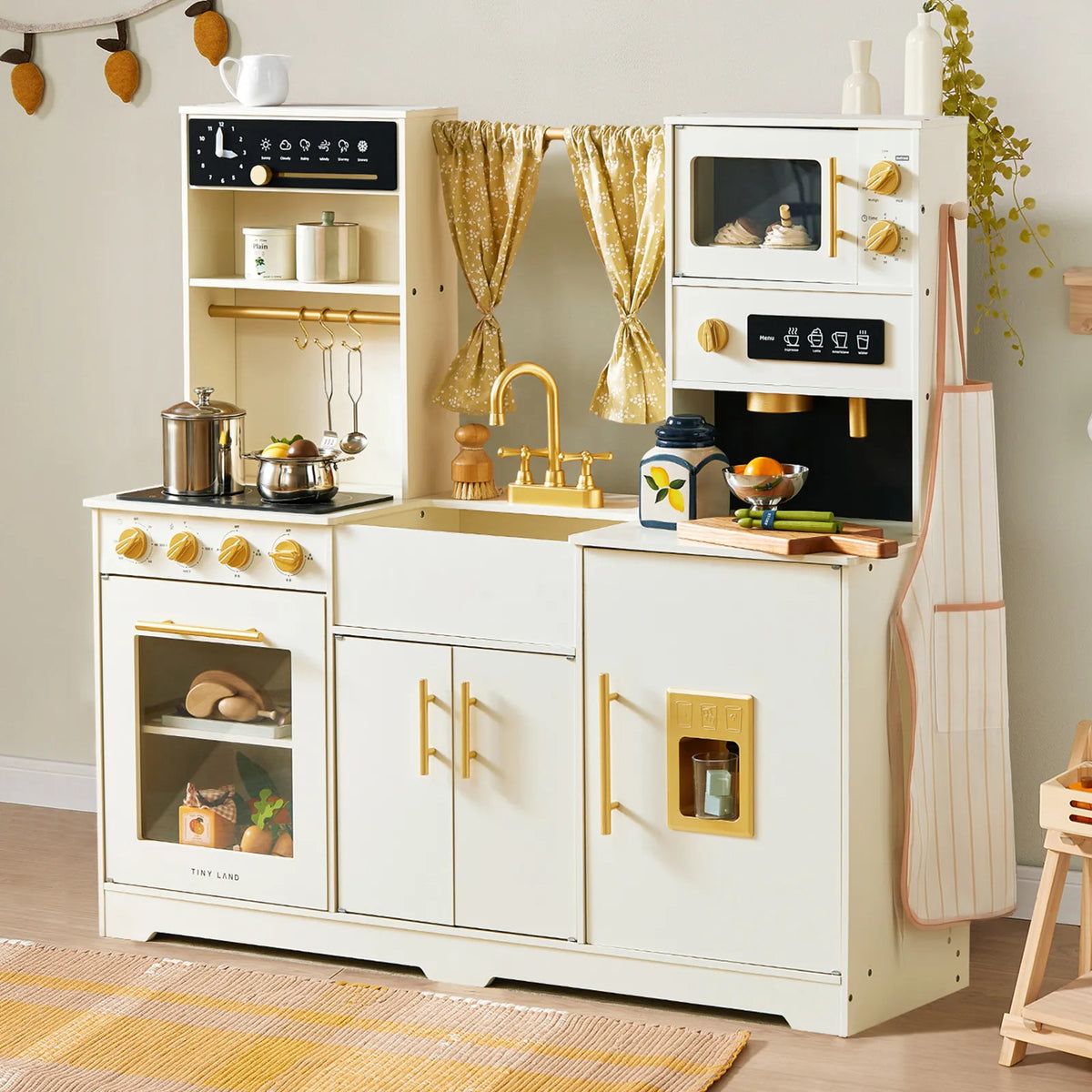
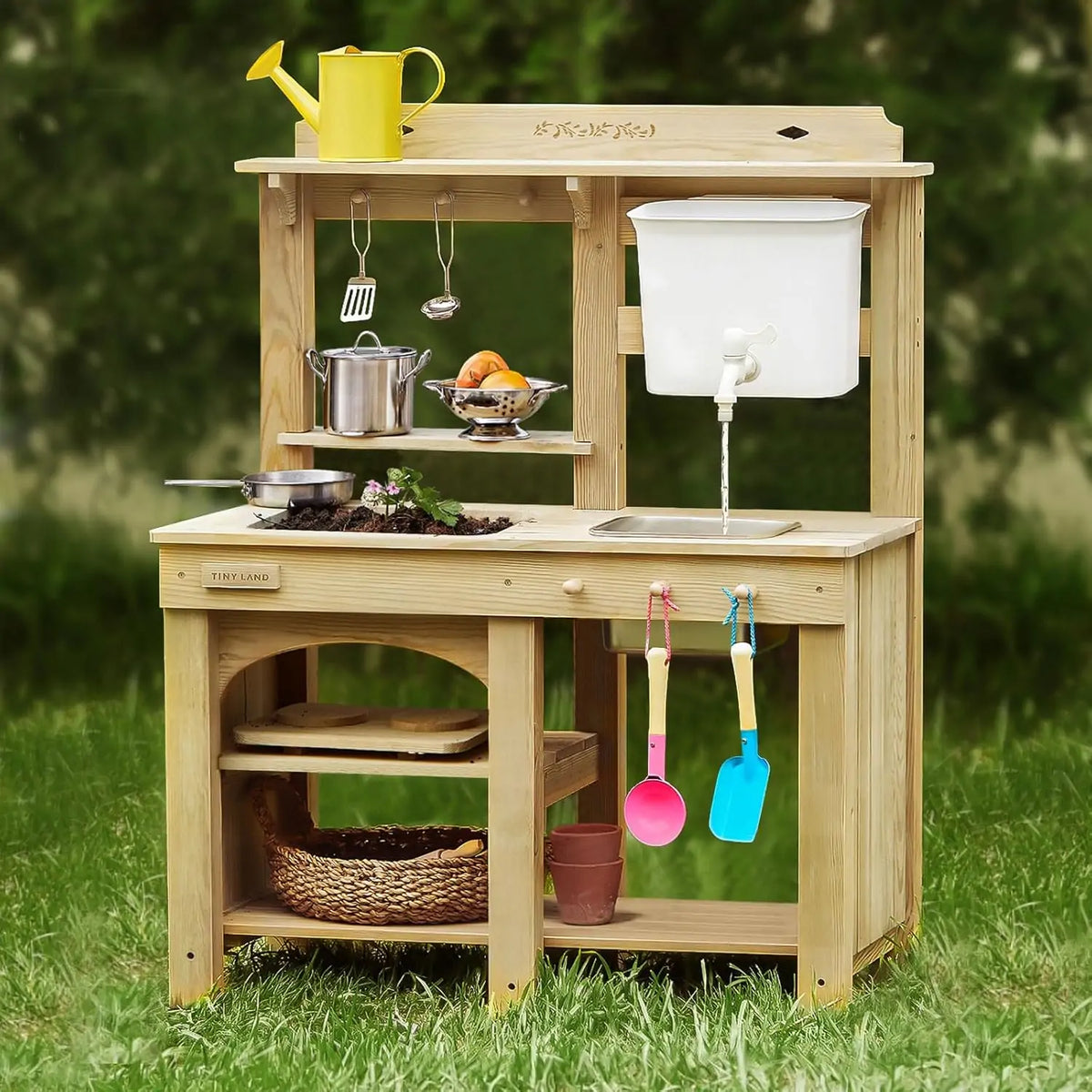
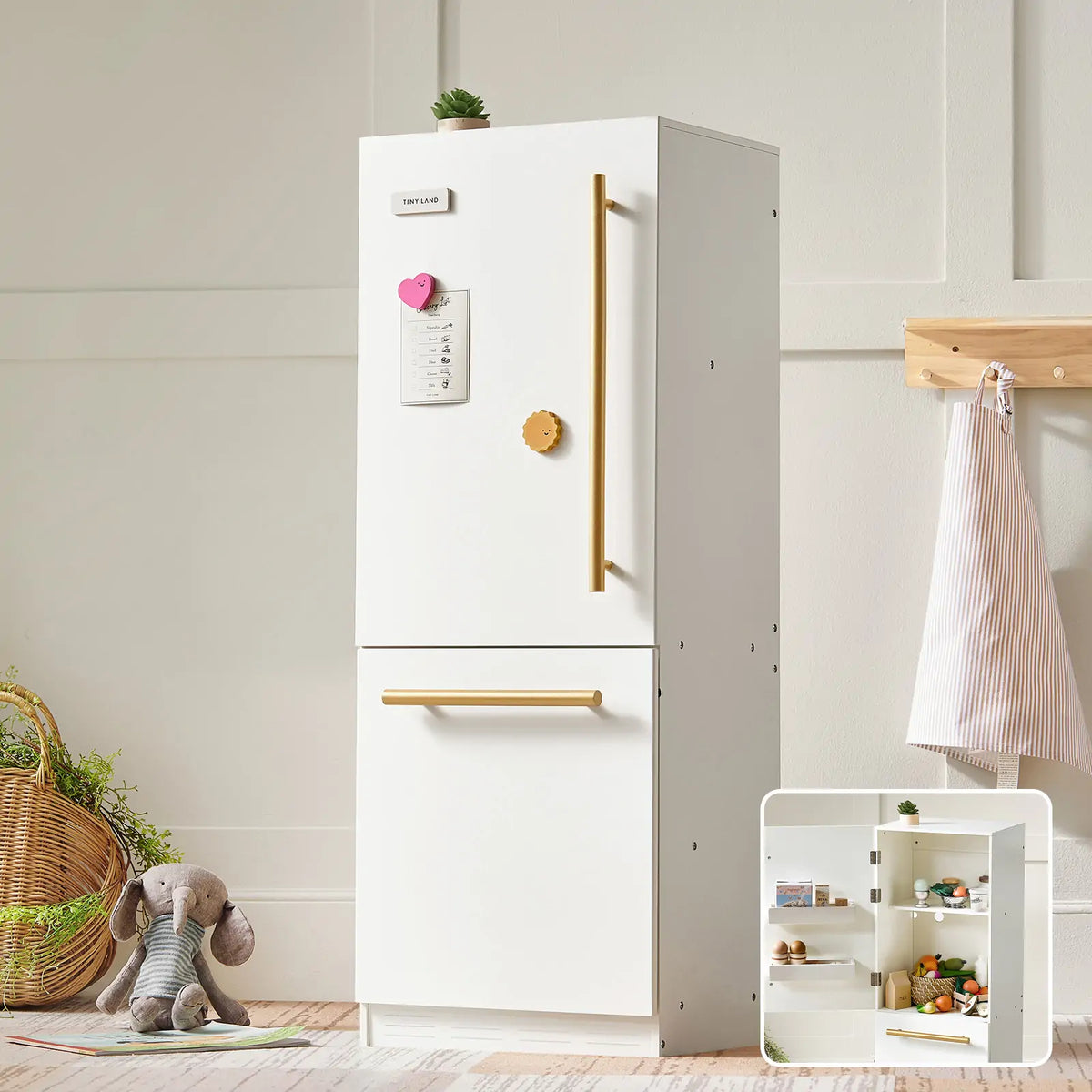
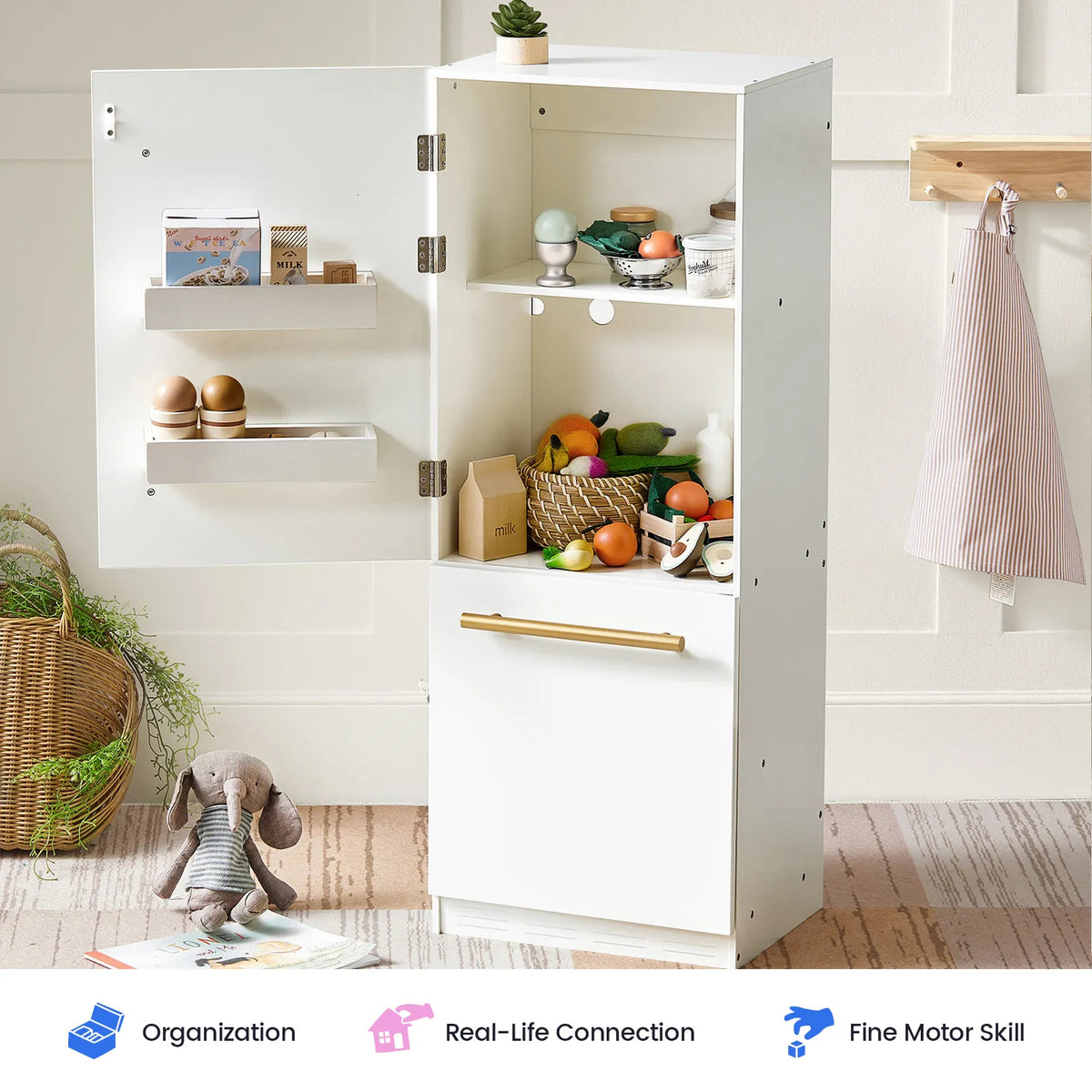
A wooden play kitchen makes these everyday routines feel exciting while helping children gain confidence with experiences they'll encounter during snack time and classroom activities.

3. Practice Making Friends Through Imaginative Play
Meeting new classmates can be one of the most exciting—and sometimes most intimidating—parts of starting preschool.
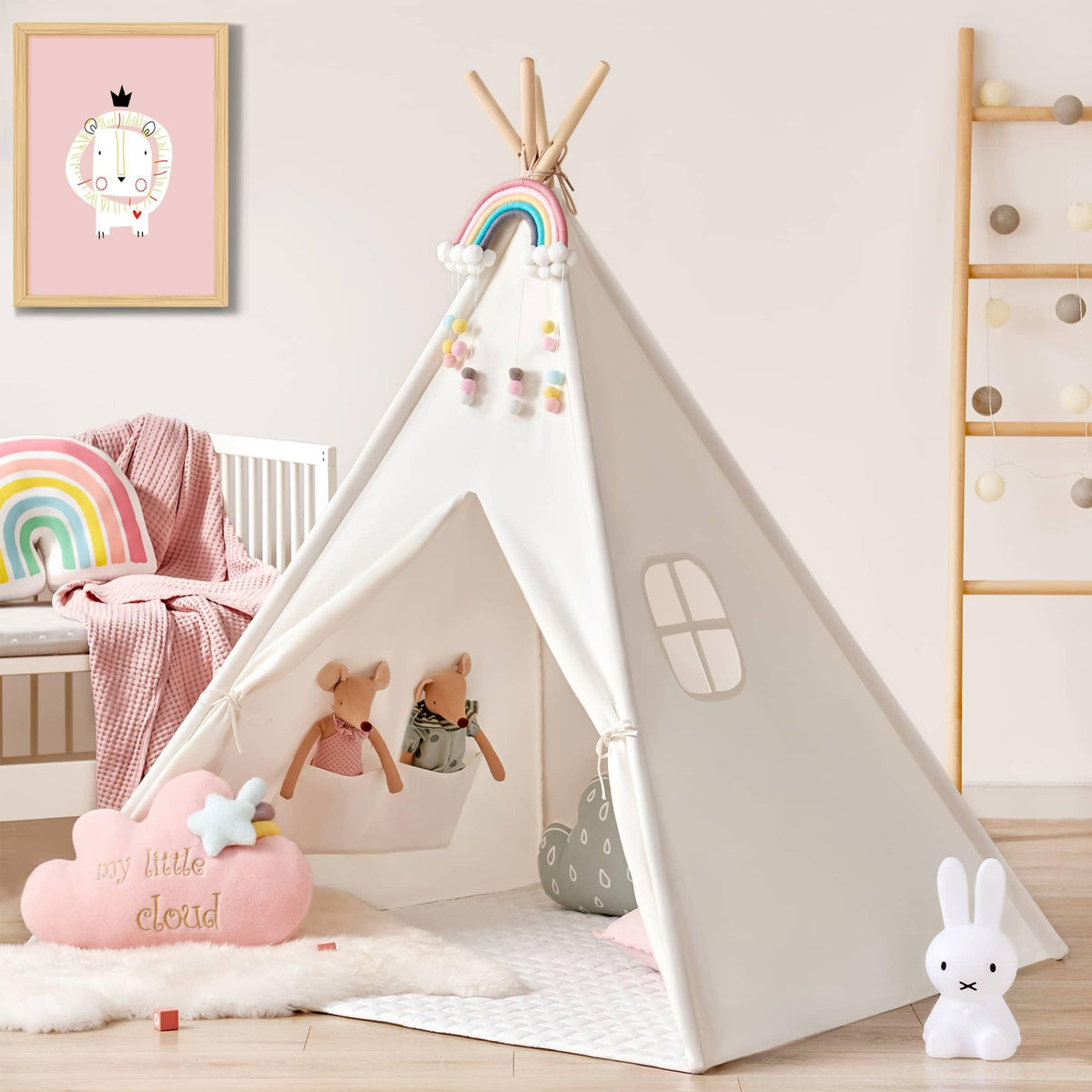
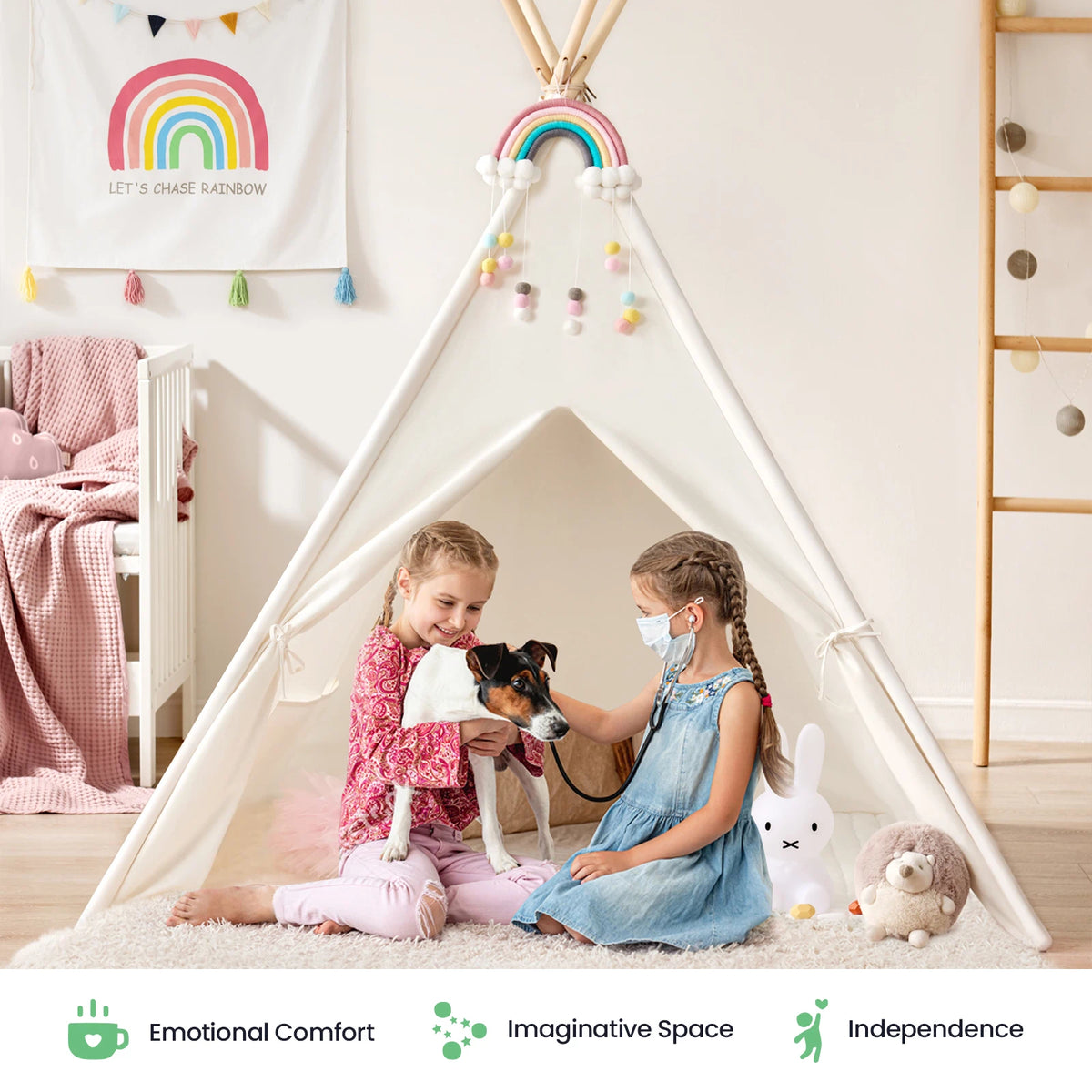
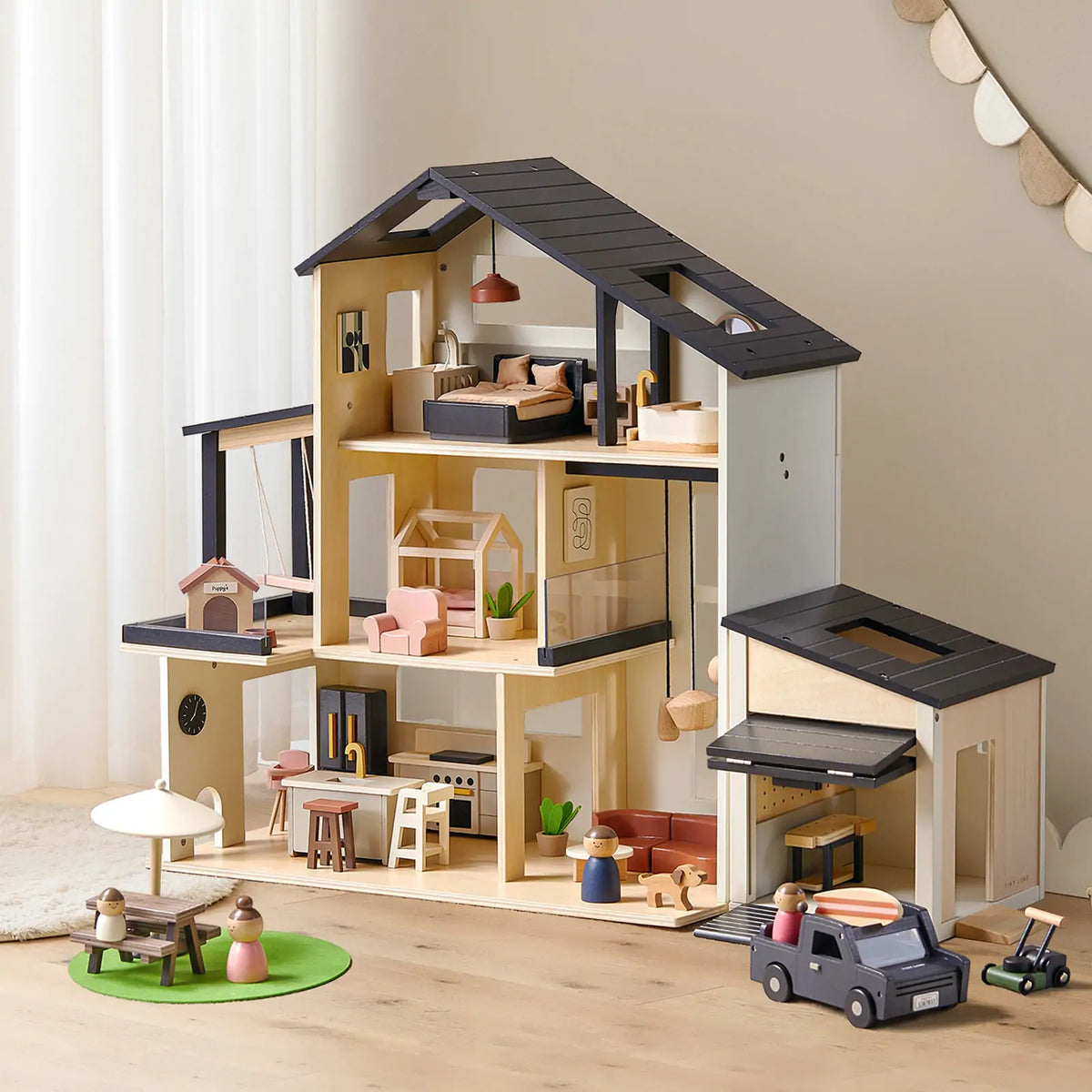
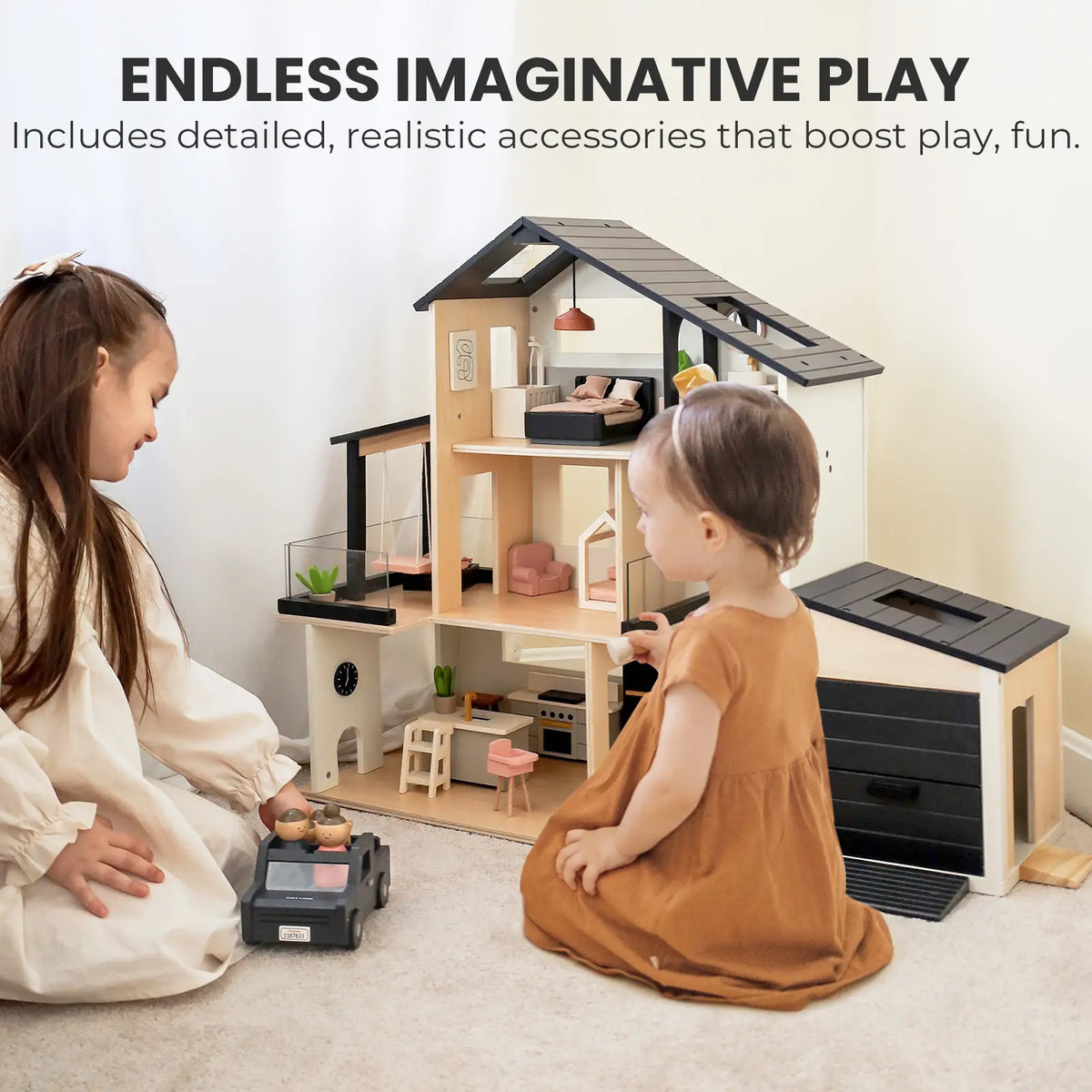
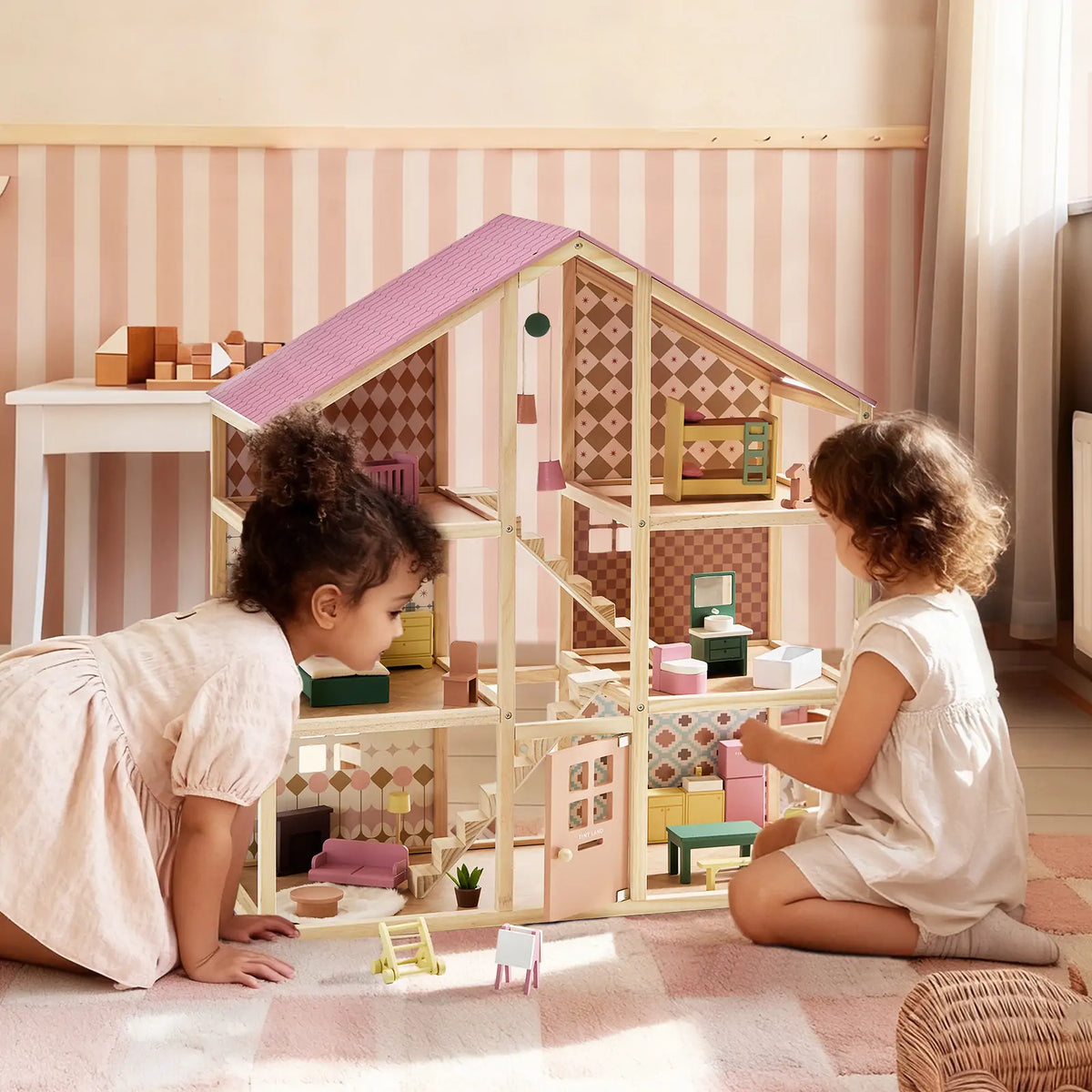
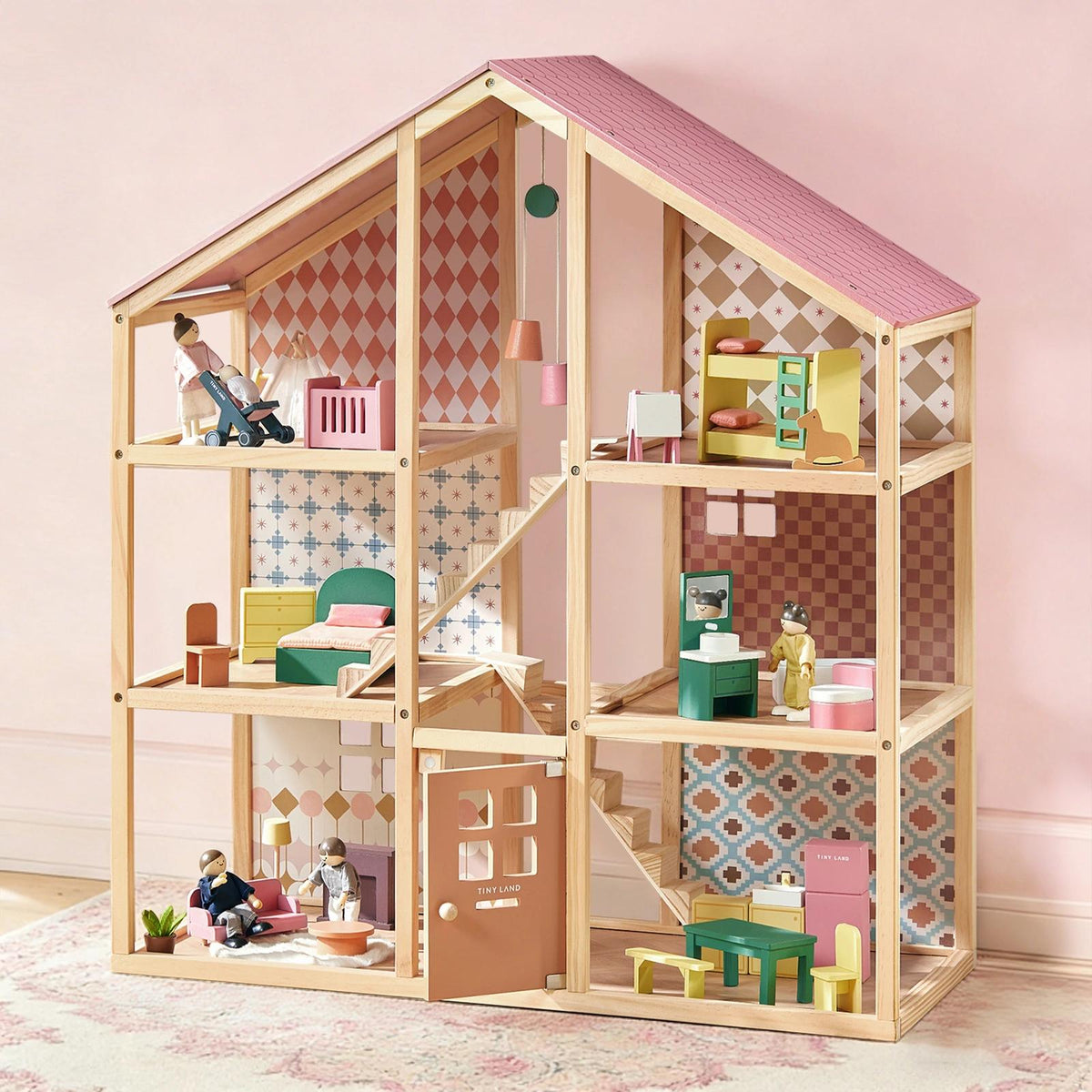
Role-playing with dolls, stuffed animals, or a wooden dollhouse gives children an opportunity to practice social situations before they happen in real life.
Try acting out simple scenarios like:
- Saying hello to a new friend
- Asking someone to play
- Sharing toys
- Waiting patiently for a turn
- Talking about feelings
These conversations may seem simple, but they help children build communication skills and emotional confidence in a familiar environment.

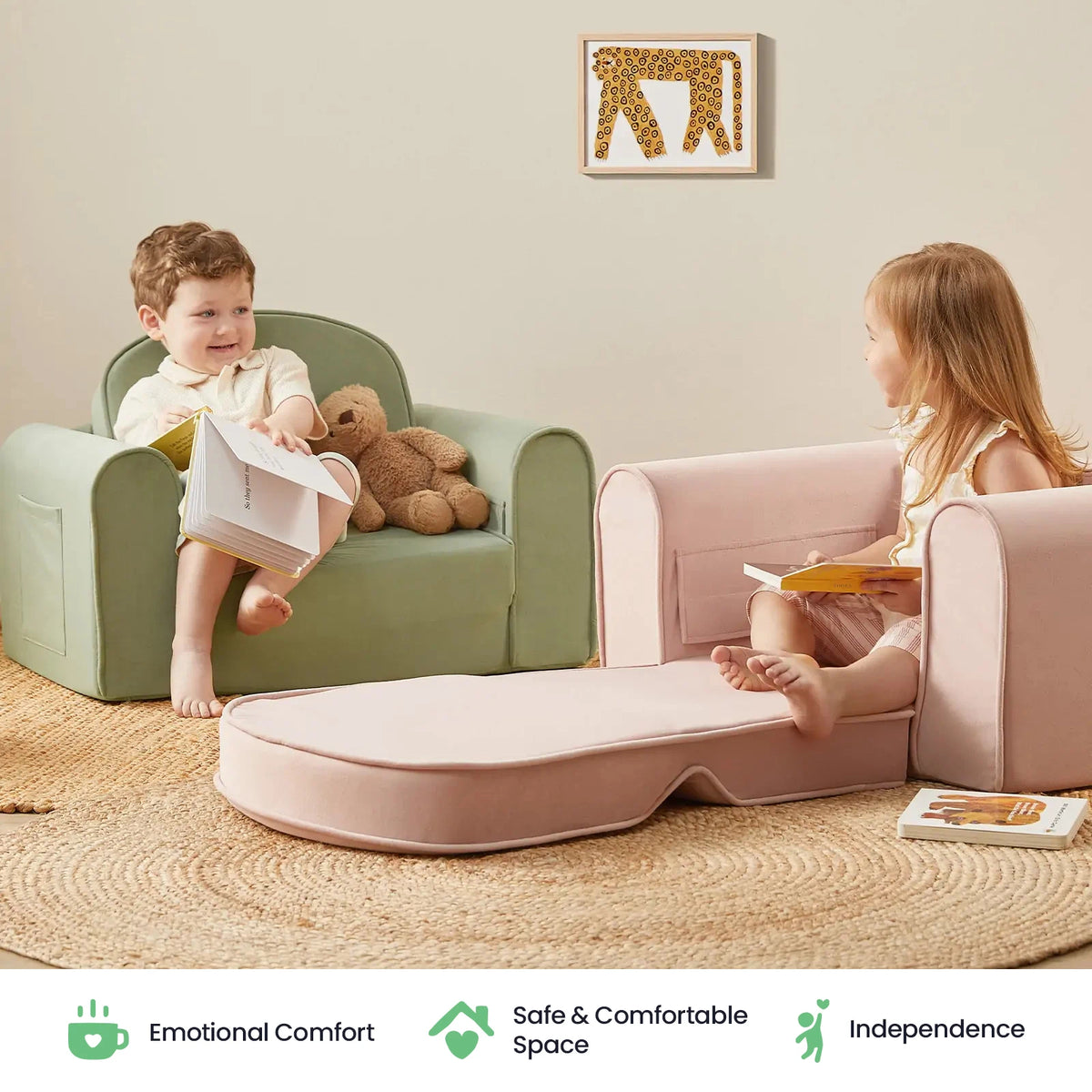
4. Build Listening Skills with Daily Story Time
Story time is a treasured part of nearly every preschool day.
Reading together not only introduces new vocabulary but also helps children practice listening, paying attention, and participating in conversations.
After reading, ask questions such as:
"What was your favorite part of the story?"
"How do you think the character felt?"
"What do you think happens next?"
These discussions encourage children to express their ideas and become more comfortable speaking with others—an important part of classroom participation.

5. Encourage Independence Through Everyday Moments
Sometimes the best preschool preparation happens during ordinary family routines.
Invite your child to:
- Put on their own shoes.
- Pack a small backpack.
- Wash their hands before meals.
- Choose a book for bedtime.
- Put toys away after playing.
These small responsibilities help children feel capable and confident when they begin doing similar tasks at preschool.
Remember to praise effort instead of perfection. Every successful attempt helps children believe, "I can do this."

A Simple Preschool Readiness Checklist
In the weeks leading up to preschool, try practicing a few of these activities together:
✔ Read books about starting preschool.
✔ Color or paint together several times a week.
✔ Practice cleaning up after every play session.
✔ Encourage pretend play using everyday routines.
✔ Give your child opportunities to make simple choices independently.
✔ Talk positively about meeting teachers, making friends, and trying new activities.
Most importantly, keep the experience positive. Children often take emotional cues from their parents, so your confidence can help build theirs.

Final Thoughts
Starting preschool is a new adventure, and every child experiences that transition differently.
Some children walk confidently into the classroom on the first day, while others need a little more reassurance—and both are completely normal.
The goal isn't to teach preschool before preschool begins. It's to help your child feel comfortable with the experiences they'll soon encounter, from painting at an easel and listening to stories to making new friends and following simple classroom routines.
Meaningful play gives children a chance to practice these experiences in a safe, familiar environment, allowing confidence to grow naturally over time.
At Tiny Land, we believe every playful moment is an opportunity to learn. Whether your child is creating artwork, preparing pretend meals, or imagining stories with a dollhouse, they're building skills that go far beyond play—and taking small, confident steps toward a successful first day of preschool.

Free Preschool Activity
Looking for one simple way to get started?
Download Tiny Land's free printable coloring pages, gather your favorite crayons or markers, and enjoy a creative afternoon together. Pair the activity with a children's easel and drawing supplies to make art time even more engaging while helping your child feel more comfortable with one of preschool's favorite daily activities.