




Summer break often brings longer days, more energy, and one common challenge for parents—keeping kids engaged at home without relying too much on screens.
The good news is that children don’t need complicated activities to stay busy. With the right active play setup at home, kids can move, explore, and play independently throughout the day.
Here’s how to create a simple indoor active play environment using movement-based toys.

1. Create an Indoor Movement Zone
Children naturally need to climb, crawl, jump, and balance—especially during long summer days indoors.
A dedicated movement area at home can help kids release energy in a safe and structured way while supporting gross motor development.
Instead of structured activities, think in terms of movement zones where children can freely explore different physical challenges.
Climbing Zone
Climbing activities help kids build strength, coordination, and confidence.
A climbing setup allows children to:
- climb up and down at their own pace
- explore different levels and heights
- develop balance and body awareness
This type of active play encourages independent movement while keeping children physically engaged for longer periods of time.
Tiny Land Recommendation:
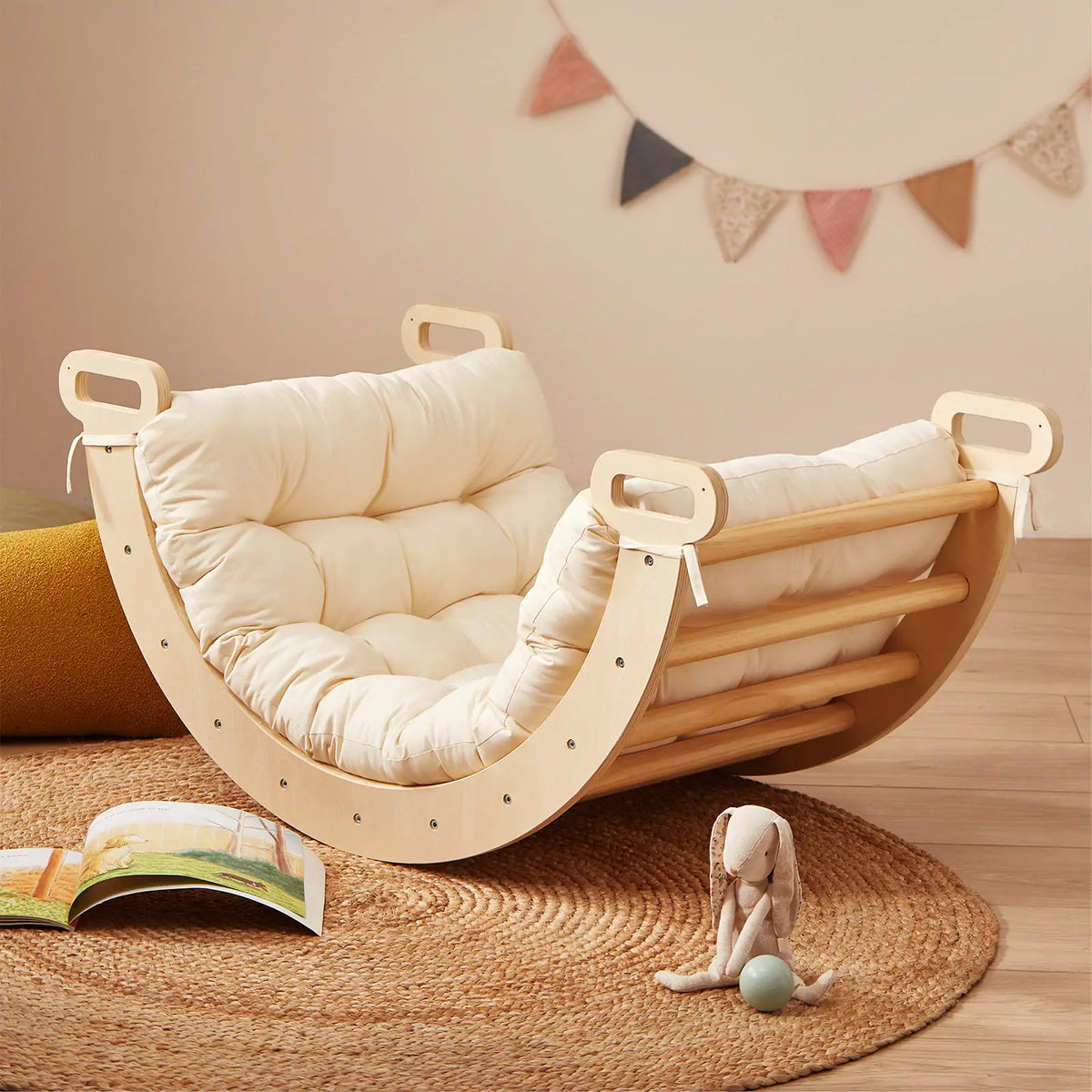
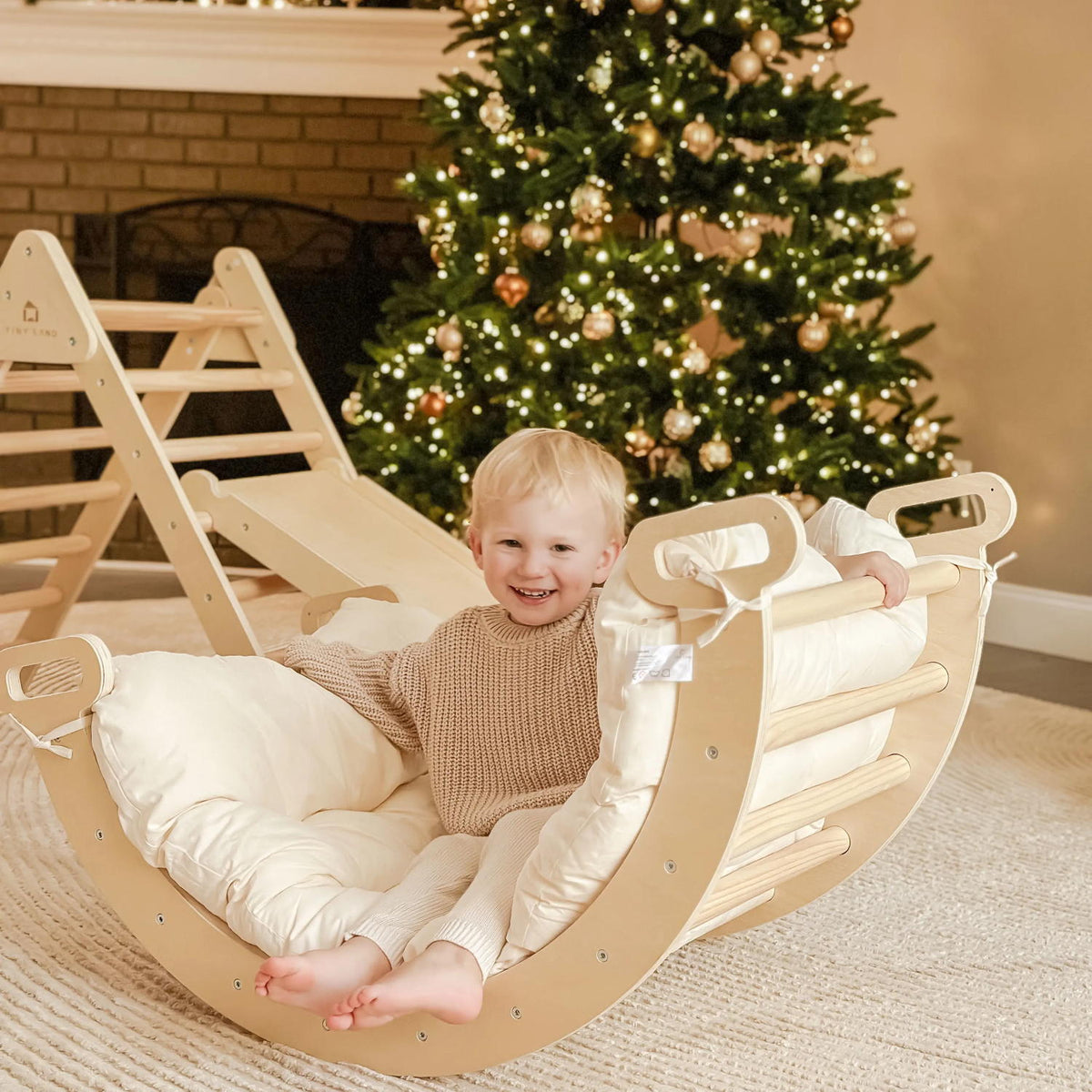
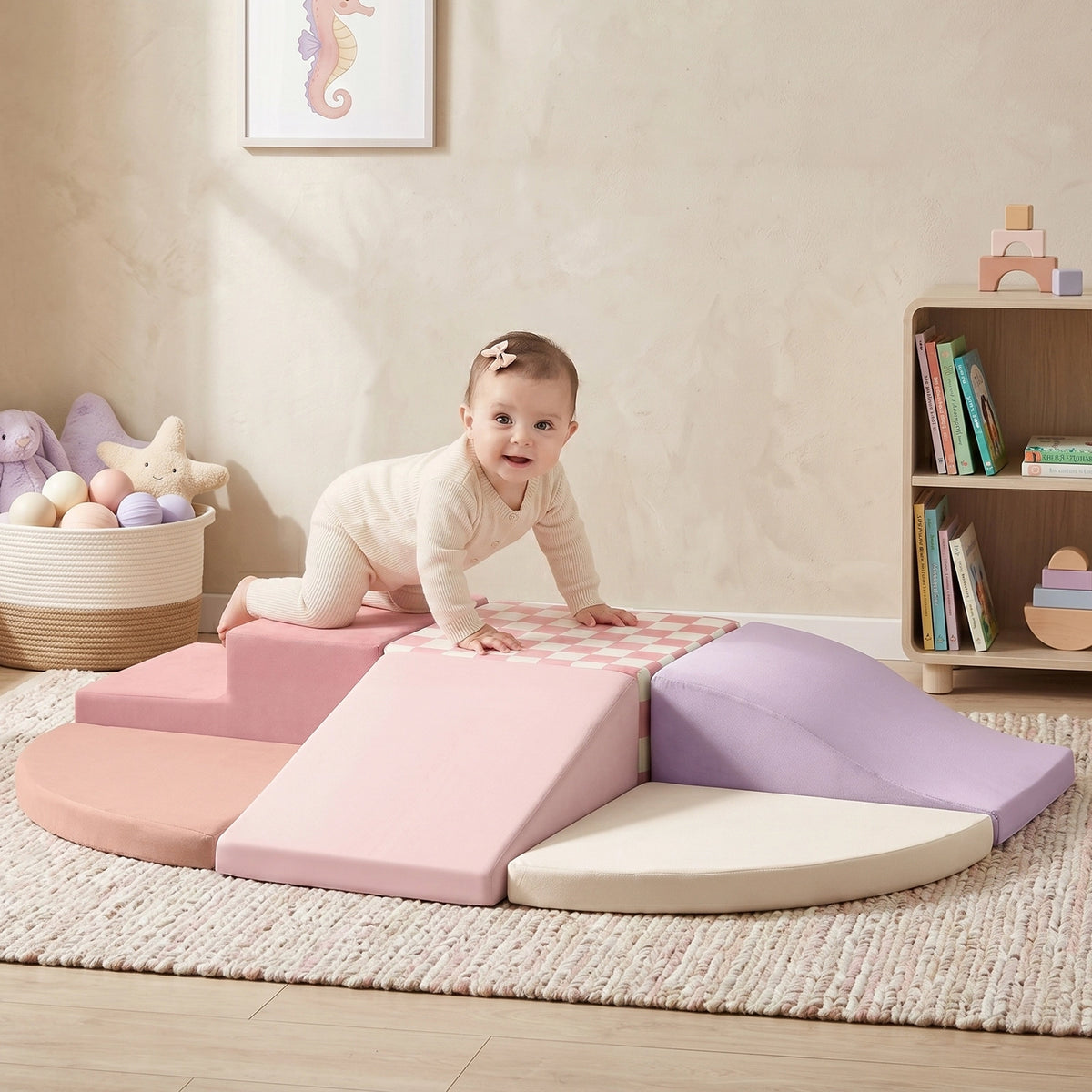
For toddlers and older kids, a wooden climbing set offers multiple ways to play — climbing, sliding, balancing, and building obstacle-style setups that grow with their abilities.
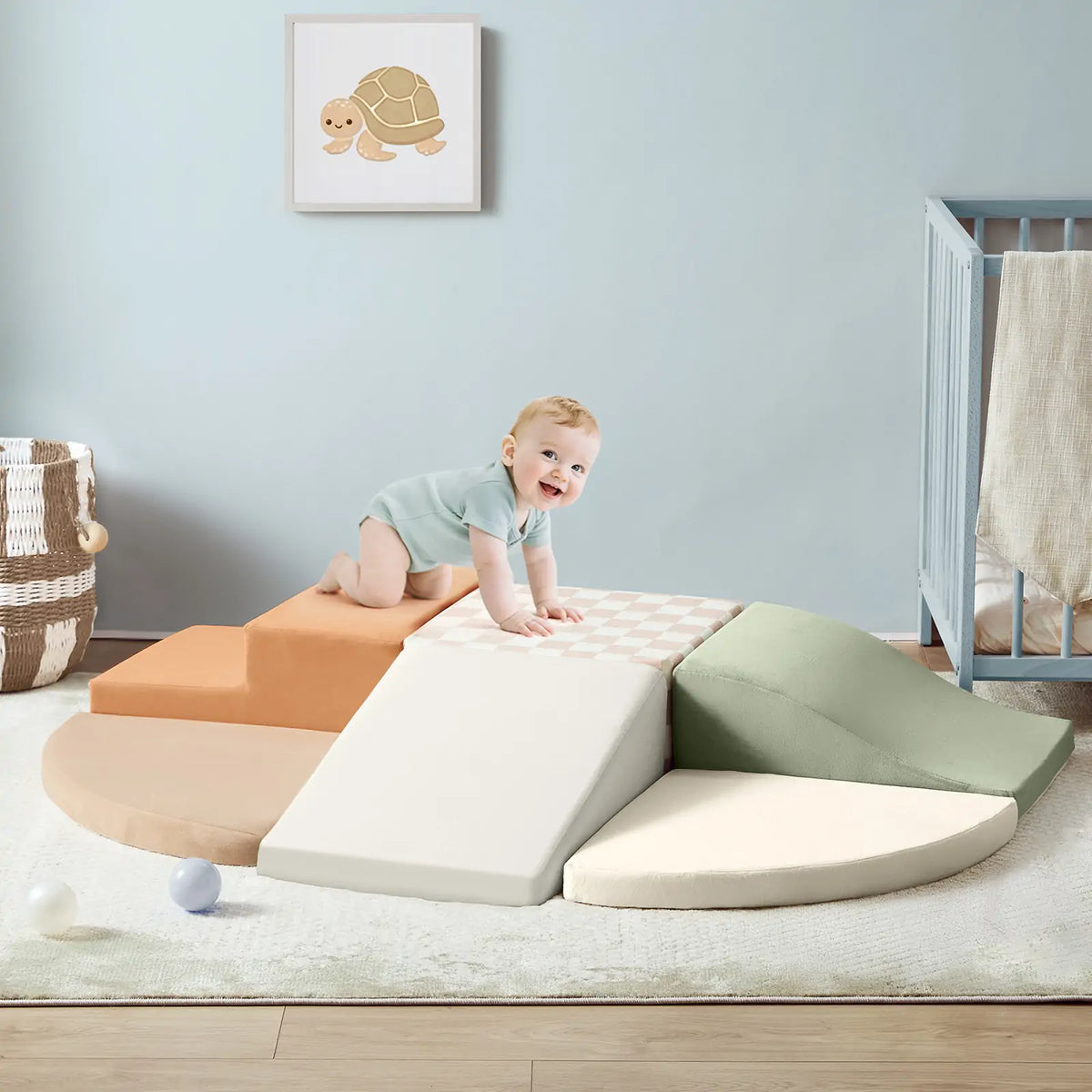
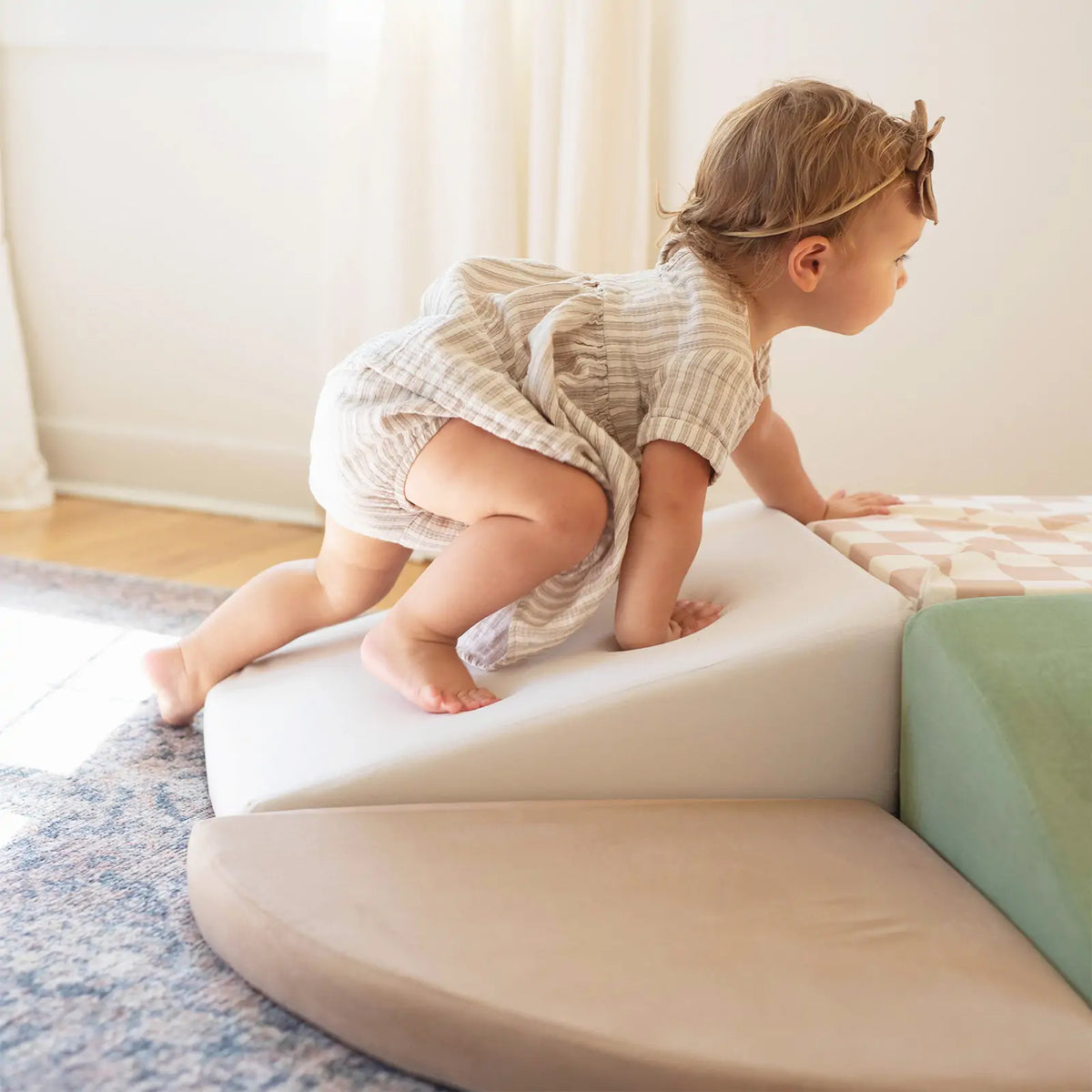
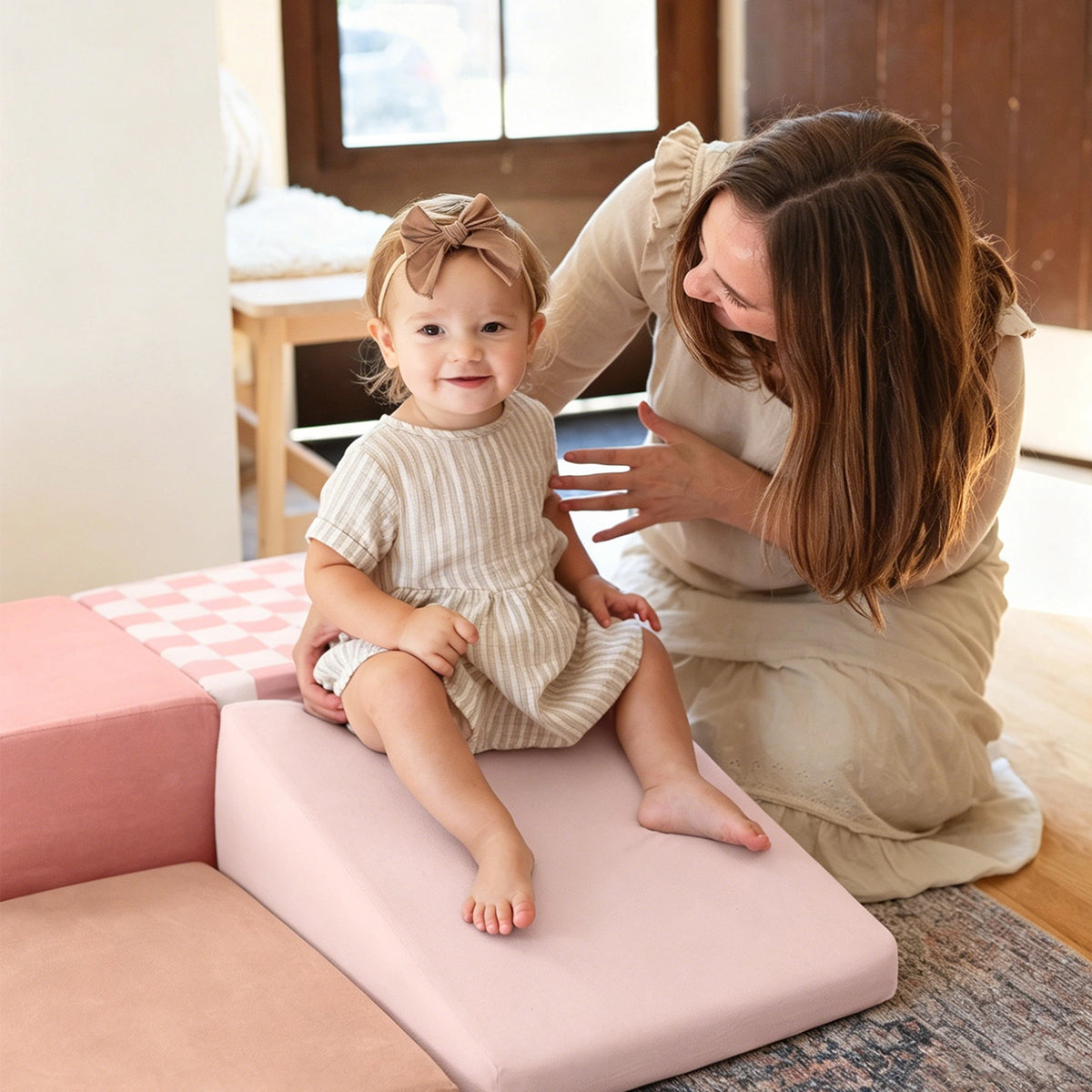
For babies and younger toddlers, soft climbing blocks provide a safer introduction to movement, allowing them to crawl, climb, and explore in a gentle, supportive way.

Crawling Zone
Crawling is one of the most important early movement skills, and it can easily become part of indoor play.
A crawl-through space creates opportunities for:
- crawling games
- hide-and-seek paths
- obstacle-style movement
It helps toddlers develop coordination, spatial awareness, and full-body control while keeping play fun and interactive.
Tiny Land Recommendation:
A standalone crawl tunnel is ideal for simple, independent crawling play and quick indoor movement breaks throughout the day. It works especially well for younger toddlers who are just beginning to explore movement on their own and need a clear, safe space for crawling practice.

For families looking to create a more dynamic play environment, connecting tunnels offer a different level of play value. By linking spaces such as a play tent or ball pit, the tunnel playset becomes part of a continuous movement system — encouraging longer play sessions, imagination-based exploration, and more complex gross motor challenges.

Balance Zone
Balance play helps children develop stability and focus.
A stepping path or balance course allows kids to:
- step from point to point
- jump between surfaces
- challenge coordination in a playful way
This type of movement is especially helpful for toddlers who are building confidence in physical control.
Tiny Land Recommendation:
Stepping Stones are designed to support balance play while keeping safety in mind, with a stable structure that allows kids to confidently step, jump, and move across different surfaces. The set includes multiple color options, allowing families to create customized pathways that keep play visually engaging and flexible.
What makes them even more versatile is their dual-use design — when flipped over, they can also be used as sensory containers for small objects, adding an extra layer of exploratory and imaginative play beyond balance activities.

Soft Landing & Calm Zone
After active movement, children also need space to slow down.
A soft play area gives kids a place to rest, reset, and continue playing in a calmer way.
It can be used for:
- sensory play
- quiet movement
- gentle exploration
- emotional reset moments
This balance between active and calm play helps structure the day naturally.
Tiny Land Recommendation:
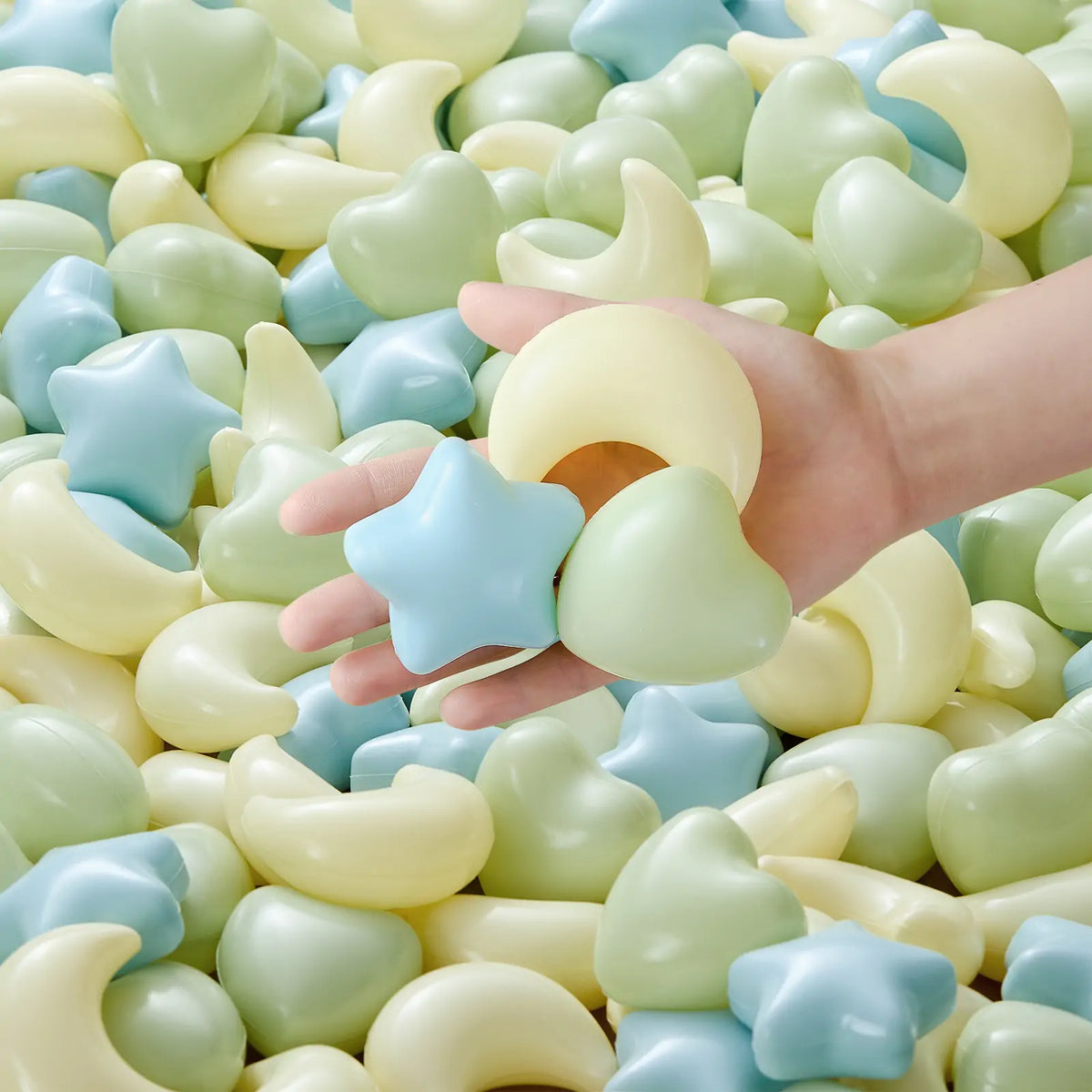
A soft ball pit creates a safe, supportive, and comfortable landing space where children can transition from high-energy play to calmer activities. The cushioned structure provides gentle yet stable support, helping maintain its shape while giving kids a secure environment to move, roll, and explore freely at their own pace.
When paired with colorful balls, it becomes a sensory-rich environment that encourages tactile exploration, focus, and independent play — making it equally useful for active fun and quiet downtime throughout the day.

2. Turn Movement Into Open-Ended Play
One of the best ways to keep kids engaged during summer break is to use toys that allow flexible, open-ended play.
Instead of fixed rules, children can create their own games:
- building obstacle courses
- combining crawling and climbing paths
- jumping between different zones
- inventing movement challenges
This keeps play fresh and interesting every day without needing constant adult direction.

3. Support Independent Play Throughout the Day
Summer break often means parents need moments where kids can play independently.
A well-designed active play setup helps children stay engaged on their own by offering multiple ways to move and explore.
When movement-based toys are easily accessible, kids naturally shift between activities without needing constant guidance.

4. Balance Active Play With Rest
Even during high-energy summer days, children benefit from calm breaks.
A good home setup includes both:
- active zones for movement
- soft zones for rest and sensory play
This balance helps prevent overstimulation while supporting healthy daily rhythms.
Children can naturally transition between energetic play and quieter moments throughout the day.

5. Reduce Screen Time Through Movement
Active play is one of the most effective ways to reduce screen dependency during long school breaks.
When kids have engaging physical alternatives, they are more likely to:
- move their bodies
- explore their environment
- create imaginative games
- stay engaged for longer periods of time
This creates a healthier and more balanced summer routine at home.

Final Thoughts
Keeping kids busy during summer break doesn’t require complex planning or constant activities. A thoughtfully designed active play space at home can give children everything they need to stay engaged, active, and independent.
By combining climbing, crawling, balancing, and soft play zones, families can create a simple indoor system that supports movement, imagination, and daily routine—all within the same home environment.