



Introduction: Why Toddlers Need an Indoor Movement Space
Toddlers are naturally active. They climb, crawl, jump, and explore almost every surface within reach. While this movement is essential for healthy physical and cognitive development, it can sometimes be challenging for parents—especially when outdoor play is limited by weather, busy schedules, or limited living space.
This is where an indoor gym for toddlers becomes an ideal solution.
A well-designed indoor movement space allows children to safely explore physical activities at home while supporting their growing bodies and minds. Soft climbing toys play a key role in building this environment, offering a safe, flexible, and adaptable way for children to move freely indoors.
In this guide, we’ll explore how to create a complete indoor gym using soft climbing toys—and how to design a space that supports both active play and everyday living.

What Is an Indoor Gym for Toddlers?
An indoor gym for toddlers is not a traditional gym. It is a home-based movement environment designed to encourage physical development, exploration, and independent play through safe and structured equipment.
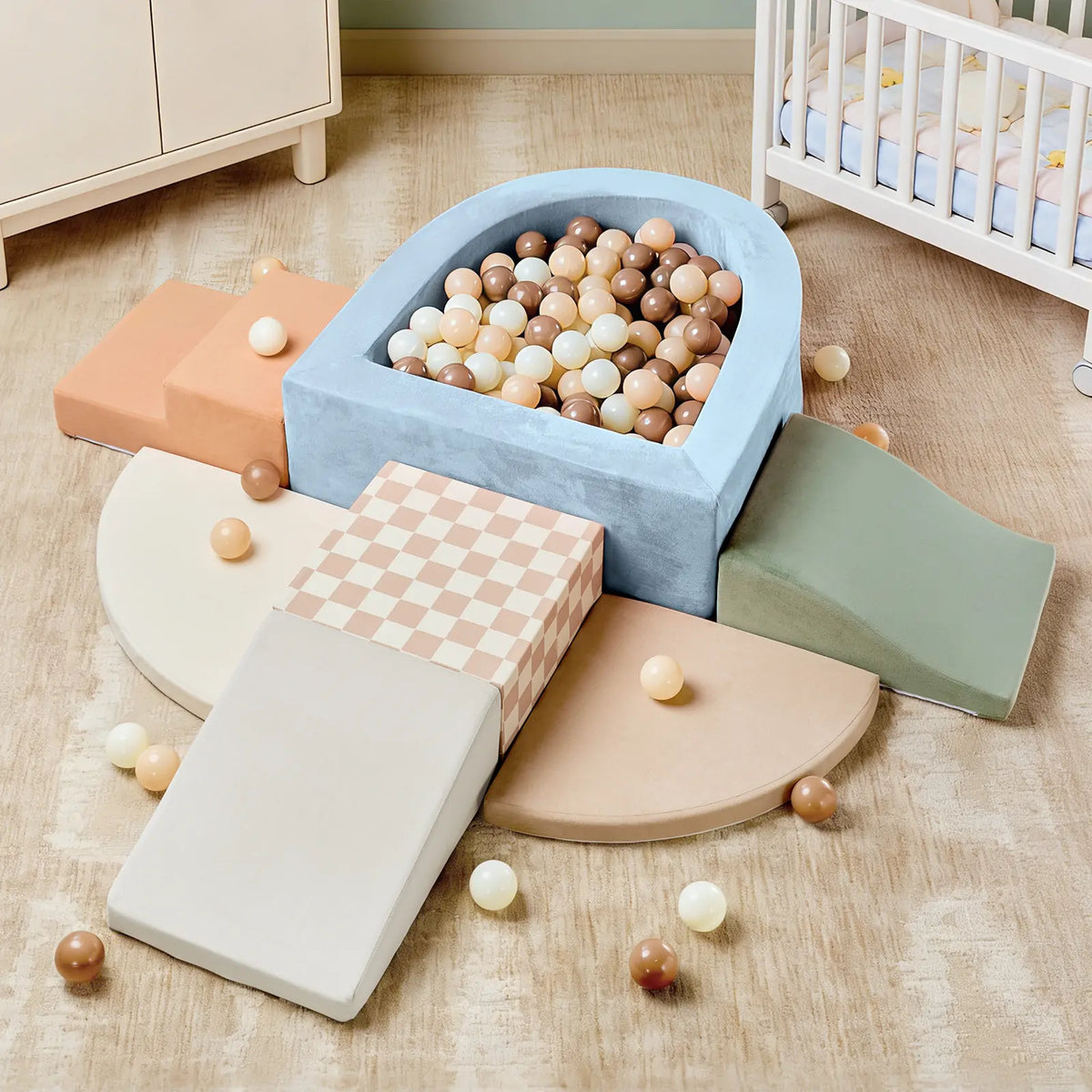
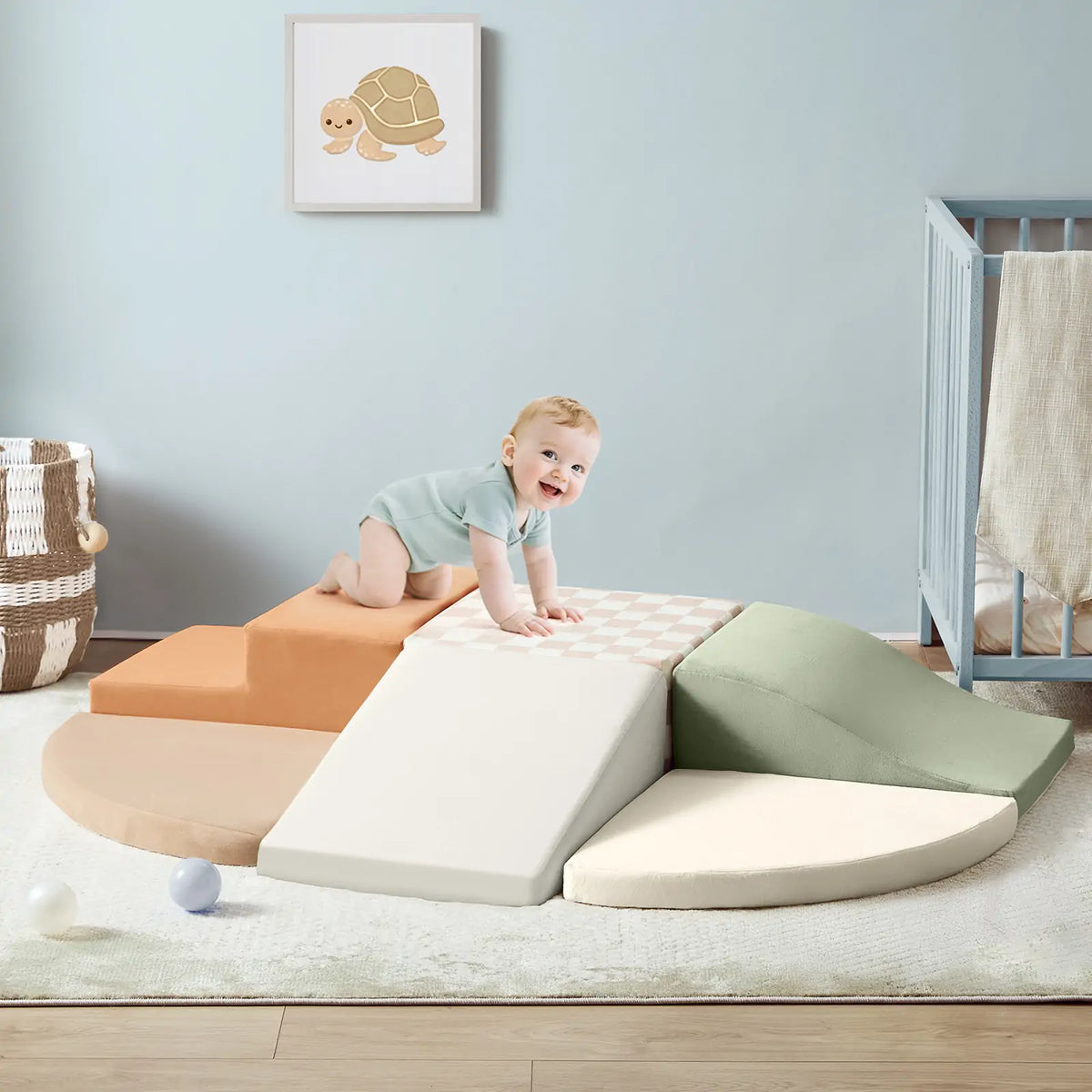
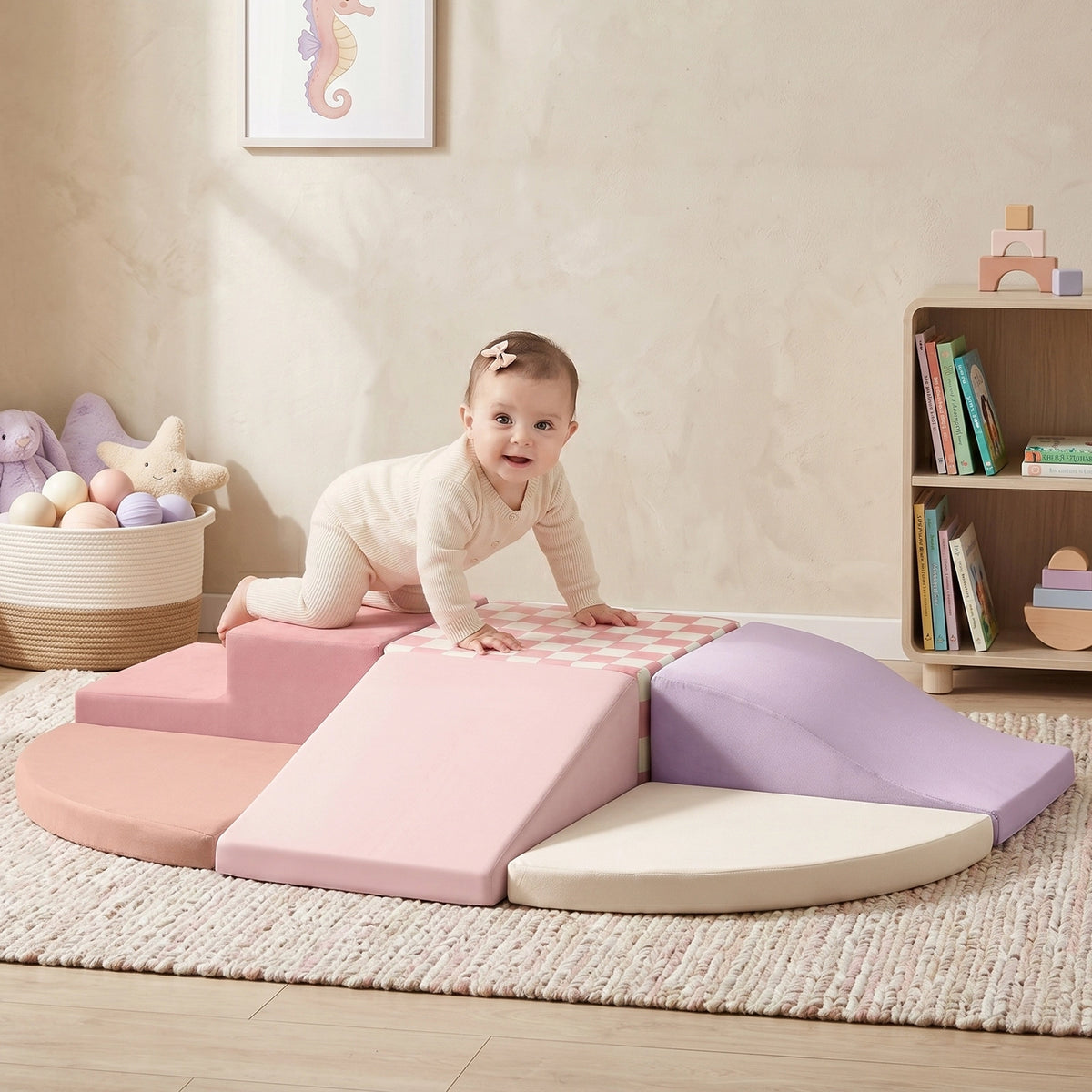
Unlike fixed playground structures, indoor gym setups are usually made of soft, modular foam climbing blocks that can be rearranged into different configurations over time.
A complete indoor gym typically supports:
- Climbing and crawling
- Sliding and balancing
- Sensory exploration
- Independent movement
- Active indoor play
Soft climbing toys form the foundation of this system, allowing children to explore physical challenges safely while building confidence through movement.

Why Soft Climbing Toys Are Essential for Indoor Play
Soft climbing toys are more than play equipment—they are developmental tools that support early childhood growth in meaningful ways.
-
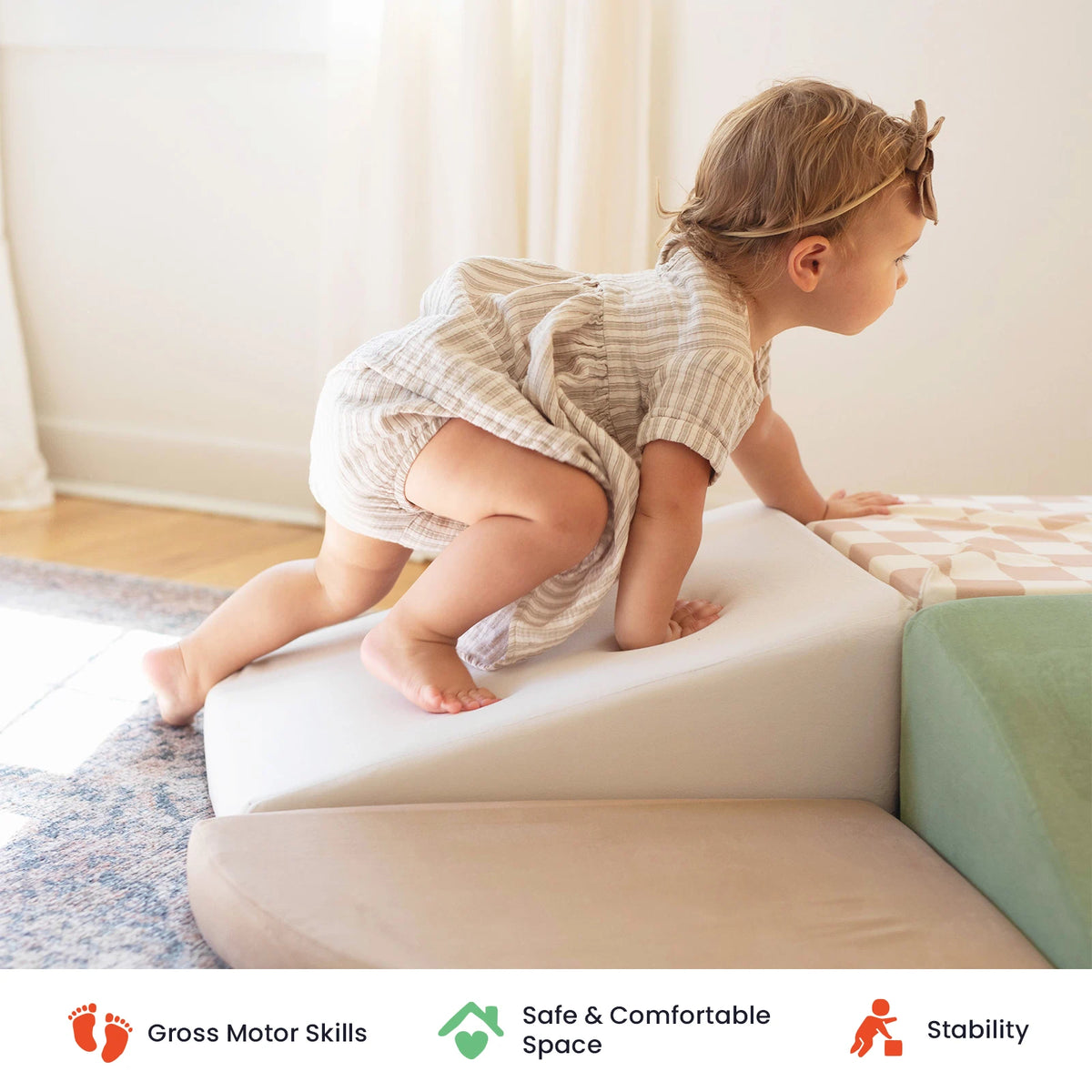
Gross Motor Skill Development
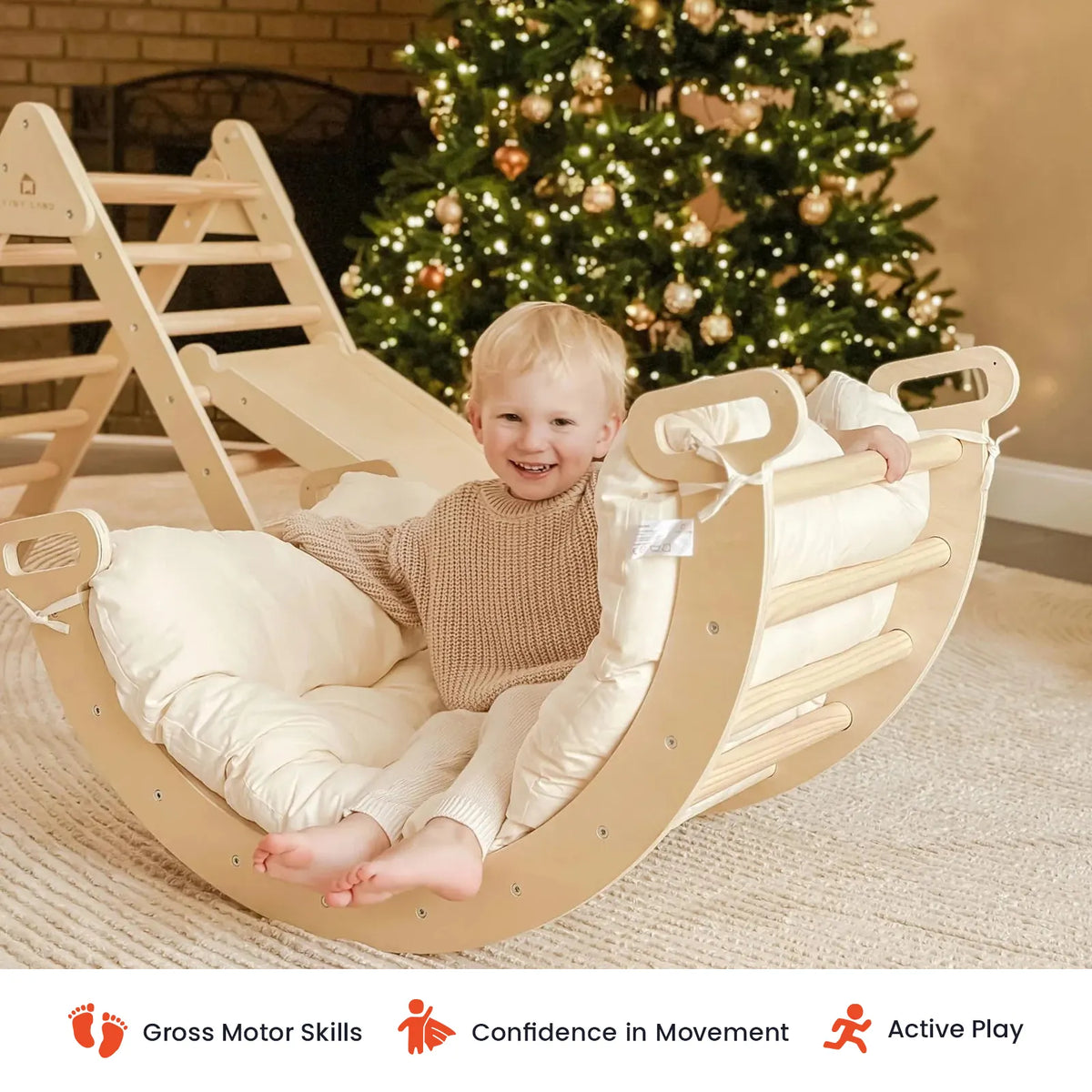
Climbing, crawling, and balancing help strengthen large muscle groups and improve coordination. -
Confidence Through Movement
Each step, climb, or slide helps children build independence and self-confidence. - Safe Risk-Taking
Children learn how to evaluate and navigate movement challenges in a controlled environment. -
Energy Release Indoors
Soft climbing sets provide an effective outlet for high energy, especially when outdoor play is not possible.
Together, these benefits make soft climbing toys one of the most valuable additions to any toddler indoor space.

How to Build a Complete Indoor Gym at Home
Creating an indoor gym does not require a large space. With Tiny Land picked modular soft climbing toys, families can design flexible setups that adapt to different homes, room sizes, and developmental stages.
A complete indoor gym can be built around three core components:
1. The Climbing Base System
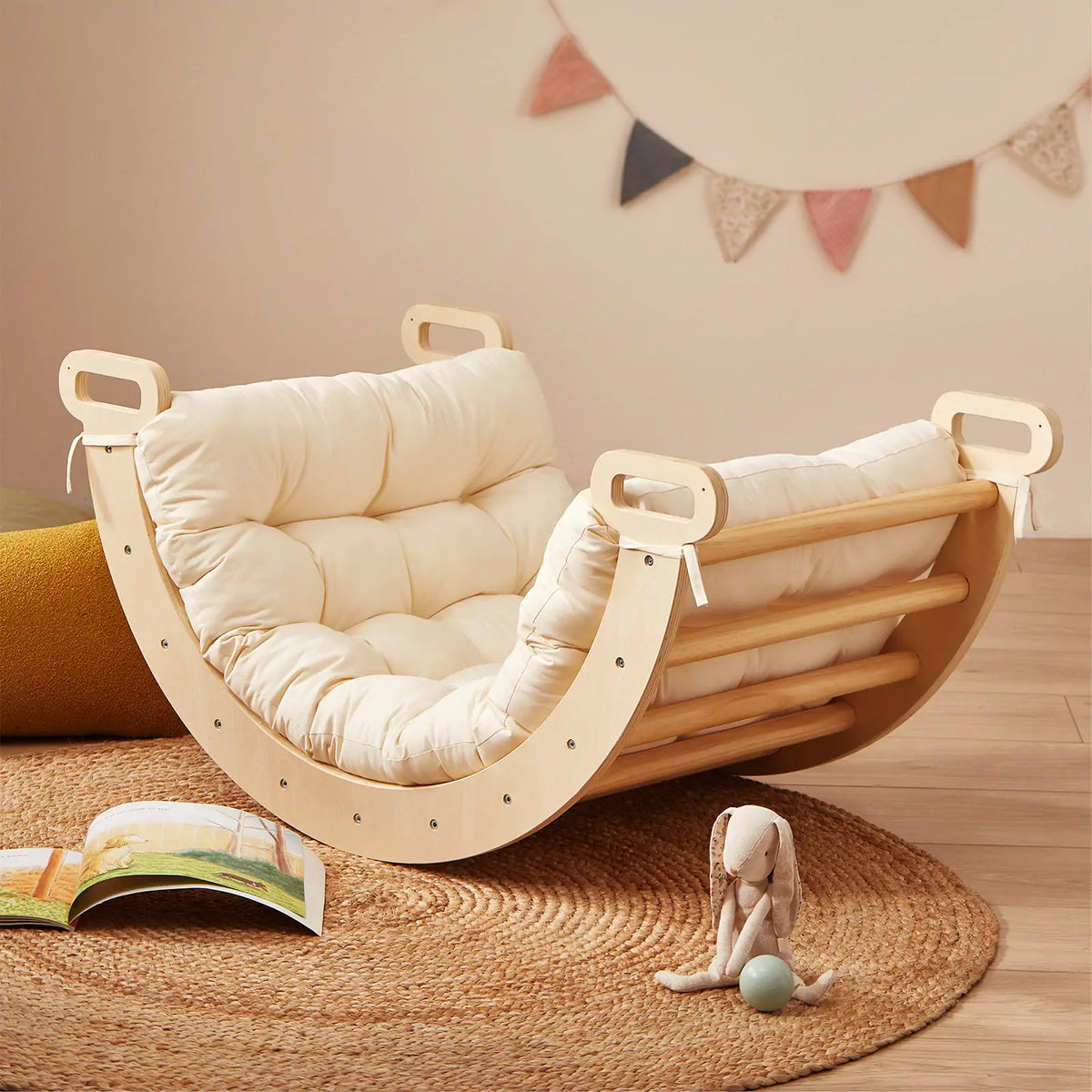
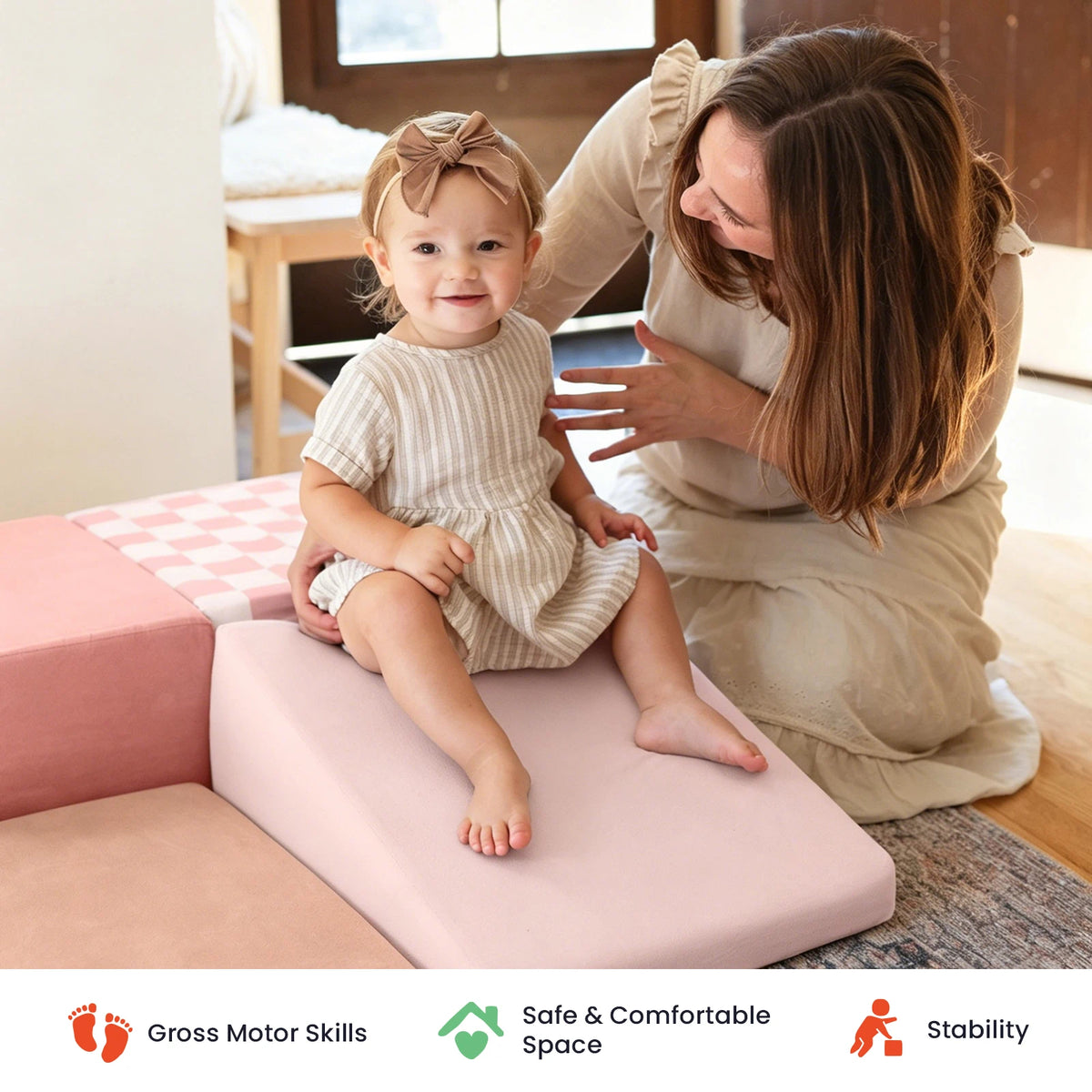
The foundation of any indoor gym is the climbing blocks itself. This typically includes foam ramps, steps, and sliding surfaces that allow toddlers to climb, descend, and balance safely.
- These elements help children develop:
- Coordination
- Balance
- Lower-body strength
A modular climbing base also allows parents to rearrange configurations regularly, keeping play experiences fresh and supporting continuous developmental progression.
 2. Movement Accessories That Expand Play
To make the indoor gym more dynamic, additional accessories can extend movement patterns beyond climbing.
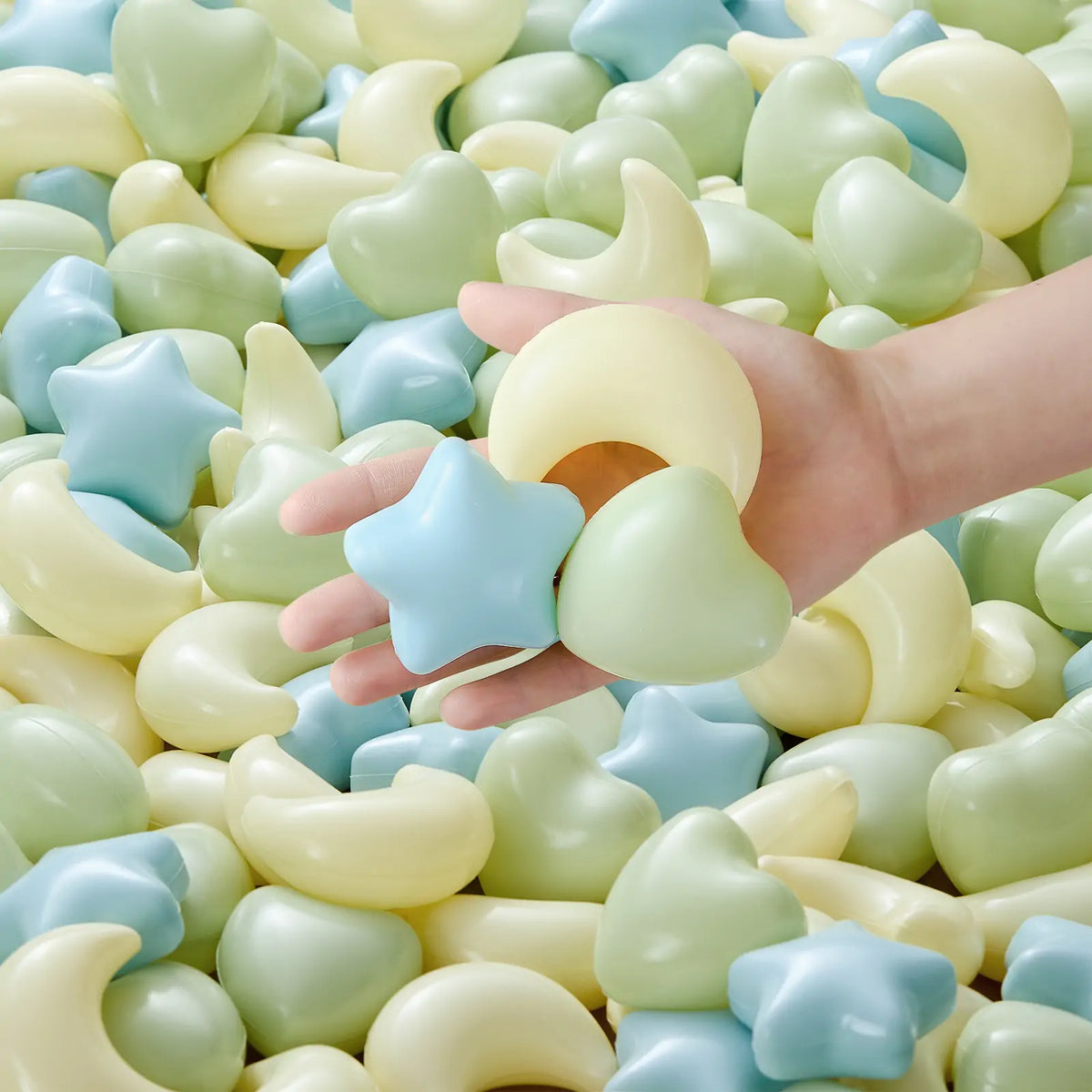
✔ Soft Ball for Active Coordination Play
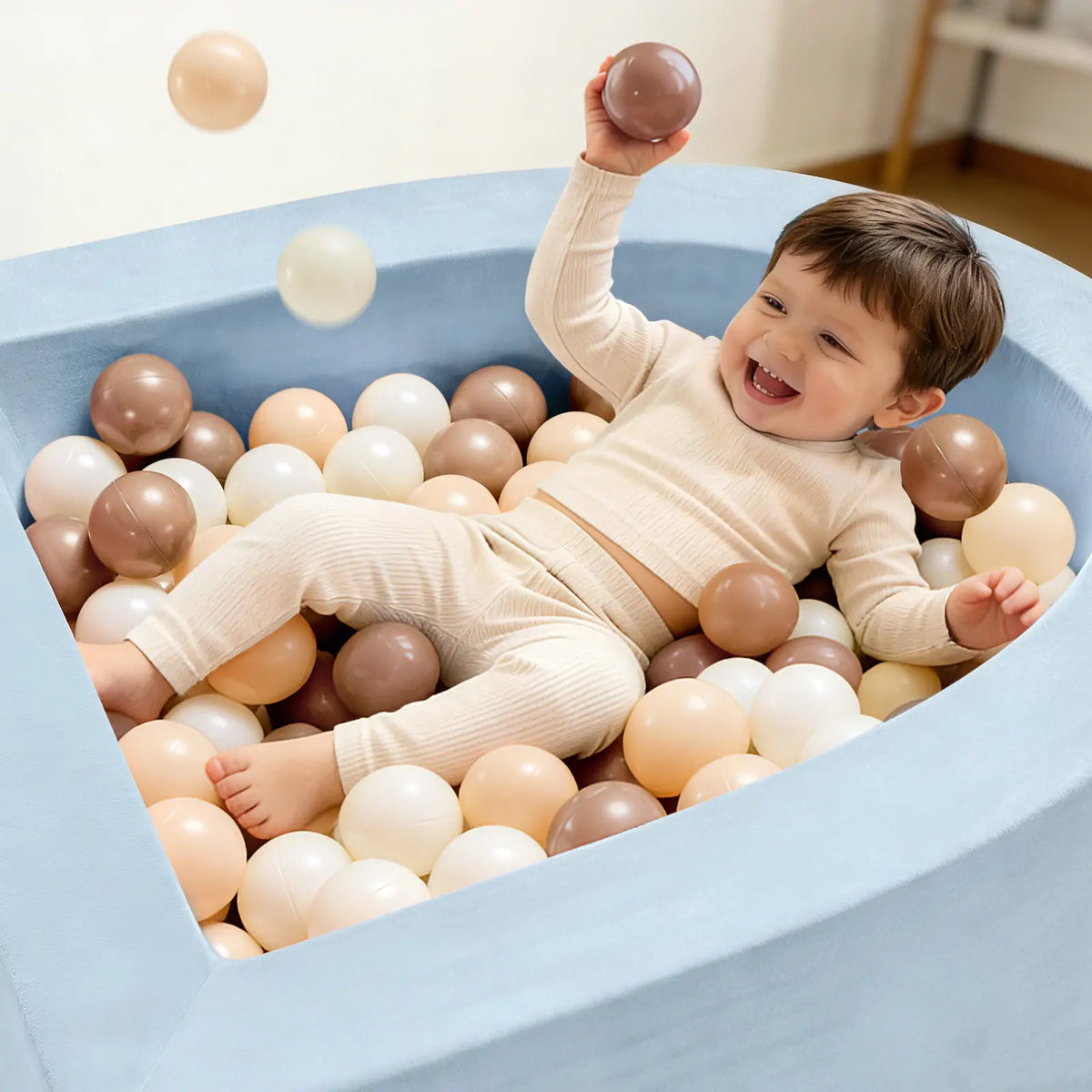
Soft balls introduces rolling, throwing, and catching activities, helping children transition from structured climbing to more dynamic movement play.
Its warm, earthy tones also blend naturally into modern home interiors, making the play area feel more integrated and visually balanced rather than toy-heavy.

✔ Crawl-Through Tunnel for Continuous Movement
A crawl-through tunnel adds a new dimension of exploration by creating flow-based movement.
Children can crawl through, hide, and re-enter the climbing structure, forming a continuous loop of activity and discovery.
- This encourages:
- Spatial awareness
- Full-body coordination
- Imaginative exploration

Together, these accessories transform a simple climbing set into a complete indoor movement system.
A complete indoor gym for toddlers does not require multiple products or complex setups. In most homes, a simple soft play system made of a foam climbing block, a crawl-through tunnel, and a soft ball is enough to create a fully functional movement environment.
Designing a Functional Indoor Gym Layout
One of the key advantages of Tiny Land soft climbing toys is flexibility. The same set can be arranged in multiple ways depending on available space, child age, and play style.
Small Space Setup:
- Corner-based climbing arrangement
- Compact crawl tunnel placement
- Minimal accessory use

Larger Space Setup:
- Full movement circuit (climb → crawl → slide → repeat)
- Separate zones for different activities
- Open flow design for continuous movement
Because the system is modular, components can be freely combined and rearranged over time. This adaptability allows families to continuously refresh the indoor gym without needing additional equipment.
The goal is not to fill space—but to create intentional movement pathways that encourage exploration.

FAQ: Indoor Gym for Toddlers
What age is suitable for a soft climbing indoor gym?
Most soft climbing sets are suitable for toddlers aged 12 months to 5 years, depending on motor development and supervision.
Are soft climbing toys safe for toddlers?
Yes. Soft foam materials are designed to reduce impact and allow safe exploration of climbing, crawling, and balancing activities.
How much space do I need for an indoor gym?
Even small living spaces can work. A corner setup is often enough to create a functional movement area.
Can indoor gyms help child development?
Yes. They support gross motor skills, coordination, balance, independence, and confidence-building through movement.

Final Thoughts
Creating an indoor gym for toddlers is not about adding more toys to your home—it is about designing a space where movement, curiosity, and development can happen naturally every day.
With soft climbing toys as the foundation, and thoughtfully designed accessories such as crawl tunnels and soft balls, families can build a flexible system that evolves with a child’s growth and play style.
Modern designs also emphasize how these systems integrate into the home environment, with natural, earthy tones creating a calm and cohesive aesthetic.