



An educational, parent-friendly blog on choosing the right toys for your child’s first 24 months of life.
Every baby grows at a unique pace — and choosing the right toys can feel overwhelming. Toys aren’t just for fun; they’re tools that support your child’s development, from basic movement to language development, problem solving, and social interaction. This guide breaks down baby toys by age group so you can confidently select age appropriate toys that inspire joyful, healthy play.

What Are Age Appropriate Toys — And Why They Matter
“Age appropriate toys” means selecting toys that match where your baby is now in their physical, emotional, and cognitive growth. When toys align with your child’s abilities and curiosities, the experience supports gross motor skills, fine motor skills, hand-eye coordination, and even early social skills.
The right toys help reduce frustration and enhance confidence — turning playtime into purposeful learning.
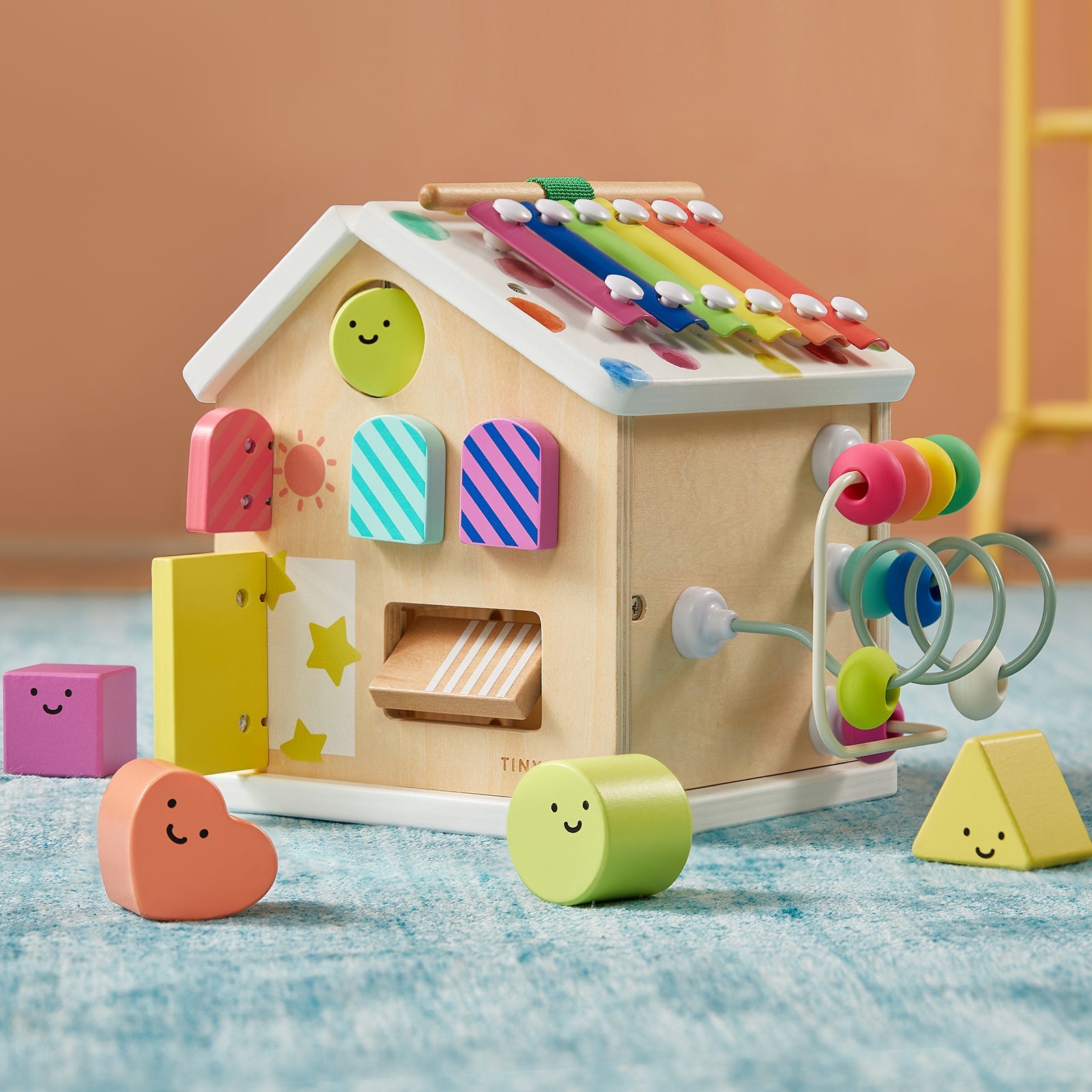
🧸 0–3 Months: Sensory Toys & Early Observation
At this earliest stage, babies are learning through their senses. They see shapes and contrasts, hear sounds, and explore gentle texture and movement.
What to choose
Sensory toys that are soft, lightweight, and gentle on little hands. Choose items that babies can focus on briefly without frustration.
✔️ Visual contrast cloths
✔️ Soft rattles
✔️ Sensory cloths or simple hanging toys
What happens next?
These toys help with early hand-eye coordination and spark curiosity — and they introduce your baby to the world in a safe, soothing way.

🧸 4–6 Months: Reaching, Grasping & Sensory Play
Now your baby is interacting more with the world. Good picks at this stage invite reaching, holding, and exploring.
Teething toys are also welcome companions since many babies experience discomfort as new teeth emerge.
✔️ Easy-to-grab rings or teething toys
✔️ Sensory blocks
✔️ Soft stacking toys
What’s developing
Your baby begins to build stronger fine motor skills and starts to notice relational patterns: cause and effect, texture contrasts, and movement.

🧸 7–9 Months: Active Toys for Movement & Exploration
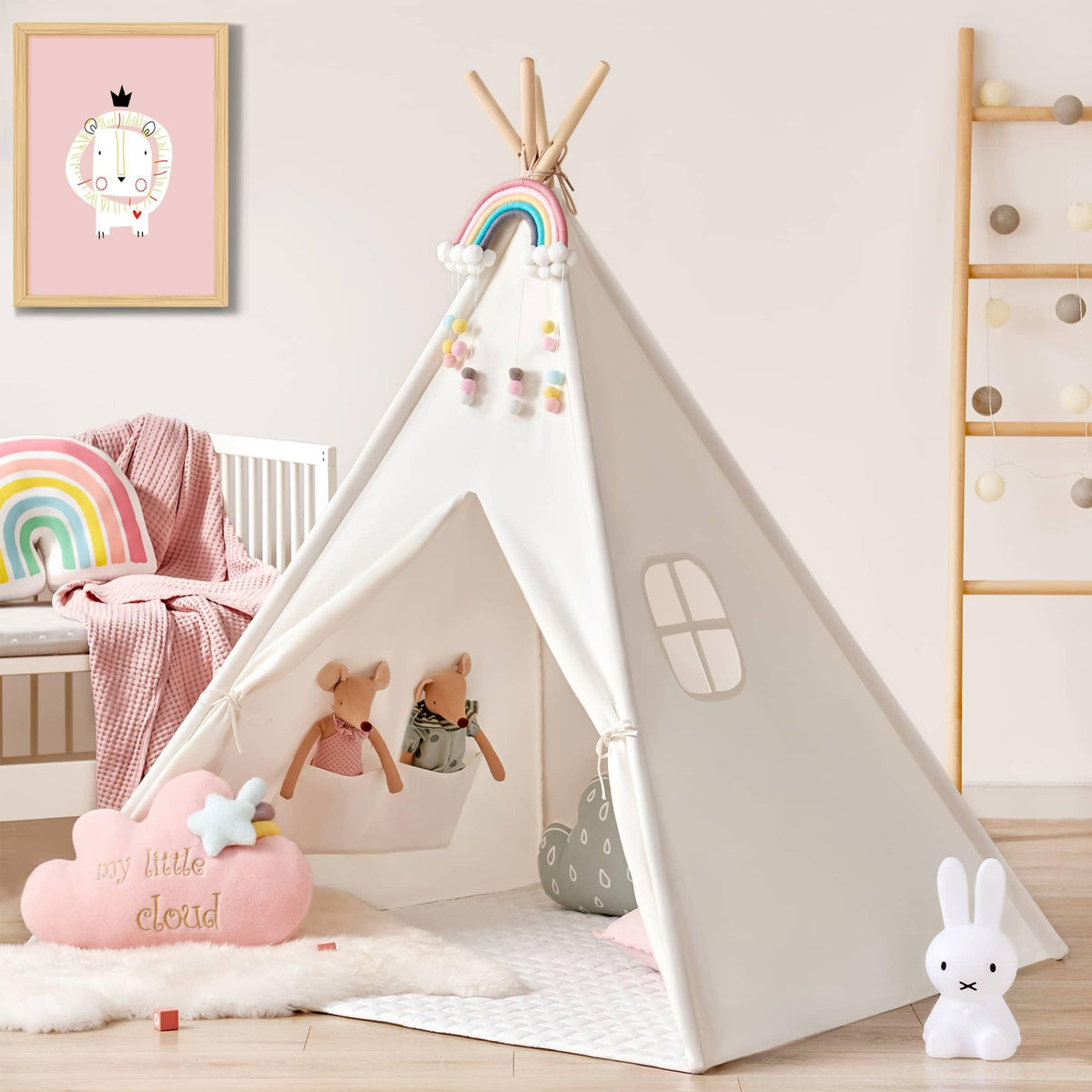
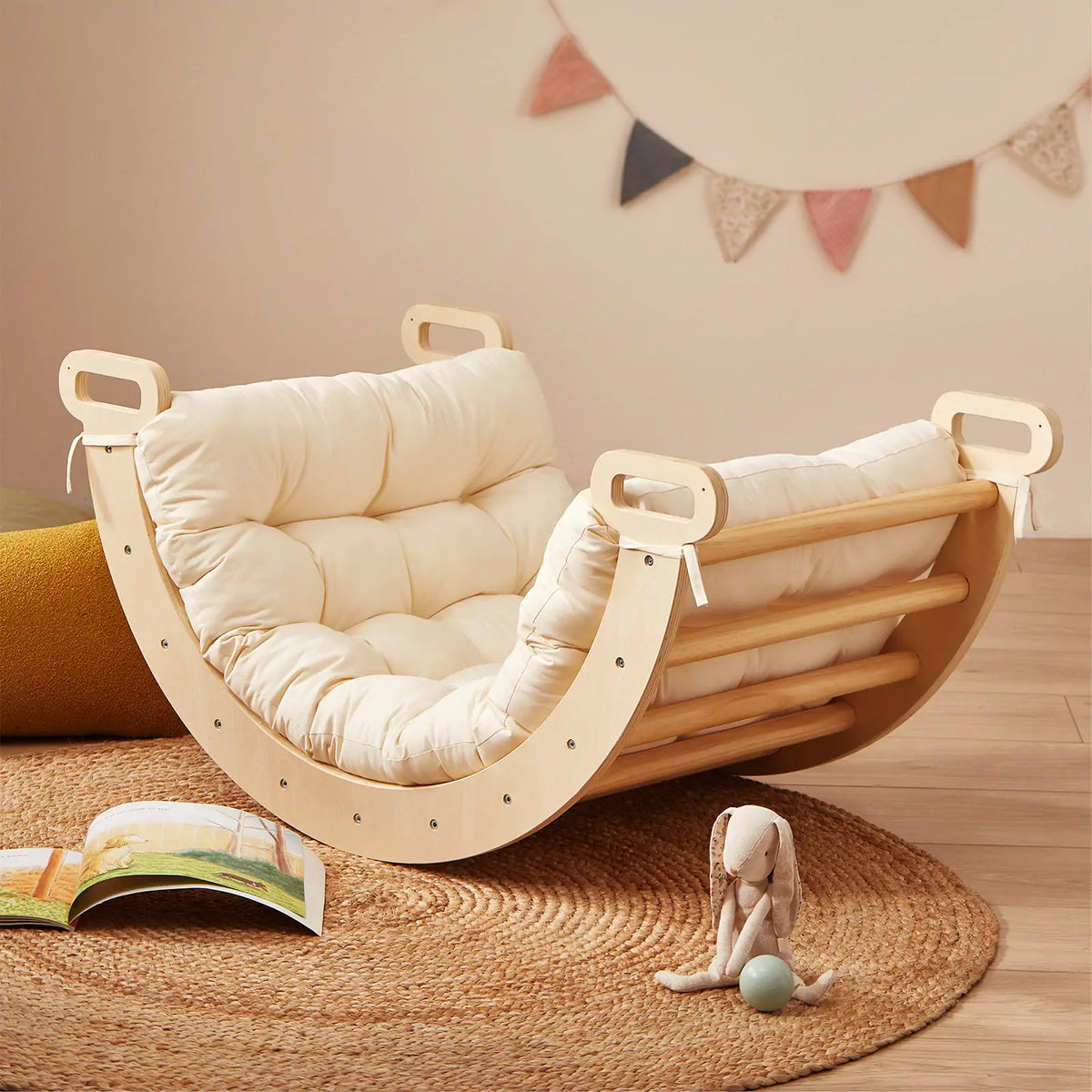
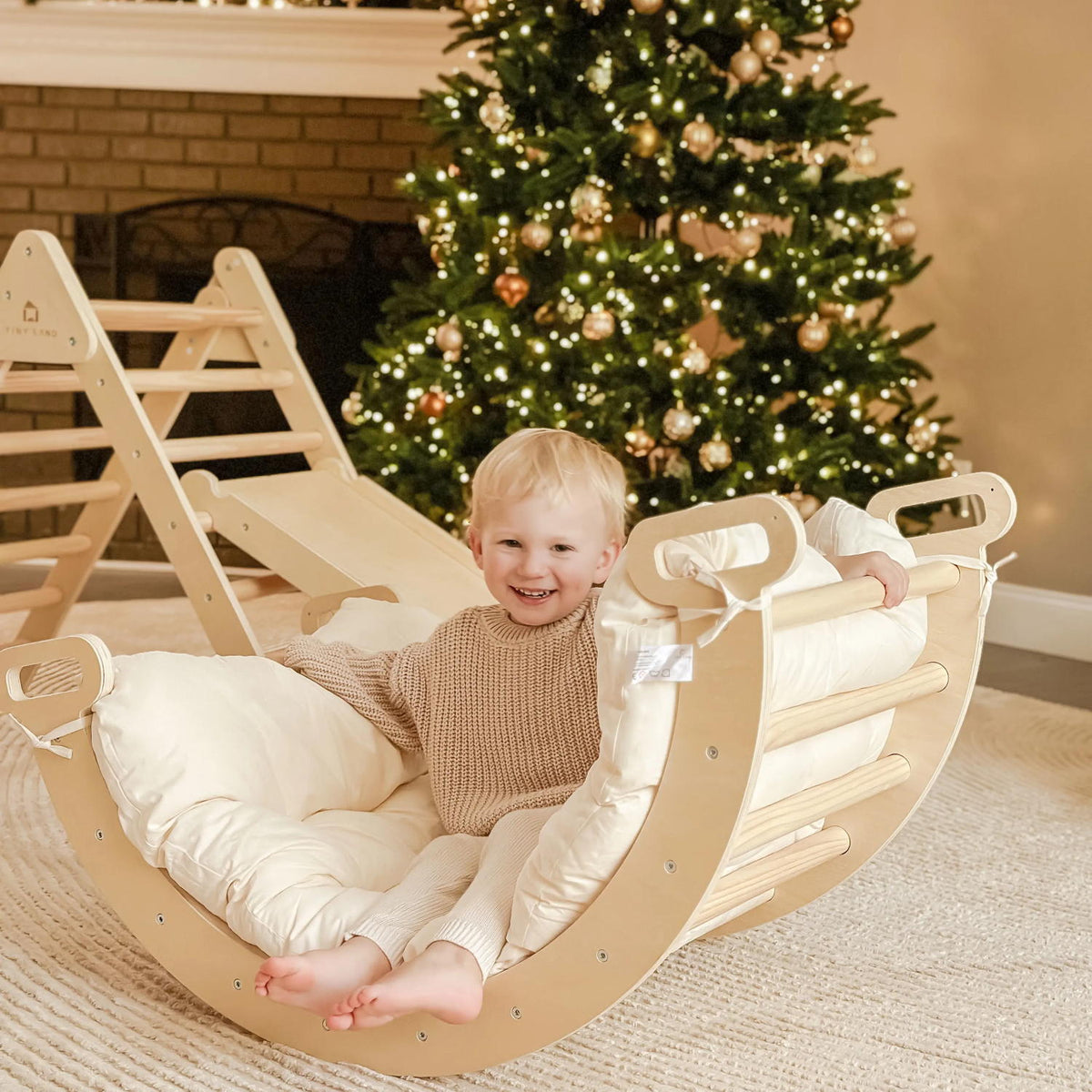
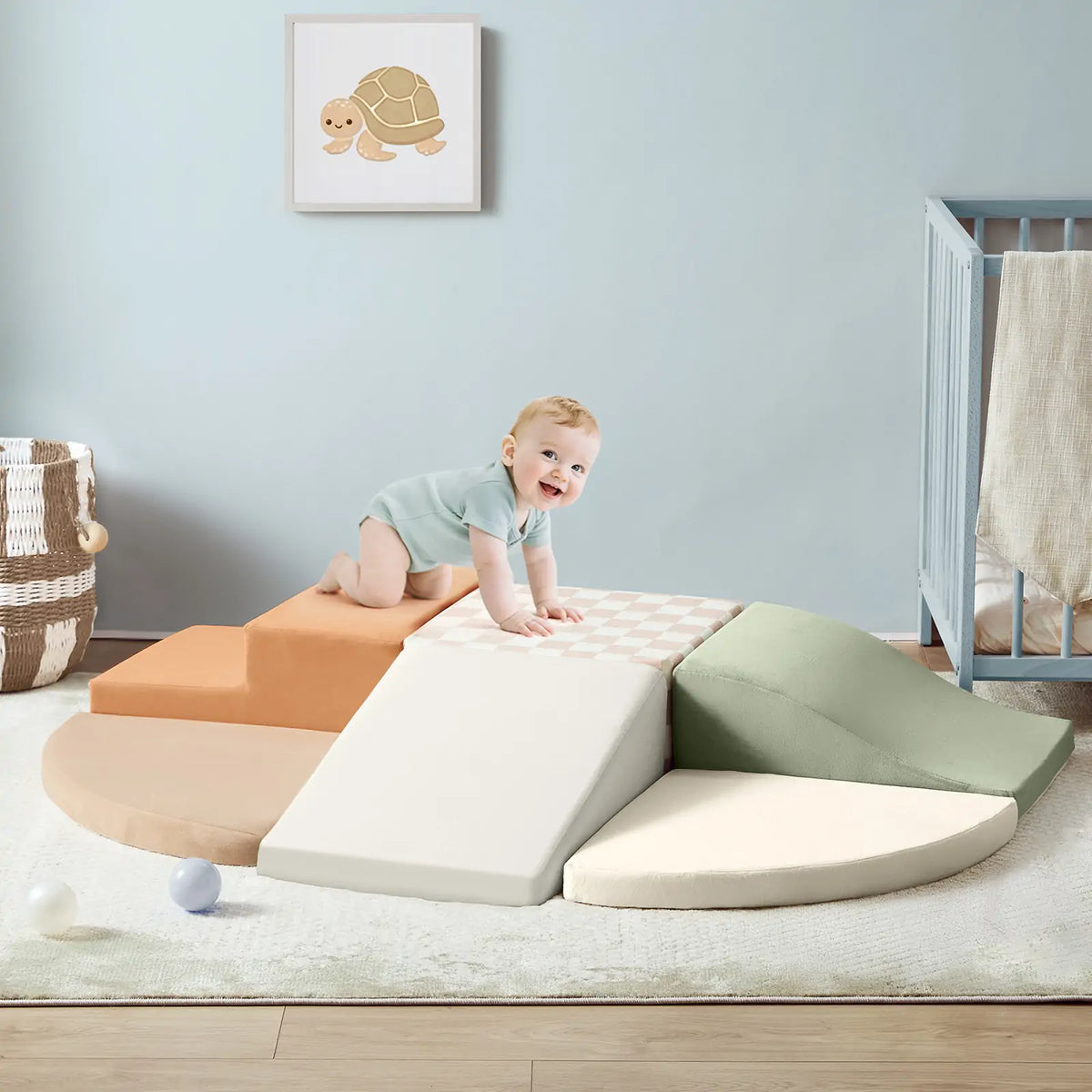
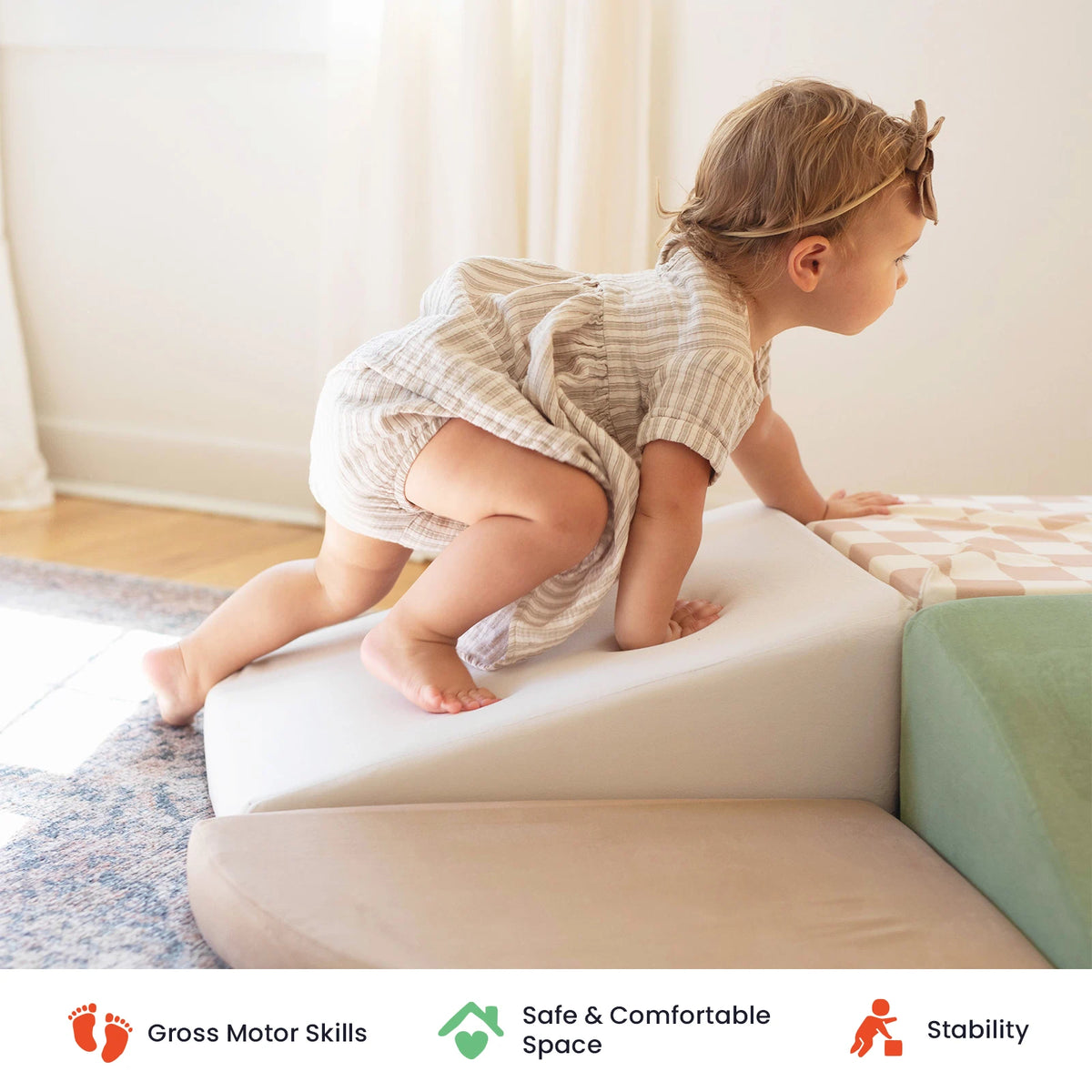
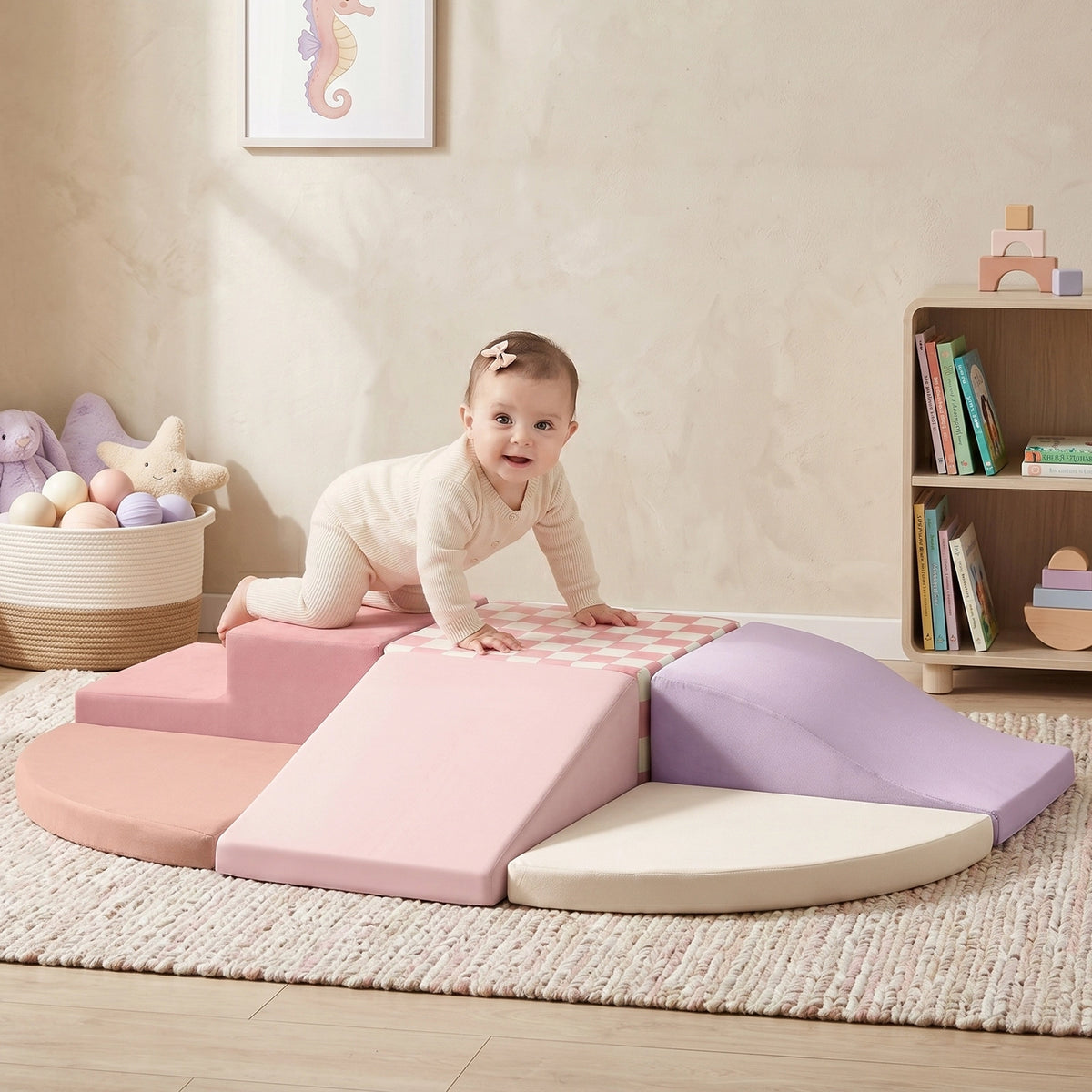
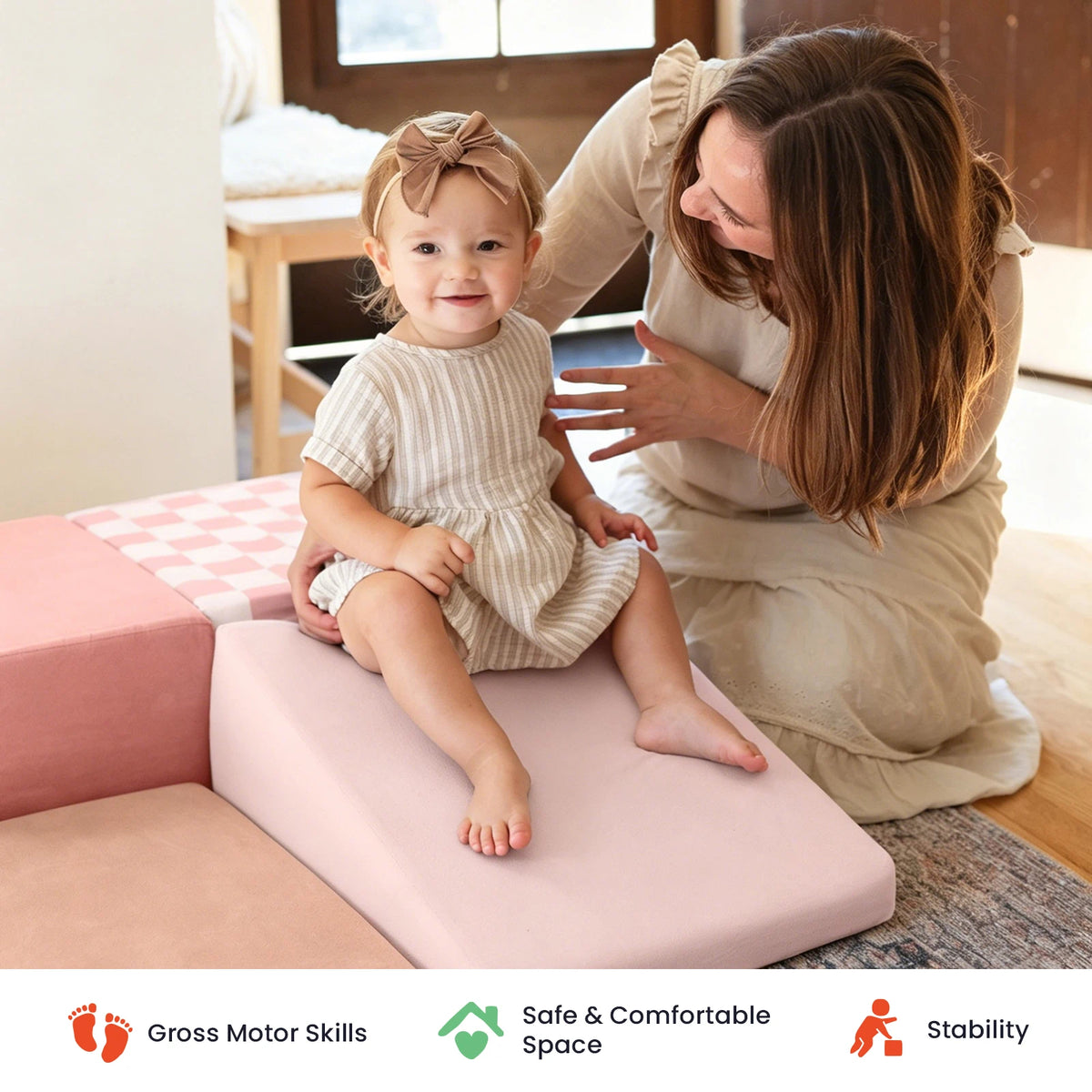
Babies are now sitting, rolling, and crawling. They want to move and explore. This is the perfect age to introduce developmental toys that encourage physical play.
👉 Explore Active Toys like climbing blocks and soft tunnels designed to make exploration fun and safe.
Why this matters
- Builds gross motor skills
- Encourages confidence in movement
- Helps strengthen core body control
Ideal choices
✔️ Low-to-the-ground balance pieces
✔️ Stable shapes that invite climbing
✔️ Crawl-through play tunnels
These toys help your child practice coordination and prepare for more complex physical skills.

10–12 Months: Push Toys & First Steps
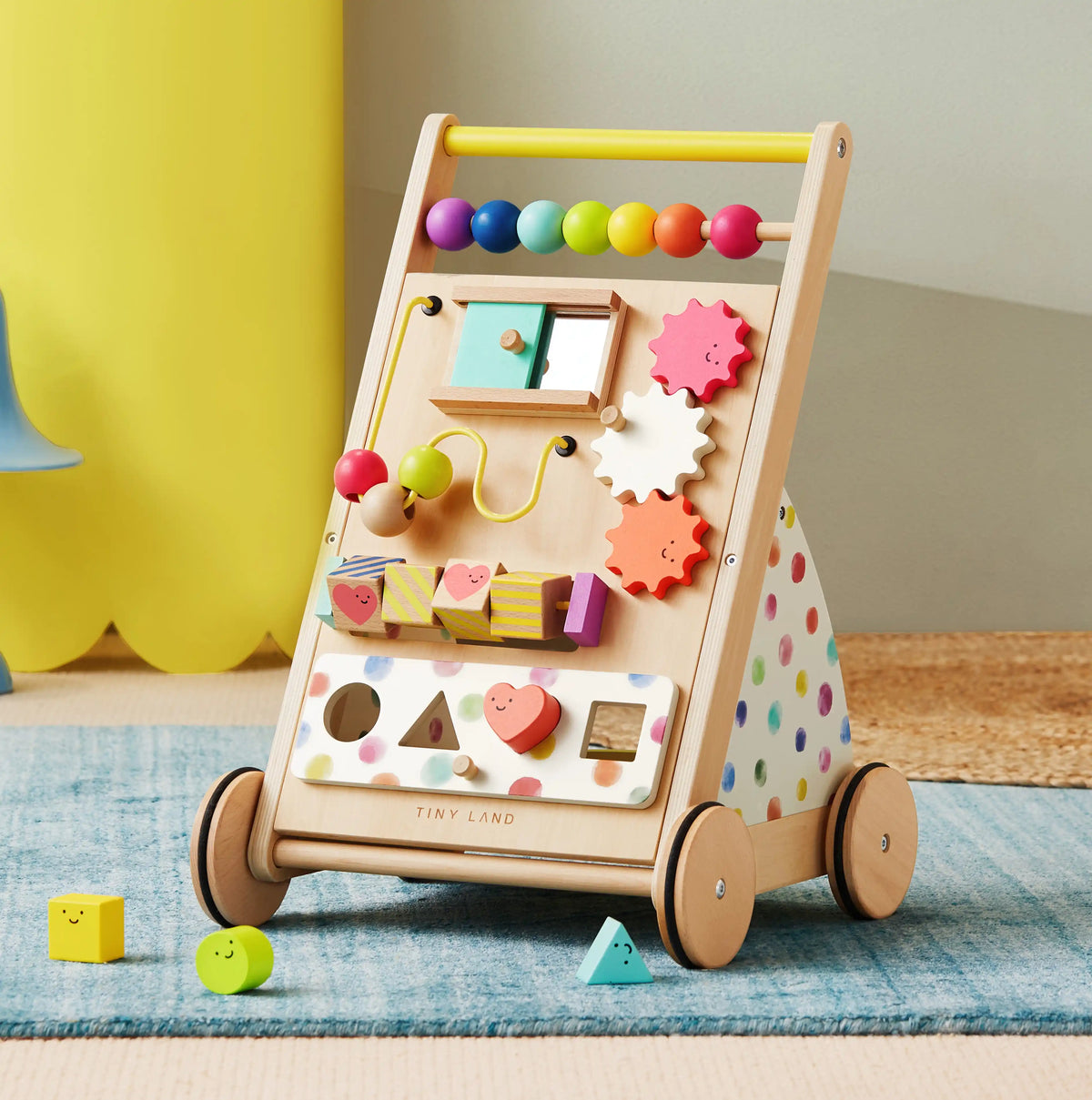
As your baby begins to pull up and want to walk, push toys become invaluable. These toys offer support, mobility, and playful encouragement.
One excellent example is the Natural Wooden Baby Walker, a wooden push toy that supports safe first steps and promotes balance and coordination.
Benefits of push toys
- Strong support for first steps
- Encourages gross motor skills and confidence
- Can include simple manipulatives to promote fine motor skills
These toys help turn tentative standing into confident walking.

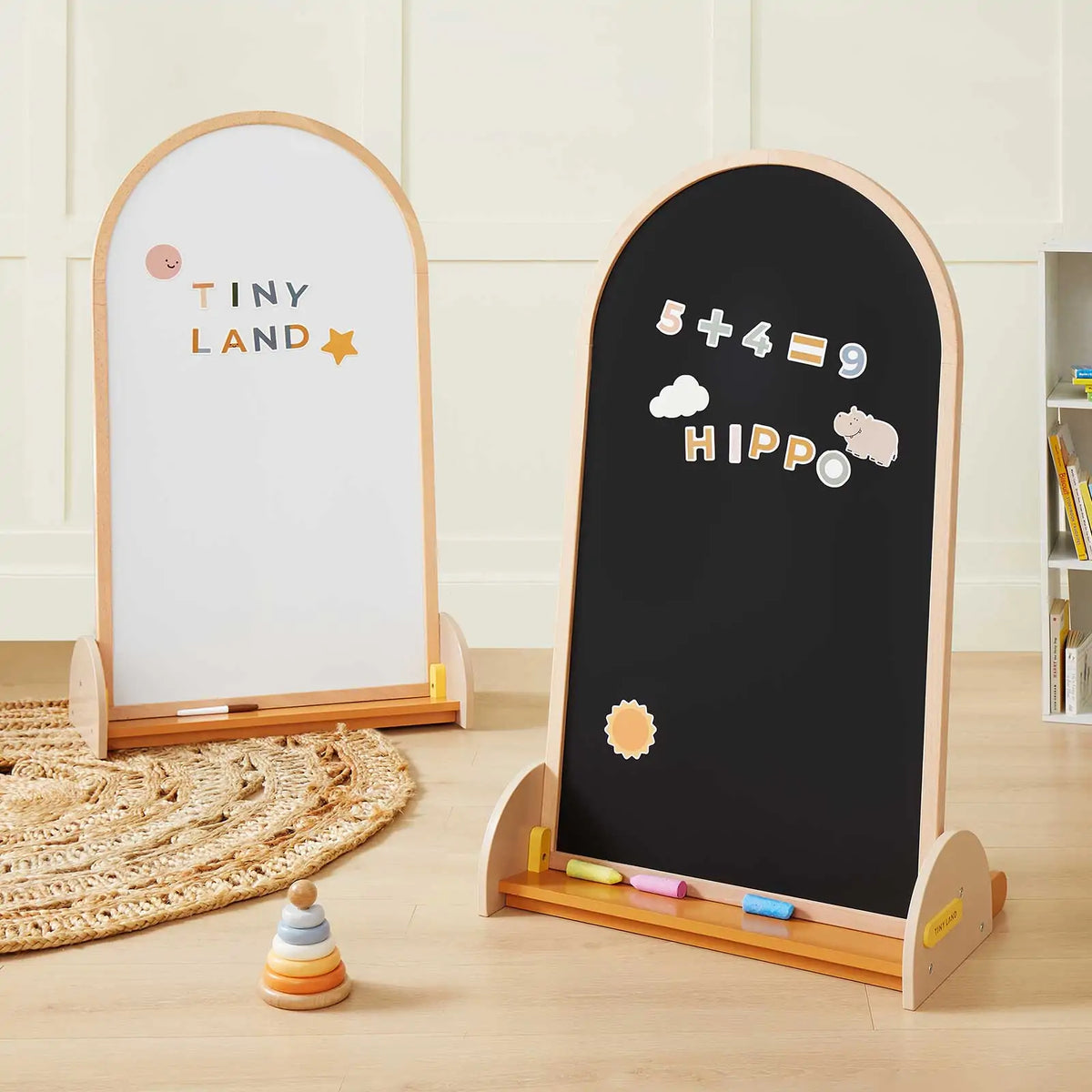
Creative Play & Artistic Expression
Once toddlers gain more physical independence, it’s time to bring in toys that stimulate wonder and imagination — and support early language development.
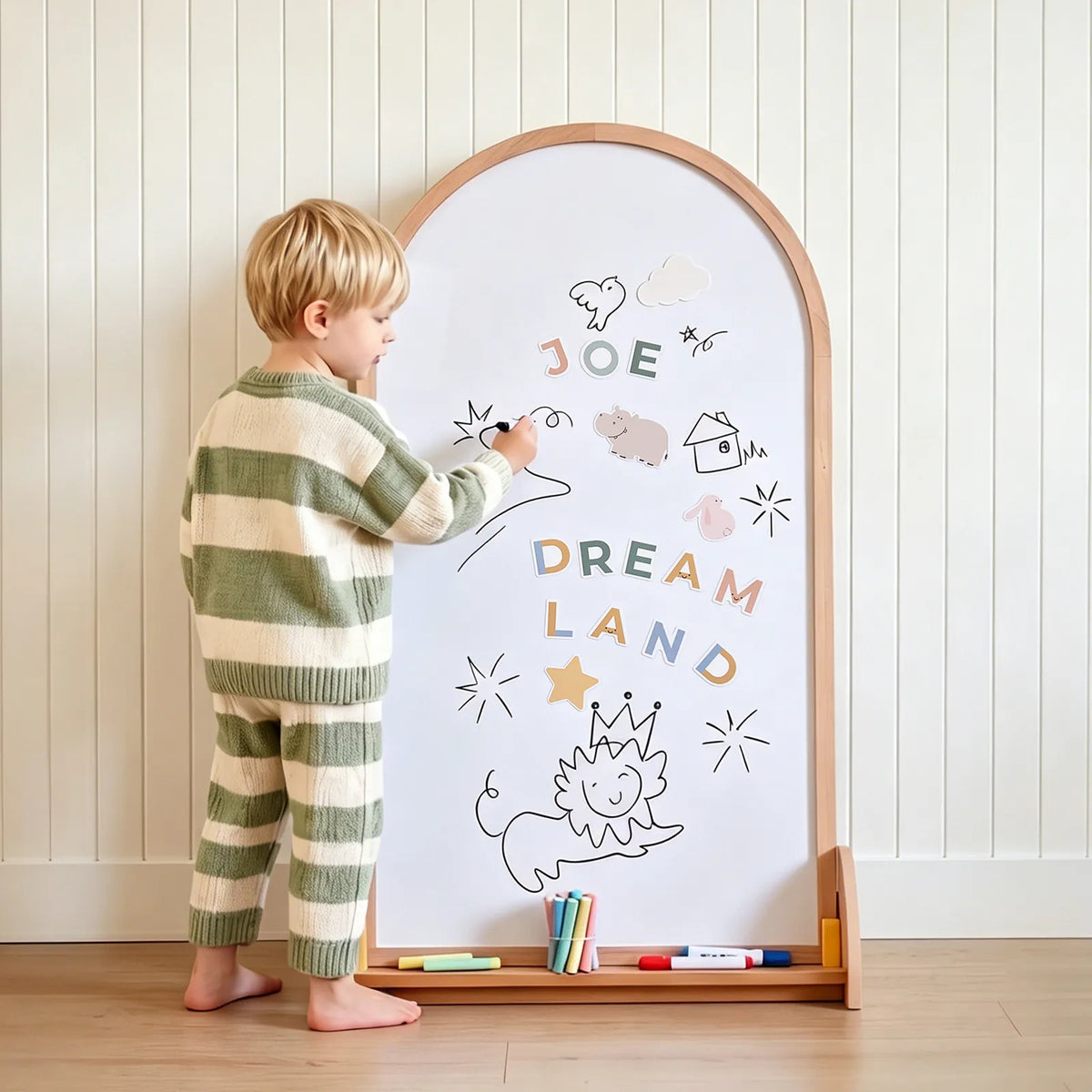
👉Kids Easels are beautifully designed for little creators to scribble, explore color, and build expressive skills.
Why creative tools matter
- Encourages language development as kids describe colors and shapes
- Improves fine motor skills
- Supports problem solving and decision-making
Art isn’t just fun — it builds confidence and opens doors to later learning.

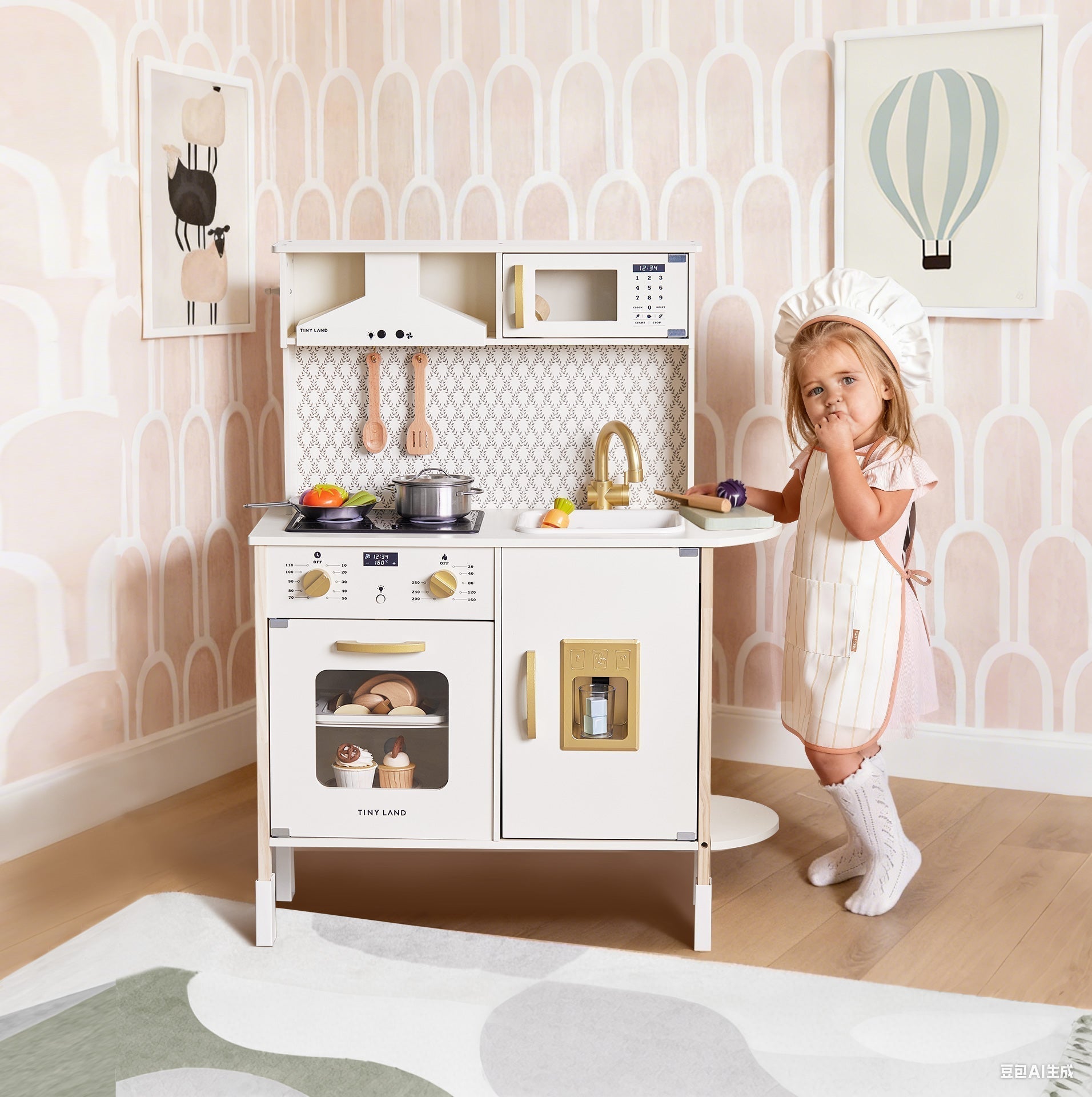
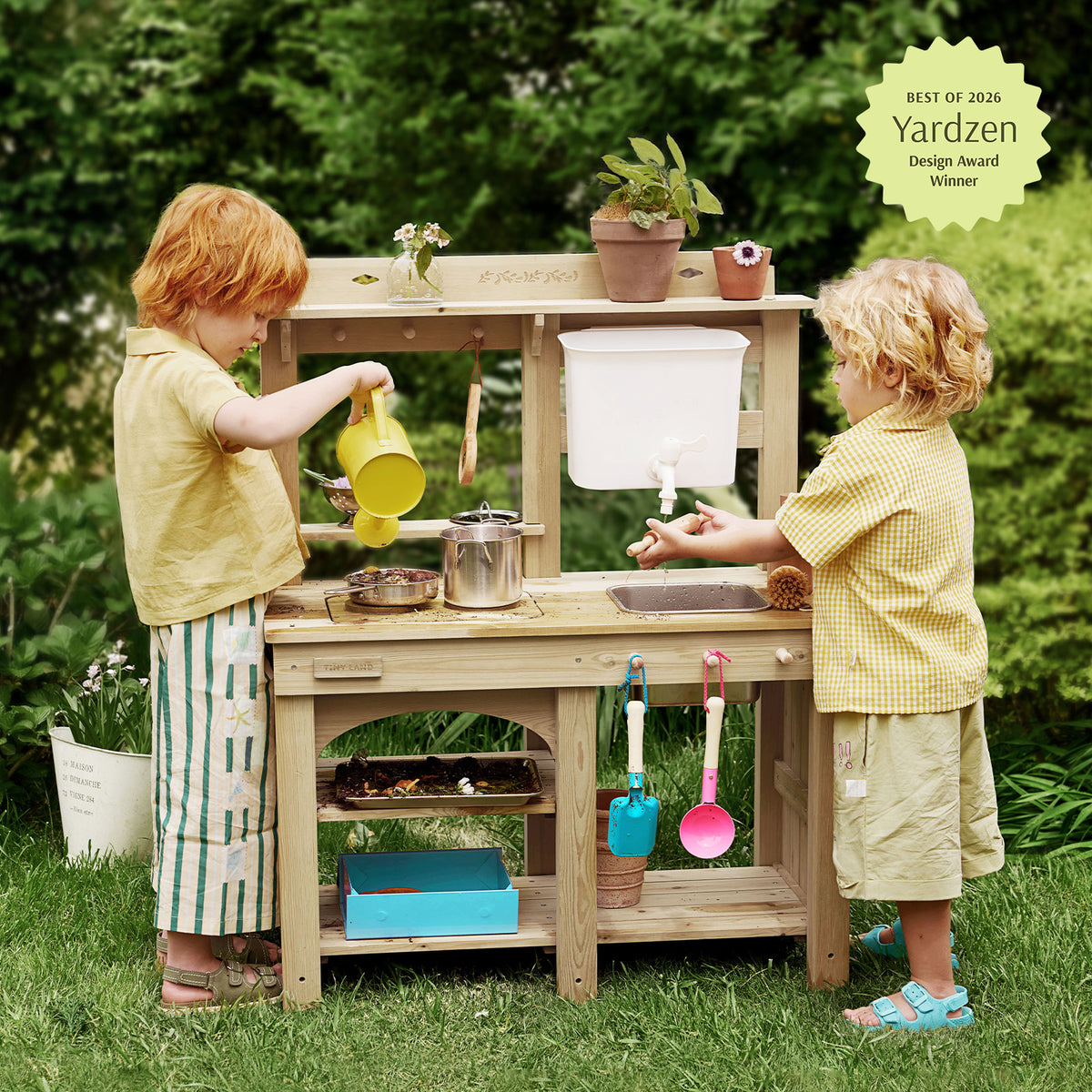
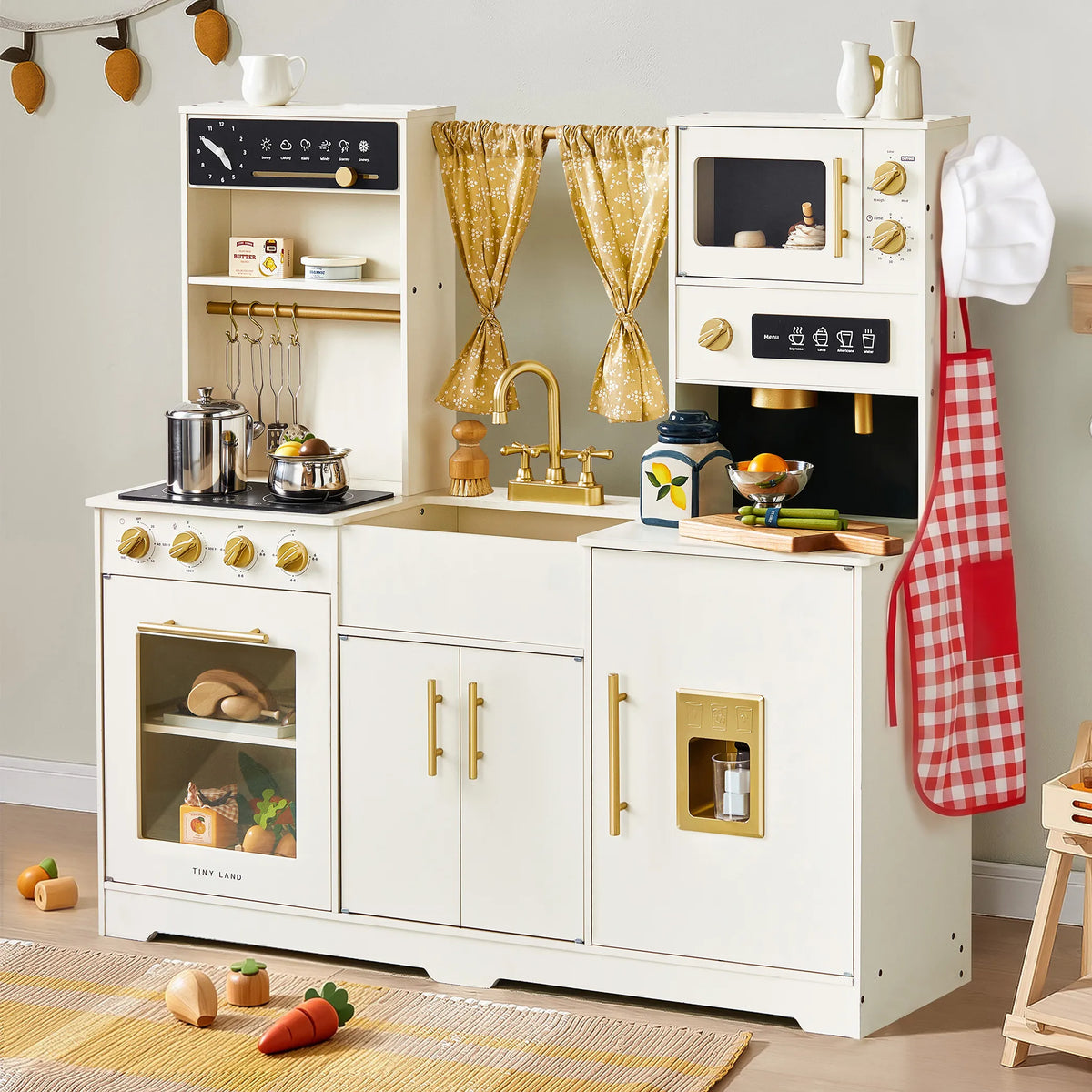
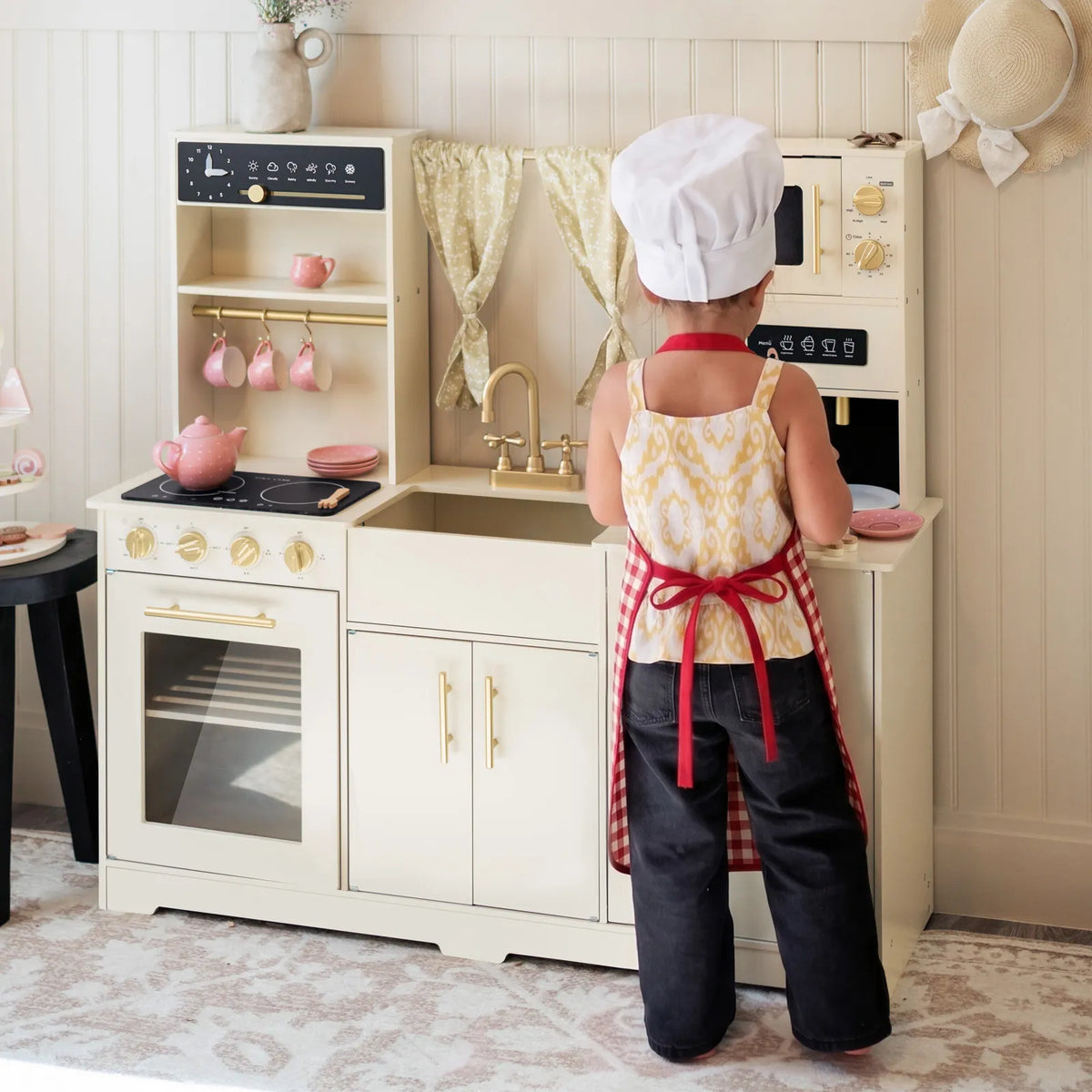
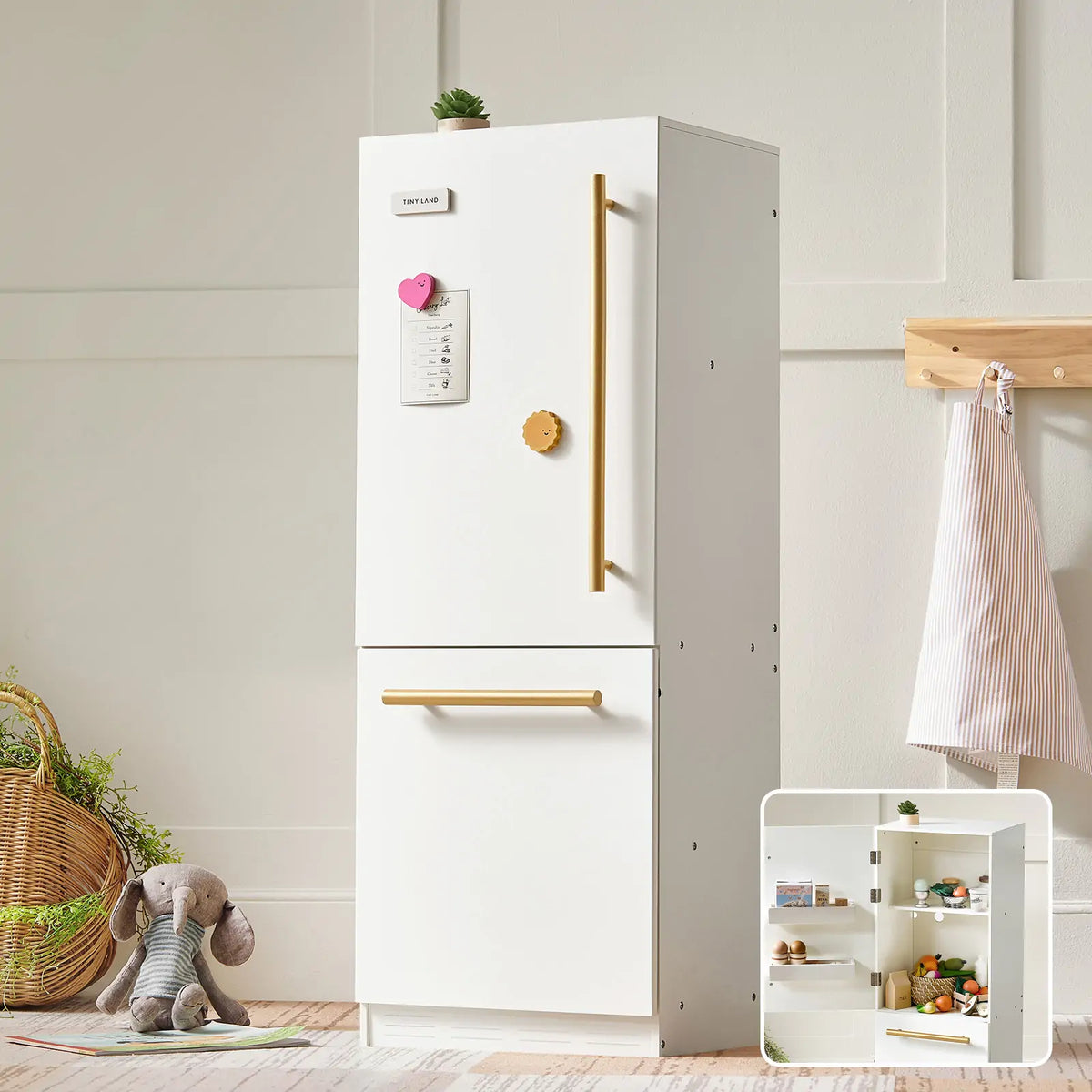
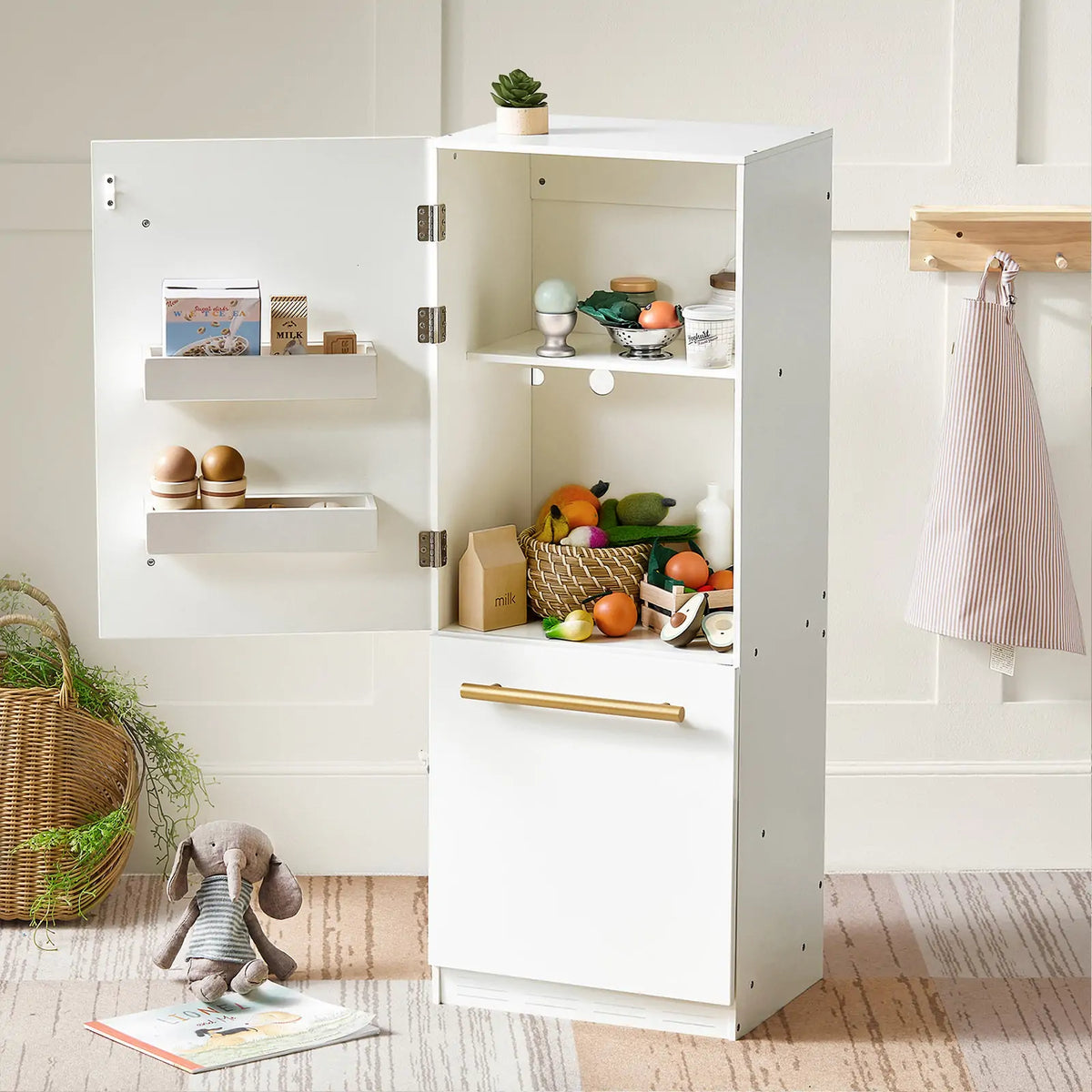
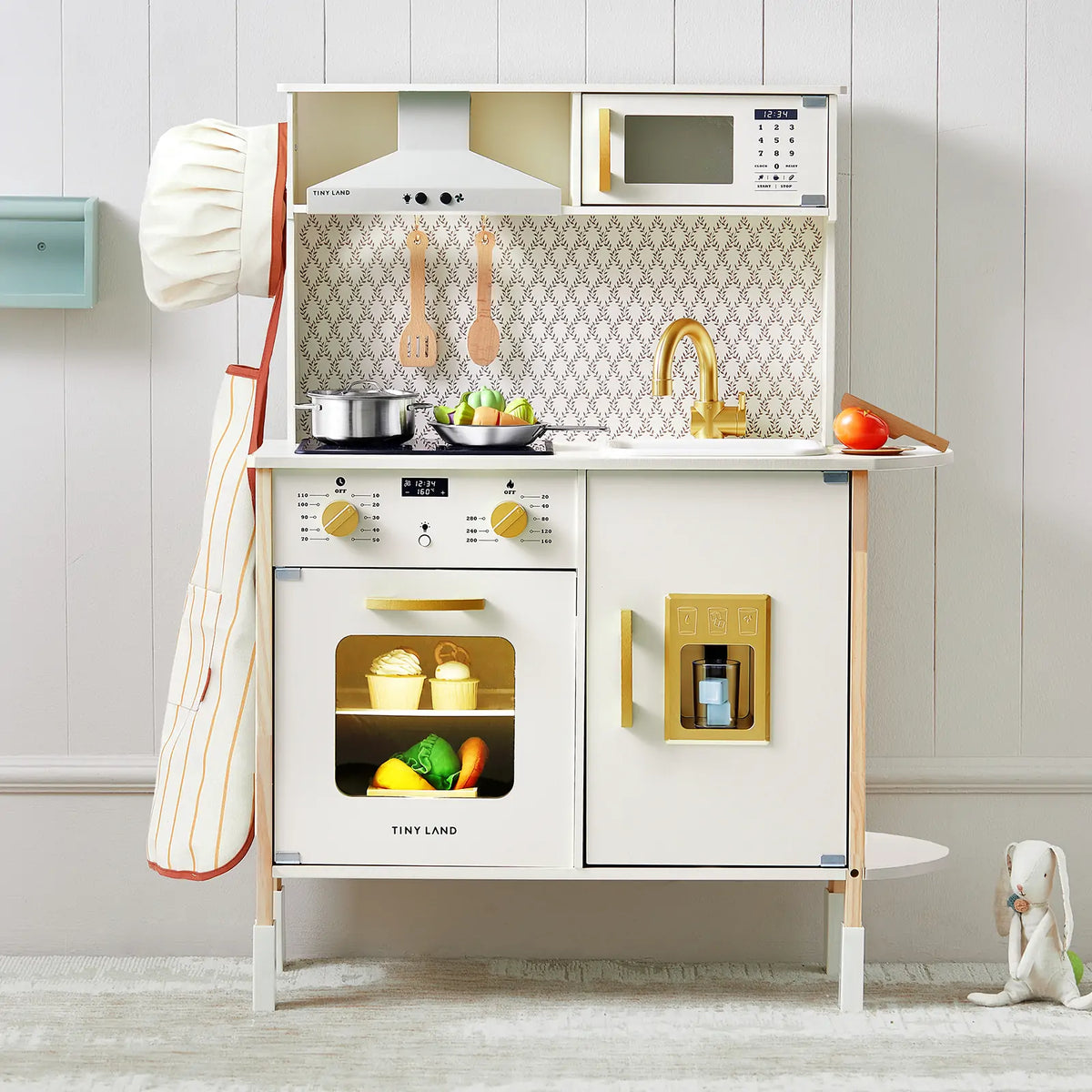
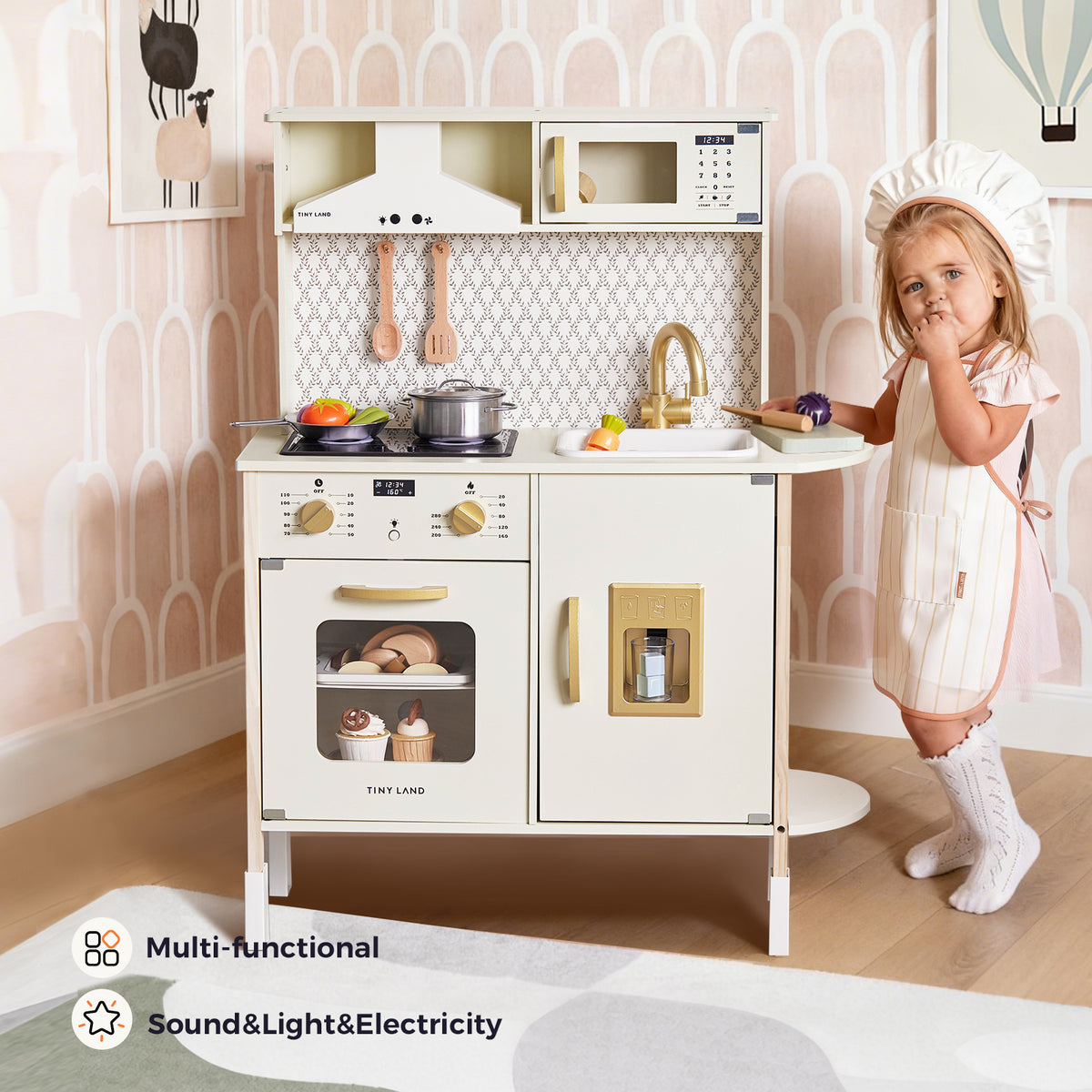
Pretend Play with Play Kitchens
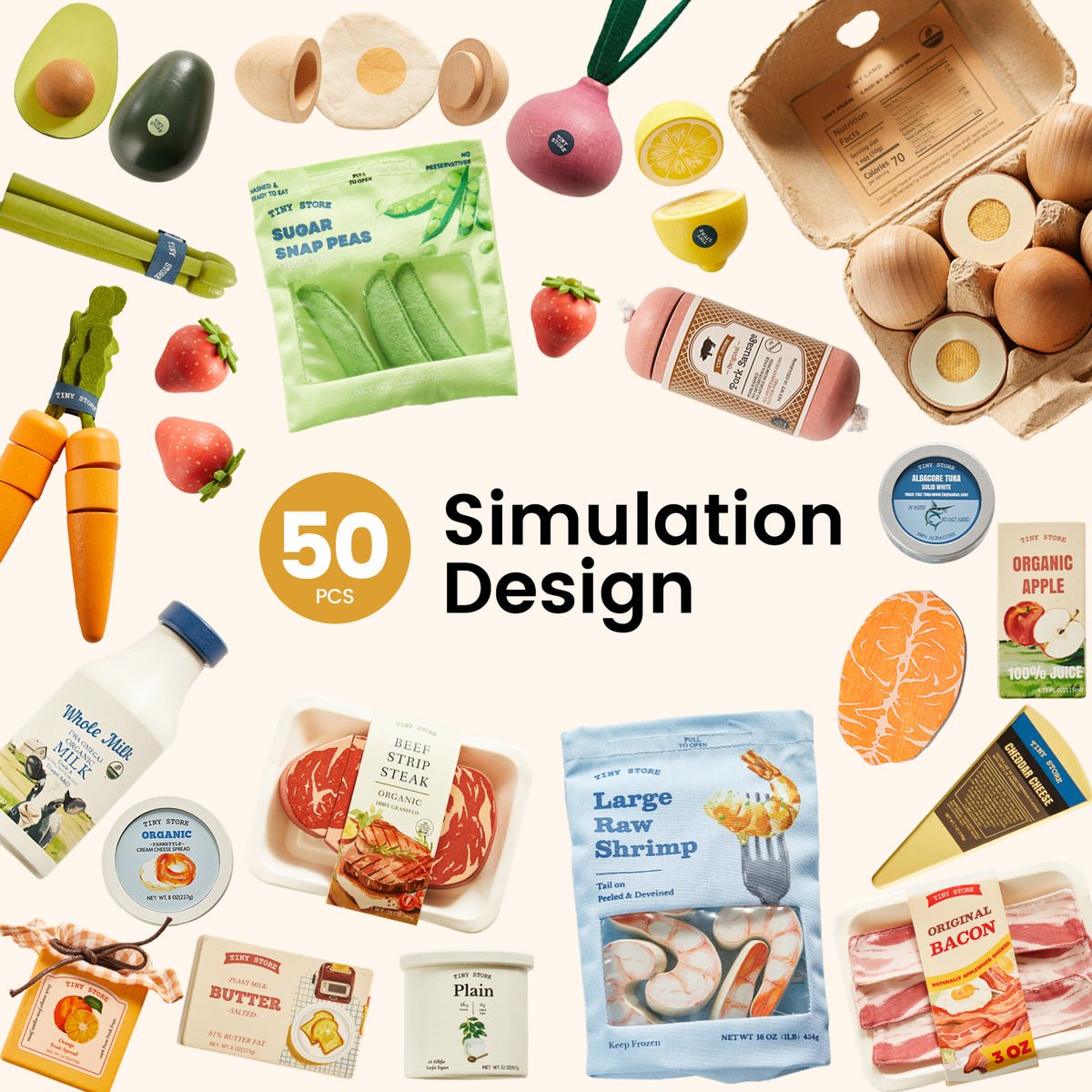
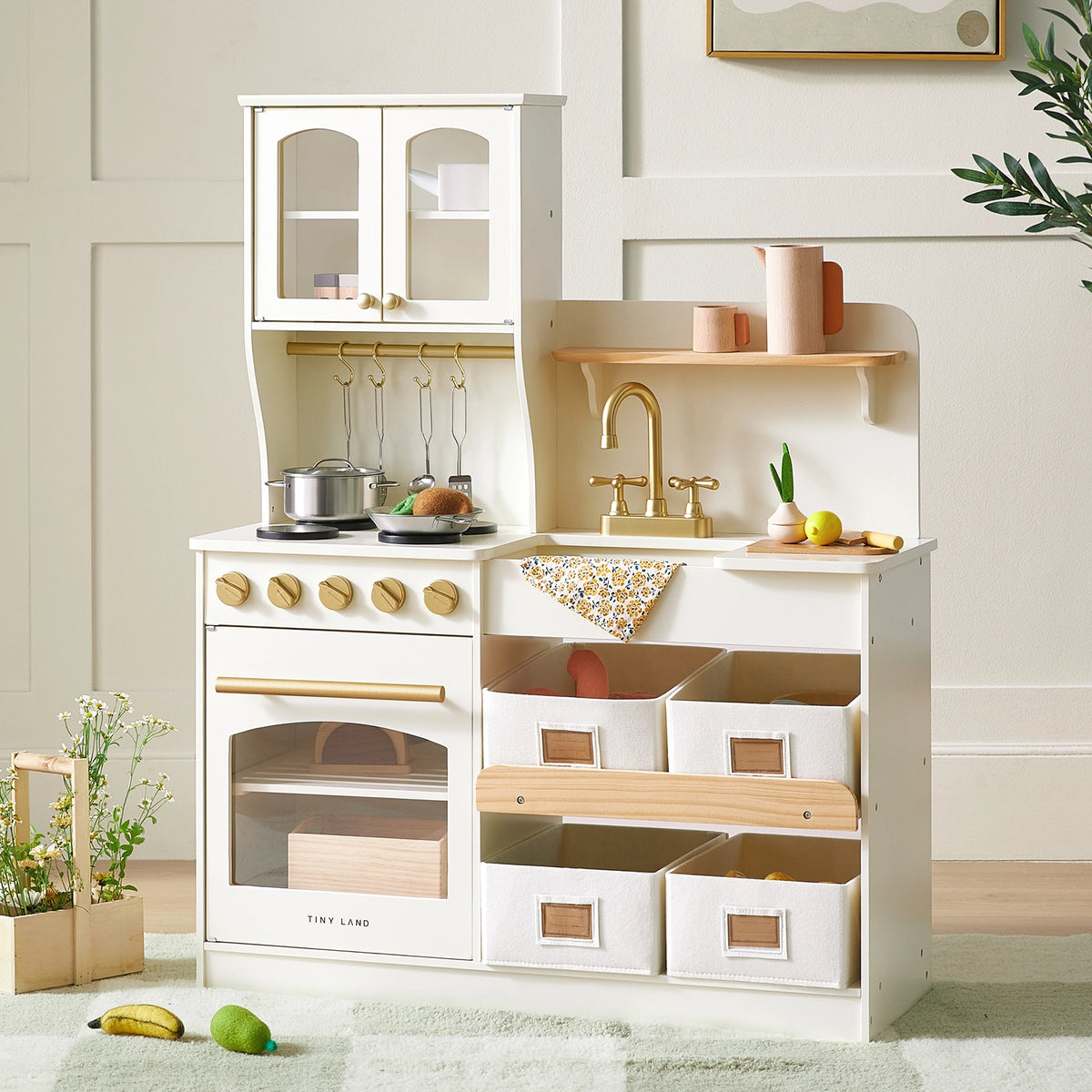
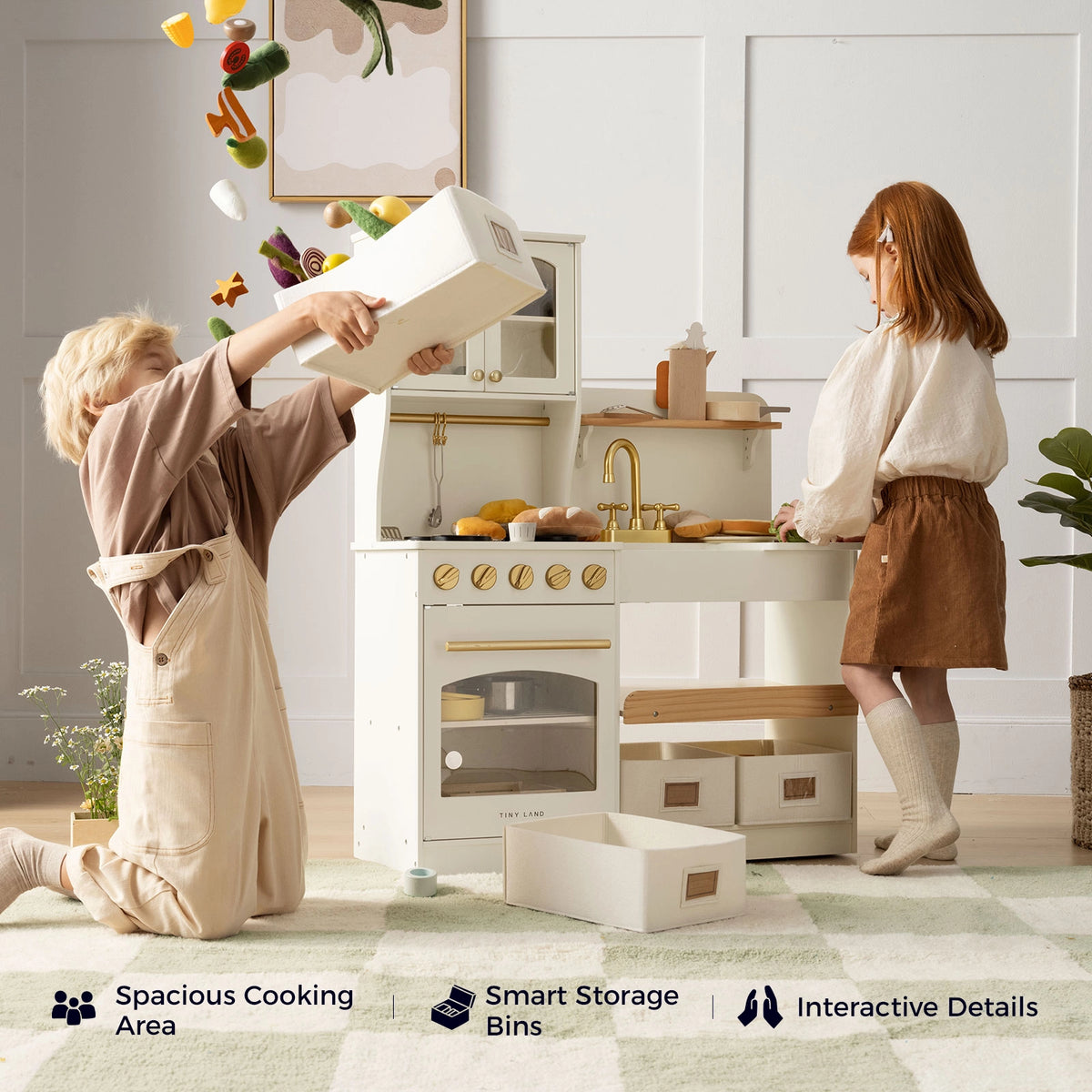
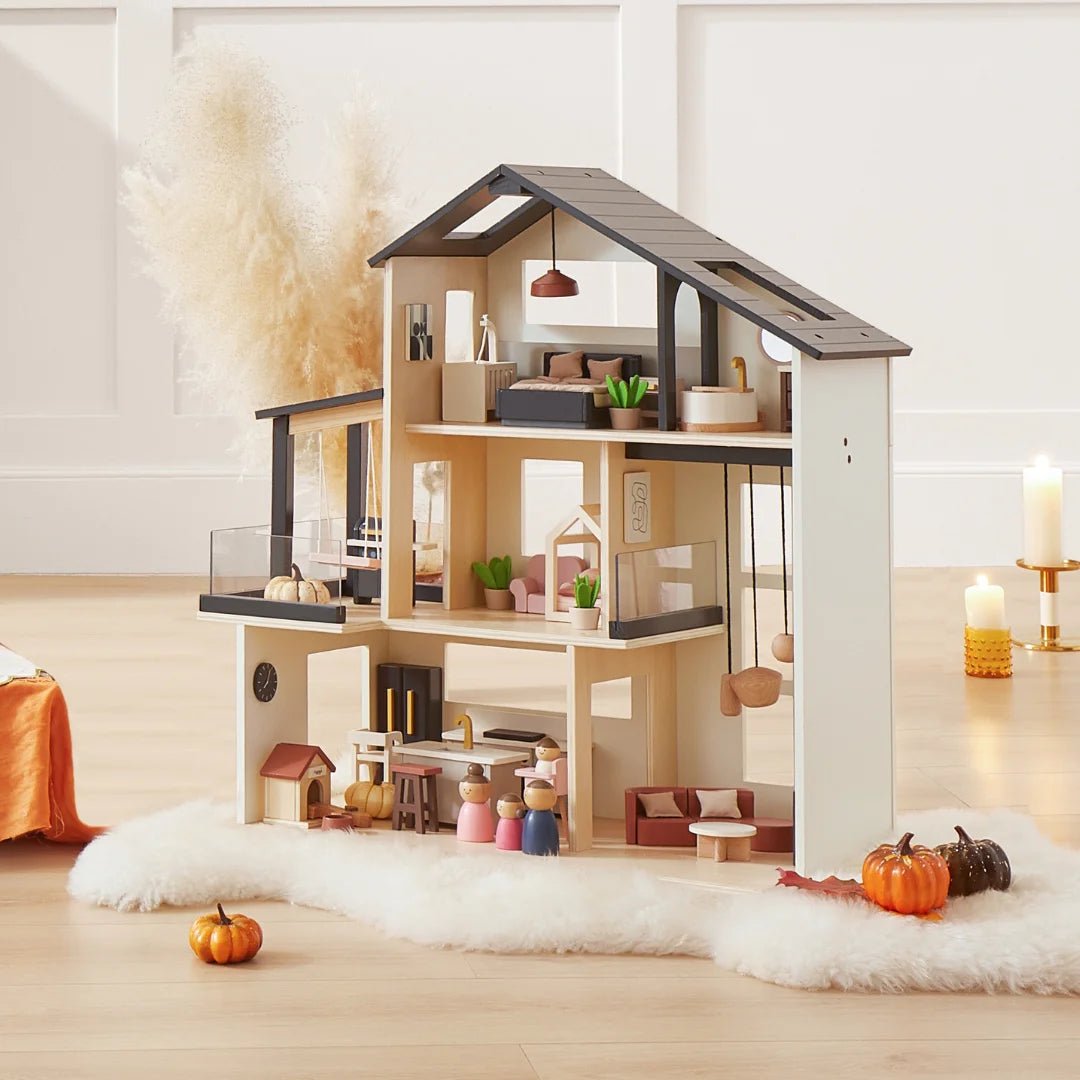
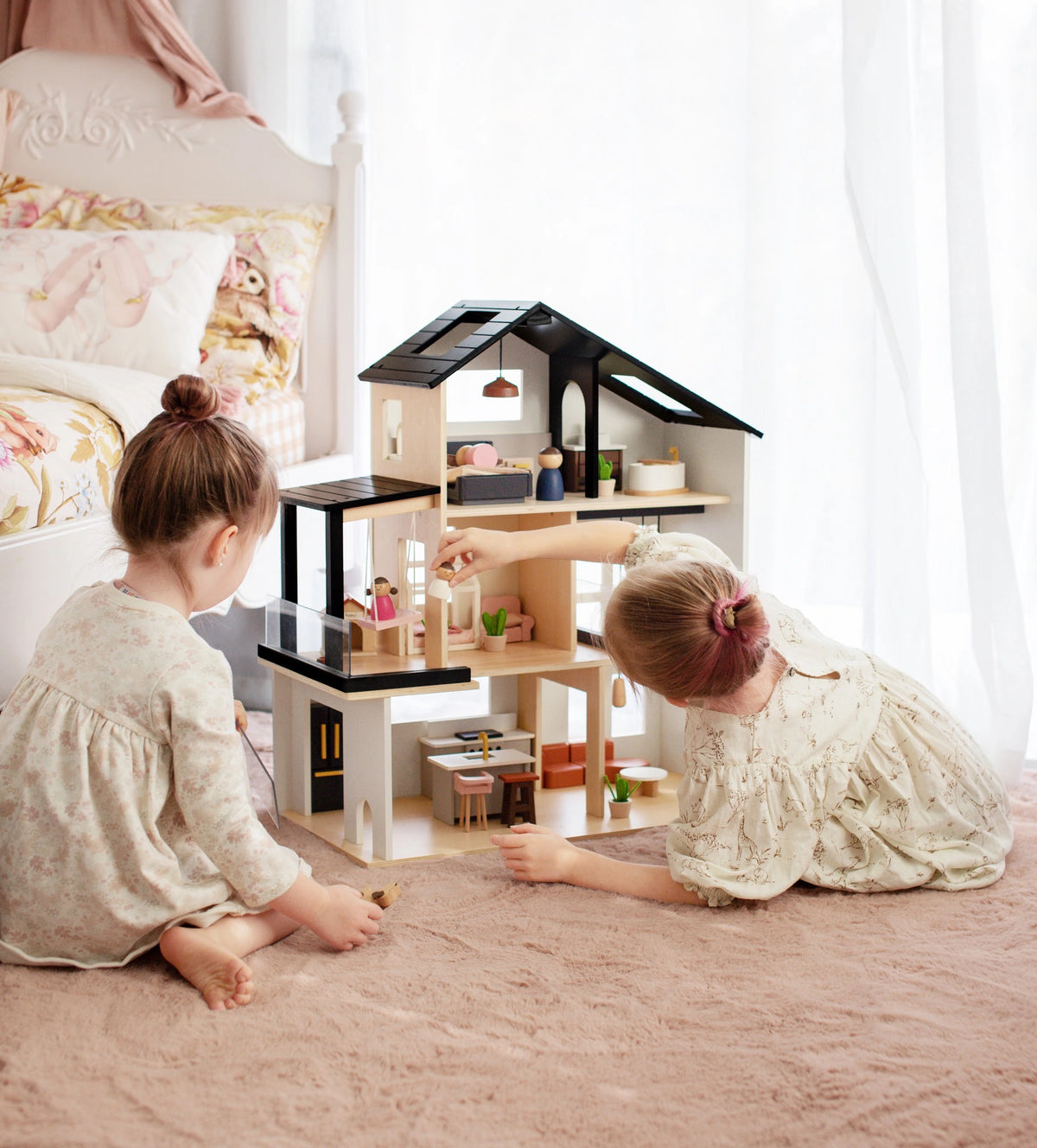
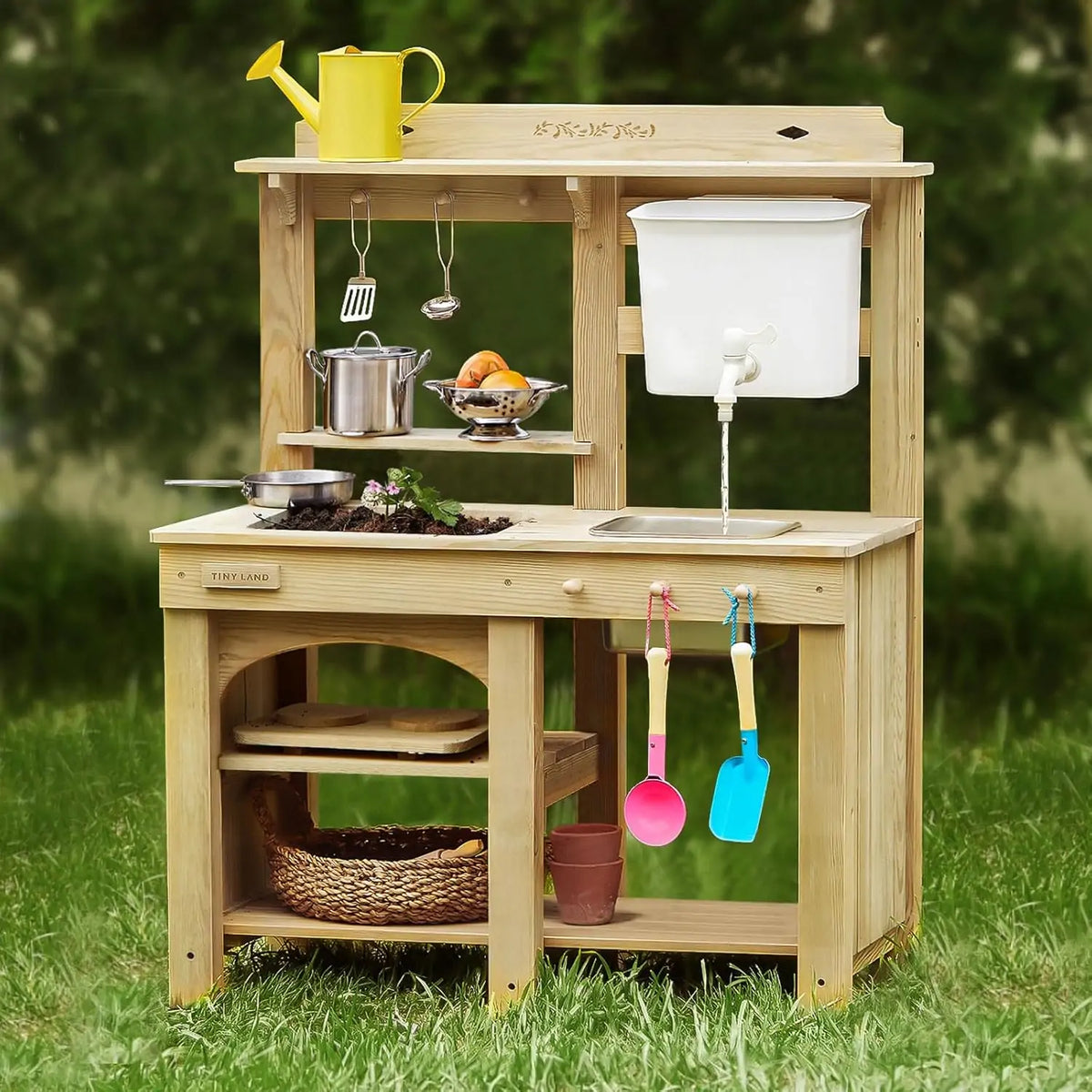
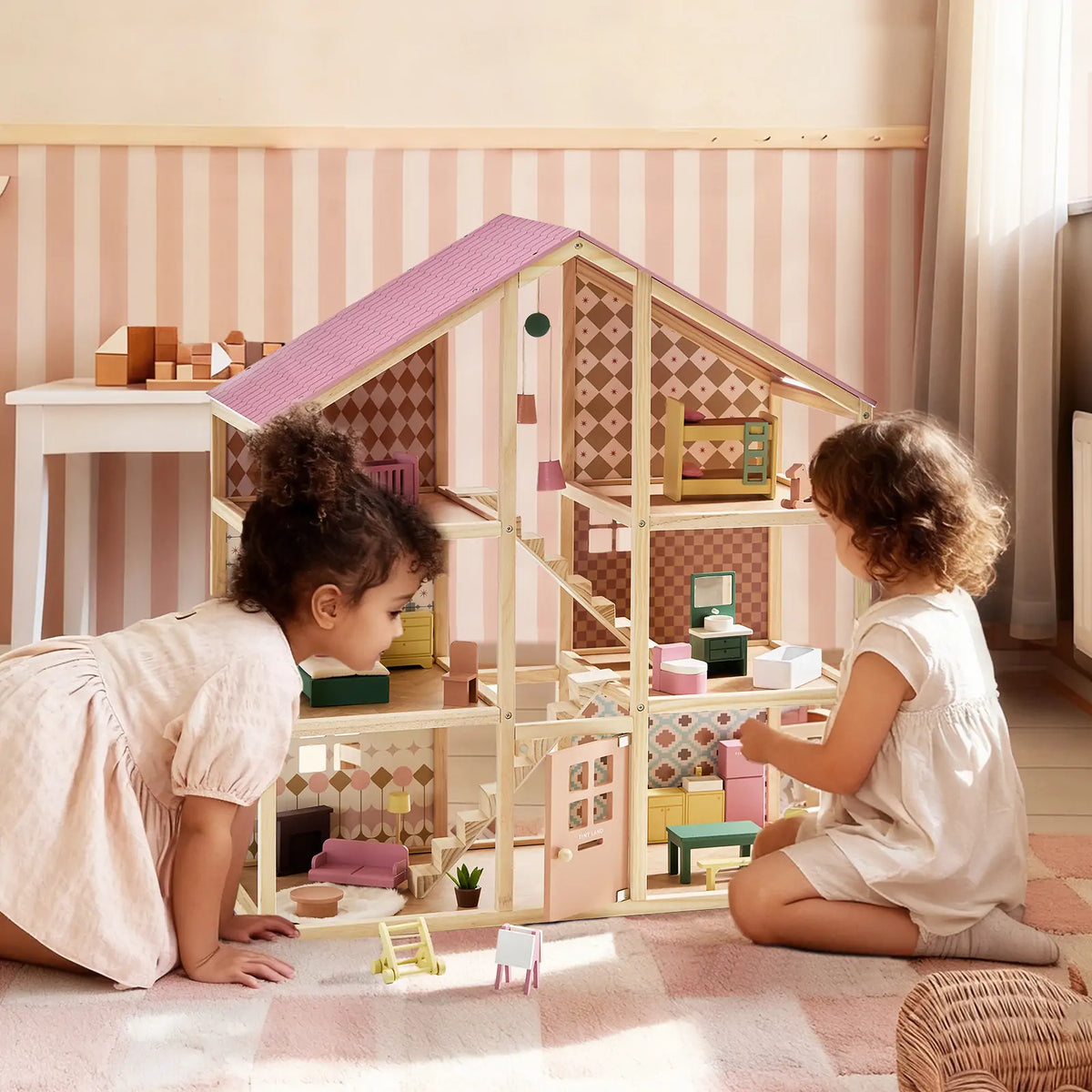
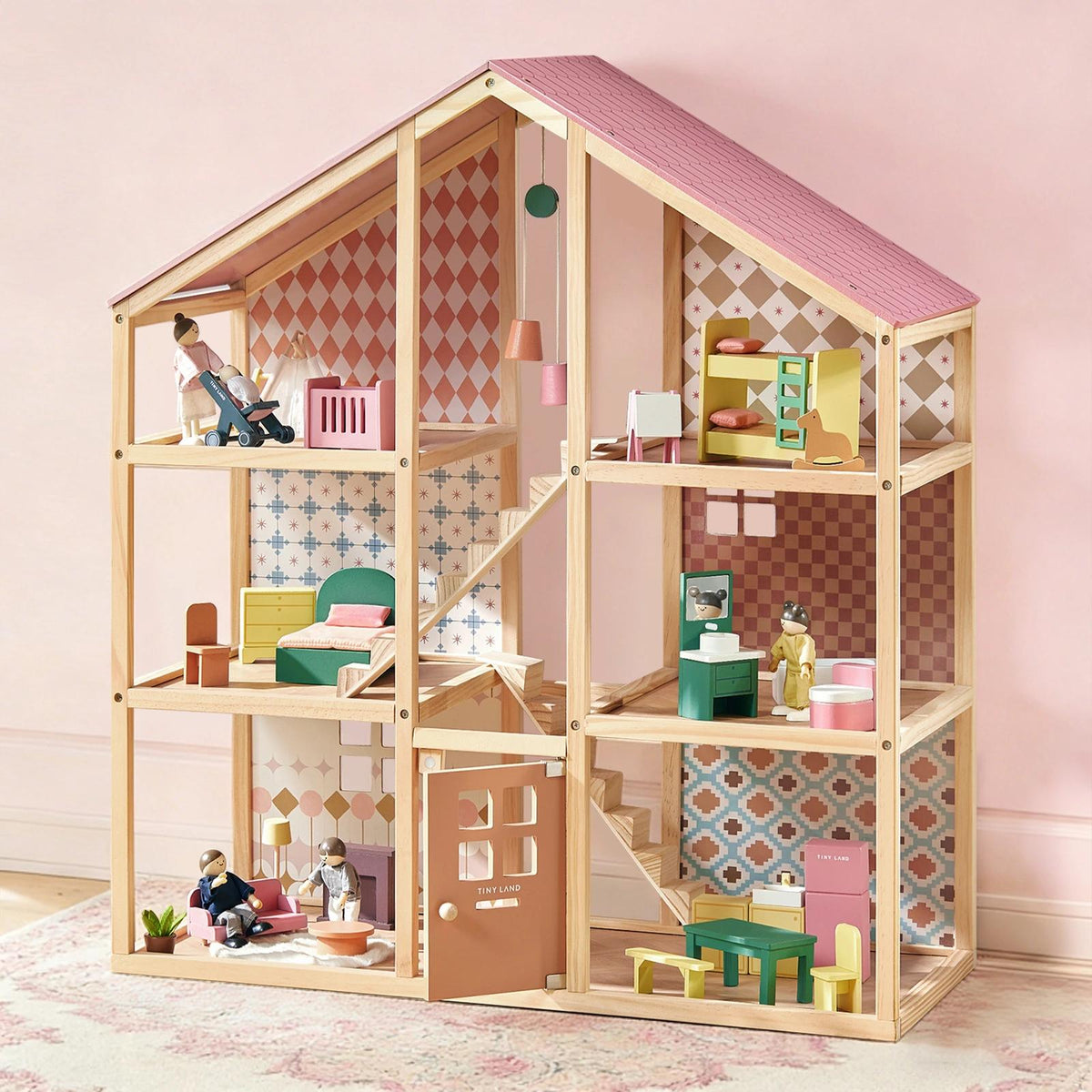
Many toddlers love to imitate everyday life. Play kitchens are one of the best toys for nurturing imagination and social play.
👉 Explore Play Kitchens — wooden sets that invite pretend cooking, role-play, and interactive fun.
Development benefits
- Boosts language development through shared pretend scenarios
- Enhances social interaction when playing with others
- Builds problem solving as toddlers navigate sequence and pretend sequences
Pretend play also gently expands memory, sequencing understanding, and cooperative interaction skills.

🧠 How to Choose Toys by Age Group — Smart, Simple Criteria
Whenever you decide what toy to bring home, ask:
✔️ Is it safe for their current abilities?
✔️ Does it support gross motor skills or fine motor skills?
✔️ Does it inspire language development, imagination, or social play?
✔️ Is it made with safe, non toxic materials?
✔️ Will it still be interesting next month?
Making these checks ensures the toy truly fits your child’s age group and developmental stage.
🌈 Playful Growth: Beyond the Toy
Remember, toys are tools — you are the most important part of playtime. Talk with your child as they explore, describe what they’re doing, and celebrate small achievements. A peek at how they stack wood blocks, or draw on their art board (or easel), becomes a moment of connection — not just play.

🧸 Final Thoughts: Toys That Support Lifelong Learning
Choosing baby toys by age doesn’t have to be complicated. Focus on how toys support:
✔️ Hand-eye coordination
✔️ Problem solving
✔️ Language development
✔️ Gross motor skills
✔️ Social interaction
From sensory toys for newborns to dynamic play kitchens for busy toddlers, each stage provides opportunities to learn and grow.
Visit Tiny Land collection of Active Toys, Kids Easels, Baby Walkers, and Play Kitchens to find the best toys that match your baby’s developmental journey — and make playtime truly meaningful.