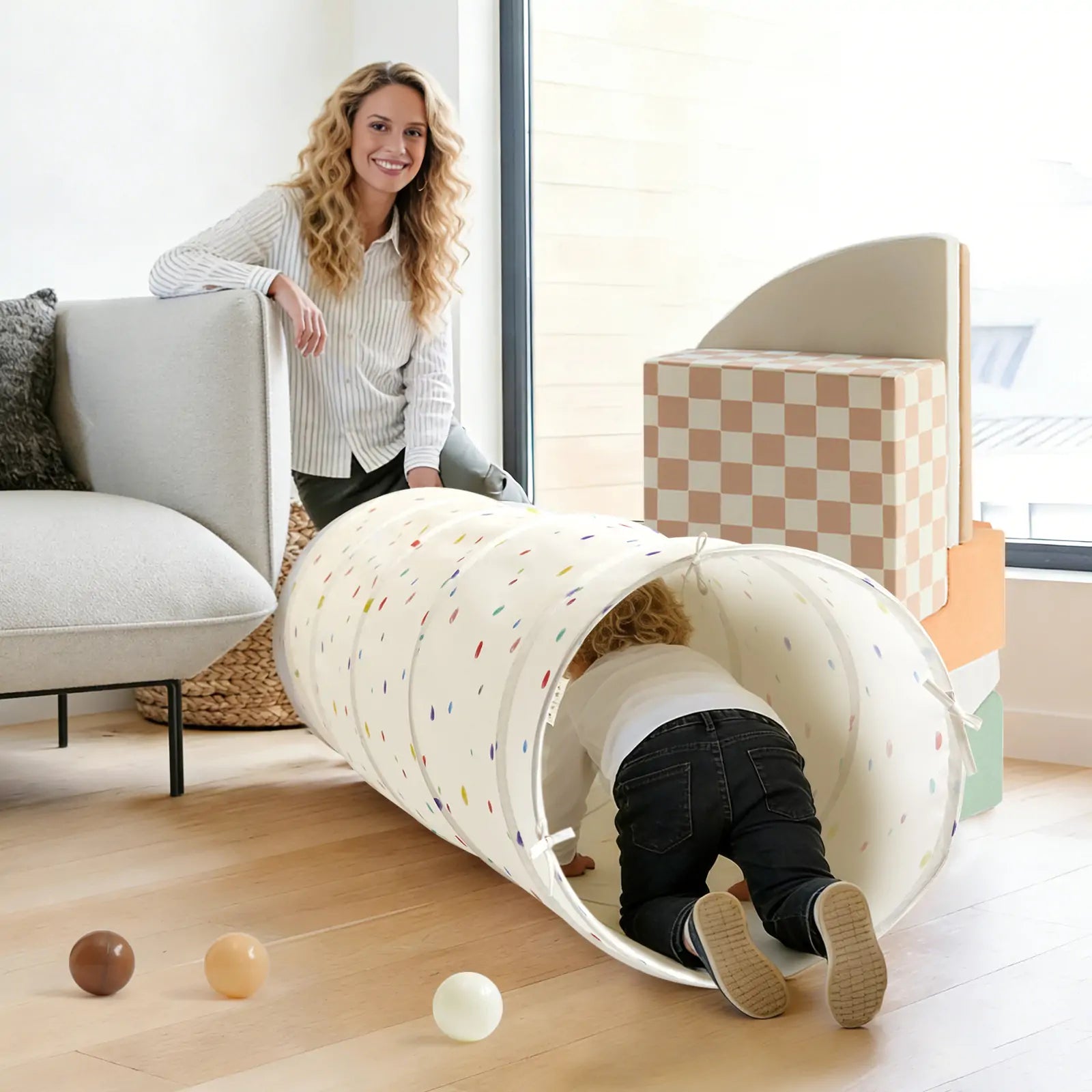



If you’ve ever watched a toddler play with a play tunnel, you may notice something right away:
They rarely crawl through just once.
Instead, they go in and out repeatedly, turn around halfway, hide inside, bring toys through, and repeat the same movement again and again.
To adults, it may look simple. But for young children, a toddler play tunnel is much more than a toy — it’s a space for movement, independence, exploration, and emotional comfort.
In this article, we explore why toddlers are naturally drawn to tunnel play and how it supports early childhood development.

Why Toddlers Are Drawn to Play Tunnels
Young children experience the world differently from adults. They explore close to the ground, move through space physically, and are naturally attracted to small, enclosed environments.
A play tunnel feels:
- adventurous yet safe
- exciting but not overwhelming
- calming and familiar
- open-ended and child-led
Unlike structured toys or guided activities, a sensory play tunnel allows toddlers to move freely at their own pace. There is no “right way” to play — which is exactly why children often return to it again and again.
Sometimes, the simplest play spaces become the most inviting ones.

How Crawling in Tunnels Supports Early Development
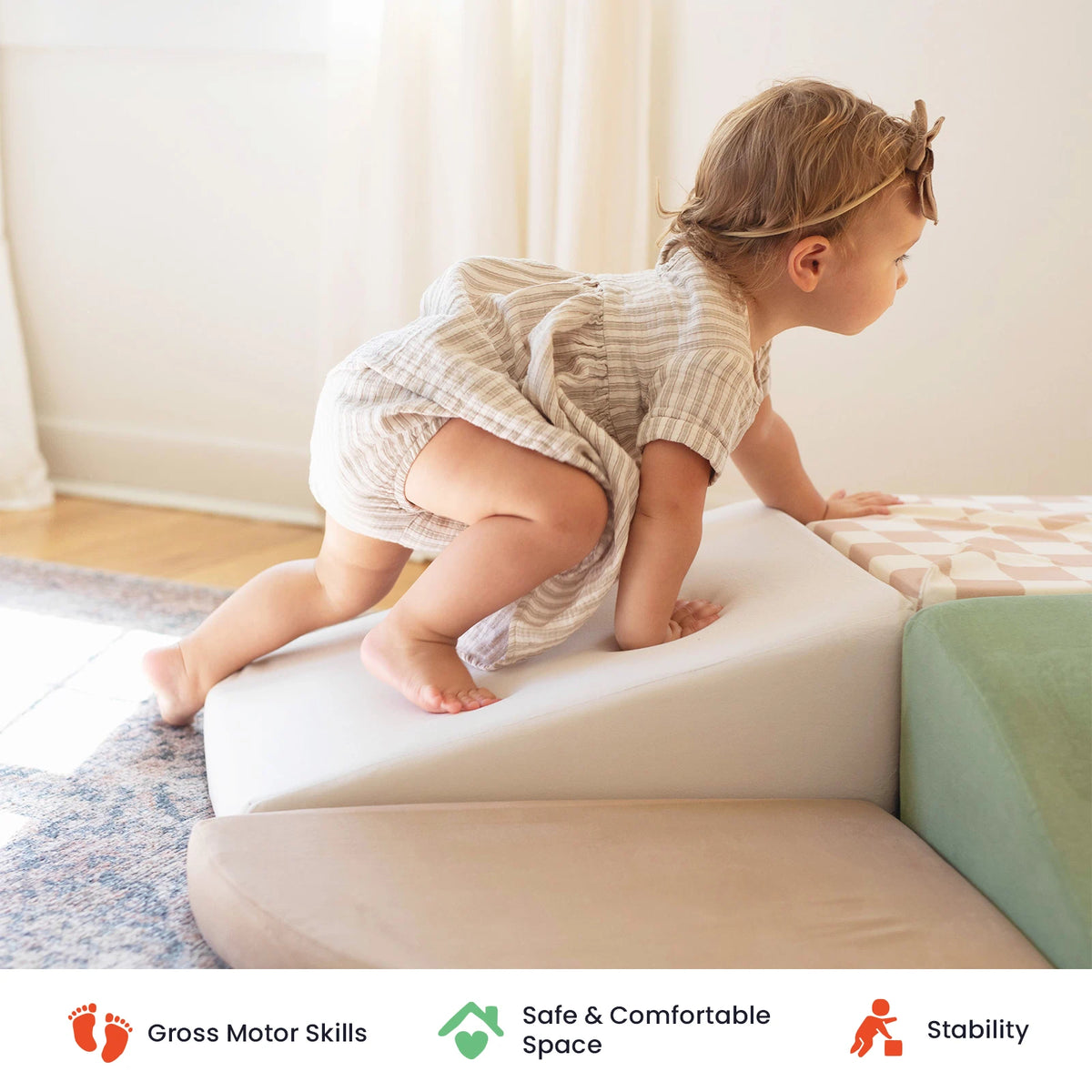
Toddlers are not “exercising” when they crawl through a tunnel — they are building essential movement and brain-body connections.
Tunnel play supports the development of:
- core strength
- coordination and balance
- spatial awareness
- bilateral coordination (using both sides of the body together)
- motor planning skills
As children crawl forward, turn around, duck down, or back out of a tunnel, they are constantly learning how their body moves in space.
They also naturally begin problem-solving through movement:
- How do I fit through this space?
- Can I carry something inside with me?
- What happens if I move backward?
This is why many experts in early childhood development and pediatric occupational therapy encourage crawling-based, movement-rich activities during the toddler stage.

Why Repetition In Active Play Is So Important
Adults often assume children need variety to stay engaged.
But toddlers learn differently — they learn through repetition.
Repeating the same movement helps children:
- build confidence
- strengthen motor patterns
- feel capable and in control
- develop independence
A toddler play tunnel is especially powerful because it supports repetition without becoming boring.
Children constantly change how they interpret the same space:
One day it becomes a secret cave.
Another day it’s a train tunnel, a racetrack, a puppy house, or a quiet reading corner.
The structure stays the same — but the imagination keeps evolving.
This is the essence of open-ended play.

Emotional Benefits of Play Tunnels
Beyond physical development, tunnel play also supports emotional well-being.
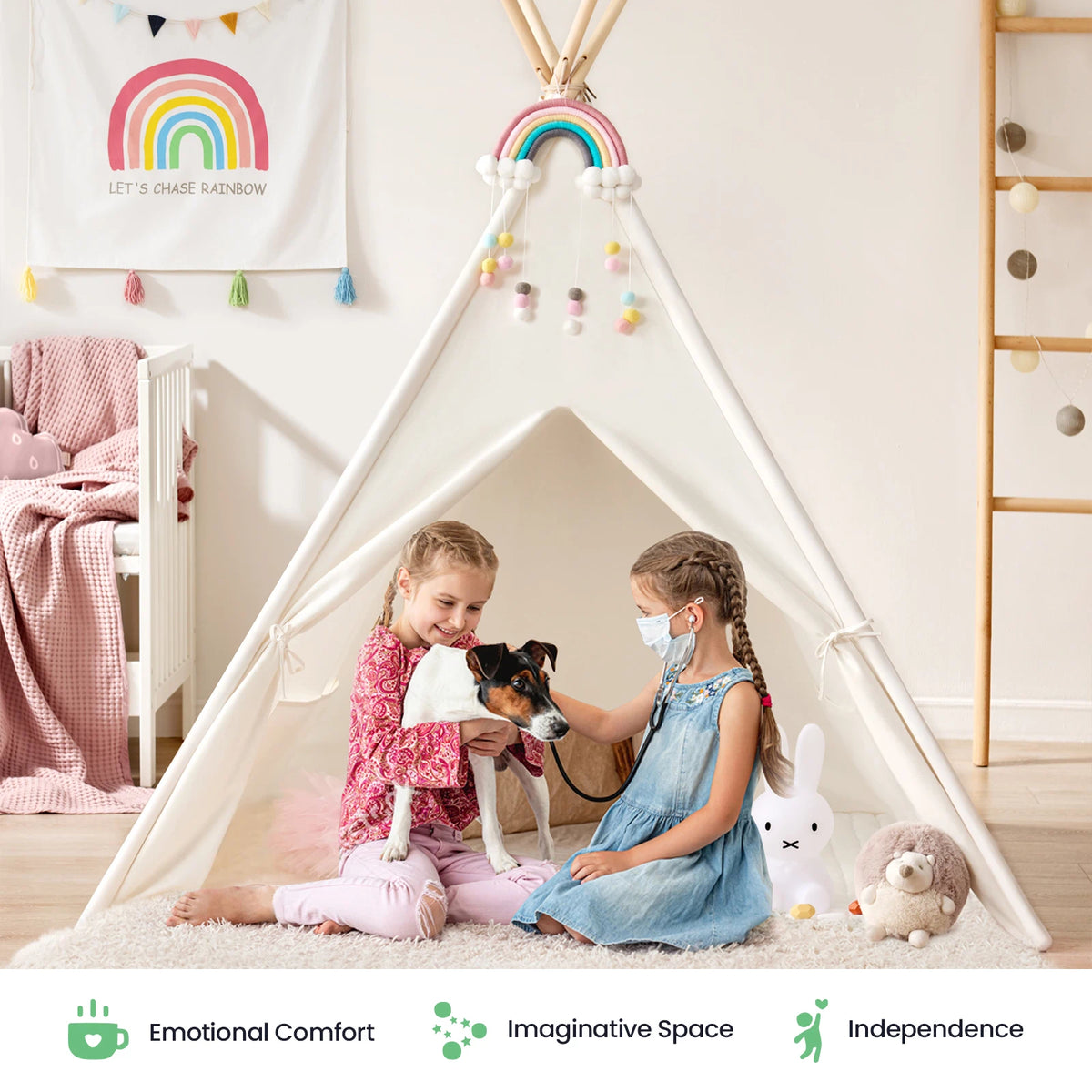
Small enclosed spaces often feel naturally comforting to young children. Similar to forts, tents, or cozy reading corners, a tunnel creates a sense of personal space that feels predictable and safe.
For toddlers, this can support:
- independent play
- emotional regulation
- sensory breaks
- confidence during exploration
Many parents notice that children don’t just “use” tunnels — they return to them throughout the day, sometimes even sitting quietly inside as a way to reset.
It’s not about stimulation. It’s about comfort.

Why Simple Play Tunnels Work Best for Toddlers
When it comes to indoor active play for toddlers, simplicity often works best.
Overly complex obstacle structures can feel overwhelming or frustrating for younger children. A soft, simple tunnel feels approachable, inviting, and easy to explore independently.
It encourages:
- free movement
- imaginative play
- repeated practice
- confidence-building
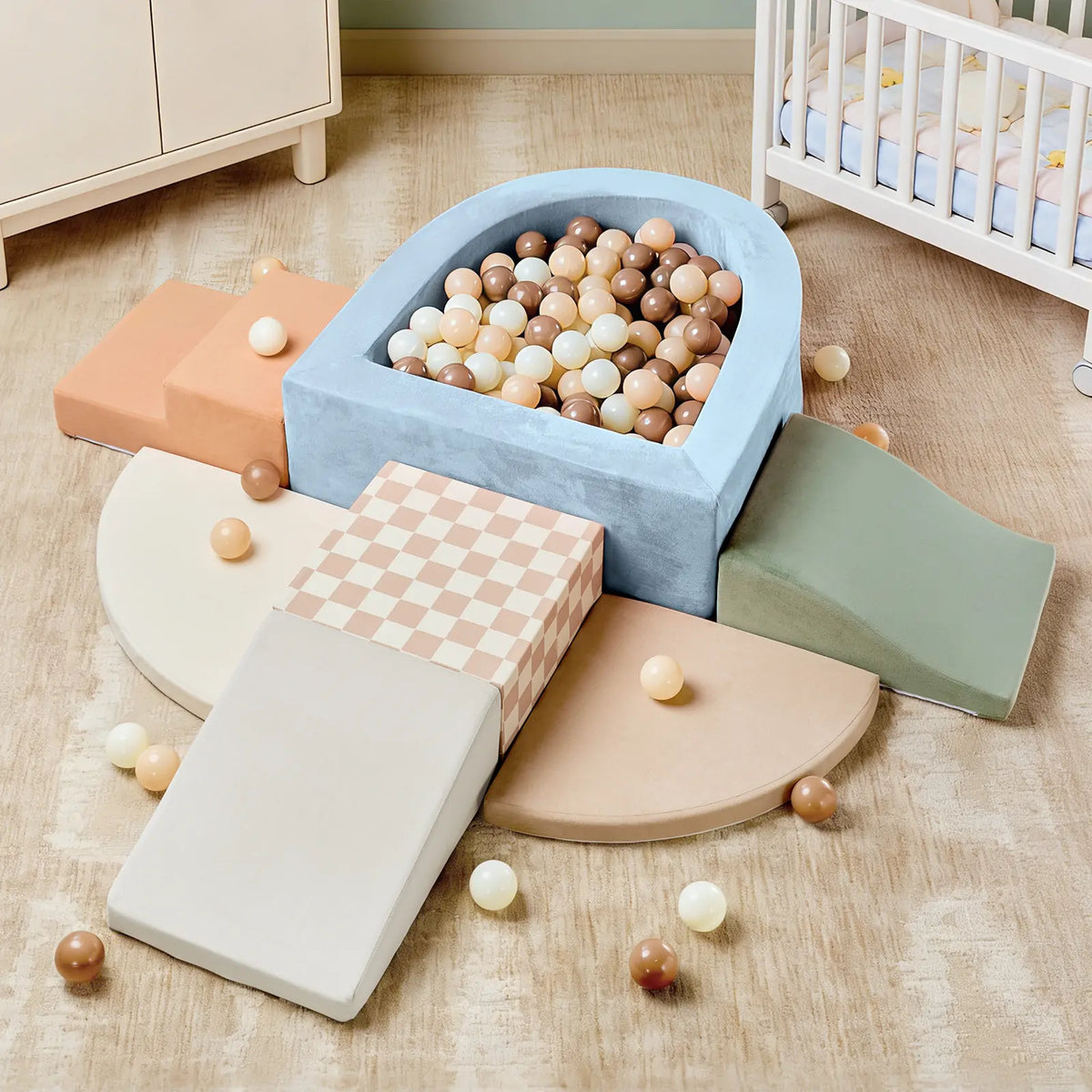
Because tunnels are lightweight and flexible, they can easily become part of everyday home play — paired with floor cushions, play tents, or open living room space on a rainy afternoon.

A Space Designed for Exploration
At Tiny Land, we believe the best toys are not the ones with the most rules — but the ones that give children space to move, imagine, and explore freely.
That’s why our new polka dot play tunnel was designed to feel soft, simple, and inviting — supporting open-ended play that grows with your child through different stages of early development.
Because for toddlers, a tunnel is never just a tunnel.