
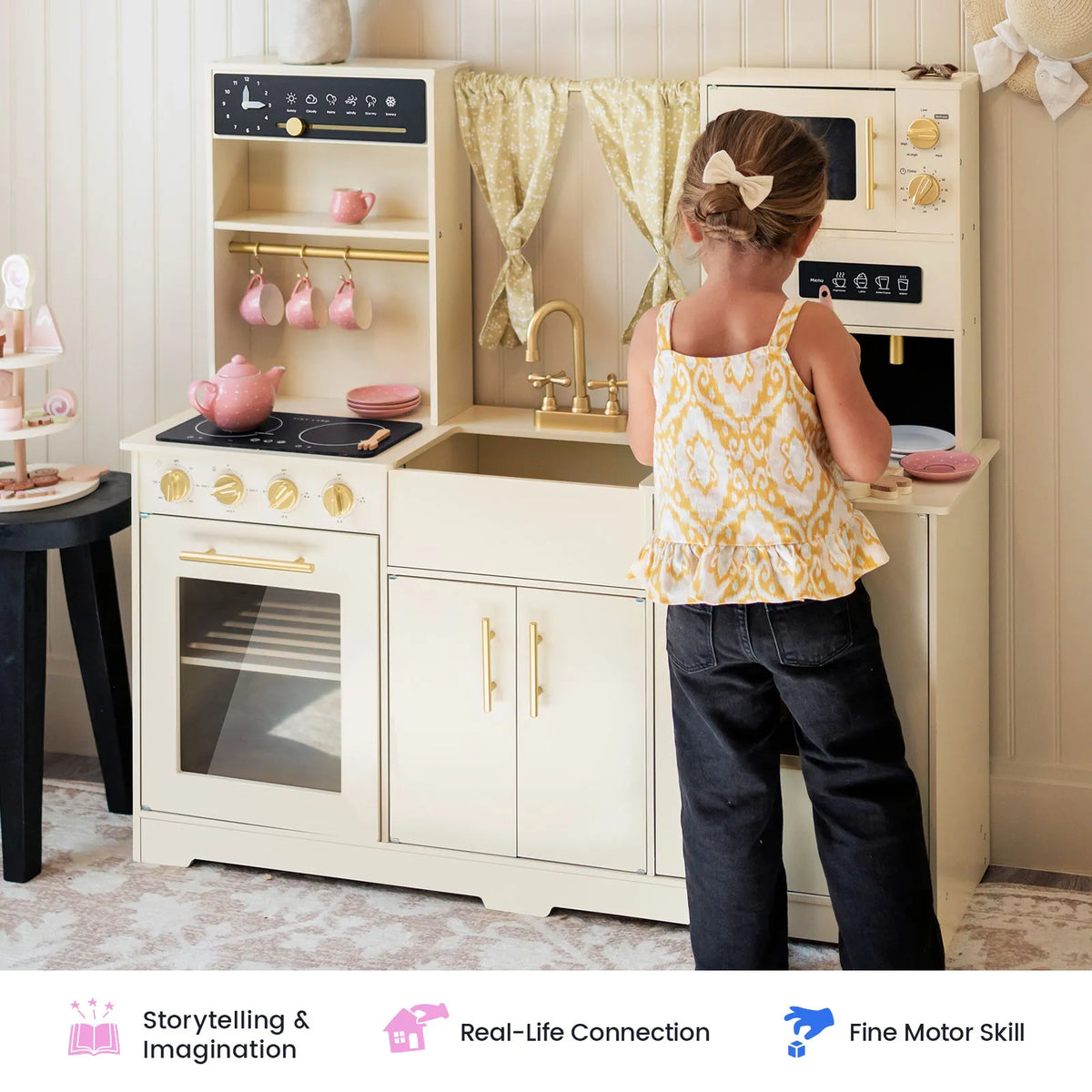
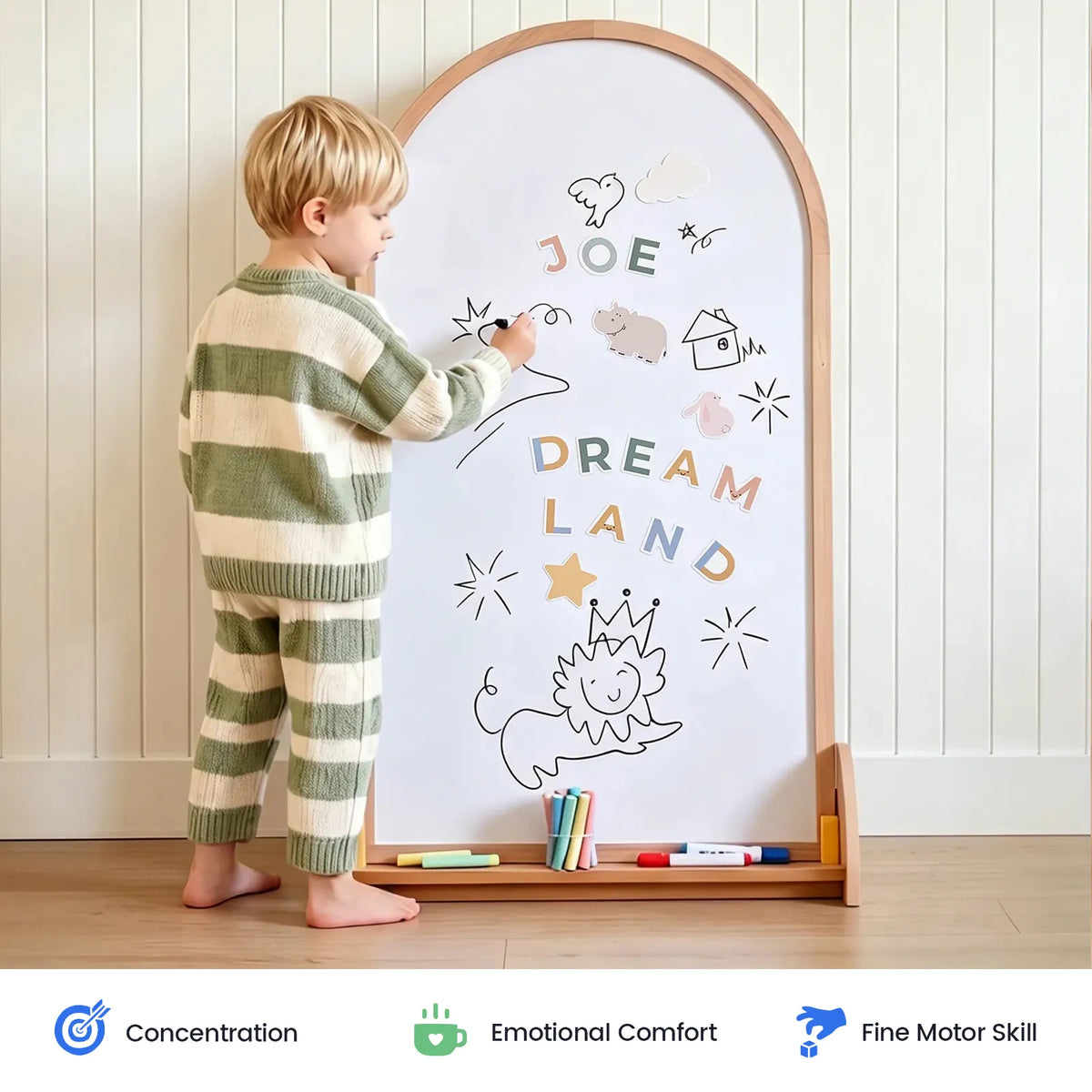
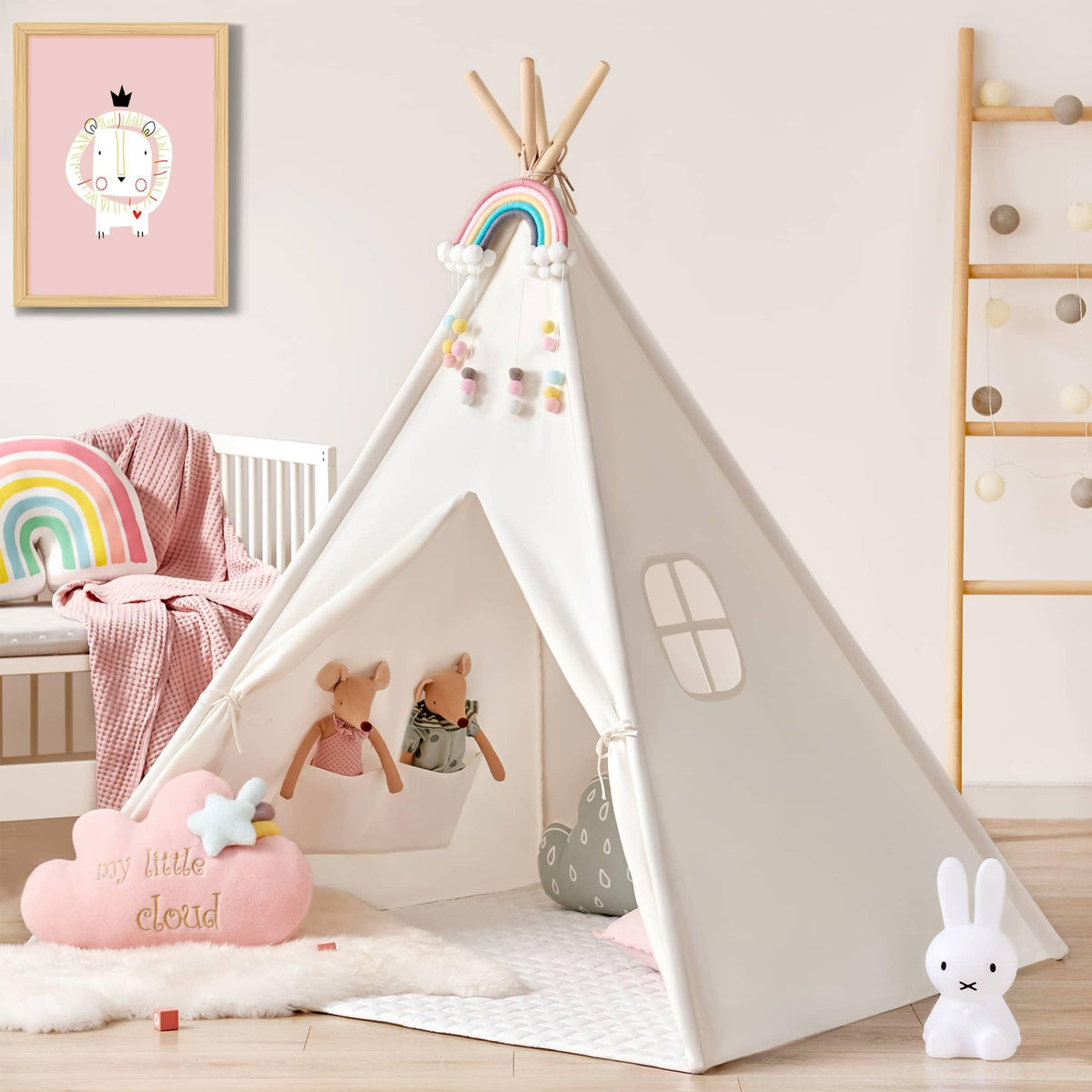

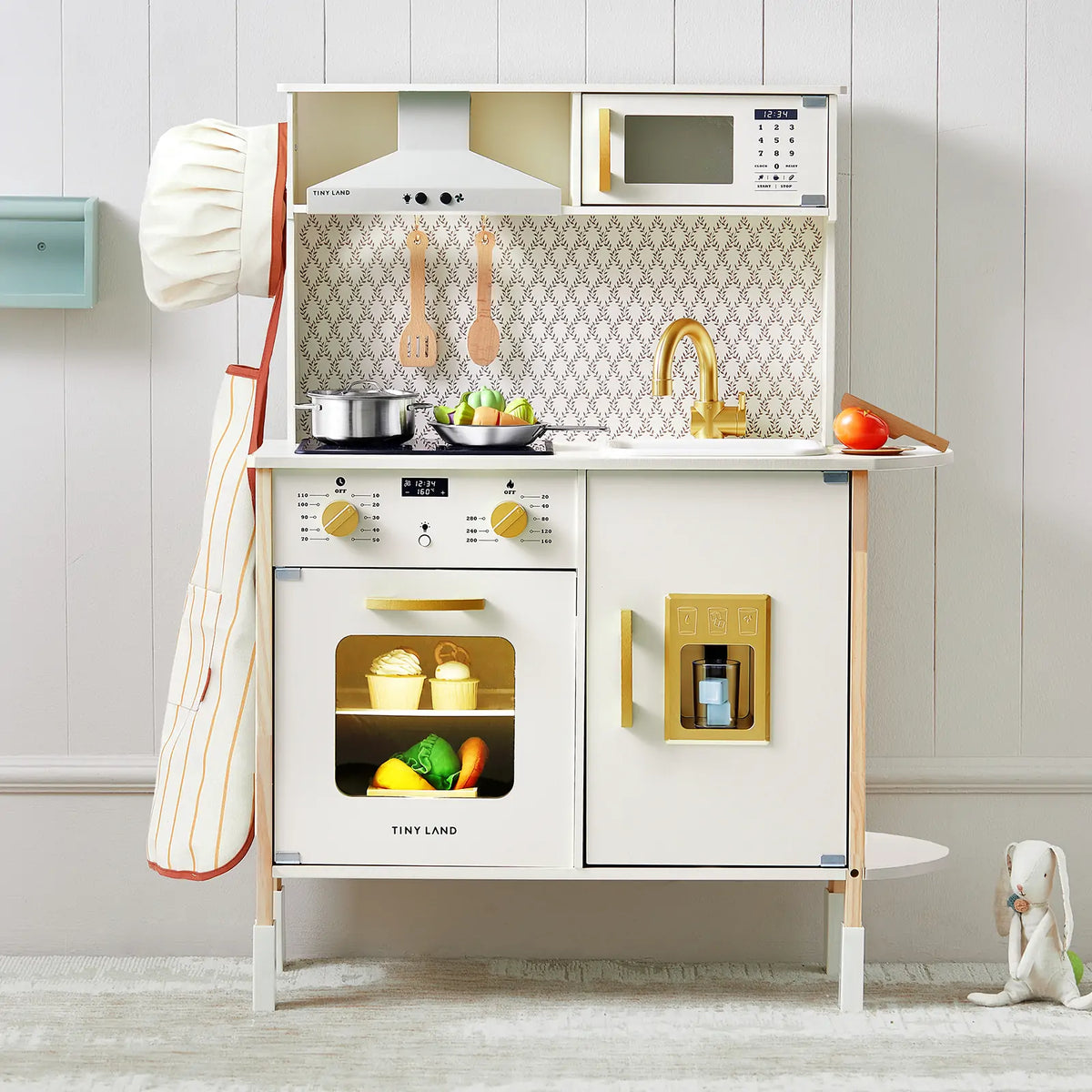
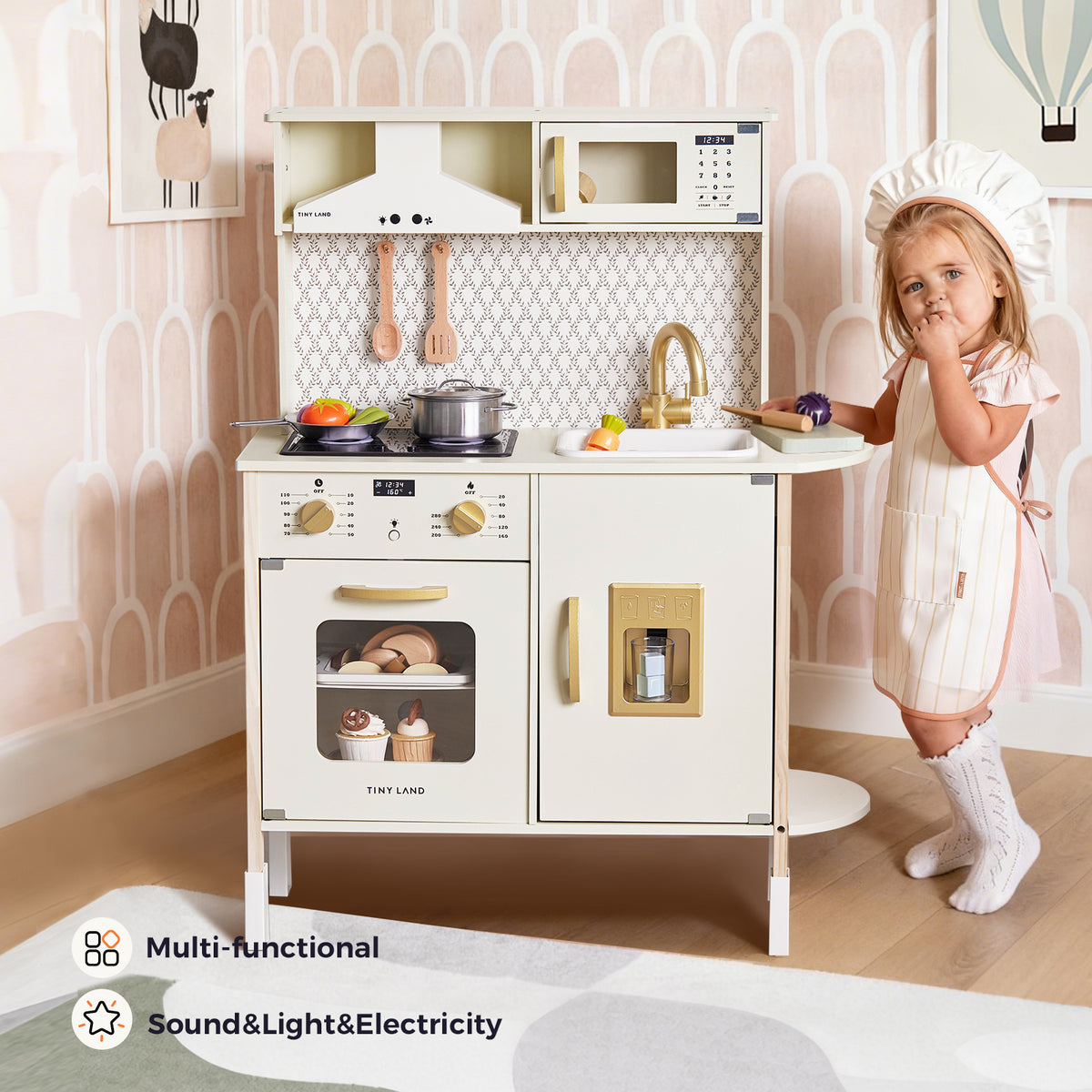


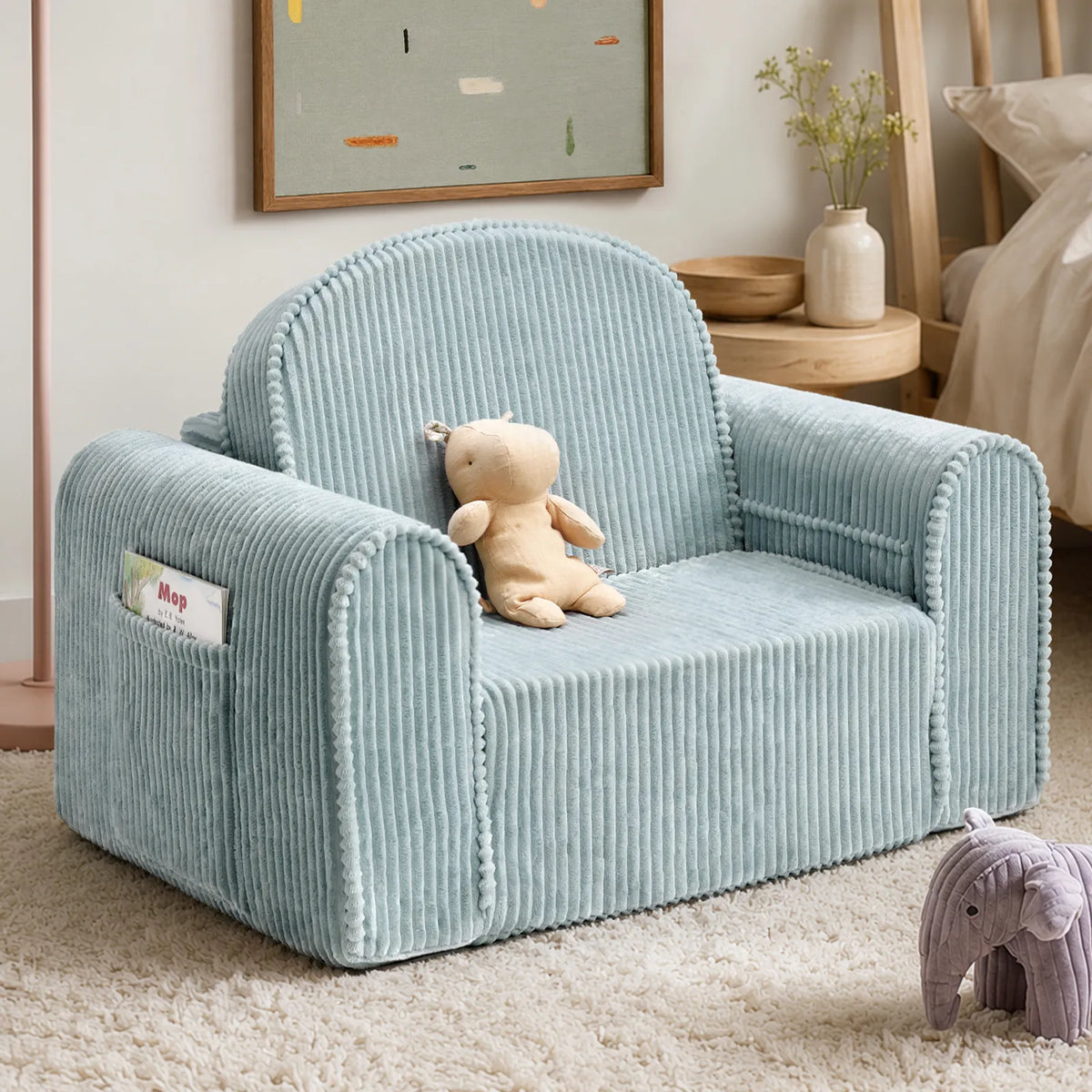
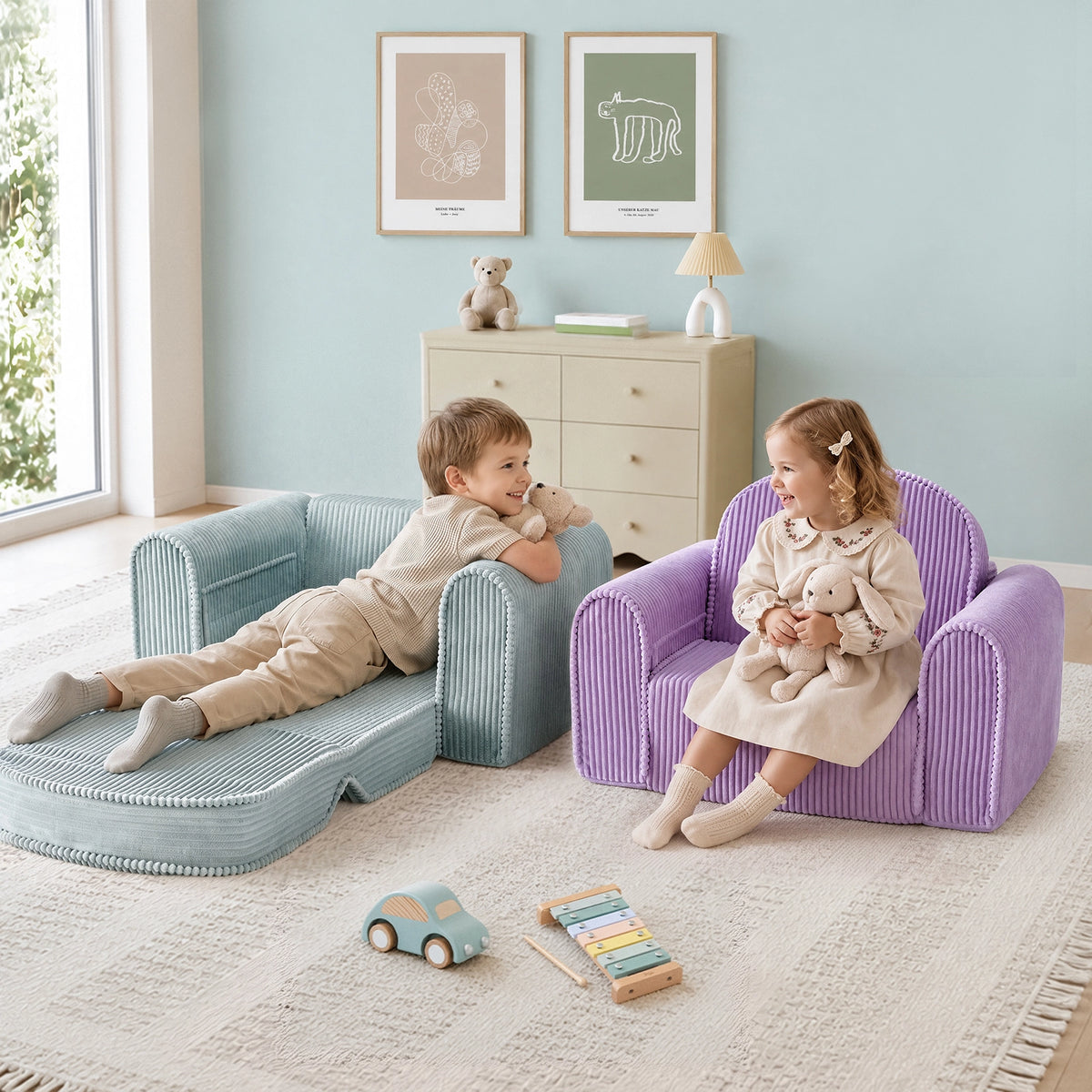

Beautifully designed for the home, full of possibilities for little imaginations.
A dollhouse might be bought for a child, but the fun doesn't have to belong to children alone.
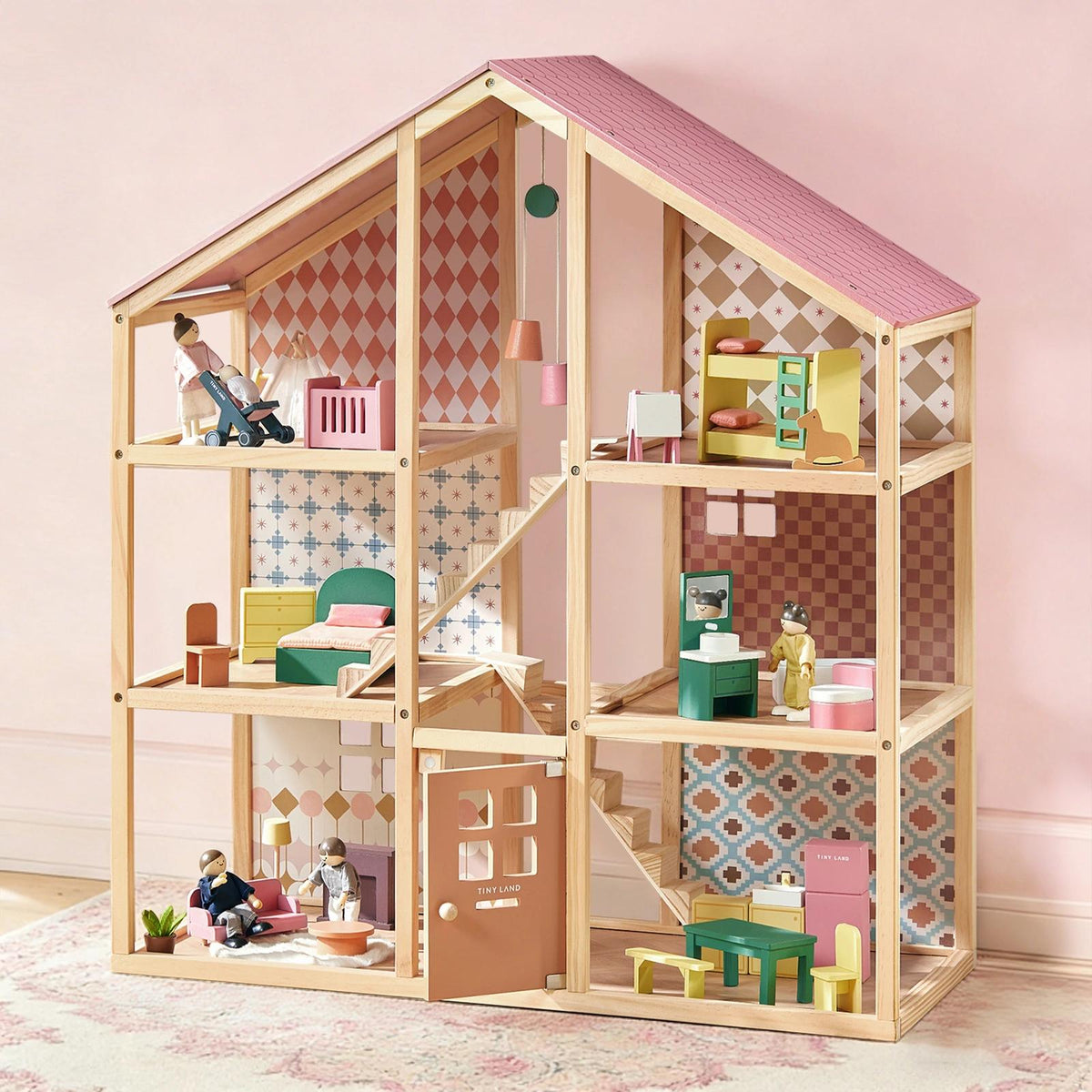
For Mom, the appeal might begin with the miniature furniture, the carefully arranged rooms, and the pleasure of creating a tiny home that feels just right.
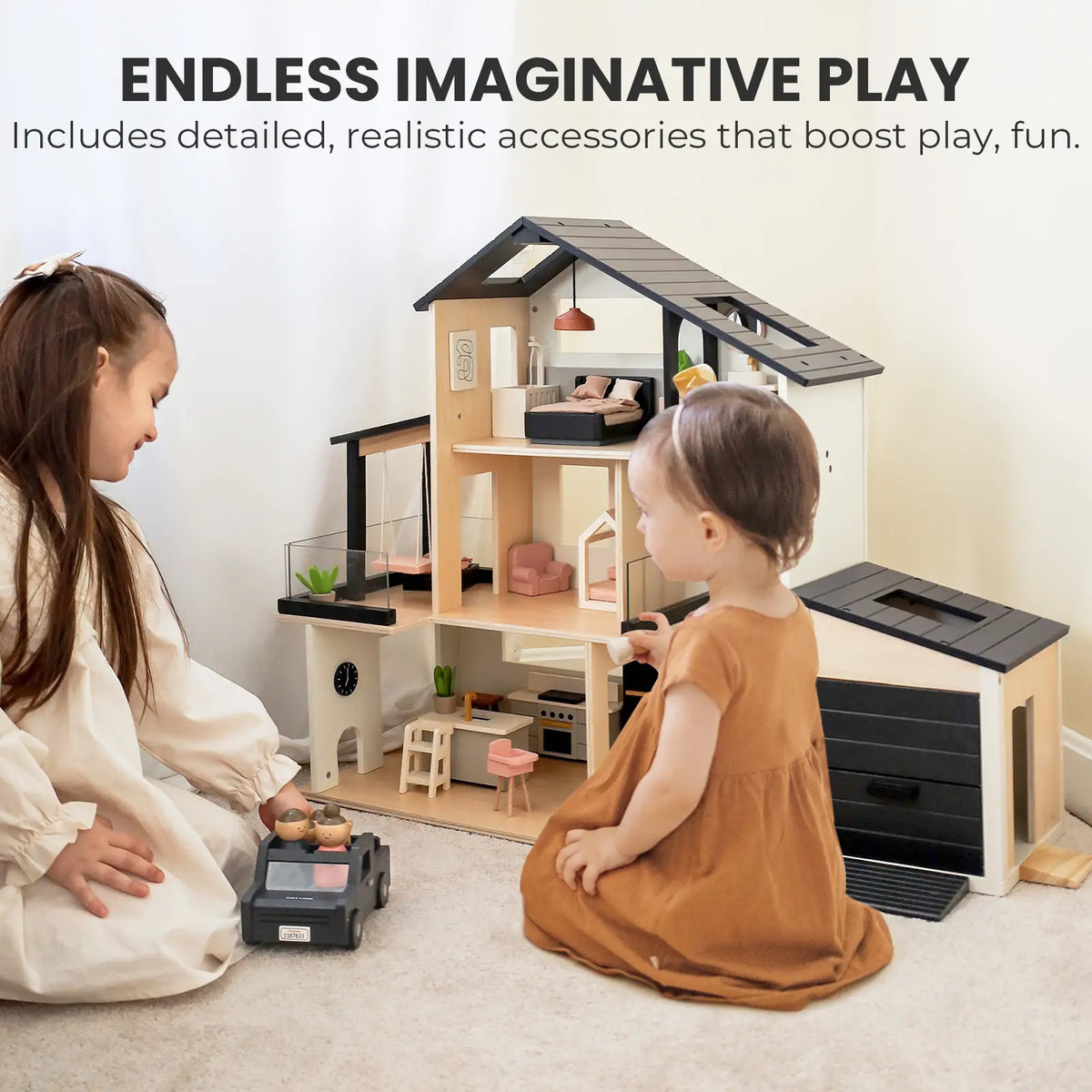
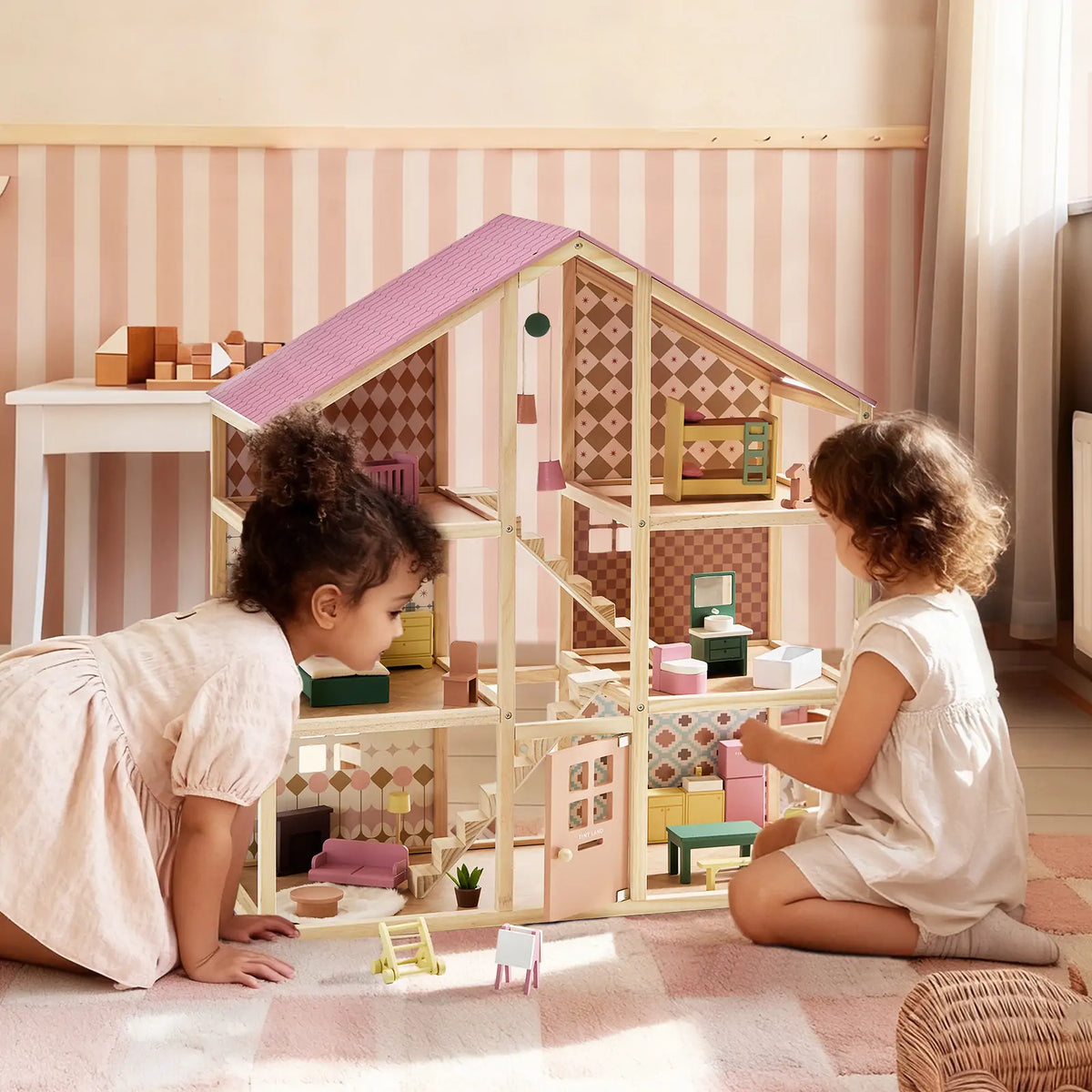
For a child, that same space can become a world of make-believe, filled with characters, everyday adventures, and stories that change with every play session.
That's what makes Tiny Land dollhouses appealing to more than one generation. Adults can appreciate the design and enjoy arranging the miniature spaces, while children can bring those spaces to life through imaginative play.
Mom doesn't have to join in simply because her child asks. She might genuinely enjoy arranging the little rooms just as much as her child enjoys deciding what happens in them.
When a toy gives both parent and child a reason to engage with it, it becomes more than something to unwrap. It becomes a little world they can enjoy in their own ways.

1. A Dollhouse Mom Wants to Play With, Too
Parents often choose toys with their children in mind. But adults have preferences of their own, and a toy's design can be part of what makes it appealing.
For a mom who appreciates interior design and decorative details, a dollhouse offers a small space to arrange and personalize. She might enjoy deciding where a miniature table belongs, rearranging the furniture, or finding an arrangement that makes the room feel complete.
These little details offer their own kind of satisfaction. The enjoyment isn't limited to watching a child play; it can come from creating a miniature space that Mom likes, too.
That's an important distinction. Mom isn't simply making the experience more interesting for her child. She's participating because she has something to enjoy herself.
With Tiny Land dollhouses, the appeal extends beyond the playroom. Their design gives adults something to appreciate, while the miniature rooms and furniture offer children a setting for their own stories.
The result is a toy that can capture a parent's interest as well as a child's imagination.

2. Beautiful Design Meets Imaginative Play
A dollhouse is part of a child's imaginary world, but it also occupies real space in a family's home. For parents who care about how their home looks and feels, a toy's appearance can influence whether it feels like a natural part of their space.
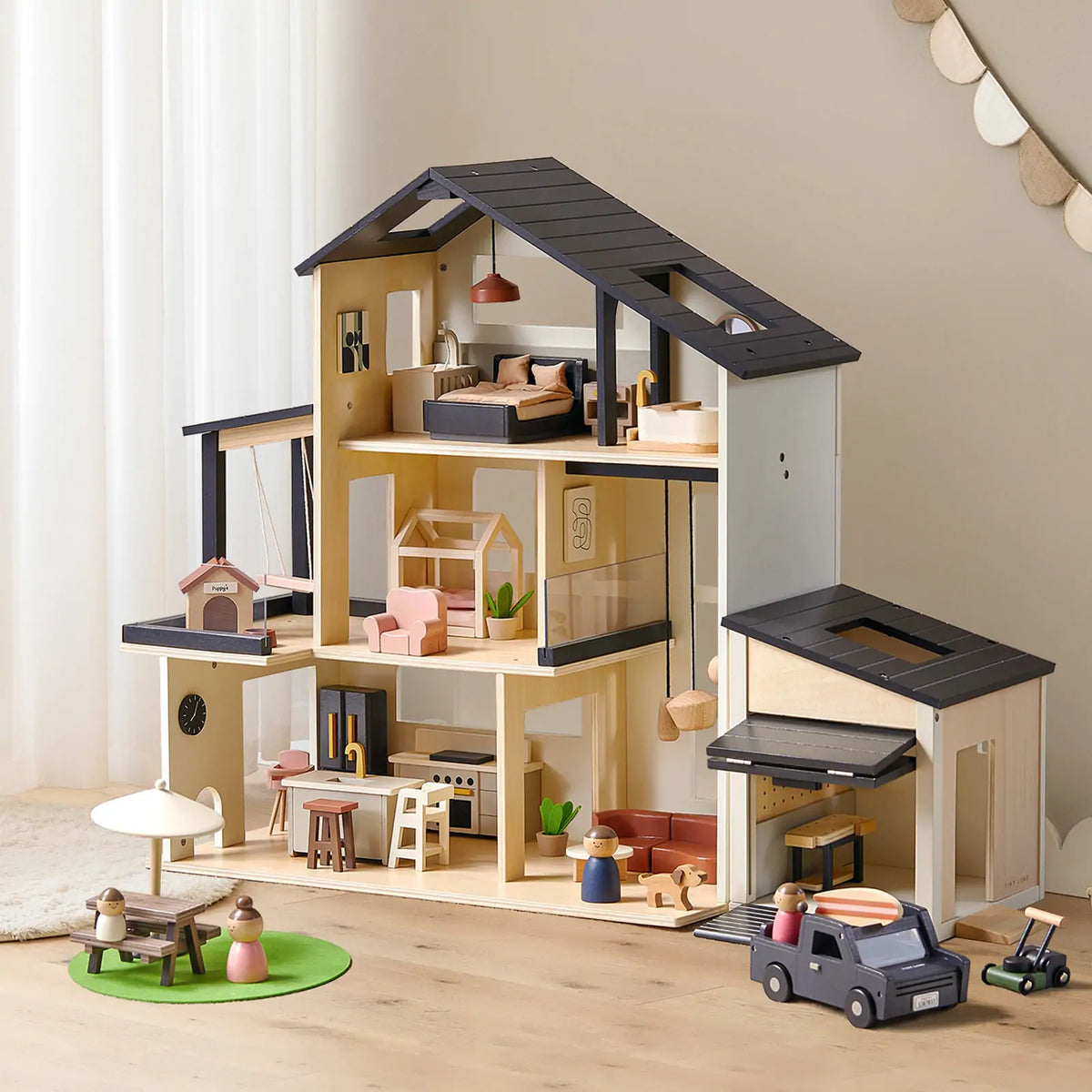
Tiny Land dollhouses bring a design-conscious perspective to miniature play. Their appeal isn't limited to the moments when a child is playing; they can also be something adults enjoy having in their homes.
But good looks are only part of the experience. A dollhouse is meant to be played with, not simply admired.
Its rooms and miniature furniture give children a setting in which to invent characters, act out familiar experiences, and create stories of their own. A living room might become the setting for a family gathering. A pretend home might inspire a story about preparing for visitors, going on a trip, or celebrating a special occasion.
Children decide who lives there, what the characters do, and what happens next. The same space can inspire a completely different story tomorrow.
This is the combination that makes the dollhouse experience meaningful: adults can appreciate the design, while children actively shape the world inside it.
A beautiful miniature home can catch Mom's eye. The possibilities for imaginative play give her child a reason to return to it again and again.

3. When Mom's Ideas Meet a Child's Imagination
One of the pleasures of sharing a dollhouse is discovering that two people can see the same little space differently.
Imagine Mom arranging the miniature living room. She moves the table, adjusts the chairs, and tries a new layout until she likes how everything comes together.
Her child has another idea: the room is about to host a birthday party.
The furniture Mom has arranged now becomes part of a new story. Her child decides who is invited and what the guests will do. Mom might help set up the room, suggest an idea, or simply enjoy seeing where the story goes.
Mom contributes her eye for the little details; her child brings the setting to life through imagination. Neither has to control the entire experience for both to enjoy it.
Of course, play doesn't always need to be a joint project. Sometimes Mom may enjoy arranging the dollhouse while her child creates a story independently. Other times, they might build a scenario together, each adding something unexpected.
There is no need to turn every play session into a structured activity. Mom can contribute when she wants to, and her child can take the story in their own direction.
That freedom is part of the appeal. They can enjoy the same dollhouse for different reasons, while still finding opportunities to share ideas and play together.

4. A Little World That Becomes Part of Everyday Life
A dollhouse can offer more than one afternoon of entertainment. It can become a familiar part of the home, ready for another round of arranging, another imaginary adventure, or a story that picks up where yesterday's left off.
Mom might return to adjust a miniature room because she has a new idea. Her child might return because a character has somewhere new to go or a story needs another chapter.
Sometimes their interests will overlap. A small change to the furniture might inspire a new game. A child's unexpected idea might give Mom a new way to think about the space.
These moments don't need to be planned or turned into a lesson. They can emerge naturally when both people enjoy spending time with the same activity.
A dollhouse cannot guarantee meaningful family time, but it can provide a shared space where adult appreciation for design and a child's freedom to imagine can exist side by side.
And when Mom genuinely enjoys the experience, playing together becomes a choice rather than an obligation.

One Dollhouse, Two Ways to Love It
Children may love a dollhouse because they can create characters, invent stories, and decide what happens next. Mom may love it for its design, the pleasure of arranging miniature furniture, and the satisfaction of creating a little home of her own.
They don't have to love it for the same reasons.
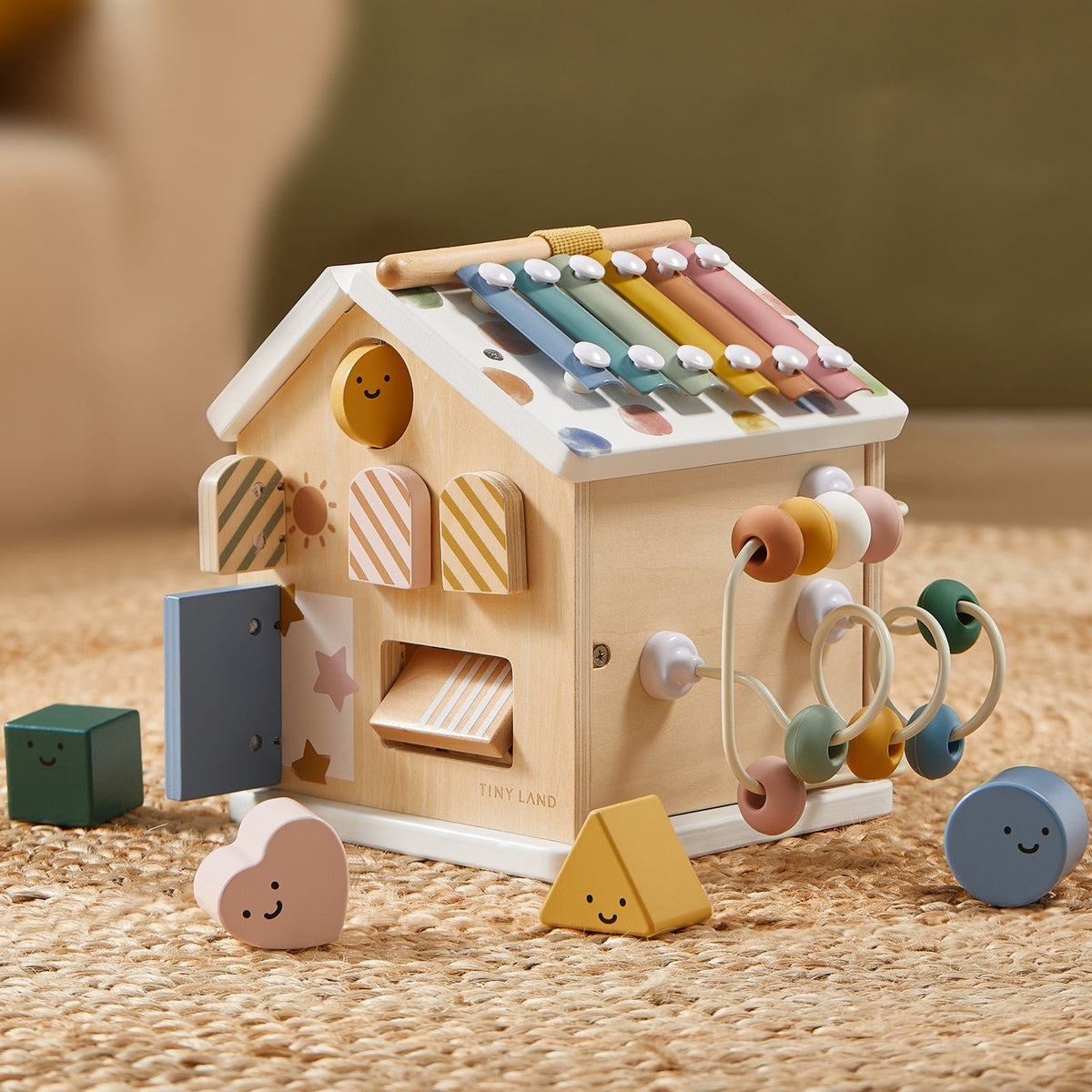
That's the idea behind Tiny Land wooden dollhouses: a miniature world adults can appreciate and children can bring to life through imaginative play.
For Mom, it's a chance to enjoy the design and the details. For her child, it's an invitation to create, explore, and make the story their own.
A little world Mom loves for its design. A world her child makes their own. With Tiny Land, both can find their own reasons to play—and enjoy the moments that happen along the way.