




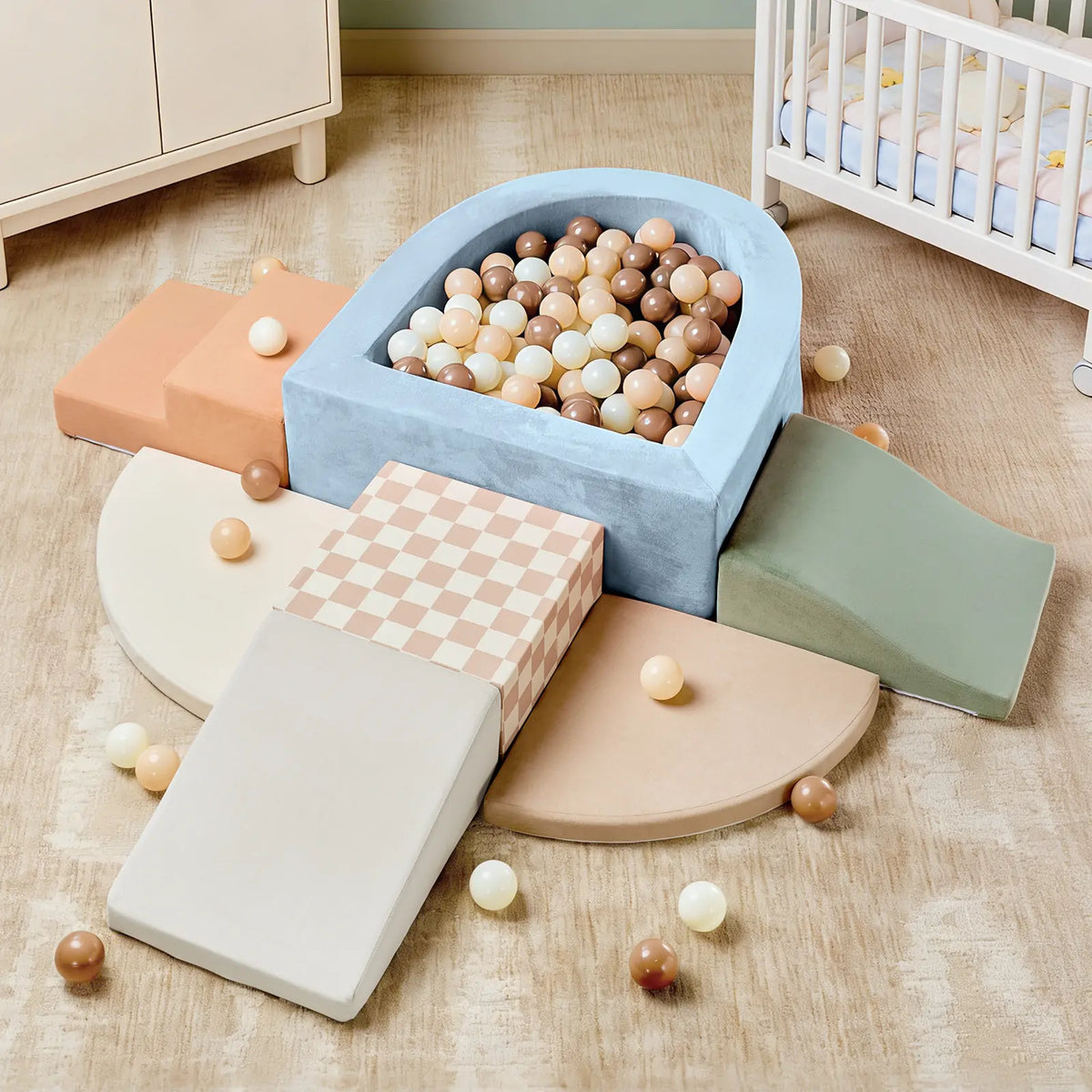
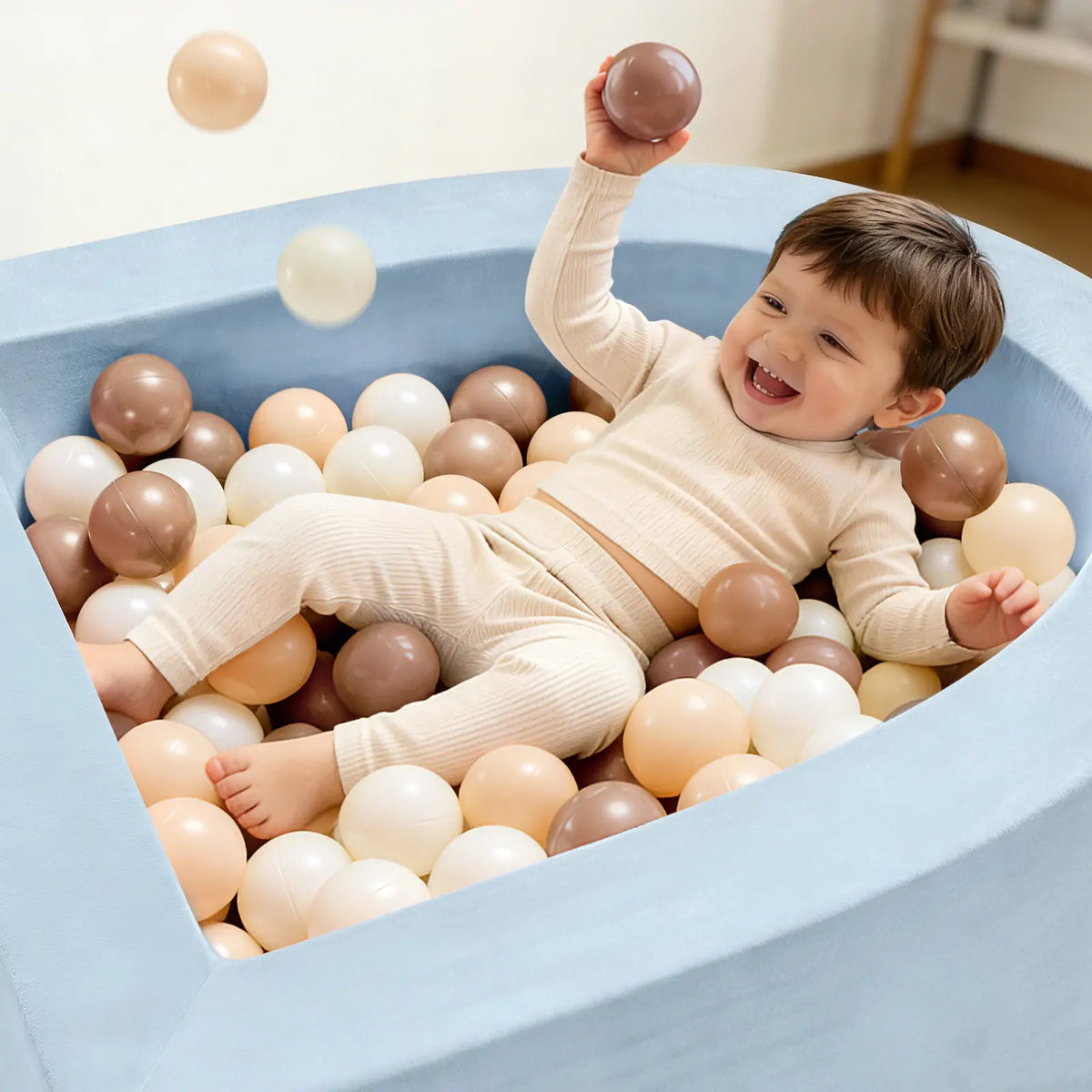
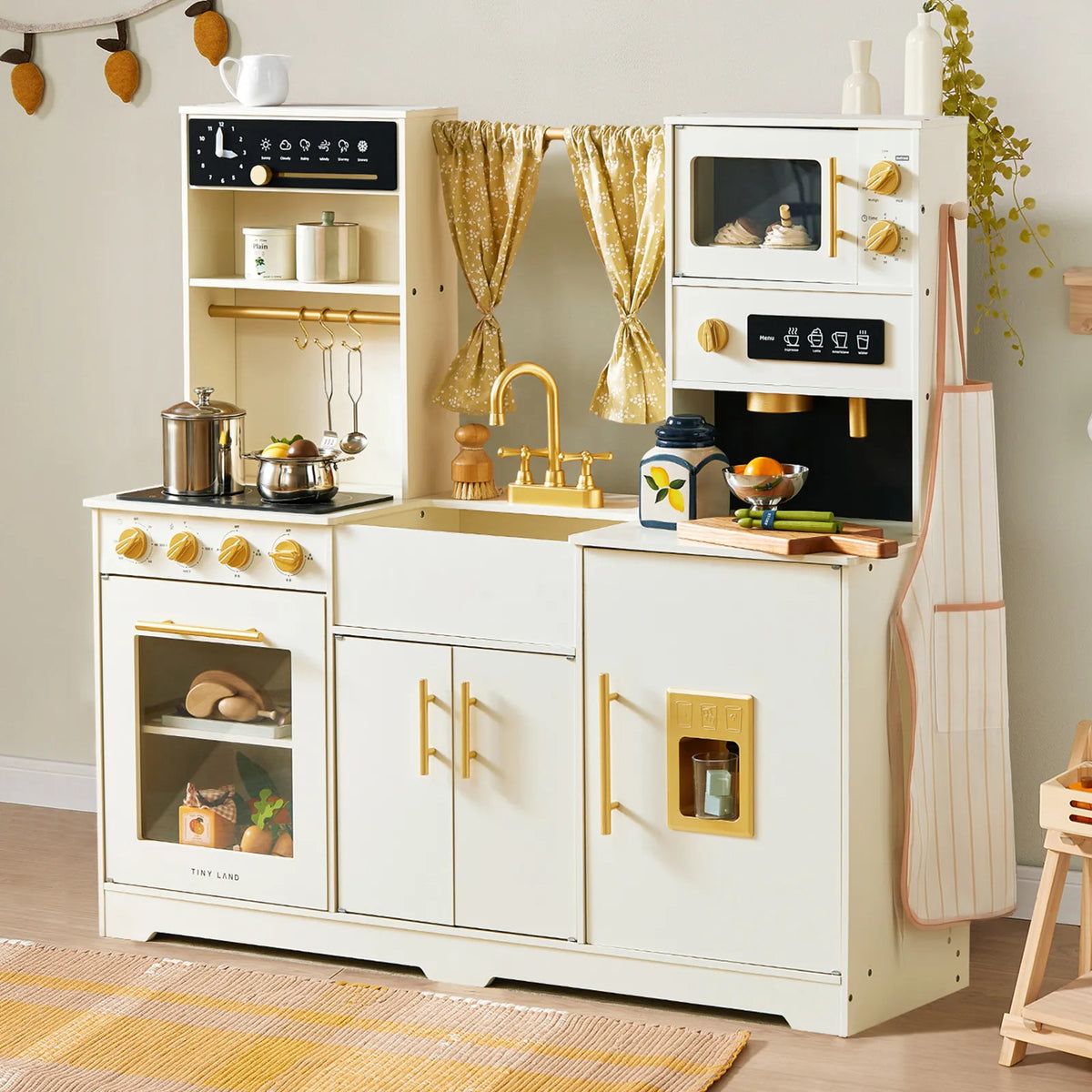
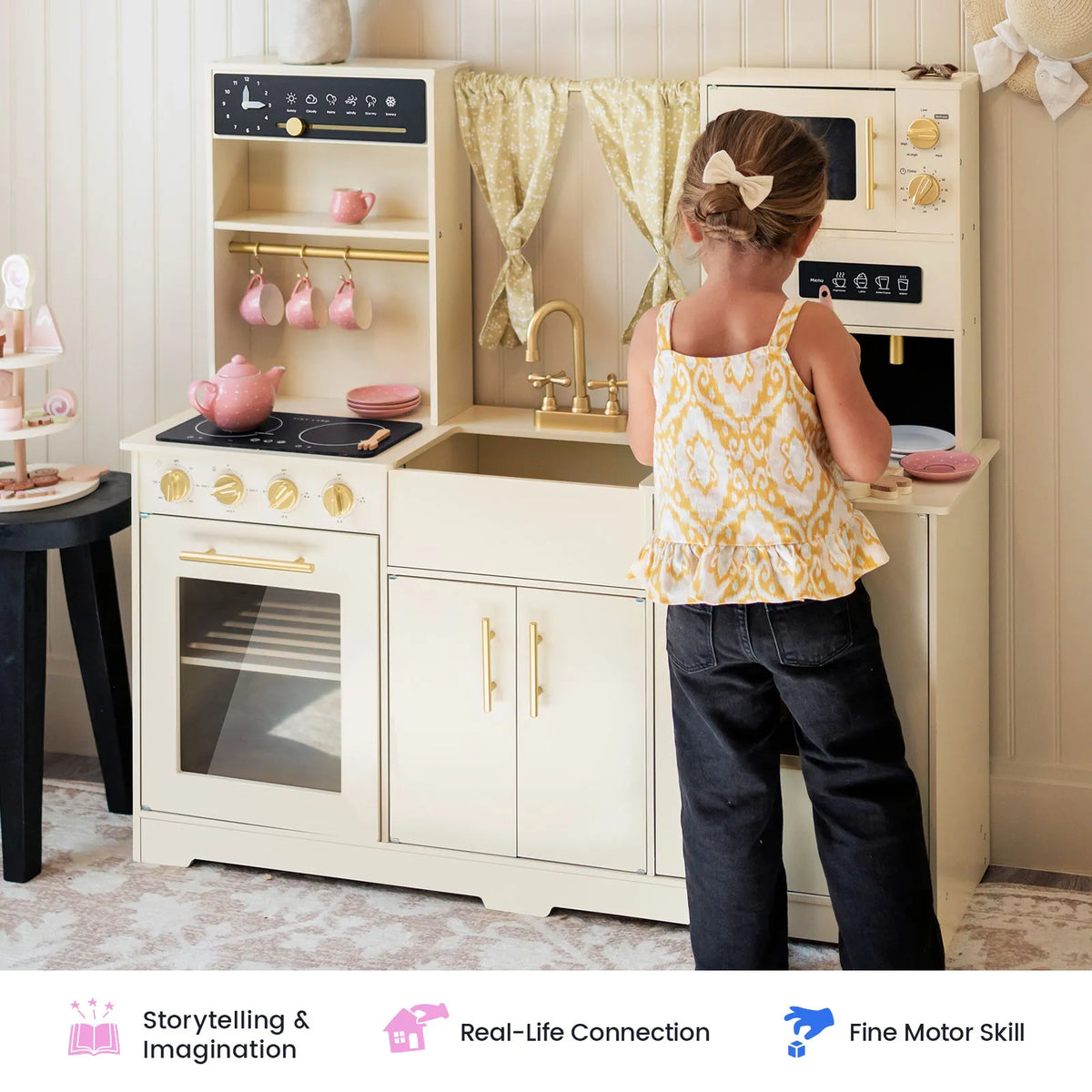
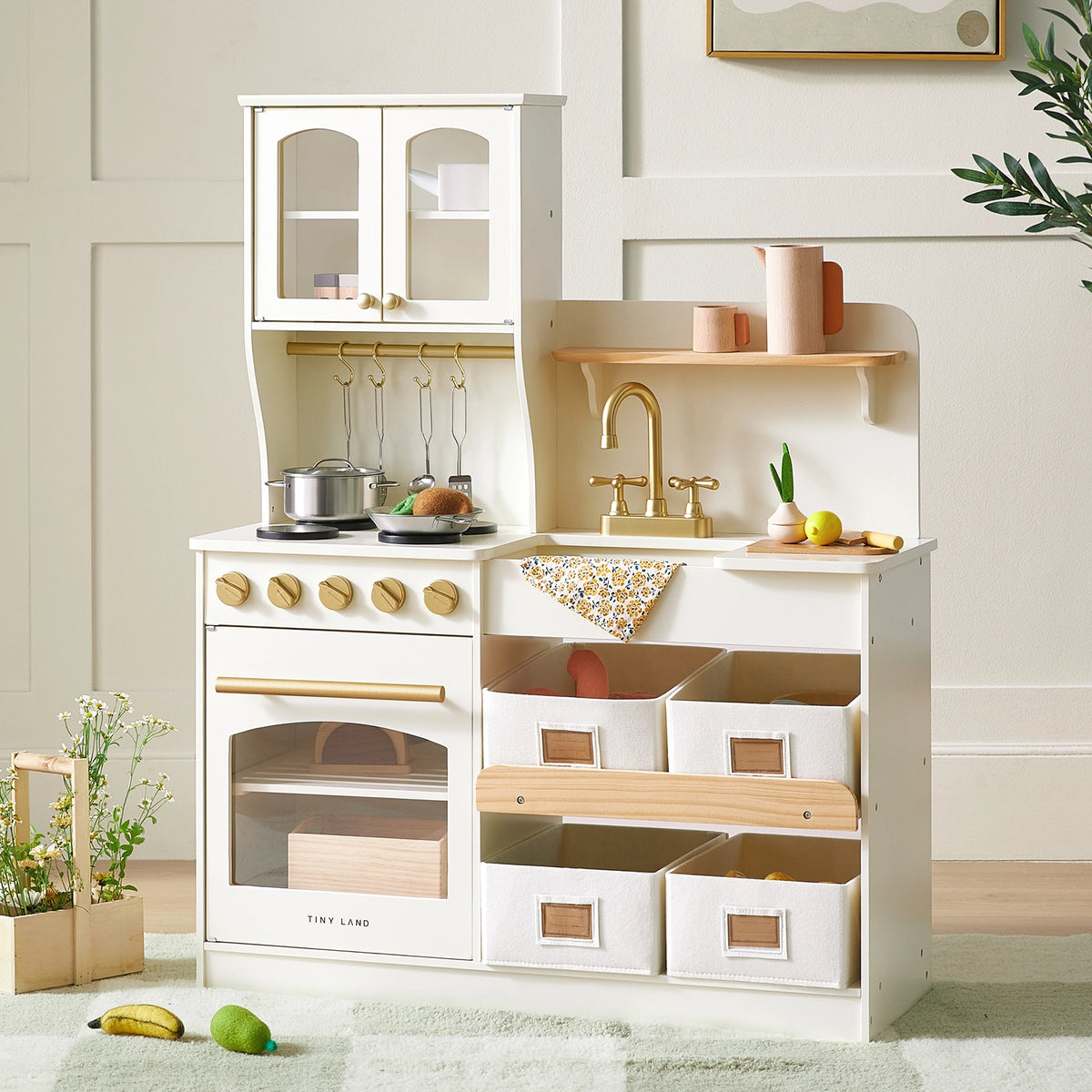
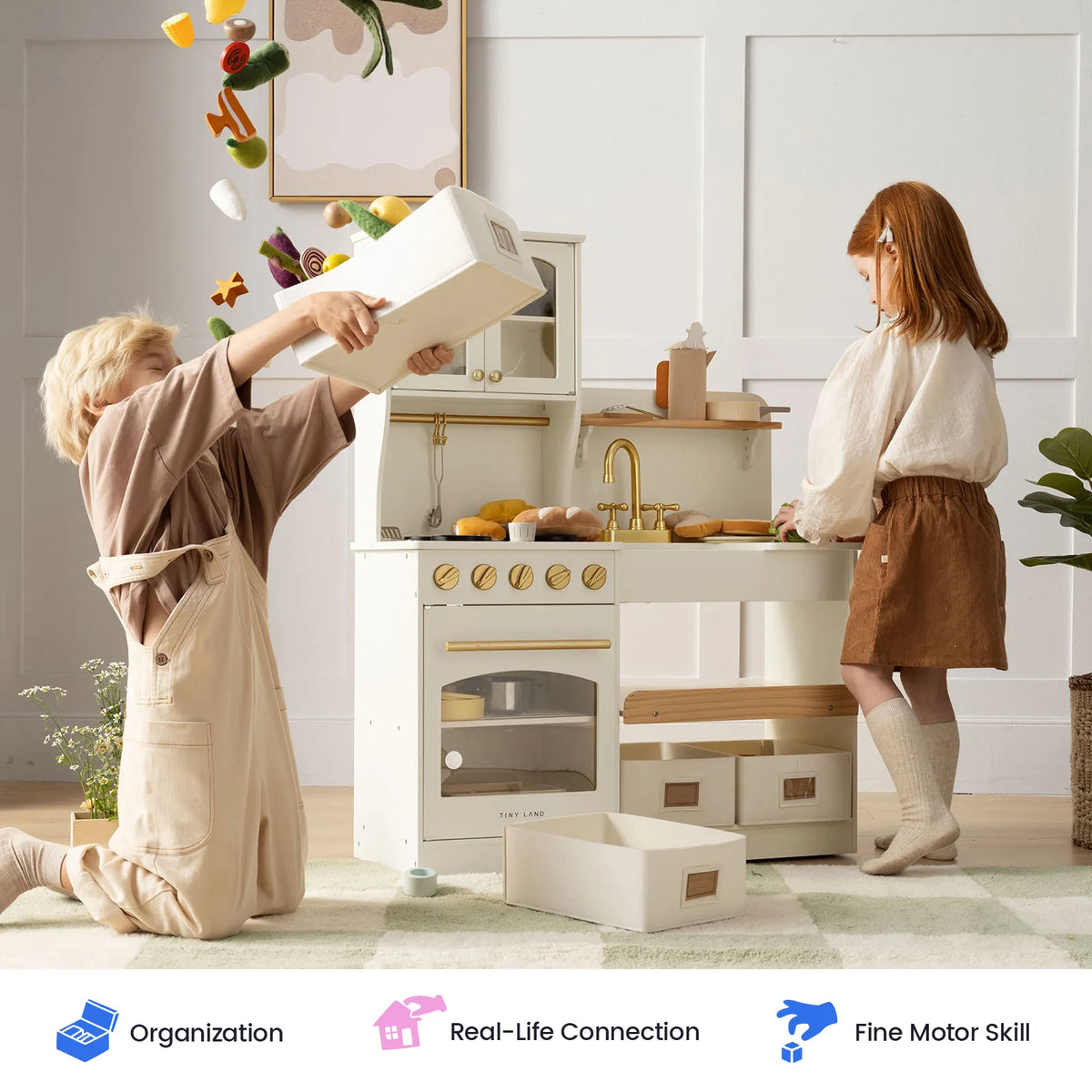
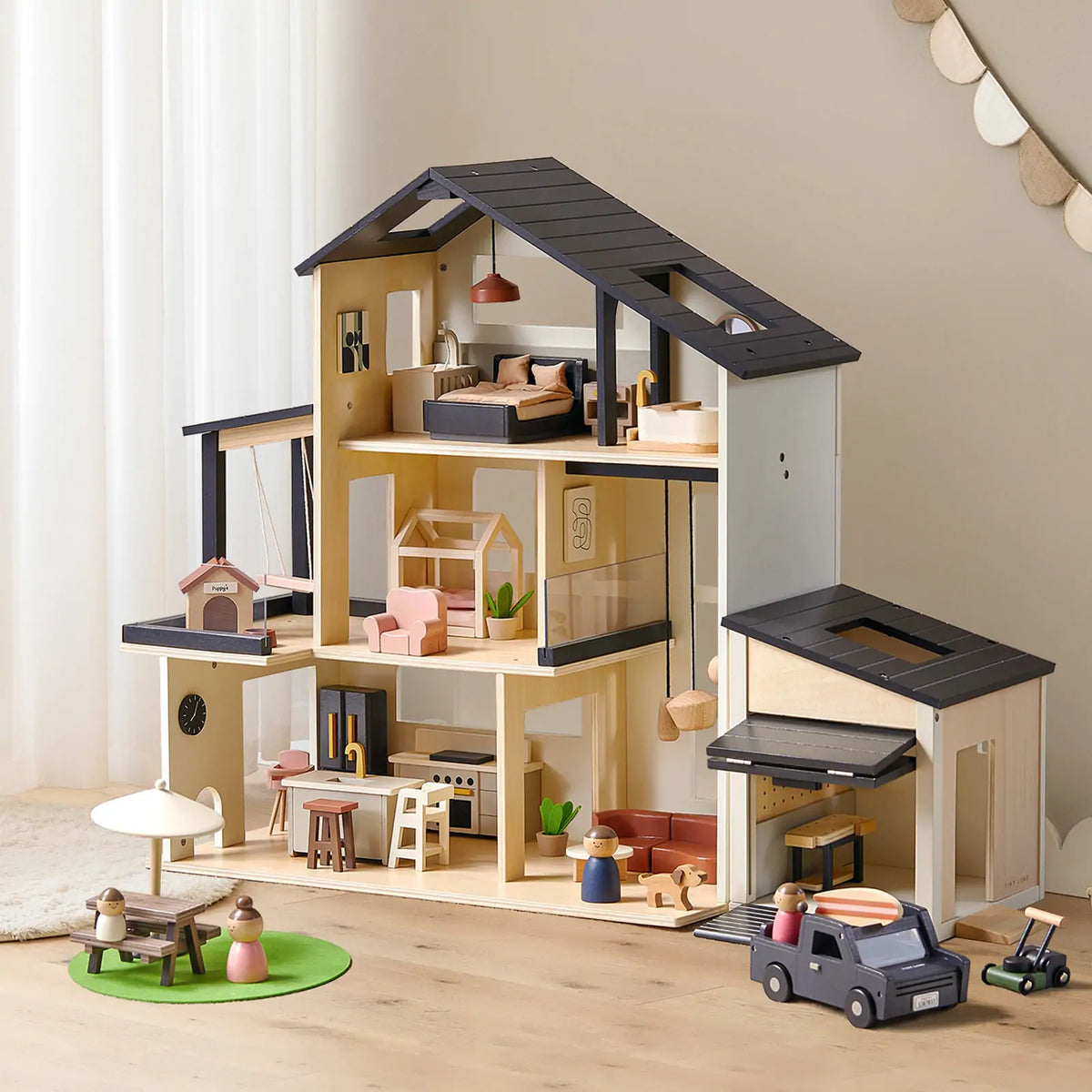
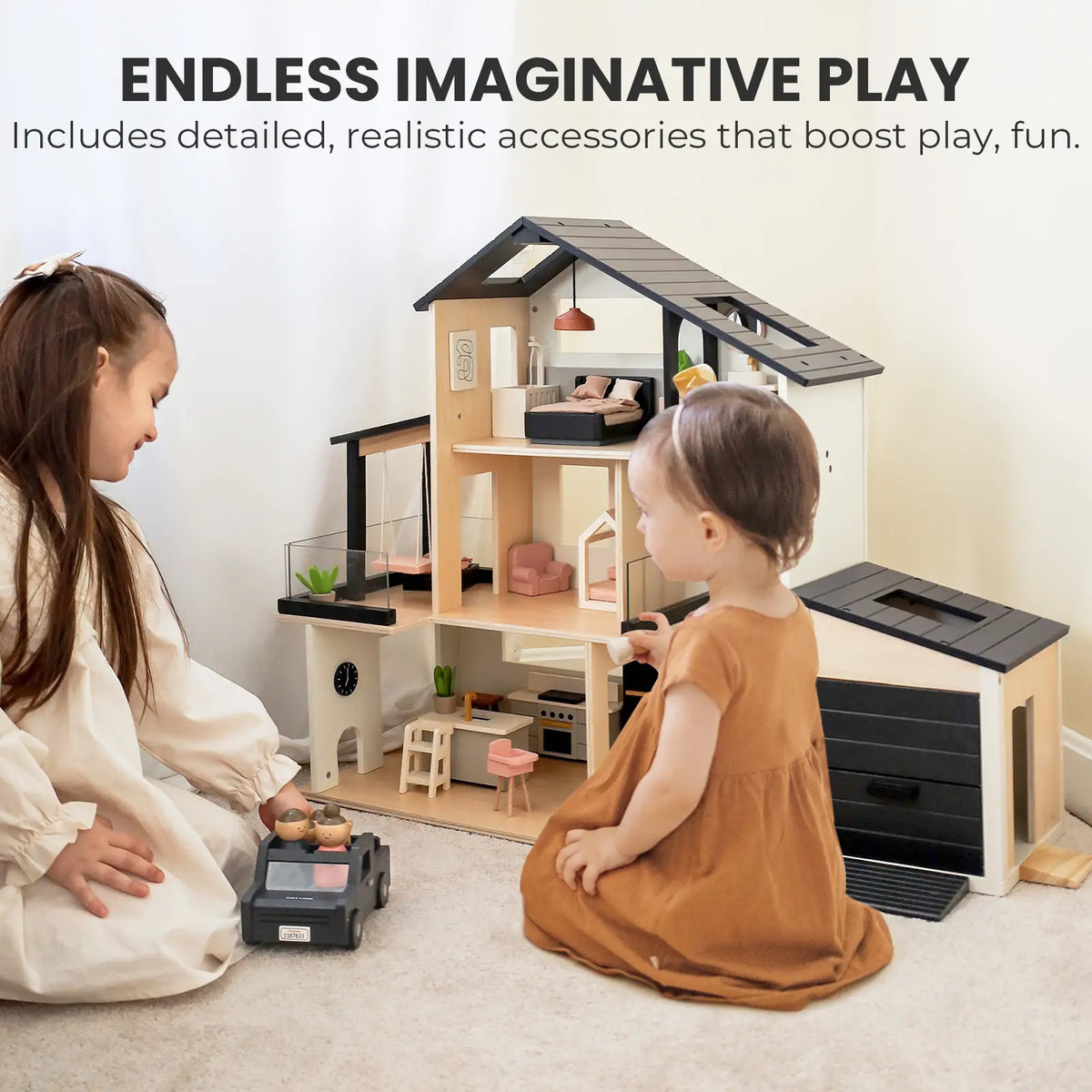
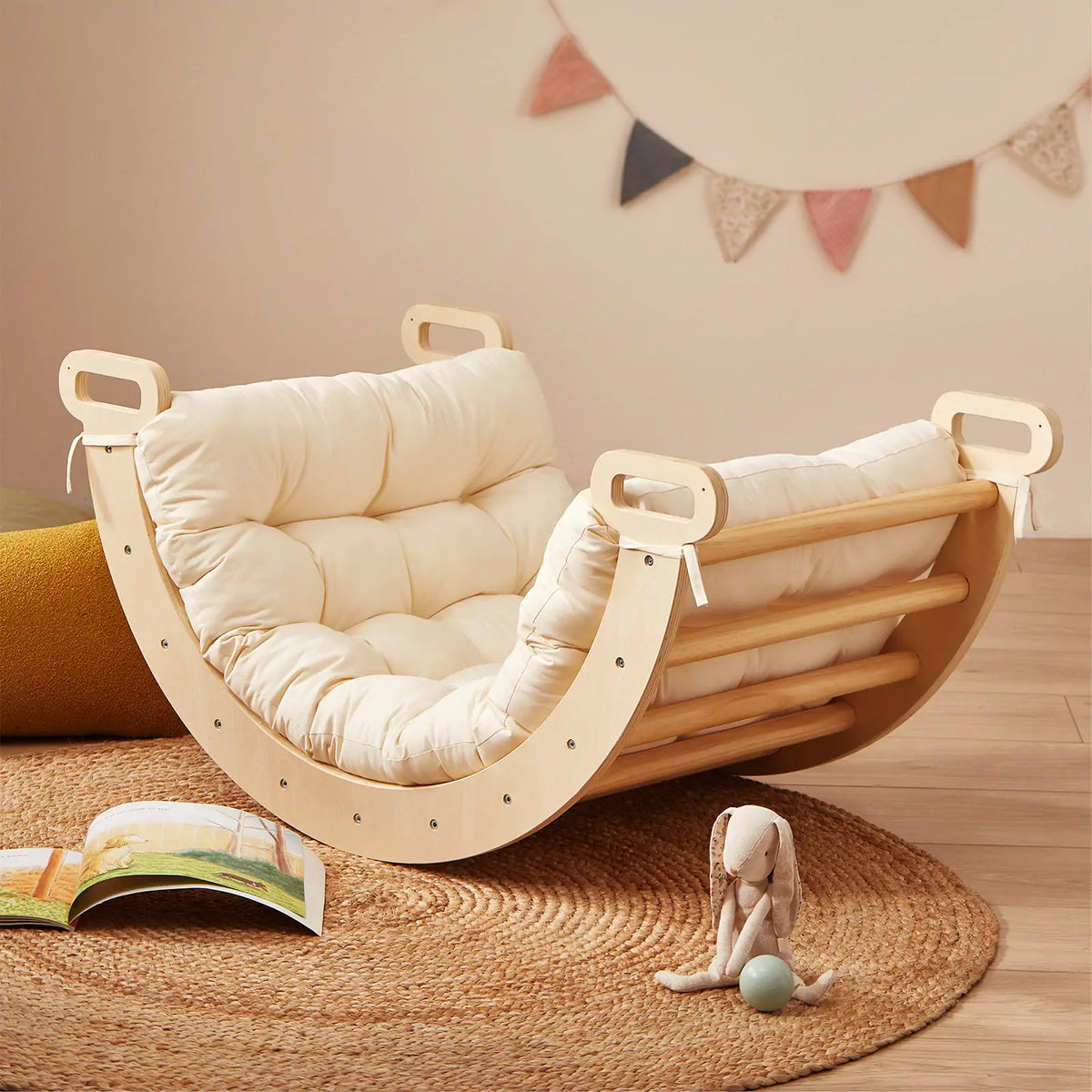
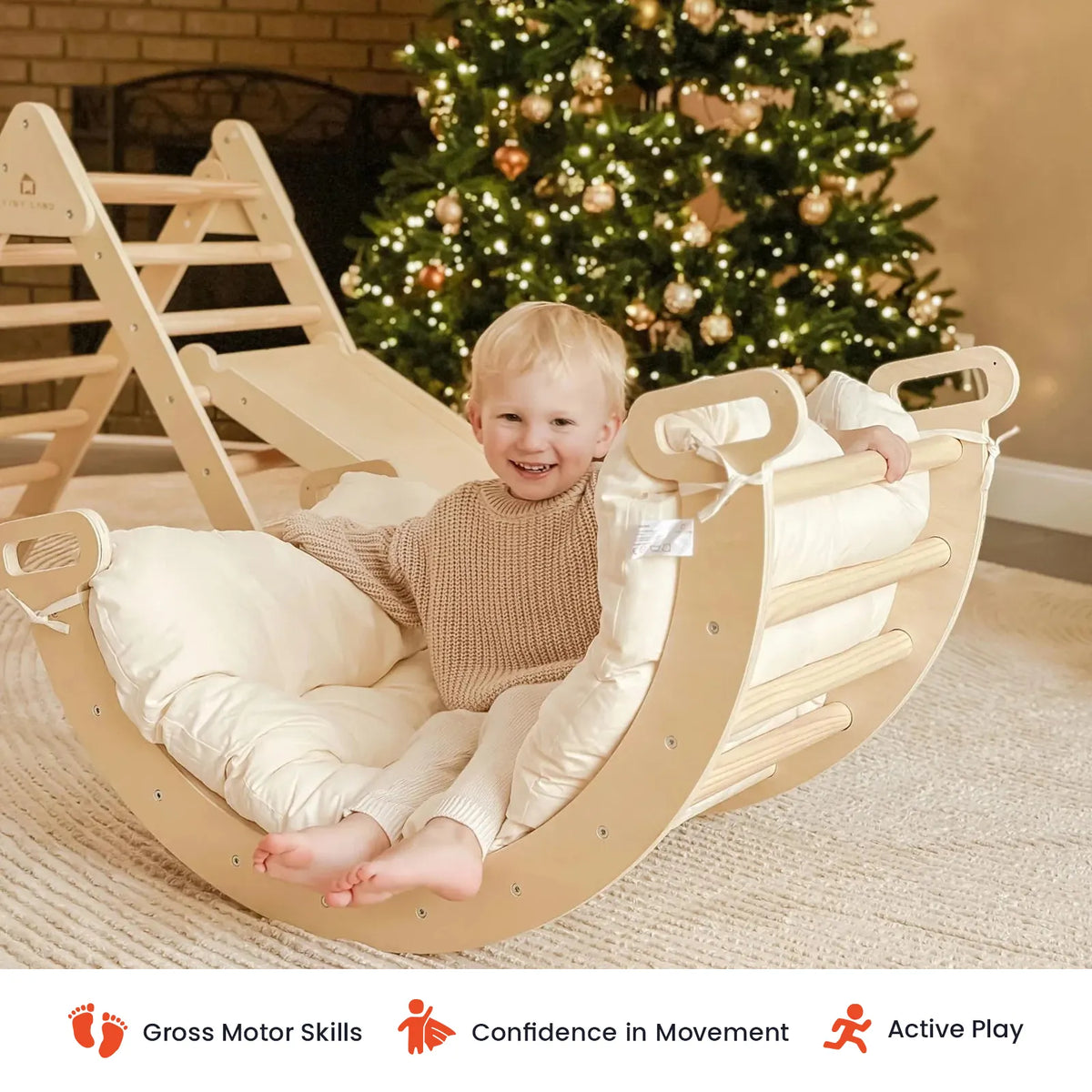
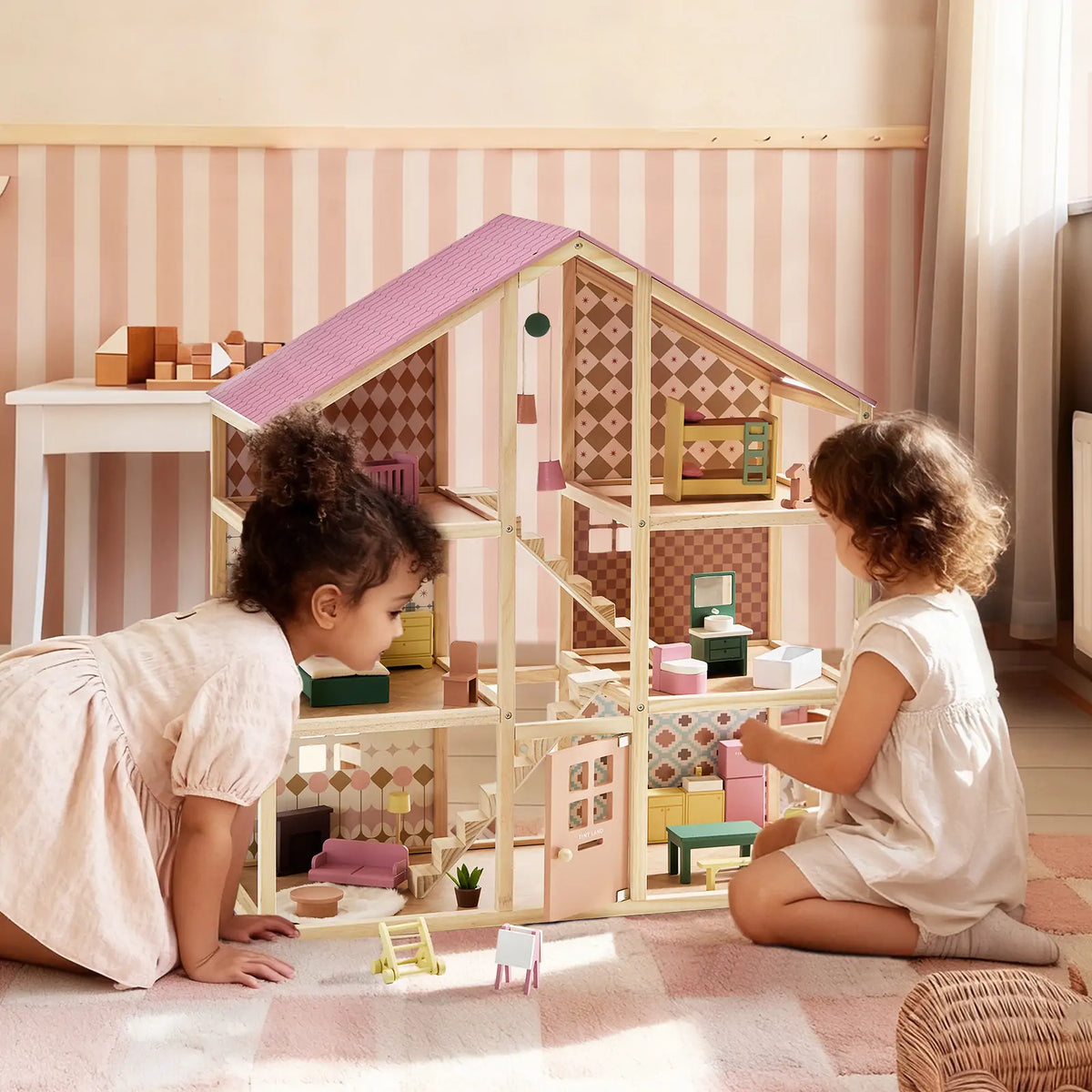
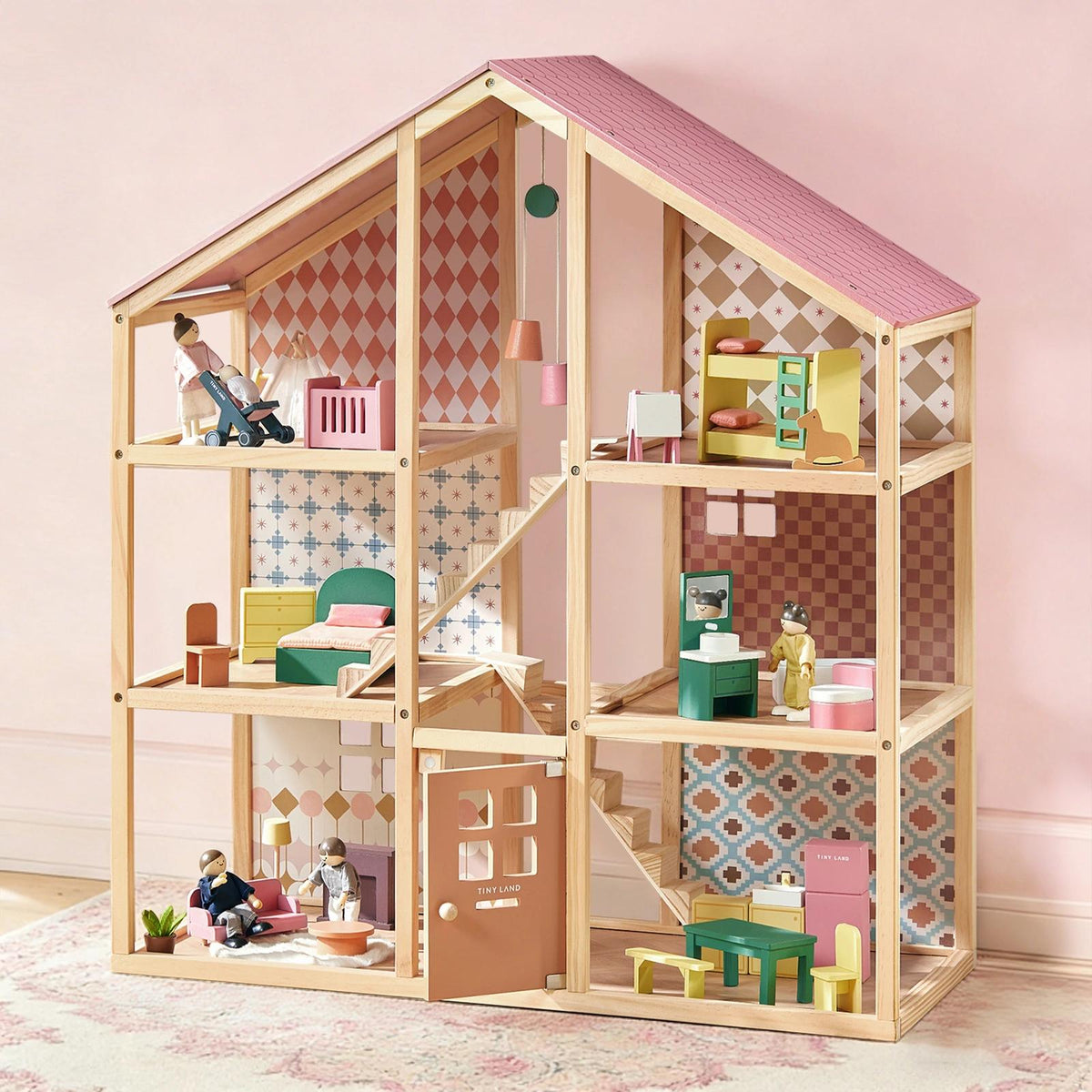
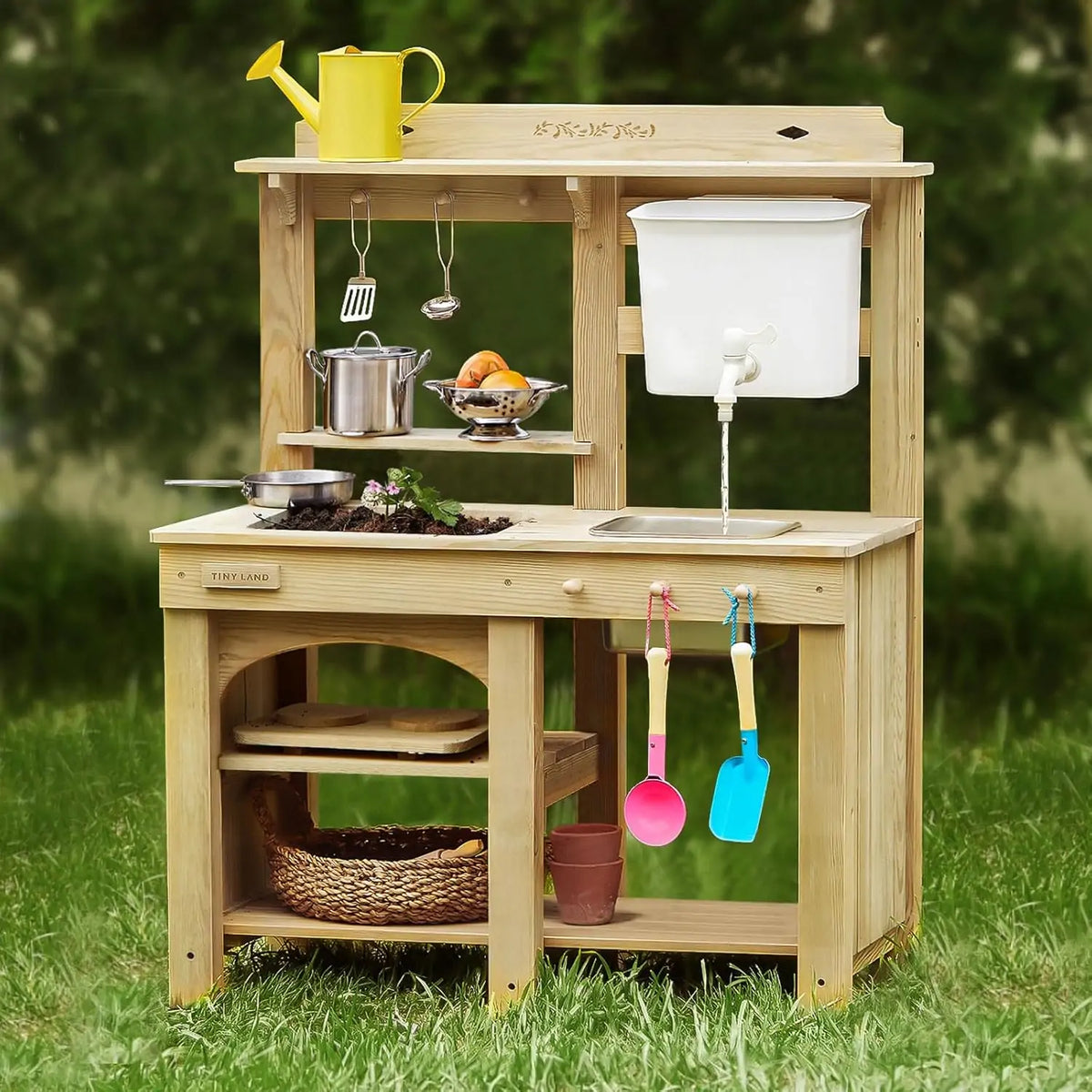
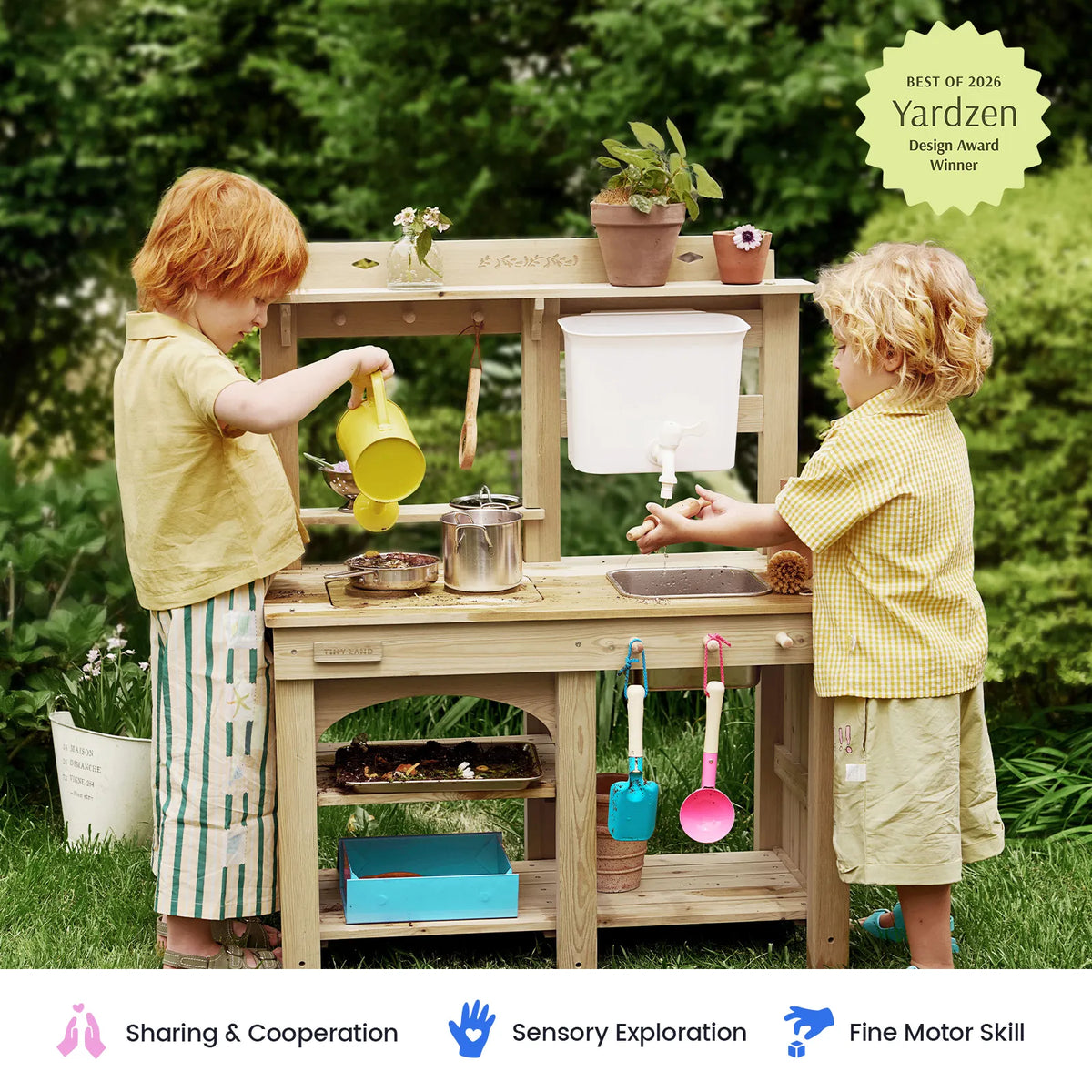
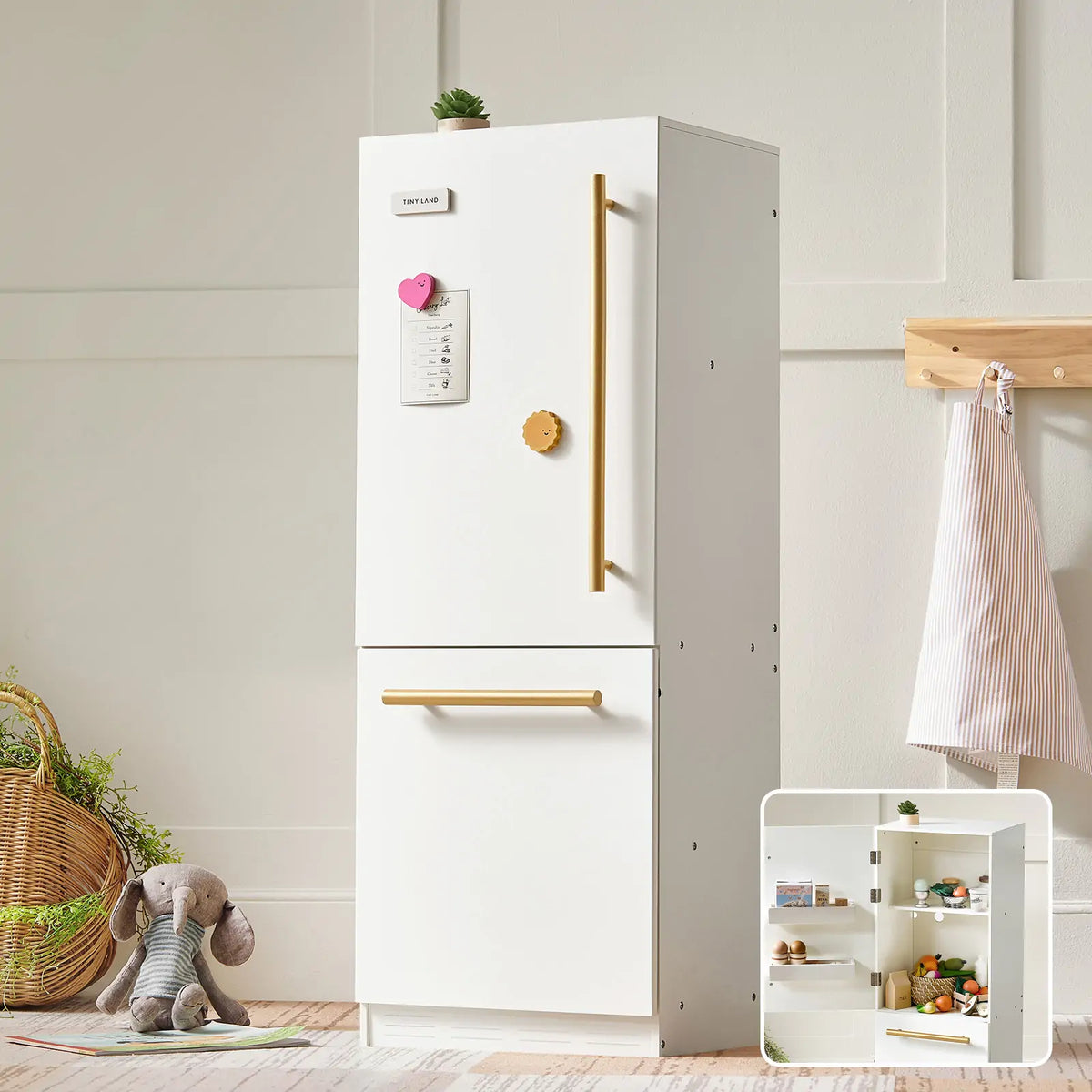
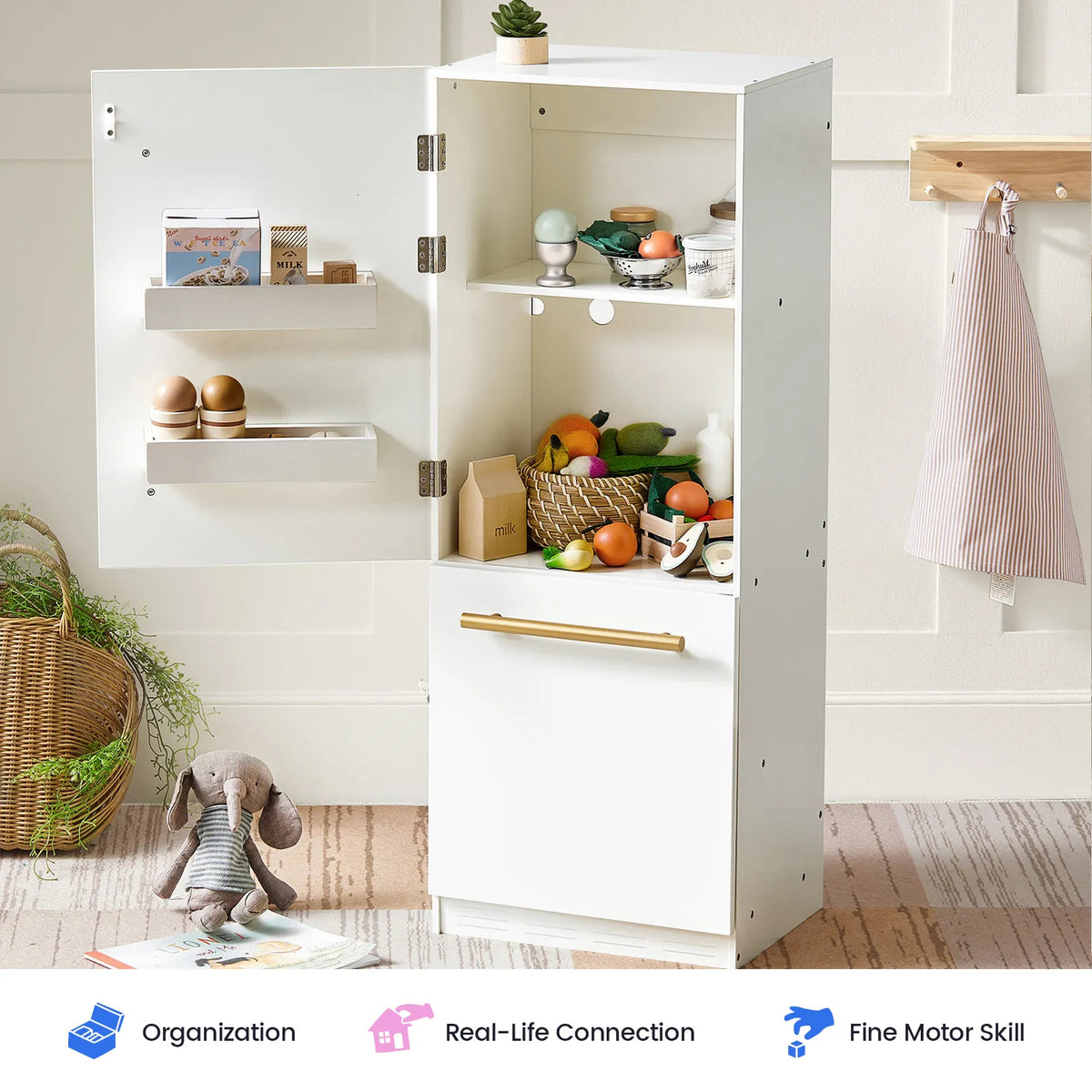
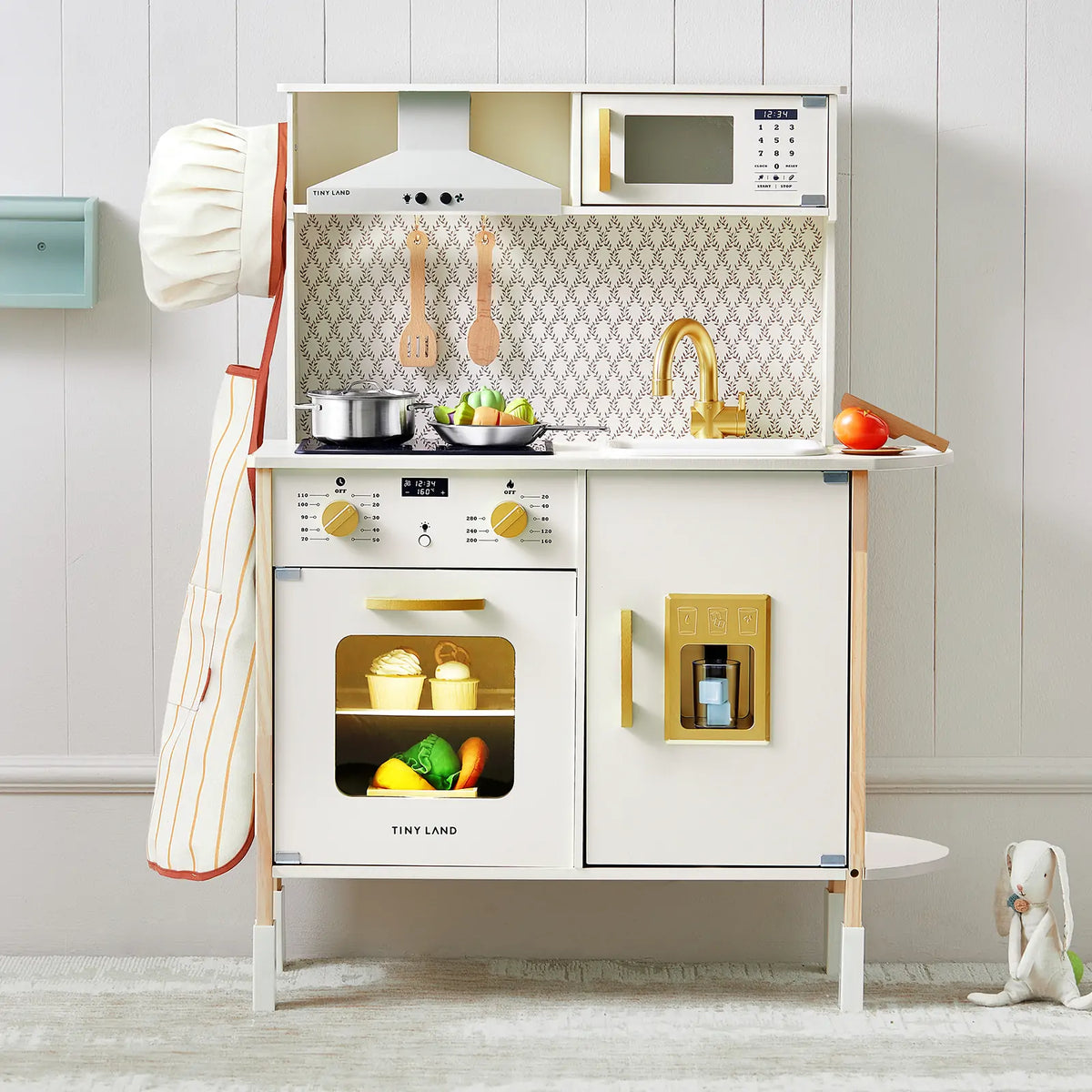
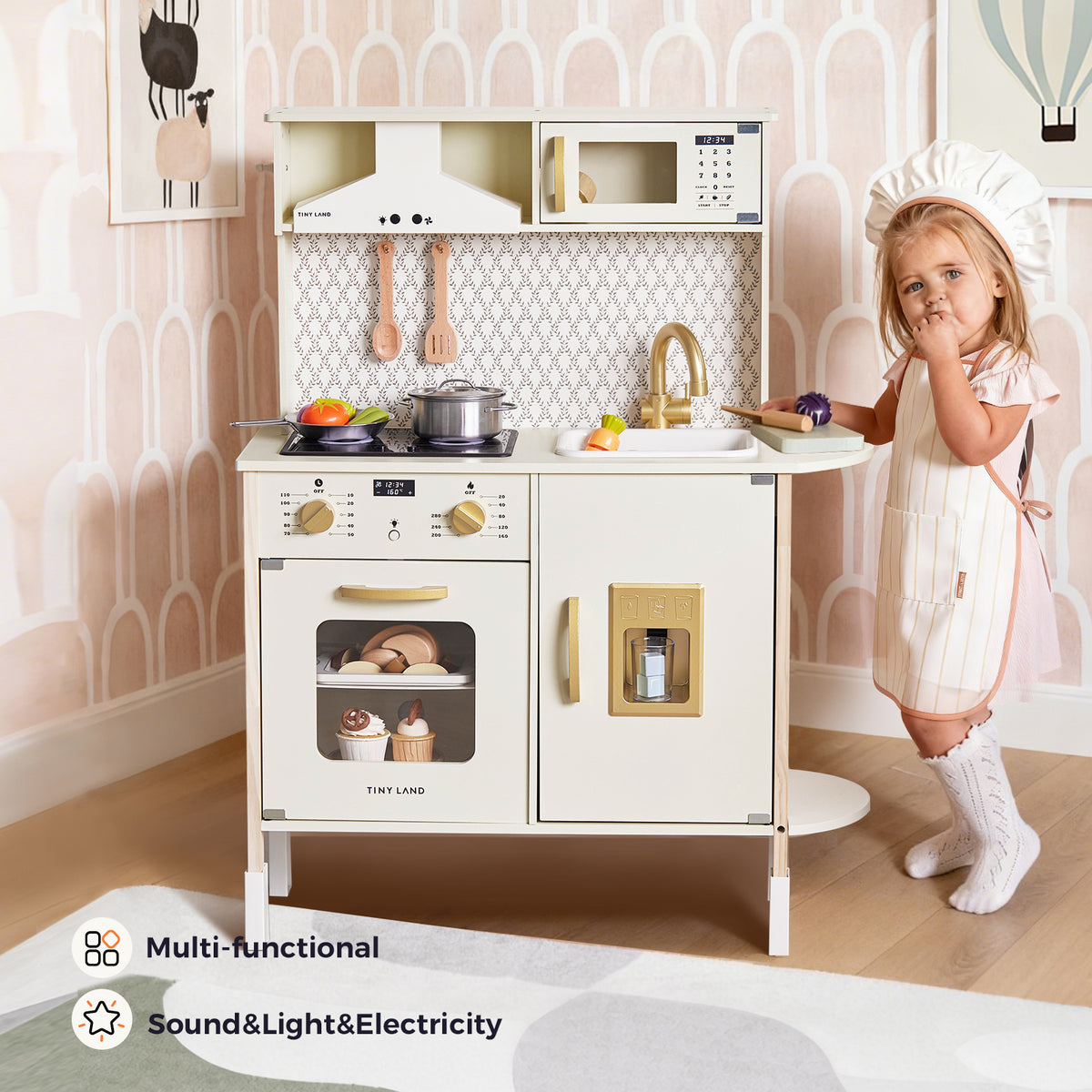
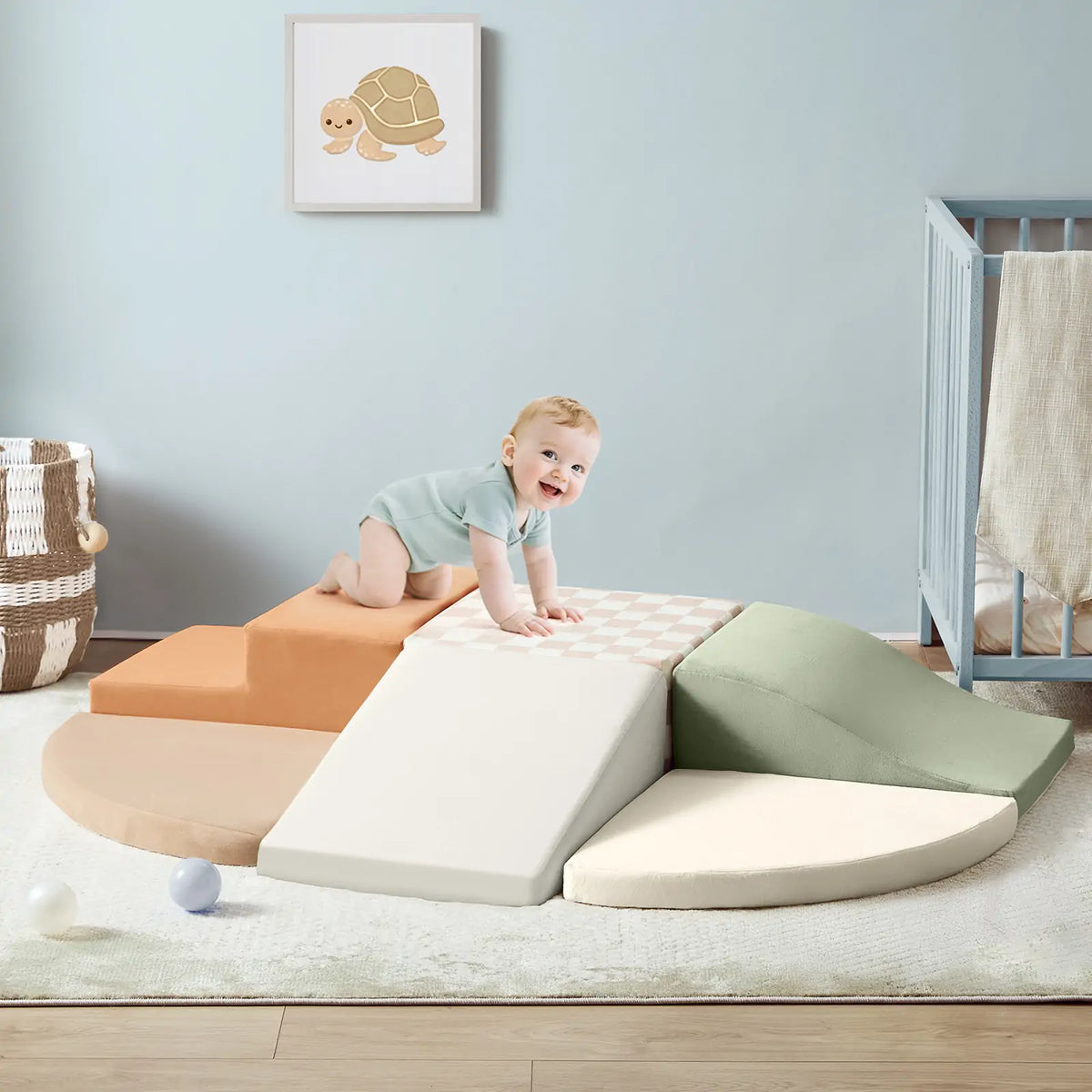
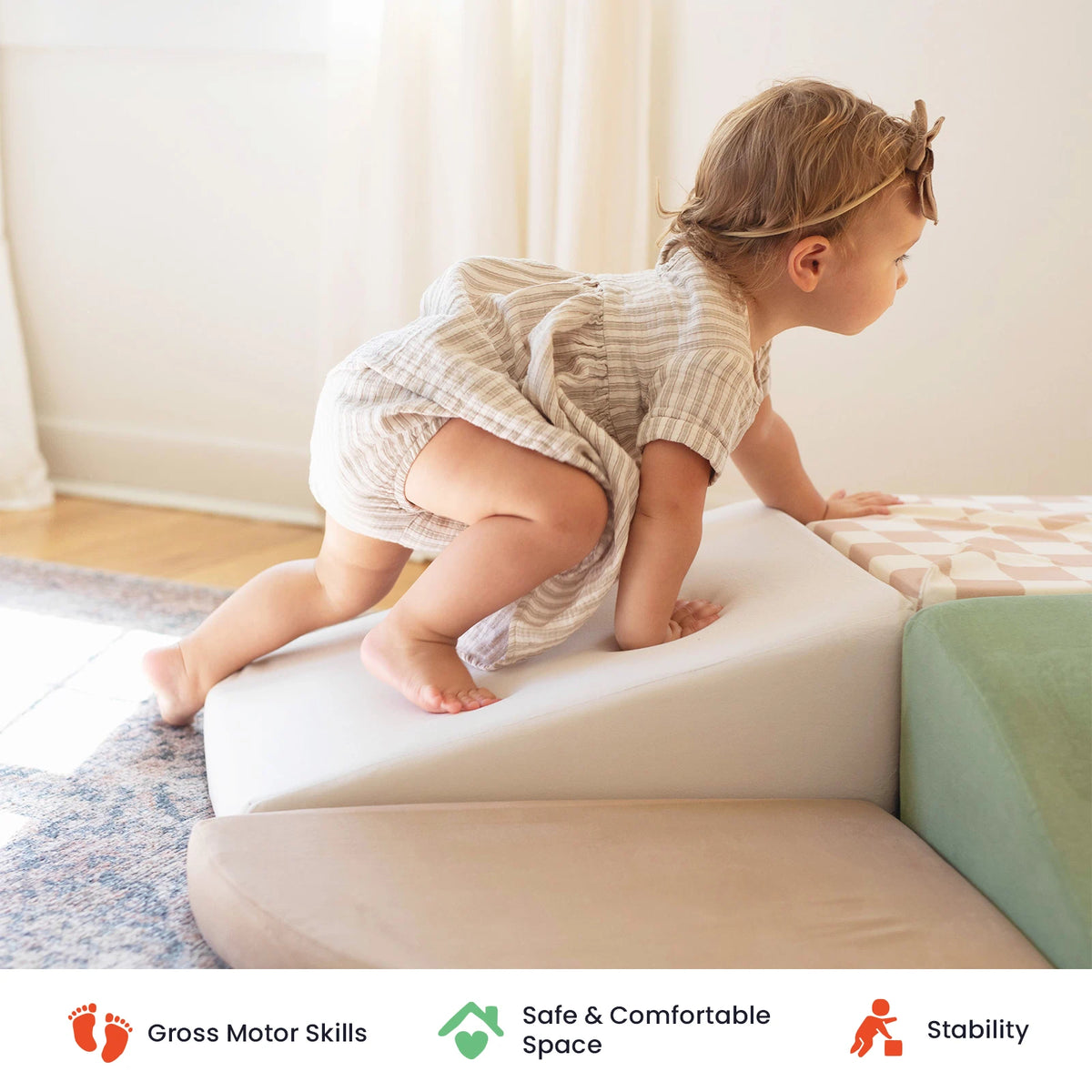

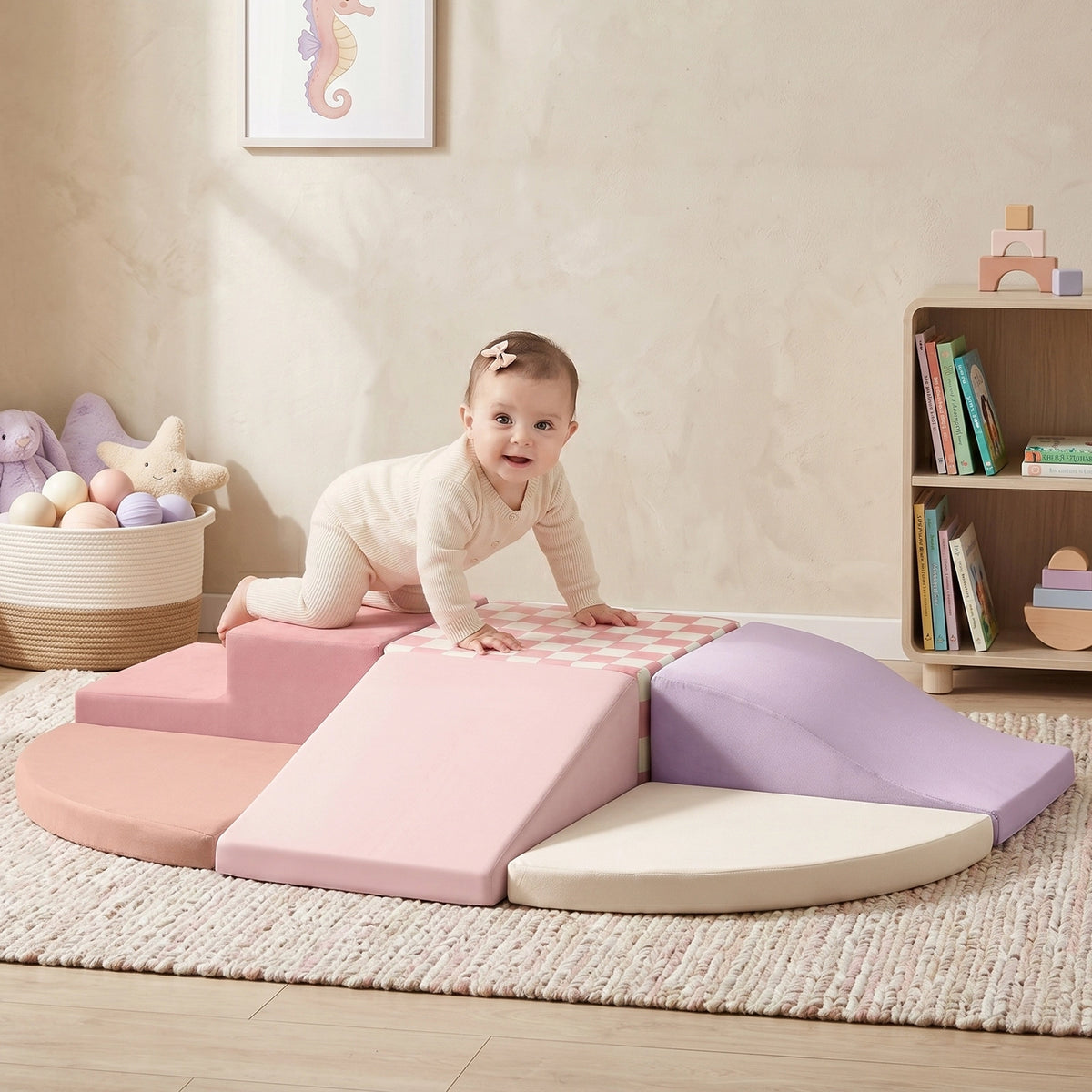

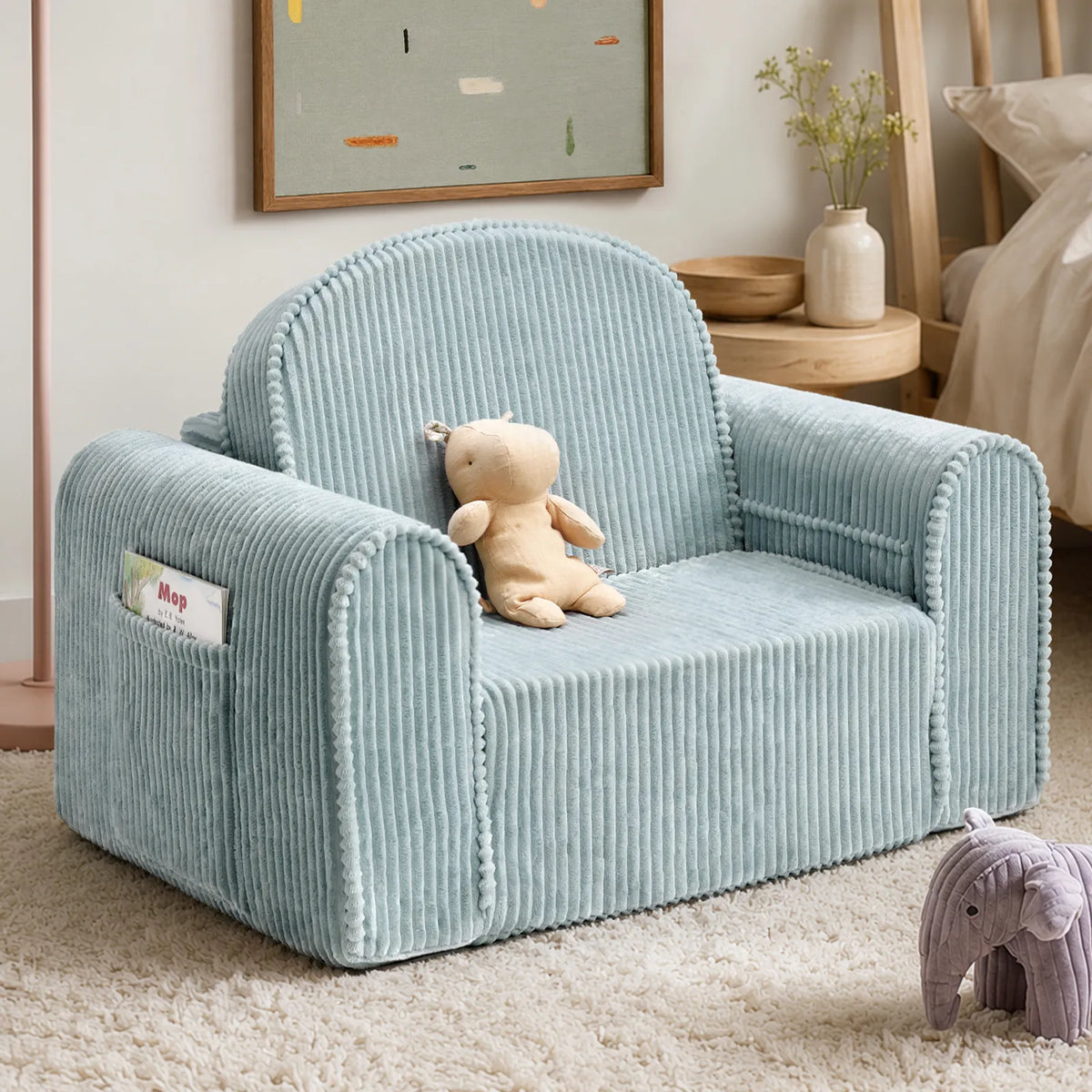
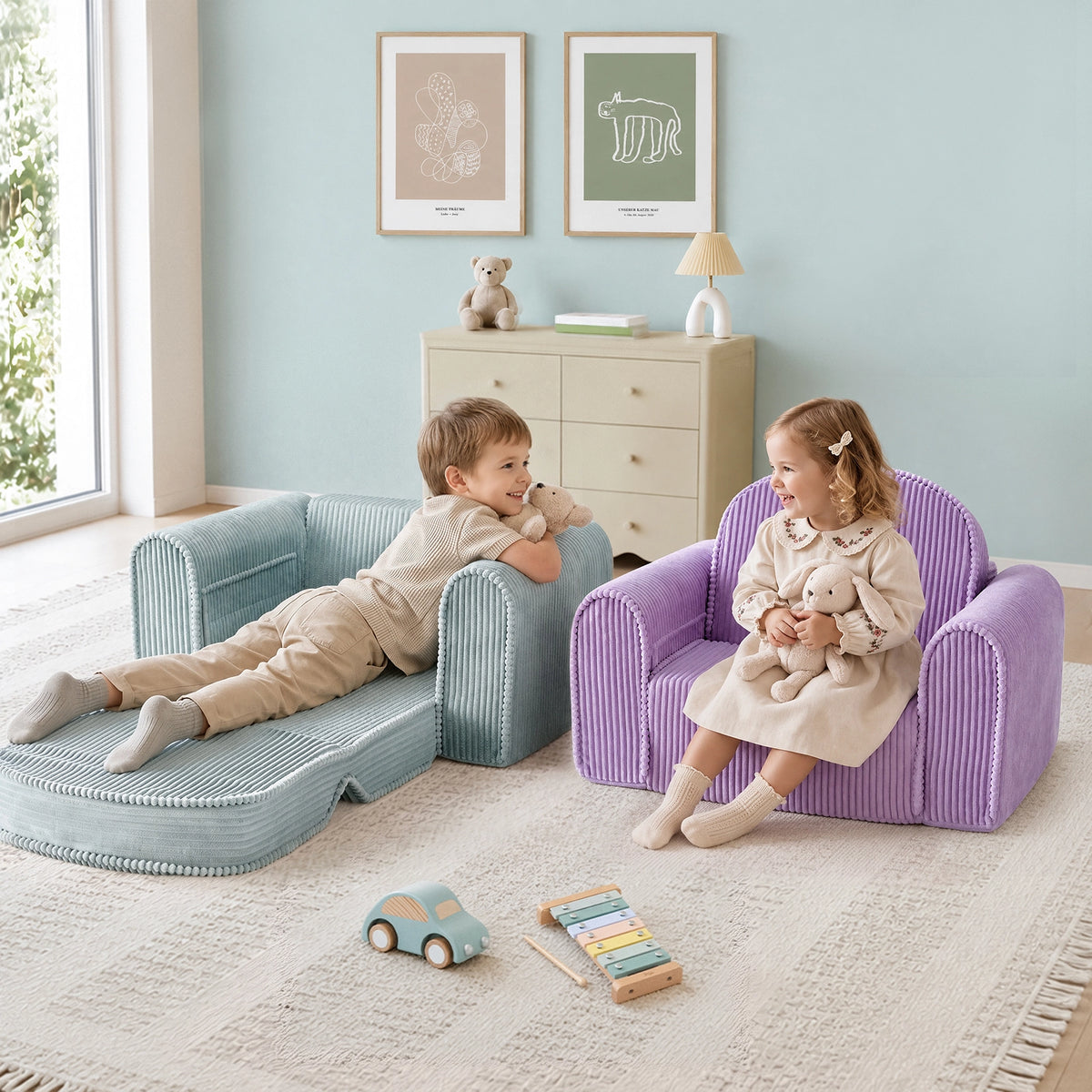

Winter means more time indoors — and more time spent with toys. Play kitchens, climbing sets, and dollhouses quickly become part of everyday life, especially during colder months when outdoor play is limited.
With increased use comes a common question many parents ask: How clean do indoor toys really need to be during winter?
The answer is simple and reassuring. With a few practical habits, you can keep toys safe, well-maintained, and ready for daily play — without adding extra stress to your routine.

Winter Toy Care: Quick Takeaways for Busy Parents
Winter is cold and flu season, so it’s natural for parents to wonder how often toys need to be cleaned.
For most families, “enough” doesn’t mean daily disinfecting. A balanced approach works best:
- Toys used daily or handled frequently benefit from light cleaning about once a week
- Toys that go into mouths should be cleaned after use
The goal isn’t to sterilize your home. It’s about maintaining a clean, comfortable play environment that supports healthy play — without damaging toys or adding unnecessary stress to your routine.
If a toy looks visibly dirty, sticky, or has been used during illness, it’s time to clean it — no complicated rules required.

Caring for Different Types of Indoor Toys
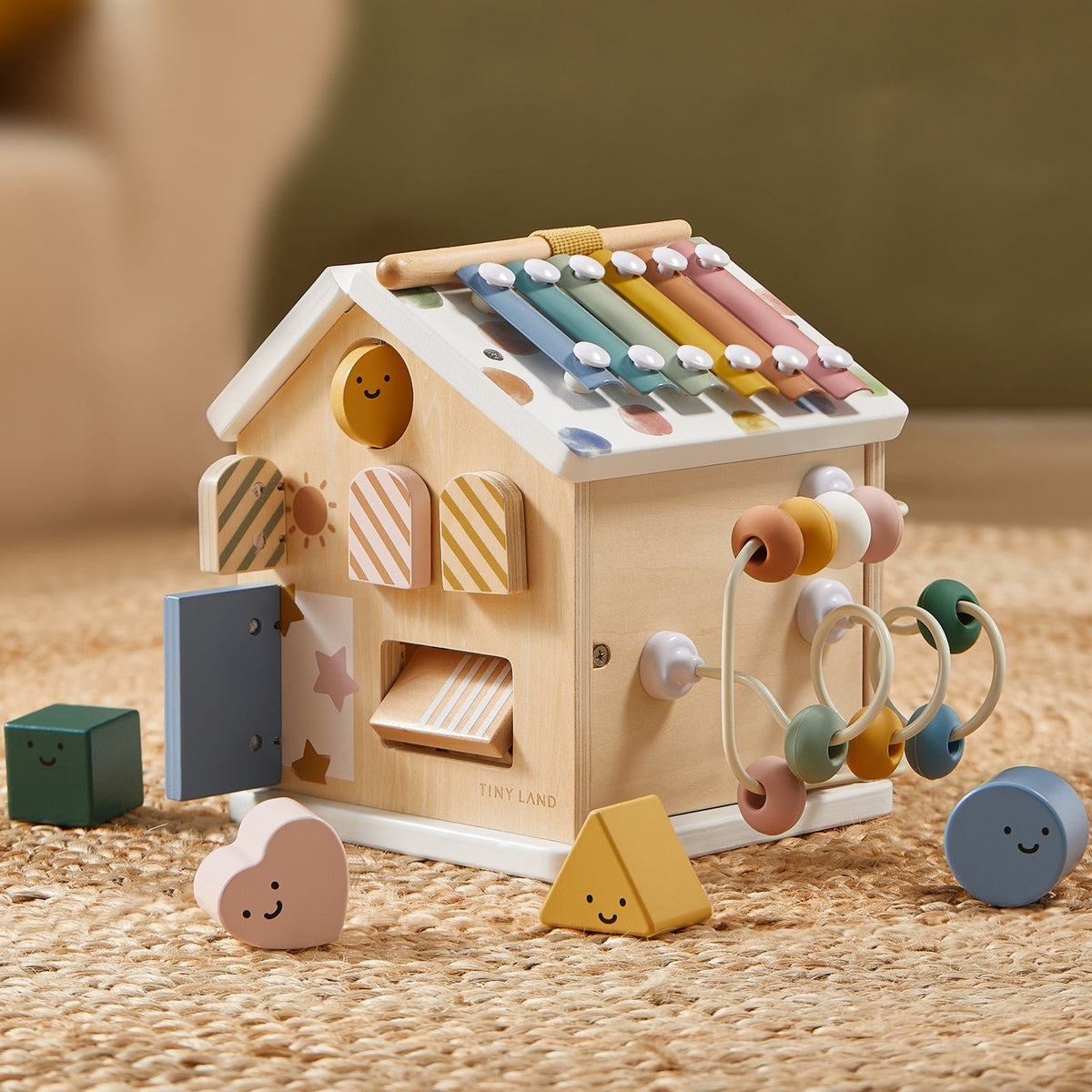
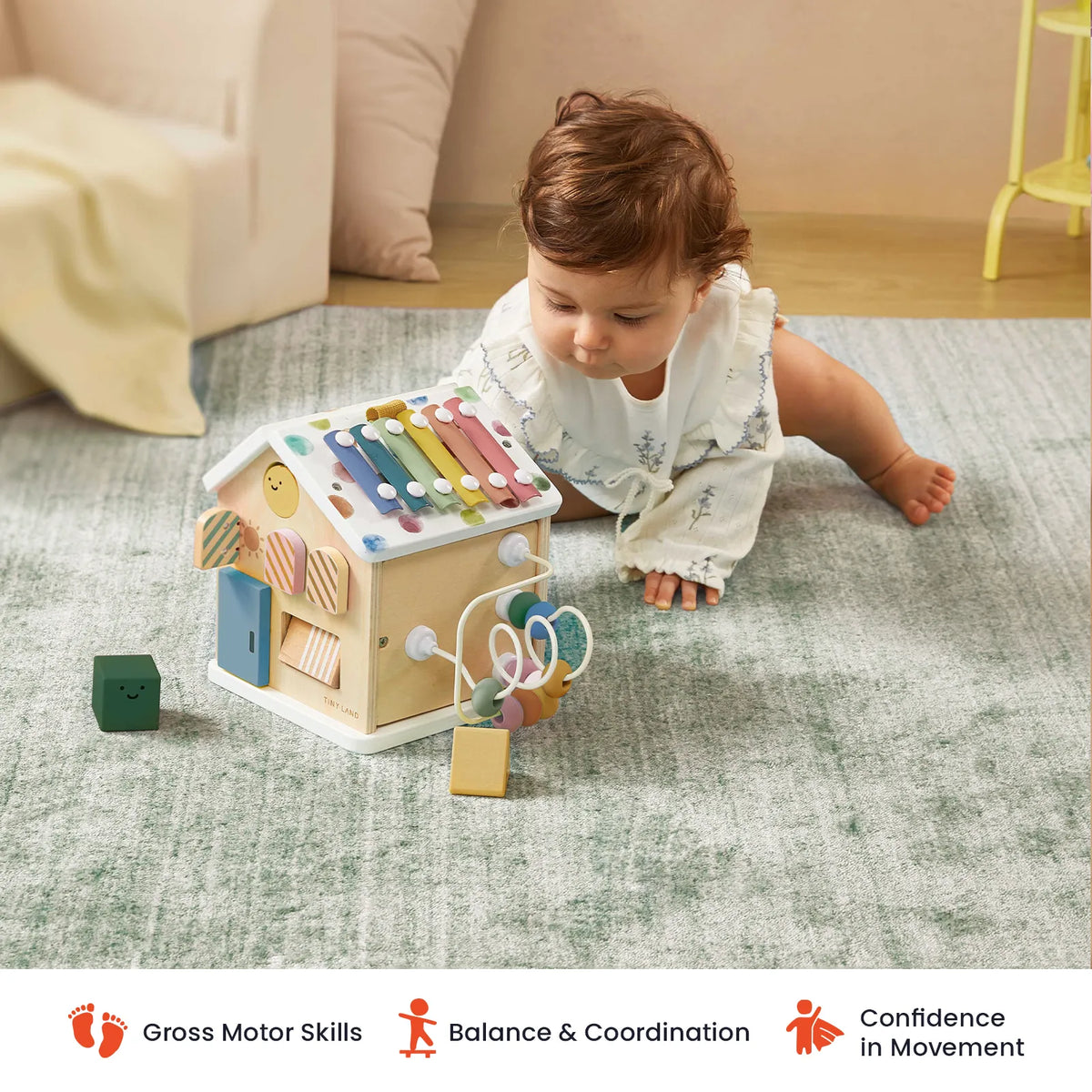
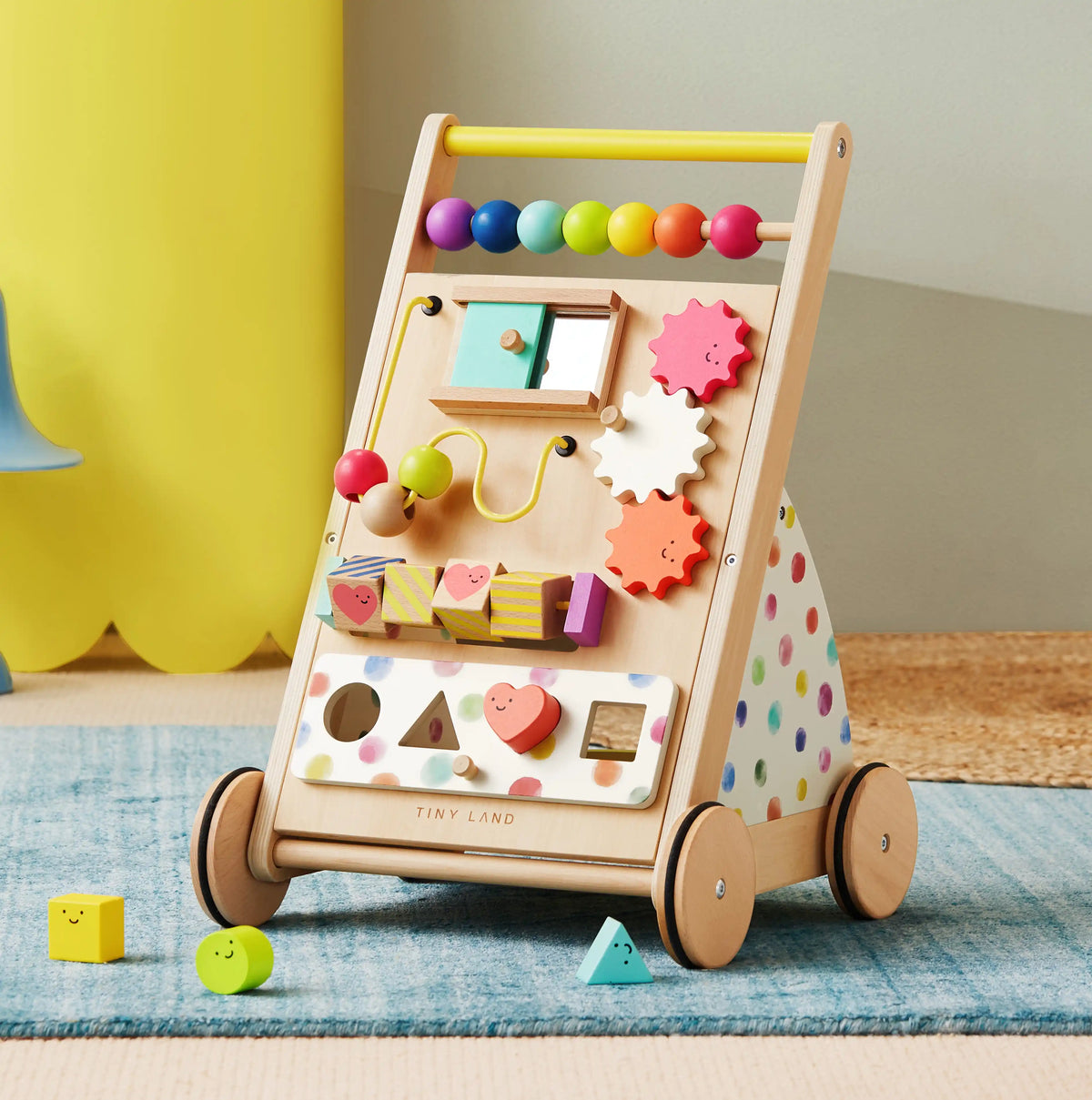
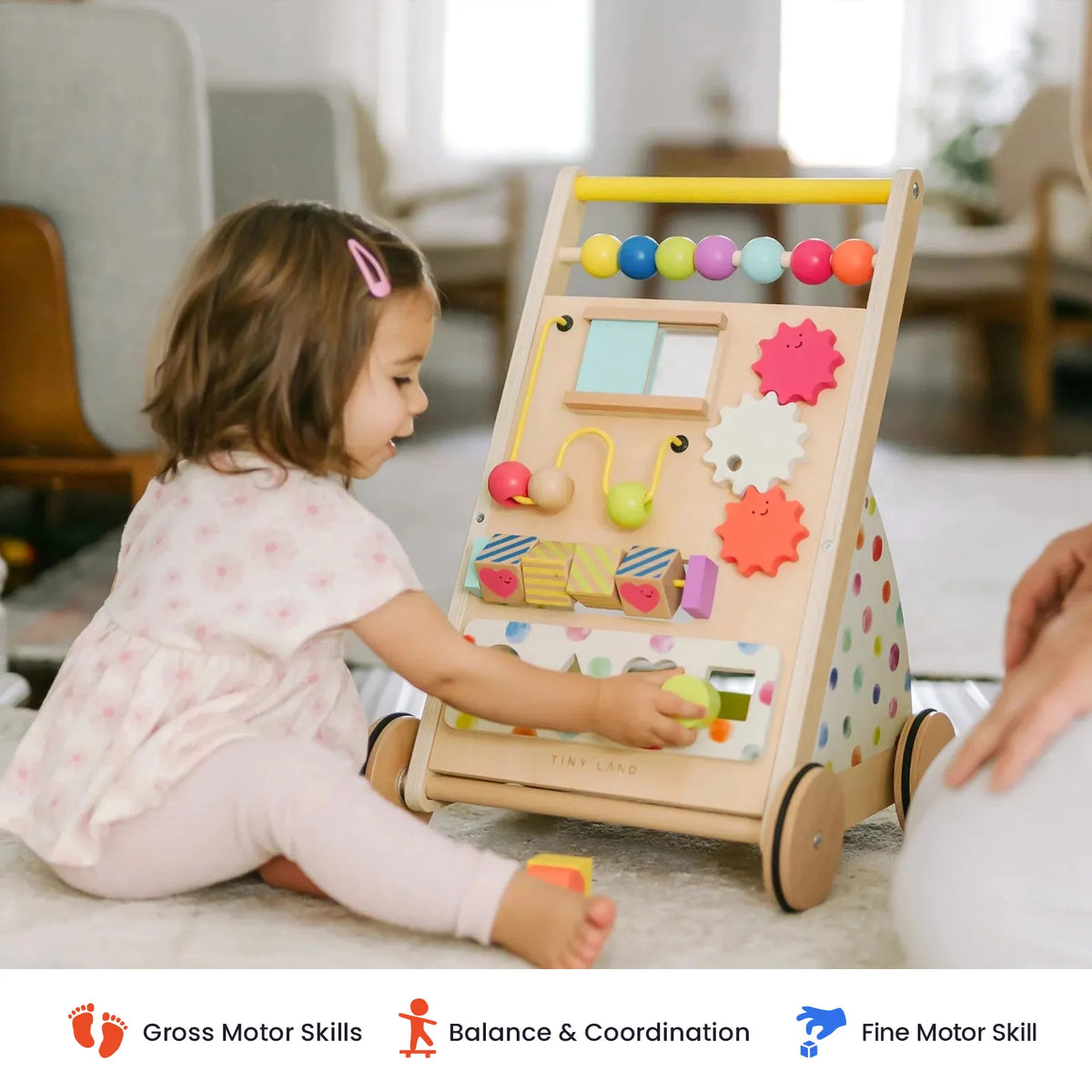
Wood is durable and naturally breathable but benefits from gentle care. Use a damp cloth to wipe surfaces clean, and always allow toys to air-dry fully. Avoid soaking or using harsh disinfectants, as these can damage the wood over time.
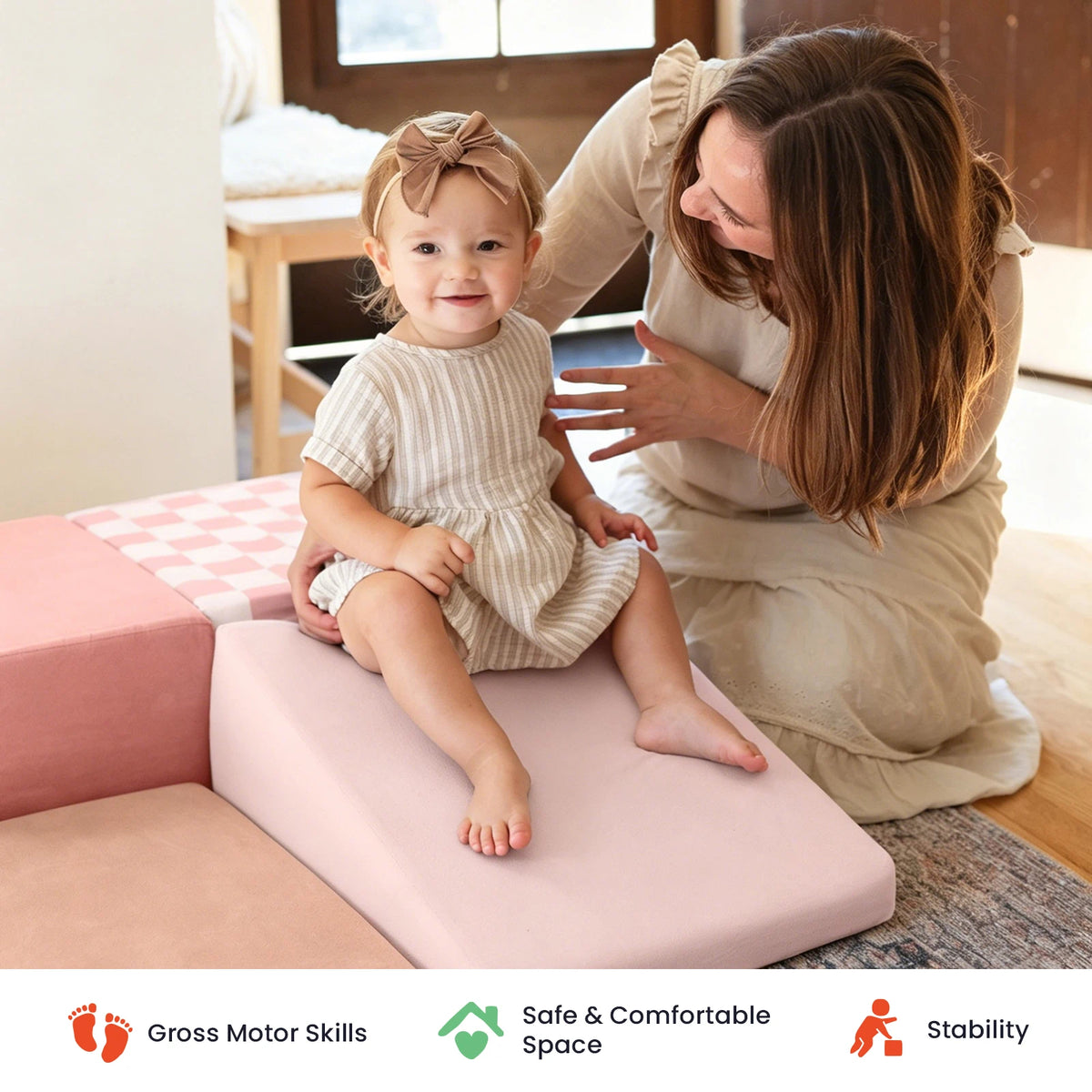
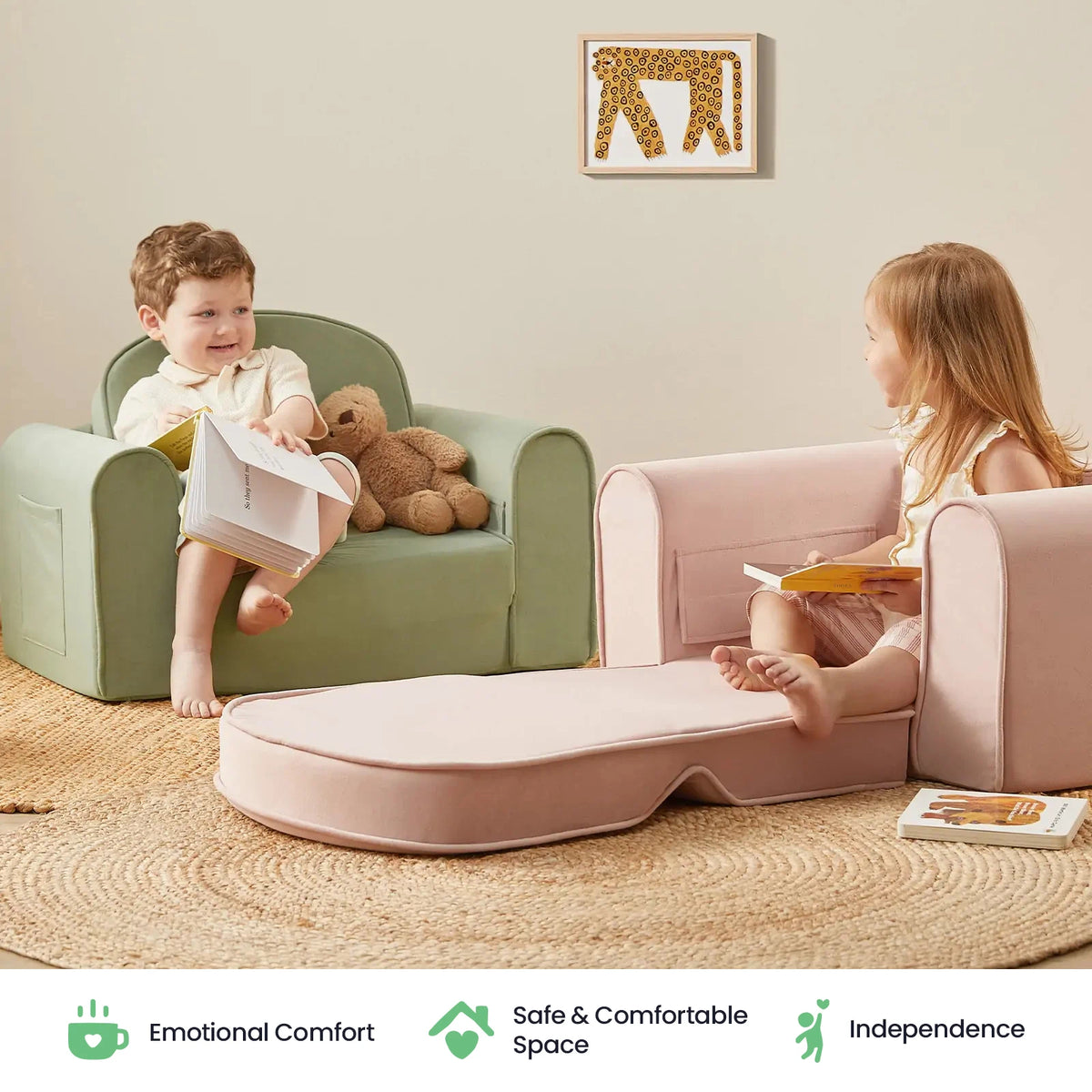
Fabric toys should be cleaned regularly according to manufacturer instructions—usually with a gentle hand wash or a delicate cycle in the washing machine. Make sure they dry completely to prevent mold or mildew, especially in winter’s damp indoor air.
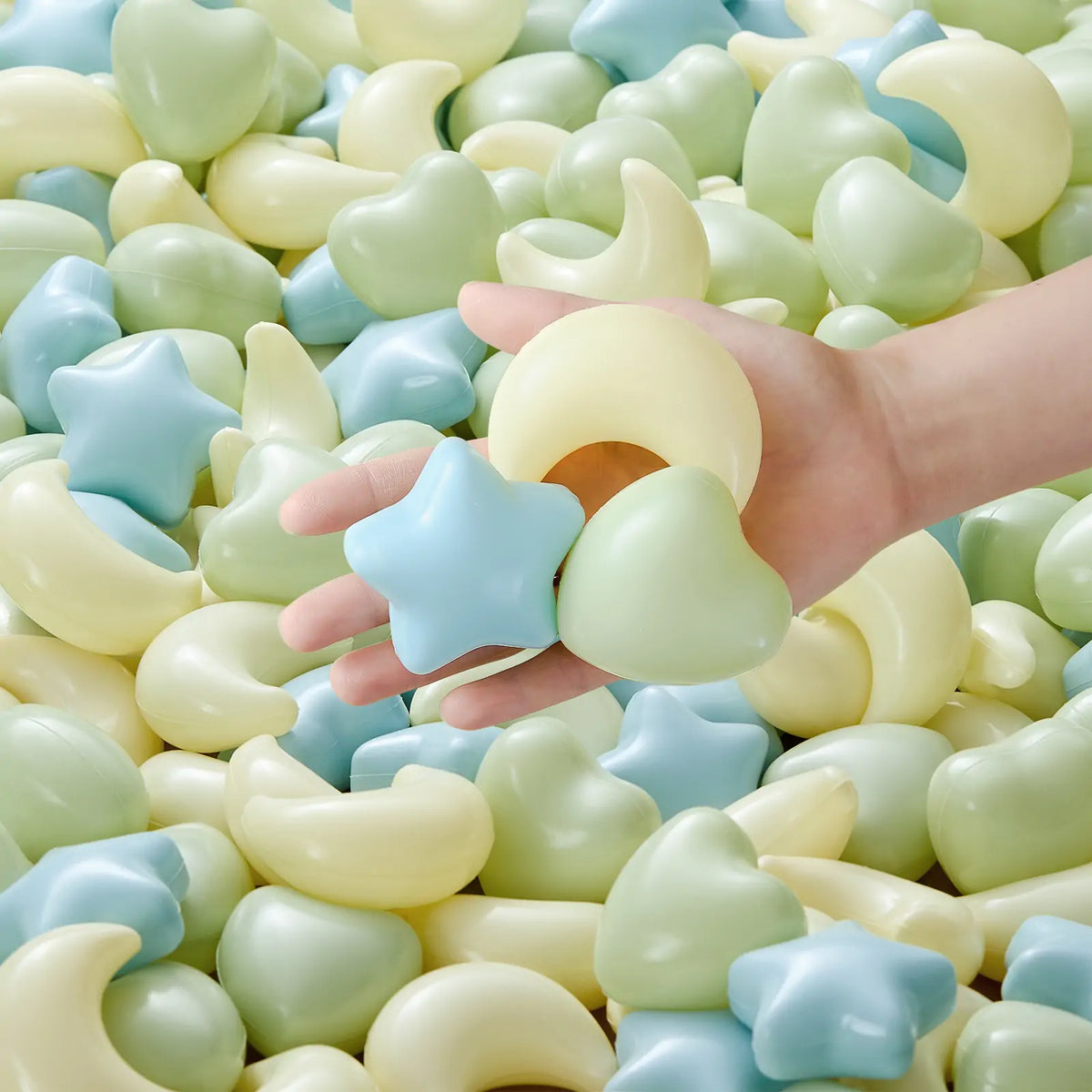
These toys are often waterproof and easier to clean. Wash with warm, soapy water, rinse thoroughly, and air dry. Silicone toys are a great alternative to plastic as they are safer and often more environmentally friendly.
Eco-Friendly Materials Matter
Even in winter, encouraging children to care for toys made from natural and sustainable materials helps nurture their respect for nature. By choosing wooden, fabric, and silicone toys over plastic, you’re supporting a healthier environment and teaching kids the importance of reducing plastic waste from an early age.

Make Toy Care Part of the Kid’s Routine — Not a Chore
Many families find it helpful to involve children in simple cleanup habits. Wiping a play surface or helping return toys to their place builds responsibility and respect for belongings — without turning cleanup into a battle.
One mom shared a sweet story about her little boy who often watched her clean their real kitchen. Inspired, he began copying her by taking a cloth to wipe down his own play kitchen after every play session. This simple act not only made cleanup feel like playtime but also helped him develop a sense of pride and care for his toys.
When toy care becomes part of a child’s everyday play, it feels manageable rather than overwhelming.

Designed for Real Life, All Year Long
At Tiny Land, we design our toys with real family routines in mind. That means choosing materials that are safe for children, easy to care for, and made to hold up to everyday play — season after season.
Winter play should feel cozy, creative, and worry-free. With a few simple habits, indoor toys can continue to be a source of joy, comfort, and imagination throughout the colder months.

