





Meet the Expert: Alex Miller, M.S., CCC-SLP

Why Pretend Play Kitchens Are More Than Just Toys

How Pretend Kitchens Support Language Development
- Naming foods, ingredients, and kitchen tools
- Describing actions such as mixing, cooking, and serving
- Asking questions and making requests
- Taking turns during conversations
- Creating stories and explaining their ideas

Encouraging Symbolic Thinking Through Imaginative Play
One of the most important parts of pretend play is symbolic thinking — understanding that one object, action, or idea can represent another.
A fruit piece can become an ingredient for a pretend recipe. A play kitchen can transform into a restaurant, bakery, or family café. Children use their imagination to create scenarios, solve problems, and decide how their play world works.
This type of flexible thinking supports creativity, problem-solving, and cognitive development.
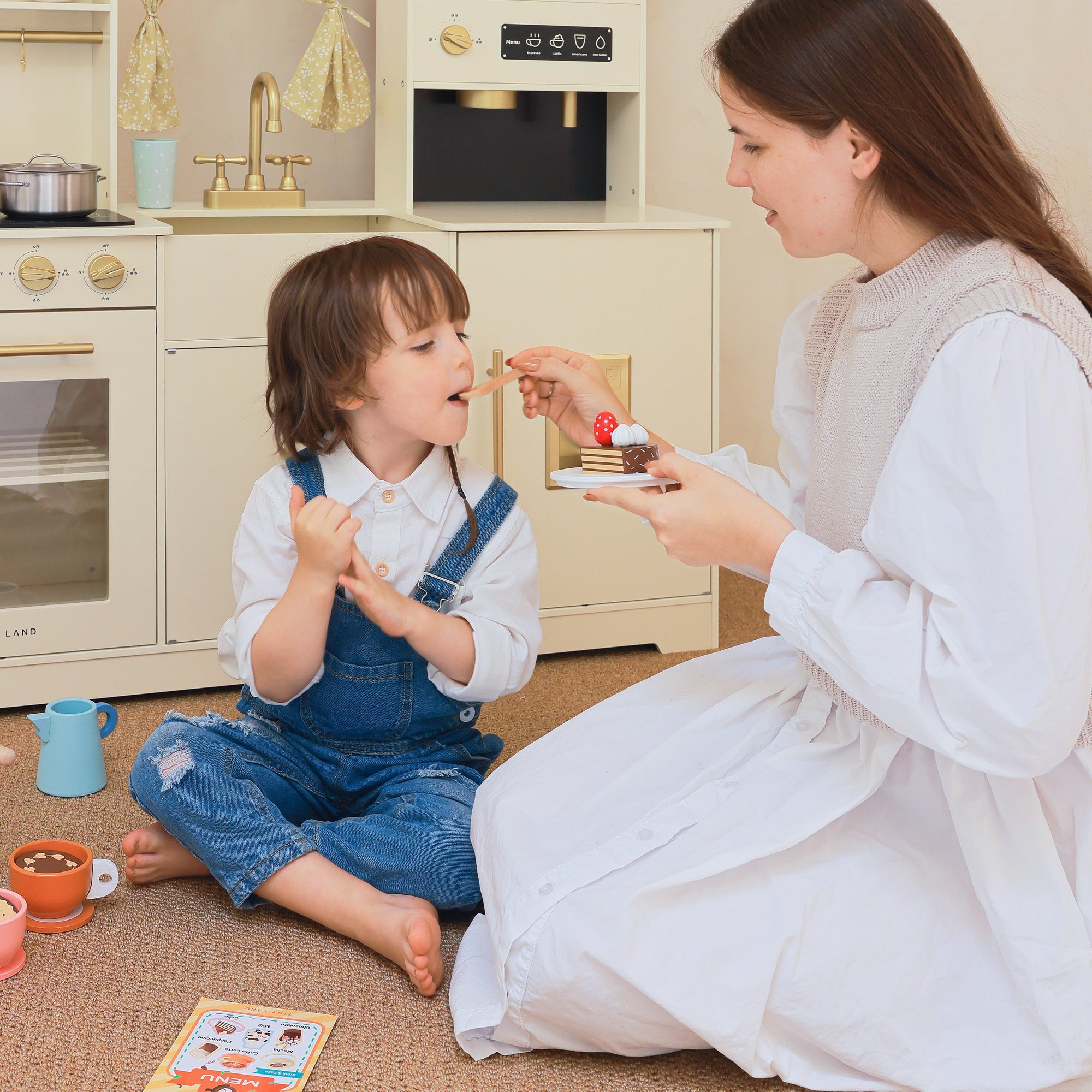
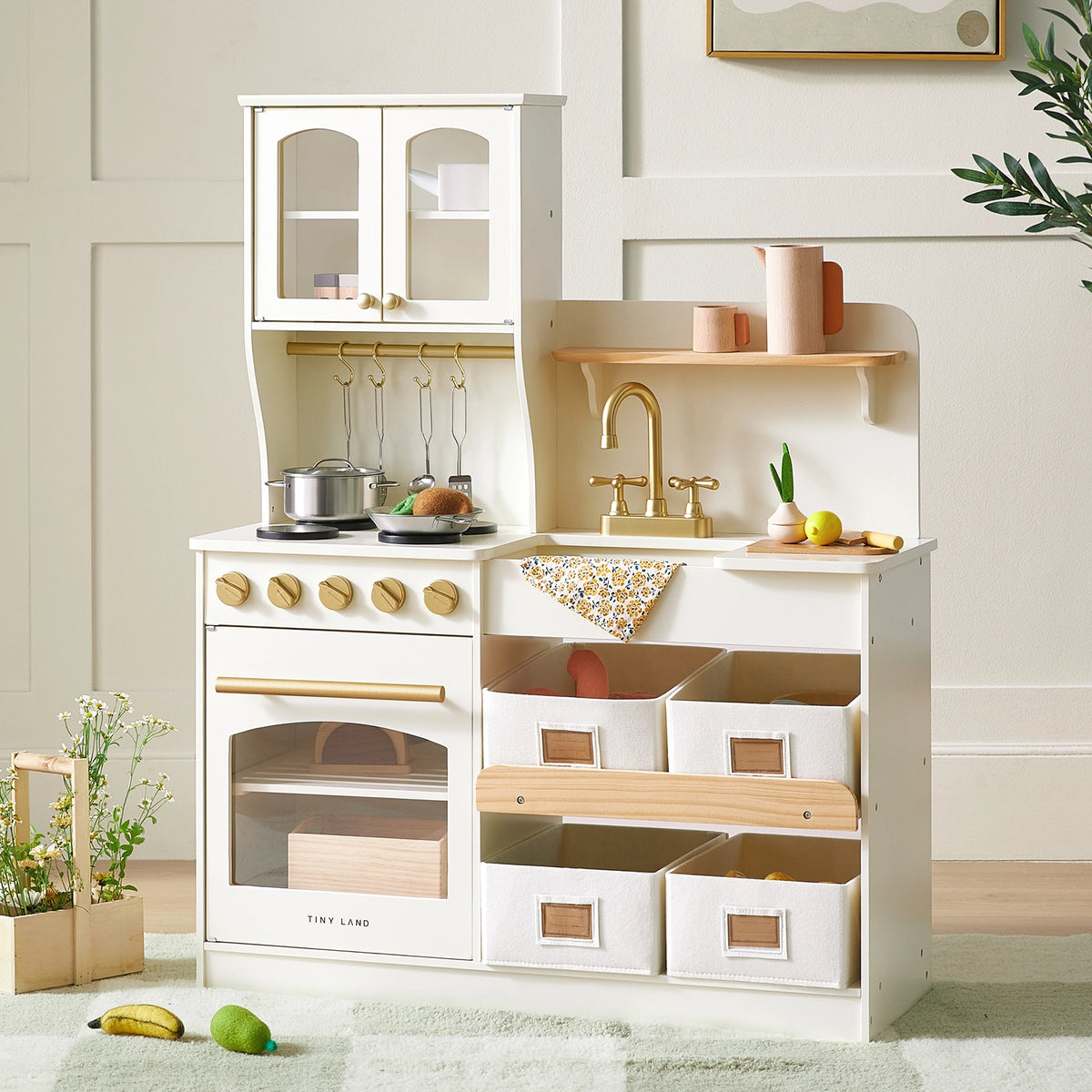
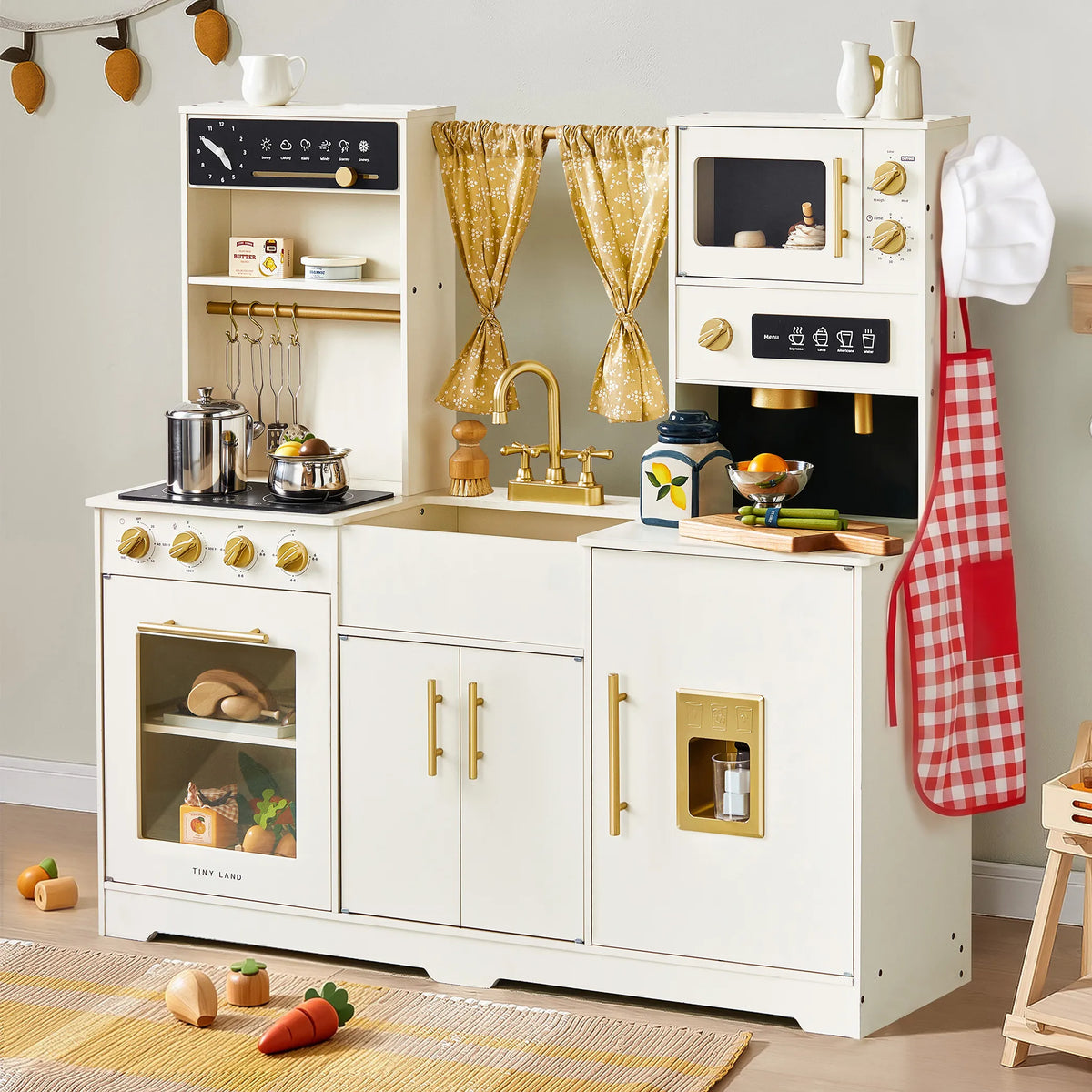
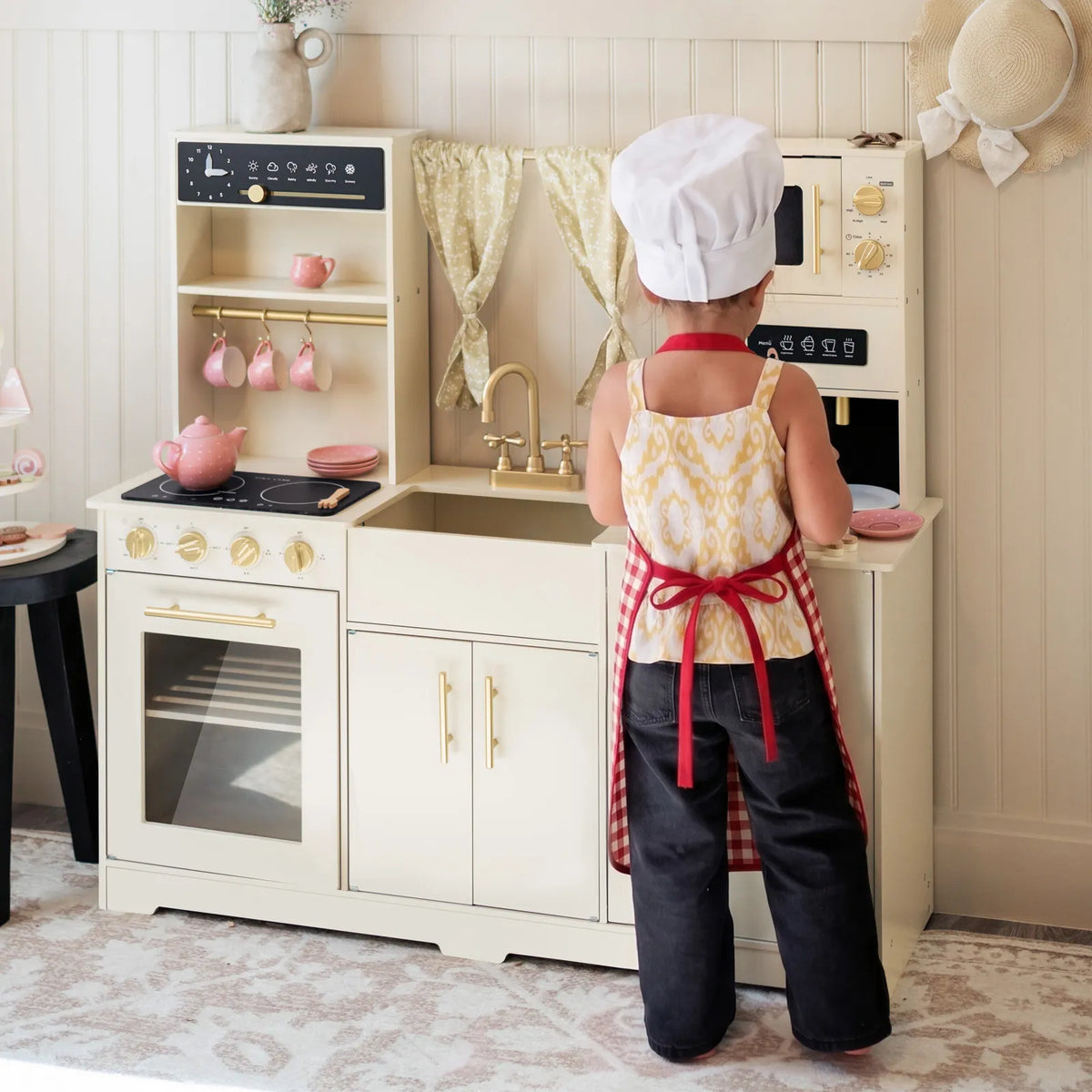
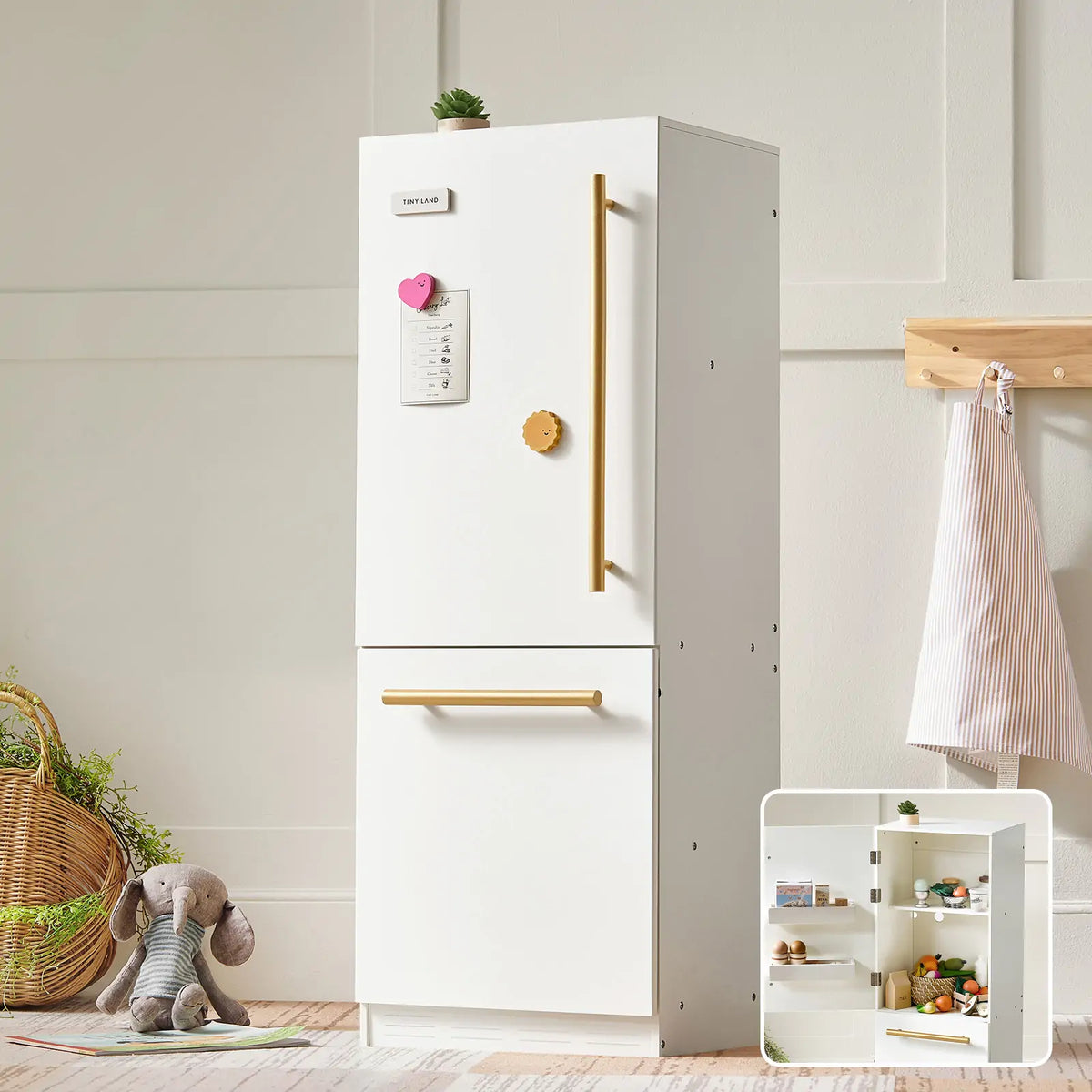
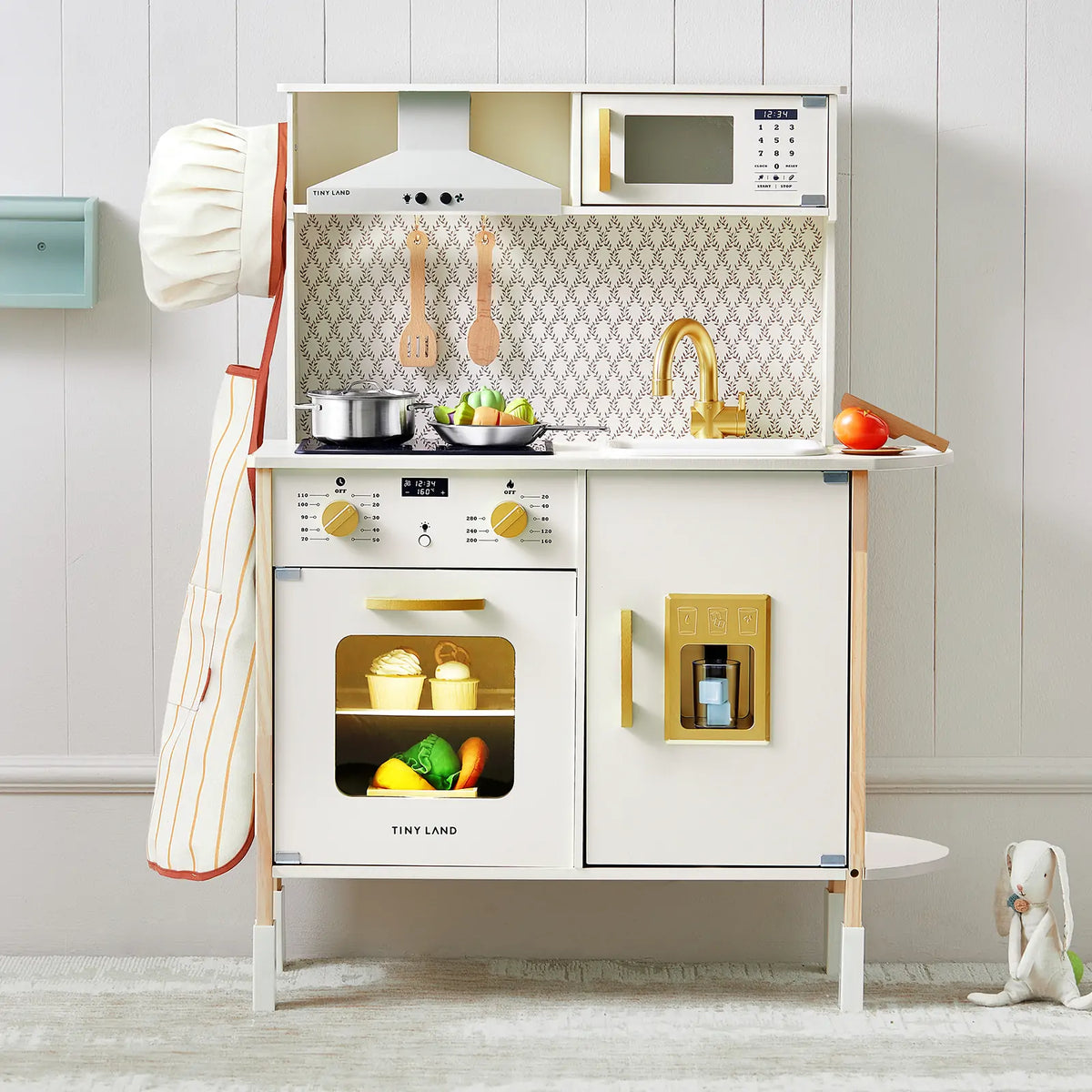
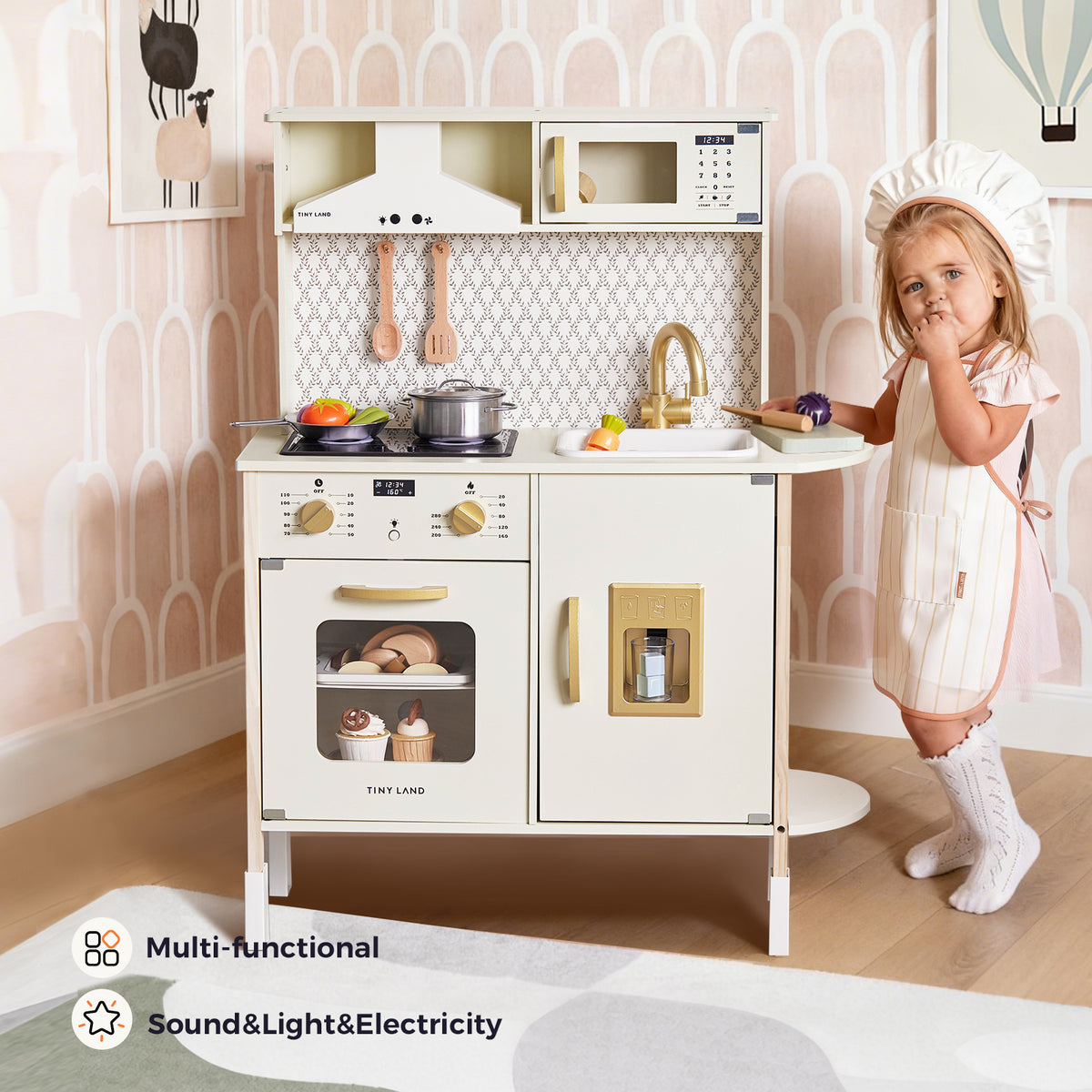
The Tiny Land® PopJoy Play Kitchen includes realistic details such as turning knobs, opening doors, and interactive lights and sounds. These features help children stay engaged while exploring cause-and-effect relationships and creating longer pretend play experiences.

Learning Everyday Routines Through Pretend Cooking
Cooking naturally follows a sequence:
Choose ingredients → Prepare food → Cook → Serve → Clean up
Through pretend kitchen play, children begin to understand these familiar routines while practicing planning and organization.
Parents can support learning by asking simple questions:
- “What do we need first?”
- “What should we do next?”
- “Who are we cooking for today?”
These conversations encourage children to think through steps, explain their choices, and build confidence in expressing their ideas.

Building Social Skills Through Cooperative Play
Pretend kitchens also create opportunities for children to practice social interaction.
When children play together, they naturally learn skills such as:
- Taking turns
- Sharing ideas
- Listening to others
- Negotiating roles
- Creating shared stories
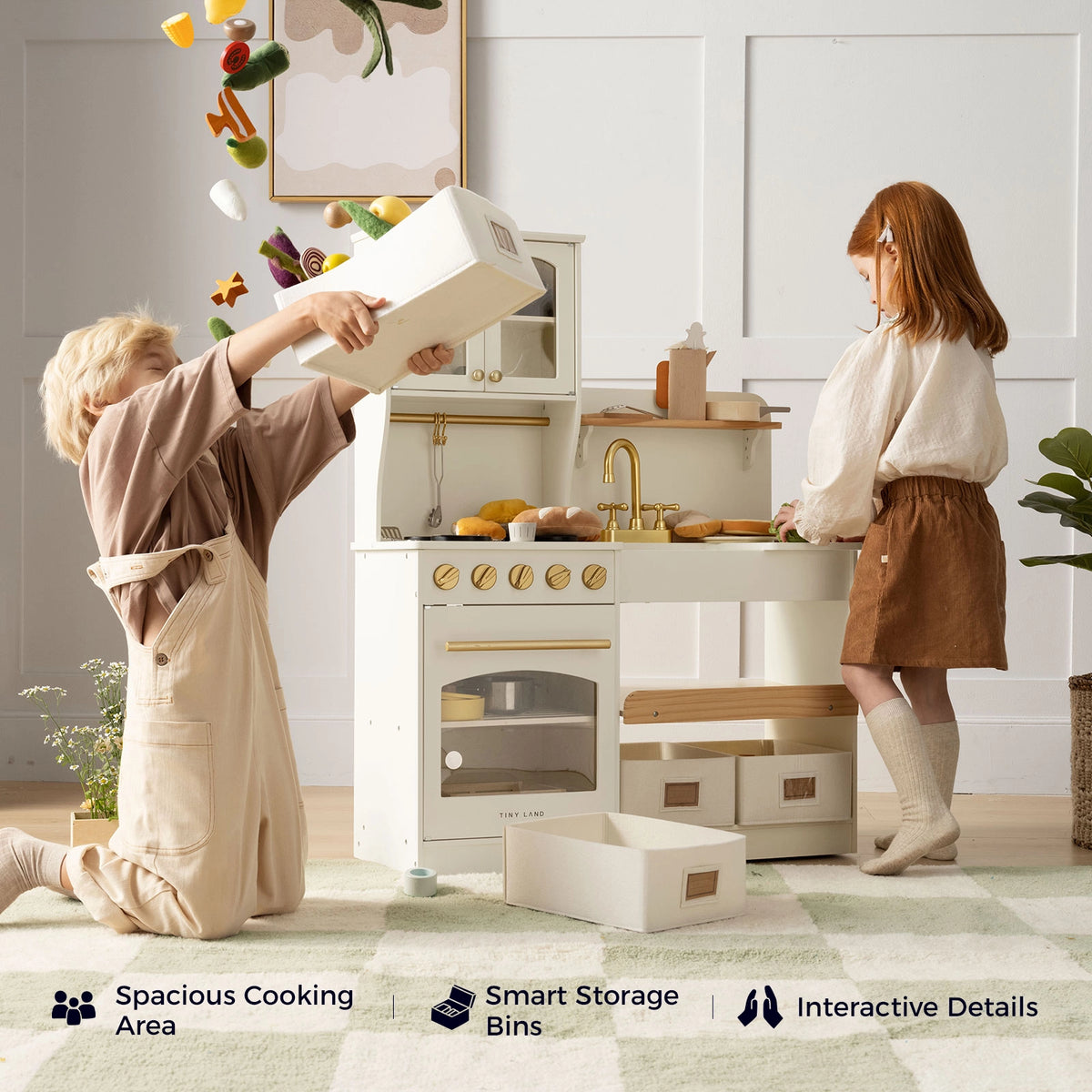
A kitchen can become a restaurant where one child is the chef, another is the customer, and another manages the menu. Through role play, children learn to understand different perspectives and cooperate with others.
The Tiny Land® PopJoy Play Kitchen is designed to encourage this type of interactive play with multiple play areas and realistic details that inspire children to create new scenarios together.
 Supporting Positive Food Experiences Through Pretend Play
As a feeding therapist, Alex also highlights the value of food-related pretend play.
For some children, playing with food concepts can be a comfortable way to build familiarity and confidence.
Pretend cooking allows children to explore food without pressure — they can name ingredients, prepare pretend meals, and talk about different foods in a relaxed environment.
The goal is to create positive experiences where food becomes familiar, interesting, and fun.
Through pretend kitchen play, children can explore:
- Food-related vocabulary
- Meal routines
- Different ingredients
- Social experiences around food
These playful interactions can help children feel more comfortable engaging with food concepts in everyday life.

Simple Pretend Kitchen Activities Families Can Try
Parents can extend pretend kitchen play with simple activities at home:
Restaurant Role Play
Take turns being the chef and customer. Encourage children to create menus, take orders, and serve pretend meals.
Grocery Shopping Game
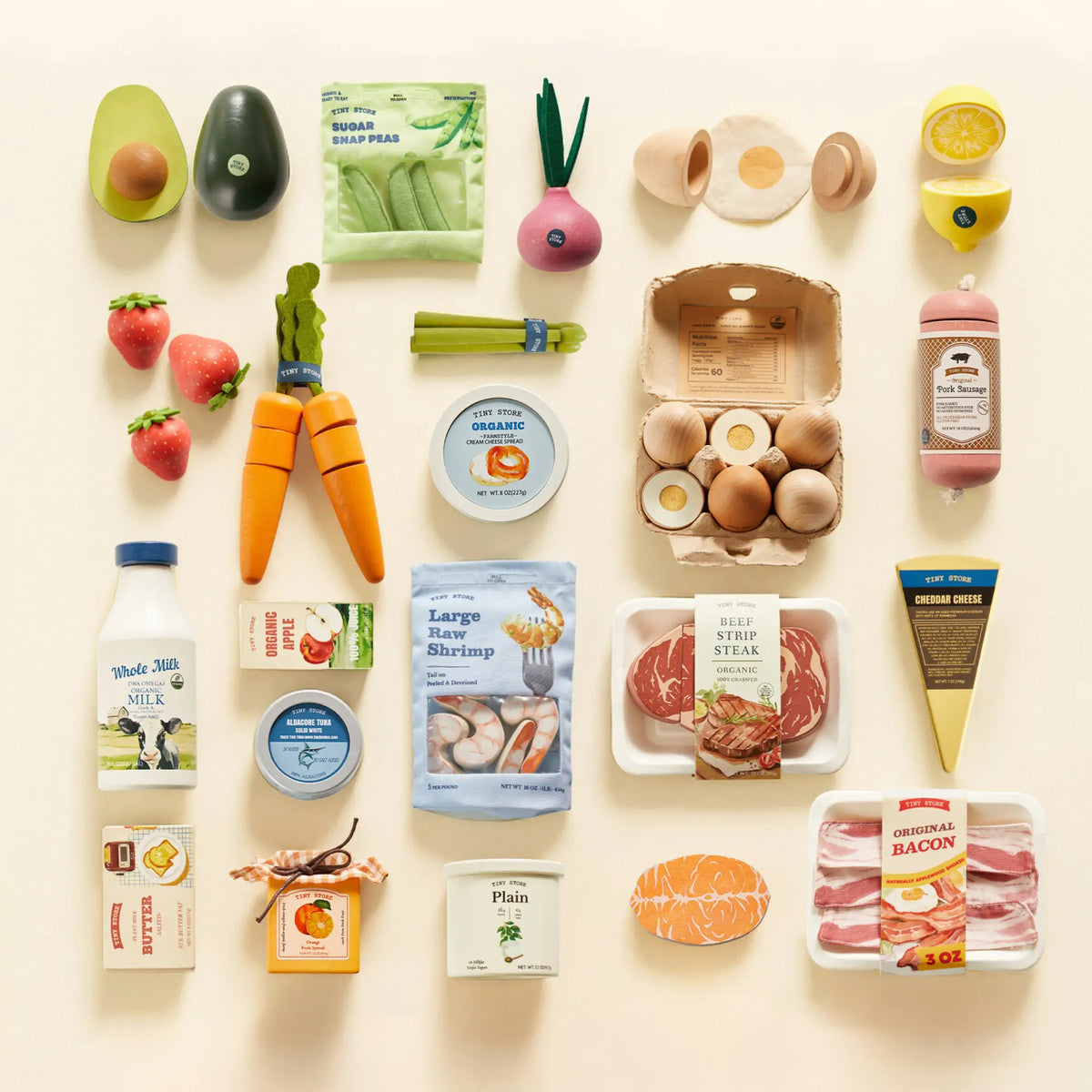
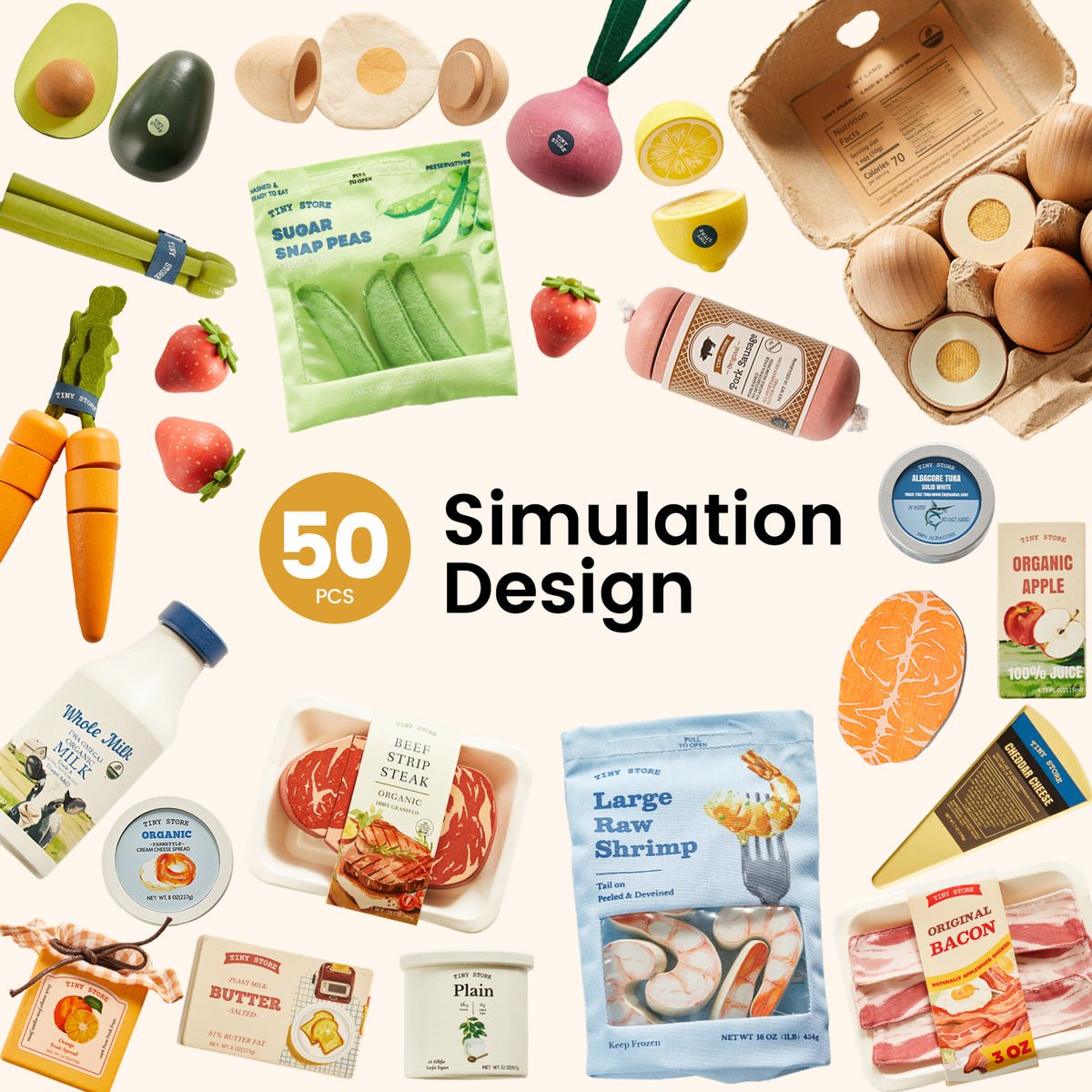
Create a pretend shopping list and let children choose ingredients for their recipe.
Cooking Storytelling
Ask children questions:
- “What are you making?”
- “What ingredients do you need?”
- “What happens next?”
Encourage them to explain their ideas and create their own cooking stories.
Family Meal Preparation
Invite children to recreate familiar family routines through pretend cooking and role play.
These simple activities turn everyday play into opportunities for communication, creativity, and connection.