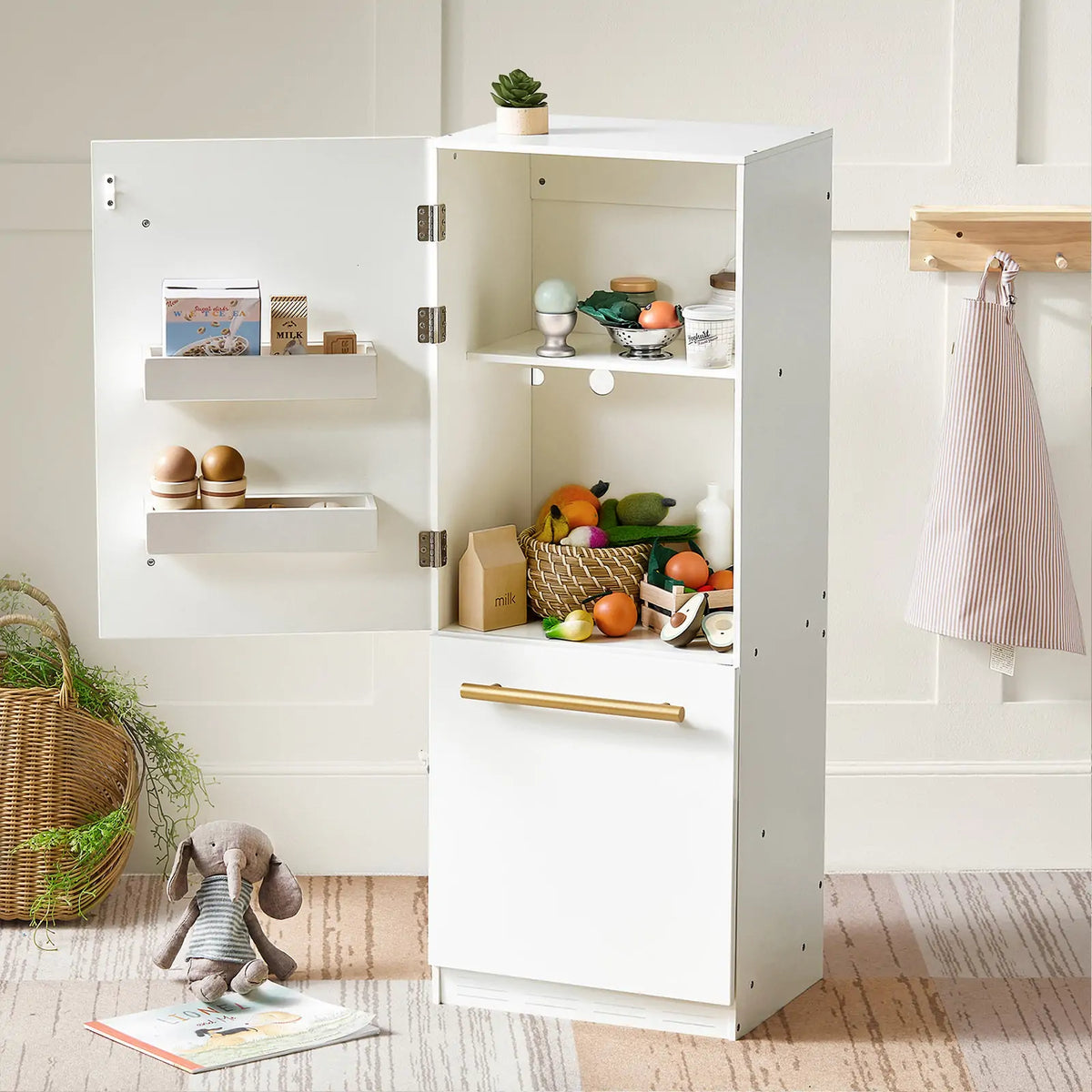

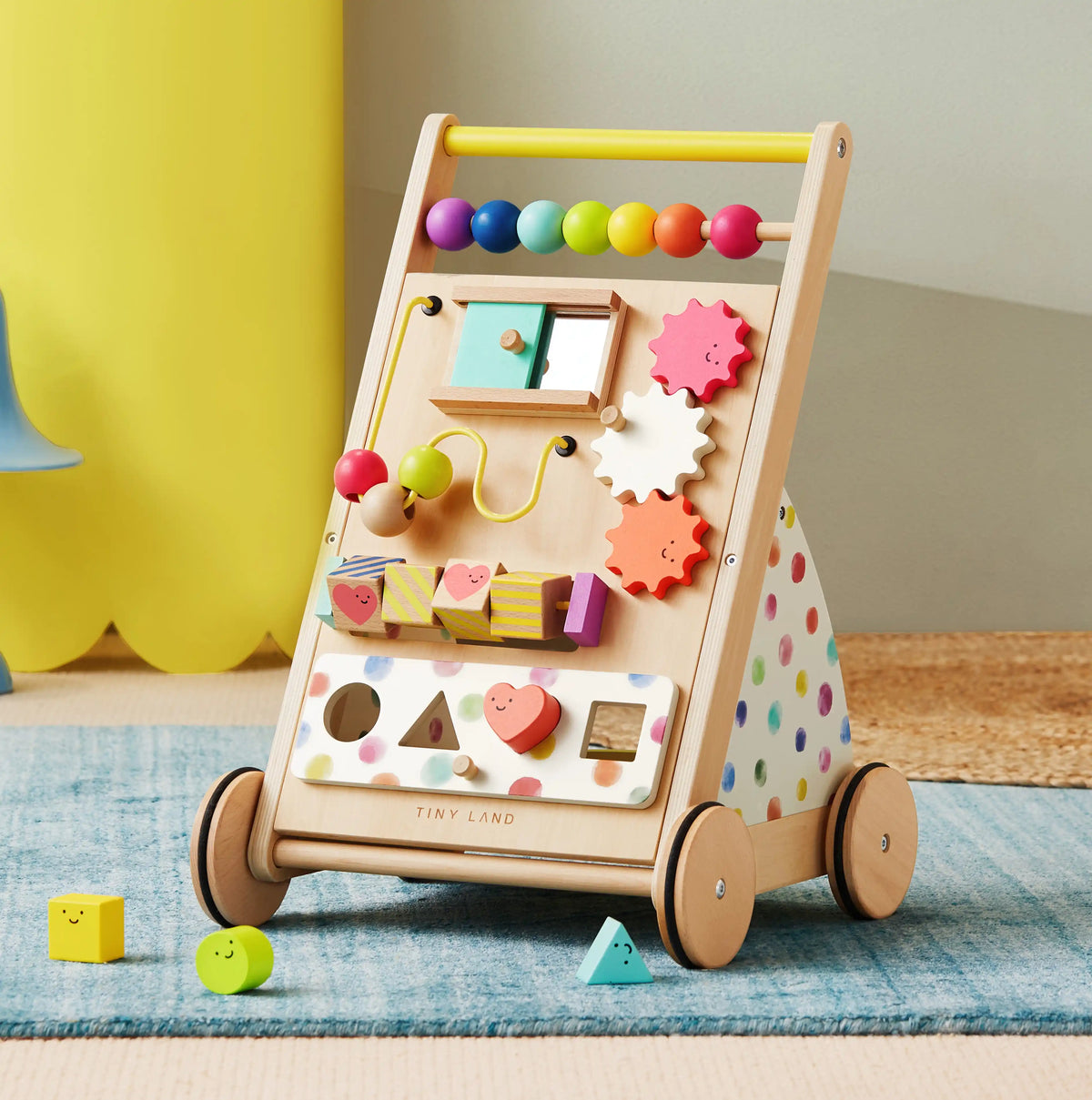


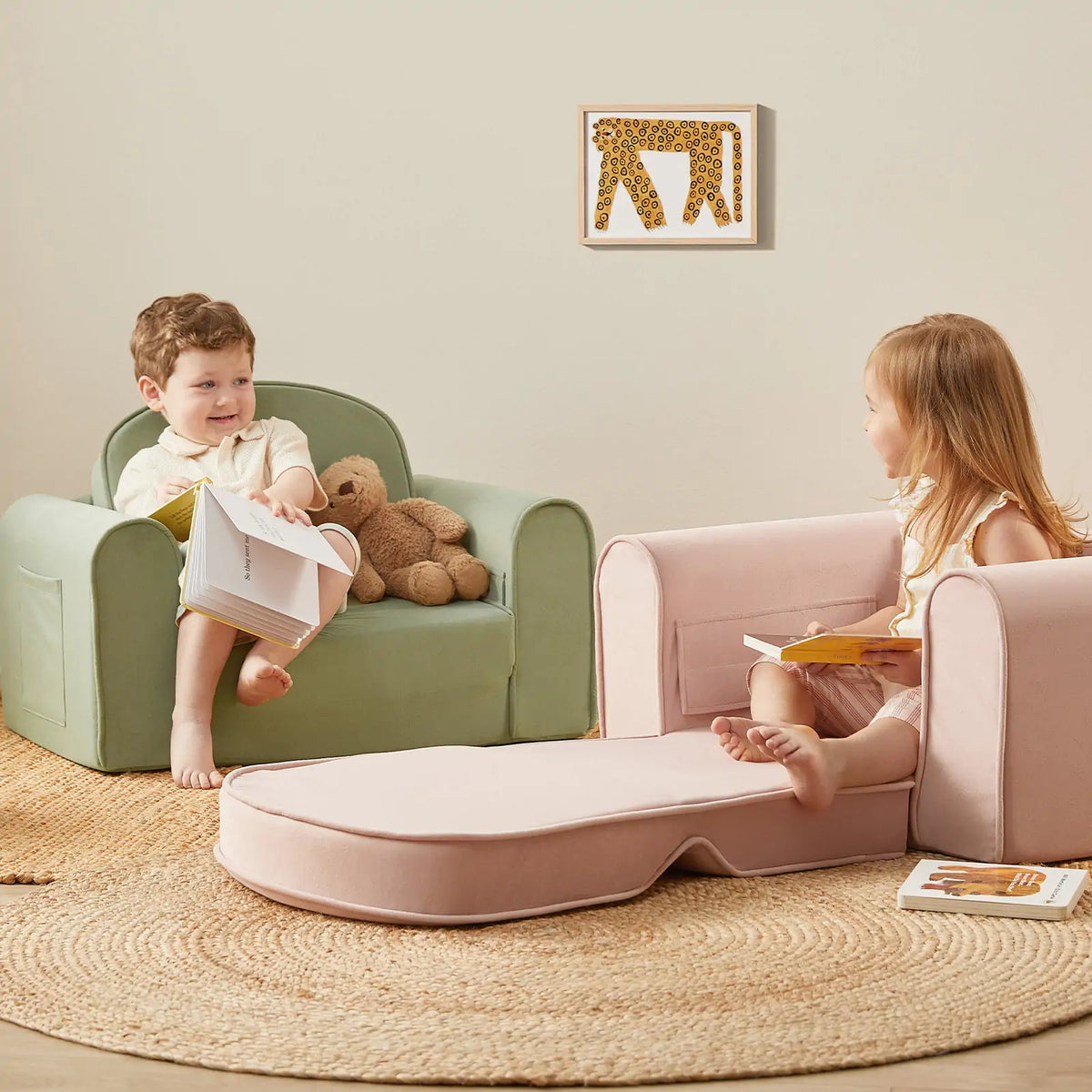

A father and a mother both play an important role in a child’s early development, shaping how they see and understand the world around them.
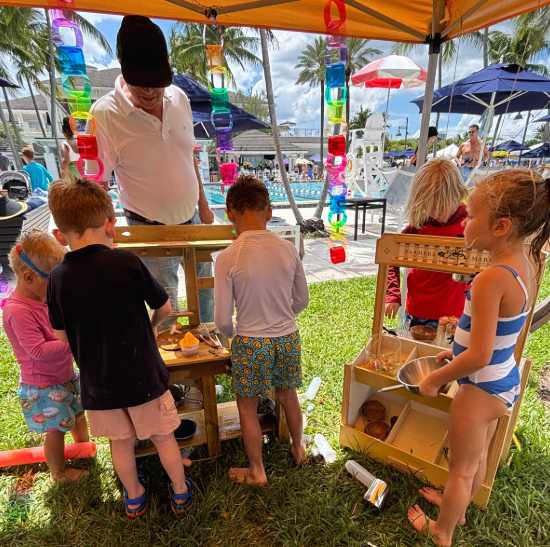
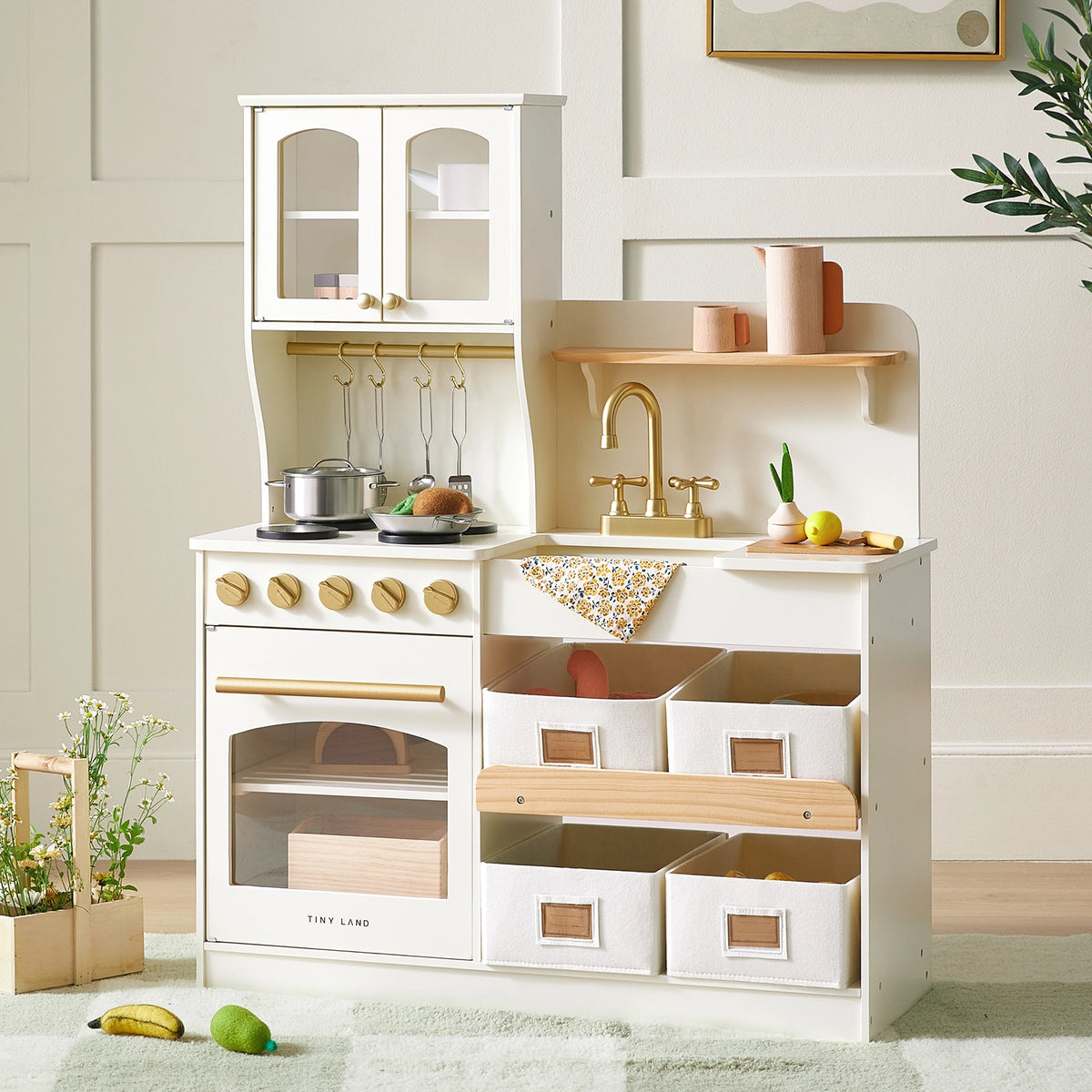
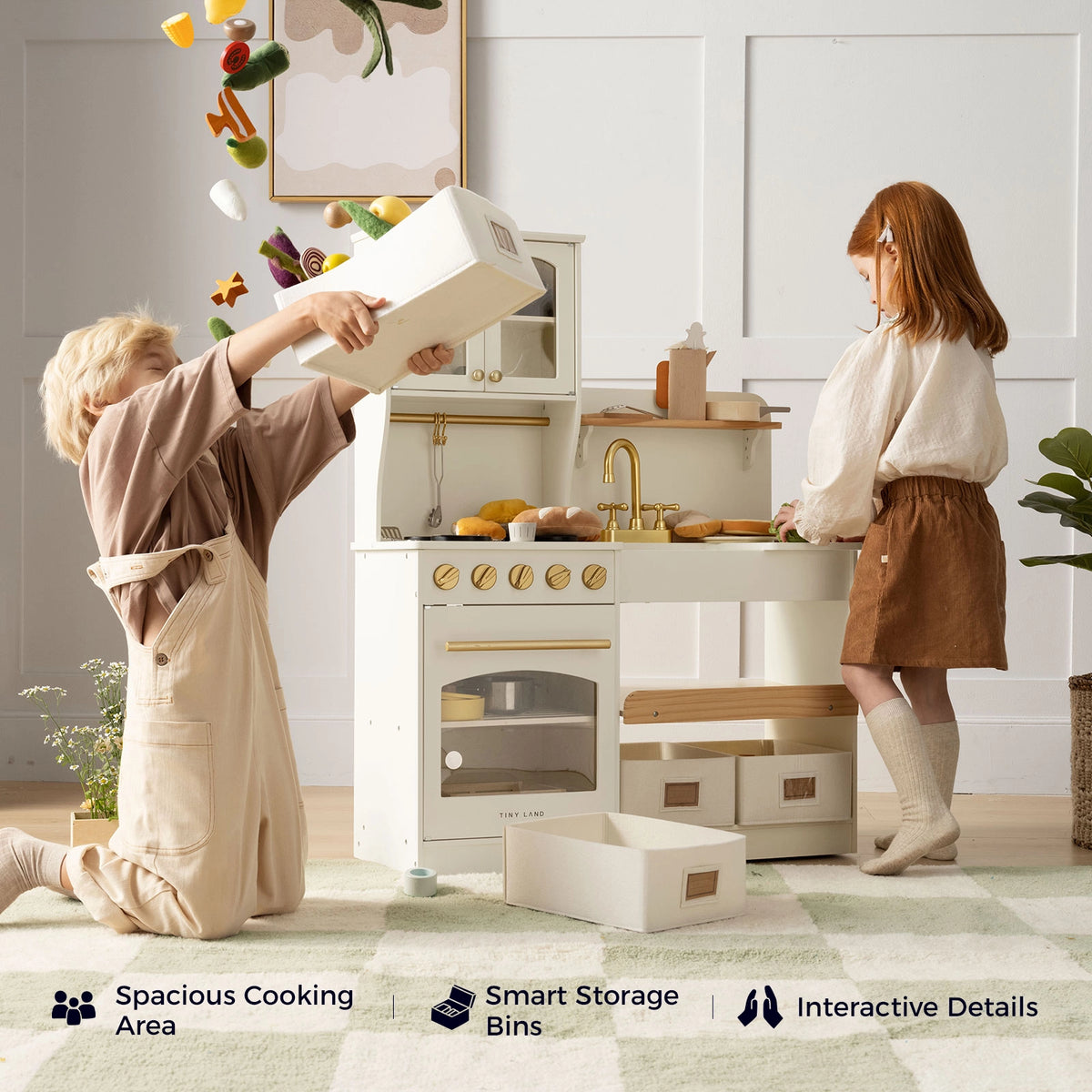
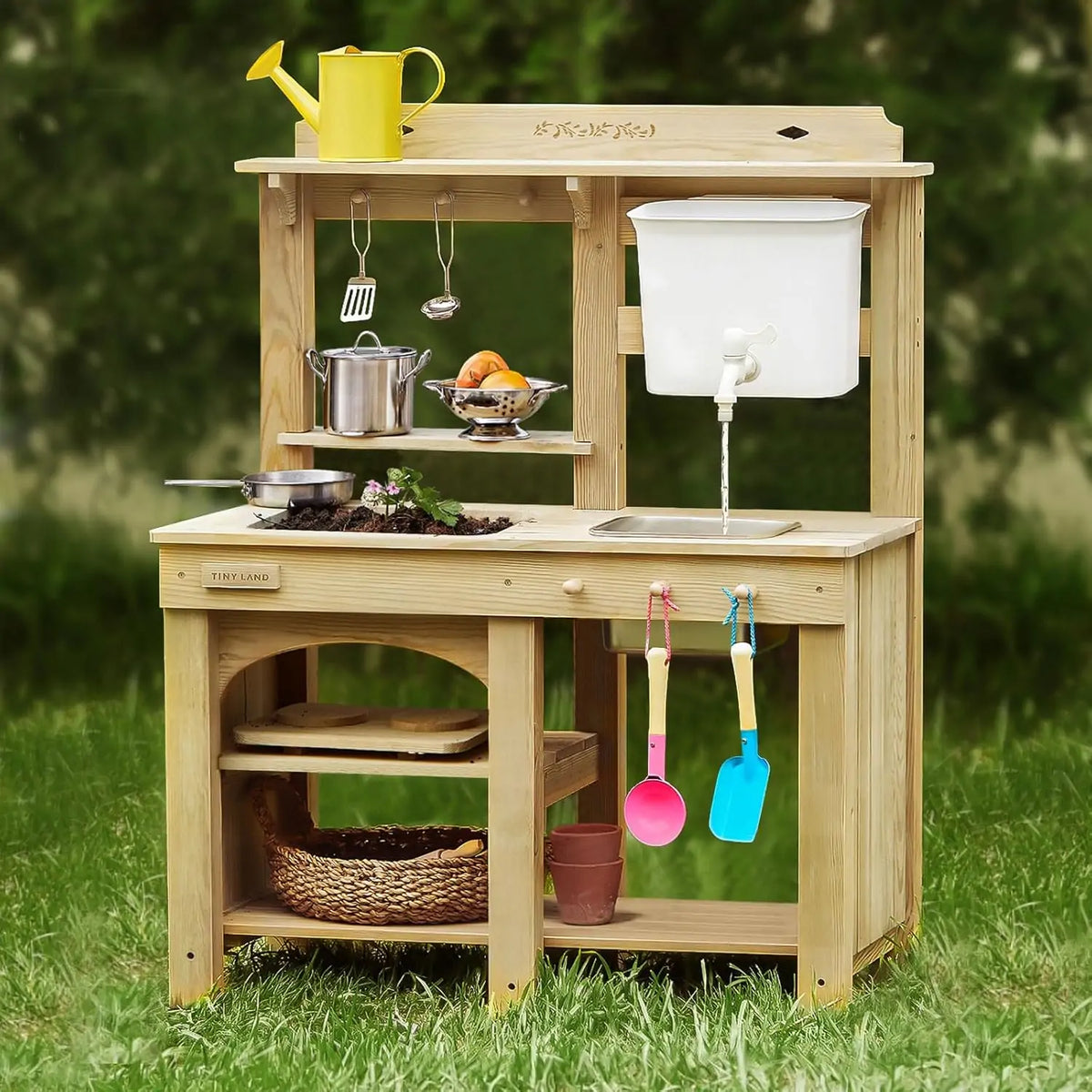
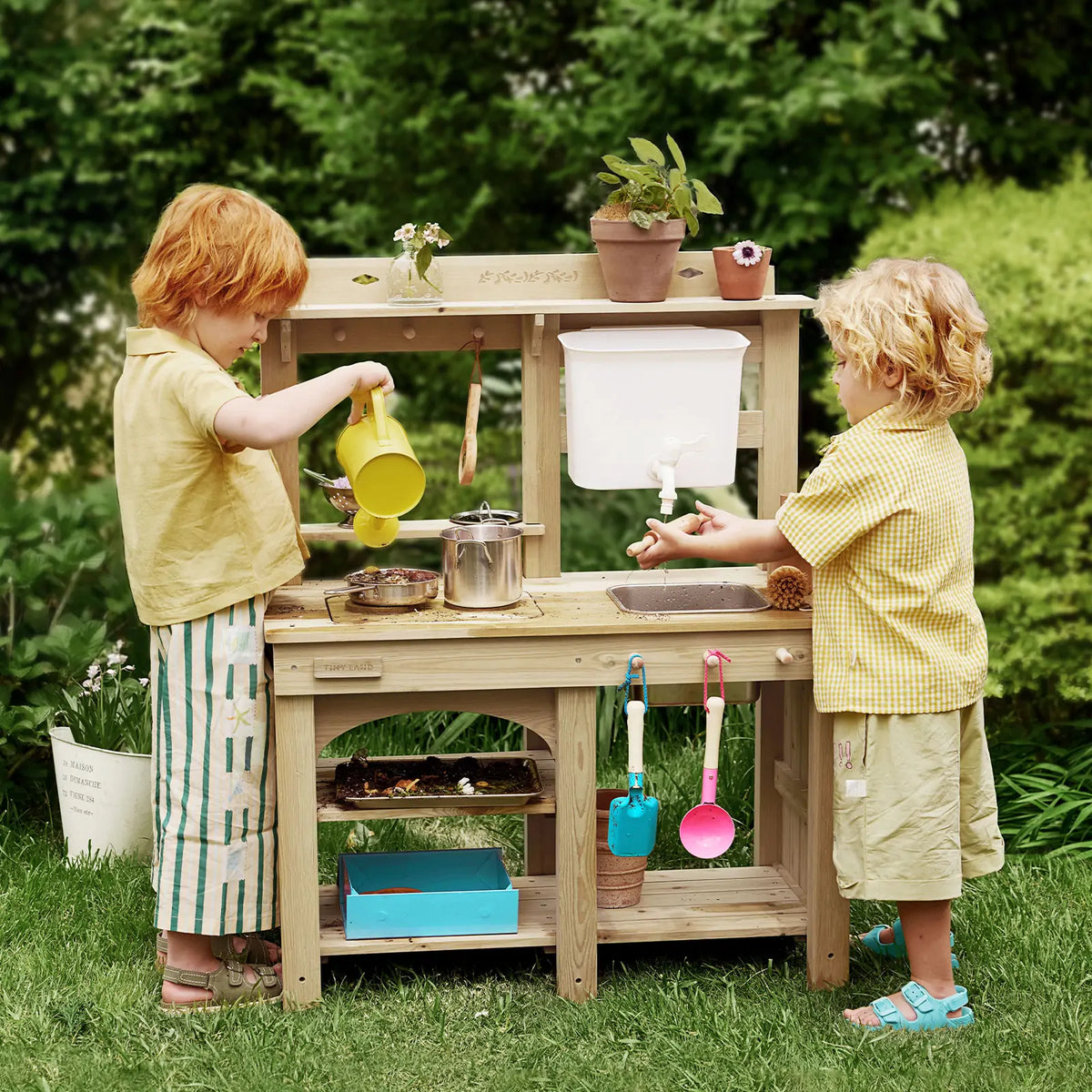
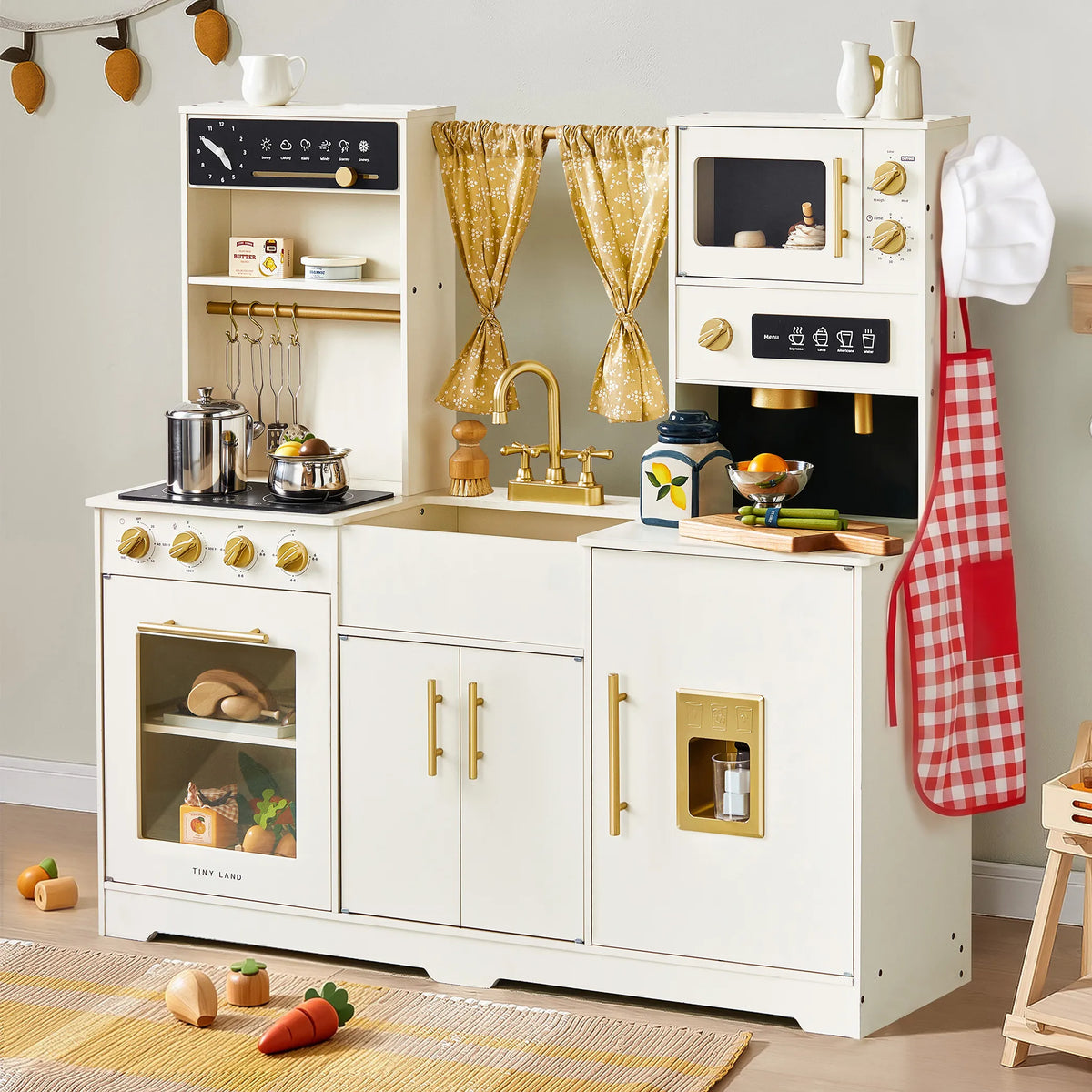
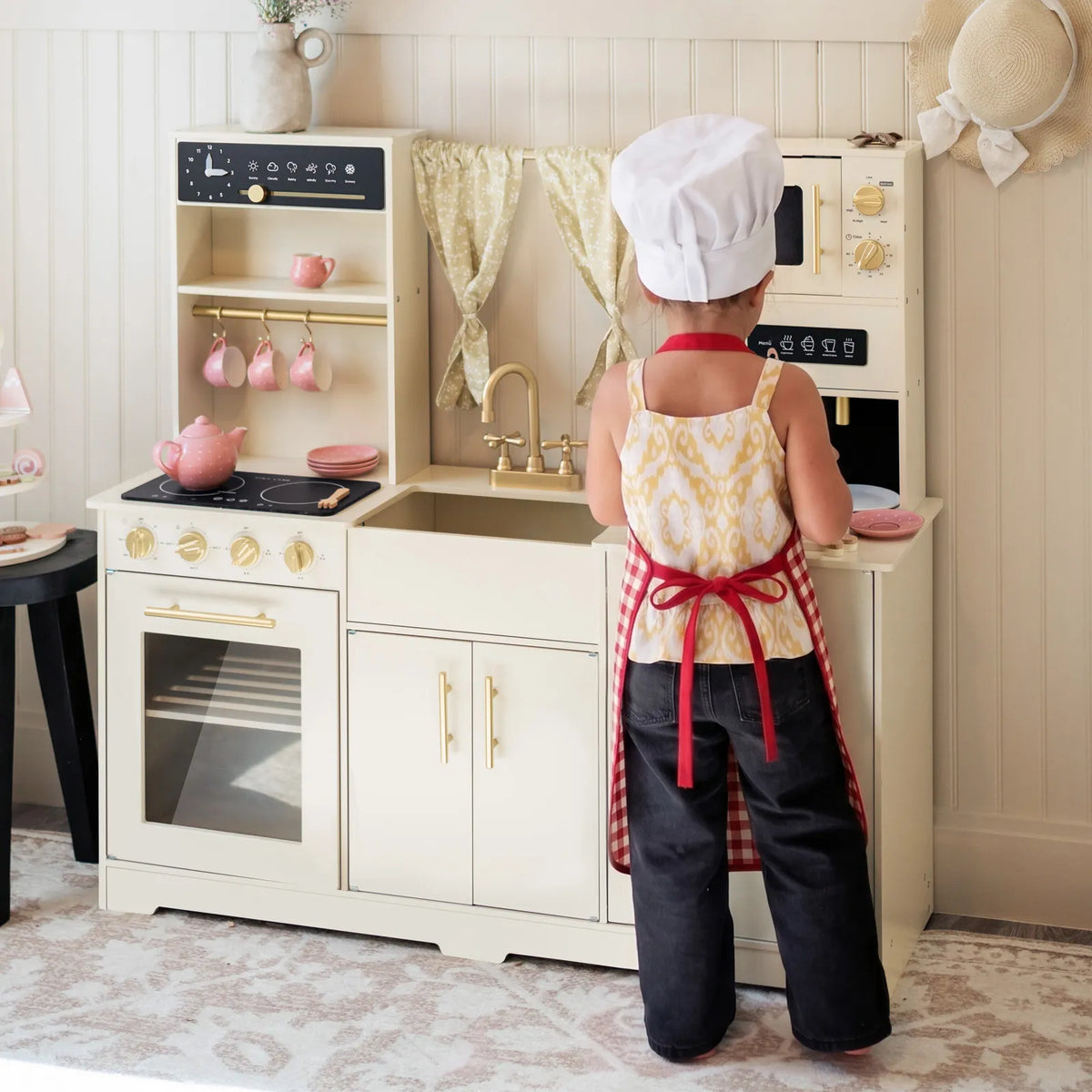
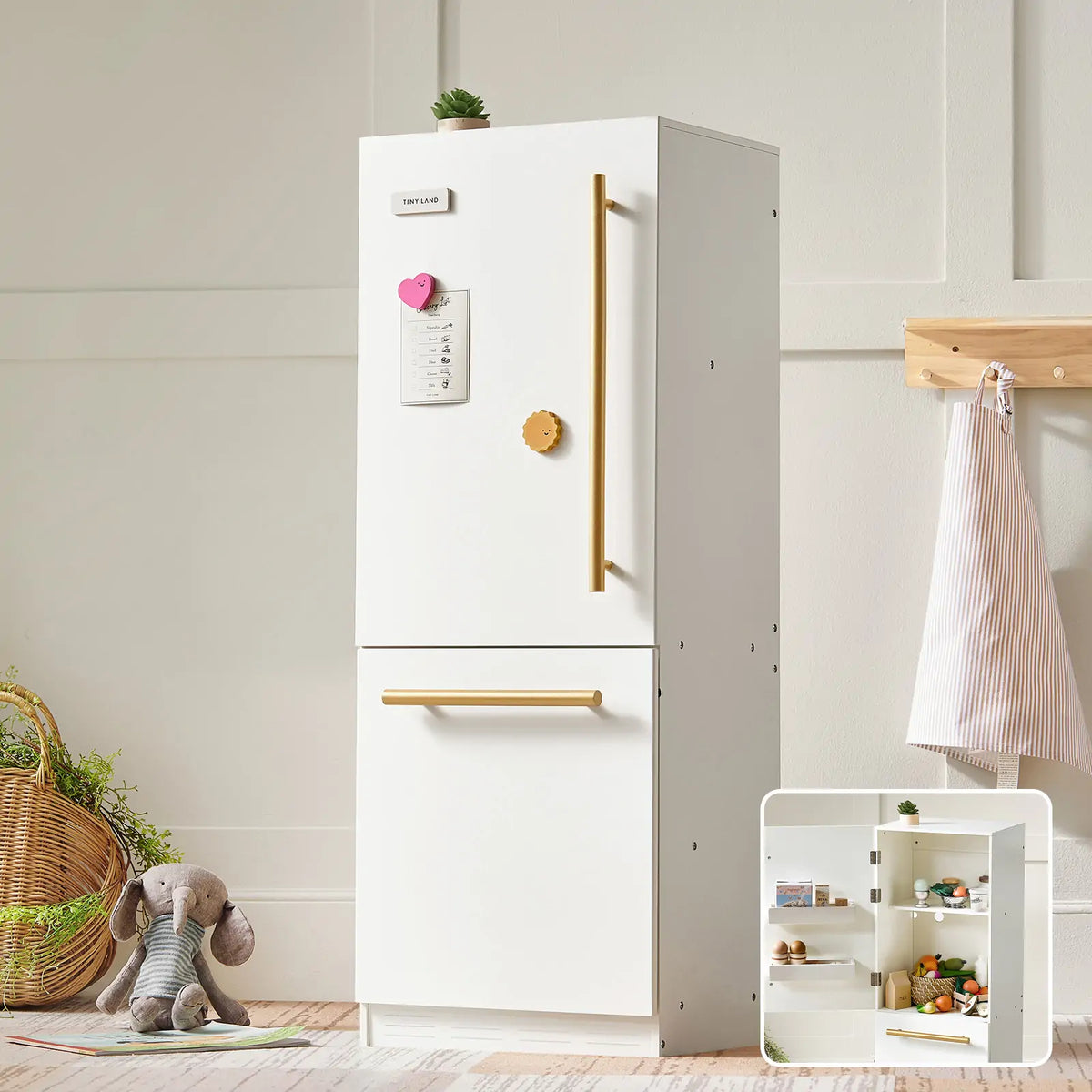
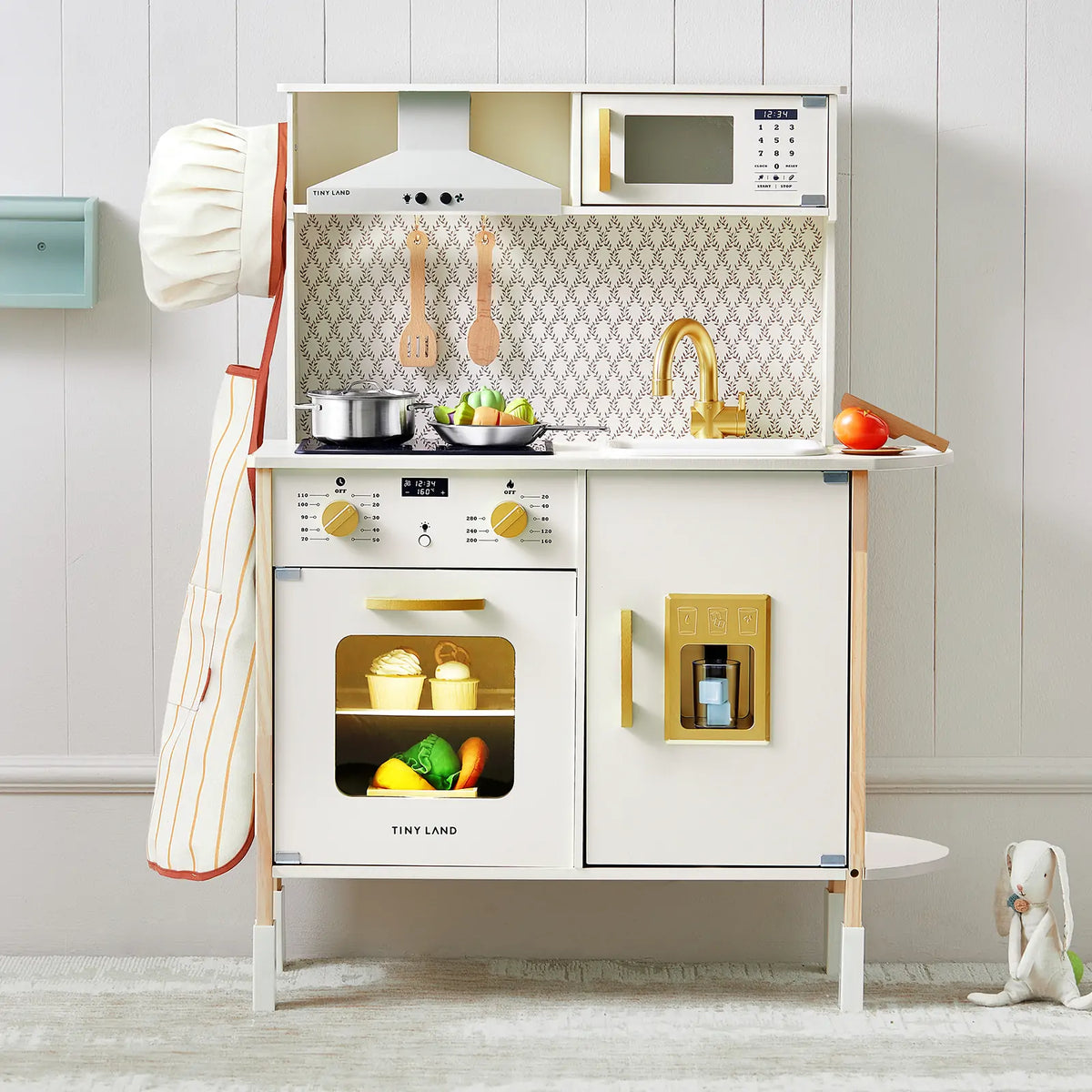
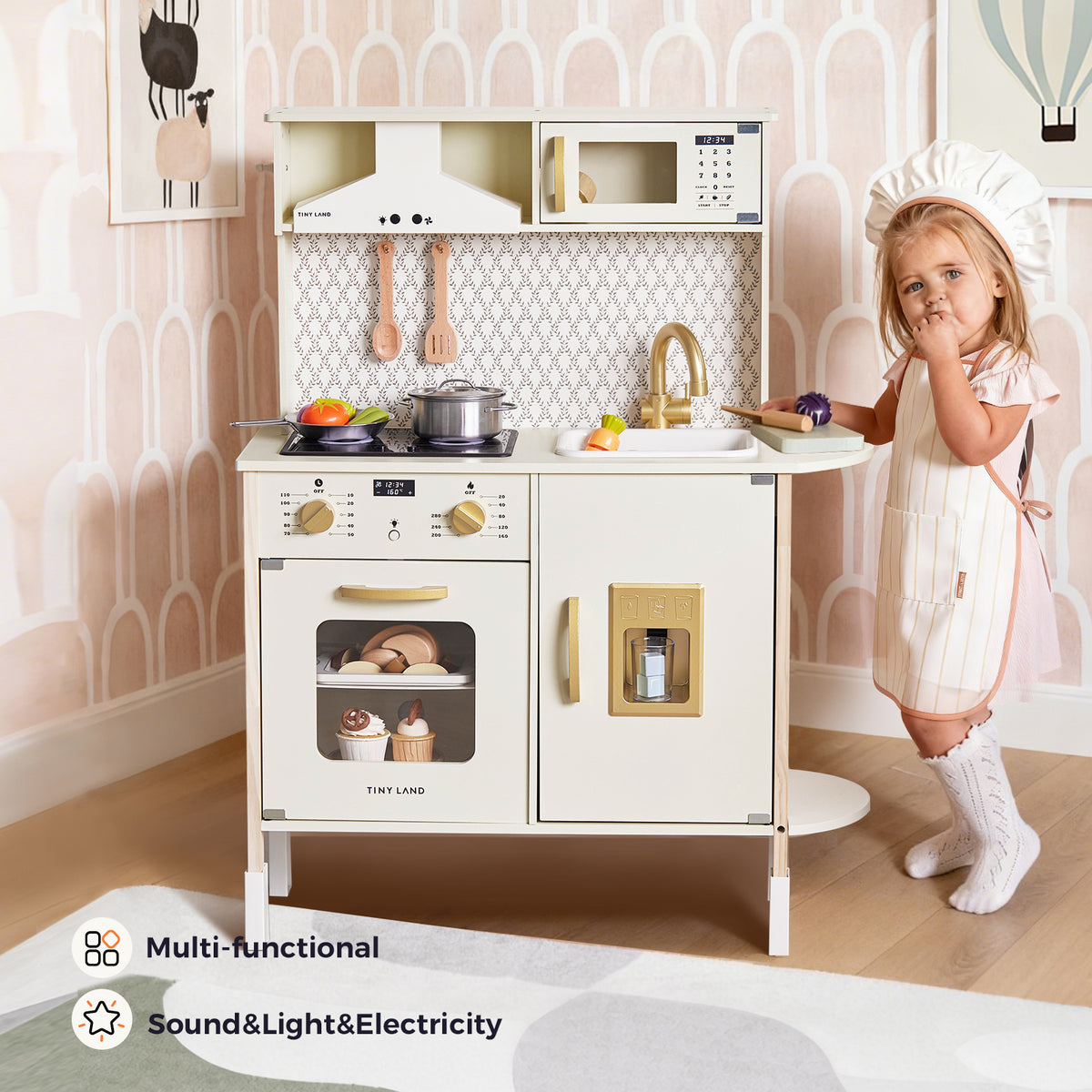
Recently, a mother in our Tiny Land community shared a simple moment from home—during everyday play in a Tiny Land toy kitchen, her son began copying his dad and naturally learned how to care for others through what he had seen.
During play, the little boy carefully followed what he had observed at home. He “cooked” in his toy kitchen—pretending to fry eggs, cook meat, and even adjusting his pace as if he had done it many times before. Then, with a sense of pride, he served the food to his mom.
What made this moment special wasn’t the imitation itself—it was the intention behind it.
He wasn’t just playing. He was repeating something meaningful he had seen in real life, and turning it into his own way of expressing care.

Why This Kind of Play Matters
Play like this plays an important role in early childhood development.
Through pretend play, children begin to build key skills such as problem-solving, fine motor skills, hand-eye coordination, language development, and early social understanding. They learn how to follow simple sequences, use their hands with control, and express ideas through action and language while engaging in everyday role-play.
At the same time, play also supports emotional development. By recreating familiar family moments—like cooking food and serving it to someone else—children begin to develop empathy and responsibility. Through these simple moments, they experience how everyday actions can become a way of showing care.
These are not lessons taught directly. They are absorbed naturally through observation, repetition, and play. Children don’t just copy what they see—they learn how to care through what they repeat.

How the Right Play Environment Supports Learning
For this kind of play-based learning to happen, the environment matters.
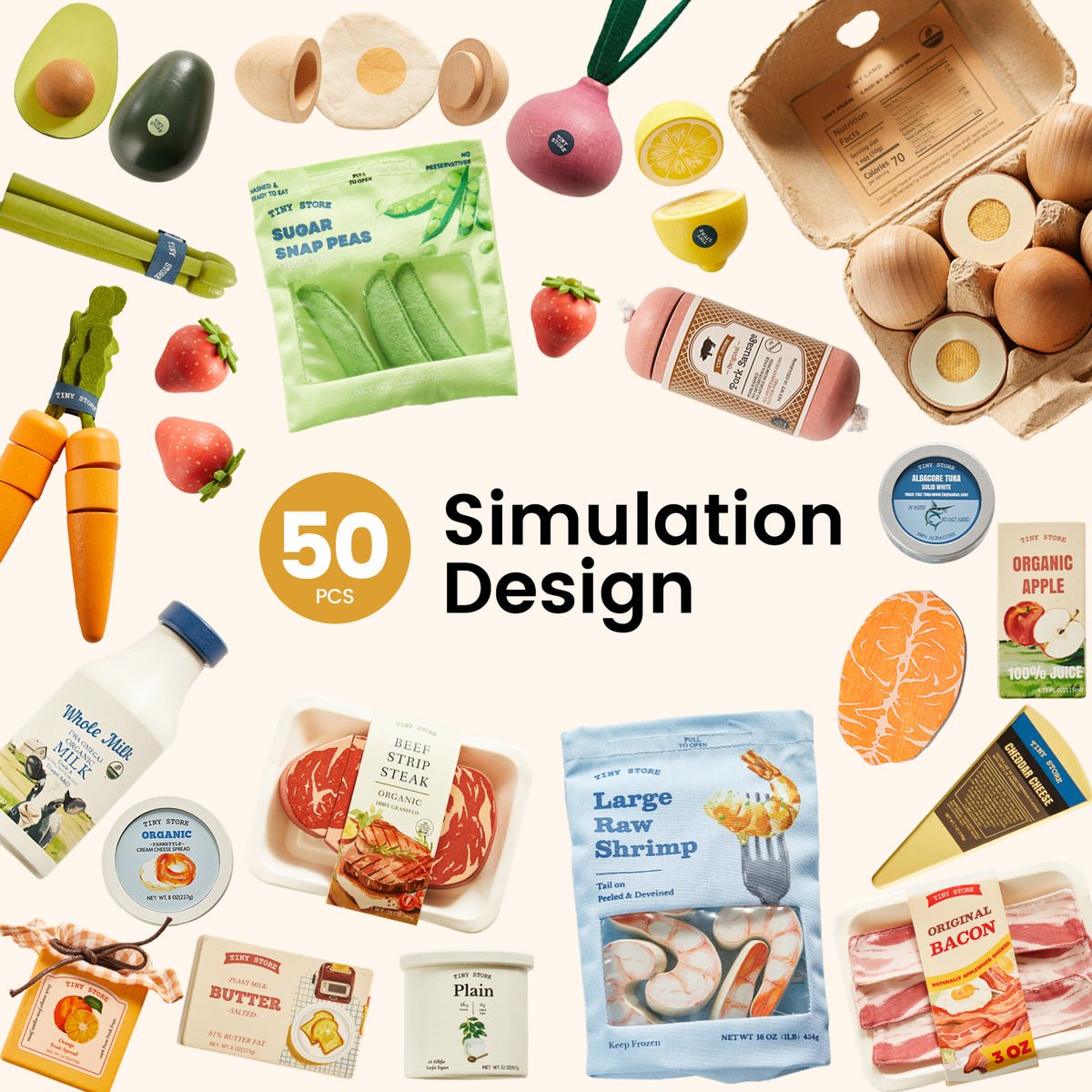
- Toys that are realistic and closely reflect everyday life help children connect their imagination with real experiences and recreate what they see at home in a natural way.
- Safety and quality are also essential. Parents need to feel confident that materials are child-safe and designed for long-term use. Durable, high-quality materials like wood not only ensure safety but also allow children to engage in play more consistently over time.
- In addition, thoughtful design helps sustain a child’s interest. When toys are visually engaging and intuitive to use, children are more likely to return to them again and again, deepening their play experience over time.

Closing
At Tiny Land, we are always grateful to see moments like this—where children grow, explore, and learn through everyday play with our products.
These small scenes remind us that play is not just play. It is where children quietly learn how to understand others, and how to show care in their own way.