



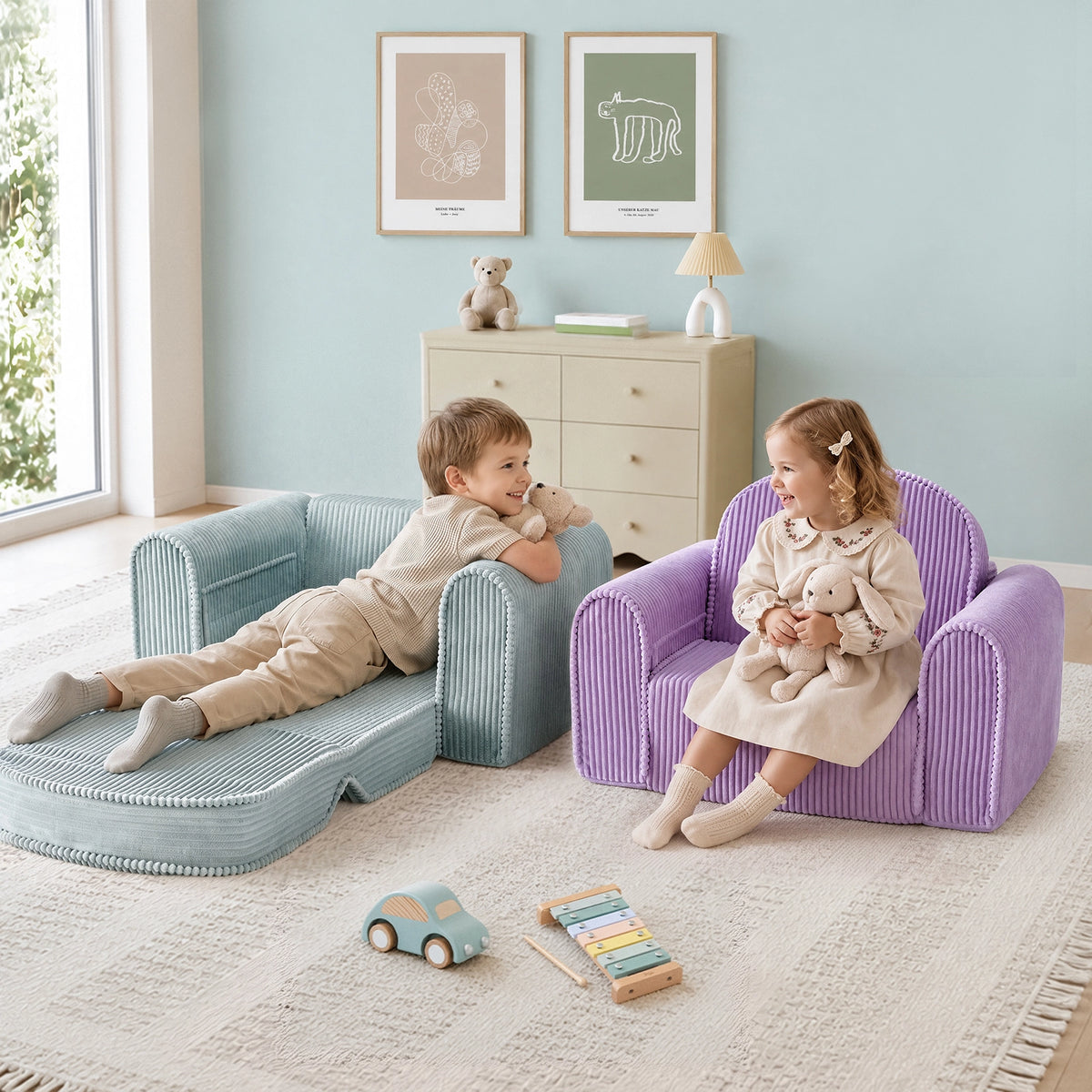

Children don't need an adult to direct every moment of play.
Sometimes, the most meaningful thing a child can do is decide what to play, figure out how to use a toy, repeat an activity they enjoy, or create a story entirely on their own.
That's where independent play comes in.
Independent play gives children opportunities to make choices, explore their interests, and direct their own play while a parent or caregiver remains nearby and available when support is needed.
It doesn't mean leaving children completely on their own. And it doesn't mean replacing family play.
Instead, healthy play experiences can make room for both:
time for children to lead their own play and time for families to play together.
In this guide, we'll explore what independent play means, its potential benefits, age-appropriate ideas, how to encourage it at home, when parents should step in, and a simple 15-minute play observation you can use to better understand your child's interests.

What Is Independent Play?
Independent play is play that a child primarily initiates and directs on their own.
The child chooses what to do, how to use the materials, and where the activity goes instead of following an adult-directed activity from beginning to end.
Independent play does not necessarily mean playing alone in another room.
A parent might be sitting nearby, preparing dinner, reading, working, or simply observing while a child plays.
What Are the Benefits of Independent Play?
Independent play is not simply a way to keep children occupied while adults get things done.
When children direct their own play, they have opportunities to make choices, explore ideas, experiment with materials, and decide whether to continue or change an activity.
NAEYC identifies children's choice, active engagement, exploration, and self-directed play as important characteristics of play and developmentally appropriate learning.
Depending on the child and the type of play, independent play can provide opportunities to practice:
Making Choices
Children decide what interests them and what they want to explore.
Exploring and Experimenting
Children can try different ways of using materials without having to follow an adult's instructions.
Repetition
A child may repeat the same action many times because they are interested in what happens or because they are developing an idea.
Imagination
Open-ended pretend play allows children to create characters, situations, and stories based on their own ideas.
Problem-Solving
When a play experience presents an appropriate challenge, children may experiment with different ways to approach it.
Self-Direction
Children have opportunities to decide the pace, sequence, and direction of their own activity.
These are opportunities, not guaranteed outcomes.
A single type of play does not automatically produce a particular developmental skill. Children's development is influenced by many interacting factors, including relationships, experiences, environment, and opportunities for learning and exploration.

What Are the Benefits of Independent Play?
Independent play is not simply a way to keep children occupied while adults get things done.
When children direct their own play, they have opportunities to make choices, explore ideas, experiment with materials, and decide whether to continue or change an activity.
NAEYC identifies children's choice, active engagement, exploration, and self-directed play as important characteristics of play and developmentally appropriate learning.
Depending on the child and the type of play, independent play can provide opportunities to practice:
Making Choices
Children decide what interests them and what they want to explore.
Exploring and Experimenting
Children can try different ways of using materials without having to follow an adult's instructions.
Repetition
A child may repeat the same action many times because they are interested in what happens or because they are developing an idea.
Imagination
Open-ended pretend play allows children to create characters, situations, and stories based on their own ideas.
Problem-Solving
When a play experience presents an appropriate challenge, children may experiment with different ways to approach it.
Self-Direction
Children have opportunities to decide the pace, sequence, and direction of their own activity.
These are opportunities, not guaranteed outcomes.
A single type of play does not automatically produce a particular developmental skill. Children's development is influenced by many interacting factors, including relationships, experiences, environment, and opportunities for learning and exploration.
So the goal isn't to choose:
Independent play OR family play.
It's to make room for:
Independent play AND meaningful connection.
 How Long Should a Child Play Independently?
There is no universal amount of time that every child should spend playing independently.
Children differ in age, temperament, interests, familiarity with an activity, and need for adult support.
Younger children may move quickly between activities or want an adult nearby. Older children may gradually become comfortable directing longer or more complex play experiences.
Rather than setting a strict goal such as “30 minutes of independent play,” consider asking:
How can I gradually create more opportunities for my child to direct their own play?
If your child comfortably plays independently for five minutes, that is an opportunity.
If they want you nearby, you can stay nearby.
If they invite you into the play, you can join.
Independent play should not become another performance target for parents or children.

Independent Play by Age
Independent play changes as children grow.
There is no single age when a child suddenly becomes ready to play independently for long periods.
Instead, look at the child's current abilities and interests.
Independent Play for Toddlers
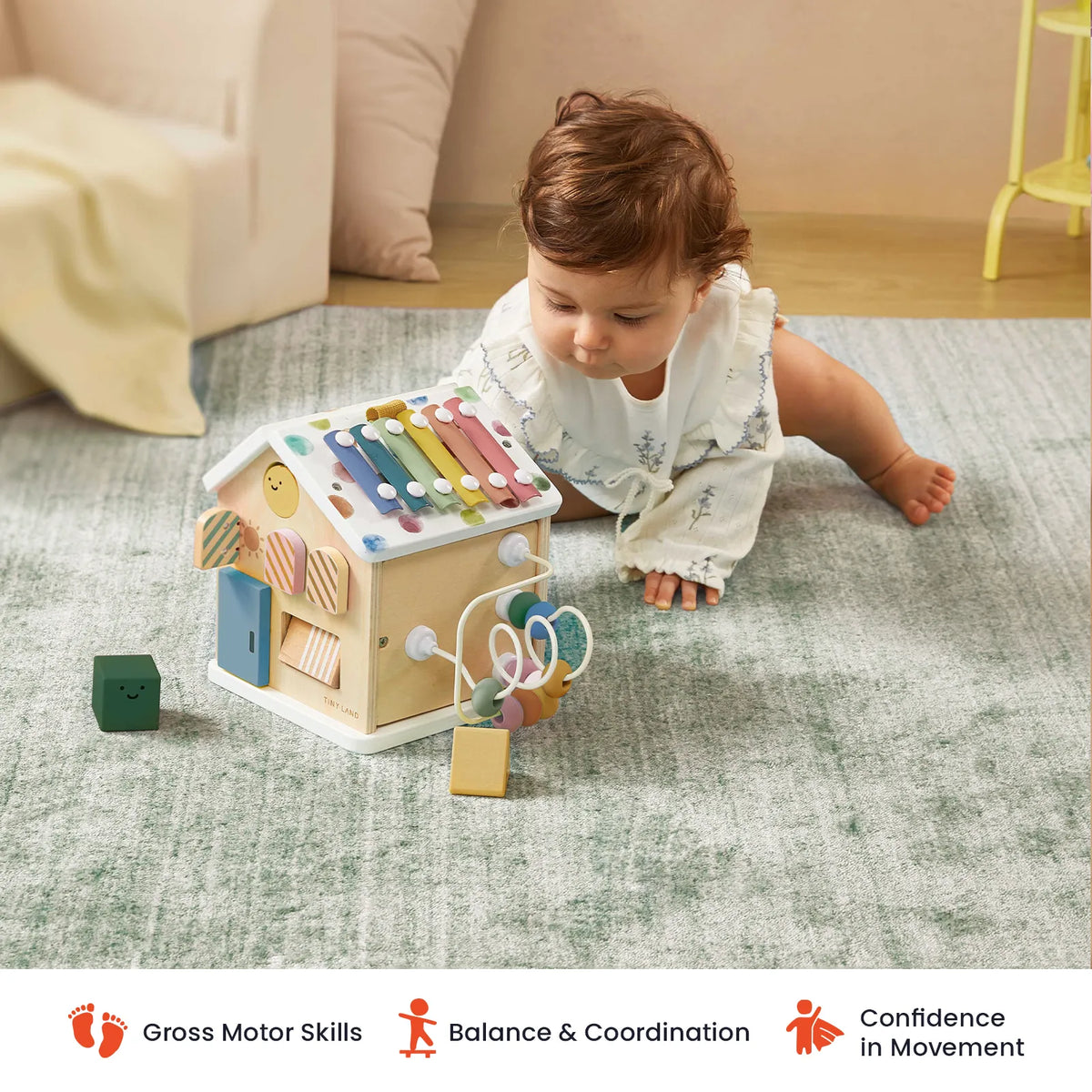
Toddlers often move quickly between activities and may need an adult nearby.
Age-appropriate independent play might include:
- Looking at books
- Stacking or arranging objects
- Exploring simple pretend-play materials
- Moving objects between containers
- Making marks with art materials
- Exploring safe movement opportunities
- Repeating simple actions
For toddlers, short periods of self-directed exploration can be perfectly reasonable.
If your toddler plays for a few minutes and then comes looking for you, respond to them rather than treating that as a failure.
Independent Play for Preschoolers
Preschoolers may begin creating longer and more elaborate play scenarios.
Independent play might include:
- Pretend cooking
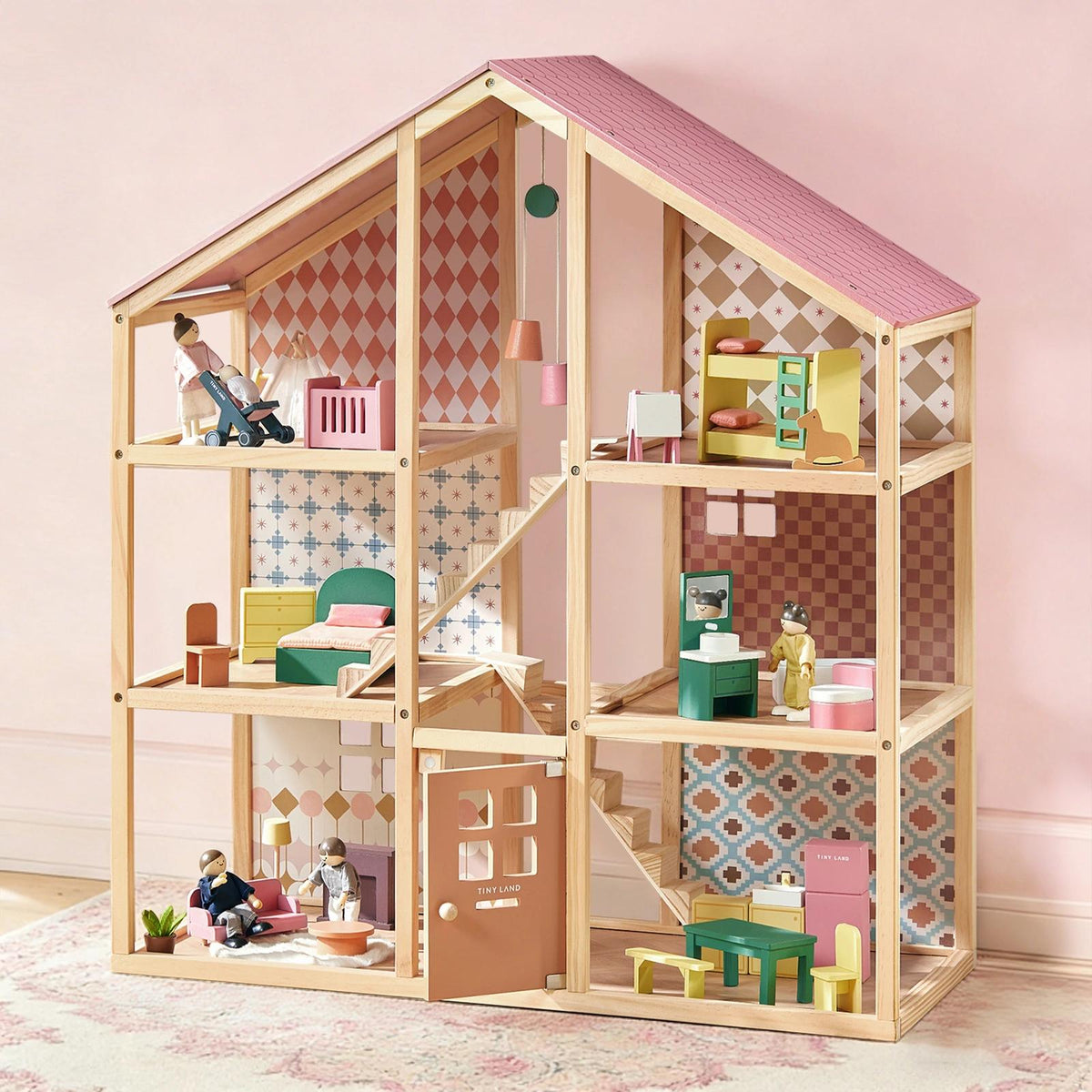
- Dollhouse storytelling
- Building
- Drawing
- Creating pretend stores or restaurants
- Sorting and organizing
- Making up simple games
- Acting out familiar routines
At this stage, parents can make materials accessible while giving children more control over what happens next.
Independent Play for School-Age Children
Older children may be increasingly able to plan and extend their own projects.
Depending on their interests, independent play might include:
- Building
- Art
- Reading
- Writing stories
- Designing games
- Crafts
- Pretend play
- Interest-based projects
The goal is still not to maximize independent play time.
It is to create opportunities for children to develop and pursue their own ideas.

How to Encourage Independent Play
If your child constantly asks you to play, you're not doing anything wrong.
Some children naturally seek more interaction than others.
Instead of suddenly expecting your child to entertain themselves, make small changes that give them more opportunities to initiate and direct play.
1. Create an Accessible Play Space
Keep appropriate toys and materials somewhere your child can safely access them.
When children don't need an adult to retrieve, set up, or explain every material, it may be easier for them to initiate play independently.
For younger children, accessibility should always be balanced with appropriate supervision and safety.
2. Offer a Manageable Selection of Toys
More toys don't necessarily mean more meaningful play.
Try putting out a smaller selection of materials rather than making every toy available at once.
For example:
Pretend play:
Play food + play kitchen + stuffed animals
Building:
Blocks + toy vehicles
Quiet play:
Books + drawing materials
You can rotate materials based on your child's interests.
The goal isn't to limit creativity.
It's to make the available choices easier to navigate.
3. Choose Open-Ended Materials
Open-ended materials can be used in multiple ways rather than having one predetermined outcome.
A set of blocks can become:
- A house
- A tower
- A bridge
- An animal home
- A pretend city
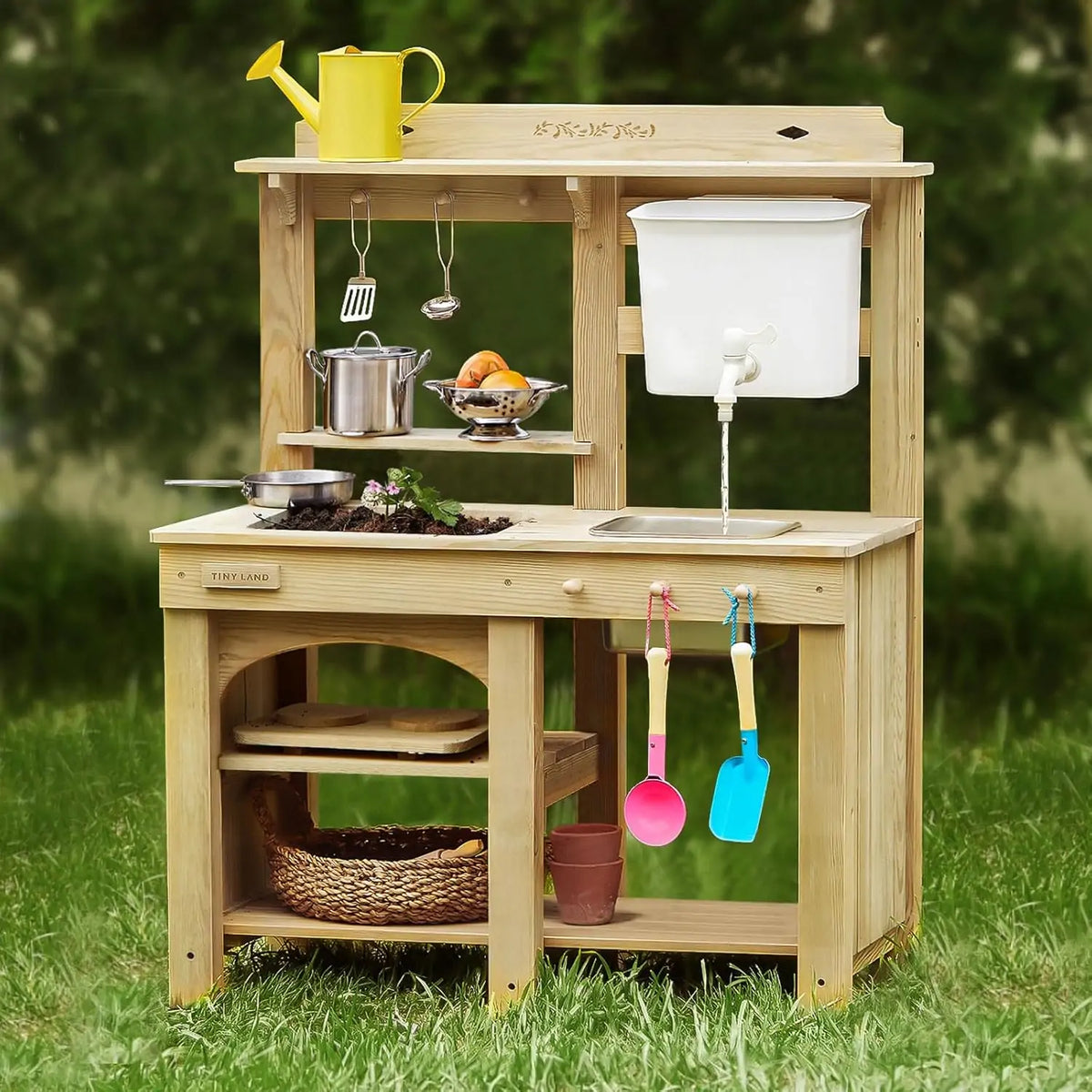
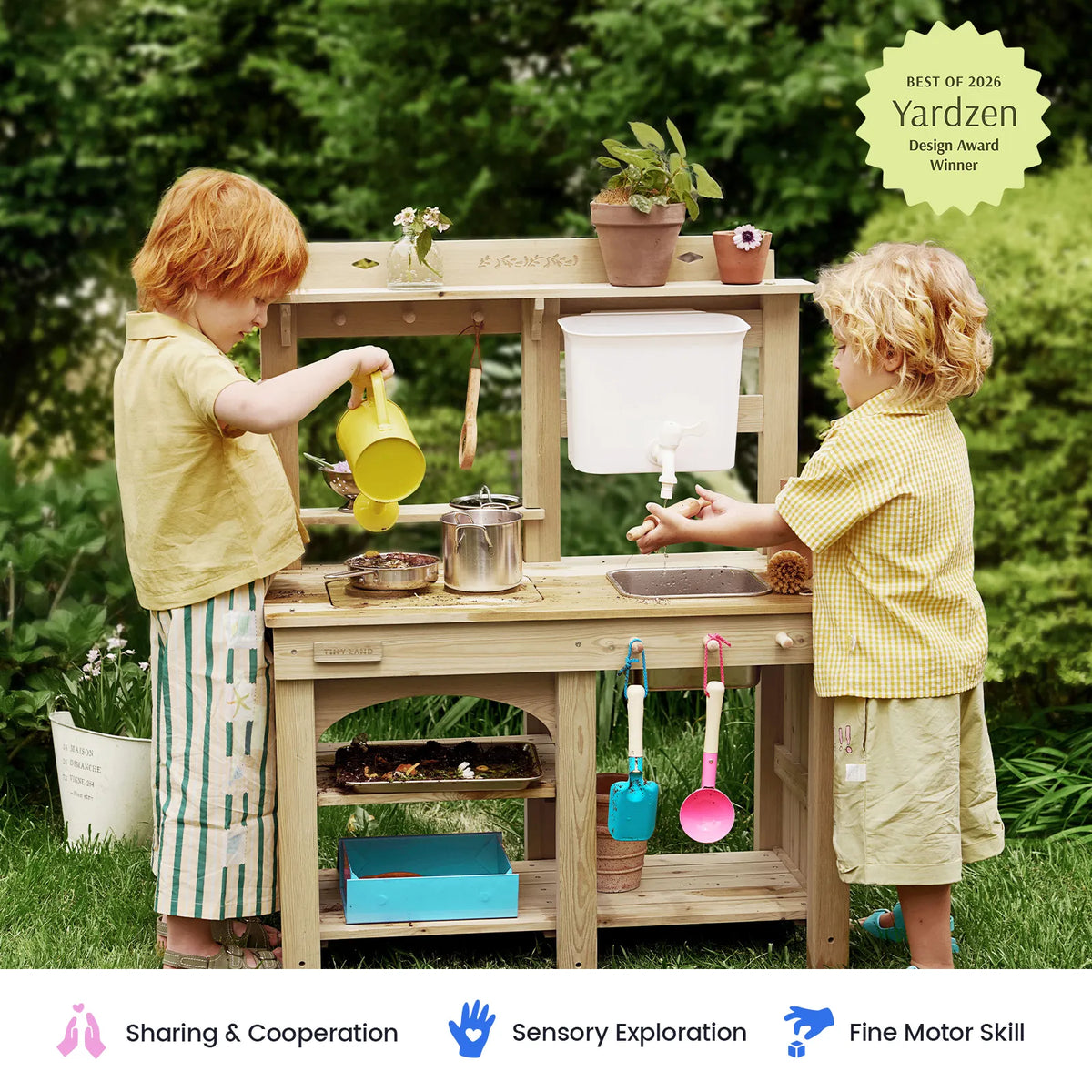
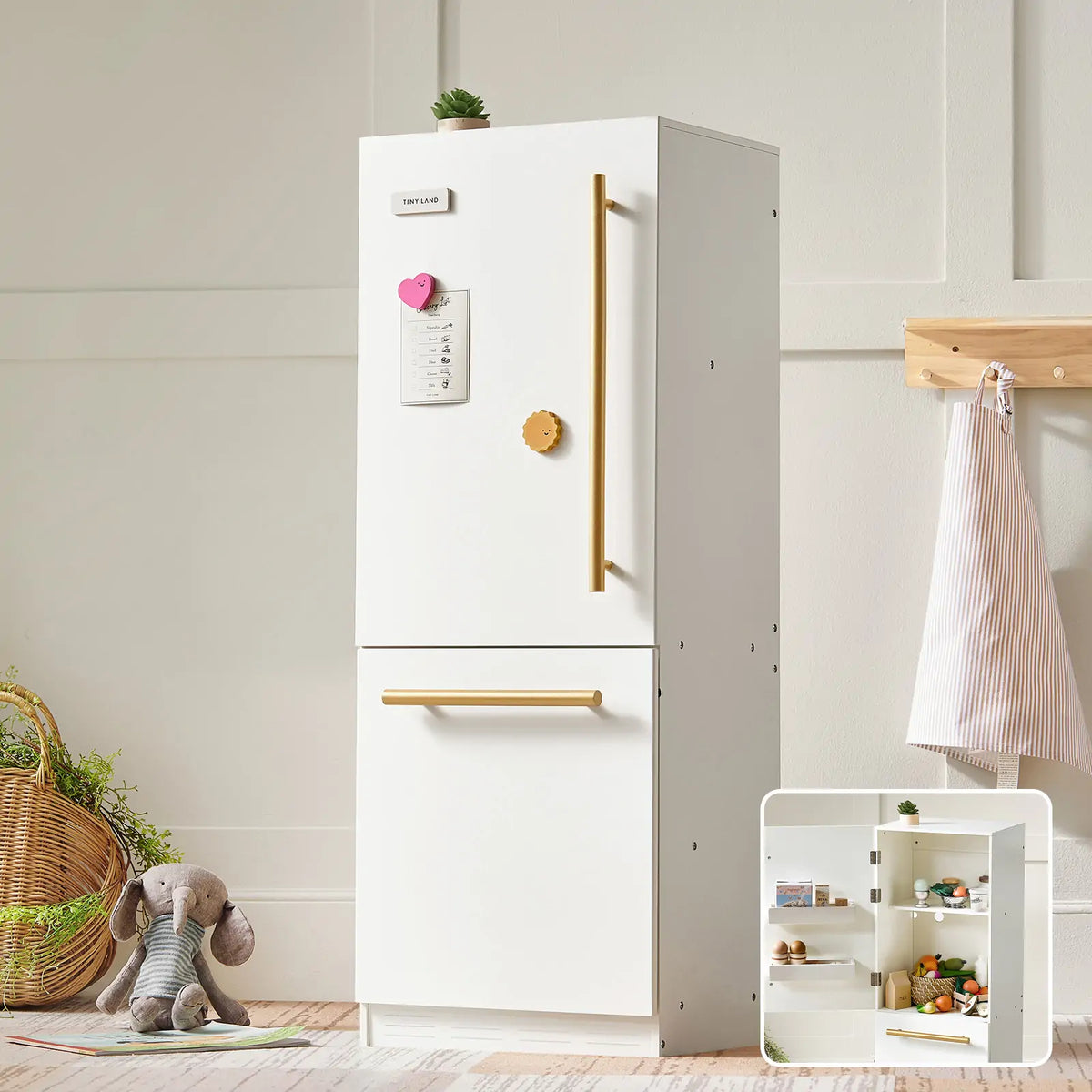
A play kitchen can become:
- A home kitchen
- A restaurant
- A café
- A bakery
A dollhouse can become:
- A family home
- A school
- A hotel
- An imaginary world
The child decides what happens next.
That flexibility is part of what makes open-ended play useful for child-directed exploration.

4. Give Play Enough Time
Children may need time to move from simply exploring a toy to developing a more complex play idea.
If adults constantly introduce new activities, demonstrate new ways to use a toy, or ask questions, they can unintentionally interrupt a child's self-directed play.
When your child is safe and engaged, try waiting before stepping in.
Watch what happens next.
5. Stay Nearby Without Taking Over
Independent play doesn't require parents to disappear.
You can remain nearby while doing something else.
For example: “I'm going to sit here and read while you play. If you need me, I'm right here.”
This communicates:
You have space to play, and I'm still available.
That balance can be particularly helpful for children who are beginning to spend more time directing their own play.

Independent Play Ideas for Kids
Independent play doesn't require complicated activities or expensive setups.
Start with materials your child already enjoys.
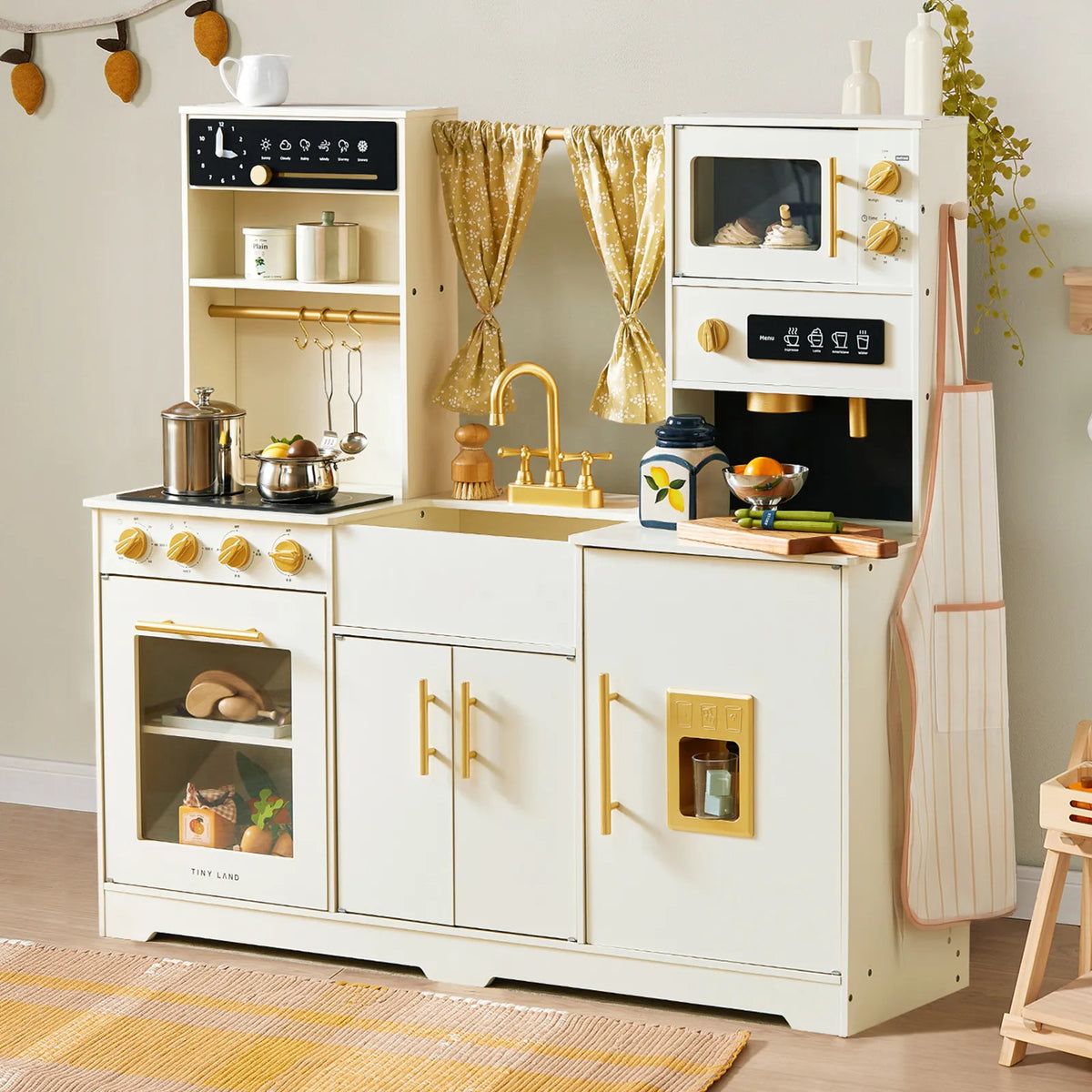
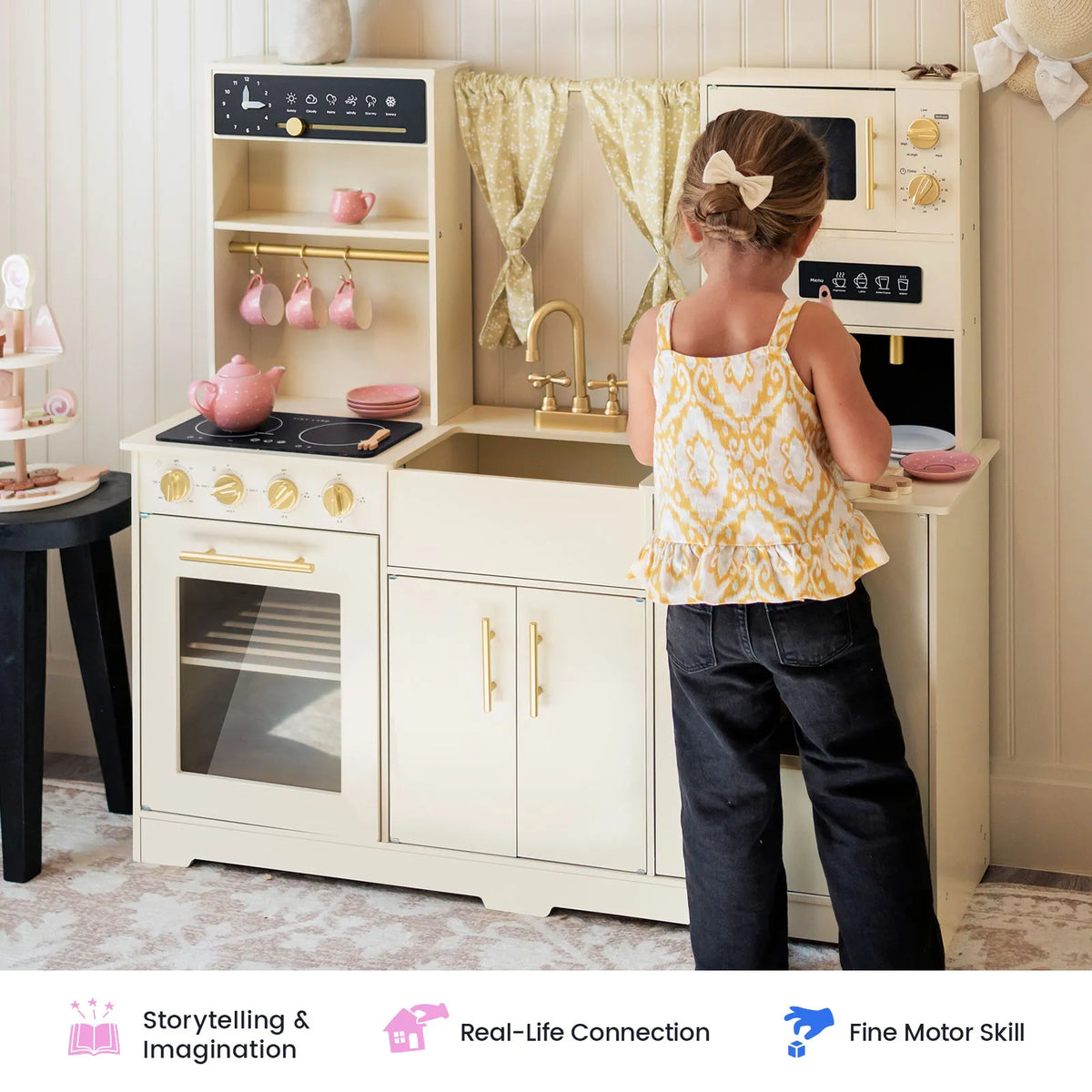
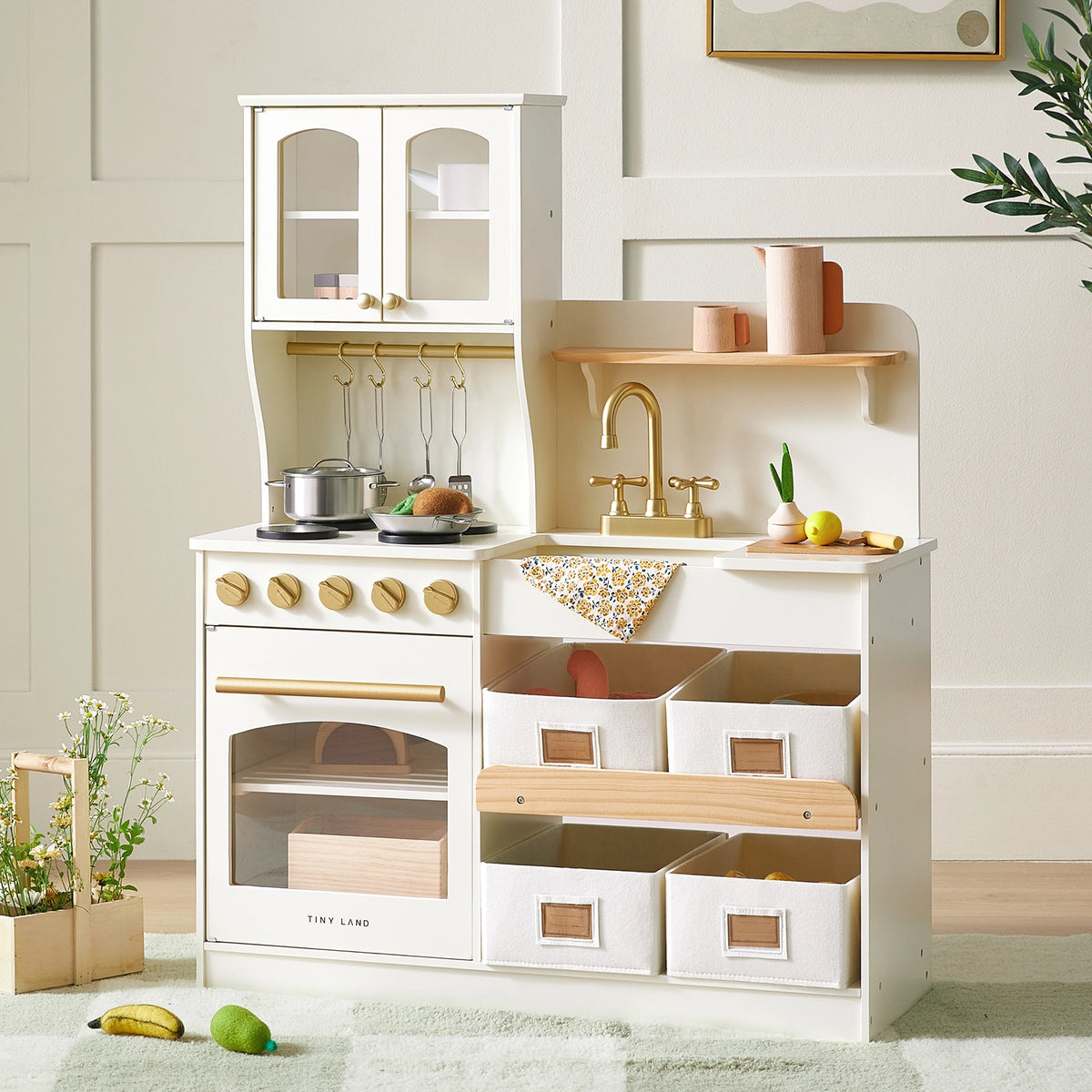
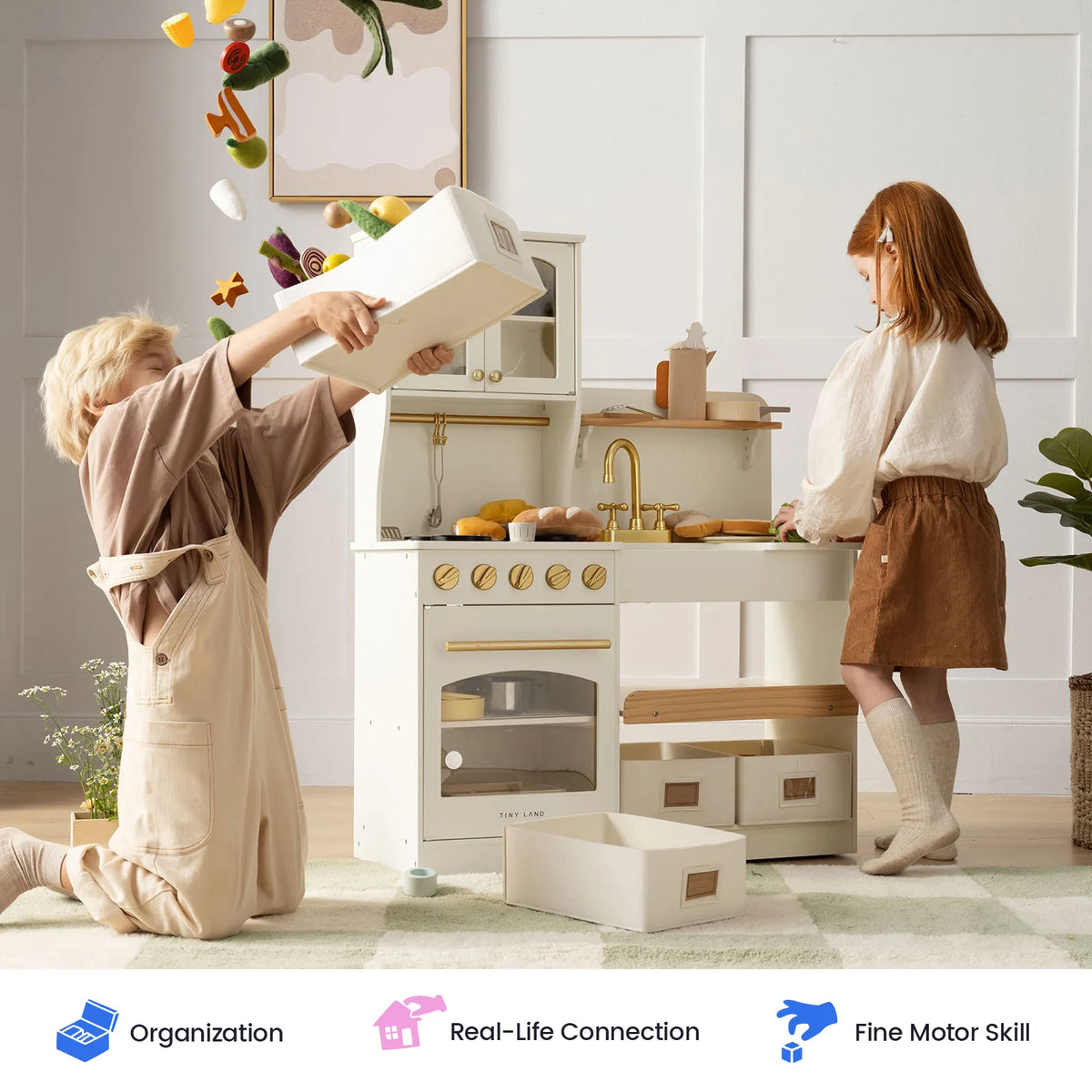
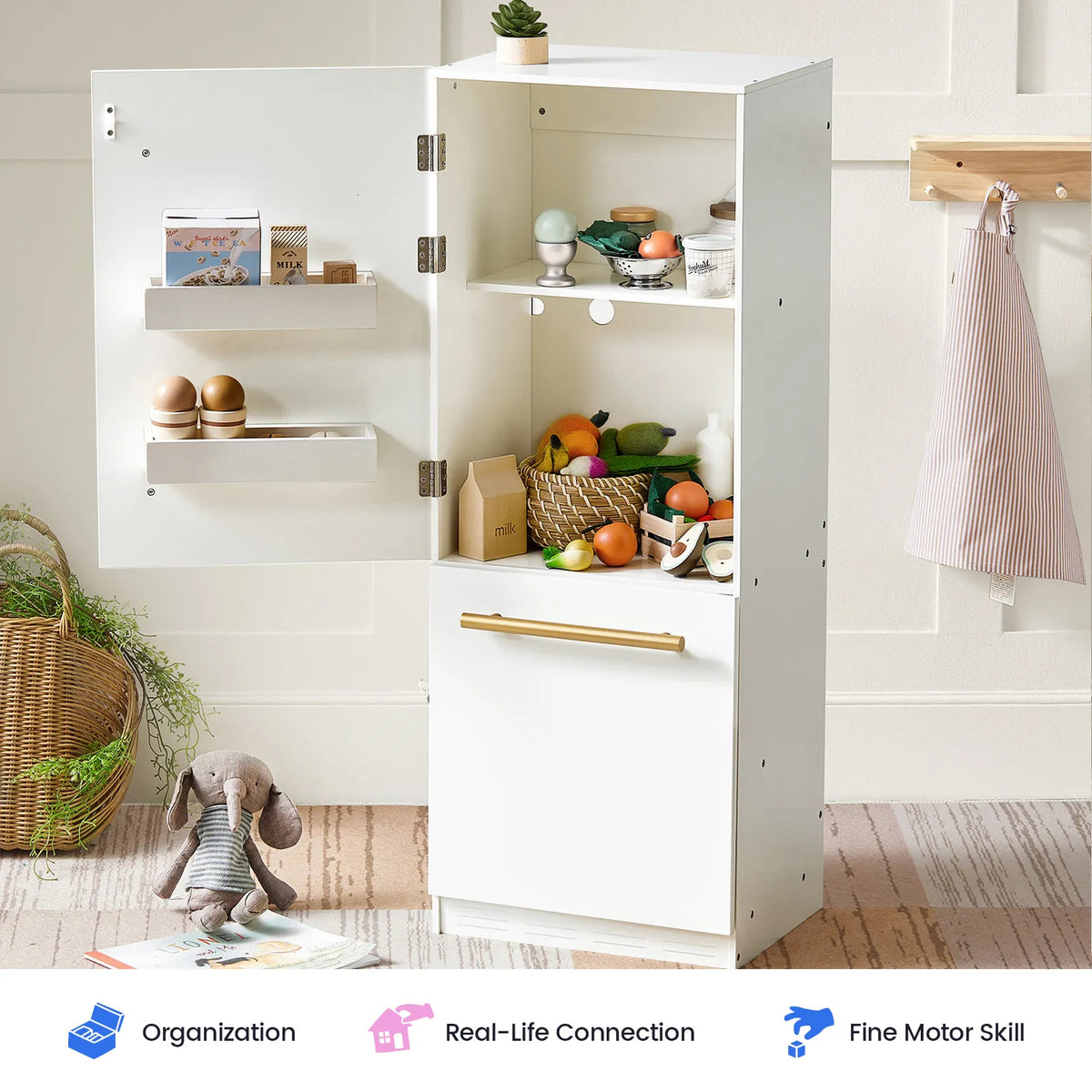
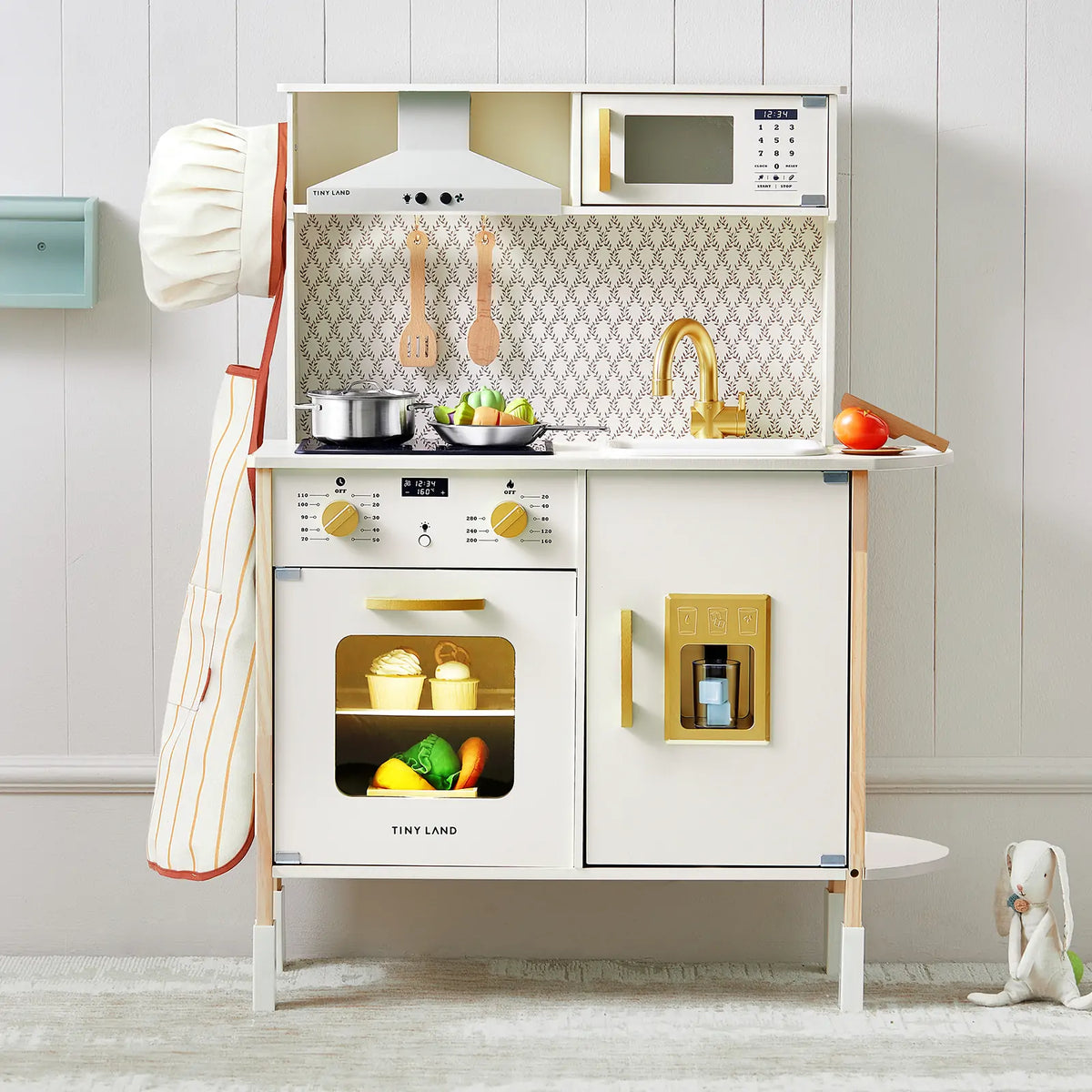
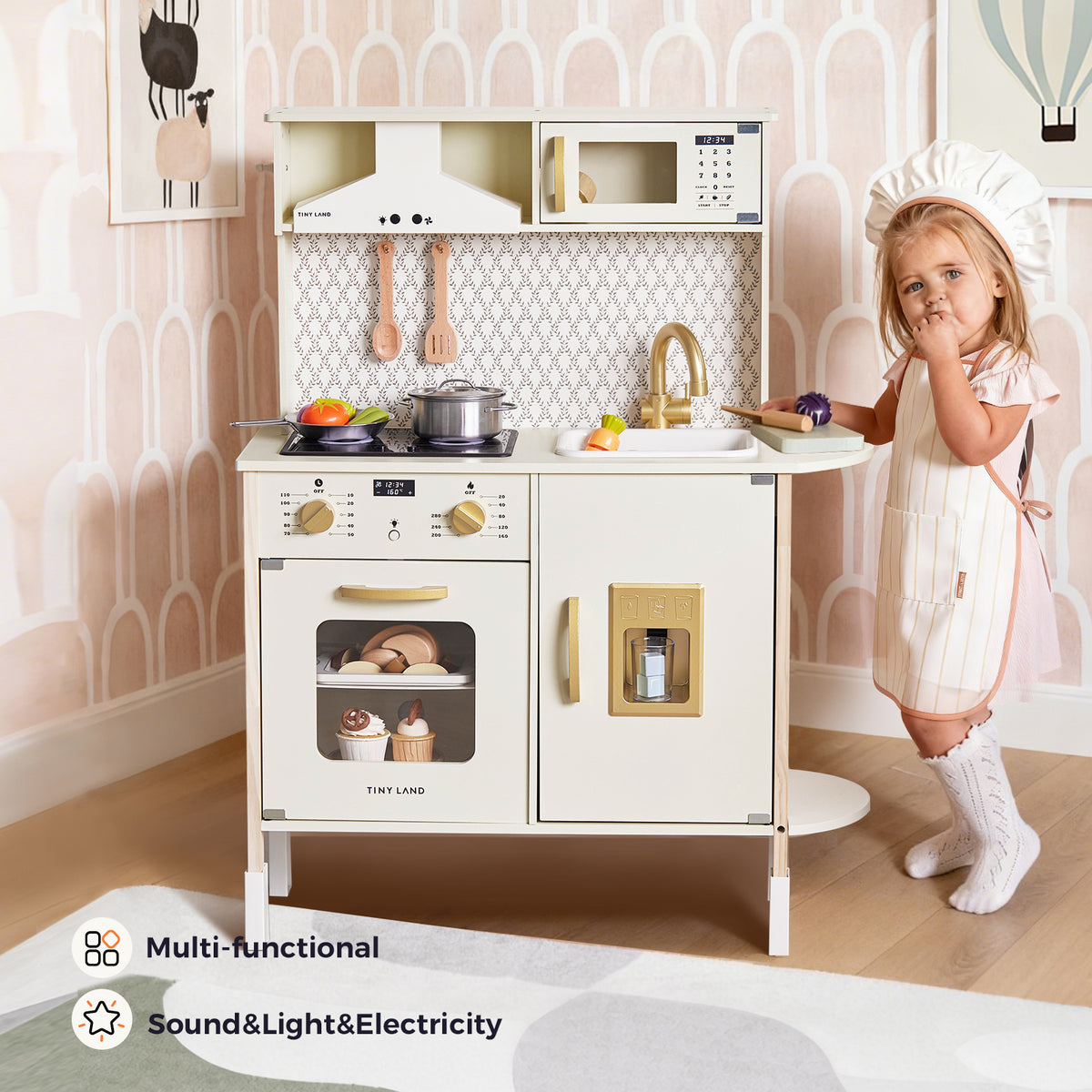
Pretend Kitchen Play
Set out a few pieces of pretend food and allow your child to decide what happens.
They might:
- Prepare a meal
- Open a restaurant
- Feed stuffed animals
- Create a pretend grocery store
- Invent a recipe
You don't need to give them a storyline.
See what they create.

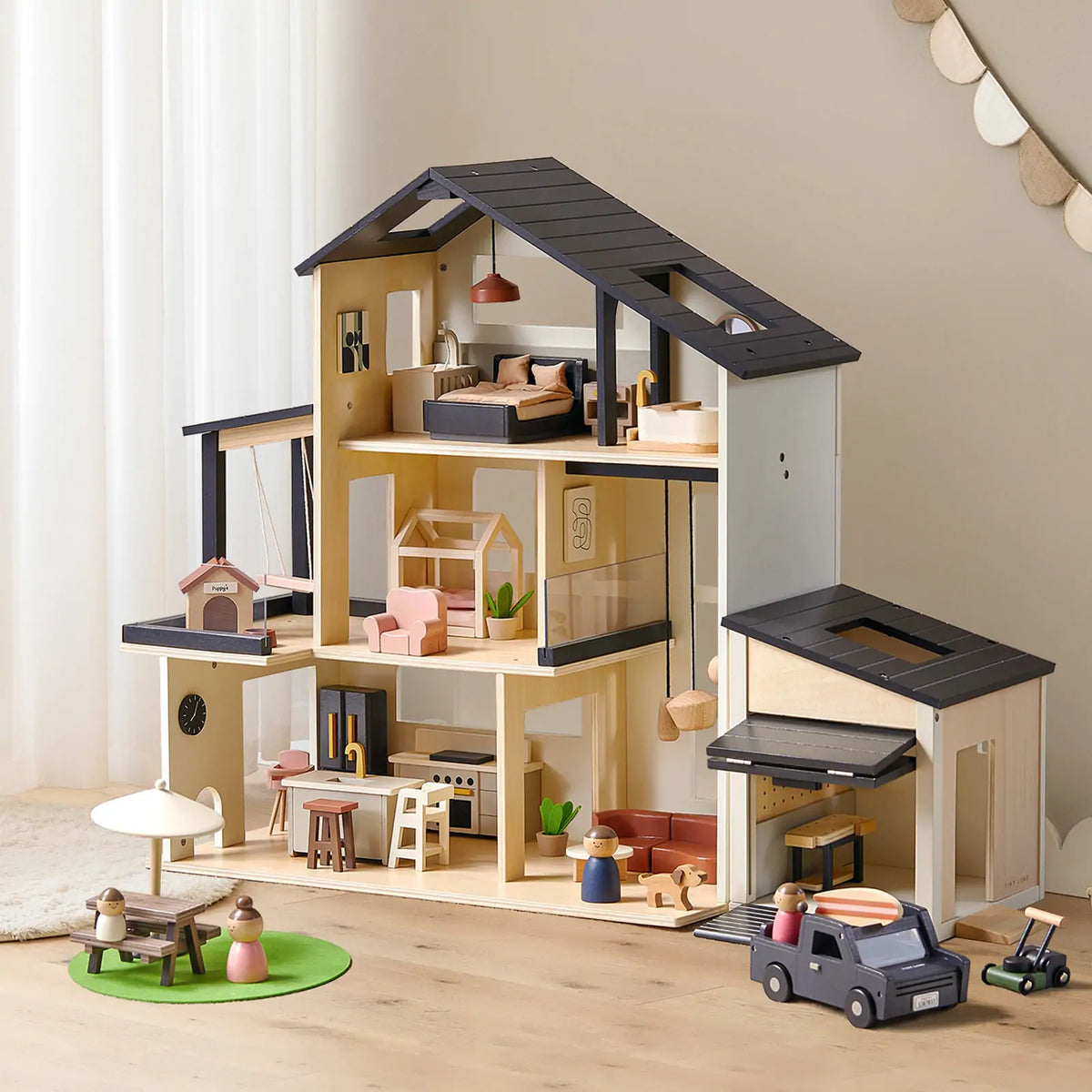
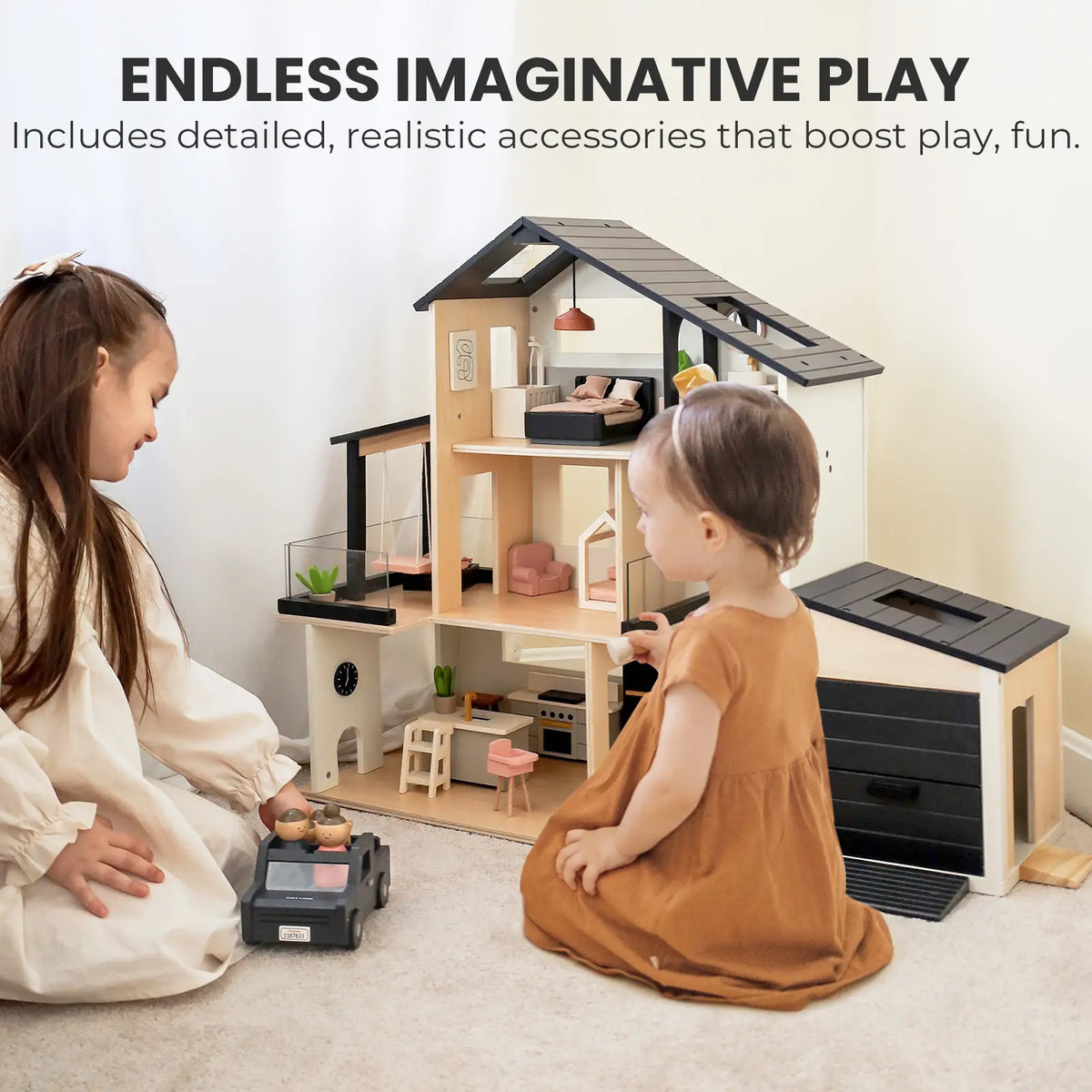
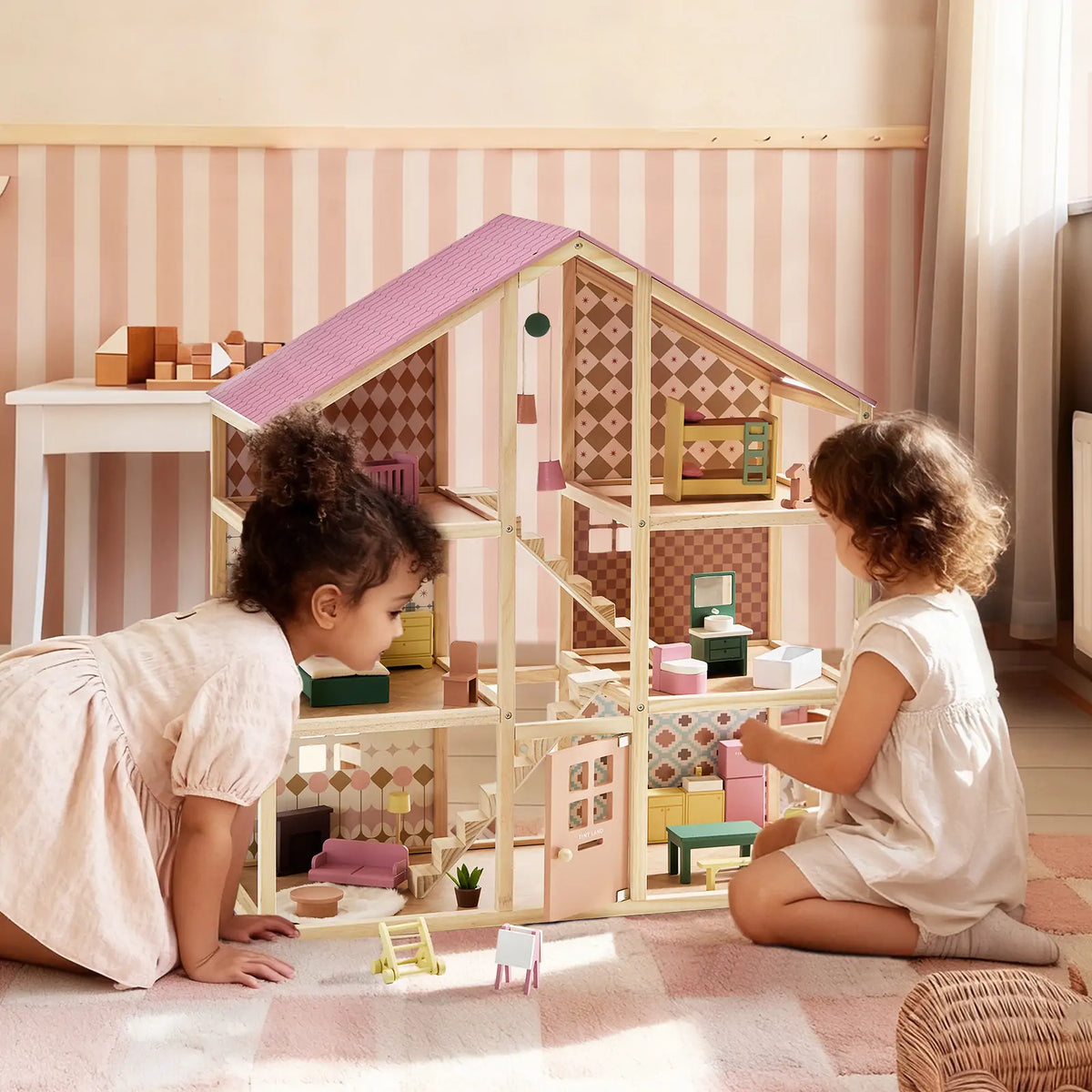
Dollhouse Storytelling
A dollhouse can become a small world for self-directed storytelling.
Children might:
- Rearrange furniture
- Create characters
- Act out familiar routines
- Invent problems and solutions
- Create completely imaginary scenarios
Instead of asking: “What should they do now?”
Try simply observing.
Your child may already have an elaborate answer.

Building Play--Train Set
Offer age-appropriate building materials and let your child decide what to make.
You might say: “I wonder what you could build.”
Then step back.
The finished structure doesn't have to look like anything specific.
The process belongs to the child.

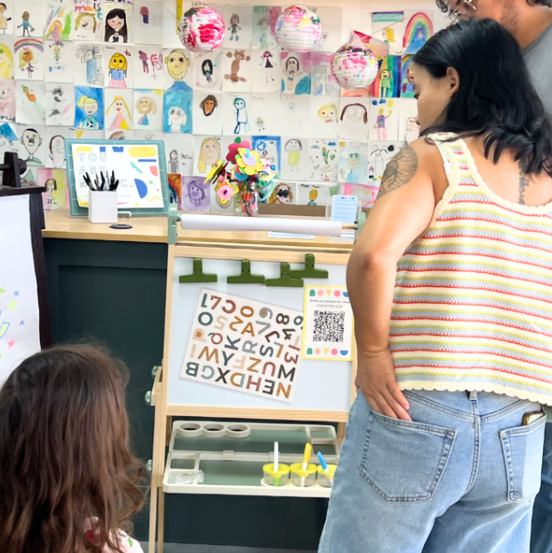
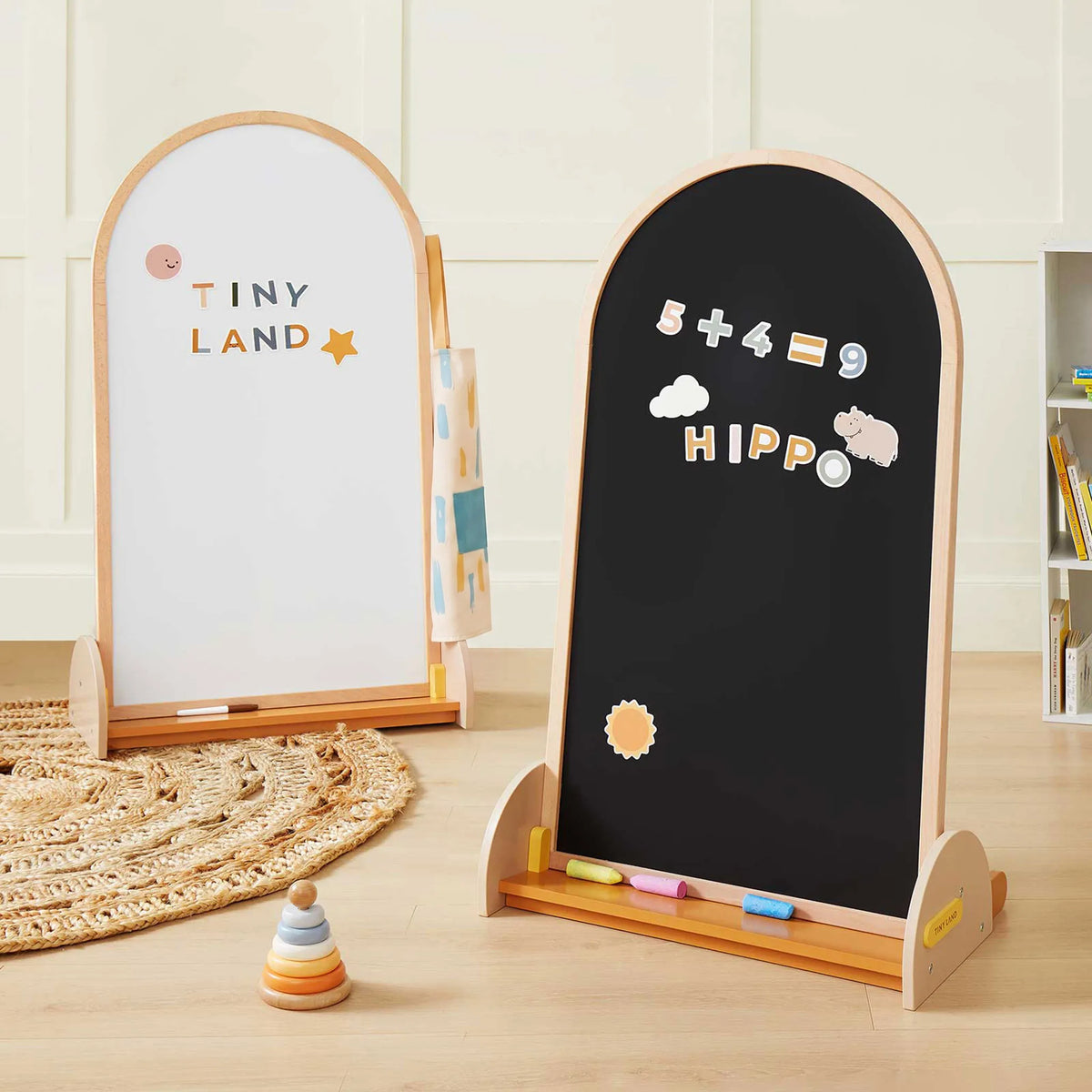
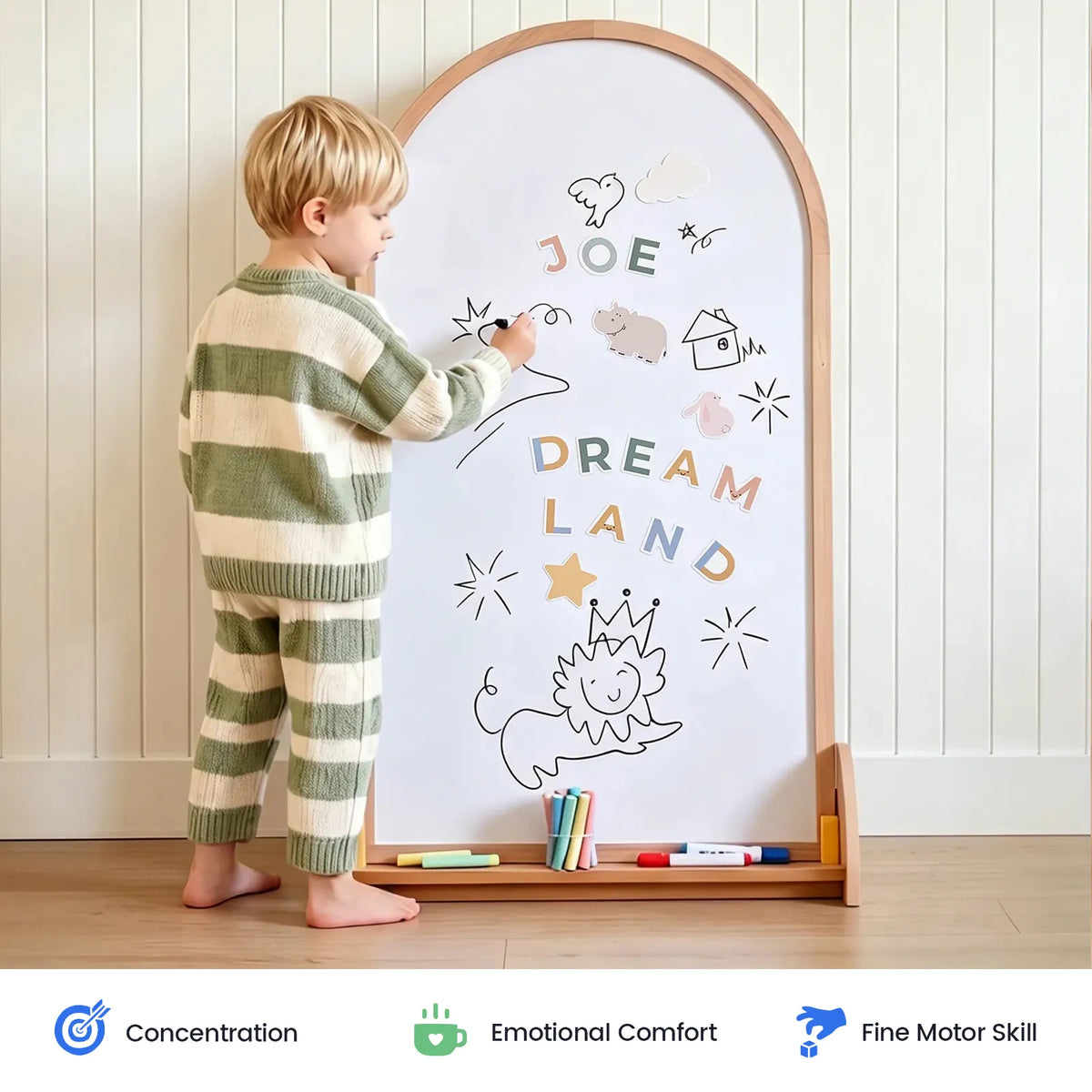
Independent Art--Kids Easel
Provide age-appropriate art materials and allow your child to decide what to create.
Rather than giving them a picture to copy, leave room for their own ideas.
You might ask: “Tell me about your picture.”
instead of: “What is that supposed to be?”
The first question gives the child an opportunity to define their own work.

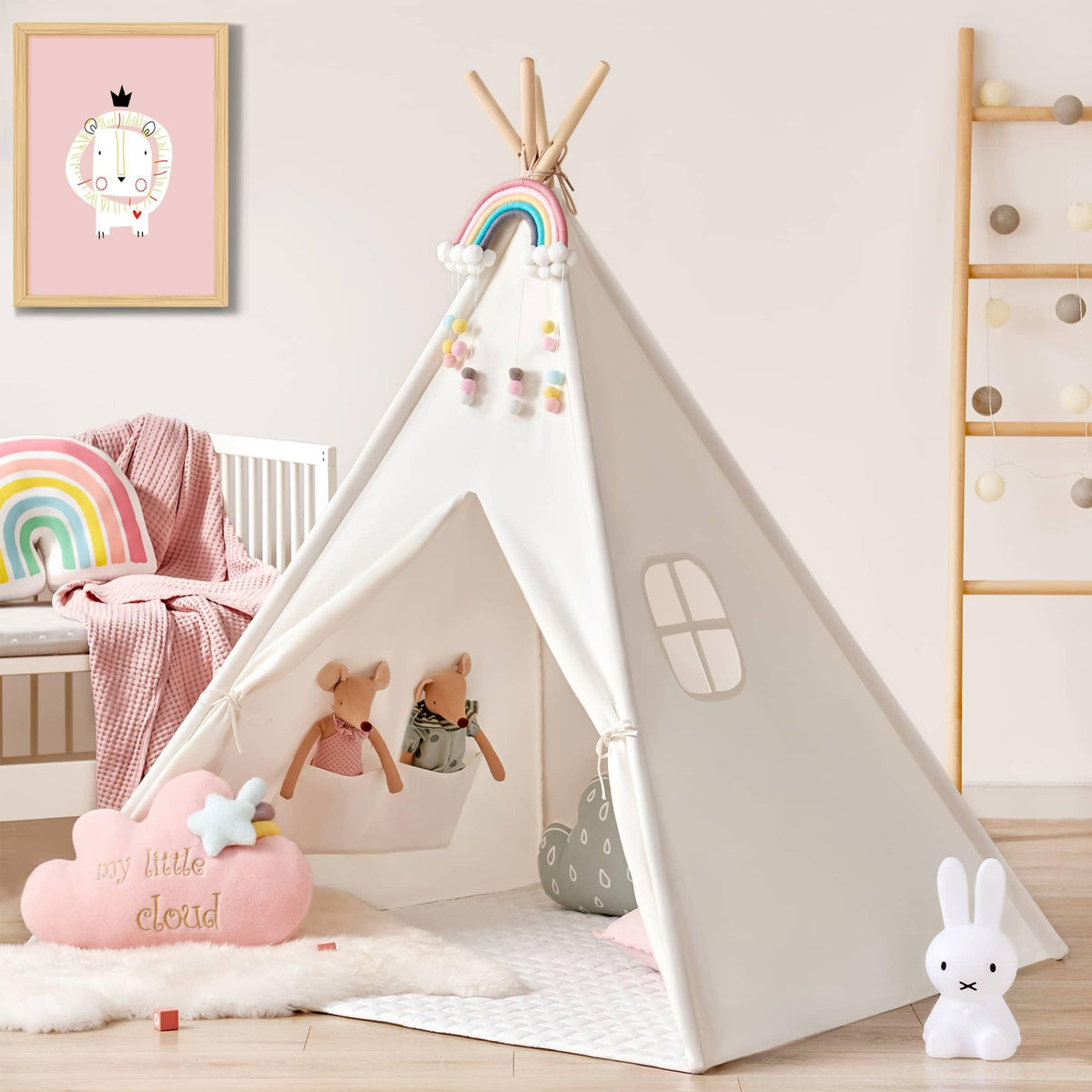
Cozy Reading and Quiet Play
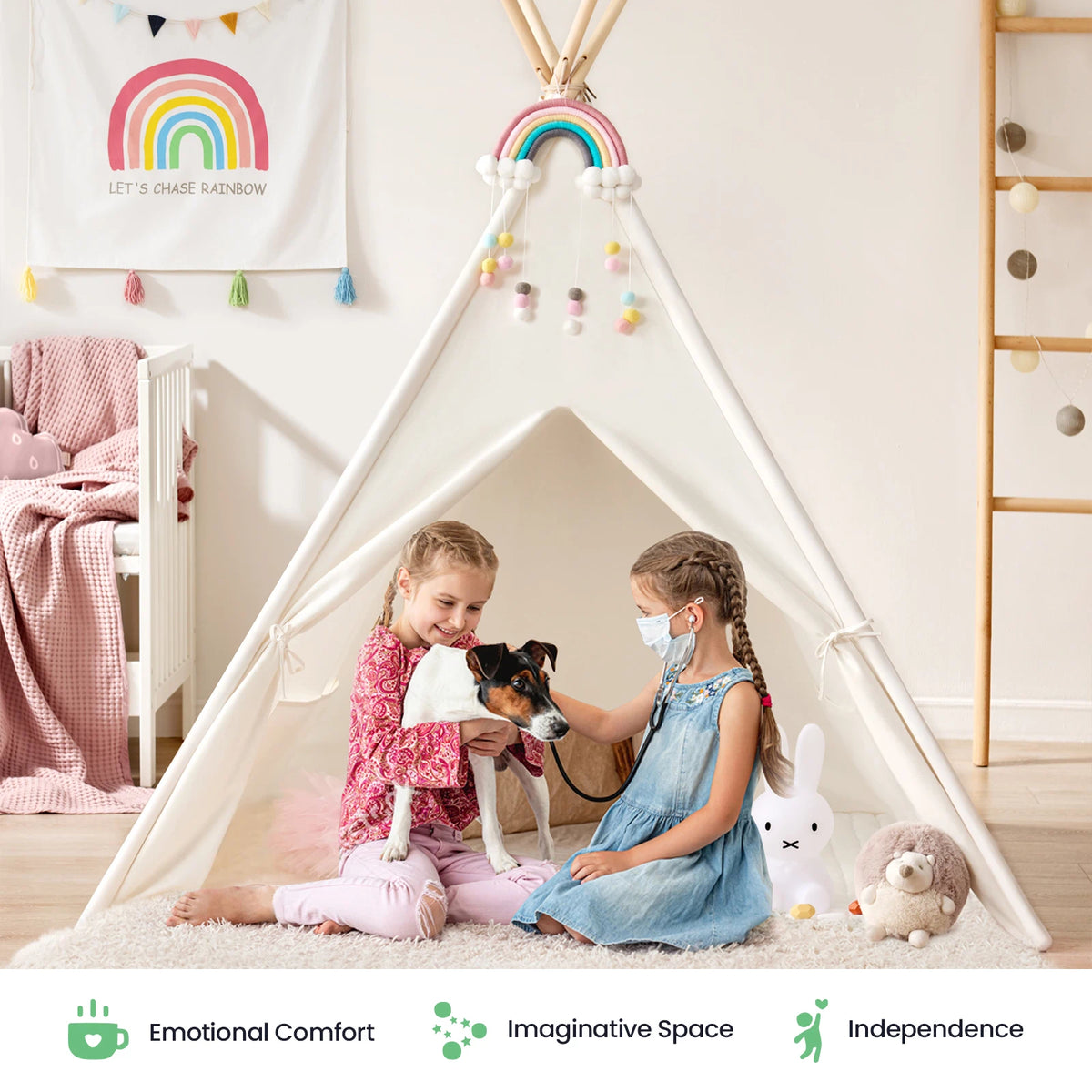
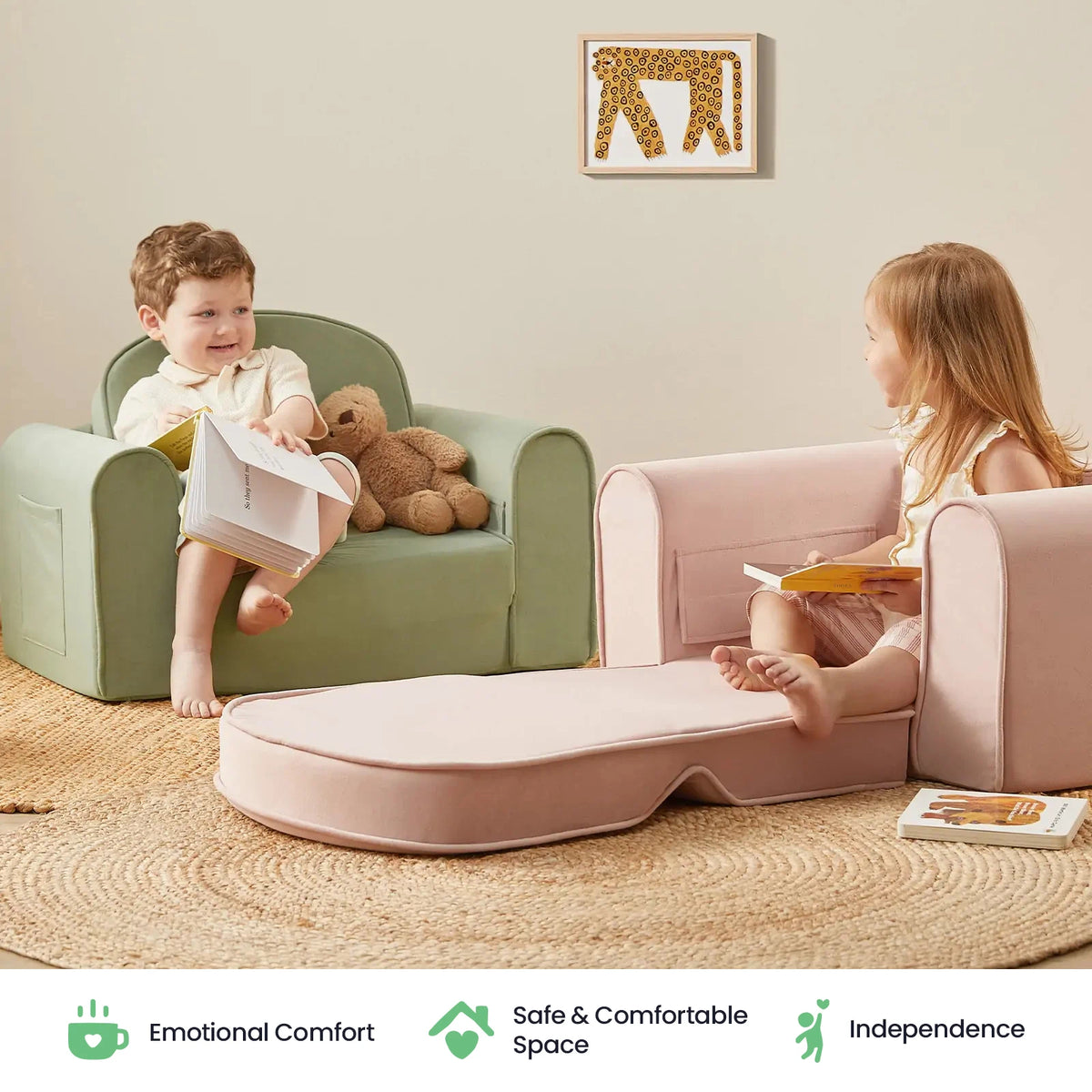
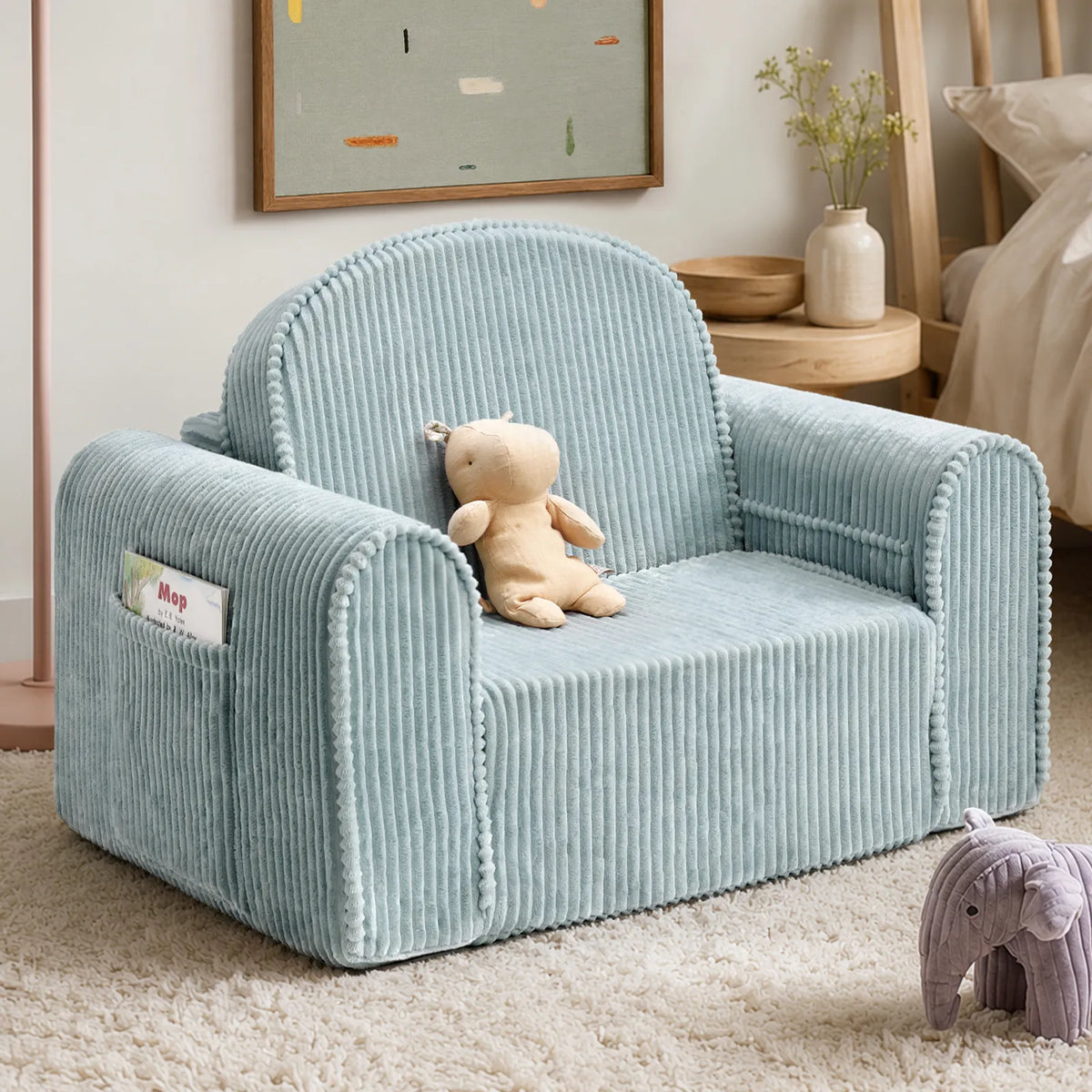
A play tent, children's sofa, or reading nook can create a defined space for quieter activities.
A child might:
- Look through books
- Draw
- Play with stuffed animals
- Pretend
- Rest
- Create a small imaginary world
Parents can join for reading when invited—or allow the child to enjoy the space independently.

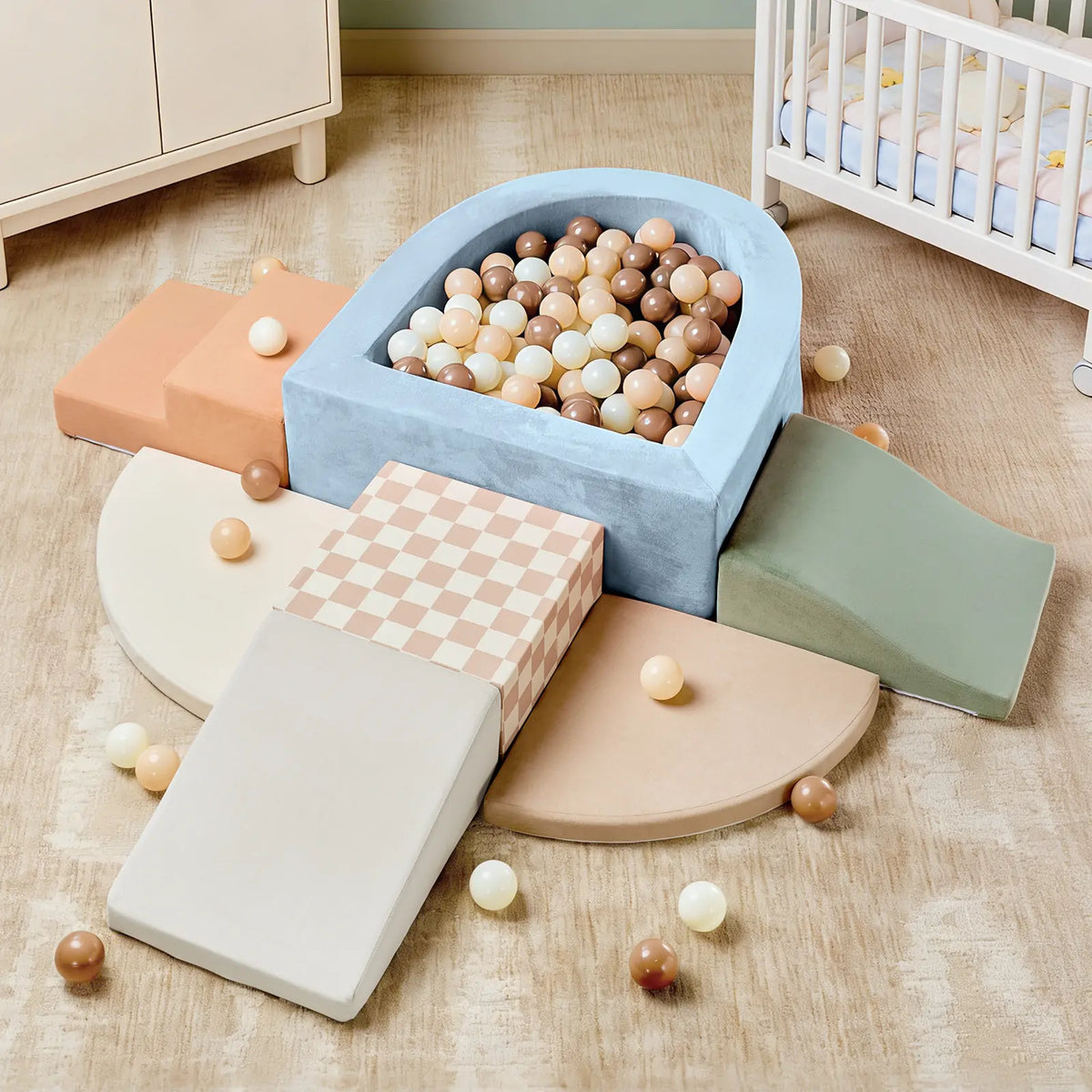
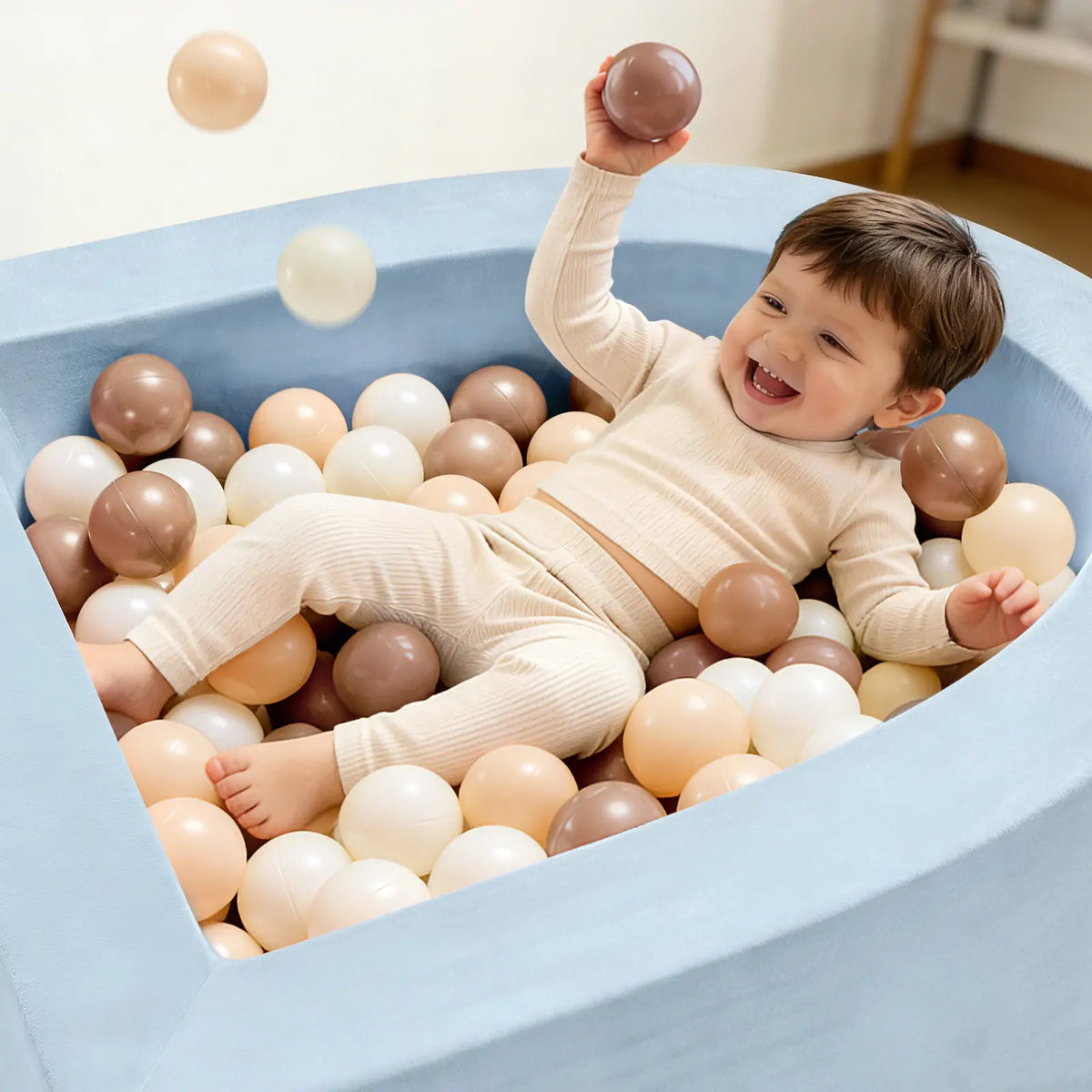
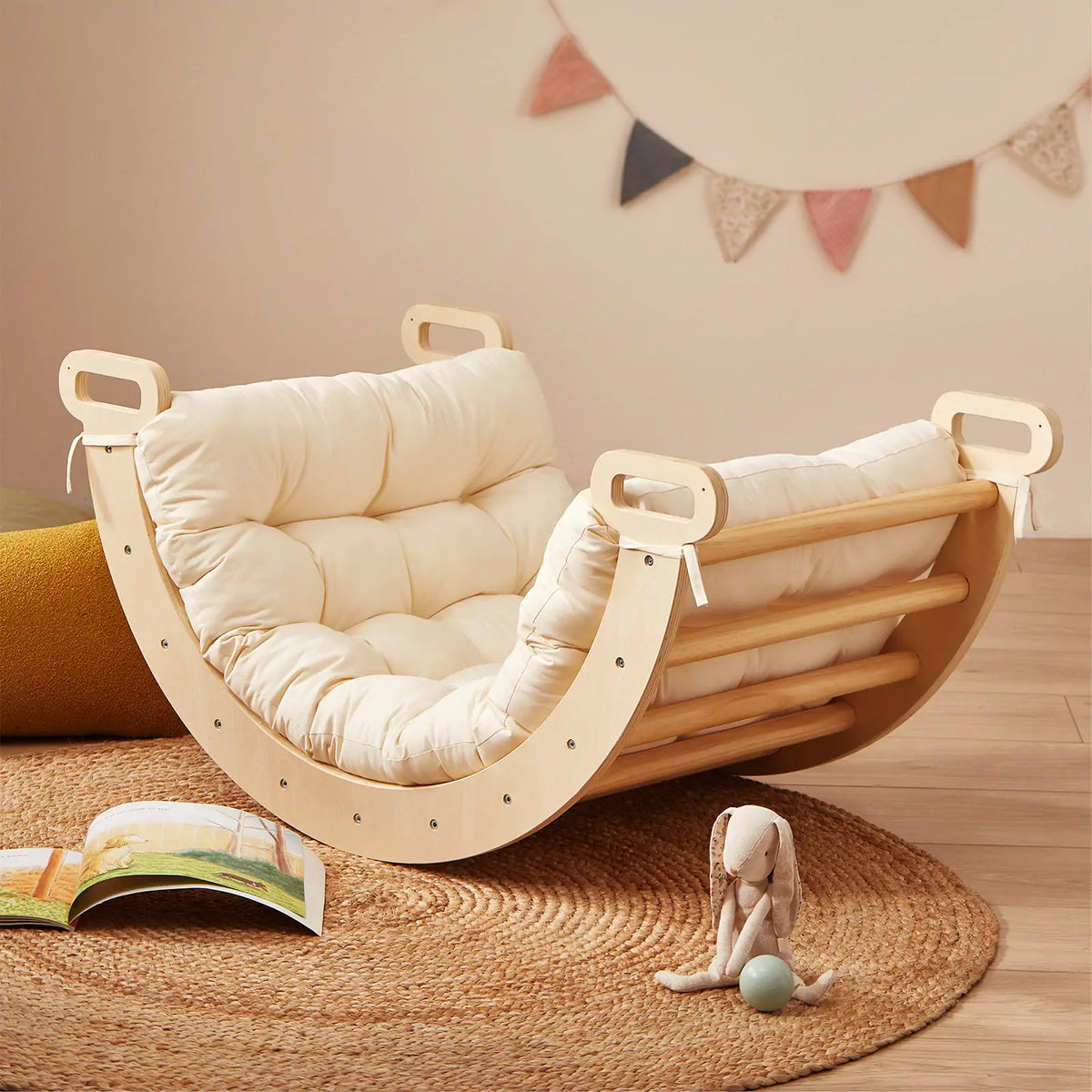
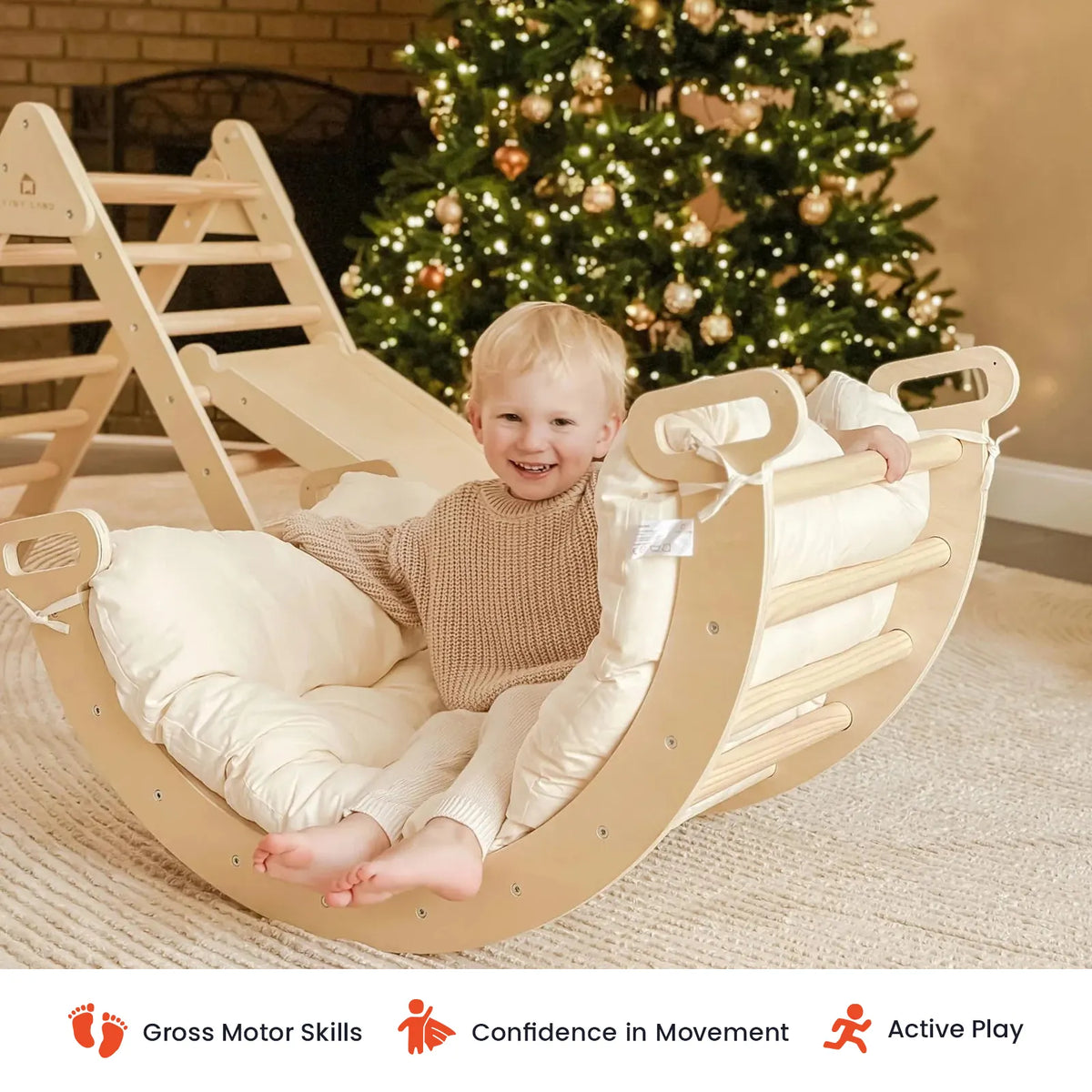
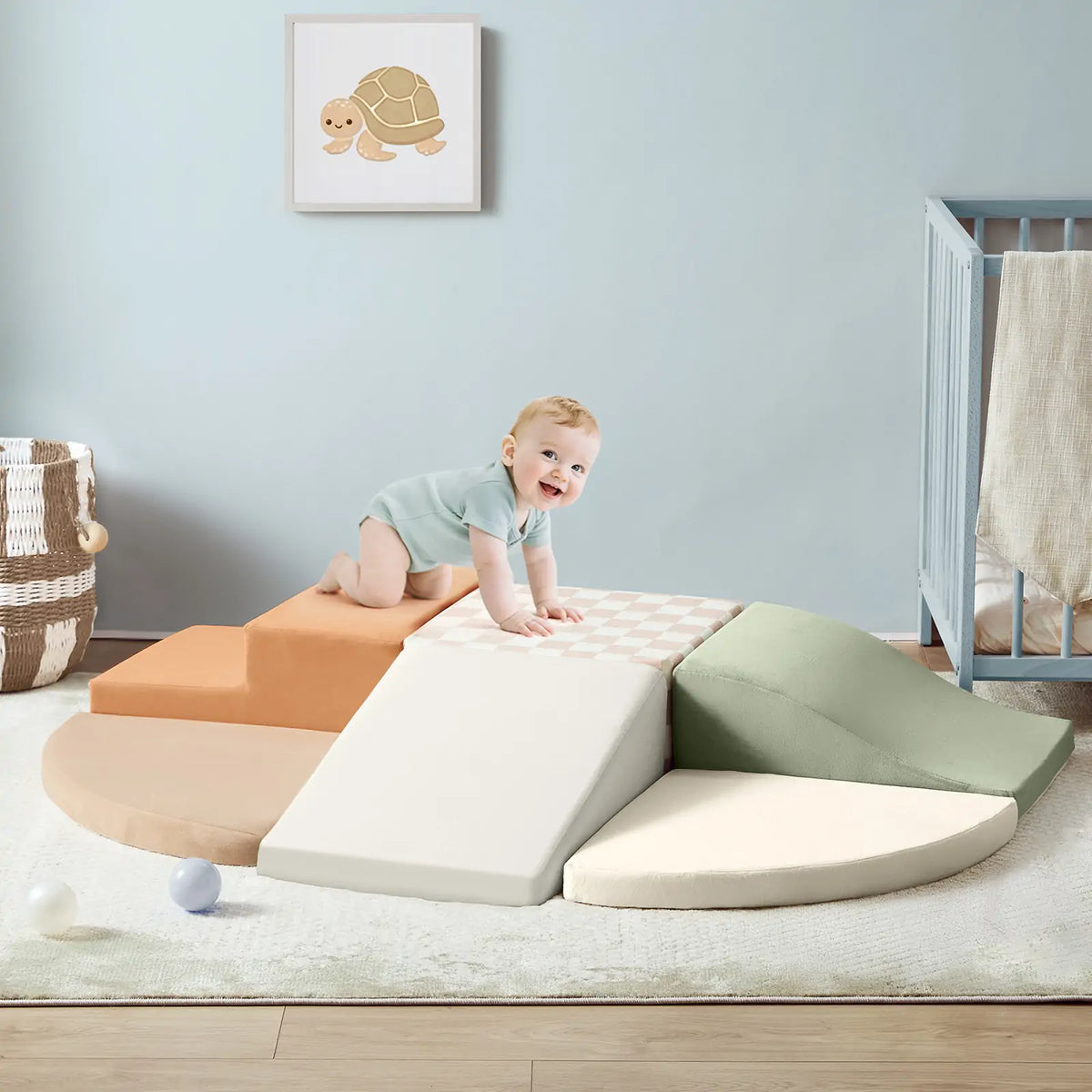
Movement Play
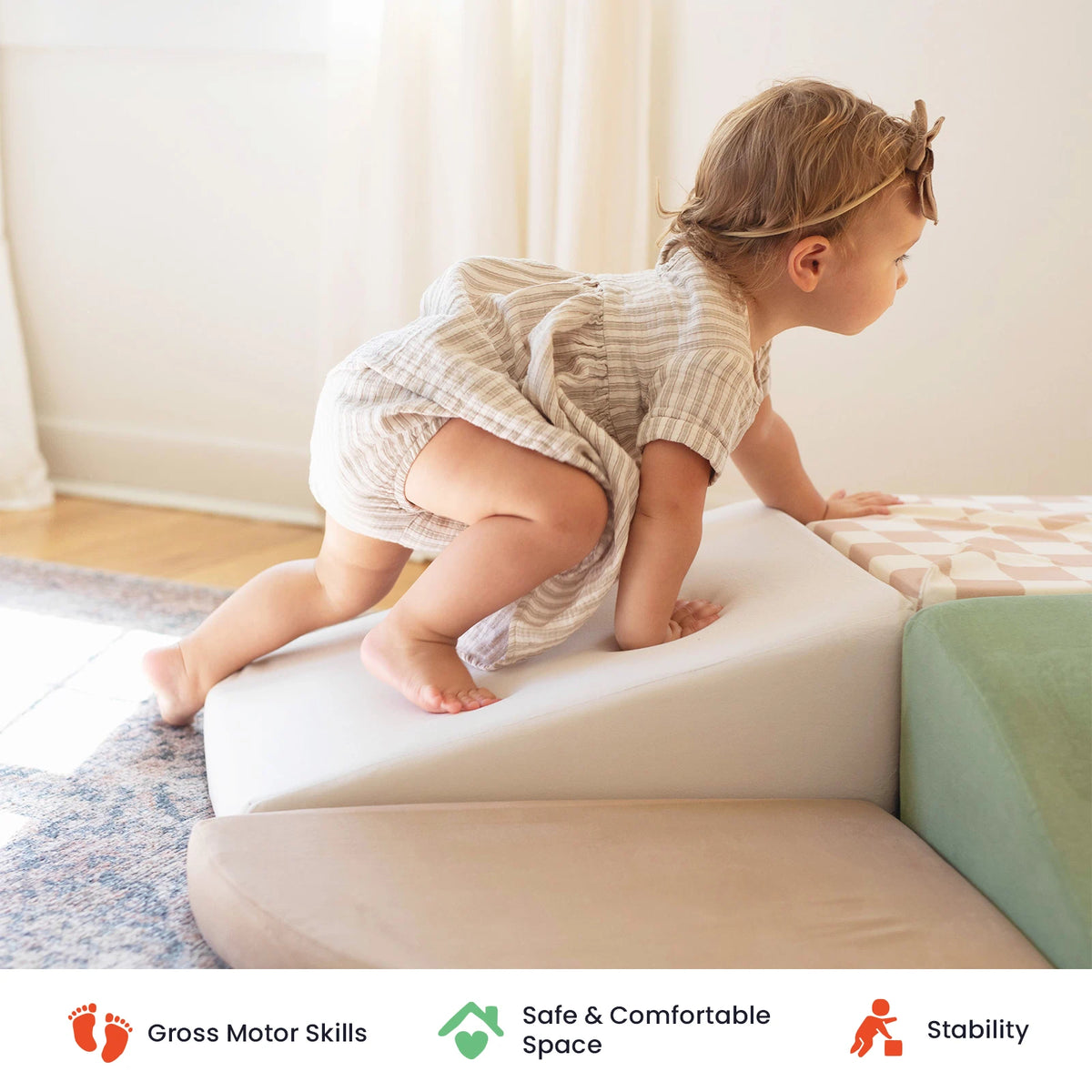
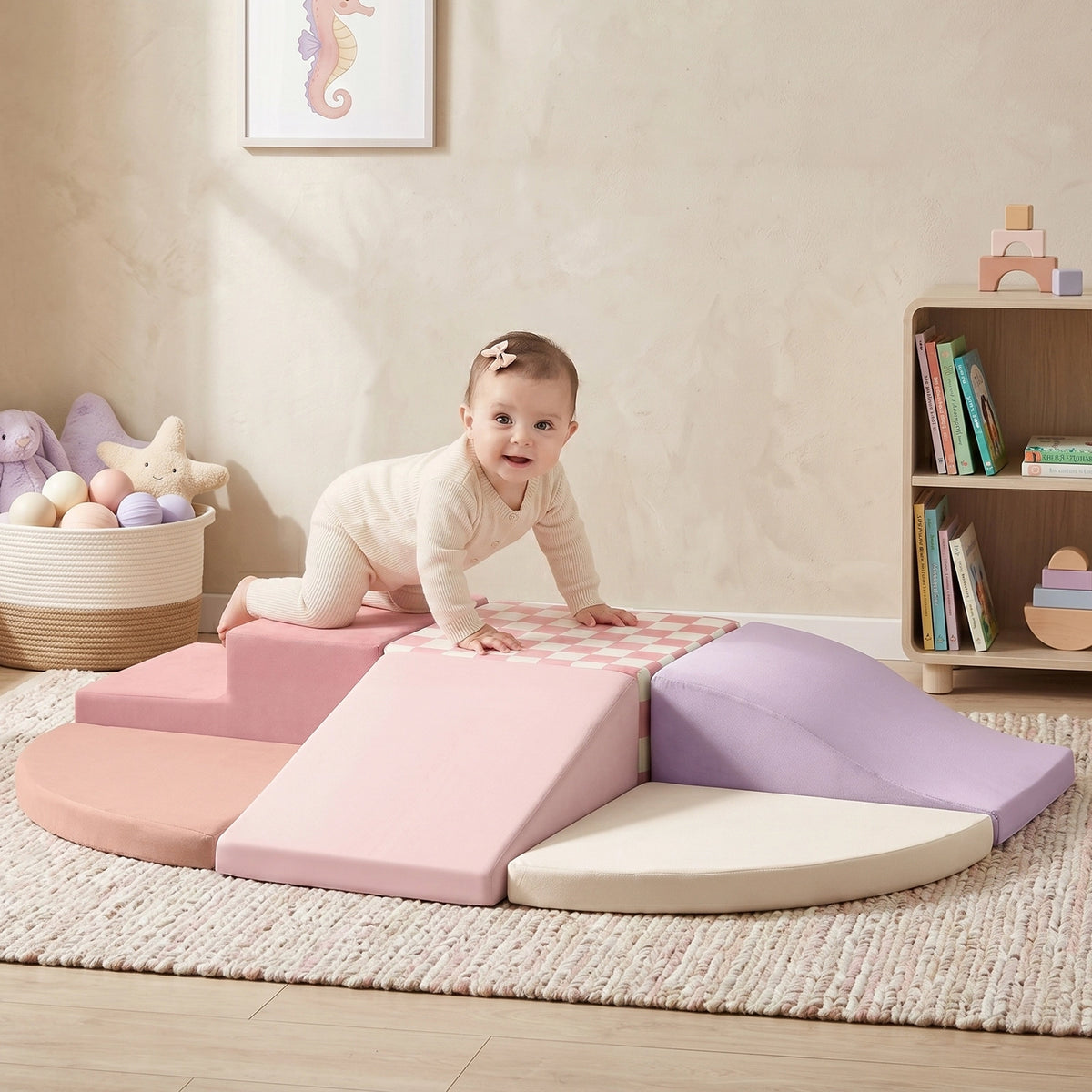
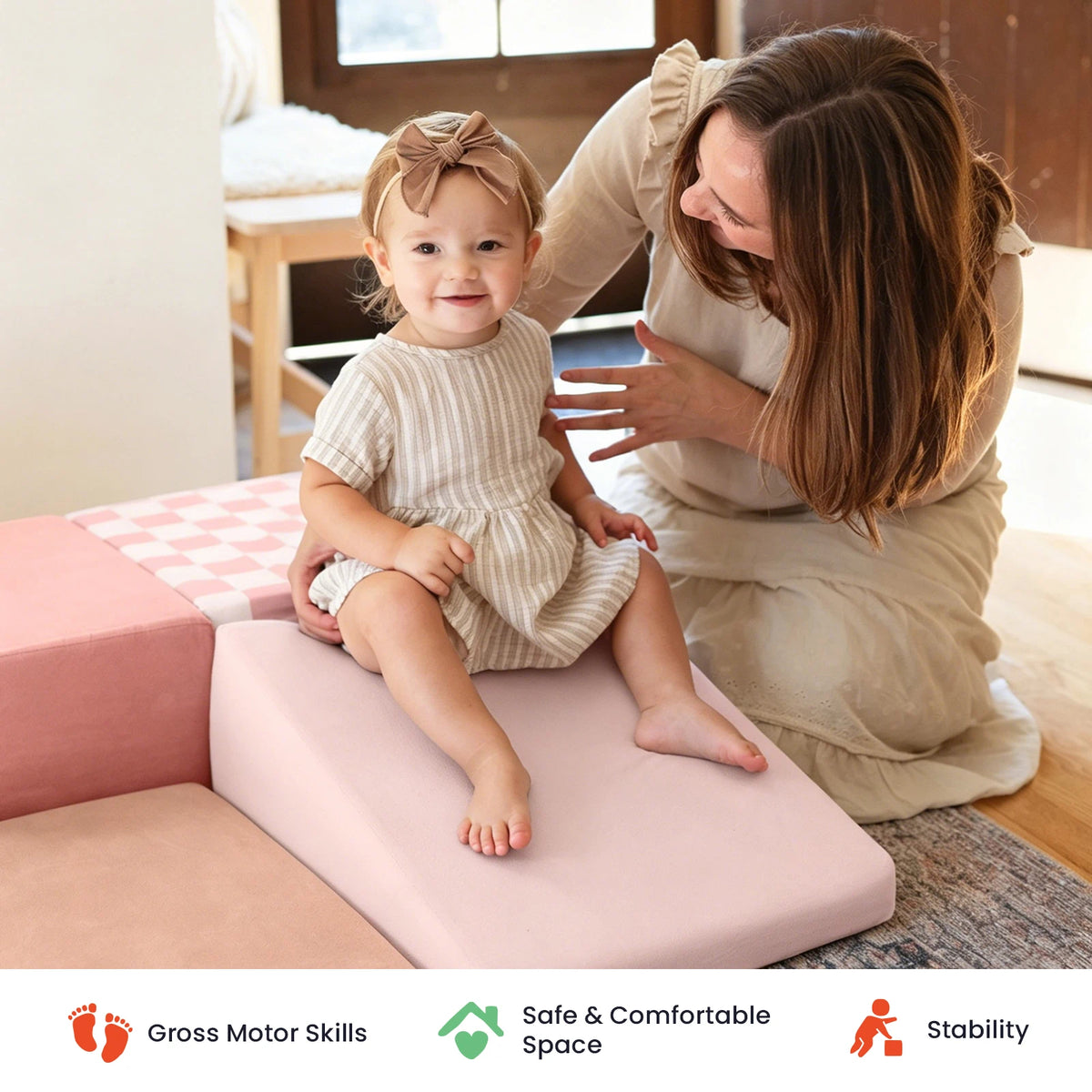
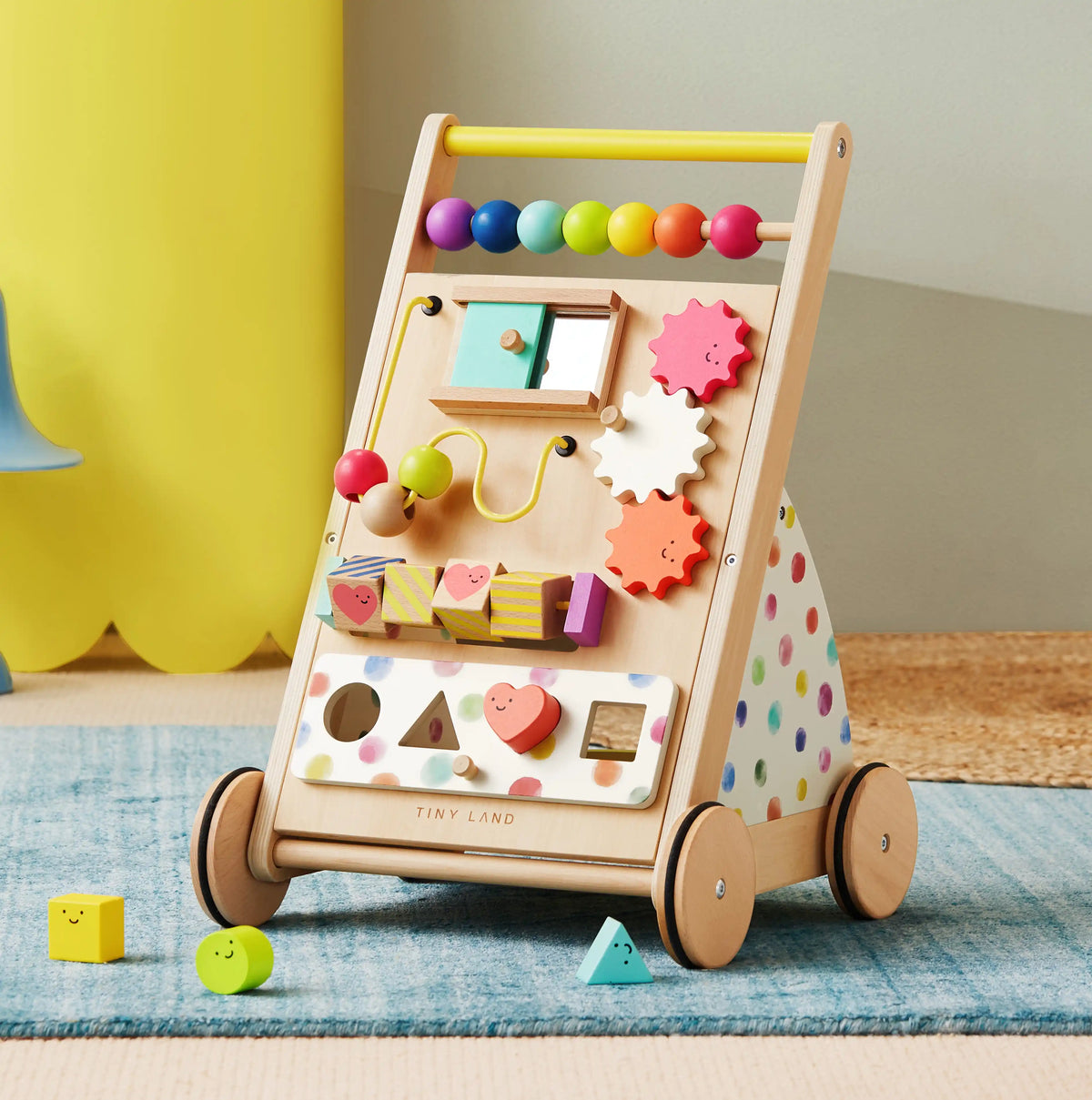
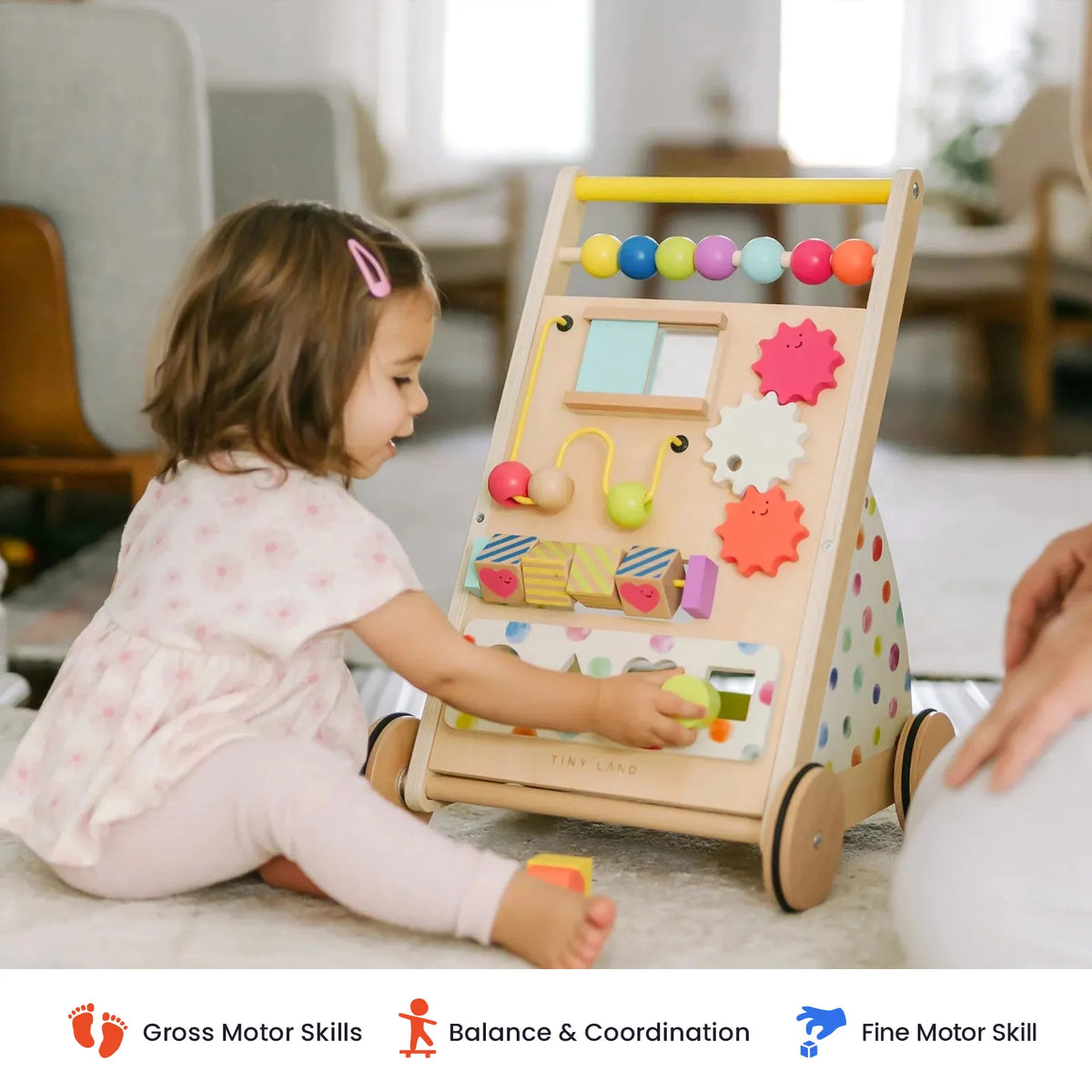
For children who enjoy physical activity, age-appropriate movement materials can offer opportunities to crawl, climb, balance, and explore different routes.
Children may choose different ways to move or repeat movements they enjoy.
For climbing and movement products, always follow the manufacturer's age recommendations, safety instructions, weight limits, and supervision requirements.

When Should Parents Step In During Play?
This may be one of the hardest parts of independent play.
Sometimes children need help.
Sometimes they need encouragement.
And sometimes they simply need more time.
Before stepping in, pause and ask:
Is my child actually asking for help?
Are they frustrated, or are they still experimenting?
Have they invited me into the play?
Is there a safety concern?
If your child is safe and engaged, waiting a little longer may give them an opportunity to continue exploring their own idea.

When to Step Back
Consider giving your child more space when they are:
- Focused on an activity
- Repeating something with interest
- Trying different approaches
- Creating a storyline
- Combining different toys
- Happily playing without seeking your involvement
You don't need to introduce a new idea simply because the play looks repetitive.
Repetition may be exactly what your child wants to explore.
When to Step In
Step in when:
- Your child asks for help
- They are genuinely frustrated
- There is a safety concern
- They invite you to play
- They want to share something
- They need information or support
When you join, try following their lead.
Instead of: “Let me show you how to do it.”
Try: “What are you trying to make?”
Instead of: “That's not how you use it.”
Try: “Tell me about what you're doing.”
Adult guidance can still be valuable. NAEYC describes play as existing along a continuum of child-directed play, guided play, and more direct instruction. The key is that developmentally appropriate practice does not require adults to either completely withdraw or direct every activity.
The goal is responsive involvement, not zero involvement.

The 15-Minute Play Observation
Not sure whether your child needs more space, more support, or different play materials?
Before changing anything, try observing.
Set aside 15 minutes and watch your child play without directing the activity, as long as the environment is safe.
This is not a developmental assessment or a validated screening tool.
It is simply a practical observation framework for parents.
The framework:
Observe → Notice → Respond
Here's what to look for.

What Can Your Child's Play Help You Notice?
The purpose of observing play isn't to diagnose development from a single 15-minute session.
Instead, observation can help you notice patterns in your child's interests.
If your child repeatedly...
Builds
You might provide more building materials or additional space for construction.
Pretends
You might add simple props that can expand their existing stories.
Draws
You might keep age-appropriate art materials accessible.
Organizes
You might provide objects or containers they can arrange.
Moves
You might create additional opportunities for safe, age-appropriate movement.
Returns to the Same Toy
You might leave that material available rather than assuming your child needs something new.
The process is simple:
Observe what your child is already doing.
Notice patterns.
Respond to their interests.
You're not deciding what your child should be interested in.
You're paying attention to what they already show you.

How Tiny Land Toys Can Fit Into Independent Play
At Tiny Land, we design play environments around the idea that children should have room to imagine, explore, and make play their own.
That doesn't mean every Tiny Land product is automatically an “independent play toy.”
Instead, different types of play materials can provide different possibilities depending on the child.
Play Kitchens
A play kitchen can provide an open-ended setting for pretend play.
A child might turn it into a home kitchen one day, a restaurant the next, or something entirely different.
The parent doesn't need to decide the storyline.
The child can.

Dollhouses
A dollhouse can provide a setting for children to create characters, arrange spaces, and develop their own stories.
Children can change the setting and storyline according to their interests.

Play Tents and Cozy Spaces
A play tent can become a reading corner, campsite, hideout, pretend home, or quiet space.
The same physical space can support different kinds of play depending on what the child imagines.

Movement Play
Age-appropriate climbing and movement equipment can provide opportunities for children to explore different ways of moving.
Children may choose different routes, repeat movements, or create their own movement games.
For any climbing equipment, adult supervision and the manufacturer's safety guidance remain essential.

Independent Play Doesn't Mean Playing Alone All Day
This distinction is important.
Independent play is not about making children self-sufficient for long stretches.
It's about giving children opportunities to experience: I can decide what happens next.
And also: If I need you, you're there.
Children can move between independent exploration and shared interaction throughout the day.
There is no need to turn independent play into another performance metric for parents or children.

Frequently Asked Questions About Independent Play
What is independent play?
Independent play is play that a child primarily initiates and directs on their own. A parent or caregiver can remain nearby and available without directing the activity.
What are the benefits of independent play?
Independent play can give children opportunities to make choices, explore their interests, experiment with materials, repeat activities, and direct their own play. It is one part of children's broader learning and developmental experiences.
What age should children start independent play?
There is no single age when independent play should begin. Young children can have opportunities for self-directed exploration, but the amount of adult support and the length of play will vary by age and individual child.
How long should a child play independently?
There is no universal amount of time every child should spend in independent play. Start with what your child can comfortably manage and gradually create more opportunities for self-directed play.
How do I encourage independent play?
Create an accessible play space, offer a manageable selection of flexible materials, allow uninterrupted time, and stay nearby without immediately taking over. Follow your child's interests instead of imposing a specific activity.
Is independent play better than playing with parents?
No. Independent play and shared play provide different experiences. Children can benefit from opportunities to direct their own activities as well as opportunities to interact and play with caring adults.
What toys are best for independent play?
There is no single best toy. Open-ended materials such as pretend-play toys, building materials, art materials, books, and age-appropriate movement equipment can provide opportunities for children to direct their own play.
Should I leave my child alone while they play?
Not necessarily. Independent play can happen while a parent or caregiver remains nearby. The appropriate level of supervision depends on the child's age, the environment, the activity, and safety considerations.