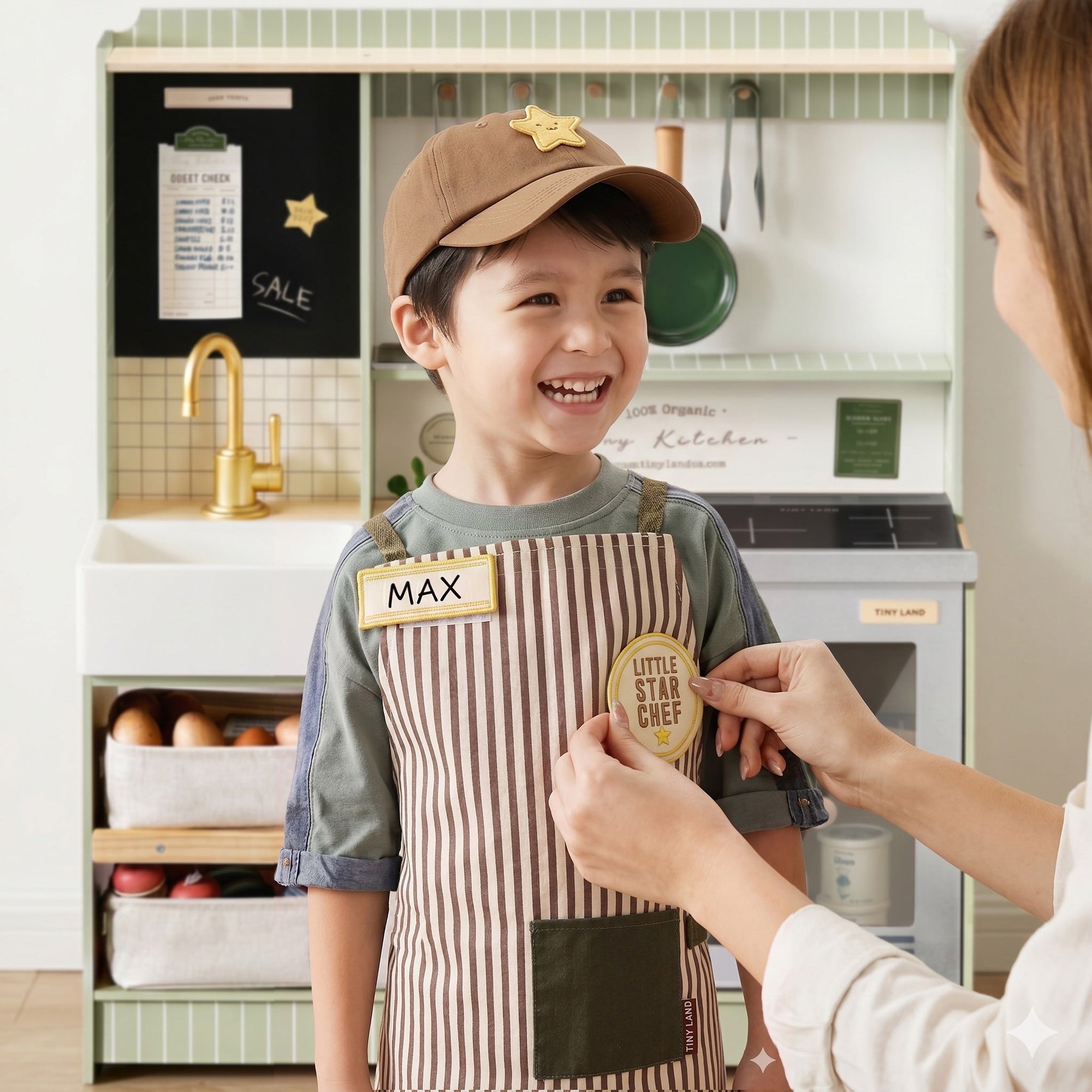
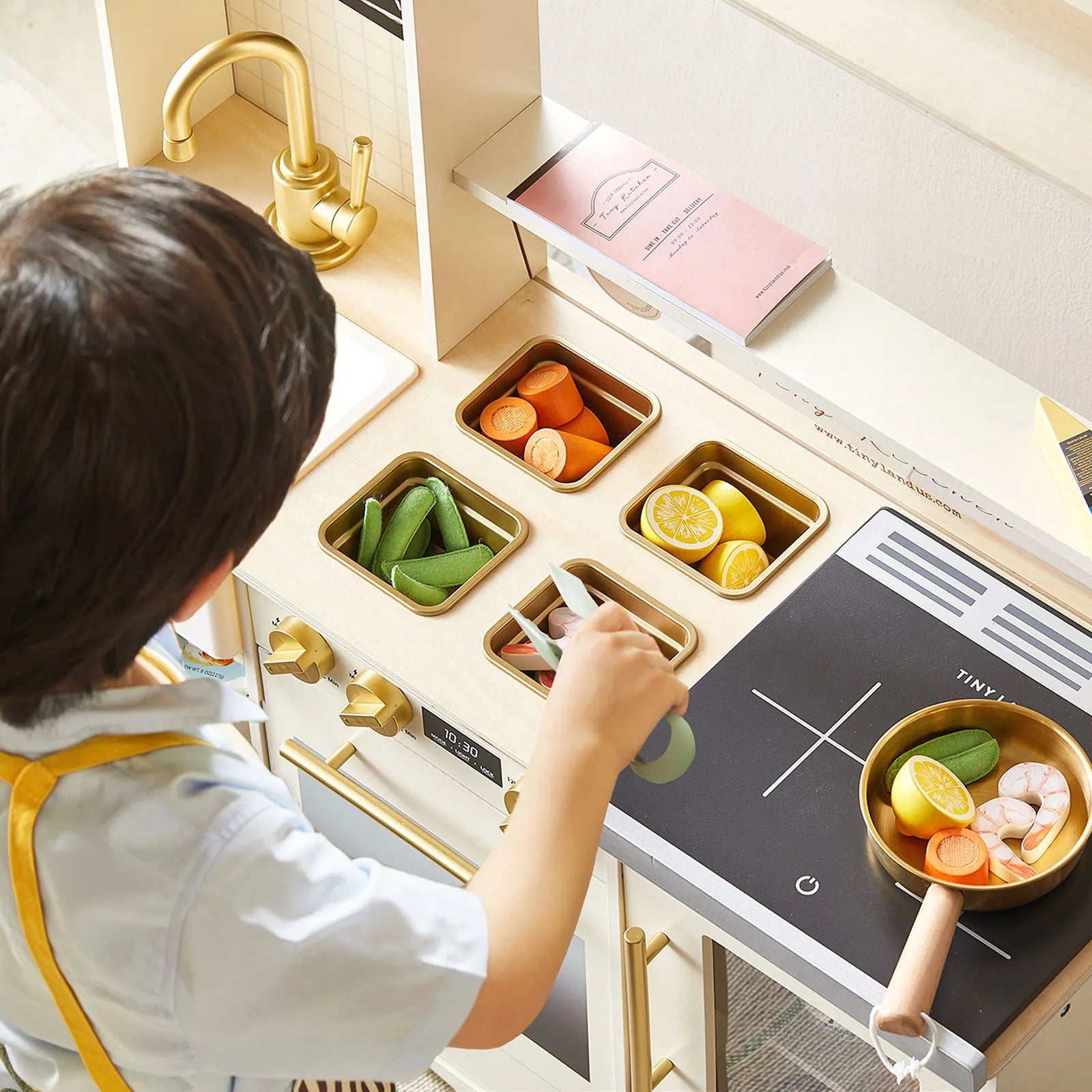
As parents, we often look for toys that will keep our children entertained. But the most valuable toys do something more—they create opportunities for children to learn, communicate, imagine, and grow through play.
According to Dr. Bach, the magic of pretend play isn't found in the toy itself—it's found in what children do with it.
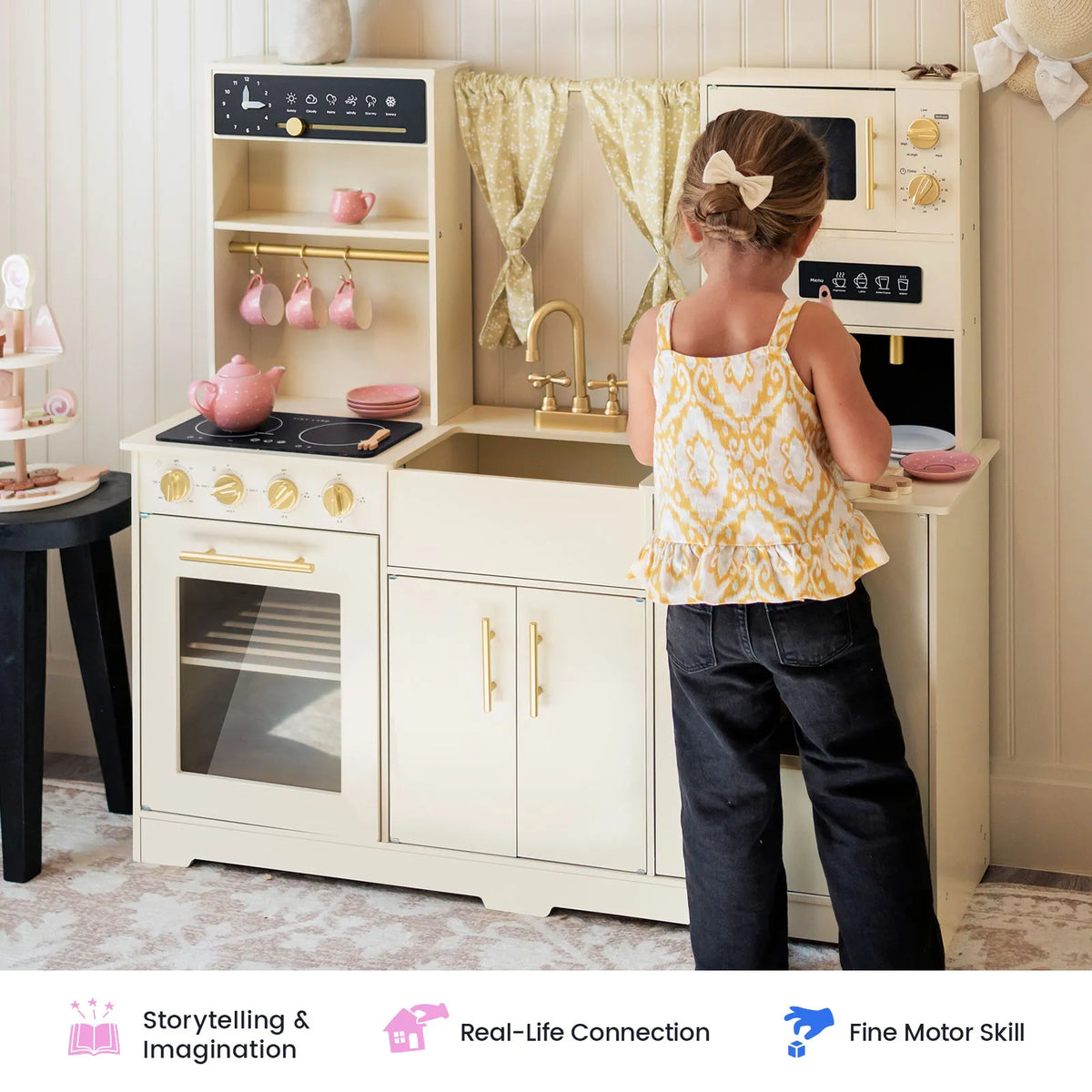
Children aren't simply pretending to cook. They're creating stories, exploring social roles, solving problems, practicing communication, and building confidence in themselves.
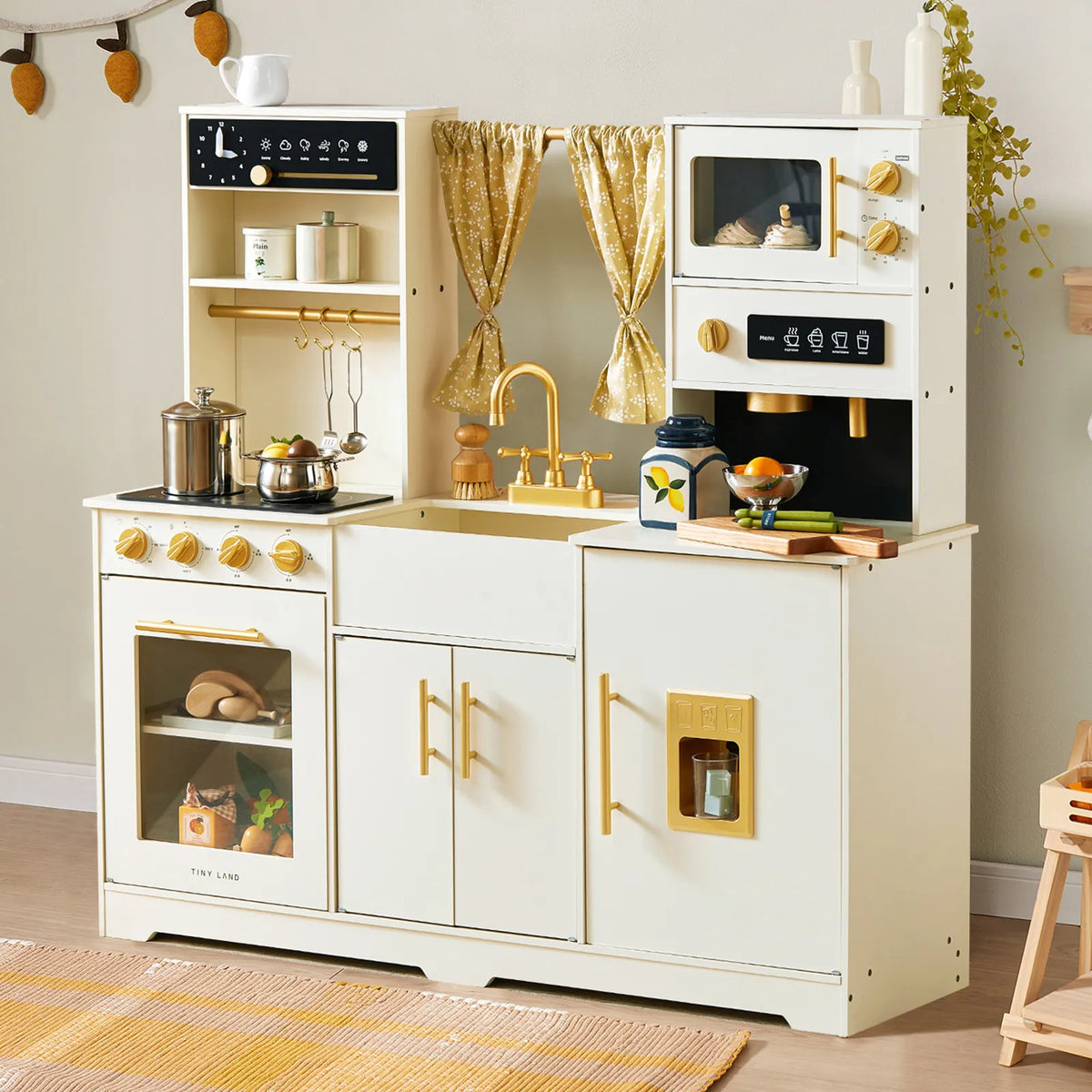
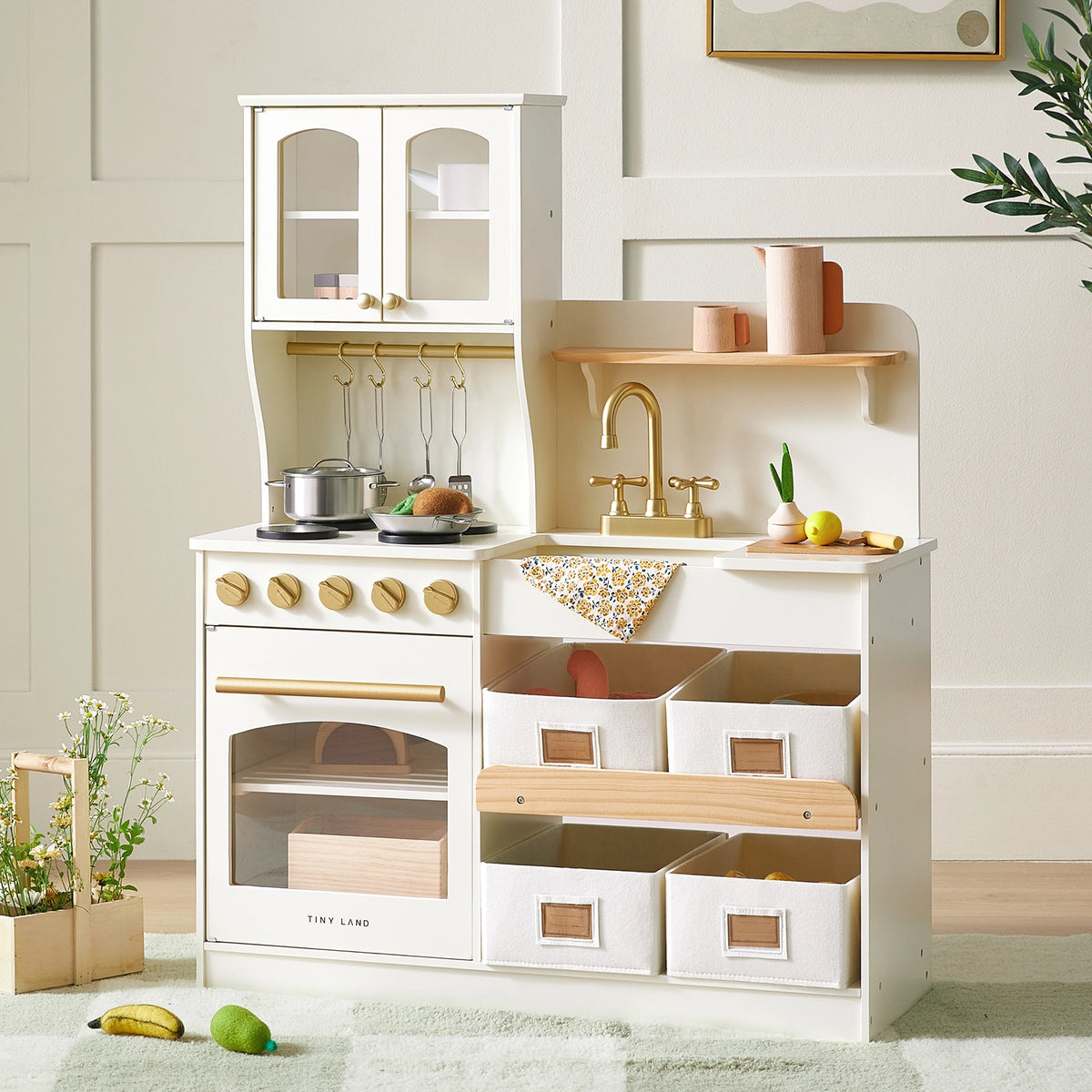
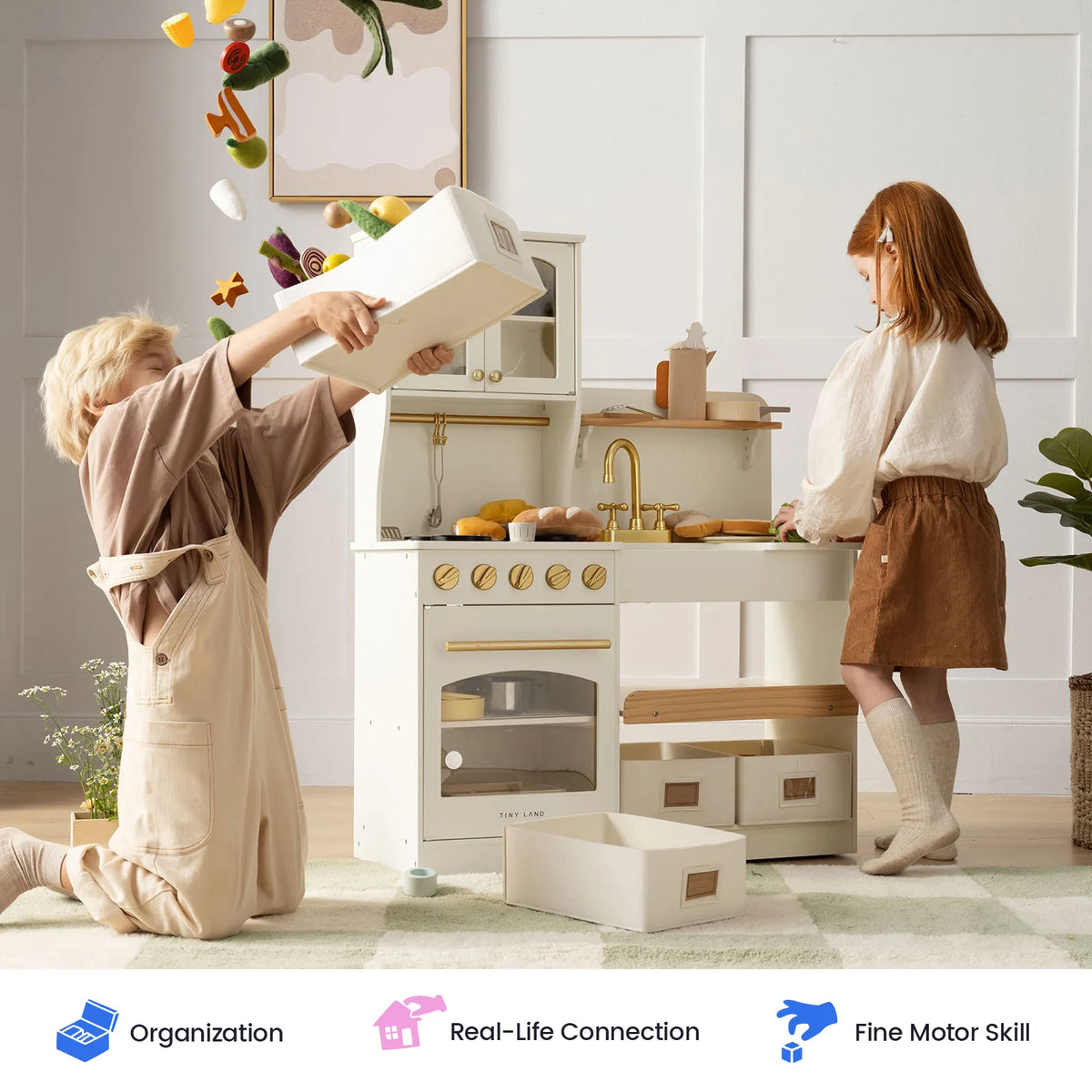
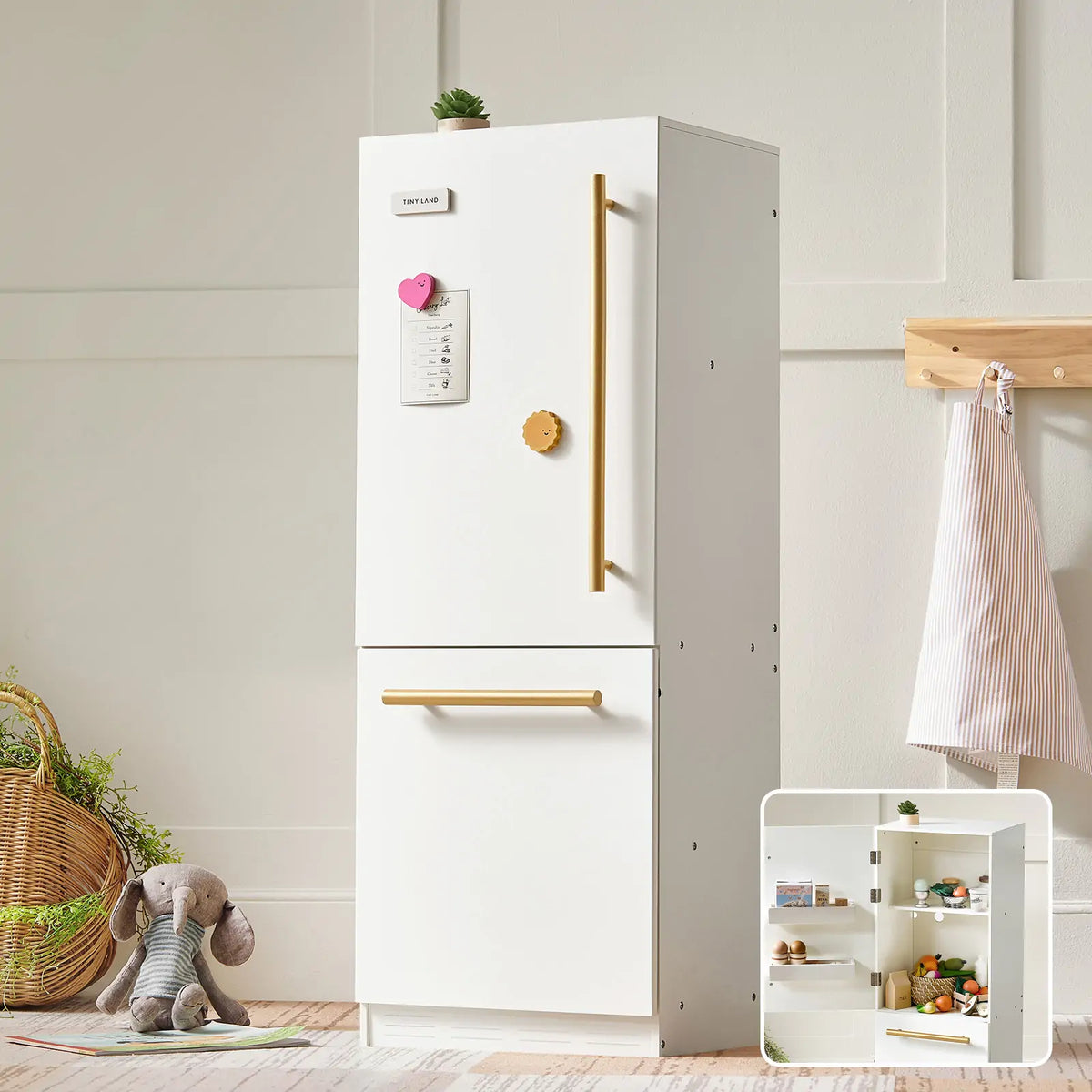
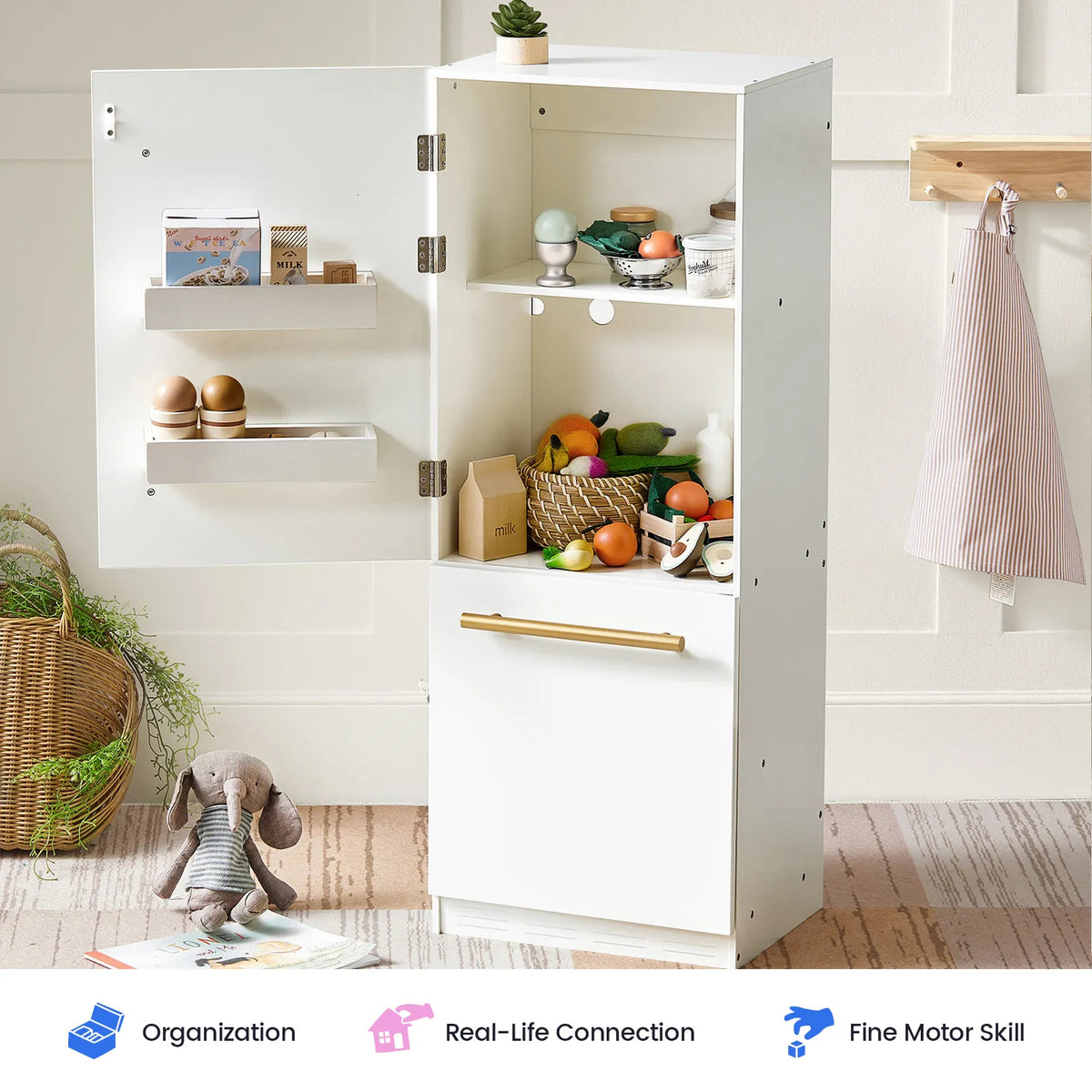
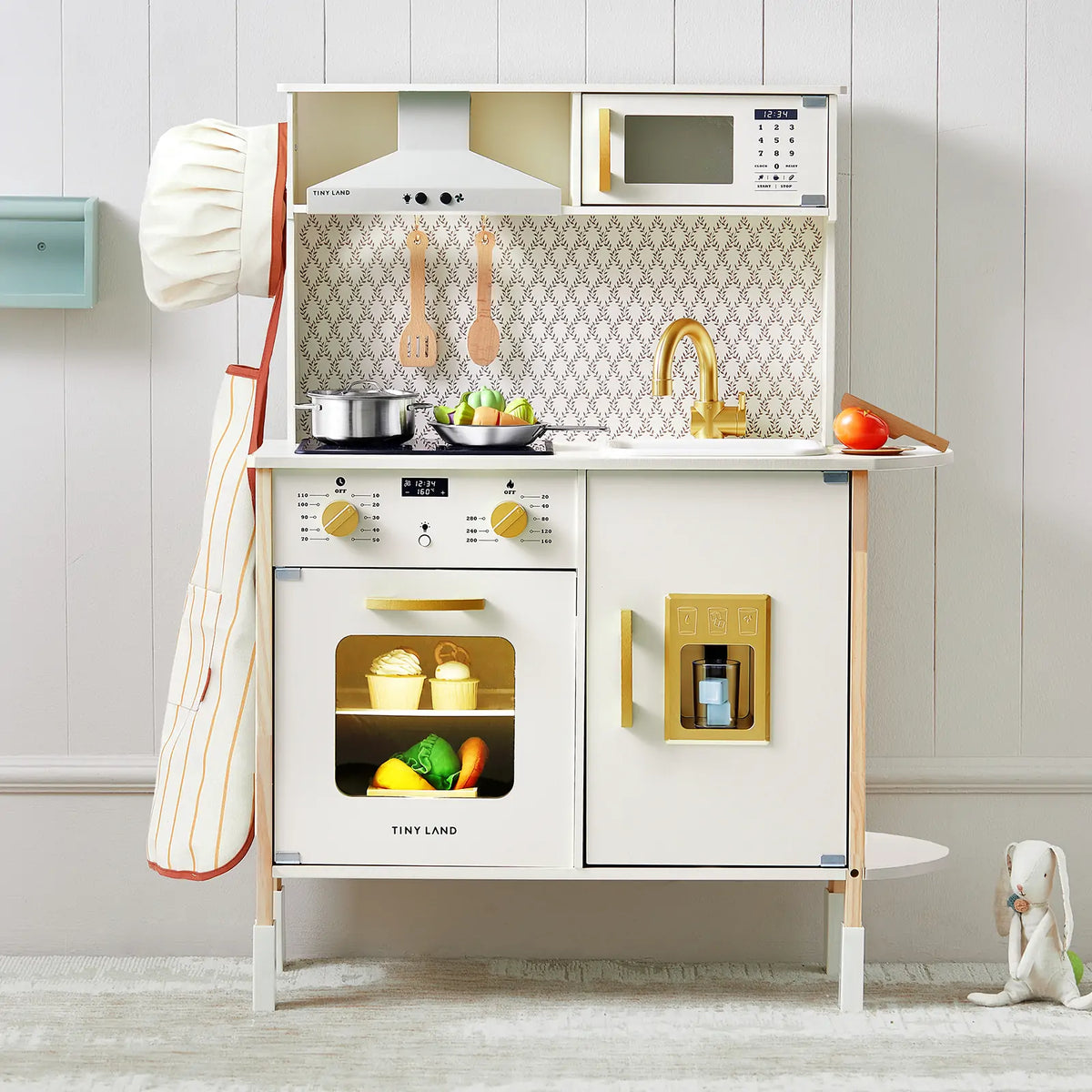
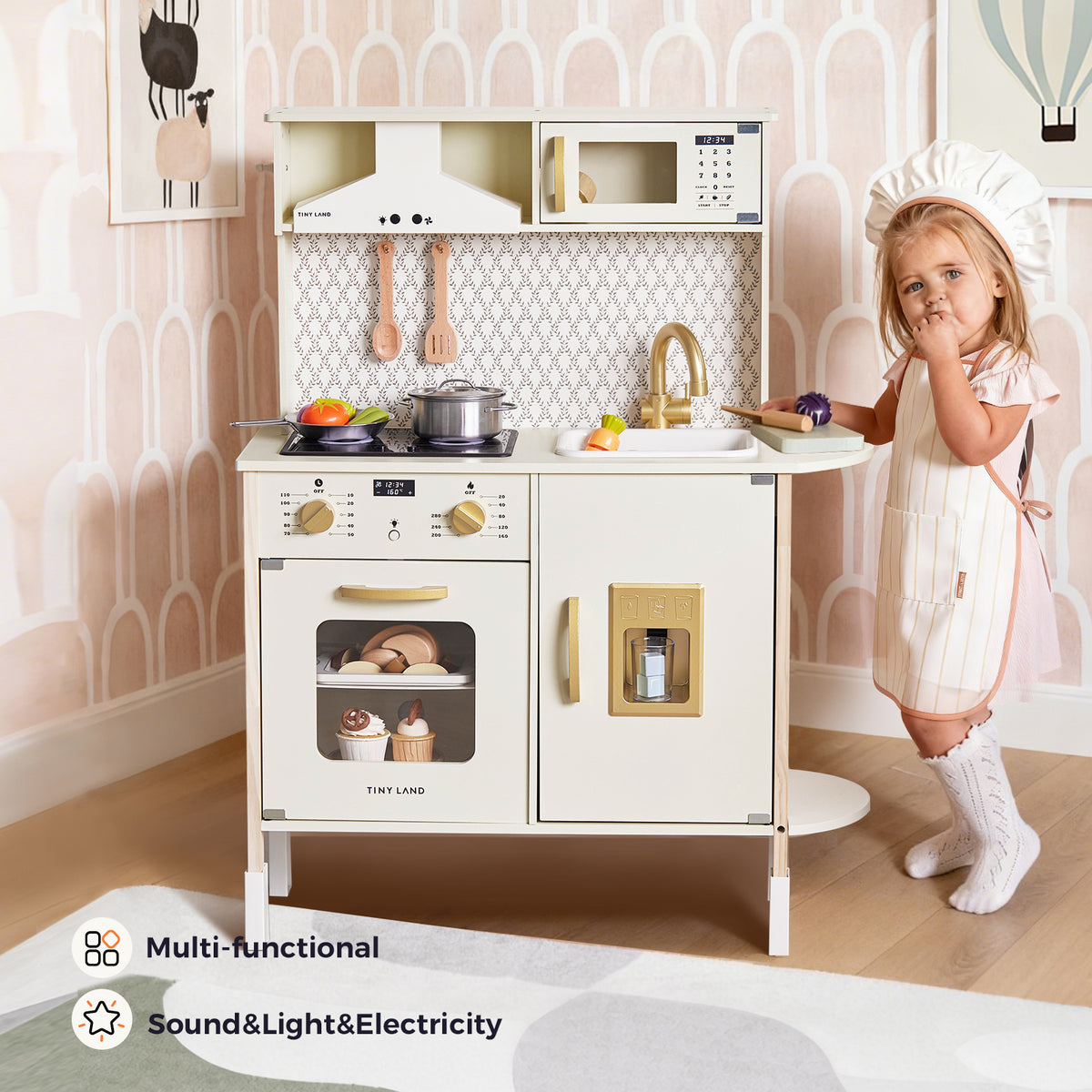
And that's exactly what makes the BistroSwitch Play Kitchen so powerful.
About Dr. Anastasia Bach, PT, DPT
Dr. Anastasia Bach, PT, DPT, is a licensed pediatric physical therapist with over 10 years of clinical experience supporting children's motor development.
She currently works in a public school setting, helping children with a wide range of developmental needs, and is the founder ofTummy Time Texts, a platform that connects parents with pediatric physical therapy guidance and developmental milestone support.
Her areas of expertise include infant and pediatric gross motor development, tummy time, early milestone progression, and helping families understand developmental milestones and identify when additional support may be beneficial. As both a pediatric physical therapist and a mother of two, Dr. Bach combines clinical expertise with real-world parenting experience to provide practical, family-centered guidance.
A Kitchen That Inspires More Than Cooking
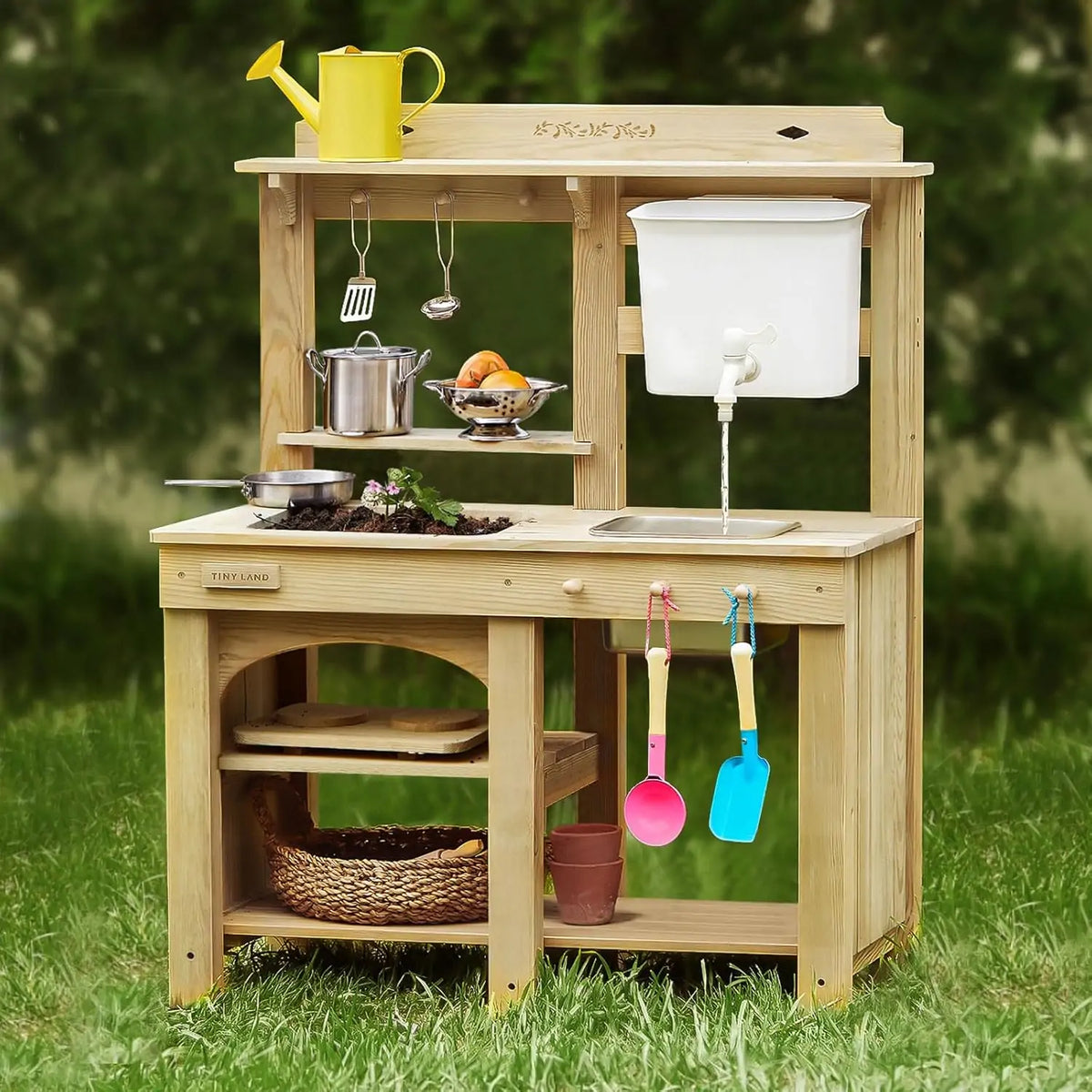
Many play kitchens encourage children to prepare pretend meals. The BistroSwitch Play Kitchen goes a step further.
Its bistro-inspired design naturally encourages children to create restaurant-style play experiences, transforming everyday pretend cooking into a richer world of imagination.
One moment, a child is a chef preparing a special menu.
The next, they're a server taking orders.
Then they become the customer, restaurant owner, or even a food critic.
As Dr. Bach points out, moving between different roles is one of the most valuable aspects of pretend play. Every role asks children to think differently, communicate differently, and view situations from a new perspective.
What looks like simple fun is actually an important developmental exercise.
Where Communication Skills Grow Naturally
One of the biggest reasons pediatric professionals value pretend play is because it creates authentic opportunities for communication.
The BistroSwitch Play Kitchen gives children endless reasons to talk, listen, explain, and interact.
They might ask:
● "What would you like to order today?"
● "Would you like fries with that?"
● "Your table is ready."
● "I'm making today's special."
These conversations may seem small, but they help children practice important social and language skills in a low-pressure environment.
Unlike structured lessons, play gives children a reason to communicate because they want to—not because they're told to.
This is one of the foundations of play-based learning.
Supporting Flexible Thinking Through Role Play
Children learn best when they are actively engaged in experiences that require them to think, adapt, and make decisions.
The BistroSwitch Play Kitchen naturally encourages this type of learning.
A child may decide to open a café in the morning, serve lunch to family members in the afternoon, and host a pretend birthday party by evening.
Every new scenario requires children to adjust their plans, create solutions, and think creatively.
These experiences help strengthen flexible thinking, an important skill that supports problem-solving, resilience, and future learning.
Encouraging Independence Through Child-Led Play
As a pediatric physical therapist, Dr. Bach recognizes the importance of giving children opportunities to take ownership of their experiences.
The best play doesn't come from adults directing every step. It comes from children leading the way.
With the BistroSwitch Play Kitchen, children decide:
● What restaurant they're running
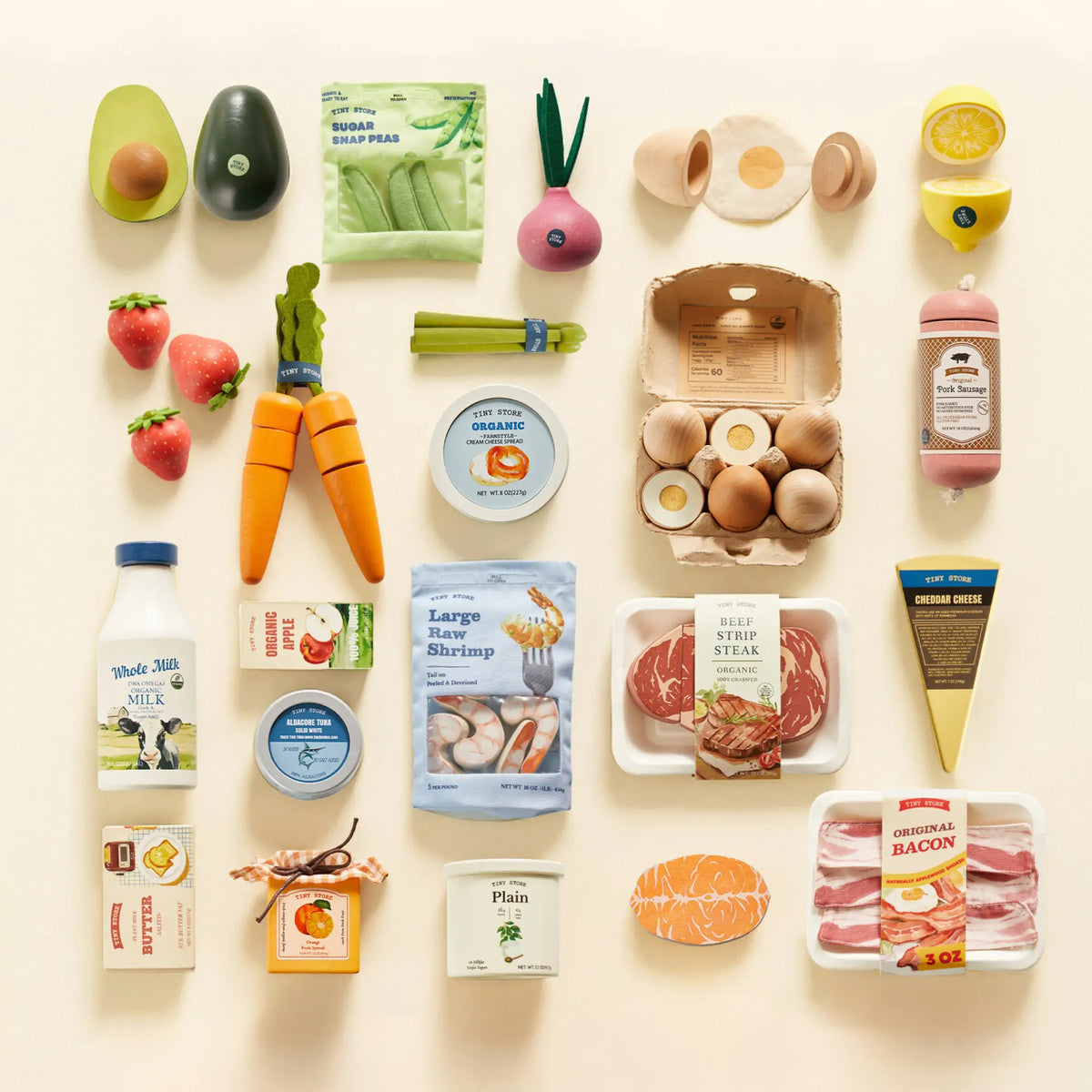
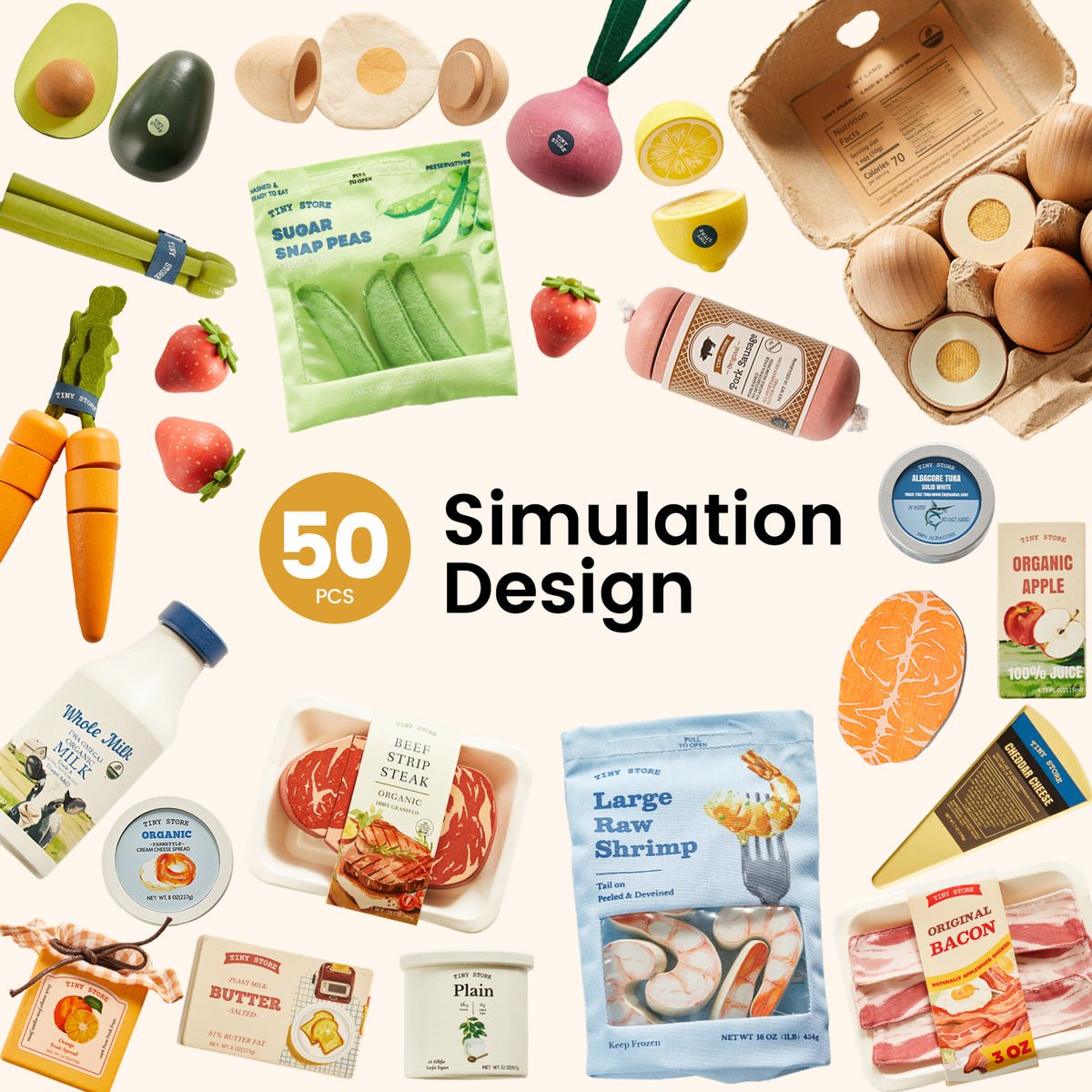
● What meals they're serving
● Who their customers are
● How the story unfolds
There are no instructions telling them what to imagine.
There is no single "right" way to play.
This freedom allows children to build confidence in their own ideas while developing independence and decision-making skills.
Why Play-Based Learning Matters
At Tiny Land, we believe children learn best through meaningful, hands-on experiences.
That's why the BistroSwitch Play Kitchen was designed around the principles of play-based learning.
Rather than focusing solely on pretend cooking, it encourages children to explore storytelling, communication, social interaction, creativity, and real-world role play.
The goal isn't to teach children how to cook.
The goal is to create a space where learning happens naturally through imagination.
The Tiny Land Difference
What Dr. Bach appreciates about the BistroSwitch Play Kitchen is the same thing many parents notice when they watch their children play: the experience quickly becomes about much more than the kitchen itself.
Children build restaurants.
They create menus.
They serve guests.
They solve problems.
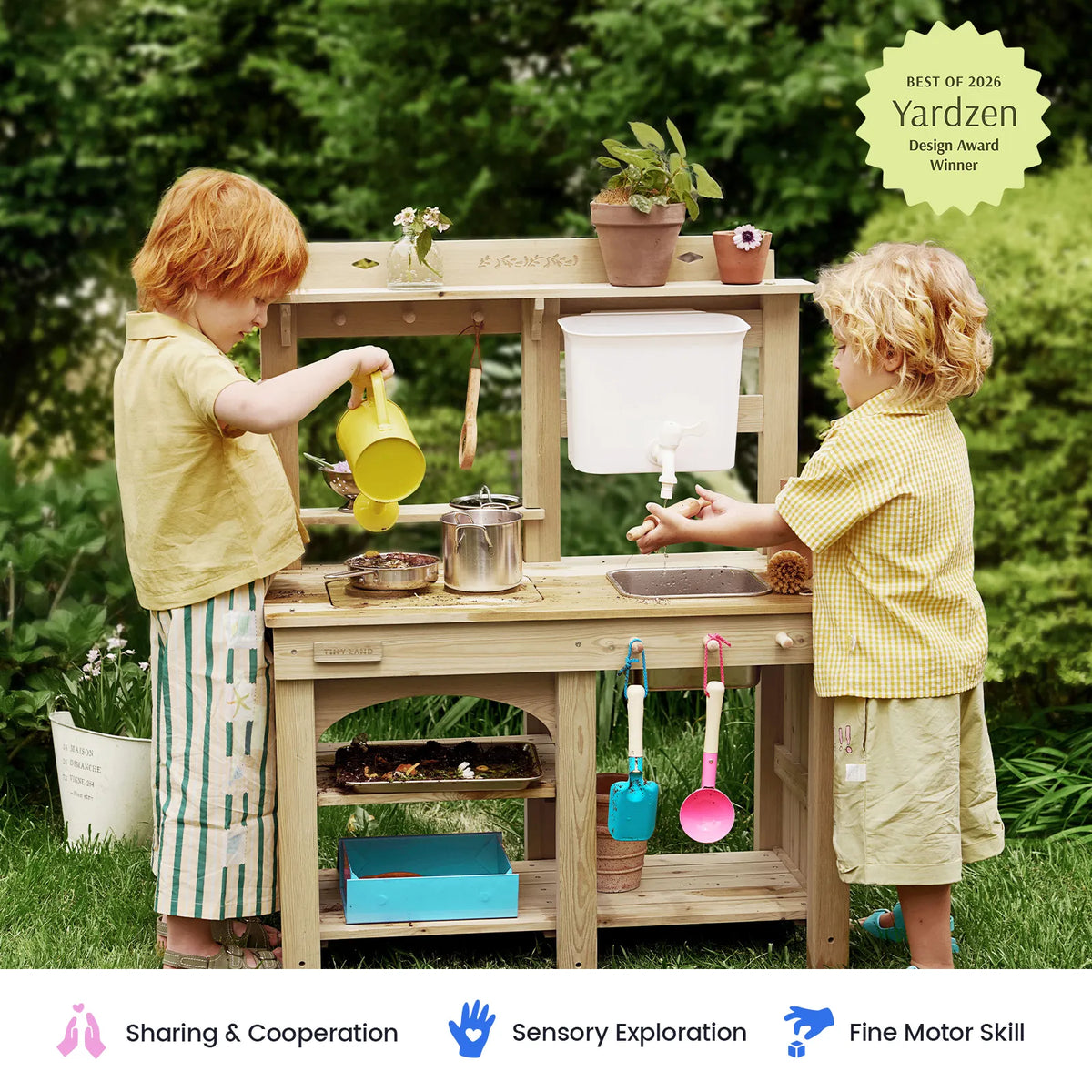
They collaborate with siblings and friends.
Most importantly, they practice skills they'll carry far beyond the playroom.
As Dr. Anastasia Bach reminds us, pretend play is so much more than fun.
When children are given the freedom to imagine, create, and lead their own play experiences, they're building communication skills, flexible thinking, independence, and confidence—one pretend meal at a time.