



Water play is one of the easiest and most effective ways to keep toddlers engaged during warmer months. It requires minimal setup, works in almost any space, and supports early development across sensory, motor, and cognitive skills.
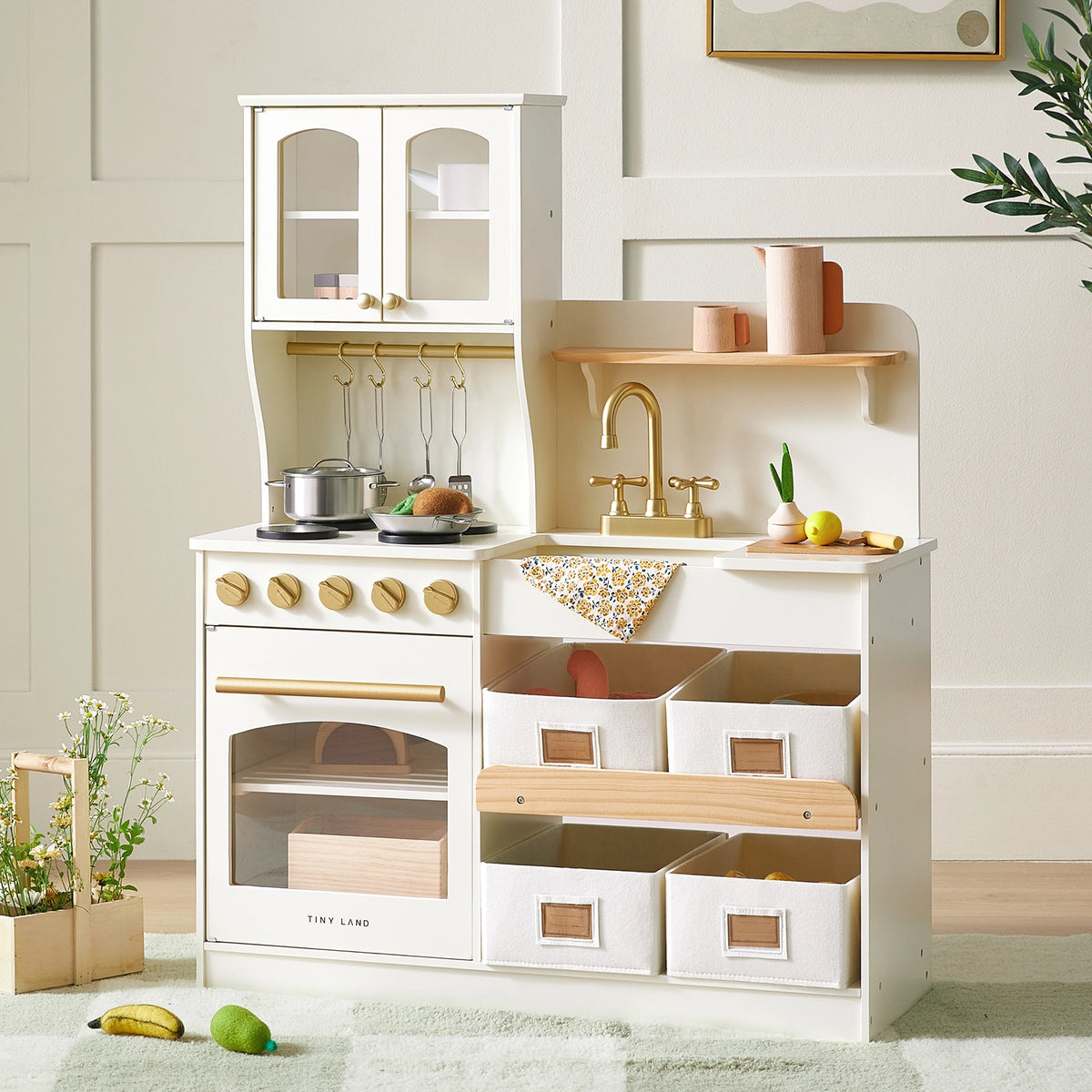
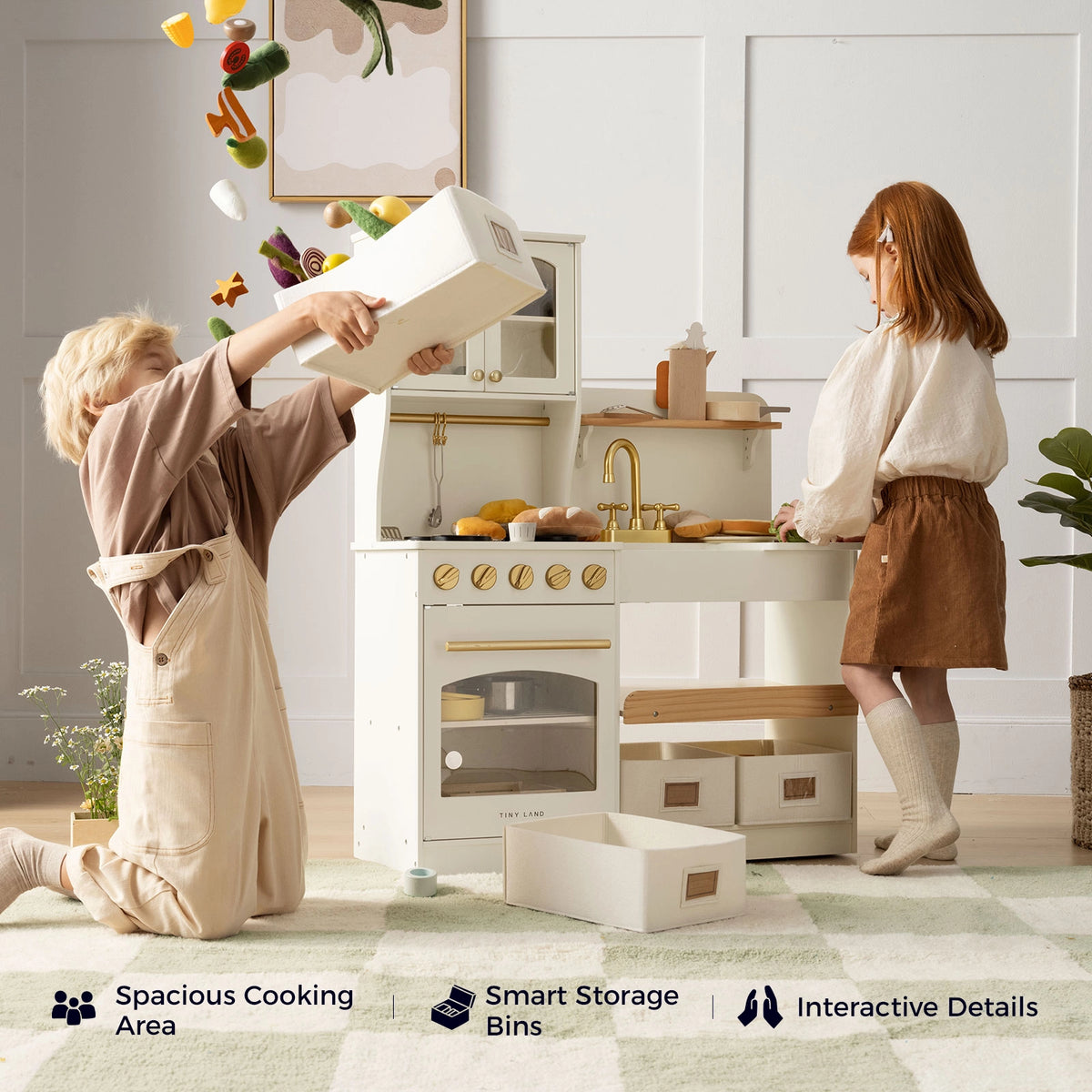
Most importantly, water play doesn’t need a pool. With a simple setup—especially when combined with a play kitchen—toddlers can turn everyday water activities into meaningful pretend play experiences like cooking, serving, cleaning, and exploring.

Why Water Play Is So Powerful for Toddlers (Ages 2–4)
At this stage, children learn best through repetition and hands-on exploration. Water naturally supports this because it constantly changes shape, movement, and flow.
Through water play, toddlers develop:
-
Fine motor skills through pouring, scooping, and transferring
-
Sensory awareness through temperature, texture, and movement
-
Early problem-solving through experimentation and repetition
-
Imaginative thinking through role-based pretend play
- Focus and independence through self-directed activity
It’s one of the few activities that stays engaging every time, because water never behaves exactly the same way.

Two Simple Ways to Set Up Water Play at Home
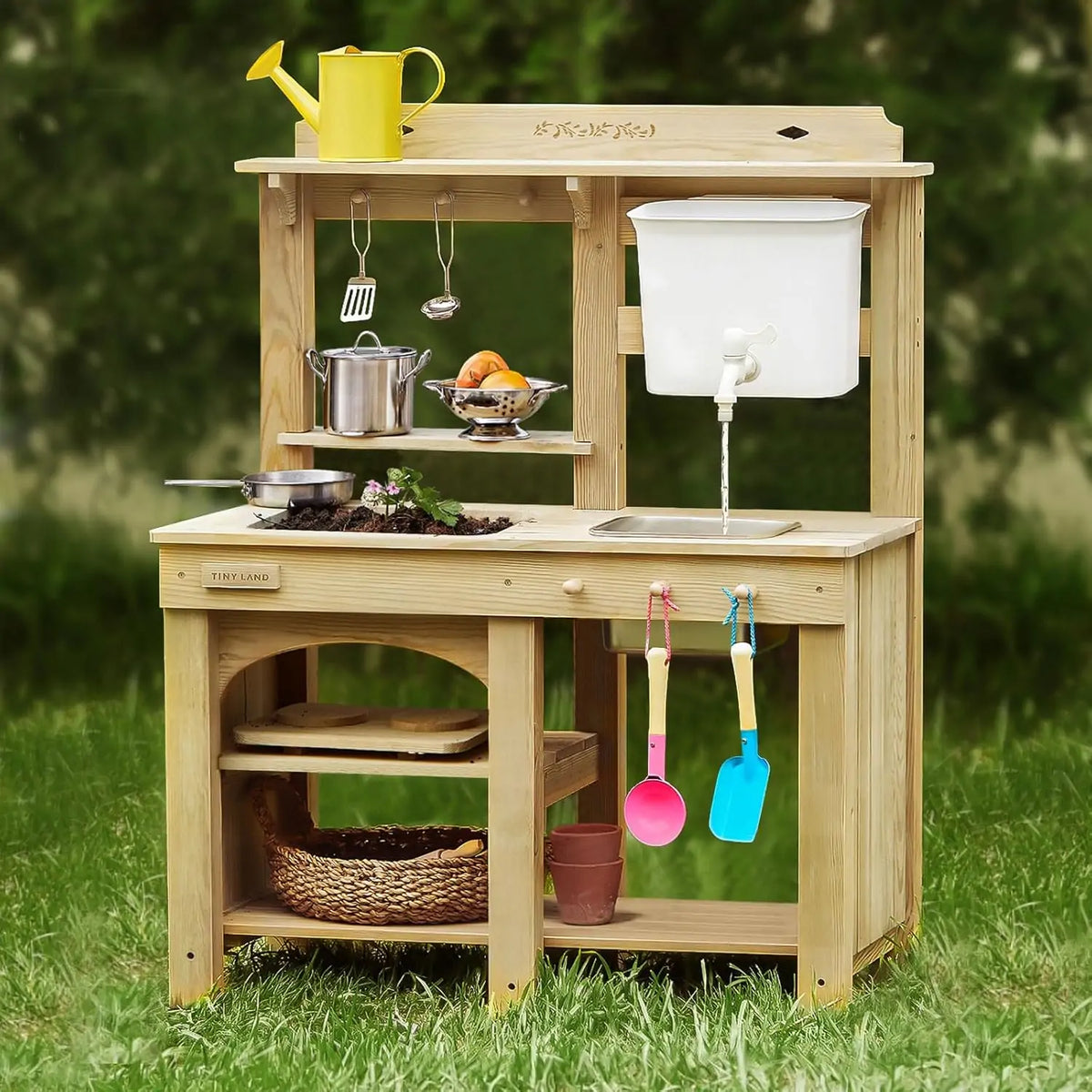
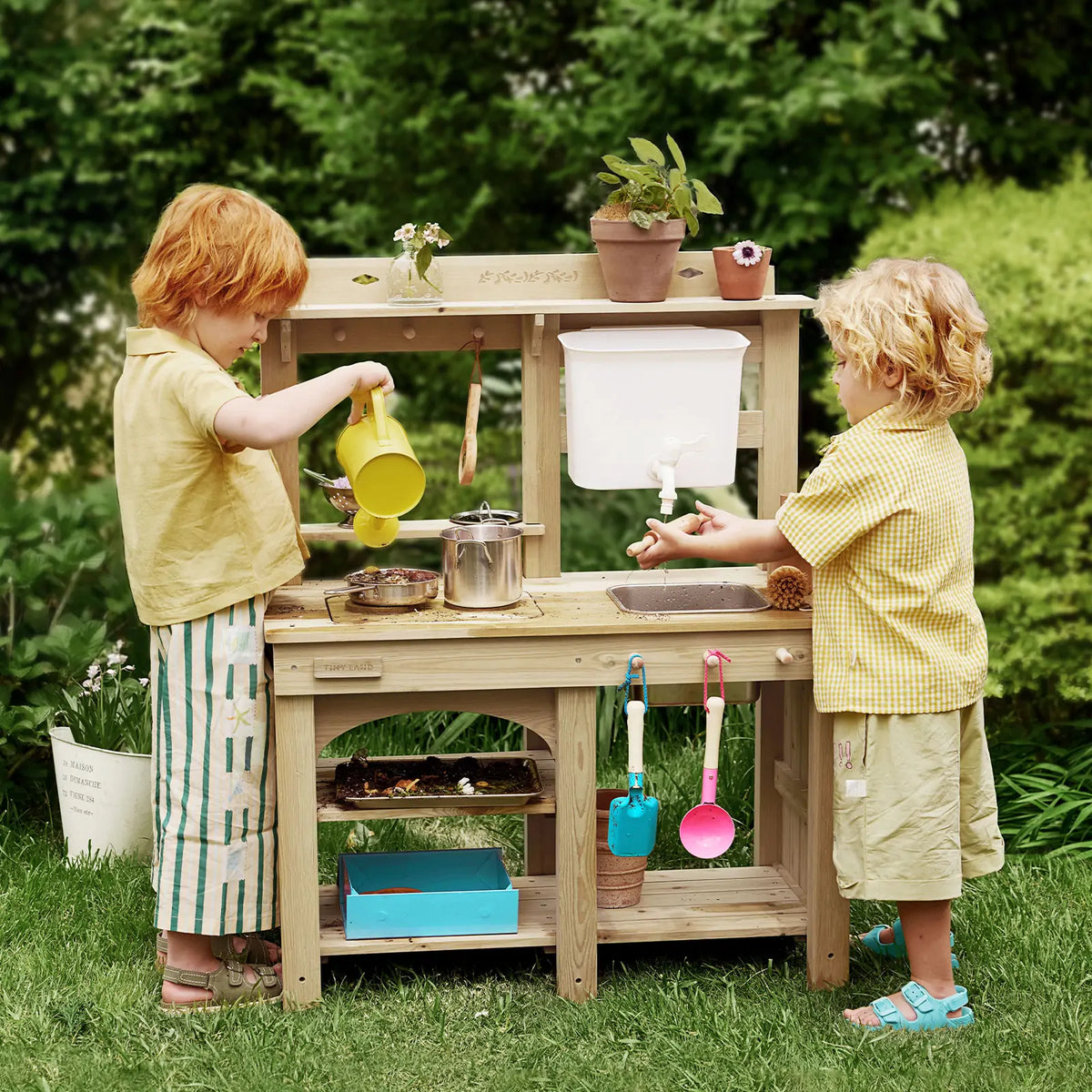
Outdoor Water Kitchen Setup (Backyard Sensory Play Station)
A backyard instantly becomes a rich sensory environment when paired with a mud kitchen. Water adds movement, nature adds texture, and pretend play brings structure.
A simple setup can include:
-
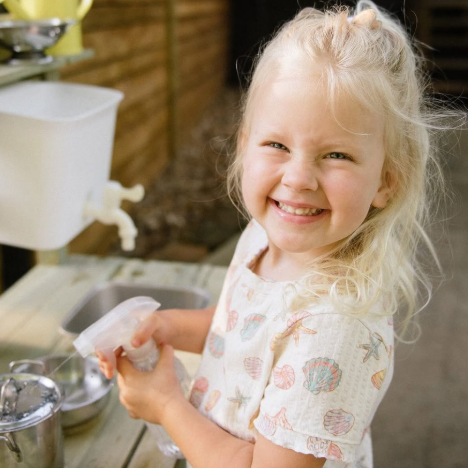
Outdoor play kitchen sink or water basin
-
Cups, ladles, pitchers, and spoons
-
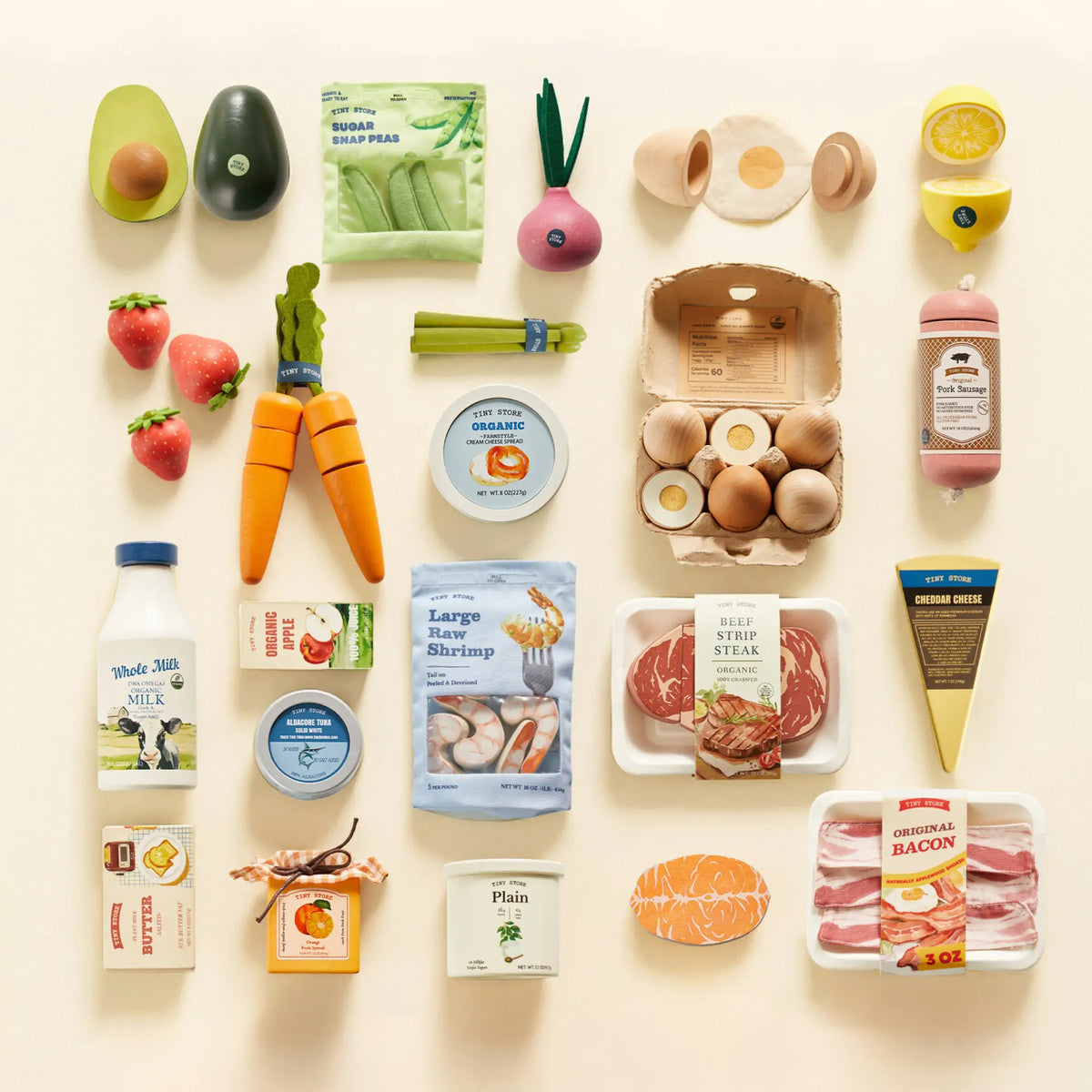
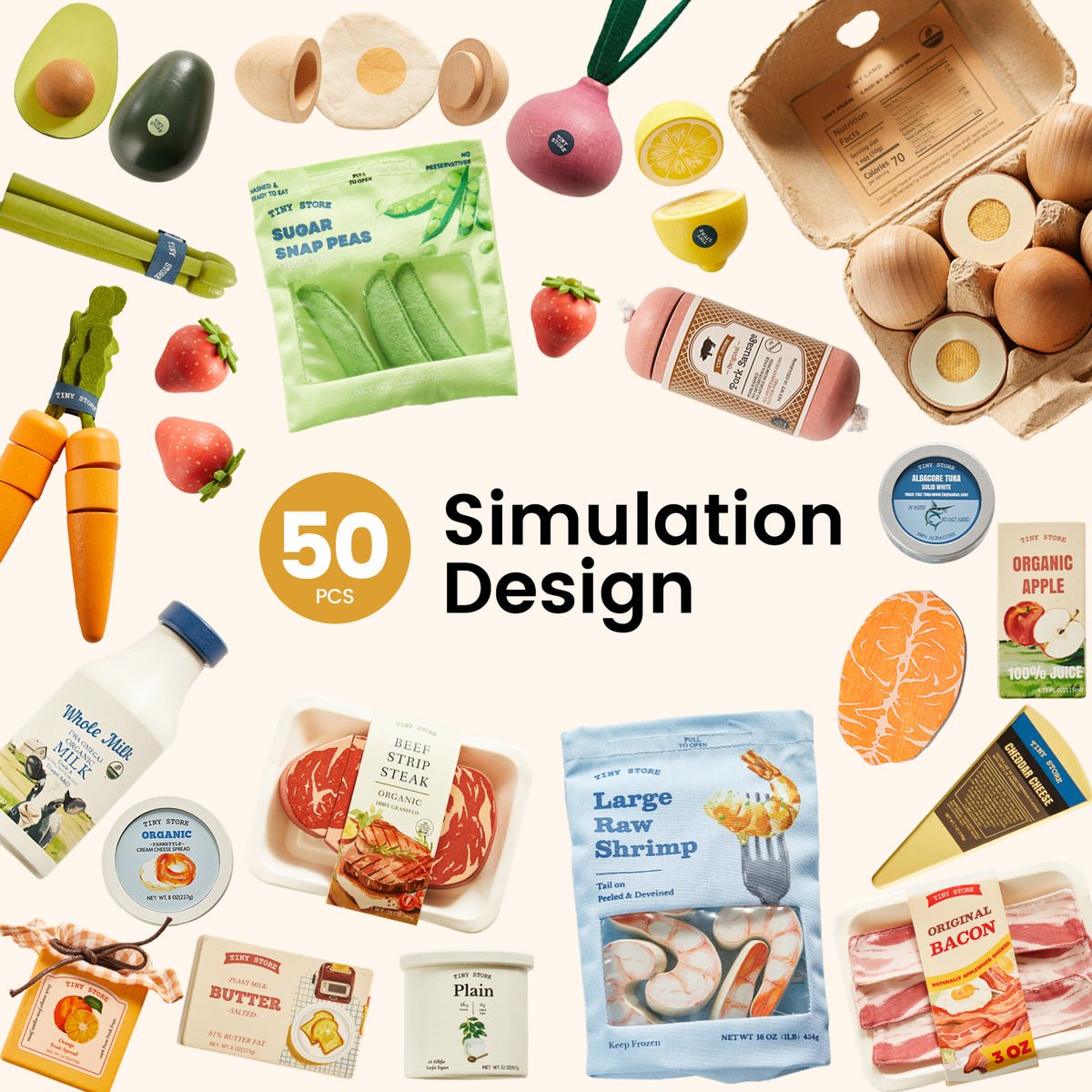
Toy food or natural materials (leaves, flowers, stones, sticks)
- Water source such as a bucket, hose, or refill station
Easy backyard play ideas:
-
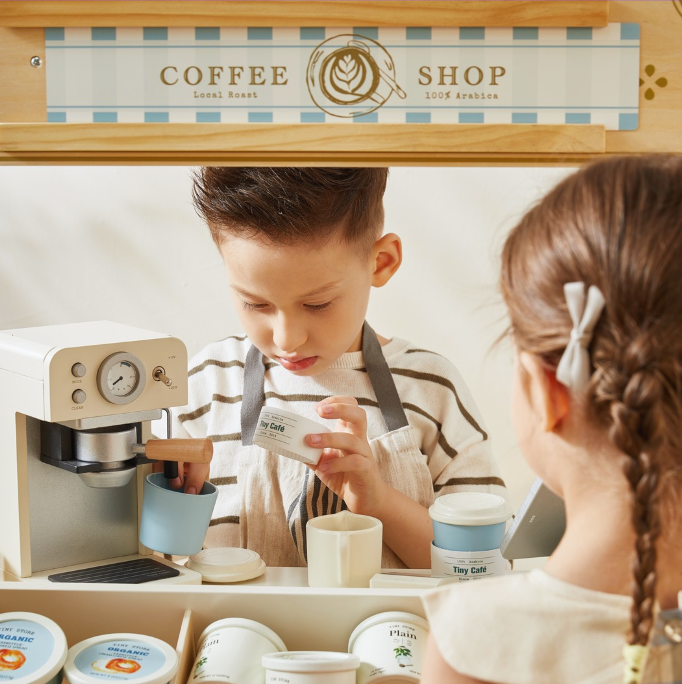
Backyard café where toddlers take orders and serve drinks
- Mud kitchen cooking with water mixing and pouring
- Outdoor “science lab” with simple potion-style mixing and pouring play
-
Ice cream stand with “melting” ingredients in the sun
- Nature soup made from collected outdoor materials
This setup encourages longer play sessions, physical movement, and social interaction.
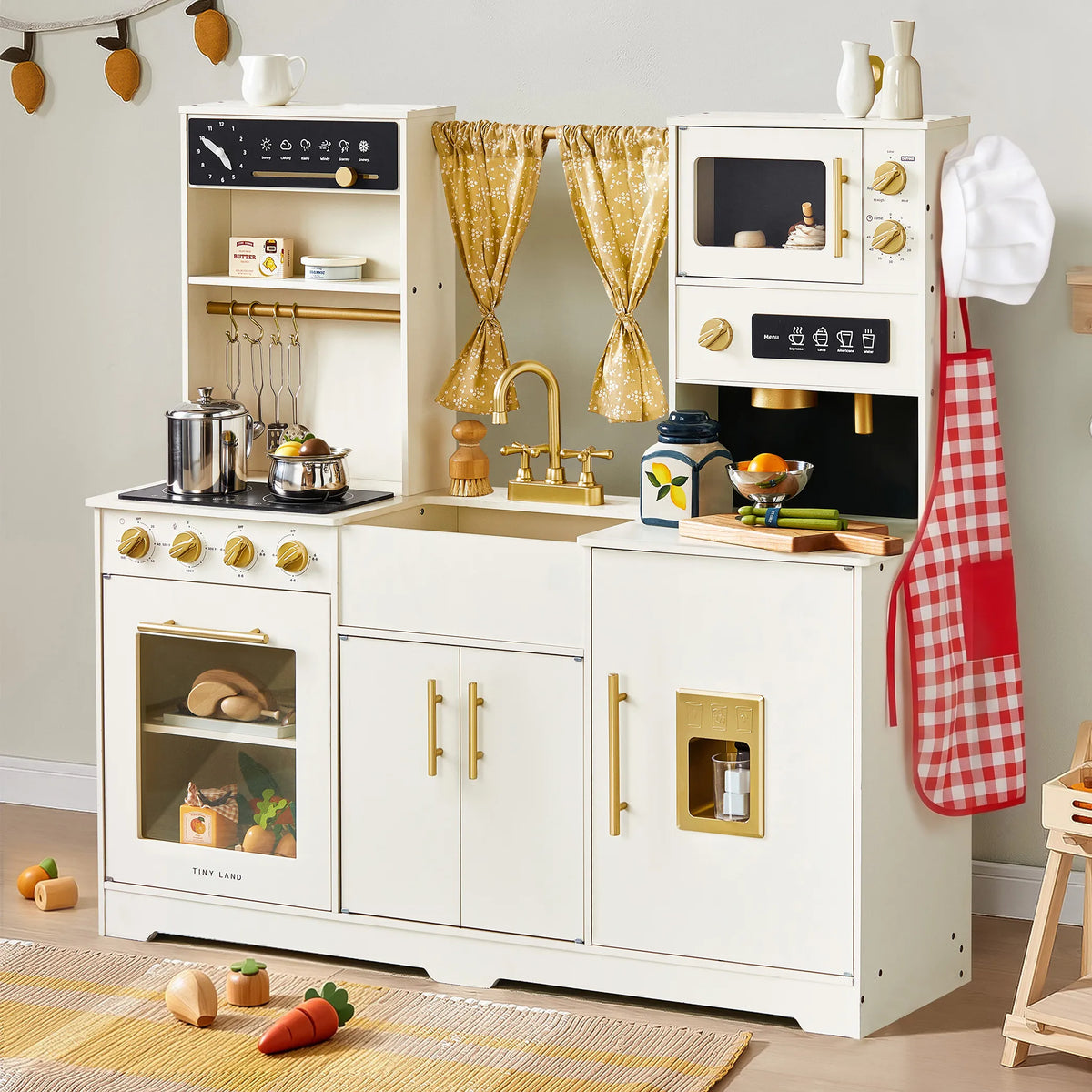
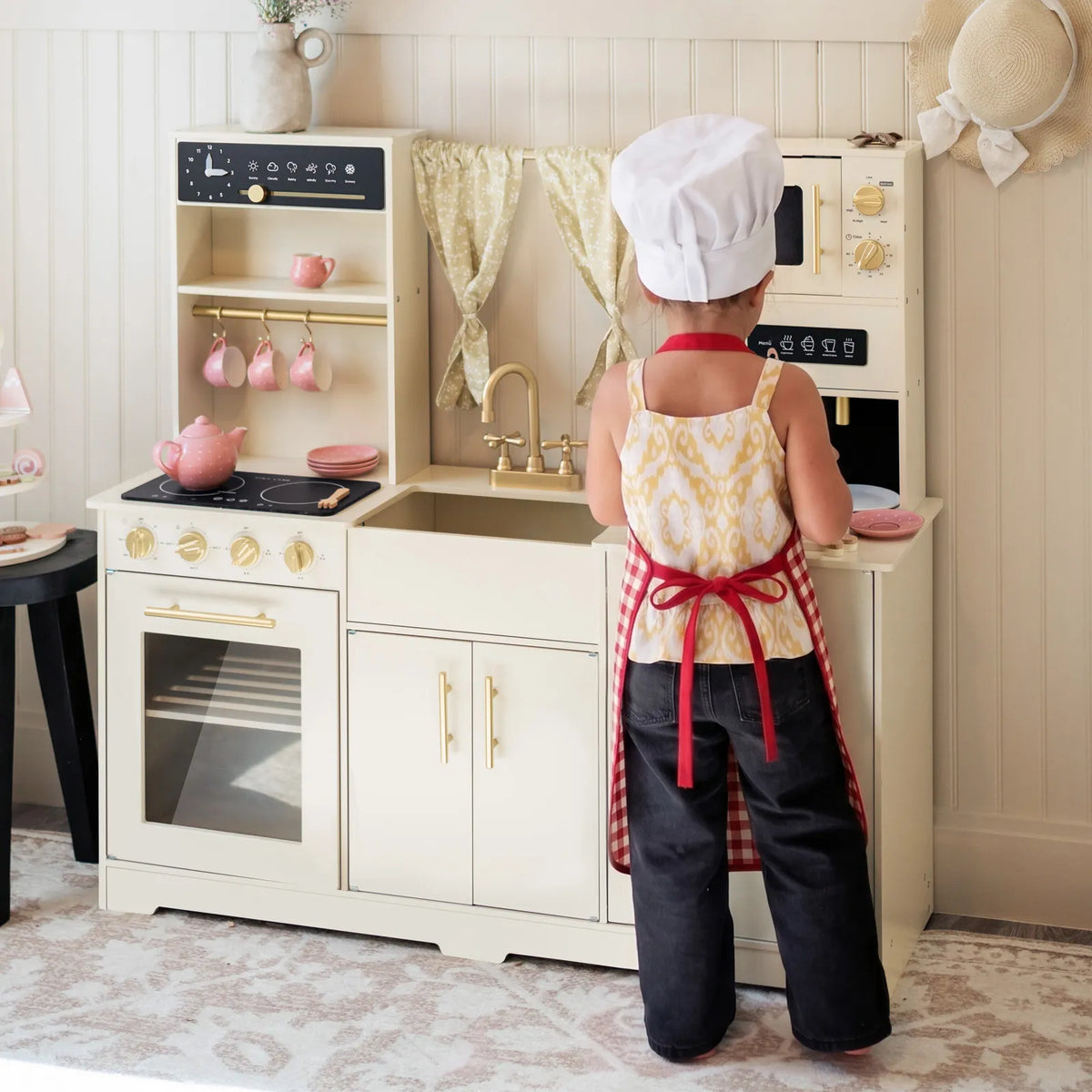
 Indoor Water Kitchen Setup (Simple Controlled Sensory Play)

Easy Summer Water Play Activities (Low Prep, High Engagement)
These activities work well for both indoor and outdoor setups and can be repeated in different ways:
-
Fill & Pour Station – Move water between cups, bowls, and pitchers
-
Floating Kitchen Test – Discover which toy foods float or sink
-
Ice Cube Cooking Play – “Cook” with melting ice in warm weather
-
Dishwashing Role Play – Practice real-life cleaning routines
- Color Mixing Water Lab – Explore simple color changes with safe dyes
Each activity encourages repetition, experimentation, and independent thinking without needing instructions.

Add Sensory Materials to Extend Play
Water play becomes even more engaging when layered with additional sensory elements.
You can easily expand play with:
-
Sand or mud for texture contrast
-
Natural materials like flowers, leaves, and pebbles
-
Ice for temperature variation (especially in summer)
- Scooping tools for added motor challenge
These combinations create richer sensory experiences and keep toddlers engaged longer.

Why a Play Kitchen Makes Water Play More Meaningful
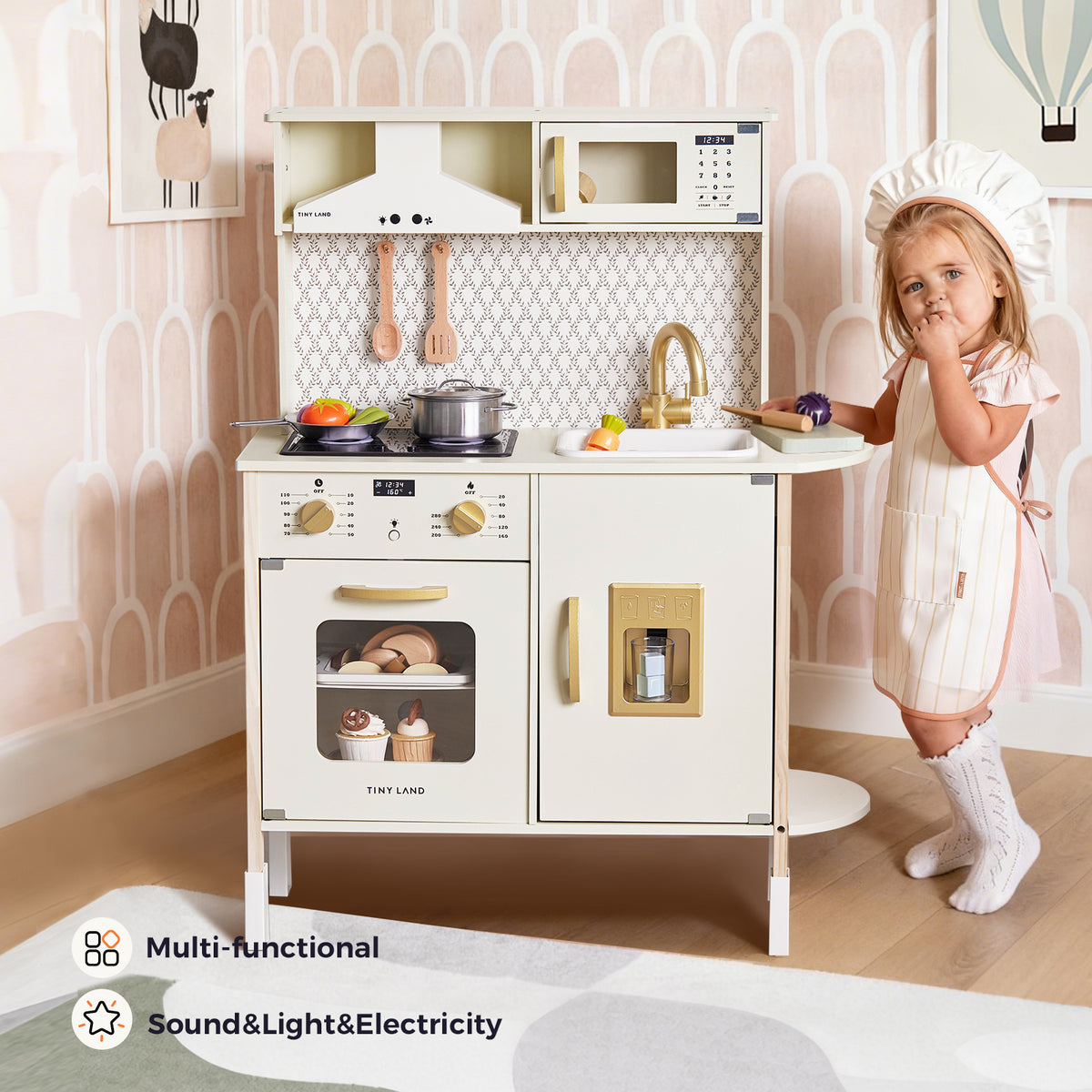
Water alone is fun, but a play kitchen adds structure and purpose. It turns sensory play into real-world storytelling.
With a kitchen setup, children naturally:
-
Take on roles like chef, server, or helper
-
Practice everyday routines like cooking and cleaning
-
Extend attention span through structured pretend scenarios
- Transition easily between indoor and outdoor play environments
Instead of random activity, children begin building repeatable “worlds” they return to and expand over time.

How to Build a Simple Water Play Corner at Home
You don’t need a complex setup. A small combination of elements is enough to create ongoing engagement:
-
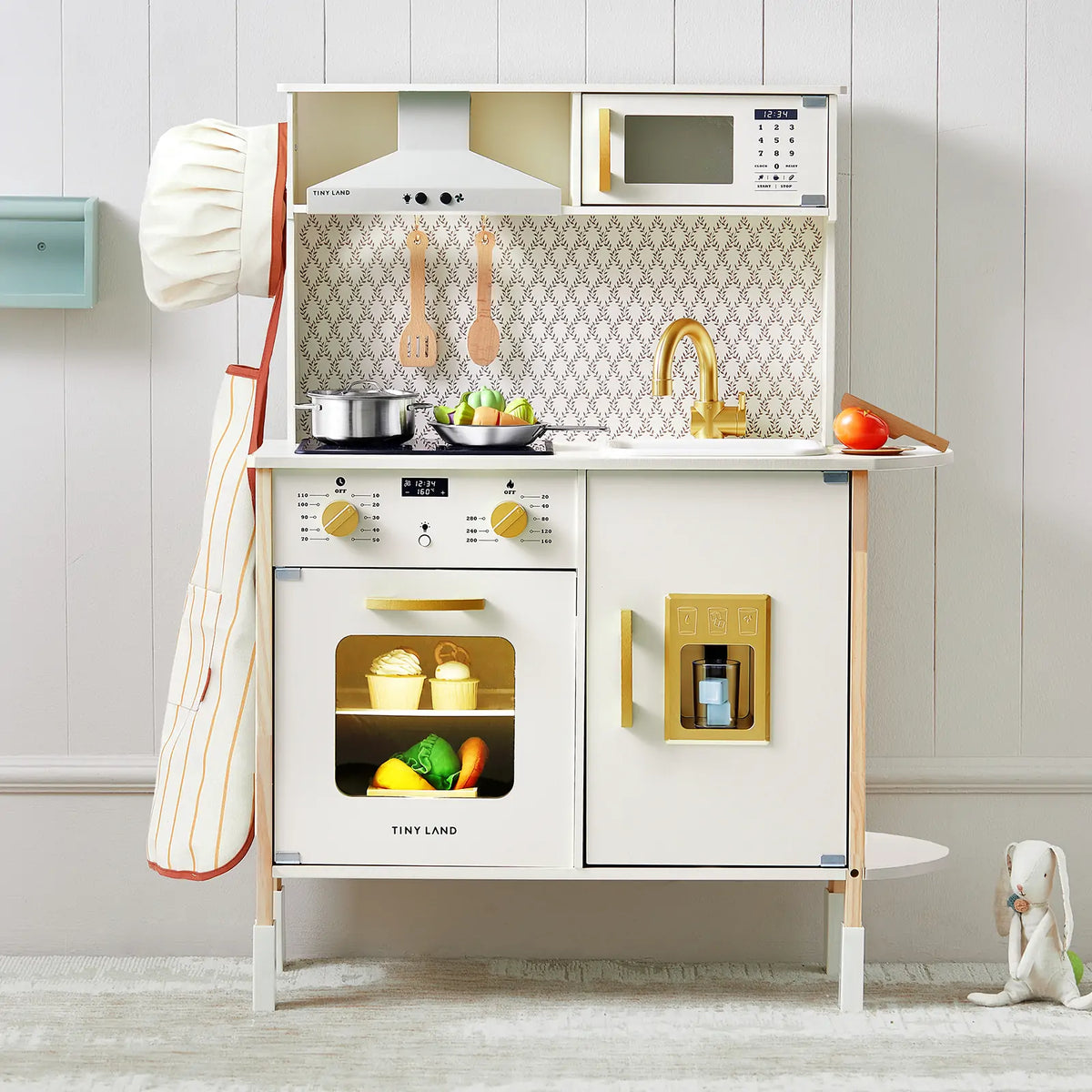
Play kitchen (indoor or outdoor)
-
Basic water containers and tools
-
A few pretend food items
- Optional sensory materials like sand, ice, or natural objects
Once set up, toddlers often return to the space repeatedly, building their own stories and routines.

Final Thought
Water play doesn’t require a pool, special equipment, or complicated planning. With a simple kitchen-based setup, it becomes an open-ended system for creativity, sensory exploration, and early learning.
Whether it’s a backyard café in the summer or a small indoor sink station on a rainy day, toddlers naturally turn water into imagination, routine, and discovery.
It’s not just sensory play—it’s one of the most natural ways young children learn how the world works.