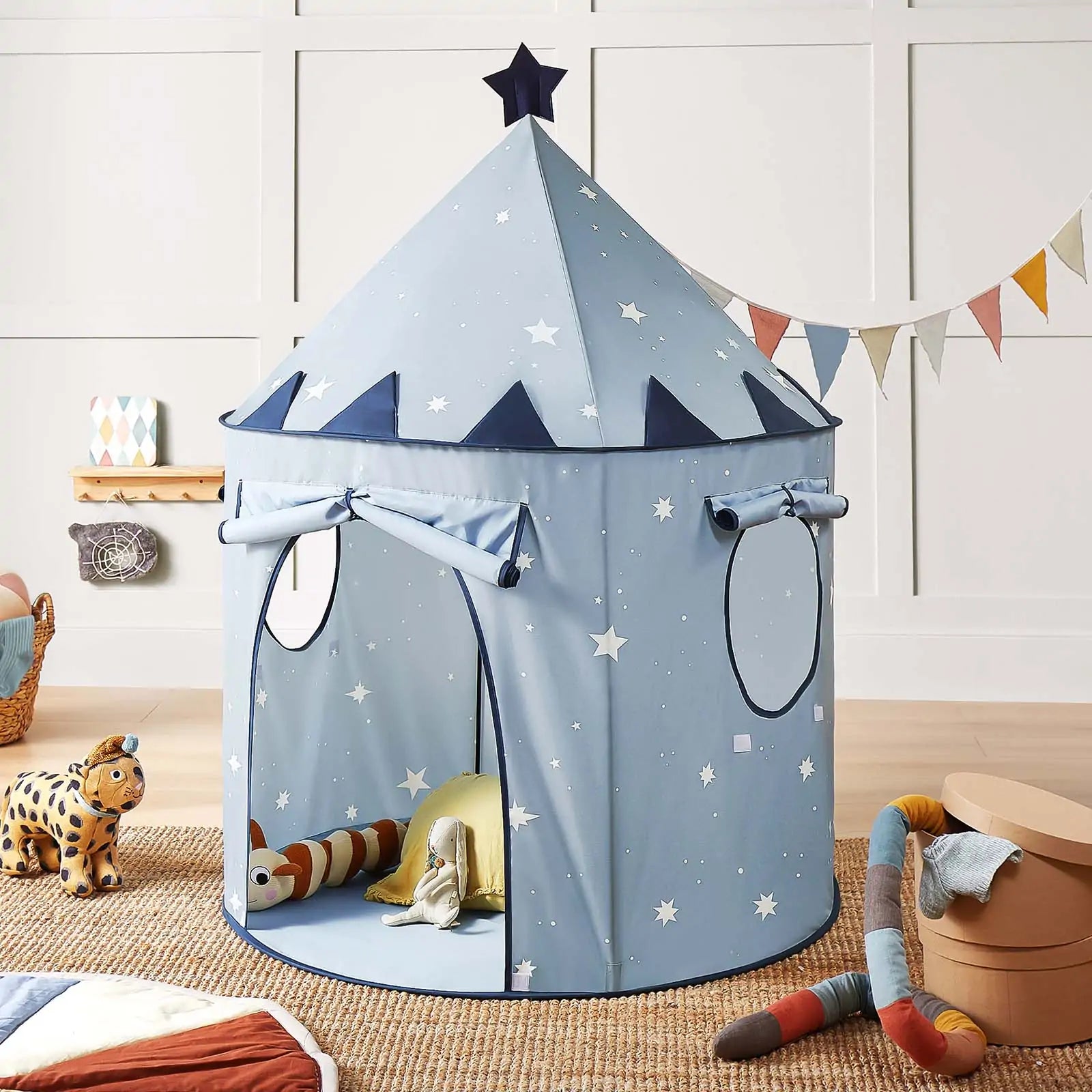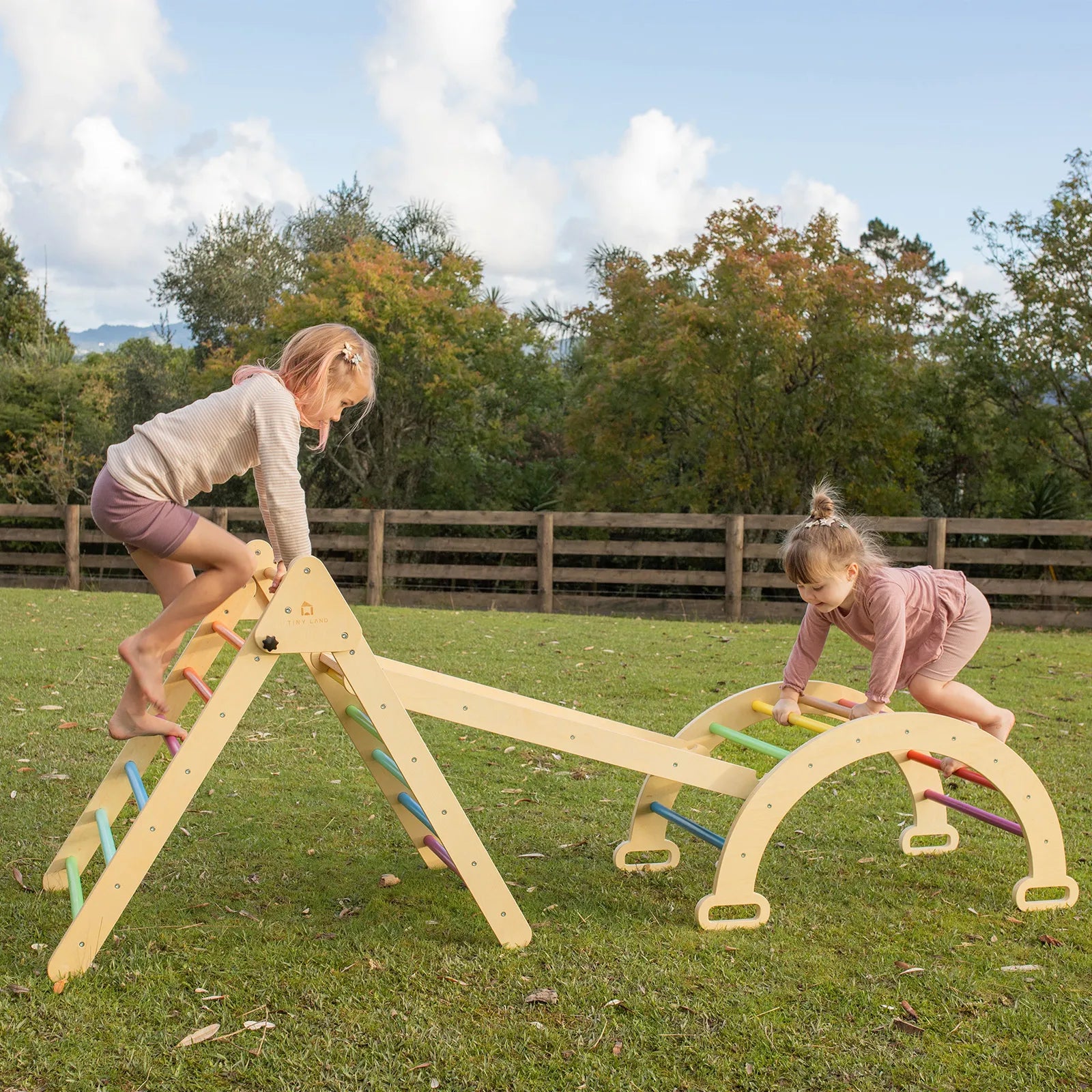
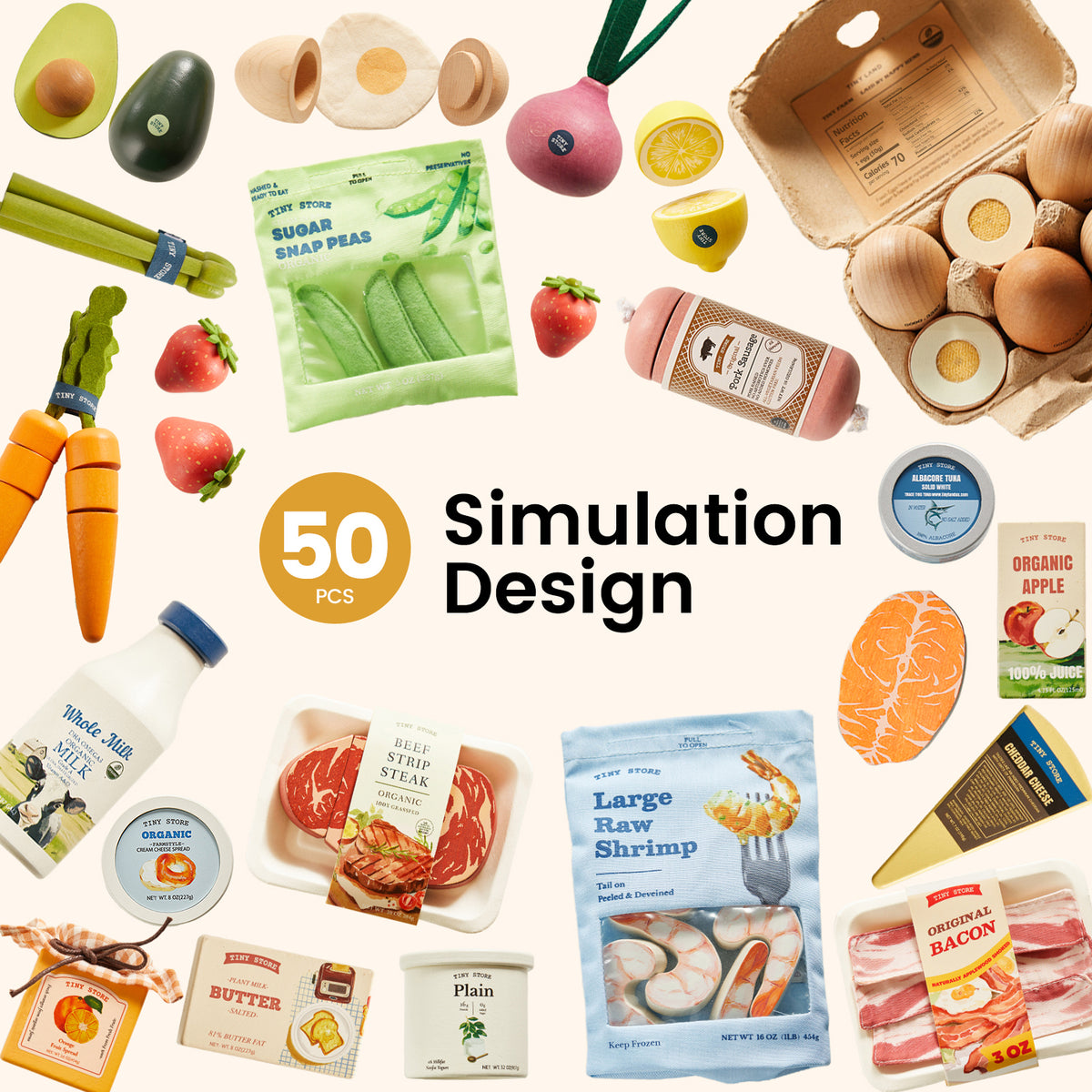
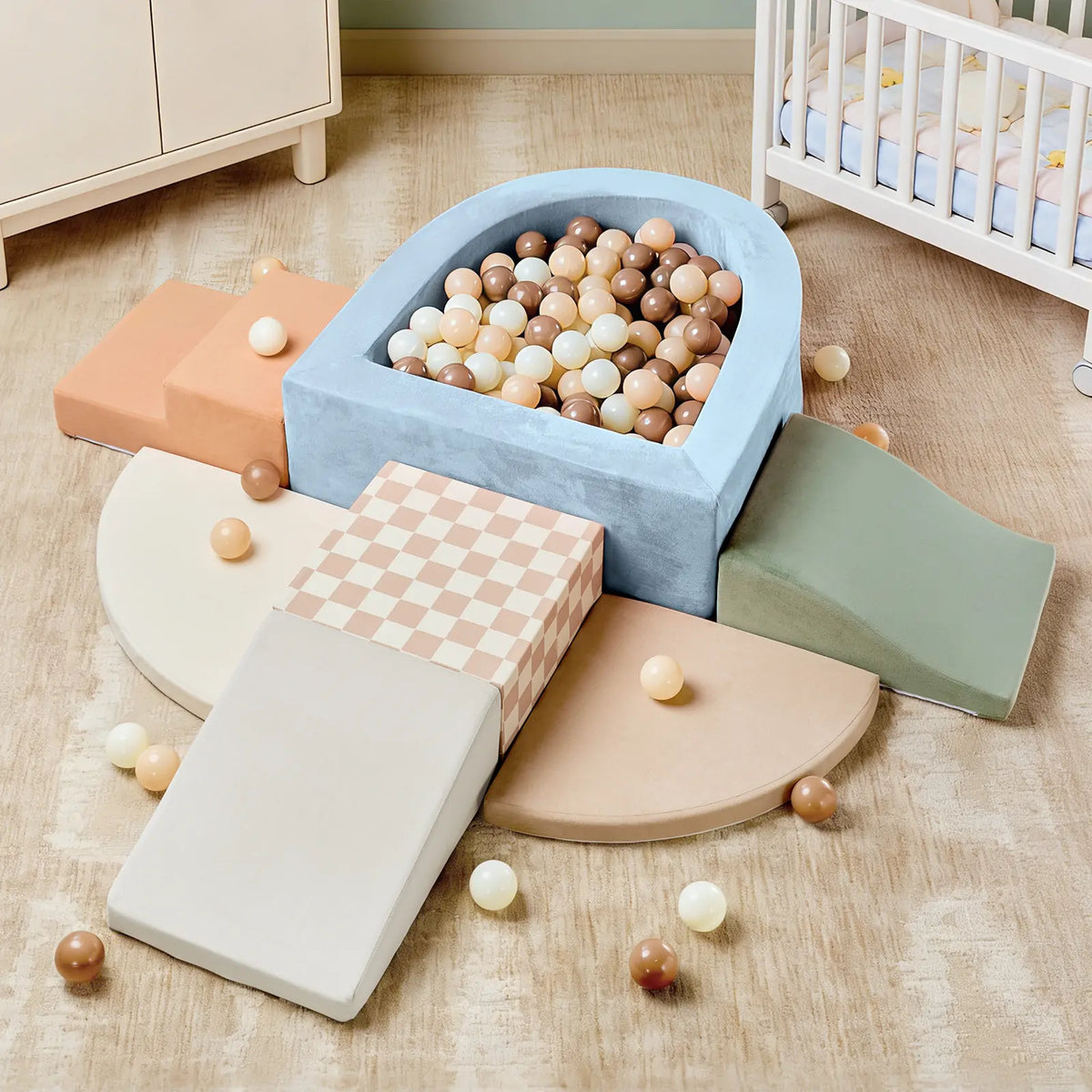
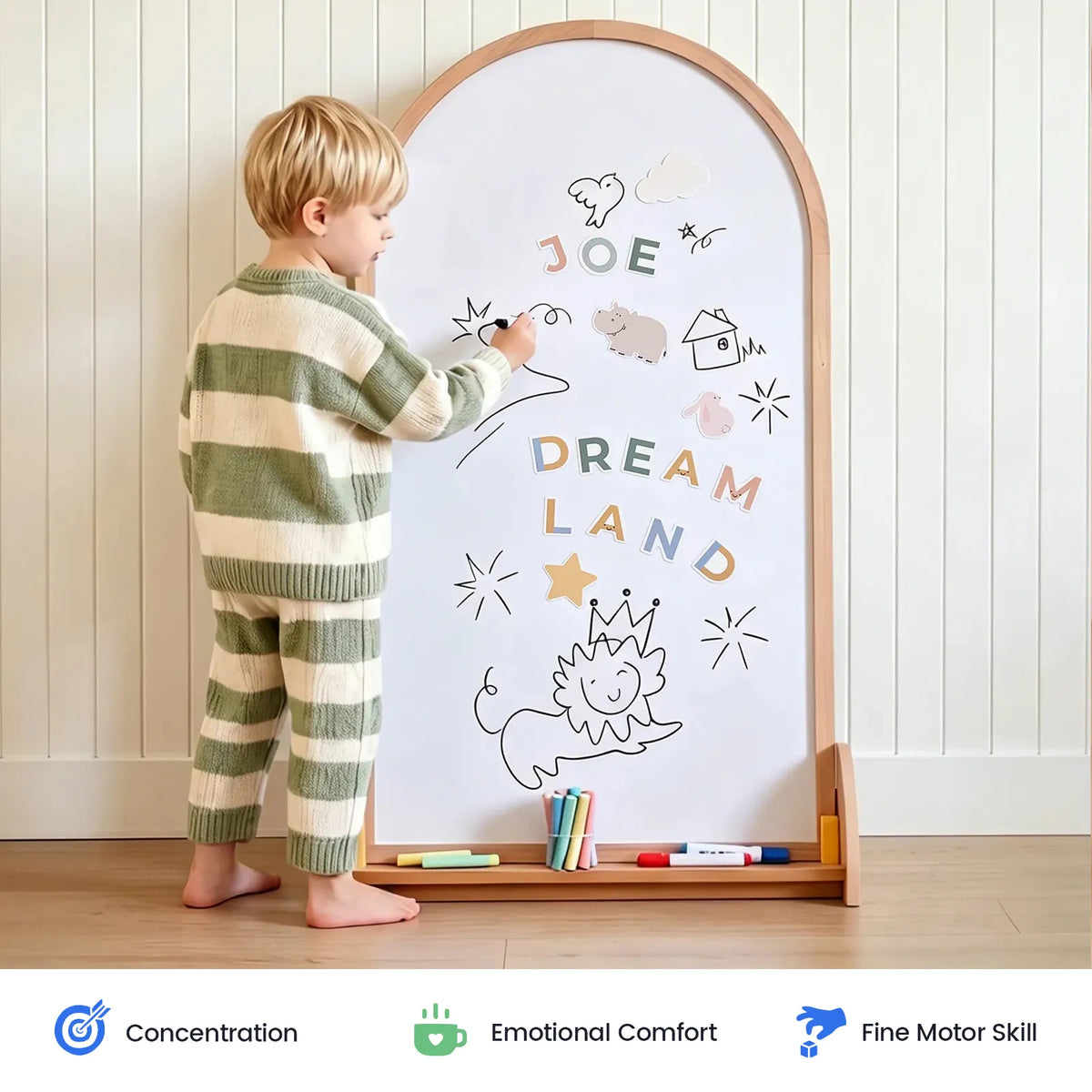
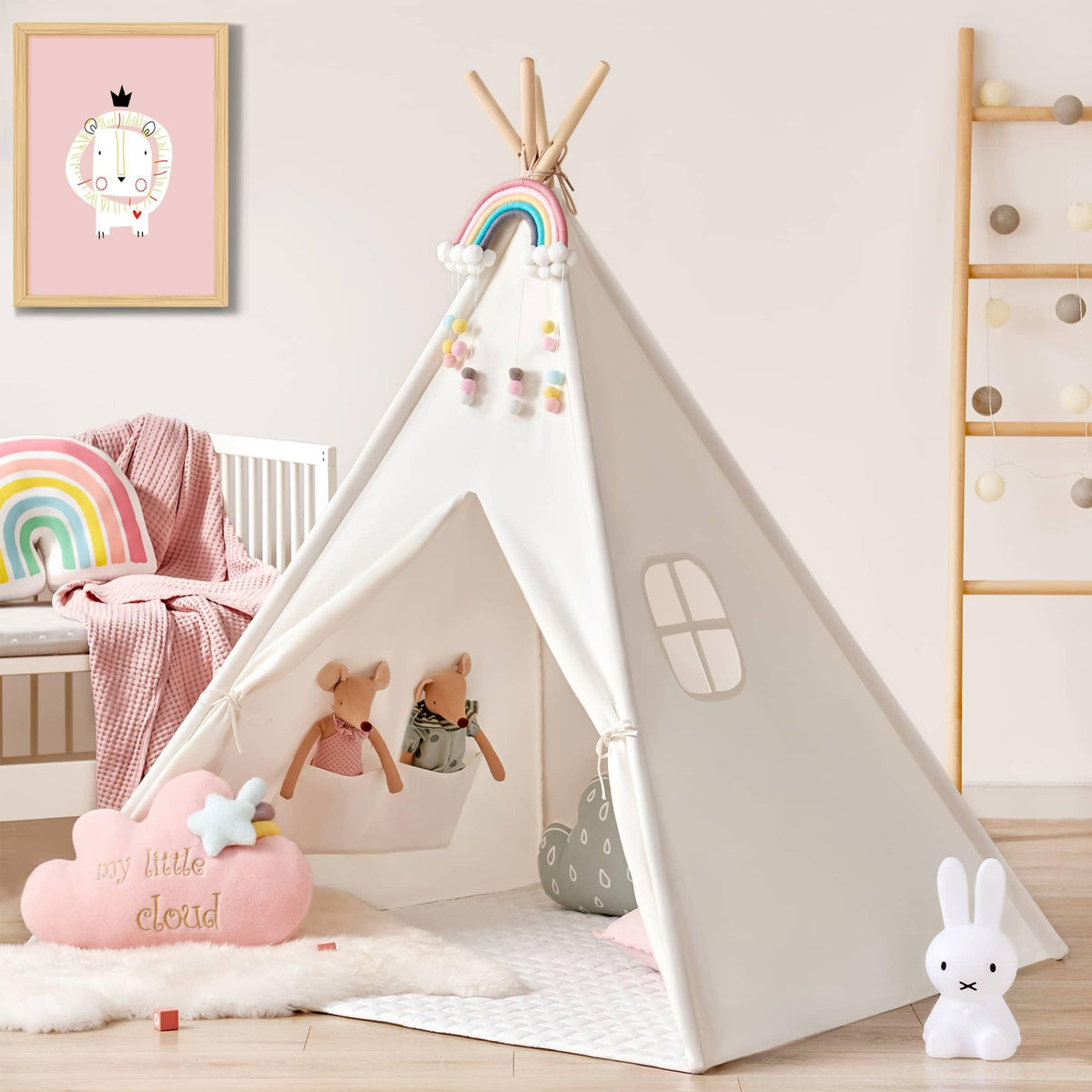
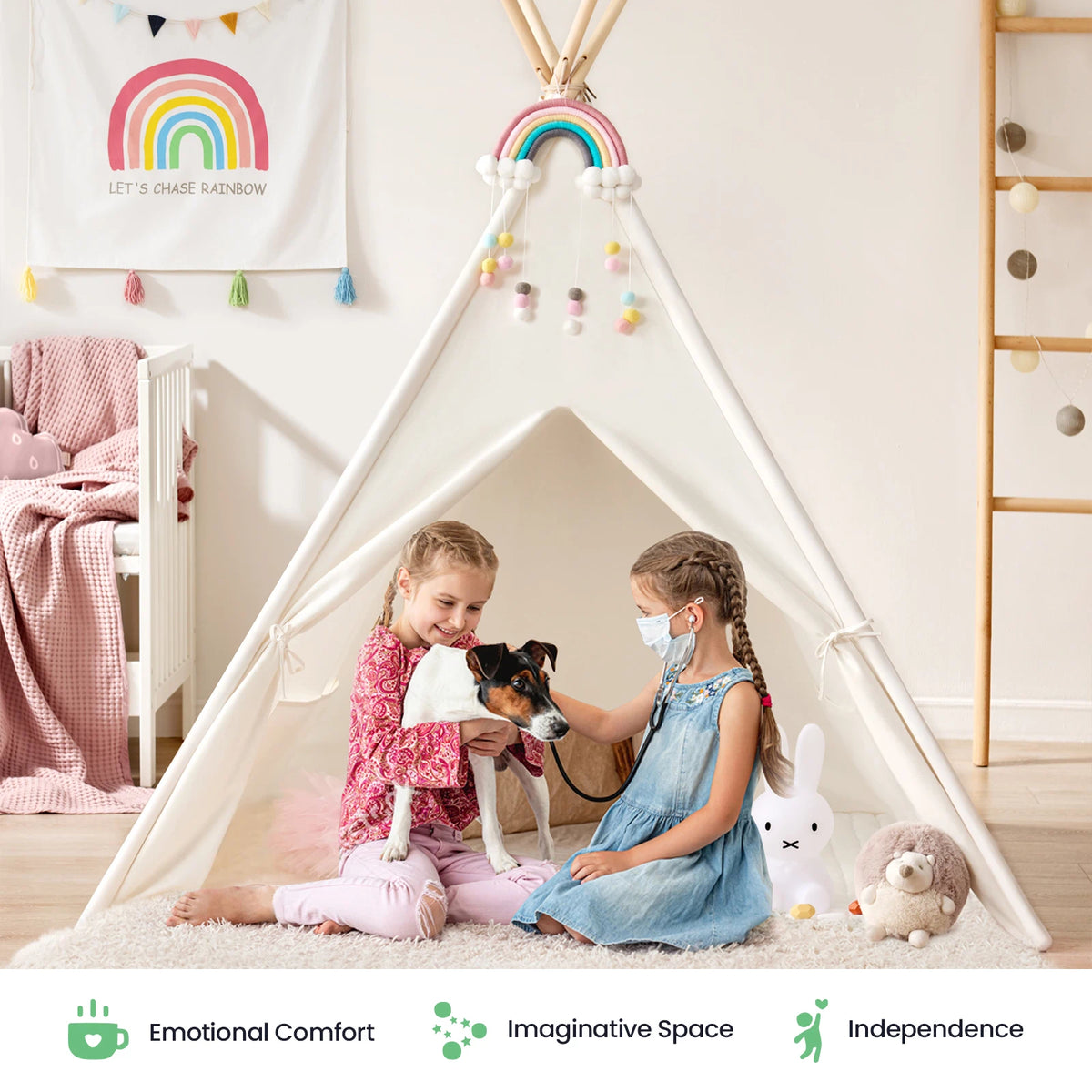


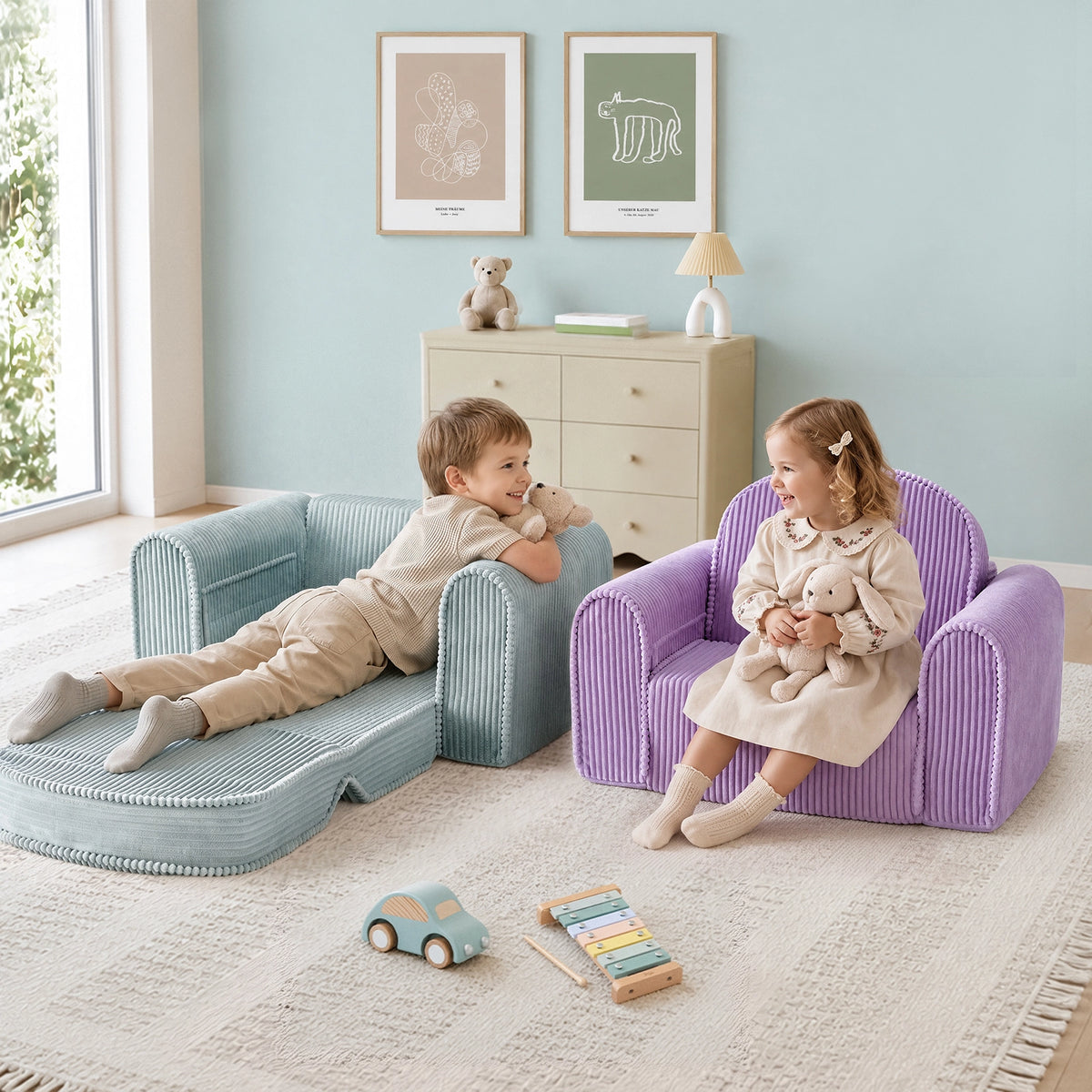

One day, a cardboard box becomes a spaceship. The next, it's a bakery. By the afternoon, it's transformed into a castle.
These everyday moments are examples of imaginative play—one of the most natural ways children learn. As children invent stories, take on different roles, and recreate the world around them, they're also developing language, problem-solving, social, and emotional skills.
The right toys don't create imagination—they give children the freedom to use it. That's why open-ended toys are especially valuable. Instead of telling children exactly how to play, they encourage creativity, exploration, and self-directed learning.
In this guide, we'll explore what imaginative play is, why it matters, and how to choose toys that inspire creativity while supporting your child's development.

What Is Imaginative Play?
Imaginative play is any type of play where children use objects, actions, or storytelling to represent real or imagined situations.
Rather than following instructions or trying to reach a specific outcome, children decide what happens next, creating their own stories as they play.
Common examples include:
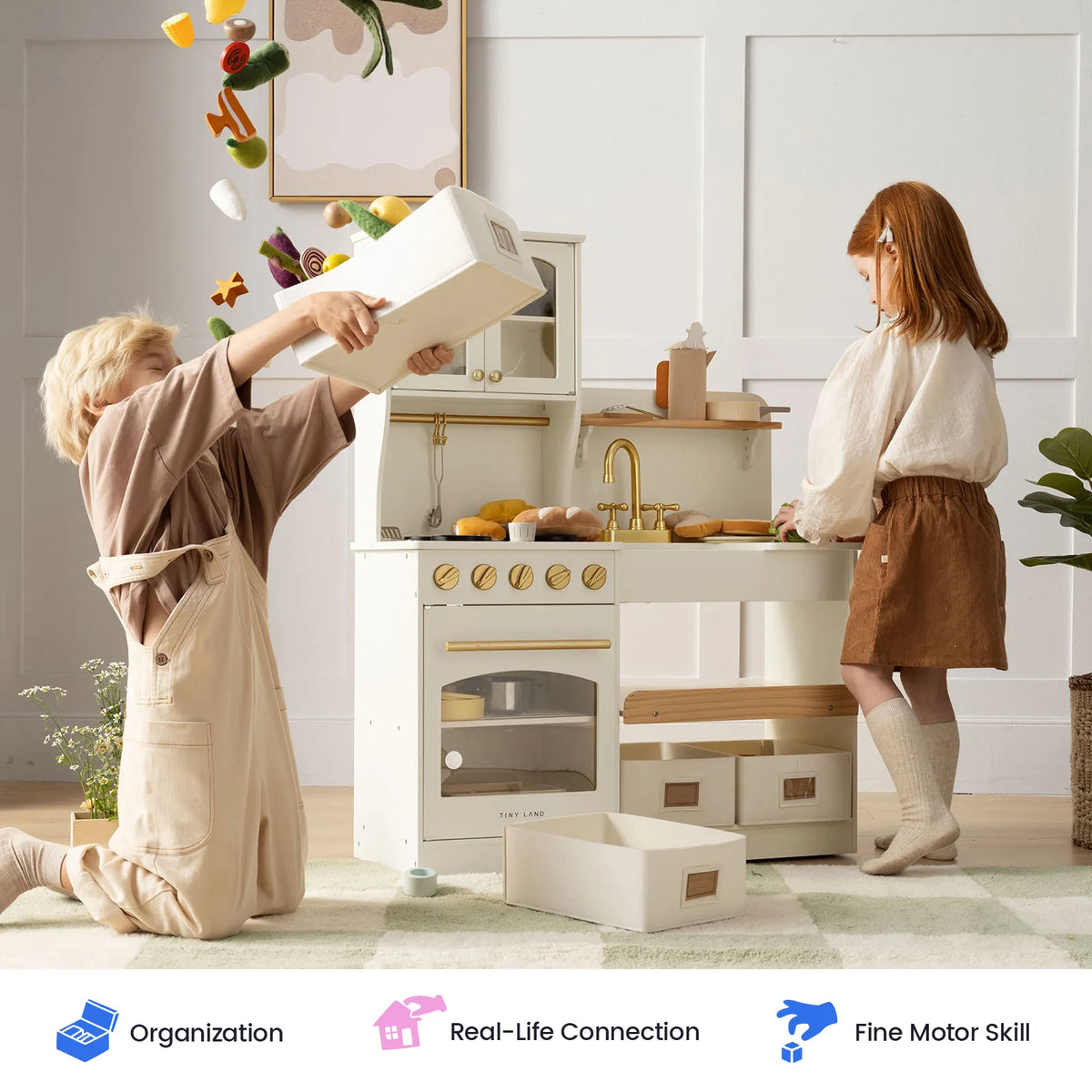
- Cooking in a play kitchen
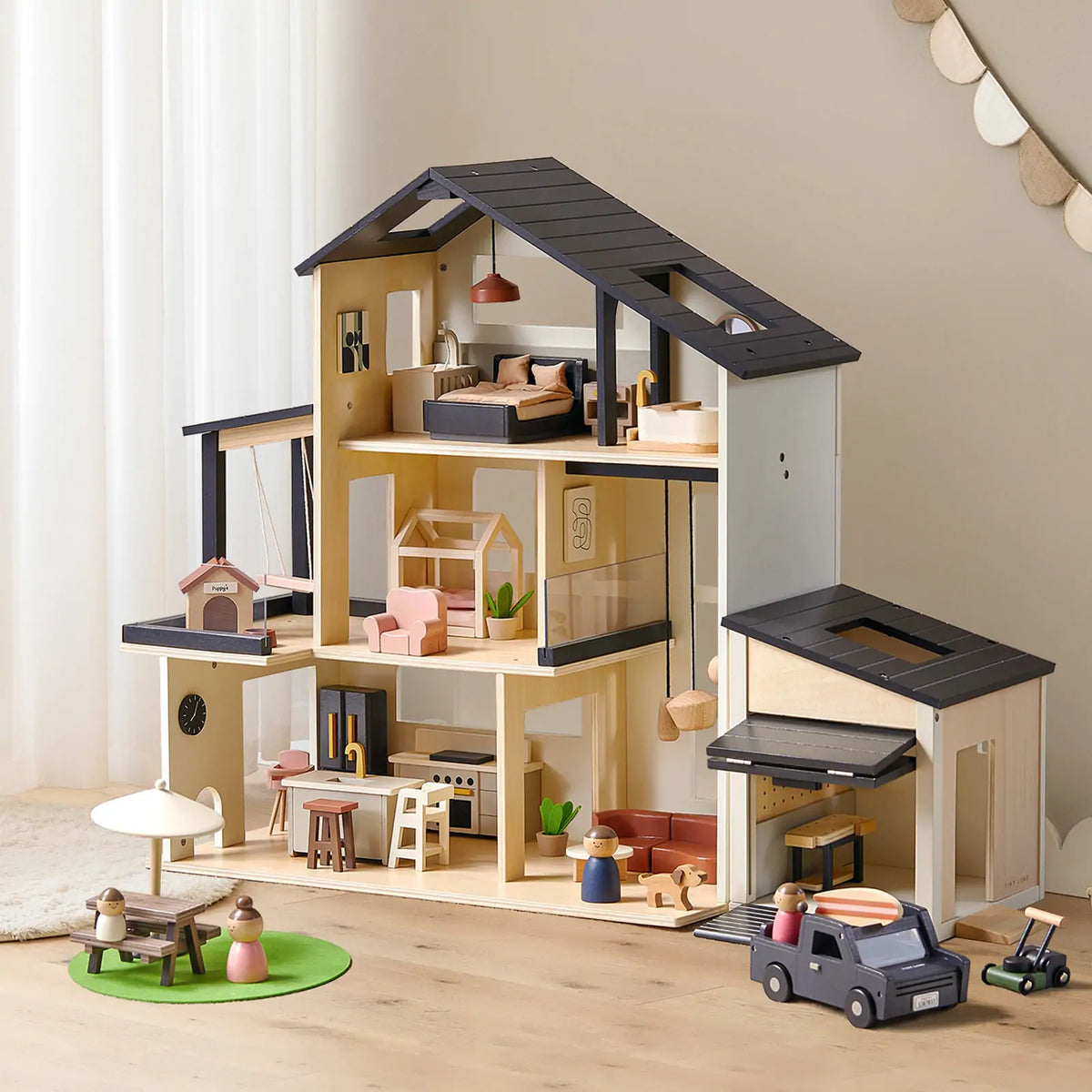
- Creating family or social scenarios with dolls
- Running a pretend café or grocery store
- Acting out everyday routines or fantasy adventures
This type of open-ended play allows children to make sense of the world around them by experimenting with ideas, relationships, and real-life experiences in a safe and playful way.

Why Imaginative Play Matters
One of the greatest strengths of imaginative play is that it supports several areas of development at the same time.
A simple pretend tea party, for example, may involve storytelling, sharing, problem-solving, and emotional expression—all within a single play session.
Some of the key developmental benefits include:
- Language Development
Pretend play naturally encourages children to build vocabulary, practice conversations, and express ideas through storytelling.
- Social Skills
Playing together helps children learn cooperation, turn-taking, perspective-taking, and communication.
- Emotional Expression
Role-play provides a safe way for children to explore feelings, process everyday experiences, and build empathy.
- Problem-Solving
Children regularly make decisions, overcome challenges, and adapt their stories, strengthening flexible thinking.
- Focus and Attention
Longer imaginative play sessions encourage sustained concentration as children remain engaged in their own ideas and narratives.
Because imaginative play combines thinking, communication, creativity, and emotional development, it remains one of the most valuable forms of learning throughout early childhood.

Why Open-Ended Toys Encourage Better Play
Open-ended toys are designed to grow with a child's imagination rather than limit it.
Instead of telling children exactly how to play, these toys allow them to decide what the toy becomes.
A wooden spoon might become a microphone, a magic wand, or part of a pretend recipe. A play kitchen can transform into a café, bakery, restaurant, or family kitchen depending on the story a child creates.
Without fixed rules or a single "correct" way to play, open-ended toys often remain engaging for years because children continue finding new ways to use them as they grow.
Common characteristics of open-ended toys include:
- Can be used in many different ways
- Encourage creativity and flexible thinking
- Have no fixed rules or single outcome
- Adapt to different ages and stages of development
Popular examples include:
- Play kitchens
- Dollhouses
- Building blocks
- Pretend play accessories

How to Choose the Right Imaginative Play Toys
It's easy to be drawn to toys with lights, sounds, or built-in activities. While these toys can certainly be entertaining, many parents find that simpler, open-ended toys inspire longer and more creative play because children—not the toy—are leading the experience.
When choosing imaginative play toys, consider the following:
- Flexibility
Can the toy be used in different ways instead of having just one purpose?
- Real-World Connection
Does it reflect familiar experiences children naturally enjoy recreating?
- Longevity
Will the toy continue to offer new play opportunities as your child grows?
- Opportunities for Shared Play
Can siblings, friends, or parents easily join the play?
- Creativity
Does the toy encourage storytelling, role-play, and imaginative thinking rather than simply pressing buttons or following instructions?
Choosing toys with these qualities often leads to richer play experiences that children return to again and again.

Best Toys for Imaginative Play
The best imaginative play toys are open-ended, versatile, and designed to grow alongside a child's creativity.
Play Kitchens for Social Skills and Everyday Learning
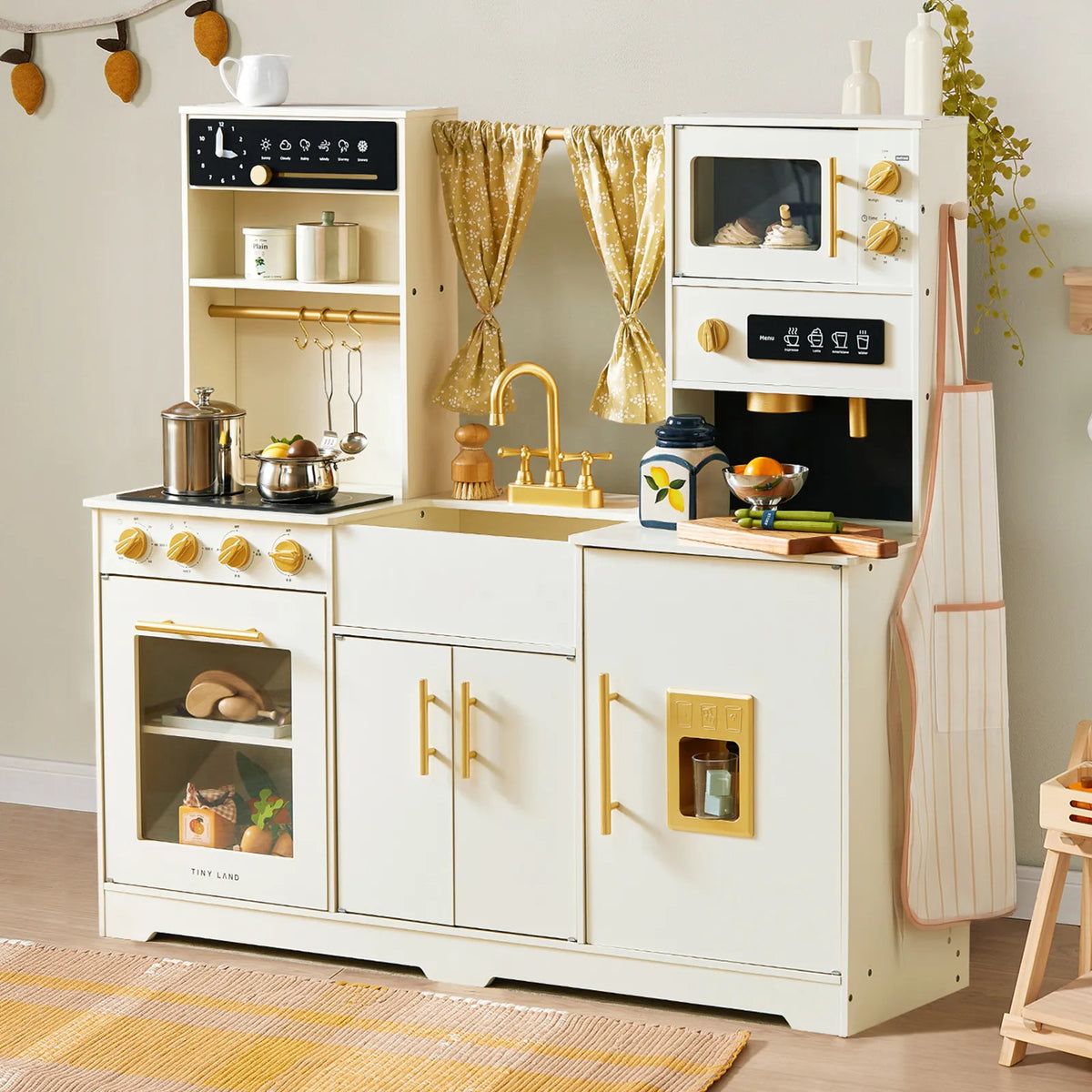
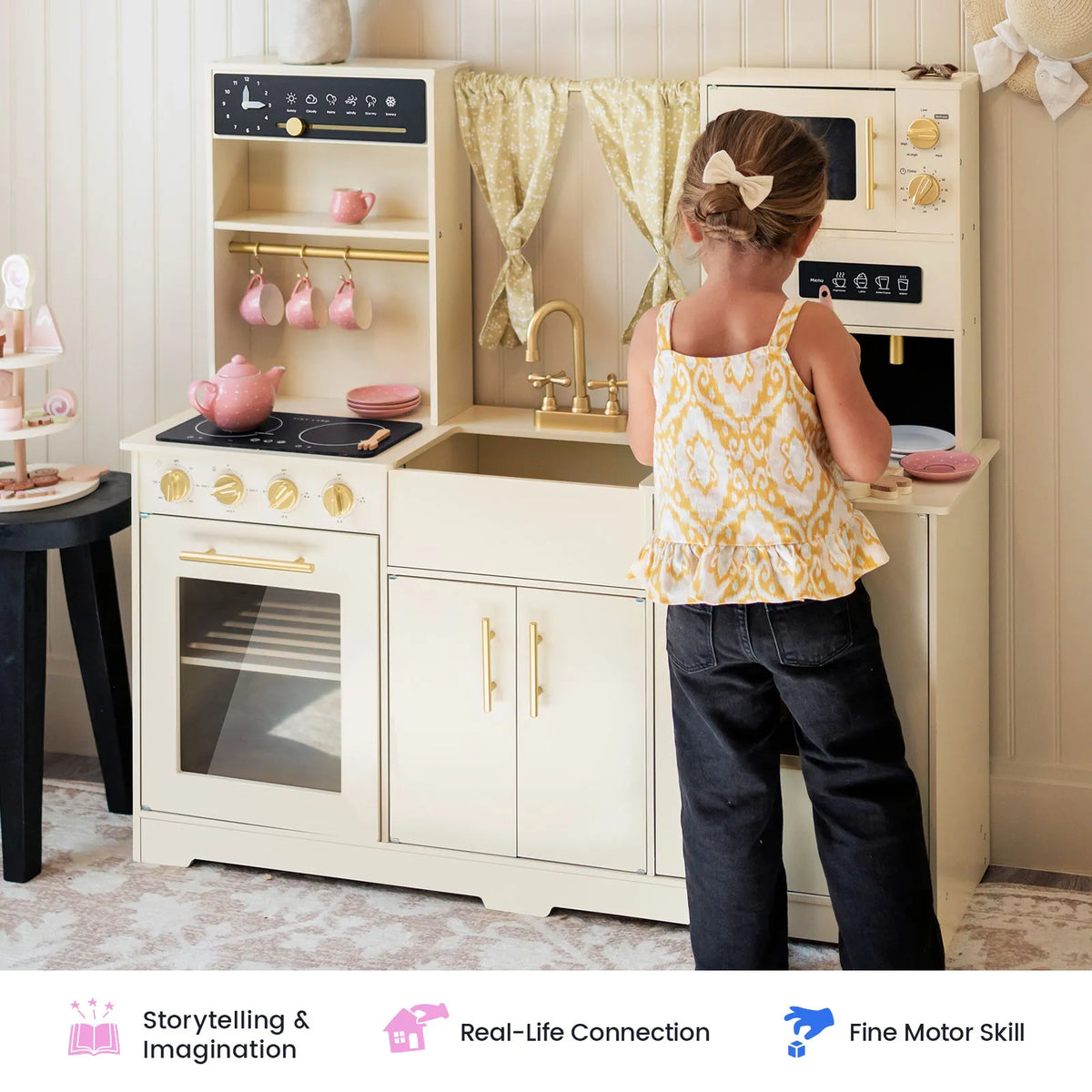
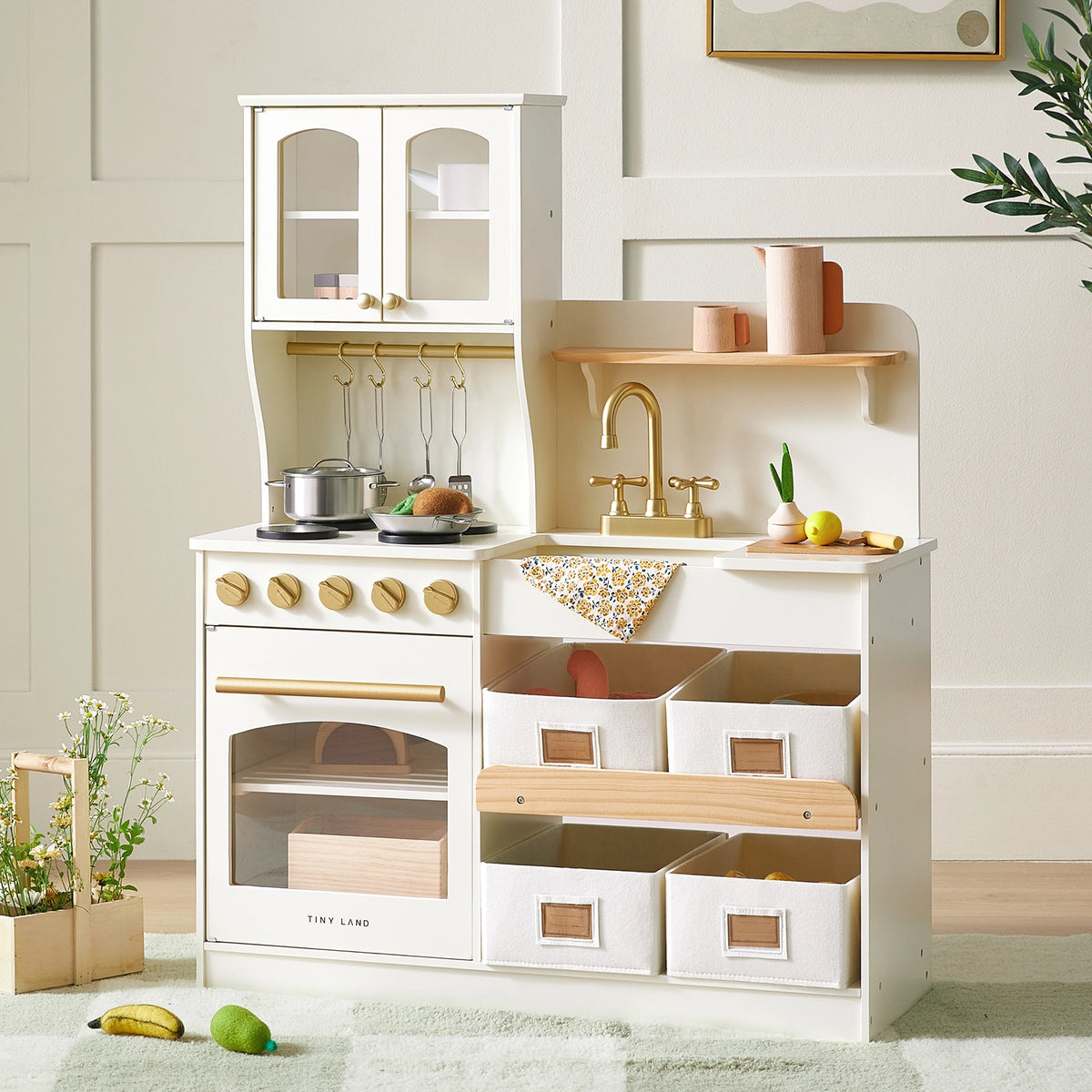
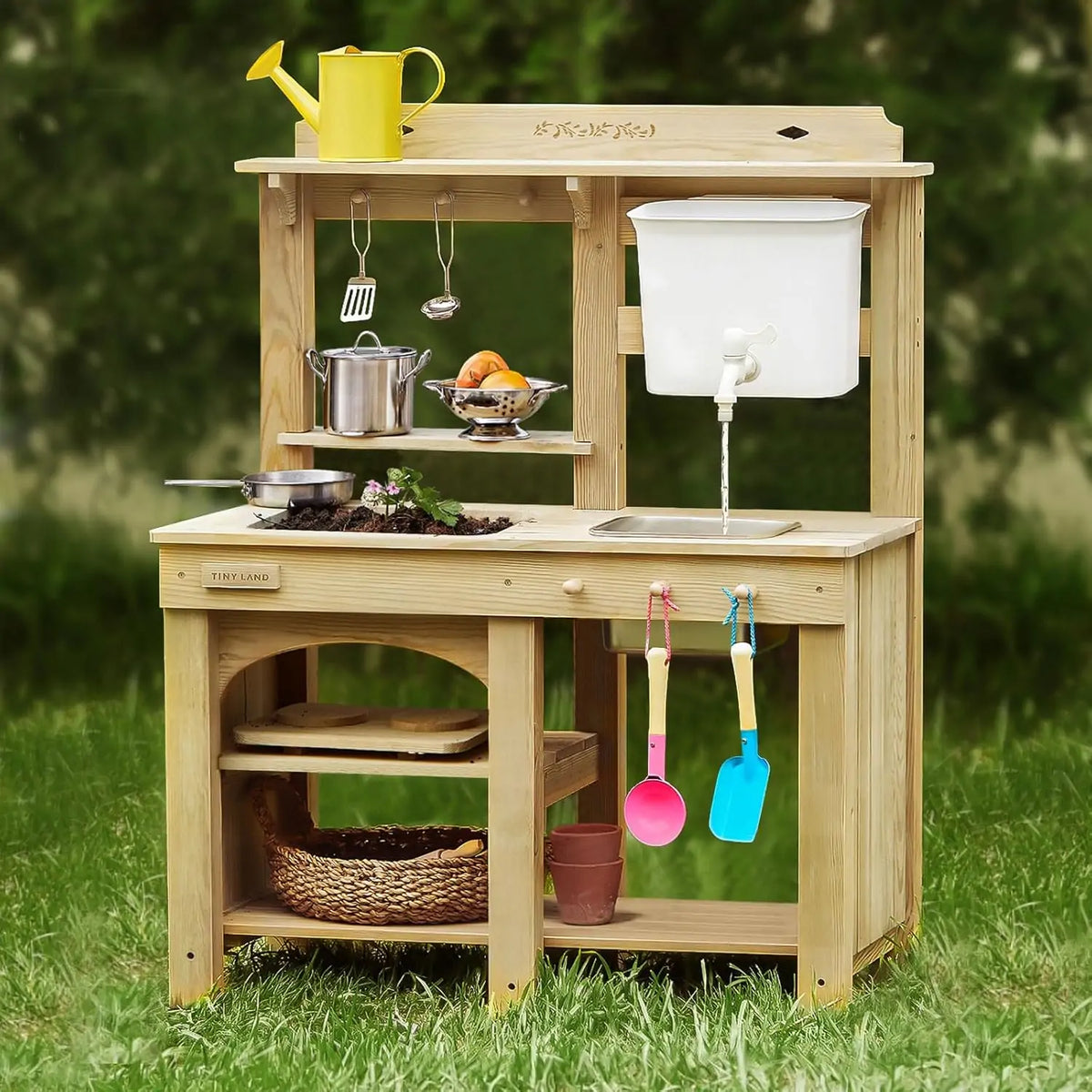
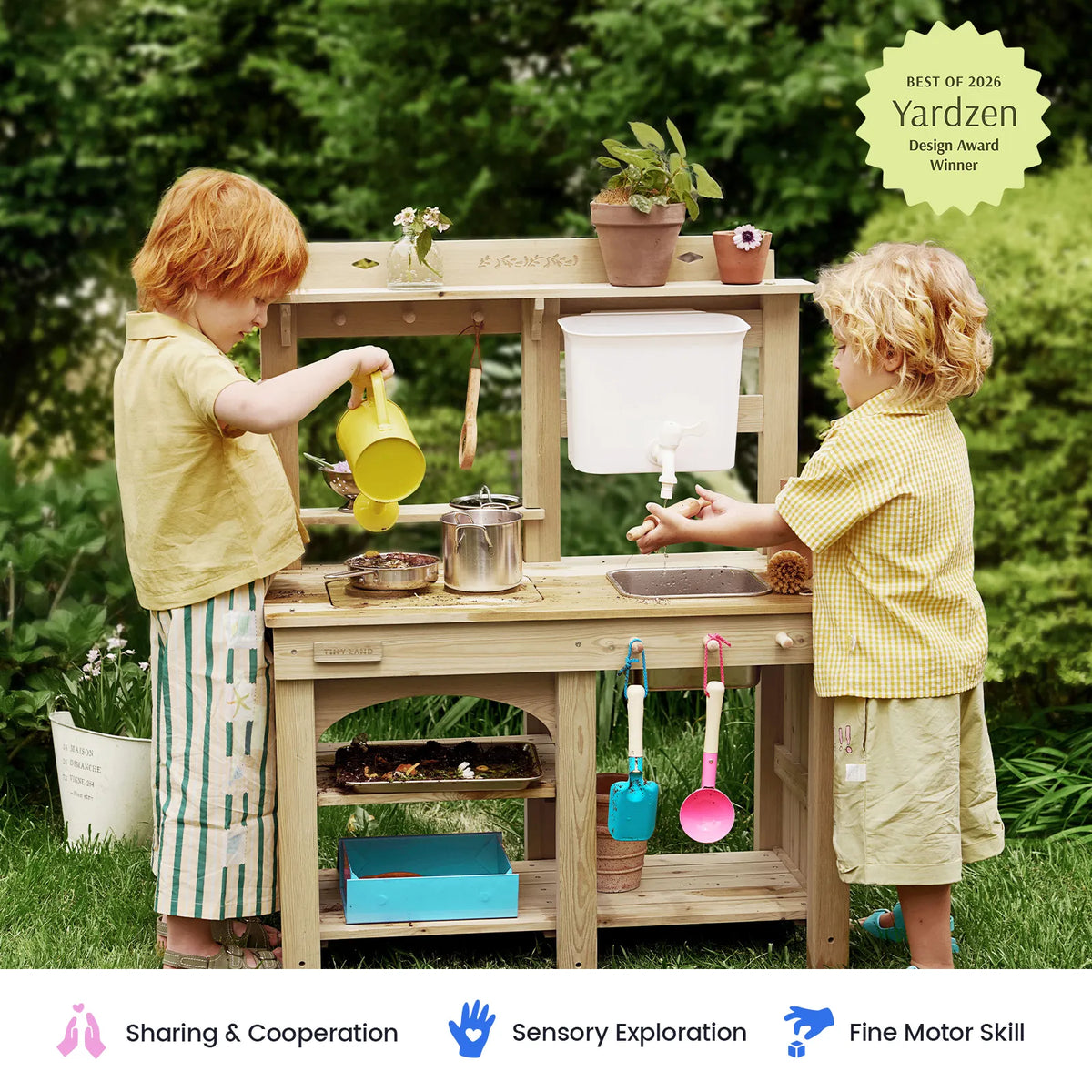
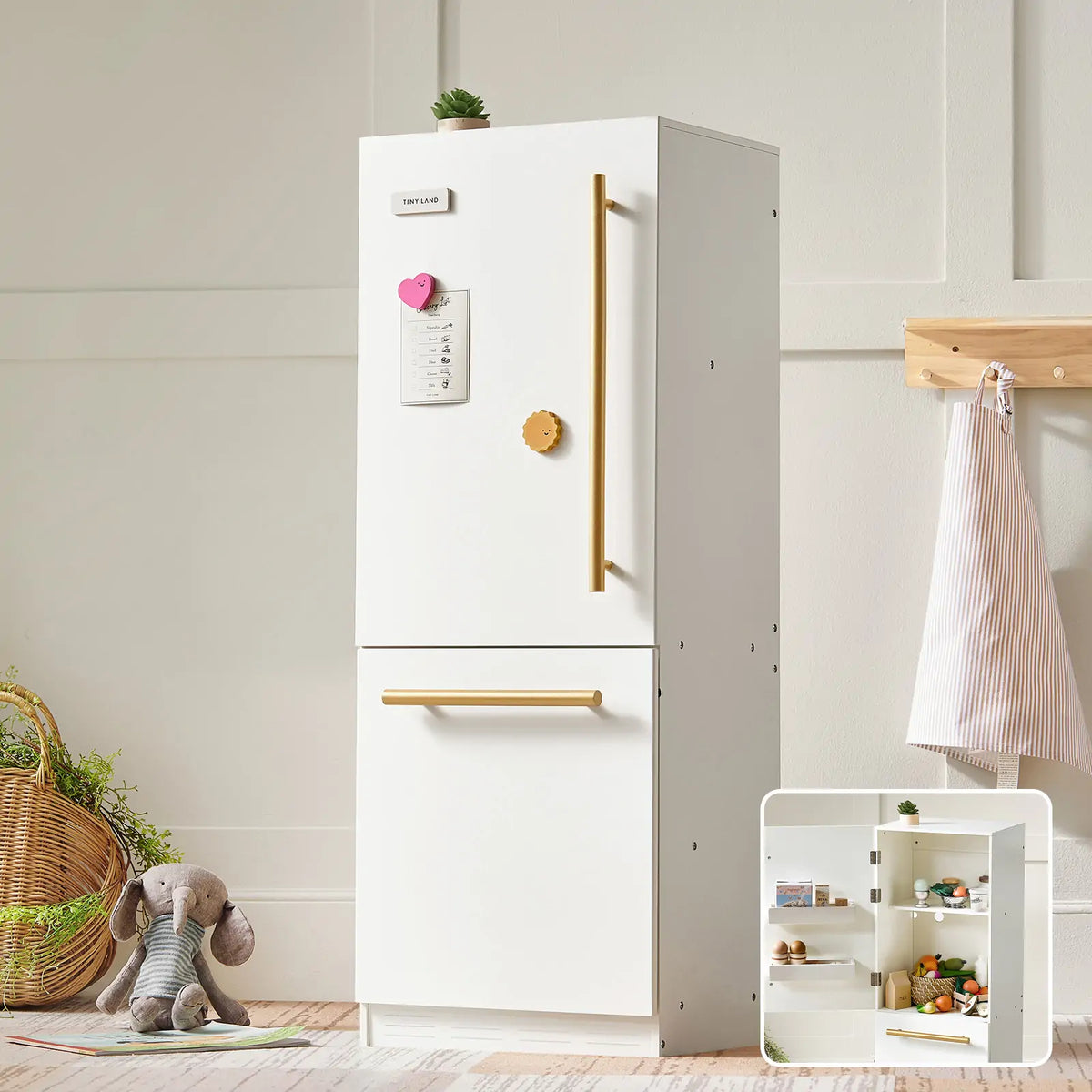
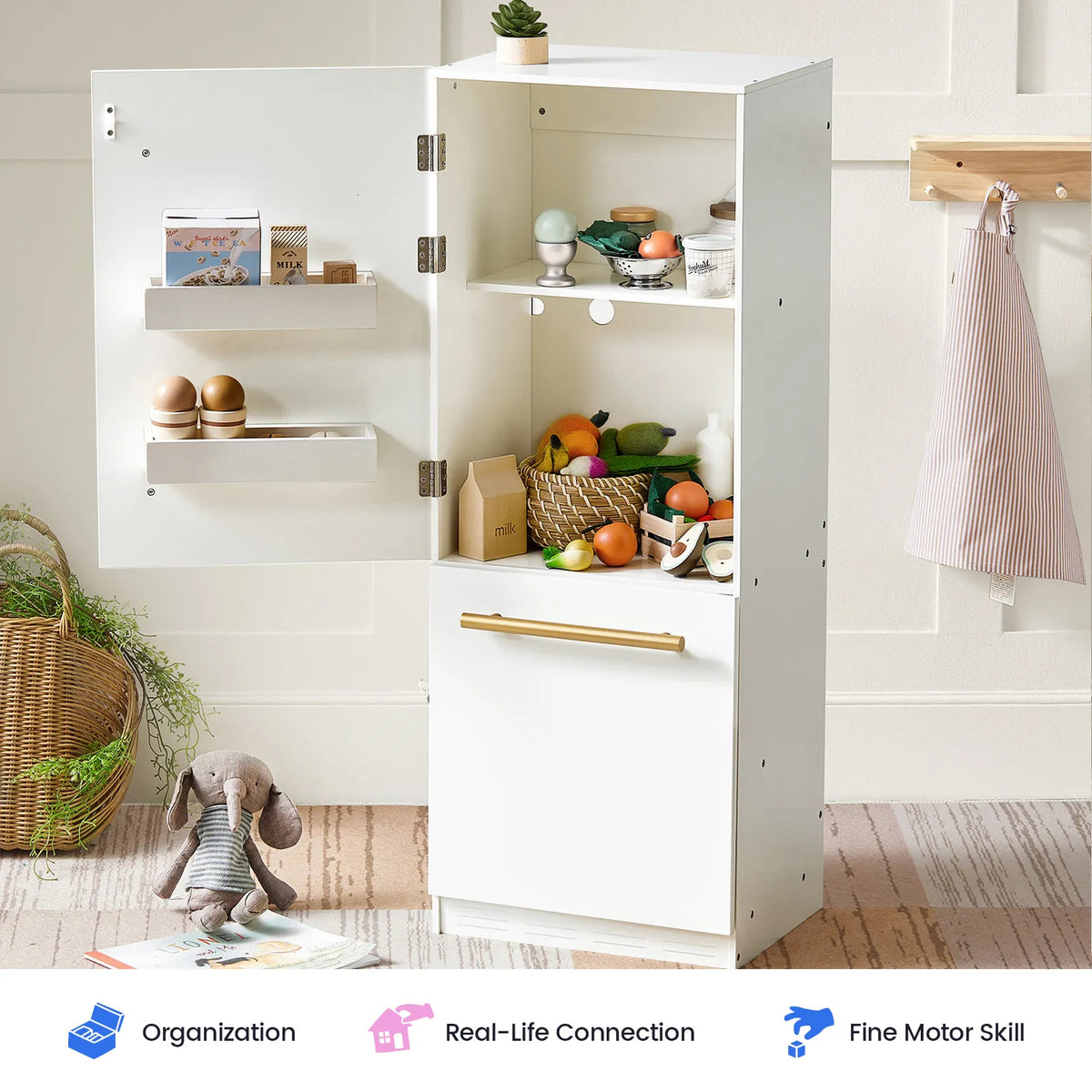
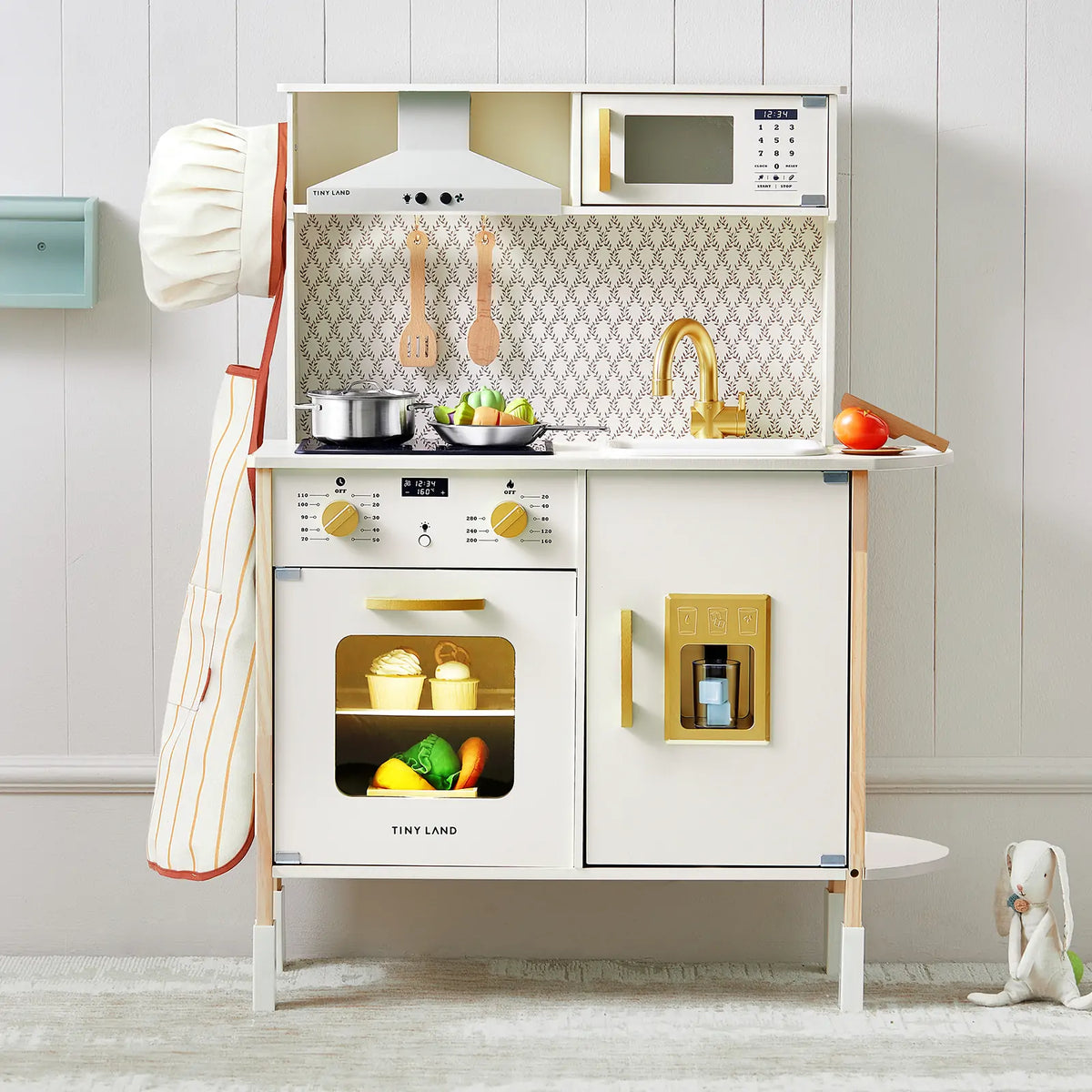
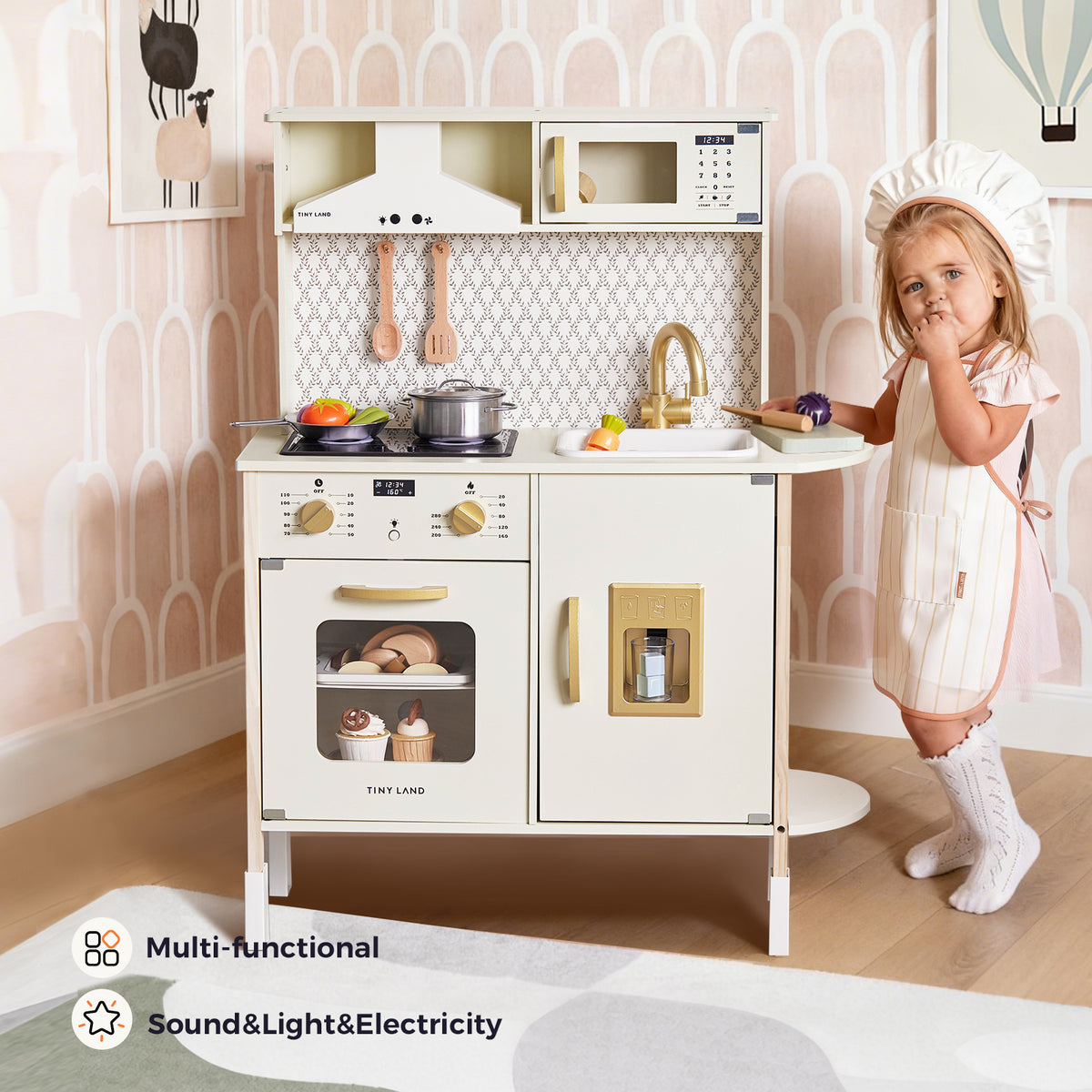
A play kitchen is one of the most versatile pretend play toys because it reflects everyday life. Children naturally imitate what they see adults doing—preparing meals, serving food, washing dishes, or welcoming guests.
As children grow, their stories become more detailed. One day the kitchen becomes a family home, the next a busy café, and later a neighborhood bakery. The same toy continues supporting new ideas without needing new rules.
Developmental benefits include:
- Encourages cooperative role-play
- Builds familiarity with everyday routines such as cooking, serving, and cleaning
- Supports language development through conversation and storytelling
- Strengthens confidence through independent, self-directed play
- Offers Montessori-inspired opportunities to explore real-world activities through open-ended play
A thoughtfully designed play kitchen gives children the freedom to combine imagination with everyday experiences, making it one of the most enduring toys in a playroom.

Dollhouses for Storytelling and Emotional Growth
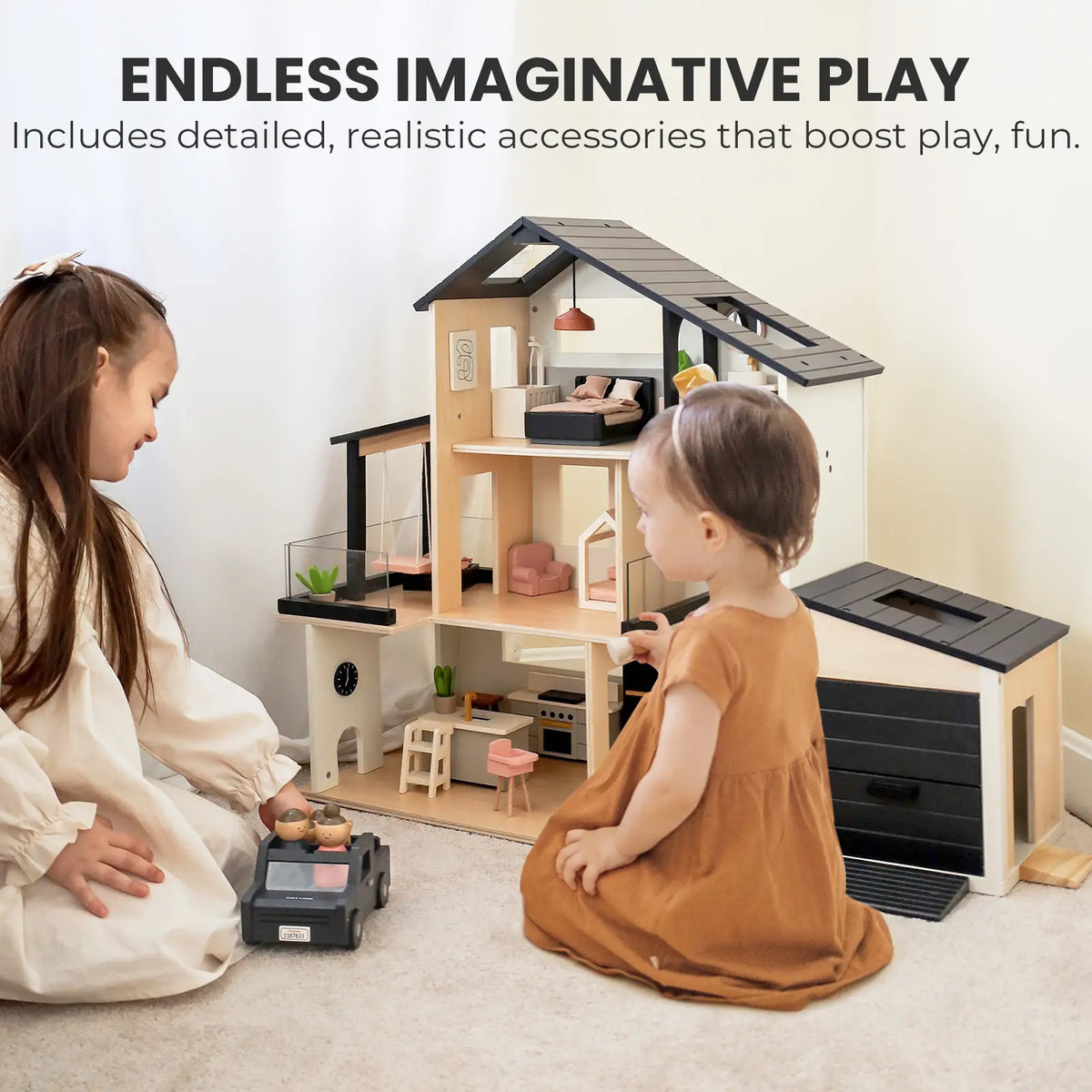
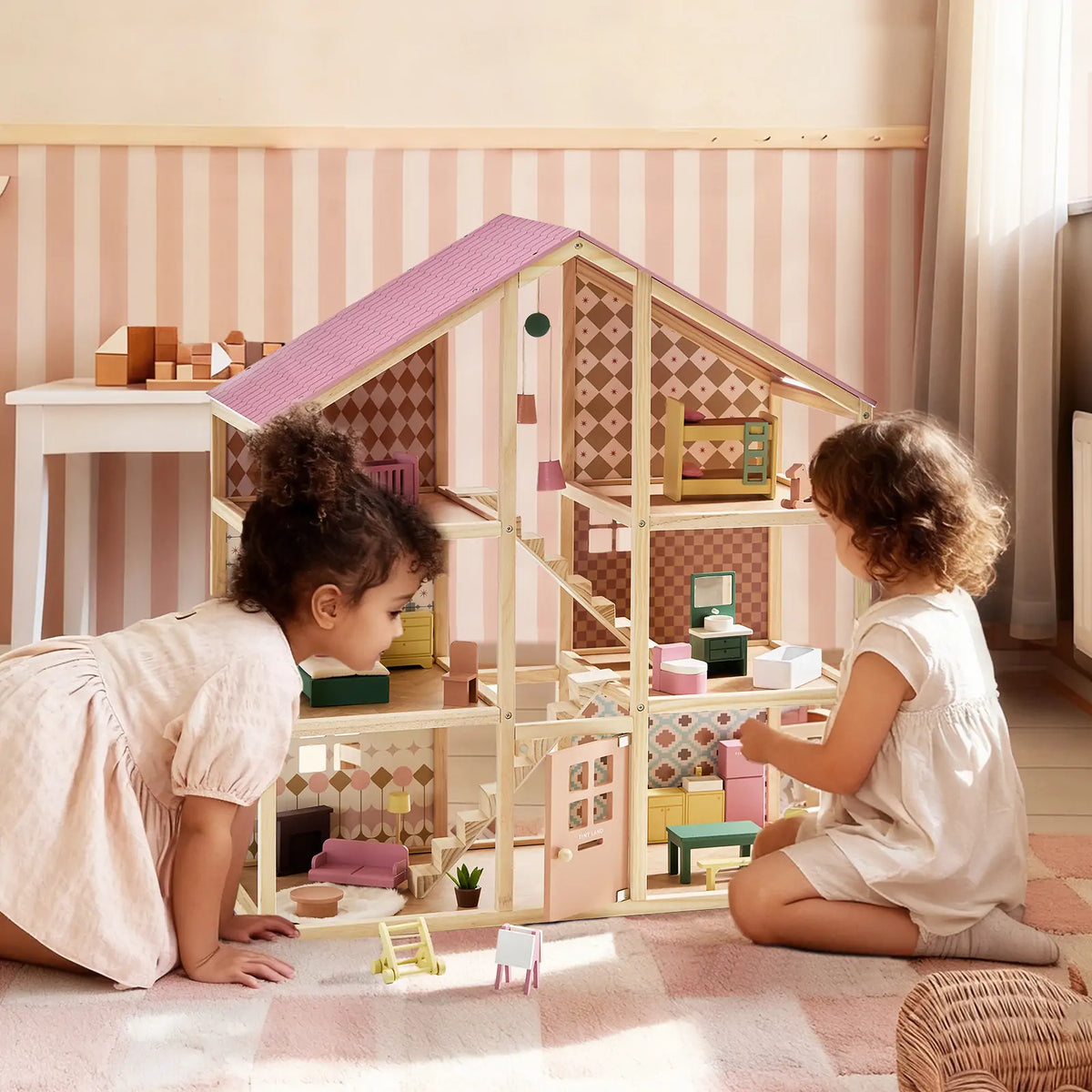
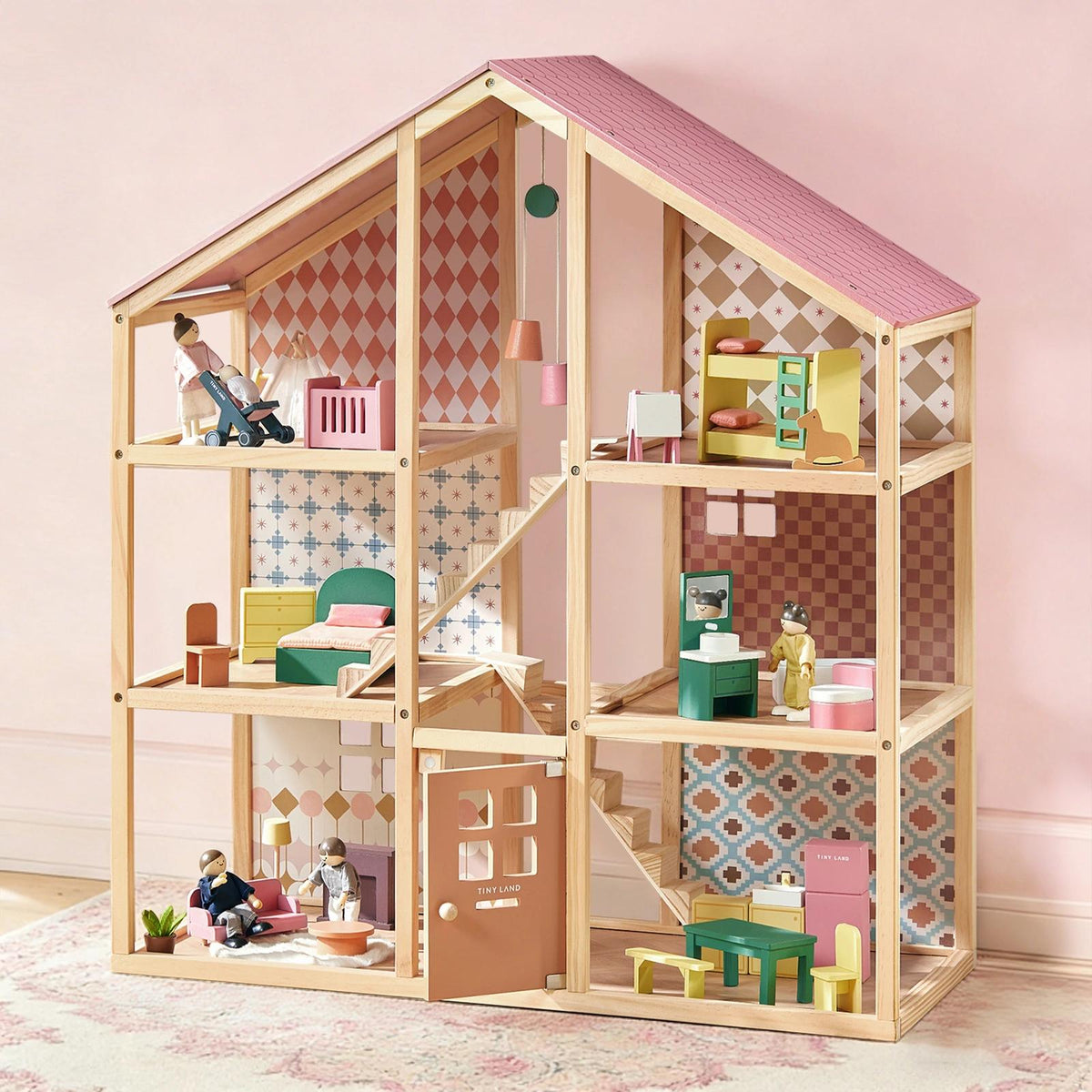
A dollhouse gives children a place to create stories about family life, friendships, and everyday experiences.
Rather than simply moving dolls from room to room, children often invent conversations, solve imaginary problems, and recreate situations they've experienced themselves.
This kind of storytelling helps children organize ideas, express emotions, and better understand the people around them.
Developmental benefits include:
- Encourages storytelling and narrative thinking
- Supports emotional expression through role-play
- Helps children understand different perspectives
- Develops spatial awareness and organizational skills
- Promotes Montessori-inspired independent, open-ended exploration
Because there is no single storyline, dollhouses continue evolving as children's imagination becomes more sophisticated over time.

Frequently Asked Questions
What are the best toys for imaginative play?
Some of the best imaginative play toys include play kitchens, dollhouses, building blocks, and pretend play accessories. These open-ended toys allow children to create their own stories instead of following predetermined rules.
Why is imaginative play important?
Imaginative play supports multiple areas of child development simultaneously, including language, communication, social skills, emotional expression, problem-solving, creativity, and sustained attention.
What are open-ended toys?
Open-ended toys are toys that can be used in many different ways without fixed rules or outcomes. Instead of directing play, they encourage children to use their own ideas and imagination. Examples include wooden blocks, play kitchens, dollhouses, and pretend play accessories.
How can parents encourage imaginative play?
Providing open-ended toys, allowing unstructured playtime, and letting children lead the activity are some of the best ways to encourage imaginative play. Asking open-ended questions instead of directing the play can also help children develop richer stories and stronger creative thinking.
At what age does imaginative play begin?
Most children begin engaging in imaginative play between ages 2 and 3. As their language, social understanding, and cognitive abilities continue to develop, their pretend play often becomes more detailed and complex throughout early childhood.

Final Thoughts
The best imaginative play toys aren't necessarily the ones with the most features—they're the ones that leave the most room for a child's imagination.
Whether it's preparing an imaginary meal in a play kitchen, creating family stories in a dollhouse, or inventing entirely new worlds through pretend play, open-ended toys encourage children to explore, communicate, and learn through experience.
By choosing toys that grow alongside your child, you're not simply adding another toy to the playroom—you're creating opportunities for meaningful play that can inspire creativity, confidence, and joyful learning for years to come.