
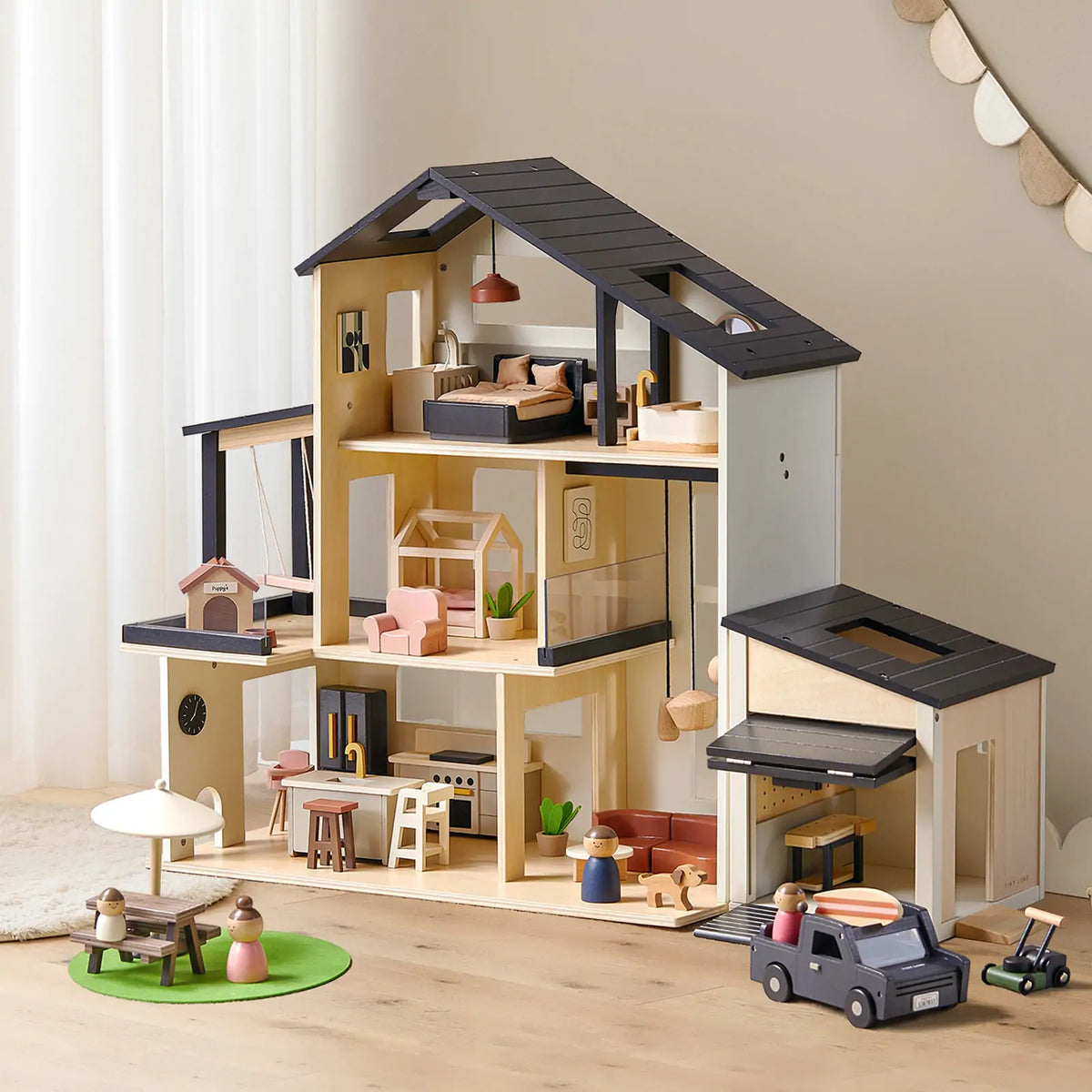
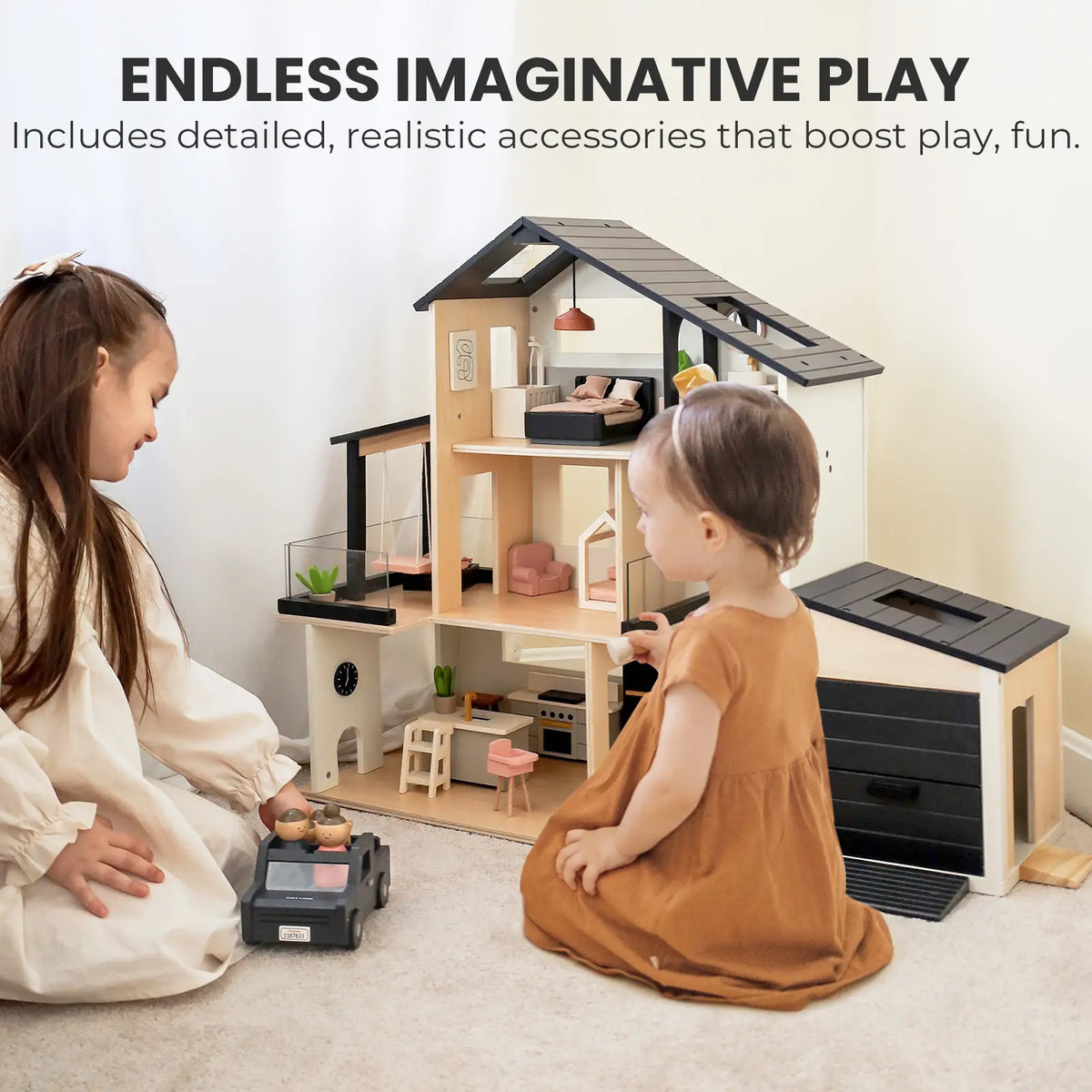
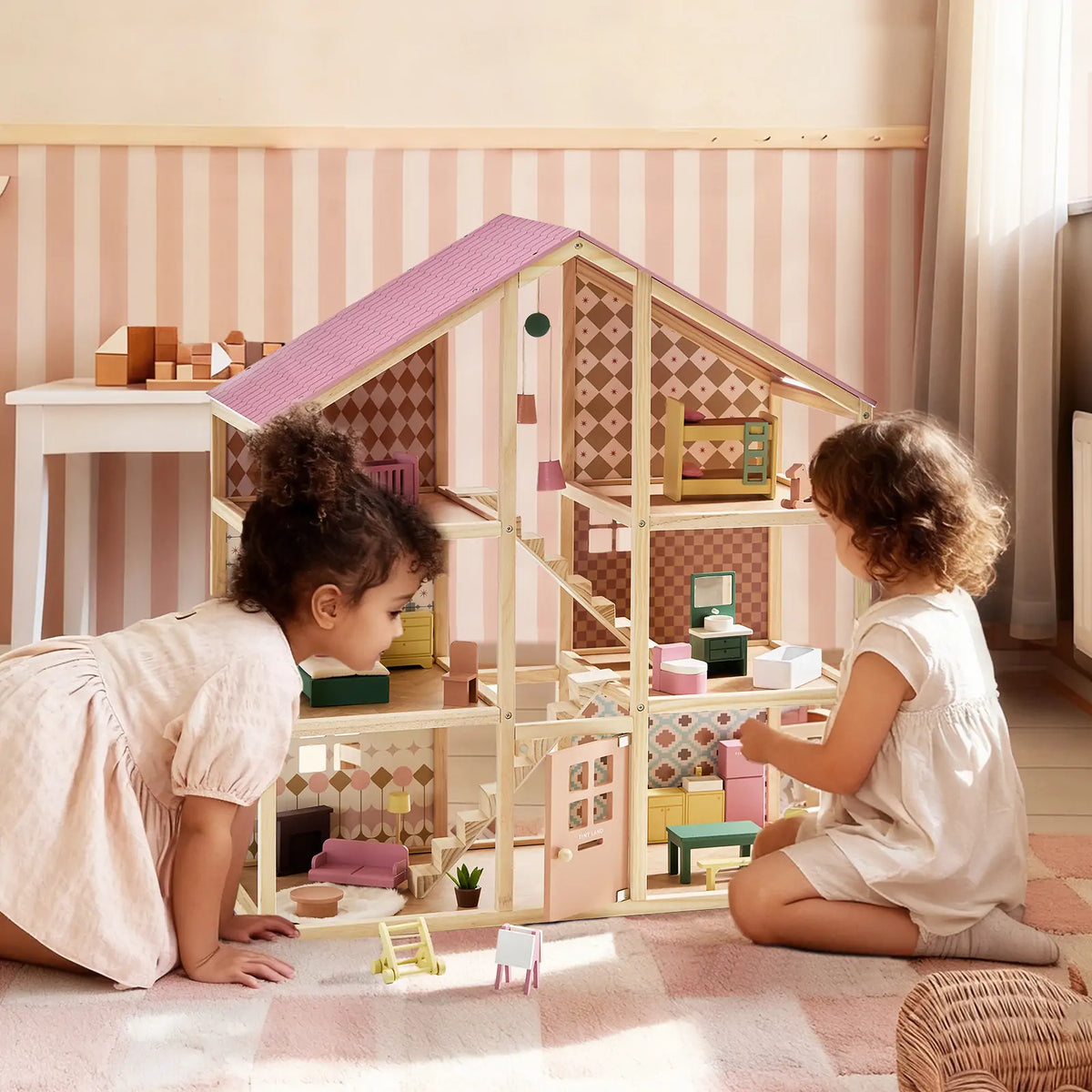
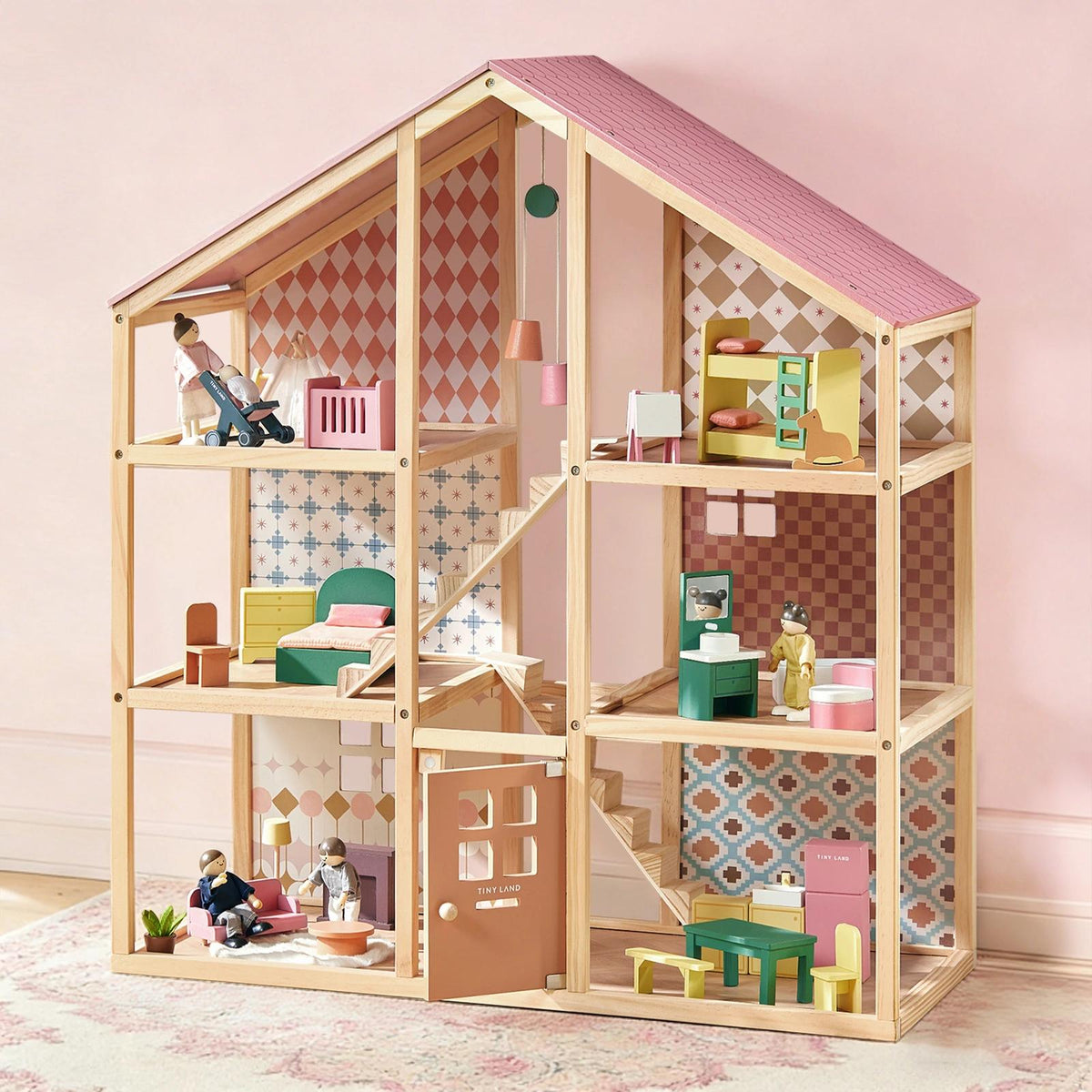





A doll house is more than a place to arrange dolls and furniture. It can become a small world where children explore feelings, friendships, family life, and everyday conflicts.
During dollhouse play, one character may feel sad because a friend will not share. A baby may cry when a parent leaves the room. Two siblings may argue over the same bed or toy. As children play through these situations, they begin to notice different emotions and imagine how another person might feel.
These simple doll house empathy activities can help parents and teachers support emotional intelligence, language development, social skills, and imaginative play without making playtime feel like a lesson.
 Why Dollhouse Play Can Develop Empathy
Empathy develops when children learn to recognize feelings and understand perspectives beyond their own.
Through doll play and role play, children decide what each character wants, how they feel, and what should happen next. One doll may be excited while another feels left out. A member of the dollhouse family may make a mistake and need to apologize.
These small stories help children gain a better understanding of social interactions and relationships.
Dollhouse play can also support:
-
Emotional regulation
-
Self awareness
-
Conflict resolution
-
Problem solving
-
Fine motor skills
-
Creativity
-
Language development
Adults do not need to control every story. A few open questions can help children engage more deeply while still allowing them to lead the play.

1. Ask, “How Does the Doll Feel?”
Choose a doll and create a simple situation. The doll may have lost a favorite toy, argued with a friend, or moved into a new house.
Ask the child:
“How do you think the doll feels?”
“What made the doll feel that way?”
“What could another character do to help?”
Younger children may use simple words such as sad, angry, scared, or happy. Older children may describe more difficult emotions, including disappointment, worry, jealousy, or loneliness.
This activity helps children connect events with feelings. It also gives adults a natural opportunity to introduce emotional words.
Avoid correcting every answer. Children may see the same situation differently, and that can lead to a useful conversation about different perspectives.

2. Welcome a New Sibling
A new sibling can bring excitement, jealousy, confusion, and changes to family routines. Children may find it easier to explore these emotions through dolls than to talk directly about themselves.
Add a baby to the dollhouse family and invite the child to create a story.
The older sibling doll may wonder:
“Will my parents still have time for me?”
“Why does the baby cry so much?”
“Can I help prepare the baby’s bed?”
Parents can model understanding by saying, “The older sibling loves the baby but also feels sad because life has changed.”
This teaches children that one person can experience several emotions at the same time. It also helps them express feelings connected to a new sibling in a safe and playful way.

3. Practice Conflict Resolution
Place two dolls near the same room, chair, toy, or piece of furniture. Explain that both characters want to use it.
Ask the child what should happen next.
Children may suggest taking turns, sharing, choosing another toy, or asking an adult for support. They may also create an argument before finding a solution.
This pretend conflict helps children develop problem solving and conflict resolution skills without the pressure of a real disagreement with siblings or peers.
Useful questions include:
“What does each person want?”
“How do both characters feel?”
“What words could they use instead of shouting?”
“Can they find a solution that works for both of them?”
These conversations can support real-life friendships and social skills.

4. Create Different Dollhouse Personalities
Choose dolls with different ages, personalities, interests, and needs.
One character might be quiet. Another may be adventurous. A third might become frustrated easily.
Invite the child to decide:
-
Who lives in the house
-
What each person enjoys
-
What each character finds difficult
-
How family members support each other
One doll may dislike loud sounds, while another loves music. One character may need help reaching something, while another prefers to spend time alone.
These details encourage children to imagine life from another person’s point of view. They also show that people can be different while still treating one another with kindness.

5. Help a Doll Through Big Emotions
Create a story in which a doll has a difficult day. Perhaps the character was left out by friends, made a mistake in preschool, argued with a sibling, or felt nervous in an early childhood classroom.
Ask the child how the doll could feel better.
The child may move the doll to a quiet room, put it in bed, ask a friend for help, or have another character offer a hug.
This activity supports emotional regulation by helping children explore healthy ways to respond to big emotions.
Empathy dolls can also help children talk indirectly about their own experiences. A child who says, “The doll is scared of school,” may be exploring a feeling they have not yet expressed directly.

6. Let Children Lead the Play
Adults can introduce ideas, but children should guide most of the story.
When children begin creating their own characters and conflicts, listen carefully. Their dollhouse stories may reflect how they understand family, friendships, rules, and emotions.
A child may recreate a disagreement from preschool or invent a character who feels left out.
Instead of immediately telling the child what should happen, ask:
“What happens next?”
“Why did the character say that?”
“What might help everyone feel heard?”
“Is there another way to solve the problem?”
The goal is not to create a perfect ending. The process of exploring choices helps children develop empathy, imagination, and emotional skills.

Tips for Parents and Teachers
Doll house empathy activities can be used at home, in preschool, or in an early childhood classroom.
Keep the stories short and appropriate for the children’s ages. Avoid asking too many questions, or the play may begin to feel like a test.
Adults can model helpful language such as:
“I wonder how that person feels.”
“Let’s listen to both sides.”
“It is okay to feel angry, but we still need to be kind.”
“Maybe the doll needs time to calm down.”
Over time, children may begin using these words during their own social interactions.

Building Empathy Through Play
A doll house gives children a safe place to explore emotions, relationships, friendships, and family life.
By helping dolls solve conflicts, express feelings, and care for one another, children begin to develop empathy in a natural and enjoyable way.
Parents do not need complicated lessons. A few dolls, a house, some imagination, and an open conversation can help children understand that every person has feelings—and that kindness begins with trying to see the world from someone else’s perspective.