

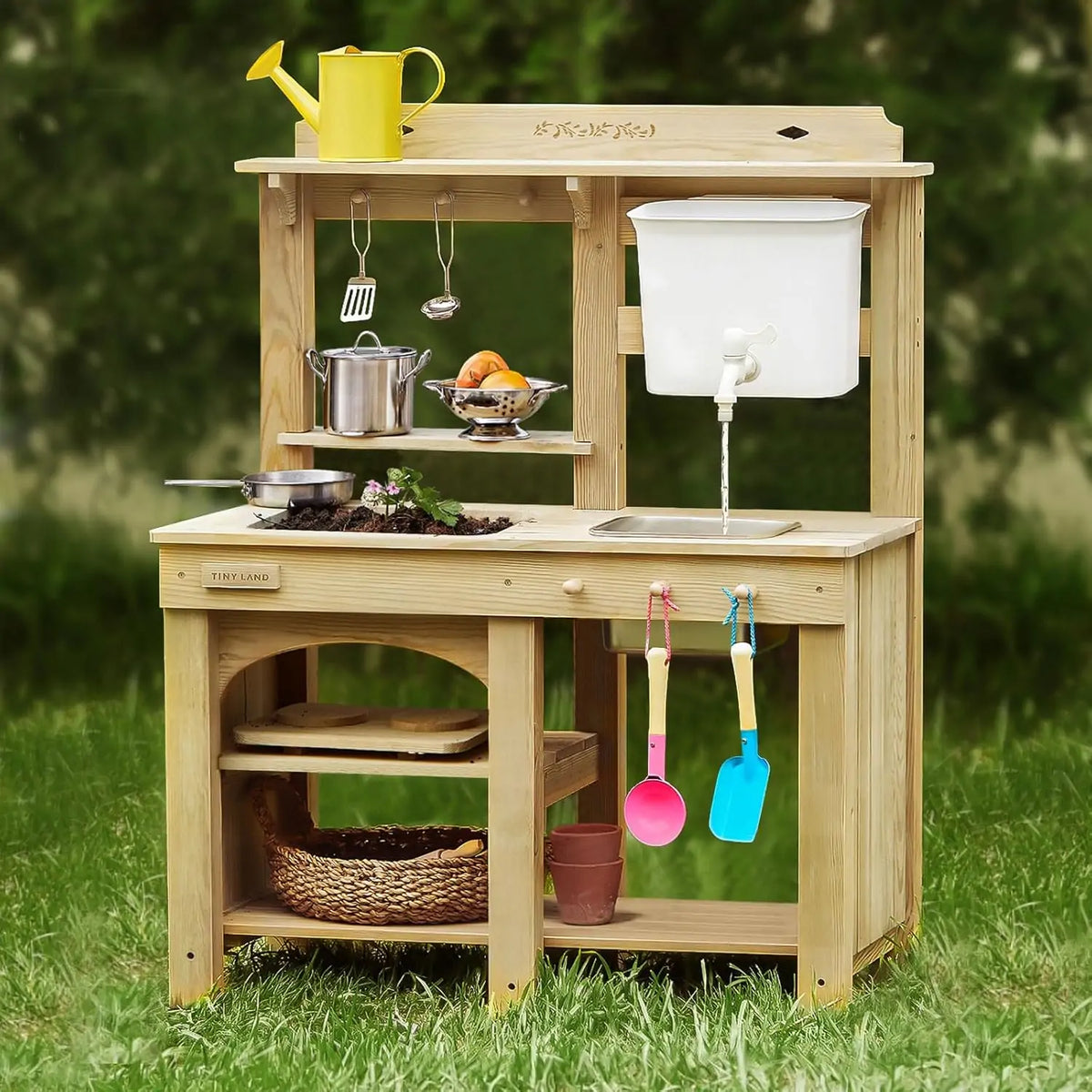
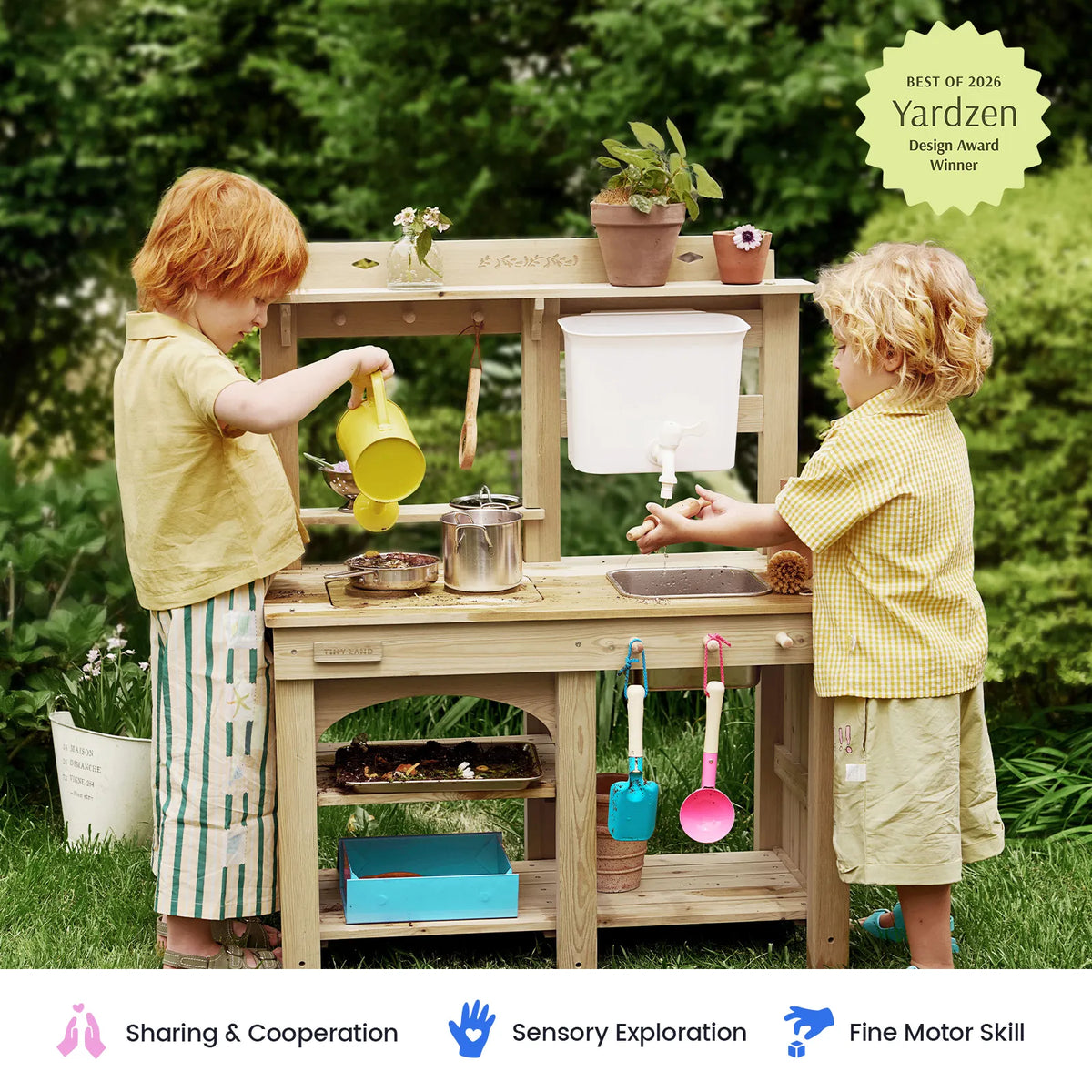
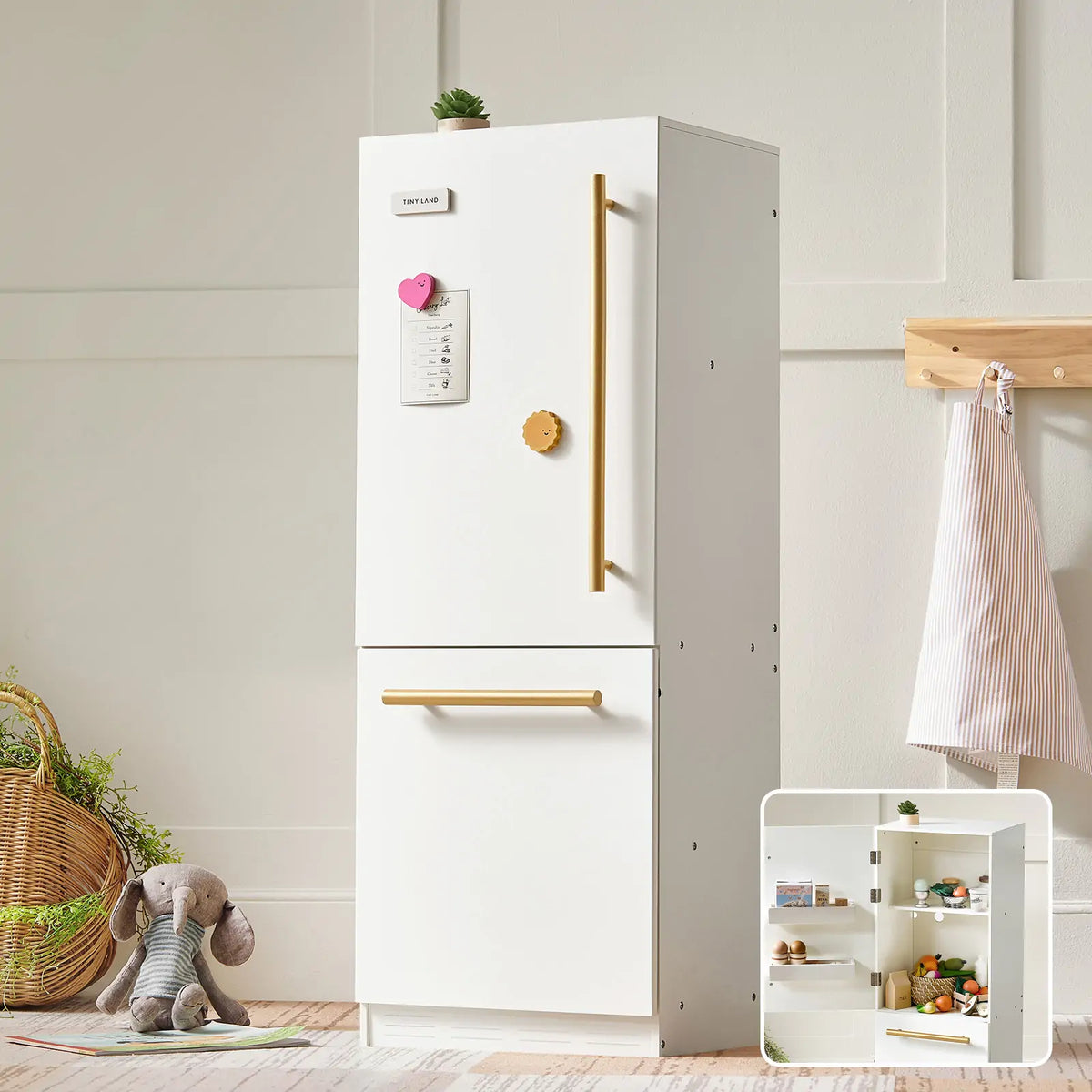
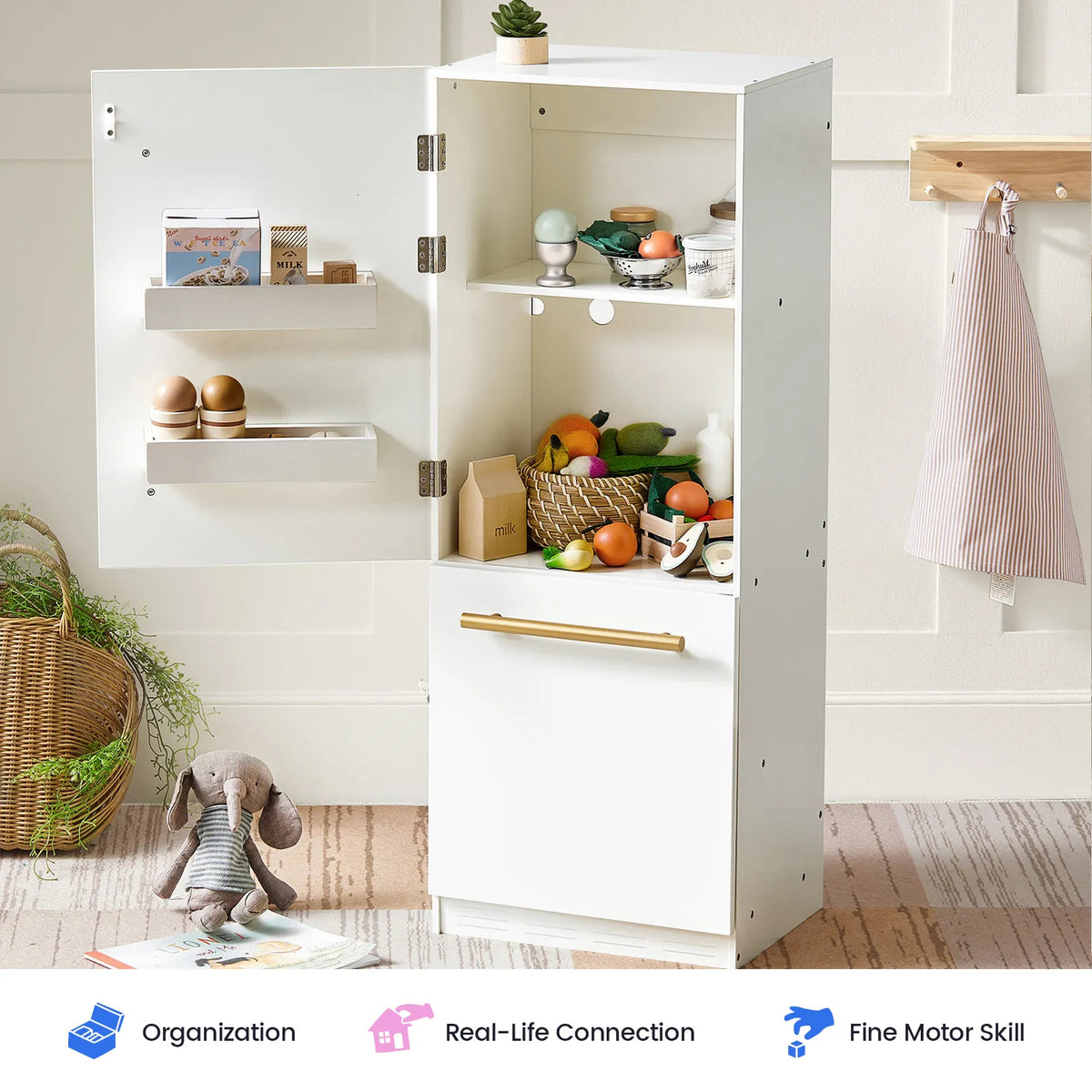
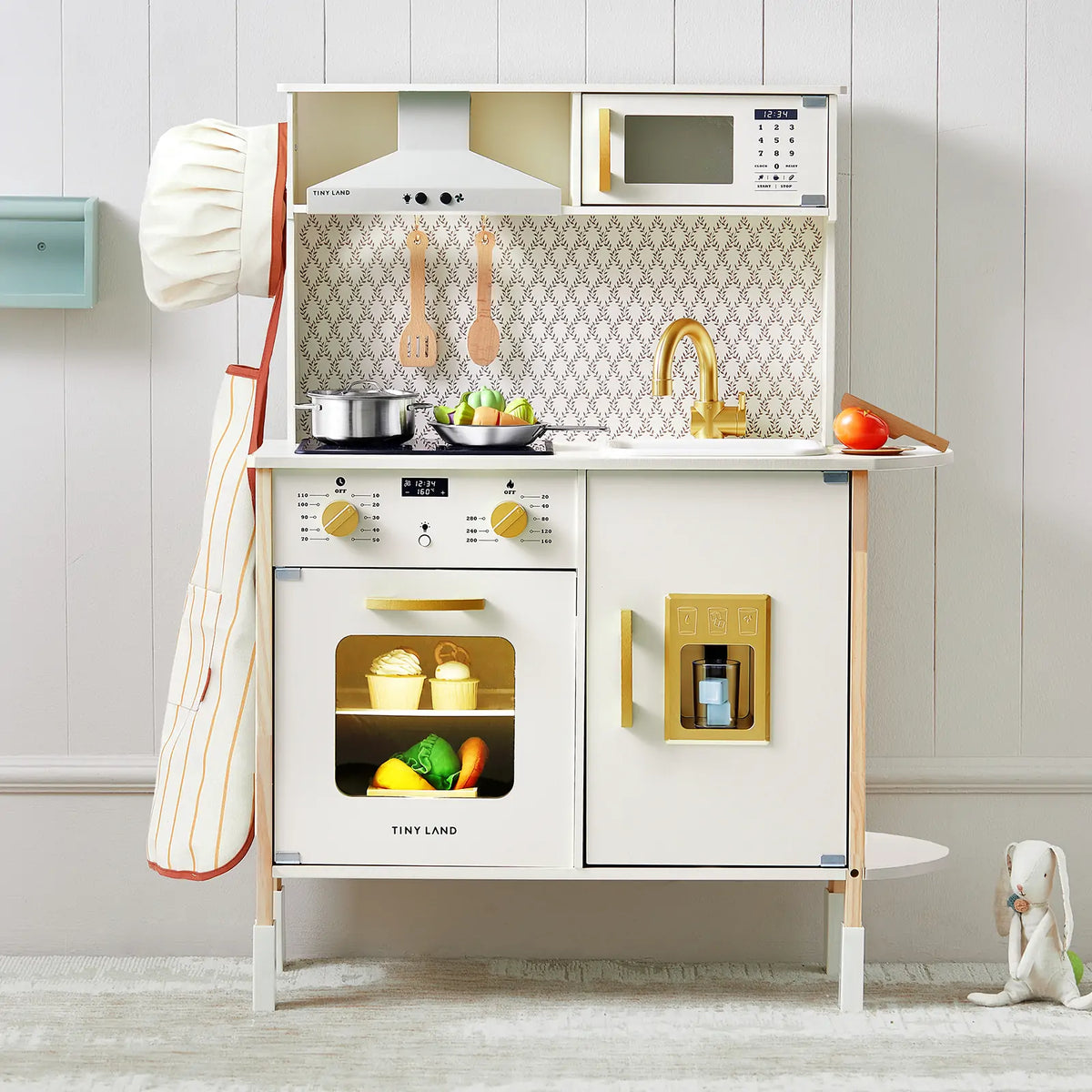
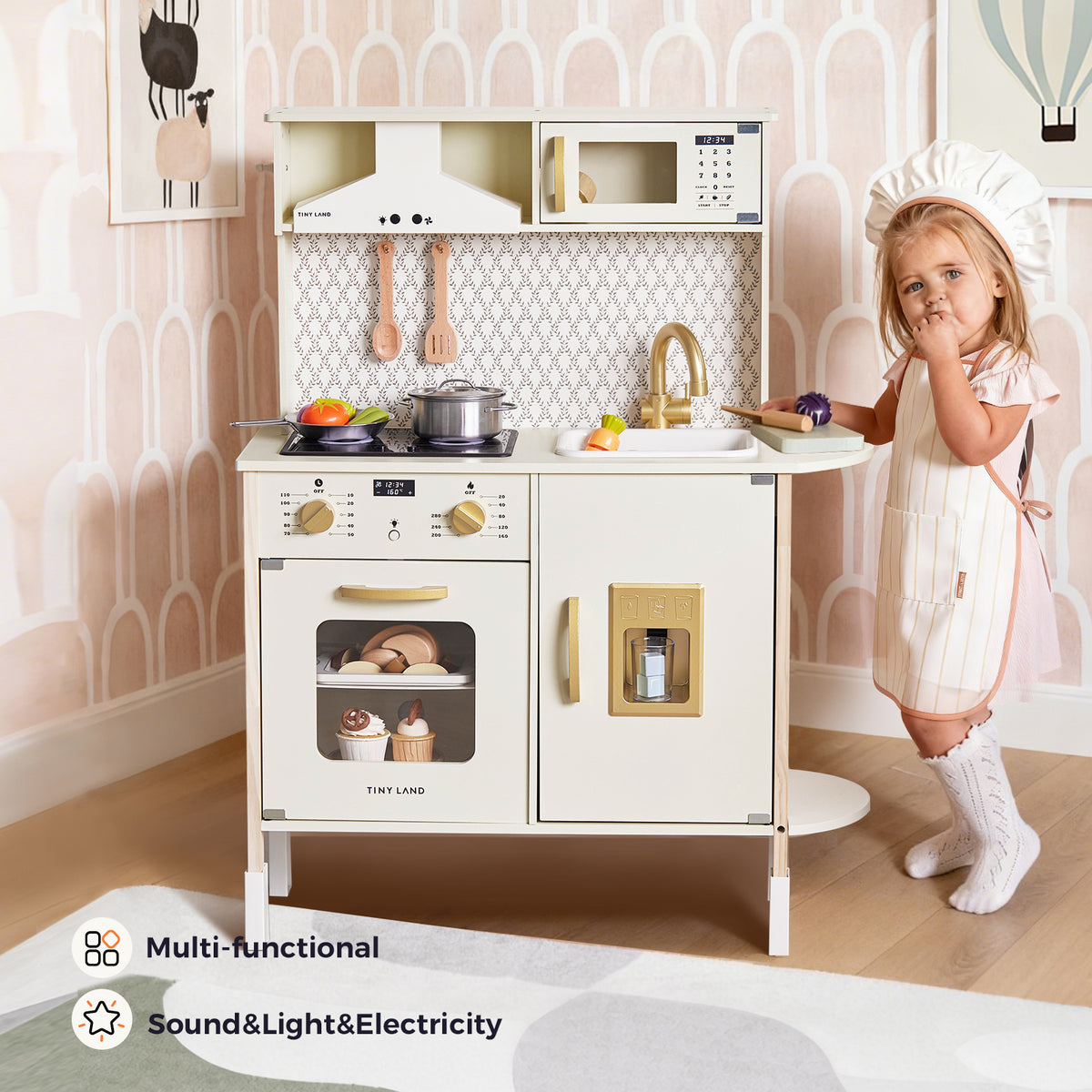


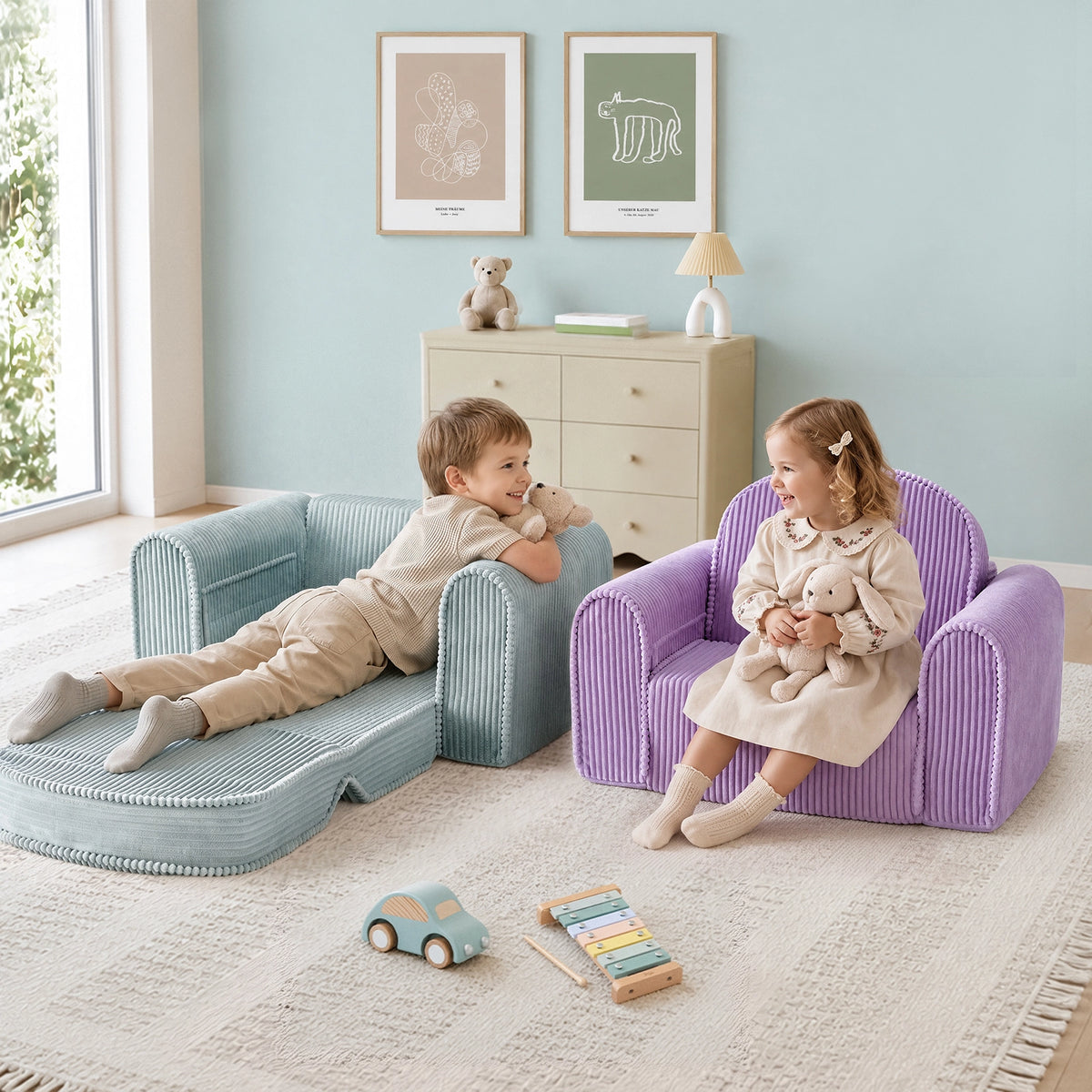

As a parent, you want playtime to do more than just entertain. You want toys that spark imagination, support learning, and feel like a cozy home your child loves. That’s where dollhouse furniture plays a starring role. Rather than letting your child play with empty rooms or brittle plastic pieces that break, choosing the right accessories, tables, beds, and layouts can make playtime meaningful — not messy.
In this guide, we’ll walk through what kids actually use during play, what works best, and how a thoughtful set can boost creativity and growth every day.

Why Dollhouse Furniture Matters More Than the Dollhouse Itself
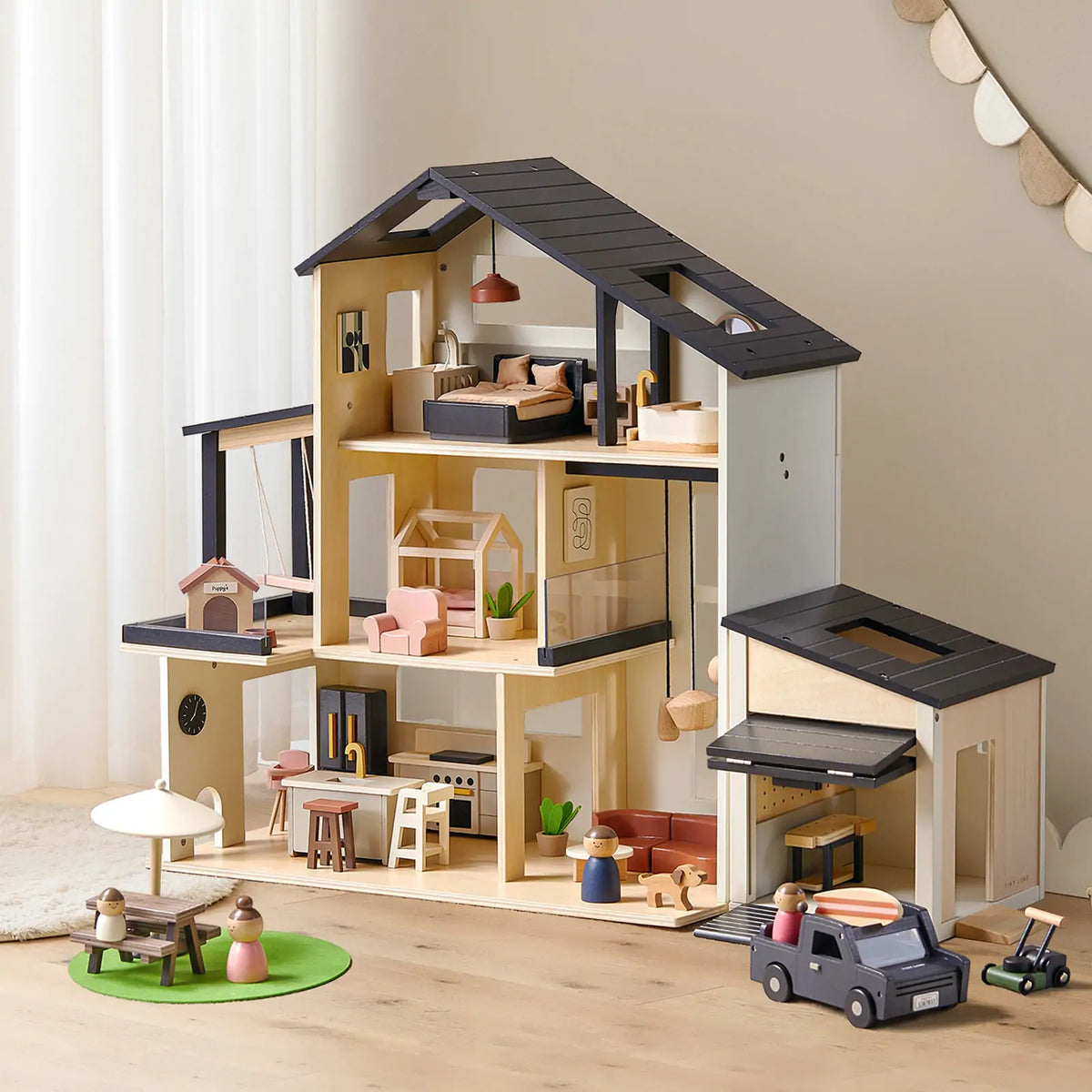
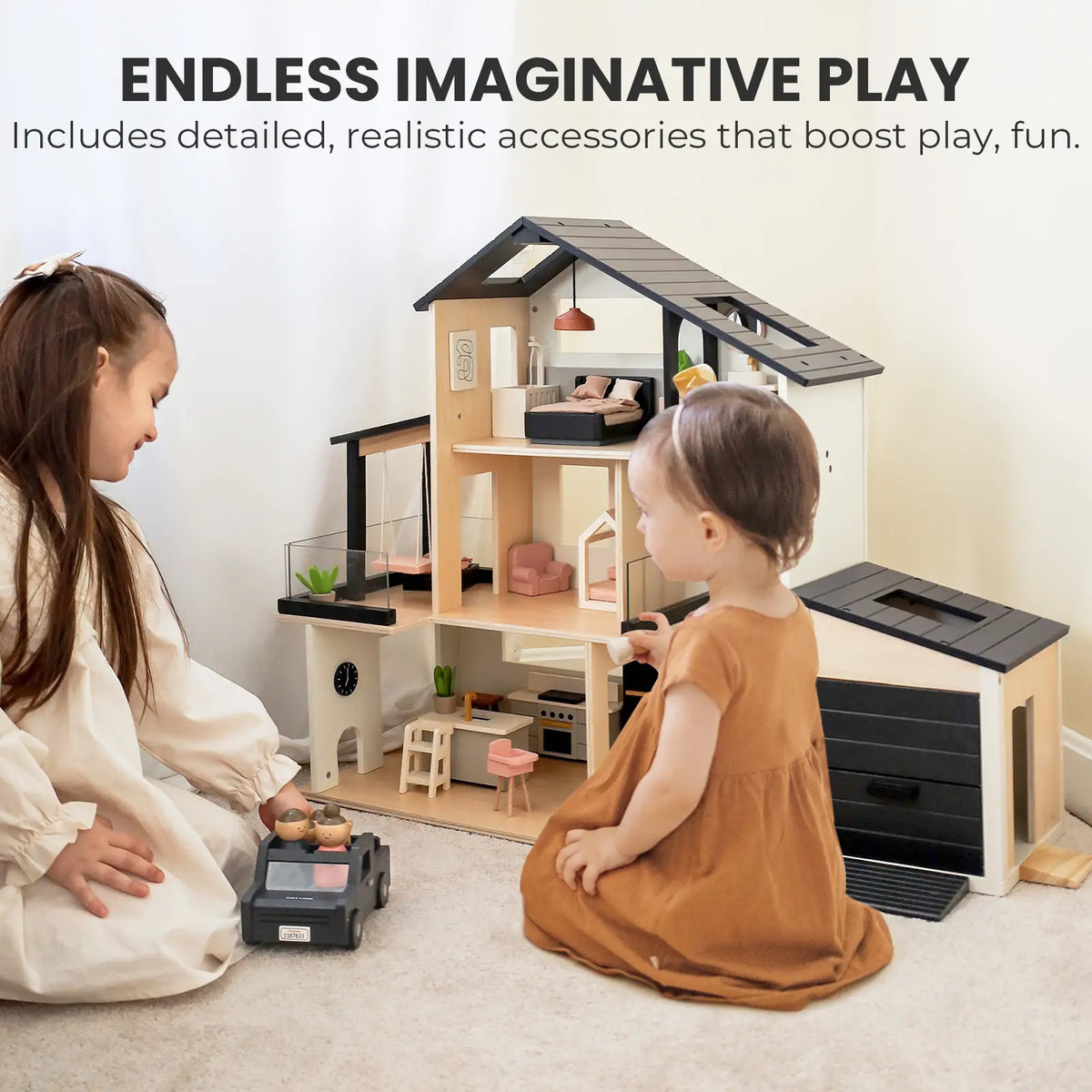
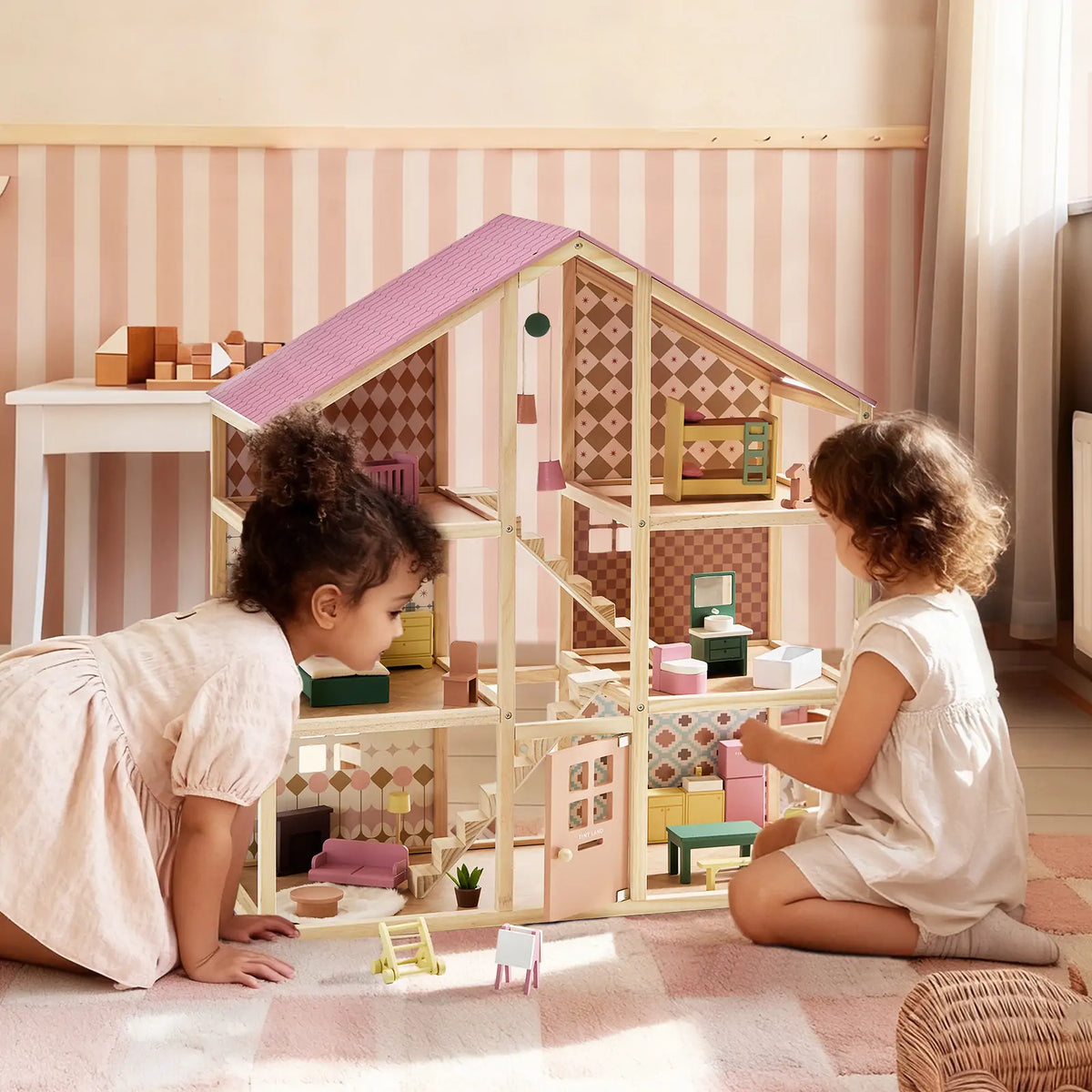
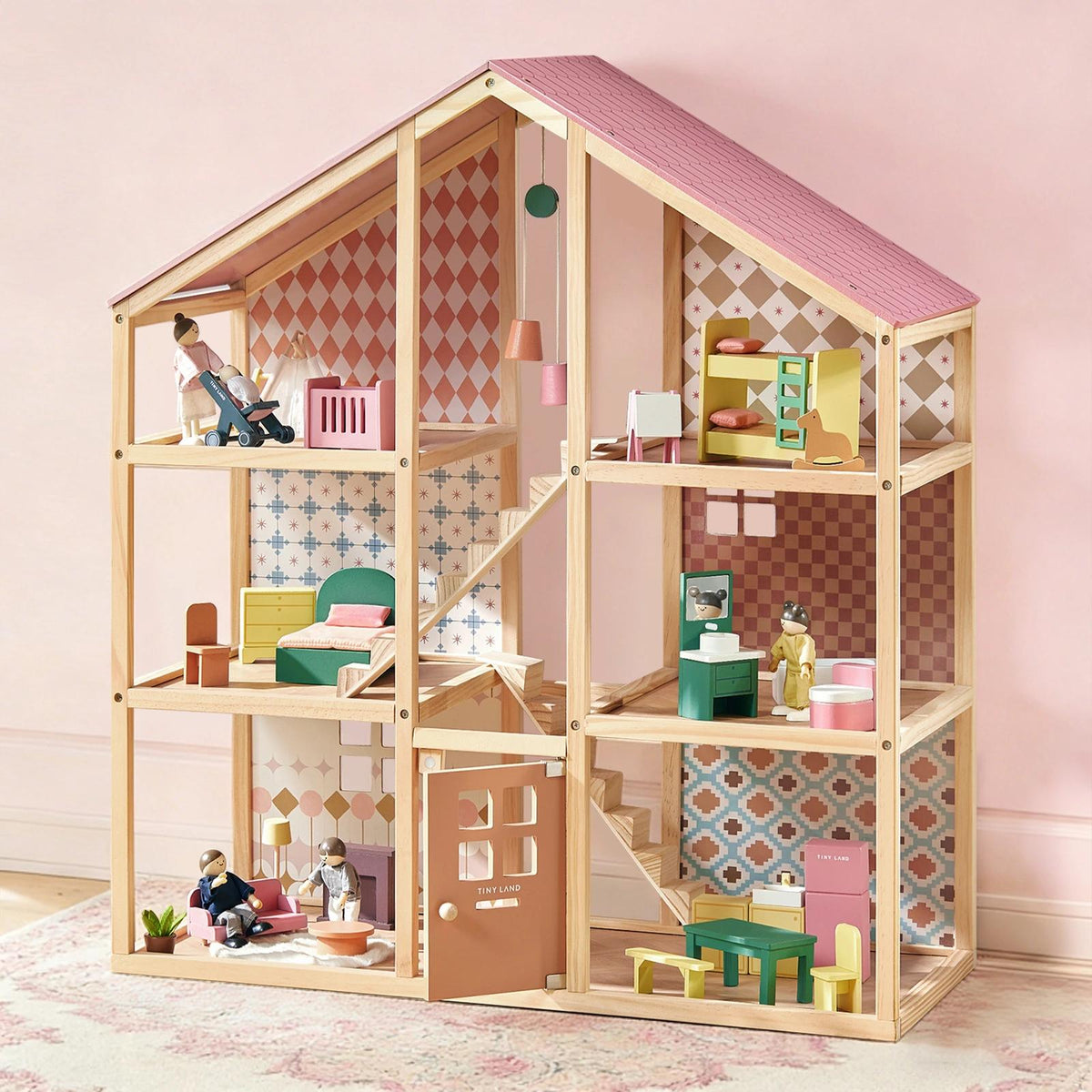
A well-designed dollhouse — like the Tiny Land Love Dollhouse — becomes a playroom ecosystem when you add furniture. Little ones naturally populate rooms with stories, and furniture pieces become characters in their imaginings.
Kids don’t just play with dolls; they play with life. They set up mealtime at a miniature table, tuck dolls into beds, and imagine evenings in the living room or even outdoors picnics with friends. What’s inside the house matters just as much as the home itself.
The 6 Dollhouse Rooms Kids Use the Most
This wooden dollhouse comes with 31 well-scaled pieces that fill six rooms — living room, dining room, bedroom, bathroom, children’s room, and baby room.
Living Room — Where Stories Begin
The tables and seating here become hubs for imagination. Kids act out dinners, movie nights, and sleepovers, practicing social cues and conversational language.
Kitchen & Dining Room — Everyday Life Play
Mini kitchens and dining tables help children reenact routines they see at home. Meals, dishes, guests — it’s learning life through play.
Bedroom — Cozy and Comforting
A bed with pillows, blankets, and bedside tables encourages emotional play. Kids recreate bedtime routines, calm scenarios, and care.
Children’s Room — Creative Independence
Kids shape their own worlds here. Bunk beds or play tables become stages for original stories, helping them think independently.
Baby Room — Empathy & Caregiving
Cribs and baby toys in the baby’s space give children opportunities to practice nurturing behaviors and caring play.
Bathroom — Daily Tasks in Miniature
Even functional accessories like bathroom sets help with sequence play — dressing, washing, and routines, all vital to cognitive development.

Dollhouse Furniture Kids Ignore
Not every piece in every category becomes a favorite. Tiny knick-knacks or purely decorative items might stay untouched — and that’s fine. What kids often loop back to are the core pieces that relate to real life activities, like tables or beds, not tiny showpieces.
When you choose a set with thoughtful pieces rather than dozens of extras, children spend more time playing meaningfully and less time sorting and sorting. Too many little parts can overwhelm, leading to frustration rather than fun.
How Many Dollhouse Pieces Do Kids Really Need?
While there are endless categories of accessories available online, research and play observations show that 25–35 pieces is perfect for deep storytelling — enough variety, not too much clutter. The Tiny Land three-story dollhouse with 31 pieces hits this sweet spot, encouraging kids to explore different rooms without scattering too many pieces across the floor.

What Makes Dollhouse Furniture Play-Friendly for Kids
Here’s what parents and child-development experts agree on:
- Scale that matches doll sizes and small hands — easy to move and rearrange
- Durable wooden construction — survives real play (unlike many cheap plastic parts)
- Open-ended design — pieces that support multiple stories instead of dictating one play direction
When furniture feels like real life — like a table where “family dinners” happen or a cozy bed for dolls — kids return again and again to those pieces.
How Dollhouse Furniture Supports Child Development
You might be surprised how much growth is packed into tiny rooms:
- Language & Dialogue: Kids narrate scenes
- Social Skills: Cooperative play with siblings
- Executive Function: Sorting routines, organizing rooms
- Emotional Intelligence: Caring for dolls in realistic home scenarios
Furniture becomes more than toy bits — it’s tools for growth.

One Complete Set vs. Buying Over Time
Shopping for dollhouse pieces can be tempting in bits, but buying a considered set helps parents avoid scale mismatch and missing pieces.
Whole Set Benefits
- All rooms ready to play right away
- No hunting for matching tables, chairs, or beds later
- Encourages balanced play across rooms
Buying Pieces Separately
- Works for older kids refining a theme
- Requires careful matching of scale and style
For most young children (ages 3+), a complete set like the Tiny Land Love Dollhouse provides everything they need to dive into play.

How Parents Can Encourage Meaningful Dollhouse Play
Here are simple tips to make playtime growth-oriented:
- Ask open-ended questions: “Who’s having dinner tonight?”
- Rotate pieces occasionally: Keep scenes fresh
- Play together briefly: Then step back and watch their world unfold
When furniture connects to real life routines, children naturally enrich their play.

Final Thoughts
Not all dollhouse furniture is created equal. Kids use pieces that help them tell stories, act out life, and feel like they’re inside a miniature version of home. Choosing a perfect set that includes meaningful furniture pieces can make playtime magical, educational, and lasting — not fleeting.
Whether you’re picking out accessories, dreaming up new scenes, or watching your child arrange beds and tables for the fourth time today, remember: it’s not about how many pieces your child has — but how much life they can create with them.
Ready to explore a complete, thoughtfully designed furniture set that supports real play?
Check out the Tiny Land Love Dollhouse today.