


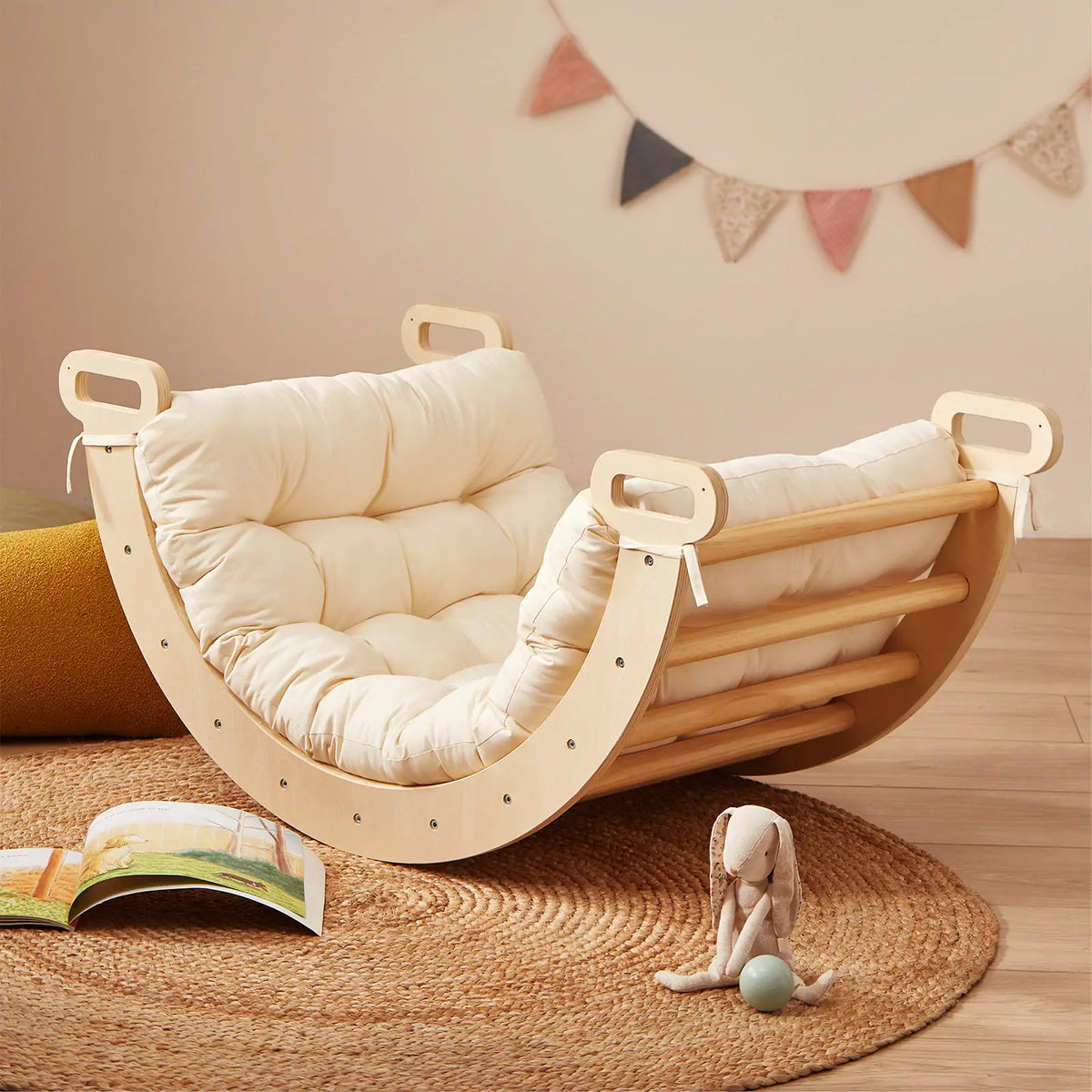
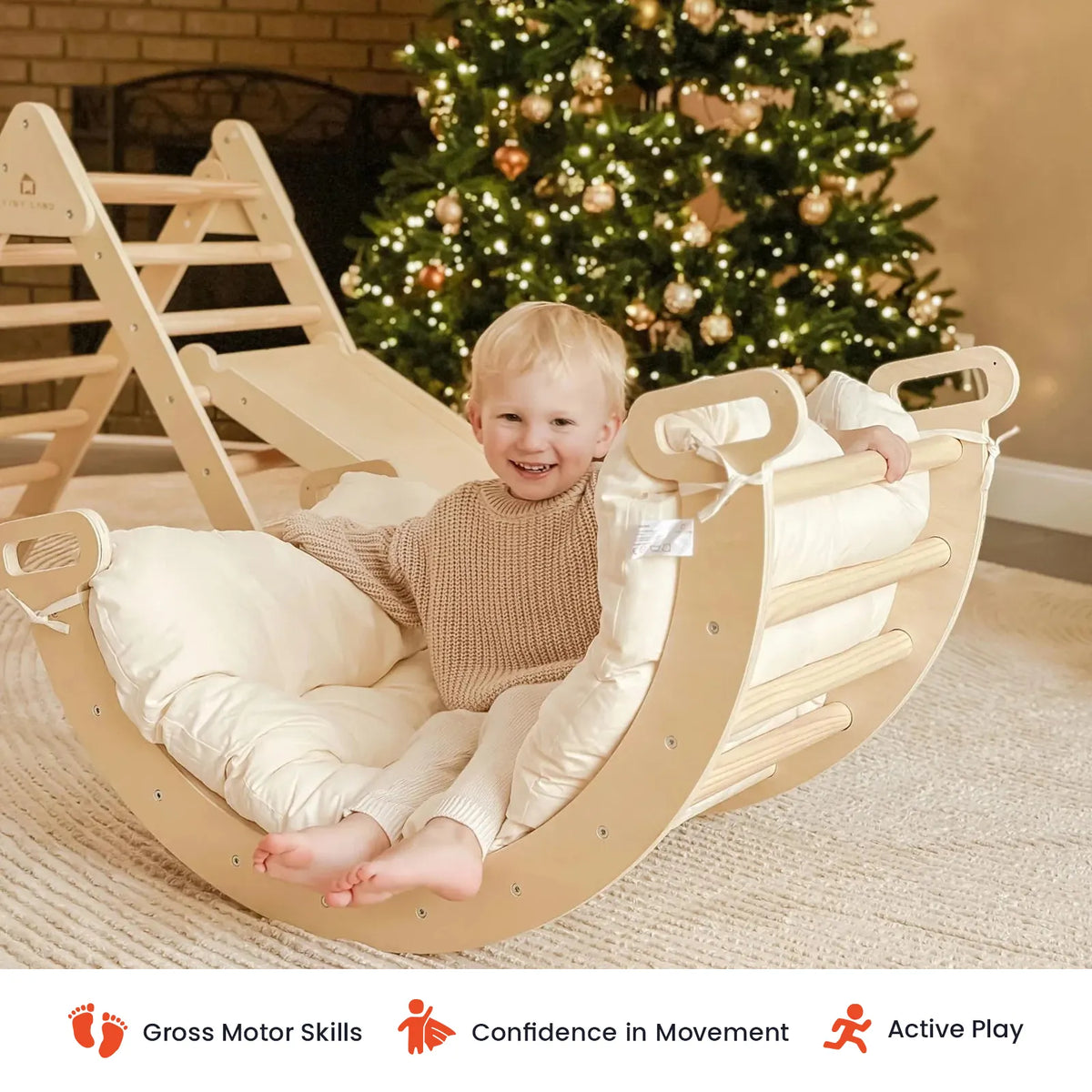
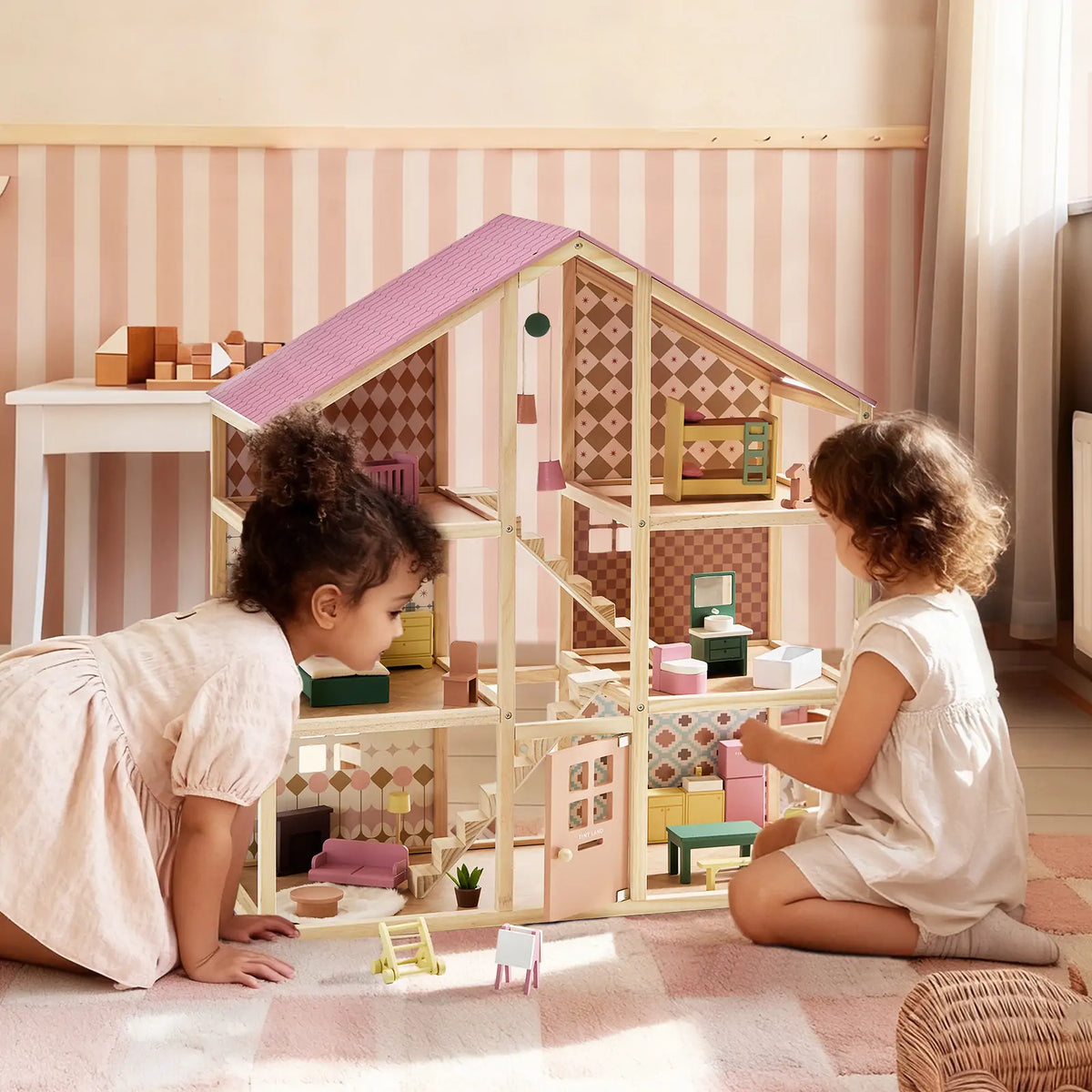
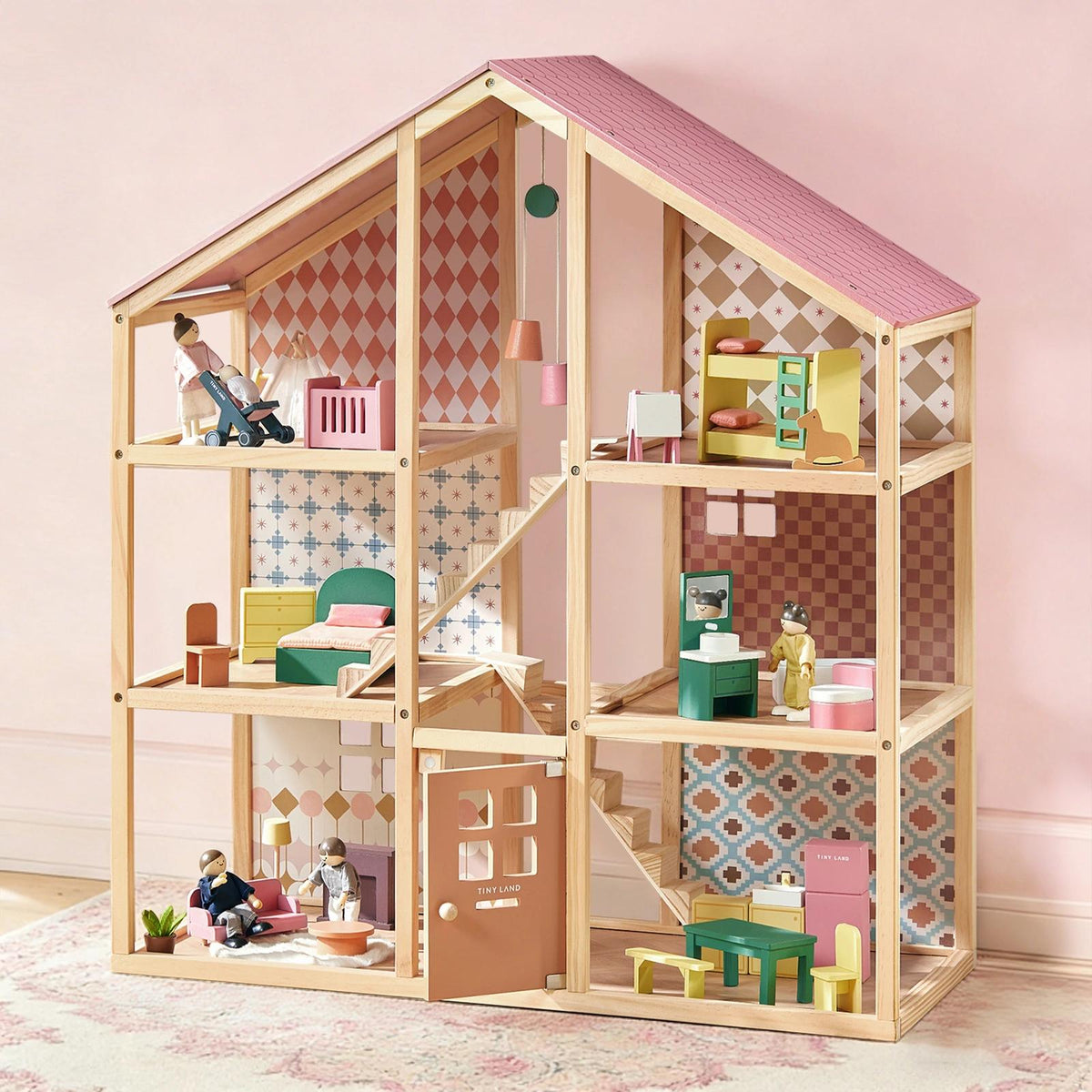
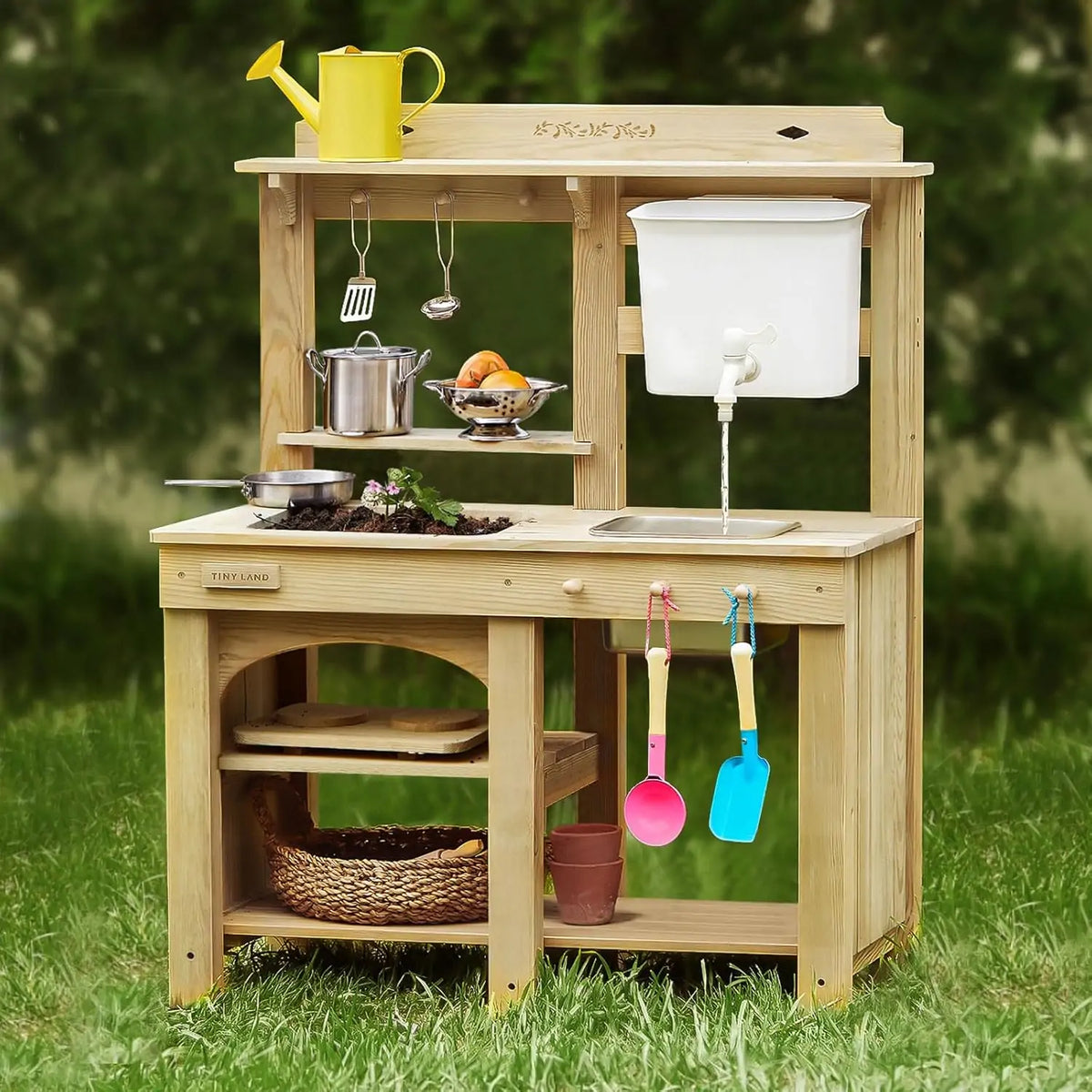
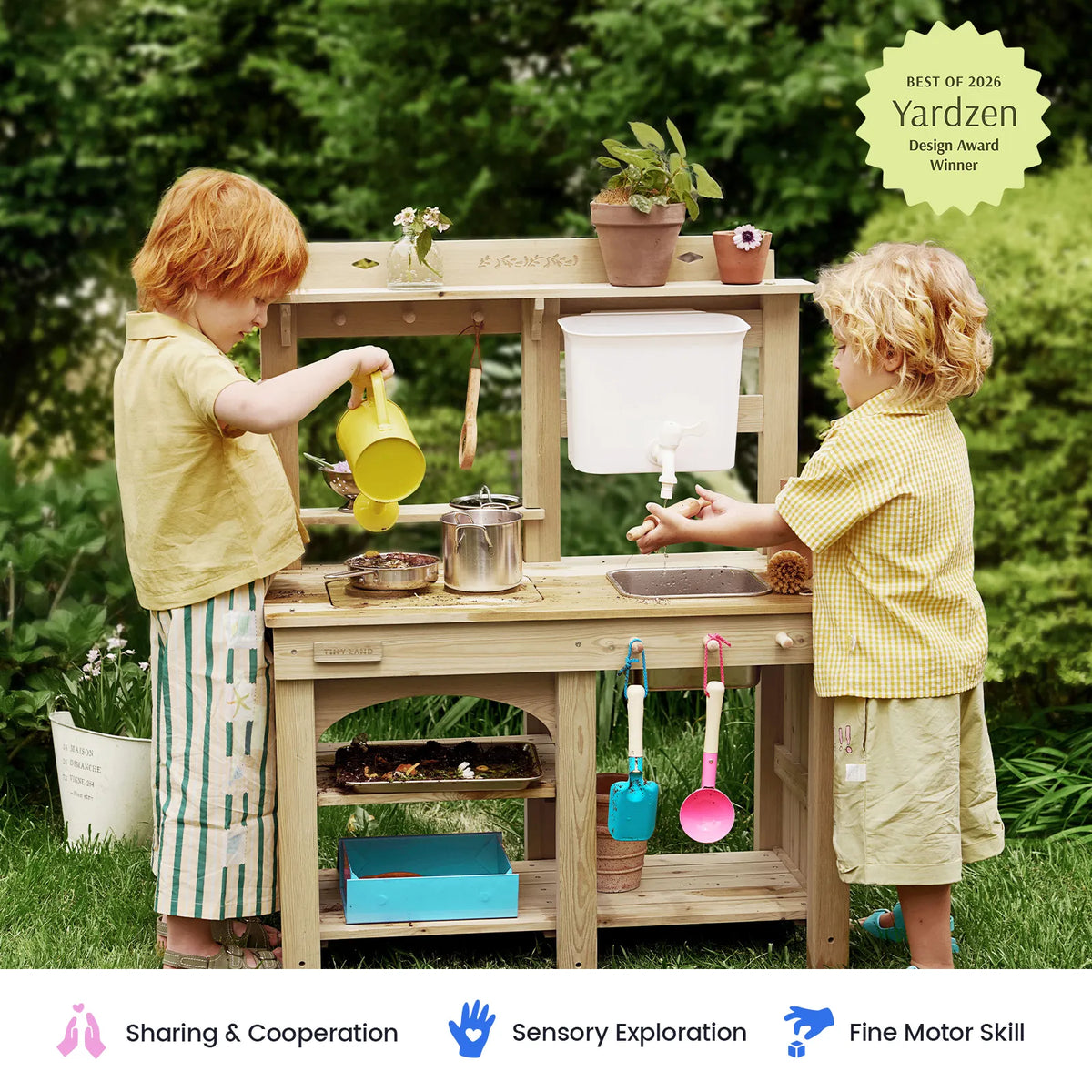




Pretend play kitchens are more than just cute toys in a playroom. They give children a safe space to explore everyday routines, express ideas, and build confidence through play. With the right setup and gentle guidance, parents can transform simple kitchen play into meaningful moments that support growth, connection, and learning — without pressure or complicated rules.
This guide shares practical, easy-to-apply ideas to help parents make the most of pretend play kitchens at home.

Why Pretend Play Kitchens Matter for Child's Development
A play kitchen mirrors daily life in a way children instantly recognize. Cooking, cleaning, and serving food are familiar activities they see every day, making it easier for them to jump into play naturally.
Through repeated kitchen play, children begin to:
- Understand routines and sequences
- Practice communication
- Build confidence through repetition
These everyday experiences quietly support child's development, helping children make sense of the world in a hands-on, age-appropriate way.
Building Imaginative Play Through Simple Kitchen Scenarios
Imagination grows best when play feels open and flexible. A pretend kitchen doesn’t need instructions — children decide what happens next.
Easy ideas parents can try:
- Cooking breakfast for the family
- Opening a pretend café
- Preparing meals for toys
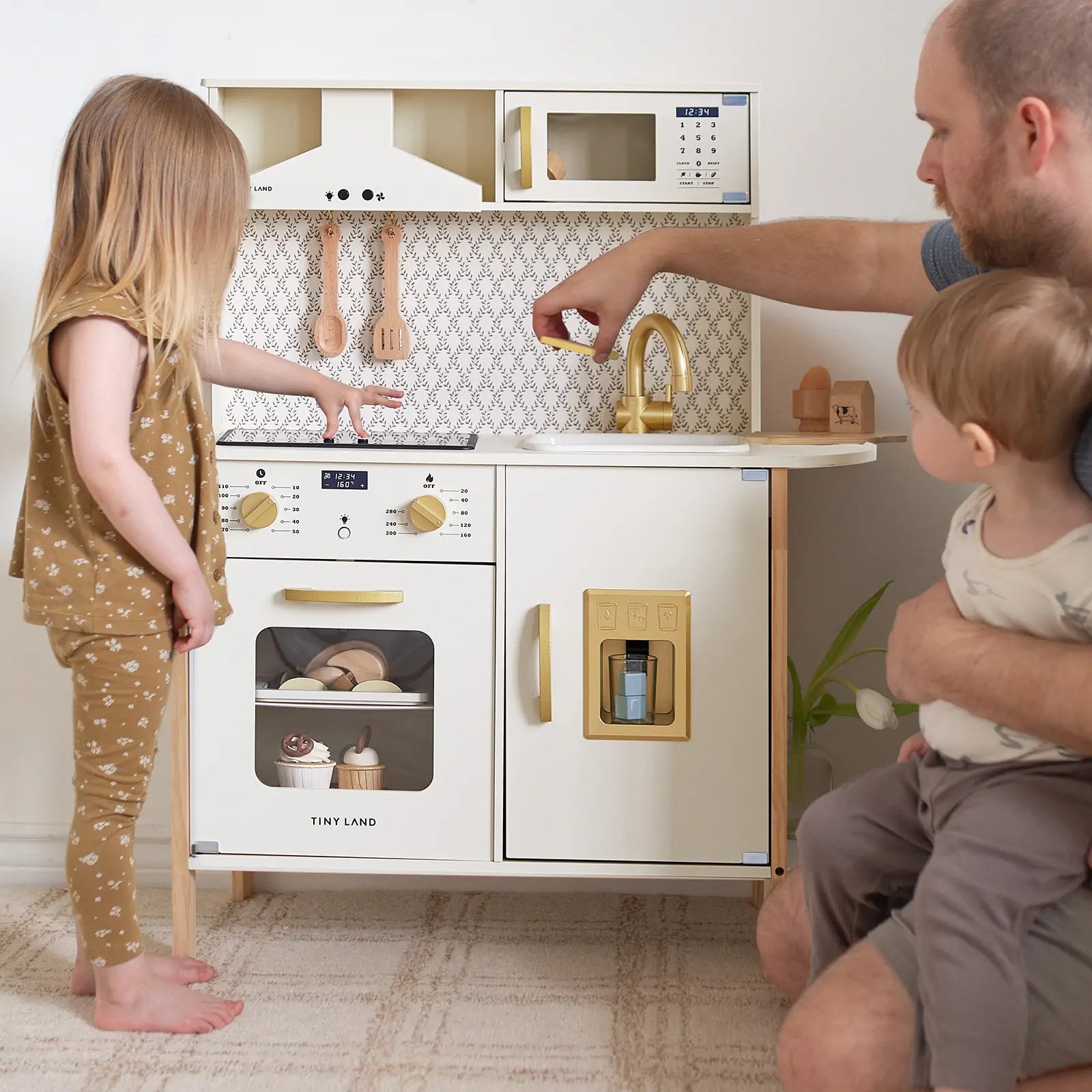
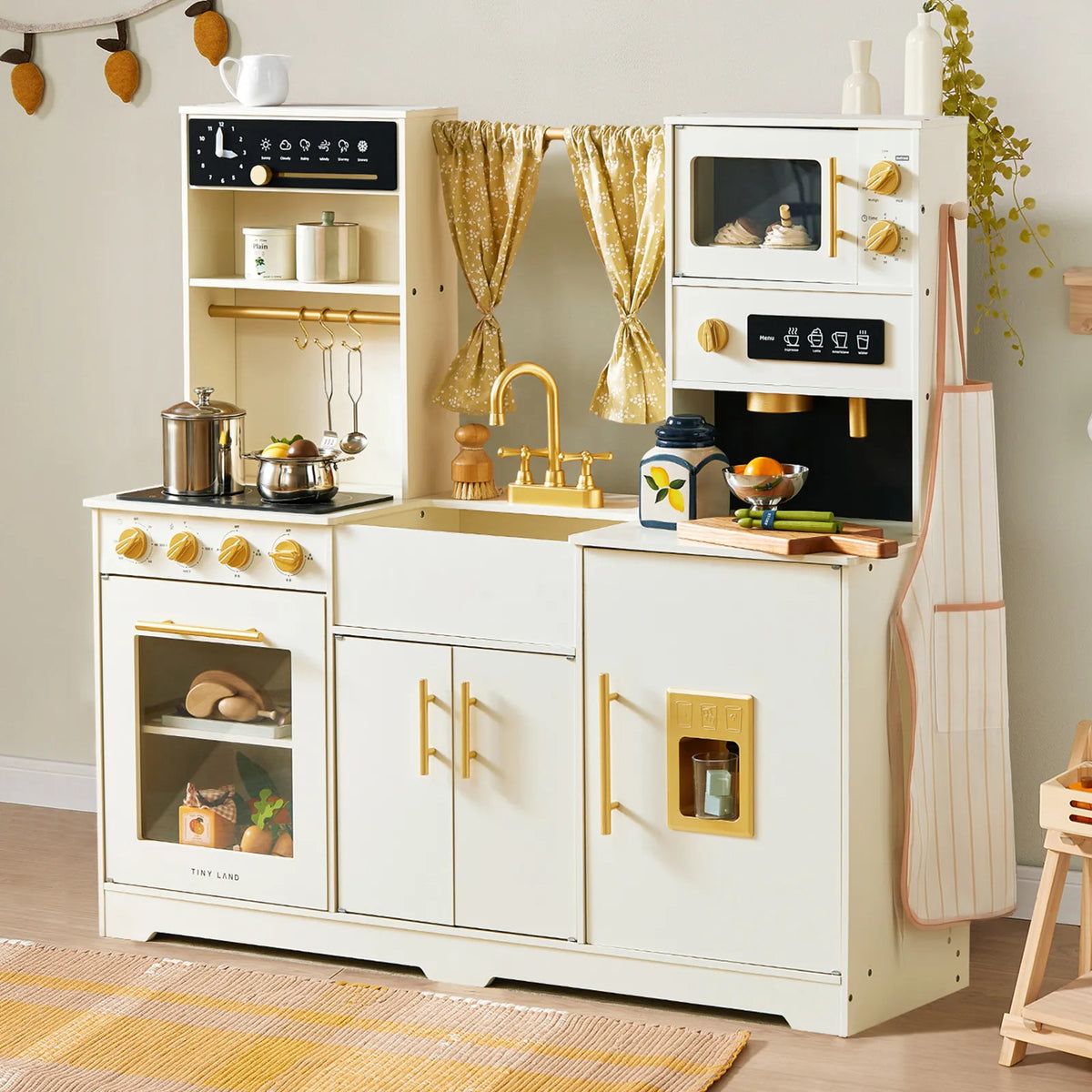
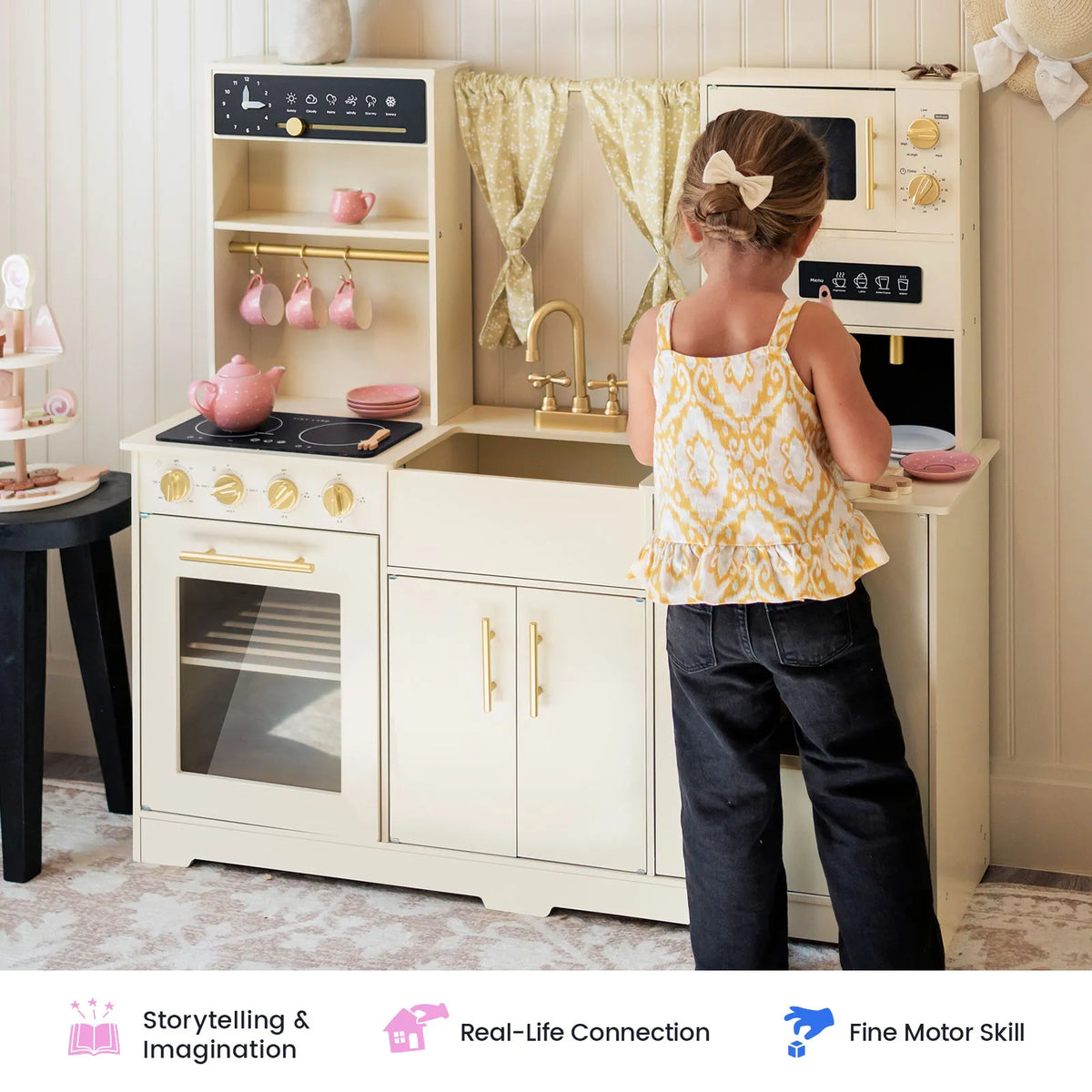
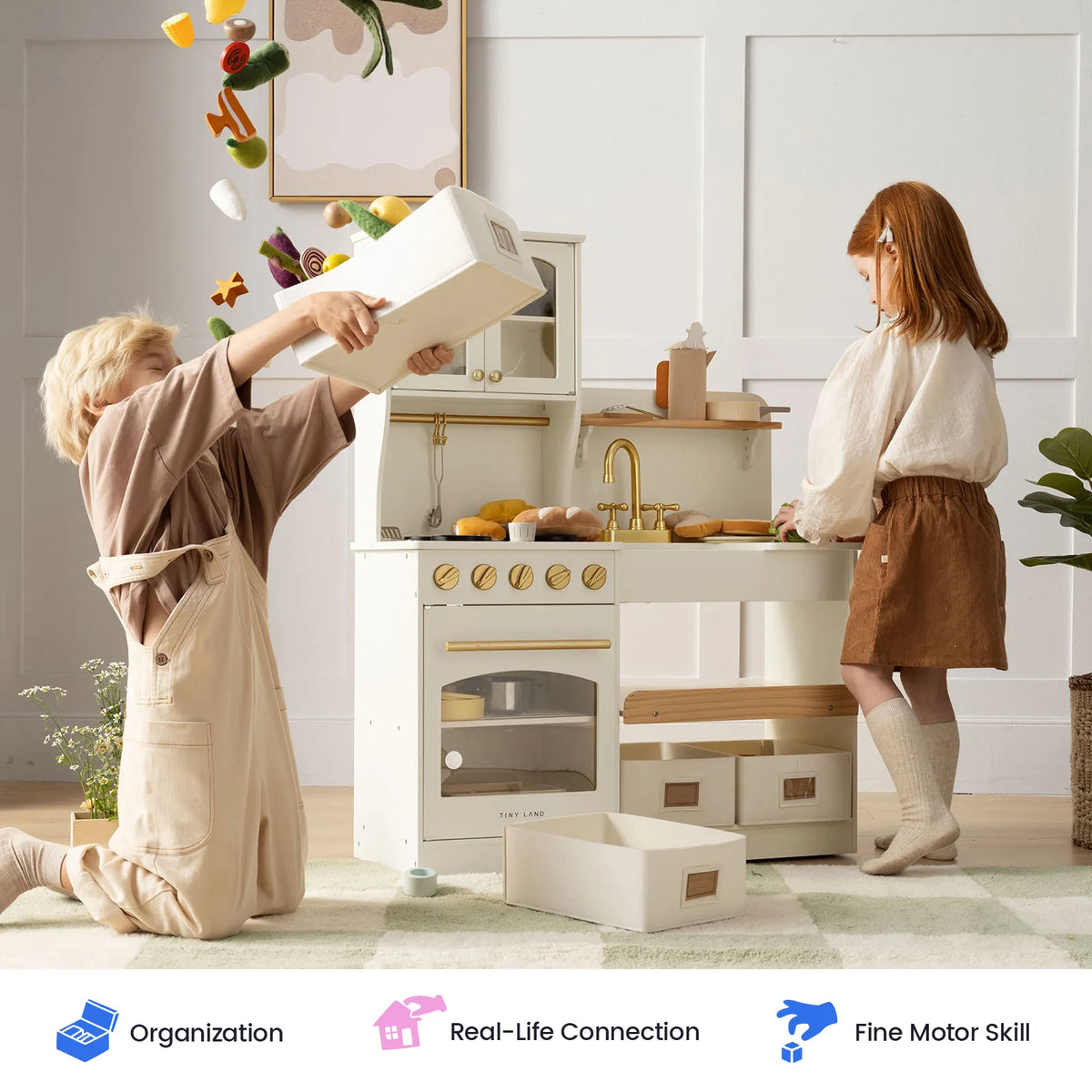
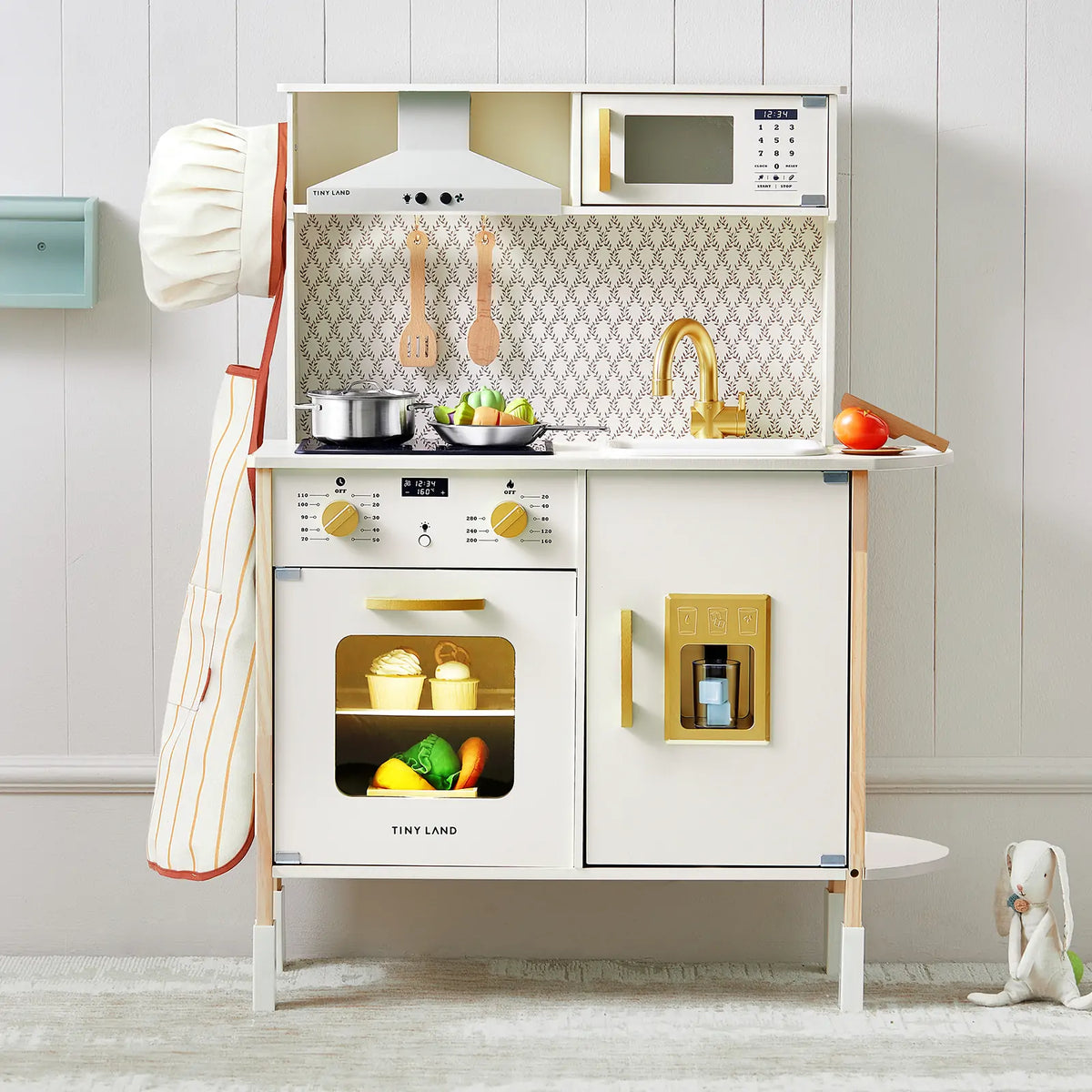
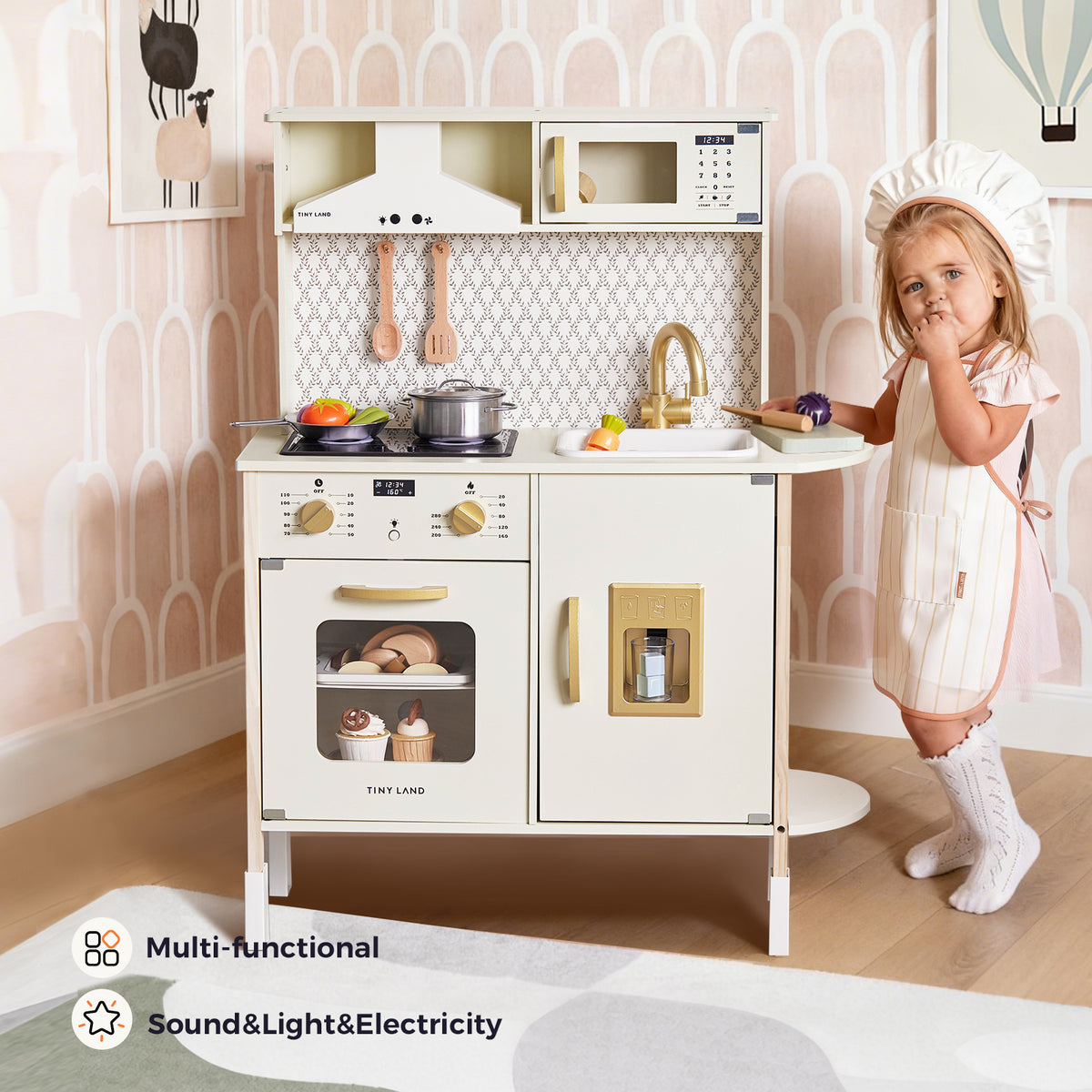
To support this type of open-ended play, a well-designed kitchen with accessible shelves and compartments helps children move freely between ideas. A setup like the: Wooden Play Kitchen with Storage allows kids to organize accessories themselves, encouraging independence while keeping play areas tidy.
These small design details make it easier for children to stay immersed in play and expand their child's imagination naturally.

How Play Pretend Supports Learning Without Pressure
When children play pretend, they explore ideas without fear of mistakes. There’s no right or wrong way to cook an imaginary meal or serve a pretend guest.
This type of play helps children:
- Test ideas freely
- Practice problem solving
- Develop creative thinking
Because play feels like a fun way to explore, children stay engaged longer and feel more confident trying new ideas.
Encouraging Role Playing With Family and Friends
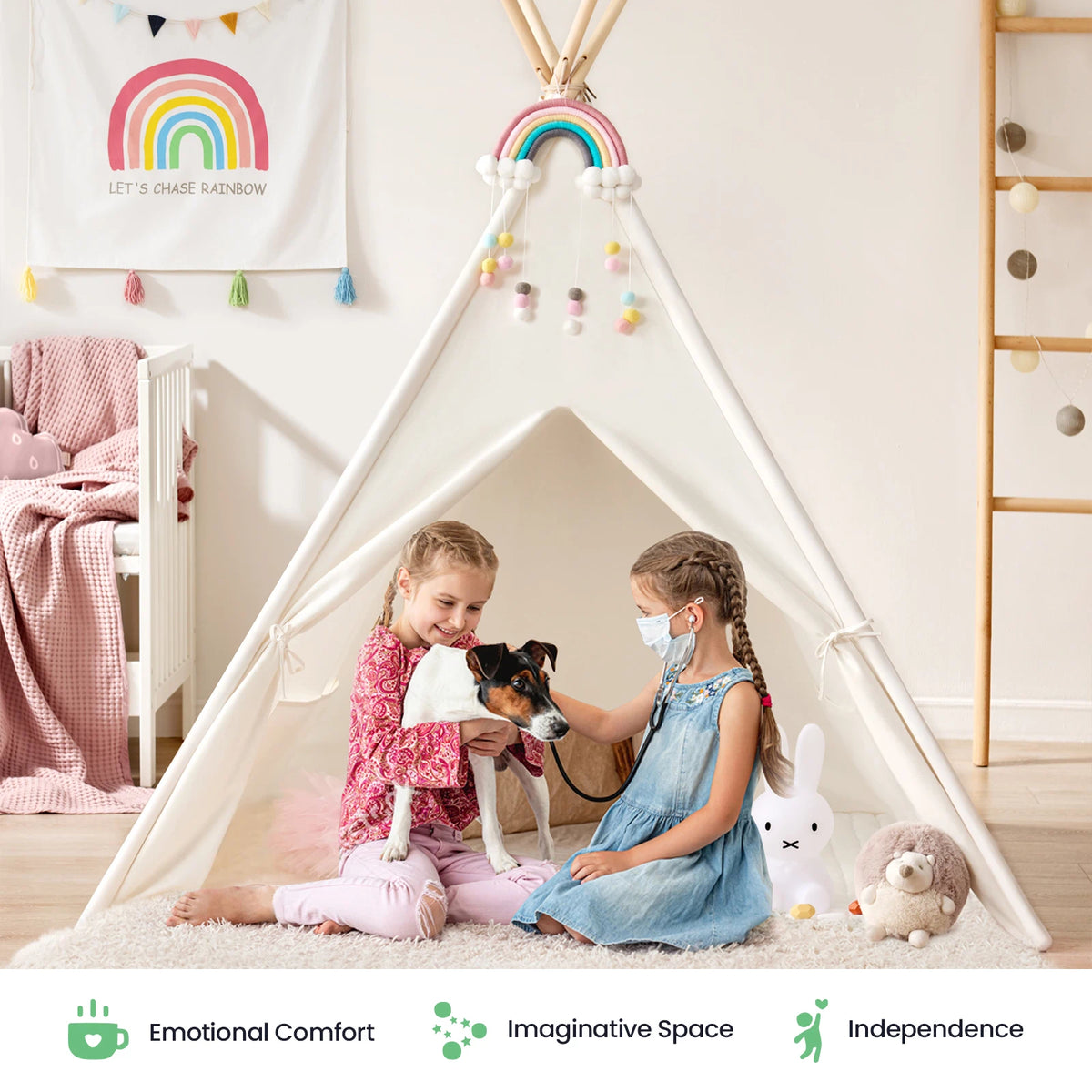
Kitchen play becomes richer when shared. Through role playing, children learn how people interact in everyday situations.
Common scenarios include:
- One child cooking while another serves
- Parents acting as customers
- Siblings taking turns leading
When children play with other children, they naturally practice turn-taking, communication, and early social skills. These shared moments also strengthen the parent child relationship, turning playtime into meaningful connection rather than supervision.

From Make Believe to Real-World Understanding
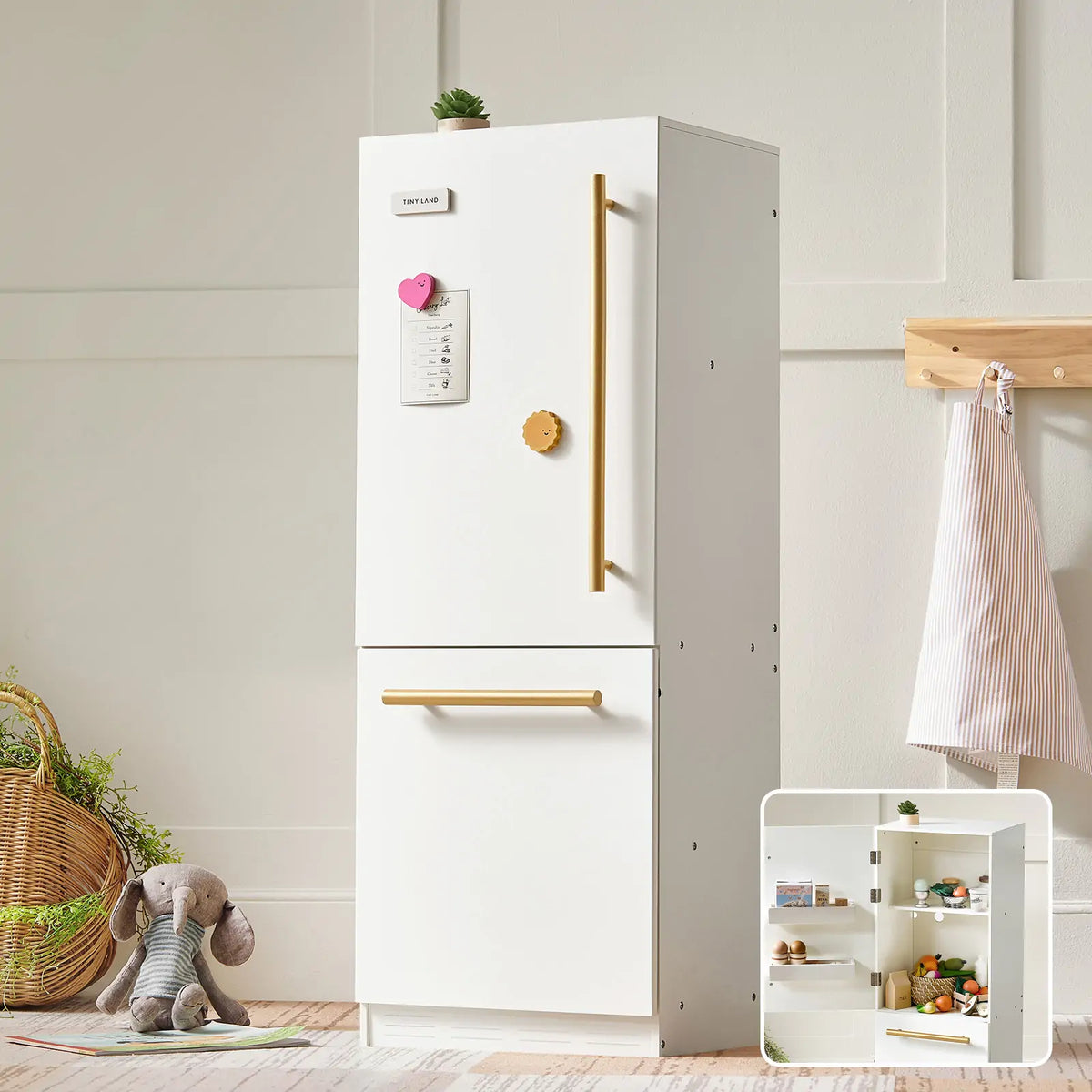
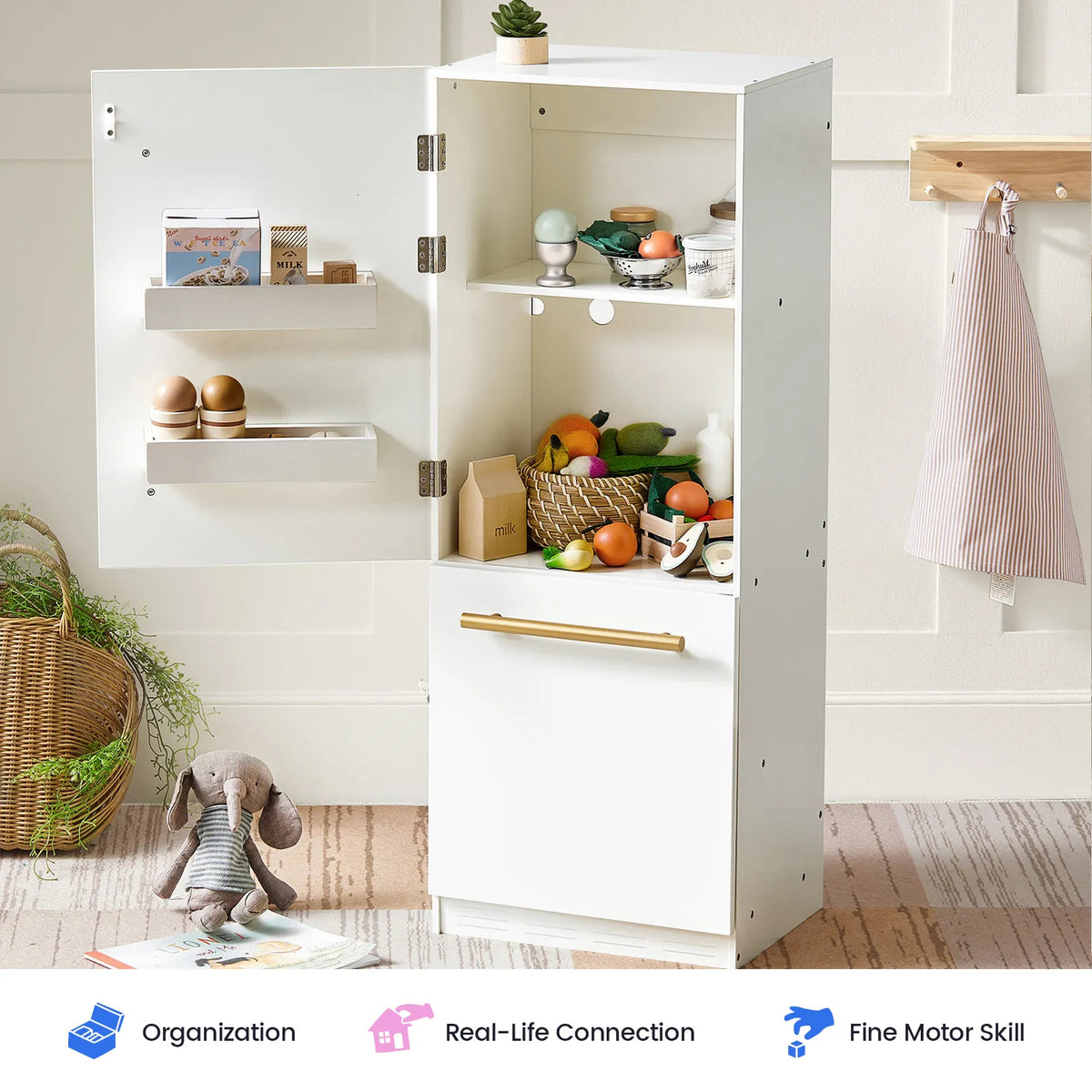
Pretend kitchens help children connect imagination with familiar routines. A fridge, oven, or sink represents real life activities children see every day.
A kitchen design that includes realistic features — like opening doors or food storage — makes this transition easier. For example, the Play Kitchen with Fridge helps children act out everyday moments such as storing groceries, preparing meals, and cleaning up afterward.
Children may:
- Feed a baby doll during pretend meals
- Copy what they see adults do at home
- Replay daily routines they’ve observed
Through make believe, children begin to learn responsibility, sequencing, and empathy in a natural, pressure-free way.

Setting Up a Kitchen That Encourages Independence
A thoughtful setup helps children feel capable and confident during play.
Simple tips:
- Keep accessories within easy reach
- Rotate items to refresh interest
- Let children decide how the space is used
When children feel encouraged to lead their own play, independence grows — and creativity follows.
Why Pretend Kitchens Help Kids Grow Together
Kitchen play often involves collaboration. Children talk, negotiate roles, and share ideas as they play.
Over time, this supports:
- Communication skills
- Emotional awareness
- Cooperative behavior
For kids, these early experiences build a strong foundation for teamwork, empathy, and confidence in group settings.

Final Thoughts: Small Play Moments, Big Impact
Pretend play kitchens don’t need complicated rules or constant direction. With simple setups and open-ended play, children gain confidence, imagination, and life skills naturally.
By choosing thoughtfully designed play kitchens and giving children the freedom to explore, families create everyday moments where play becomes learning — one pretend meal at a time.