


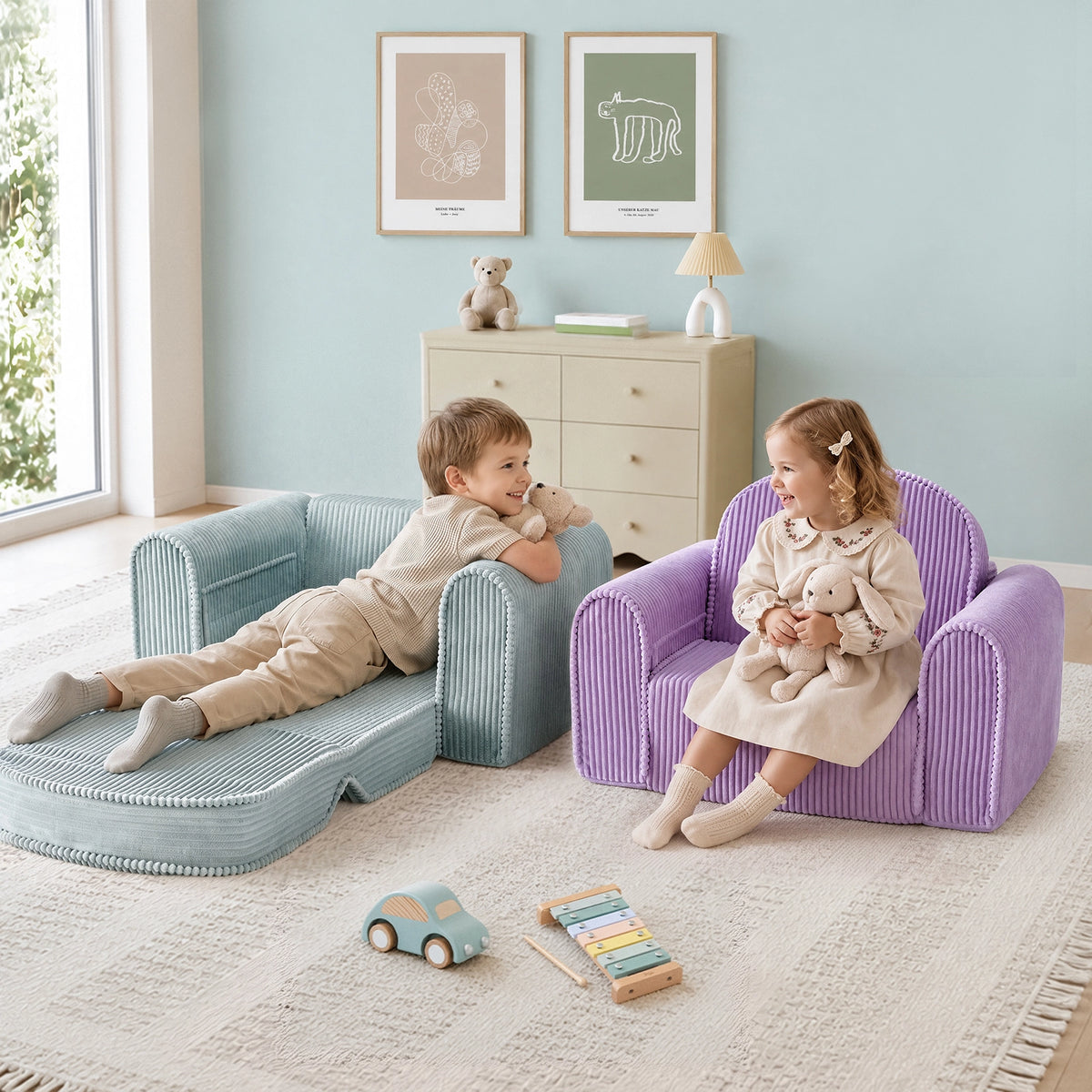

Living in a smaller home or apartment doesn’t mean your child has to miss out on meaningful play. With the right choices, even a compact corner can become a space where learning, creativity, and confidence grow every day. A thoughtfully designed play kitchen can offer rich developmental benefits without overwhelming your home.
For many parents, the key is choosing a toy that delivers lasting value, fits real living spaces, and supports how children naturally learn through play.

Why kids play kitchens Are Perfect for Small Homes
When space is limited, every toy needs to earn its place. A well-designed play kitchen does exactly that by combining learning, play, and organization in one compact setup.
Encouraging pretend play Without Creating Clutter
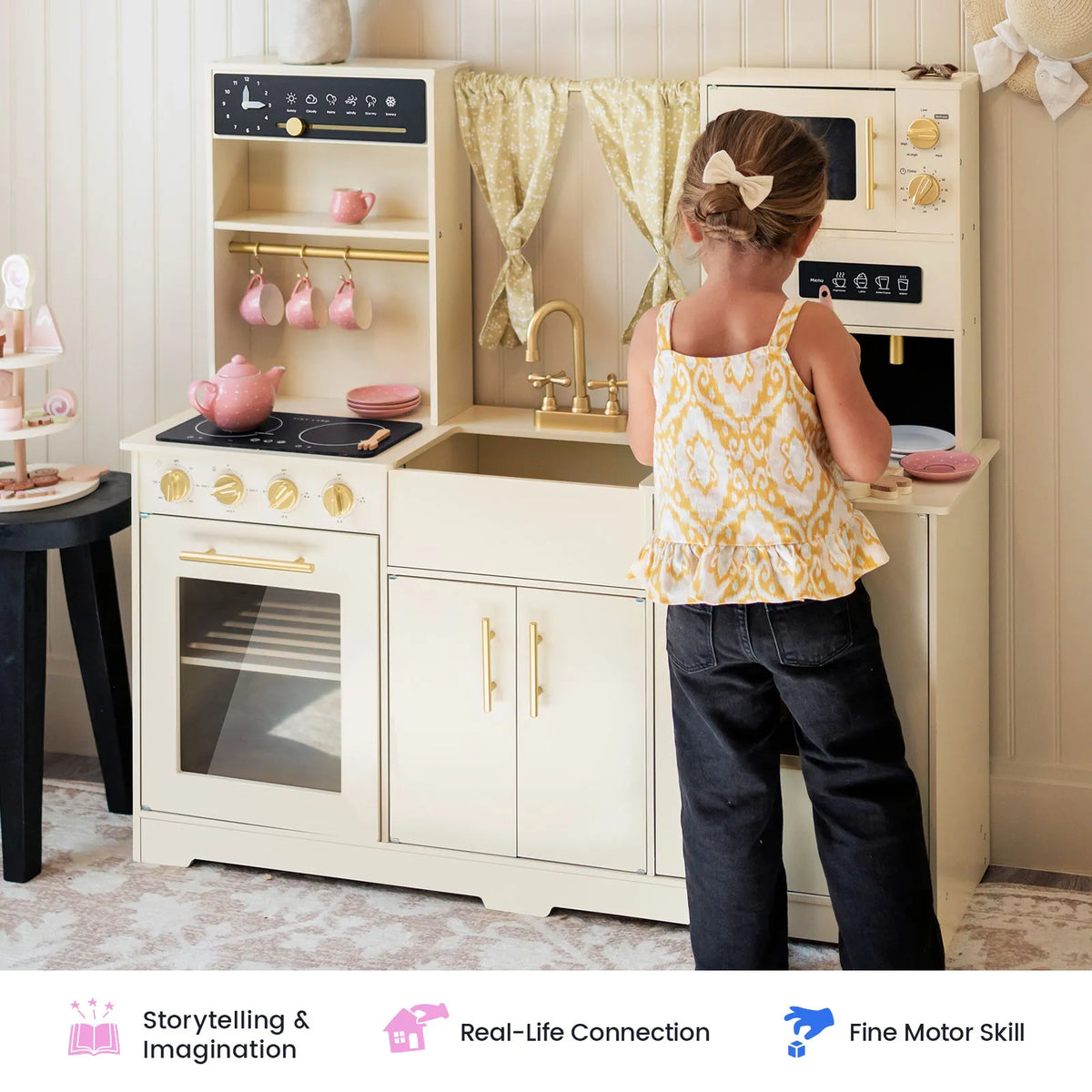
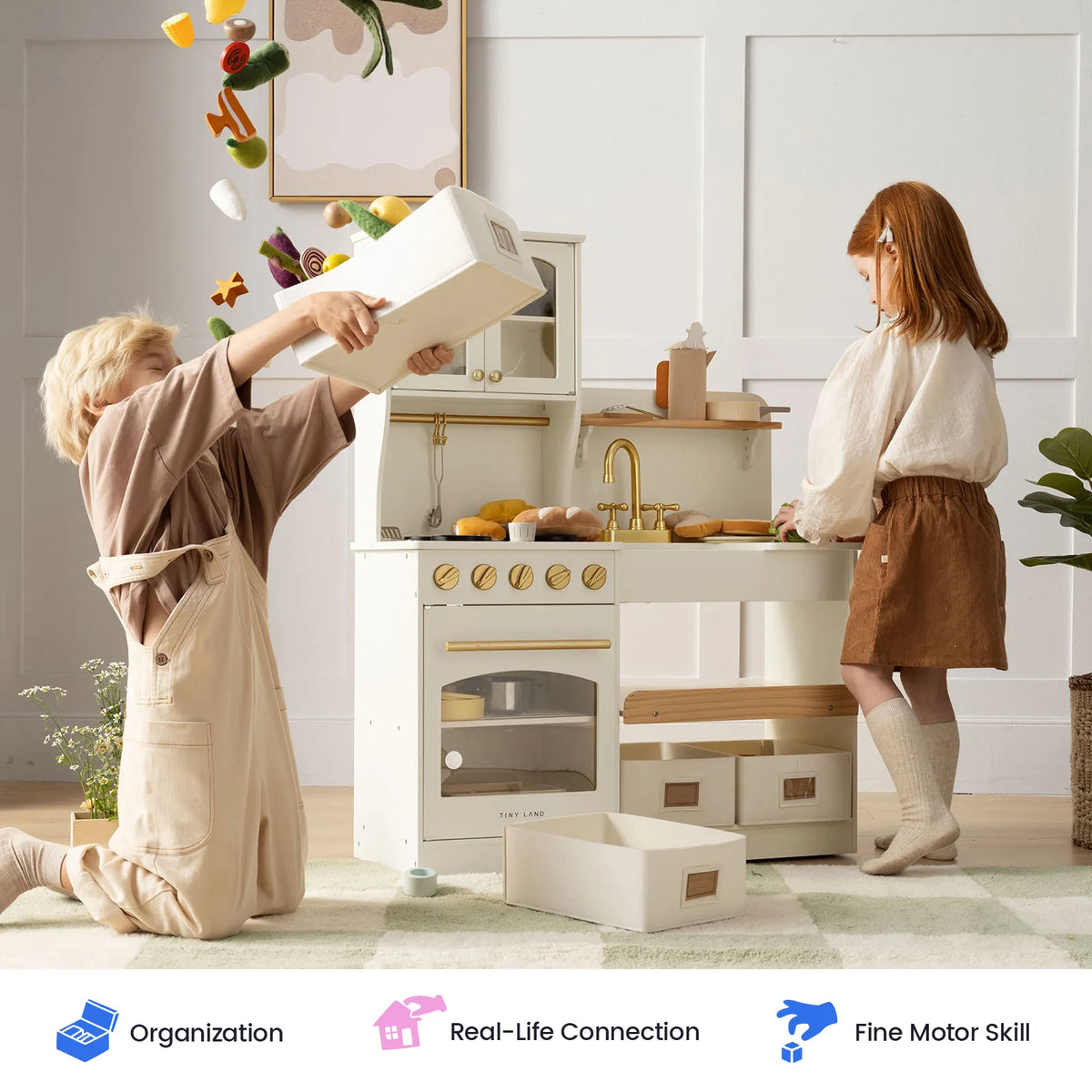
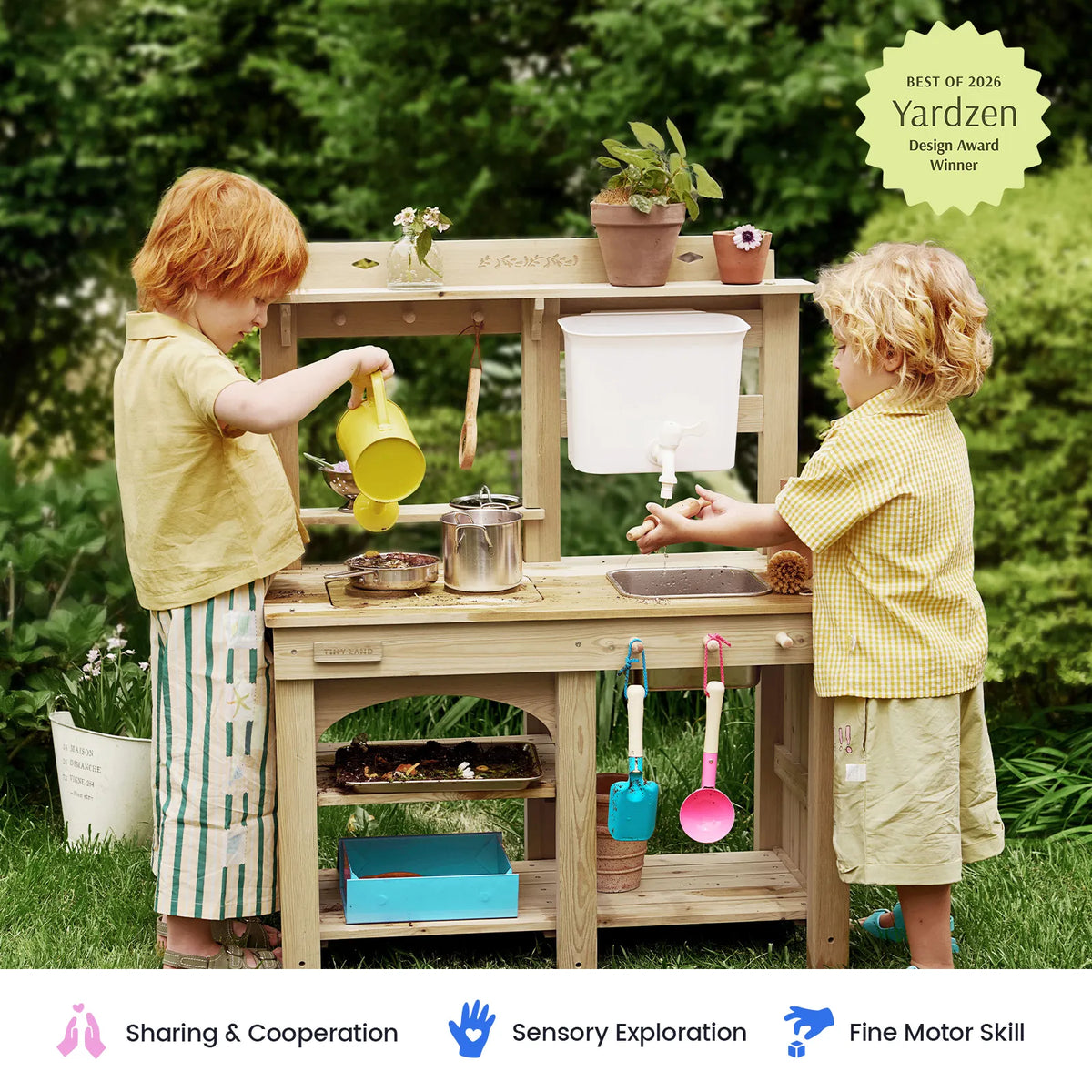
Pretend play helps children make sense of the world around them. In a play kitchen, children copy what they see at home—washing, preparing meals, and caring for others. This type of role play strengthens early communication and problem-solving skills while keeping play focused in one dedicated area.
Instead of multiple scattered toys, one play kitchen supports:
- Language development through conversation
- Cooperation and turn-taking
- Early independence
All without filling your home with clutter.

Why a wooden play kitchen Makes a Difference
Material quality matters even more when toys live in shared family spaces.
A wooden play kitchen offers durability and stability that parents can trust, especially in smaller homes where toys are used daily and often shared by siblings. The solid construction helps the kitchen feel secure during play, while the smooth surfaces make it comfortable for everyday use.
Parents often notice that children treat well-made toys with more care, which encourages longer-lasting engagement and respect for their belongings.

How imaginative play Supports Real-Life Skills
Children don’t just play—they practice life through play.
Through imaginative scenarios, children learn to express ideas, solve small challenges, and explore emotions. Acting as a little chef, your child may plan meals, explain recipes, or invite others to join, all of which strengthen early communication and confidence.
Over time, this kind of play supports:
- Emotional expression
- Decision-making
- Independent thinking
These skills develop naturally, without pressure or instruction.

Choosing the Right play kitchen accessories for Small Spaces
Accessories should add value, not overwhelm your home.
The Role of play food and Simple Tools
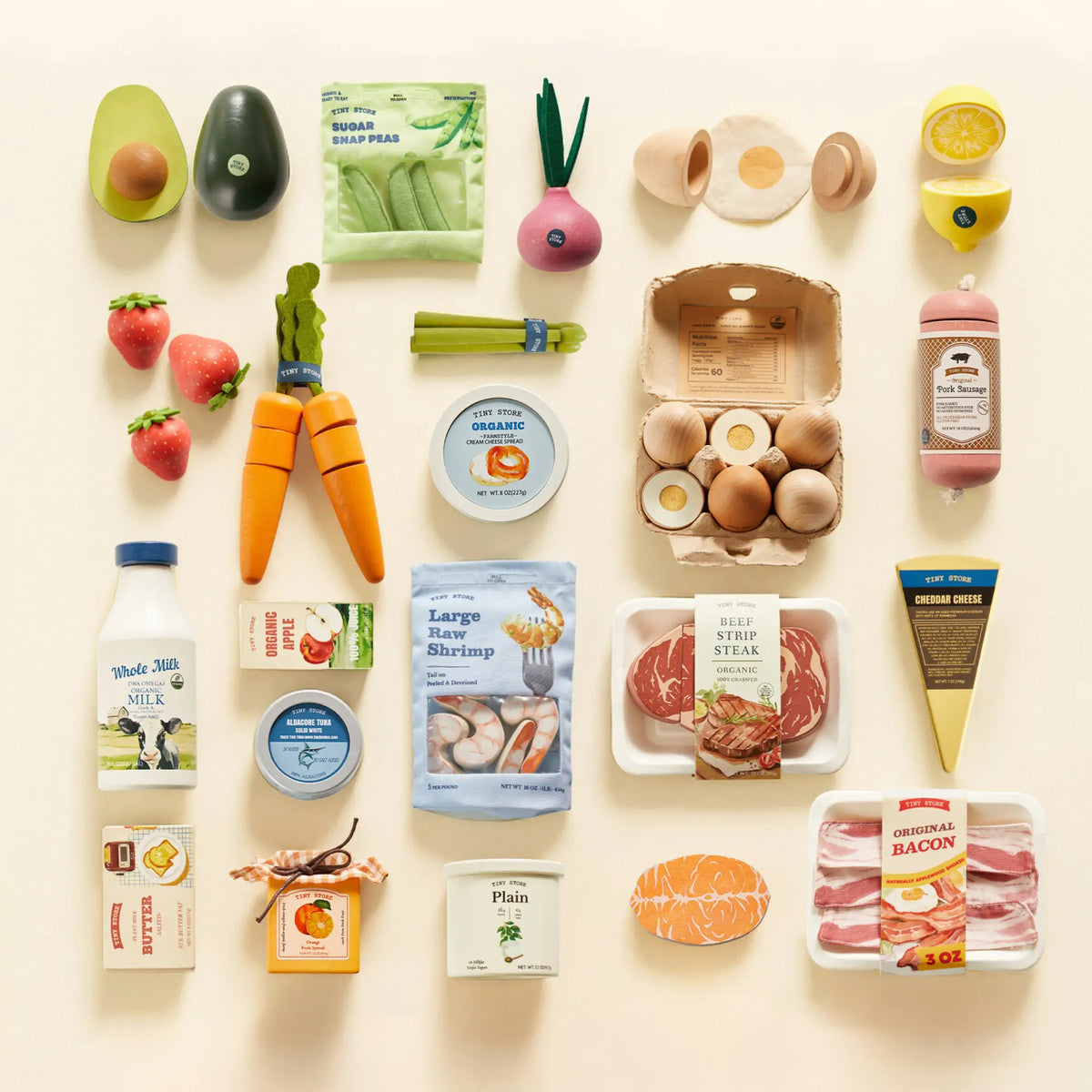
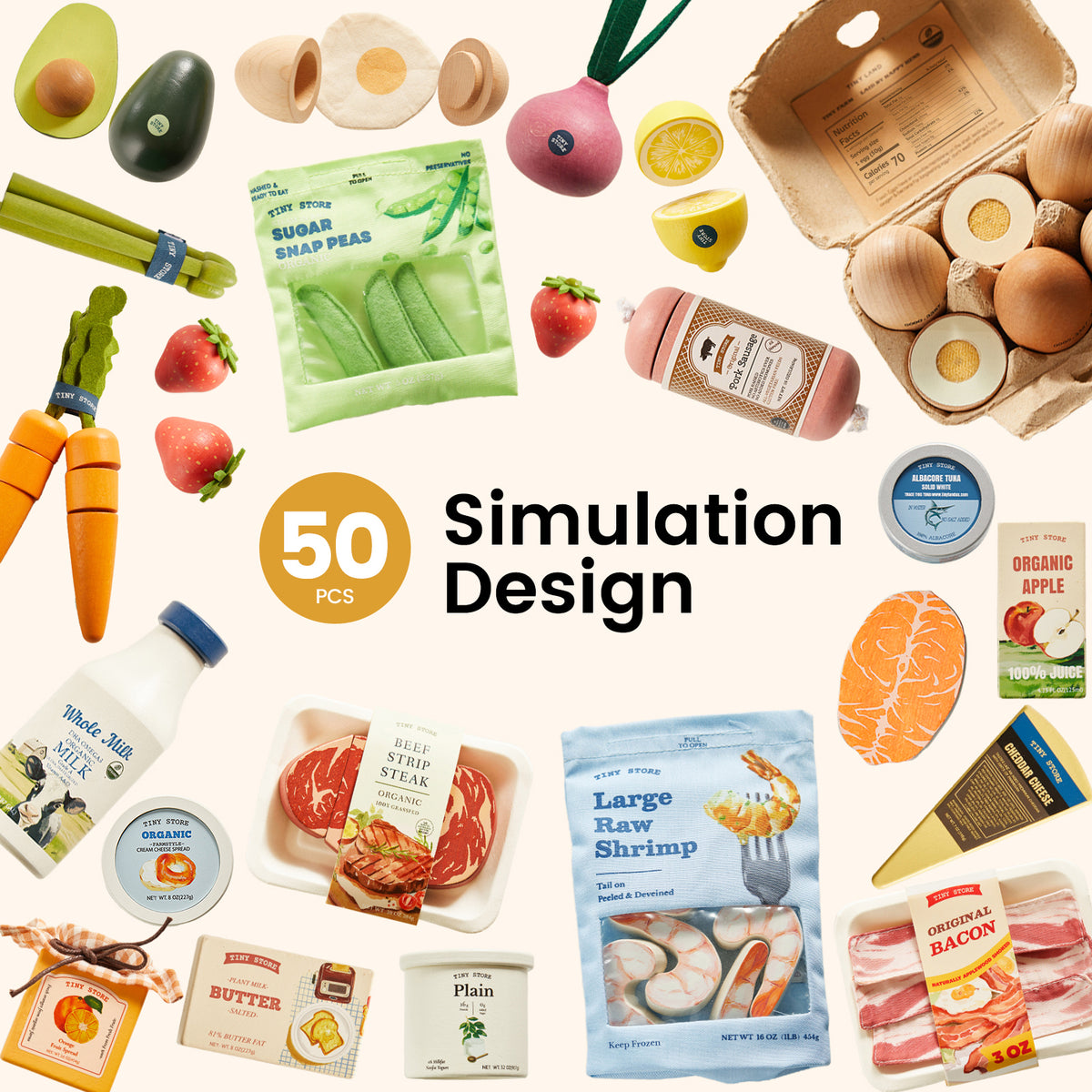
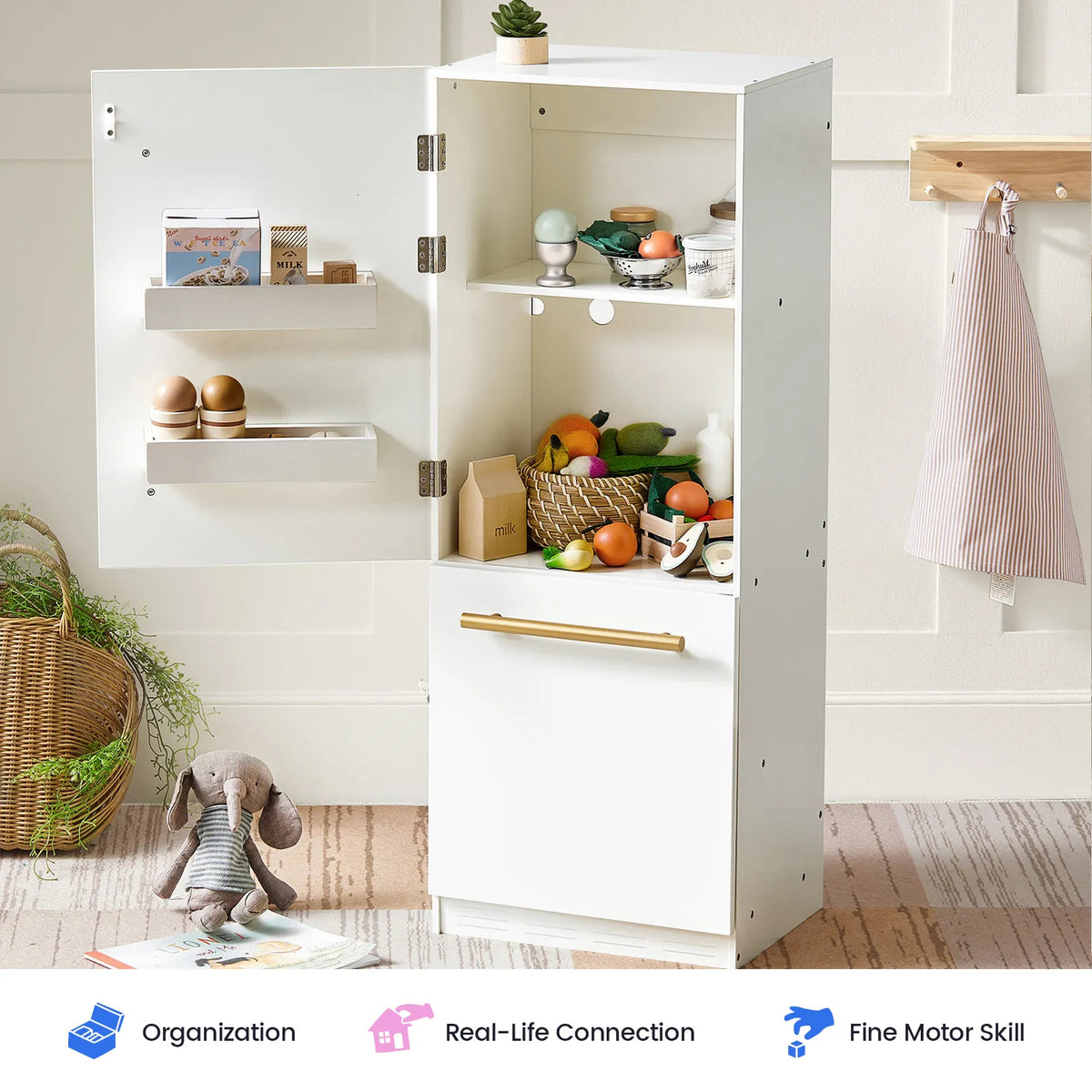
A small, thoughtful selection of play food allows children to explore everyday routines like preparing meals or setting the table. Fewer pieces often lead to deeper play, helping children focus on stories and interactions rather than distractions.
Why fun accessories Matter More Than Quantity
Accessories that are easy to store and simple to use encourage children to return to the play kitchen again and again. Items like cups, utensils, or small pots give children just enough structure to inspire creativity without taking over the room.

Learning Together: Play That Involves the whole family
One of the most meaningful benefits of a play kitchen is how it brings families together.
Children often invite grown ups to join their games—serving meals, explaining recipes, or assigning roles. These shared moments help strengthen bonds and build trust, while giving parents a window into how their child thinks and communicates.
Play kitchens often become a natural gathering spot where siblings and parents connect through everyday stories.
A Thoughtful Example for Small Homes
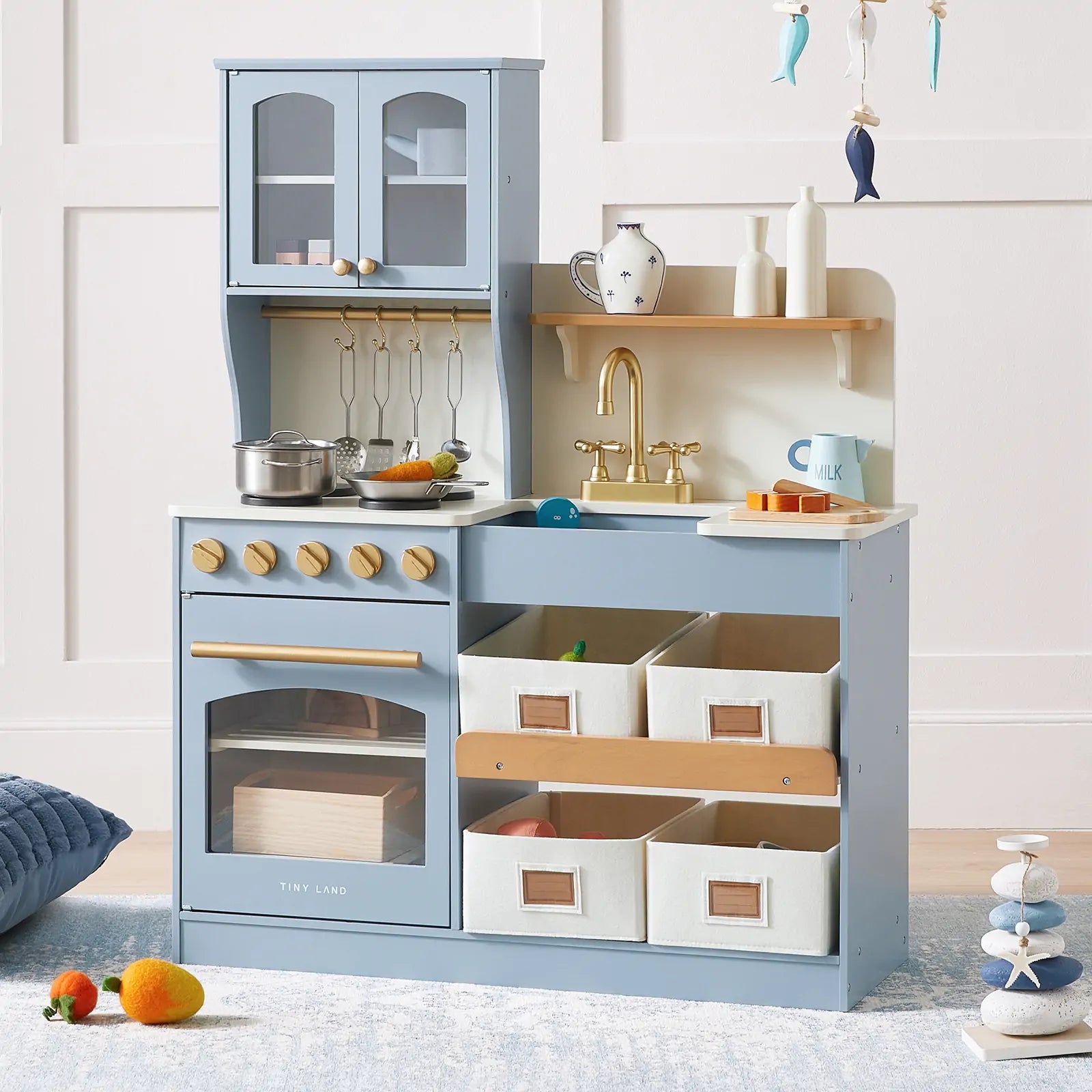
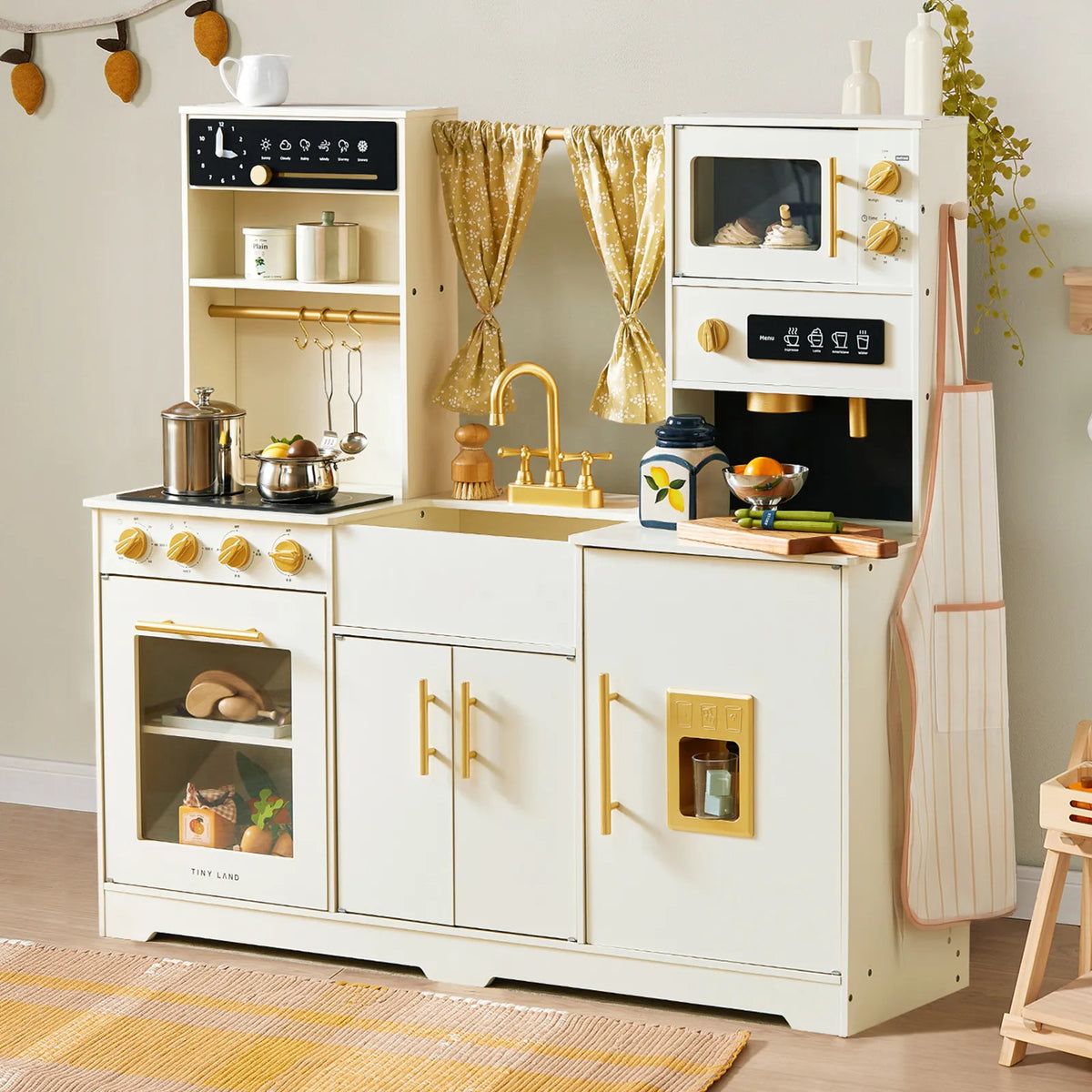
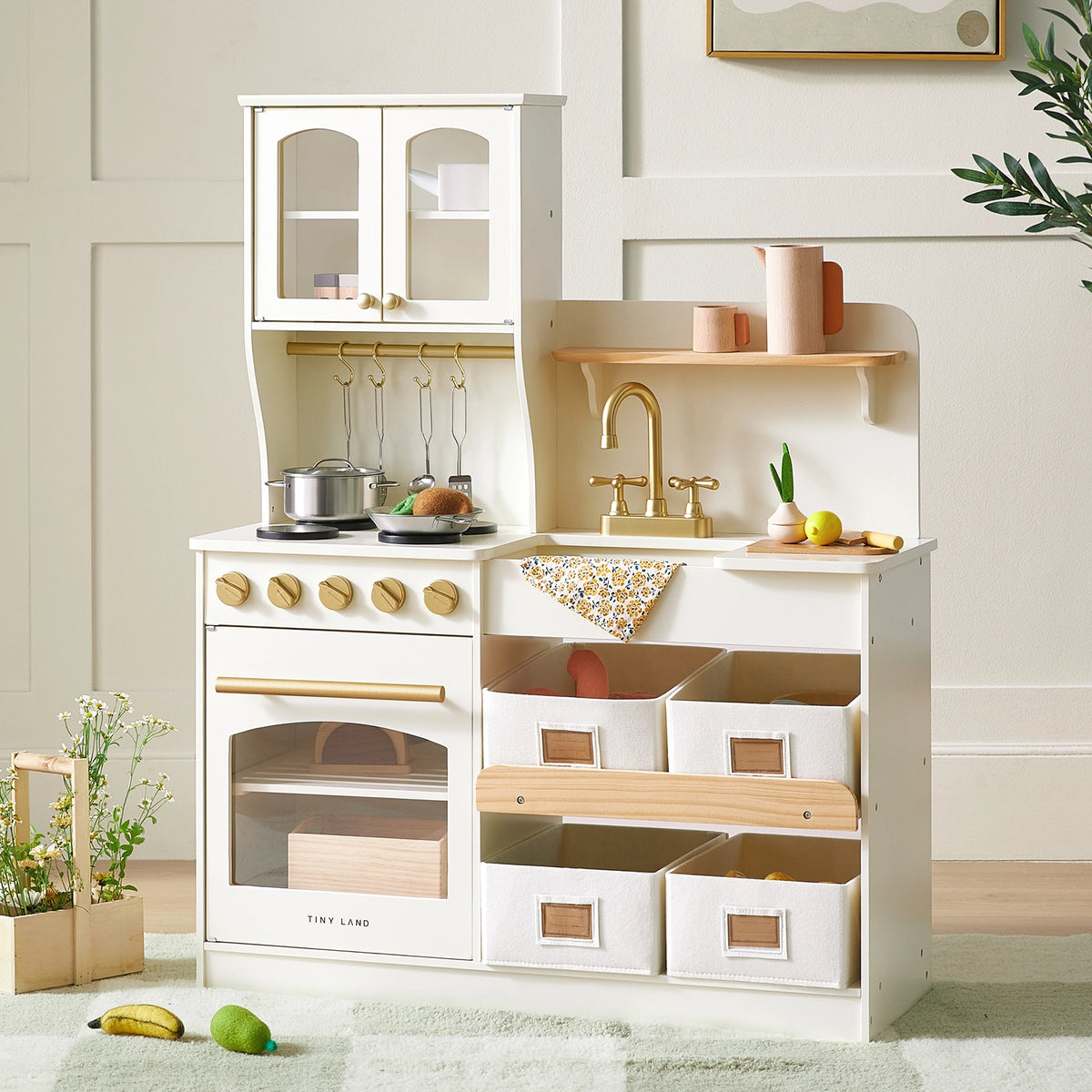
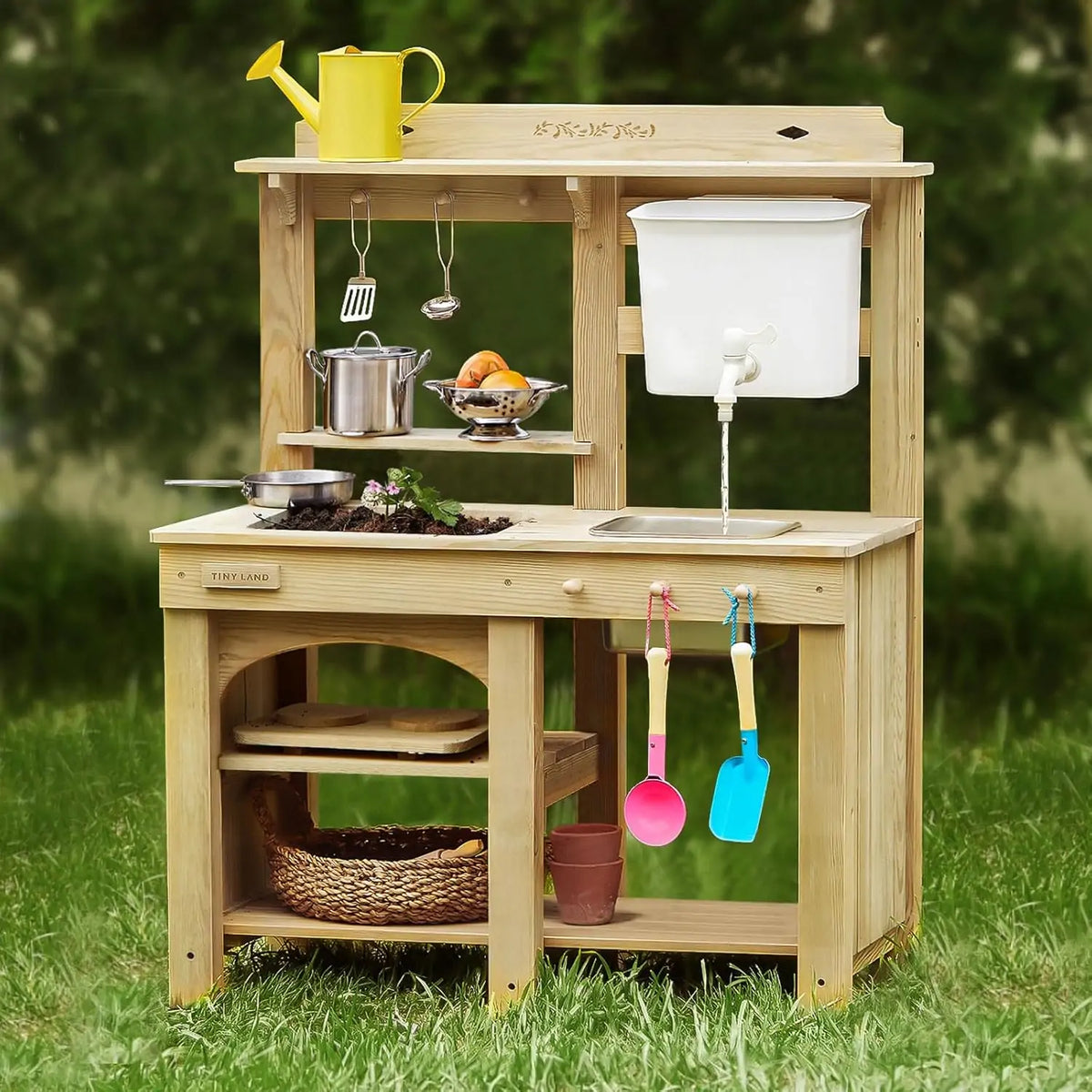
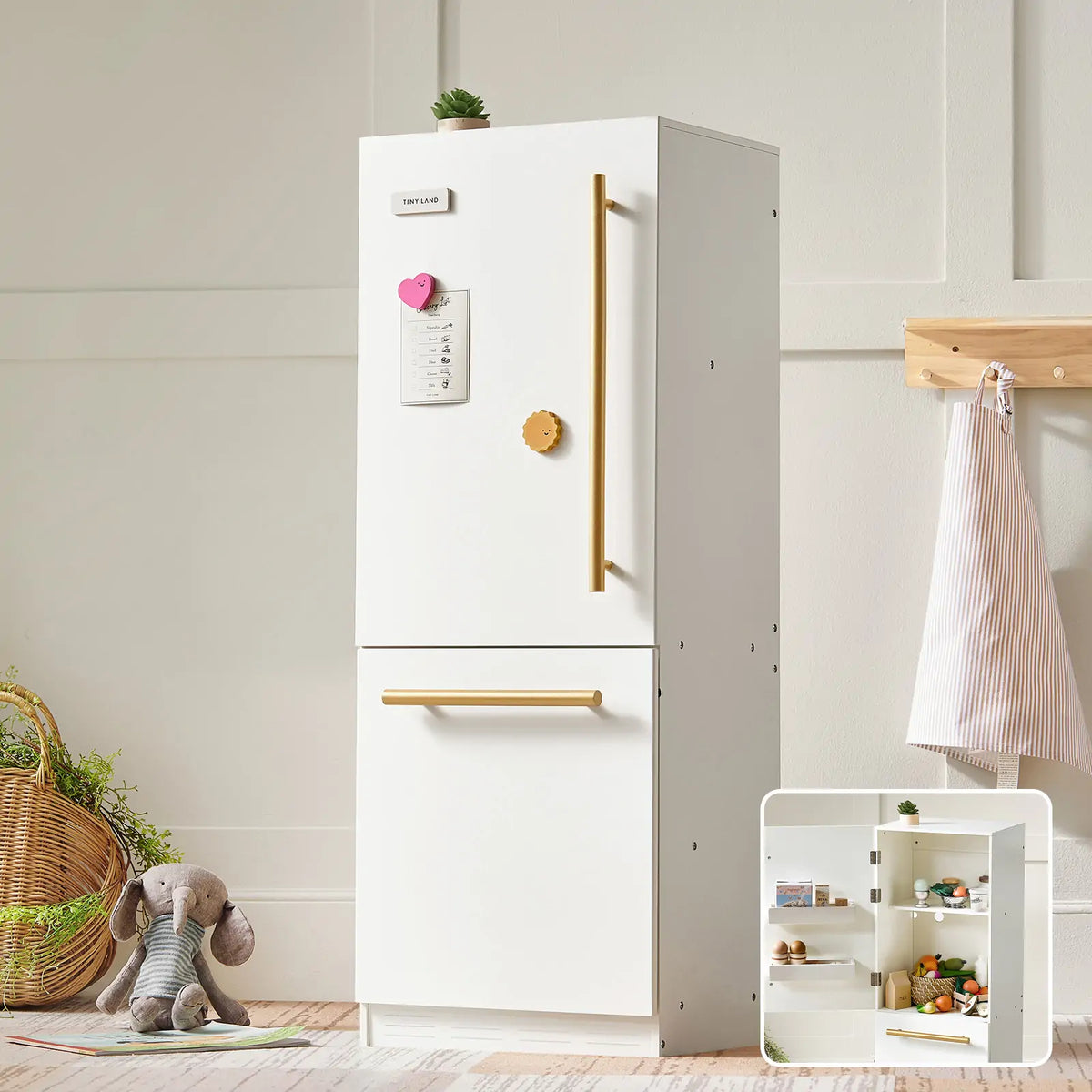
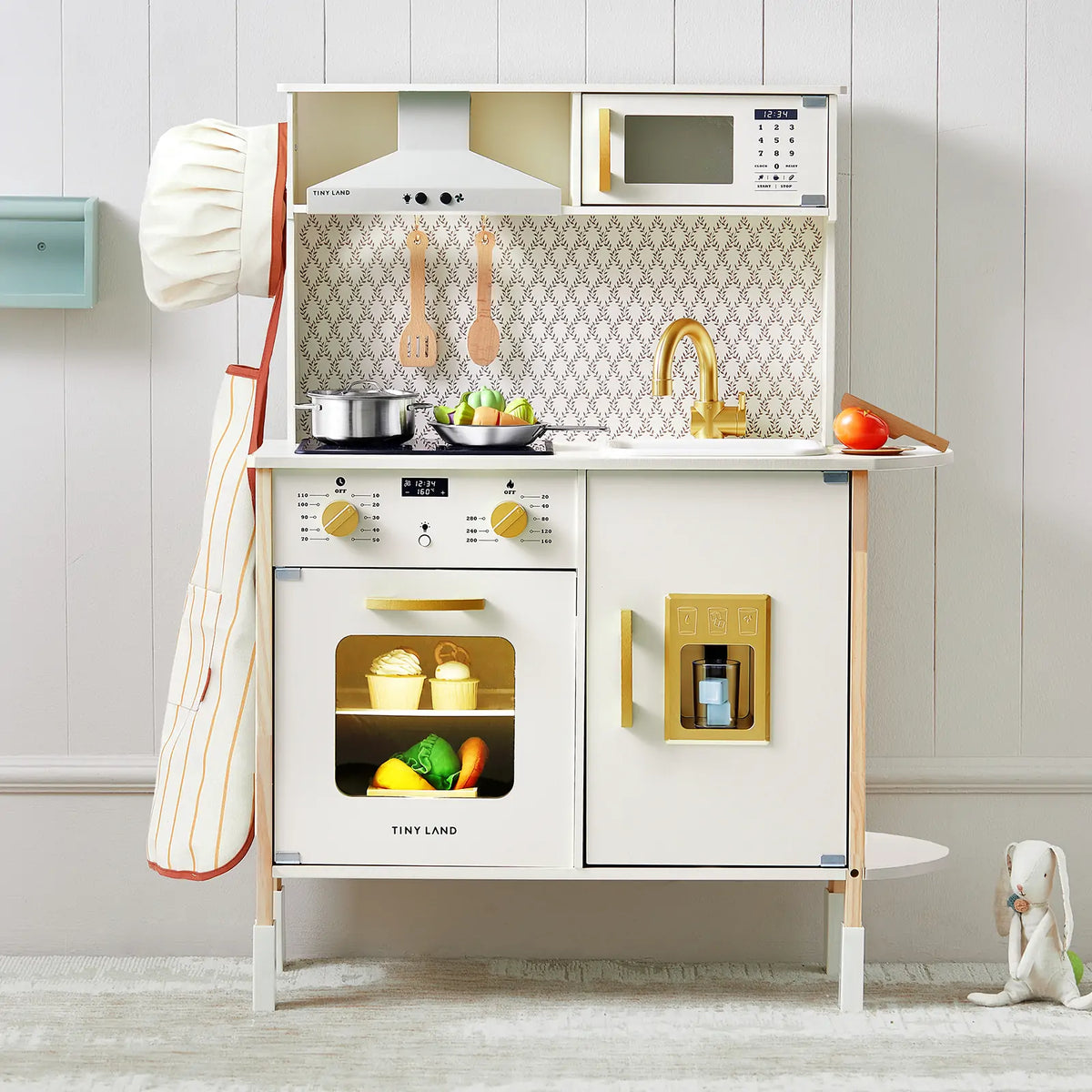
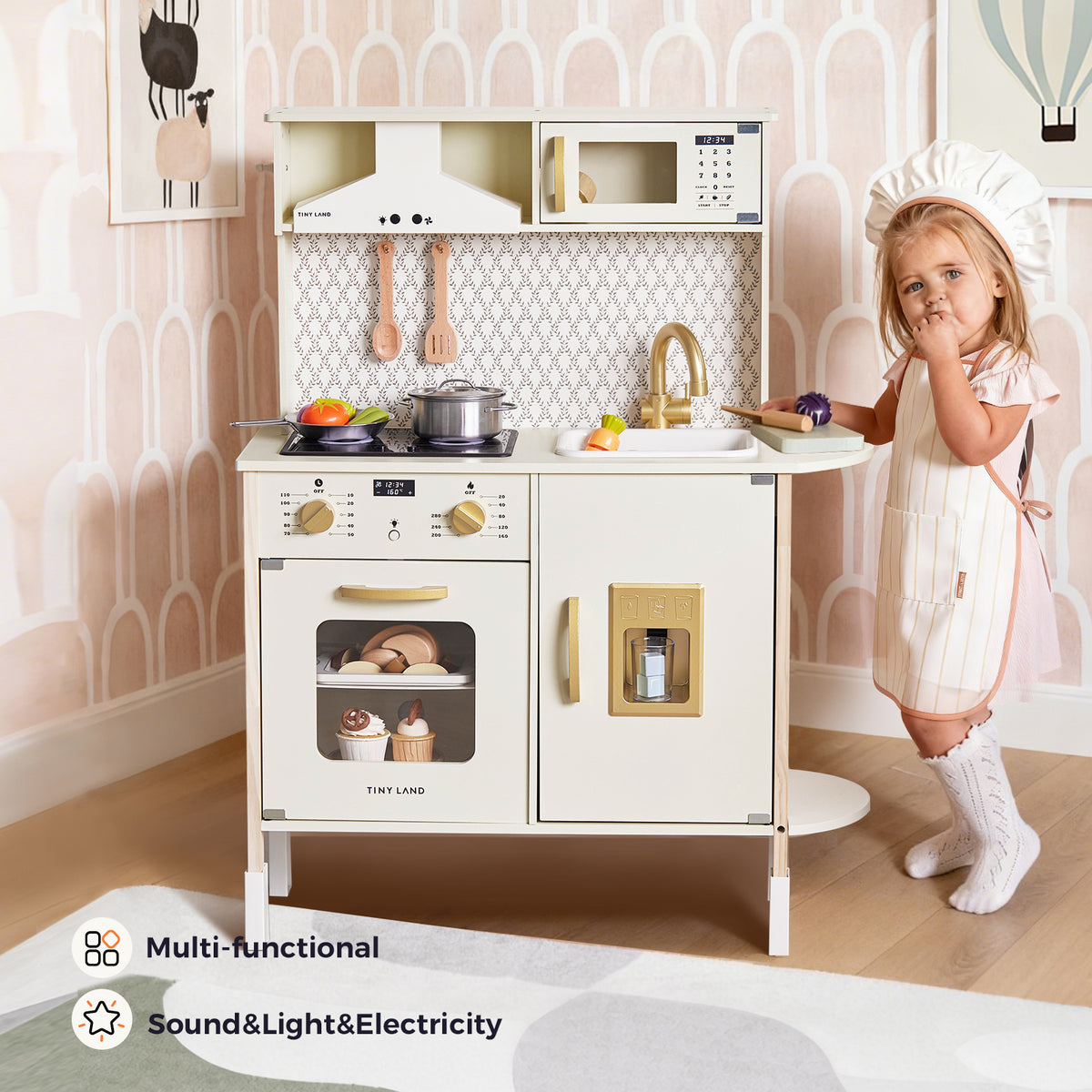
For parents looking for a compact, well-designed option, Tiny Land’s play kitchen is created specifically with small spaces in mind. Its balanced design and great quality materials support daily play while fitting comfortably into apartments or shared living areas.
Many parents appreciate how its clean look feels super cute without dominating the room, making it easy to place in a bedroom, living room, or play corner.
View Tinyland Interactive Play Kitchen here
- Safe & Eco-Friendly Materials: Crafted from non-toxic, BPA-free wood using child-safe paints, exceeding US ASTM F-963 and EU EN-71 safety standards.
- Compact, Small-Space Design: Slim footprint makes it ideal for apartments, nurseries, and small play areas.
- Interactive & Realistic Play Features: Includes lifelike cooking sounds, lights, and fully playable components to support immersive pretend play and cognitive development.
- Grows With Your Child: Adjustable height design for ages 3–7, encouraging independence, creativity, and long-term play value.

Helping Children Learn to cook Through Play
Pretend cooking isn’t about following recipes—it’s about exploration.
Children experiment with sounds, movements, and stories while pretending to cook. These moments strengthen creativity and allow children to test ideas freely, building confidence as they go.
Simple kitchen routines help children understand sequence, responsibility, and cooperation, all while having fun.
Why kitchen sets Encourage Social Growth
A play kitchen naturally invites interaction.
Whether playing alone or with others, children practice sharing, listening, and responding—key foundations of social skills. Over time, these interactions help children learn how to express needs, negotiate roles, and collaborate with others.

Small Space, Big imagination
A play kitchen doesn’t need to be large to make a big impact. With the right design and thoughtful accessories, it can support learning, confidence, and connection every day.
Choosing a well-made play kitchen for a small space isn’t about filling your home—it’s about creating meaningful moments where children can grow, explore, and enjoy play that truly lasts.