
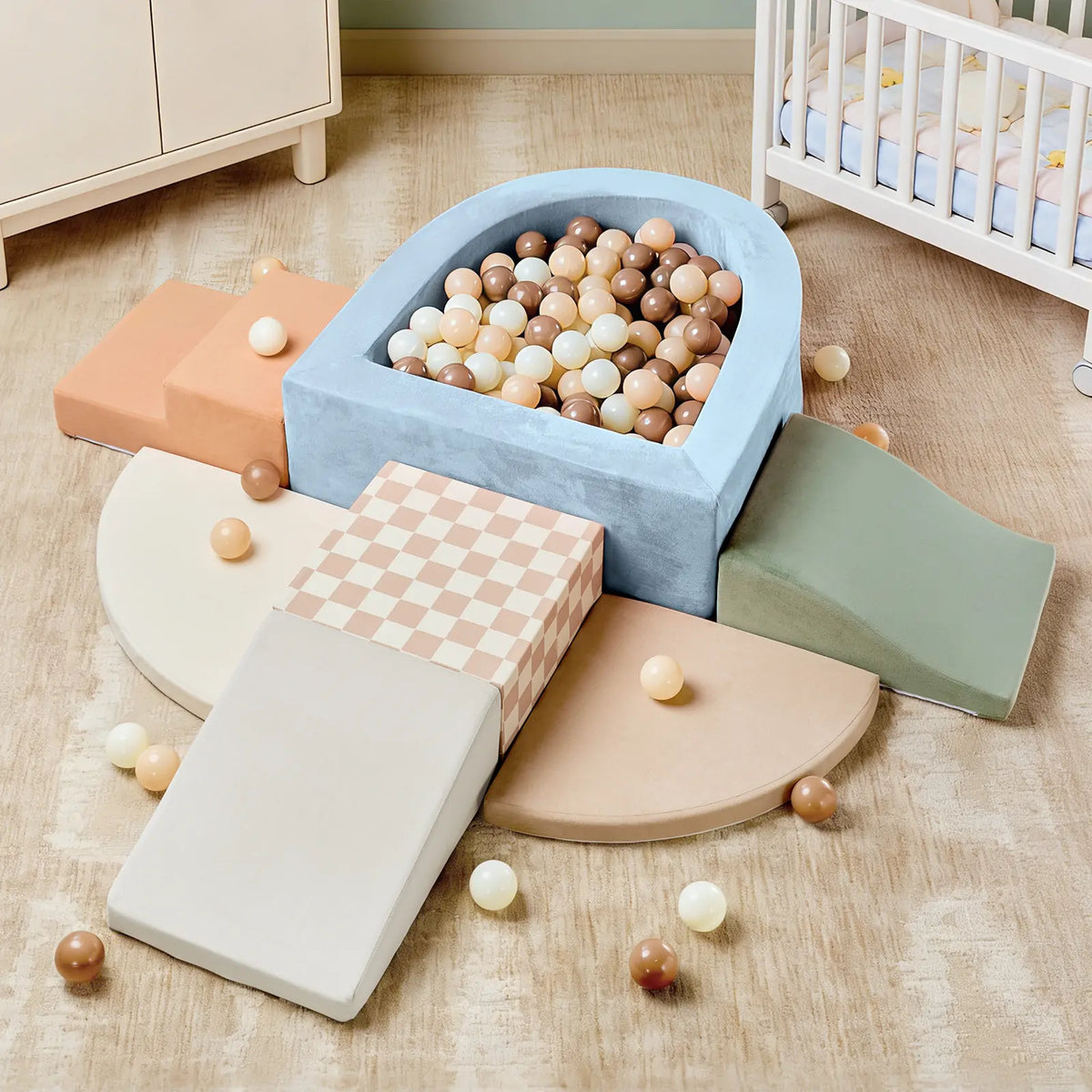

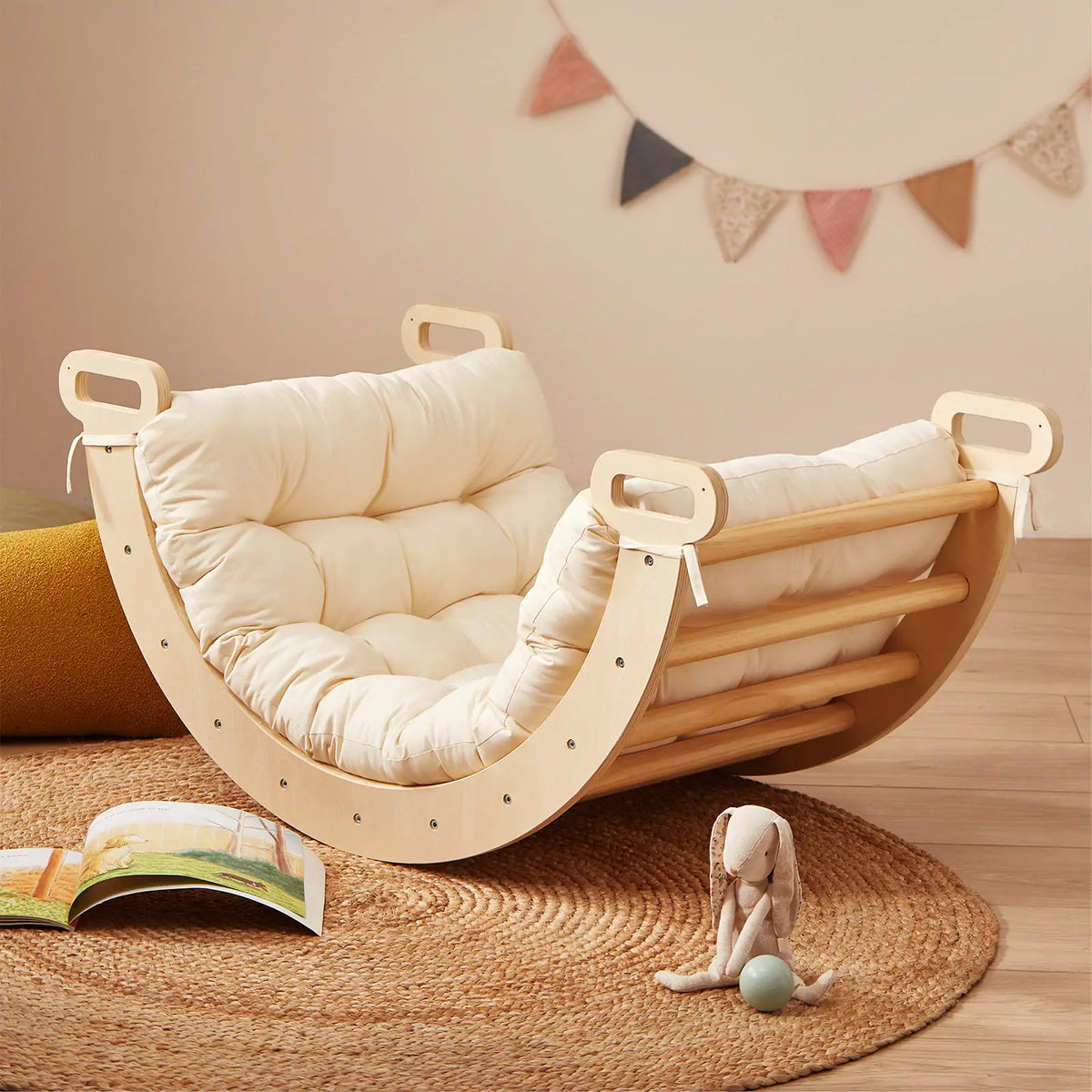
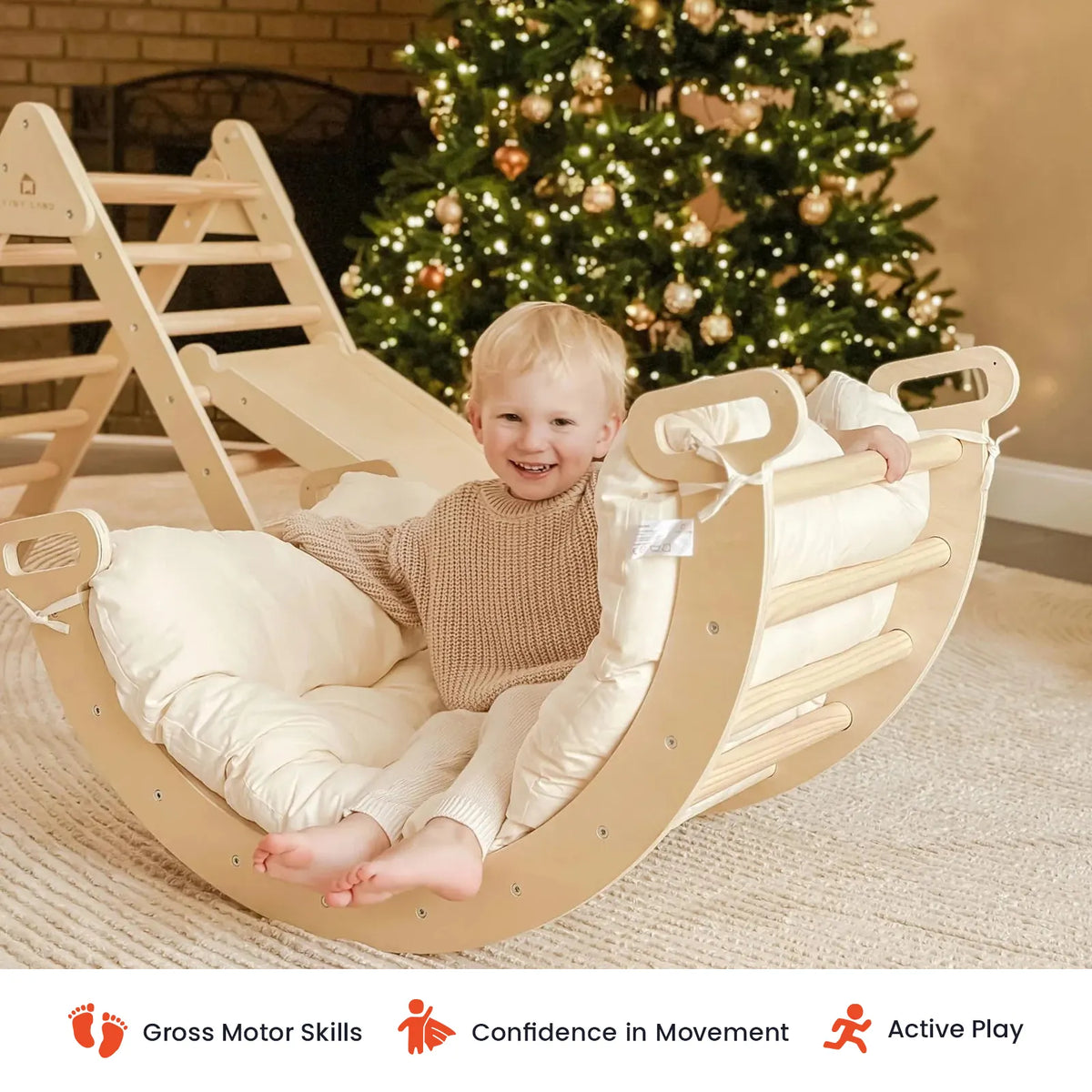
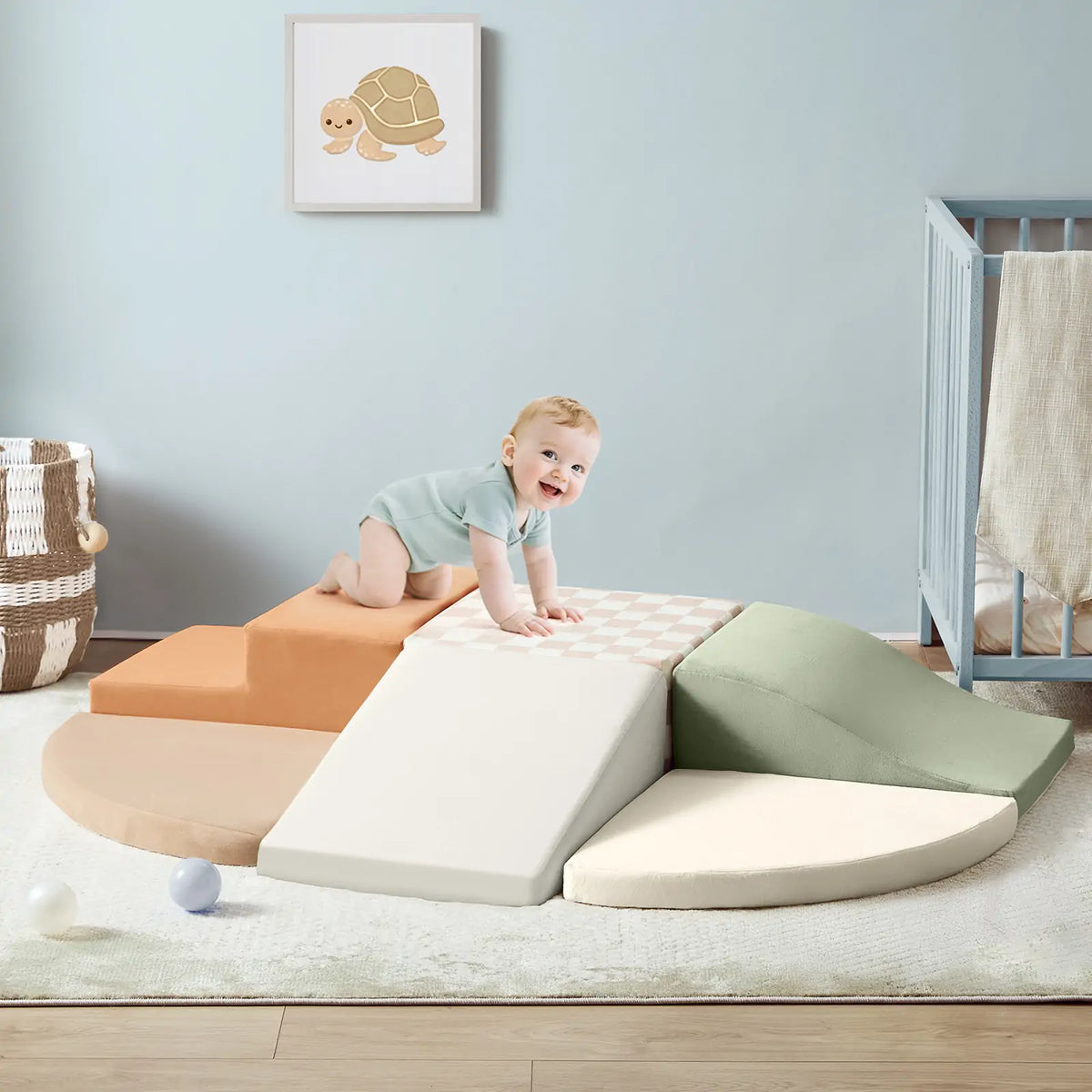
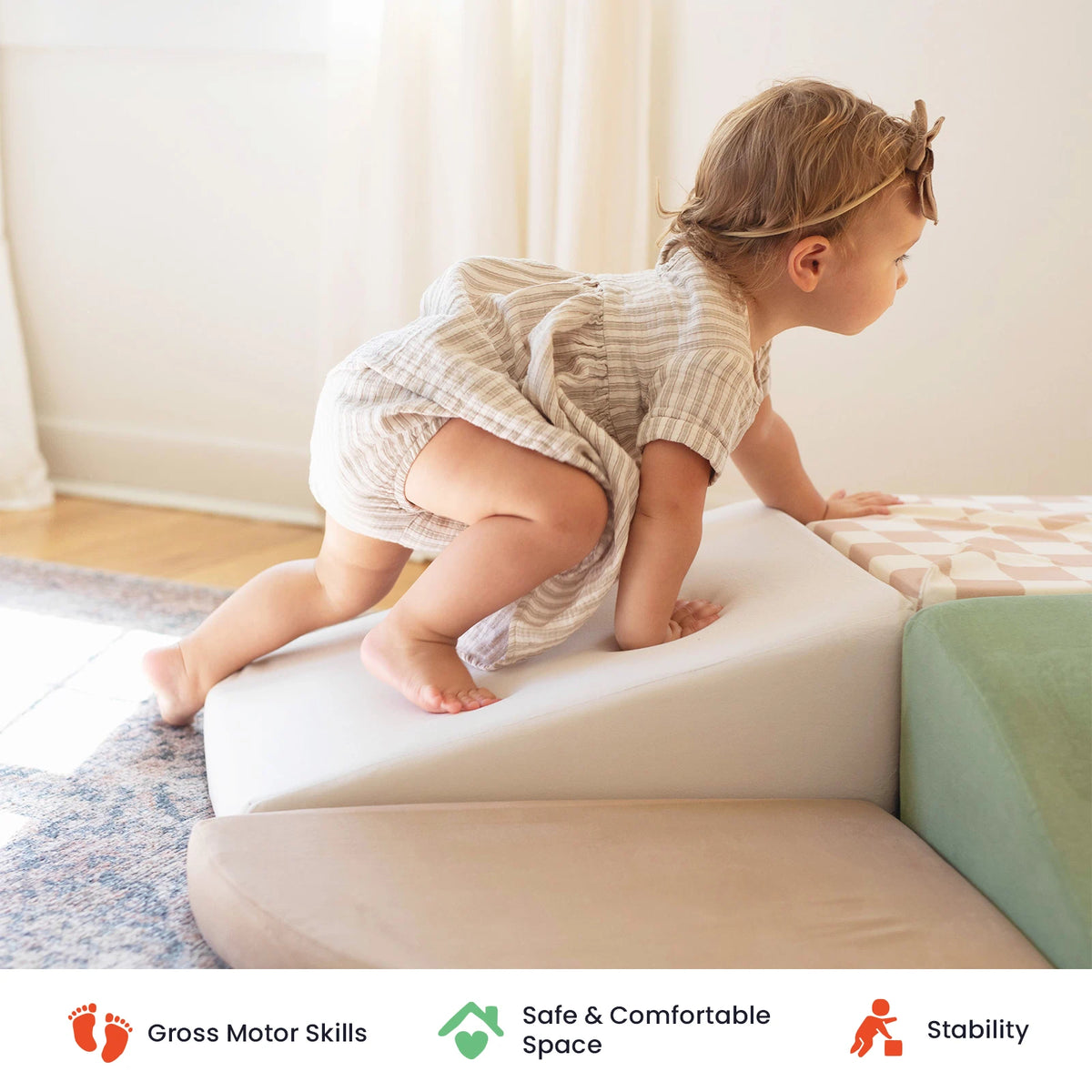

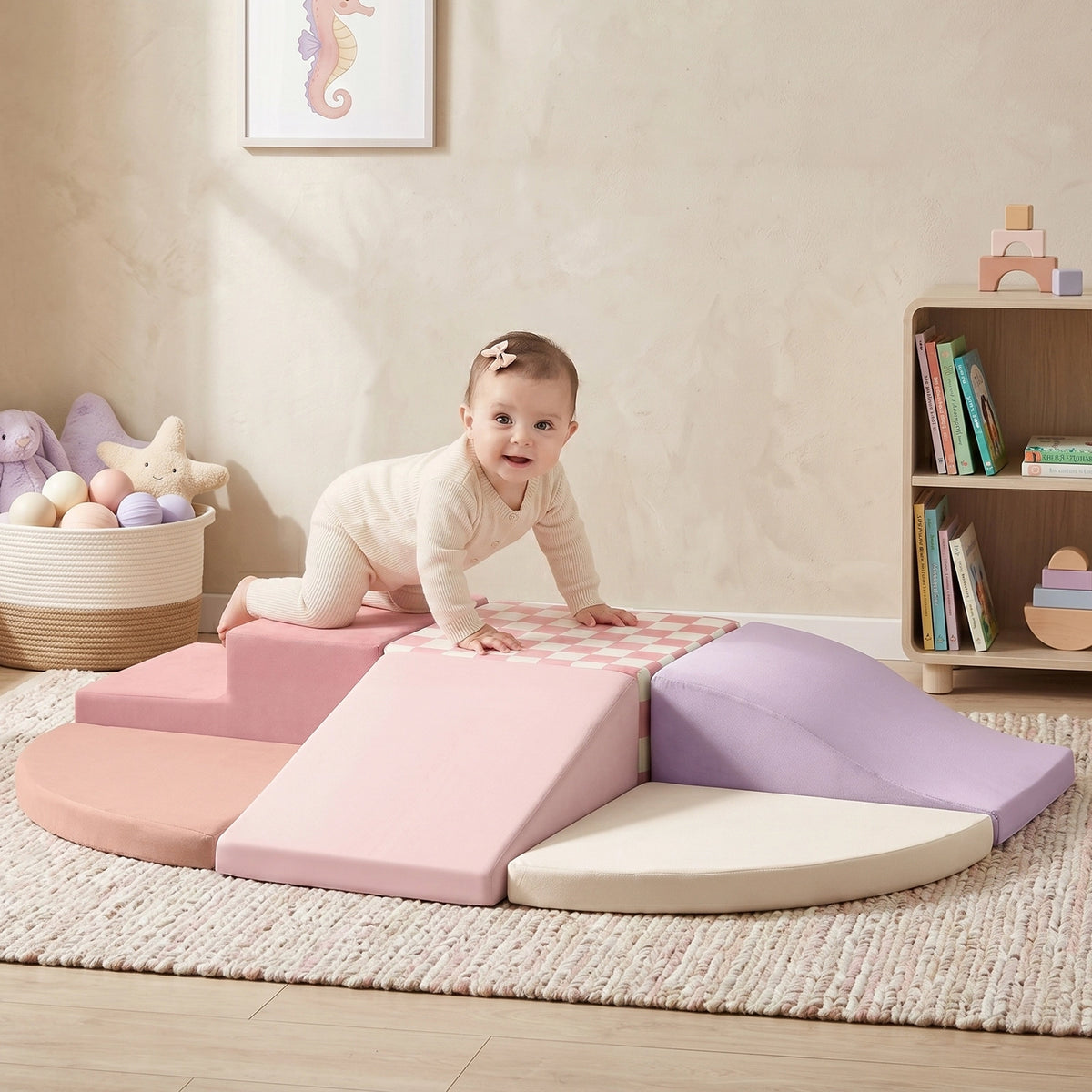
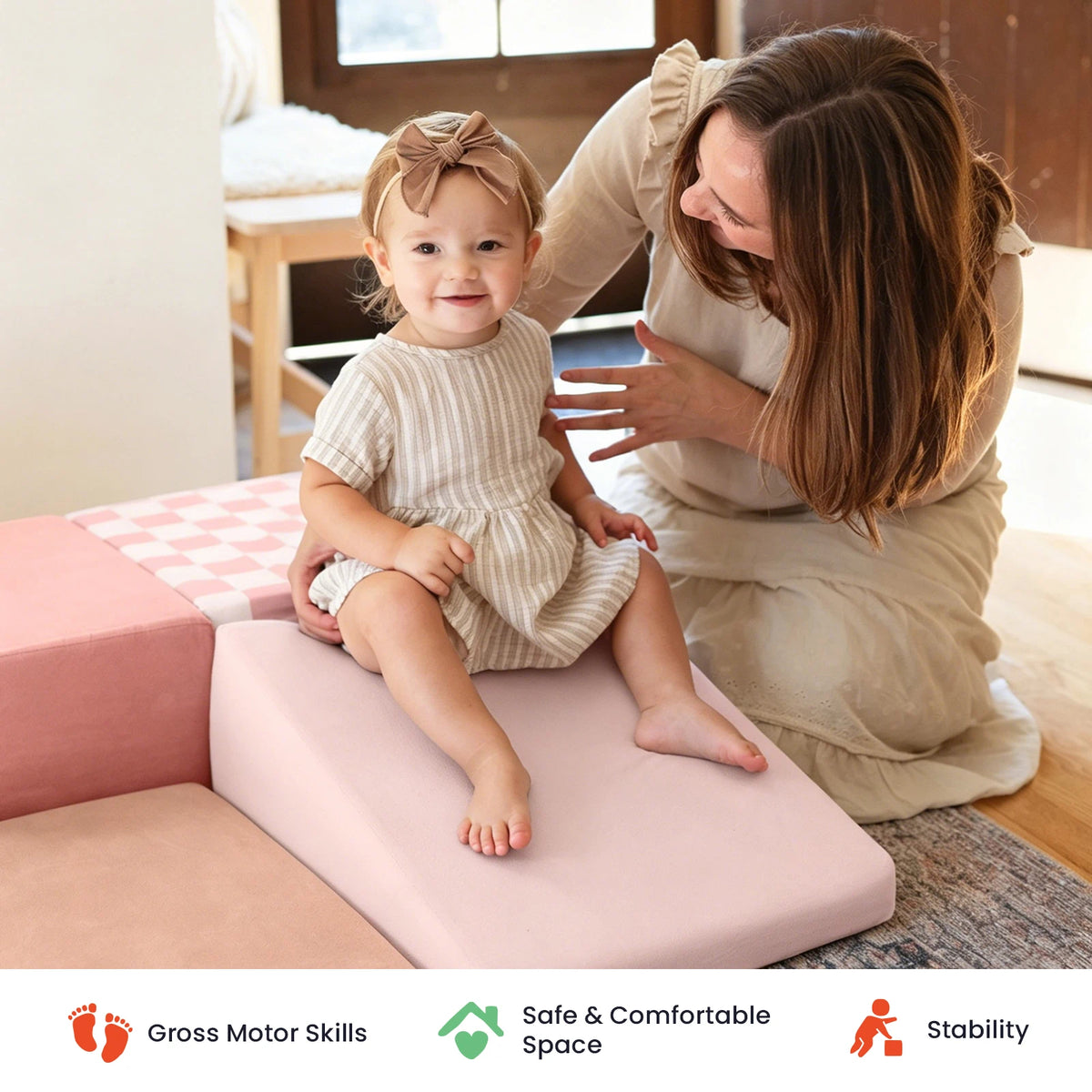


Creating an indoor play space with foam climbing blocks is not just about placing the pieces together. The way different shapes are arranged can change how children explore, move, and interact with the space.
For families who already own climbing blocks or are considering adding them to their home, understanding different setup options can help make the most of the available space.
From beginner climbing paths to crawl-through tunnels and stepping routes, foam climbing blocks can be arranged in different ways depending on your room size, the shapes included in your set, and the type of play experience you want to create.
This guide shares foam climbing blocks setup ideas to help parents plan an indoor play space that is flexible, organized, and easy to update over time.

Before Setting Up the Play Area
Before creating your foam climbing blocks setup, consider how the play area will fit into your home.
A thoughtful setup starts with understanding your available space, how children move through the room, and how the blocks can be rearranged over time.
Consider Your Available Floor Space
Start by looking at the area where you plan to place your climbing blocks.
Consider:
- The amount of open floor space available
- Nearby furniture placement
- Walking paths through the room
- Other activities that may happen in the same area
A larger open room may allow for longer movement paths, while a smaller play corner may work better with a compact arrangement.
The goal is not to fill every available space, but to create an area where children can move comfortably and the setup can be changed when needed.
Think About Block Shapes and Combinations
Different foam climbing block shapes can create different types of layouts.
When planning your setup, consider how pieces can work together:
- Larger pieces can create the foundation of a climbing route
- Smaller pieces can create transitions between sections
- Different combinations can create new pathways and play ideas
Instead of looking for one permanent arrangement, think about how the same blocks can be combined in multiple ways.
Plan for Flexible Indoor Play Spaces
One of the advantages of foam climbing blocks is that the setup can evolve.
A climbing path can later become part of pretend play. A tunnel can become an imaginary adventure space. A simple stepping route can be rearranged into a new challenge.
Always follow the product instructions provided with your specific foam climbing blocks when arranging and using the set.

Beginner Climbing Block Layout
For families creating their first foam climbing blocks setup, starting with a simple layout can make it easier to understand how different pieces work together.
A beginner layout does not need to be complicated. A clear movement path can give children space to explore the blocks and help parents understand which arrangements work best in their room.
Simple Beginner Setup Example
A basic layout can follow:
Large Block → Step Block → Flat Area → Open Play Space
The exact arrangement depends on the shapes included in your set.
The purpose of this type of setup is to create a simple route that children can explore while leaving enough open space for movement.
Keep the Layout Easy to Change
When creating a beginner setup, avoid making the arrangement too fixed.
Try:
- Moving one block to create a different route
- Changing the direction of a piece
- Switching the order of different sections
Small adjustments can create a completely different play experience.
For families looking for flexible indoor movement options, explore Tiny Land’s [Climbing Blocks Product Page].

Tunnel and Crawl-Through Layout
A tunnel and crawl-through layout creates a pathway that encourages children to move through the space and explore different combinations of blocks.
Create a Tunnel Route
A simple tunnel setup can include:
Entrance → Crawl-Through Area → Exit
Depending on the shapes included in your foam climbing blocks set, pieces can be arranged to create different pathways.
For a smaller room, a compact tunnel layout may work better by using one section of the play area.
For a larger open space, families can create a longer route with more movement space around the setup.
Combine Movement With Pretend Play
A crawl-through layout can become part of many imaginative play ideas.
The same setup can become:
- A secret tunnel
- An adventure pathway
- A pretend house entrance
- A journey through an imaginary world
Changing the story around the setup can make familiar blocks feel new.

Balance and Stepping Layout
A balance and stepping layout focuses on arranging foam climbing blocks into a movement path.
Instead of creating one large structure, pieces can be positioned as separate sections for children to explore.
Create a Stepping Route
A simple arrangement may look like:
Block → Step → Block → Open Space
You can adjust the setup by changing:
- The order of pieces
- The direction of the route
- The distance between sections
Different combinations create different ways to explore the same play area.
Try Different Block Combinations
When creating a balance or stepping layout, experiment with:
-
Connecting pieces together
-
Separating pieces into individual sections
-
Creating straight paths
- Creating turning paths
The best setup depends on your available room and the pieces included in your set.

Small Playroom Layout
Foam climbing blocks can work in many home environments, including smaller playrooms and shared family spaces.
The key is choosing a layout that fits the room instead of trying to use every available area.
Corner Setup
A corner layout can help maximize smaller spaces.
Place the blocks together in one area while leaving room for other activities.
This approach can work well for:
- Bedrooms
- Small playrooms
- Shared family areas
Living Room Setup
For families using a living room as a multi-purpose space, choose a setup that can be adjusted easily.
A compact arrangement allows children to enjoy movement play while keeping the rest of the room available for everyday activities.
Dedicated Playroom Setup
If you have a larger play area, you may have more flexibility to create:
- Longer movement paths
- Multiple play zones
- More complex arrangements
Explore Tiny Land’s [Foam Climbing Blocks Collection] for more options to create flexible indoor play spaces.

Rotating the Setup Without Buying More Blocks
One of the benefits of foam climbing blocks is that the same pieces can create different layouts.
Changing the setup regularly can refresh the play space without adding new materials.
Change One Thing at a Time
You do not need to completely rebuild the play area.
Try:
- Changing the direction of one piece
- Moving one block to another location
- Switching the order of sections
- Creating a new pathway
Small changes can create new possibilities.
Create Different Play Experiences
The same climbing blocks can become:
- A climbing route
- A stepping path
- A crawl-through adventure
- A pretend play structure
Flexible setups allow children to explore familiar materials in new ways.

Storage After Play
A simple storage routine makes it easier to maintain an organized indoor play space.
Create a Dedicated Storage Area
Keep foam climbing blocks in a consistent storage location when they are not being used.
This makes it easier to rebuild different setups when play begins again.
Organize Pieces by Shape
Grouping similar pieces together can make setup changes faster.
Consider organizing:
- Larger pieces together
- Smaller pieces together
- Frequently used pieces in an accessible location
Always follow the storage and care instructions provided with your specific product.
Make Future Setups Easier
Good storage is not only about keeping the room organized. It also makes it easier to experiment with new combinations and layouts.

Setup Checklist
Use this checklist when creating your foam climbing blocks setup:
☐ Measure the available play space
☐ Consider how the room is used outside of playtime
☐ Choose a layout that fits your available space
☐ Think about how different block shapes work together
☐ Leave open space around the setup
☐ Try climbing, crawling, and stepping layouts
☐ Change the arrangement regularly
☐ Store blocks properly after play

Frequently Asked Questions
How do I arrange foam climbing blocks?
Start by considering your available space and the shapes included in your set. Popular layouts include climbing paths, tunnel setups, stepping routes, and open-ended arrangements.
How much space do I need for foam climbing blocks?
The space needed depends on your specific product and the layout you choose. Measure your available floor area and consider how children will move around the setup.
Can foam climbing blocks work in a small playroom?
Yes. Smaller spaces can use compact layouts such as corner setups or shorter movement paths to make the most of available space.
What is the best foam climbing blocks setup for a small room?
For smaller rooms, consider compact layouts that use one area of the room while leaving space for other activities. Corner setups and shorter movement paths can help maximize available space.
How can I create different setups with the same climbing blocks?
Try changing the order, direction, or location of the pieces. Small adjustments can transform the same blocks into a different climbing route, stepping path, or pretend play area.
How often should I change my climbing block setup?
There is no required schedule. You can change the arrangement whenever you want to introduce a different play experience.
What can children do with foam climbing blocks besides climbing?
Depending on the setup, foam climbing blocks can be arranged for crawling, stepping, building, movement activities, and imaginative play.
How should I set up foam climbing blocks safely?
Always follow the instructions provided with your specific product. Use the recommended placement, care instructions, and supervision guidelines provided by the manufacturer.
Where can I find more indoor play ideas?
Explore Tiny Land’s [Indoor Play Activities] for more ideas on creating engaging play spaces at home.

Create a Flexible Indoor Play Space With Foam Climbing Blocks
The best foam climbing blocks setup does not need to stay the same every day.
By combining different shapes, adjusting layouts, and making small changes over time, families can create an indoor play space that continues to feel fresh and engaging.
Whether you are creating a beginner climbing path, a crawl-through adventure, or a compact play corner, thoughtful setup can help you make the most of your foam climbing blocks.