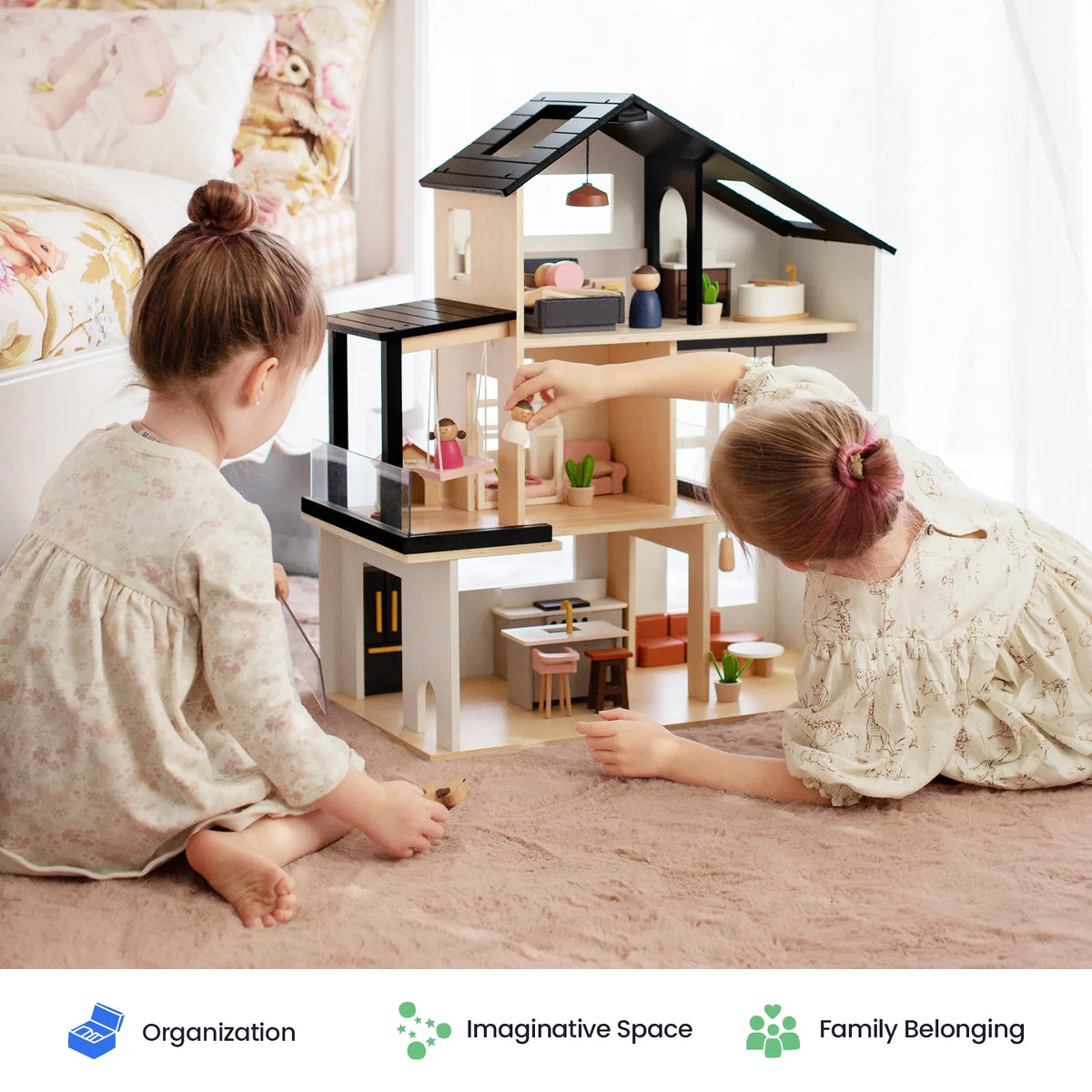
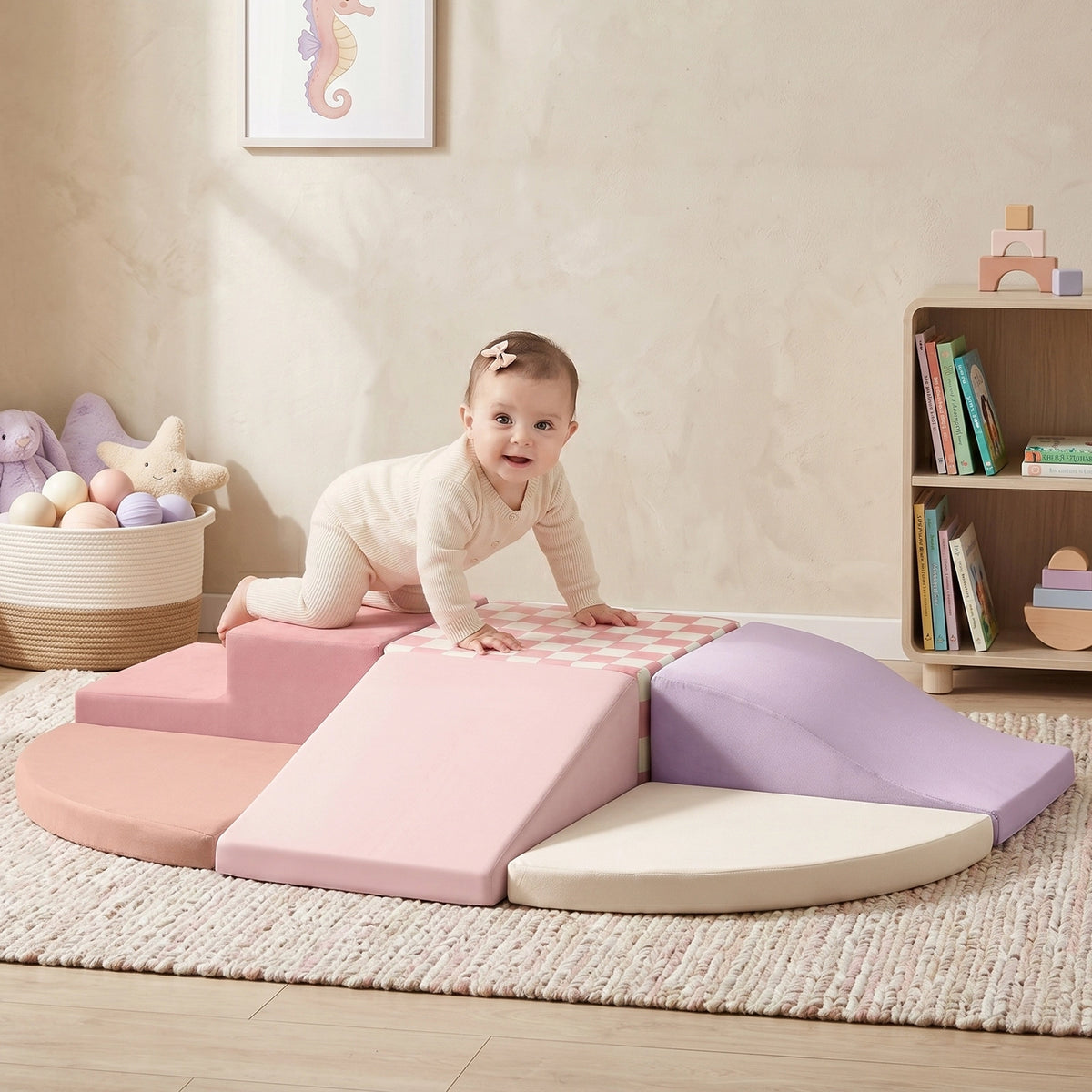
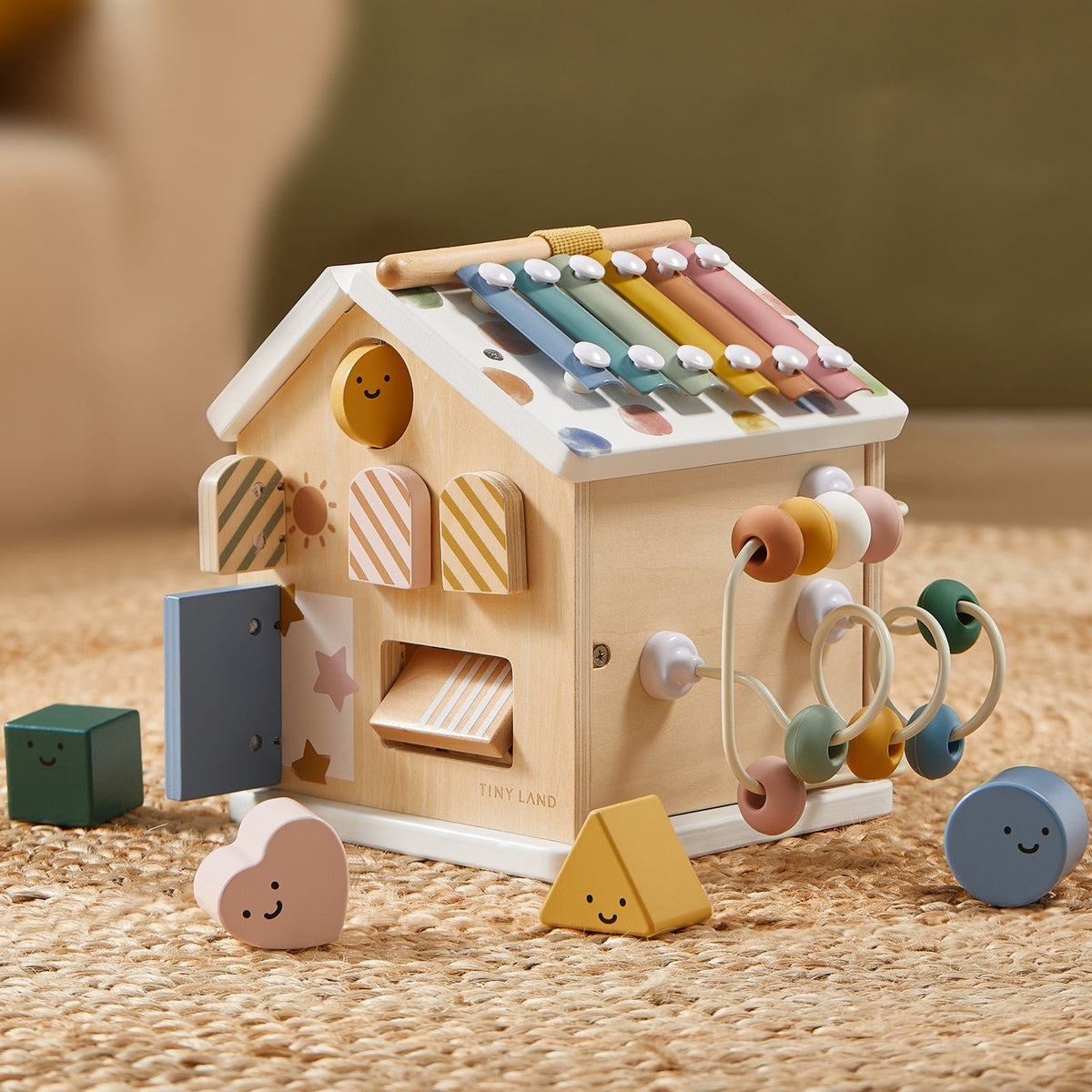
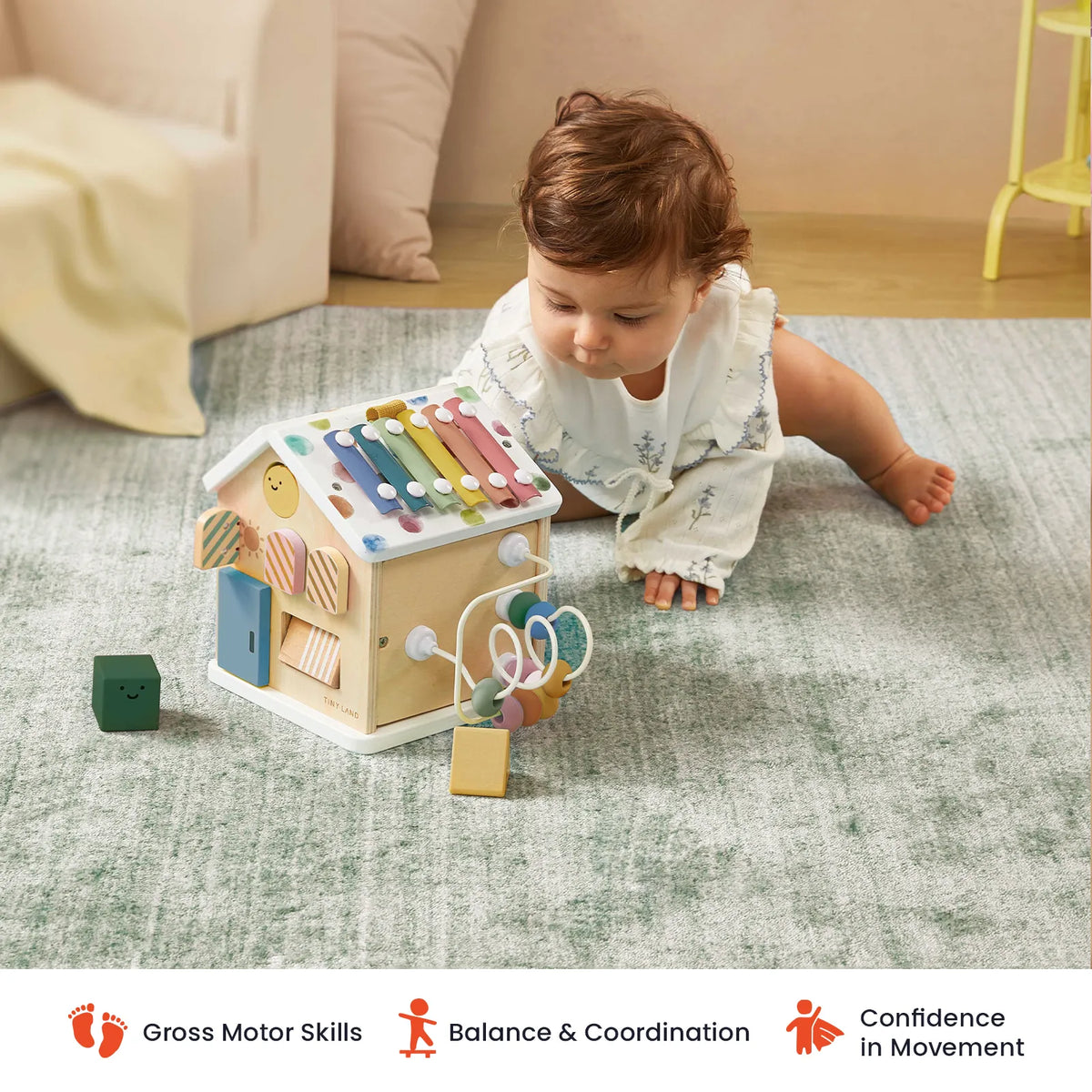
Independent play is a foundational part of early childhood development. Research in early learning consistently shows that when toddlers engage in self-directed play, they develop stronger problem-solving skills, emotional regulation, creativity, and independence.
More importantly, independent play gives children the opportunity to explore the world at their own pace—while helping parents manage daily routines with more balance.
The key is not simply having more toys, but building intentional play environments that support different types of development.
This guide breaks down how to design independent play spaces both indoors and outdoors, using the same developmental needs across different environments.
Quick Overview: Indoor vs Outdoor Independent Play
Child development experts often emphasize the importance of self-directed, open-ended play in early learning. Independent play can be supported in both indoor and outdoor environments by focusing on the same core developmental needs in different settings.
- Indoor spaces: structured, calm, and safe environments for focused play
- Outdoor spaces: open, sensory-rich environments for movement and exploration
- Both environments together: create a balanced play system that supports independence, creativity, and physical development
Pretend Kitchen Play: Building Real-World Understanding
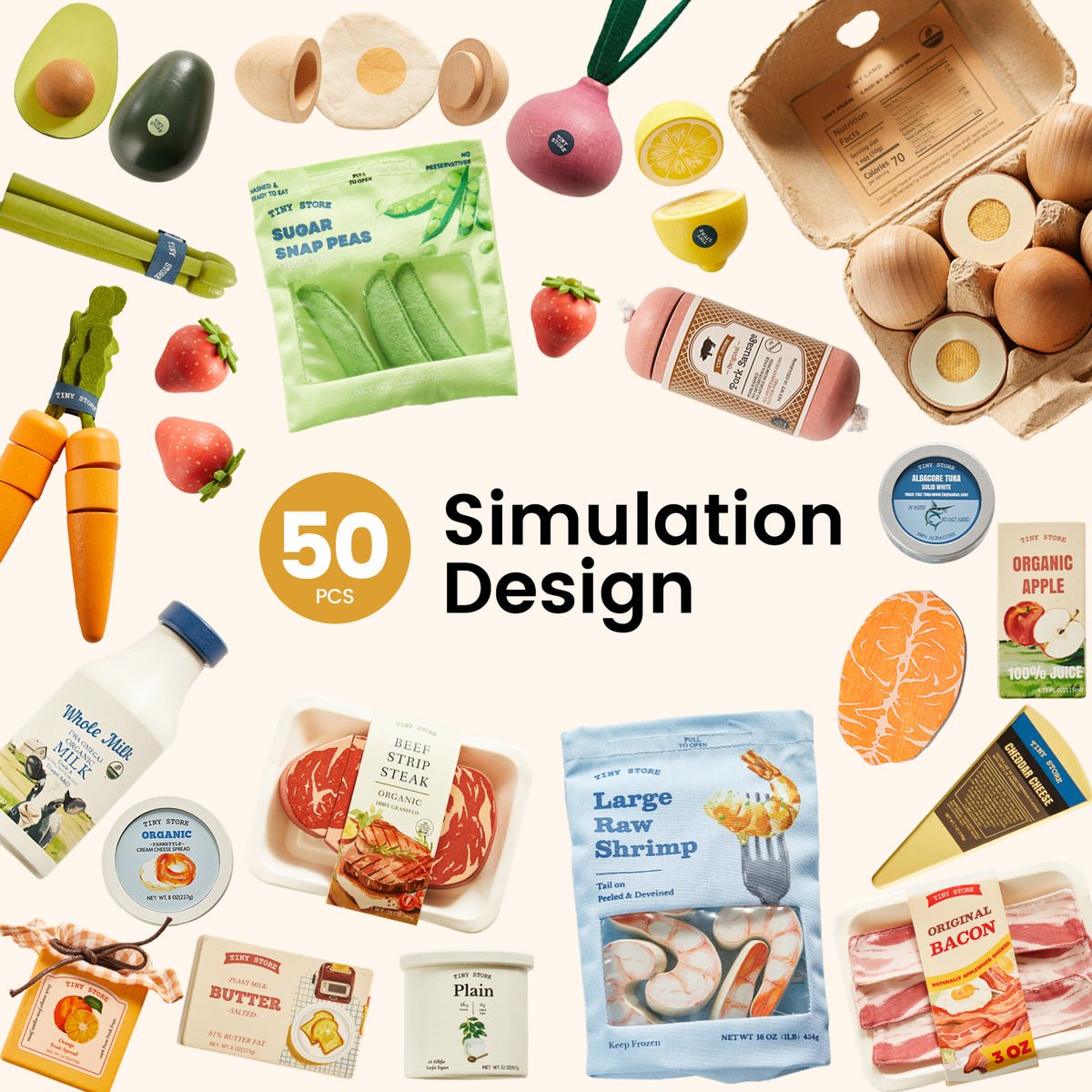
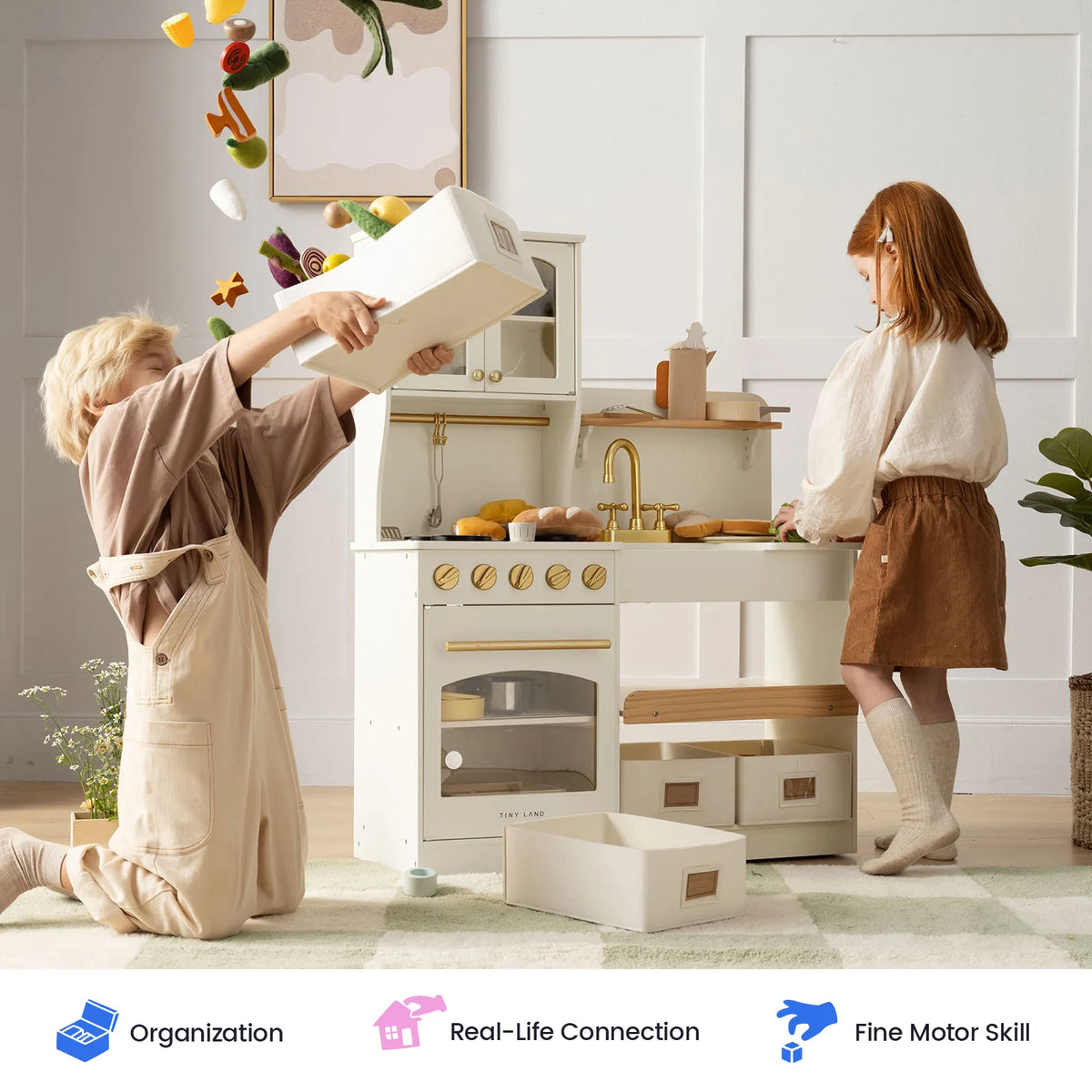
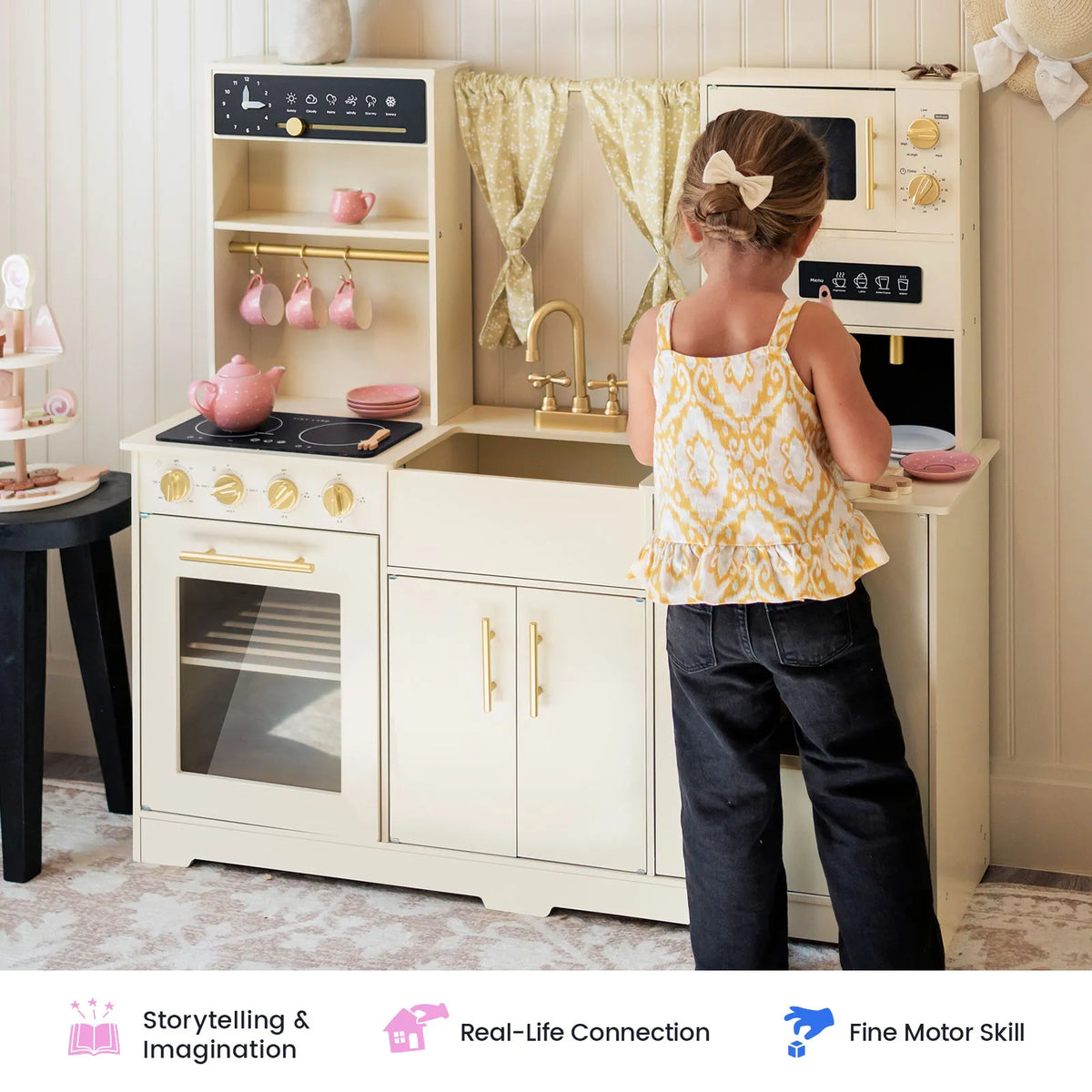
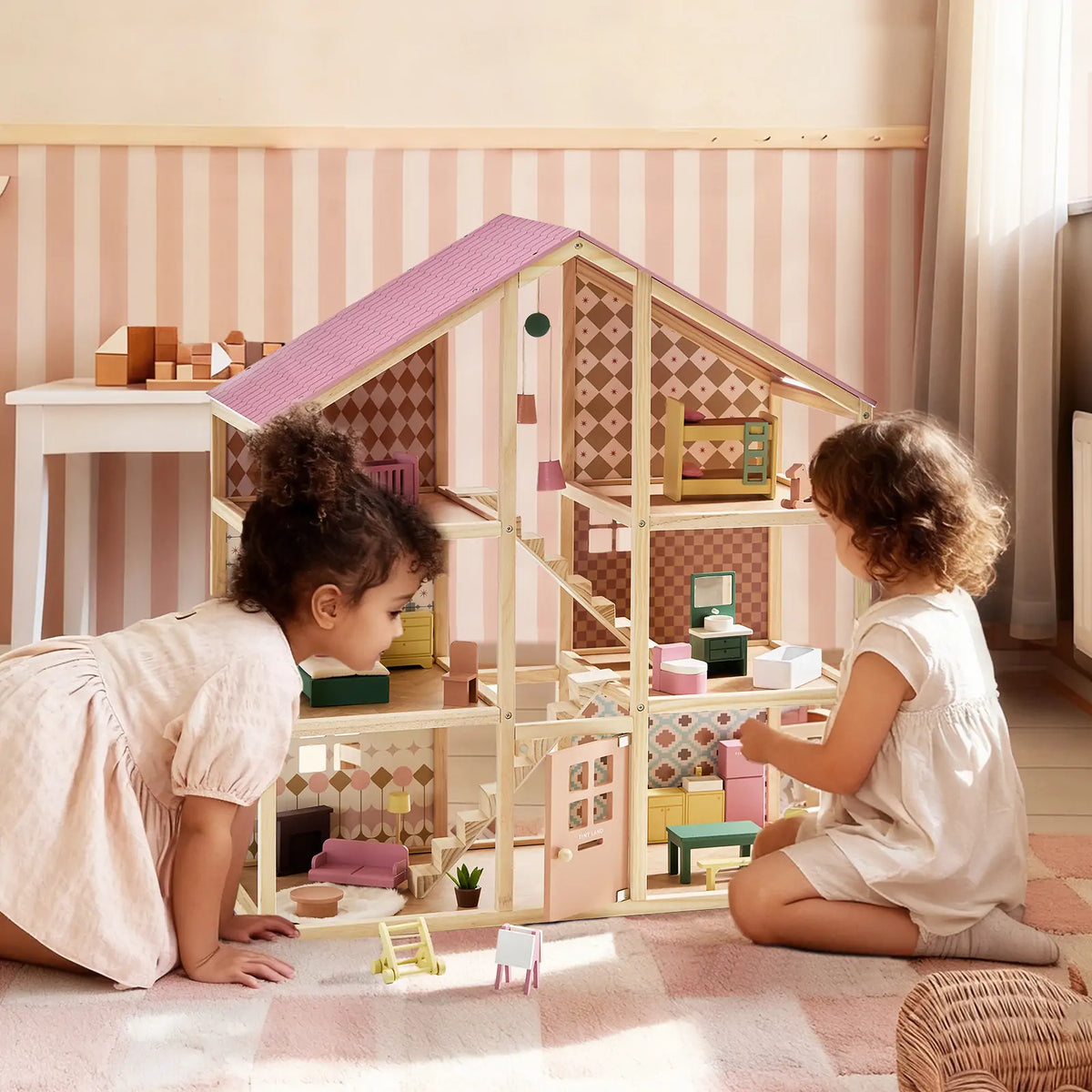
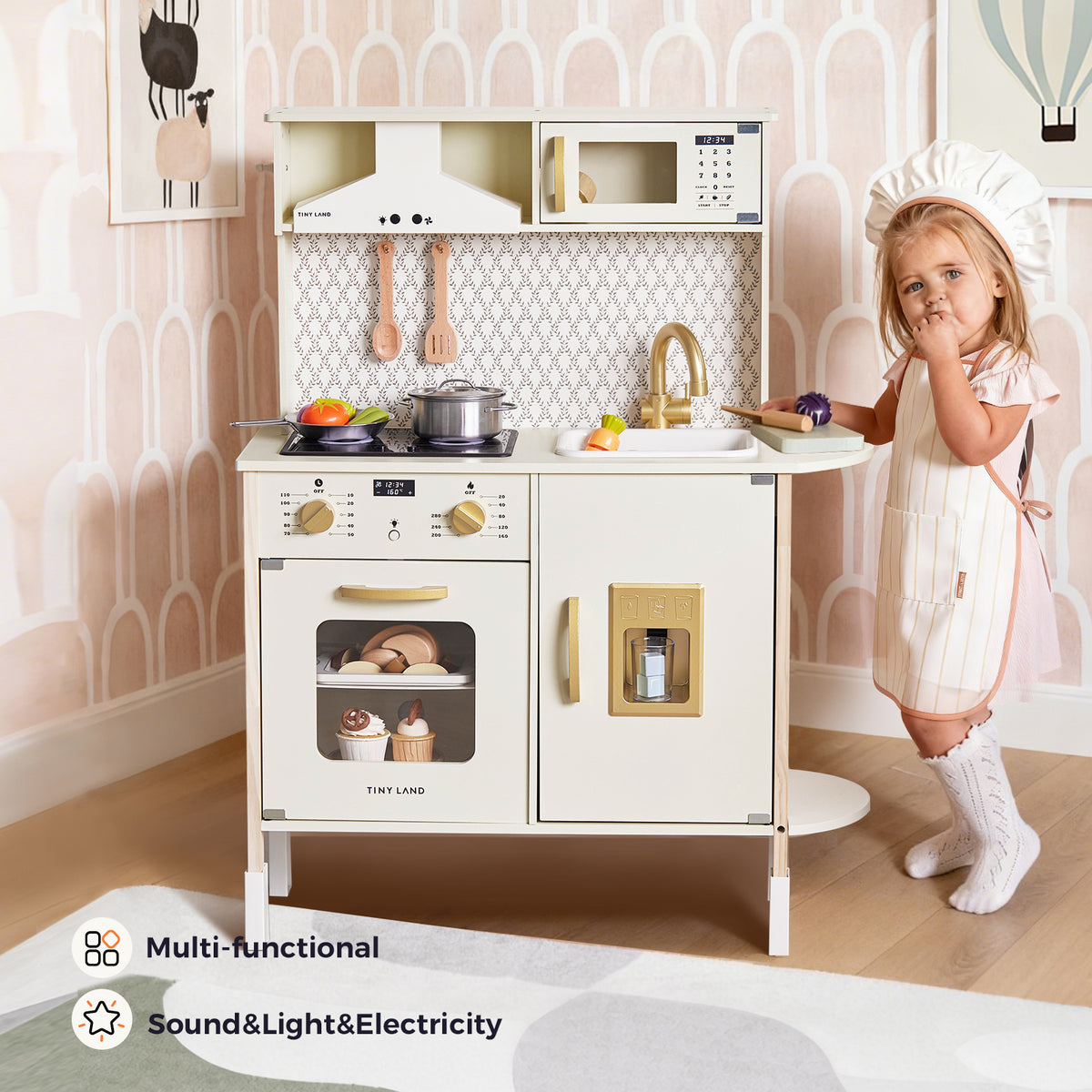
Pretend play helps toddlers understand daily life, build communication skills, and develop early social awareness. Children naturally repeat real-world experiences through role play, which strengthens memory and imagination.
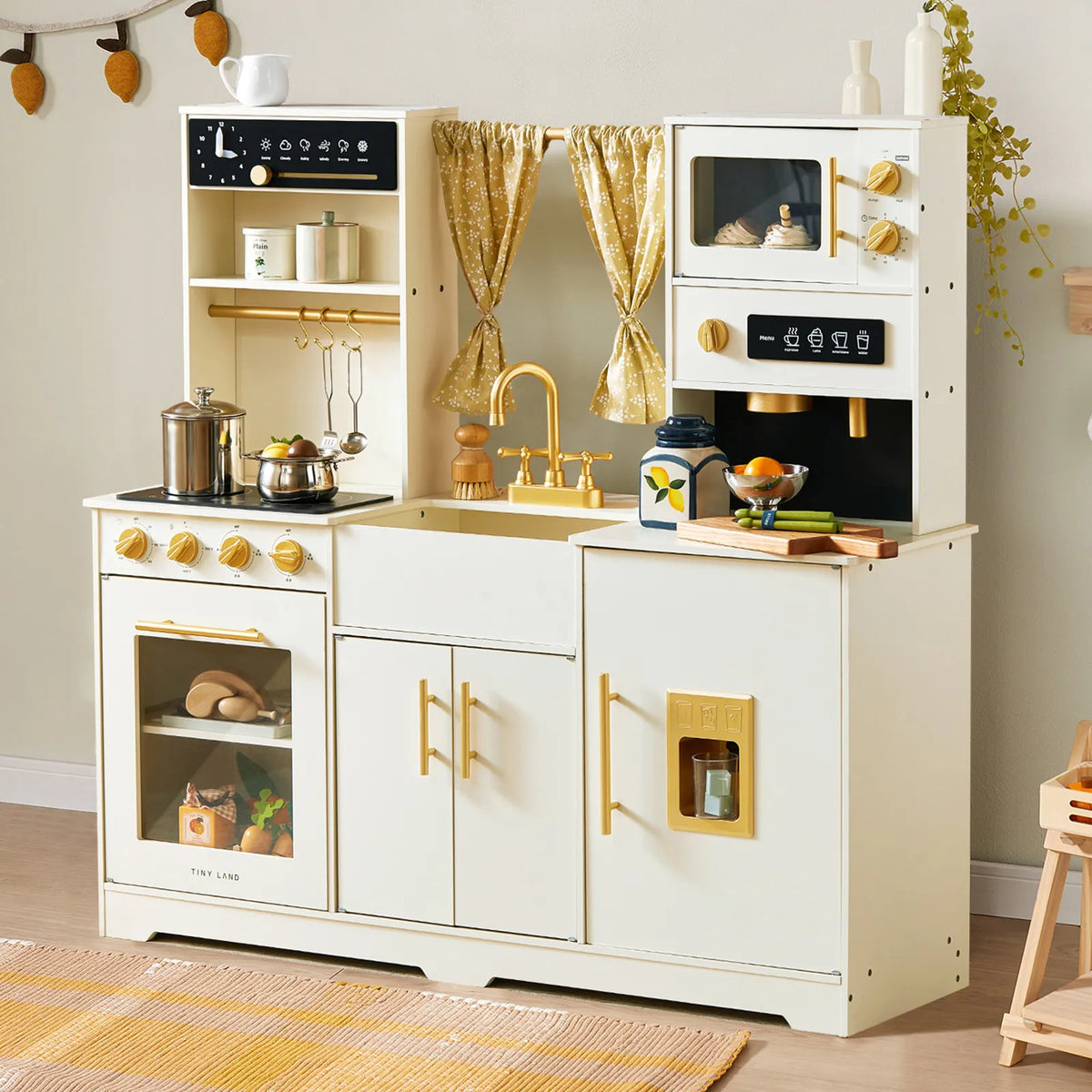
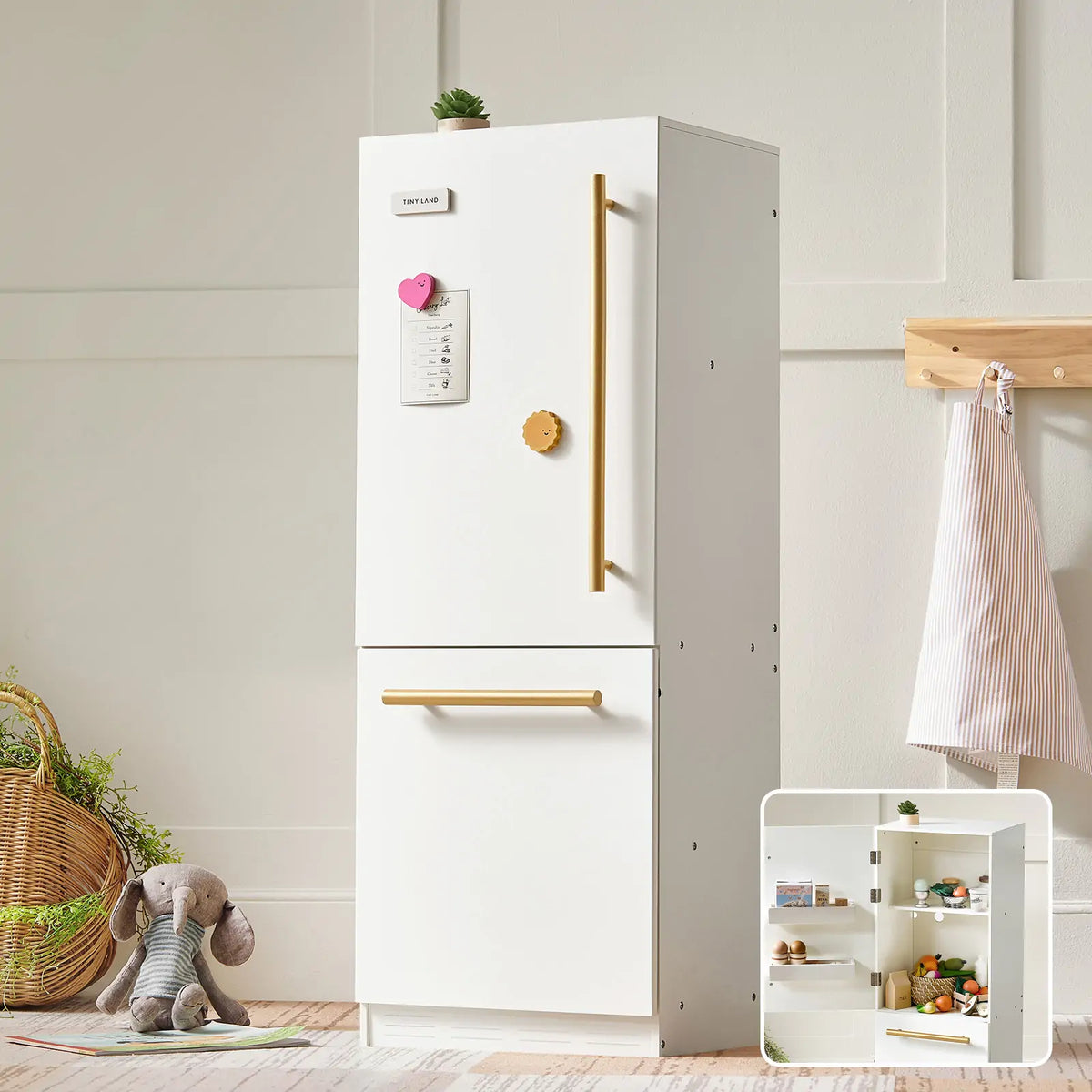
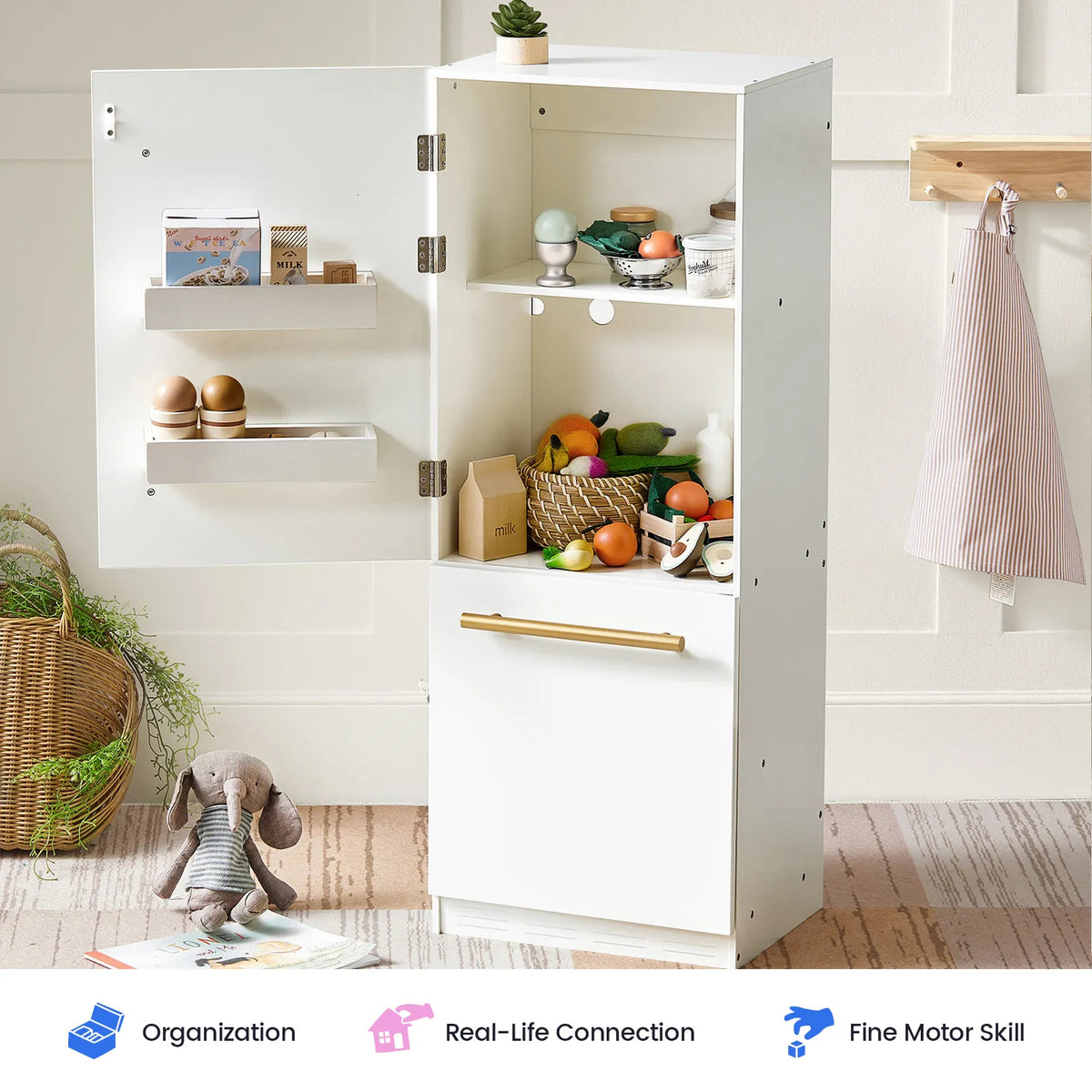
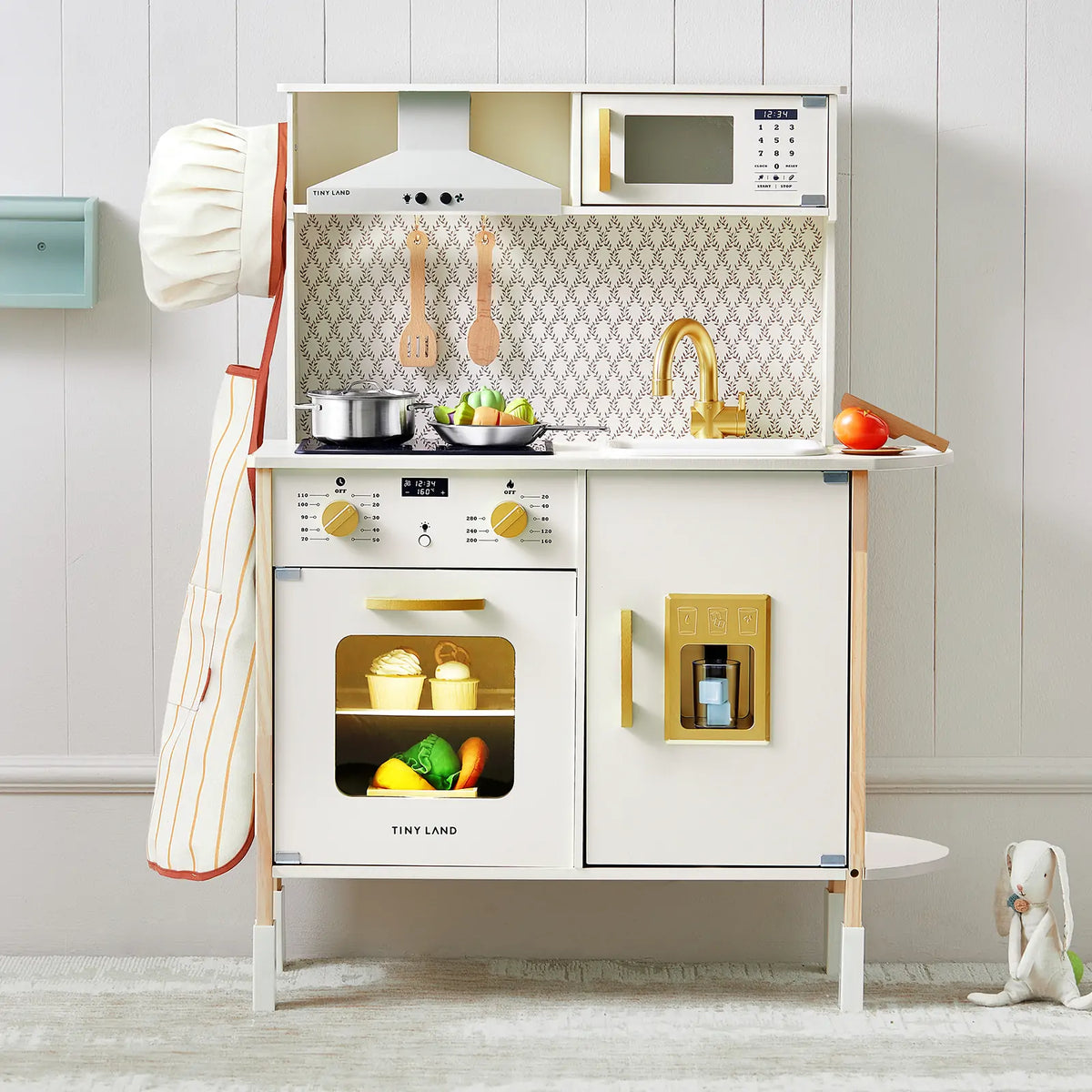
🏡 Indoor Play Kitchen
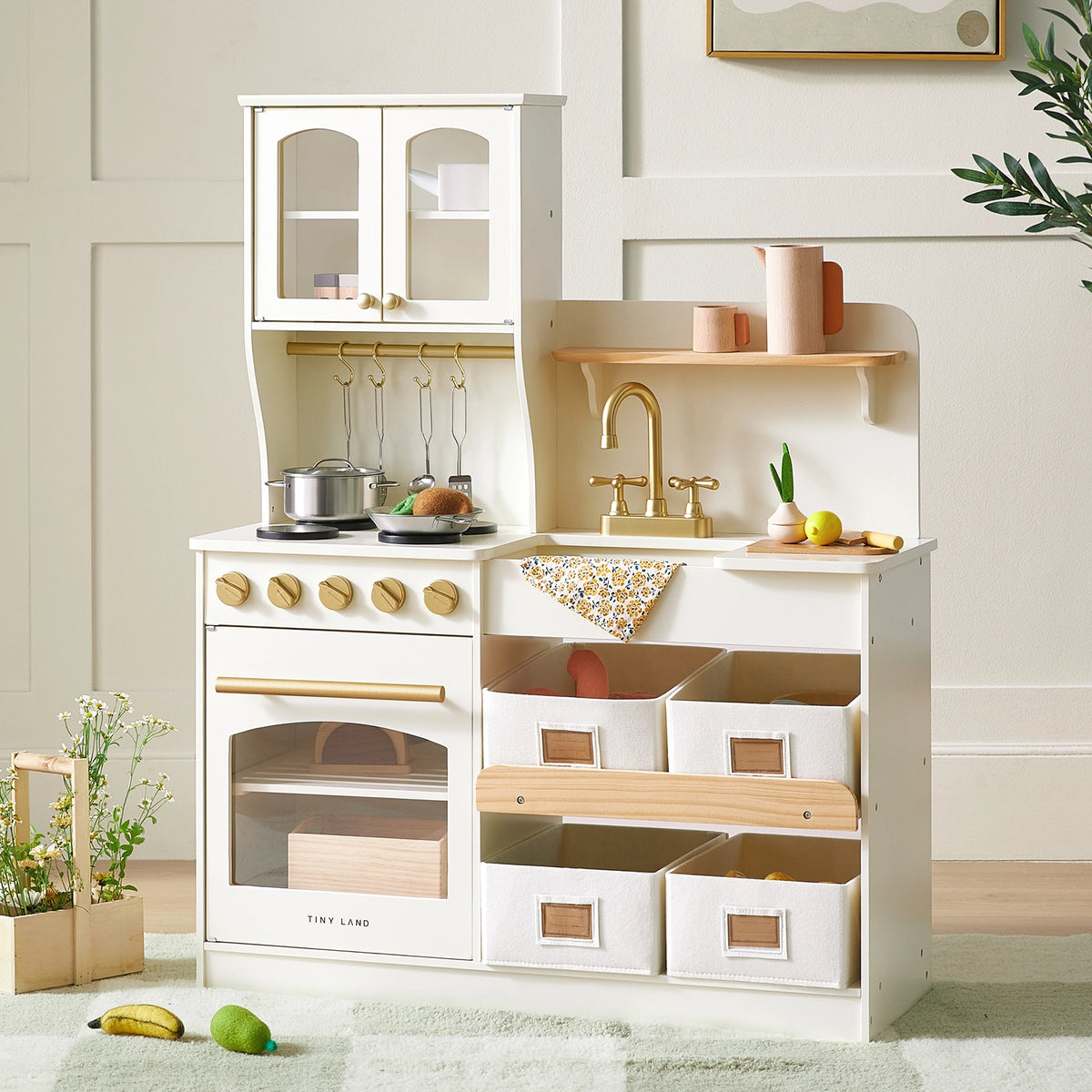
Indoor play kitchens are typically more structured and routine-based, helping toddlers recreate familiar daily life experiences in a controlled environment.
- Cooking, serving meals, and cleaning up
- Setting up a mini café or restaurant
- Using pretend food to create simple “recipes”
- Role switching: chef, customer, parent, host
A well-designed indoor play kitchen supports repetition and role familiarity, which helps children build confidence, language skills, and early understanding of daily routines.
Because the environment is defined and organized, toddlers can focus more on storytelling and social role imitation.
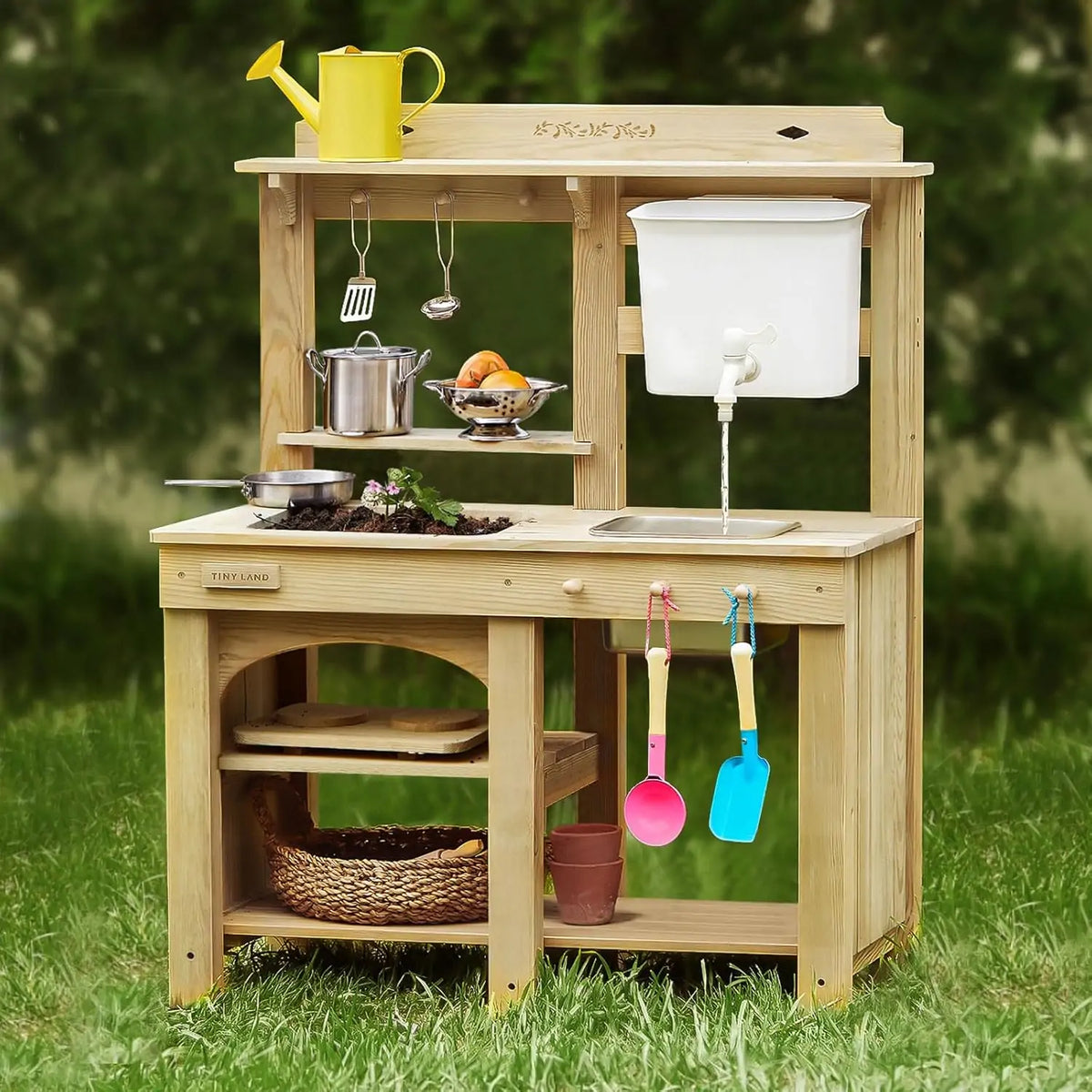
🌿 Outdoor Play Kitchen
Outdoor pretend play shifts from structured role imitation to sensory-rich, open-ended exploration.
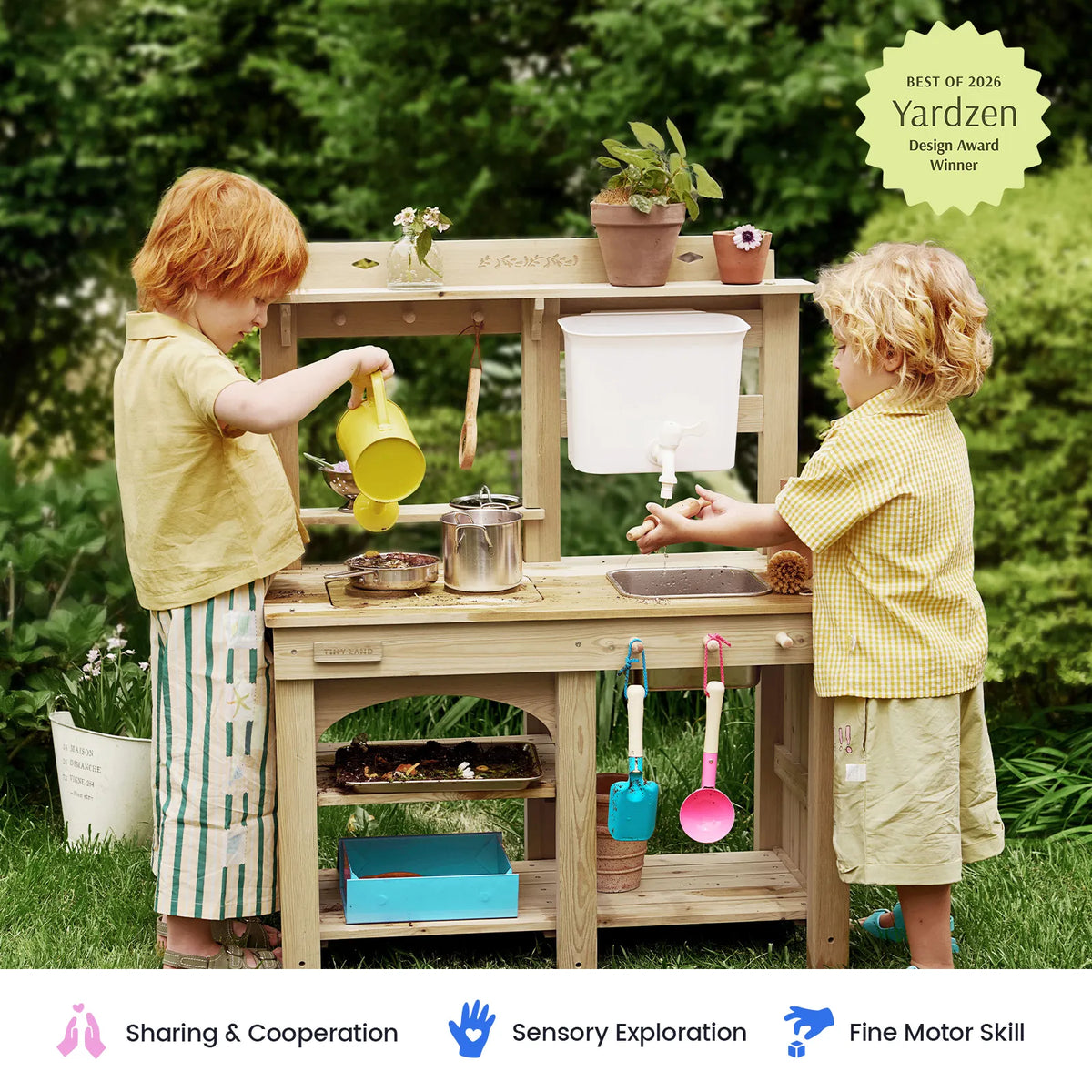
In a mud kitchen or outdoor play kitchen, the focus is less on “pretending correctly” and more on experimenting with materials.
- Mixing water, sand, leaves, and soil to “cook”
- Creating natural recipes using found objects (stones, sticks, flowers)
- Pouring, scooping, stirring, and transferring textures
- Running a “messy café” where outcomes are unpredictable
Outdoor pretend play naturally encourages sensory exploration—children learn through touch, weight, texture, and transformation of materials rather than fixed storylines.
This type of play is more fluid and experimental, helping toddlers develop curiosity, sensory processing skills, and comfort with open-ended outcomes.
Creative Easel Play: Expression and Early Thinking Skills
Creative easel play helps toddlers develop fine motor skills, visual thinking, problem-solving abilities, and emotional expression.
🏡 Indoor Creative Easel Play
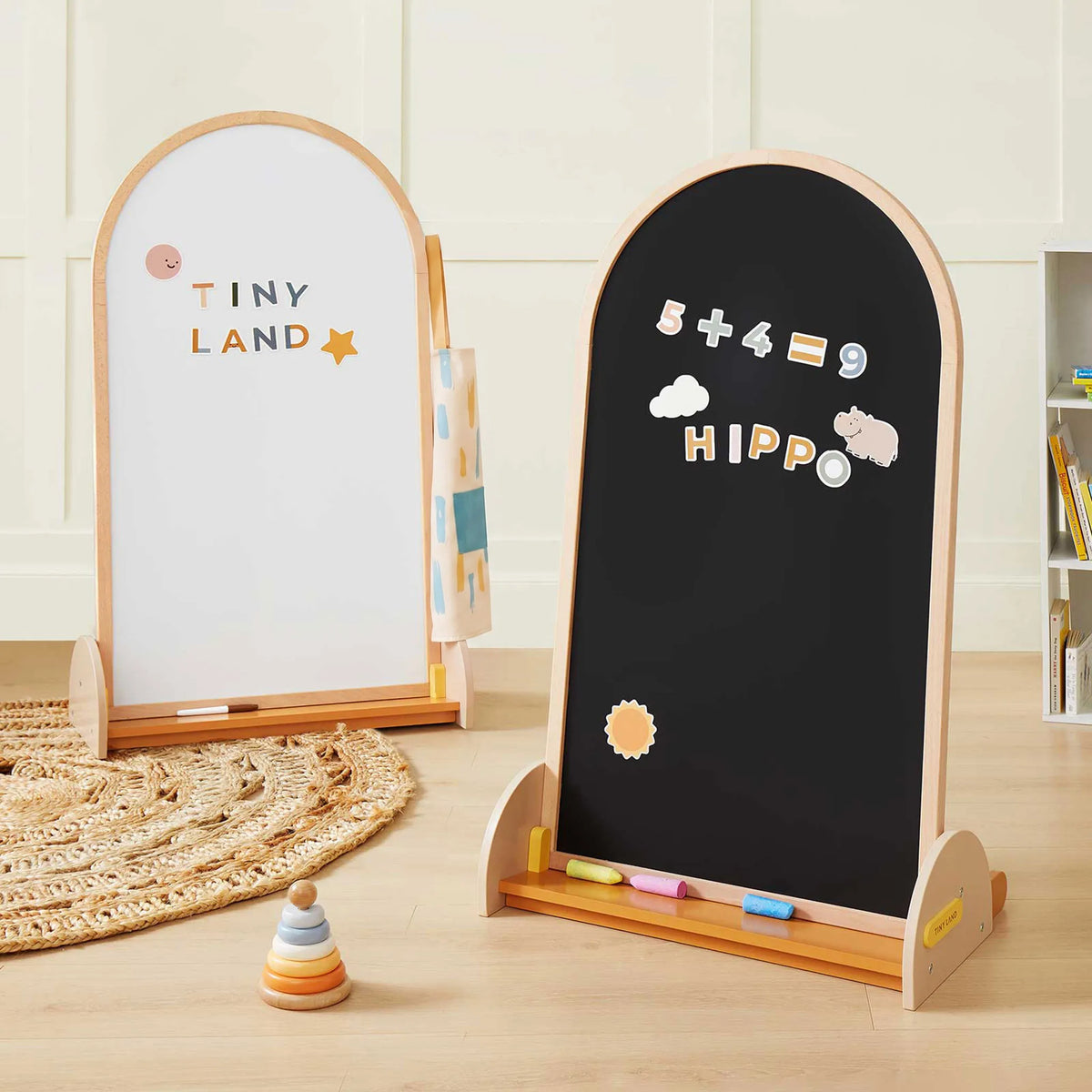
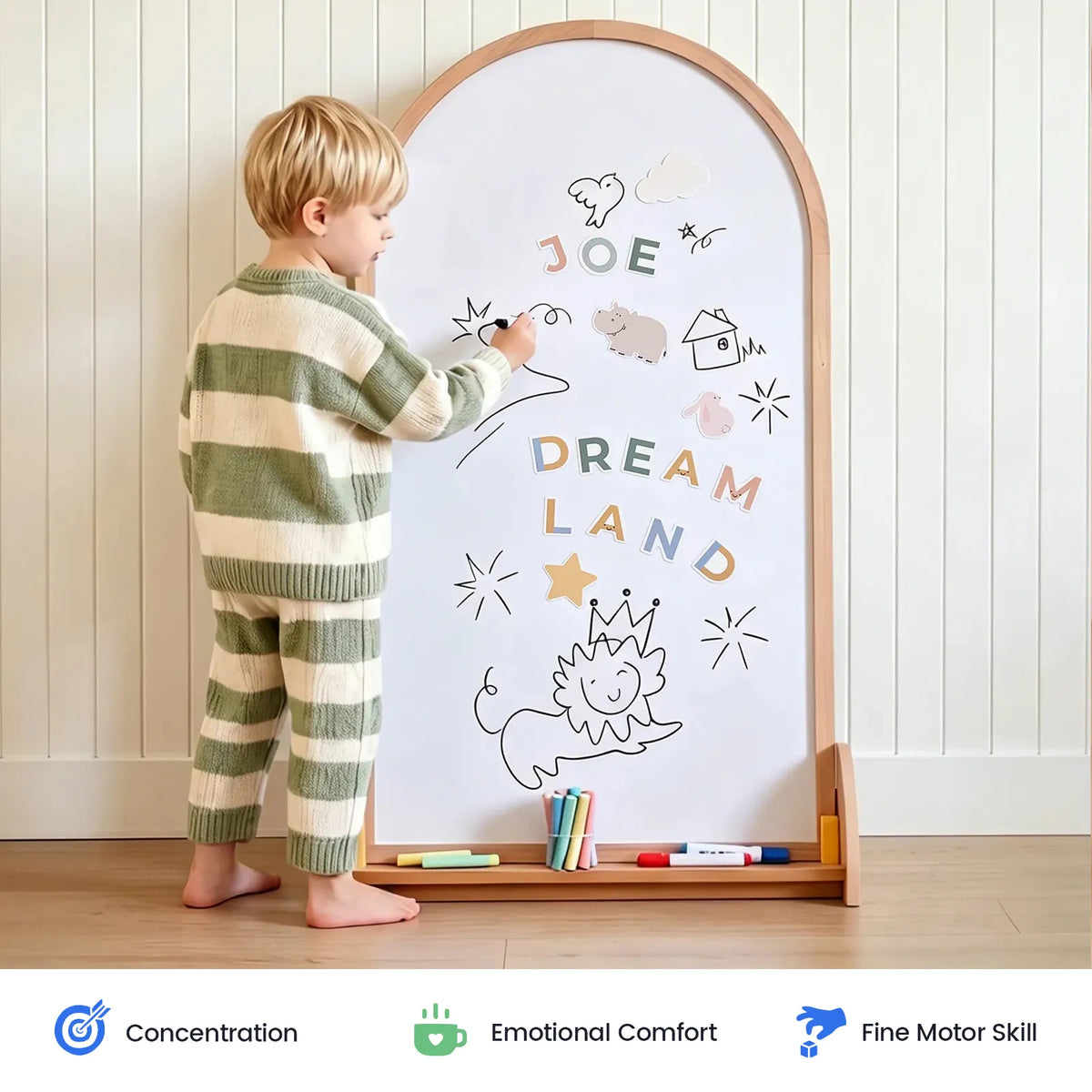
Indoor creative spaces are ideal for focused, hands-on learning and calm artistic exploration.
- Drawing or painting with an indoor easel
- Using an arch easel with a larger drawing surface that allows toddlers to create comfortably from different positions—standing, sitting, or even lying on the floor
- Magnetic play activities that support early cognitive development and fine motor skills
-
Sticker art, coloring, and drawing simple “daily life stories”
Indoor easels encourage longer periods of focused play while giving toddlers the freedom to explore creativity at their own pace.
Interactive elements such as magnets and movable pieces also introduce early problem-solving opportunities, helping children strengthen coordination, spatial awareness, and independent thinking through play.
🌿 Outdoor Creative Easel Play
Outdoor creative play encourages bigger movements, sensory exploration, and more open-ended artistic expression.
- Backyard easel painting with paper rolls, brushes, and paint buckets
- Sidewalk chalk drawing and large-scale doodling
- Nature-inspired painting using leaves, flowers, stones, or outdoor textures
Outdoor art spaces allow toddlers to experiment more freely with color, texture, and movement in a mess-friendly environment.
Because outdoor creativity is less restricted, children often feel more comfortable exploring large motions, spontaneous ideas, and sensory-based artistic play where the process matters more than the final result.

Active Movement Play: Gross Motor Skill Development
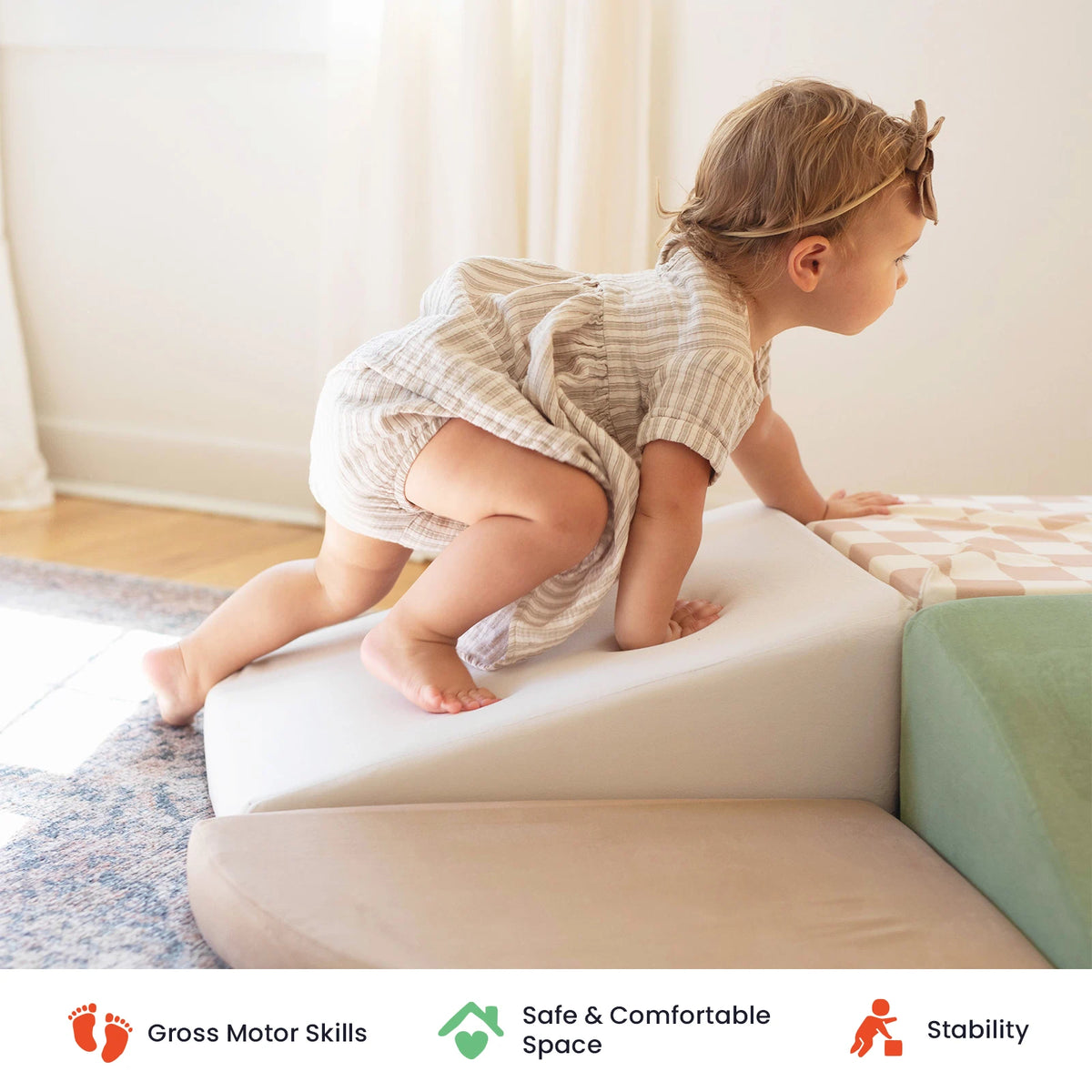
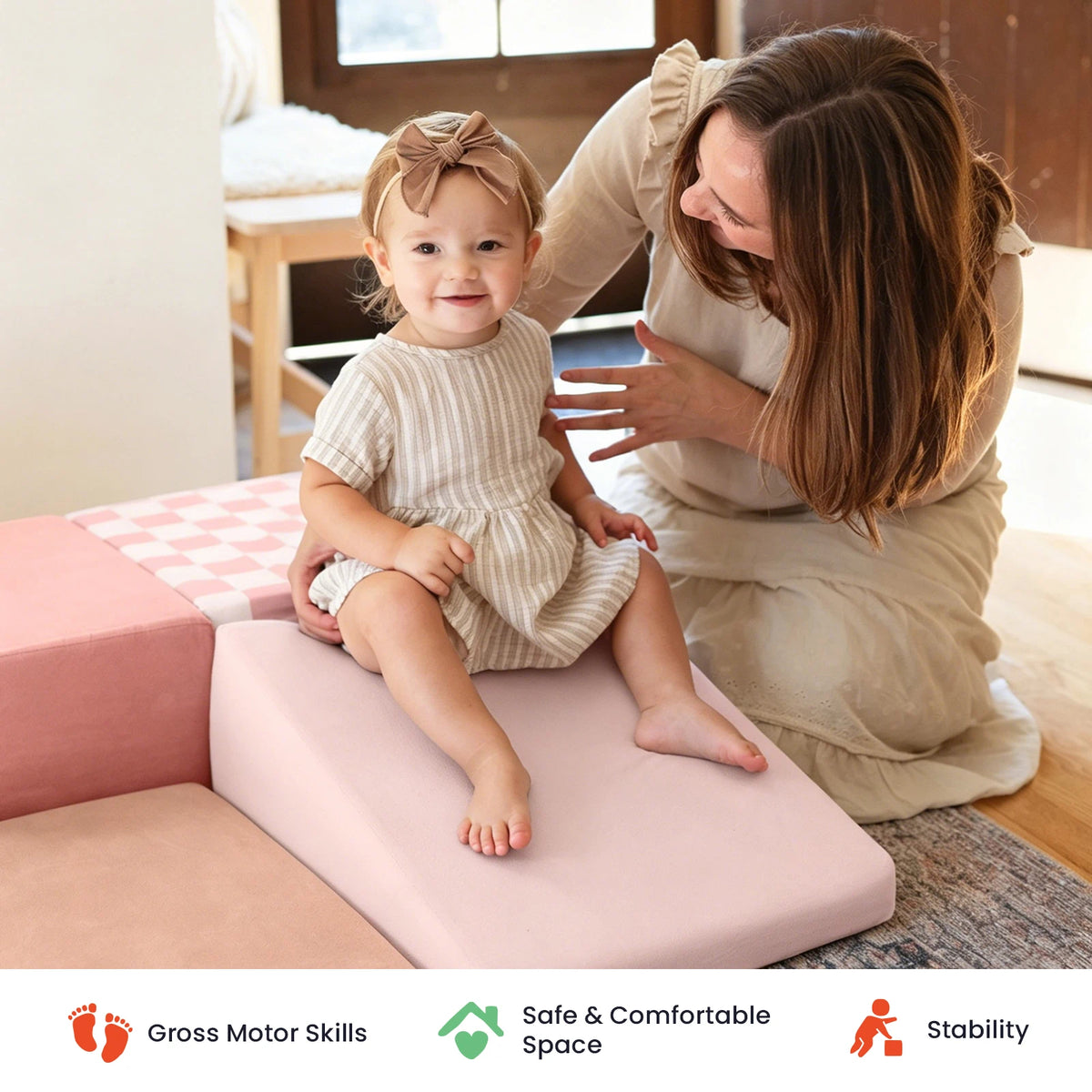
Movement play helps toddlers develop coordination, balance, strength, and body awareness as they learn to move more confidently and independently through their environment.
🏡 Indoor Active Walk: Early Confidence & First Steps
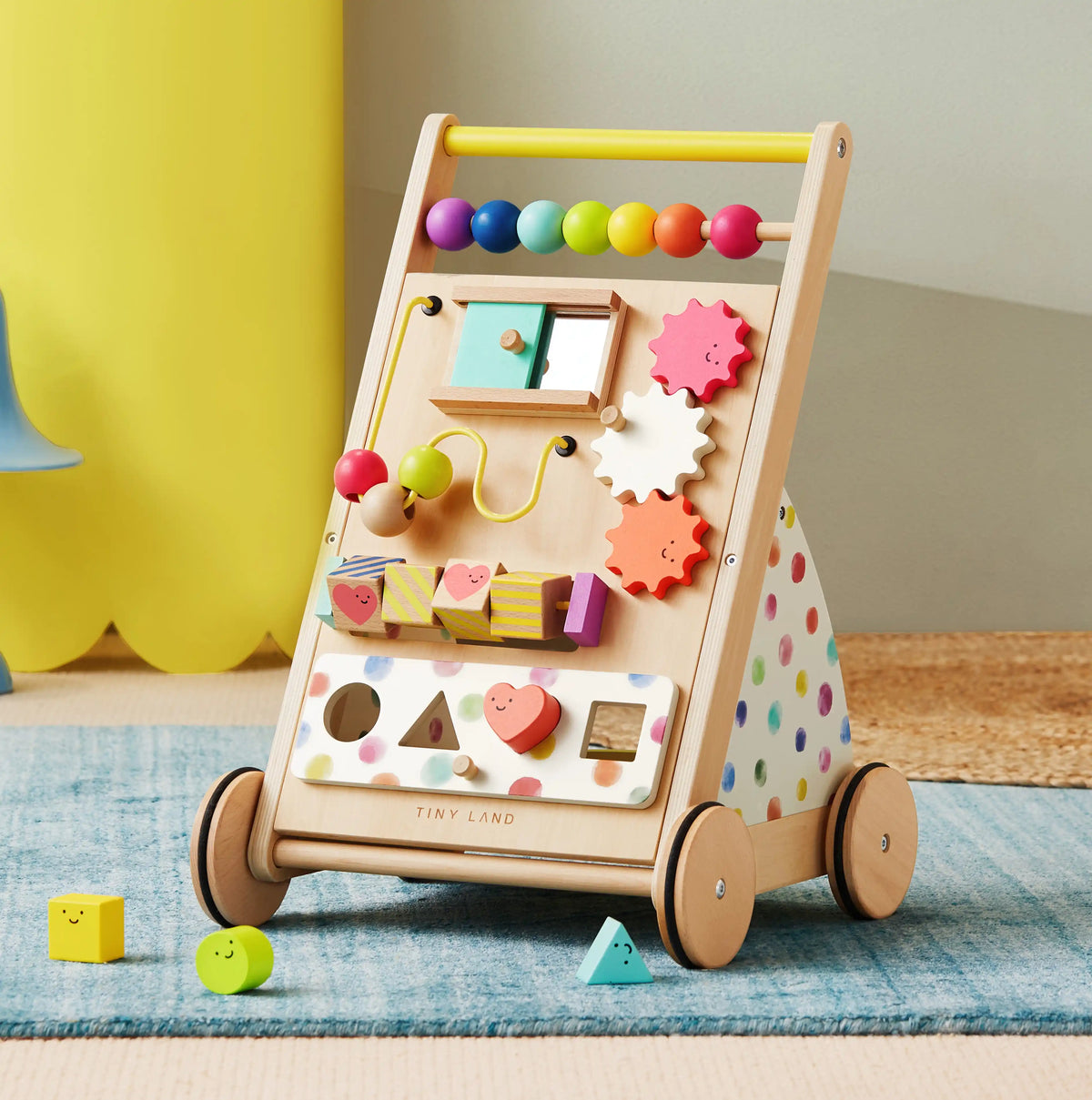
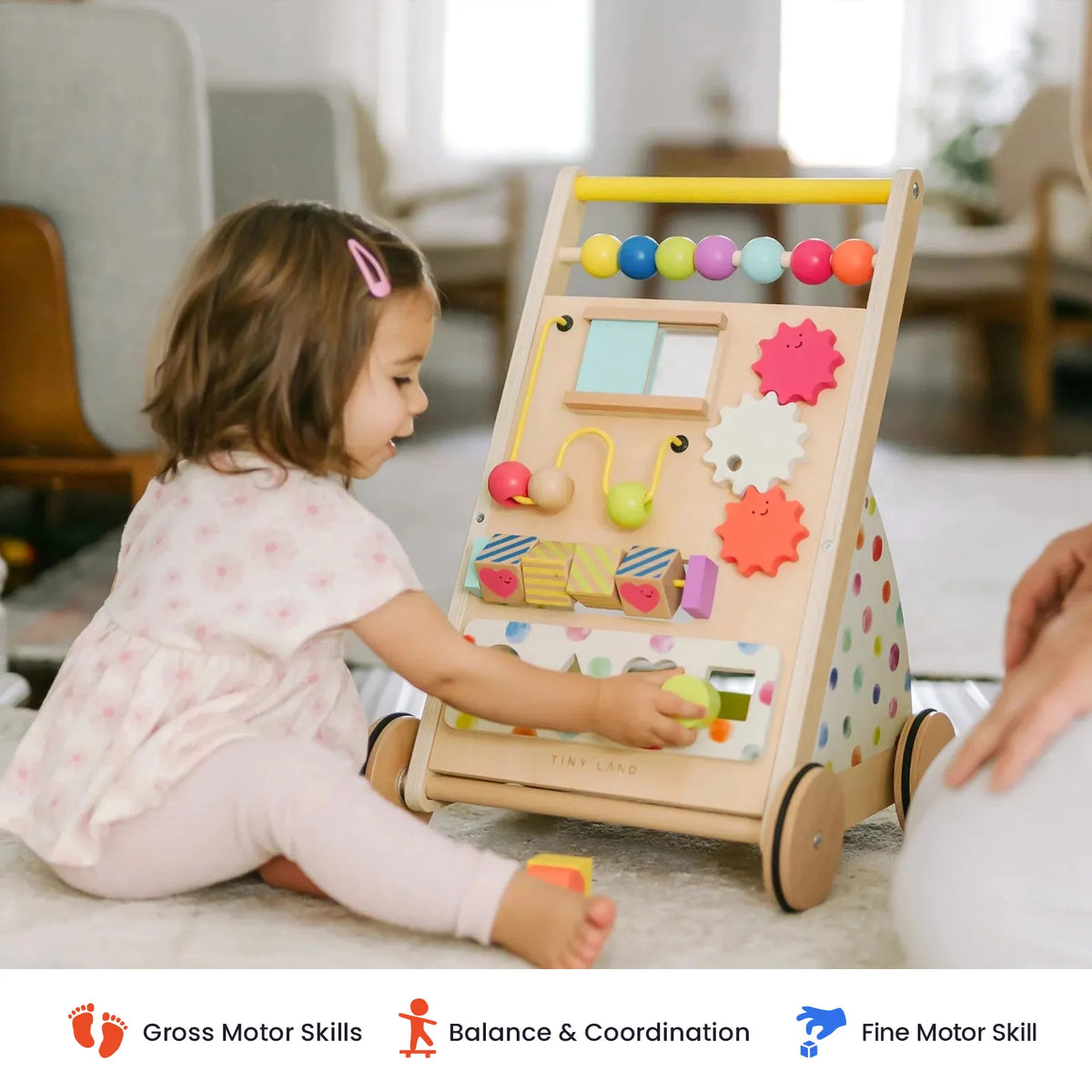
Indoor walkers are designed to support toddlers during the earliest stages of standing and walking in a safe, familiar environment.
- Practicing standing, balancing, and early walking skills
- Exploring nearby spaces independently while staying close to parents
- Building confidence through slow, supported movement
- Encouraging everyday exploration around the home
A well-designed baby walker gives toddlers the freedom to safely explore movement at their own pace while developing confidence in their growing abilities.
Features such as controlled wheel speed, stable support, and child-safe construction help create a safer learning experience for beginner walkers. Because indoor spaces feel calm and predictable, toddlers can focus on practicing movement without becoming overwhelmed.
This type of early mobility play supports both physical development and independent exploration during an important stage of growth.
🌿 Outdoor Walker Wagon Play: Exploration & Real-World Adventure
Outdoor walker wagons expand movement play beyond the home and encourage toddlers to explore larger environments with greater freedom.
- Walking adventures around the backyard or neighborhood
- Carrying flowers, leaves, or small outdoor treasures
- Helping with simple grocery trips or outdoor errands
- Transporting favorite toys during outdoor play
With durable wheels designed for outdoor surfaces, walker wagons can comfortably move across sidewalks, grass, patios, and backyard spaces, making outdoor exploration feel more natural and accessible for young children.
Tiny Land outdoor walker wagons are designed to grow alongside children from infancy through the preschool years, supporting both mobility and imaginative play as toddlers become more independent.
Safety-focused design and controlled movement features help children explore confidently while giving parents greater peace of mind during outdoor activities.

Shelter & Comfort Play: Emotional Safety Zones
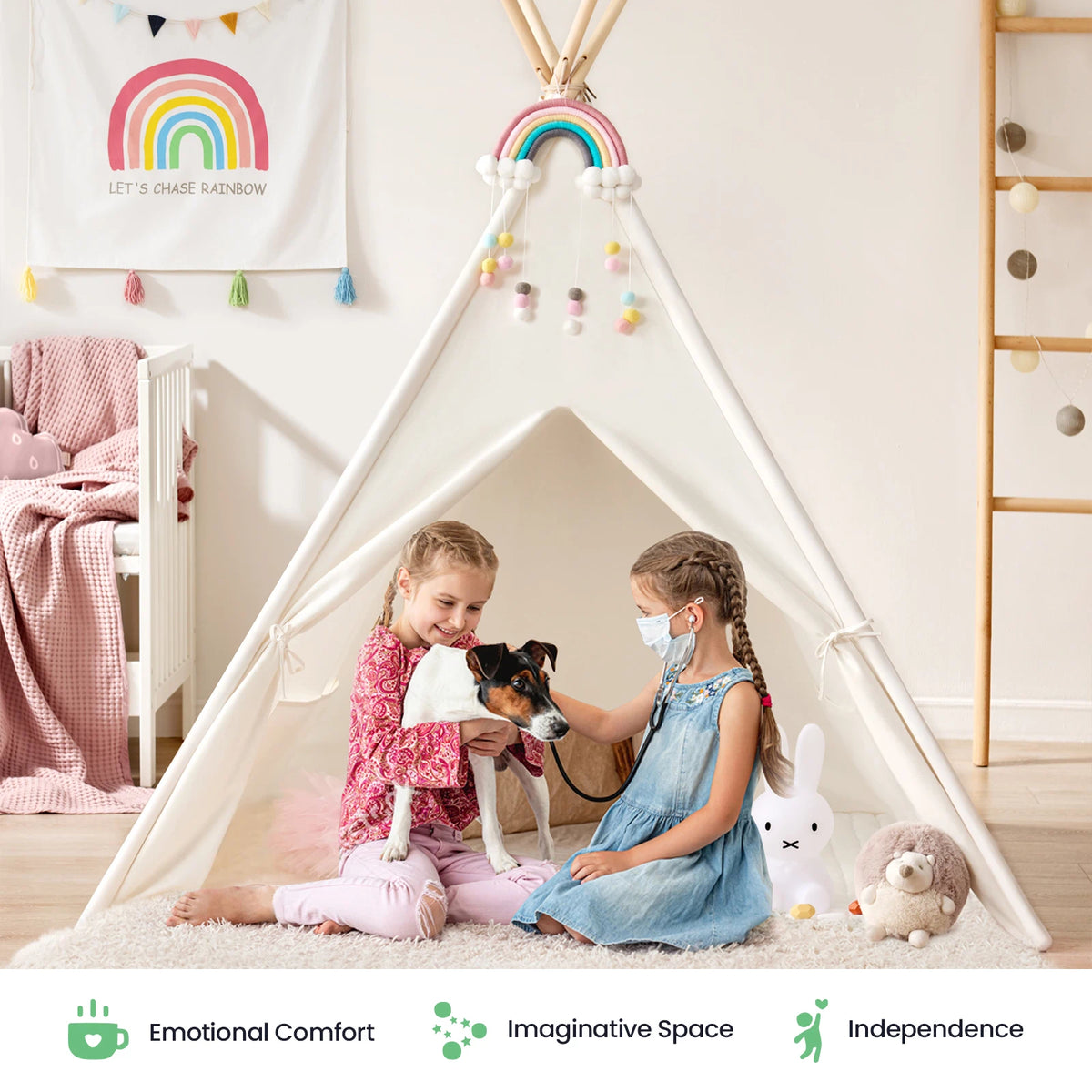
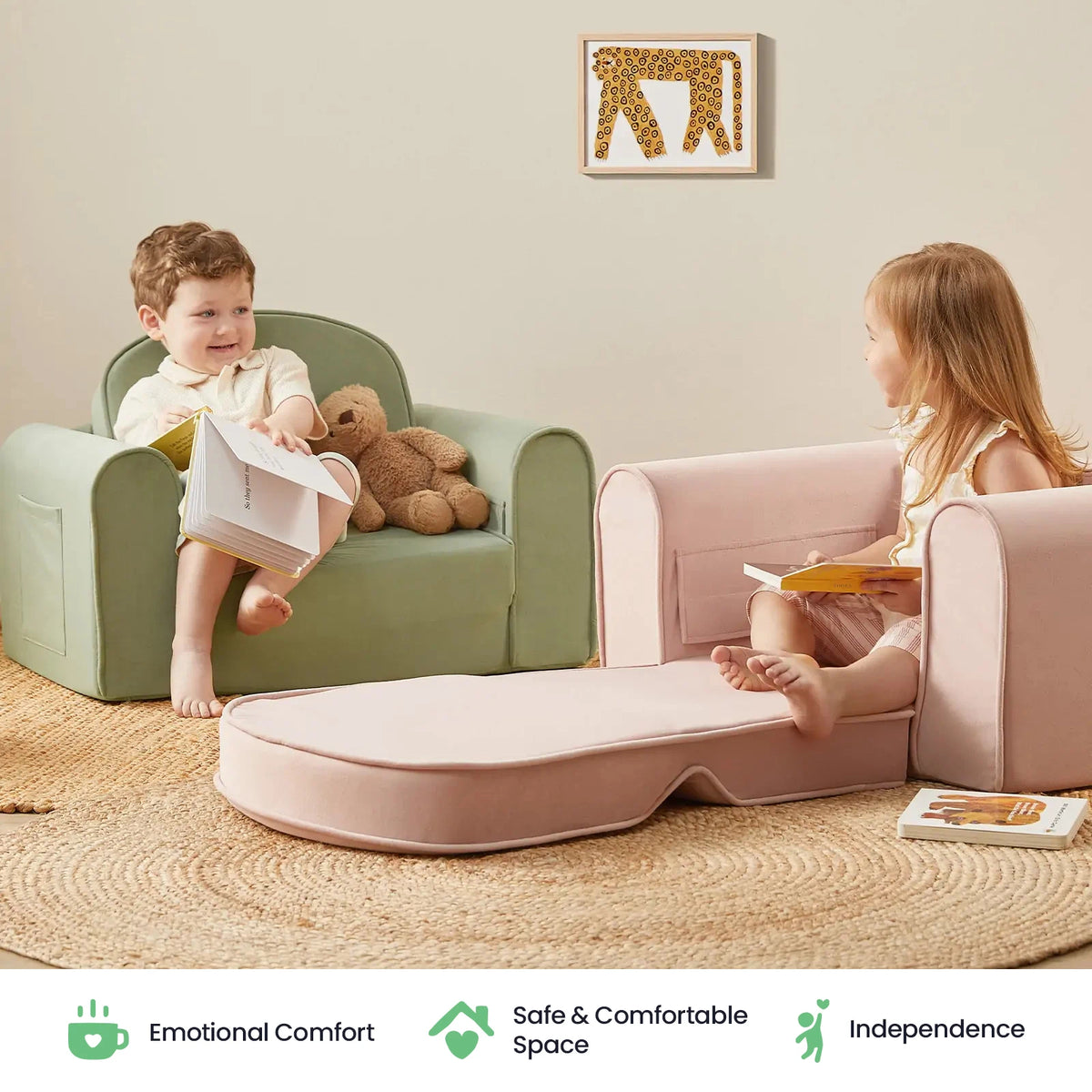
Having a dedicated “safe space” helps toddlers feel secure, independent, and emotionally regulated during play. Quiet shelter areas also encourage children to slow down, recharge, and comfortably explore independent routines on their own.
🏡 Indoor Tent Play: Calm Spaces for Rest & Independent Time
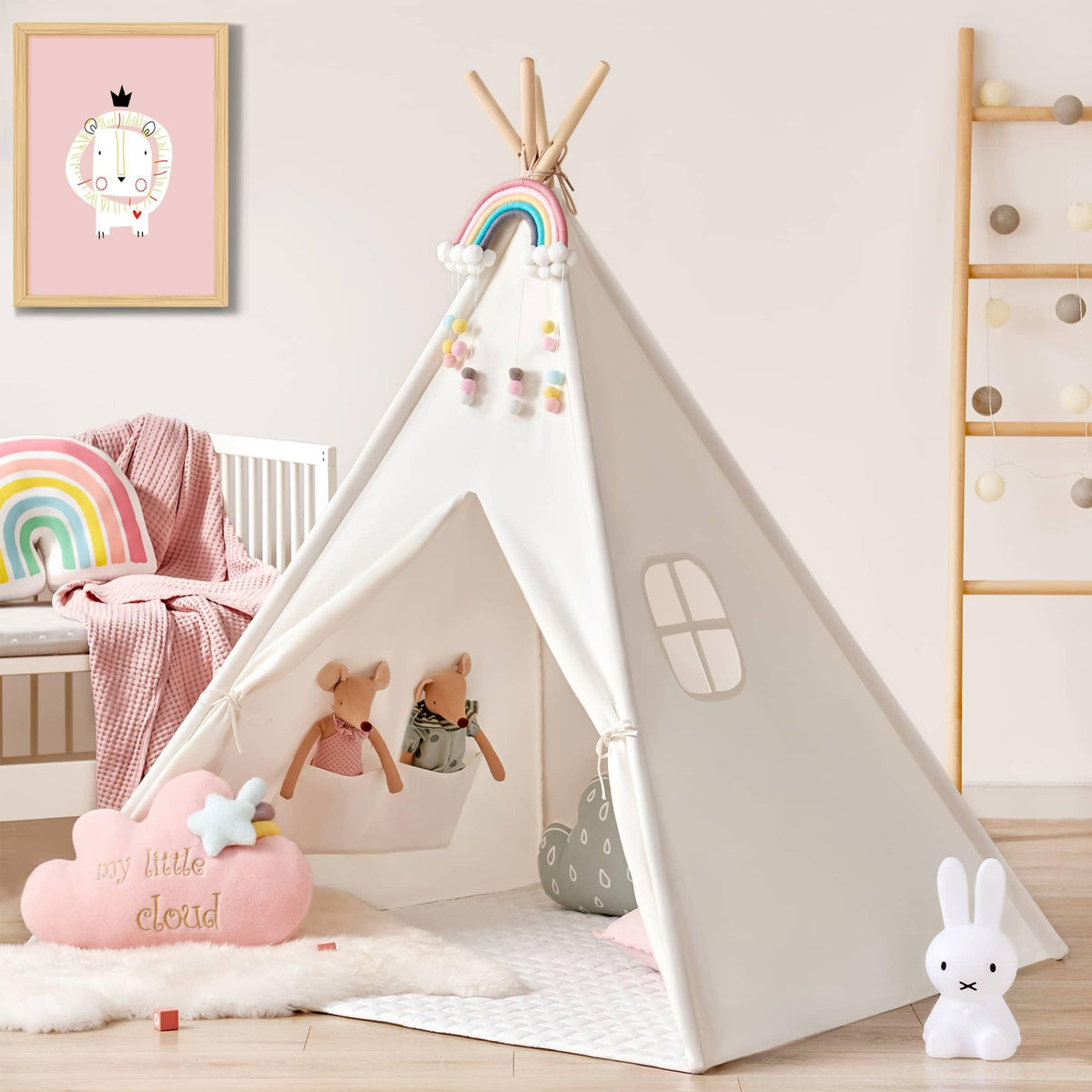
Indoor play tents create cozy, predictable environments where toddlers can relax, recharge, and enjoy quiet independent activities.
- Reading books independently or with parents
- Quiet storytelling and imaginative play
- Midday rest or cozy nap time
- Creating a personal space for calm, self-directed play
Because indoor tents feel enclosed and comforting, they naturally help toddlers develop self-soothing skills and independent focus. These quiet spaces can also reduce overstimulation and give children a sense of ownership over their environment.
Whether used for reading, resting, or imaginative pretend play, indoor tents support emotional comfort while encouraging calm independent routines at home.
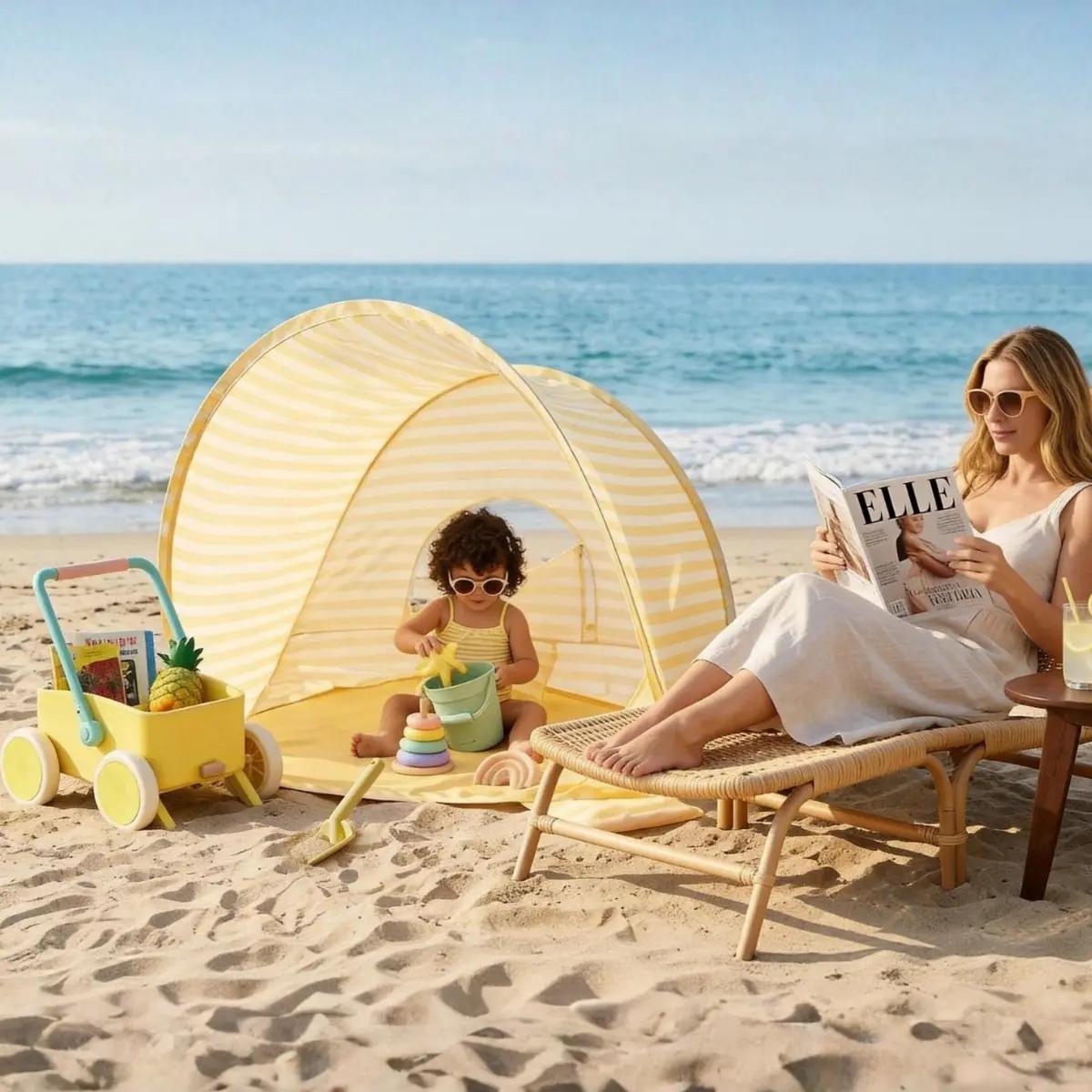
🌿 Outdoor Beach Tent Play: Fresh Air & Protected Outdoor Exploration
Outdoor beach tents and pop-up play tents help toddlers enjoy longer outdoor playtime while staying protected and comfortable.
- Shaded backyard play and sand play activities
- Outdoor reading, relaxing, or snack breaks
- Beach play with airflow and sun protection
- Nature-based play while enjoying fresh air and outdoor surroundings
Outdoor tents create a comfortable transition between active outdoor exploration and restful quiet time. Features such as shade coverage and ventilation help toddlers stay cooler and more comfortable during warm-weather play.
Whether playing in the backyard, at the beach, or during outdoor family outings, these spaces encourage children to safely explore nature while enjoying fresh air, sensory experiences, and independent outdoor play.
Why Indoor and Outdoor Independent Play Should Work Together
Toddlers do not learn in isolated environments. They build skills through repetition across different settings. This is especially important in screen-free play routines and daily toddler activities at home.
When the same types of play are supported both indoors and outdoors, children benefit from:
- Stronger cognitive reinforcement
- More flexible thinking patterns
- Longer independent engagement
- Reduced screen dependency
- Balanced physical and emotional development
How to Build an Effective Independent Play Environment
A successful independent play setup is not about complexity—it is about clarity and accessibility.
Key principles include:
- Clearly defined play zones (movement, creative, pretend, quiet)
- Open-ended toys that can be used in multiple ways
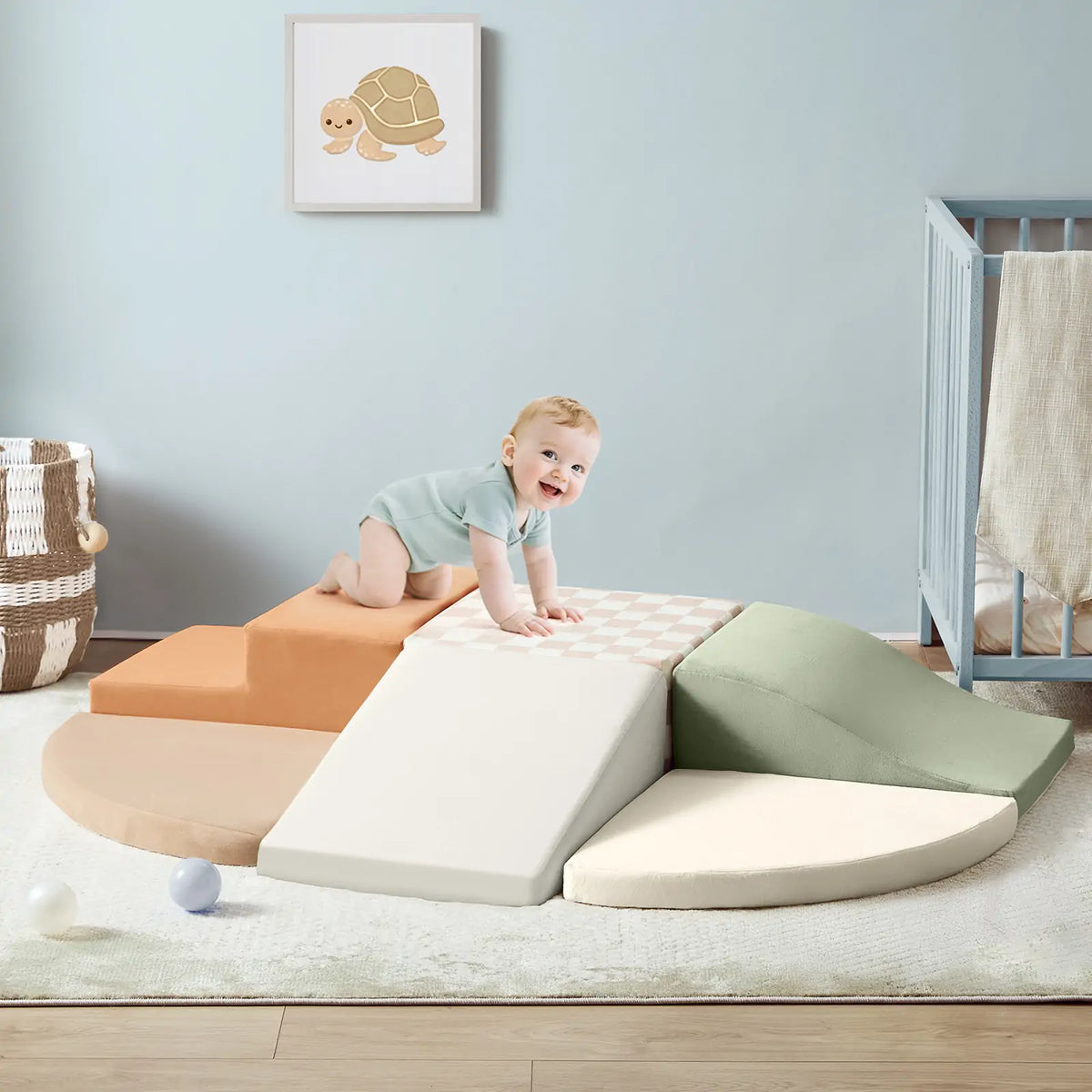
- Safe, soft, and child-friendly materials
- Toy rotation to maintain novelty and interest
- Easy access so children can initiate play independently
Starting with a few open-ended toys such as a play kitchen, tent, easel, or movement toys can make it easier to build a complete independent play environment over time.
 Frequently Asked Questions About Toddler Independent Play
What is independent play for toddlers?
Independent play is when toddlers engage in self-directed activities without constant adult guidance. It helps build creativity, focus, and problem-solving skills.
How do I encourage my child to play independently?
Start with simple setups, limit toy overload, and create clearly defined play zones. Open-ended toys like kitchens, tents, and wagons work especially well.
What are the best toys for independent play?
Open-ended toys such as play kitchens, building sets, easels, tunnels, and tents are ideal because they can be used in multiple ways.
How long should toddlers play independently?
It varies by age, but even 10–20 minutes of focused independent play can significantly support development.
 Final Thoughts
Independent play is not about keeping children occupied—it is about creating environments where they can think, imagine, move, and grow independently.
By designing both indoor and outdoor play spaces that mirror each other, parents can build a consistent system that supports learning, creativity, and emotional development throughout early childhood.