




Choosing between a large doll house and a small doll house sounds simple at first. But once parents start looking, the decision becomes less about “big or small” and more about space, age, play habits, materials, accessories, and how the toy will fit into real life at home.
Some kids love a big house with multiple rooms, furniture sets, lights, a laundry room, living room, bedroom, and space for many dolls. Others enjoy a smaller scale wooden house that is easier to move, store, and use during short bursts of playtime. The right choice depends on your child, your room, and the kind of imaginative play you want to encourage.
In this guide, we’ll compare large doll house vs small doll house options so you can decide which size offers the best value for your family.

Why Doll Houses Are Still Loved by Kids
Doll houses have been around for generations because they give kids a small world they can control. A child can create stories, move furniture, imagine a real house, care for dolls, act out household routines, and explore different forms of family life.
For toddlers and older kids, doll houses support more than fun. They can help build fine motor skills as kids move tiny accessories, place furniture, open doors, arrange miniatures, or decorate each room. A doll house also supports open ended play because there is no one “correct” way to use it. One day it may become a princess castle. Another day, it may become a busy family home, a Barbie house, a wooden dollhouse village, or even a magical castle with pets and toys.
That flexibility is why many parents still see dollhouses as classic toys with long-term value.

Large Doll House: Best for Big Imagination and Longer Play
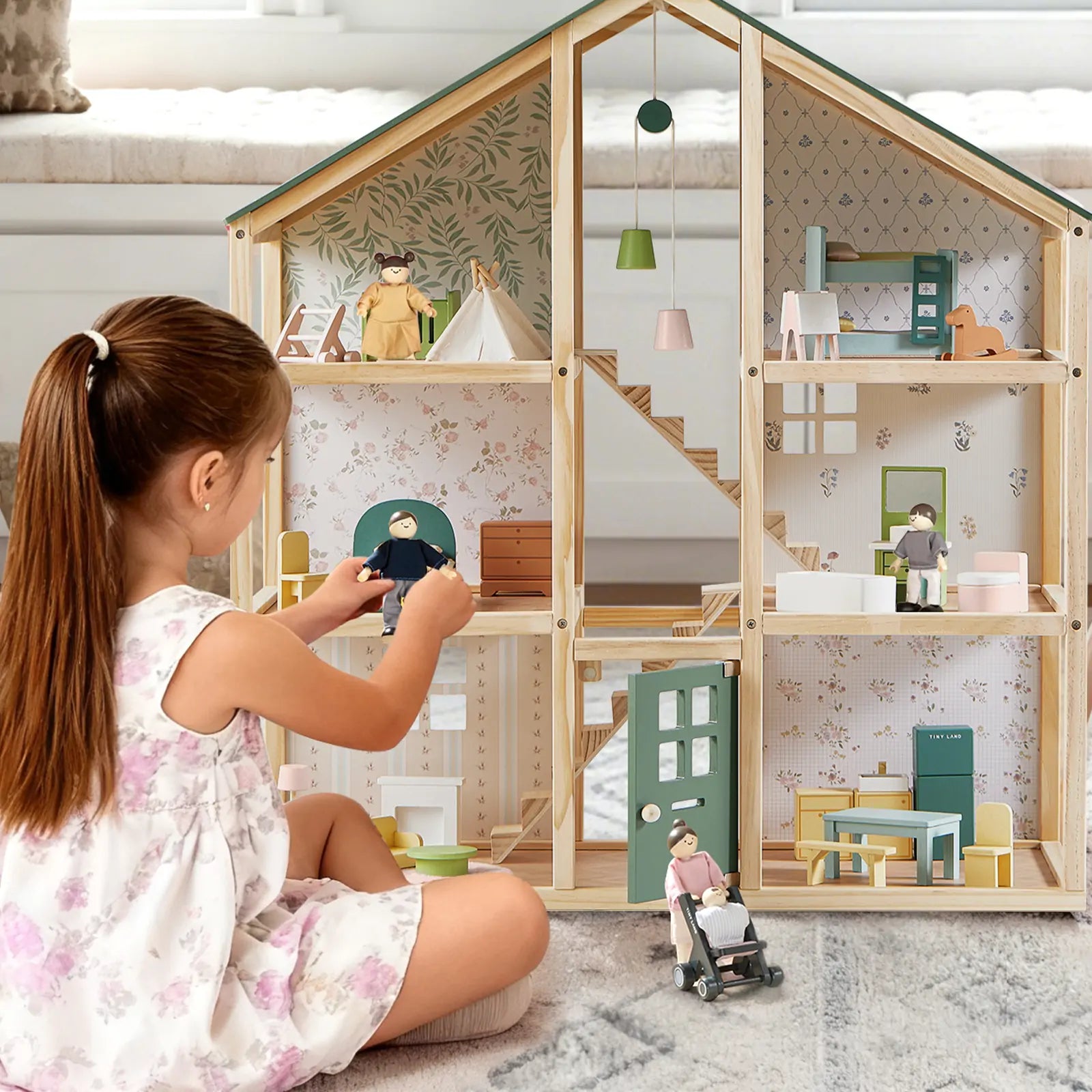
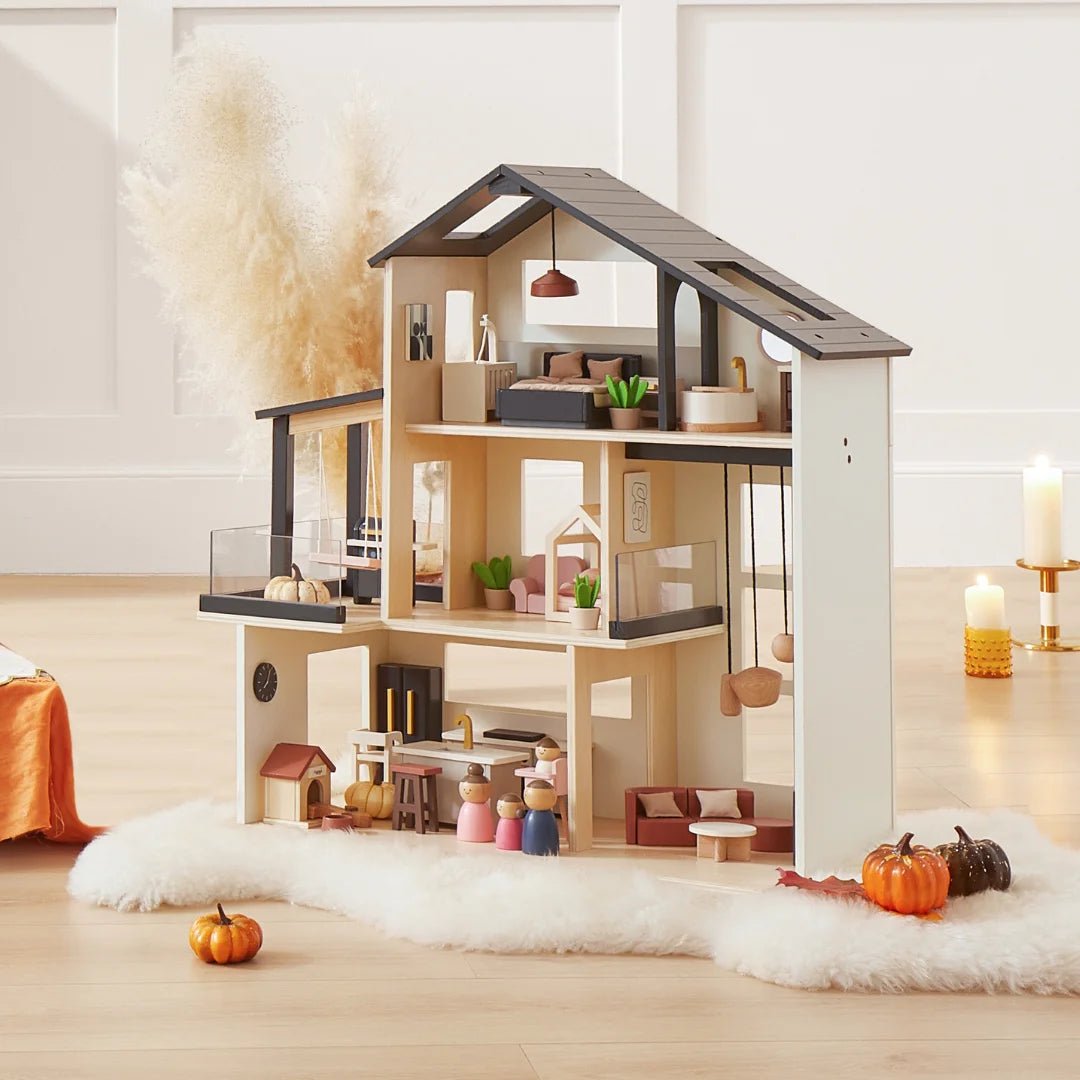
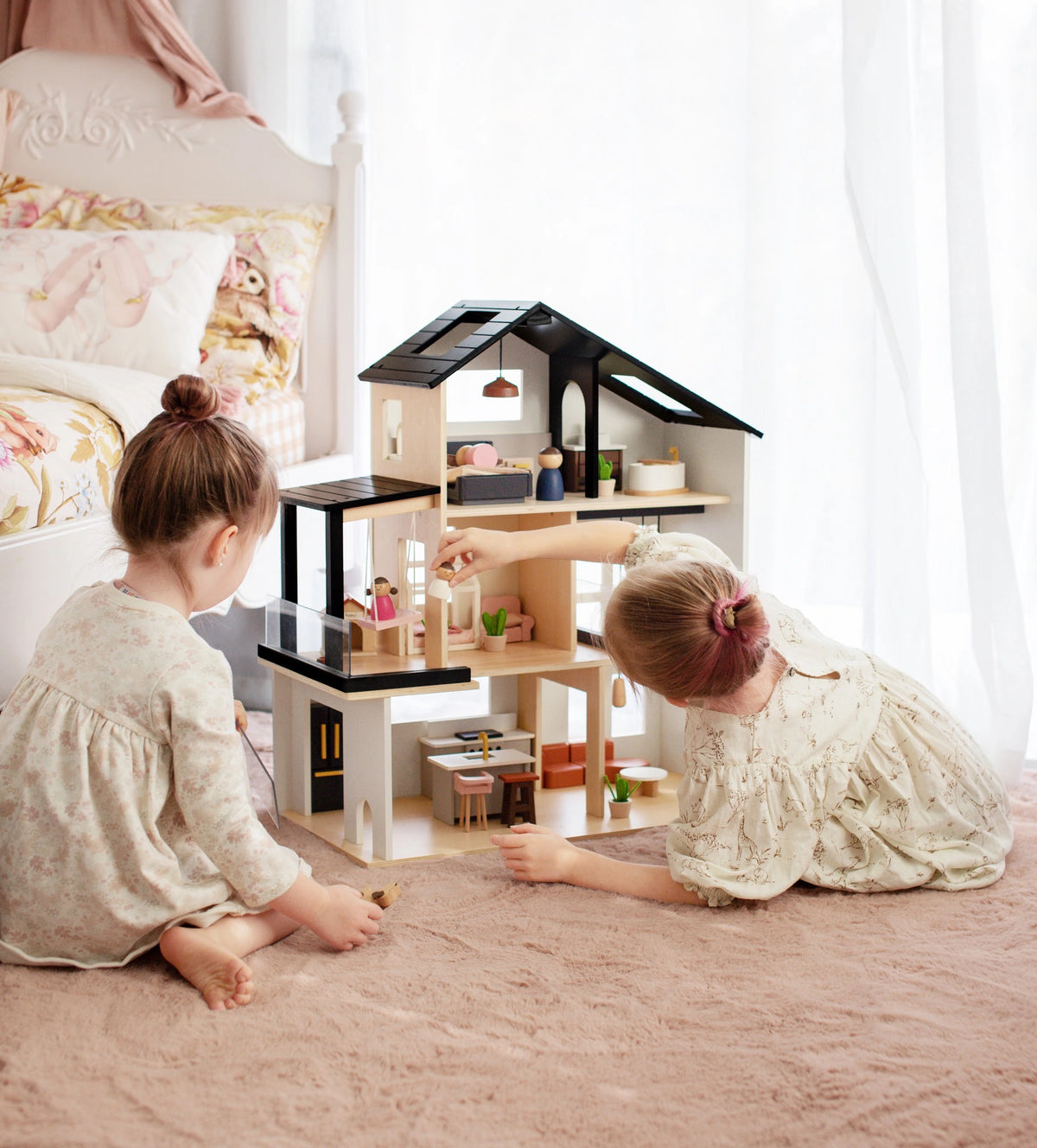
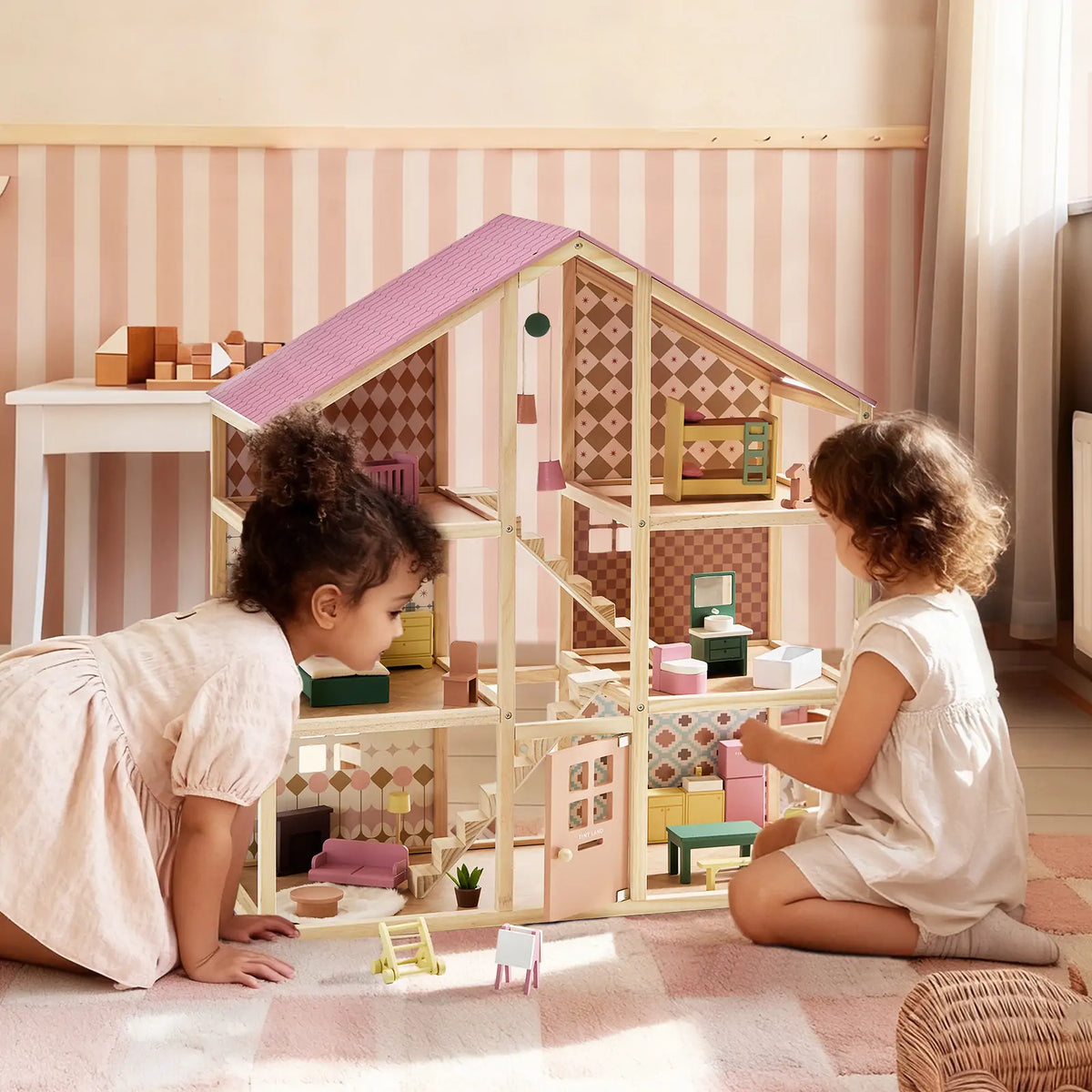
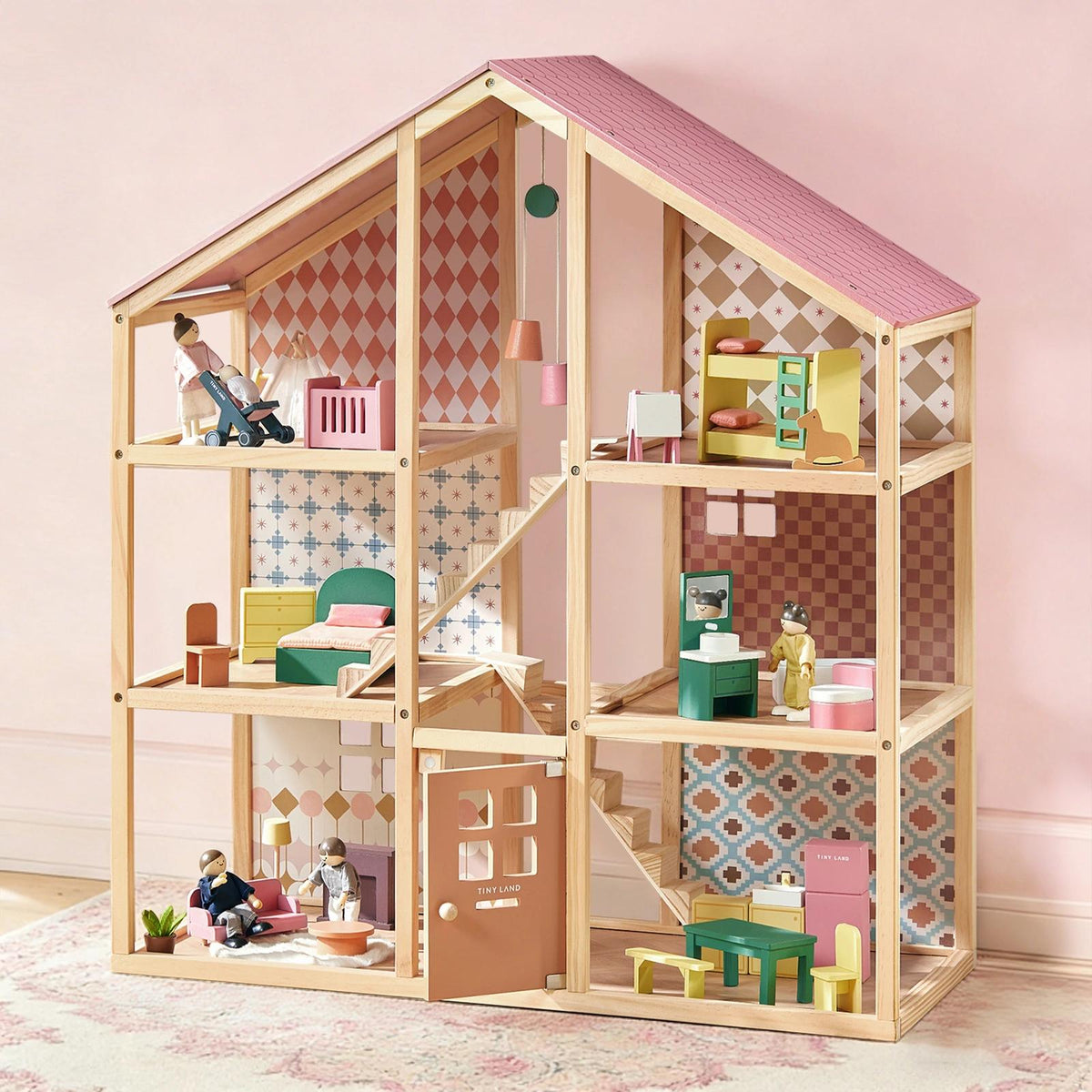
A large doll house is usually the better choice if your child enjoys detailed pretend play. Bigger doll houses often include more rooms, more floor space, and more areas for furniture, dolls, and accessories. Kids can create a full household scene with a living room, bedroom, kitchen, laundry room, and even outdoor-style spaces.
This size works especially well for older kids who already enjoy storytelling. They can create longer stories, move dolls between rooms, and build a full world around the house. If your daughter loves to watch family routines, copy mom, arrange a bed, place pets in a room, or imagine daily life in detail, a larger house can keep her interest for longer.
A large doll house is also better when more than one child plays at the same time. Two kids can stand on different sides or floors, each creating their own stories without feeling crowded.
However, parents should think carefully about space. A big house needs enough room in the playroom or bedroom. If it is too large for the wall area or floor plan, it may become difficult to clean around or protect from scratches. Before buying, measure the available space and picture where the house will stand. A beautiful toy loses value if it blocks the room or becomes hard to store.

Small Doll House: Best for Small Spaces and Easy Play
A small doll house is a smart choice for apartments, shared bedrooms, and families who prefer a tidy playroom. Smaller doll houses are easier to move, easier to store, and often more affordable. They can fit near a wall, inside a play corner, or beside other toys without taking over the room.
For toddlers, a smaller scale house can feel less overwhelming. A very large house with too many details, accessories, furniture sets, and rooms may be exciting, but it can also make play feel scattered. A small wooden house gives kids a simpler setup. They can focus on basic actions: placing dolls in bed, opening a door, moving furniture, or creating short stories.
Small doll houses are also good for families who already have many toys. If your child has blocks, clay, pretend food, a princess castle, or other toys in the collection, a compact doll house may blend better with existing play. Kids can still create a rich world without needing a huge structure.
The only downside is that a small house may have limited room for bigger dolls, Barbie figures, or large accessories. If your child already owns Barbie dolls or wants a Barbie house style setup, check the scale carefully before buying.

Scale Matters More Than Size
When comparing doll houses, scale is one of the most important details. A house may look large in a picture, but the rooms may be too small for your child’s favorite dolls. Another house may look compact, but it may be designed well enough to fit furniture and figures comfortably.
Before parents decide, check:
-
The height of the dolls your child already owns
-
The size of the furniture
-
Whether the rooms can fit a bed, table, or sofa
-
Whether kids can easily reach every floor
-
Whether the house is standing-height friendly for your child’s ages
If your child plays with Barbie-style dolls, you may need a larger doll house or Barbie house scale. If your child prefers smaller wooden dolls, family figures, or miniatures, a smaller wooden dollhouse can work beautifully.
The goal is not always to buy the biggest house. The goal is to choose a scale that matches the toys your child already loves.

Wooden Dollhouses vs Plastic Doll Houses
Materials also matter. Many parents prefer wooden dollhouses because they feel sturdy, classic, and easier to match with home decoration. A wooden house can look beautiful in a playroom, living room, or bedroom without making the space feel cluttered. Wood also gives the toy a warm, real-life feeling that fits well with open ended play.
Plastic doll houses can be colorful, lightweight, and sometimes include lights, sounds, or themed characters. A plastic Barbie house or princess castle may attract kids quickly because of bright details and familiar fantasy themes. But for long-term use, parents often look at durability, style, and whether the toy can grow with the child.
Wooden dollhouses usually work well for families who want a toy that feels simple, creative, and less tied to one character or story. Kids can paint, imagine, decorate with wallpaper, add furniture, and create different forms of play over time.

Think About Your Child’s Age and Play Style
A toddler may not need a huge house with many floors. At this stage, kids are still developing fine motor skills, imagination, and basic pretend play. A smaller wooden house with simple furniture may be enough. They can explore rooms, move dolls, and learn real life routines like sleeping, cooking, cleaning, and caring for pets.
Older kids may want more details. They might enjoy a larger house with more accessories, more furniture sets, lights, wallpaper, decoration, and room-by-room storytelling. They may also want to mix the house with other toys, clay crafts, miniatures, or a larger collection of dolls.
Parents should watch how their child plays now. Does your child like quick play or long stories? Do they prefer small details or big scenes? Do they usually play alone or with siblings? These answers will help you decide between a large doll house and a small doll house.

Playroom Space: The Practical Side Parents Should Not Ignore
A doll house should make play easier, not make the room harder to use. Before choosing, think about the space you have.
A large doll house works best when:
-
You have a dedicated playroom or wide bedroom wall
-
Your child likes standing and playing for longer periods
-
More than one child may play together
-
You want a main toy that anchors the room
-
You have enough floor space around it
A small doll house works best when:
-
You live in an apartment or smaller home
-
The toy needs to be moved or stored often
-
Your child already has many other toys
-
You want something more affordable
-
You prefer a clean, simple play area
It may help to use a box or tape on the floor to mark the expected size before buying. This gives parents a more realistic picture than looking at product photos alone.

Accessories Can Change the Whole Experience
The size of the house is only one part of the decision. Furniture and accessories can make a simple house feel full of life.
A doll house with furniture sets gives kids more ways to create stories. A bed can turn into a bedtime routine. A laundry room can become a cleaning game. A living room can become a family gathering space. Pets, dolls, wall decoration, wallpaper, lights, and small household details all help kids imagine a real house.
But more accessories also mean more small pieces to store and protect. If your child is young, too many tiny parts may create more mess than fun. For toddlers, simple furniture may be better. For older kids, extra details can make the play experience richer.
The best dollhouses are not always the ones with the most accessories. They are the ones that match your child’s attention span, age, and interest.

Large Doll House vs Small Doll House: Which One Should You Choose?
Choose a large doll house if your child loves detailed stories, has a bigger doll collection, plays with siblings, or wants a full real house setup with multiple rooms. Large doll houses are great for older kids, longer playtime, and families with enough floor space.
Choose a small doll house if you need something easy to store, affordable, and simple for a toddler to enjoy. A smaller wooden house is ideal for small rooms, beginner pretend play, and families who prefer less clutter.
For many parents, the best choice is the one that feels natural in daily life. If the house fits your space, supports your child’s creativity, and can grow with their imagination, it will likely become a toy they return to again and again.

Final Thoughts
When comparing large doll house vs small doll house, don’t only focus on size. Think about scale, materials, room layout, furniture, accessories, playroom space, and your child’s age. A large house can create a big world for older kids and deeper imaginative play. A small house can give toddlers a simple, cozy place to explore real life, dolls, pets, and family stories.
Whether you choose a big wooden dollhouse, a compact wooden house, a Barbie house style toy, or a small pretend play setup, the best option is the one your child will actually use. A good doll house should invite kids to create, imagine, explore, and enjoy playtime in their own way.