






A Complete Backyard Play Experience with Tiny Land
Mud isn’t just messy—it’s where kids slow down, focus, and fully engage with the world around them.
In a thoughtfully designed outdoor space, messy play becomes easier to manage and far more meaningful. Children stay engaged longer, explore more independently, and build confidence through hands-on discovery.
With a few simple elements—a mud kitchen, easel, stepping stones, and open space—you can create a backyard that keeps kids active, curious, and happily absorbed for hours.
 1. Worm Discovery Station
(Mud Kitchen Tray)
Turn your outdoor kitchen tray into a simple science station.
Invite your child to collect worms, soil, mud, and natural materials, then place them into the tray. Add a bit of moisture and observe how the environment changes over time.
This contained setup allows children to:
- Observe movement and natural behavior
- Practice patience and focused attention
- Explore nature through hands-on discovery
The tray keeps everything visible and organized—so children can explore freely, while you keep the mess under control.
👉 A simple way to encourage focus and independent exploration.

2. Mud Building & Construction Play
(Mud Kitchen Shovel + Open Space)
Mud becomes a material for building, testing, and experimenting.
Children use tools from the mud kitchen—such as scoops and shovels—to work directly on the ground, shaping, stacking, and constructing with thick mud. They can add sticks to reinforce structures and test what holds or collapses.
They may build:
- Small towers
- Mud walls
- Simple villages or landscapes
This type of play introduces early engineering concepts:
- Stability
- Balance
- Trial and error
The outdoor space becomes the foundation for larger, more expansive creations, while the tools support digging, shaping, and building.
👉 Encourages problem-solving, spatial awareness, and persistence through hands-on outdoor exploration.

3. Mud Faces & Nature Collage
(Kitchen Tray-Based Play)
Spread mud onto a tray and let creativity take over.
Children can create faces or scenes using natural materials:
- Leaves for hair
- Seeds for eyes
- Sticks for structure
- Flowers for decoration
This activity blends art, storytelling, and sensory exploration into one simple setup.
The tray keeps everything contained and easy to reset—making it a repeatable activity.
👉 Supports creativity, imagination, and narrative thinking.

4. Mud Painting & Outdoor Art
(Easel)
Take creativity outside and give children a new way to express themselves.
Using mud as paint, children create on a vertical surface—exploring movement, texture, and creativity in a completely different way.
They can:
- Paint using brushes, sticks, or hands
- Explore texture and color
- Combine natural elements into their artwork
The easel creates a dedicated art space, keeping creative play separate while still encouraging open-ended expression.
👉 Supports creativity while maintaining a structured outdoor play environment.

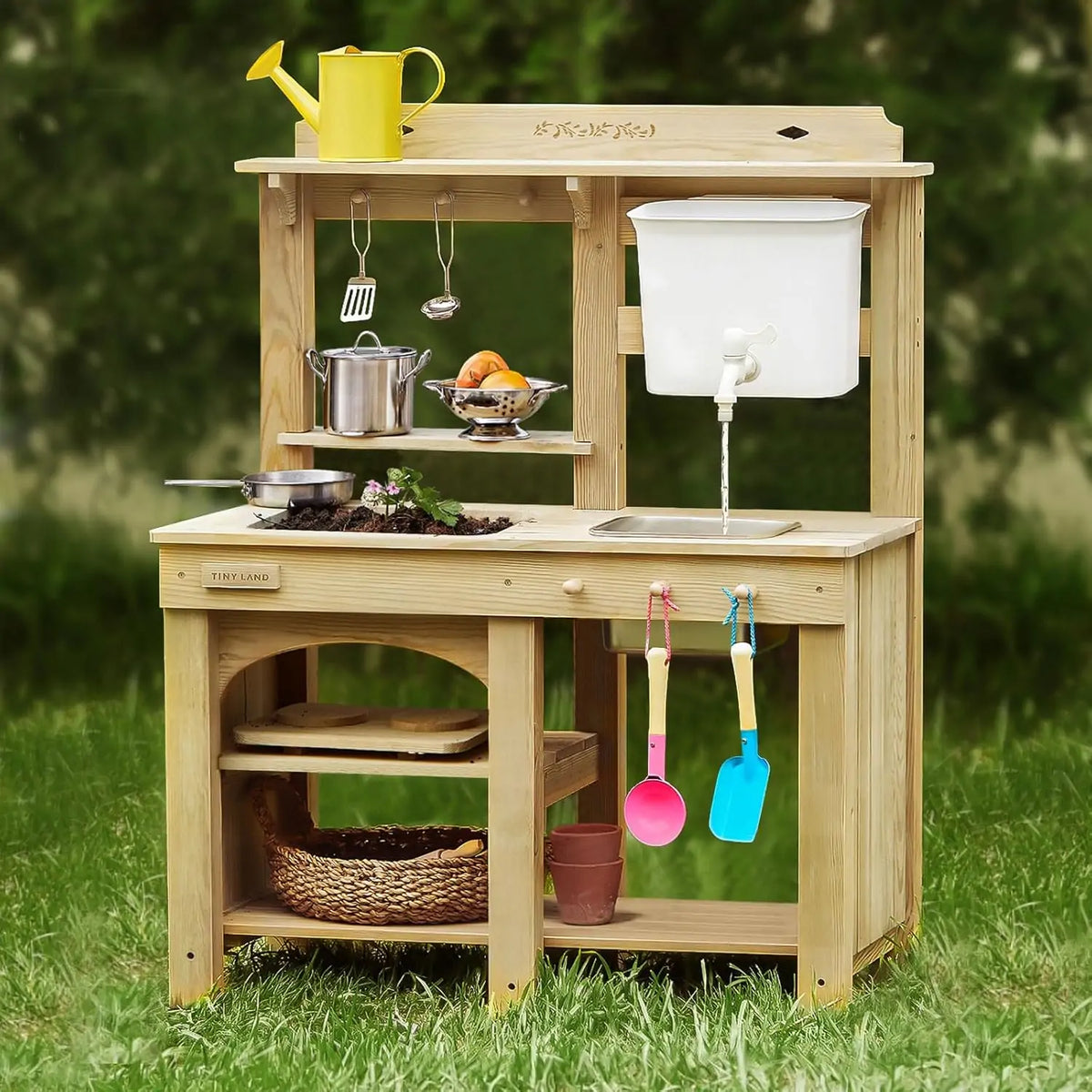
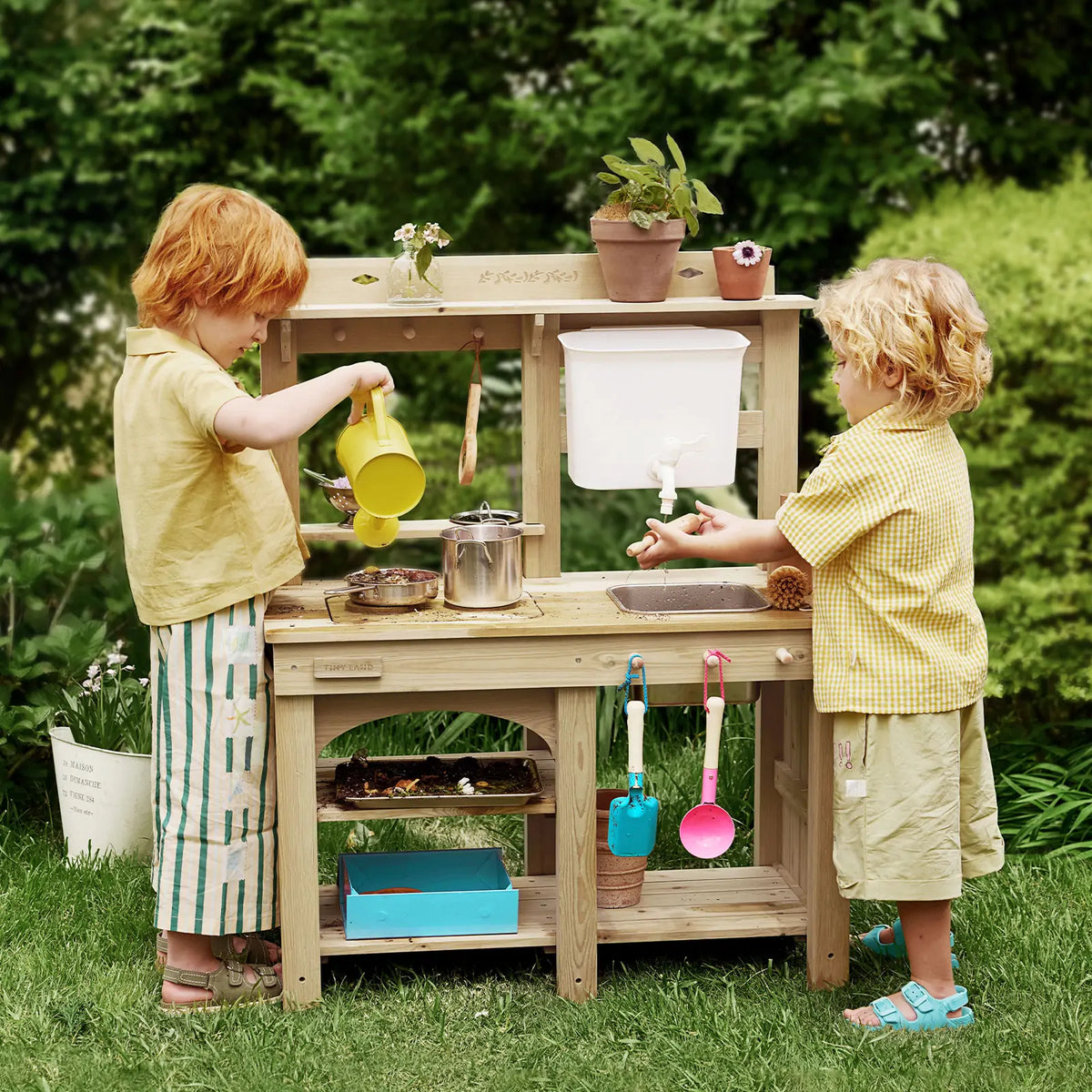
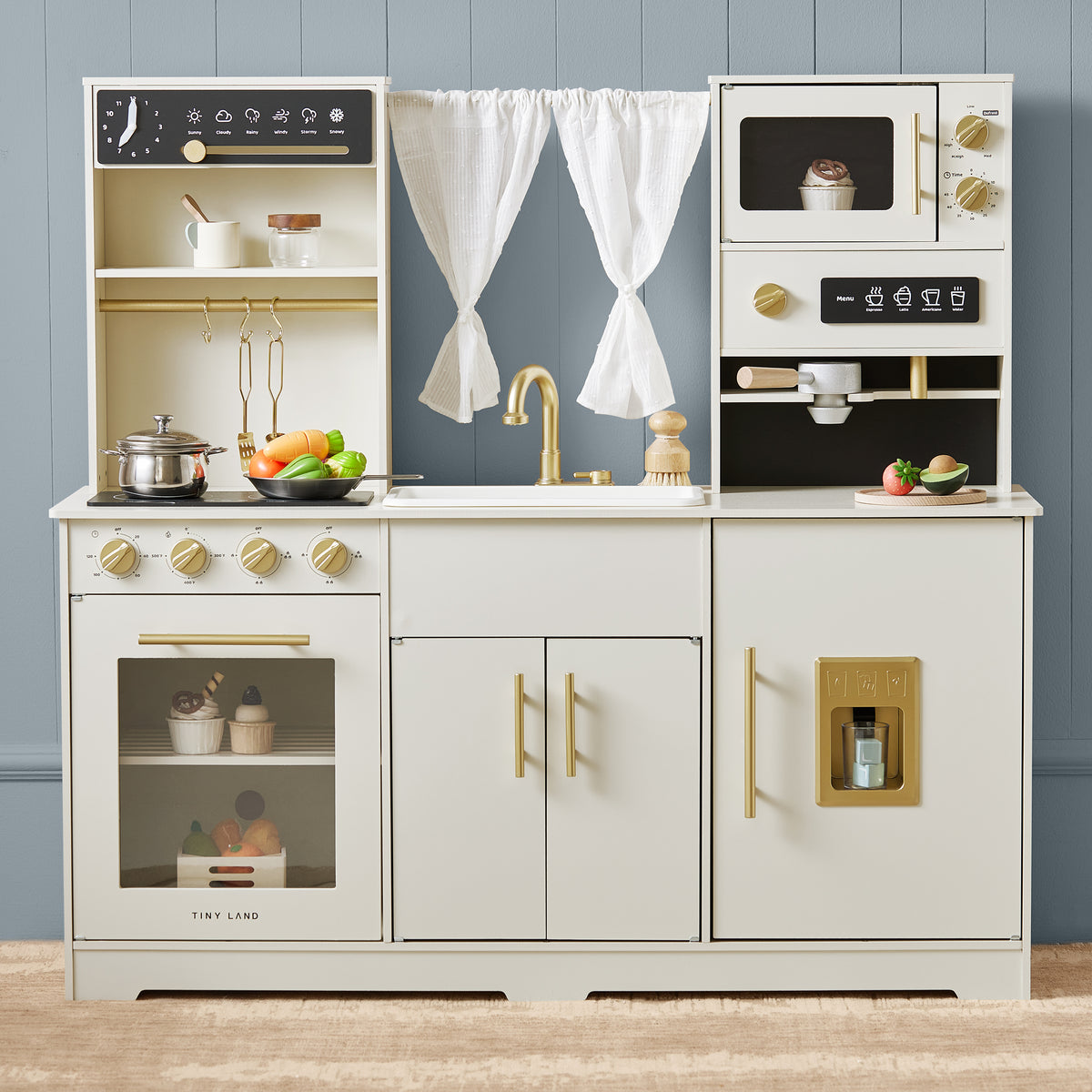
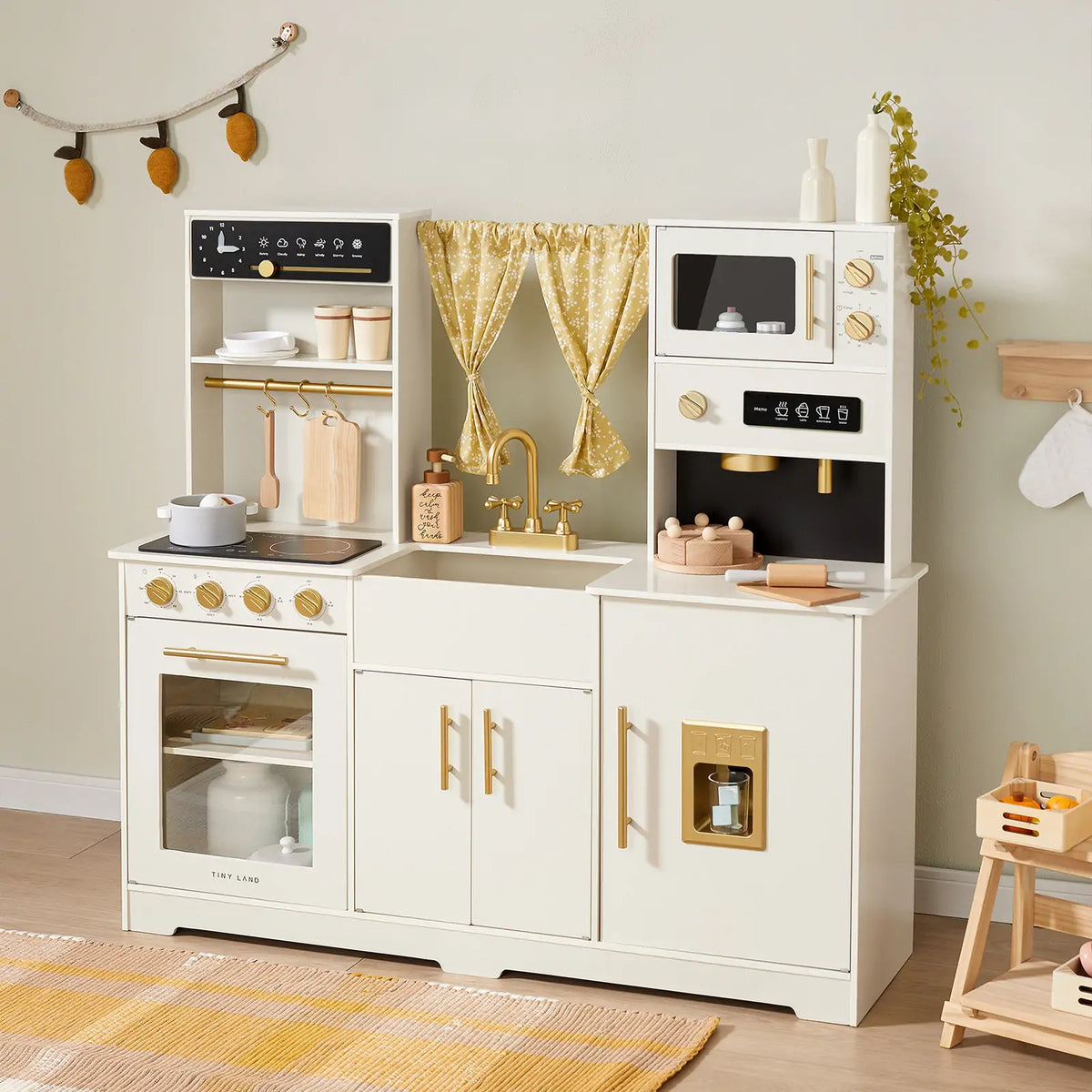
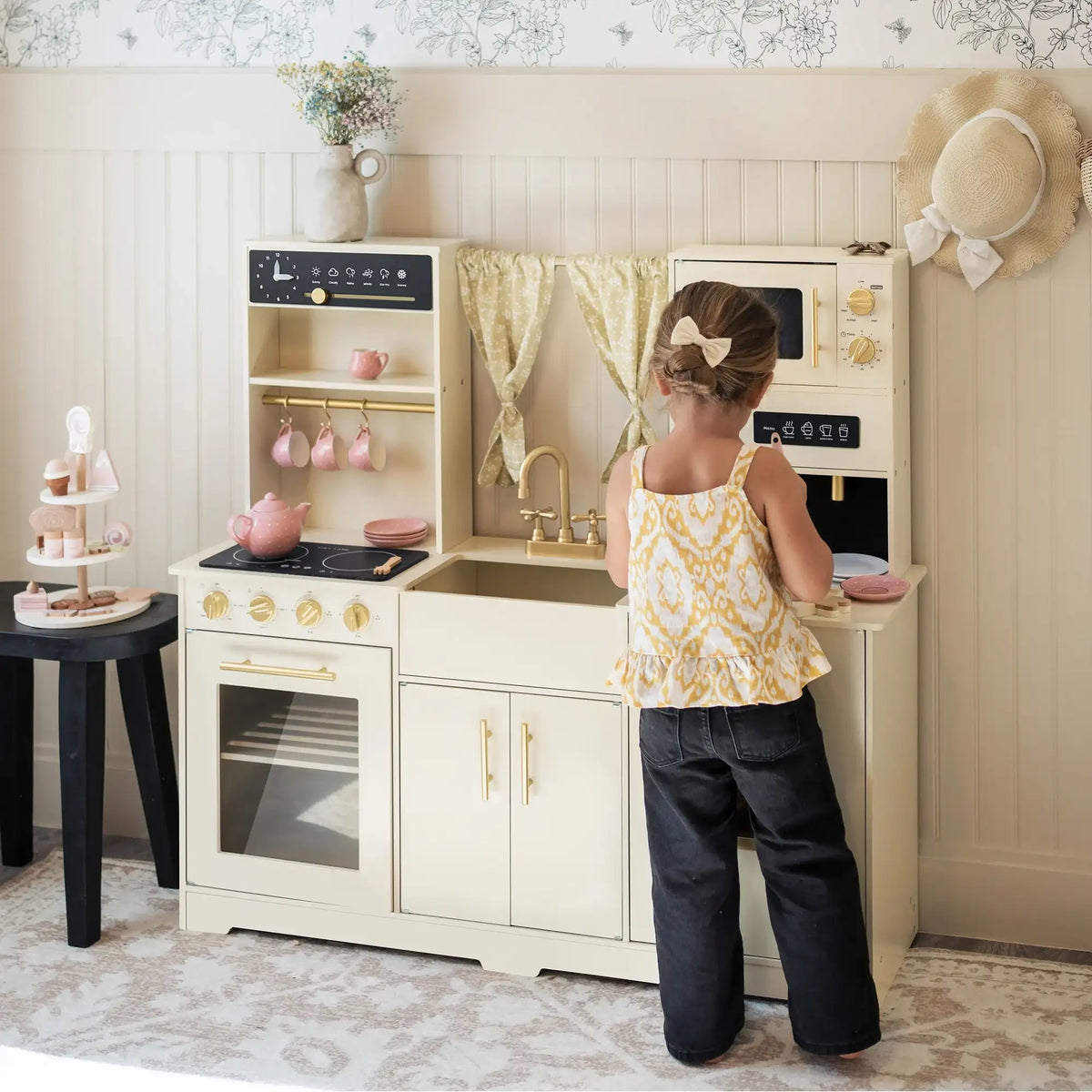
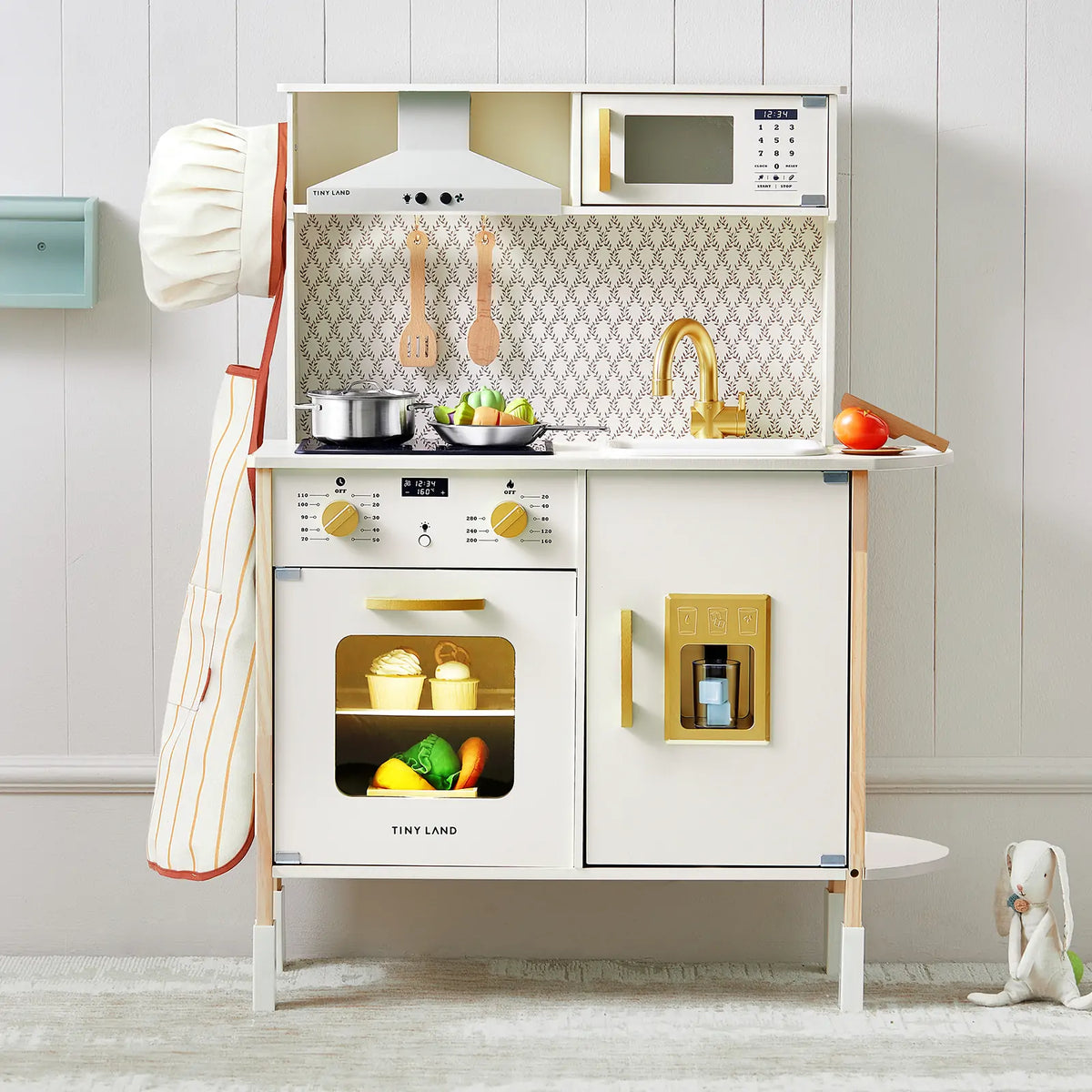
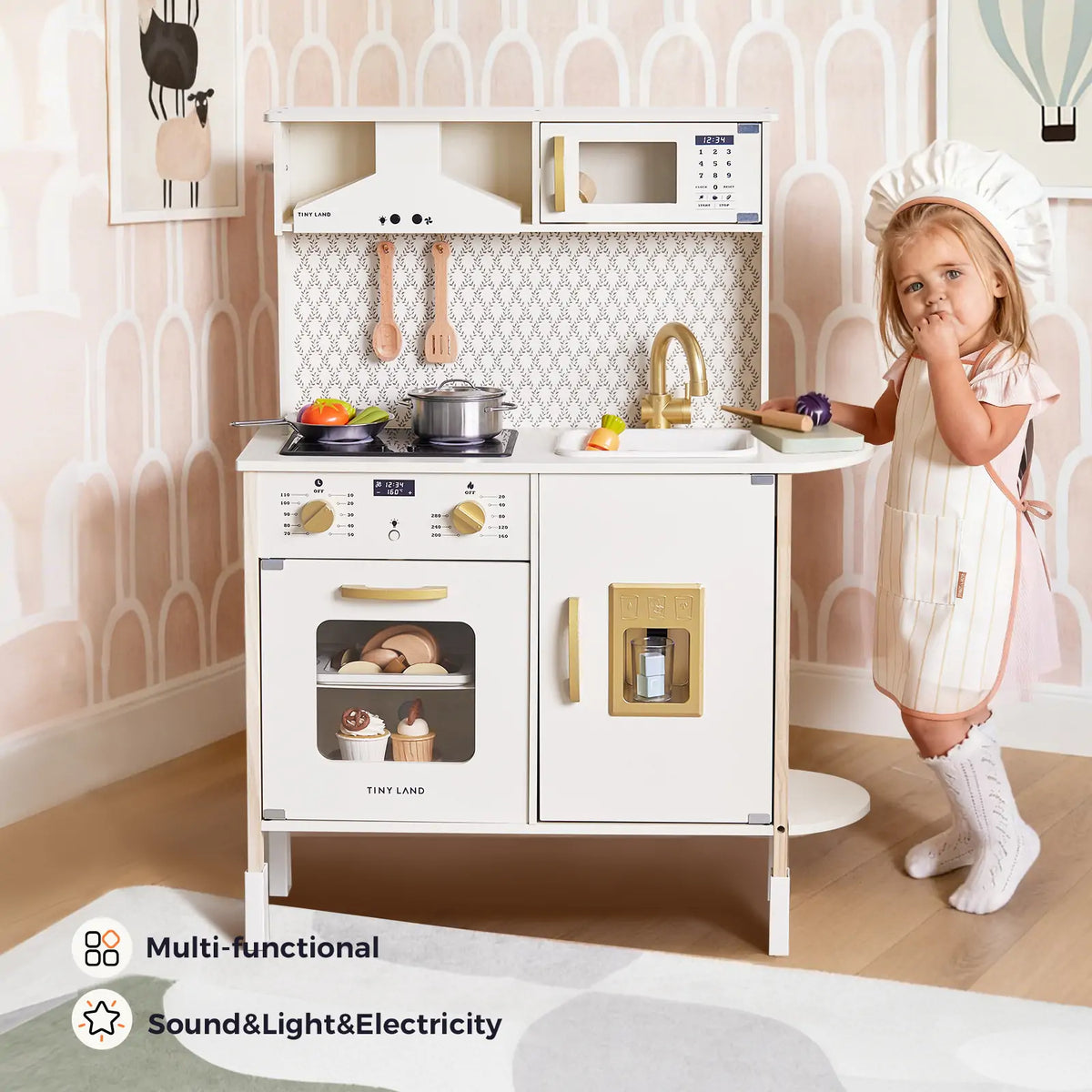
5. Mud Kitchen Cooking Play
(Core Play System)
This is where imaginative play naturally turns into real-world exploration.Children step into the role of a “chef,” creating their own recipes using mud, water, and natural materials they find outdoors.Try ideas like:
- Mud soup with leaves and water
- Packed mud cakes using molds
- Nature stews with sticks and petals
- Backyard “salads” made from collected materials
Each part of the kitchen supports the process:
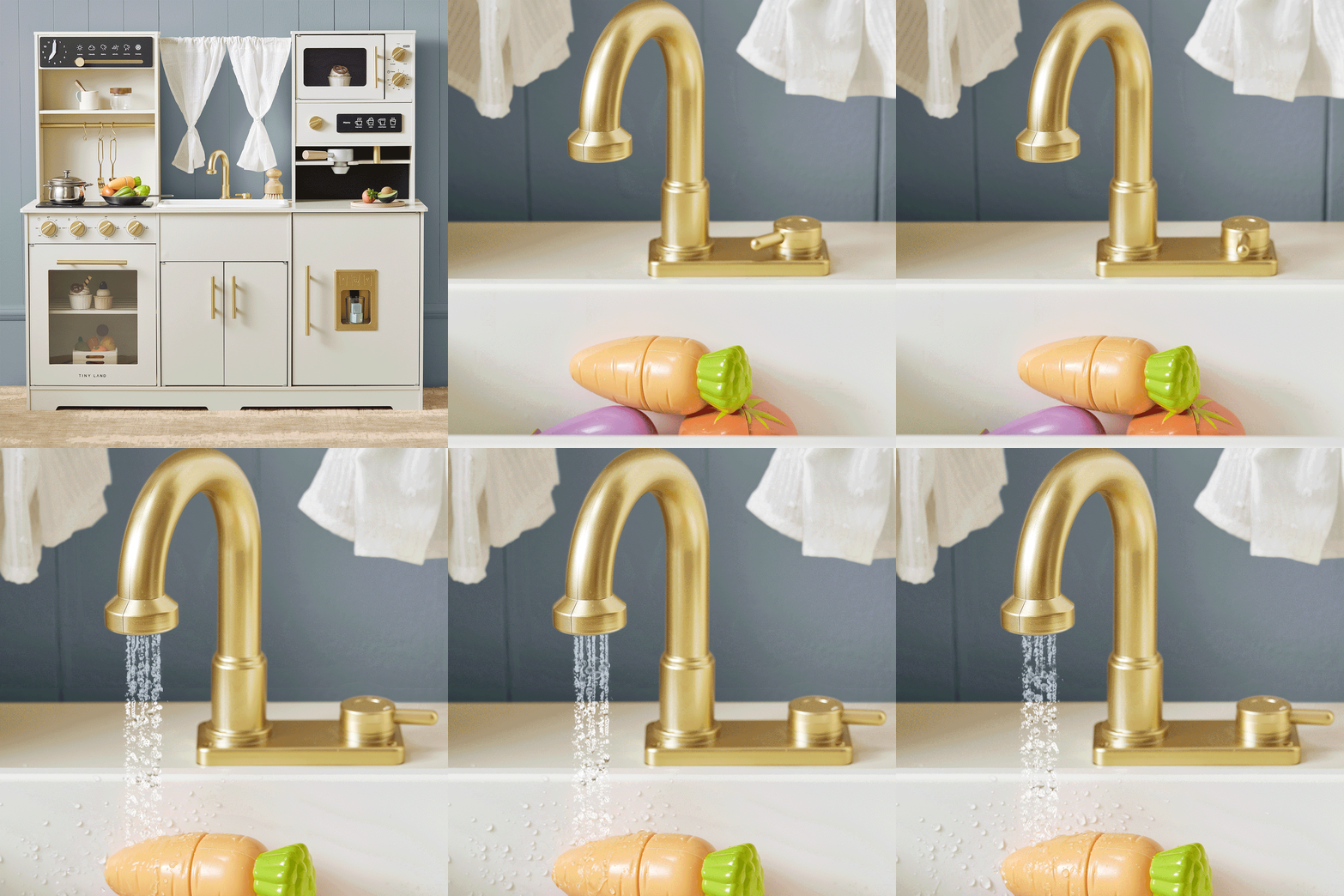
- Sink → mixing, pouring, and water play
- Counter → preparation and organization
- Trays → serving, collecting, and resetting
This structure helps children build independence, sequencing skills, and real-world thinking—all through open-ended play.
👉 Designed as the core of a complete Tiny Land outdoor play system.

6. Lemonade Stand Role Play
(Water Tank + Kitchen Setup)
Turn your backyard into a playful “stand” where mud and water come together in creative ways.
Using the water tank as a drink station, children can scoop, pour, and mix mud and water to create pretend “drinks” while engaging in role play.
You can extend the experience by:
- Mixing mud with water to create different consistencies
- Adding natural elements like leaves as “garnish”
- Using cups and containers for serving
- Creating simple role-play scenarios like serving customers
This type of play encourages:
- Social interaction
- Communication
- Early math and exchange concepts
- Creative thinking through mixing and serving
👉 A fun way to bring real-world role play into outdoor mud and water play.

7. Balance Adventure Path
(Stepping Stones)
Create a simple outdoor adventure path by placing stepping stones across muddy areas in your backyard.
Children can step from stone to stone while navigating mud in between—deciding where to step, how to balance, and how to move without stepping into the mud, or choosing to explore it on purpose.
You can extend the play by:
- Adding muddy sections between stones for contrast
- Carrying mud or water while walking the path
- Changing the path layout to create new challenges
This combines movement with sensory exploration:
- Balance
- Coordination
- Full-body engagement
- Sensory experience through mud
The stepping stones create structure, while the mud adds challenge, texture, and fun—making every path a new adventure.
👉 A playful way to bring movement, decision-making, and mud exploration together outdoors.

8. Water & Mud Exploration Table
(Water Tank + Kitchen Tools)
Fill the water tank and mix in soil to create mud of different textures and consistencies.
Children naturally turn this into a hands-on mud exploration station where they can:
- Mix water and soil in different ratios
- Explore thick vs. runny mud
- Scoop, pour, and transfer mud between containers
- Observe how mud changes as more water is added
You can extend the play by:
- Adjusting how wet or dry the mud is
- Using cups and funnels to move mud and water
- Comparing different types of mud textures
This type of play supports:
- Early science thinking
- Problem-solving
- Sensory exploration
- Curiosity and repetition
👉 A contained, hands-on way to explore the science of mud and water through open-ended play.

Final Thought
Mud play isn’t about keeping things clean—it’s about giving children the space to explore, create, and think independently.
With the right setup, your backyard becomes more than a play area—it becomes a complete environment that supports focus, independence, and meaningful play.
Explore the Tiny Land outdoor play system—designed to support open-ended play, encourage independence, and create meaningful everyday childhood moments.