






Have you ever noticed your toddler looking at a carrot on their plate and asking, “Where did this come from?”
For many little ones, food simply appears — a snack from the fridge, a fruit from a bowl. Understanding where food comes from is an important first step in helping children develop curiosity and a meaningful connection to the world around them.
National Garden Month is the perfect springtime reminder that even without a garden, children can explore the journey of food — from seed to plate — through play.
 Why Understanding Food Matters
Toddlers learn best through hands-on experience, not lectures. When children see, touch, and interact with food — whether real or pretend — they can:
- Gain awareness that food grows and doesn’t just appear on a plate
- Learn names of fruits, vegetables, meat, and dairy
- Practice skills like patience, observation, and categorization
These experiences can also help toddlers:
- Try new foods with more confidence
- Build independence in everyday tasks
- Connect everyday routines to natural processes
Even simple experiences like touching, sorting, or pretending to cook food can help toddlers explore where things come from and become familiar with them.

No Garden? No Problem
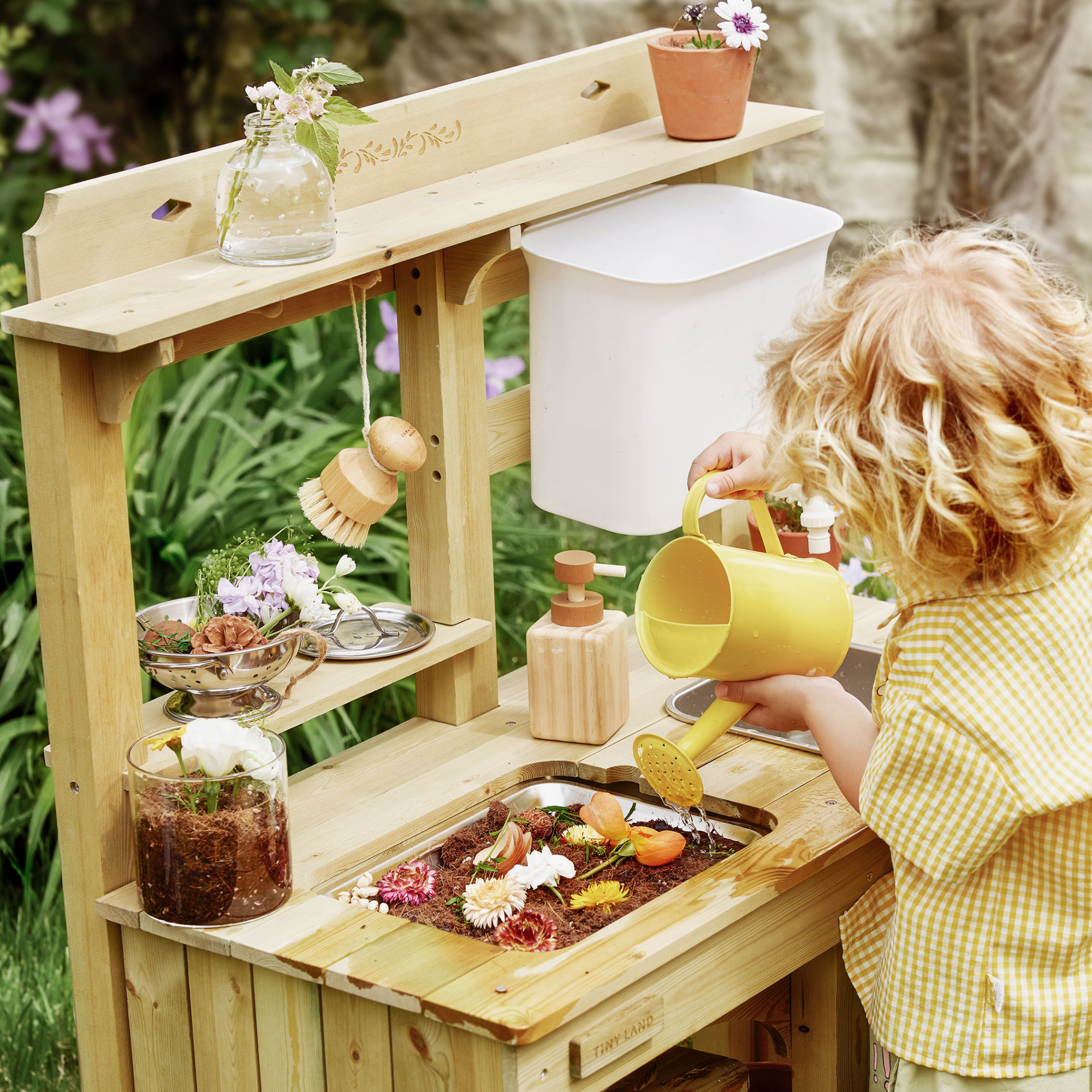
Not every family has a backyard to plant tomatoes or carrots, and that’s okay. Toddlers can still explore the journey of food through pretend play and hands-on activities at home.This is where play-based learning becomes powerful: children can “plant,” “harvest,” and “cook” food in ways that mirror real life, without needing soil or a full garden.
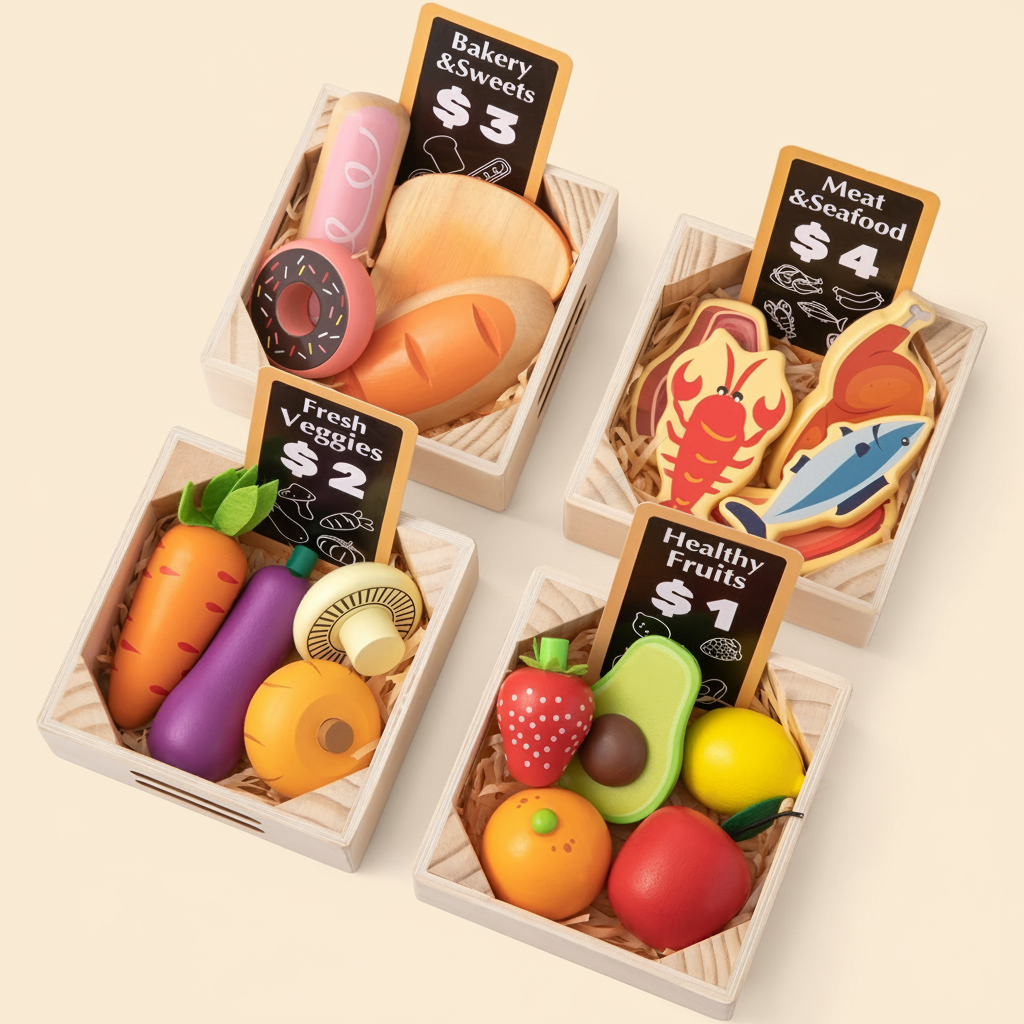
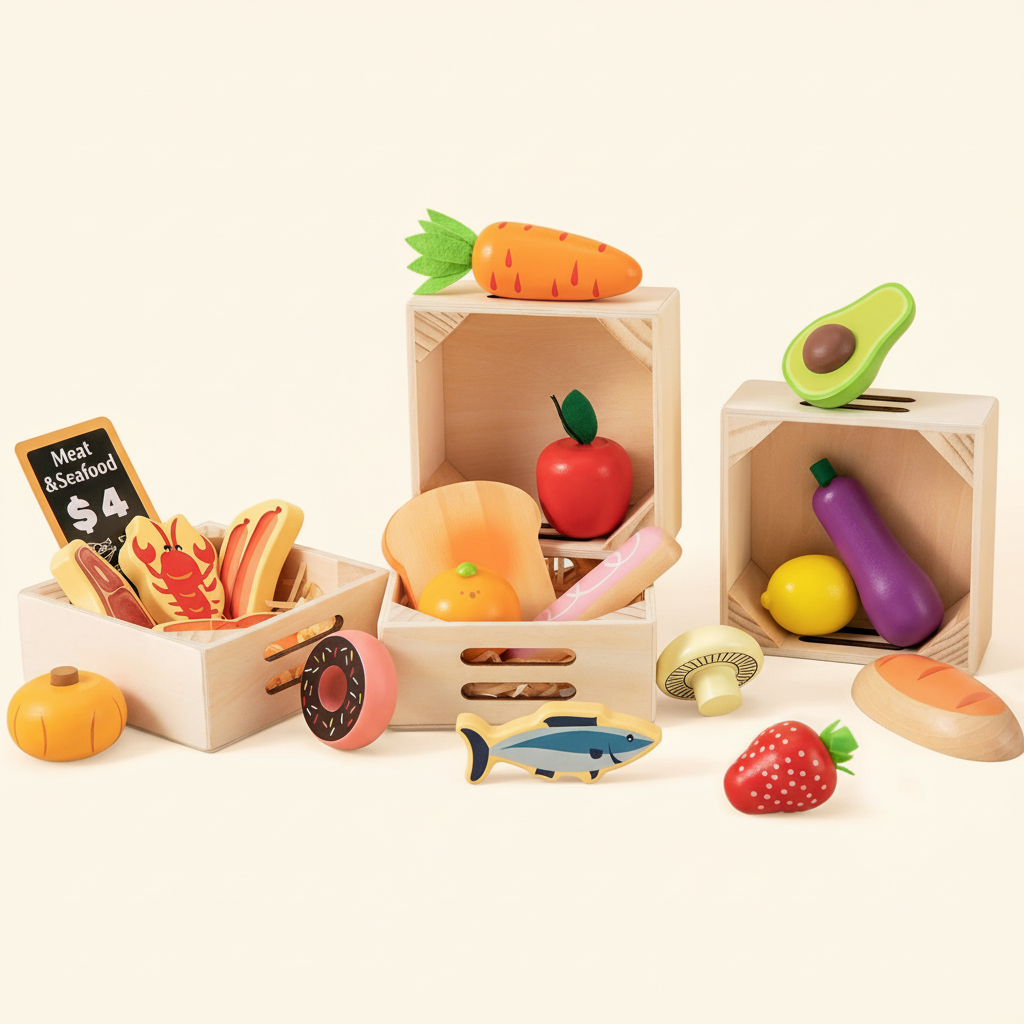
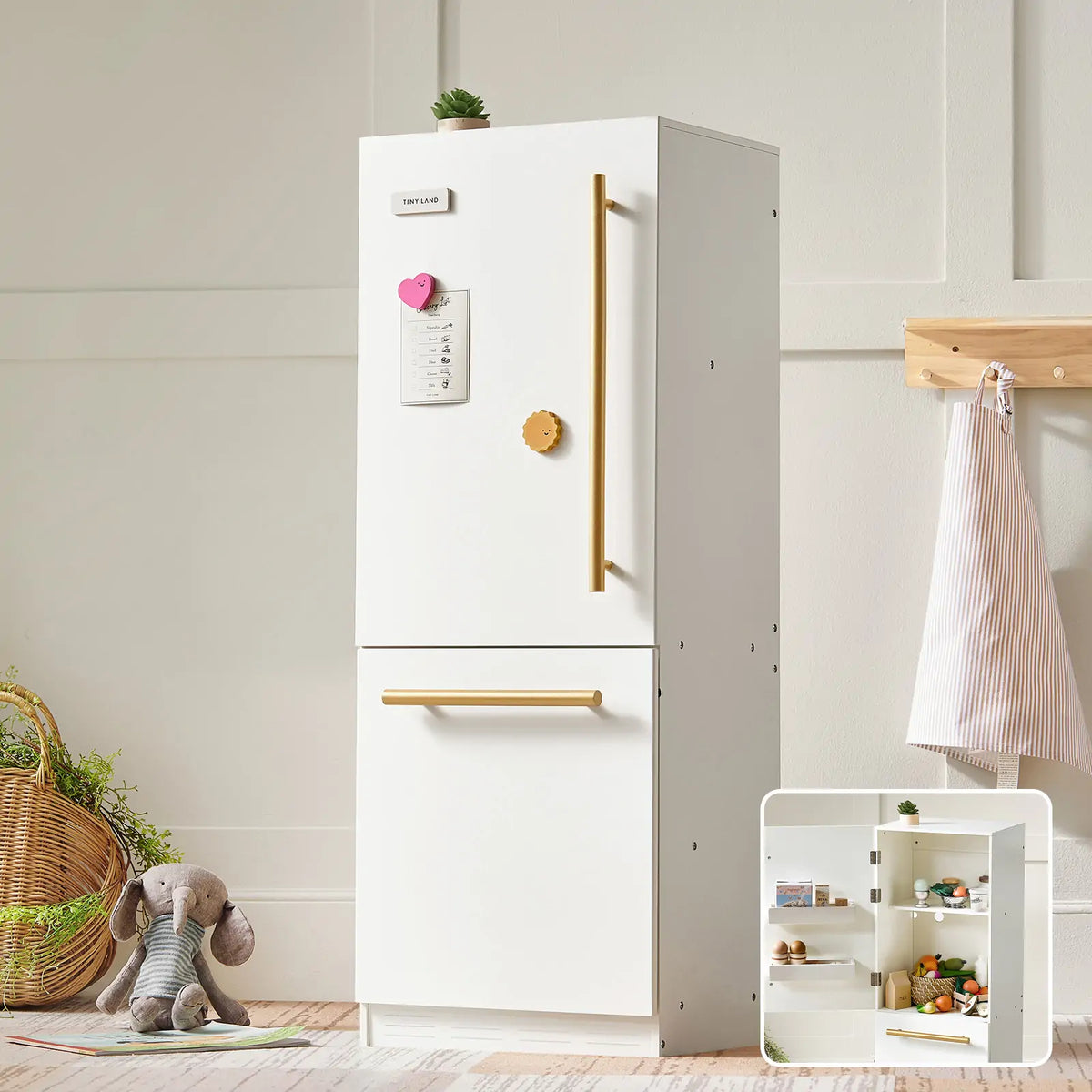
With Tiny Land’s organic food toys, children can:
- Recognize everyday foods like fruits, vegetables, meat, and dairy
- Explore where foods come from and become familiar with them while playing
- Pretend to cook meals, experiencing the full “farm-to-table” journey

3 Fun, Garden-Inspired Activities for Toddlers
1. Harvest & Sort
Give your child a mix of toy fruits and vegetables. Encourage them to:
- Separate fruits from vegetables
- Group by color or size
- Collect them in a basket
This activity builds recognition, early categorization skills, and fine motor development.

2. Pretend Farmers Market
Set up a Tiny Land farmer market. One child can be the “shopkeeper,” another the “shopper.” Use play food to:
- Buy and sell ingredients
- Practice counting, taking turns, and social interaction
- Explore communication and imaginative play
This activity blends pretend play with real-world understanding, helping toddlers connect playtime with life skills.

3. Cook What You Grow
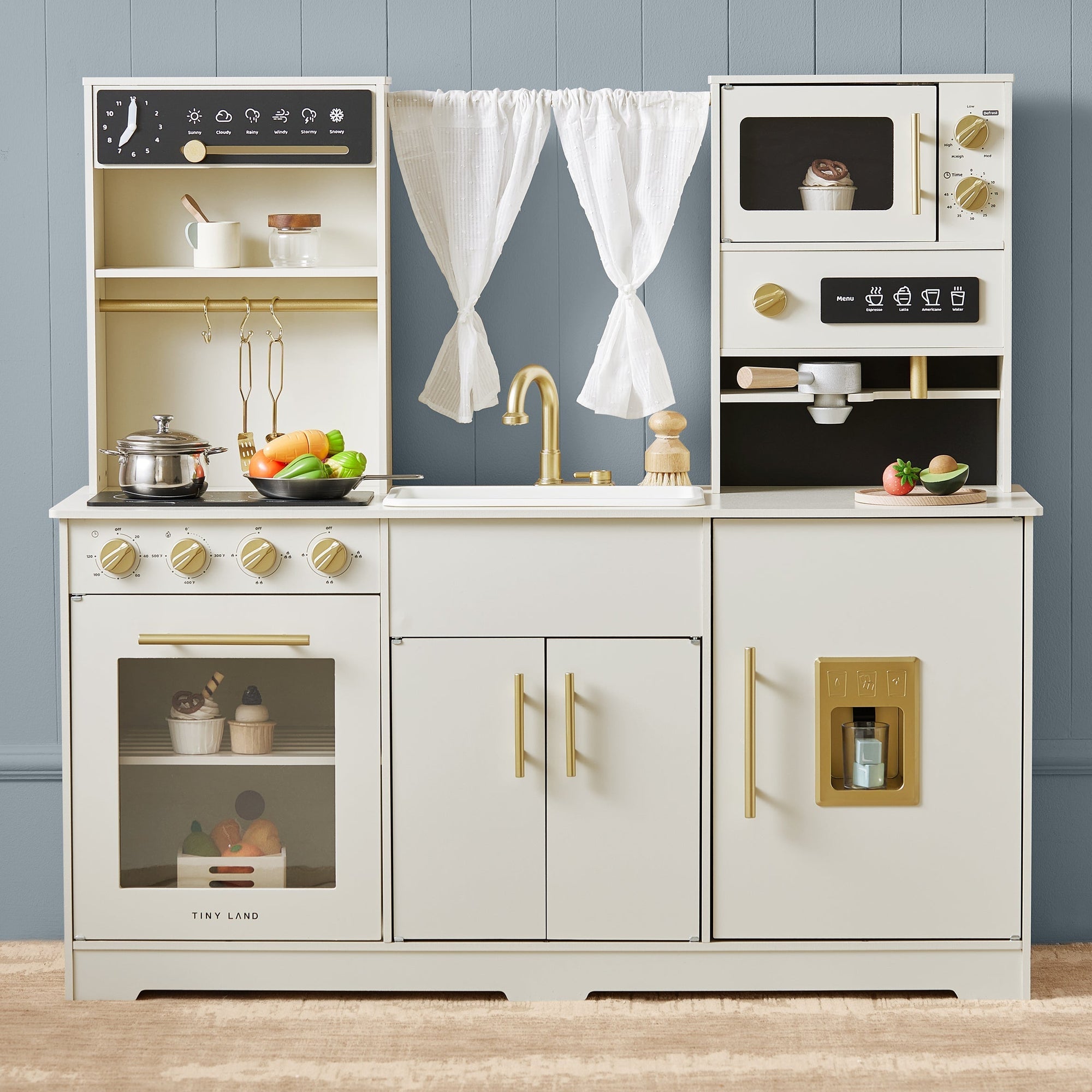
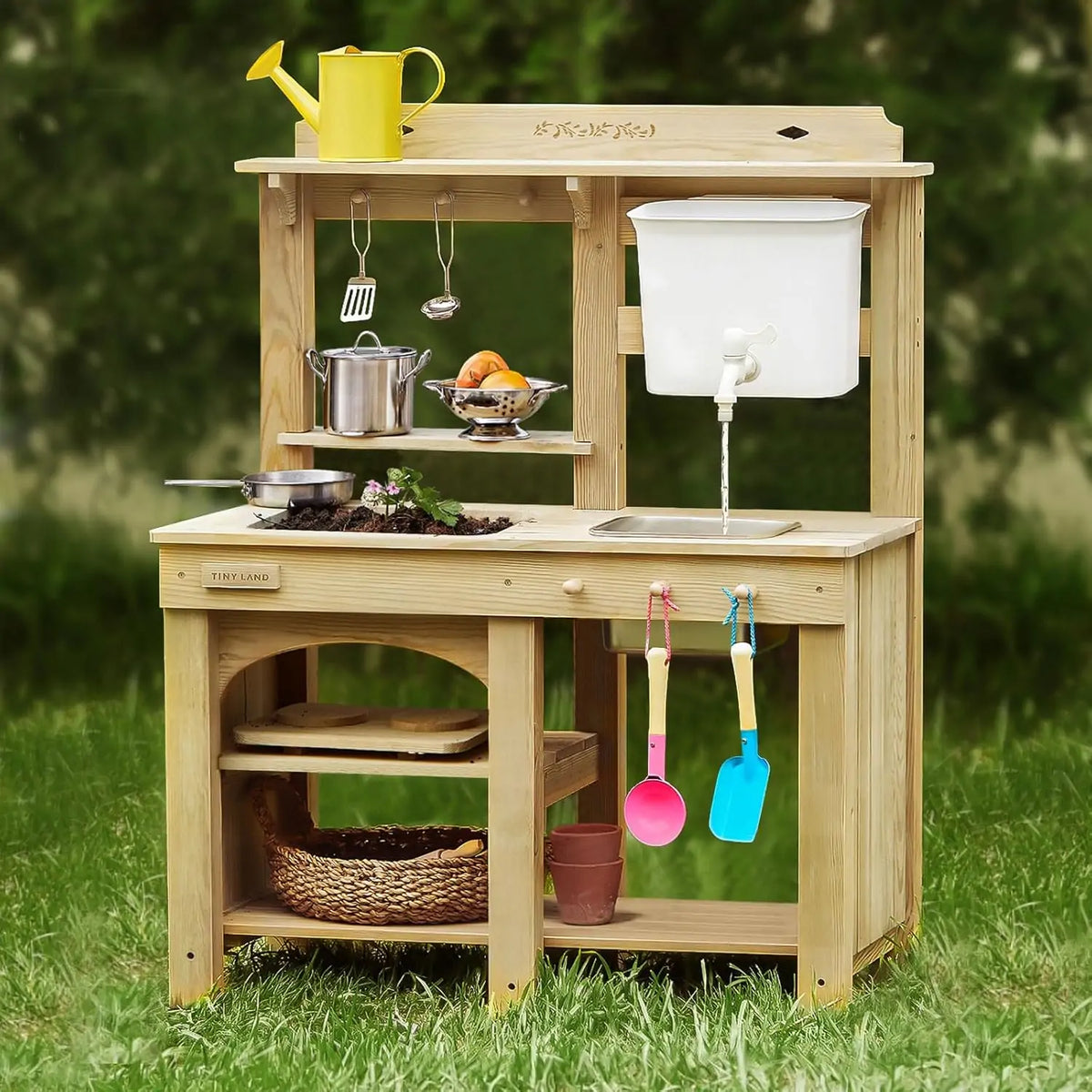
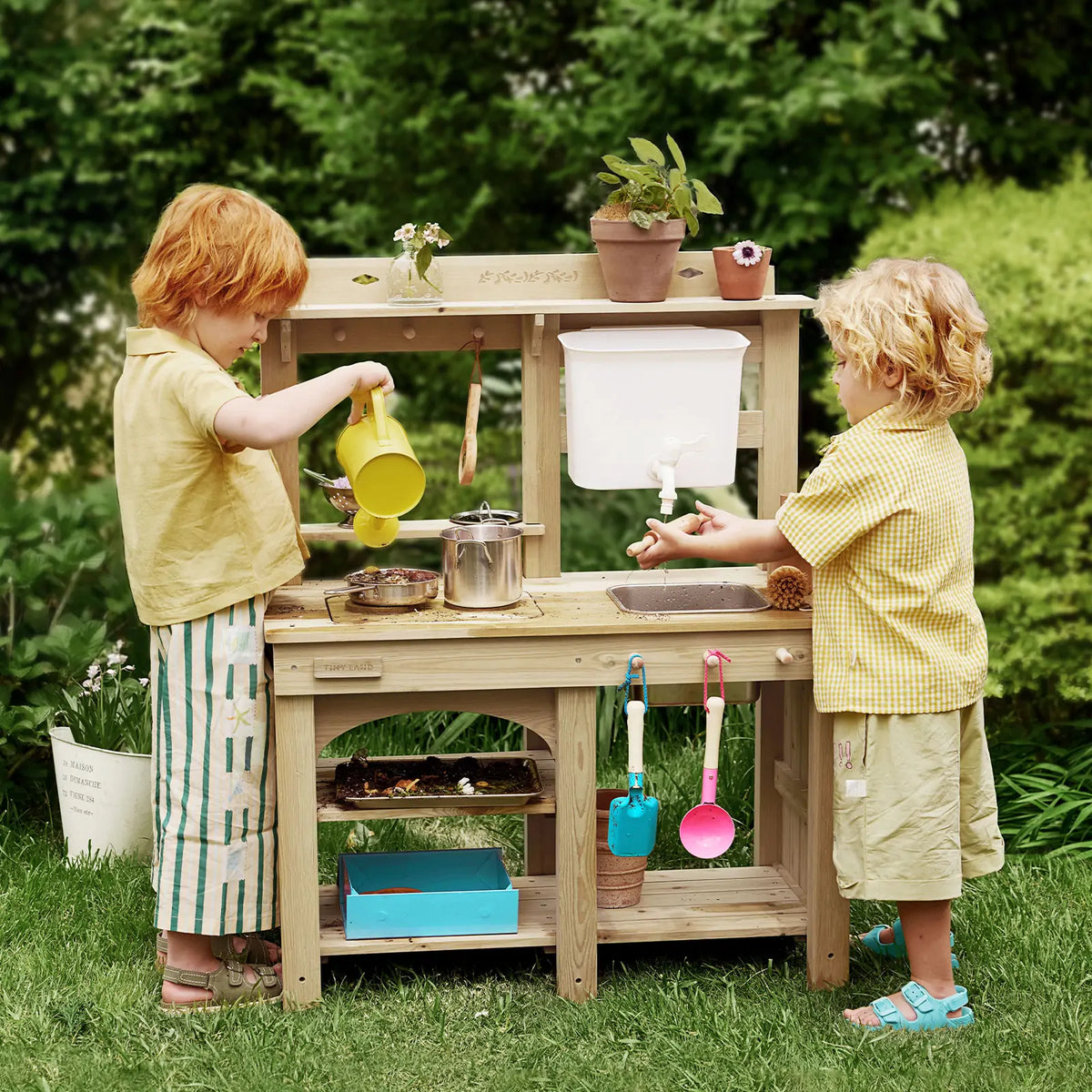
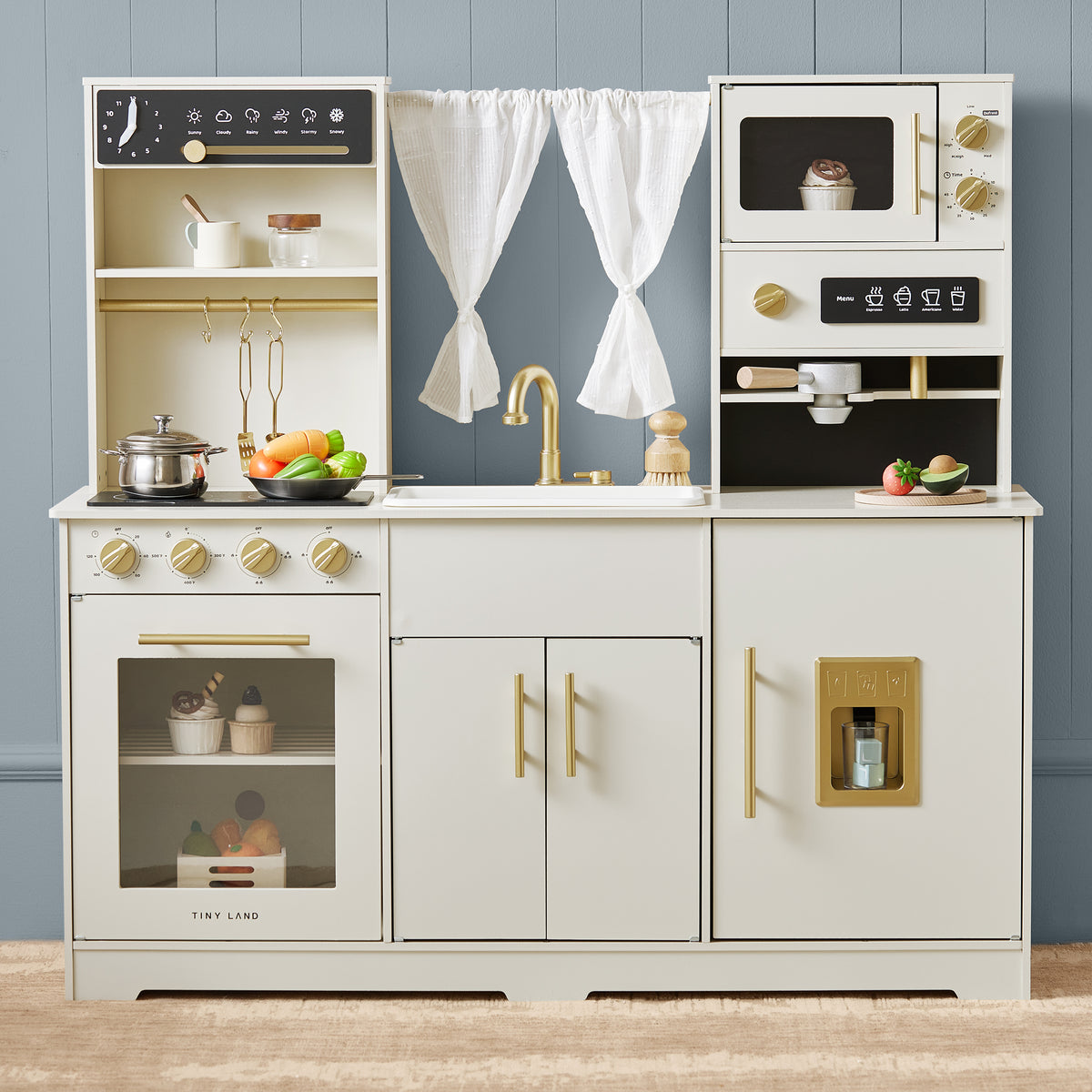
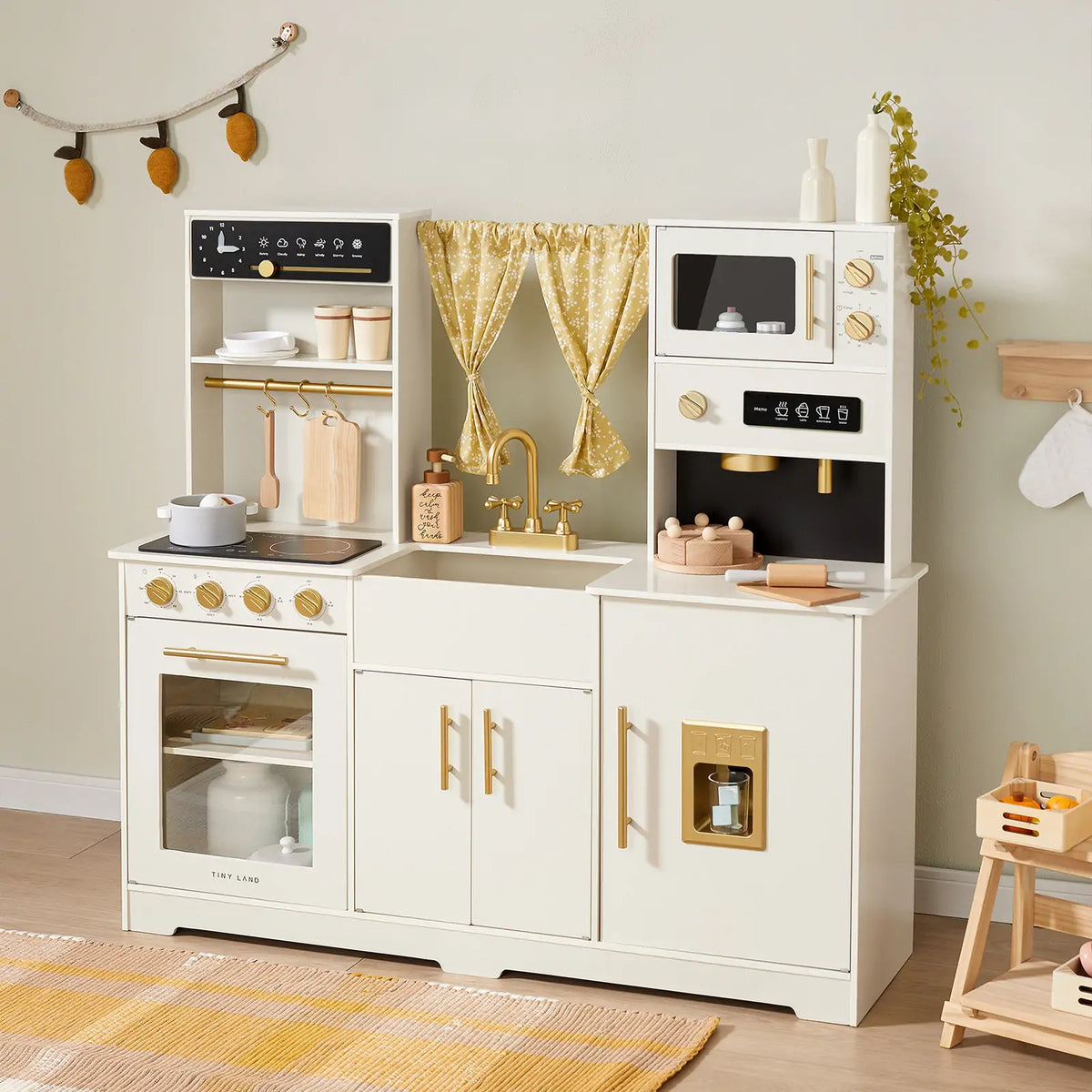
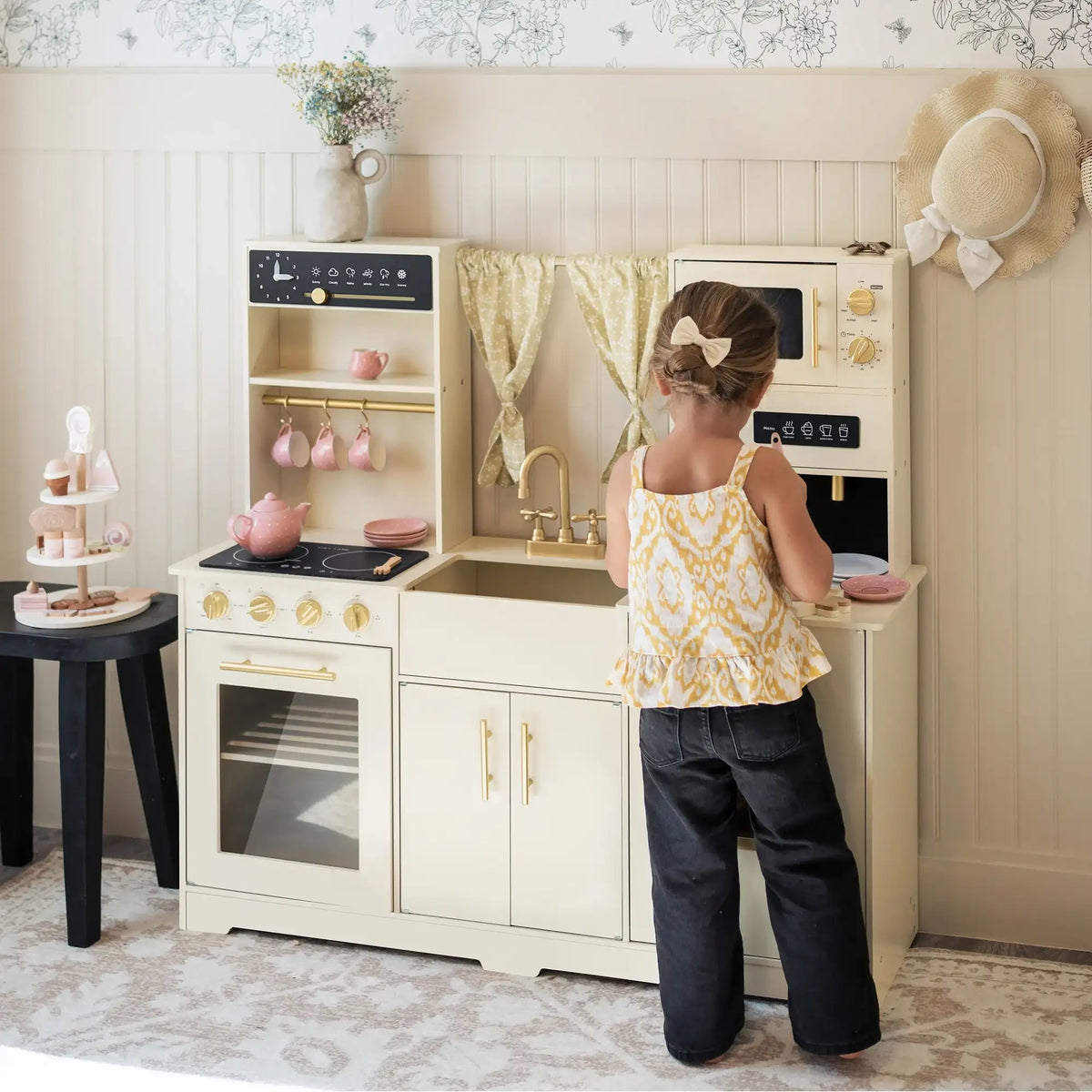
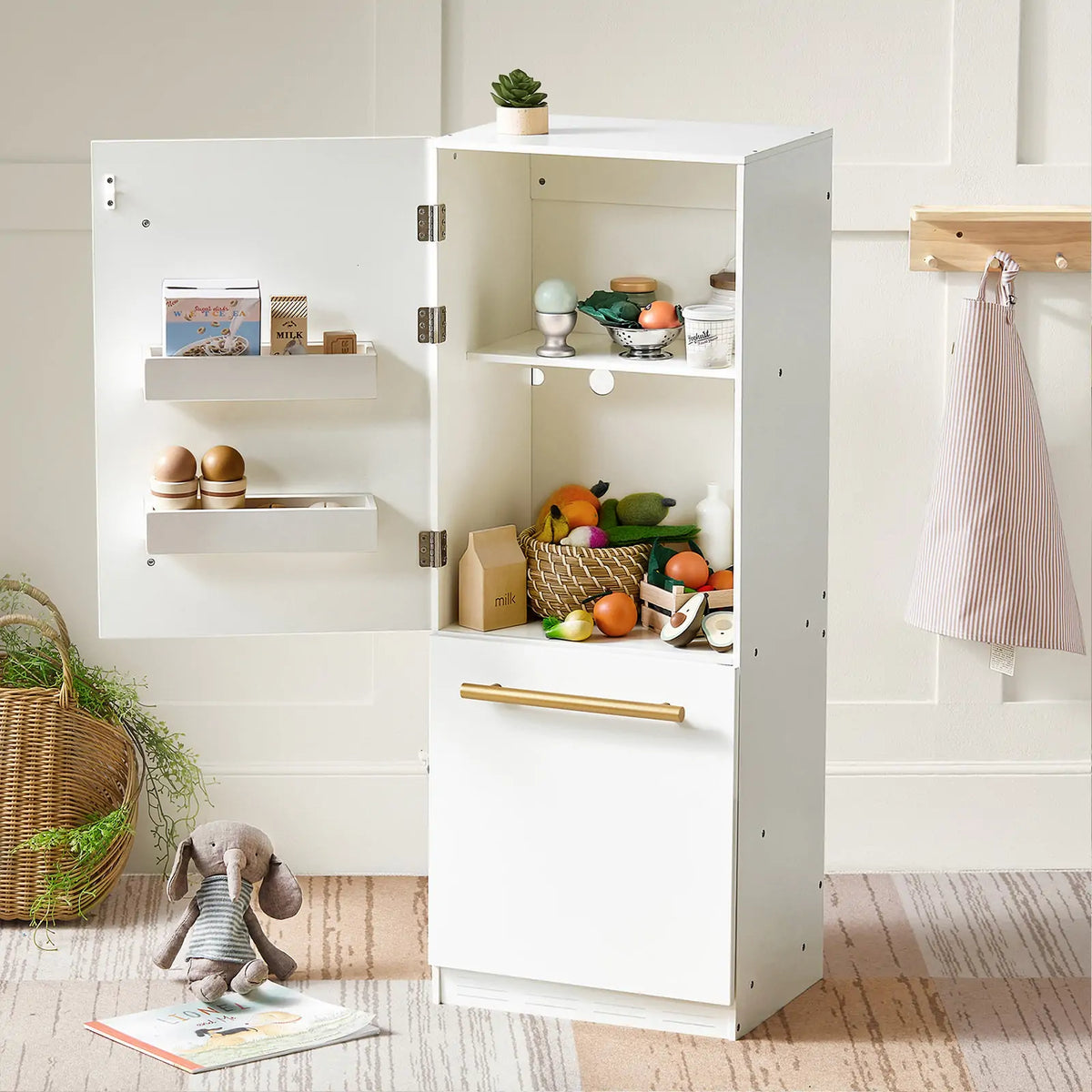
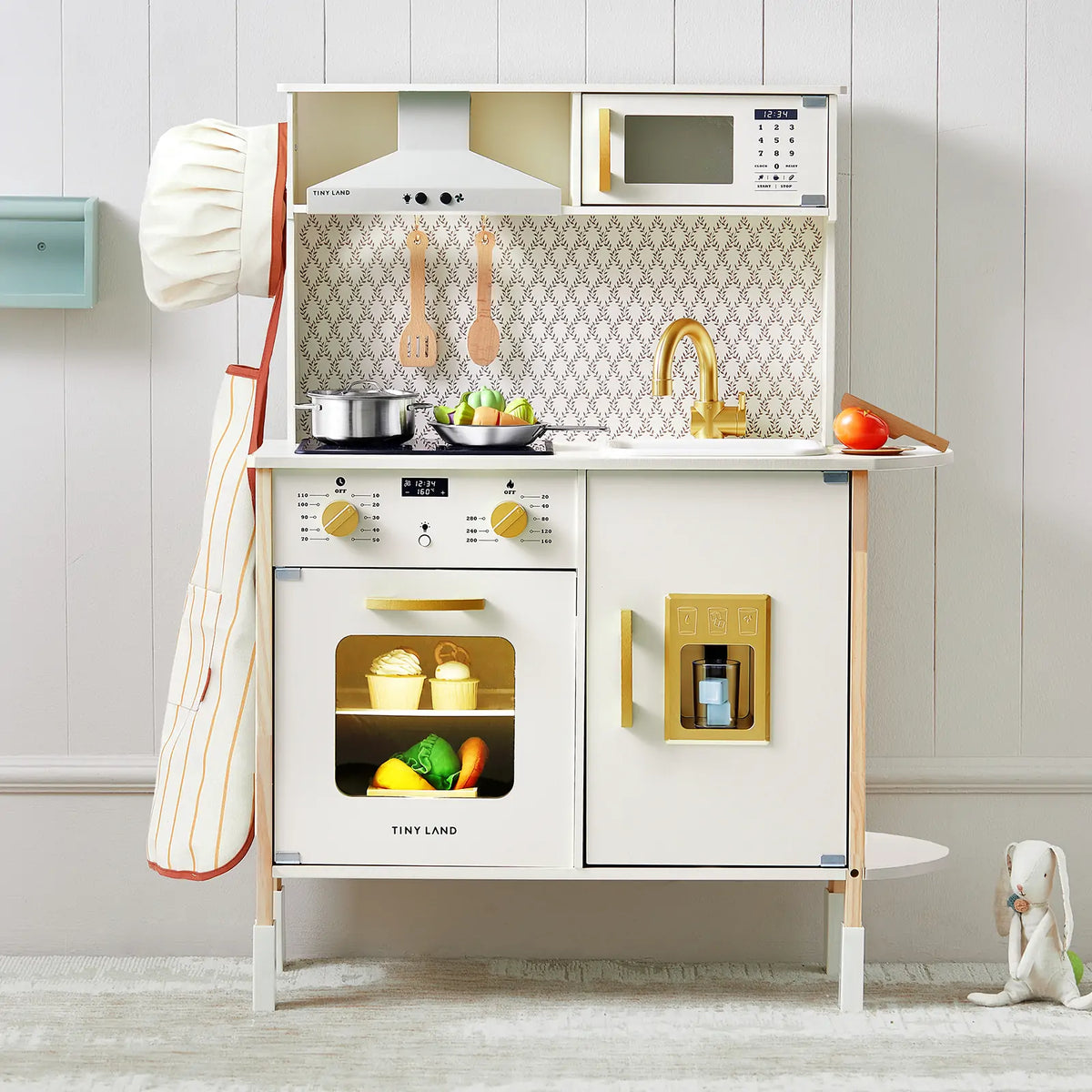
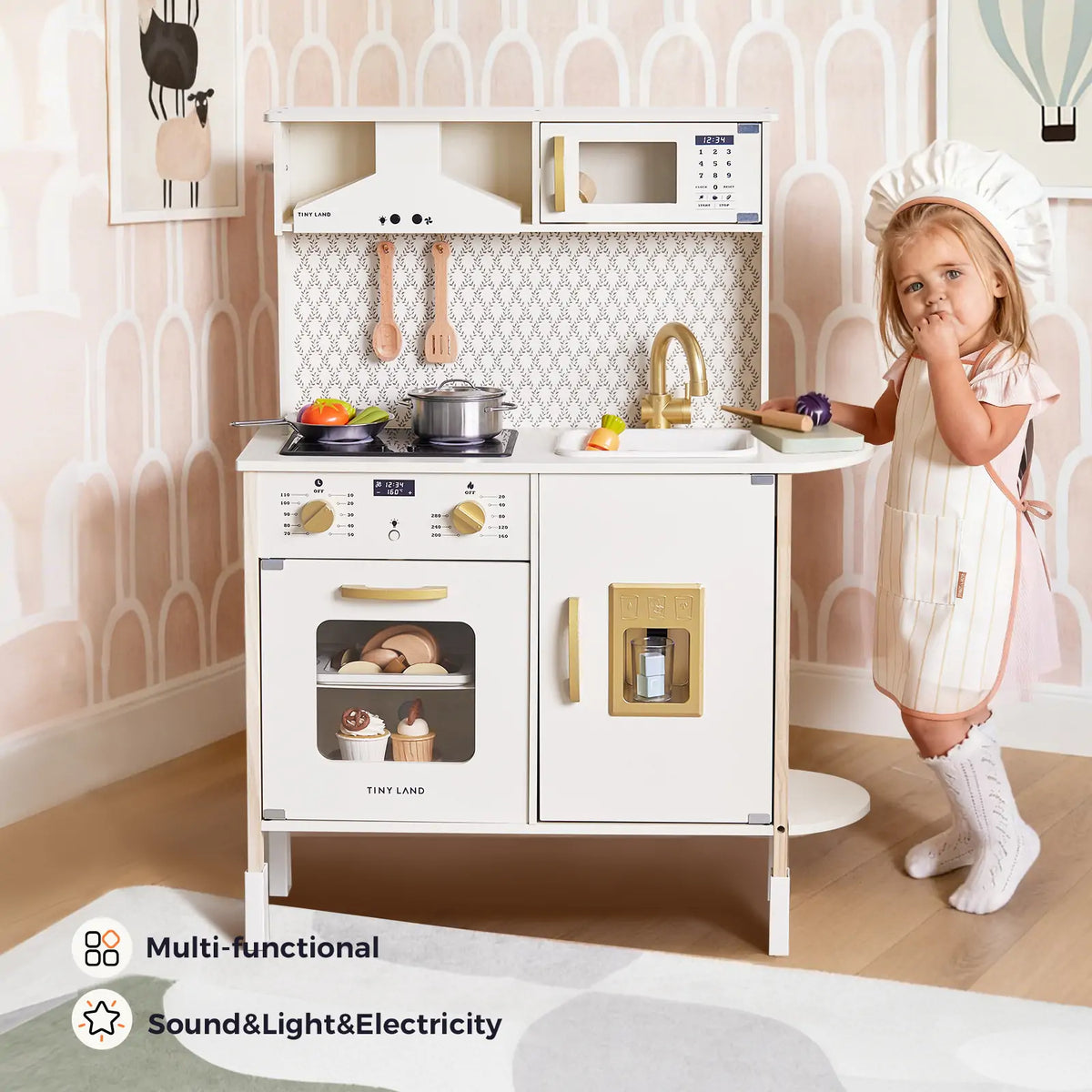
After “harvesting,” bring the play food into a toy kitchen. Invite your child to:
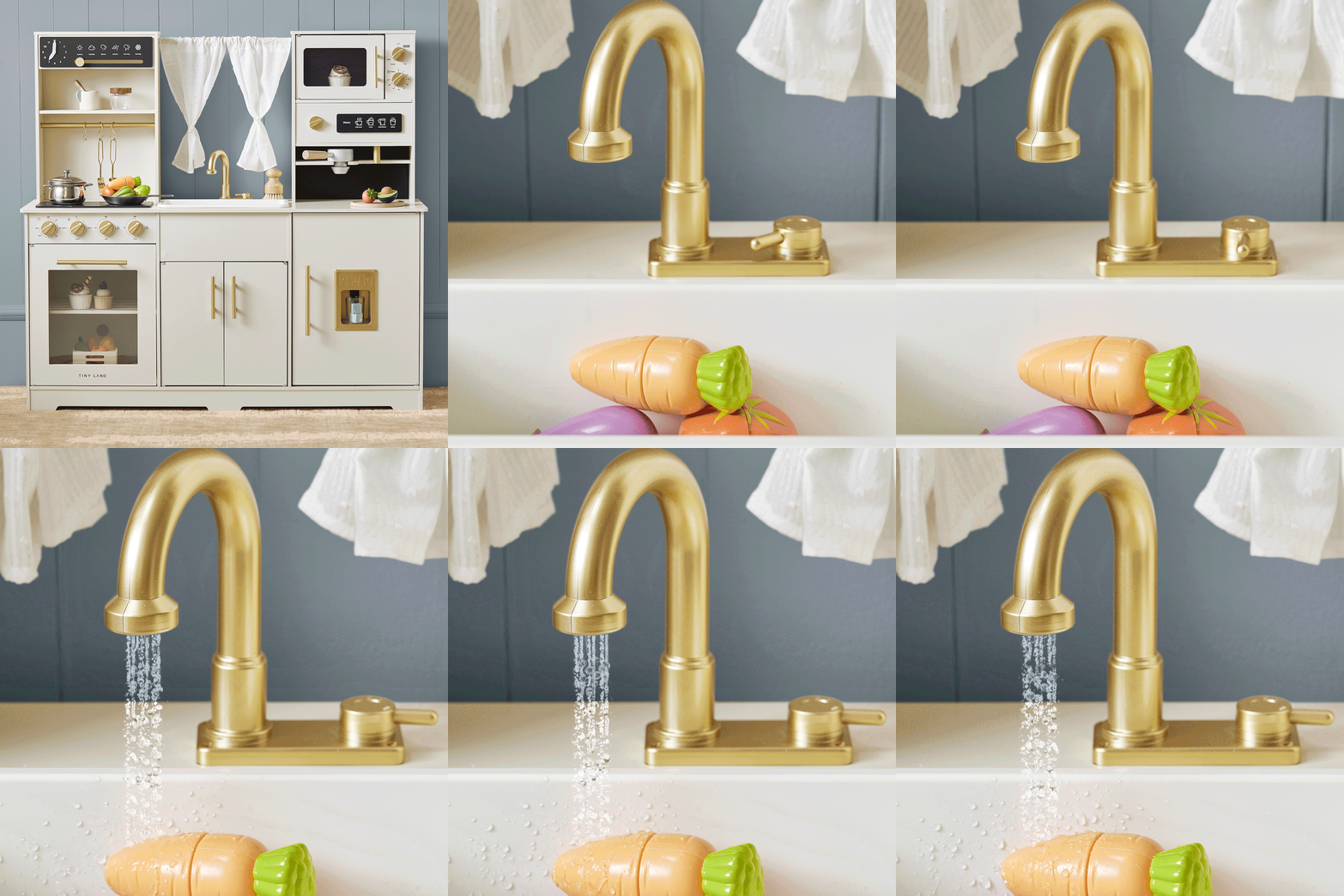
- Wash, chop, and cook the play ingredients
- Serve dishes to family members or stuffed animals
- Talk through each step as if preparing a real meal
This reinforces the full food journey — from “garden” to plate — while nurturing independence, confidence, and practical life skills.

Bring Farm-to-Table Play Home
This National Garden Month, Tiny Land’s organic food toys make it easy for toddlers to explore where food comes from, build important life skills, and enjoy every step along the way.
Discover Tiny Land’s Organic Food Sets and give your child a fun, hands-on farm-to-table play experience today.