


Most parents are trying to prepare their children for the future.
Better schools. Better habits. Better opportunities.
But there’s a quieter skill being built every time a child plays on their own—without instructions, without a goal, and without being told what to do next.
Watch a child in open-ended play. There’s no “correct” answer guiding them forward.
This is where something important happens:
Children stop waiting for instructions—and start generating ideas.

The Skill Behind the Play (That Schools Don’t Teach Enough)
Open-ended play is not about keeping a child busy.
It’s about building internal systems that help them navigate uncertainty.
Without realizing it, children practicing this kind of play are developing:
- Decision-making without guidance
- The ability to adjust when things don’t work
- Confidence in their own ideas
- Comfort with not knowing the “right” answer
These are not “play skills.”
These are life skills.
And they are formed long before a child ever sits in a classroom.

Why This Matters More Today Than Ever
Children today are growing up in a highly structured world.
Schedules. Screens. Step-by-step instructions.
Most digital experiences give them one path: watch, follow and repeat.
But real life doesn’t work that way.
There is no single path forward. No fixed outcome.
That’s where open-ended play becomes important.

Open-Ended Play Through Tiny Land Toys
At Tiny Land, toys are designed to support open-ended play by creating starting points—not fixed outcomes.
Each product grows with a child’s imagination.
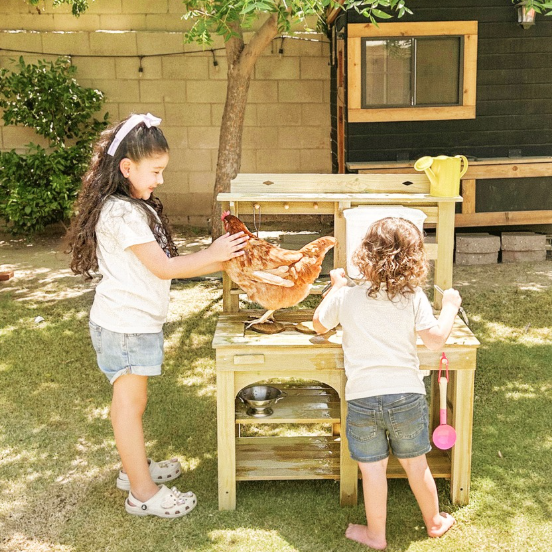
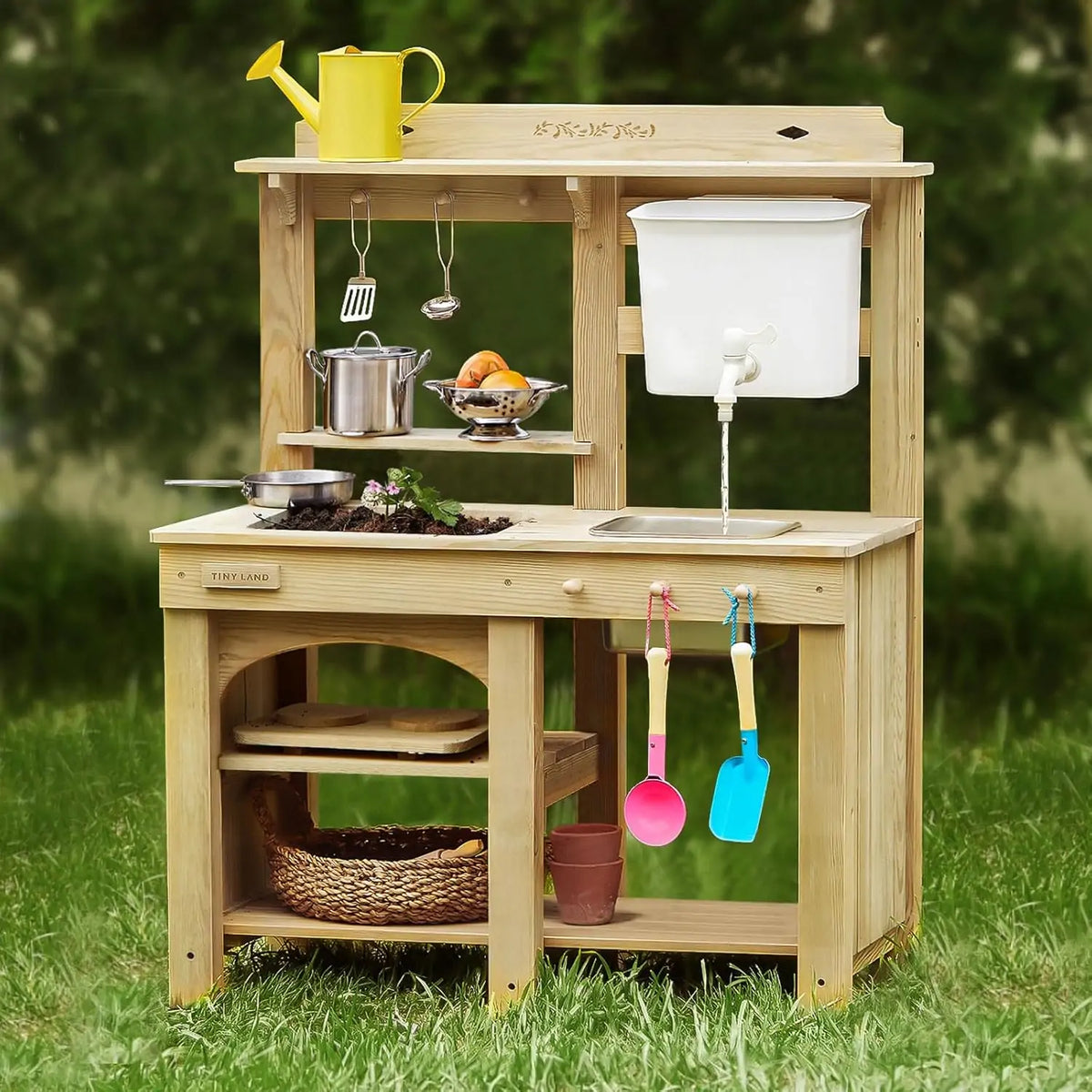
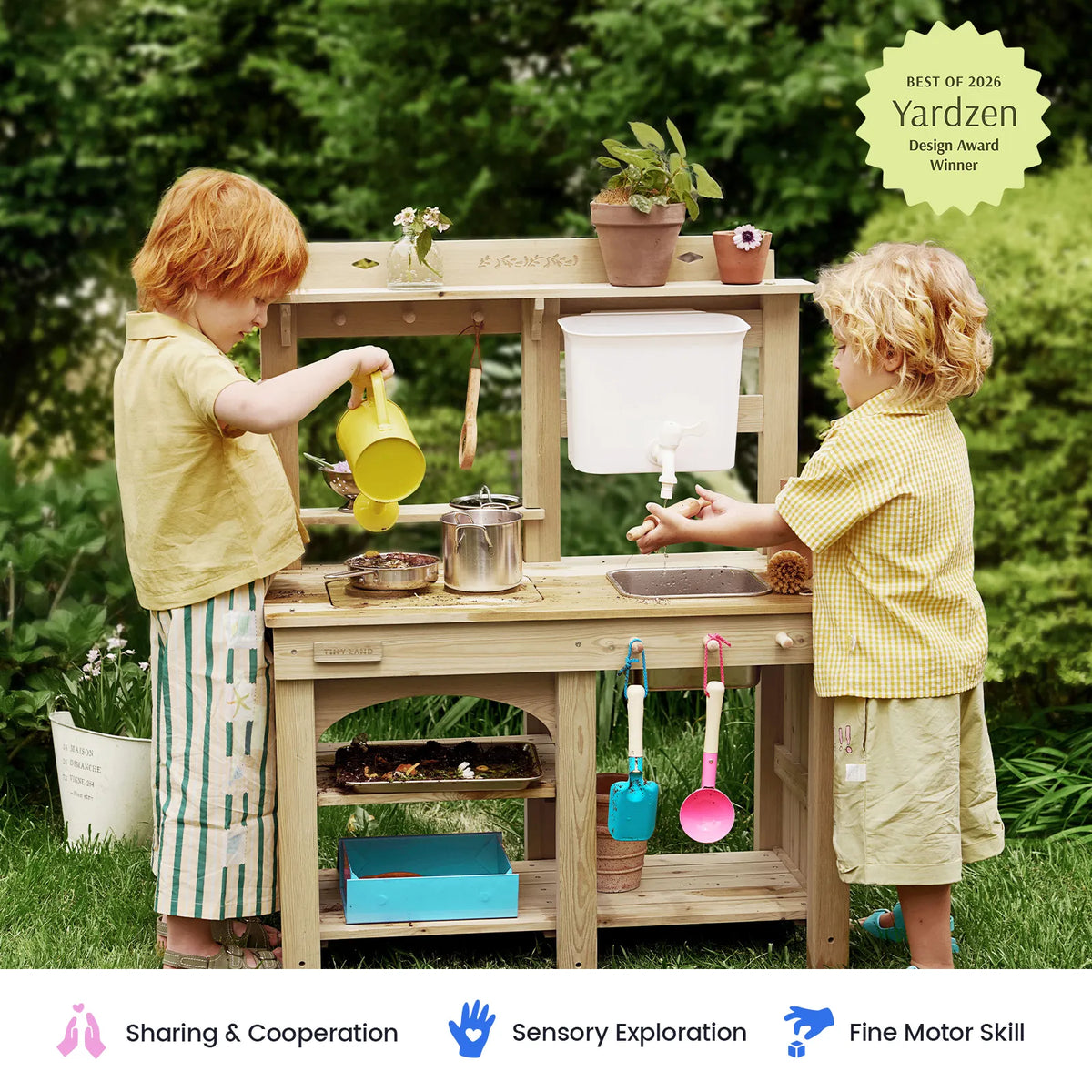
Outdoor Play: Mud Kitchen (Exploration Through Natural Materials)
Outdoor play gives children access to materials that naturally change over time.
A mud kitchen allows children to freely mix soil, water, and any natural elements.
They may pour, transfer, stir, and combine materials in ways that feel meaningful in the moment.
One day it’s a soup. The next, it becomes a castle, a potion, or something entirely different.
What matters is not what they create—but how they explore.
This type of play supports:
- Sensory exploration
- Curiosity about the natural world
- Hands-on experimentation
The experience evolves every time a child engages with it.

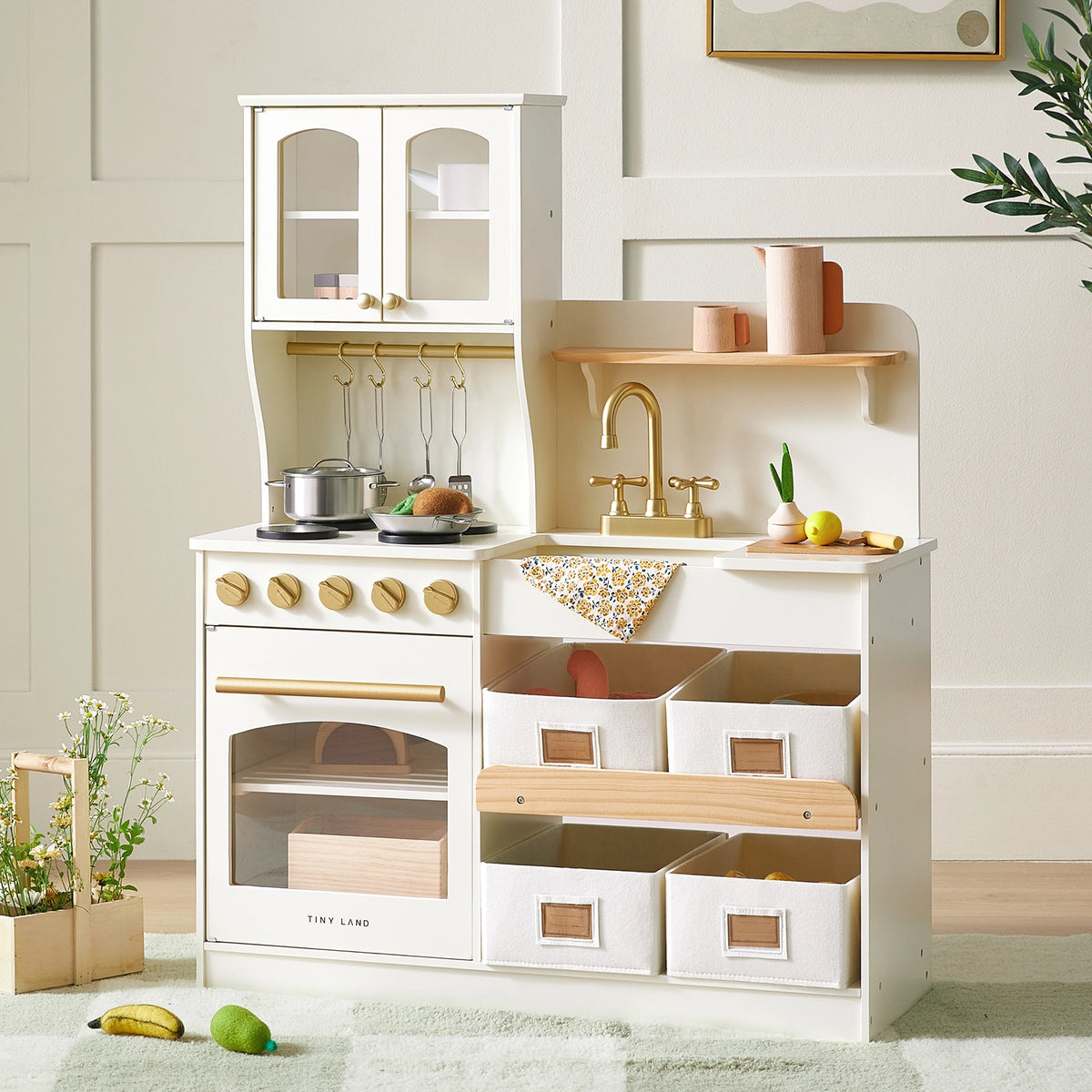
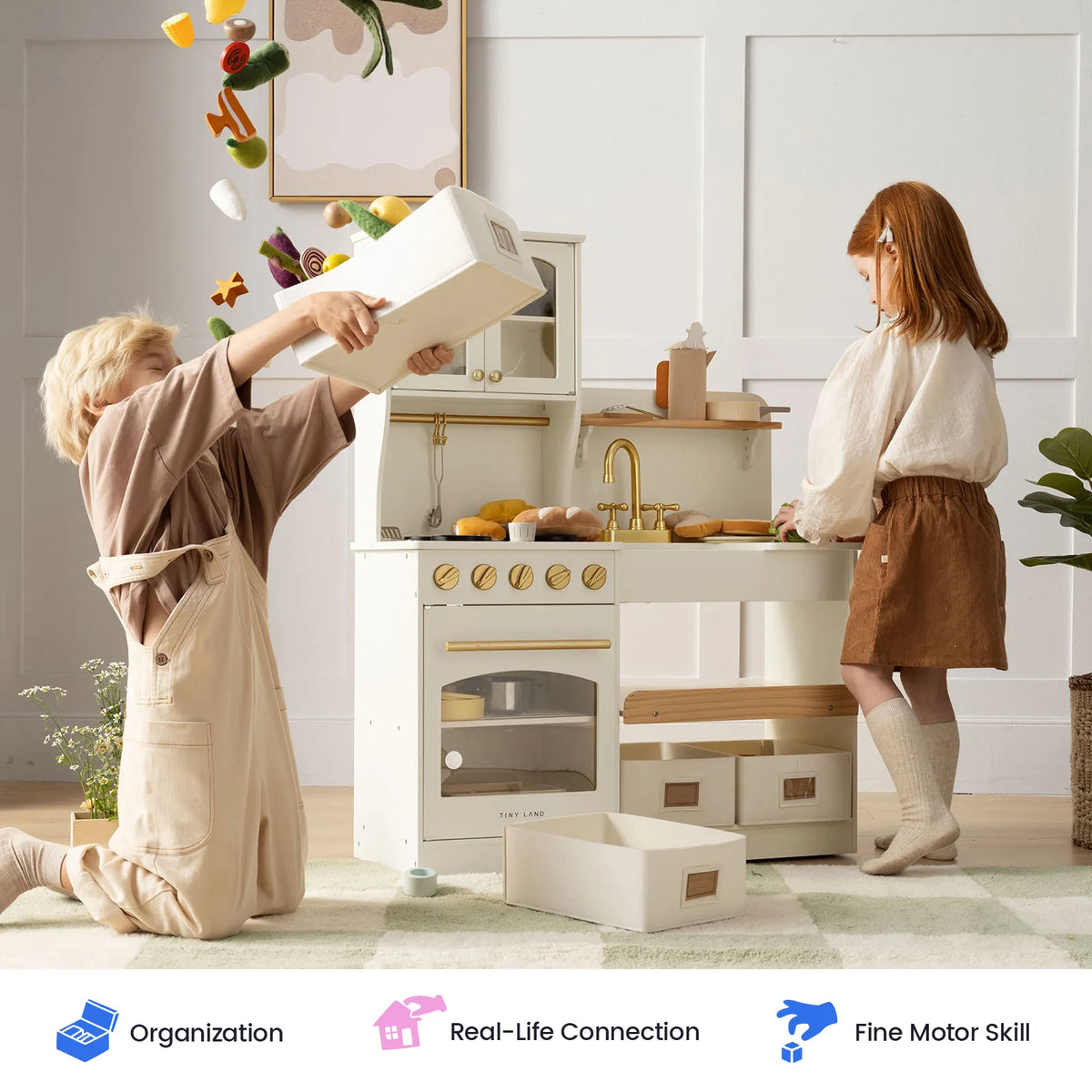
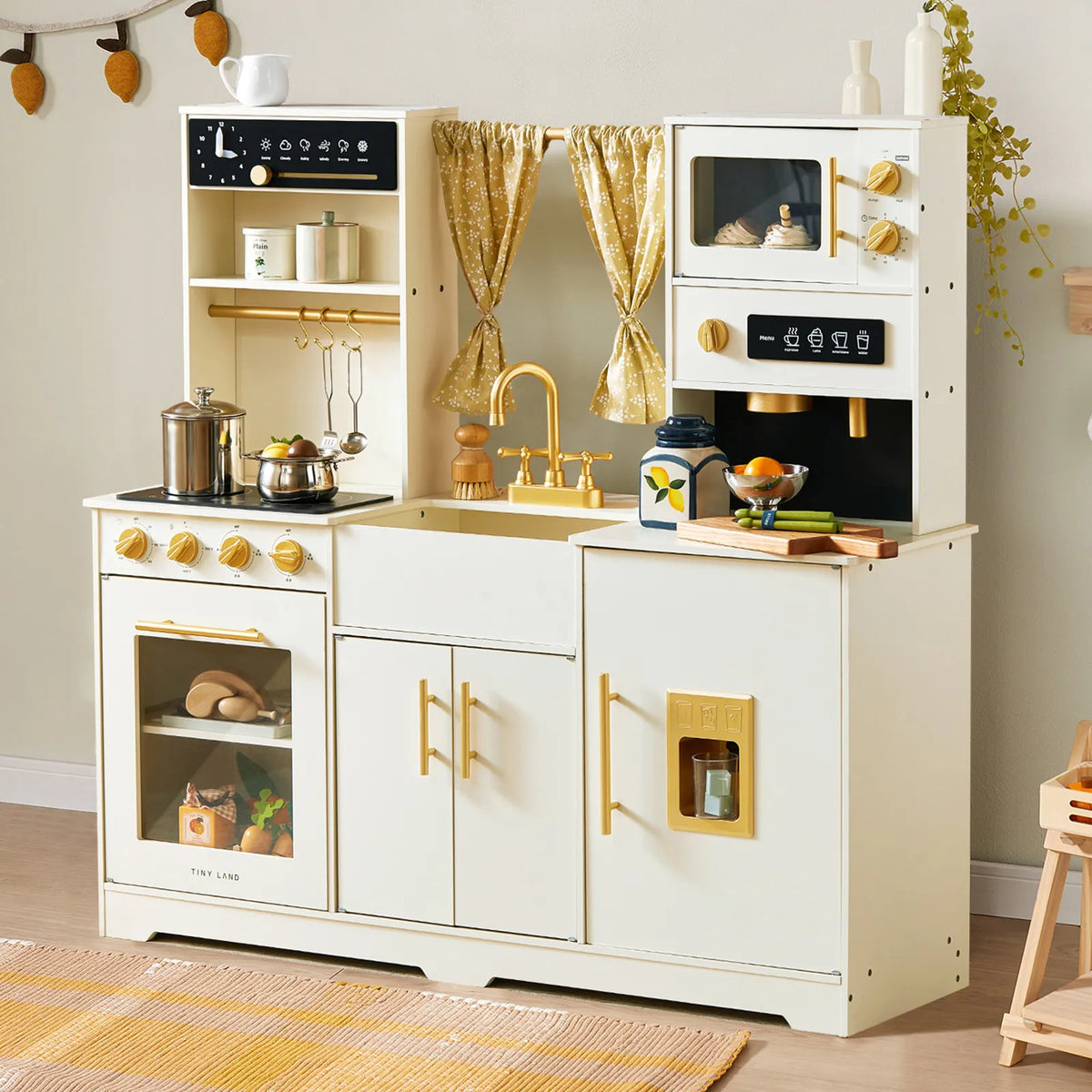
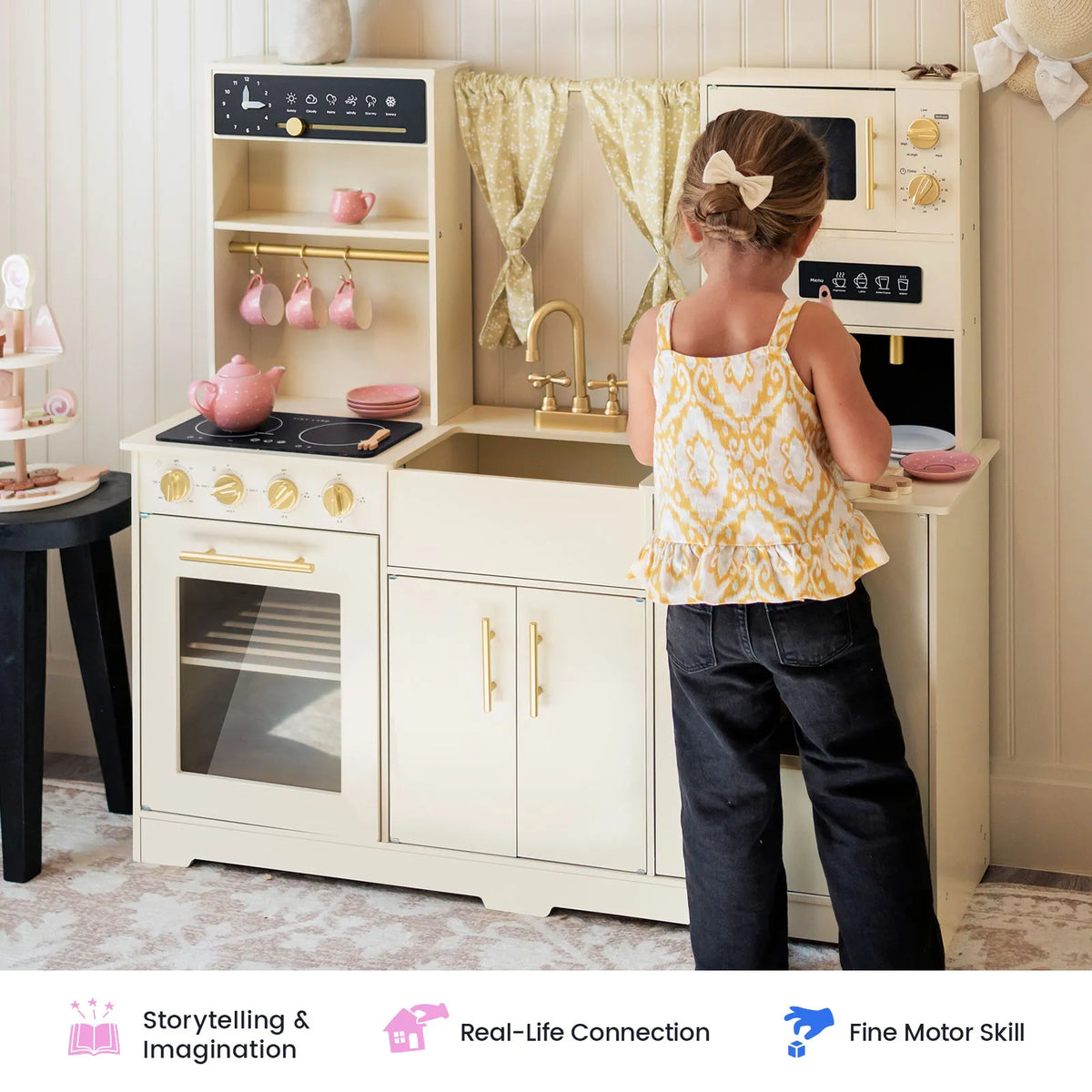
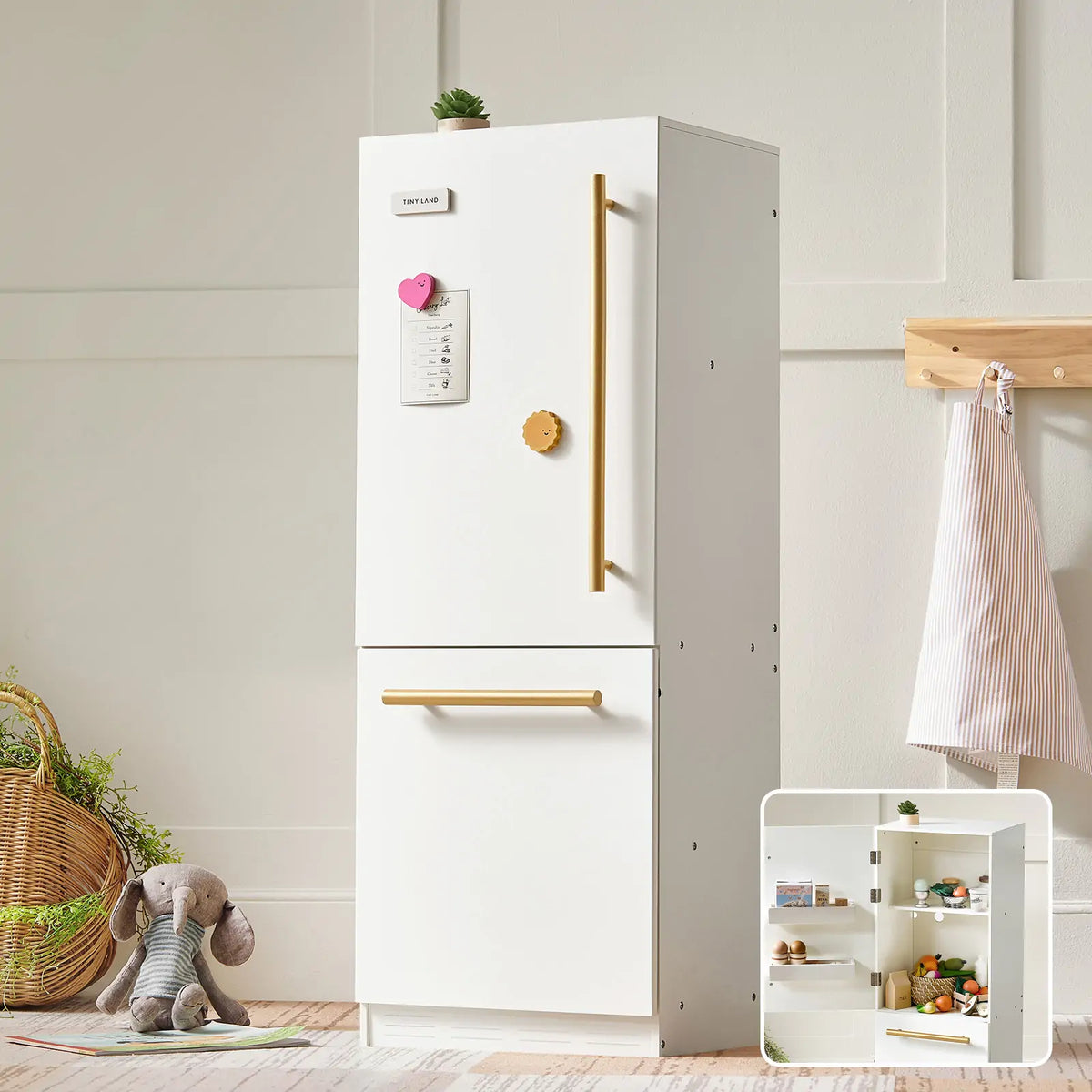
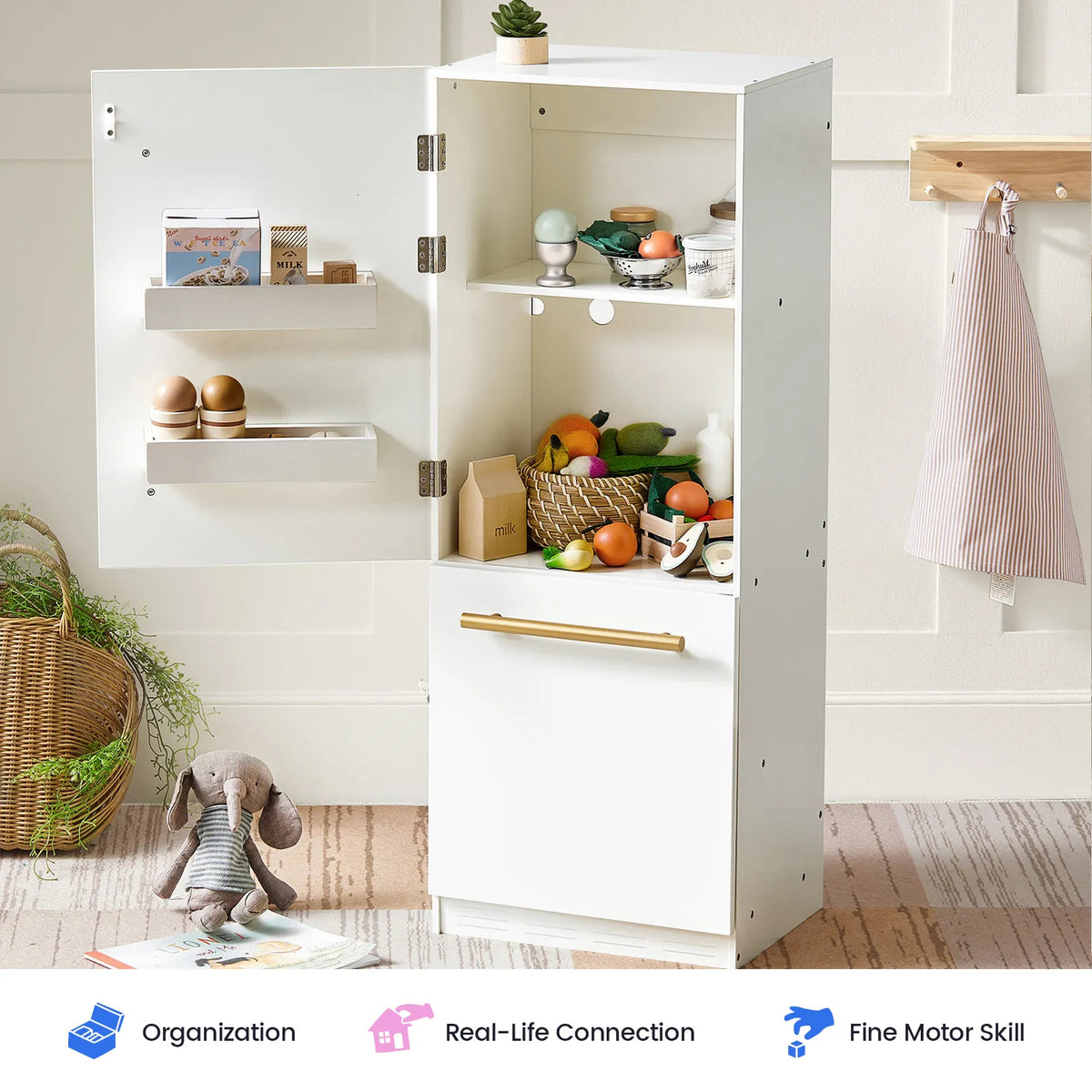
Flexible Role Play: Grocery Store (Multiple Identities in One Space)
Children don’t just play—they step into roles.
A flexible play setup allows one space to become many different places:
- A grocery store
- A flower shop
- A doctor’s office
- A café
- A bookstore
- Or something entirely new
A single grocery setup becomes the foundation for many different stories.
This type of play supports:
- Symbolic thinking
- Role exploration
- Storytelling and communication
The same space can feel completely different from one day to the next.

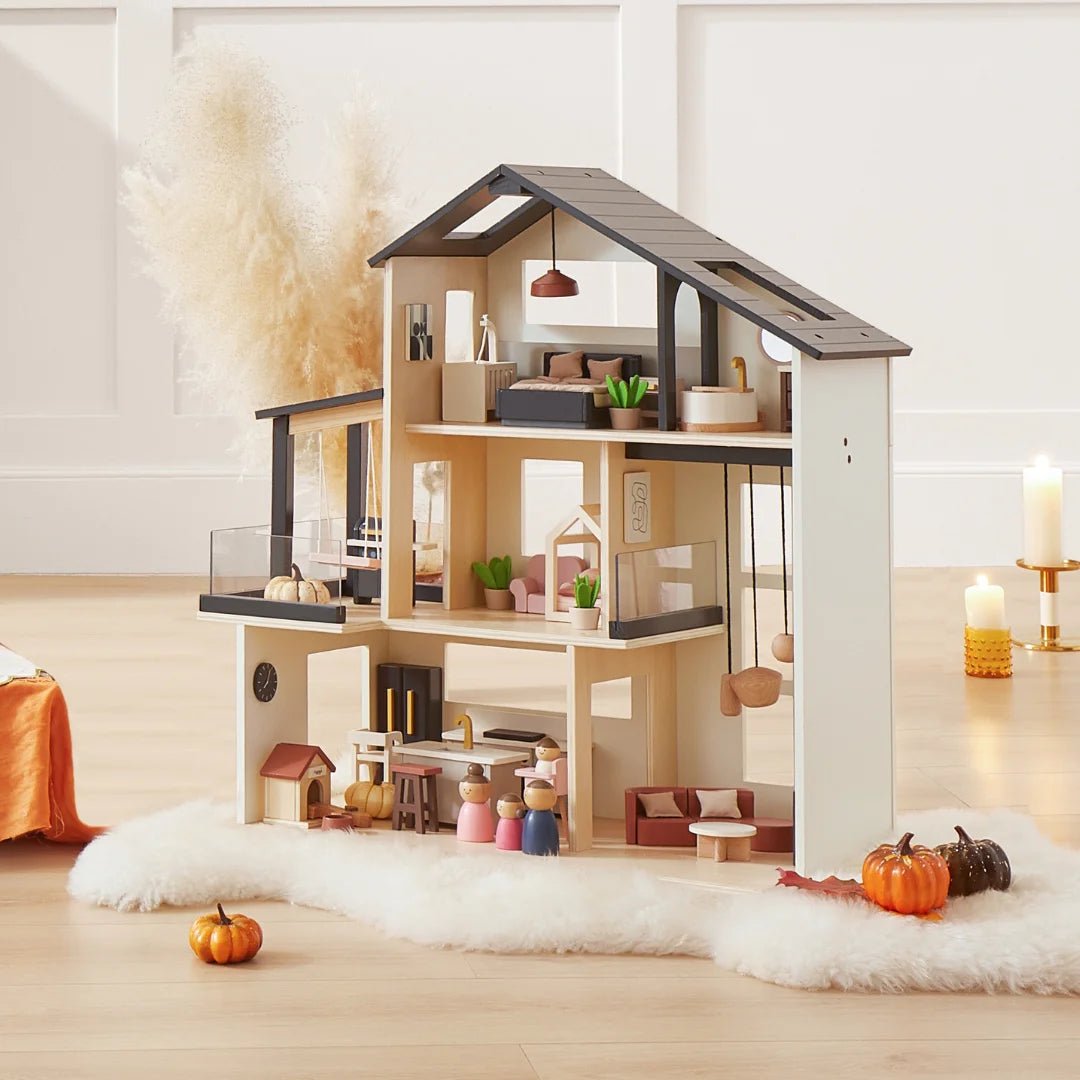
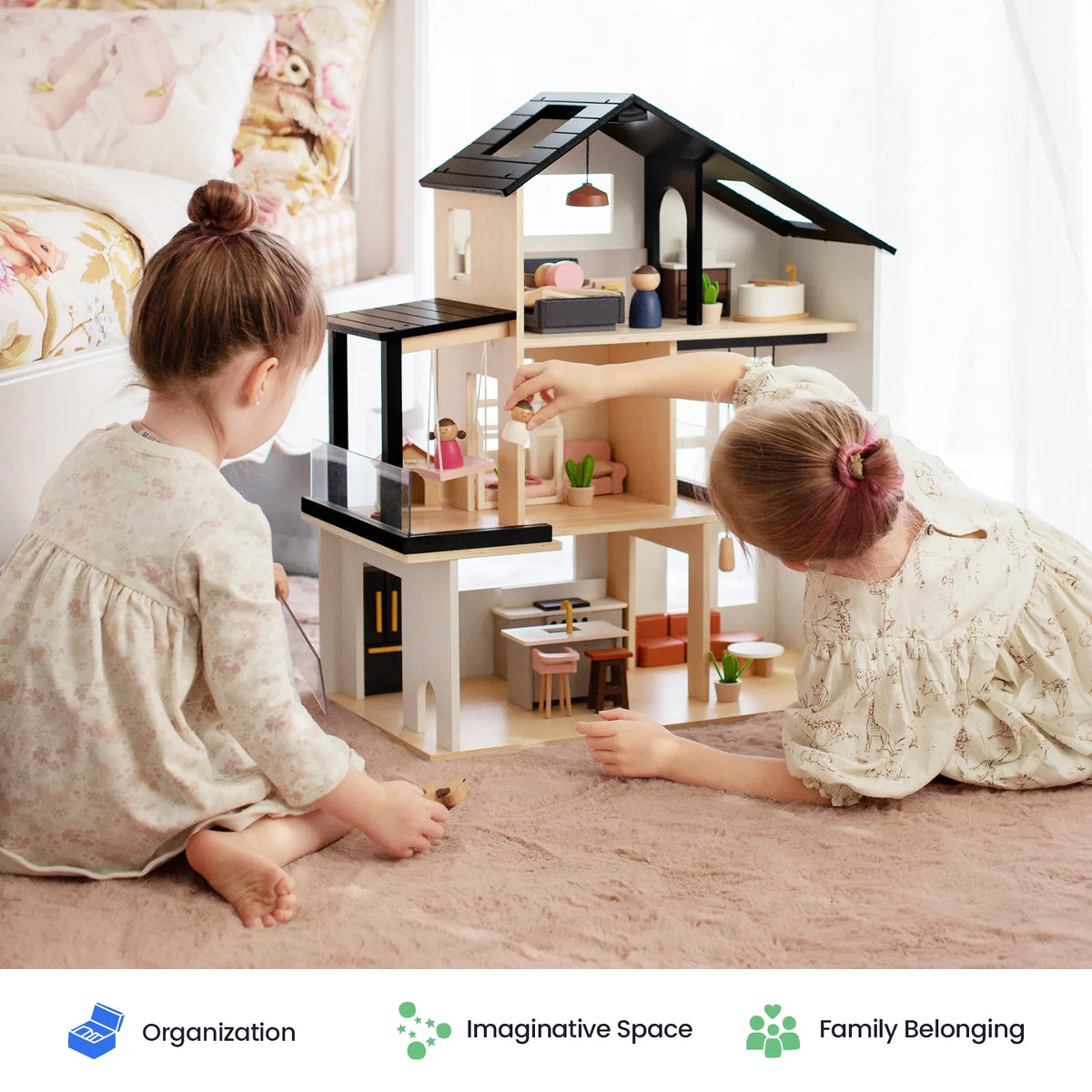
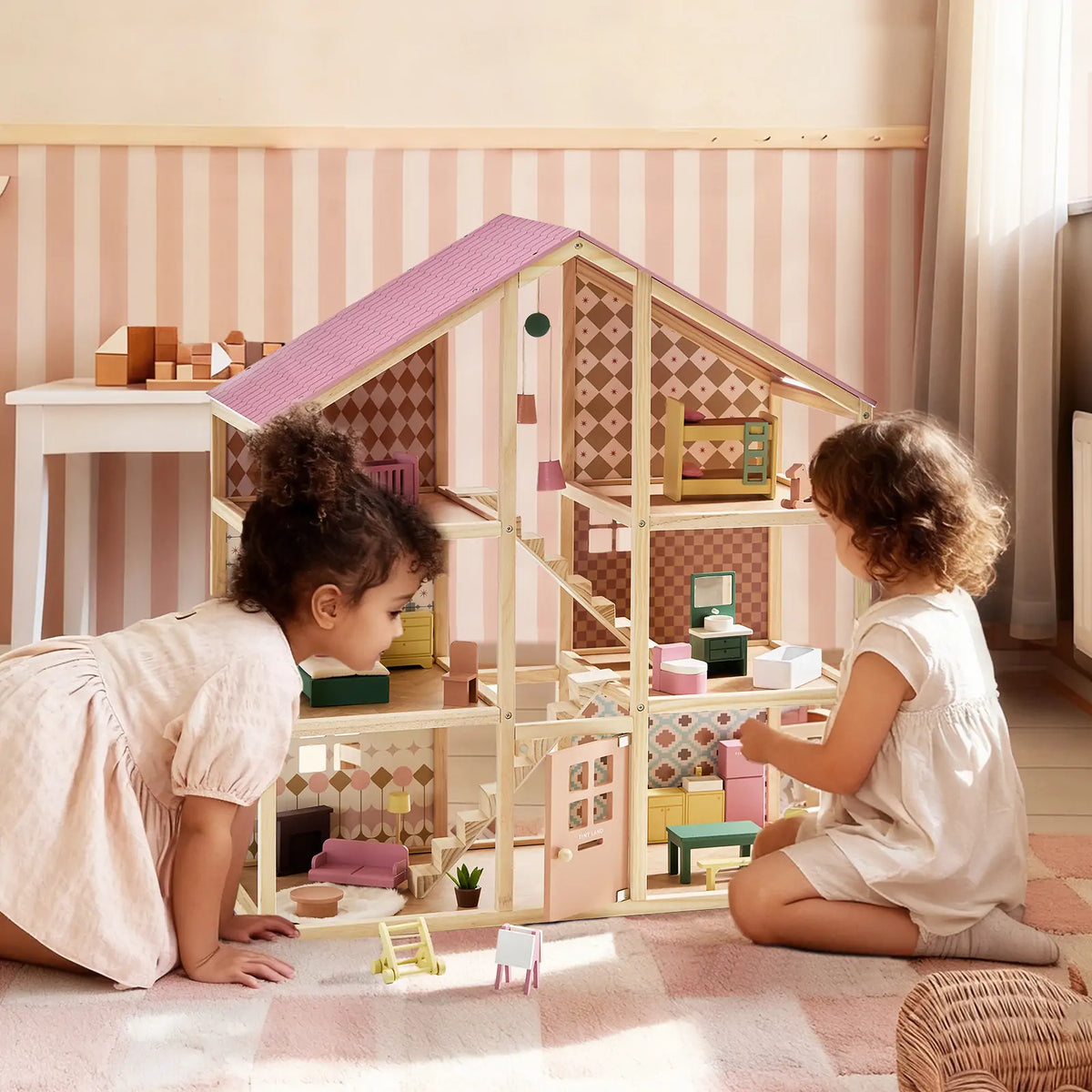
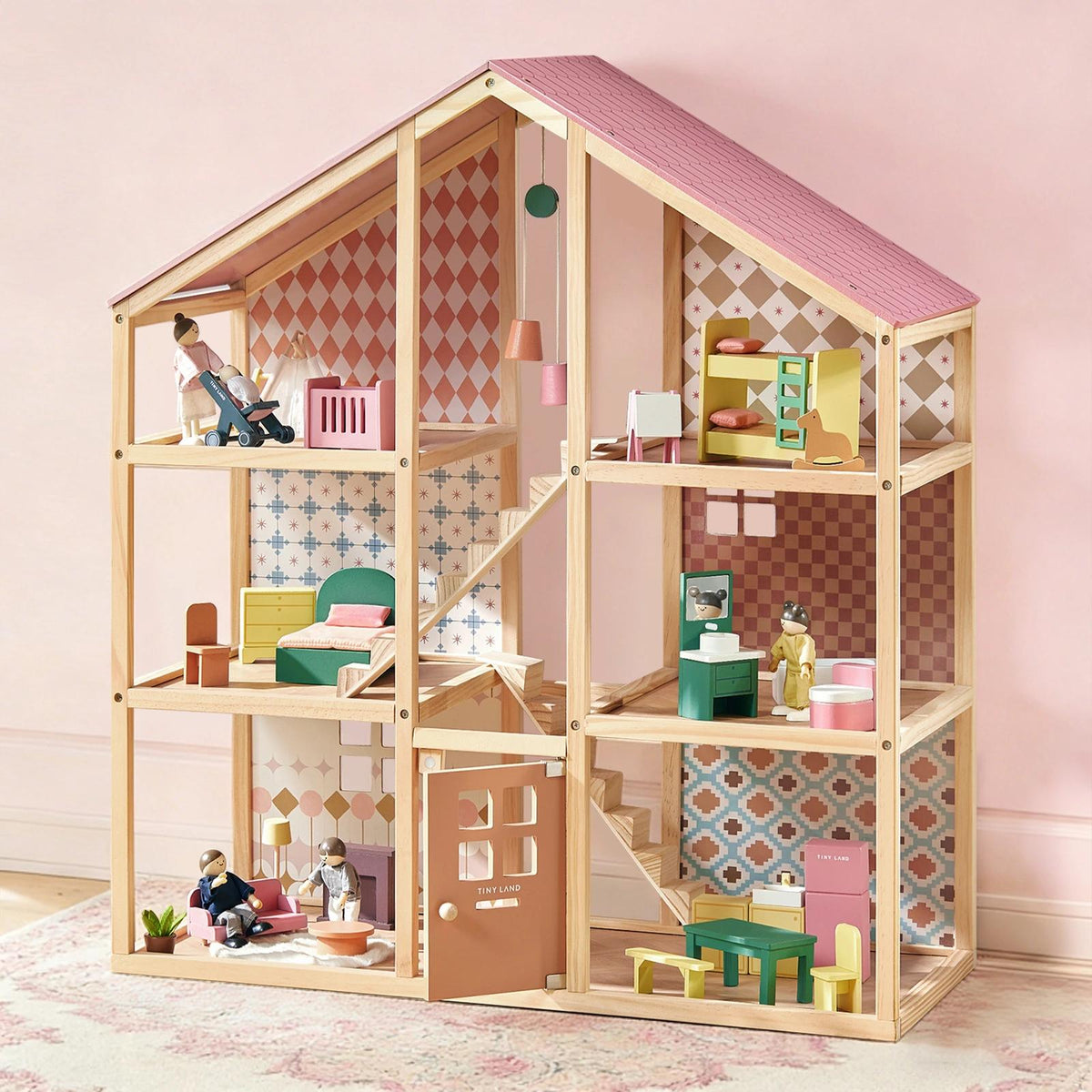
Imaginative Play: Dollhouse (Stories That Grow Over Time)
A dollhouse gives children a stage—but not a script.
They decide:
- Who lives there
- What happens
- How the story unfolds
One day, it’s a quiet moment with family.
The next, it turns into a lively gathering filled with guests, movement, and laughter.
The next, it turns into a lively gathering filled with guests, movement, and laughter.
This type of play supports:
- Narrative thinking
- Emotional expression
- Imaginative development
The story is not given—it is built through play.

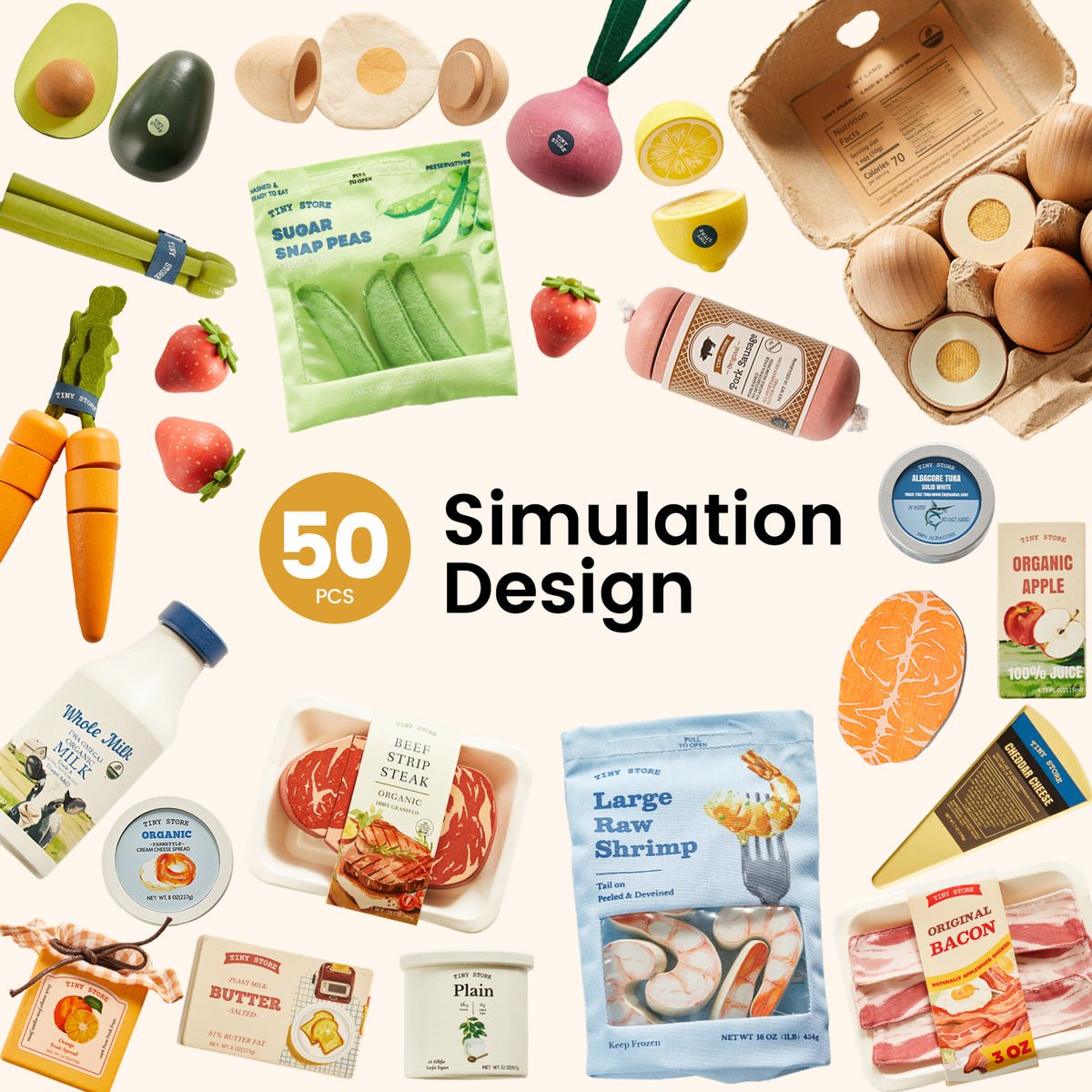
Creative Play: Play Food Sets (Experimentation Through Combination)
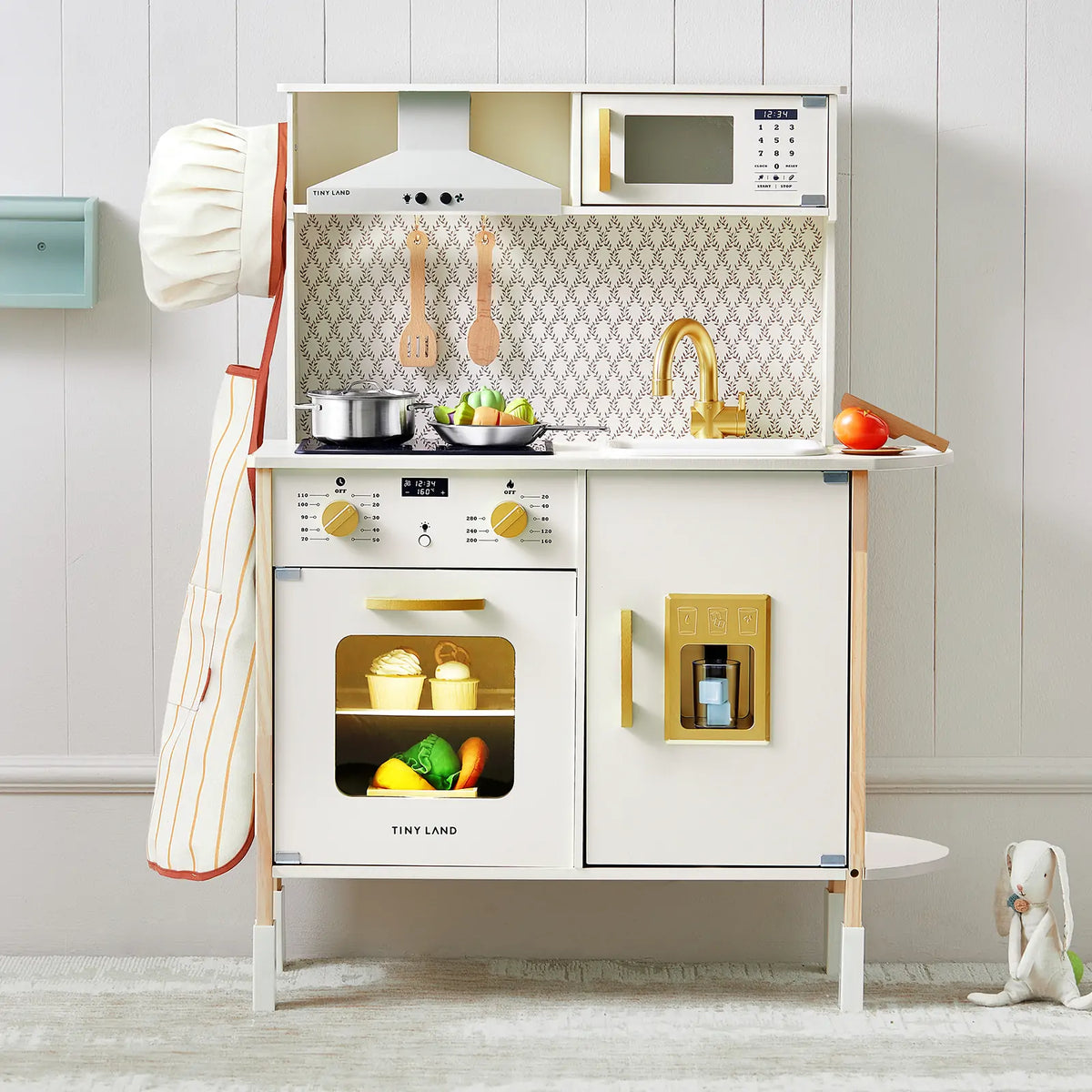
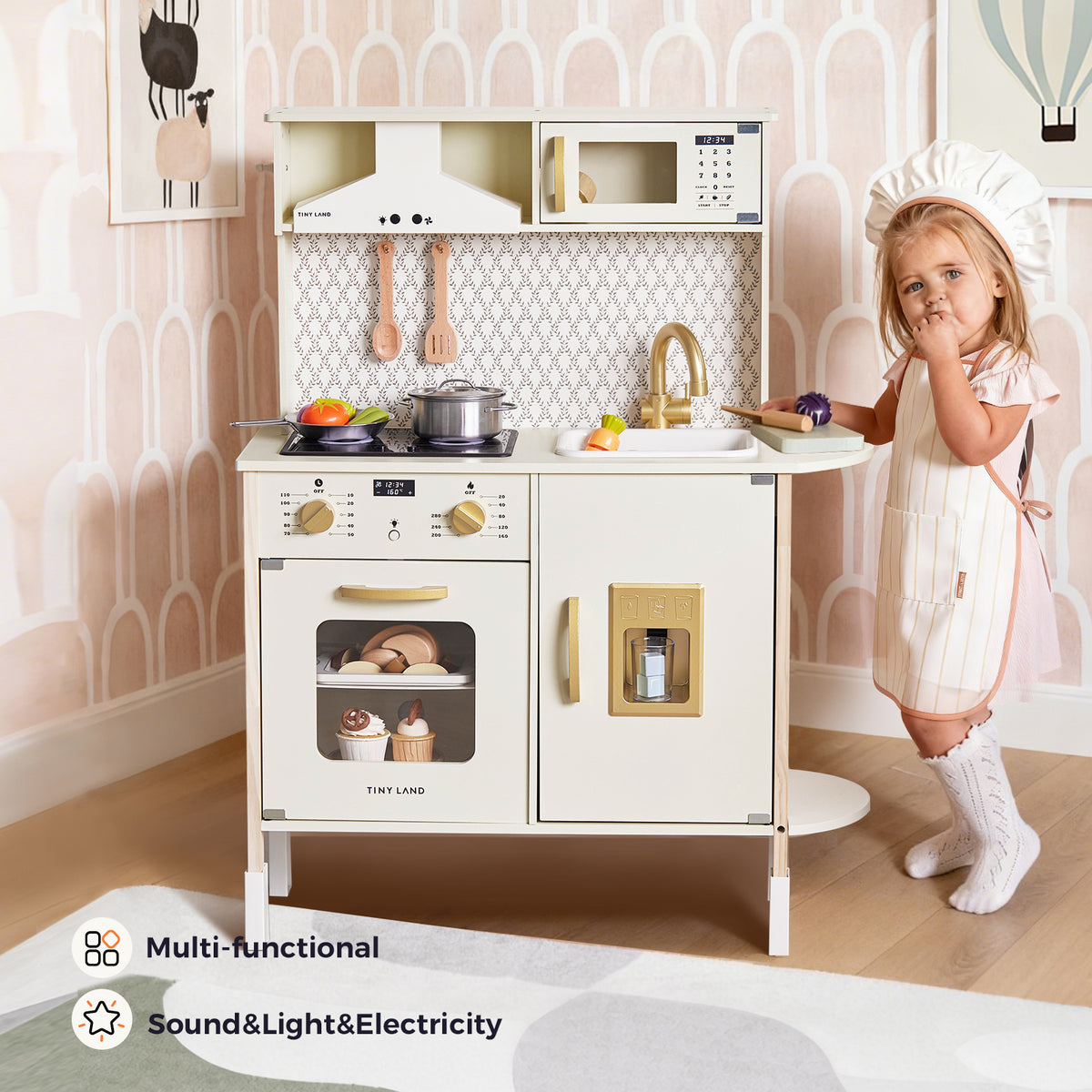
Play food feels familiar—but how children use it is completely open.
They mix, match, and create their own worlds.
A carrot can be lunch, or a harvest, or a shop display. There’s no single way to play.
One day, they’re cooking.
The next, they’re planting, selling, or sharing—using the same pieces in entirely new ways.
Over time, familiar objects become new ideas. This kind of play supports:
- Creativity
- Categorization
- Imaginative storytelling

How Tiny Land Fits Into This
While each toy creates a different experience, they all share one core idea:
Children lead the play.
- Outdoor play encourages exploration through natural materials.
- Role play supports flexible thinking and storytelling.
- Imaginative sets encourage creativity and narrative development.
That’s why we focus on:
- Designs that don’t dictate how they are used
- Toys that evolve with the child
- Play environments that inspire imagination

The Role of Parents
In open-ended play, parents are not the director—they are the support system.
Your role is to support the process, not control the outcome.
You can do this by:
- Creating a safe and accessible space
- Allowing uninterrupted time for play
- Observing without interrupting
Asking open-ended questions such as:
- “What are you building?”
- “What’s happening here?”
- “What could happen next?”
These moments encourage children to think independently and express their ideas.
A Simple Question Worth Remembering
If you take away everything else, keep this in mind:
Is this toy giving my child a direction—or giving them a possibility?
 Final Thought
Children don’t need more instruction.
They need more space.
Space to try.
Space to fail.
Space to imagine.
And once a child learns how to think for themselves—
They don’t just follow the world.
They shape it.