


As summer approaches, many parents feel a familiar mix of excitement and pressure.
More time at home.
More time outdoors.
And more time trying to keep kids engaged—without relying on screens.
Many families wait until summer starts to figure it out.
But the most successful summers are planned before they begin.
Not by filling every hour with activities—but by creating an environment that naturally supports how children play, learn, and grow.

Why Summer Preparation Matters More Than You Think
Summer can quickly become a cycle of:
“What should we do today?”
“Can I watch something?”
“I’m bored…”
Without a clear environment for play, children often default to screens—not because they prefer them, but because they lack engaging alternatives.
The solution isn’t more activities. It’s a better-designed play environment.
1. Build a Complete Outdoor Play Setup Kids Naturally Return To
If a space is inviting, children will come back to it again and again.
That’s the foundation of independent, screen-free play.
Instead of offering scattered toys, focus on creating a complete outdoor setup where every element works together.
-
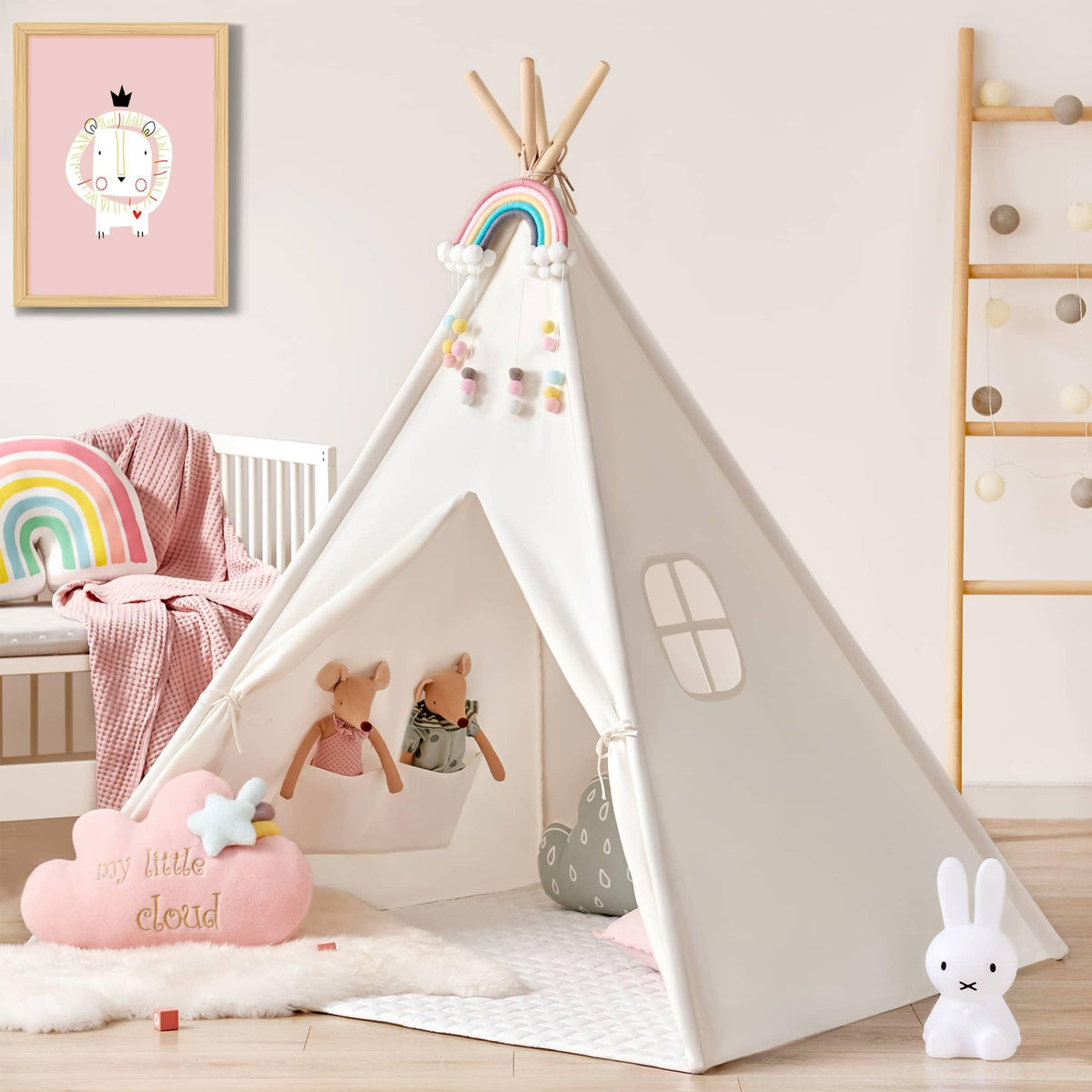
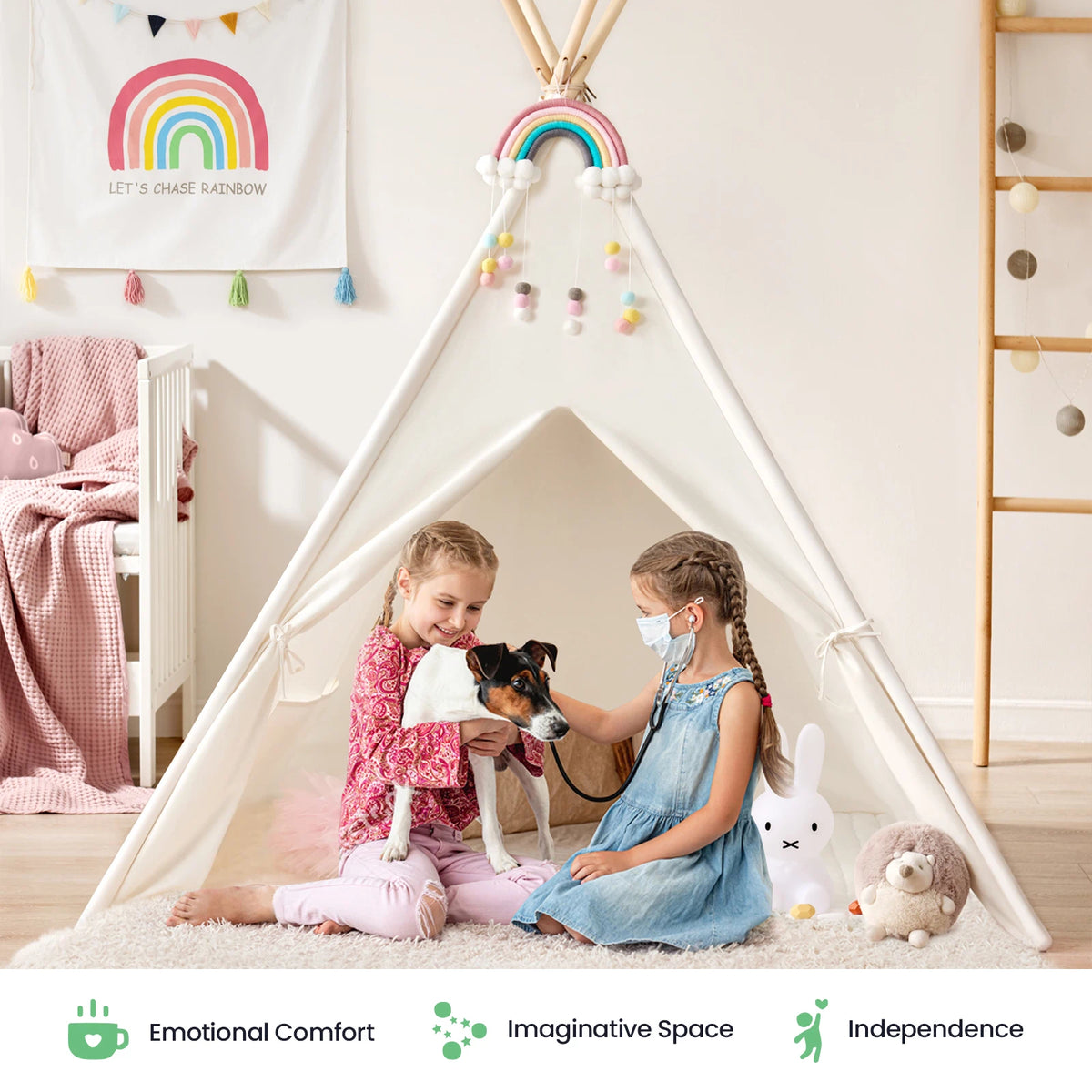
A shaded outdoor tent creates a personal space where children can rest, read, or take a break from the sun. It gives kids a sense of ownership—something that naturally increases engagement and focus.
-
A picnic mat defines the play area. It turns any backyard, park, or beach into a clean, organized space for play, snacks, and shared family moments.
-
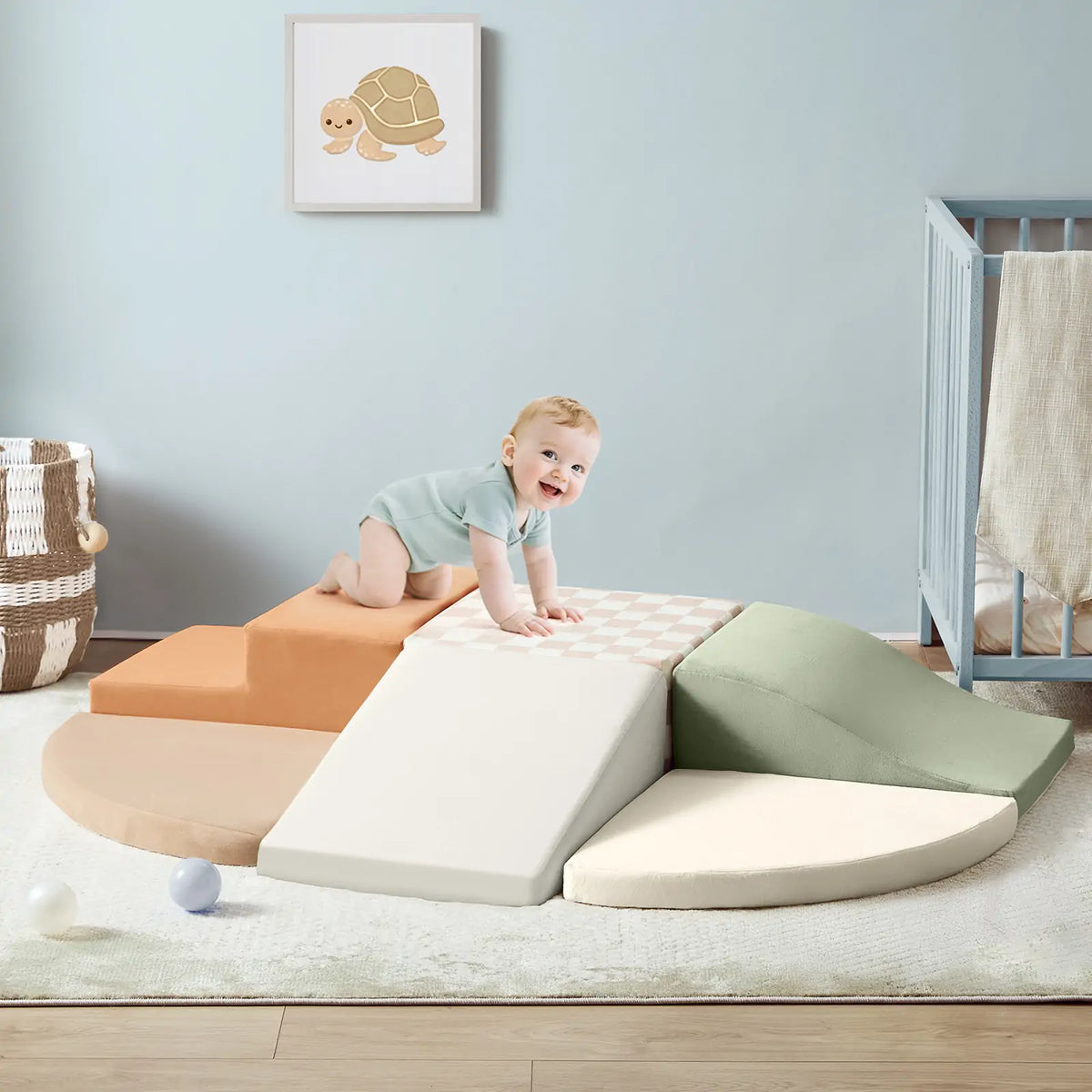
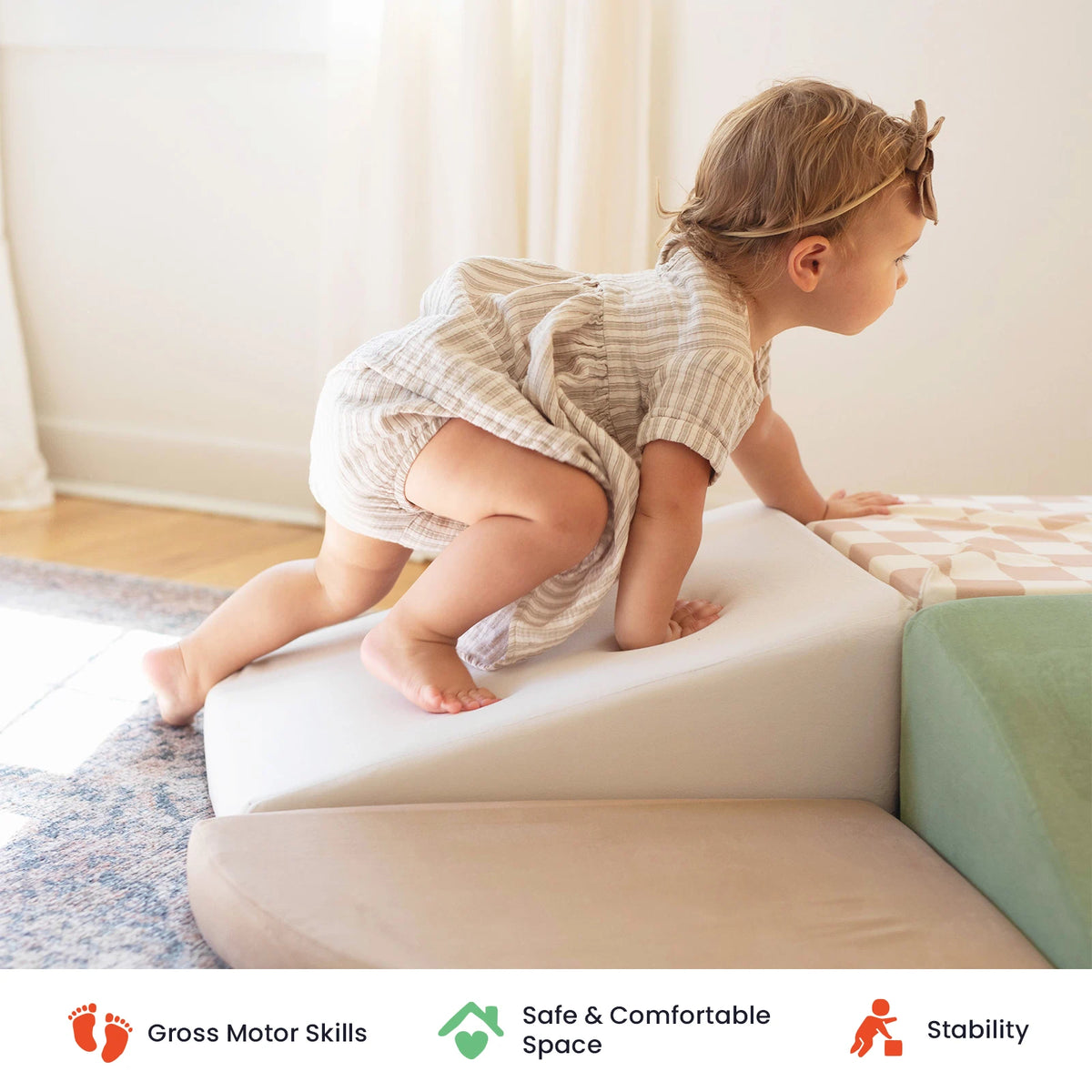
Colorful stepping stones turn movement into play. They encourage balance, coordination, and physical confidence—while making simple outdoor space more interactive.
-
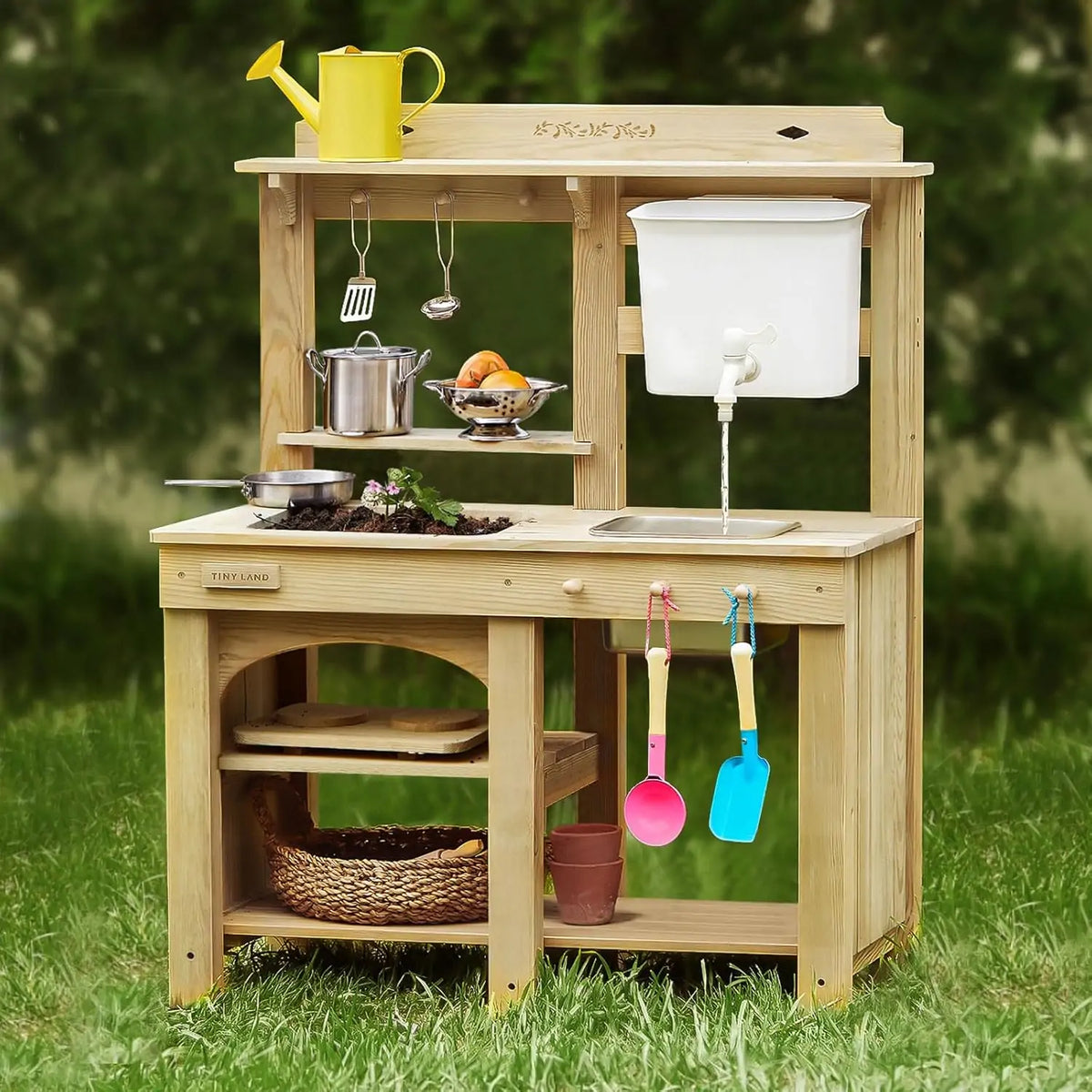
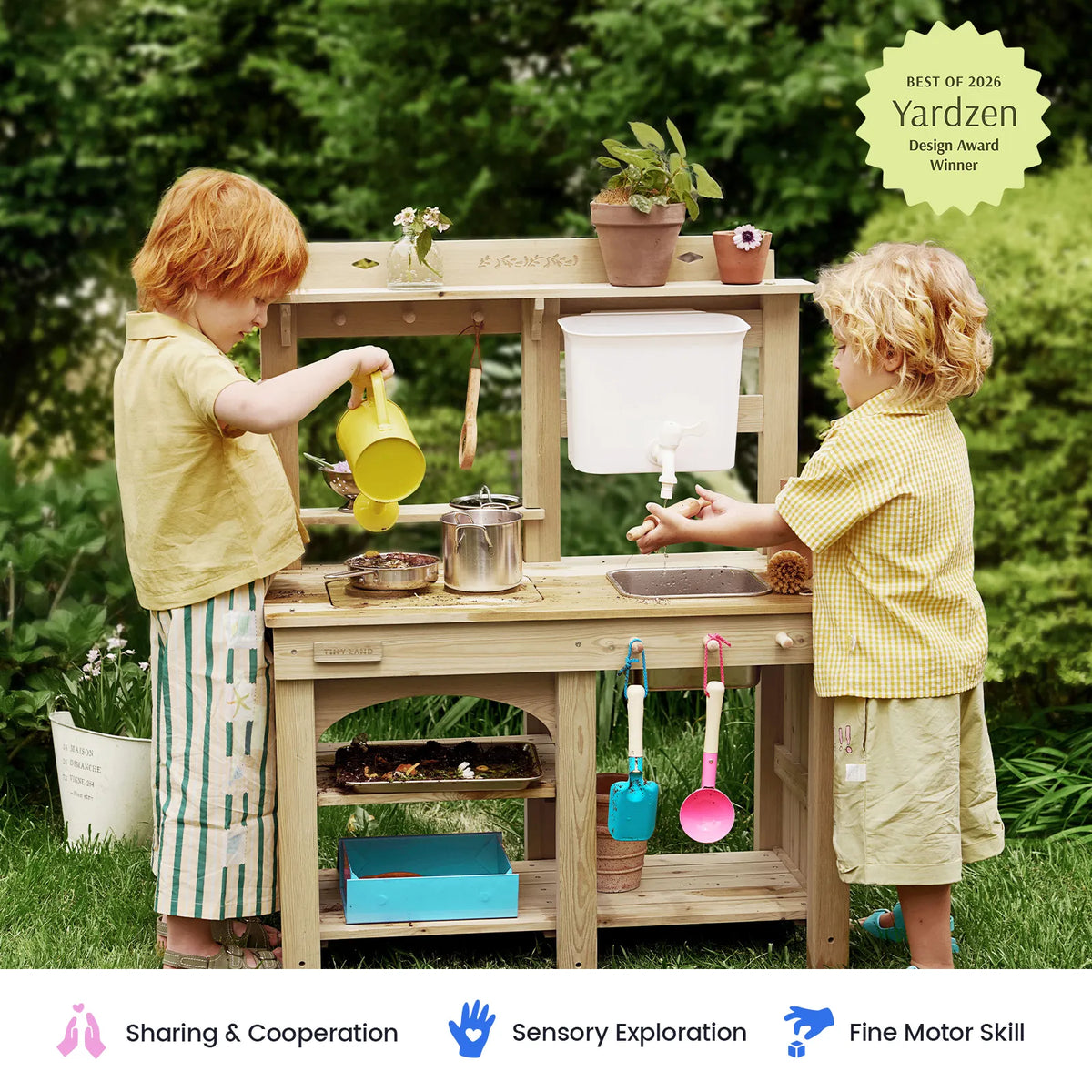
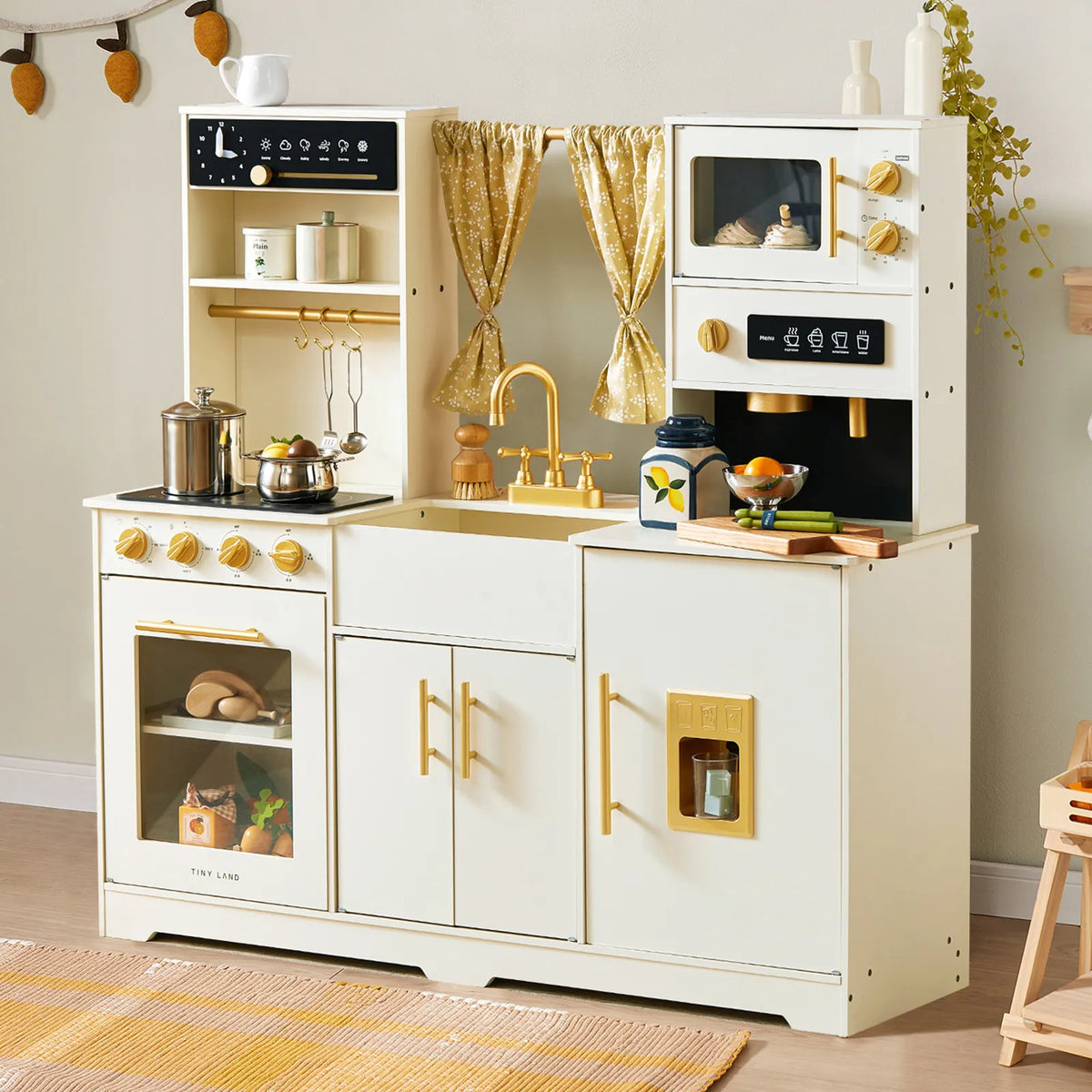
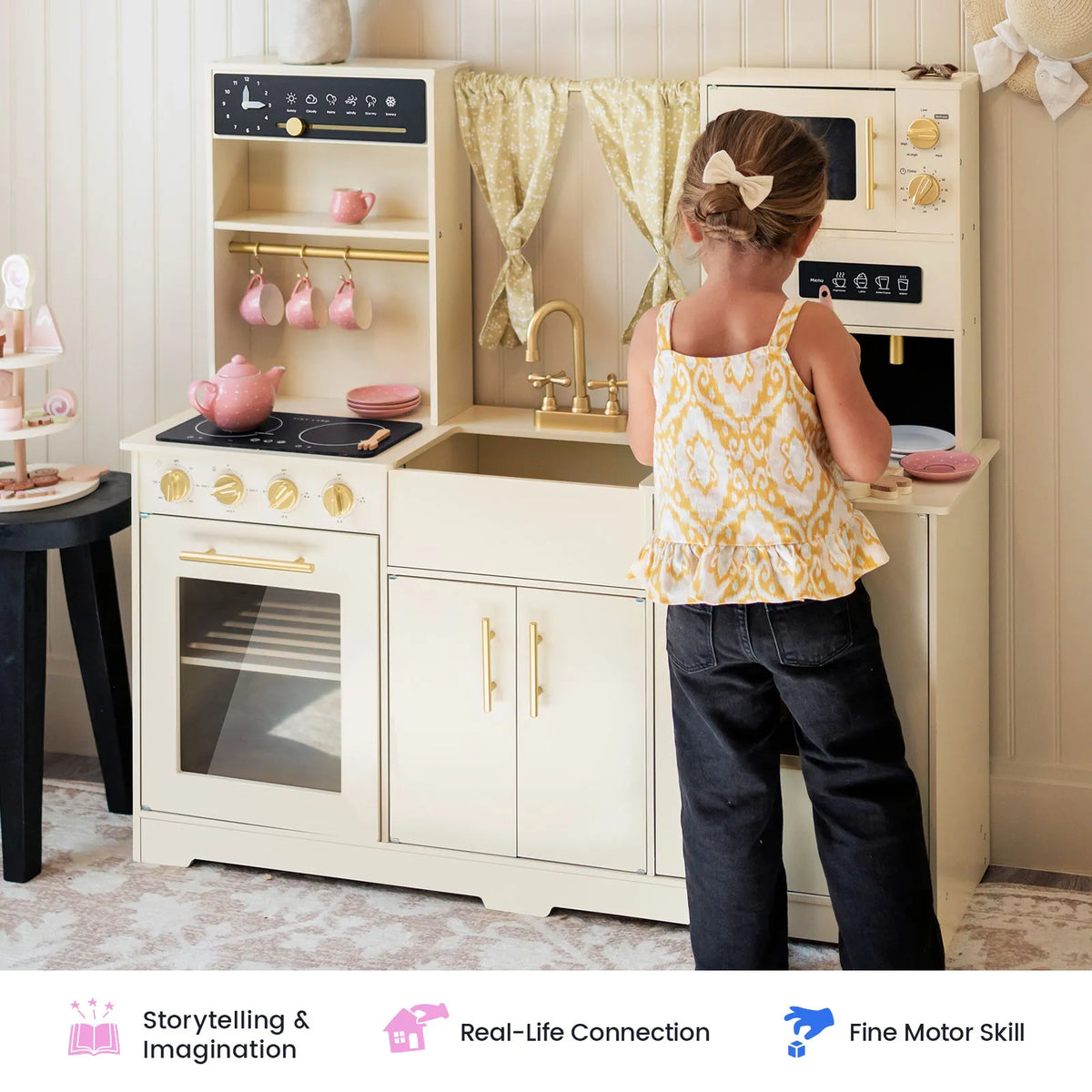
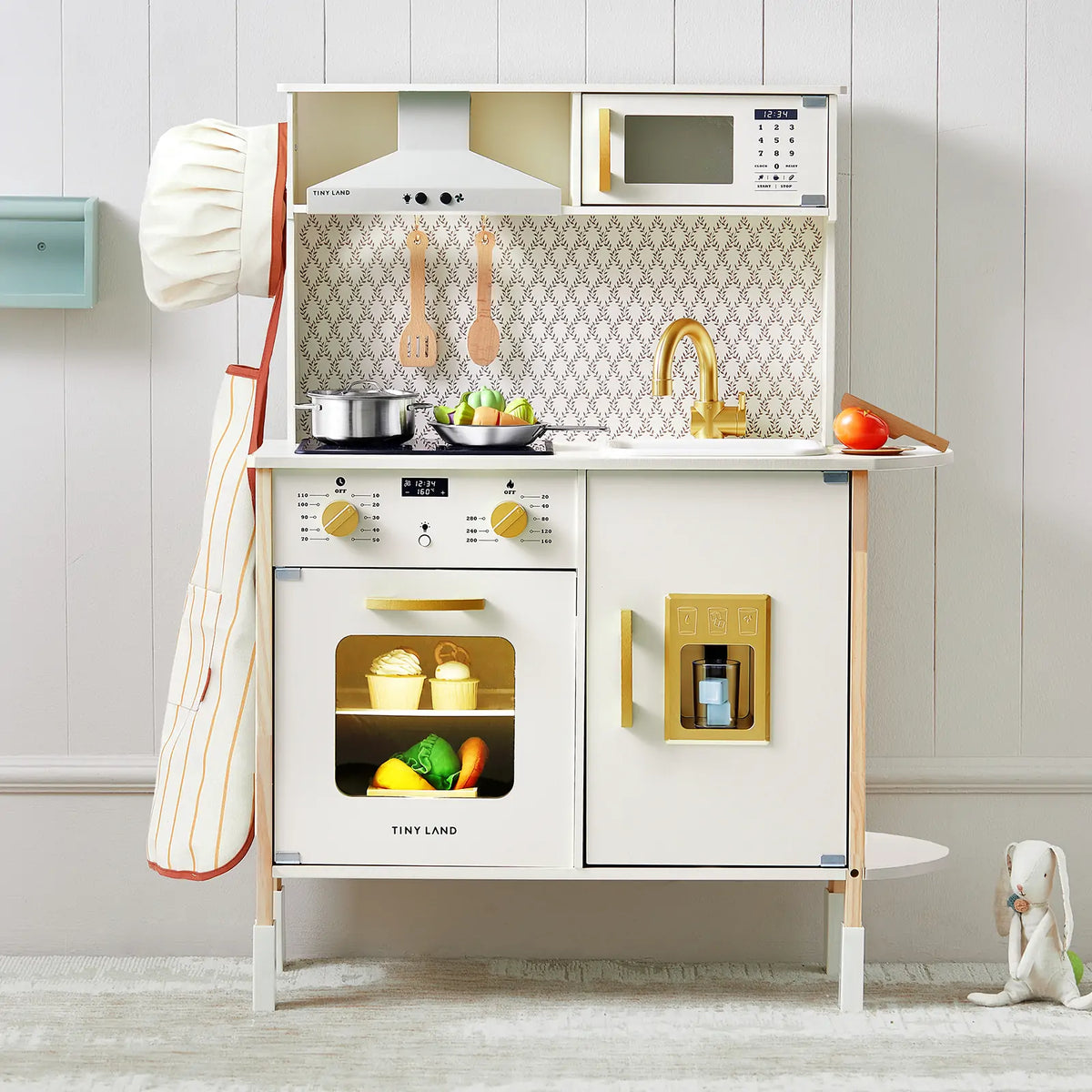
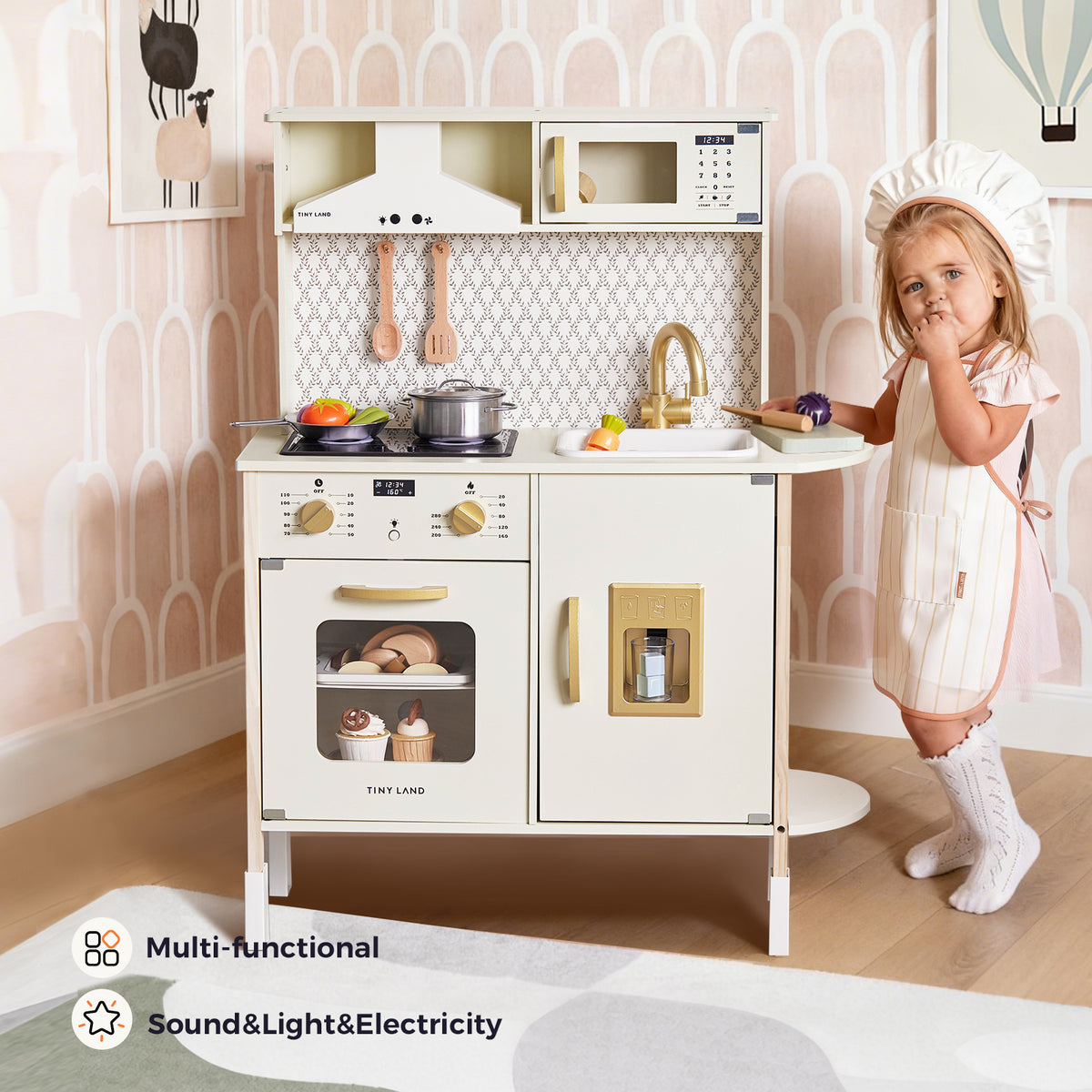
A mud kitchen brings everything together. Children can scoop, pour, mix, and create using sand, water, and natural materials—transforming everyday elements into imaginative play.
When combined, these elements create more than toys.
They create a complete play system—one that keeps children engaged longer and coming back on their own.

2. Prioritize Open-Ended, Sensory Play
Children don’t need more instructions.
They need more opportunities to explore.
Open-ended play allows kids to lead their own experience—making decisions, testing ideas, and creating their own rules.
Sand, water, and natural materials offer endless possibilities:
- Pouring, digging, and building in sand
- Exploring how water moves and flows
- Combining materials to create imaginary worlds
Along the way, children naturally explore early science through play—observing changes as they mix, pour, and create their own “potions” or simple experiments.
When paired with a mud kitchen, this becomes even more powerful.
Children can pretend to cook, run a café, or experiment with different textures—building creativity, problem-solving skills, and communication naturally.
This type of play keeps children fully engaged—without screens and without constant direction.

3. Support Independent Play and Self-Expression
Independent play is one of the most important skills a child can develop.
It builds:
- Confidence
- Focus
- Emotional resilience
- A sense of ownership over their time
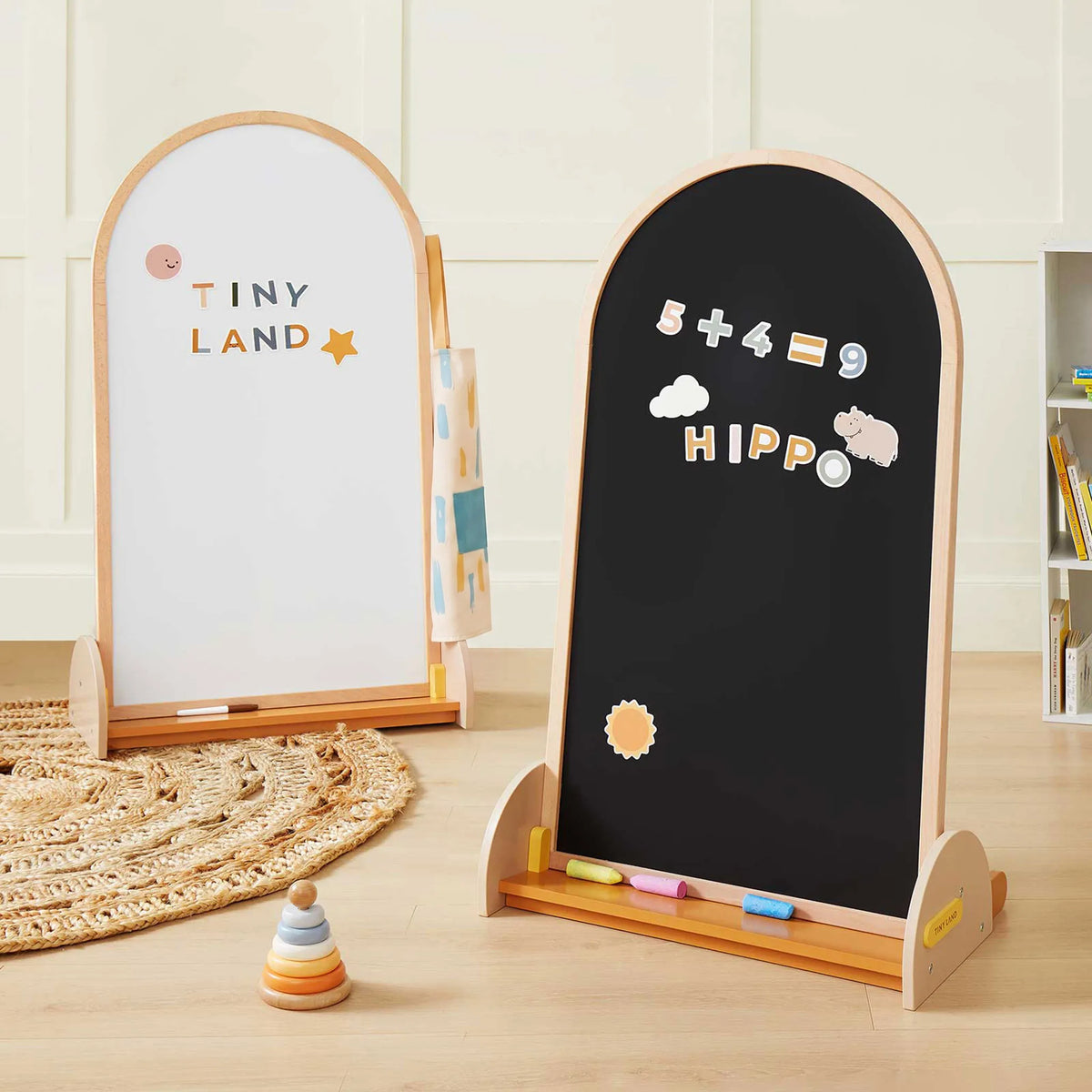
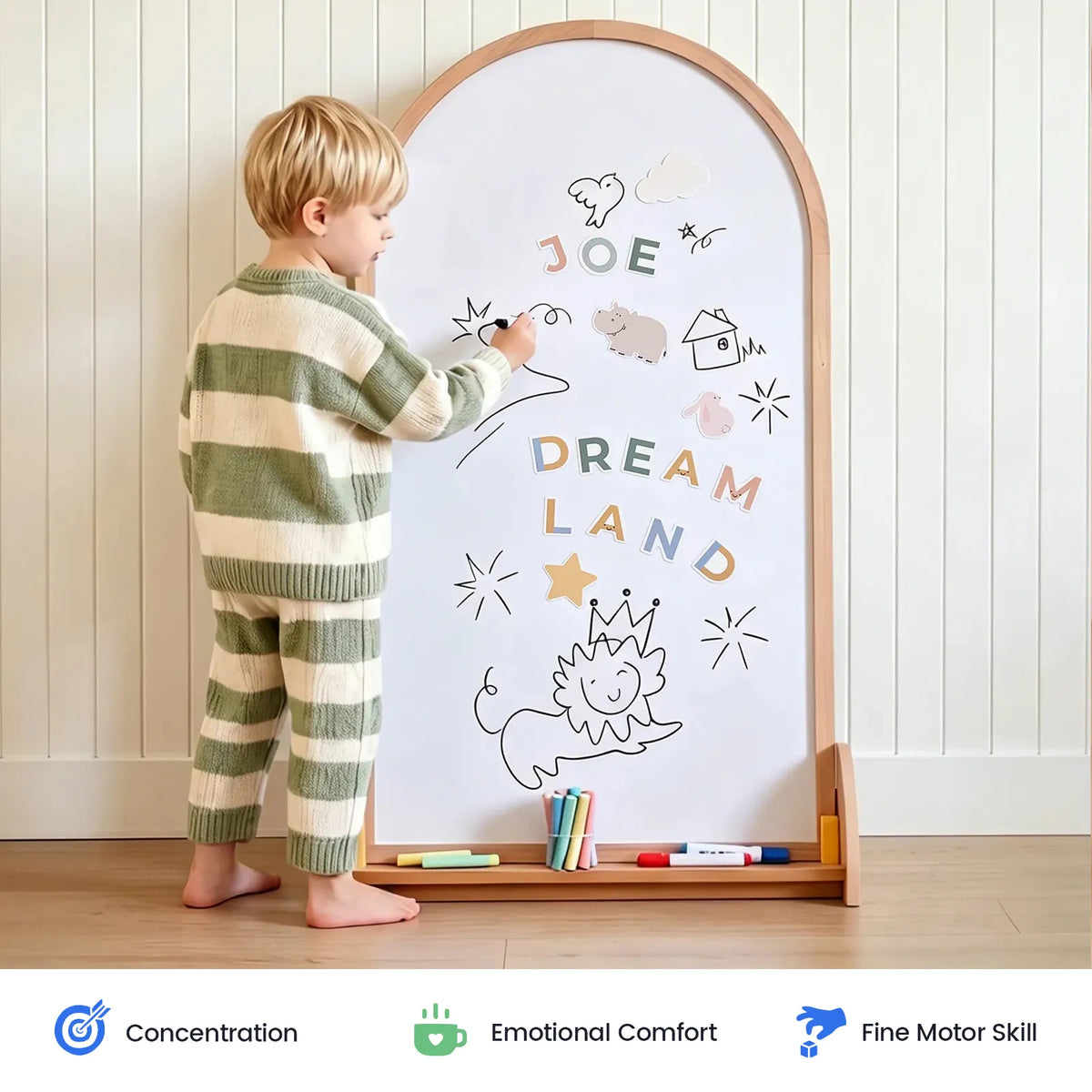
An art easel is a simple but powerful tool to support this.
Children can draw, paint, and create freely—without pressure or instructions.
It becomes a space for:
- Self-expression
- Emotional processing
- Creative exploration
This fits naturally into quieter parts of the day and complements outdoor play beautifully.

4. Create a Flexible, Predictable Summer Rhythm
Children thrive with both structure and freedom.
A flexible daily rhythm provides balance while allowing independence.
A simple flow might look like:
- Morning: Outdoor movement and active play
- Midday: Quiet or creative play
- Afternoon: Imaginative or social play
This rhythm aligns with a child’s natural energy levels and helps reduce decision fatigue for parents.
More importantly, when the environment is well-prepared, children can move between activities independently—without constant guidance.
👉 Less screen time.
👉 Less stress.
👉 More meaningful play.

5. Focus on Connection, Not Perfection
A successful summer isn’t defined by how many activities are planned.
It’s defined by the moments children remember.
- Playing outside together
- Exploring freely
- Creating something new
- Spending unstructured time with family
When play becomes part of your daily rhythm, it naturally strengthens the connection between parent and child.
And those shared moments become the foundation of lasting memories.

Why a Complete Play System Changes Everything
Many parents try to solve summer boredom by adding more toys—but more toys don’t always lead to more engagement. The real difference comes from how the environment is designed.
A thoughtfully built play system encourages longer play sessions, reduces reliance on screens, supports independent engagement, and grows with your child over time. Instead of constantly asking “what’s next?”, children stay immersed in meaningful play.
Preparing for summer isn’t about overplanning or overbuying—it’s about creating the right environment so children can naturally play, explore, and learn. With the right setup, summer becomes more active, more creative, more independent, and more connected, while parents feel more at ease knowing their children are engaged in meaningful, screen-free play.

Explore a Complete Screen-Free Summer Play Setup
If you’re looking to create a more engaging, screen-free summer for your child, explore Tiny Land thoughtfully designed outdoor play system that brings together movement, imagination, and independent play.
👉 Build an environment that keeps kids engaged—naturally.