


If your child loves pretend cooking, sensory play, or mixing up backyard “recipes,” you may be deciding between an outdoor mud kitchen and an indoor play kitchen.
Both encourage creativity and hands-on play—but they support very different kinds of experiences at home.
An outdoor mud kitchen invites kids to explore, experiment, and get messy with natural materials like mud, water, and leaves. An indoor play kitchen focuses on pretend cooking, storytelling, and everyday routines in a clean, familiar environment.
So how do you choose the right one?
It comes down to your child’s play style, your space, and how you want playtime to fit into your daily routine.
 What Is an Outdoor Mud Kitchen?
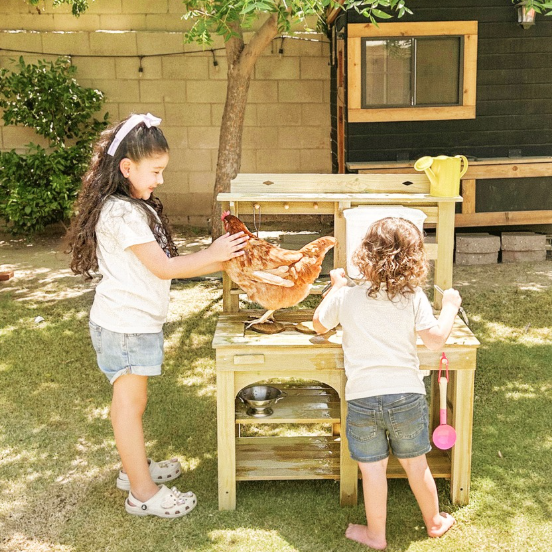
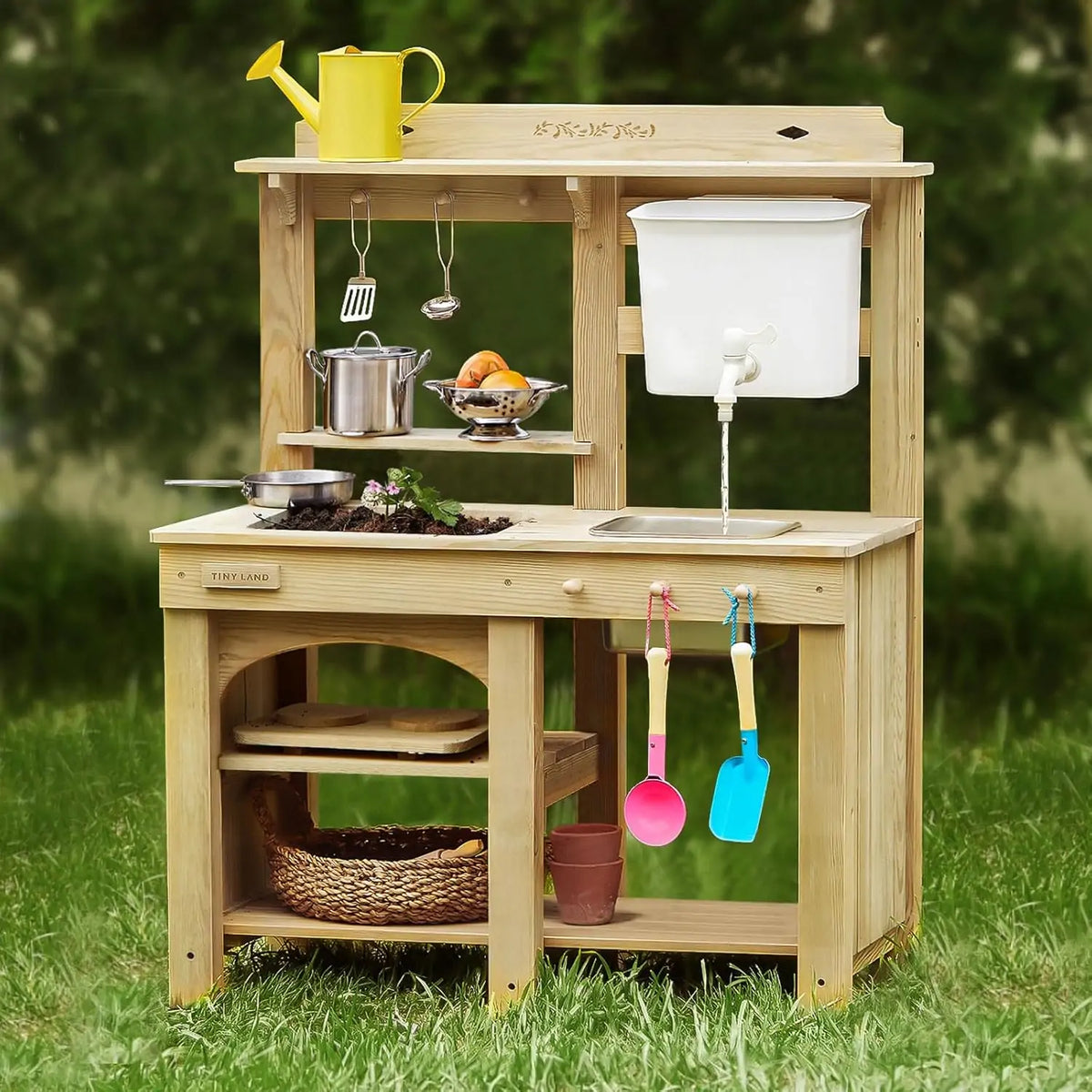
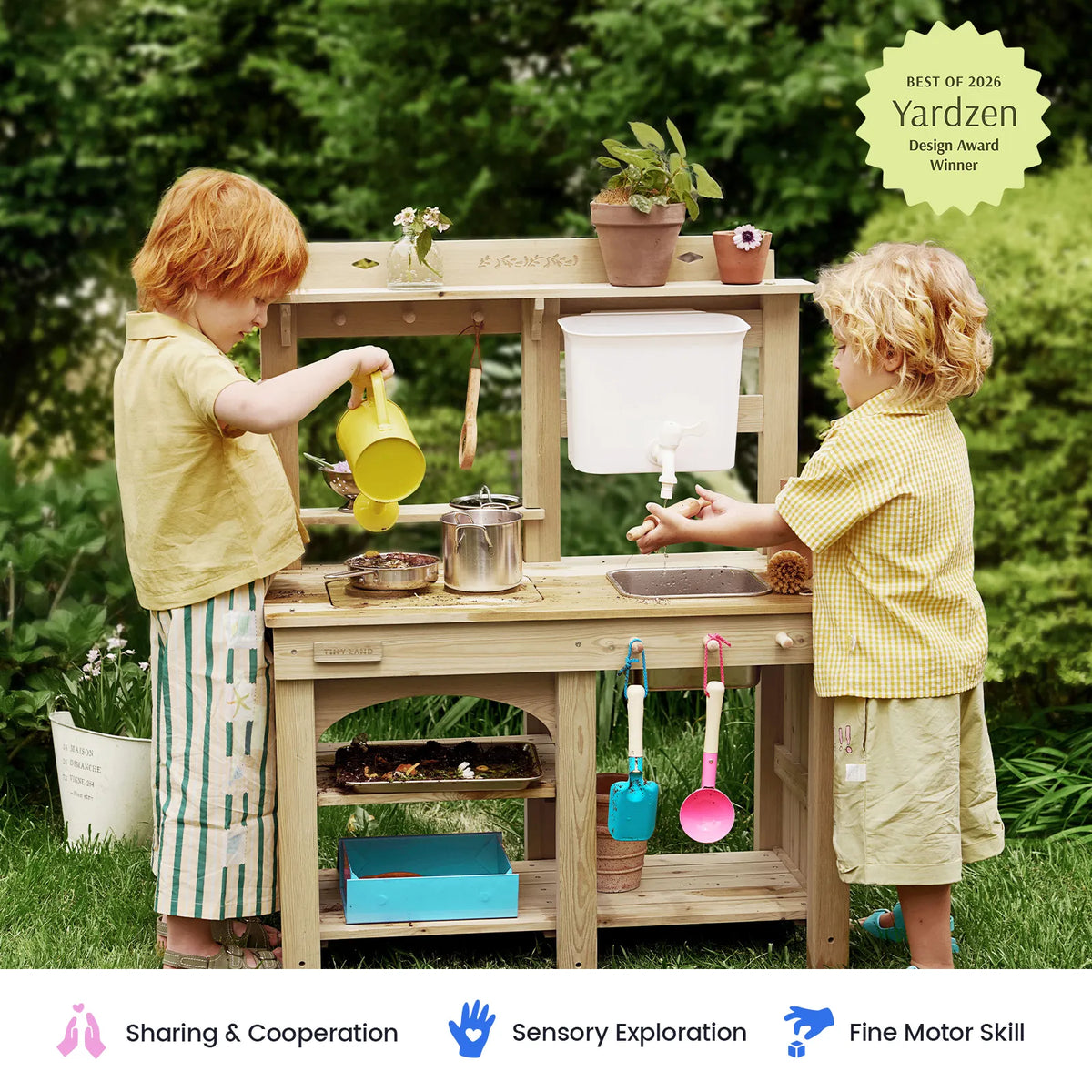
An outdoor mud kitchen is a child-sized play kitchen designed for outdoor use. Instead of only using toy food, kids can scoop, pour, mix, and create using natural materials like mud, water, sand, grass, and flower petals.
This type of play kitchen encourages sensory play and open-ended exploration. There’s no set outcome—kids can make mud pies, “soups,” or imaginative potions, changing their play every time they step outside.
Many mud kitchens include simple features like shelves, bowls, hooks, and play cookware. Some may also have a water area for pouring and rinsing, adding another layer of hands-on discovery.
For families who value outdoor play and creativity without limits, a mud kitchen can become a favorite backyard activity.
 What Is an Indoor Play Kitchen?
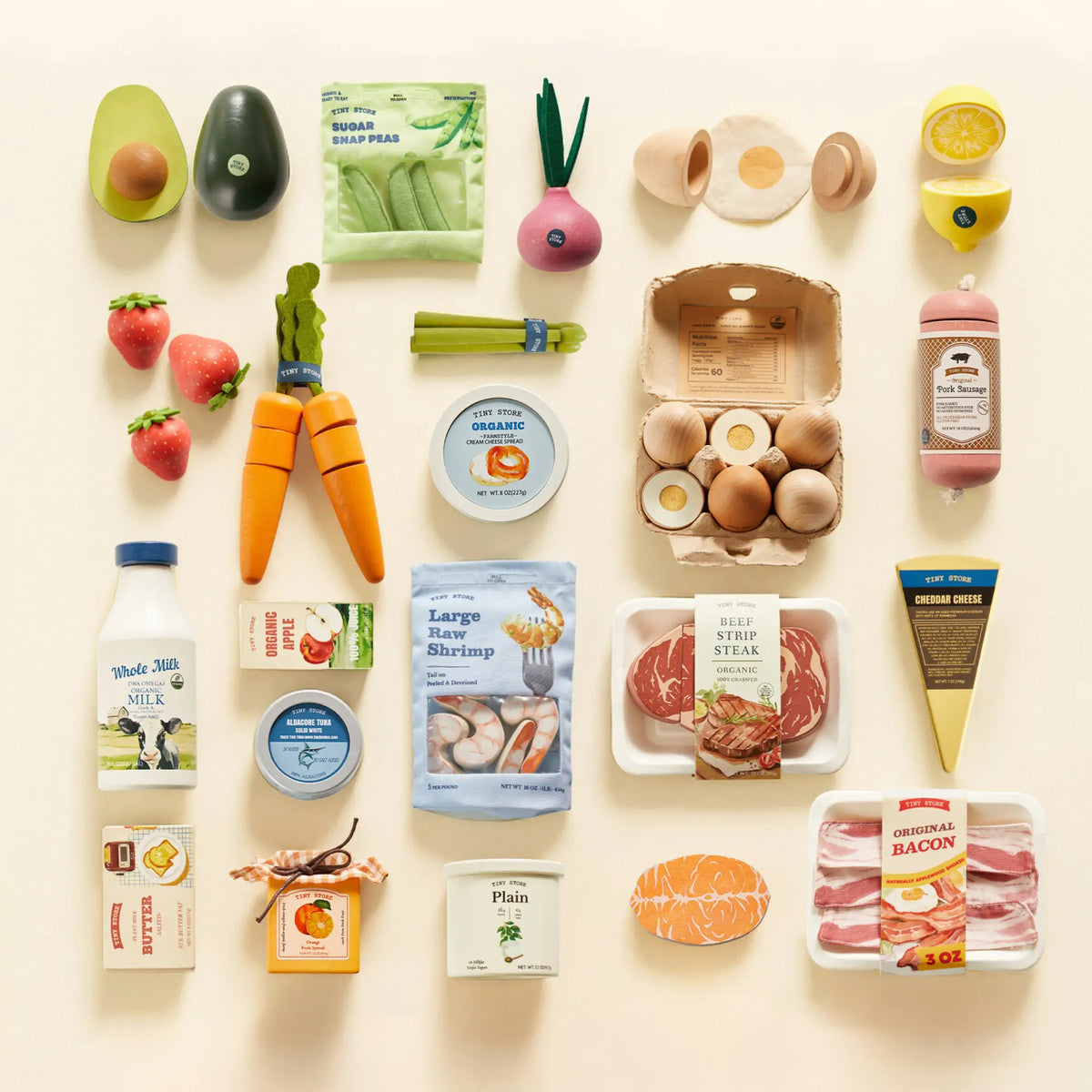
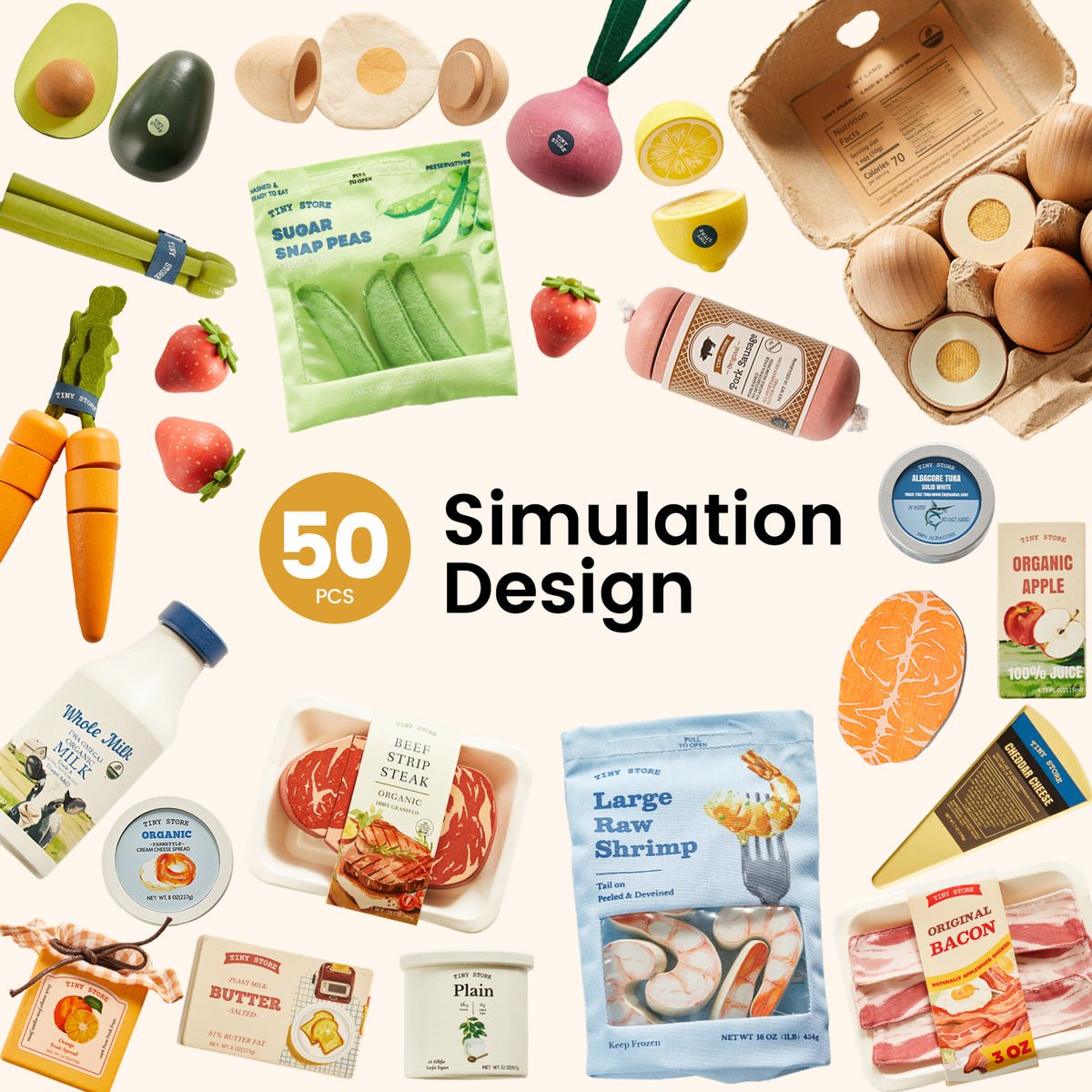
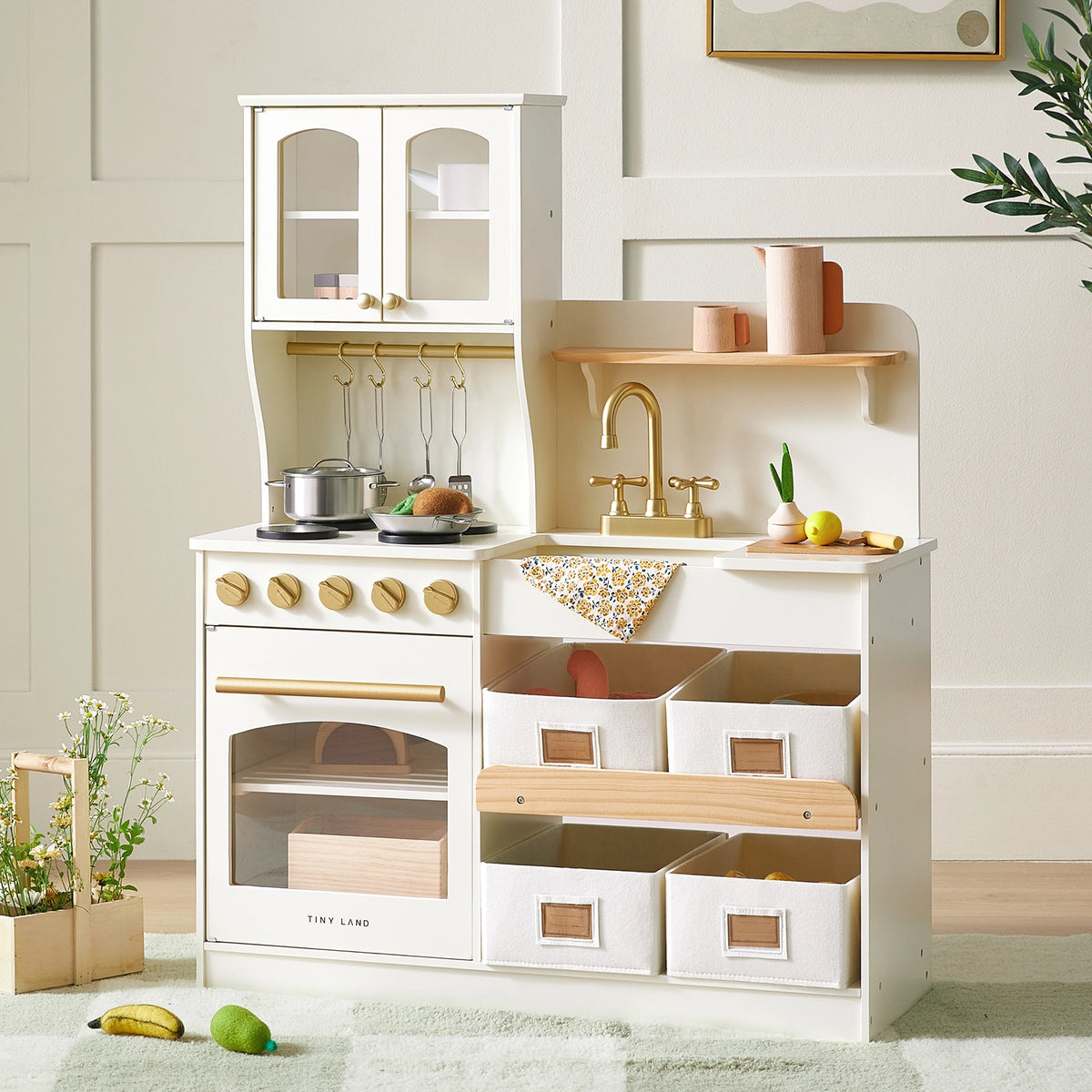
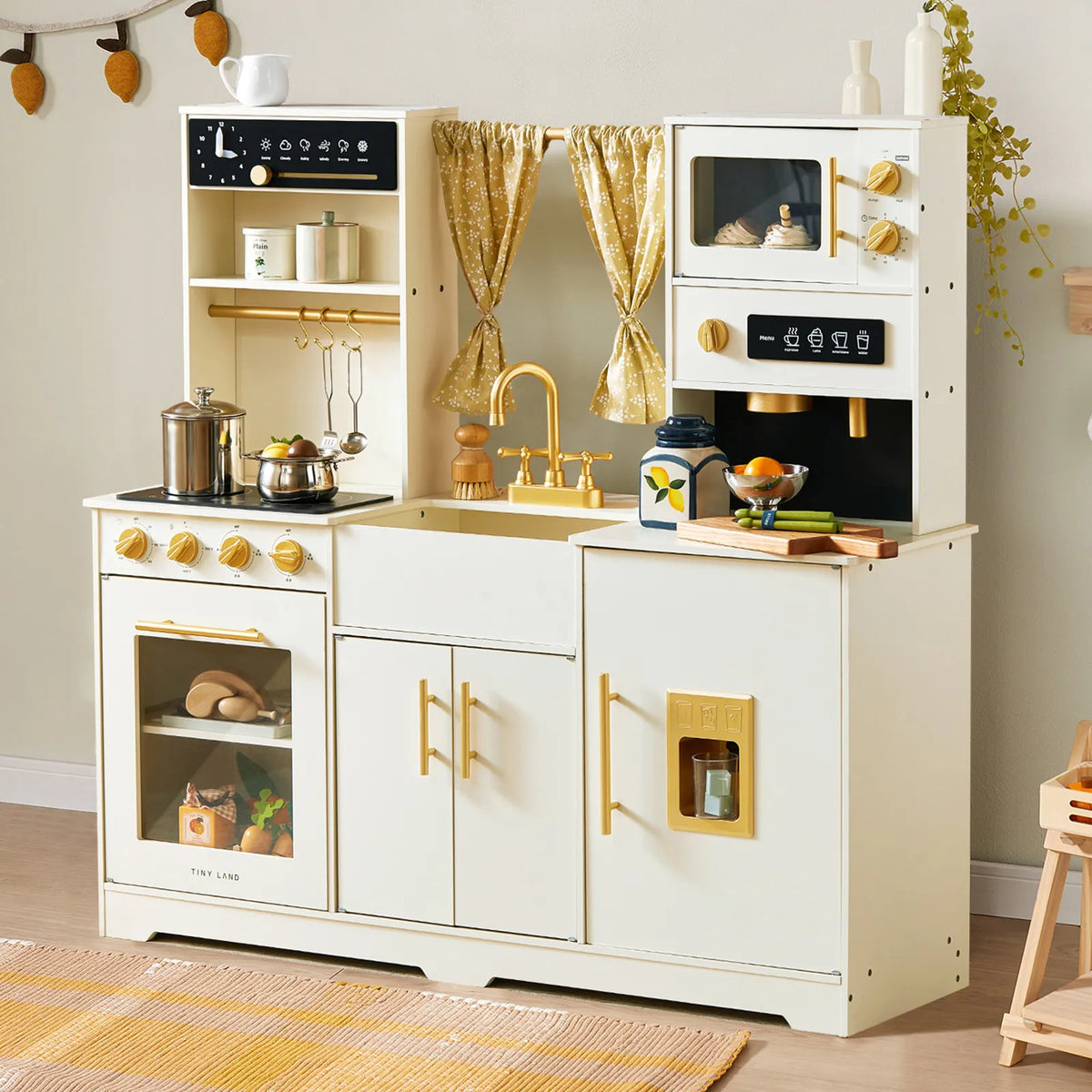
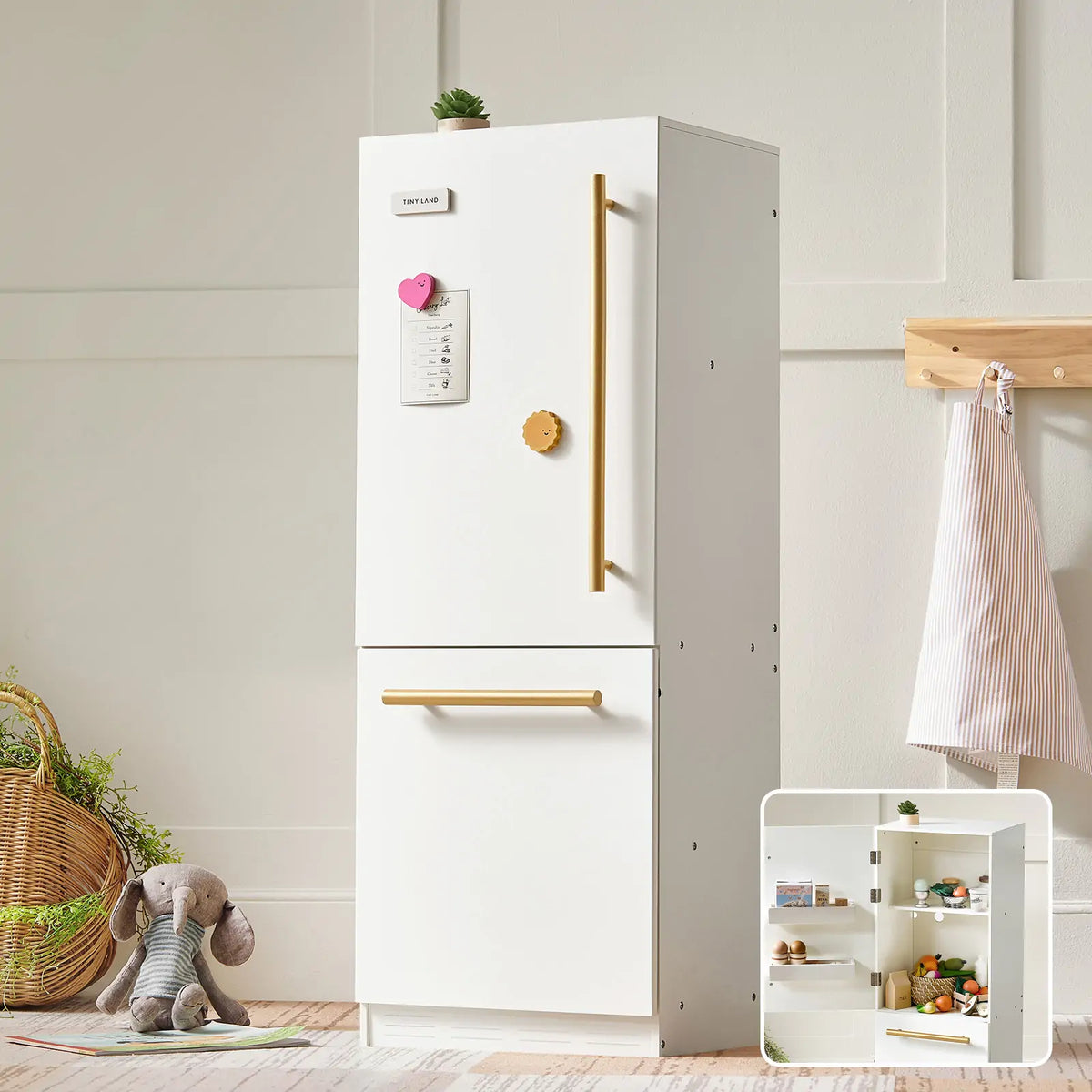
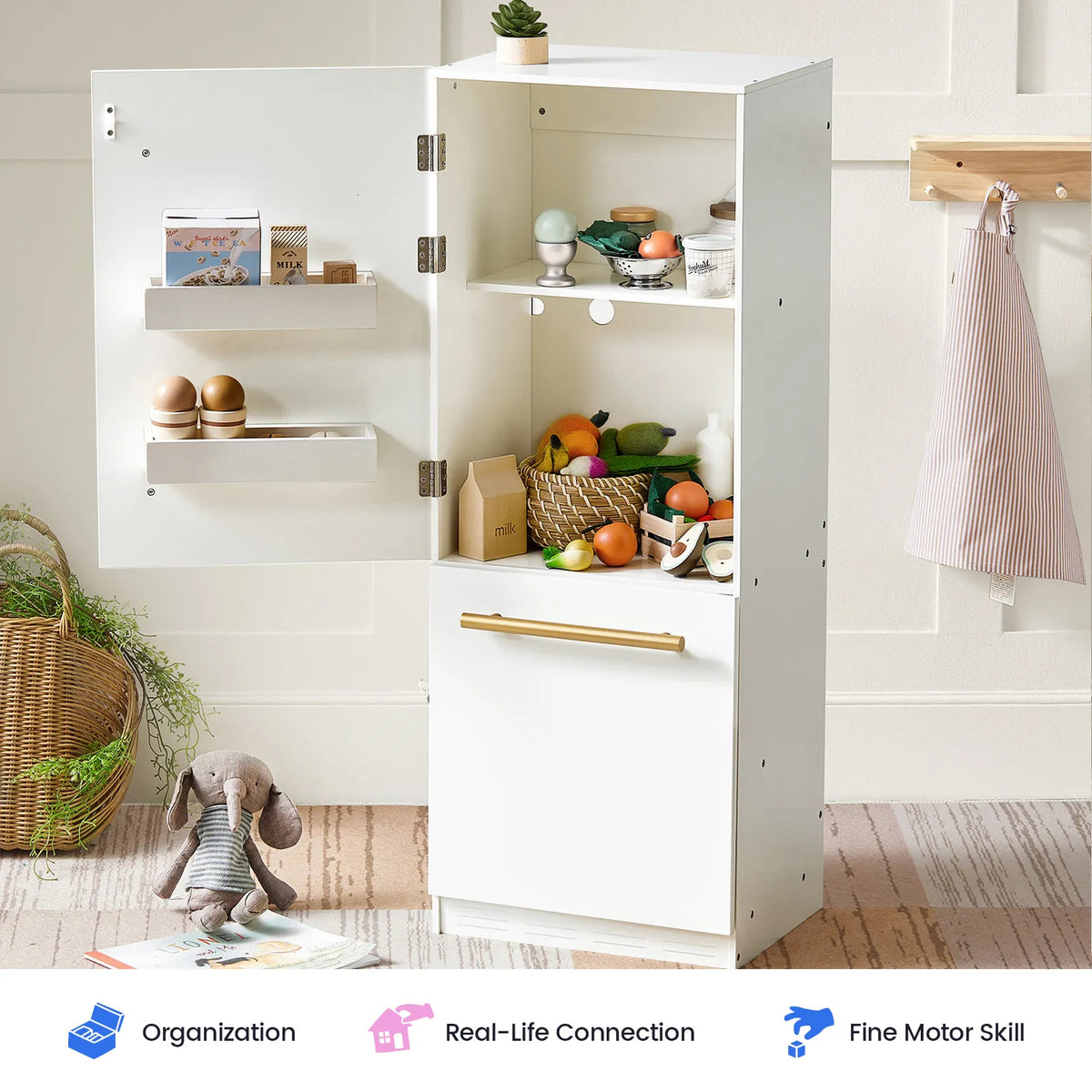
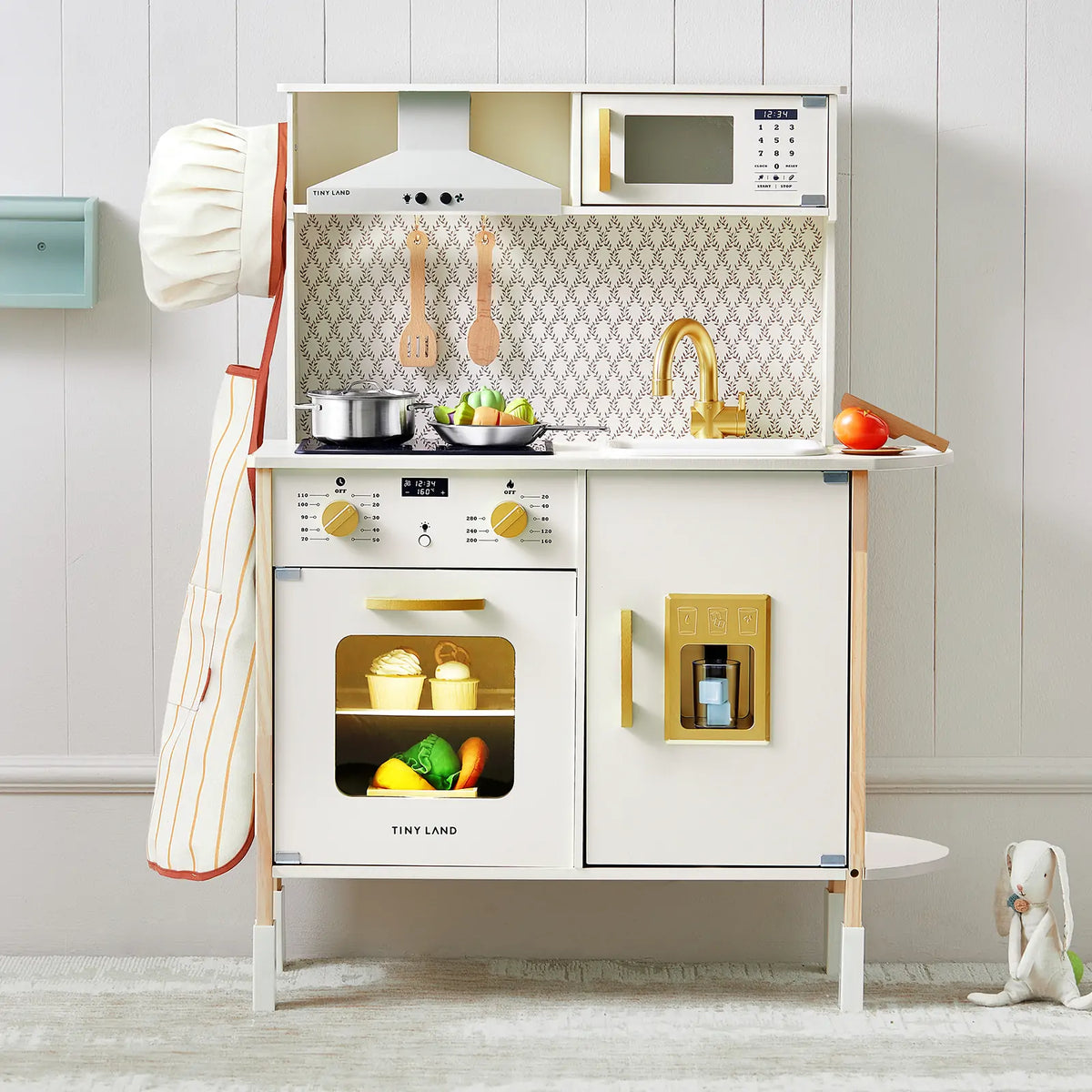
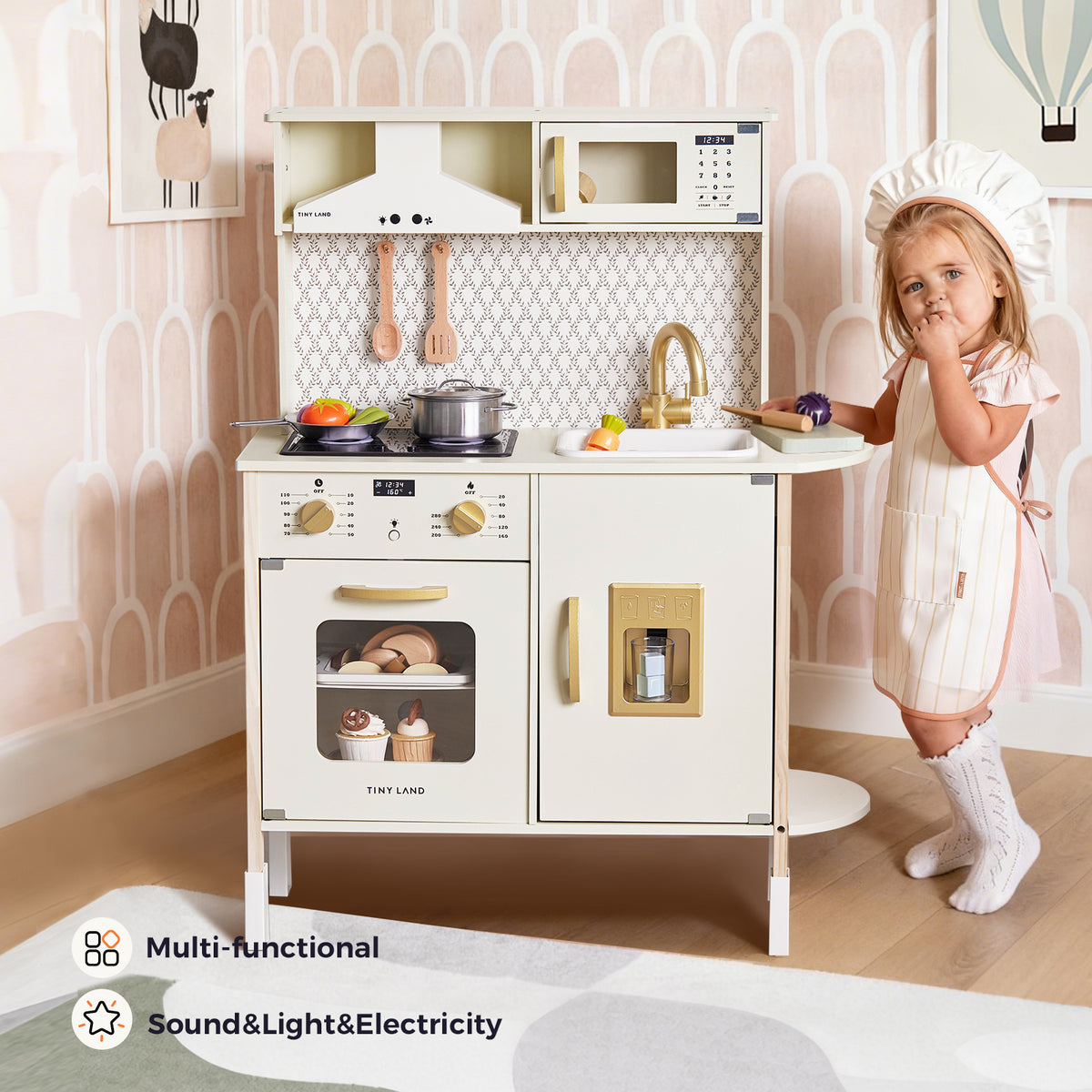
An indoor play kitchen is a pretend kitchen made for everyday imaginative play at home. It often includes details like a stove, sink, oven, and storage, along with accessories such as pots, pans, utensils, and pretend food.
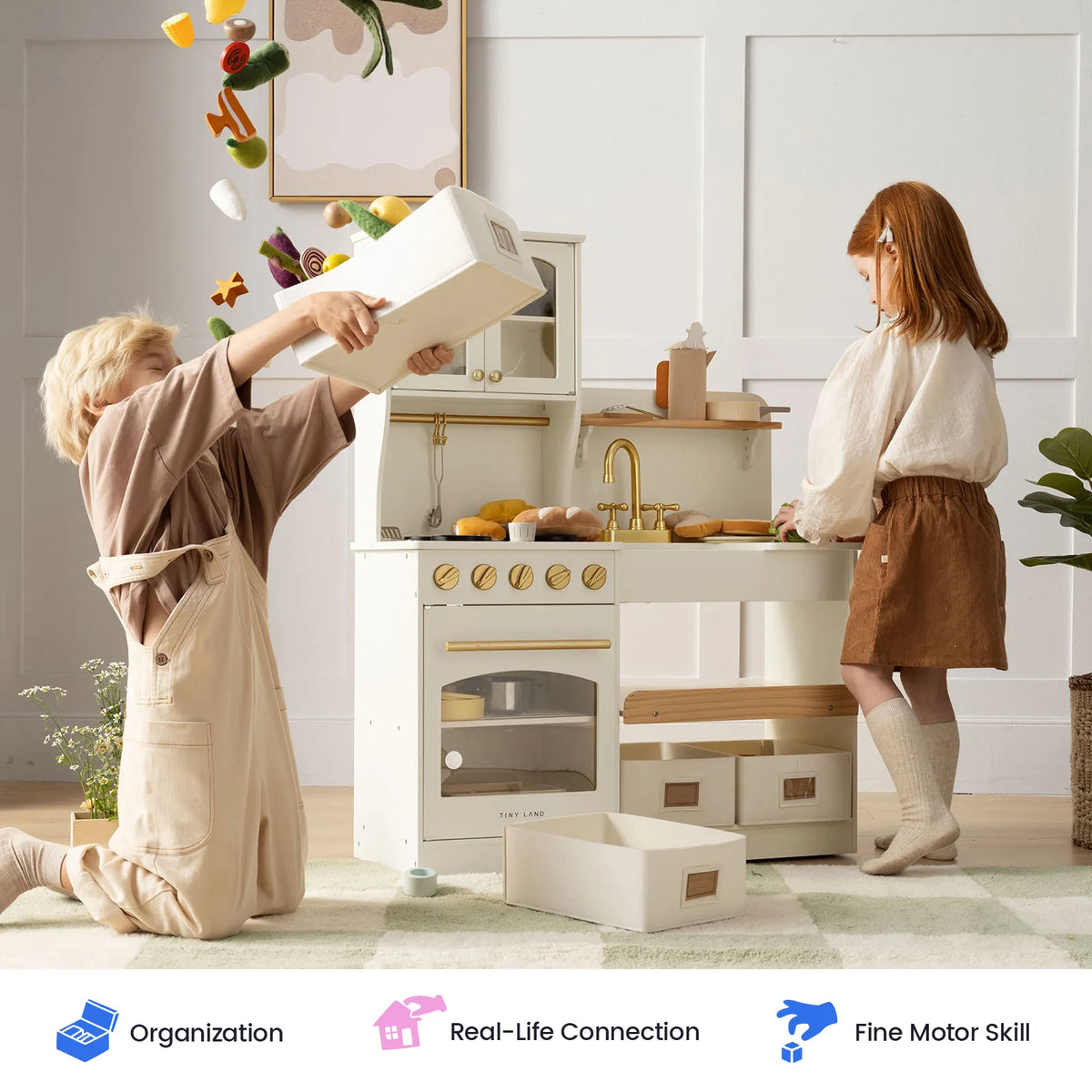
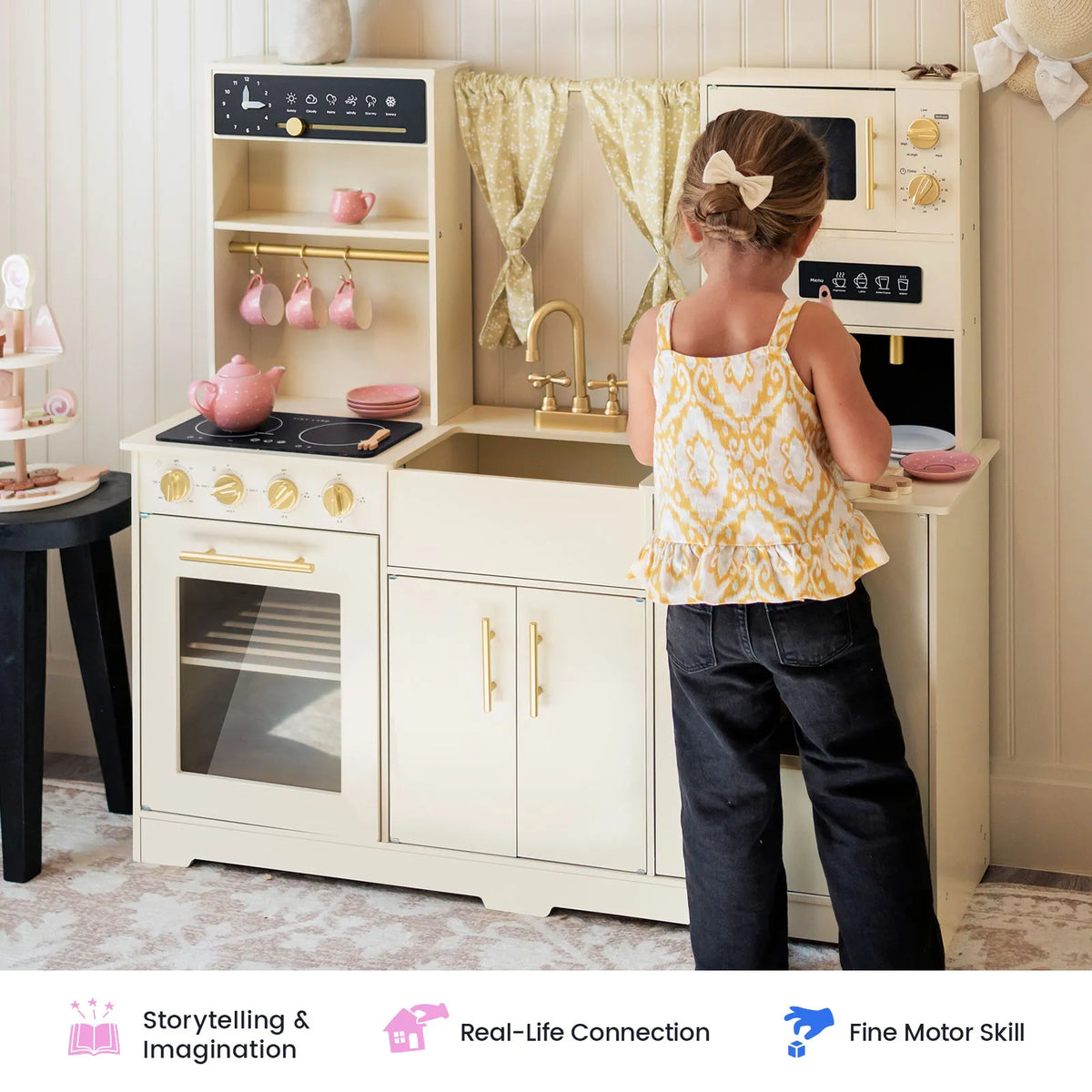
Indoor play kitchens are all about role play and storytelling. Kids can act out familiar routines—cooking meals, serving food, hosting a pretend café, or cleaning up after dinner.
Because the setup feels similar to real life, children naturally return to this type of play again and again. It’s also easy to access anytime, making it a reliable option for daily, screen-free play indoors.
 Outdoor Mud Kitchen vs Indoor Play Kitchen: Key Differences
While both fall under imaginative kitchen play, they create very different experiences.
Outdoor Mud Kitchen
-
Made for outdoor play spaces like backyards or patios
-
Focuses on sensory play and hands-on exploration
-
Uses natural materials like mud, water, and sand
-
Encourages messy, open-ended creativity
-
Often involves more movement and physical activity
Indoor Play Kitchen
-
Designed for indoor spaces like playrooms or bedrooms
-
Centers on pretend cooking and role play
-
Uses toy food and kitchen accessories
-
Offers a clean, structured play experience
-
Easy to use anytime, regardless of weather
Neither is better in every situation—they simply support different kinds of play.
 How Kids Benefit from Each Type of Play Kitchen
Outdoor Mud Kitchen Benefits
Mud kitchens are ideal for sensory-rich, exploratory play. As children scoop, pour, and mix, they experience different textures, weights, and materials in a hands-on way.
This kind of play supports:
-
Sensory development
-
Coordination and motor skills
-
Problem-solving through experimentation
-
Creativity without fixed rules
Outdoor play also encourages movement and helps kids stay active, while the changing environment keeps playtime fresh and engaging.
Indoor Play Kitchen Benefits
Indoor play kitchens are perfect for imaginative role play and social interaction. Children can recreate everyday moments and build their own stories through play.
This supports:
-
Language development and communication
-
Social skills and cooperation
-
Fine motor skills through small movements
-
Confidence through familiar routines
Because it’s always available, an indoor play kitchen often becomes part of a child’s daily rhythm.
 How to Choose the Right One
The best choice depends on how your child naturally likes to play—and what works for your home.
Choose an outdoor mud kitchen if:
-
Your child loves being outside
-
They enjoy sensory play and getting messy
-
You have a backyard, patio, or outdoor space
-
You want to encourage more active, open-ended play
Choose an indoor play kitchen if:
-
Your child enjoys pretend cooking and role play
-
You want something easy to use year-round
-
You prefer a cleaner, low-maintenance option
-
You need a toy that fits easily into indoor spaces
Can you have both?
If space allows, many families find that having both offers the best balance—messy exploration outside and imaginative role play indoors.
 Space & Setup Considerations
An outdoor mud kitchen works best in a safe, open space where children can move freely and play with water or natural materials. Even a small patio can work with the right setup.
An indoor play kitchen is more flexible. It can fit into a playroom, bedroom, or shared living space and requires minimal setup or cleanup.
It’s also helpful to think about your family’s routine. If you spend a lot of time outdoors, a mud kitchen may get more use. If you want something always accessible regardless of weather, an indoor play kitchen may be the better fit.
 Cleanup & Safety Tips
For outdoor mud kitchens:
-
Use clean soil and safe natural materials
-
Check the play area regularly for hazards
-
Keep play zones separate from pets
-
Wash hands after play
-
Rinse tools and surfaces as needed
For indoor play kitchens:
-
Keep accessories organized
-
Rotate items to keep play interesting
-
Wipe surfaces occasionally
-
Store small parts safely
 Final Thoughts
Choosing between an outdoor mud kitchen and an indoor play kitchen isn’t about which one is better—it’s about how your child loves to play.
If your child thrives on messy, hands-on exploration, an outdoor mud kitchen can open up a world of creativity. If they enjoy storytelling, routines, and pretend cooking, an indoor play kitchen may become their favorite everyday activity.
And for many families, the best solution isn’t choosing one over the other—it’s creating space for both kinds of play.
FAQ
What is the difference between a mud kitchen and an indoor play kitchen?
A mud kitchen is designed for outdoor sensory play using natural materials, while an indoor play kitchen focuses on pretend cooking and role play inside the home.
Are mud kitchens worth it?
Yes, especially for children who enjoy outdoor play and hands-on exploration. They offer unique sensory experiences that indoor toys typically don’t provide.
Can a mud kitchen stay outside year-round?
Many mud kitchens are designed for outdoor use, but durability depends on materials and weather conditions. Some families choose to cover or store them during extreme weather.
Do kids get bored of indoor play kitchens?
Not usually. Because kids can create new stories and scenarios, indoor play kitchens tend to stay engaging over time—especially with shared play.
What do kids use in a mud kitchen?
Children often use mud, water, sand, leaves, sticks, and flowers, along with simple tools like bowls, spoons, and containers.