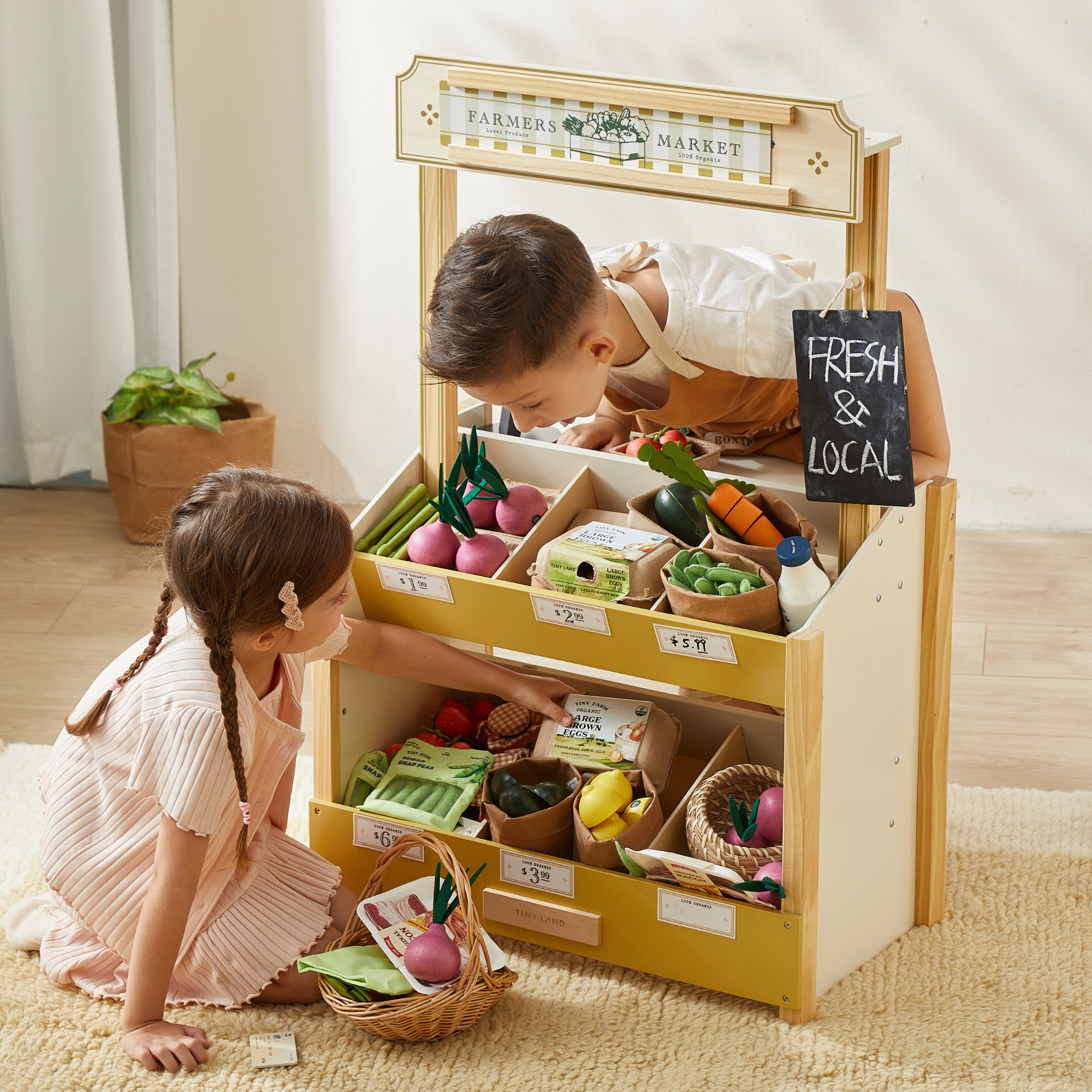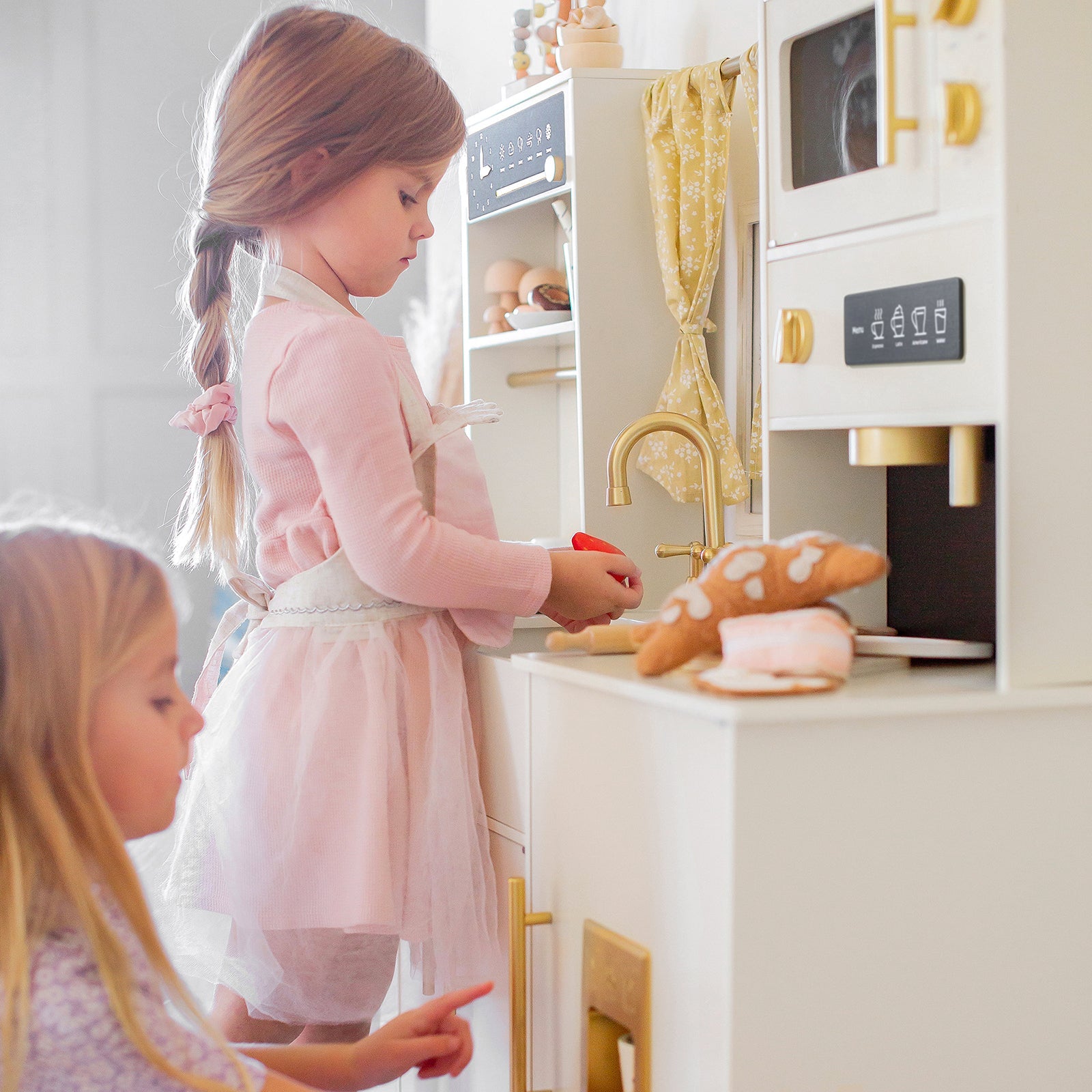



Should you choose a play kitchen or create a pretend café with a toy coffee maker?
Both encourage imaginative play, but they create different experiences.
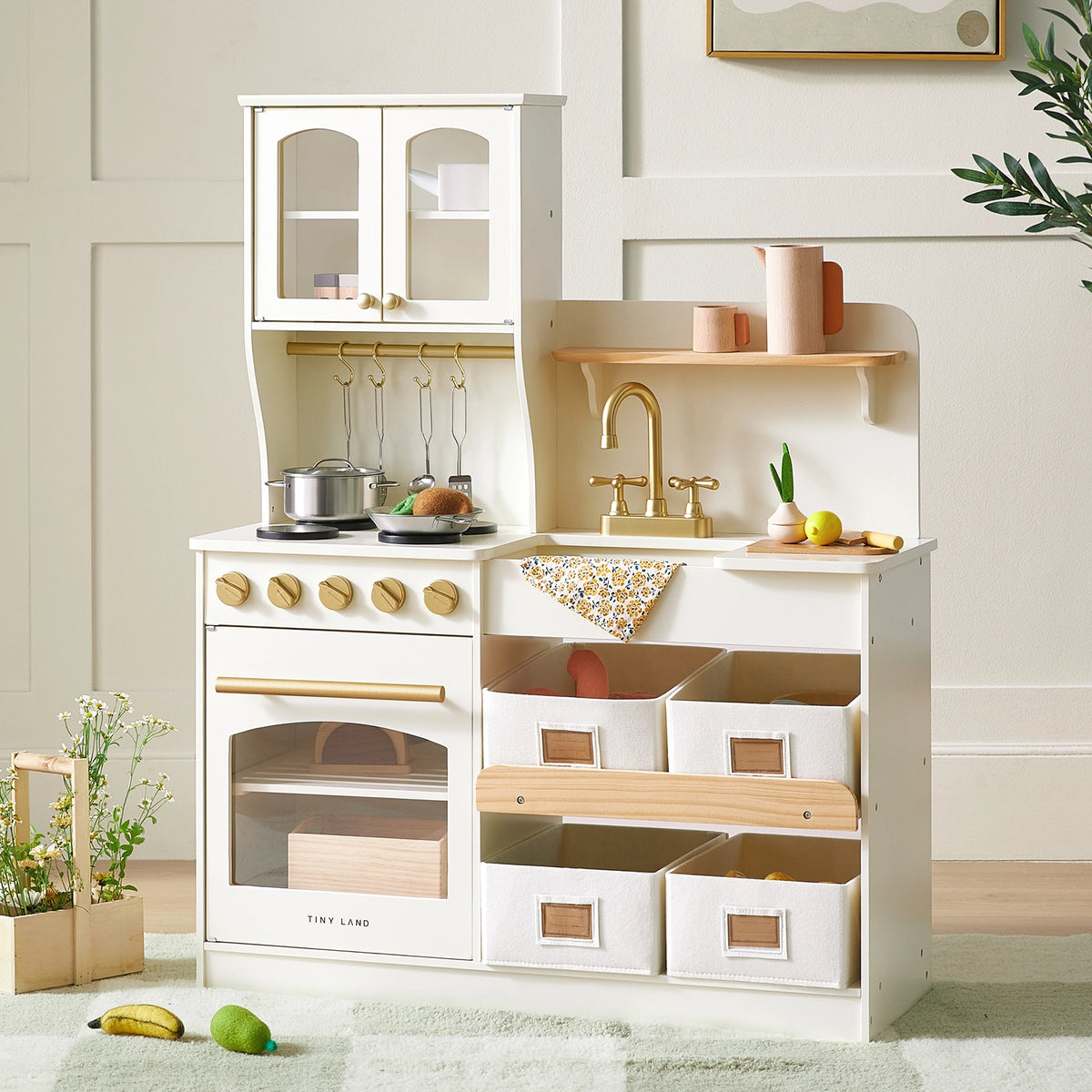
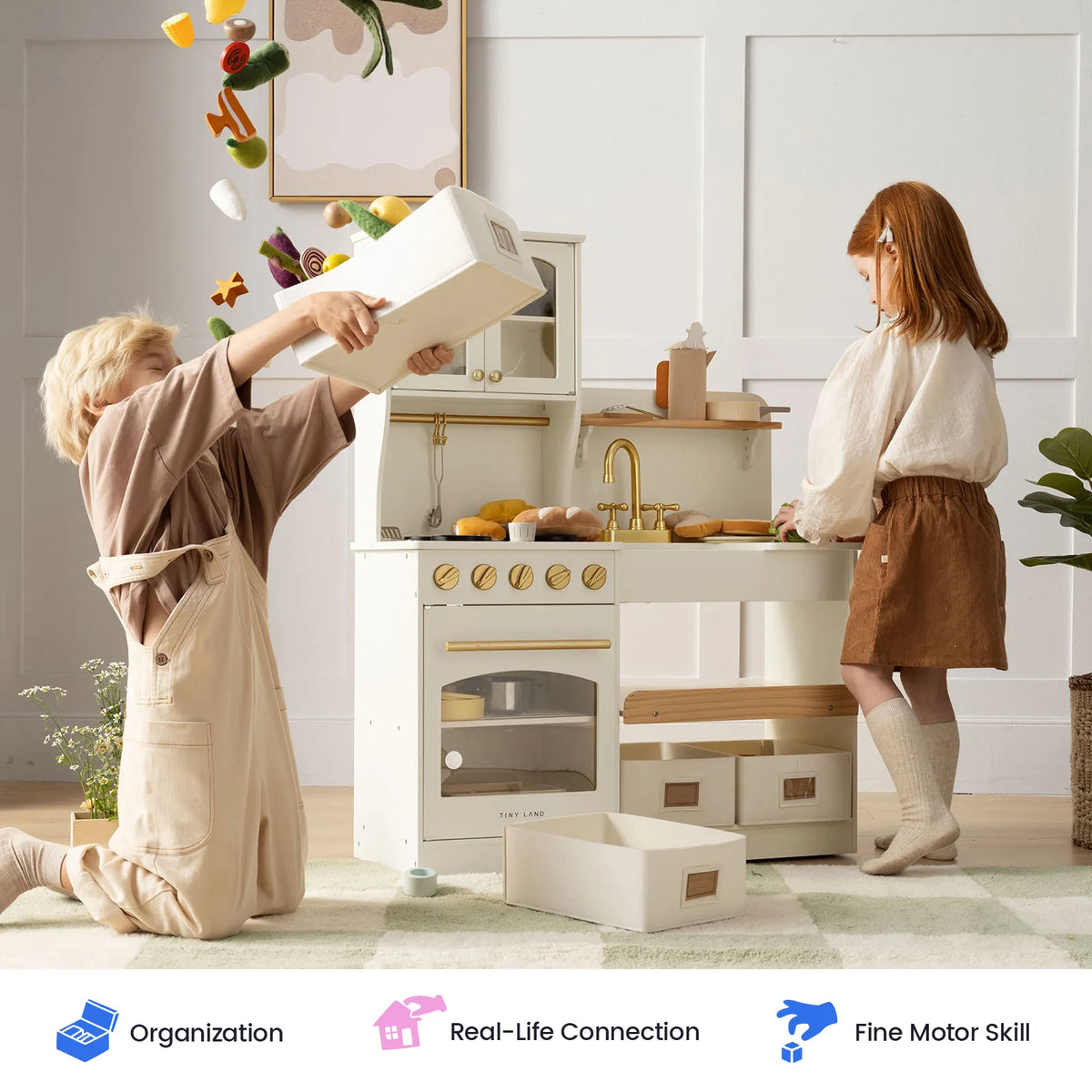
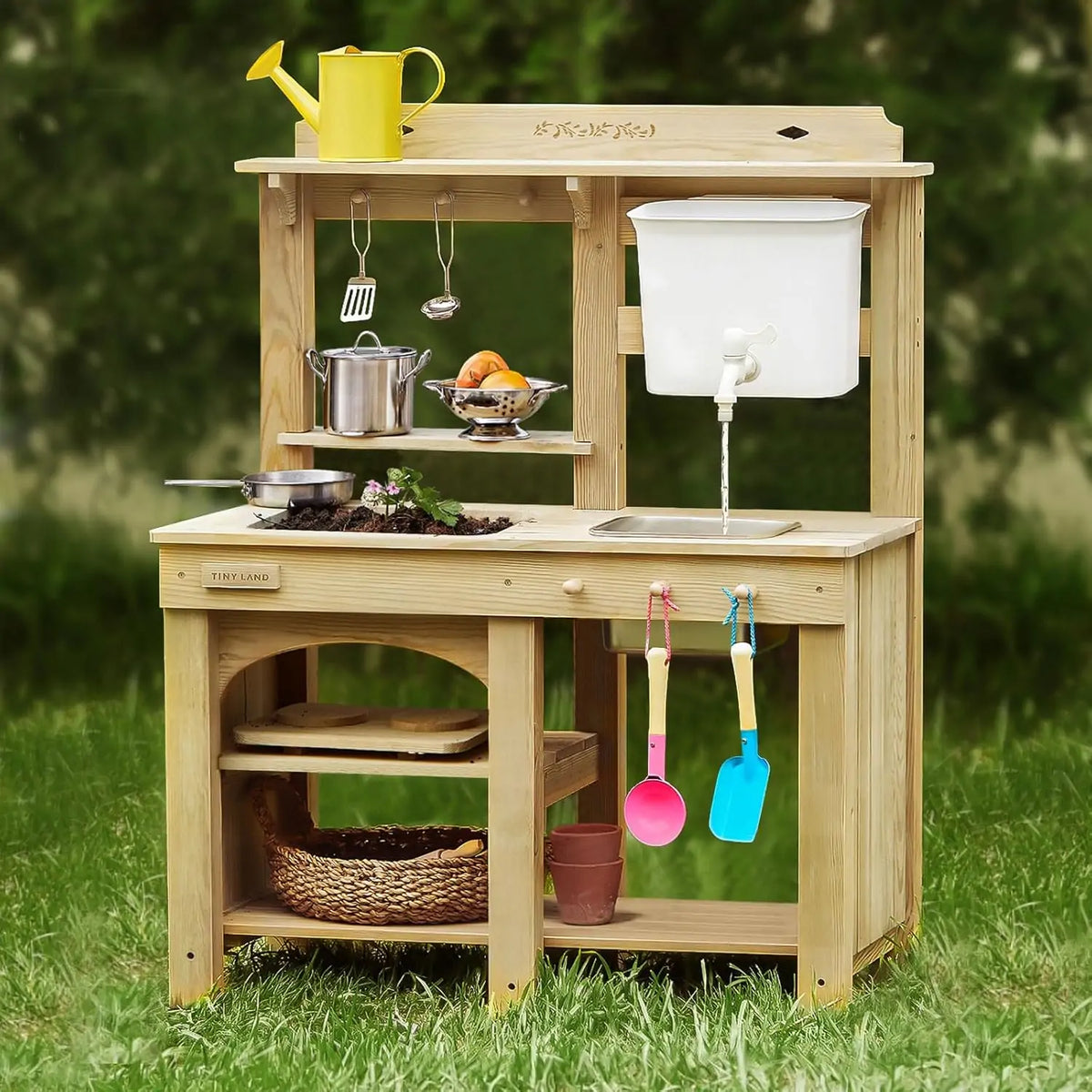
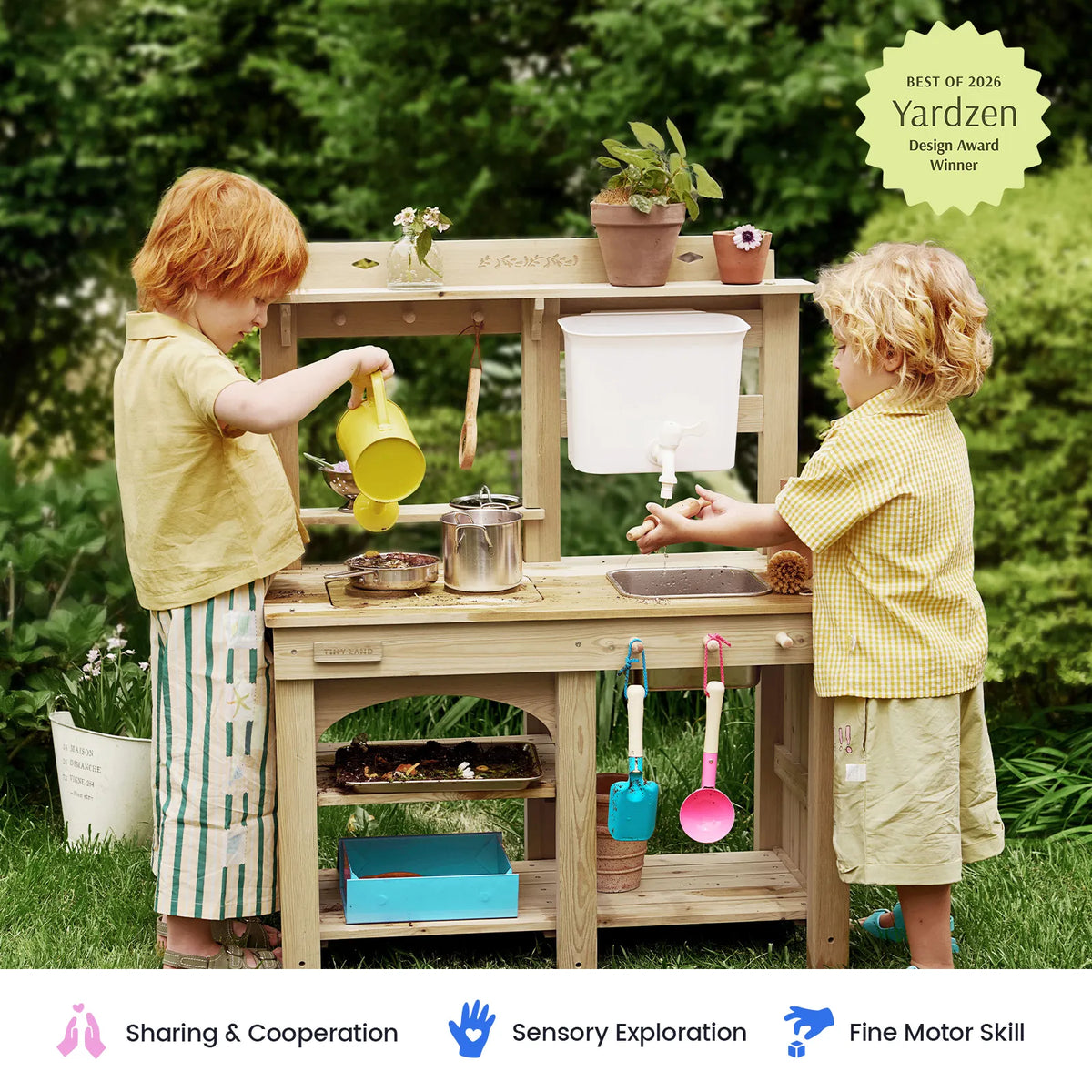
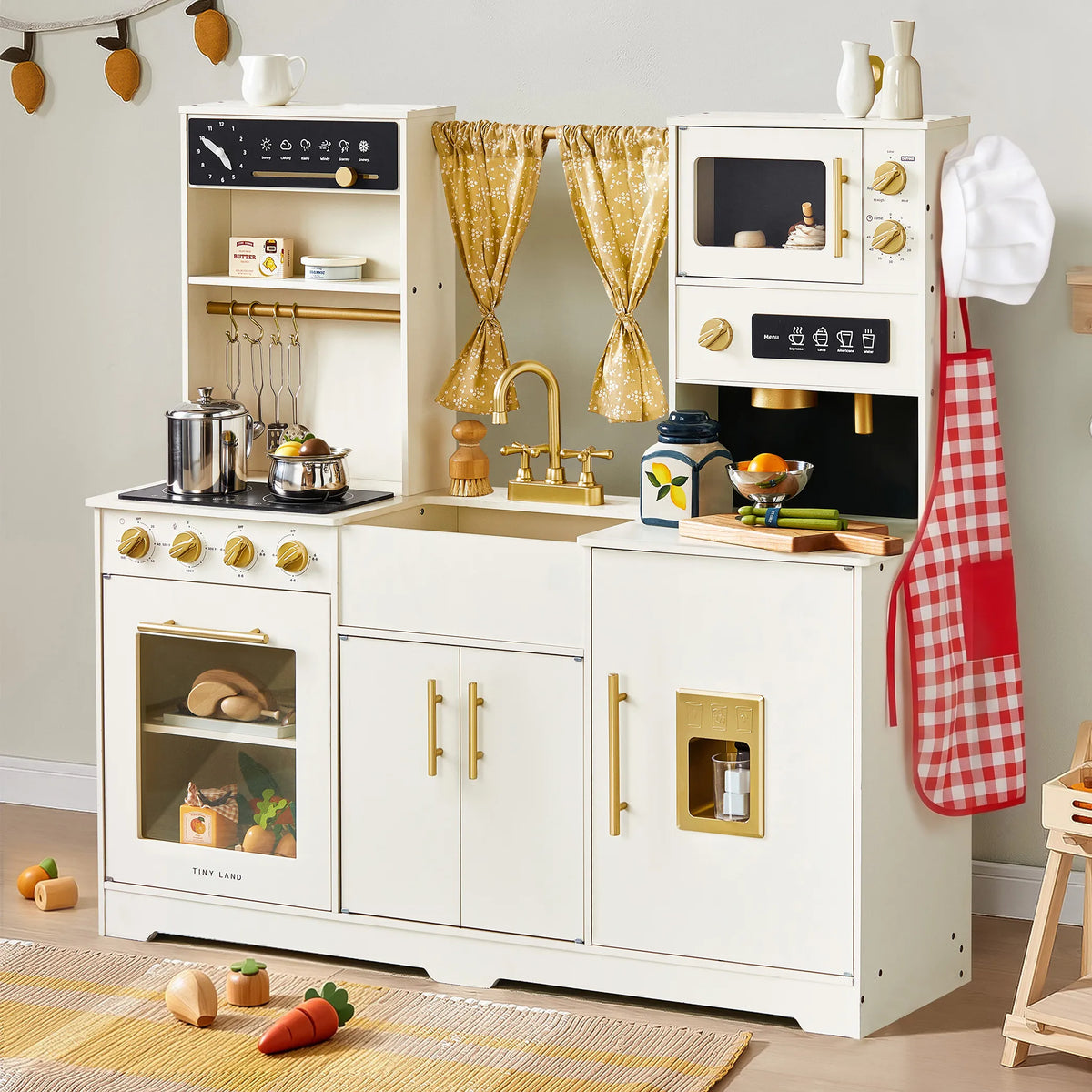
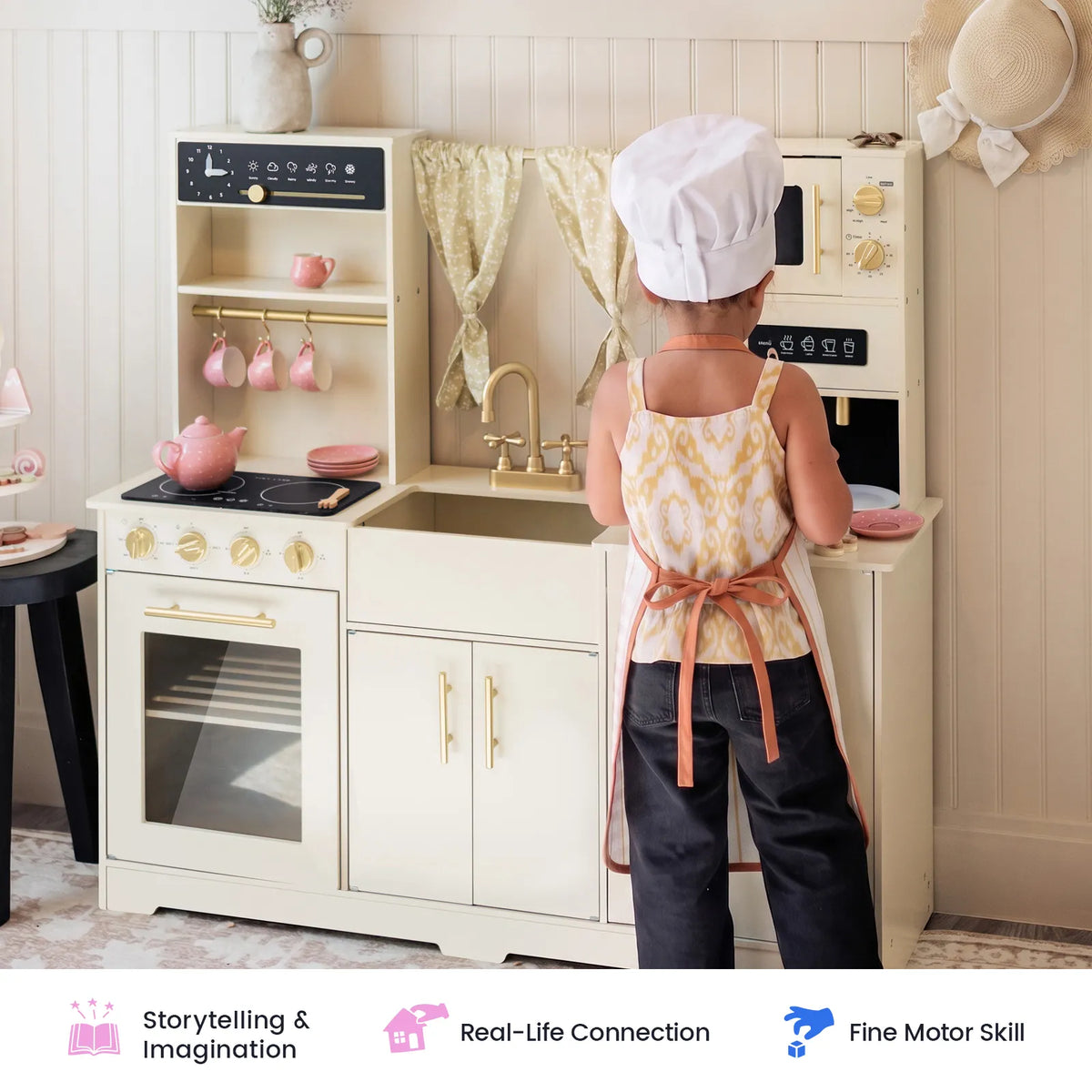
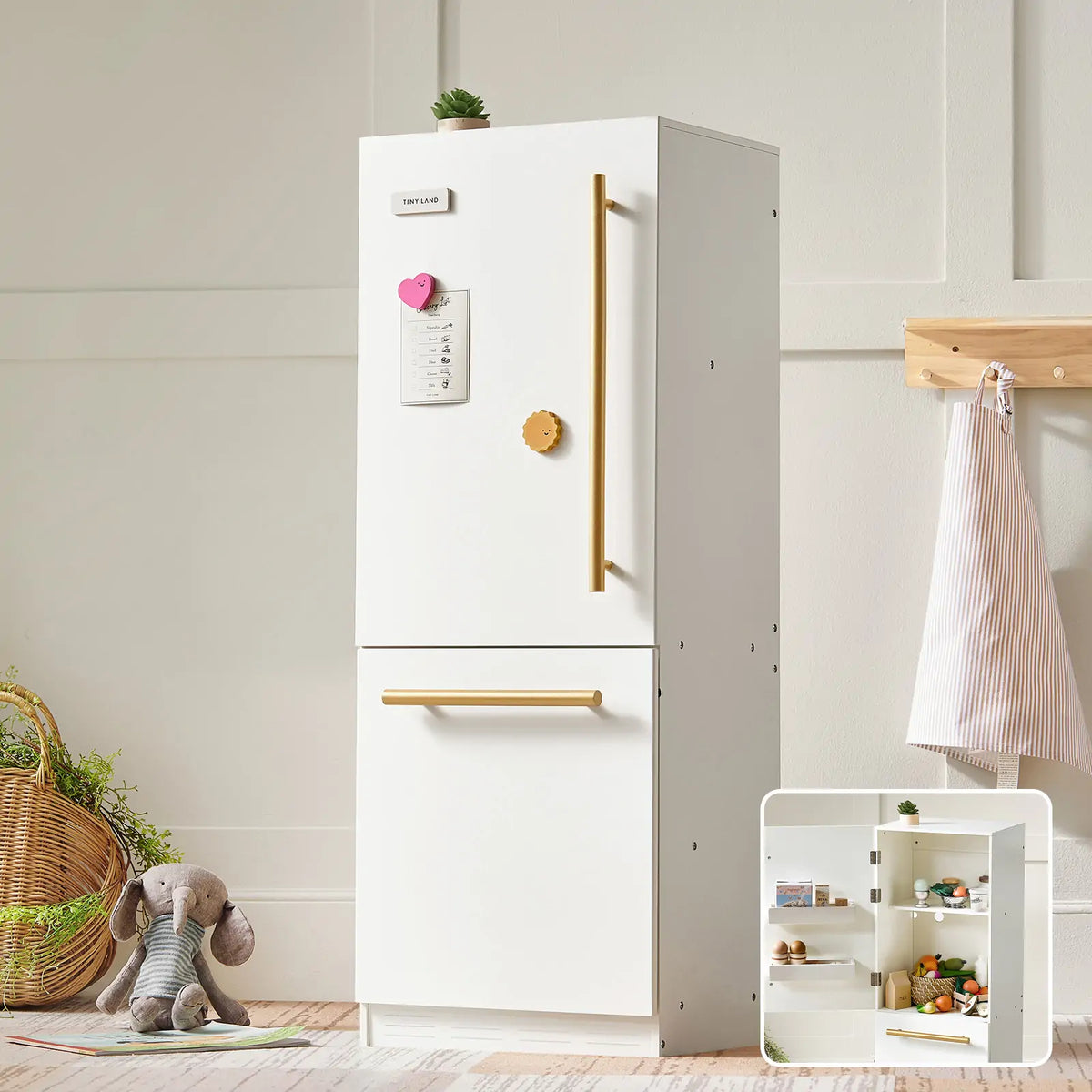
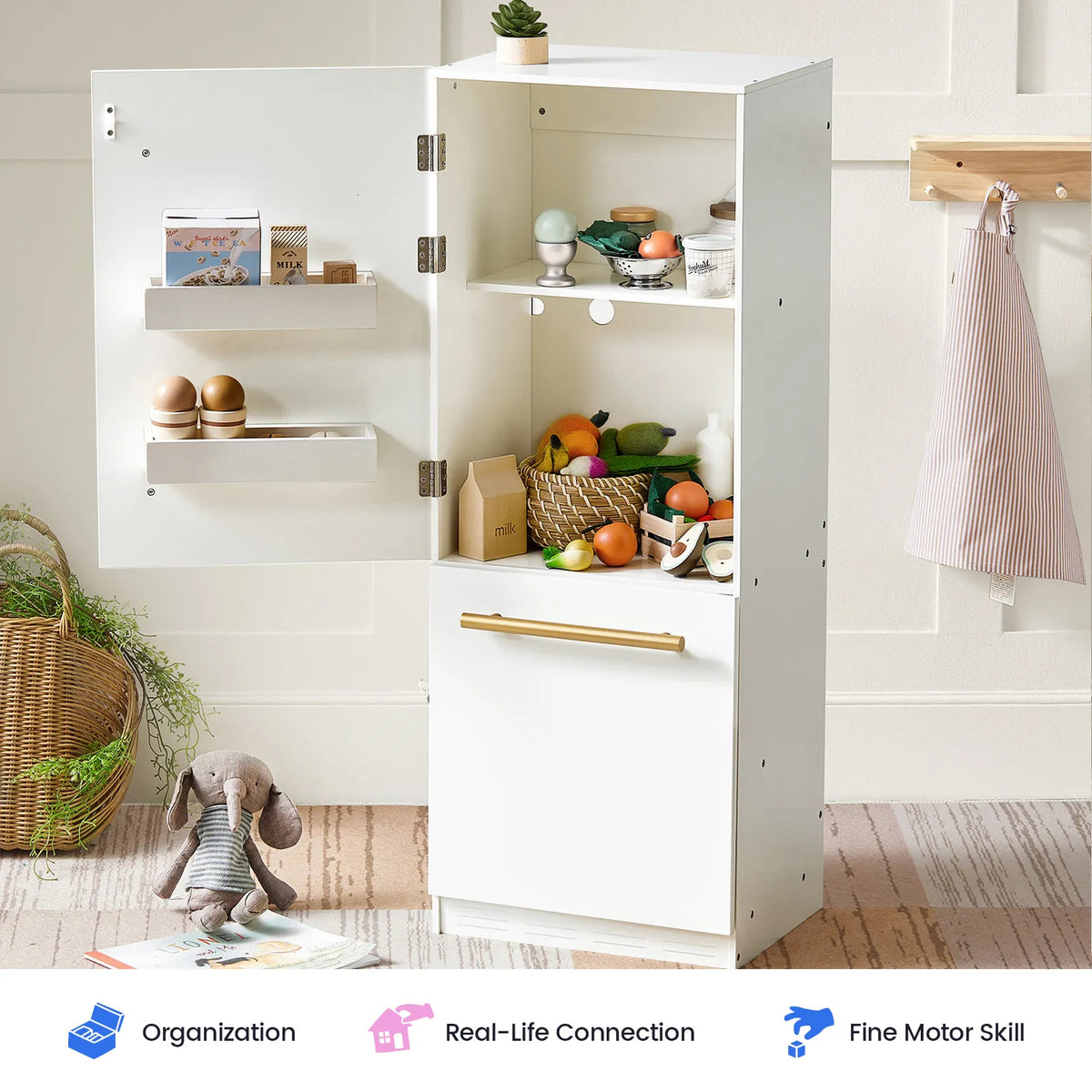
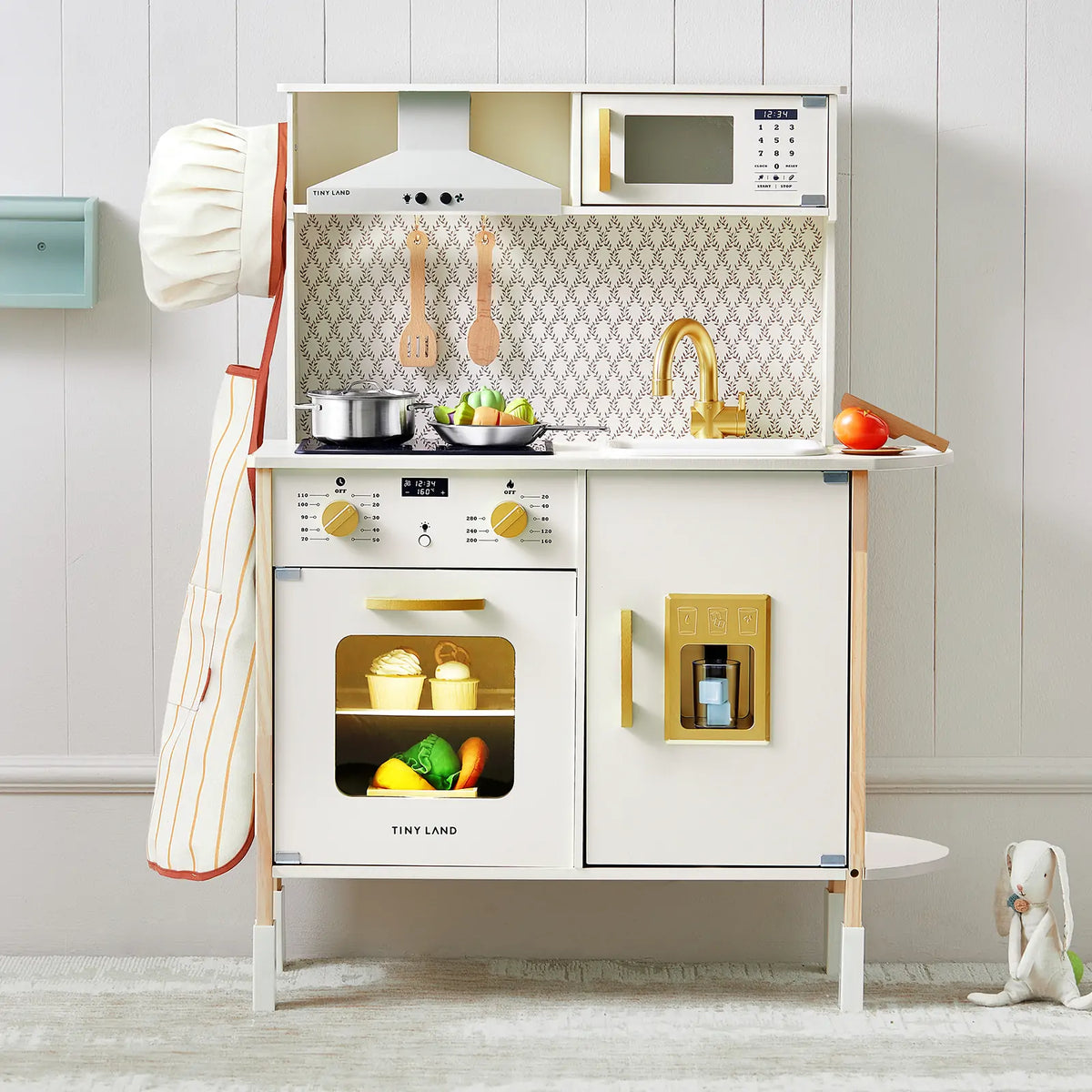
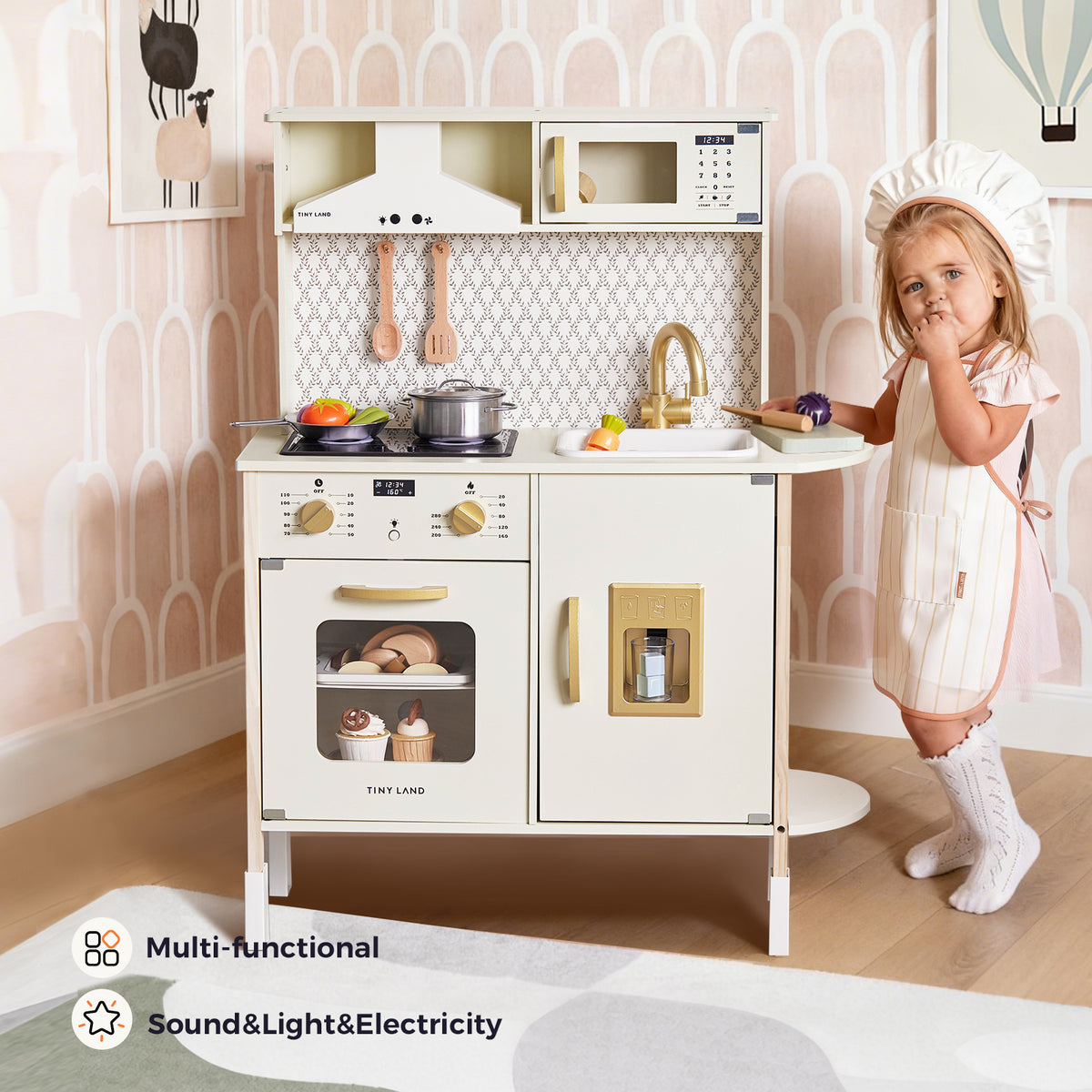
A play kitchen gives children a larger space for cooking, baking, serving, and family role-play.
A play café offers a smaller, more focused setup for making drinks, taking orders, and serving customers.
The right choice depends on what your child likes to pretend, how much space you have, and whether you're looking for a complete play environment or a compact play station.

Play Kitchen vs. Play Café: Quick Comparison
| Play Kitchen | Play Café | |
|---|---|---|
| Main play | Cooking, baking, preparing and serving food | Making drinks, taking orders, serving customers |
| Setup | Larger, dedicated play area | Smaller, compact play station |
| Play style | Broad and open-ended | Focused and role-driven |
| Pretend scenarios | Home kitchen, bakery, restaurant, family meals | Coffee shop, café, barista, customer |
| Space needed | More floor space | Easier to fit into a small area |
| Multiple children | More room to divide roles | Simple barista-and-customer play |
| Best for | Children who enjoy a variety of pretend play | Children who enjoy serving and café-style role-play |
 Which Pretend Play Experience Fits Your Child?
Instead of asking which toy is better, start with the role your child wants to play.
If your child wants to cook
A play kitchen is the natural choice.
Children can pretend to prepare meals, bake treats, organize ingredients, wash dishes, and serve food.
If your child wants to run a business
A play café can be a great fit.
With a toy coffee maker, children can pretend to run their own coffee shop—taking orders, making drinks, creating a menu, serving customers, and deciding what to sell.
If your child loves family role-play
A play kitchen can recreate familiar routines such as making breakfast, preparing dinner, or cooking for parents, siblings, dolls, and stuffed animals.
The best choice is the one that matches the story your child naturally wants to create.
 Which One Fits Your Home?
The size of the toy matters just as much as the type of play.
A play kitchen is a larger piece of playroom furniture. It works best when you have enough floor space to create a dedicated pretend-play area.
A toy coffee maker takes up much less space. It can turn a small corner, tabletop, or existing play area into a pretend café without adding another large piece of furniture.
Choose a Play Kitchen if:
- You have room for a dedicated play area
- You want one larger centerpiece for pretend play
- Your child enjoys different types of food-related role-play
- More than one child may play together
Choose a Play Café if:
- You have limited playroom space
- Your child loves making and serving drinks
- Your child enjoys taking orders and switching roles
- You already have a play kitchen and want to add another play experience

Does a Play Café Replace a Play Kitchen?
Not necessarily.
A toy coffee maker isn't simply a smaller play kitchen. They serve different purposes.
Play Kitchen = a complete pretend-play environment
Coffee Maker = a focused pretend-play station
That's why a coffee maker can make sense even if your child already has a play kitchen.
For example:
Play Kitchen: Prepare breakfast or pastries.
Coffee Maker: Make drinks.
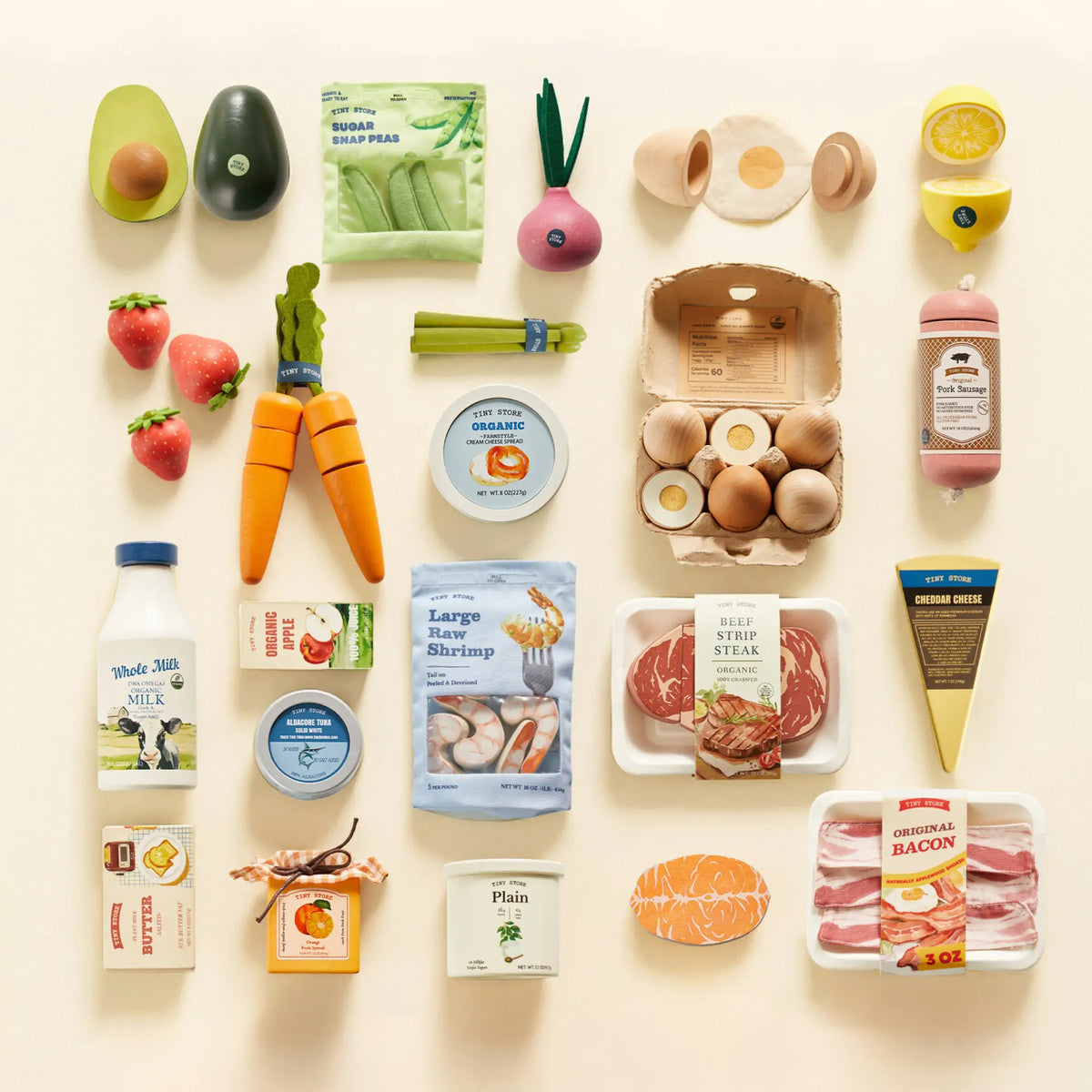
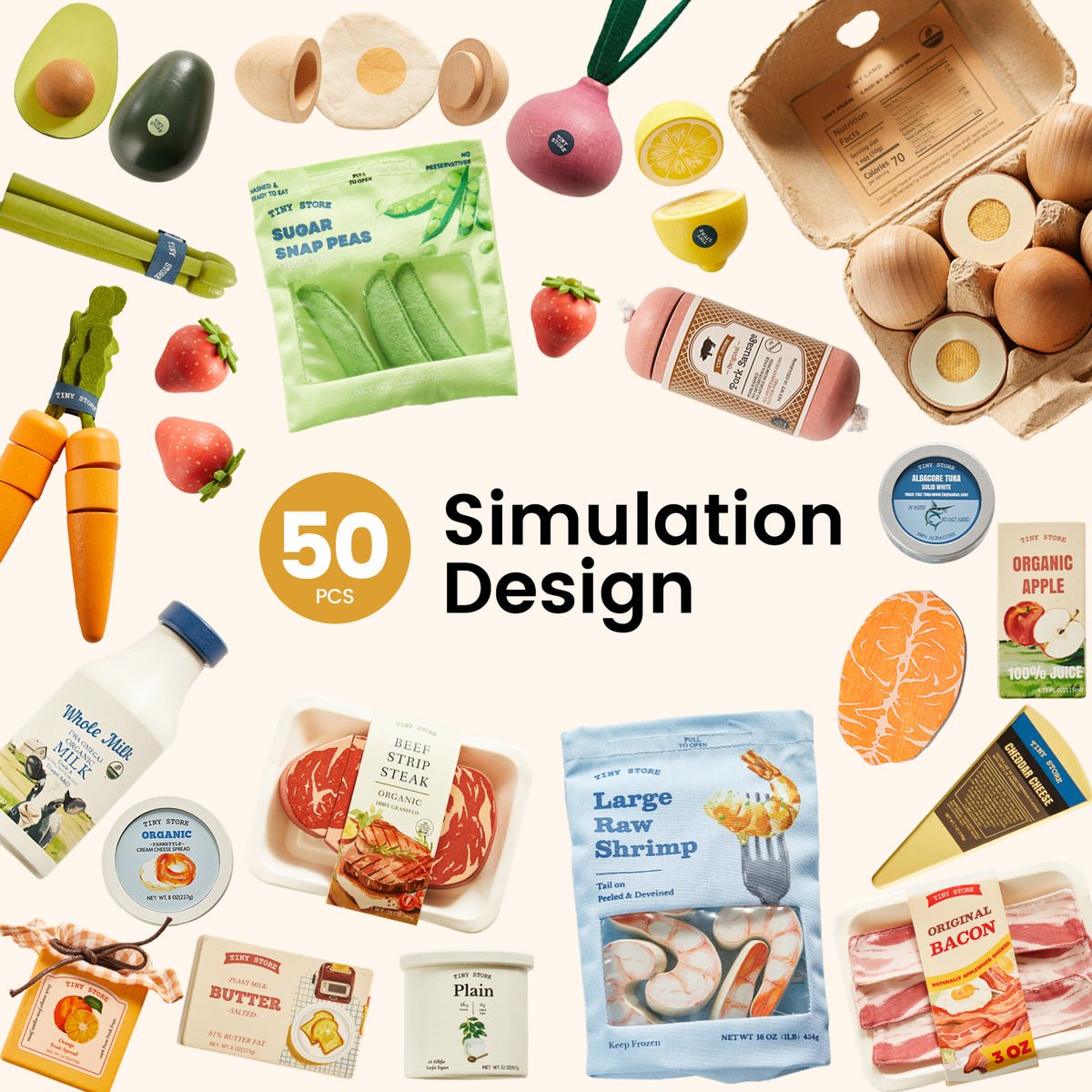
Play Food: Create a café menu.
Table and Chairs: Give customers a place to sit.
Together, they can become a pretend restaurant, bakery café, or family kitchen.

Can a Toy Coffee Maker Be Used With a Play Kitchen?
Yes. It's one of the simplest ways to expand pretend play without adding another large toy.
The kitchen can remain the main cooking area while the coffee maker becomes a dedicated drink station.
Children can move between roles:
Cook → Barista → Server → Customer
This also gives them opportunities to recreate familiar everyday routines, such as preparing breakfast, making a morning drink, or serving a family member.
Which One Should You Choose?
If you're still deciding, use this simple guide:
Choose a Play Kitchen if you want:
More space + more scenarios + a dedicated pretend-play environment.
It's a strong choice for children who enjoy cooking, baking, family role-play, and restaurant-style play.
Choose a Play Café if you want:
Less space + focused café play + an easy addition to an existing play area.
It's a good fit for children who enjoy making drinks, serving customers, and playing barista.
Choose Both if you want:
Cooking + serving + café role-play in one play space.
A play kitchen can become the main environment, while a toy coffee maker adds a dedicated café station.

What About Age?
Pretend-play toys can be used at different stages, but age recommendations vary by product.
Always check the manufacturer's recommended age range and make sure the toy matches your child's abilities.
Rather than choosing based on age alone, consider your child's interests and how they currently interact with toys.
Choose a product that fits both the manufacturer's recommendations and your child's current stage of play.
Frequently Asked Questions
Is a play kitchen worth it for pretend play?
A play kitchen can support many different pretend-play scenarios, including cooking, baking, serving meals, family role-play, and restaurant play.
It's a useful choice when you want one larger toy that can support different types of imaginative play.
Can a toy coffee maker be used with a play kitchen?
Yes. A toy coffee maker can become a dedicated drink station alongside a play kitchen.
Children can prepare food in the kitchen and make drinks at the coffee station, creating a more complete pretend restaurant or café.
What is the difference between a play kitchen and a play café?
The main difference is the scope of play. A play kitchen provides a larger environment for cooking and food-related role-play, while a play café focuses more specifically on making drinks, serving customers, and café-style social play.

The Bottom Line
A play kitchen is a better choice when you want a larger, versatile pretend-play environment for cooking, baking, serving, and family role-play.
A play café is a better fit when you want a compact setup for making drinks, taking orders, and serving customers.
And they don't have to compete.
A play kitchen can be the main pretend-play environment, while a toy coffee maker can add a dedicated café station.
So instead of asking which toy is better, ask:
What kind of play does my child want to create—and how much space do we have for it?
Build Your Child's Pretend-Play World With Tiny Land
Looking for a larger centerpiece for imaginative play? A Tiny Land Play Kitchen gives children a dedicated space to cook, prepare pretend food, serve meals, and create their own stories.
Looking for a smaller way to introduce café play? A Tiny Land Wooden Coffee Machine creates a compact coffee-shop experience that can fit naturally into an existing play area.
Have both? Use them together to create a pretend restaurant, bakery café, or family kitchen.
Start with the role your child loves to play. Then build the rest of the story around it.