


A Friendly Guide to Choosing Safe, Imaginative, and Growth-Focused Toys
Choosing kids toys for your child can feel overwhelming — especially when you’re trying to balance fun, safety, development, and longevity. One big question many parents face is whether to buy wooden toys or plastic ones. In this guide, we look at how different types of toys support children’s play and growth, what to consider before buying, and how to choose toys that genuinely nurture curiosity, imagination, and learning.

Sustainable Wooden Toys: Why They Matter for Modern Families
What Makes Sustainable Wooden Toys a Smart Choice
When you pick sustainable wooden toys, you’re choosing quality materials that are often safer, more durable, and better for the environment than many plastic options. These toys are typically made from natural wood and finished with non-toxic paints or coatings, so they meet and often exceed safety standards parents trust.
Parents value sustainability — not just for the planet, but because it means toys are built to last, can be passed down, and often hold sentimental value that plastic can’t match.
Wooden Toys: A Closer Look at Play That Promotes Growth
Wooden toys offer more than sensory appeal — they engage children in open ended play that helps strengthen critical thinking, coordination, and social skills.
Take a look at these collections that emphasize natural materials and thoughtful design:
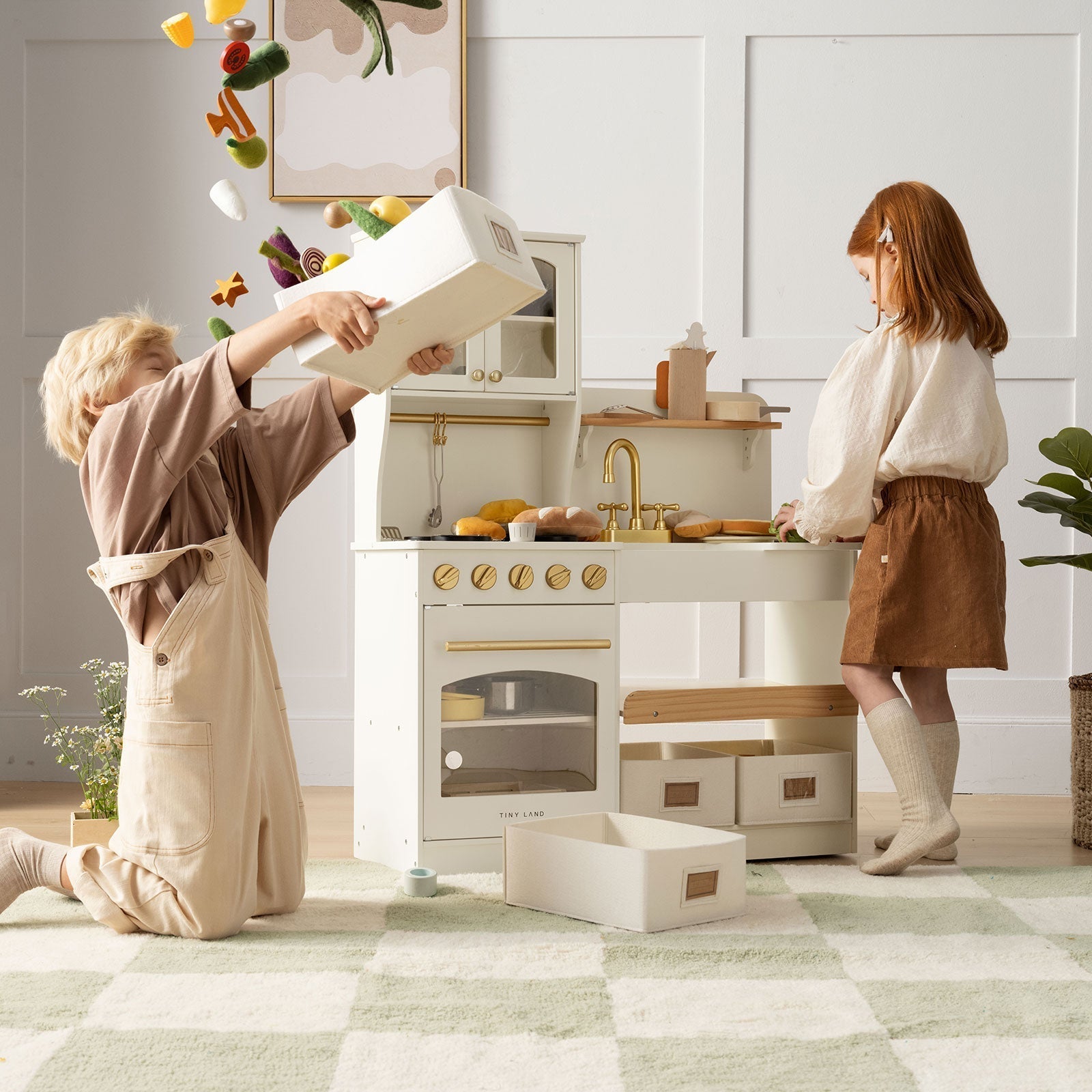
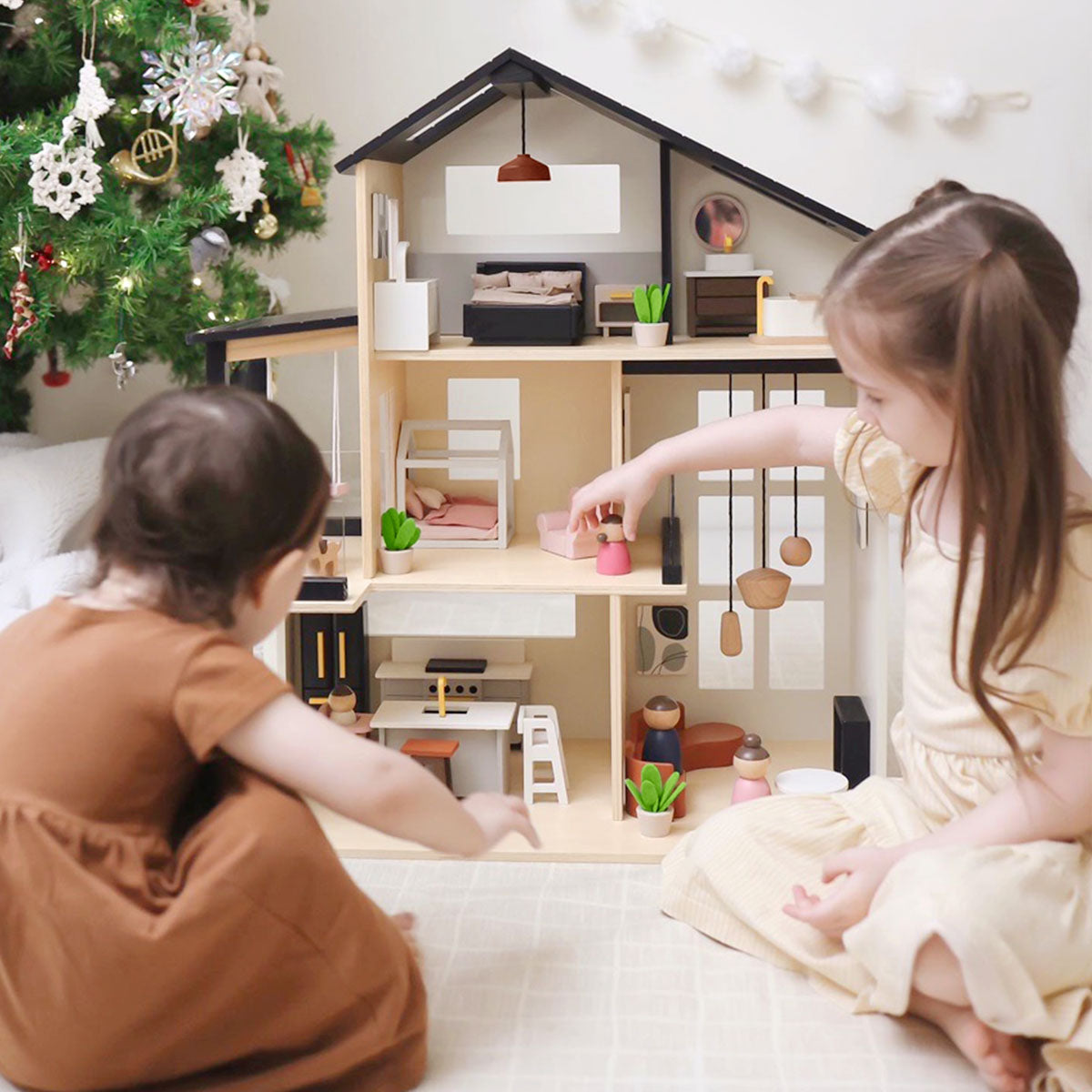
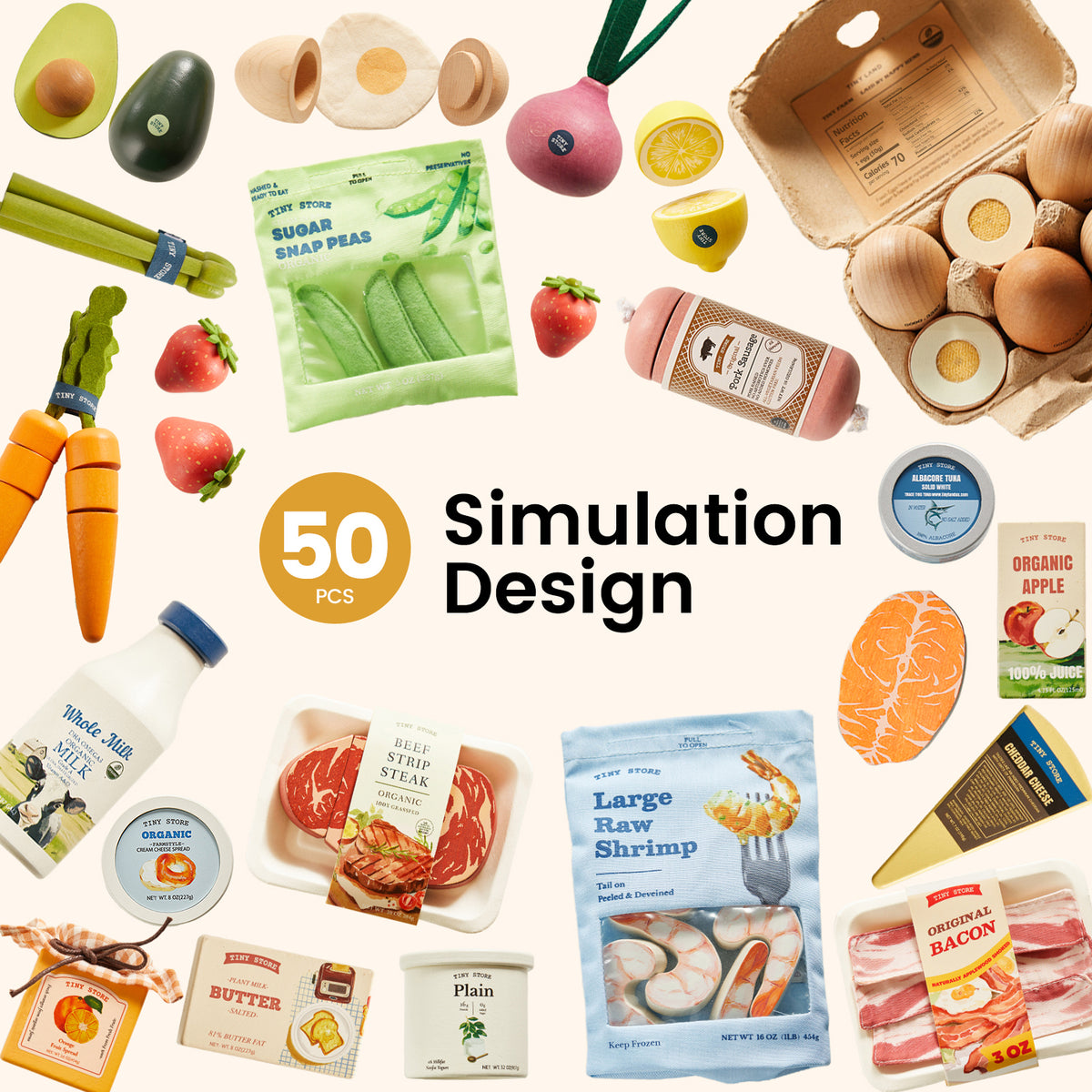
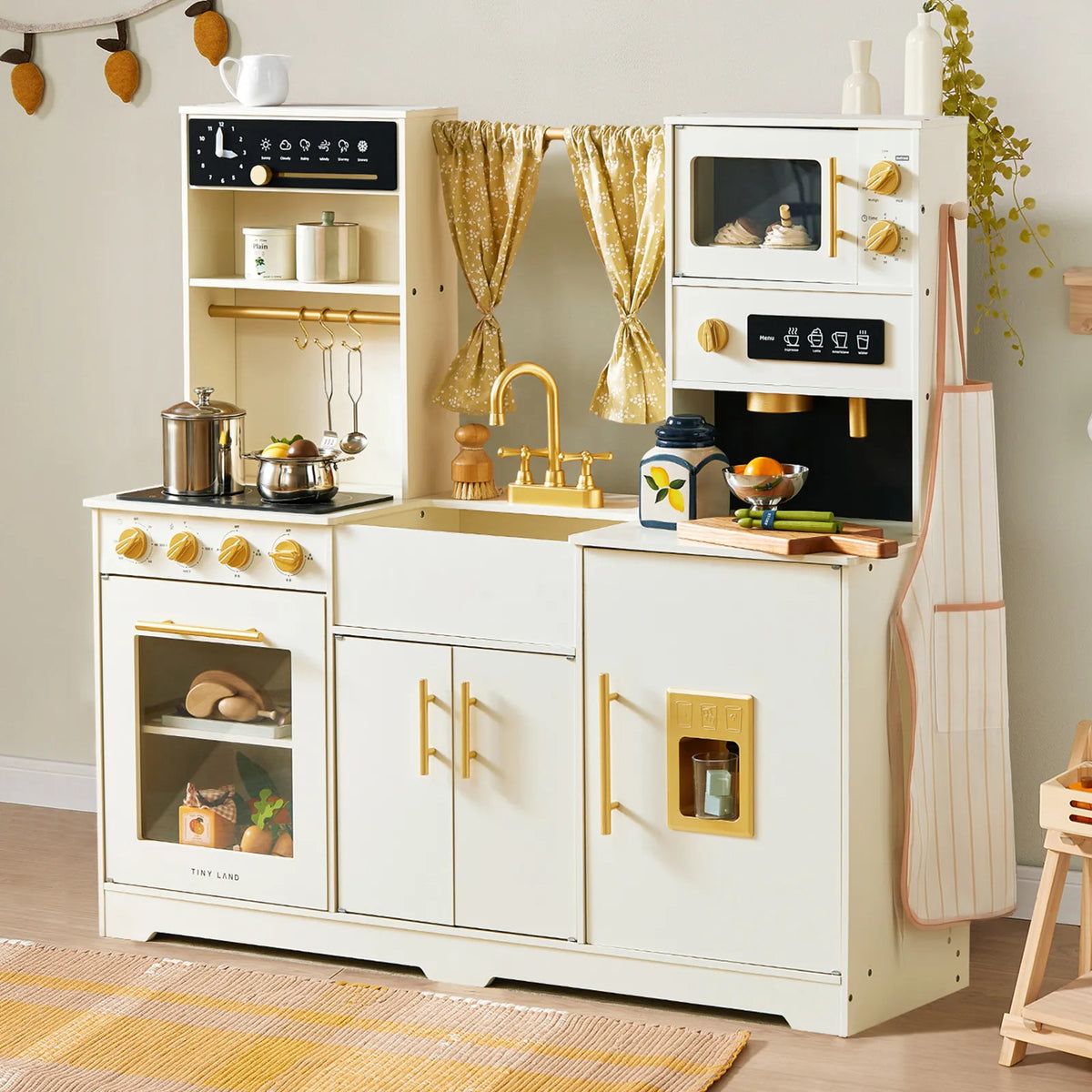
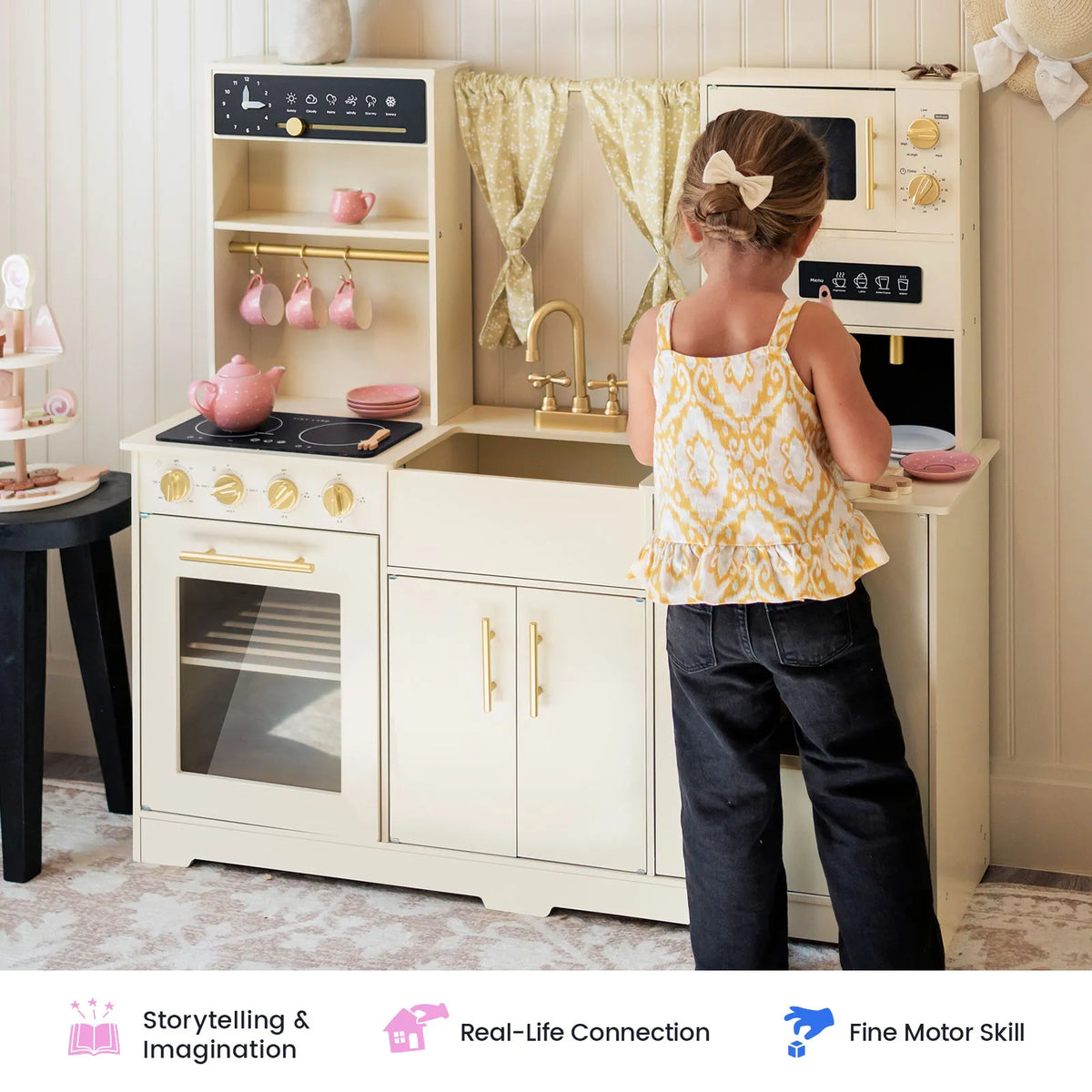
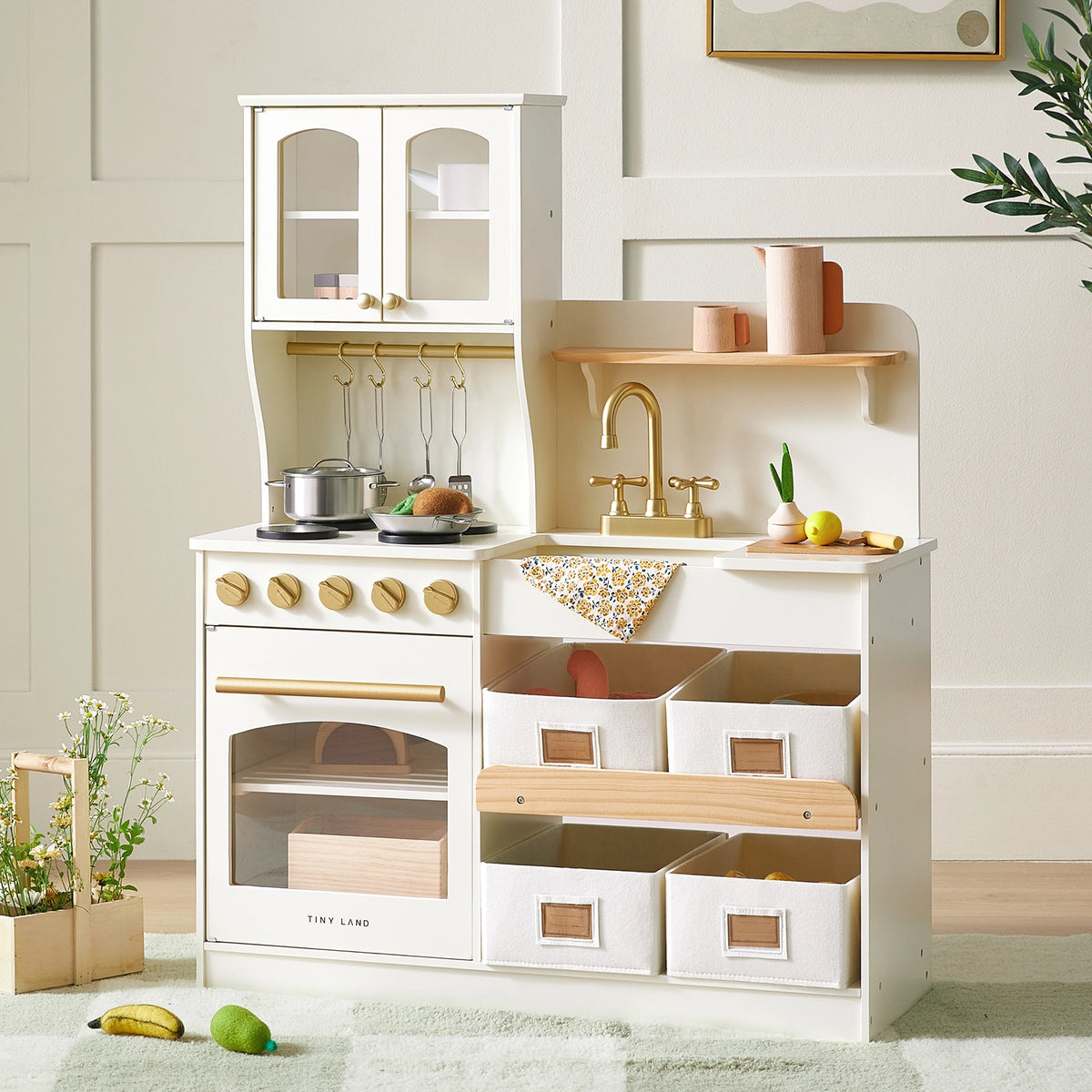
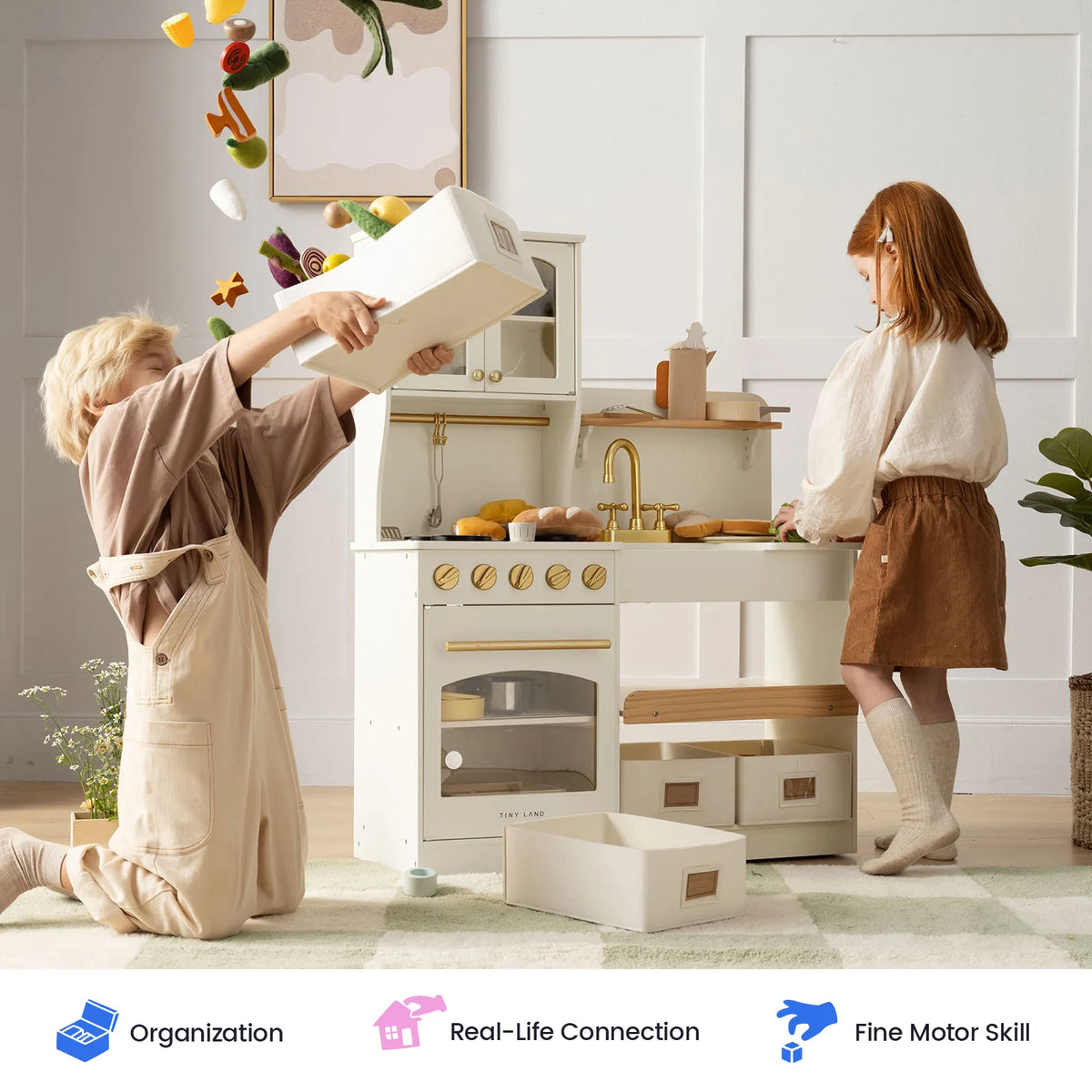
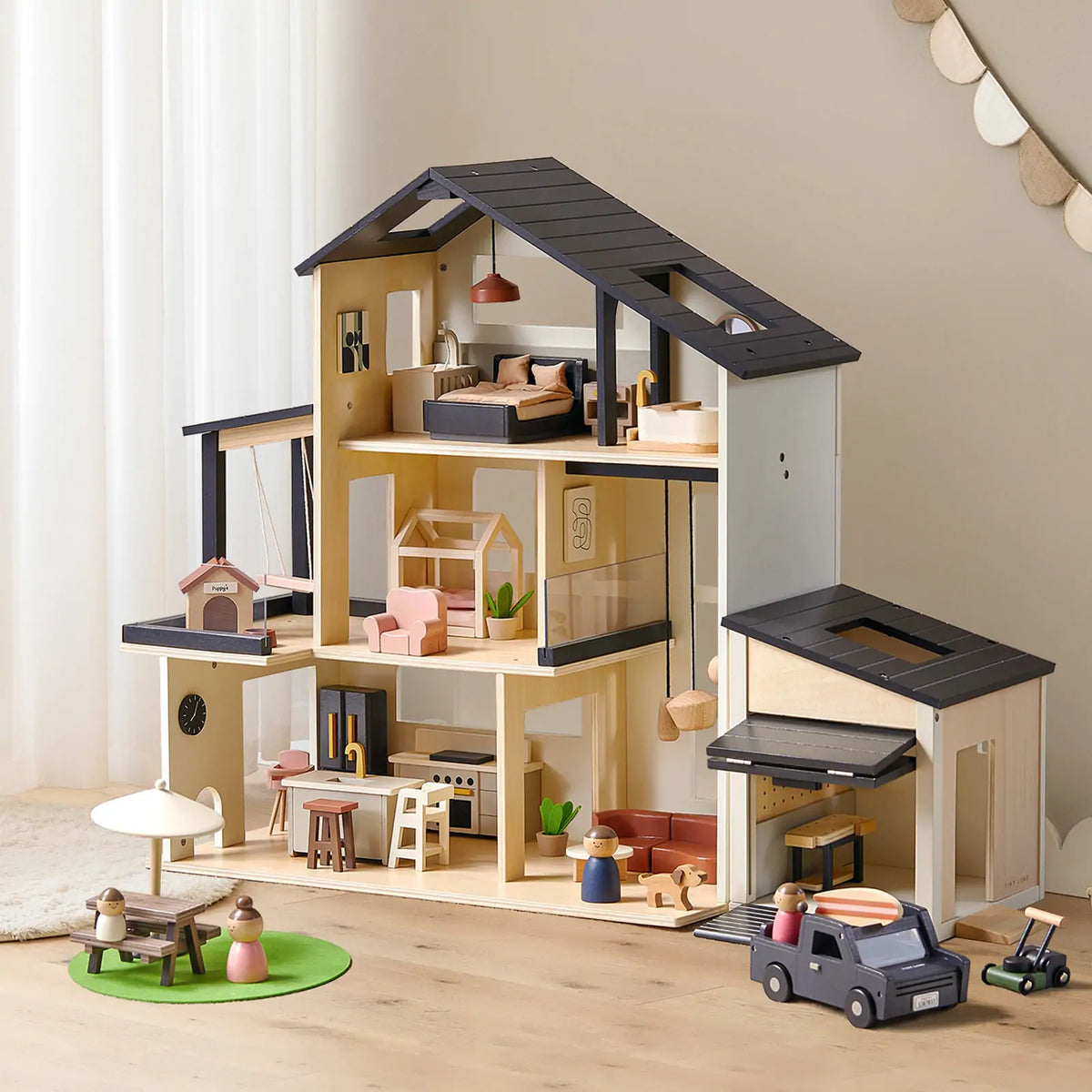
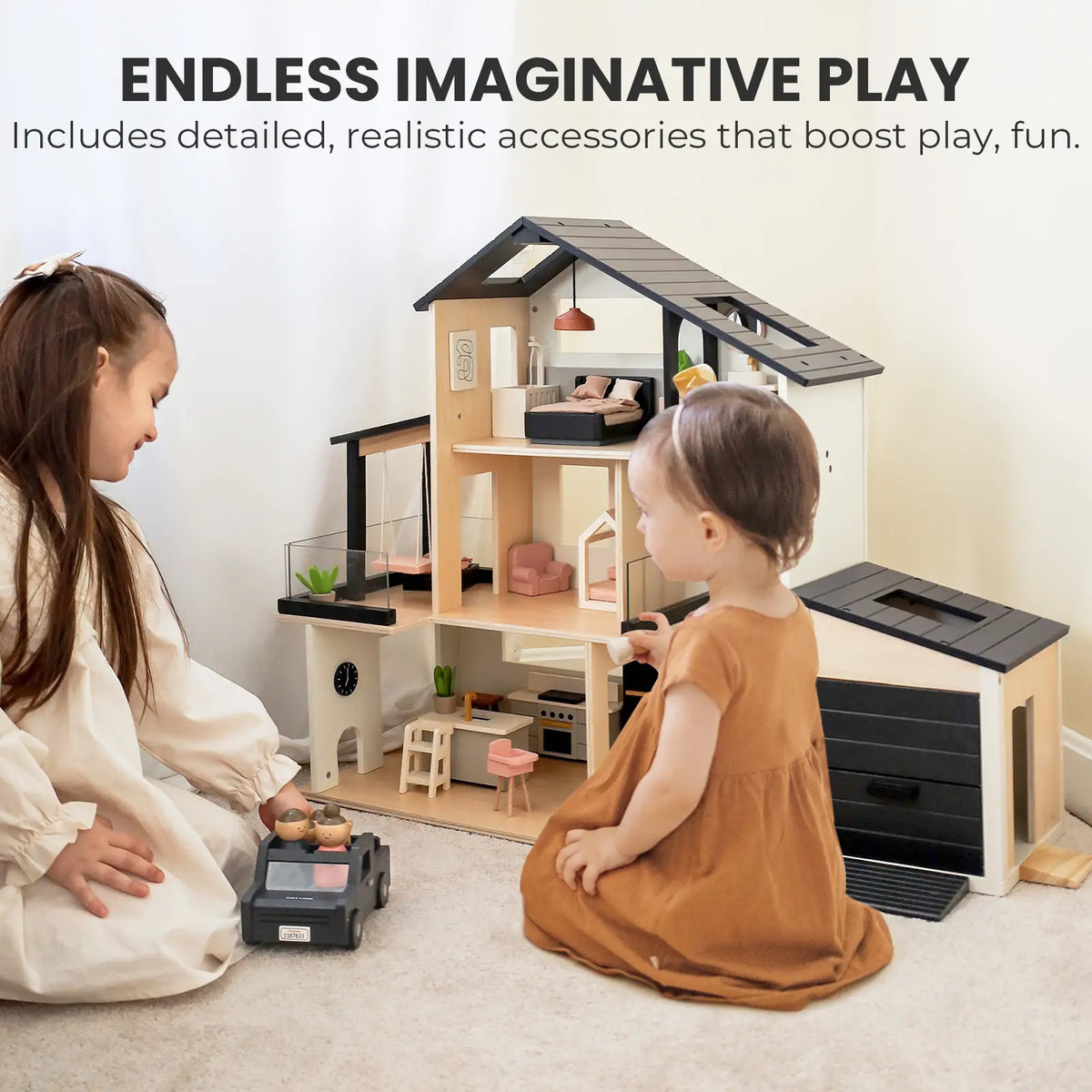
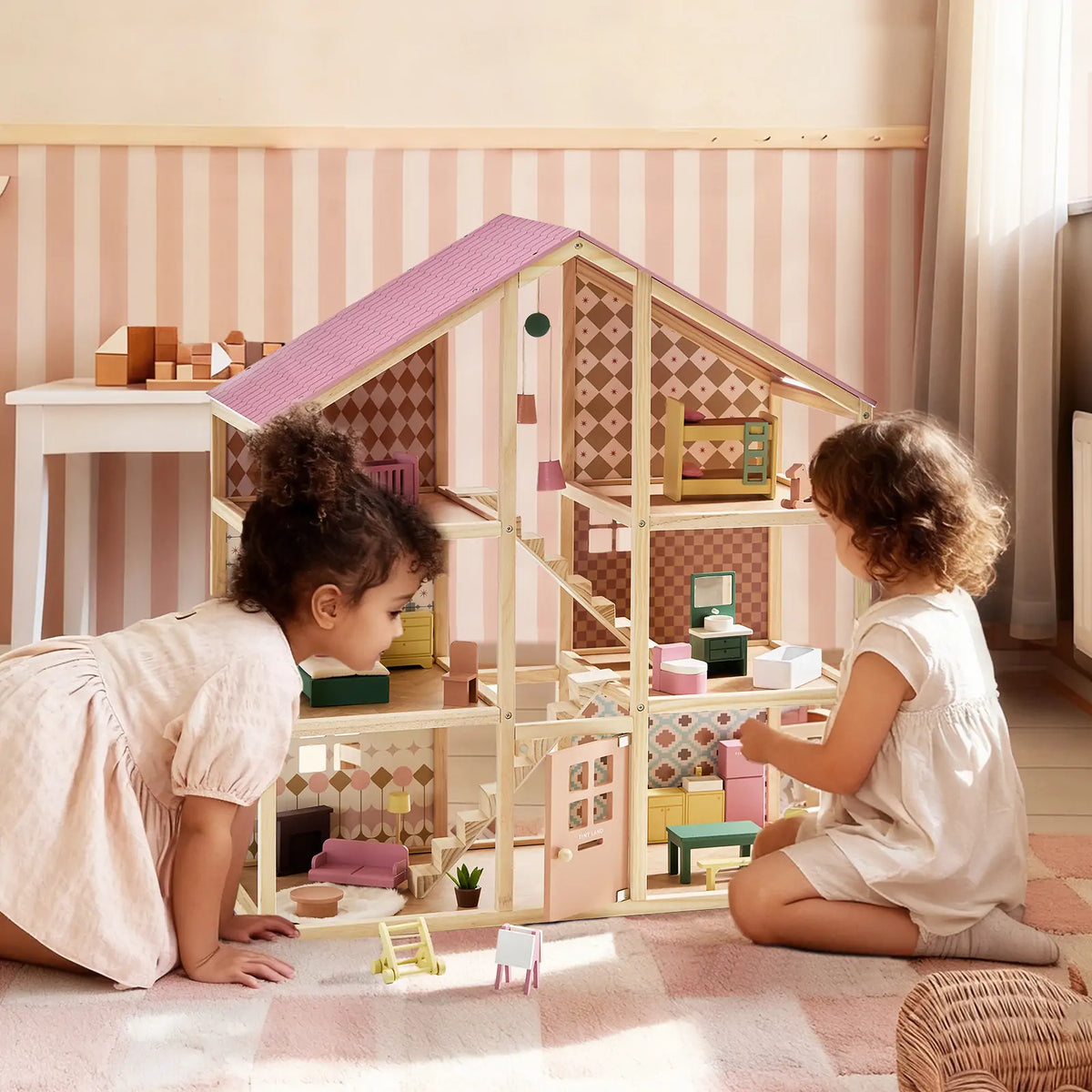
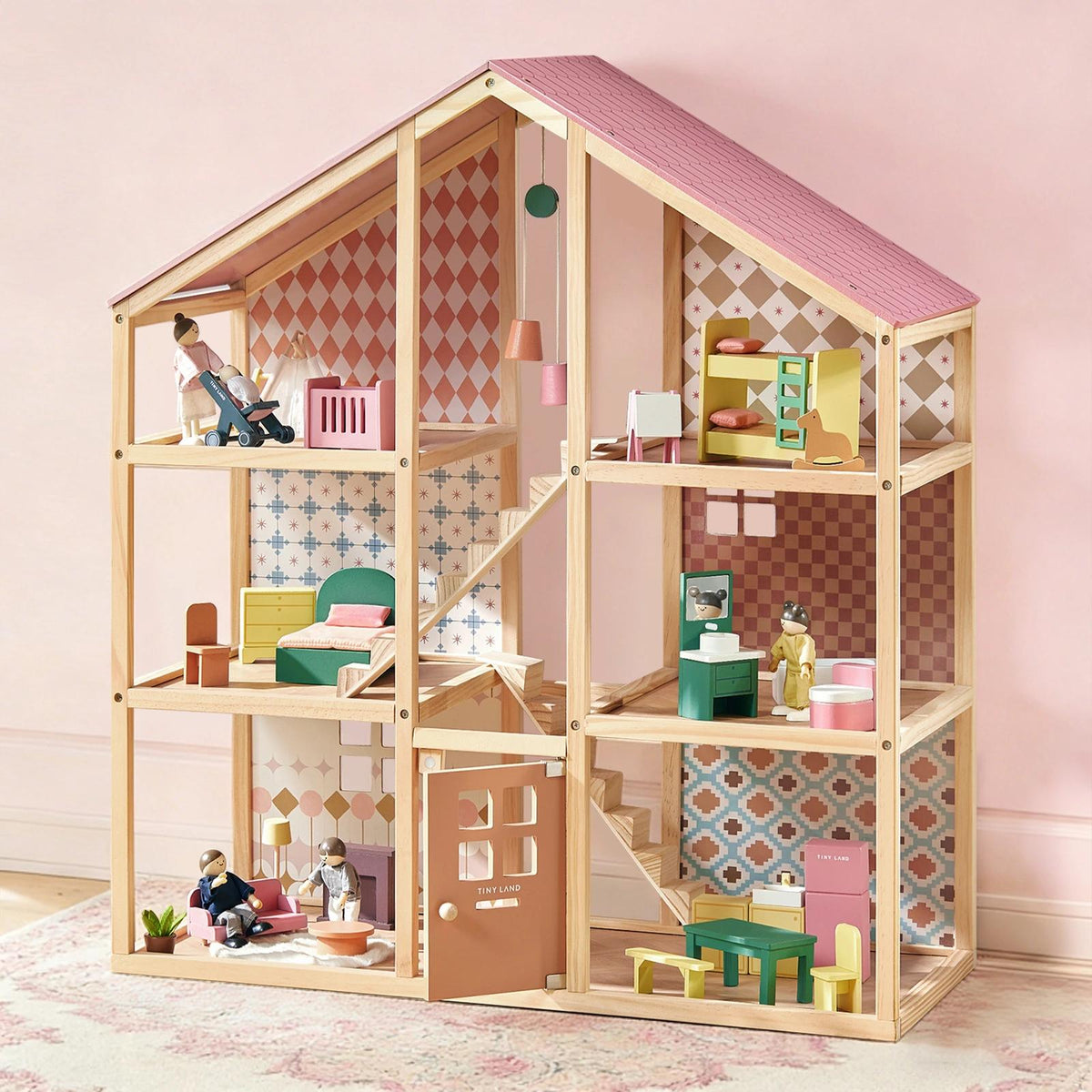
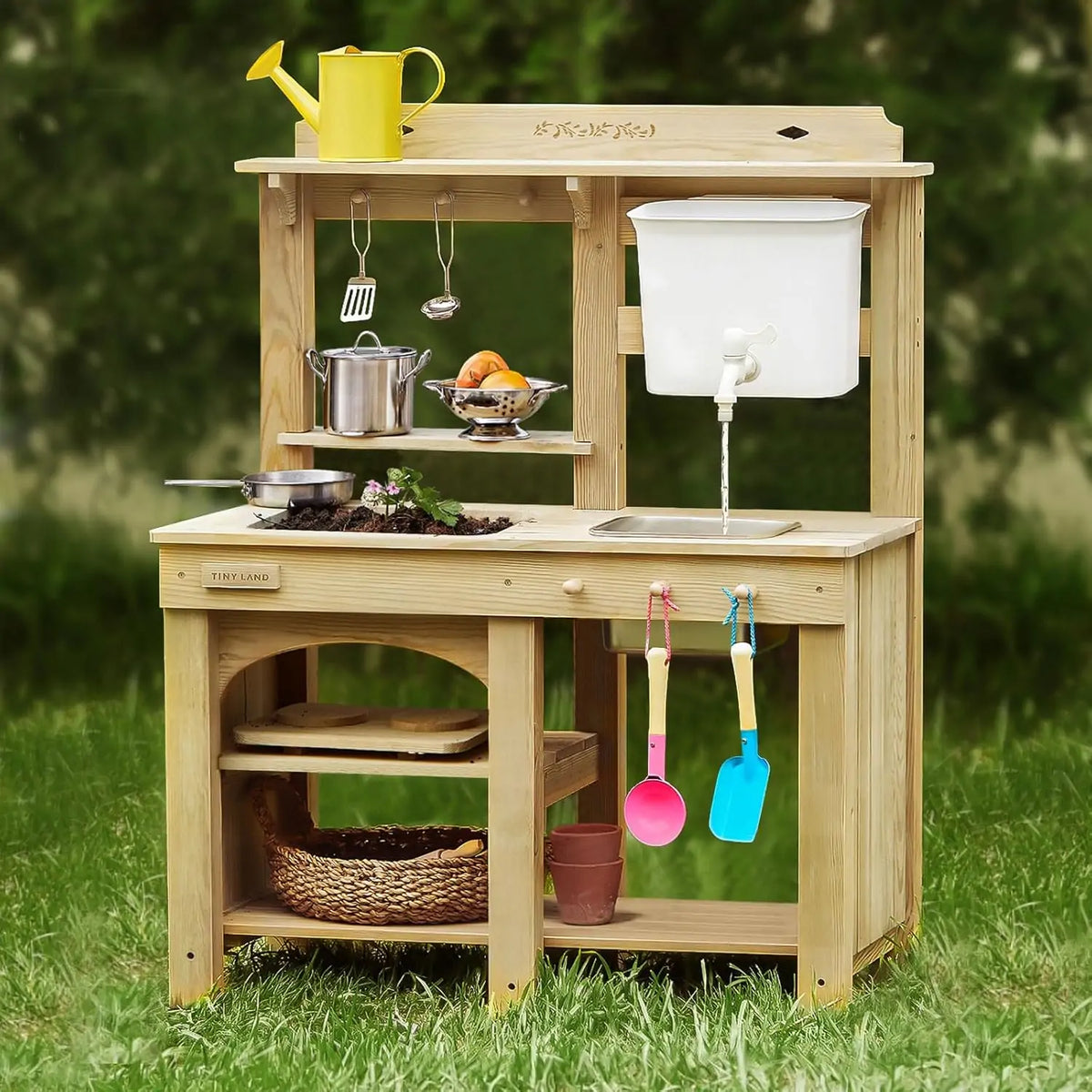
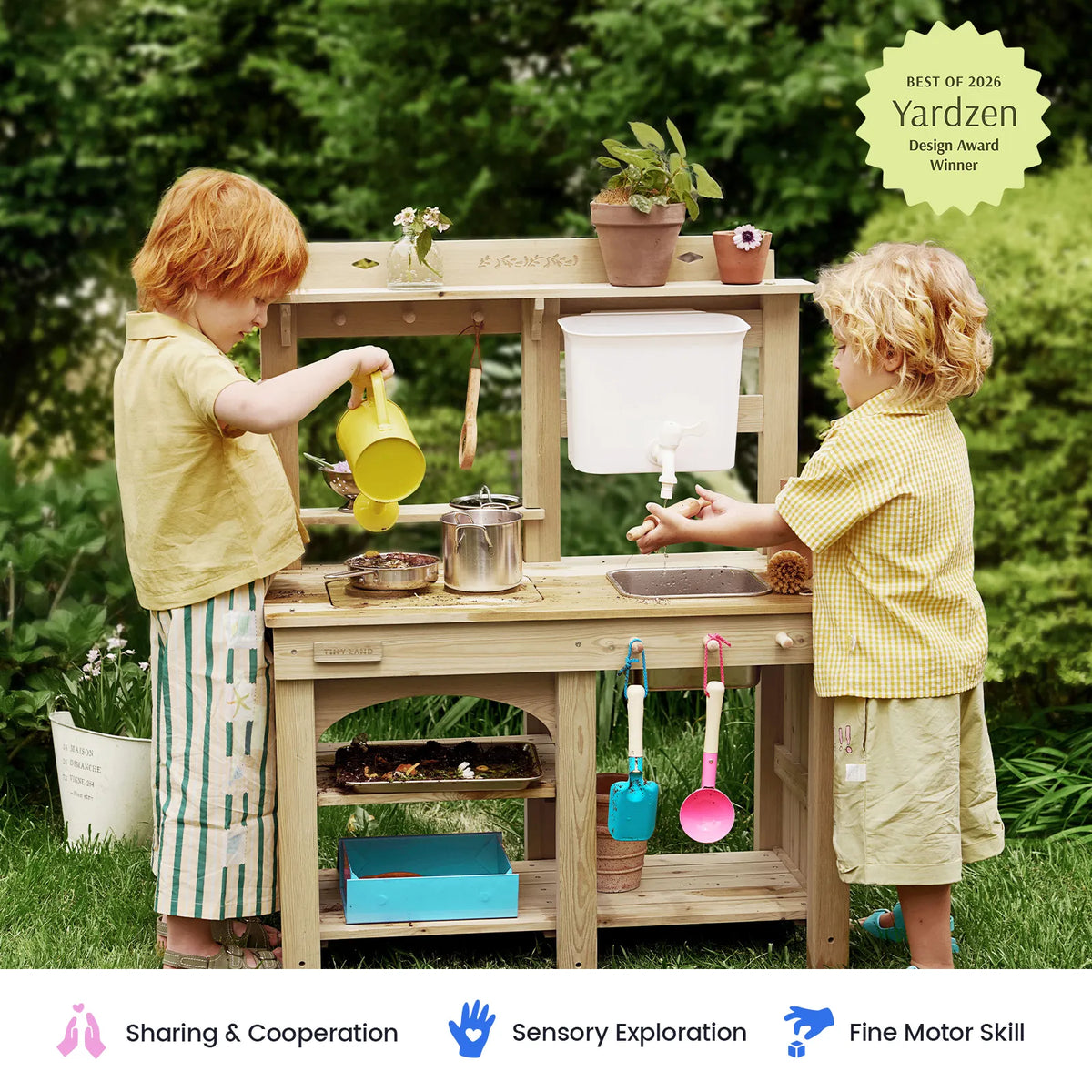
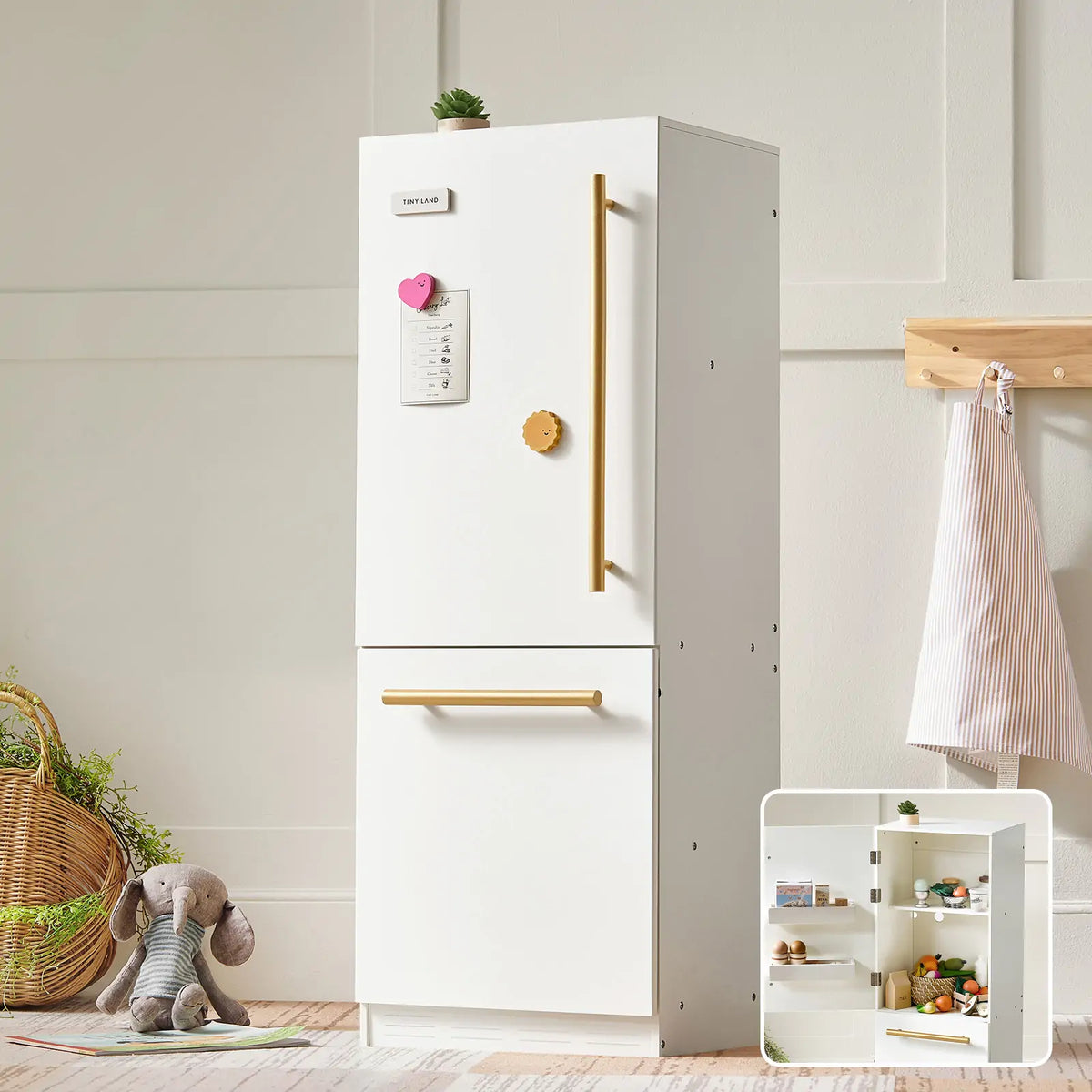
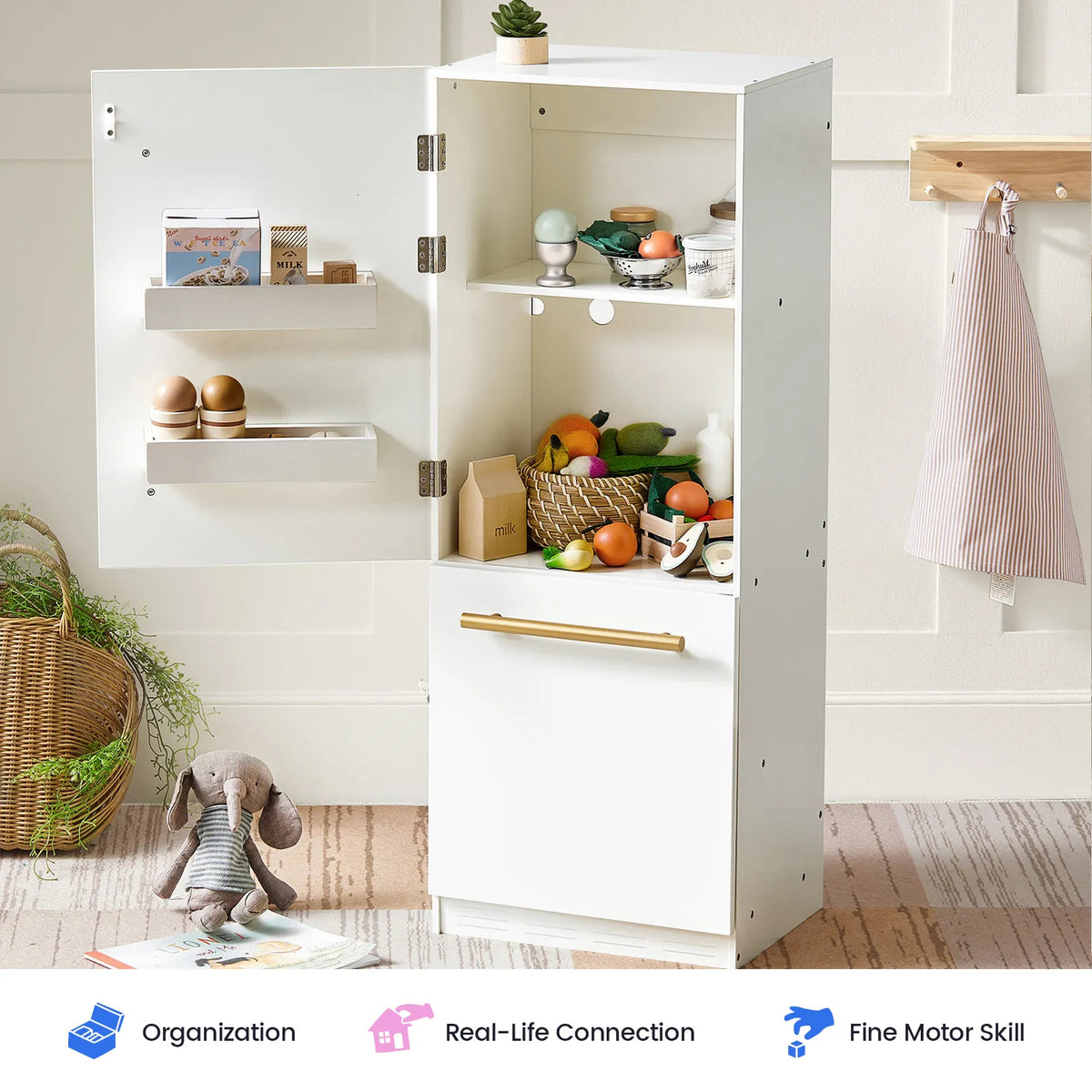
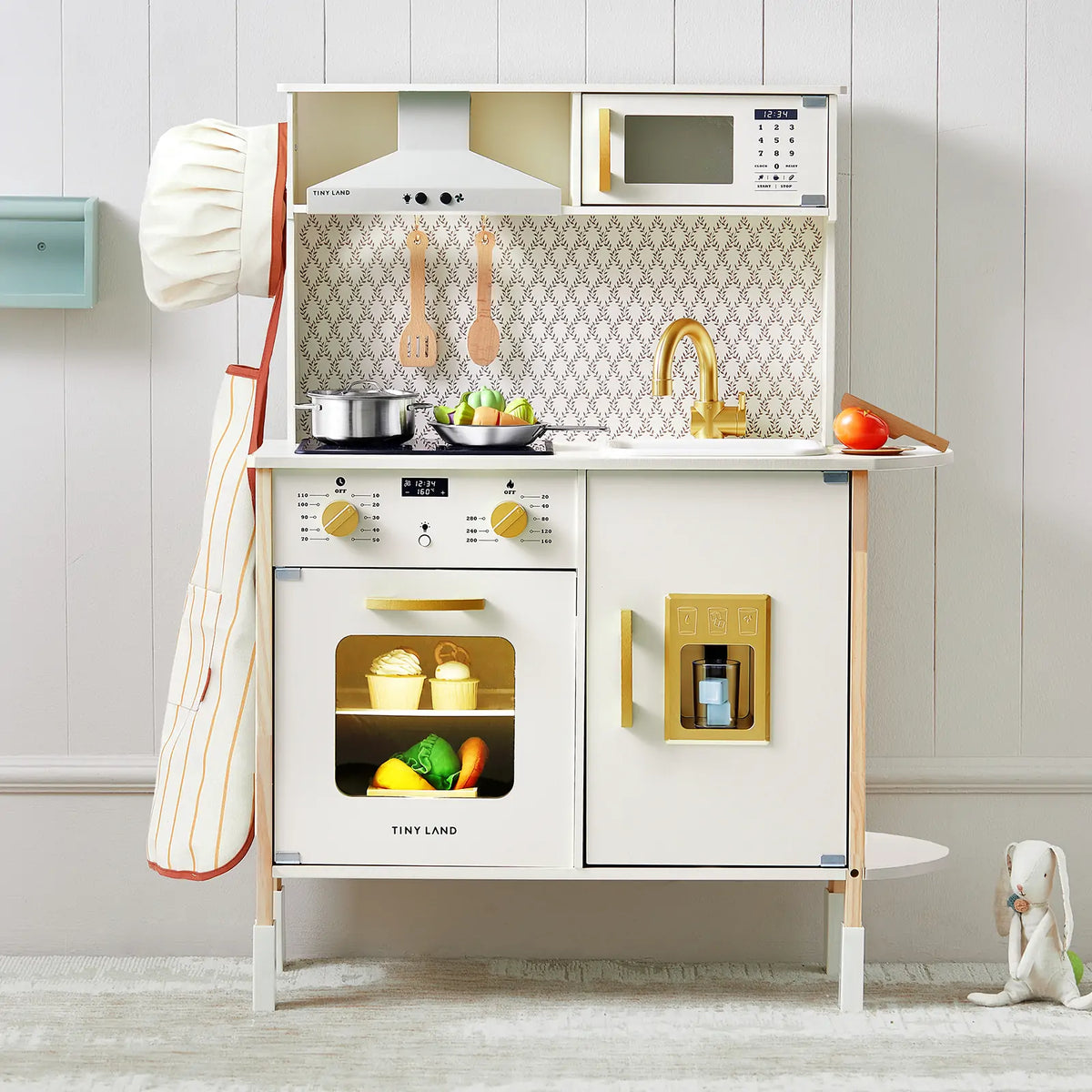
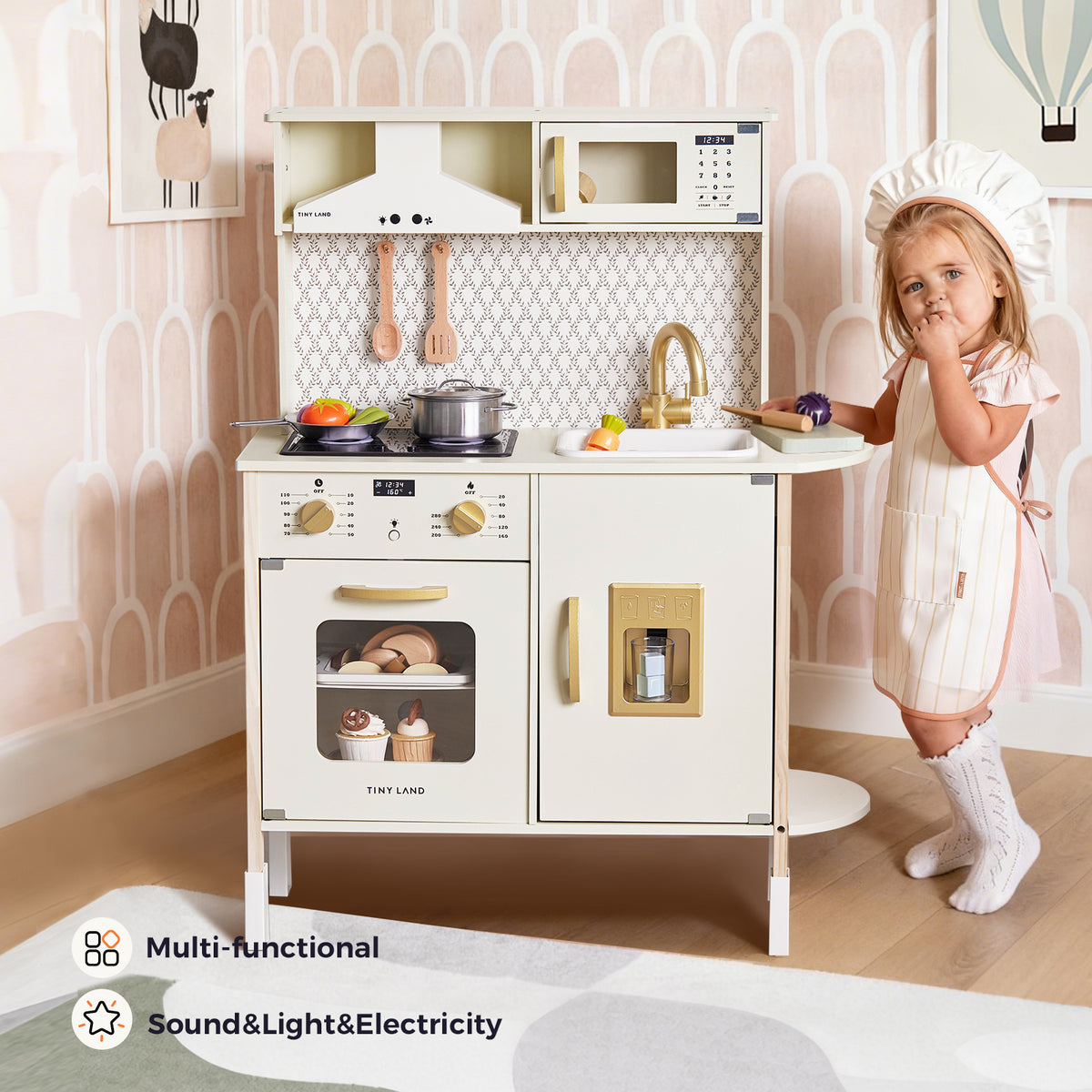
- Pretend Play toys like play kitchens, grocery store sets, and dollhouses foster dramatic play and imagination, helping children act out real-life scenarios while building language and empathy.
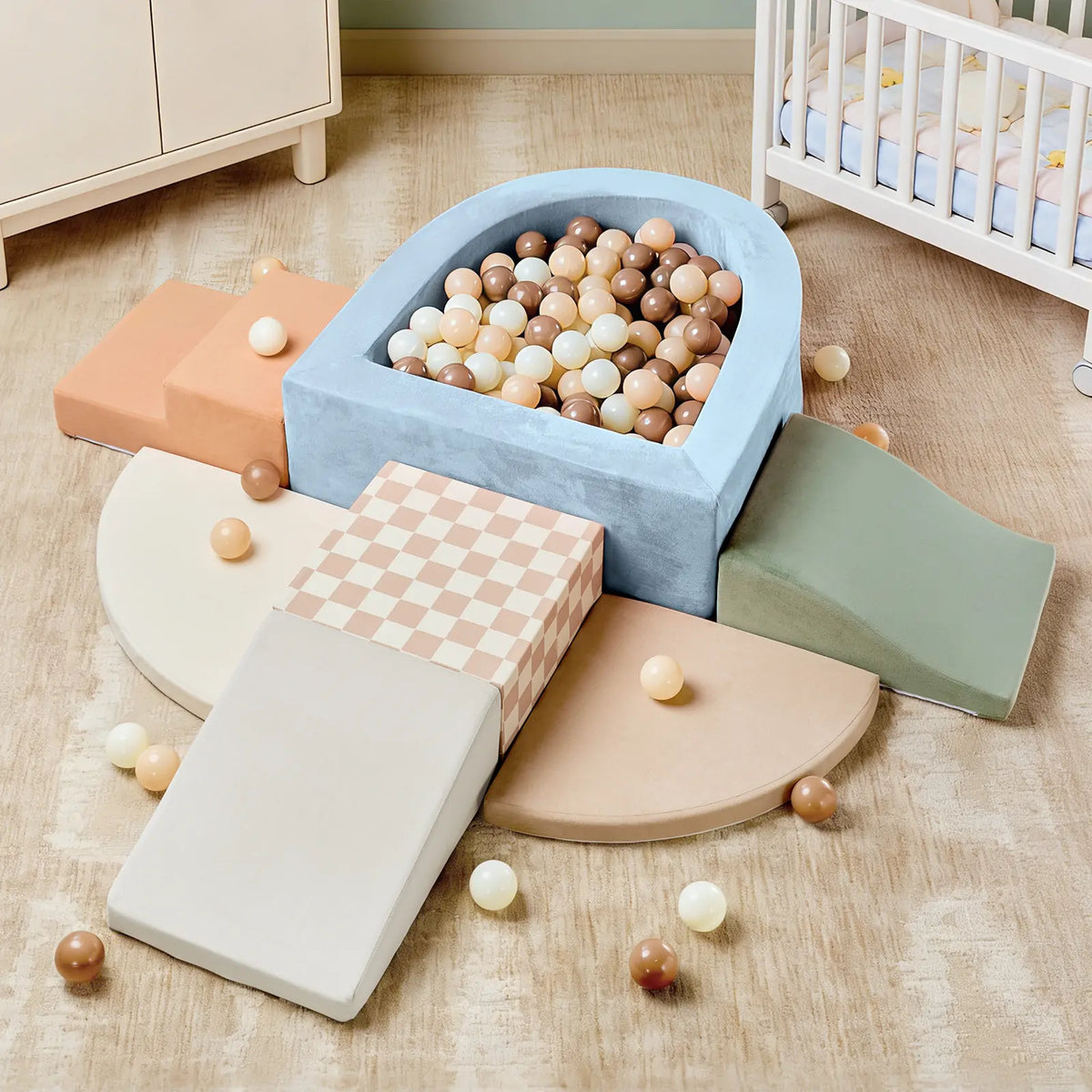
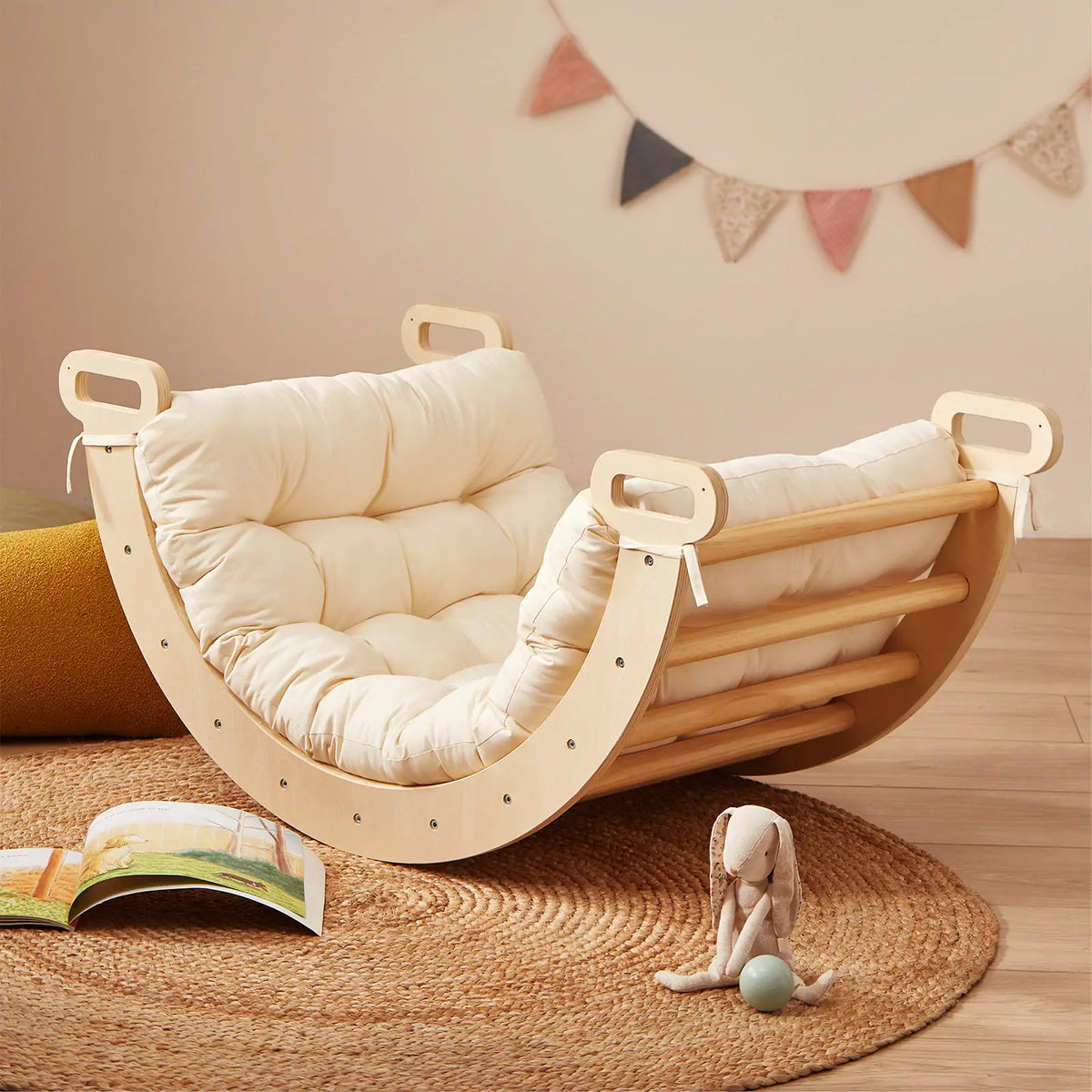
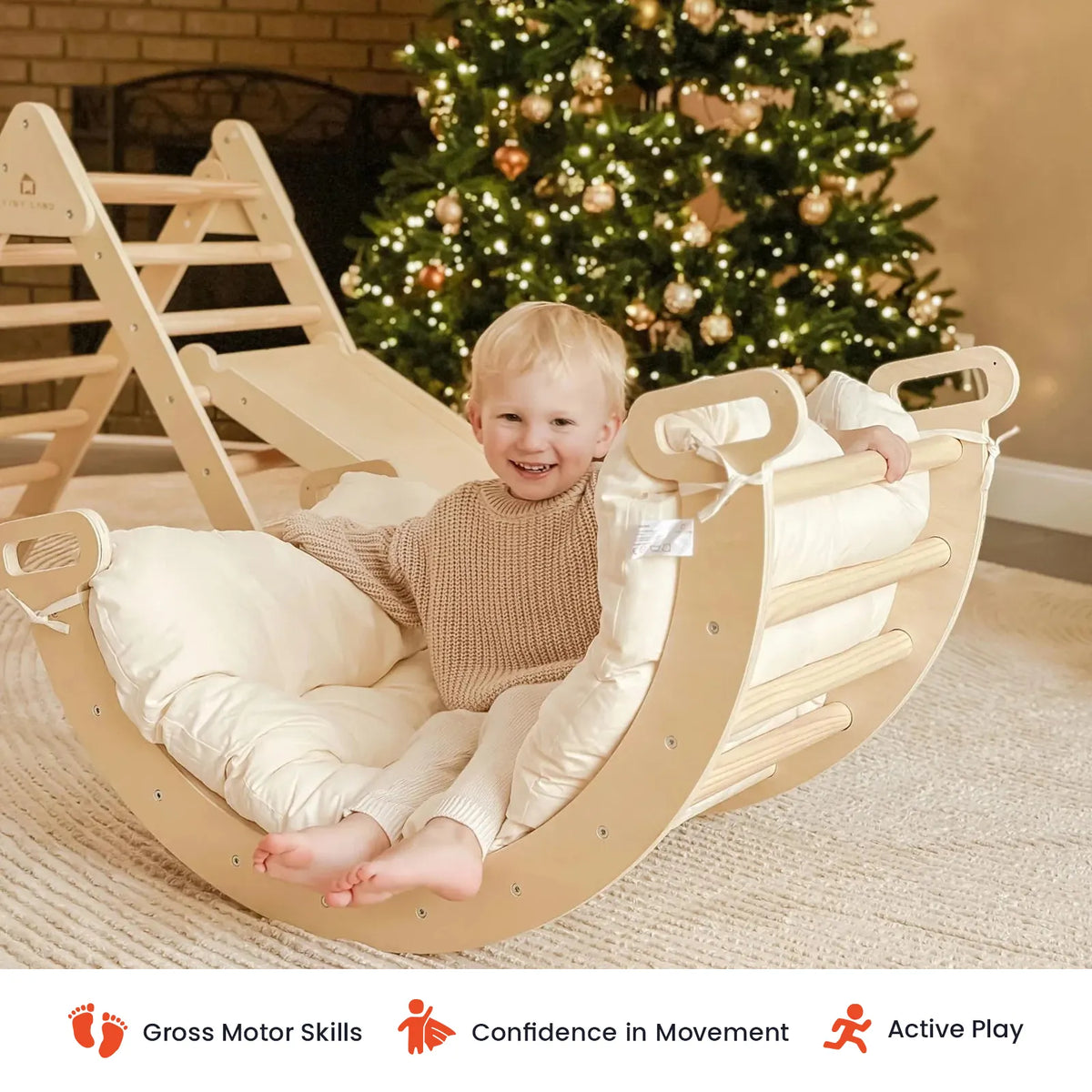
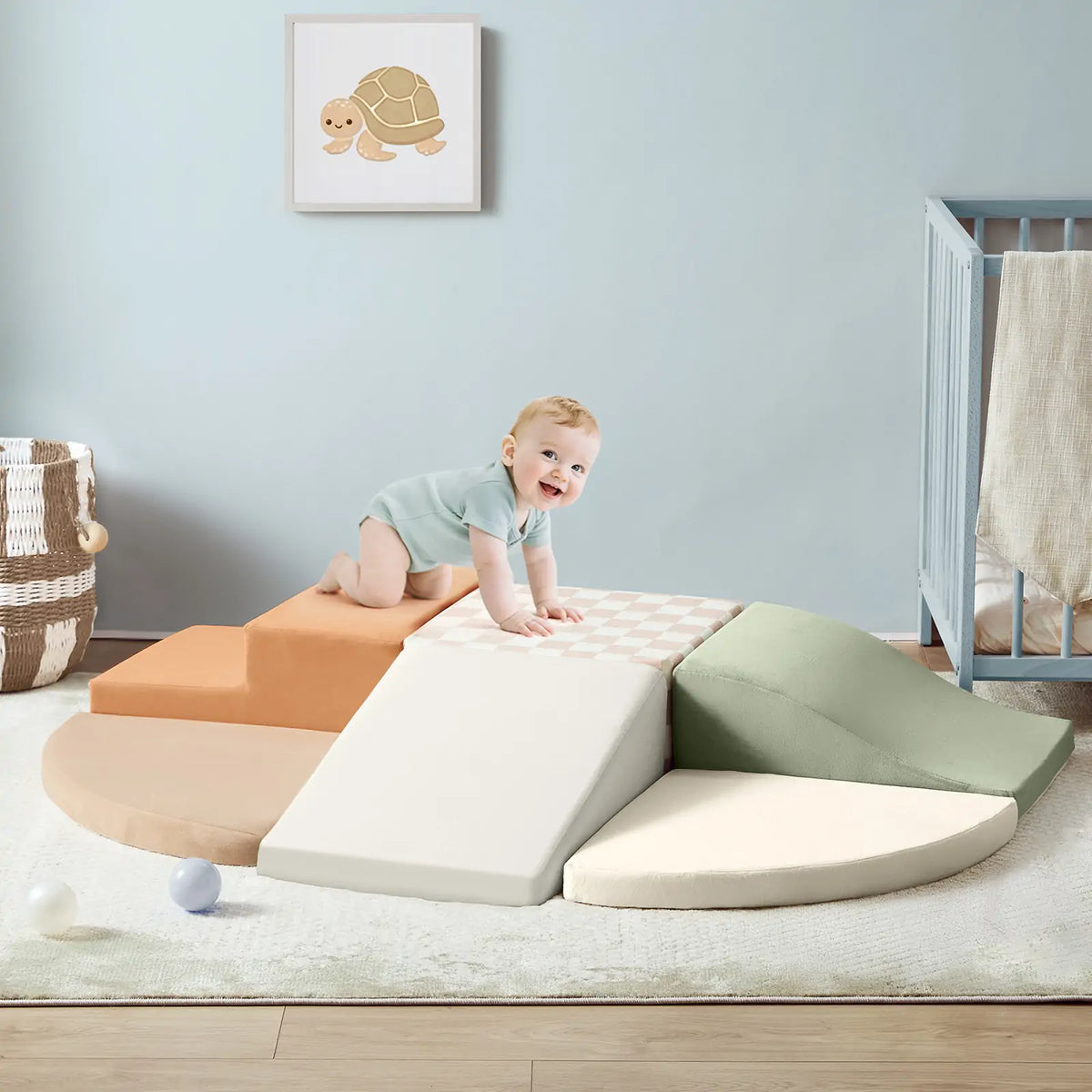
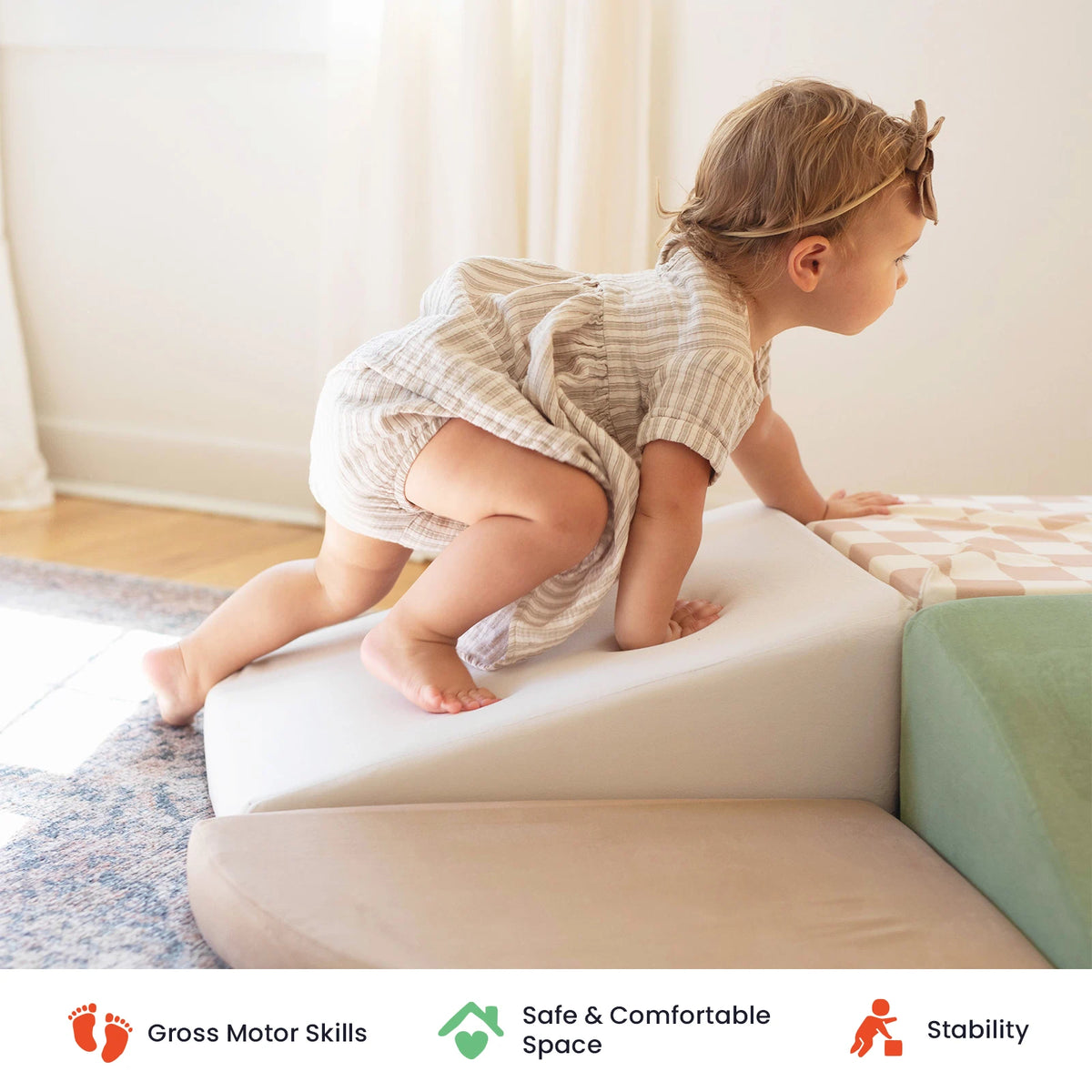
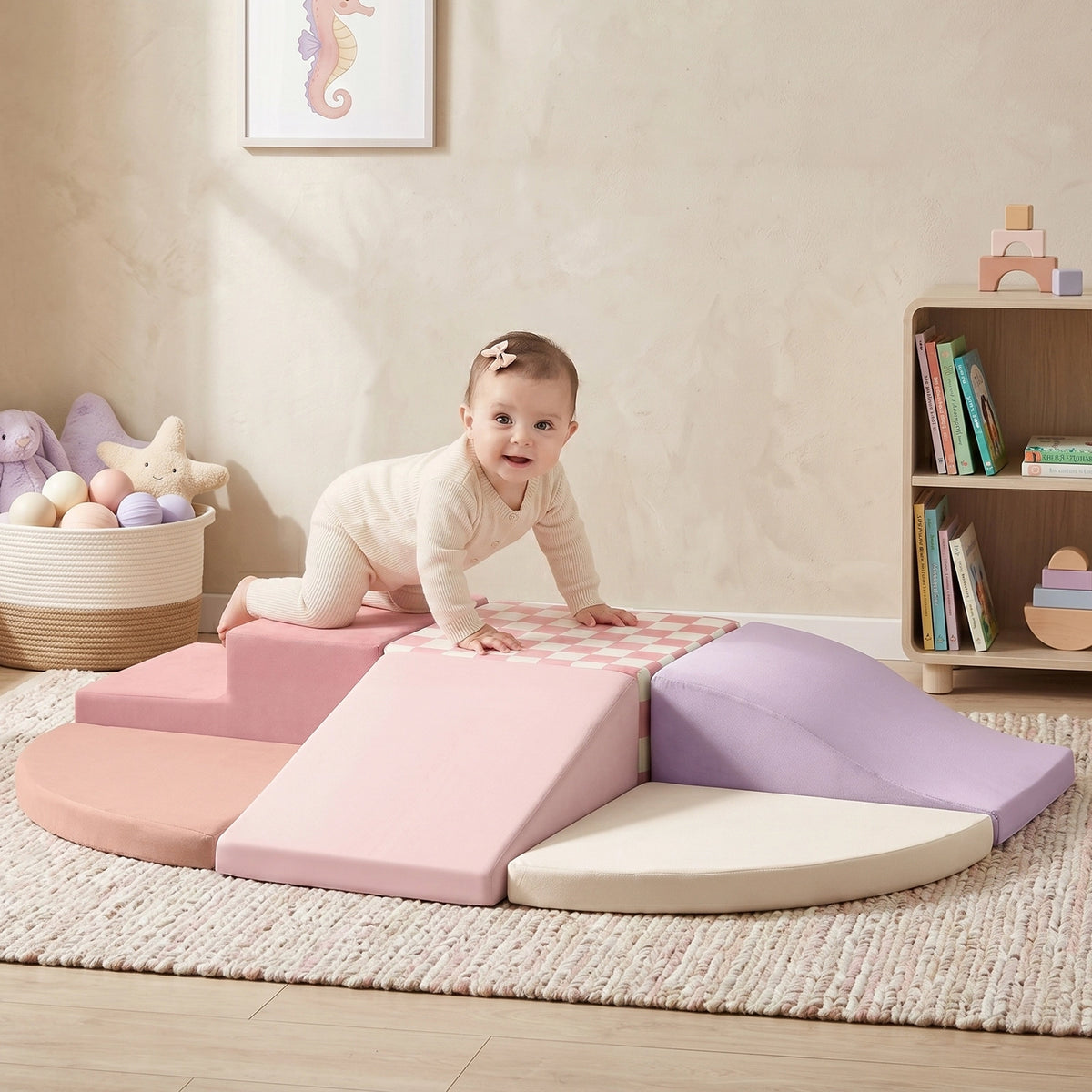
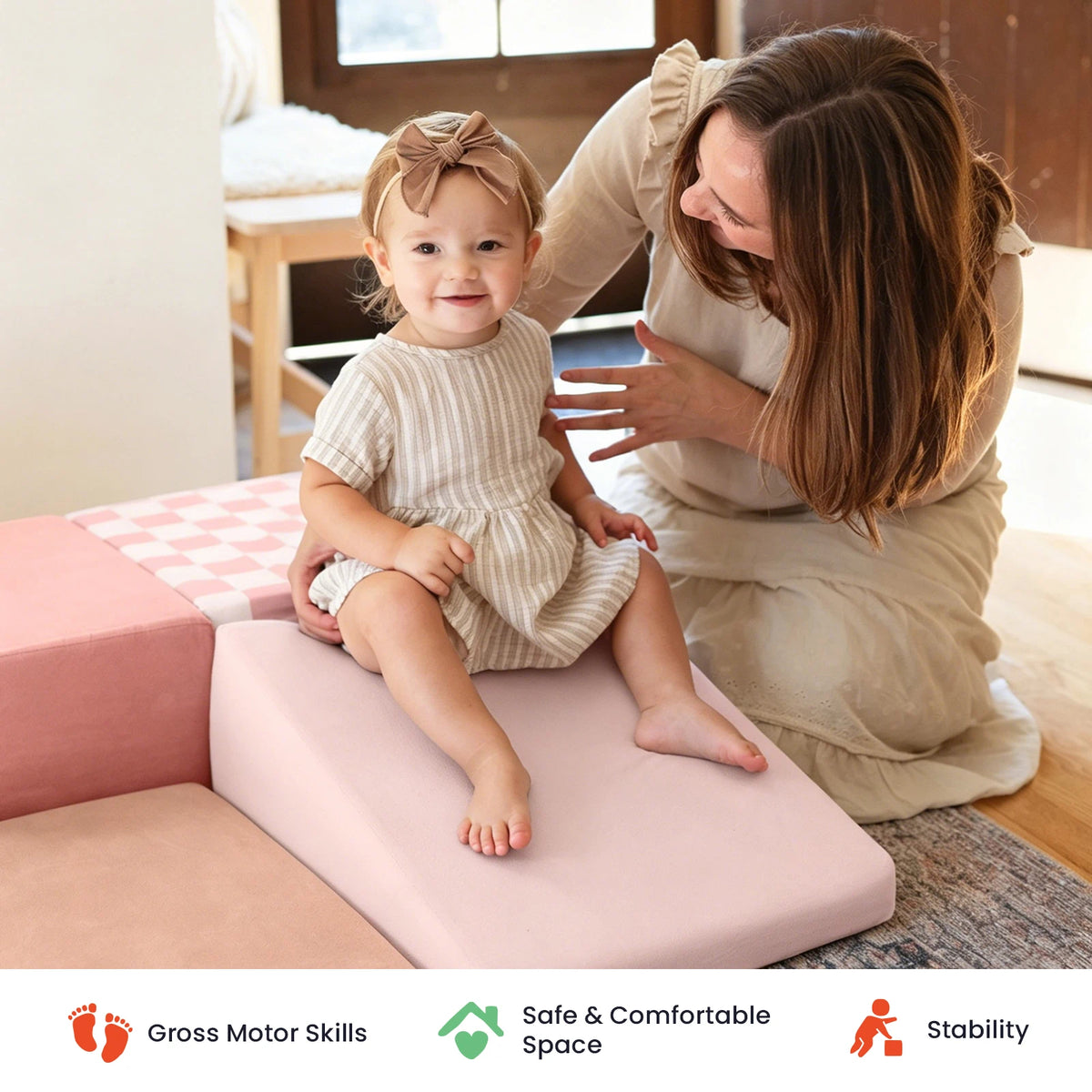
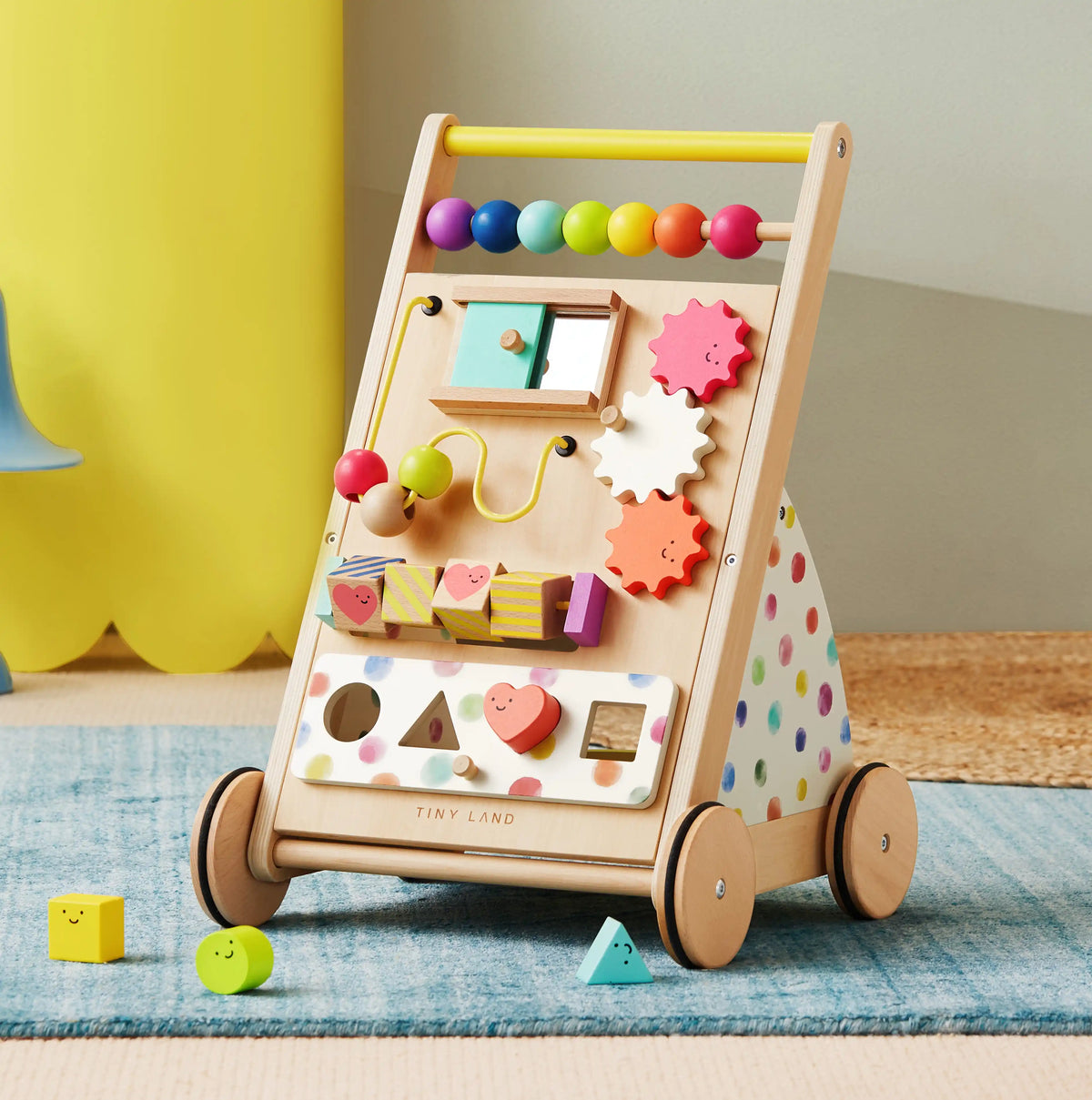
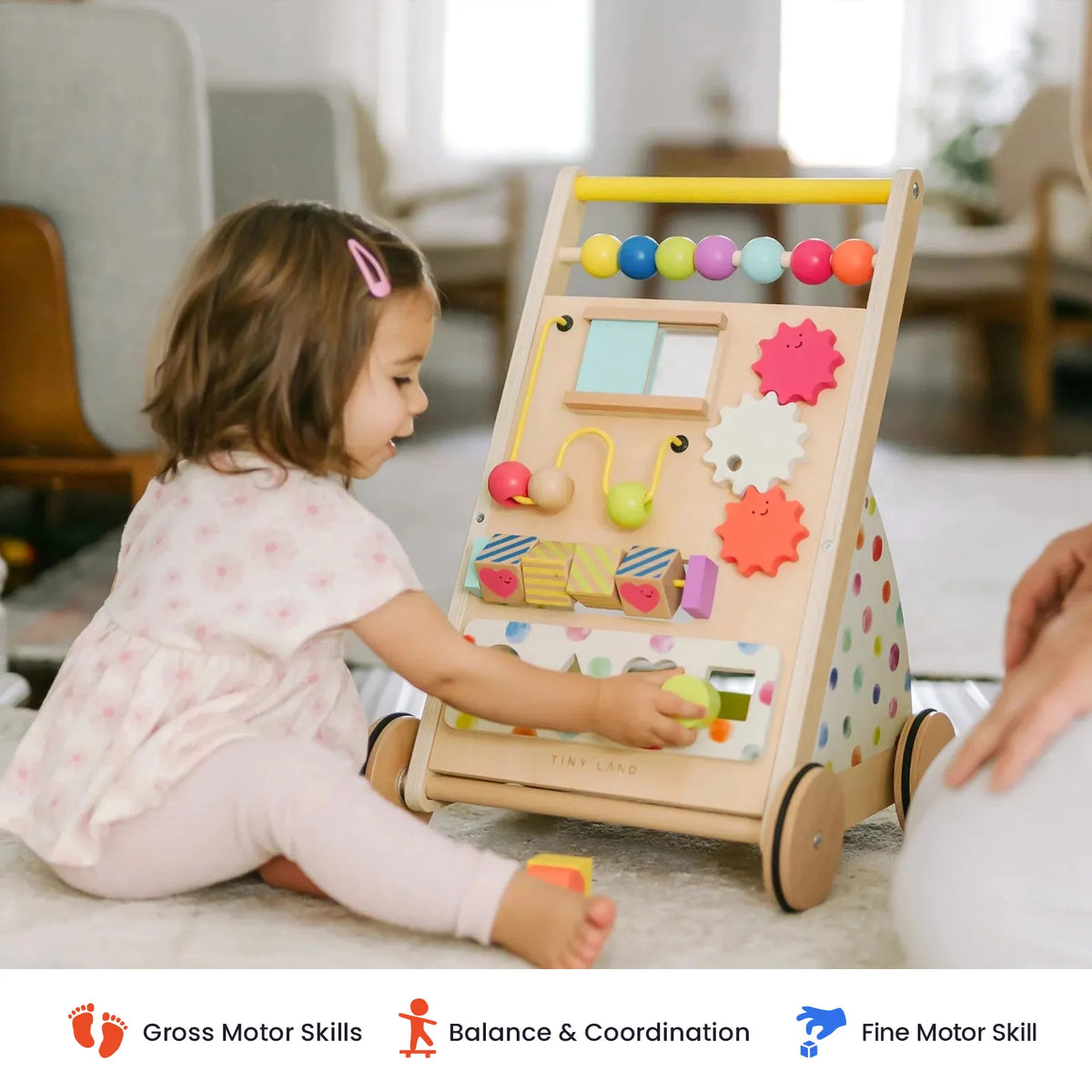
- Active toys — including climbing sets, balance beams, and tunnels — encourage movement, balance, and coordination, making physical play fun and developmentally rich.
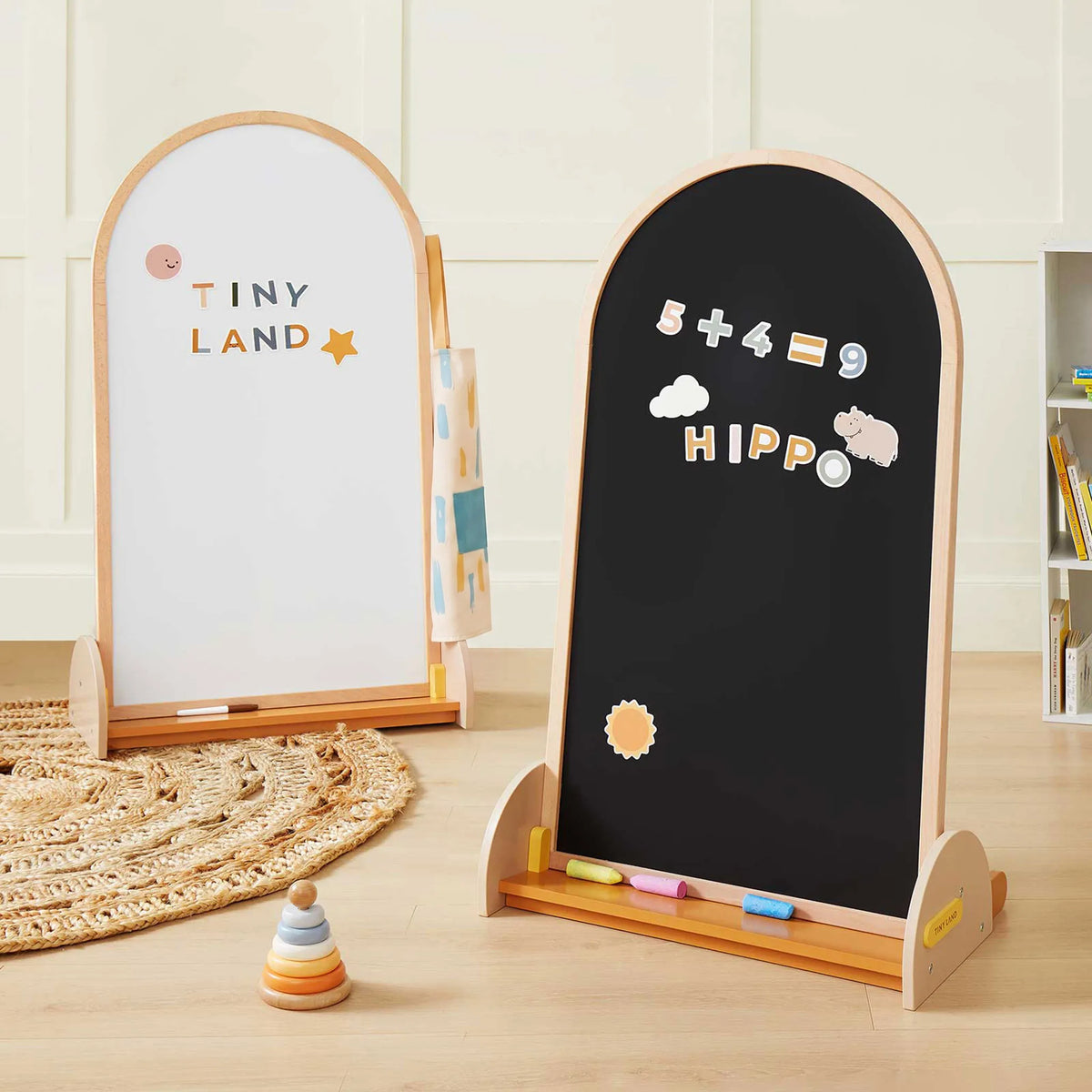
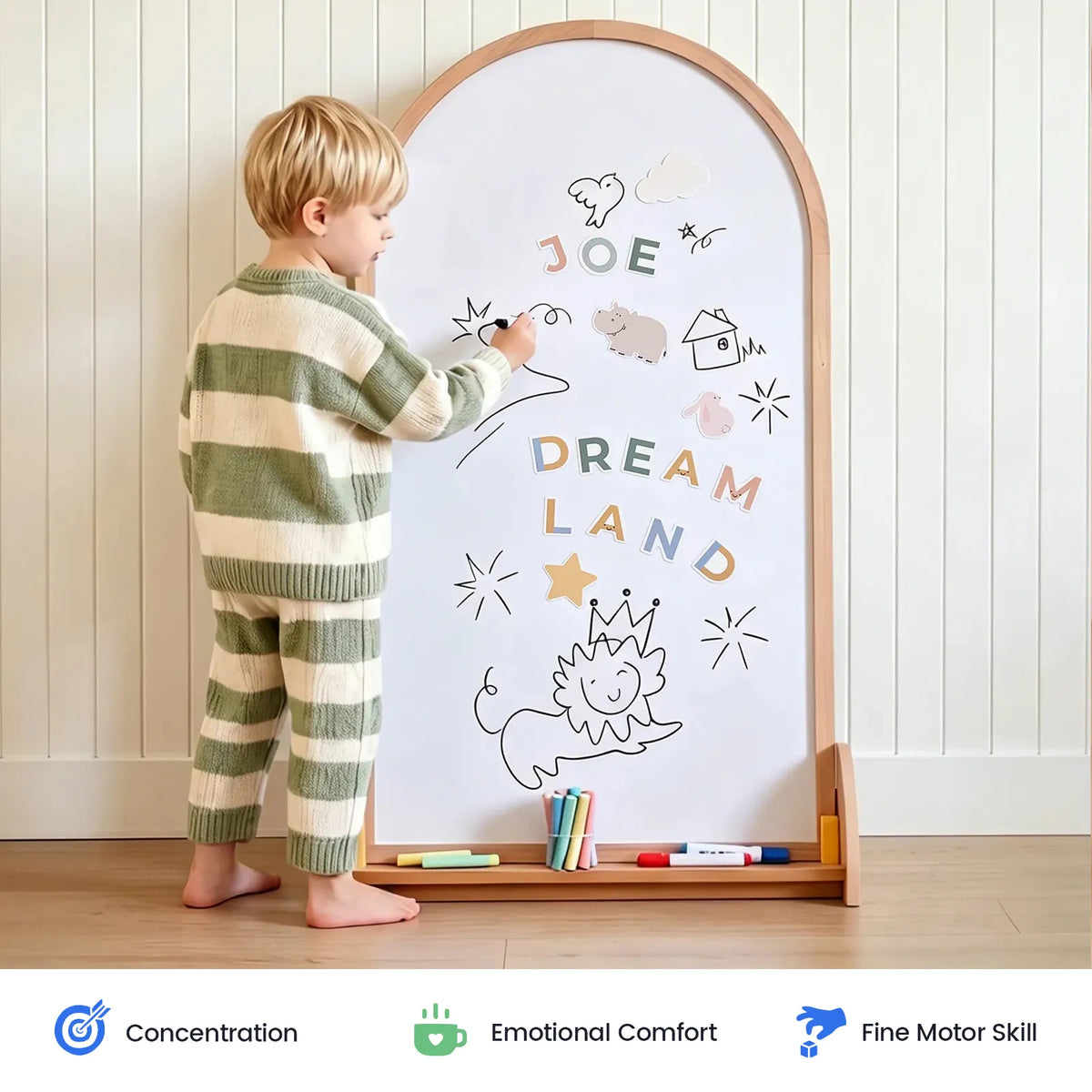
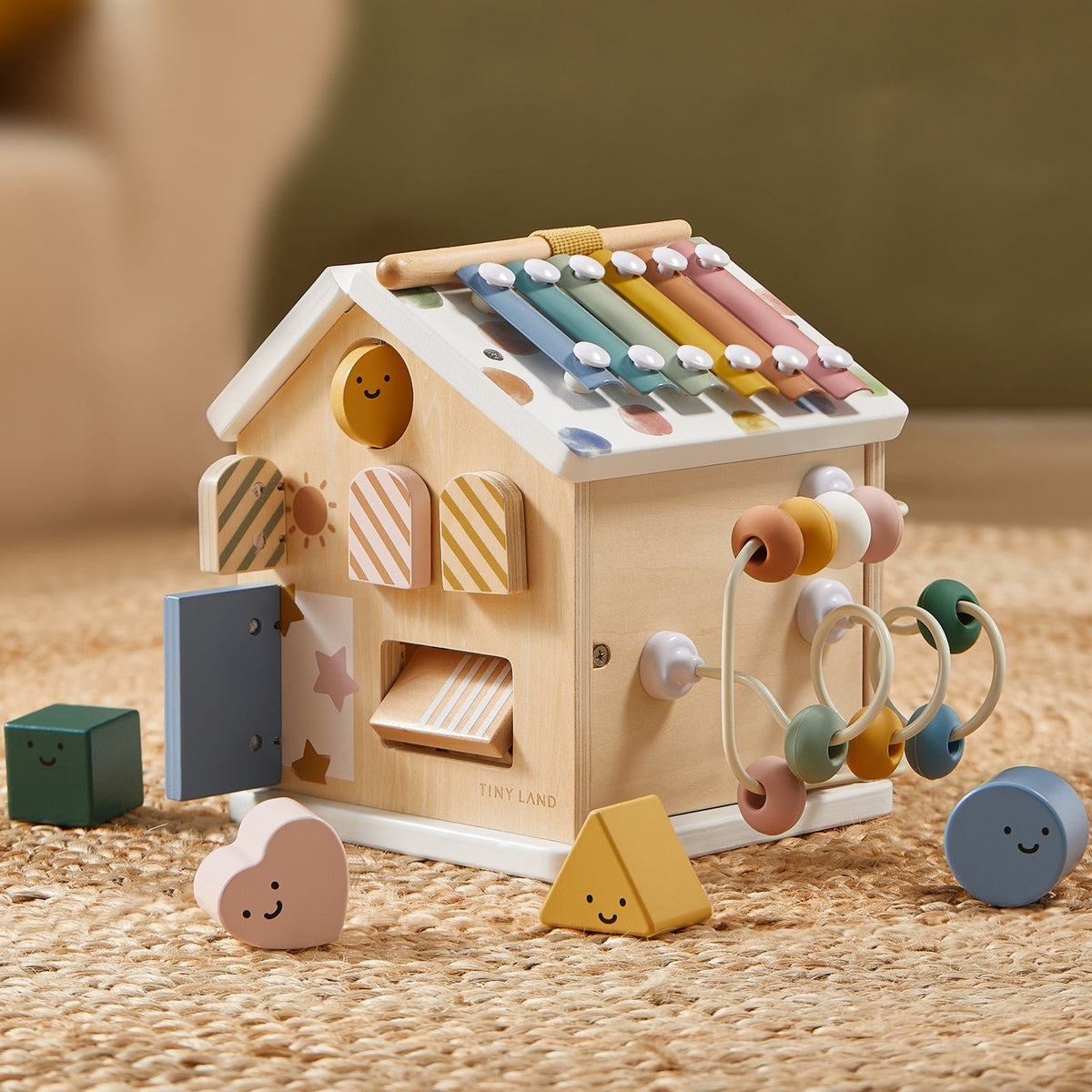
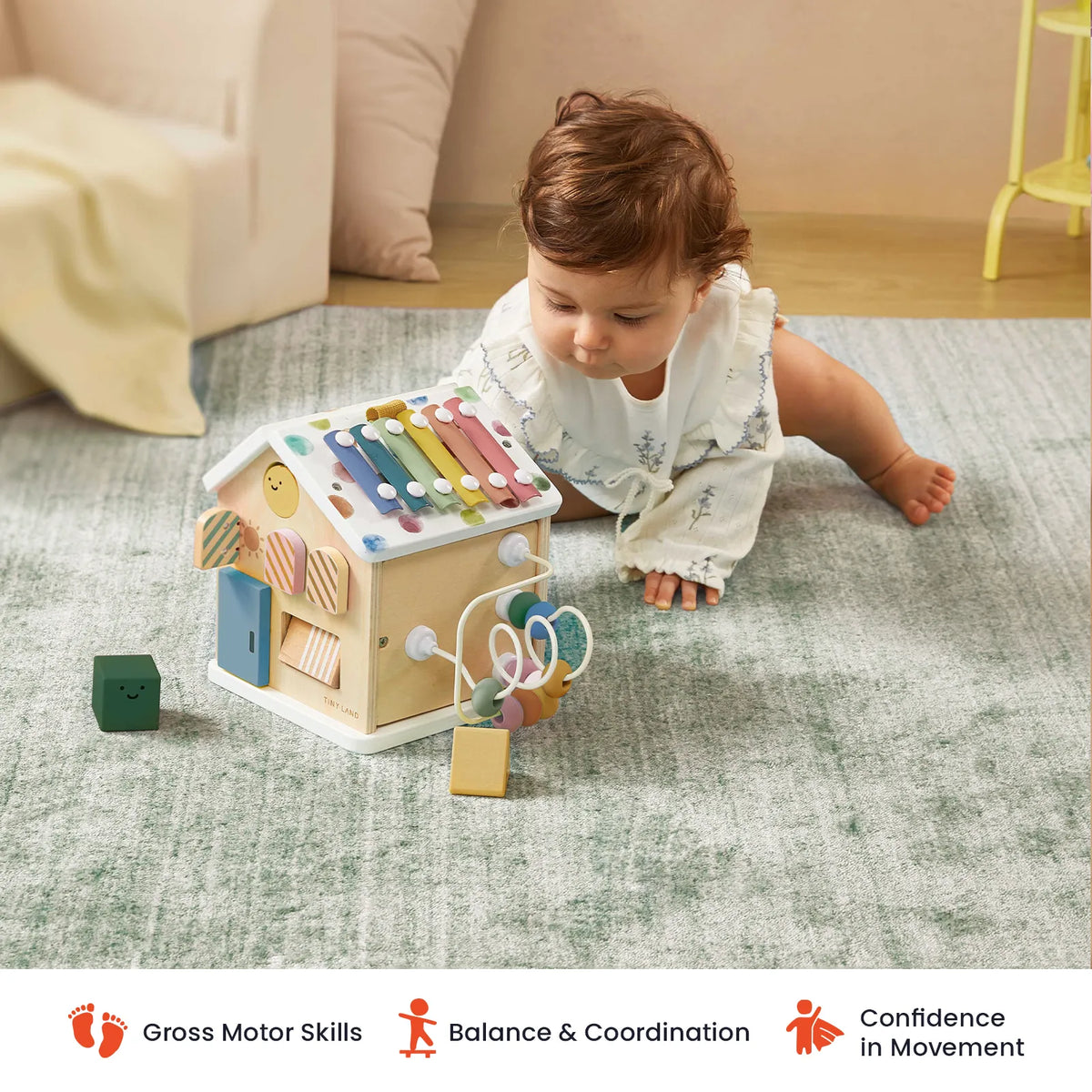
- Educational toys — like art easels, wooden trains, activity cubes, and Montessori sets — turn playtime into meaningful learning moments.

Pretend Play: The Power of Imagination and Social Skills
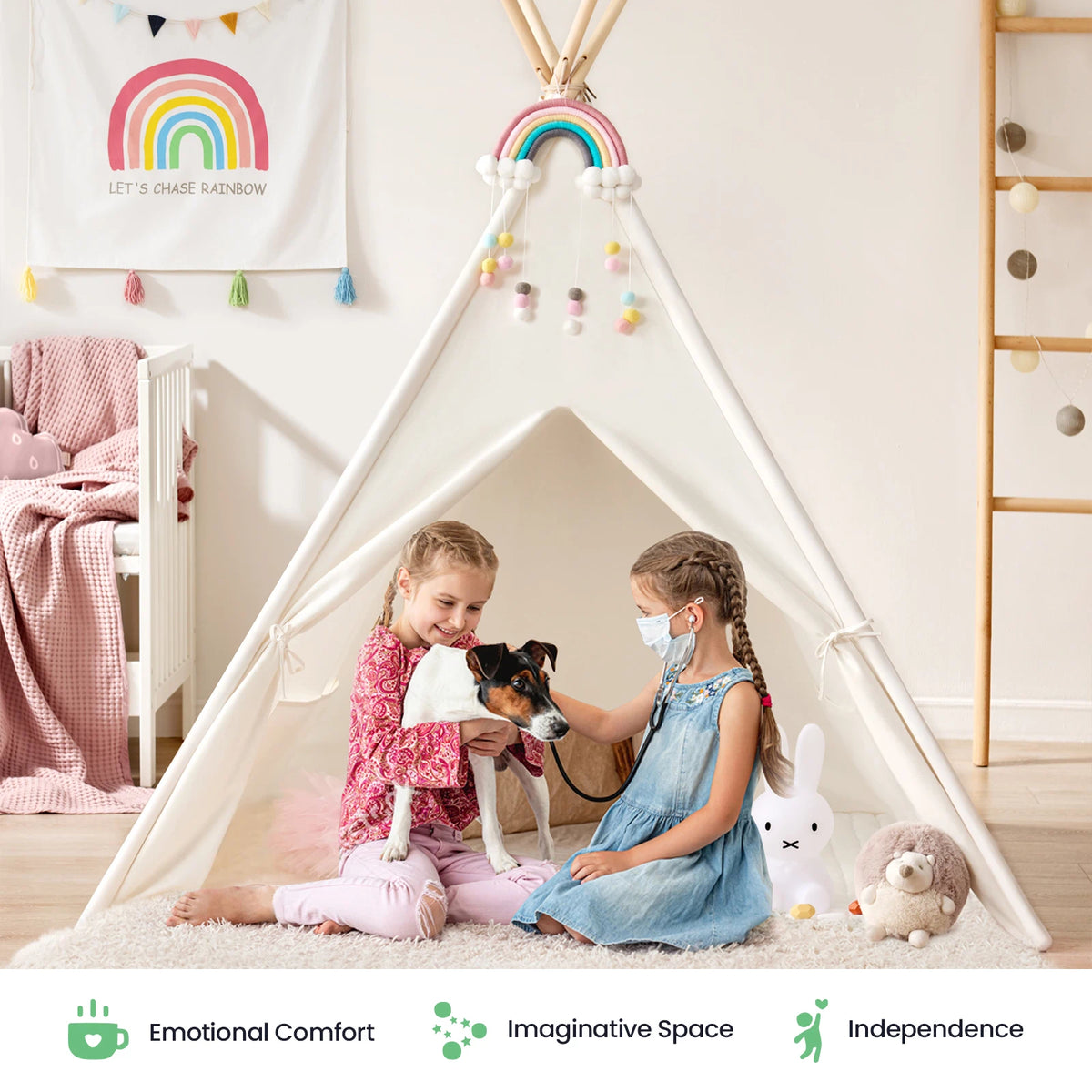
Pretend play is a cornerstone of childhood development. When children engage in role-playing — whether they’re running a play shop grocery set, cooking in a wooden play kitchen, or caring for dolls in a dollhouse — they’re practicing real-world thinking and social interaction skills.
These types of toys also help kids express feelings, use language creatively, and build confidence as they invent scenarios and solve problems on their own or with friends.
Open Ended Play: Letting Kids Lead the Fun
Open ended play encourages kids to decide how they want to use a toy, rather than pressing buttons with predefined outcomes. Wooden toys are fantastic for this because they don’t limit play to a single purpose. A wooden block can become a castle, a car ramp, or a bridge — depending on your child’s imagination.
This quality teaches flexibility, decision-making, and creative problem solving — all skills that support school readiness and emotional resilience.

Preschool Toys: Building Skills Before School Starts
For parents shopping for preschool toys, look for options that mix fun with developmental benefits:
- Montessori-inspired wooden toys spark curiosity and independence.
- Art easels and craft-style kits promote fine motor skills and self-expression.
- Games and building sets help toddlers and preschoolers understand patterns, shapes, and spatial reasoning.
These toys help young learners make sense of the world while still having fun.
Materials and Safety: Why It’s Worth Thinking About What Toys Are Made Of
Plastic toys can be bright and inexpensive, but they sometimes include chemicals or parts that break easily. Sustainable wooden toys tend to be made from safe materials that are less likely to chip or expose children to harmful coatings. Many parents feel more confident knowing that these toys are durable and designed to withstand energetic play.
Plus, wood feels good to touch and ages beautifully, offering a sensory experience many kids and parents appreciate.

Gifts That Keep on Giving: Wooden Toys for All Occasions
Looking for gifts that will be remembered and loved? Sustainable wooden toys fit a range of occasions — birthdays, holidays, or “just because” surprises. Toys like interactive play kitchens, balance climbers, and creative easels are often treasured far longer than a typical plastic counterpart.
Parents often tell us they appreciate gifts that support their child’s imagination and development without clutter — especially when quality matters as much as fun.
Fun and Games: Toys That Inspire Joy Every Day
The best toys are the ones kids reach for again and again. Rather than single-use playthings, quality wooden toys weave themselves into daily routines, pretend scenarios, and shared family moments.
Whether a toddler is mastering balance on a climbing set, inventing dinner in a play kitchen, or building a train track that winds around the house, these experiences are about more than play — they’re about joy, confidence, and exploration.

How to Find the Right Toy for Your Child
Here’s a simple checklist for choosing toys that support play and growth:
- Does the toy encourage imagination and active engagement?
- Is it made of materials you feel comfortable with every day?
- Can it grow with your child over time?
- Does it offer open ended play without needing batteries or preset programs?
Taking the time to select intentional toys helps you create play experiences that matter.

Prioritizing Playful Growth
Choosing between wooden and plastic toys doesn’t have to be stressful. By focusing on sustainable wooden toys that encourage pretend play, open ended play, and active learning, you’re investing in experiences that support your child’s emotional, physical, and cognitive growth.
From preschool toys that prepare little minds for school to active toys that inspire movement and play, intentional toy choices help you raise healthy, confident, and joyful kids ready to explore the world.