

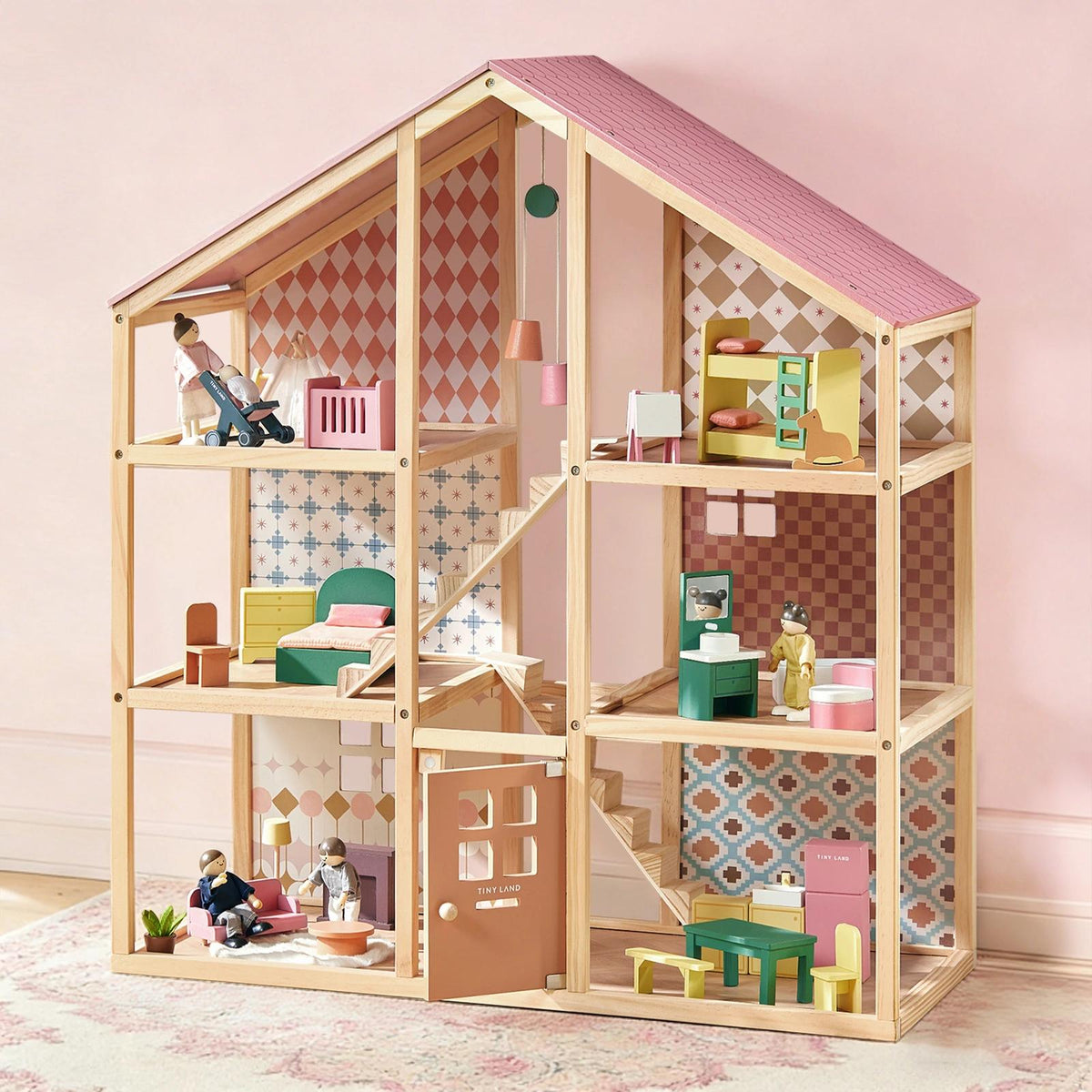
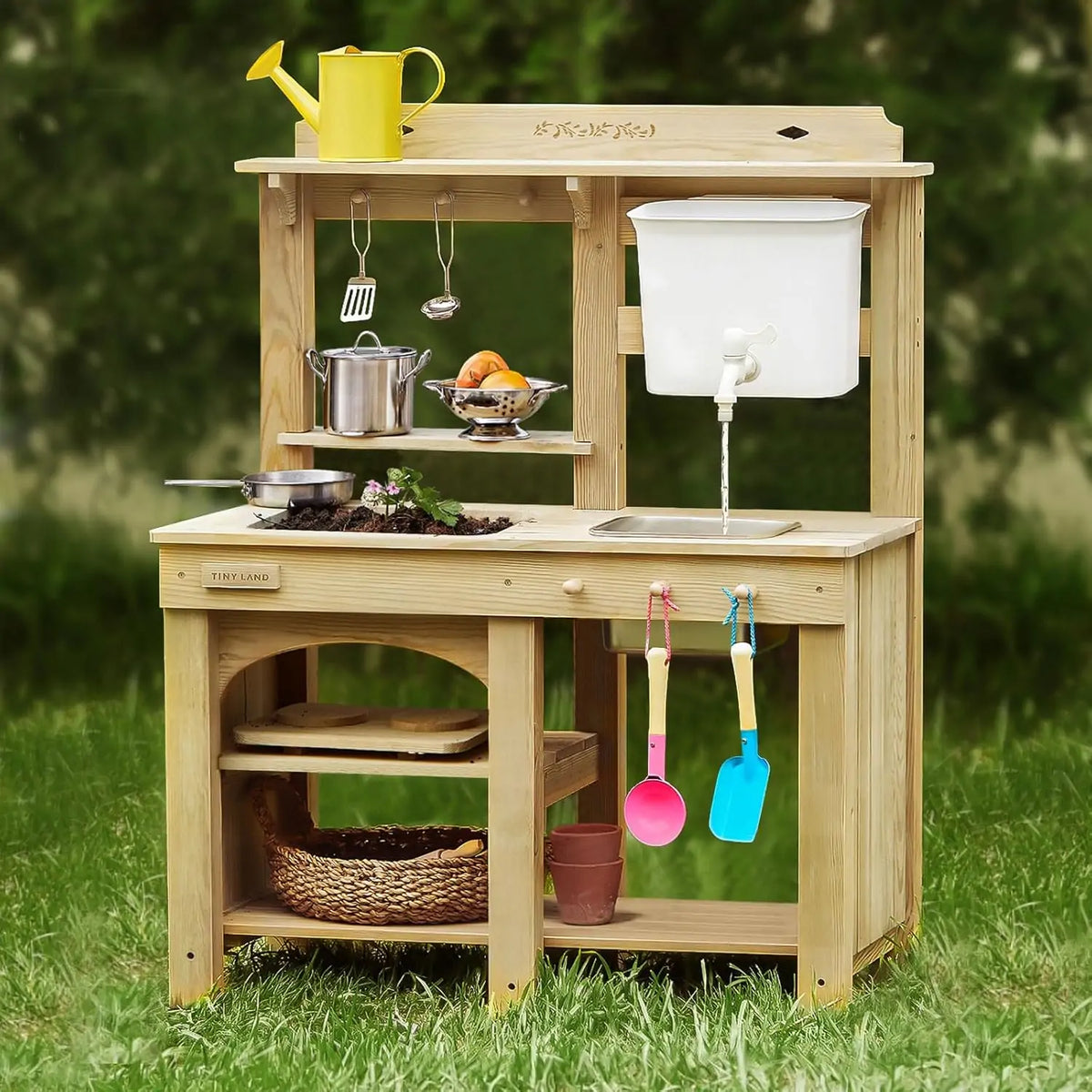
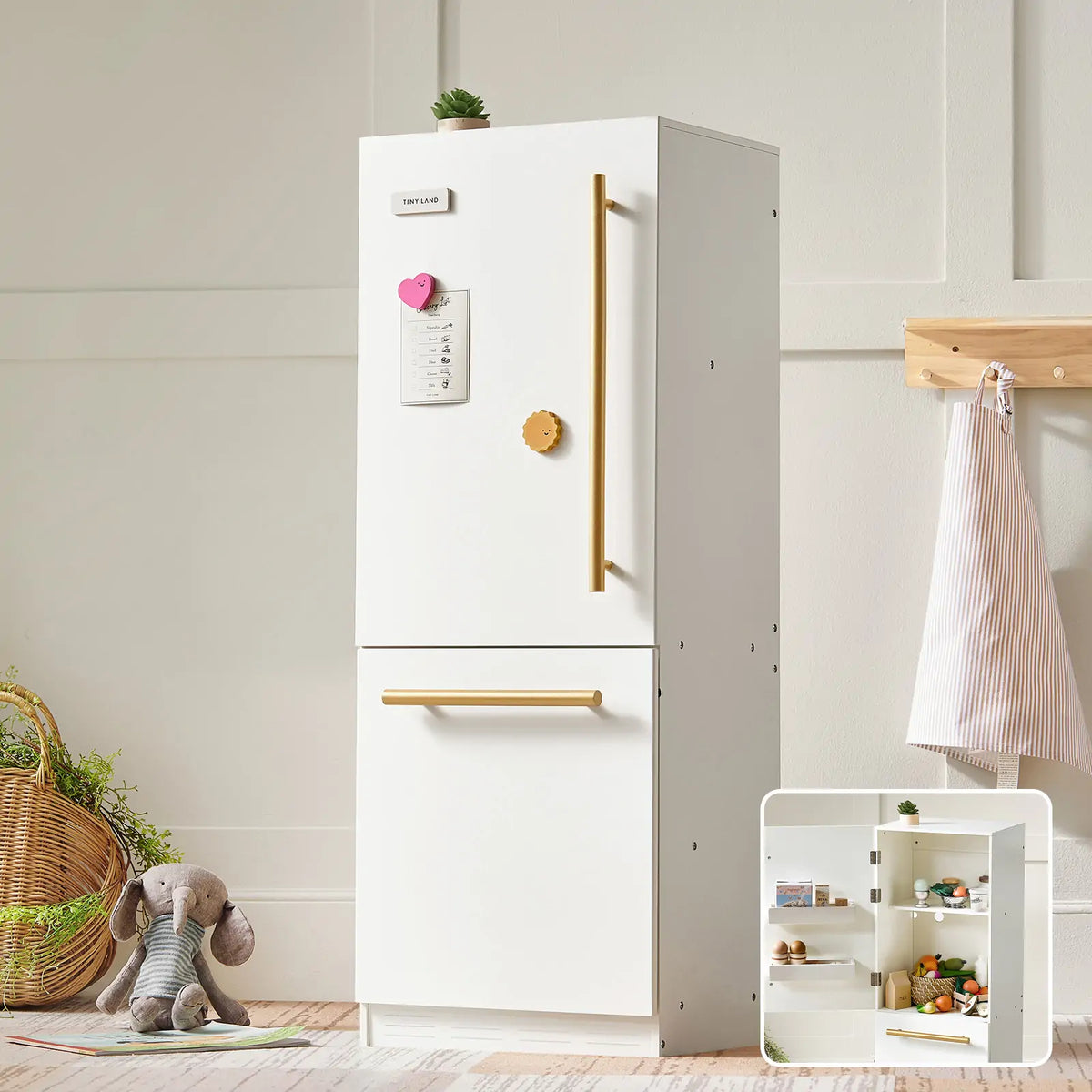





Choosing toys for toddlers isn’t just about fun — it’s about trust.
Between ages 2 and 4, children learn by touching, tasting, copying adults, and repeating everyday actions. That’s why parents increasingly ask not which toy looks best, but which toy is actually safe.
This guide is designed to help parents understand what truly makes a wooden pretend kitchen safe, non-toxic, and developmentally valuable — without technical jargon or marketing confusion.

Why Safety Matters More Than Ever for Toddlers
At this age, children explore the world with their whole bodies. A toy that looks harmless can still pose risks if materials or finishes aren’t carefully chosen.
Parents often assume wooden toys are automatically safe — but safety depends on materials, coatings, structure, and testing, not just appearance. A well-designed toy should support learning without introducing hidden risks.
What “Non-Toxic” Really Means in a Quality Play Kitchen
Not all wooden toys meet the same standards. A truly non-toxic kitchen set should focus on three core areas:
Materials Parents Can Trust
High-quality kitchens use natural materials combined with careful craftsmanship. This means:
- Smooth, splinter-free surfaces
- Stable construction that doesn’t wobble
- Finishes that are safe for daily contact
Tinyland kitchens are made using sustainable materials and finished with water-based, child-safe coatings — helping reduce exposure to harmful substances while supporting long-term durability.
BPA-Free, Lead-Free, Phthalate-Free — Tested for Real Life
Parents often ask: Does this toy contain BPA, lead, or phthalates?
The answer should be clear and verifiable.
Tinyland wooden kitchens are made from carefully selected natural materials and every batch of materials goes through accredited laboratory testing to ensure they are:
- BPA-free
- Lead-free
- Phthalate-free
This testing matters because toddlers interact closely with toys every day — touching, gripping, and sometimes mouthing them during play.

How a Safe Kitchen Encourages Imaginative Play
Safety isn’t just about avoiding harm — it’s about enabling healthy development. When children feel free to explore, they play longer and learn more.
Through imaginative play, toddlers:
- Create stories
- Copy everyday routines
- Express emotions through actions
A sturdy, well-built kitchen becomes a space where creativity can grow without constant adult interruption.
Why Thoughtful Kitchen Accessories Matter
Oversized or poorly made accessories can frustrate young children. Well-designed kitchen accessories should:
- Fit comfortably in small hands
- Move smoothly without pinching
- Be durable enough for repeated use
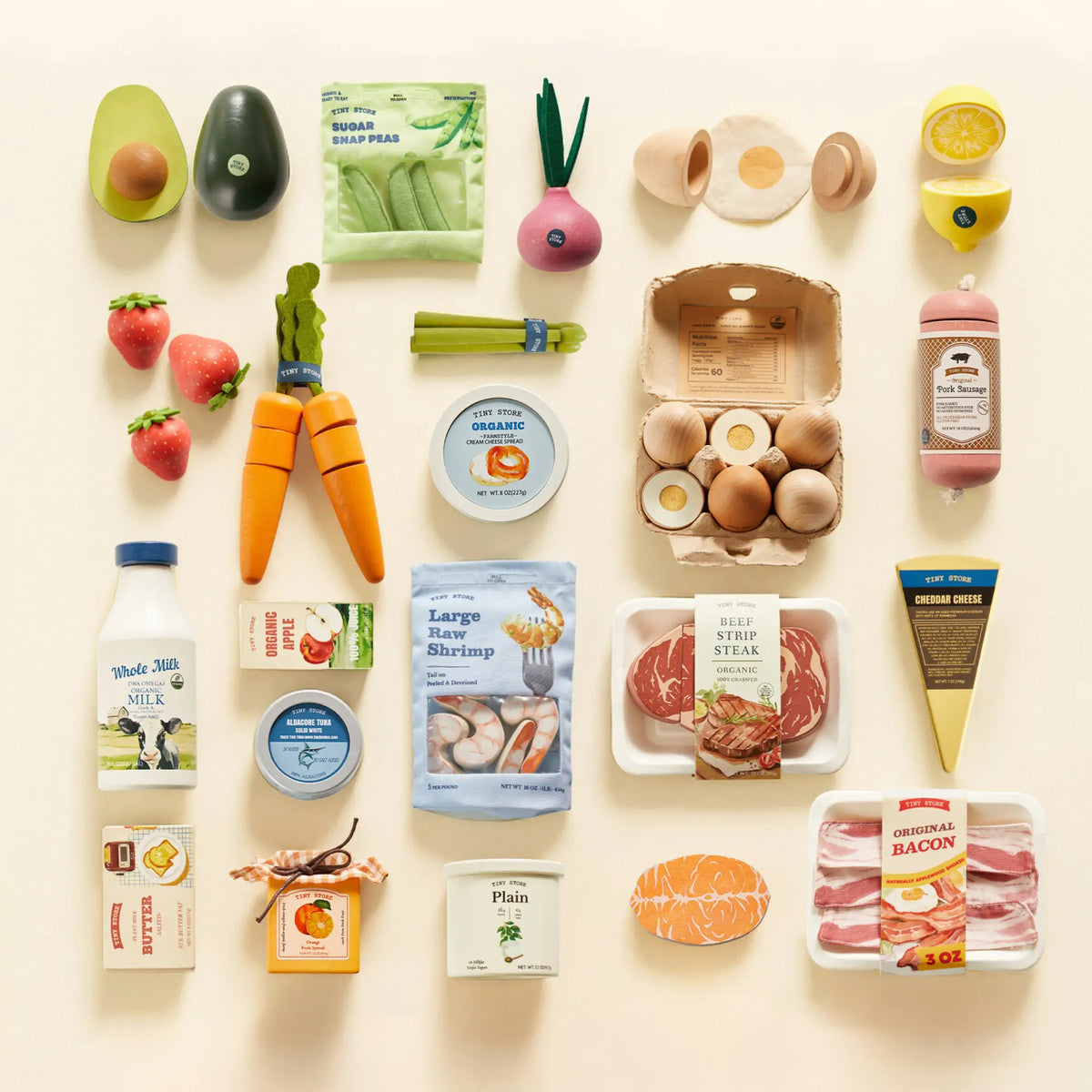
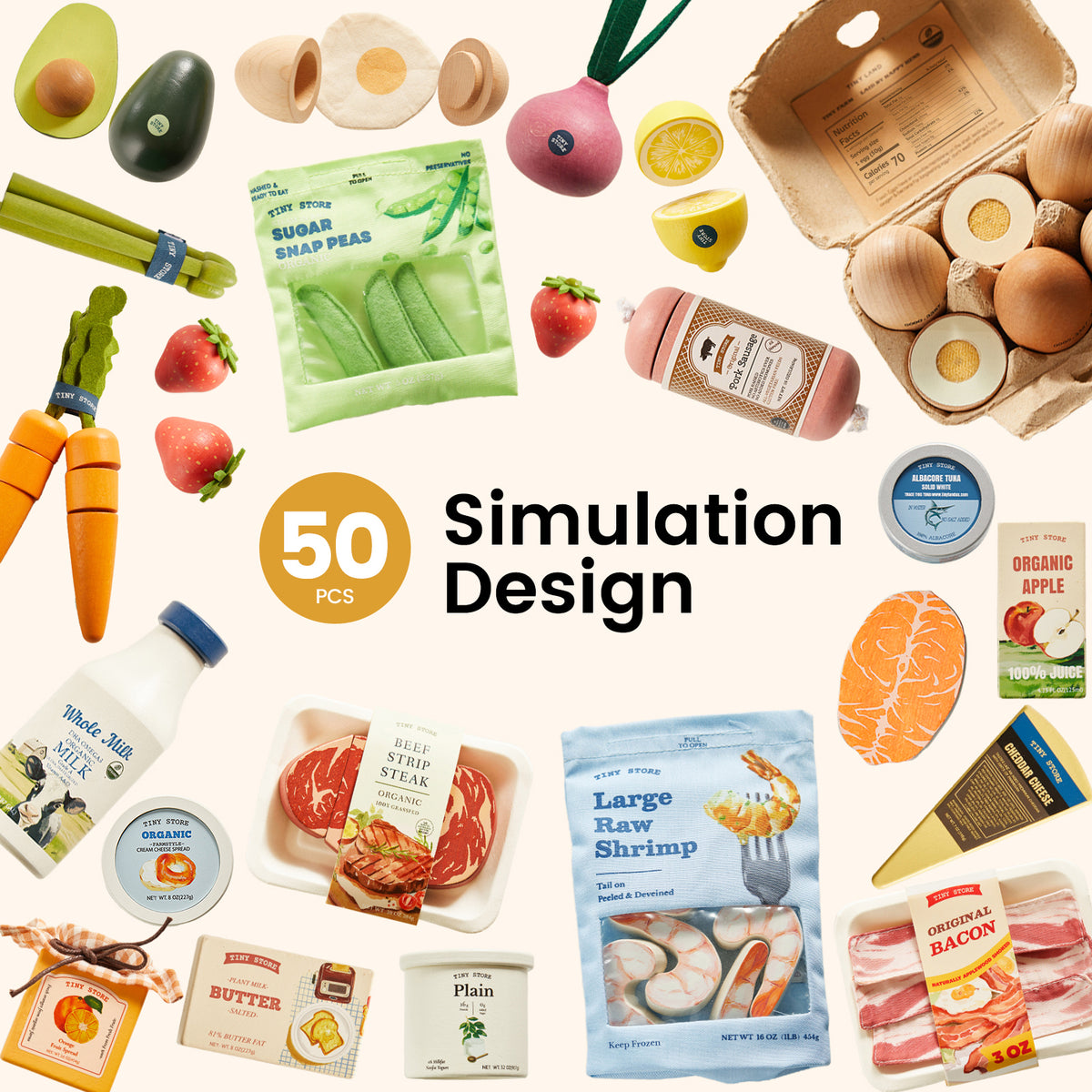
When paired with simple play food, children naturally practice coordination, sorting, and sequencing — all through joyful repetition.

Learning Through Role Play and Pretend Play
Cooking games may look simple, but they support powerful learning outcomes.
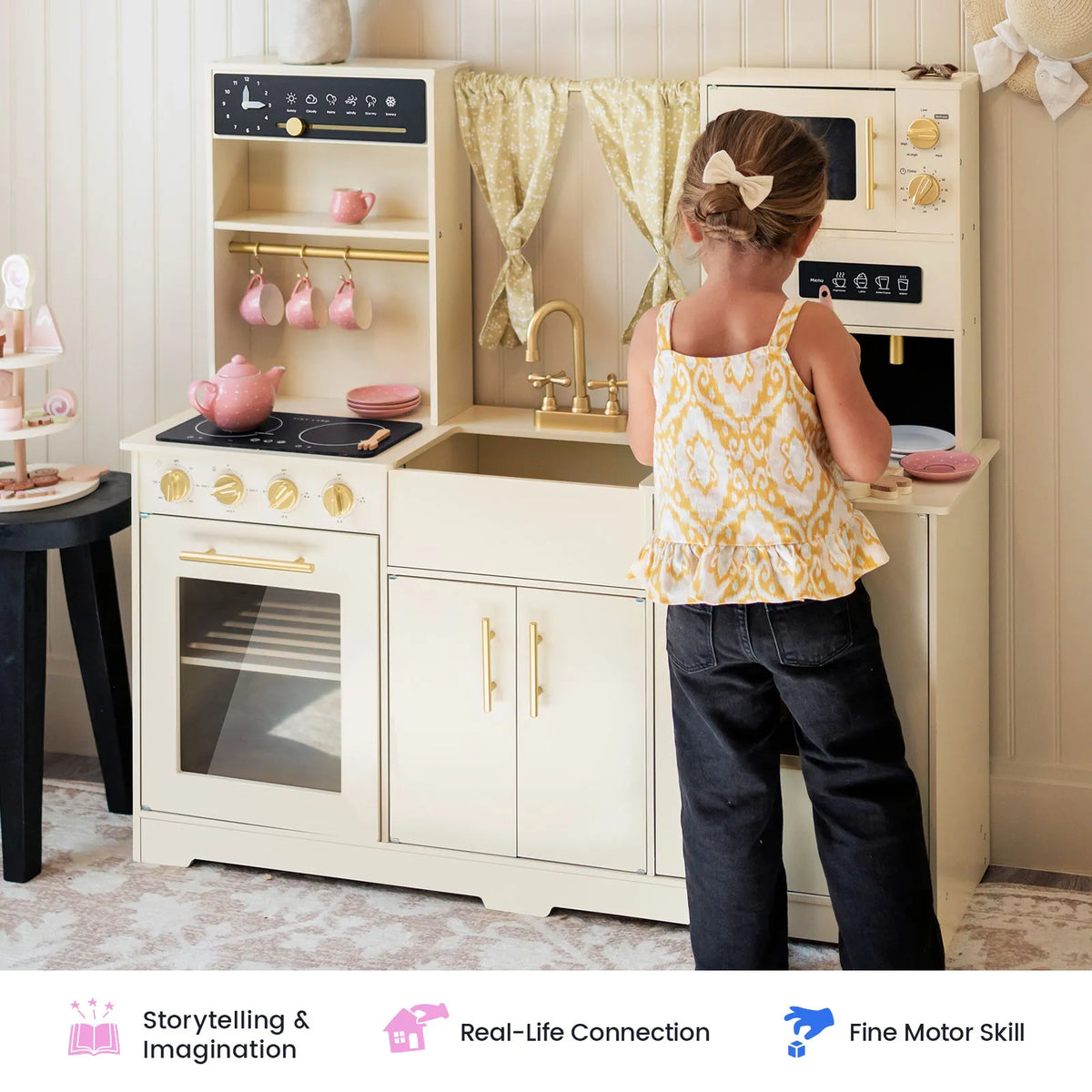
During role play, children copy what they see at home — preparing meals, serving others, and cleaning up.
Through pretend play, they experiment with cause and effect, responsibility, and social interaction in a safe environment.
These experiences help strengthen:
- language development as children name objects and narrate actions
- Social confidence when playing with siblings or friends
Why Parents Choose Wooden Play Kitchen Sets Over Plastic
Many families move away from plastic toys because of long-term concerns around durability and materials.
Well-crafted wooden play kitchen sets offer:
- Greater stability during active play
- Fewer worries about cracking or chemical additives
- A calmer, more timeless presence in the home
They’re designed to grow with children, not be replaced after a single stage.

Everyday Skills Hidden in Play
What looks like fun is actually learning in action.
While pretending to cook, children develop:
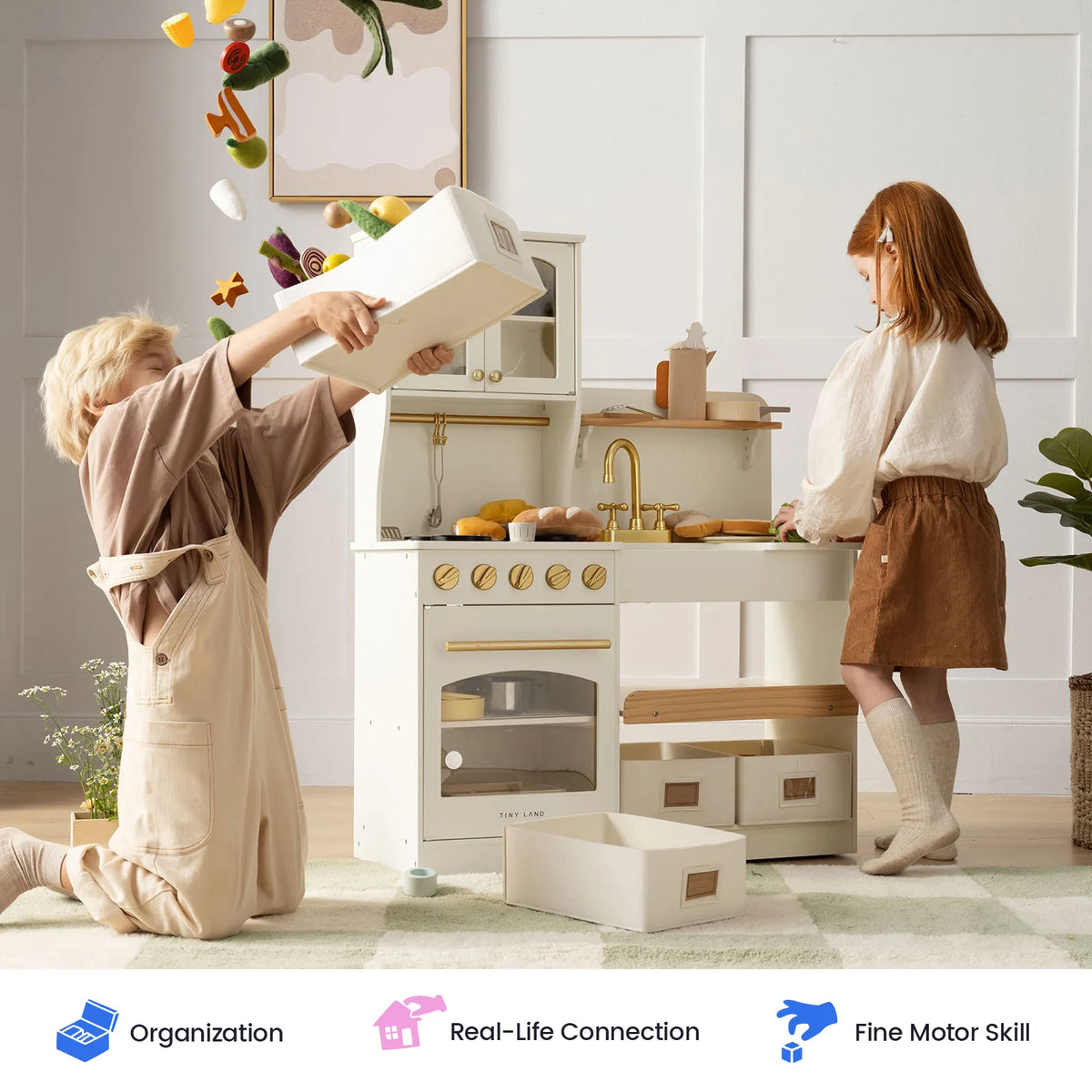
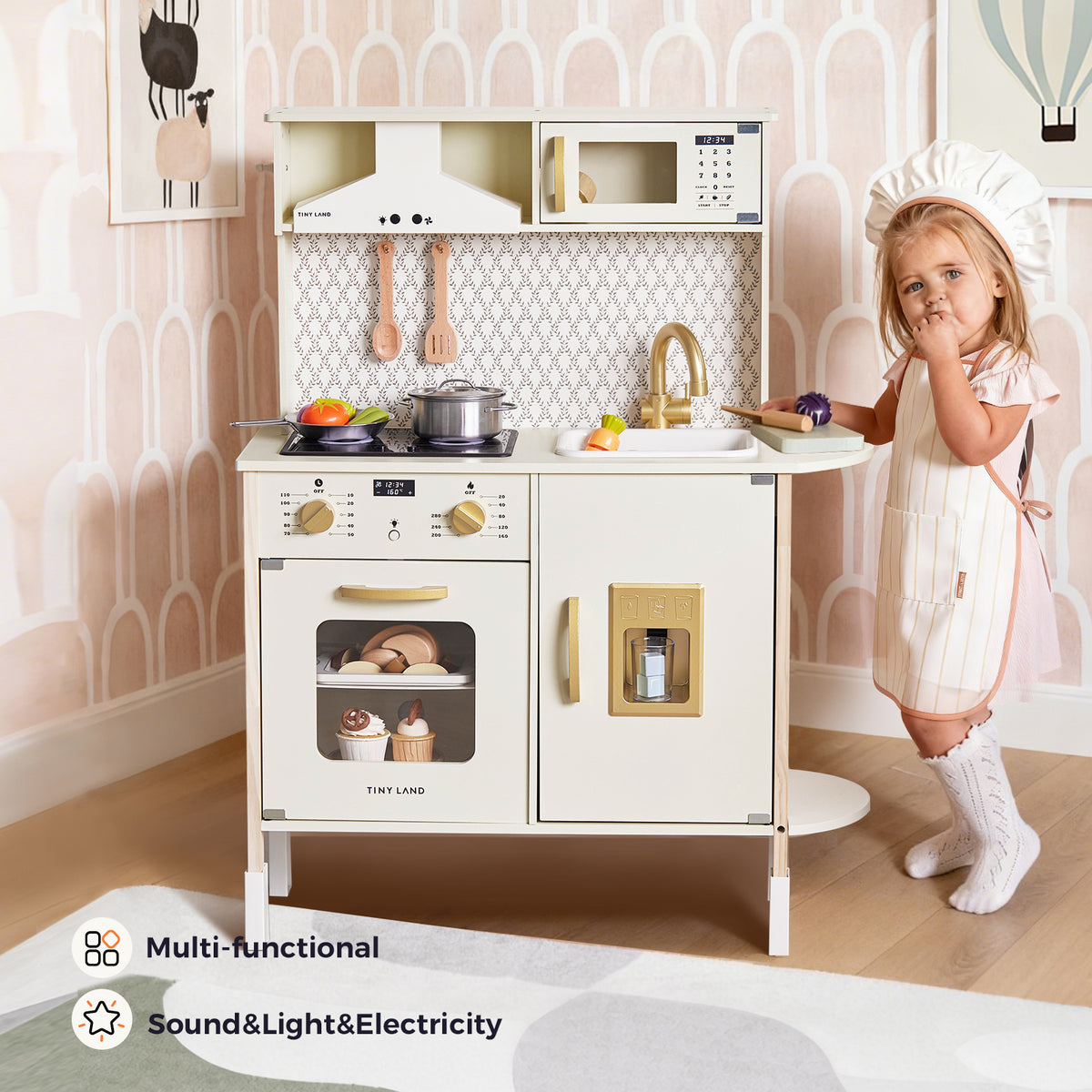
- fine motor skills by turning knobs and grasping tools
- Confidence in building real life skills through imitation
- hands on learning that feels natural, not forced
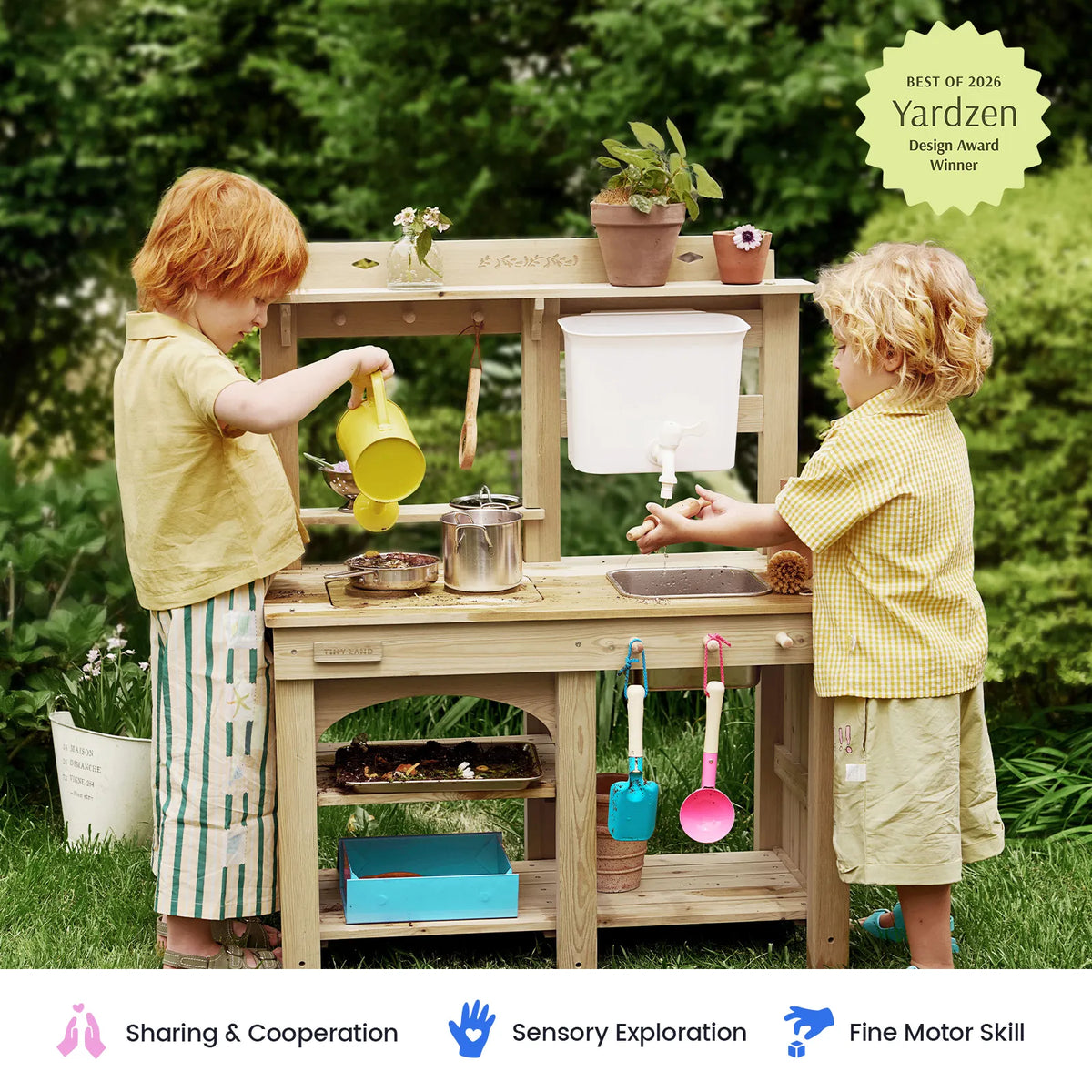
When multiple children play together, kitchens also encourage cooperative play, helping toddlers learn sharing, patience, and teamwork.
Tinyland Wooden Kitchens — Designed for Little Chefs
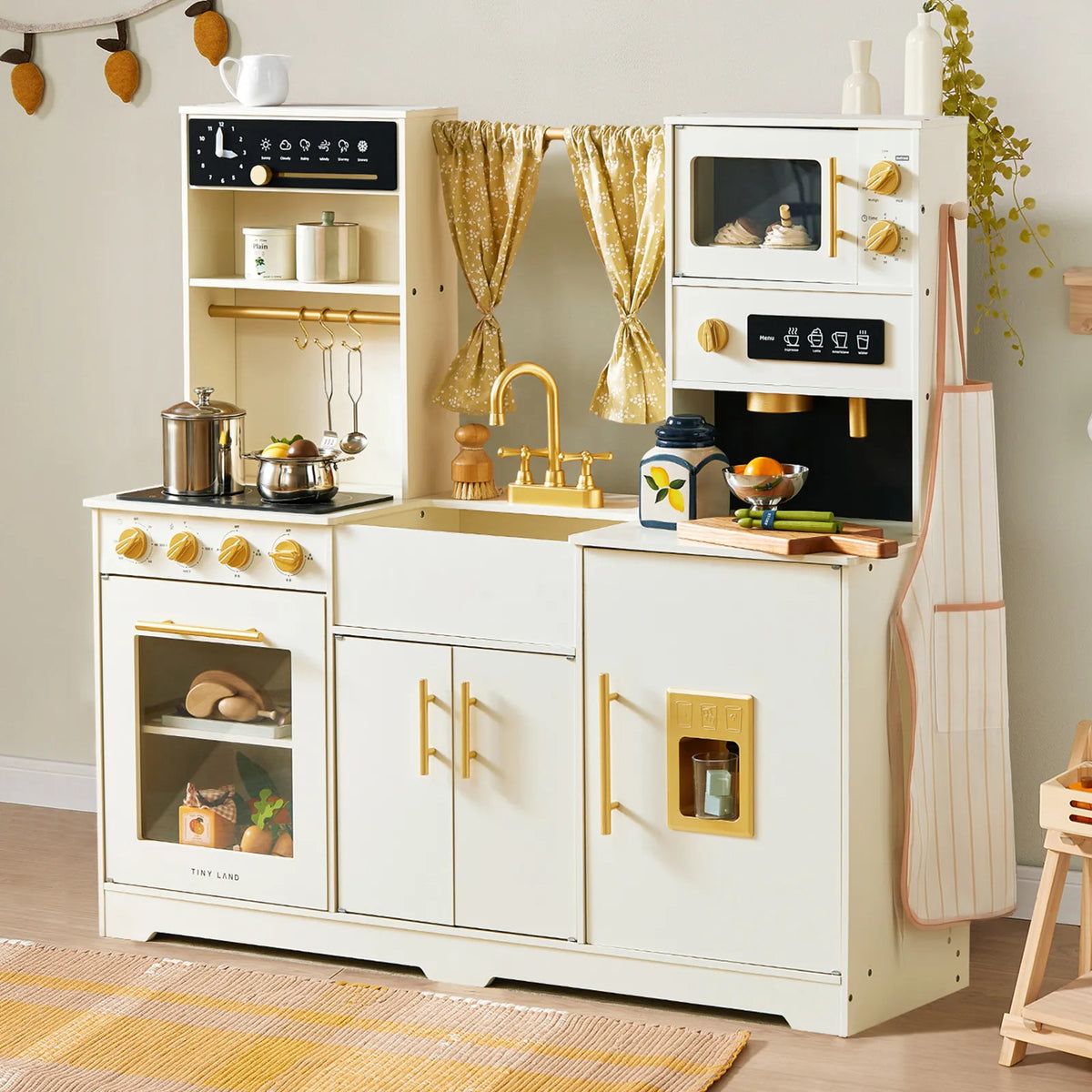
Tinyland kitchens are thoughtfully designed for toddlers who love to explore. With smooth finishes, stable bases, and age-appropriate proportions, they support safe, confident play for little chefs just beginning their learning journey.
Parents can explore:
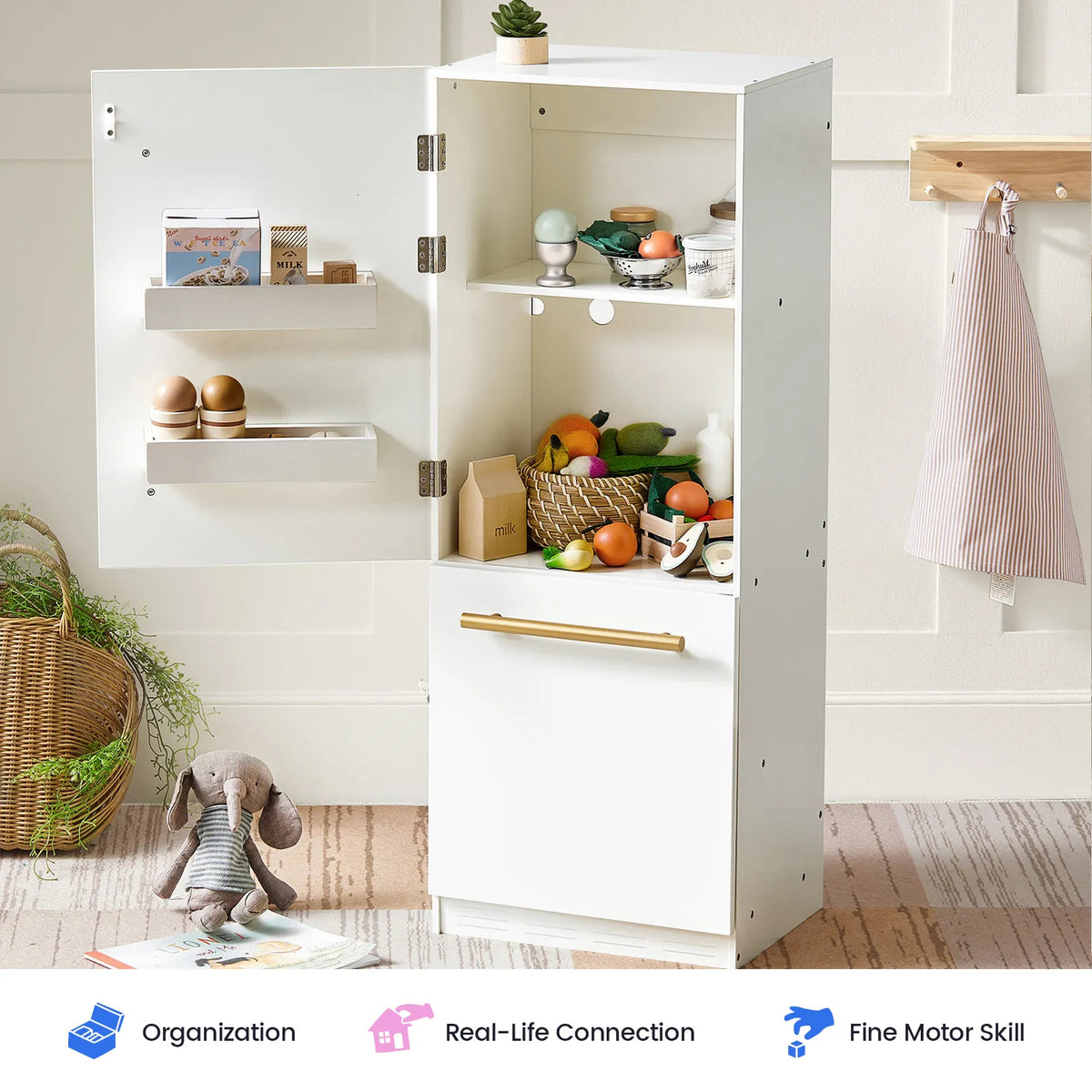
Wooden Play Kitchen with Storage
- Built-in storage helps keep play areas tidy and organized
- Spacious design allows siblings or friends to play together
- Encourages clean-up habits and early responsibility
- Sturdy wooden structure designed for daily toddler use
- Ideal for families who want both play value and easy organization

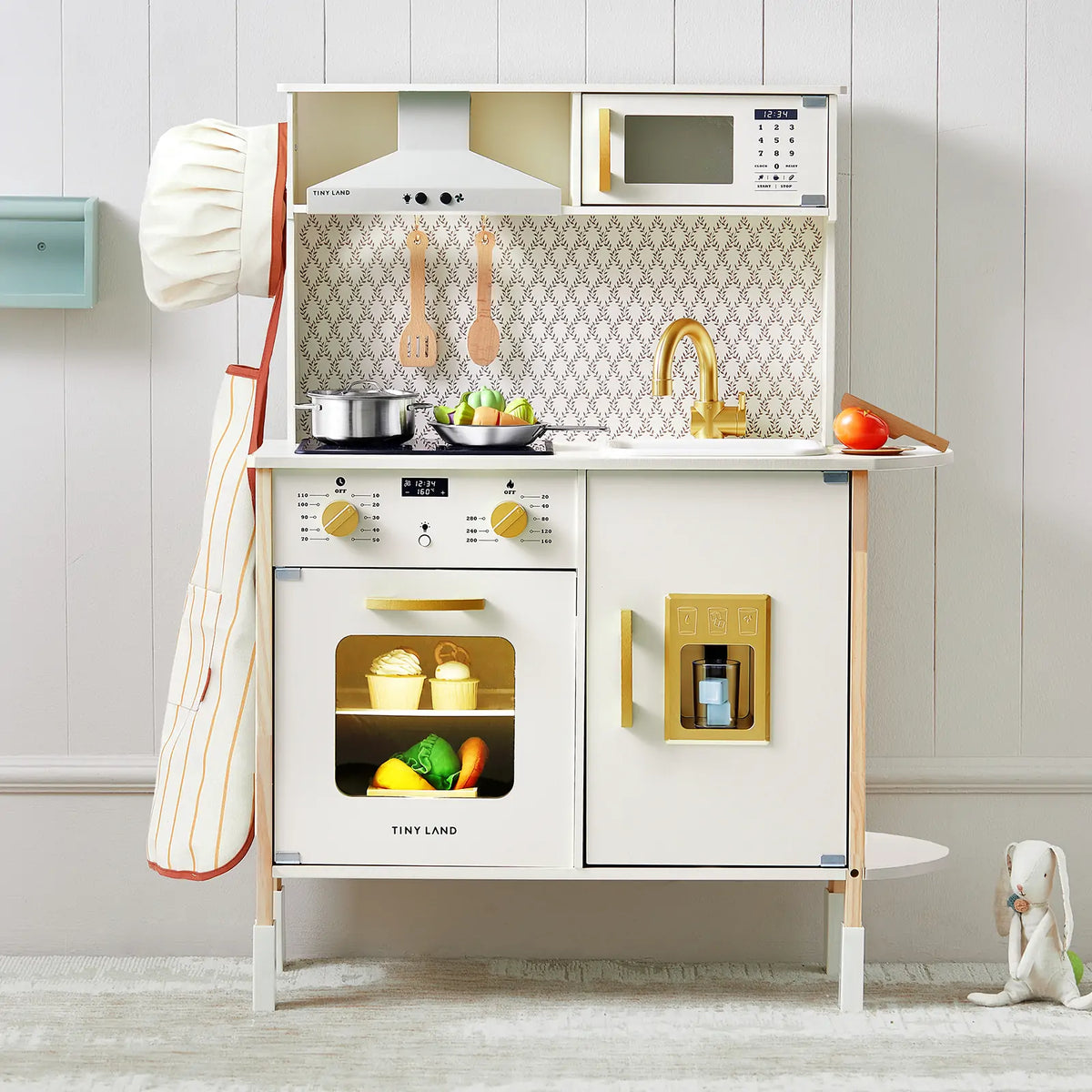
Classic Wooden Play Kitchen
- Simple, timeless design that fits easily into any home
- Easy-to-reach shelves and smooth-turning knobs for toddlers
- Supports everyday pretend cooking and imaginative play
- Durable wooden construction without unnecessary complexity
- Great choice for first-time buyers or smaller spaces
Both options prioritize safety, durability, and real-world usability for families.

How to Choose the Right Kitchen for Your Child
When deciding, parents should ask:
- Is it tested and clearly labeled as non-toxic?
- Is the structure stable enough for daily play?
- Does it encourage creativity without overwhelming features?
A well-chosen kitchen supports independence while giving parents peace of mind.

Final Thoughts: Safe Play Builds Confident Learners
The best toys don’t need to be complicated — they need to be trustworthy. A thoughtfully made wooden kitchen allows children to explore, learn, and grow through play, while parents feel confident about safety and quality.
Choosing a non-toxic wooden kitchen isn’t about trends — it’s about creating a safe foundation for joyful learning that lasts well beyond the toddler years.