





Summer is one of the best times for toddlers to explore the outdoors, move freely, and engage in open-ended play. For many parents, the challenge is not finding toys—but figuring out how to create a simple, flexible outdoor play area that actually keeps young children engaged.
A well-designed backyard play setup doesn’t need to be complicated. With a few versatile elements, you can turn any outdoor space into a toddler-friendly environment that supports movement, sensory exploration, and imaginative play.
This guide introduces a simple backyard play system that helps you organize outdoor activities into clear, functional zones.

The Backyard Toddler Play System
Instead of thinking about individual toys, think about your outdoor space as a complete play system made of four core elements:
- Movement & physical exploration
- Sensory & messy play
- Rest & calm spaces
- Imaginative & role play
When these elements work together, toddlers naturally rotate between activities without needing structured planning.

Sand & Sensory Play Area for Toddlers
Sensory play is one of the most important parts of early childhood outdoor activities. It builds fine motor skills, creativity, and early cognitive development.
Simple sand play ideas:
- Digging, scooping, and pouring
- Building shapes and structures
- Sensory exploration with tools
This type of messy play keeps toddlers engaged for long periods and supports independent exploration.
Tiny Land Recommendation:
A sand play setup can go beyond traditional digging and scooping. By combining different natural elements—such as sand, water, leaves, and small outdoor objects—toddlers can create more dynamic and extended play scenarios.
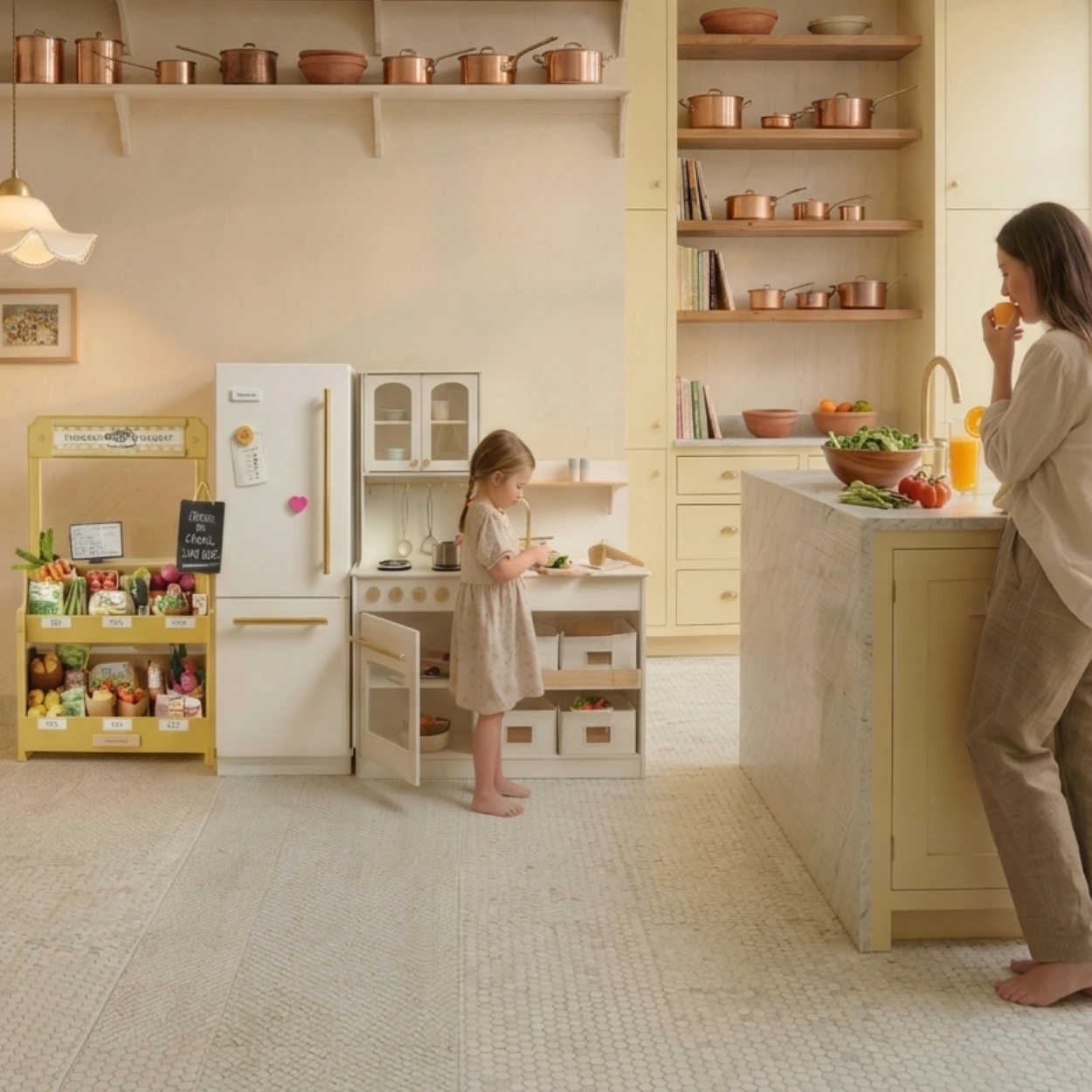
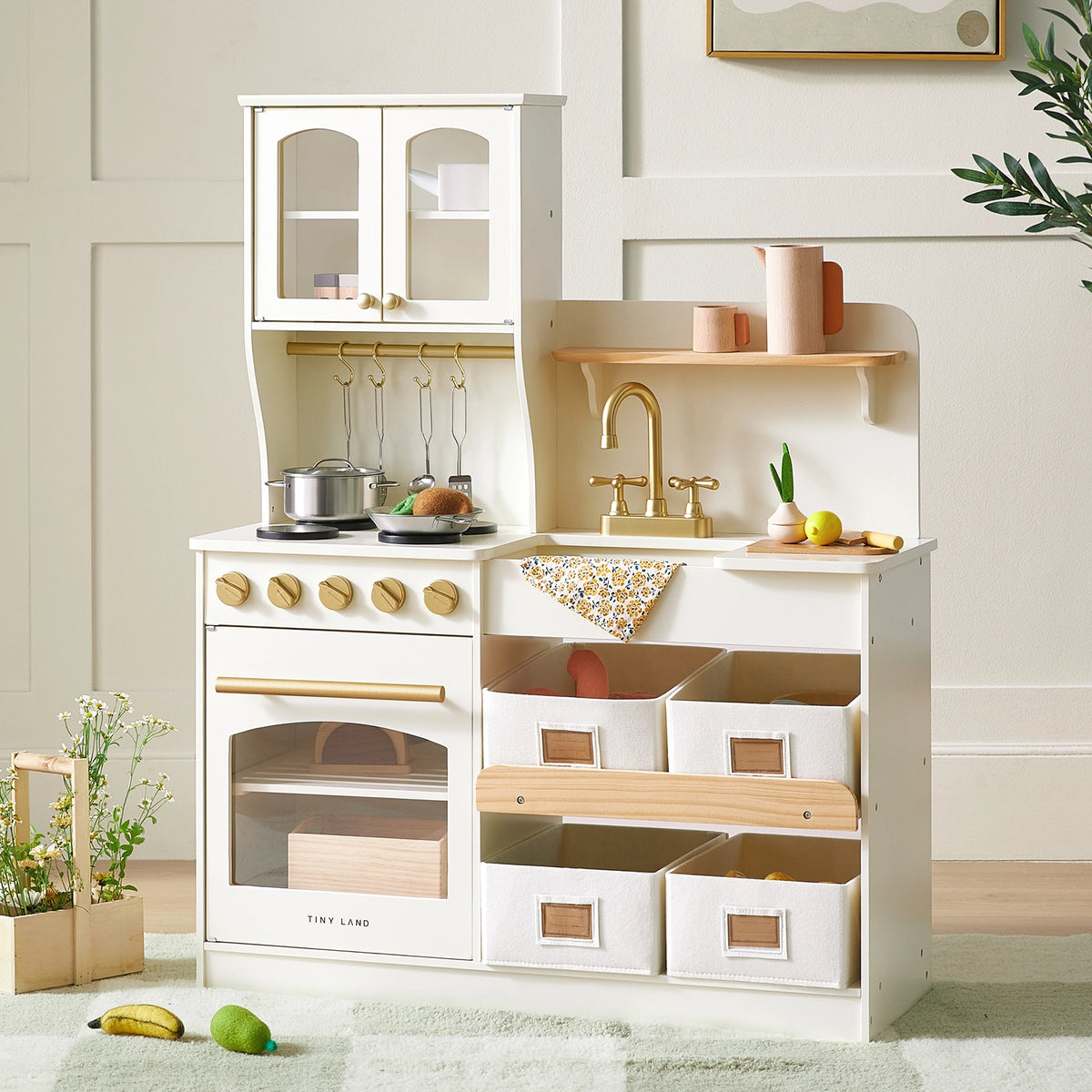
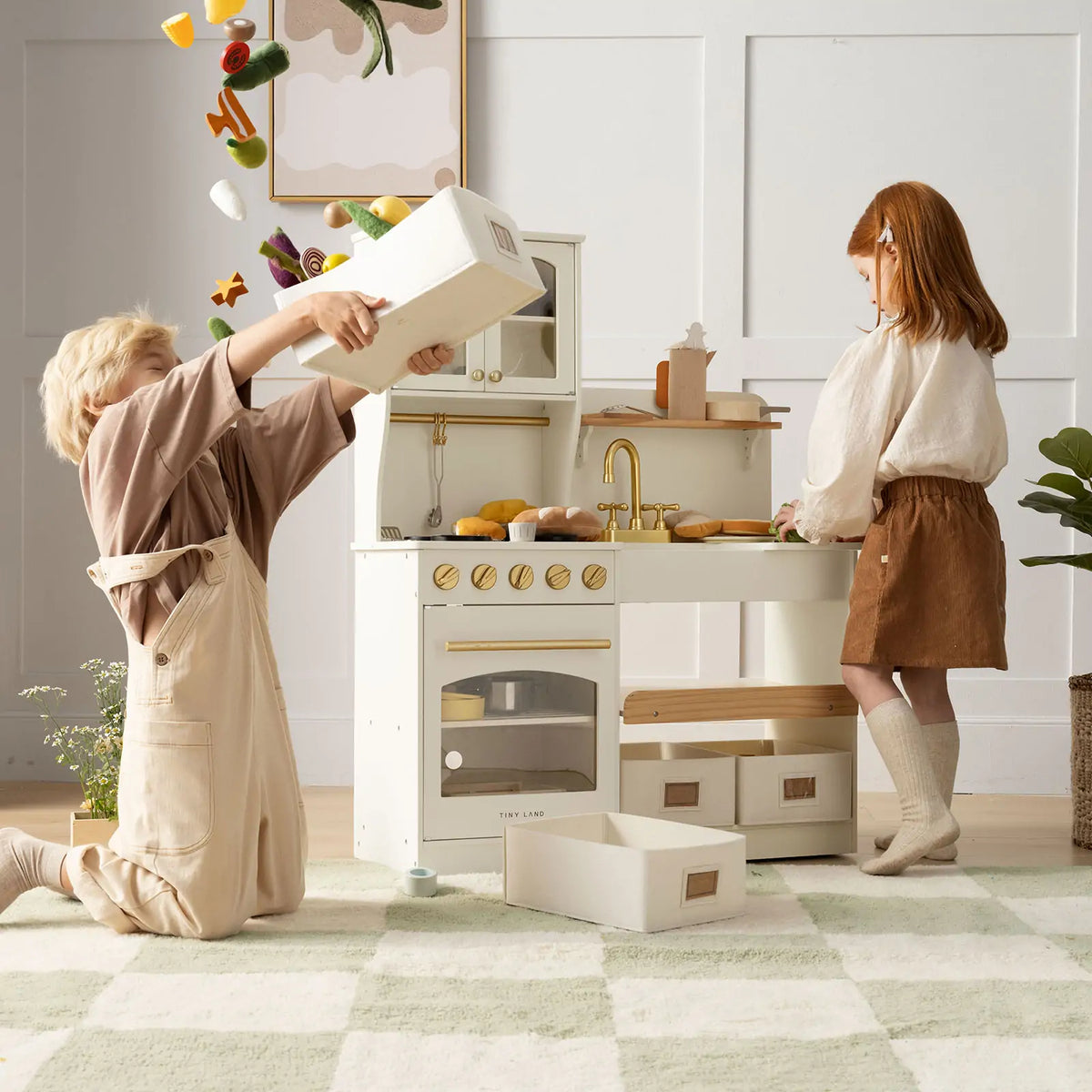
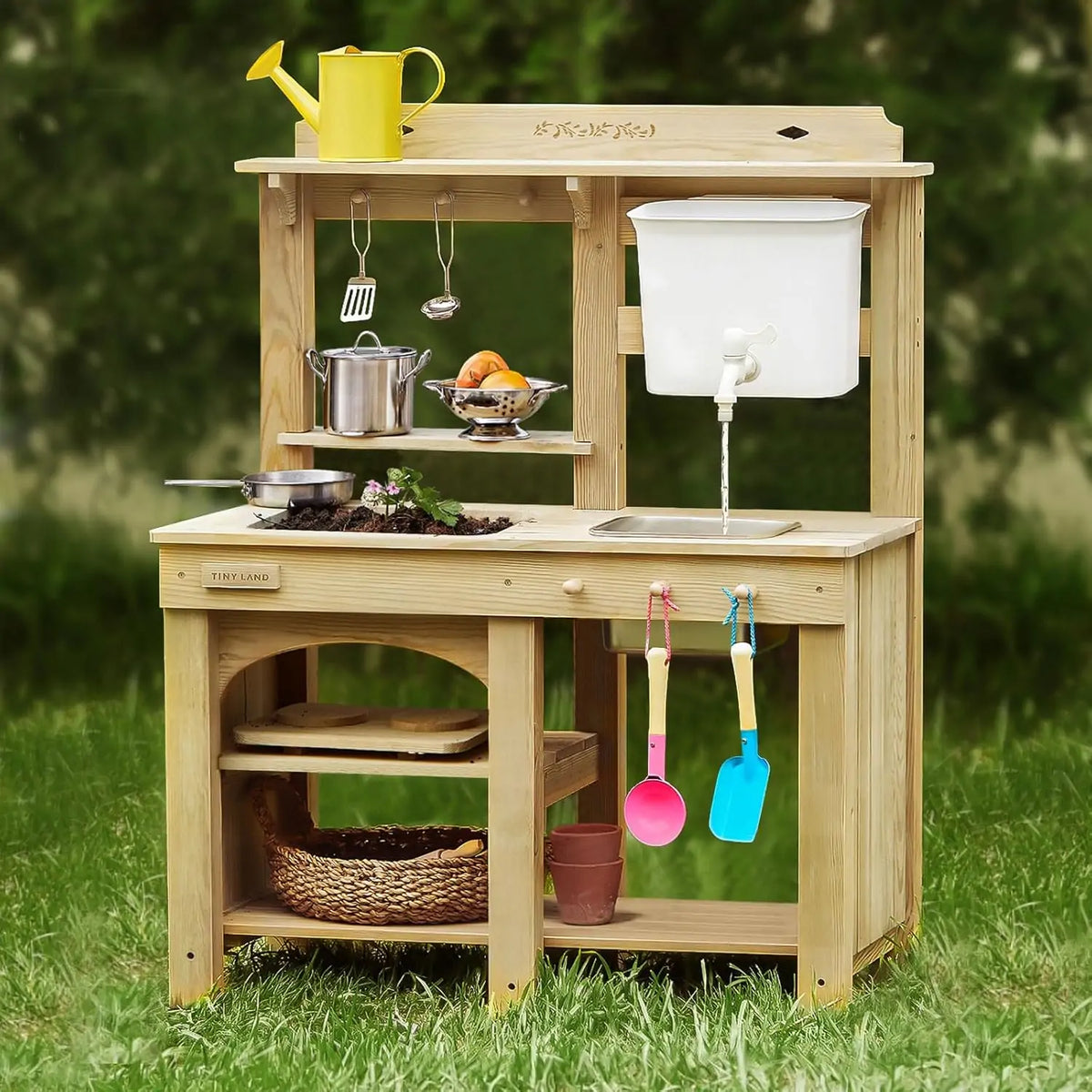
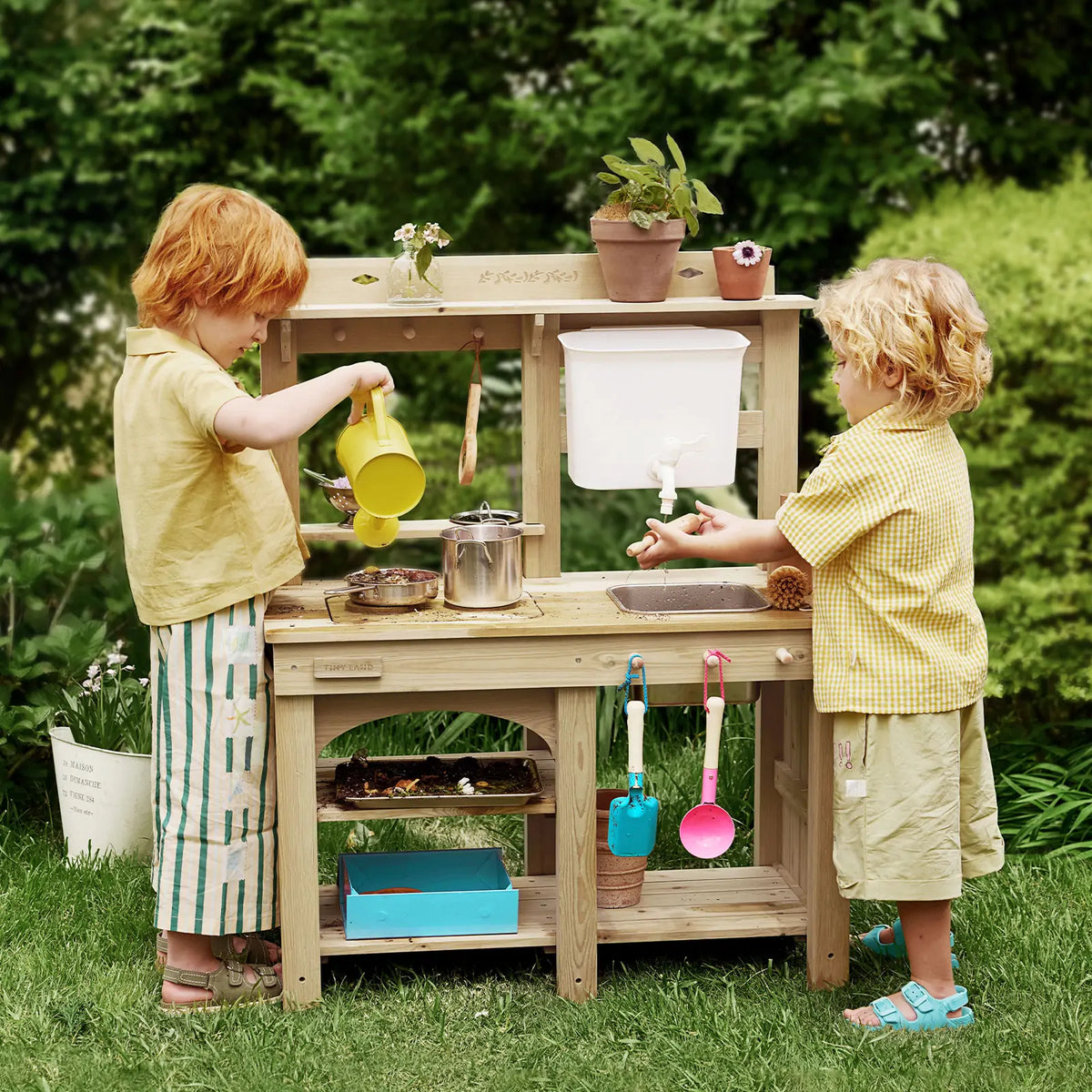
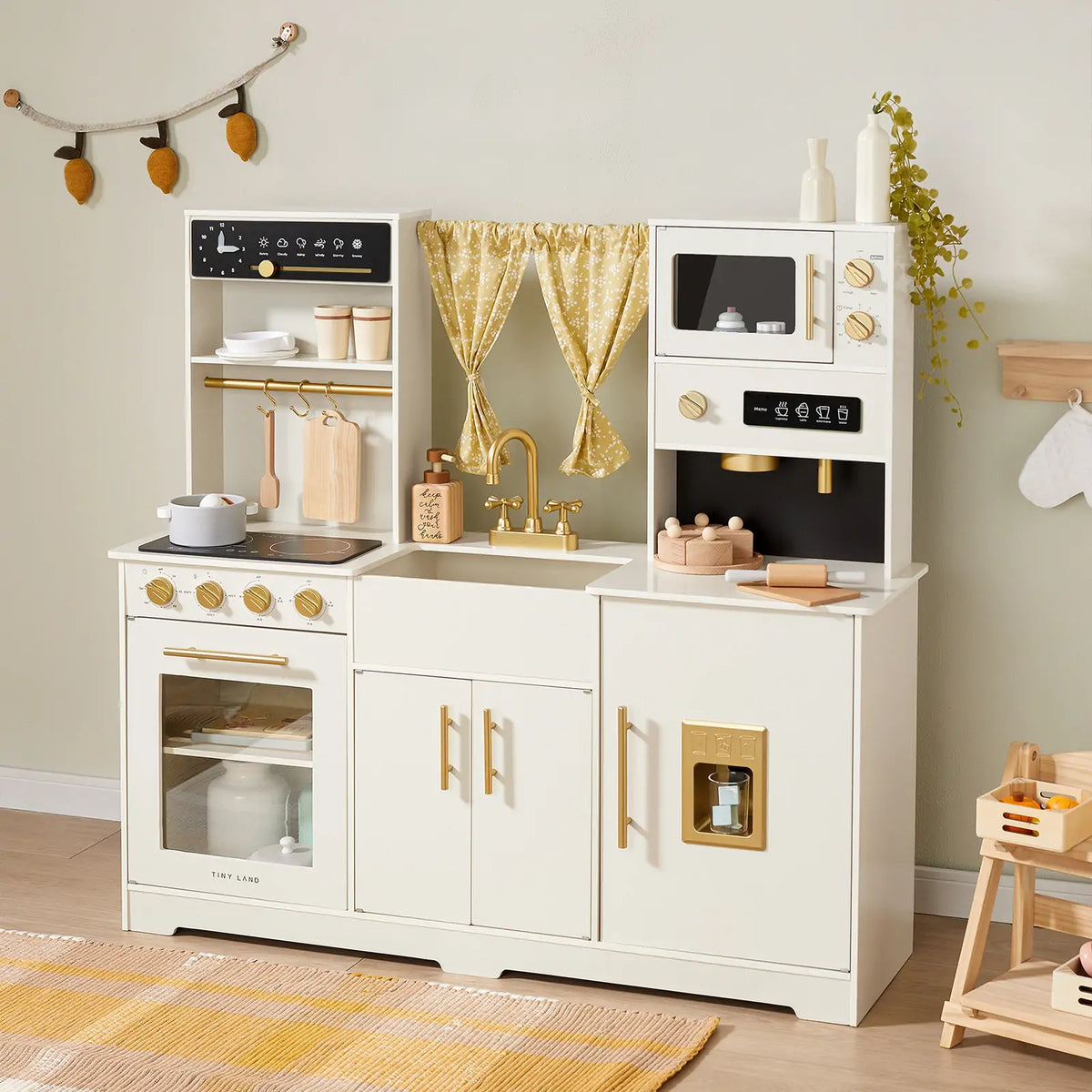
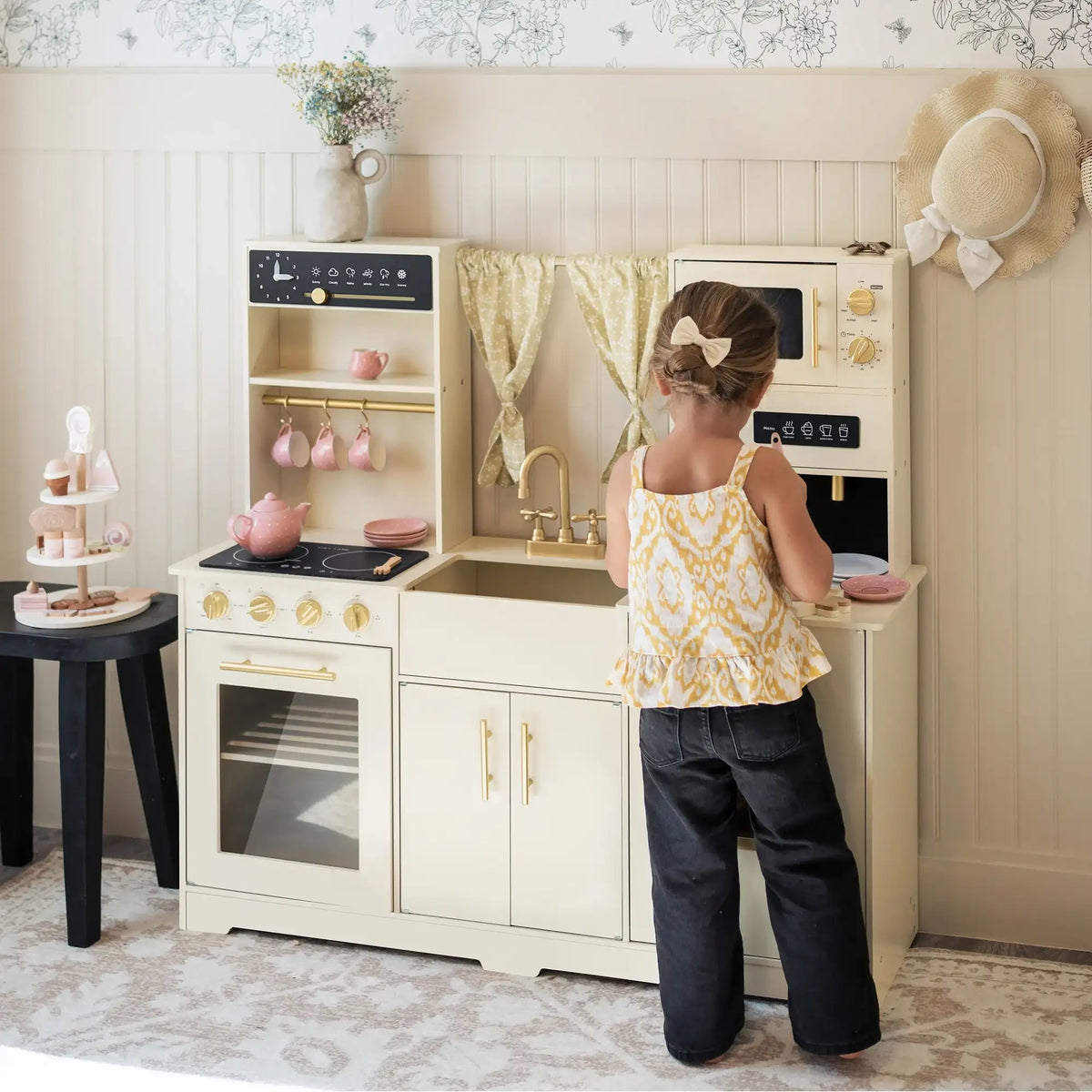
An outdoor play kitchen expands this experience by turning sensory play into imaginative role play. Instead of only playing with sand, children can explore cooking, mixing, and experimenting with natural materials, making play more immersive and longer-lasting.
A sand bucket remains a simple and portable option for digging, pouring, and transport play, whether in the backyard or at the beach.
Together, these two tools support both focused sensory exploration and expanded imaginative outdoor play.

Shaded Rest & Calm Play Area
Outdoor play is more balanced when children have a dedicated space to slow down and reset.
A calm area helps toddlers:
- Take breaks from active play
- Enjoy quiet, independent activities
- Transition between different types of play
This space is essential for creating a sustainable outdoor routine.
Tiny Land Recommendation:
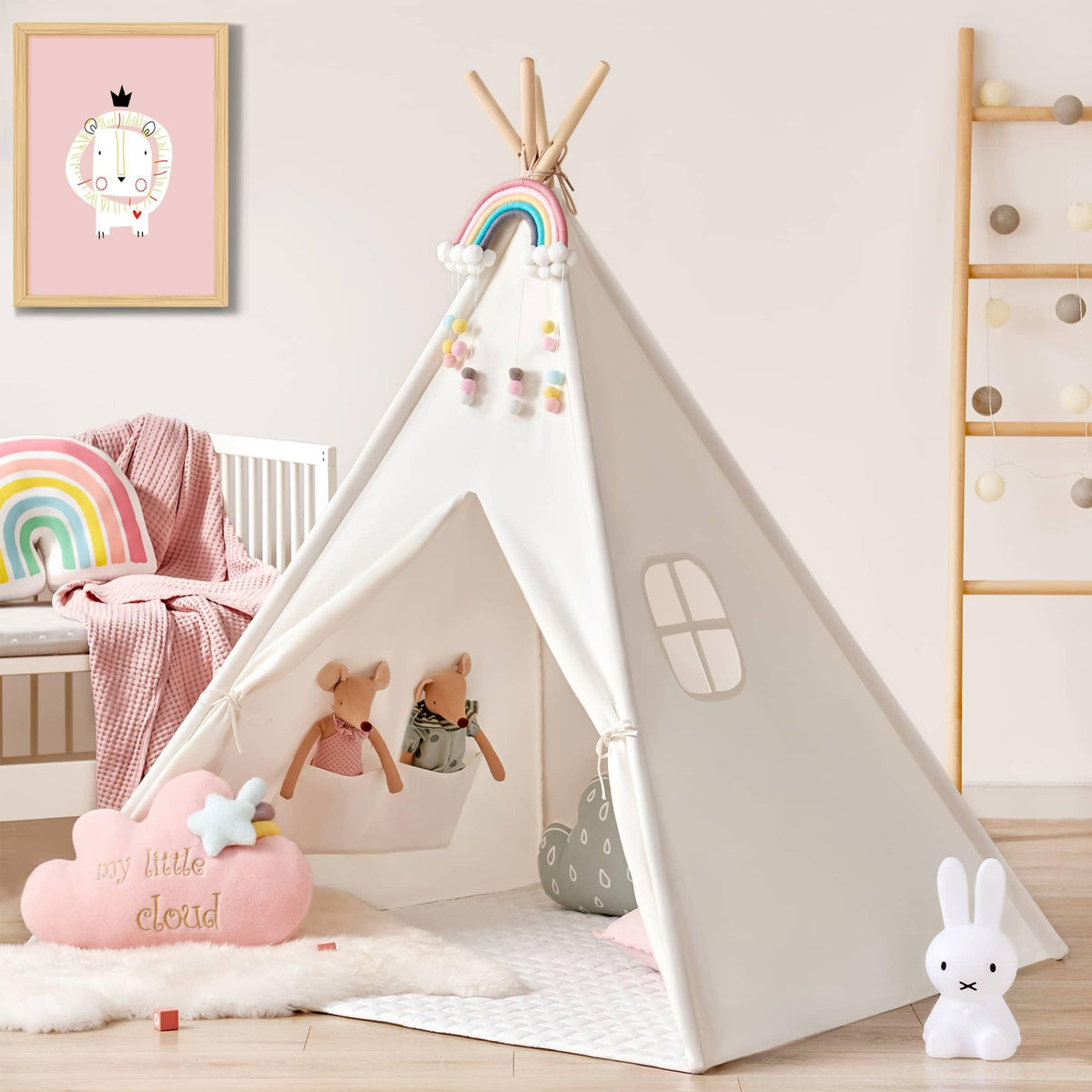
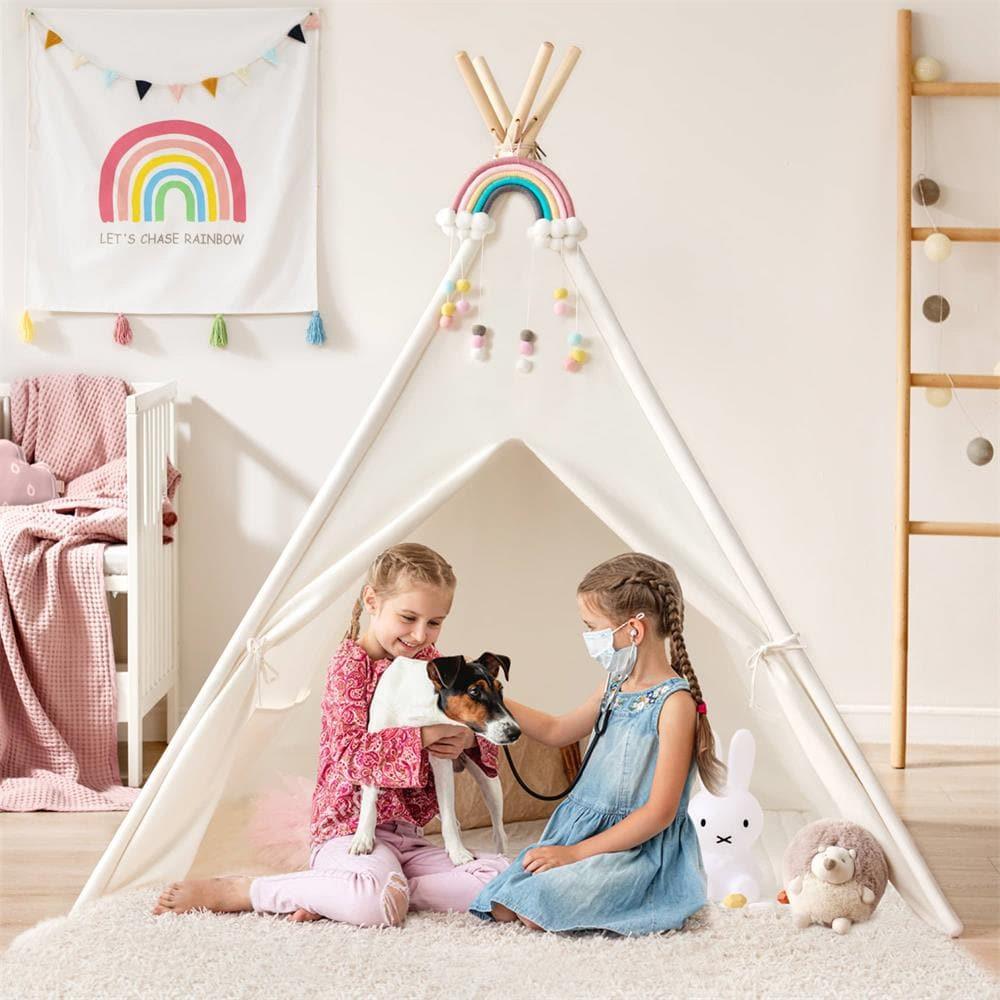
A lightweight outdoor tent creates a shaded environment for rest, reading, or quiet imaginative play. It also works well for pretend games such as camping or hide-and-seek, helping extend outdoor play in a more relaxed way.
Designed for outdoor use, the tent offers UV protection to help shield children from direct sunlight during summer play. The breathable fabric and ventilation design support airflow, keeping the space more comfortable even on warmer days.
The material is soft and skin-friendly, making it suitable for young children during extended use.
With a pop-up structure, it is quick to set up and just as easy to pack away, making it practical for everyday backyard play or trips to the beach and park.

Movement & Outdoor Exploration Zone
Movement is at the core of toddler development. A backyard should encourage natural physical exploration rather than structured exercise.
Examples include:
- Walking, pushing, and pulling
- Carrying and transporting toys
- Exploring different zones of the yard
This type of free movement supports confidence and independence.
Tiny Land Recommendation:
A kids’ wagon encourages both physical movement and imaginative storytelling. Toddlers can push or pull it while transporting toys, turning simple actions into interactive play.

Balance & Gross Motor Skill Area
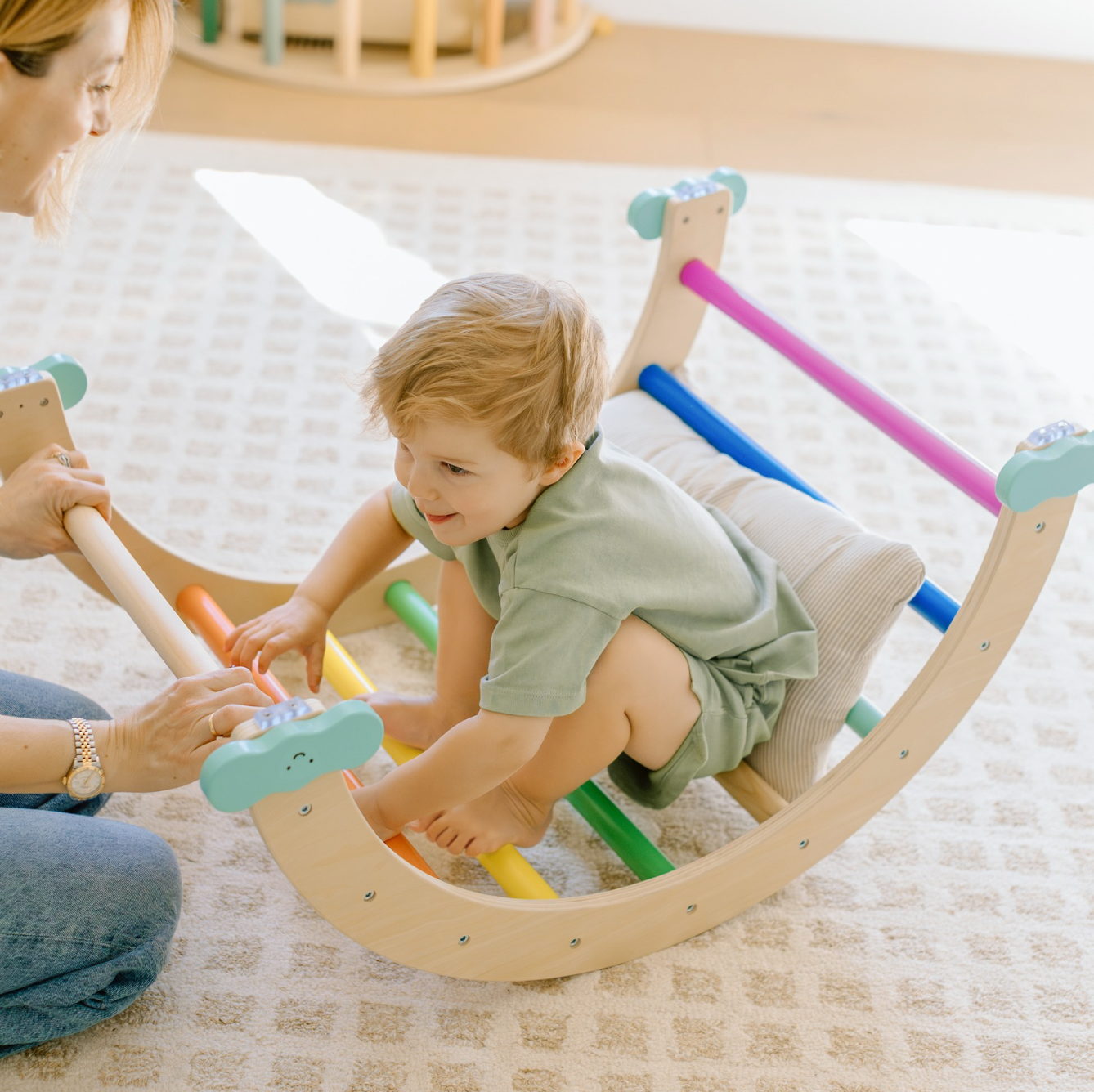
Balance-based play helps toddlers develop coordination, strength, and body awareness.
Simple setups can transform any backyard into an active learning space:
- Stepping paths
- Obstacle-style movement
- Rearranged play layouts
This type of play strengthens gross motor skills in a natural and engaging way.
Tiny Land Recommendation:
Stepping stones create a flexible balance course that children can rearrange freely. This encourages problem-solving while supporting physical development.
They allow kids to create different obstacle paths for varied play each time, keeping the activity fresh and engaging.

Picnic & Social Play Area
Outdoor play is also about connection—snacks, family time, and shared moments.
A picnic space helps toddlers:
- Practice independent eating
- Build early social interaction habits
- Enjoy calm outdoor routines
Tiny Land Recommendation:
A picnic mat creates a defined, comfortable space for outdoor meals and group activities, helping structure family time in the backyard.

Imaginative Play & Role-Play Area
Outdoor environments naturally encourage pretend play, especially when combined with sensory and movement elements.
Toddlers can create:
- Camping adventures
- Outdoor cooking scenarios
- Backyard exploration games
This type of play supports creativity, storytelling, and emotional development.
Tiny Land Recommendation:
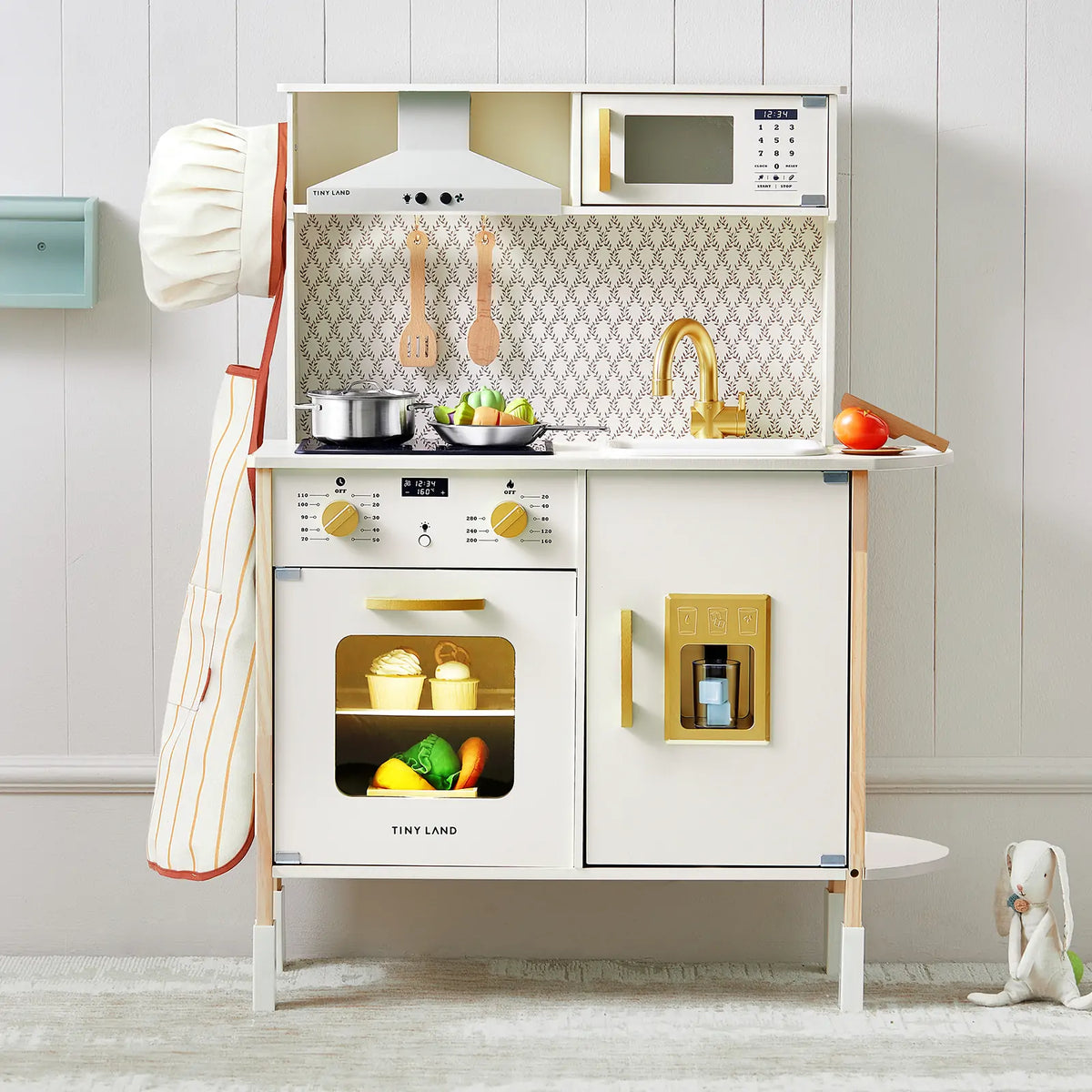
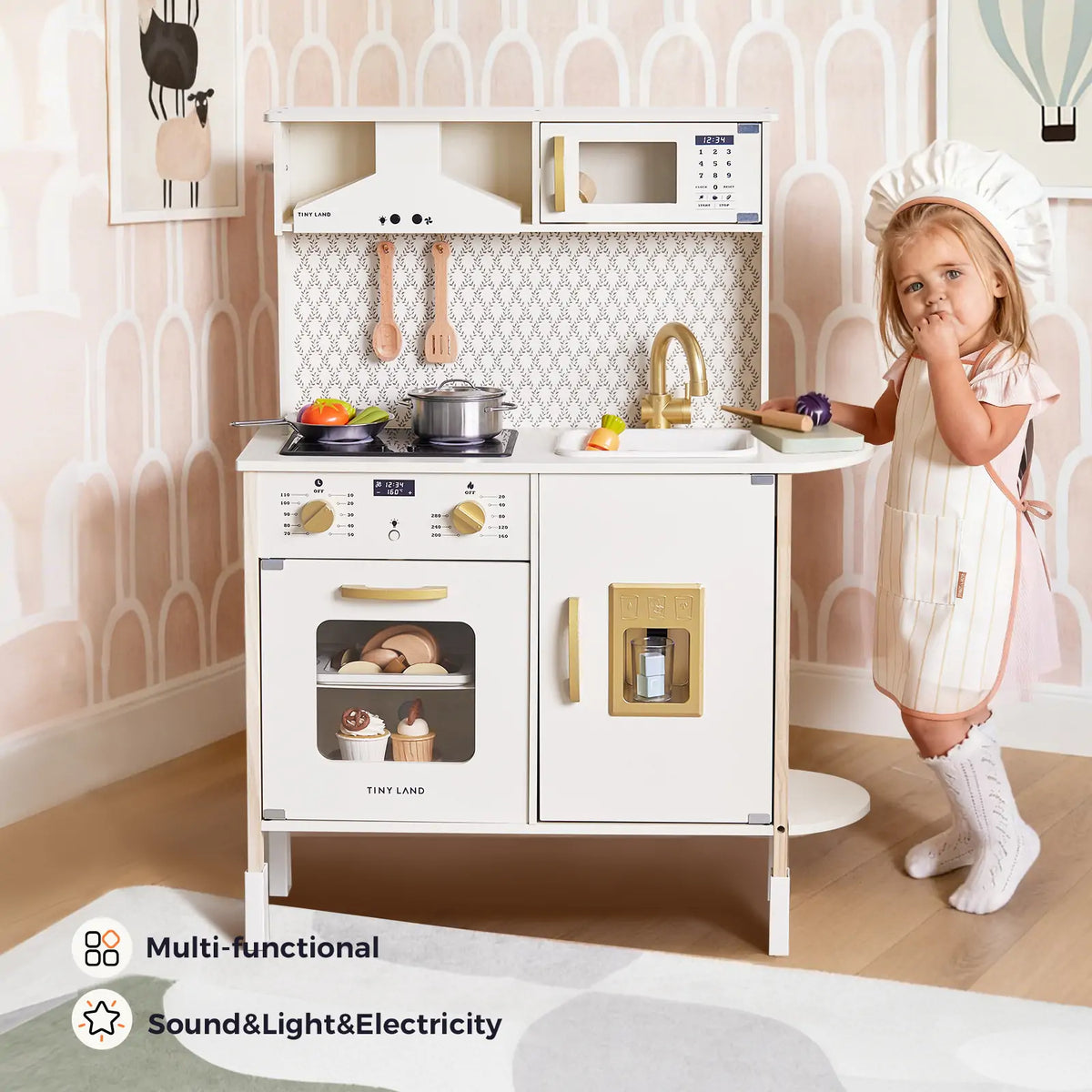
An mud kitchen transforms the backyard into a pretend cooking space where toddlers can role-play real-life activities while engaging in sensory exploration.

Frequently Asked Questions (FAQ)
What is a good backyard setup for toddlers?
A good setup includes movement space, sensory play, shaded rest areas, and imaginative play zones. The goal is flexibility rather than structure.
What outdoor activities are best for toddlers in summer?
Sensory play, water or sand play, balance activities, and pretend play are all highly engaging and developmentally beneficial.
How do I keep toddlers engaged in backyard play?
Rotate between different play zones instead of relying on one activity. A mix of movement, sensory, and calm spaces helps maintain longer engagement.
Do toddlers need structured toys for outdoor play?
Not necessarily. Open-ended toys that support movement and imagination are often more effective for outdoor engagement and creativity.

Final Thoughts
Creating a backyard play area for toddlers is about designing an environment, not collecting toys. When movement, sensory exploration, rest, and imaginative play come together, any outdoor space can become a rich developmental playground.
A well-designed backyard toddler play system helps children stay active, curious, and engaged—all summer long.