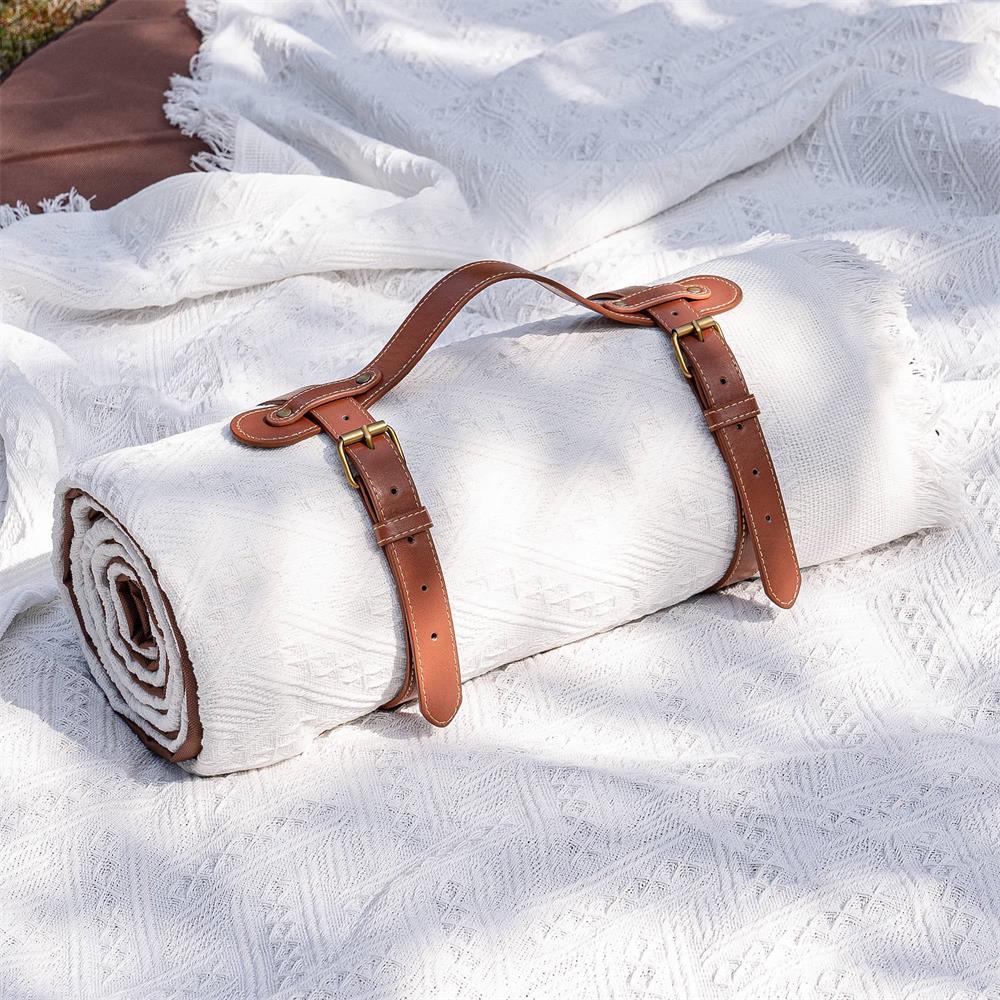
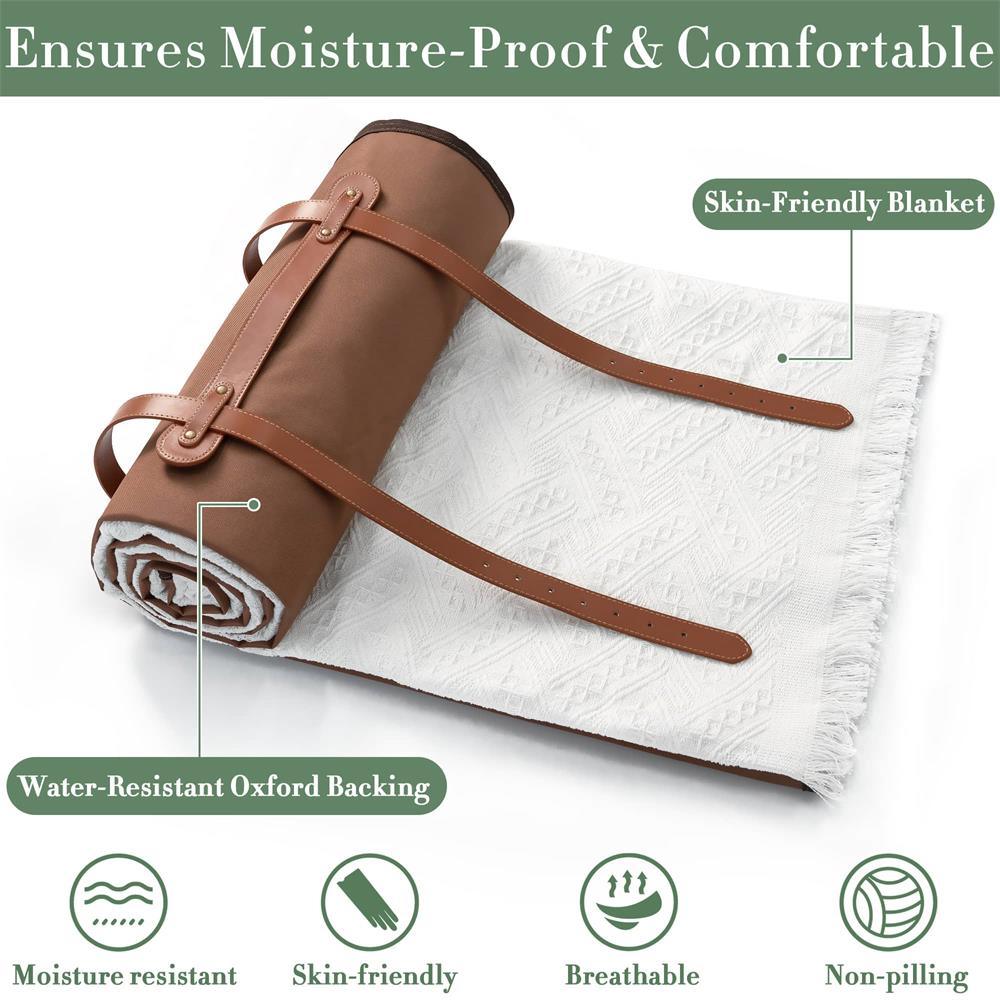
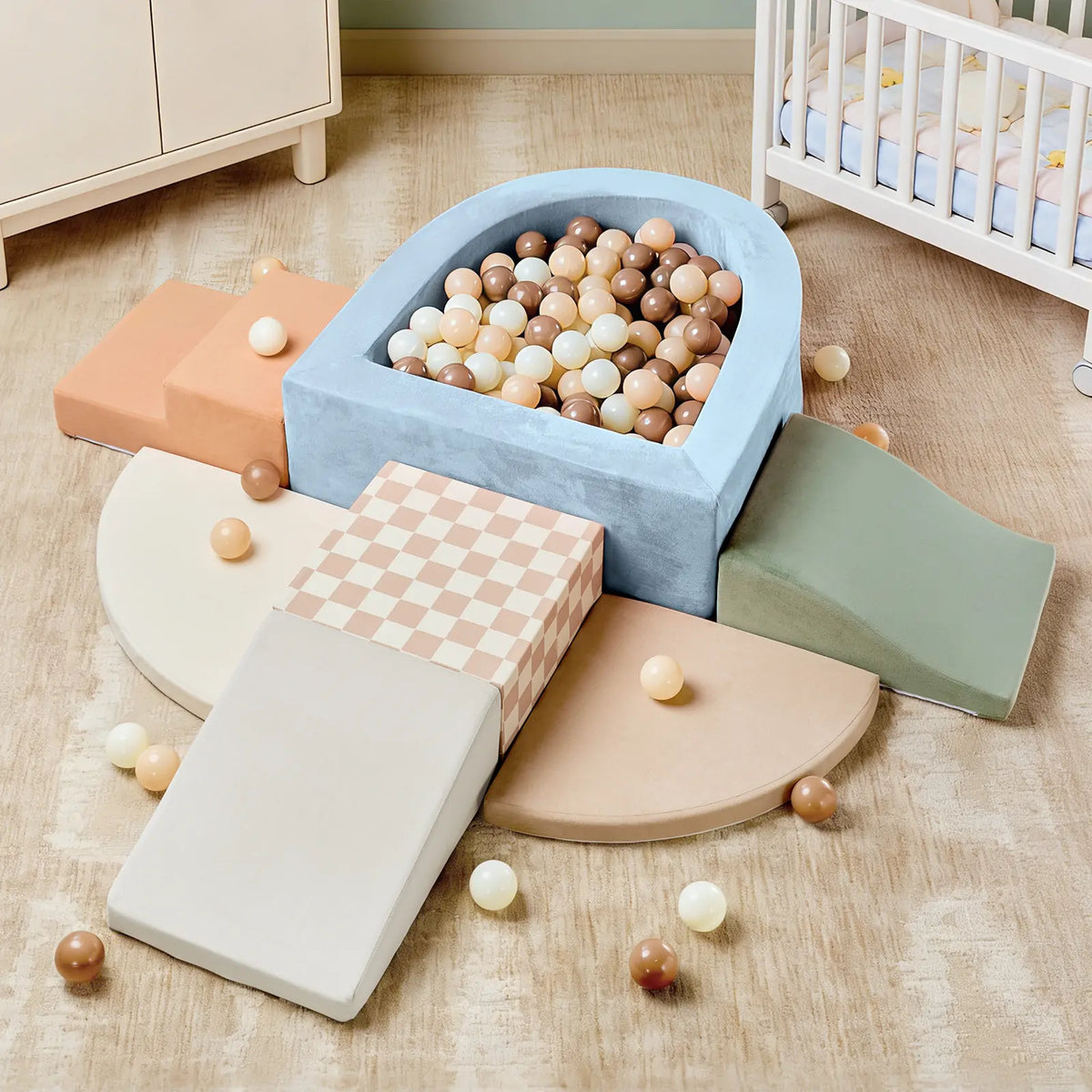
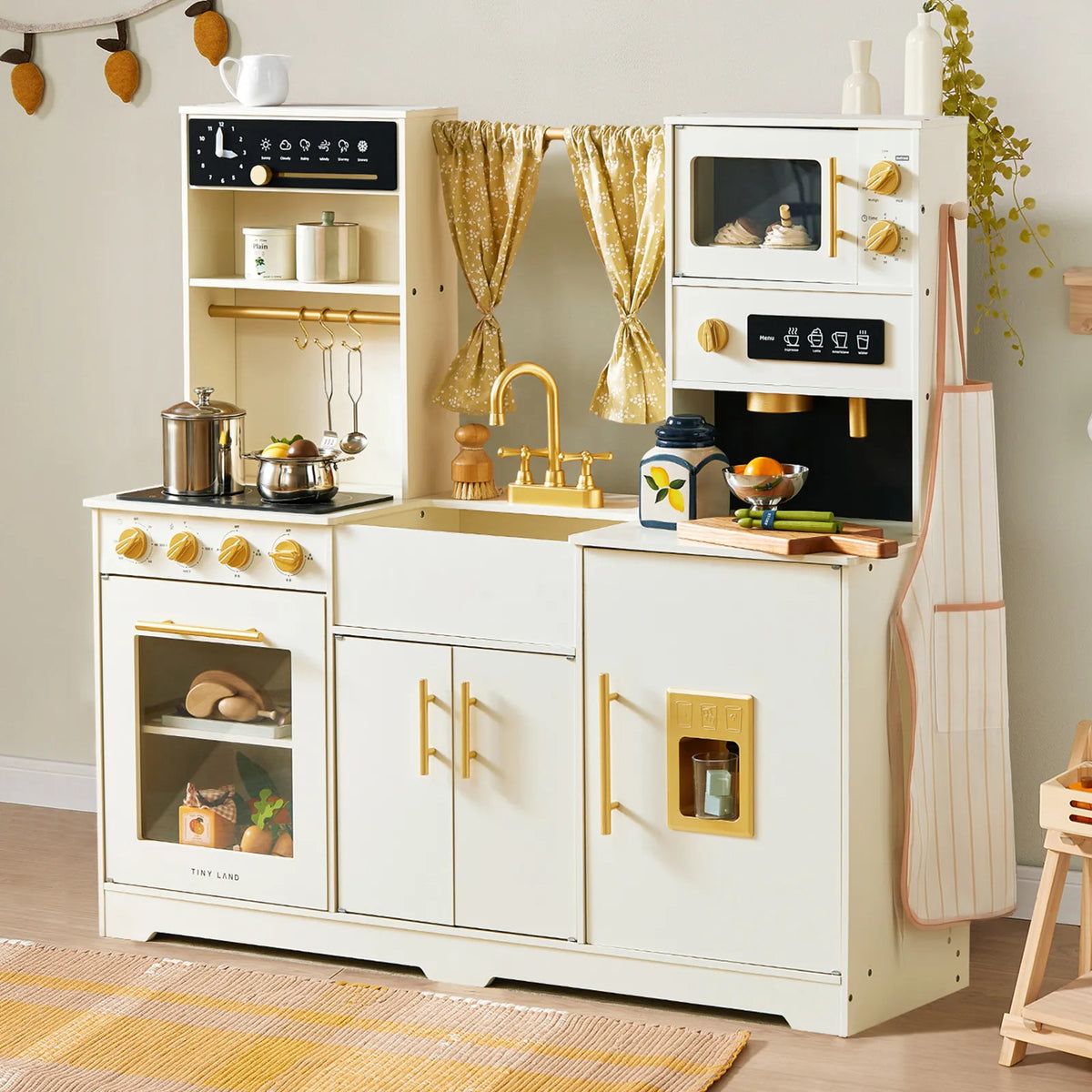
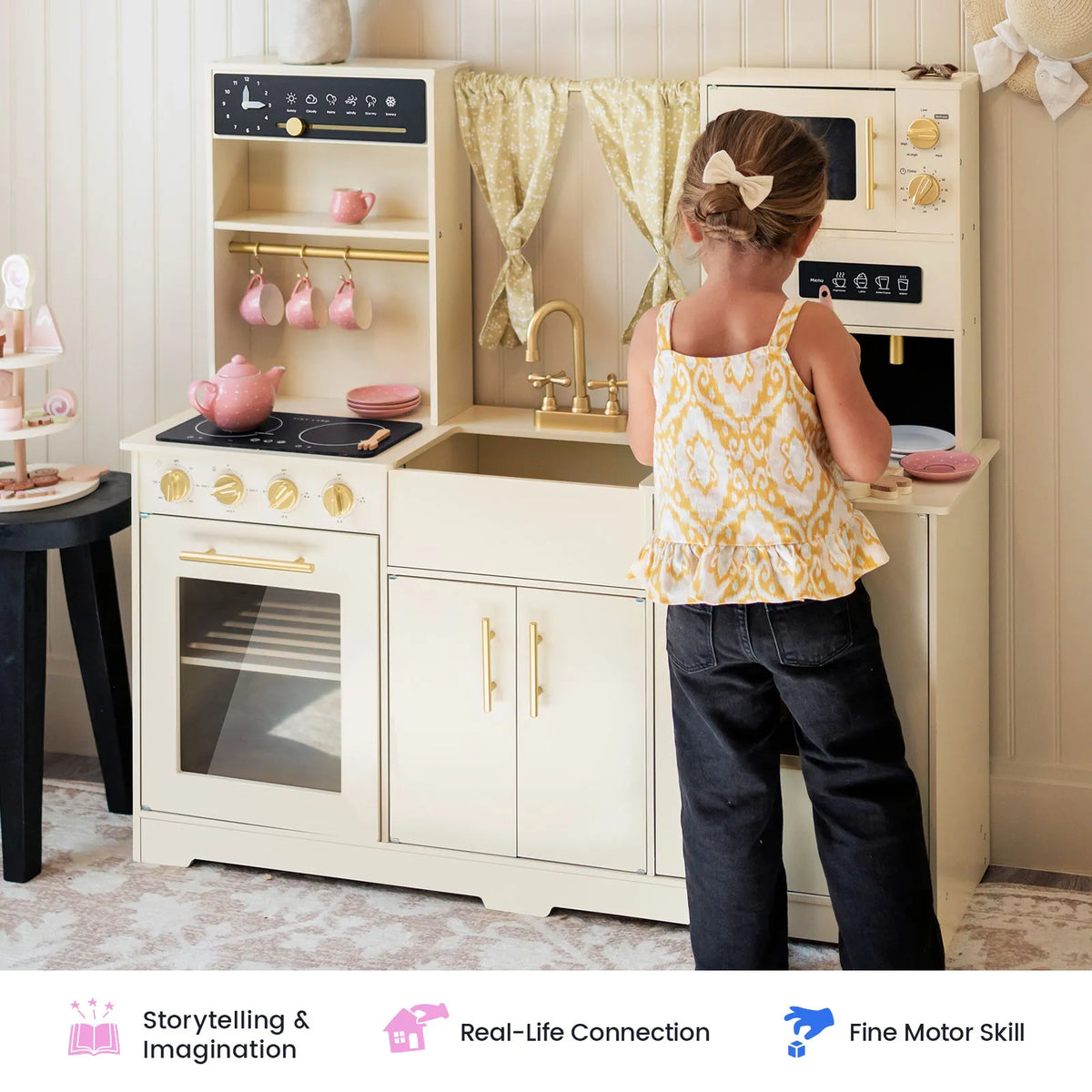
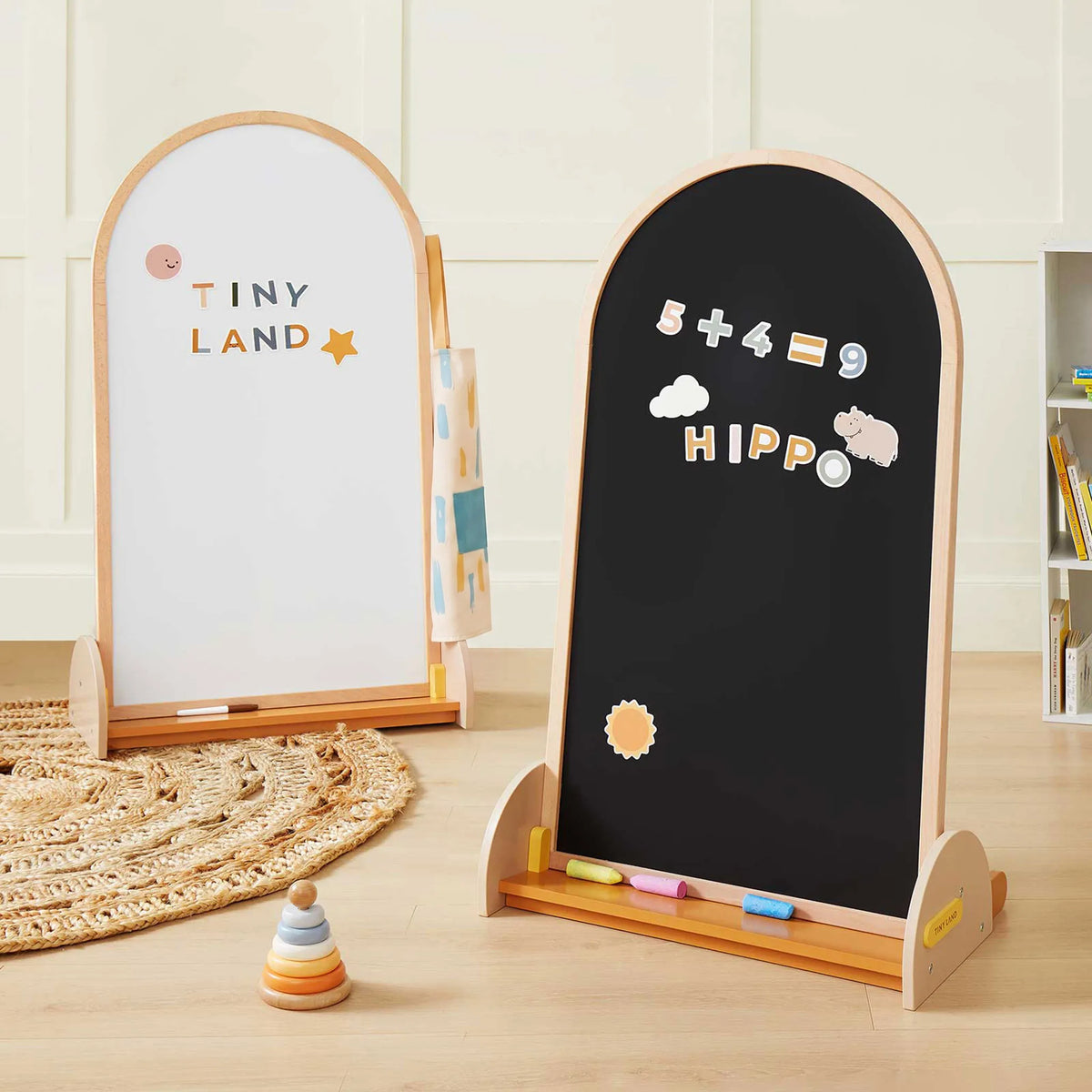
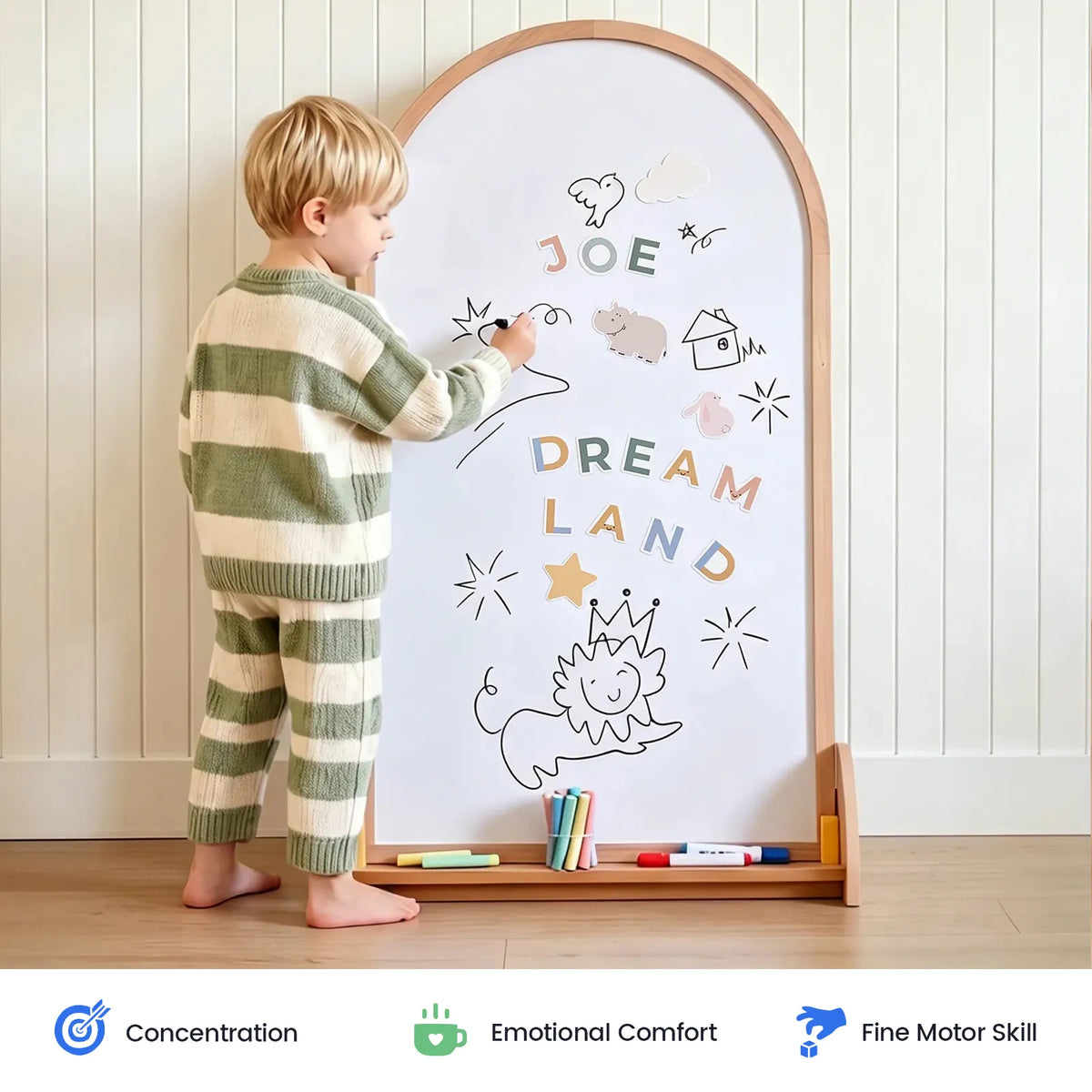
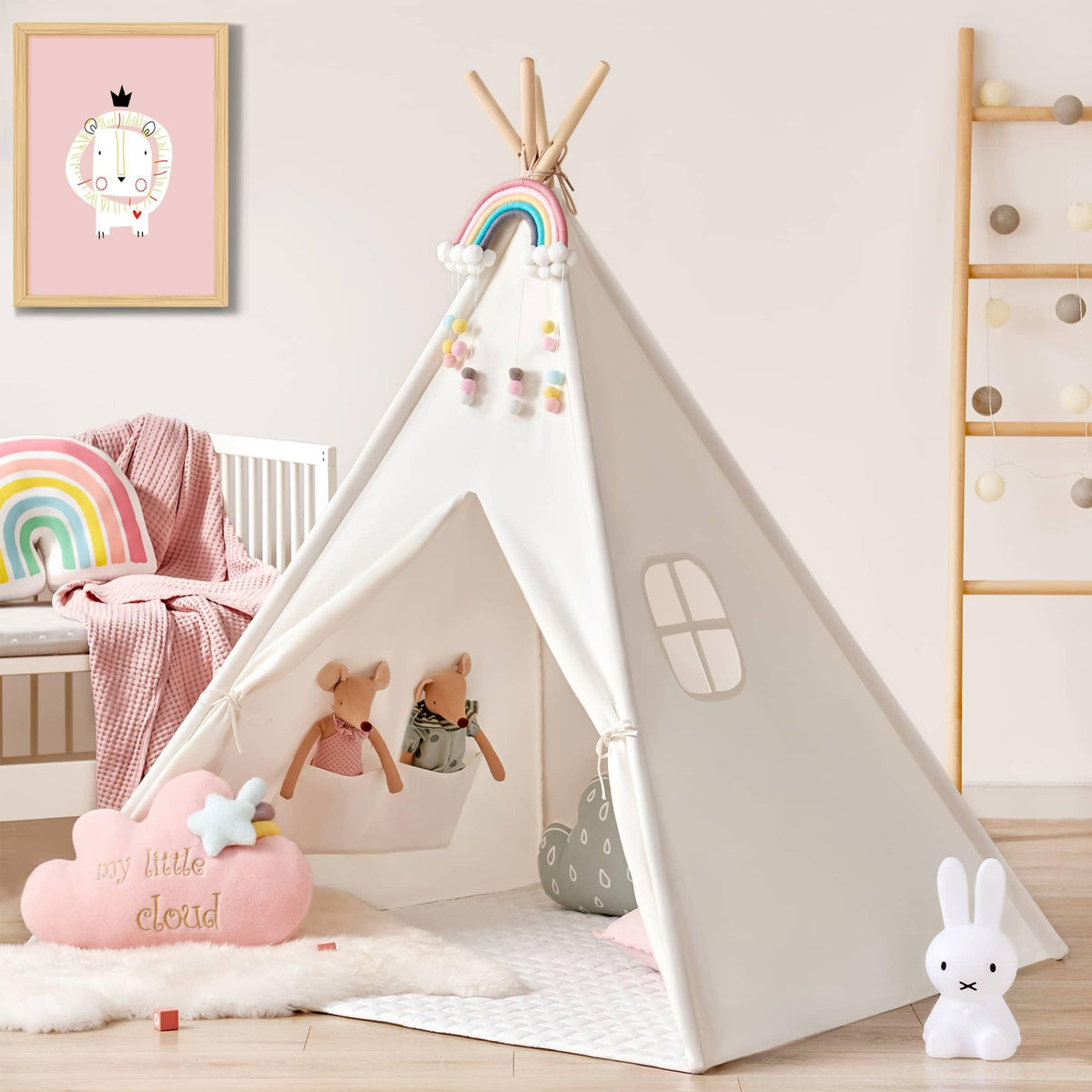
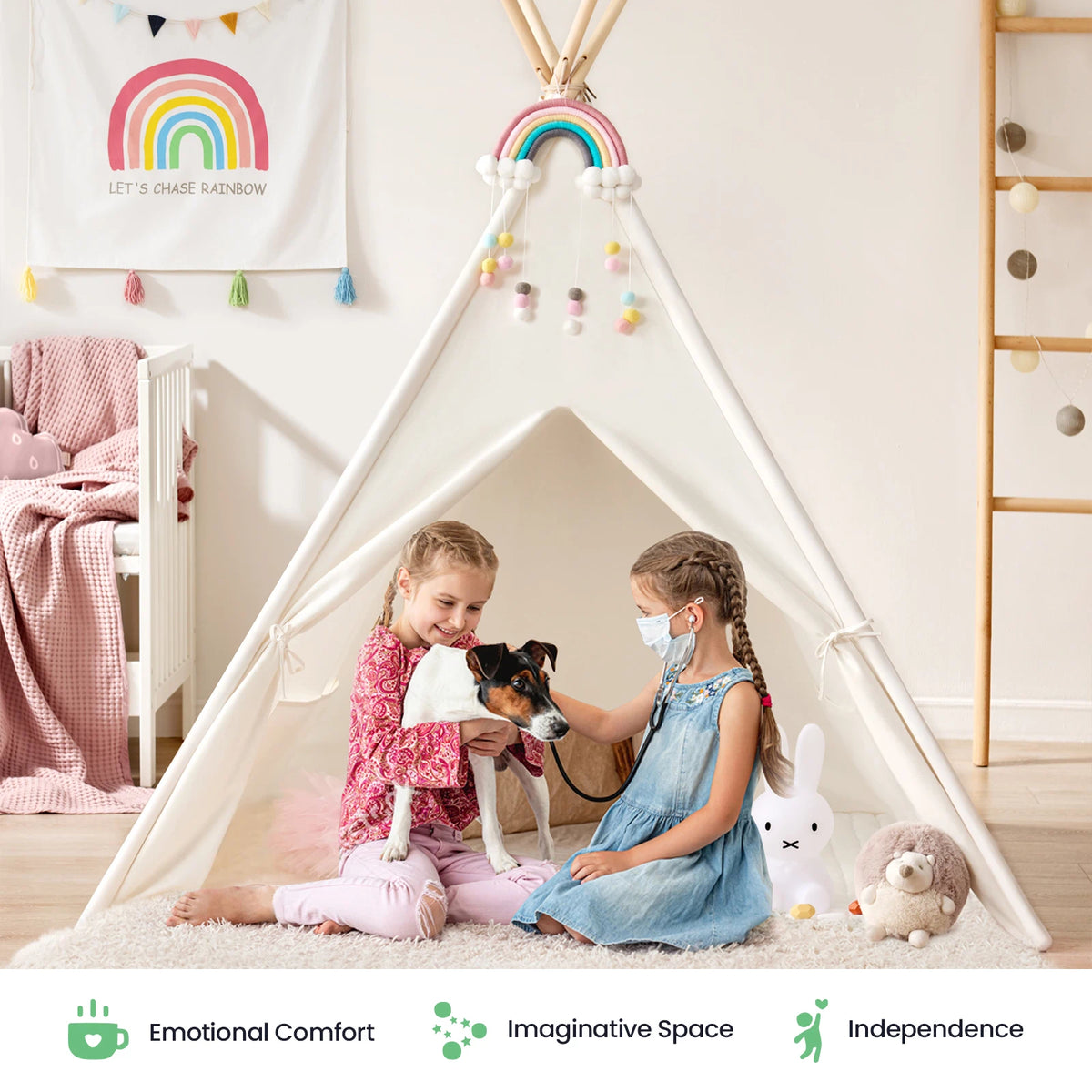
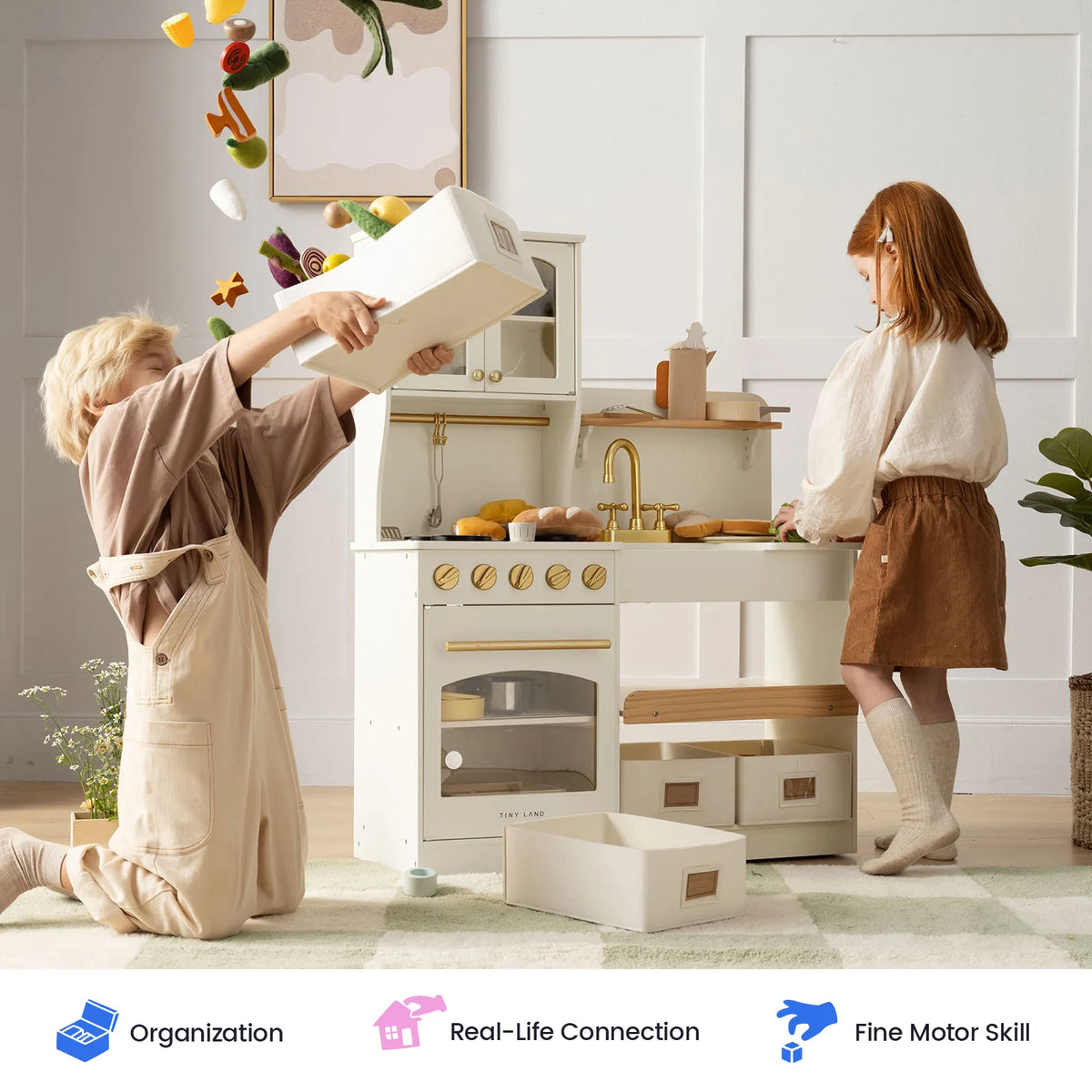
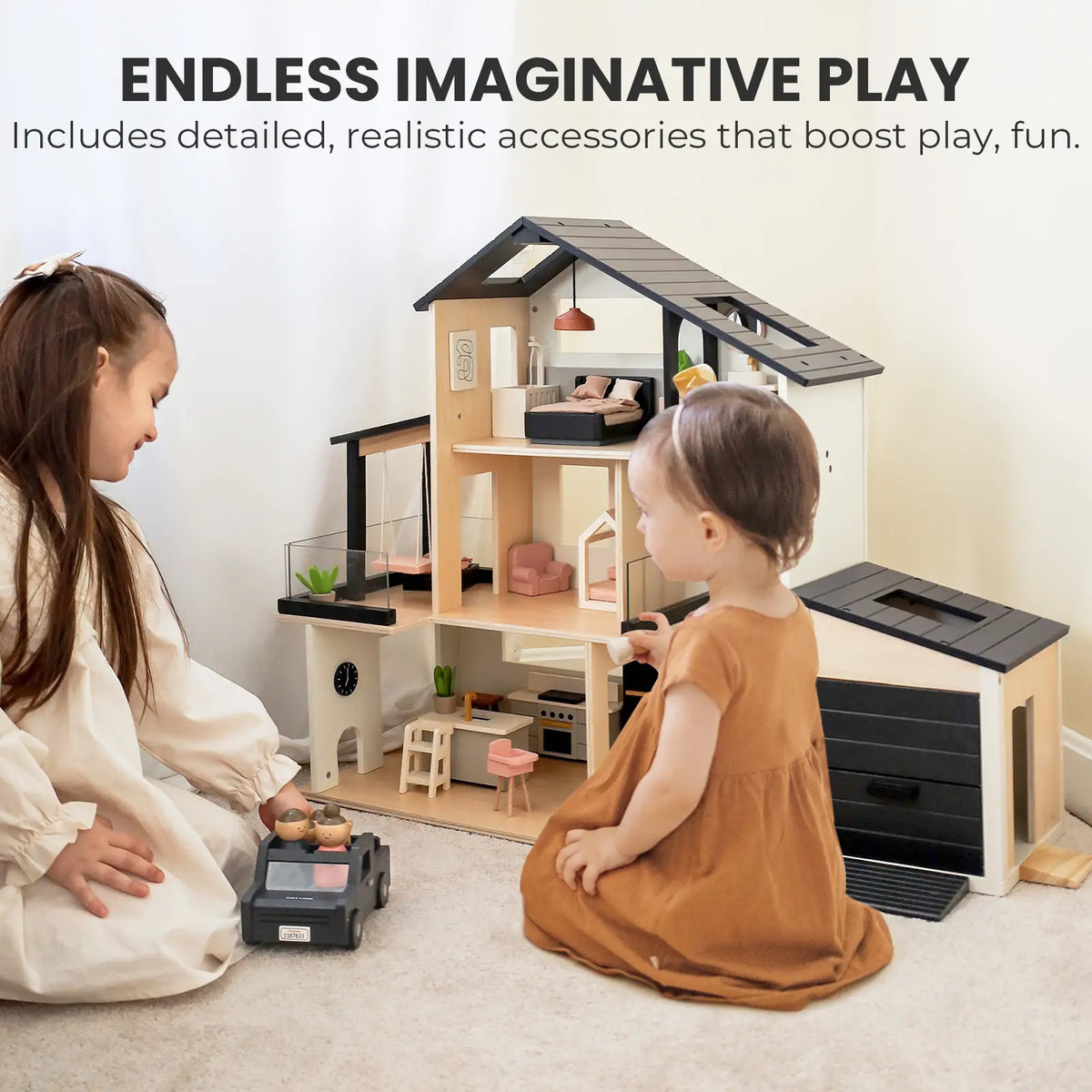
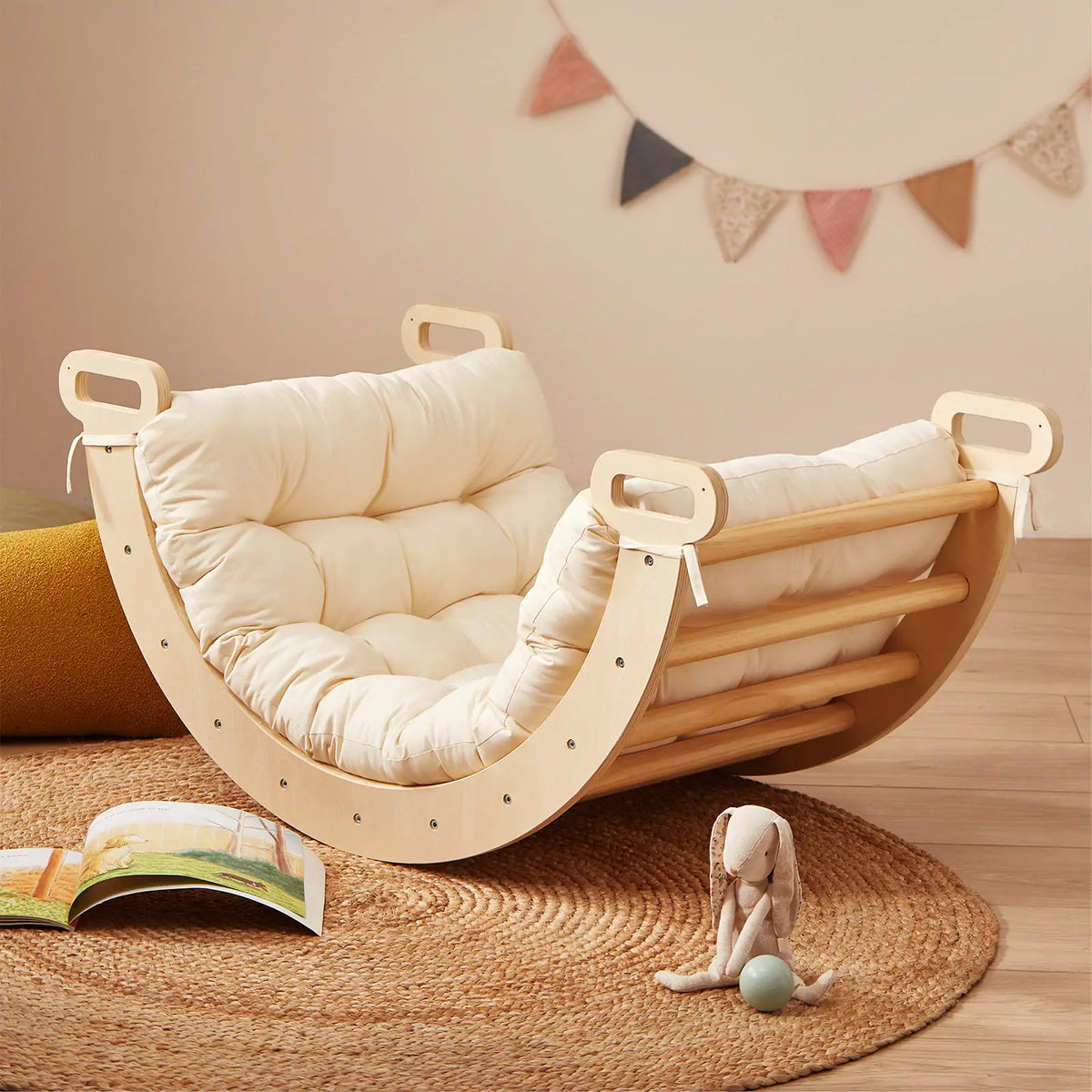
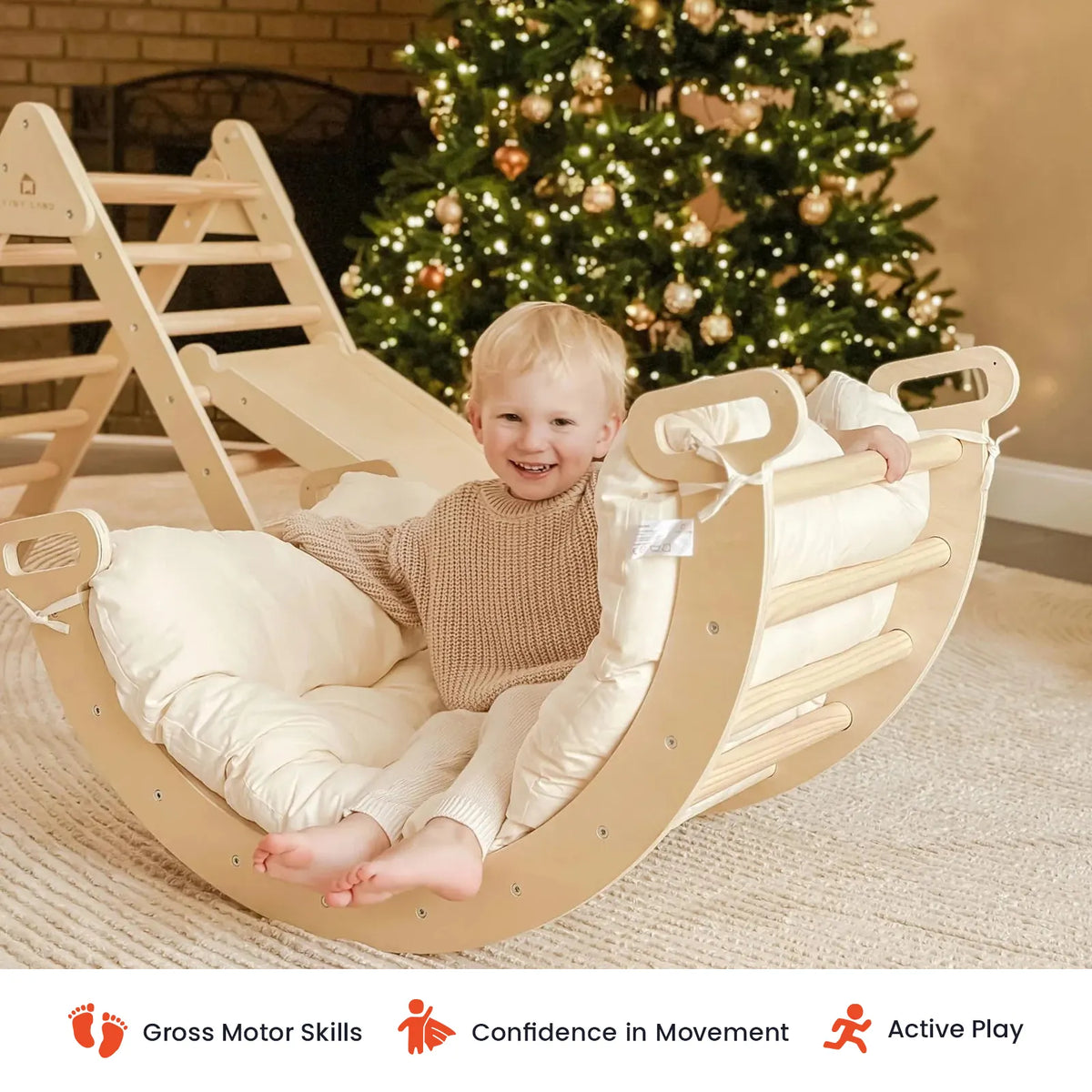
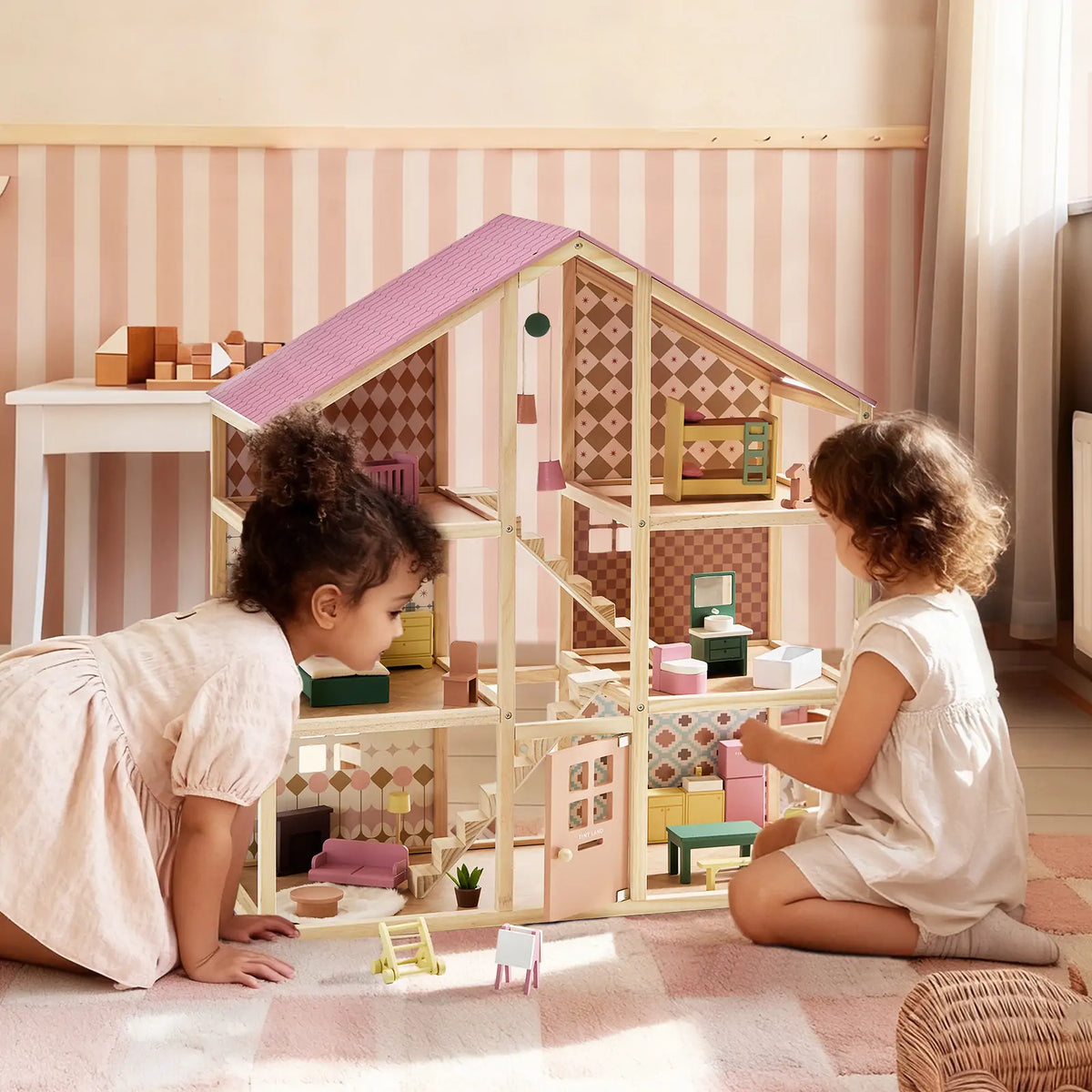
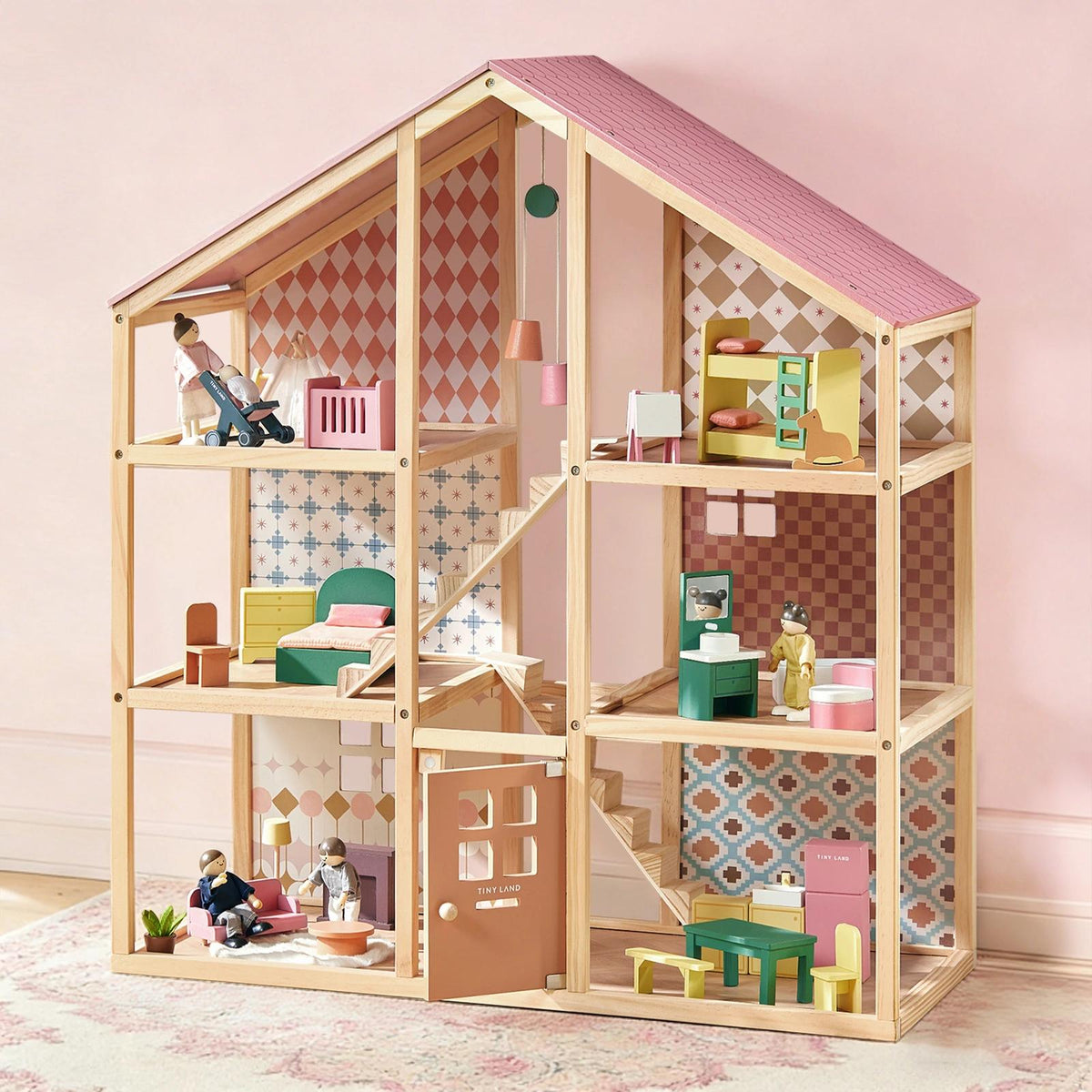
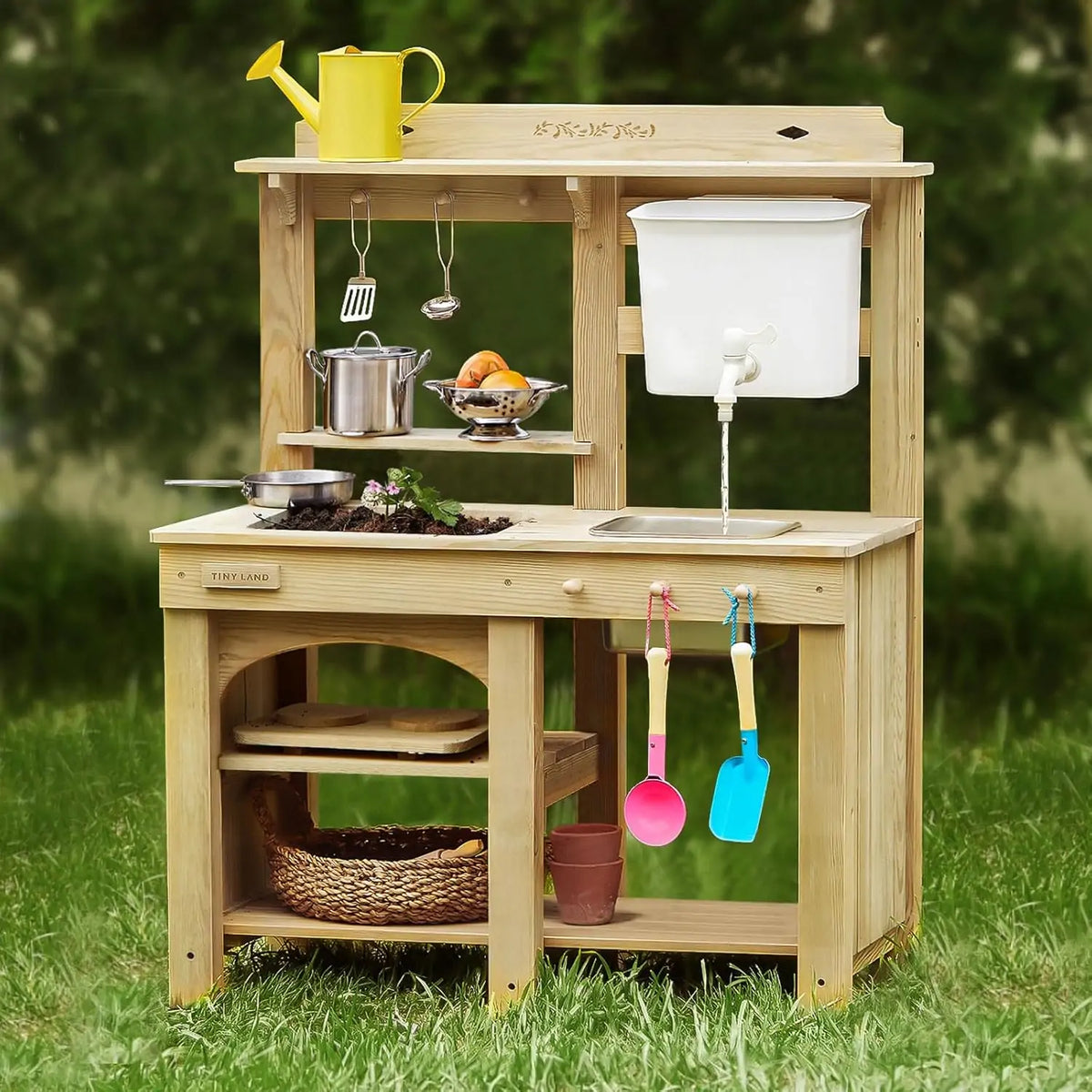
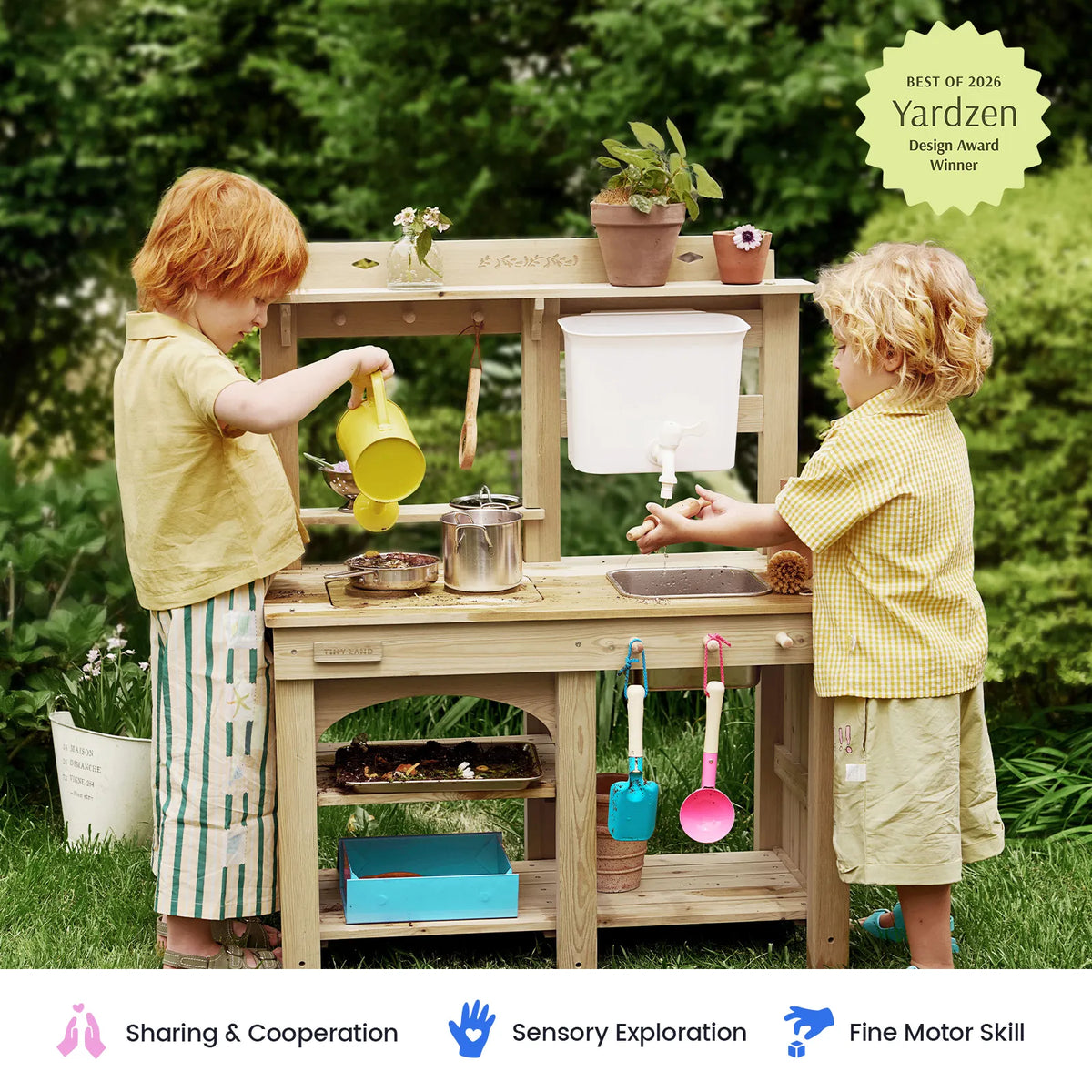
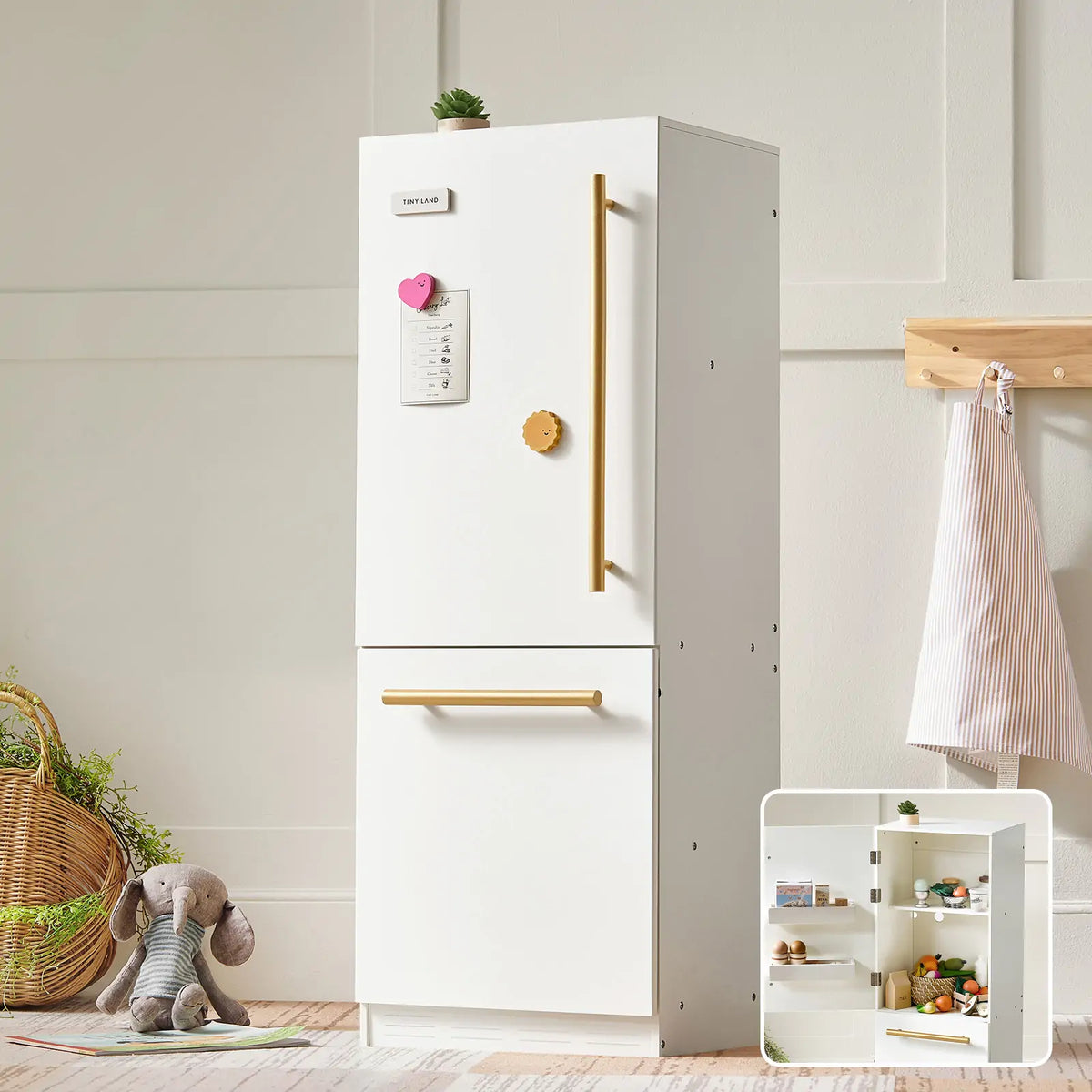
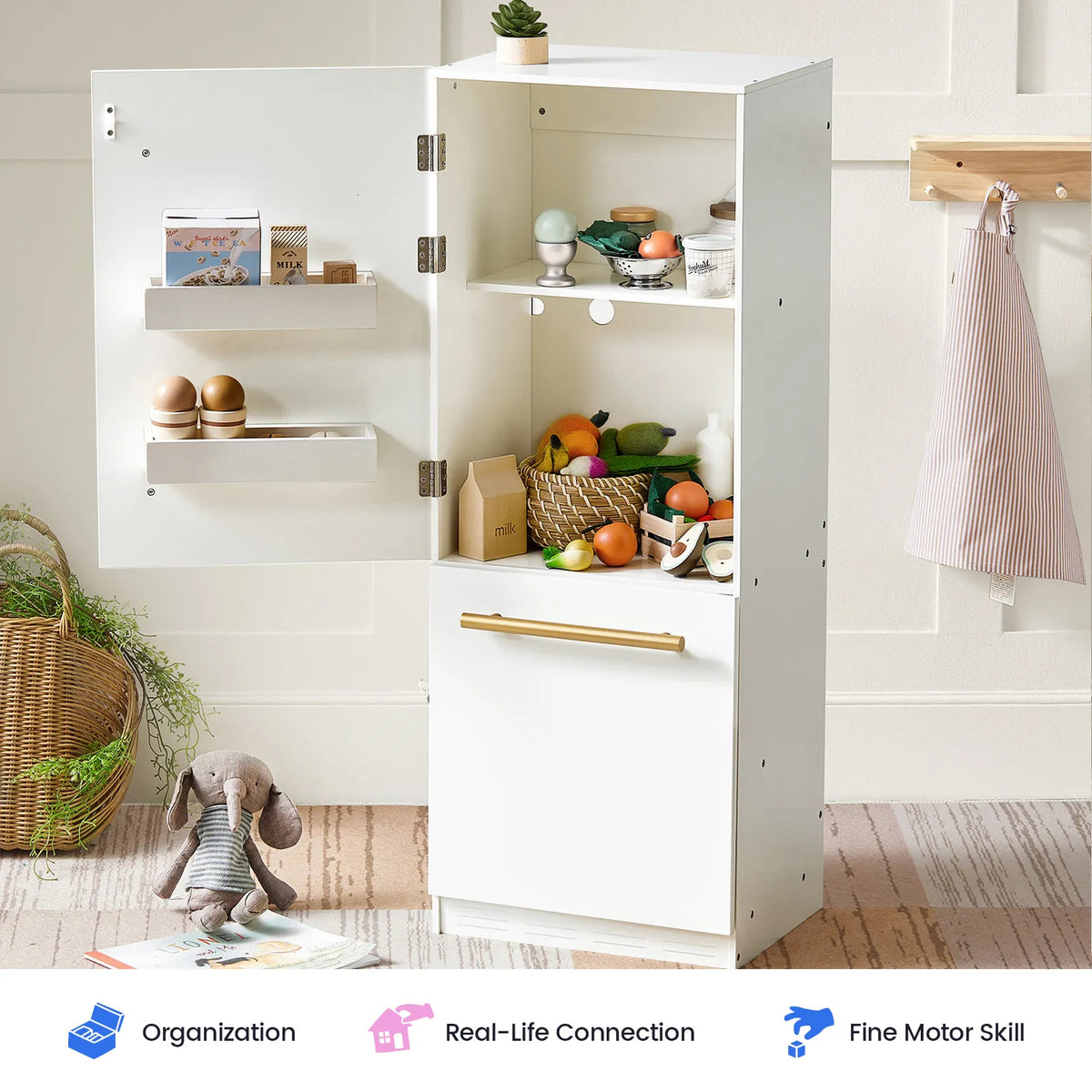
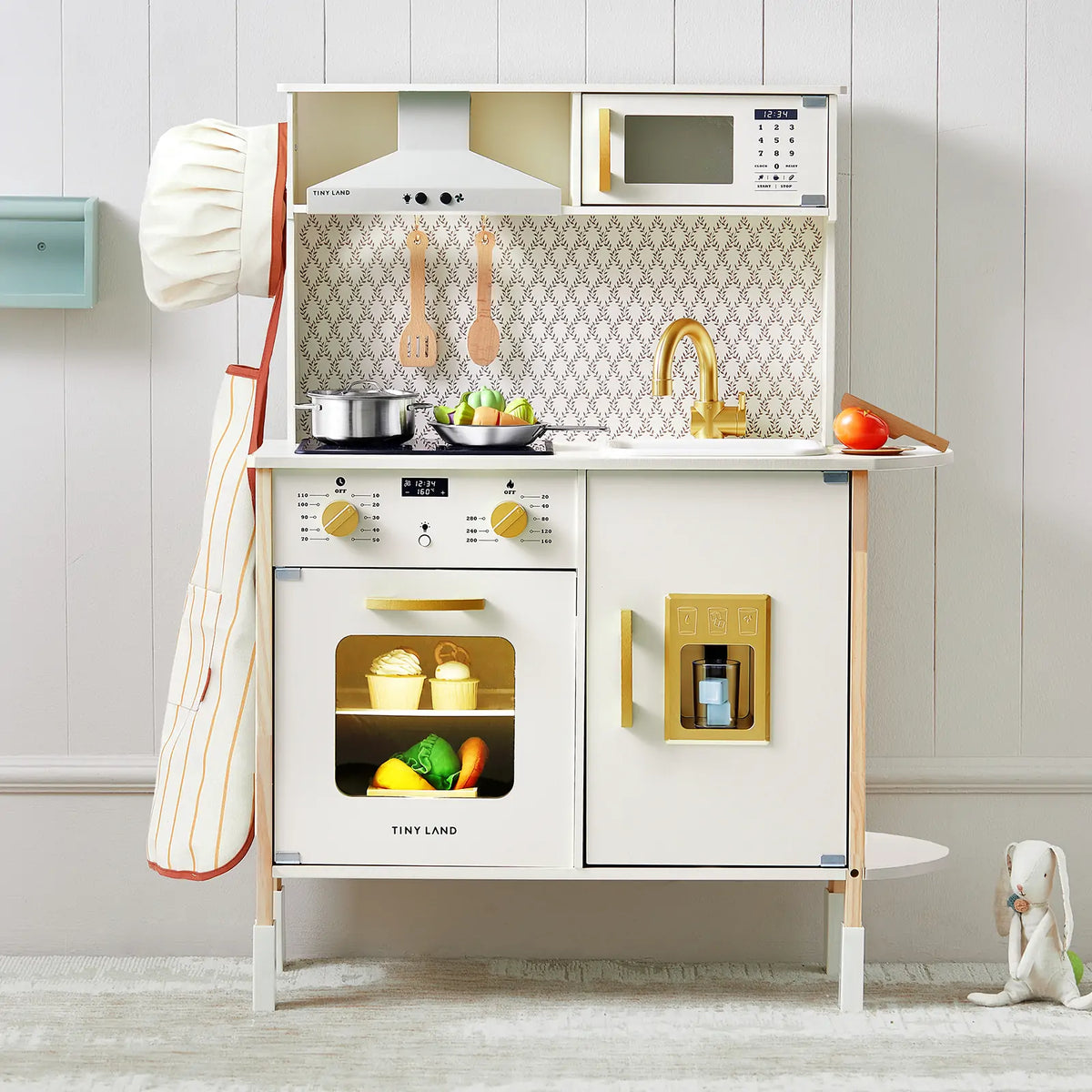
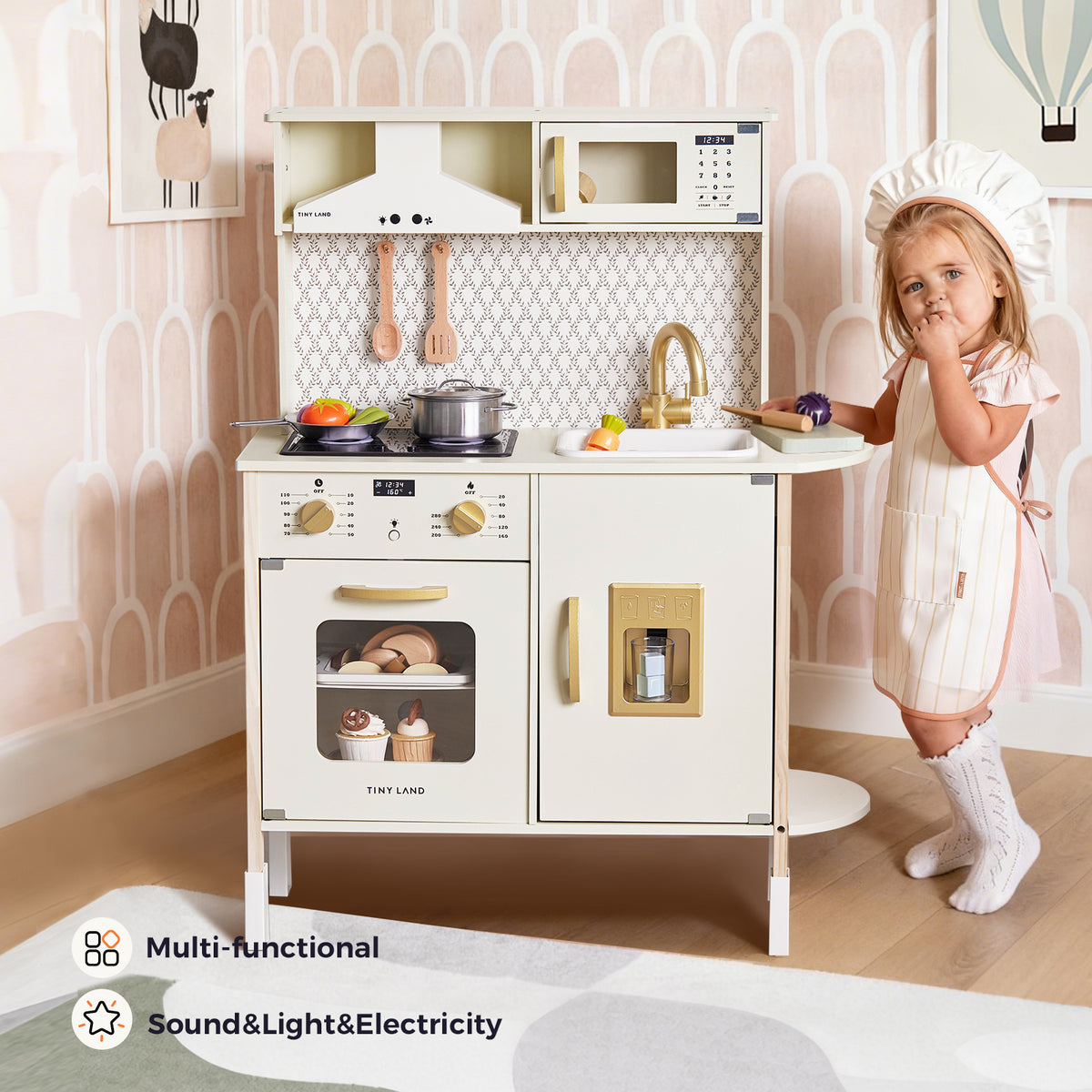
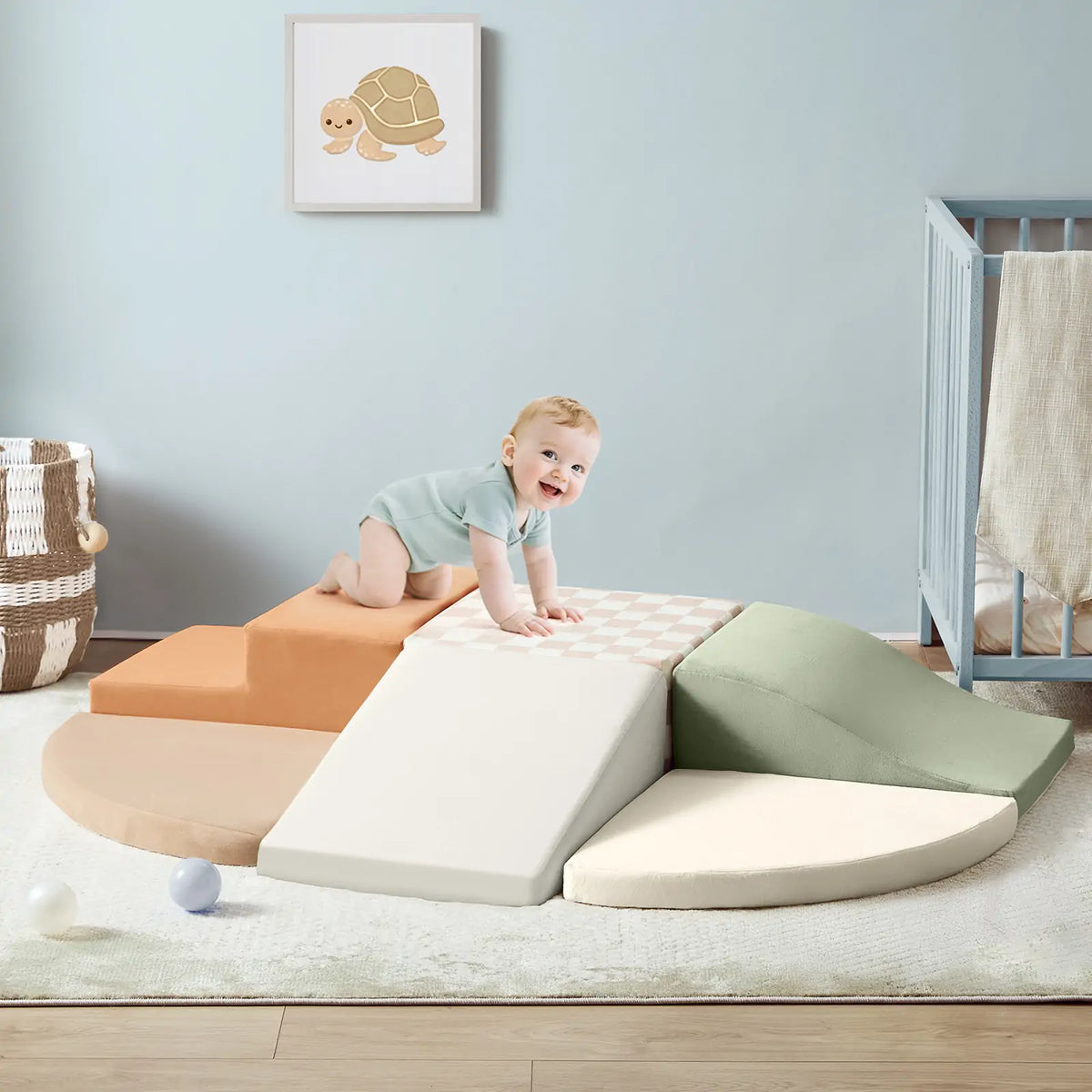
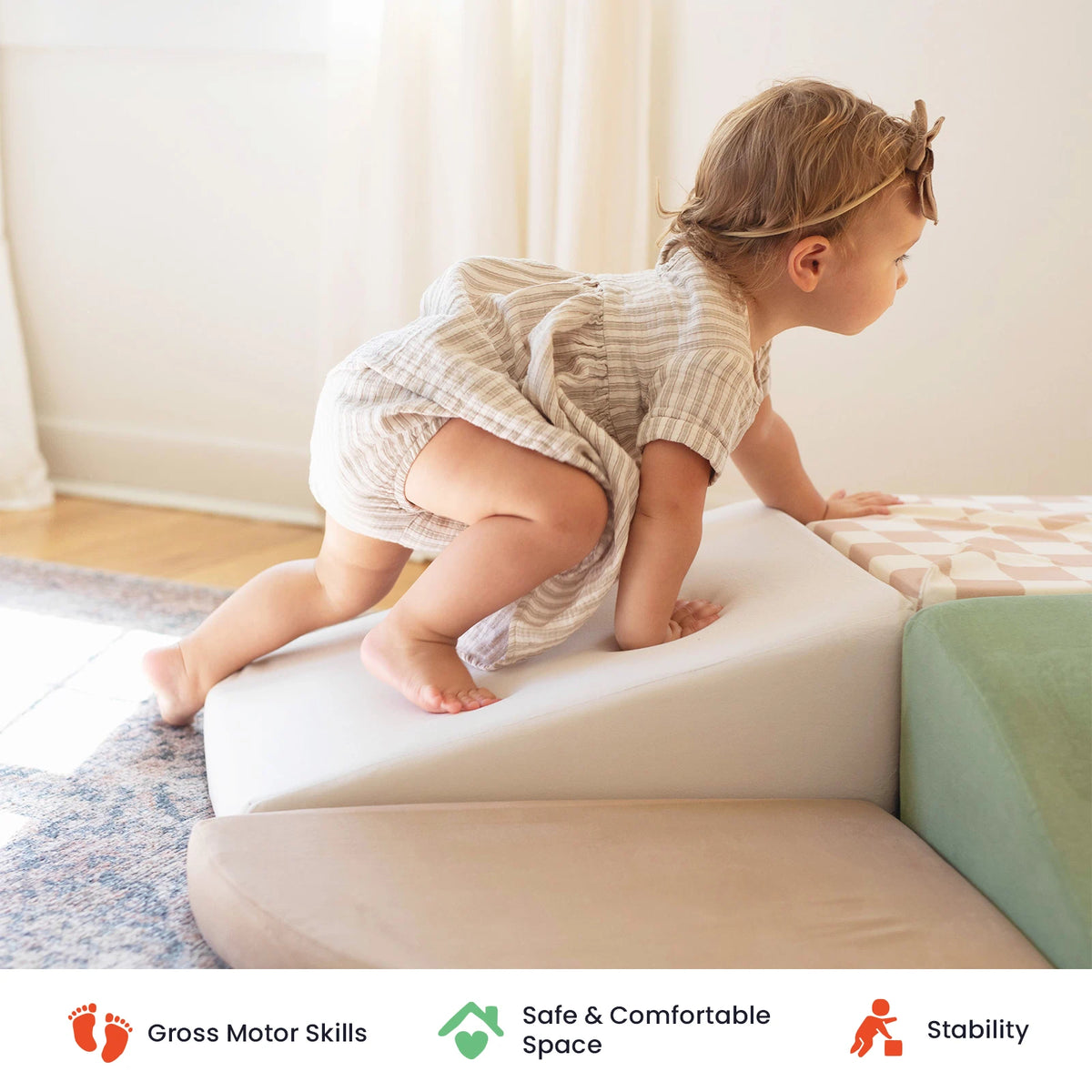
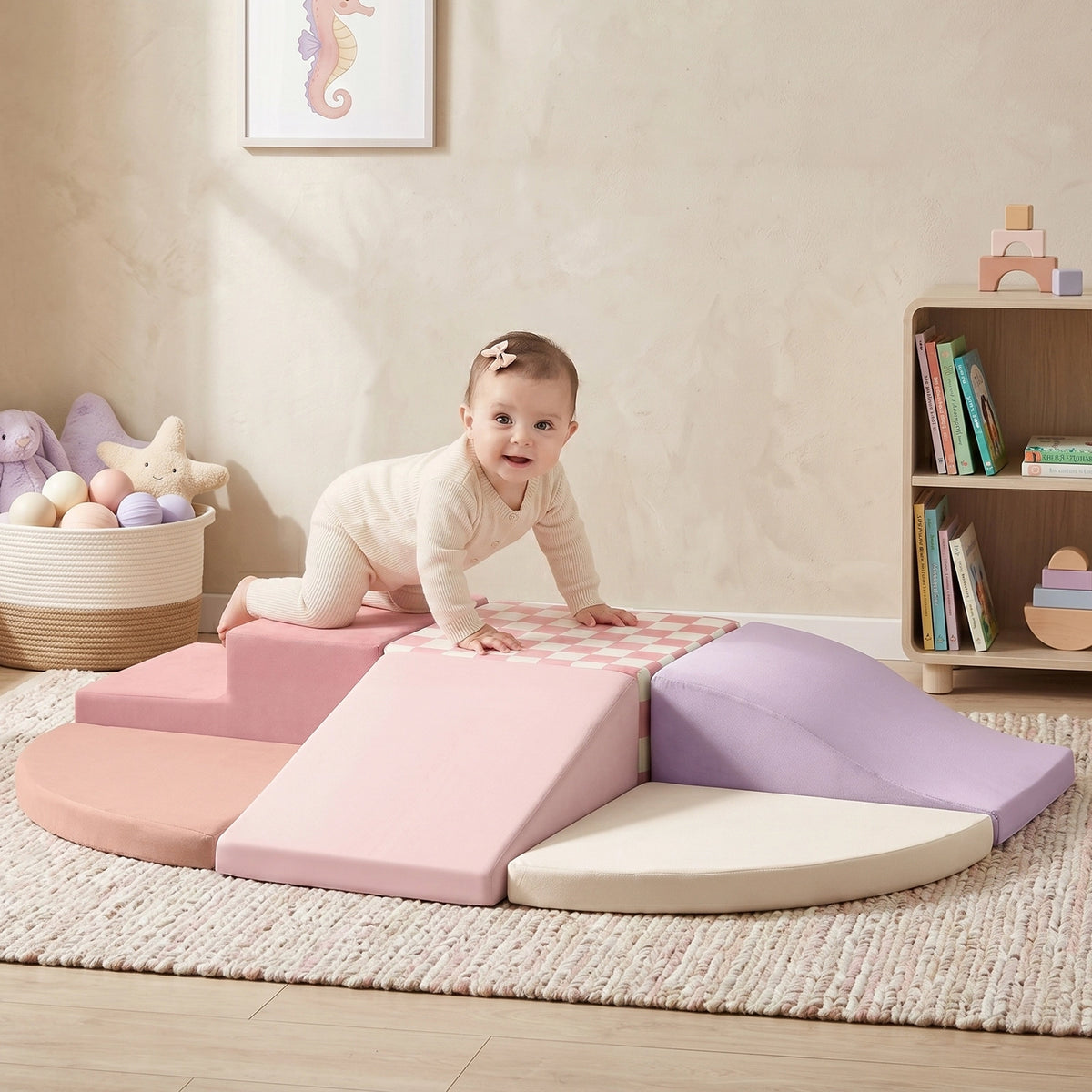
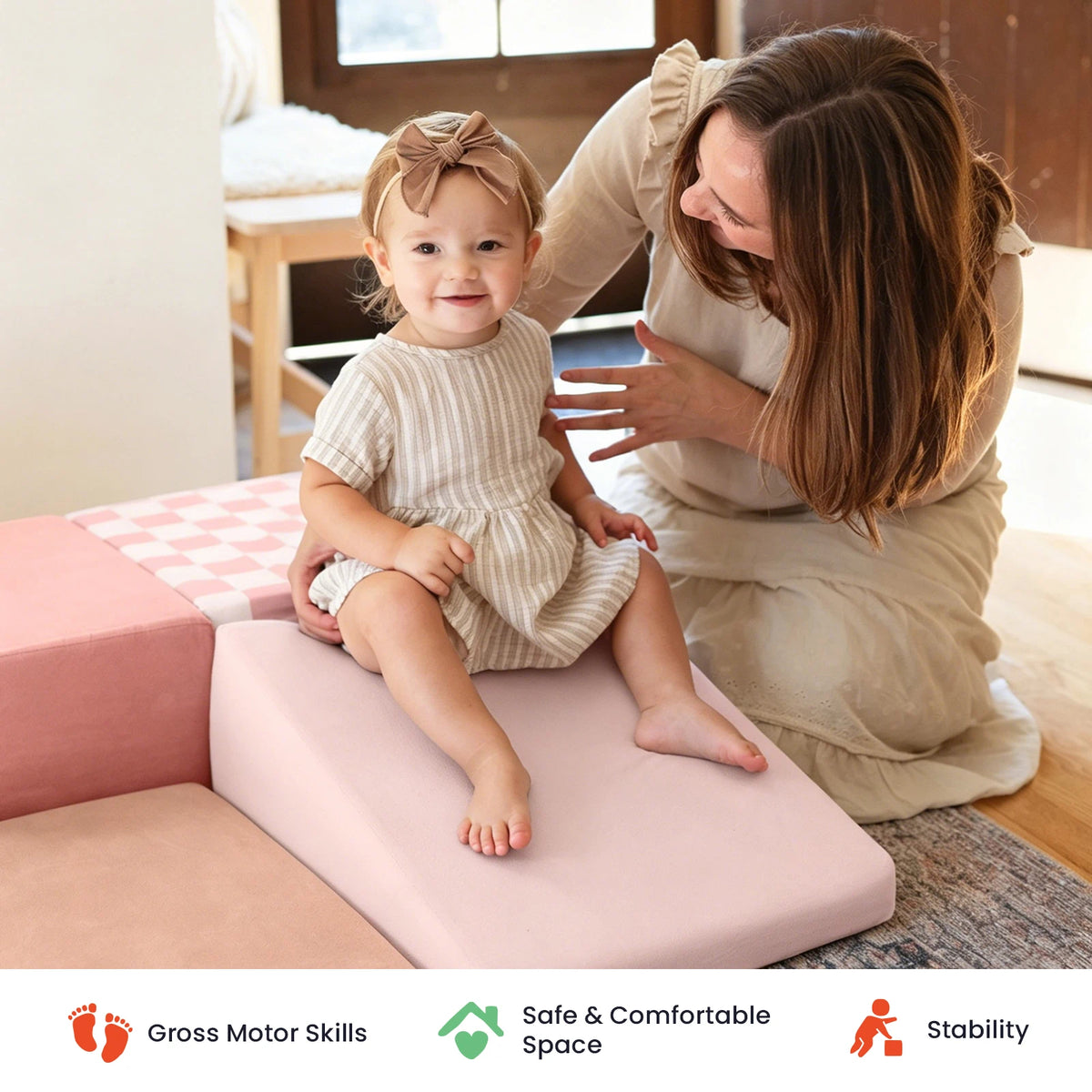
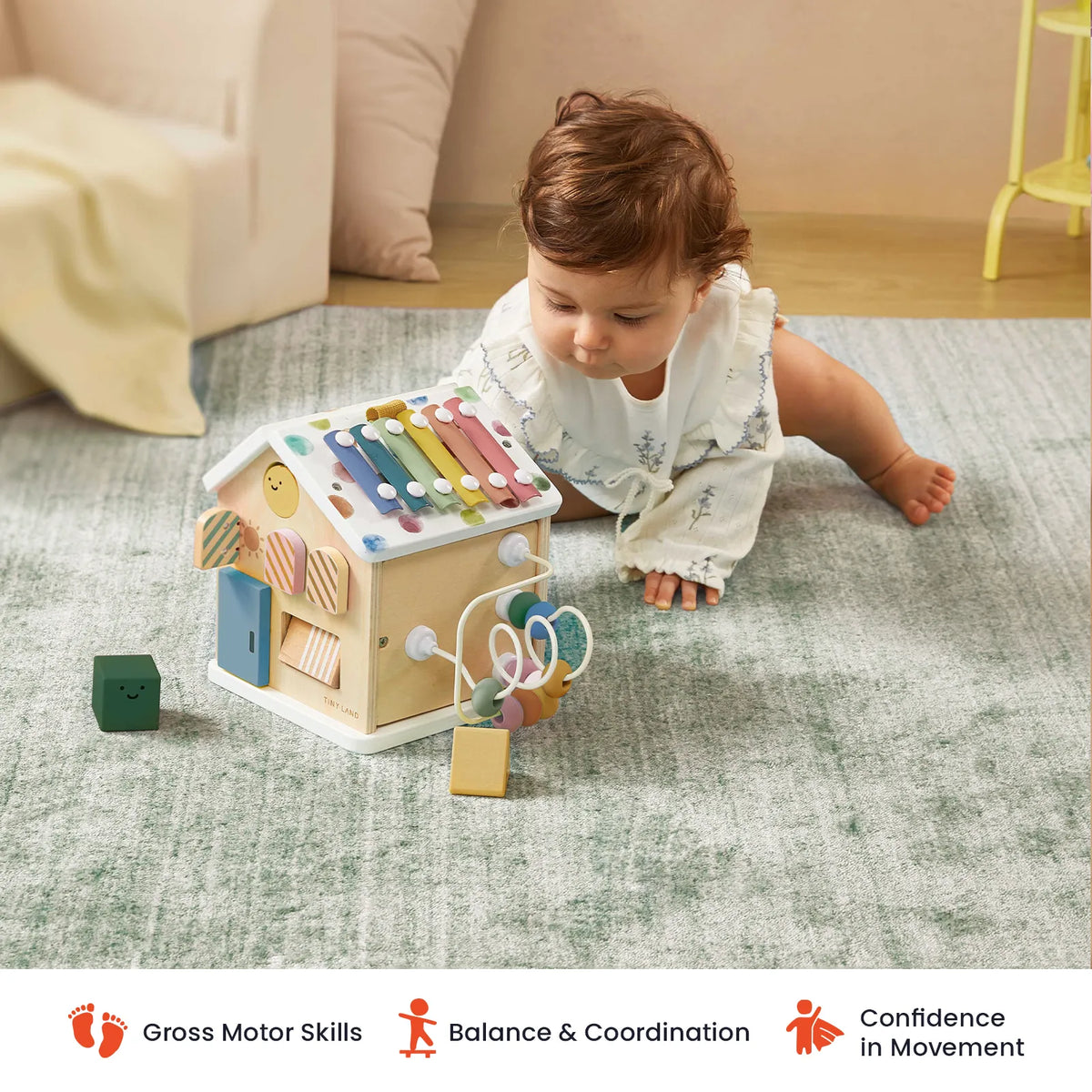
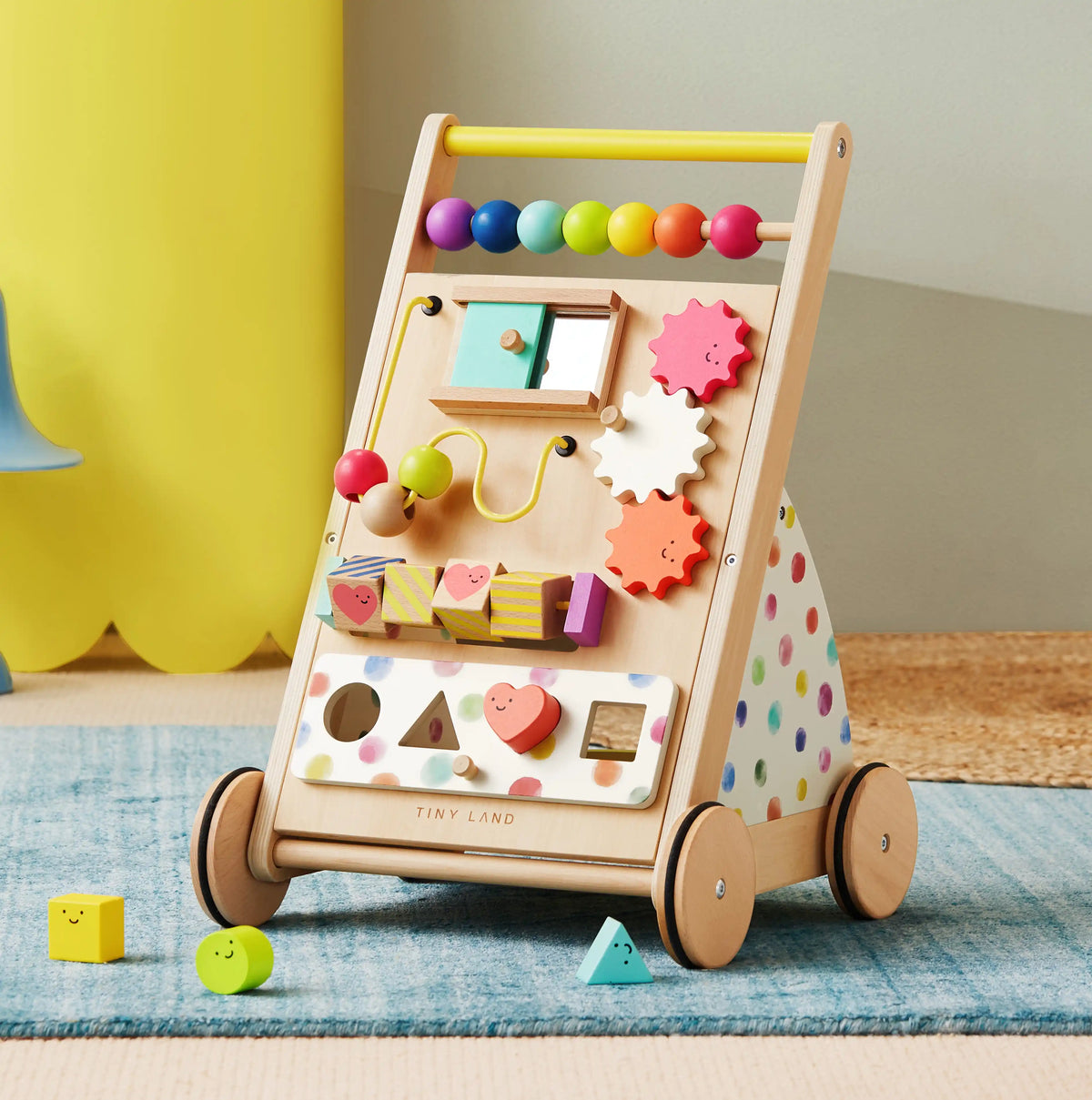
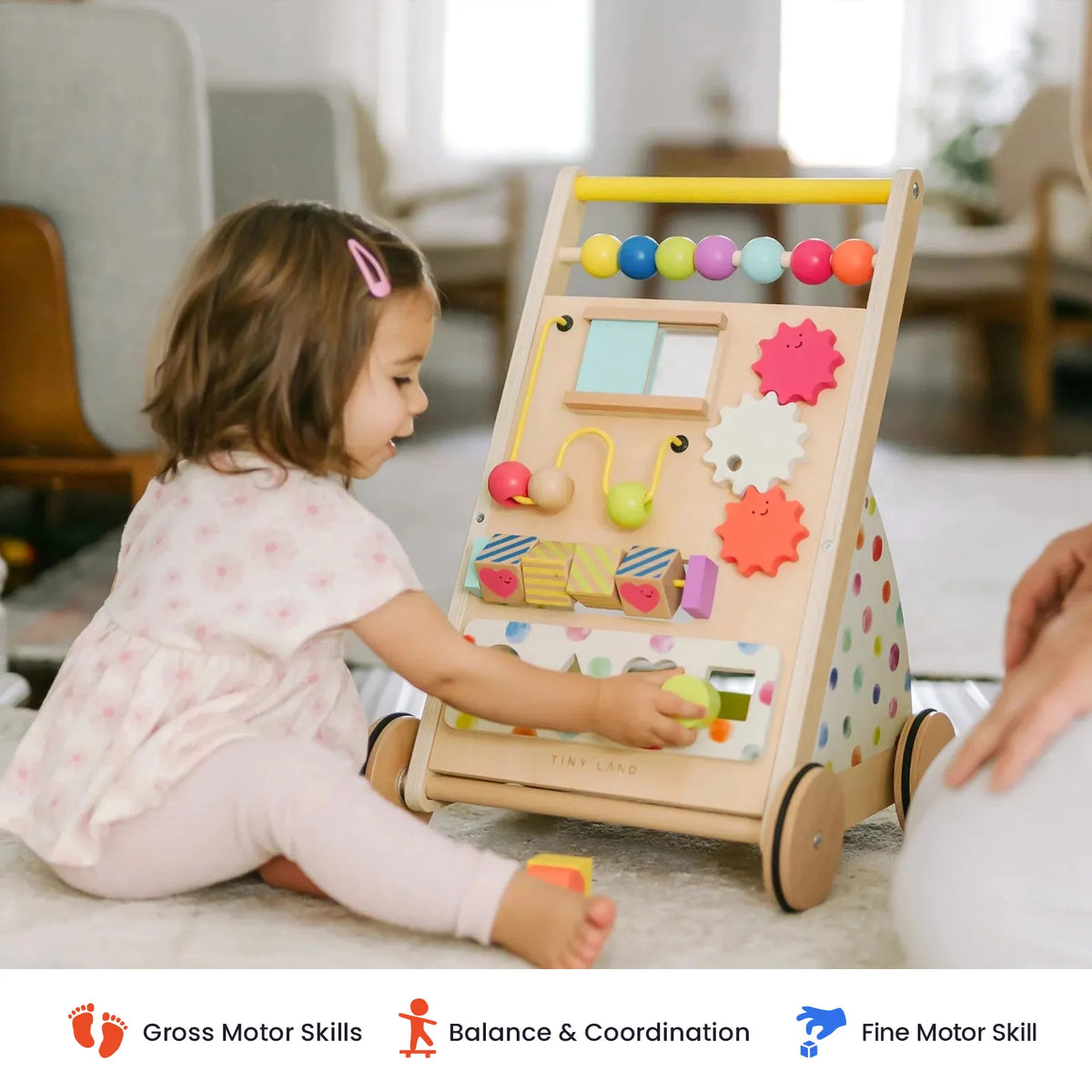
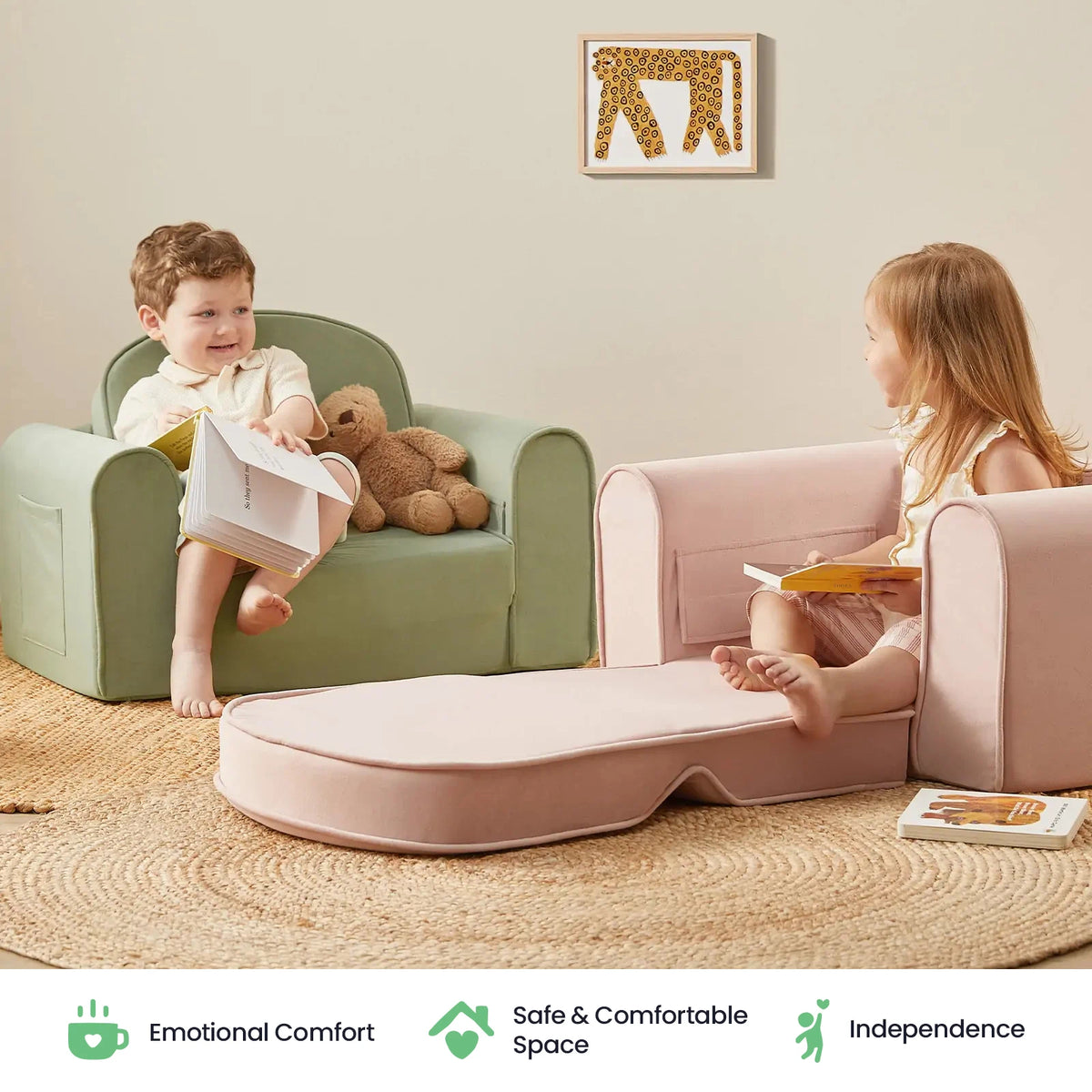
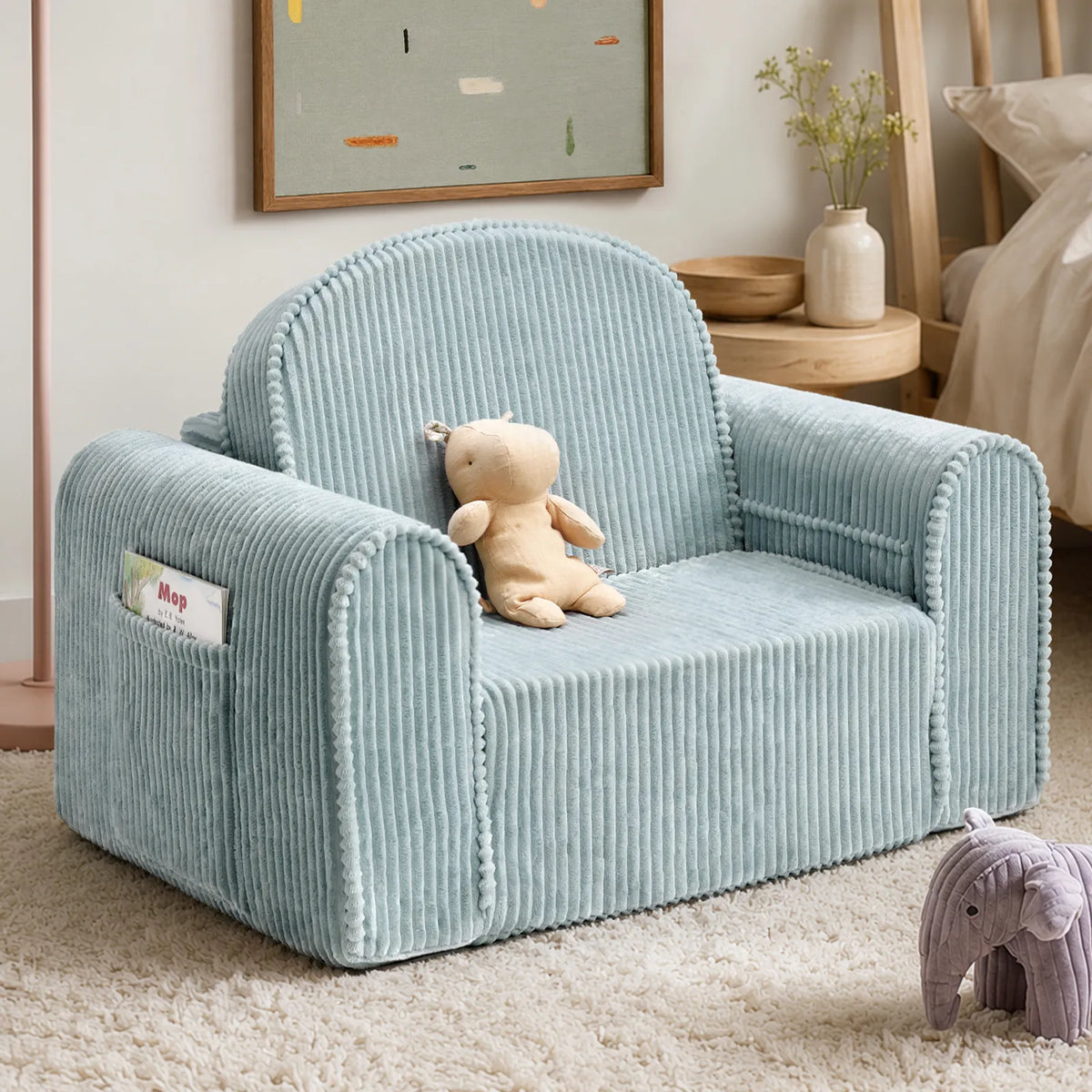
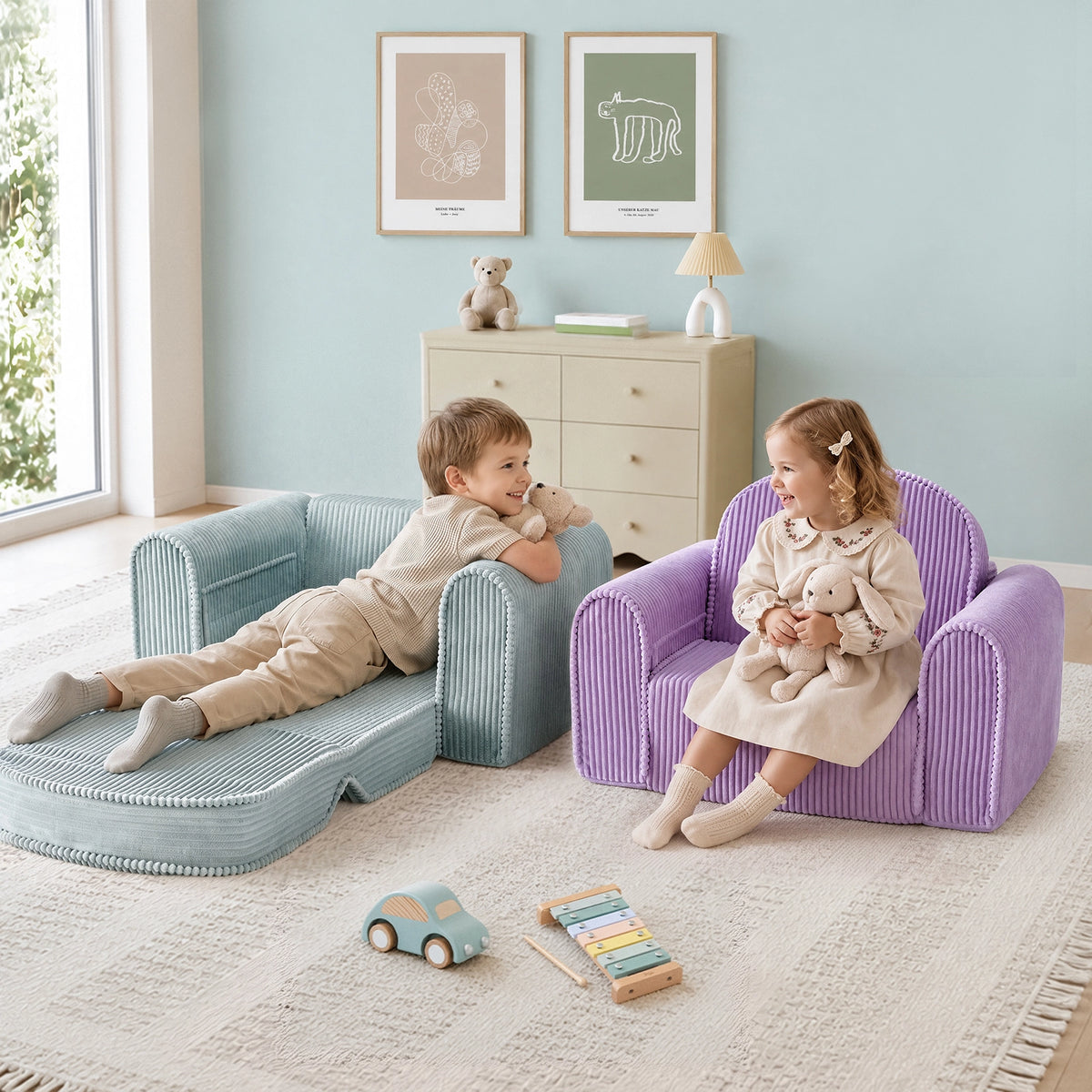
Cross age play allows children of different ages to share the same space safely and comfortably. Tiny Land playmats and family picnic blankets are designed so younger youth can explore freely while older youth stay engaged nearby. This shared setup supports daily interaction, builds trust, and helps parents avoid buying separate play products for every stage, making home play more practical and inclusive.
Cross age peer mentoring often happens when siblings play together without formal structure. Older siblings naturally guide younger peers through simple actions like copying movements, naming objects, or sharing space. These moments reflect how such programs work in school environments, but in a relaxed home setting that supports confidence, communication, and early learning without pressure.
At home, peer mentors—often older siblings or teenage mentors—model behavior, patience, and cooperation during play. This mirrors how mentors support mentees in programs led by teachers and program staff, but in a more natural way. Over time, these interactions help build self esteem, social awareness, and everyday skills through simple shared activities.
Well-designed shared play spaces can support education by encouraging conversation, observation, and imitation between peers. Studies and research show that mixed-age interaction can improve academic connectedness, especially when students feel supported by older youth rather than corrected. Tiny Land’s open-ended play surfaces allow learning to happen naturally, without turning playtime into formal lessons or structured programs.
The potential benefits of cross age-style interaction include stronger family relationships, better communication, and more cooperative behavior among youth. Unlike formal programs that require supervision, evaluations, and adult-led structure, home-based play lets adults support from the side. This approach also follows widely accepted practices used in mentoring settings and can adapt to different needs, including families managing disabilities, making daily play more flexible and meaningful.