


What Really Matters at One Year
If you're searching for the best educational toys for one year old, you're probably also wondering what your child actually needs at this stage.
The truth is—at one year, development doesn’t come from complicated toys. It comes from simple, repeatable play.
This is the stage when your baby starts to:
-
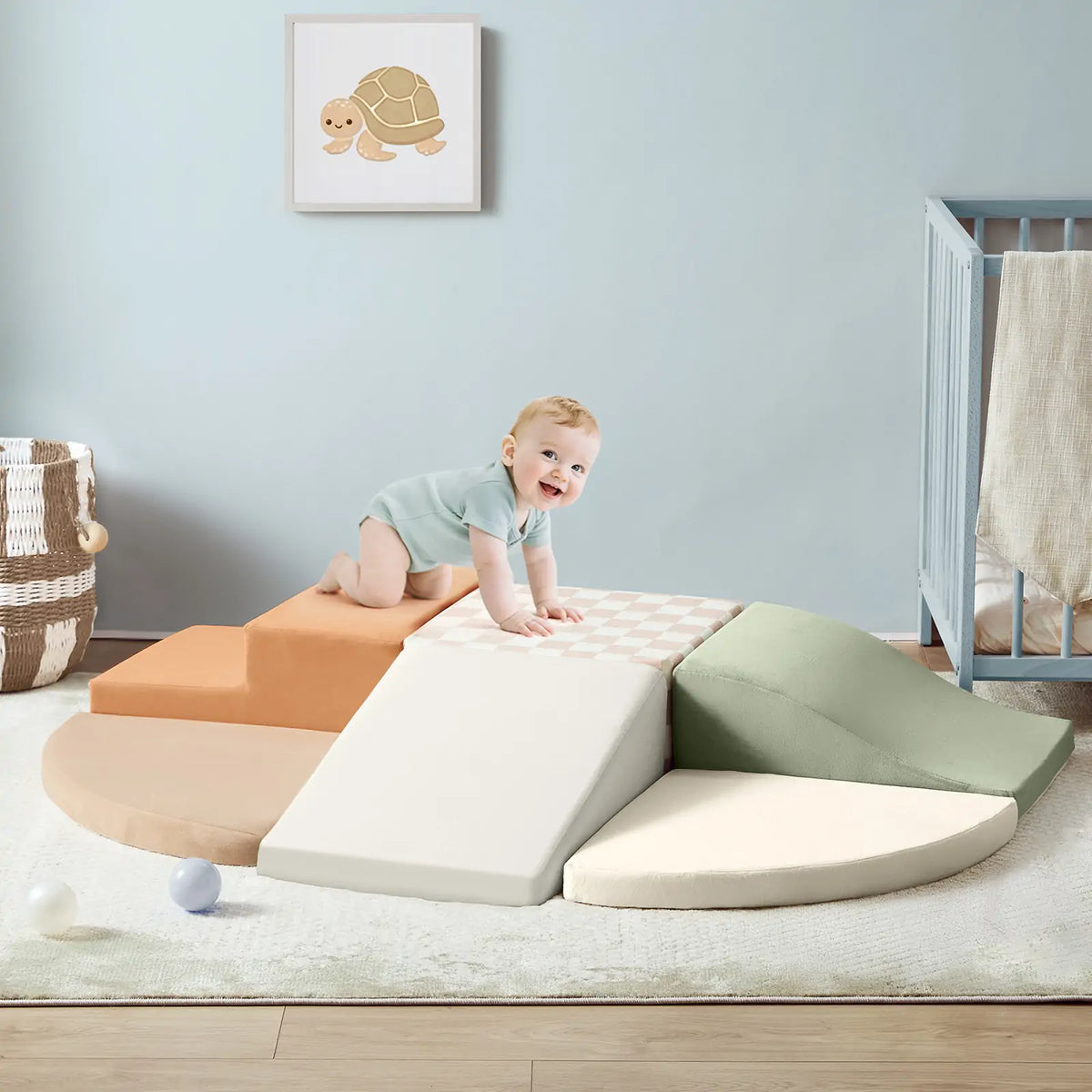
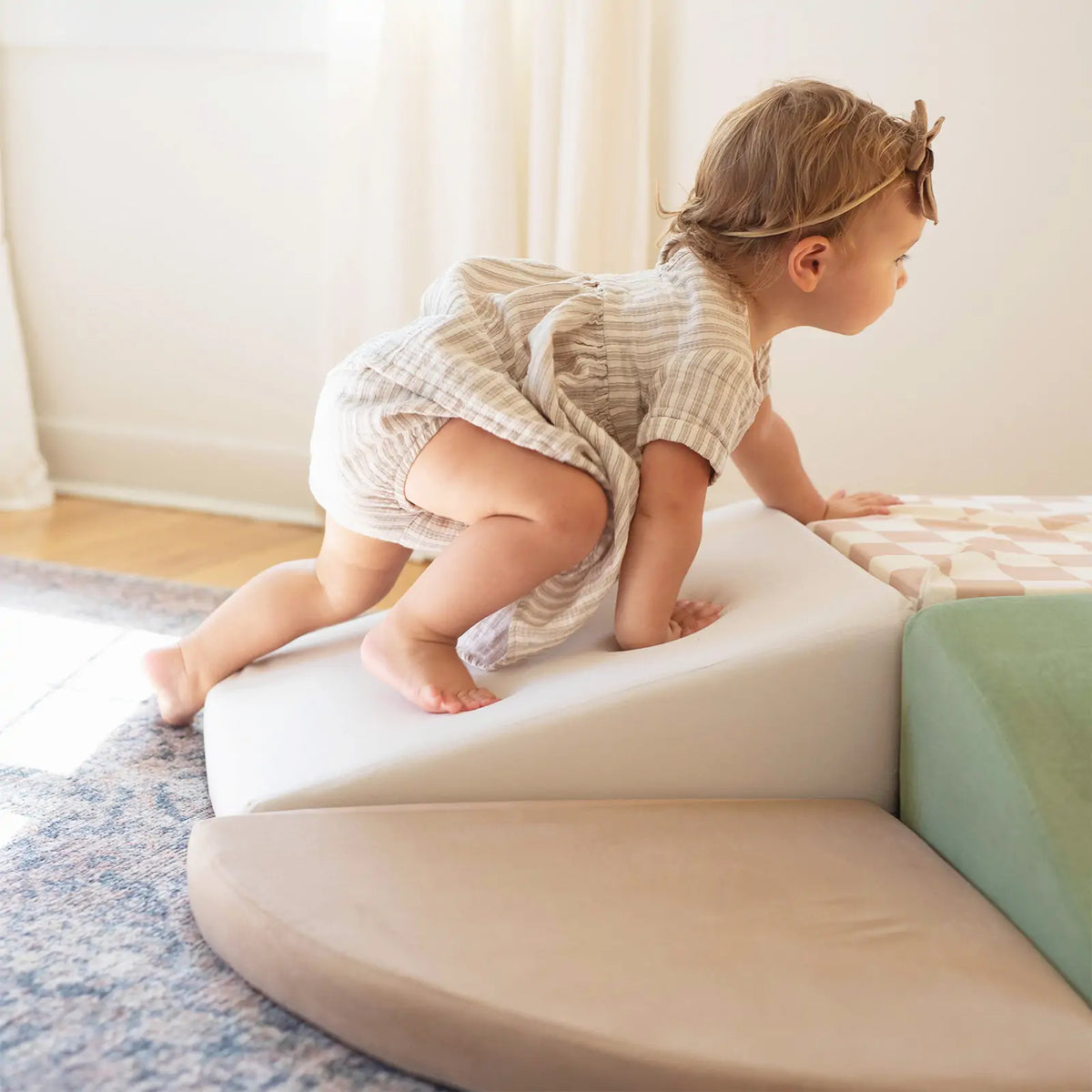
Pull up, stand, and maybe take their first steps
-
Use their hands to explore objects
-
Drop, stack, and move things again and again
-
Begin to connect actions with outcomes
It may look like basic play to adults, but these small moments are how real learning begins.
 Choosing Toys for One Year Old (Without Overthinking It)
When choosing toys for a one year old, it helps to keep a few things in mind:
-
Safe and non toxic materials matter most
-
Toys should be easy for little hands to hold
-
Simple designs often create more learning opportunities
-
The best toys grow with your child through different stages of development
At this age, your child doesn’t need more toys—they need the right kind of toys.
The Best Educational Toys for One Year Old
Instead of long lists, here are a few types of toys that consistently support healthy development and meaningful play.
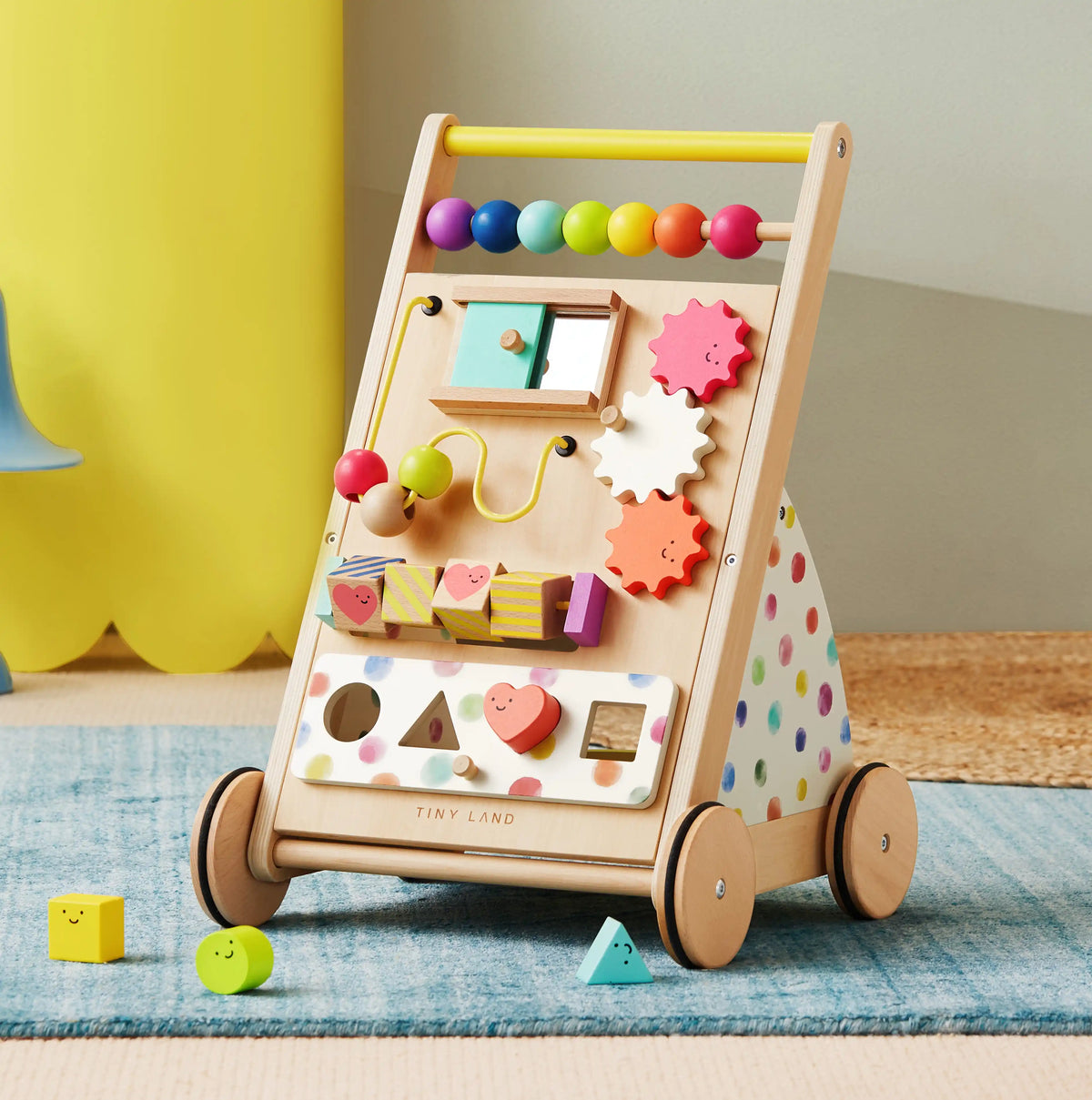
1. Push Toys That Support First Steps
As your baby becomes more confident standing, push toys can help them safely explore movement.
A wooden baby walker is one of the most useful toys for 1 year old because it supports both balance and coordination. Many designs also include built-in activity panels, so your child can play while standing or sitting.
It’s not just about walking—it’s about building confidence, one small step at a time.

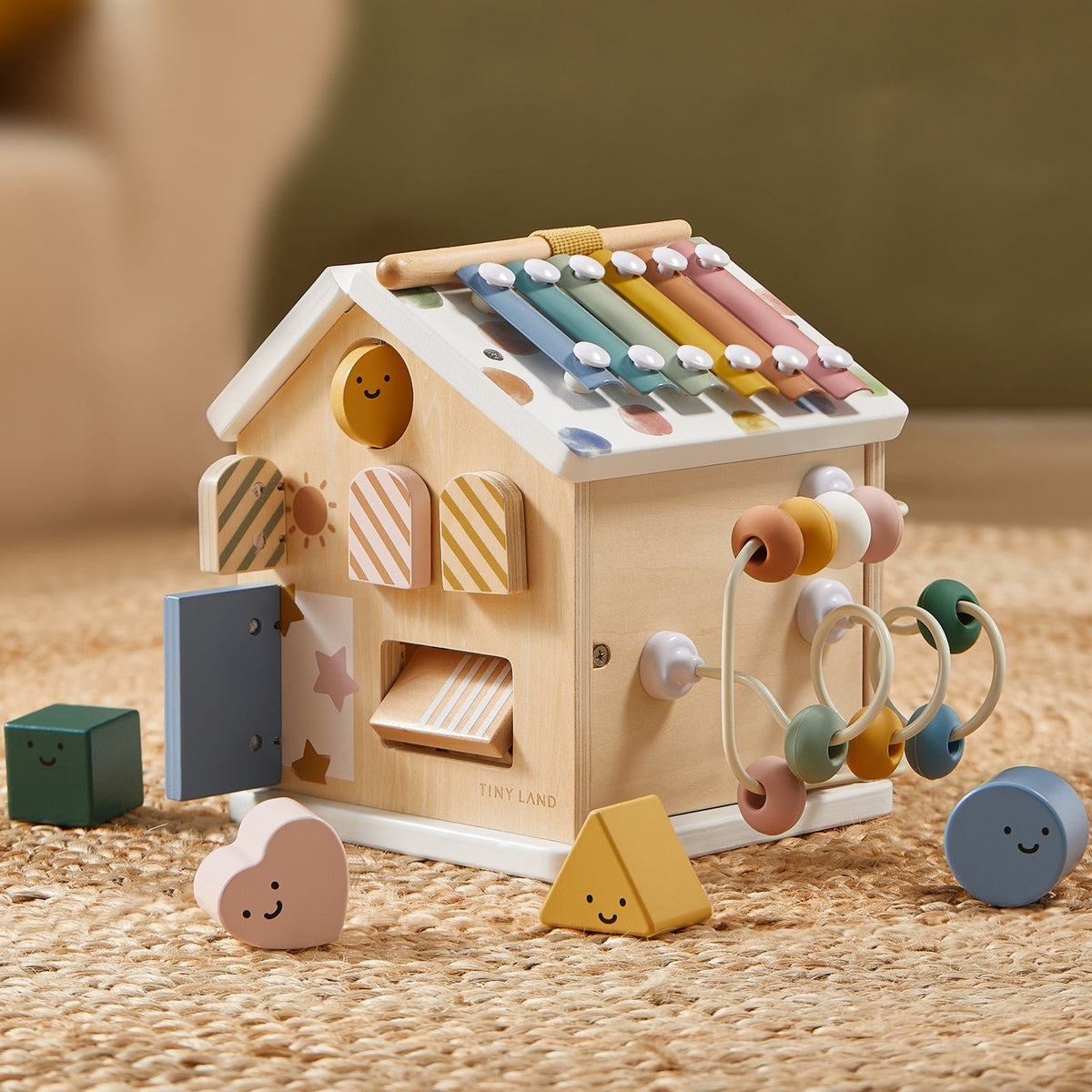
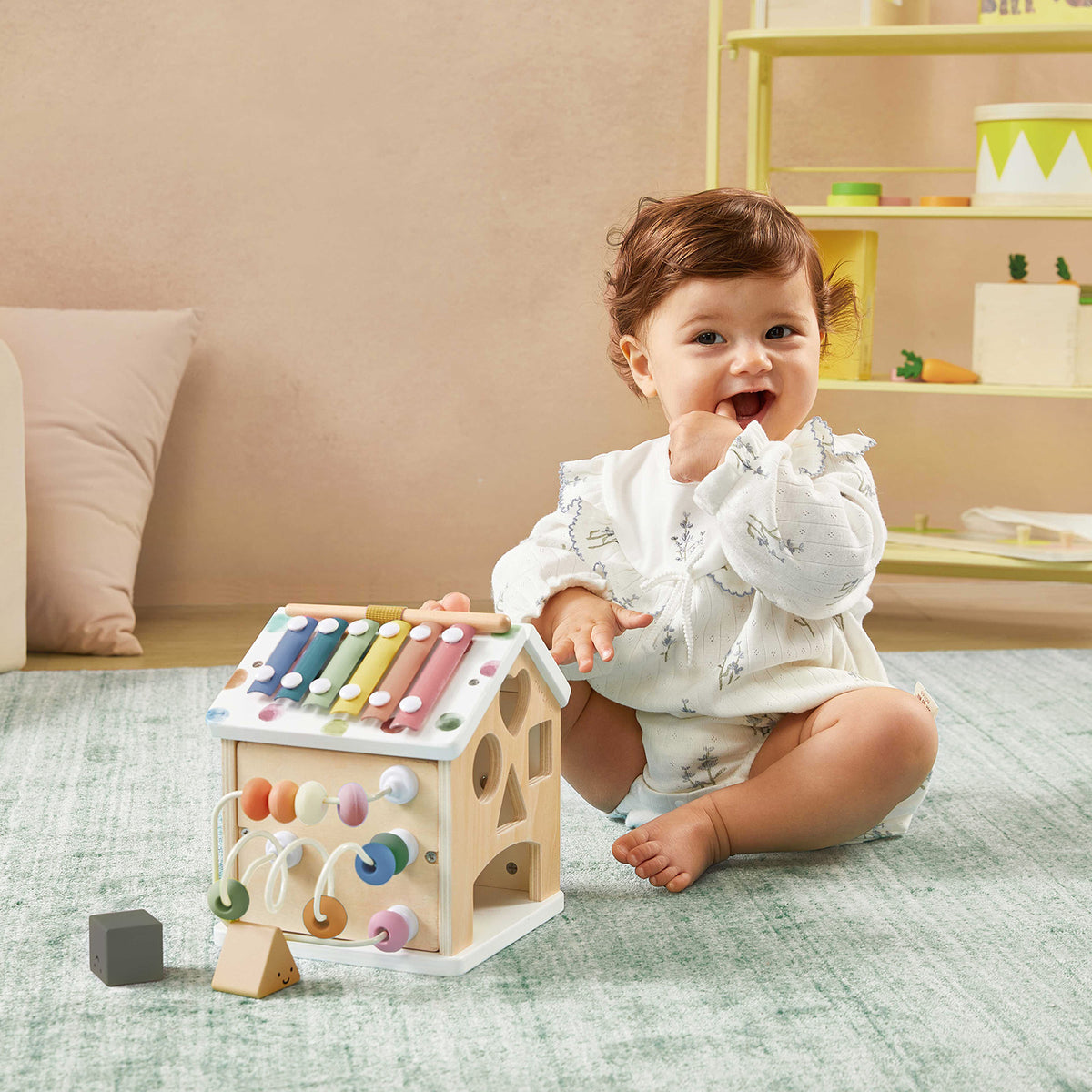
2. Activity Cubes for Curious Hands
At this age, toddlers are naturally drawn to toys that do something.
Activity cubes offer multiple ways to play:
-
Sliding beads
-
Turning pieces
-
Opening small doors or containers
You’ll often notice your child repeating the same action over and over. That’s not random—it’s early problem solving.
These toys help children begin to understand how things work, using their hands and their growing curiosity.

3. Blocks, Shapes, and Simple Sorting Toys
Classic toys like blocks and shape sorters are still some of the best educational toys for one year old.
They help children:
-
Recognize color and shape
-
Understand size and balance
-
Practice placing objects into the right spaces
Even something as simple as stacking blocks or dropping items into containers supports important learning.

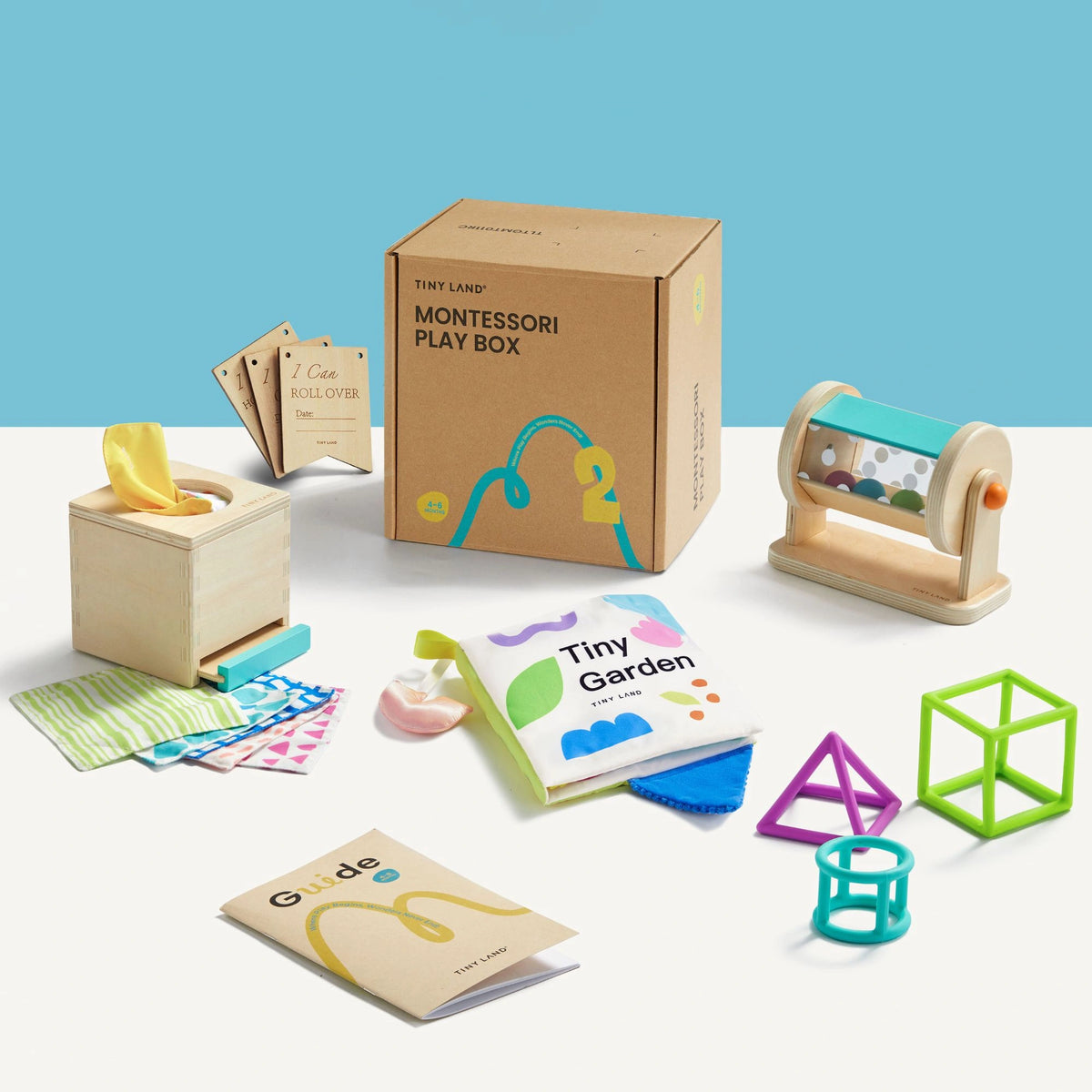
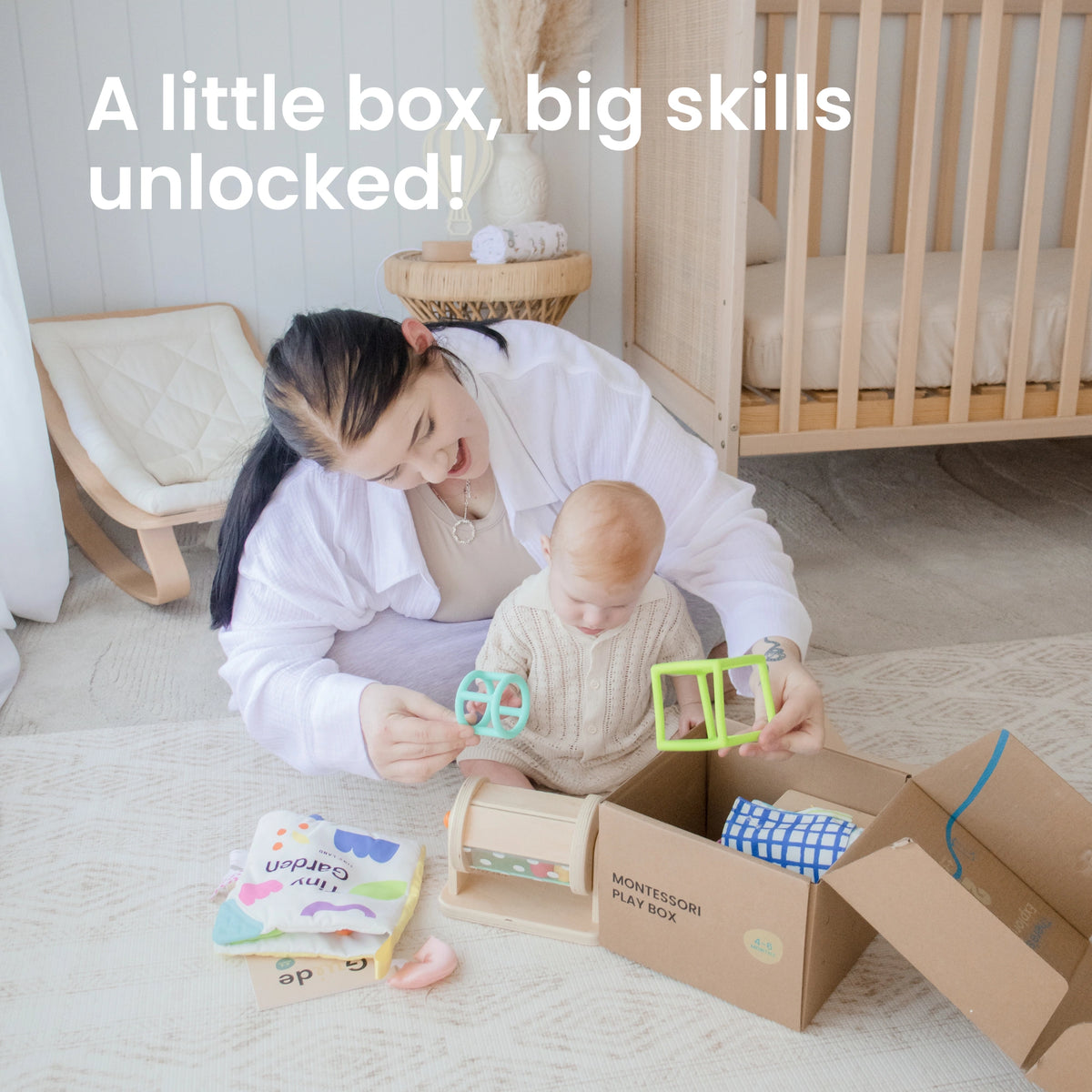
4. Montessori-Style Toys for Everyday Learning
Montessori-inspired toys are designed to match how children naturally learn.
For a one year old, this often includes:
-
Simple stacking toys
-
Object play with everyday items
-
Repeating actions like putting things in and taking them out
These toys encourage focus and independence while supporting early development in a calm, natural way.

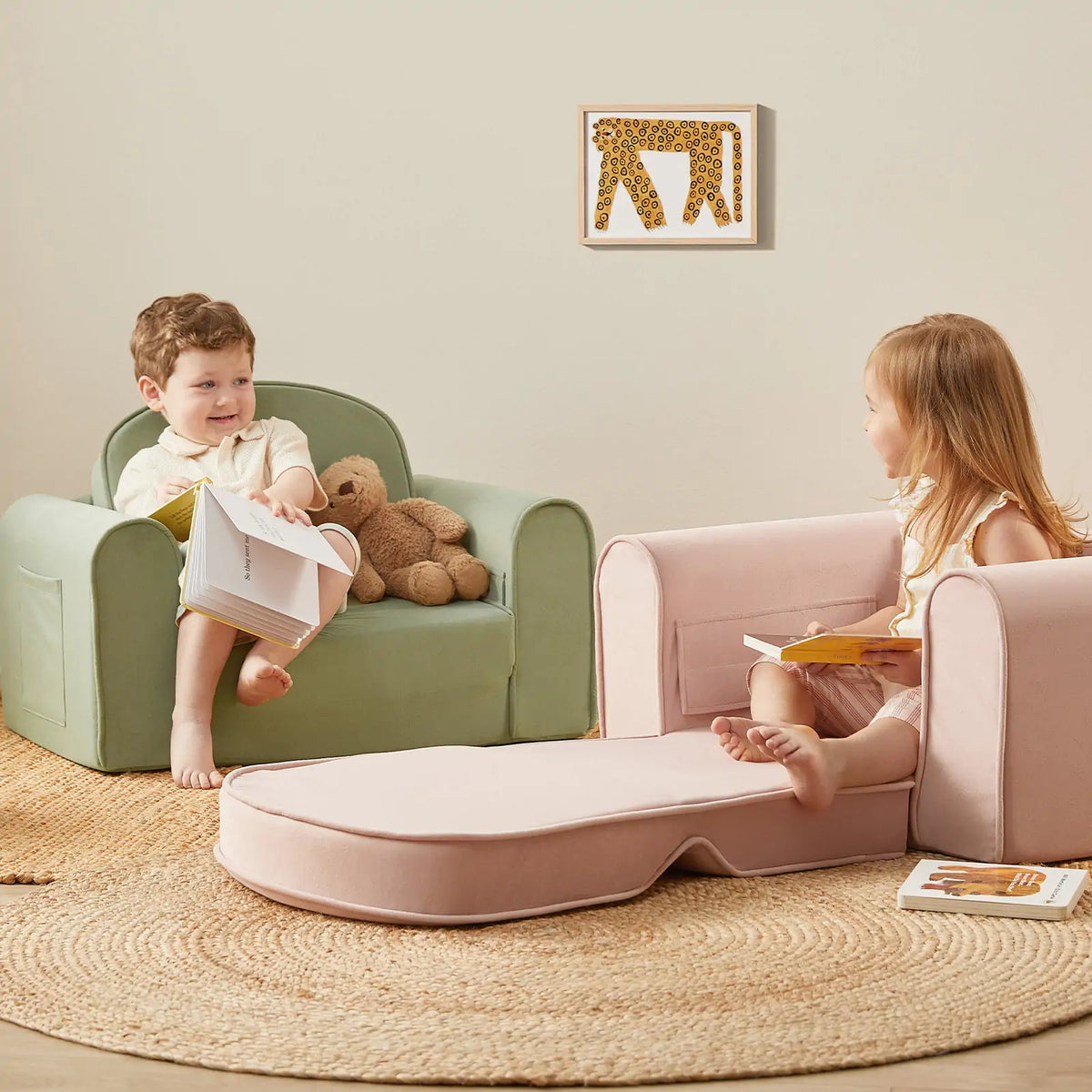
5. Board Books and Early Language Play
Reading might not look like “play,” but it’s one of the most powerful learning tools at this age.
Board books help your child:
-
Hear new words
-
Build memory
-
Develop early communication skills
Even flipping pages or pointing at pictures becomes part of the experience.

Small Moments That Matter More Than You Think
At one year, learning doesn’t come from doing something once—it comes from repeating it many times.
You might see your child:
-
Dropping the same object again and again
-
Putting items into containers and taking them out
-
Pushing a toy across the room all day
These simple actions are building the foundation for movement, coordination, and understanding.
Safety Always Comes First
No matter what toys you choose, safety should always come first.
Look for toys that are:
-
Made with safe, non toxic materials
-
Large enough to avoid choking hazards
-
Smooth and well-constructed
A toy should feel just as comfortable for you as it does for your child.

You Don’t Need More Toys—Just Better Ones
For most 1 year old, a few well-chosen items are more than enough.
A simple setup might include:
-
A push toy for movement
-
An activity cube for hands-on exploration
-
Blocks or shapes for early thinking
-
A few books for daily reading
That’s it.
These toys create everyday opportunities for learning, without overwhelming your child.

Final Thoughts
The best toys don’t try to do everything—they simply support your child in doing things on their own.
At this stage, your role isn’t to teach—it’s to provide the space, tools, and time for your child to explore.
And often, the simplest toys end up making the biggest difference.