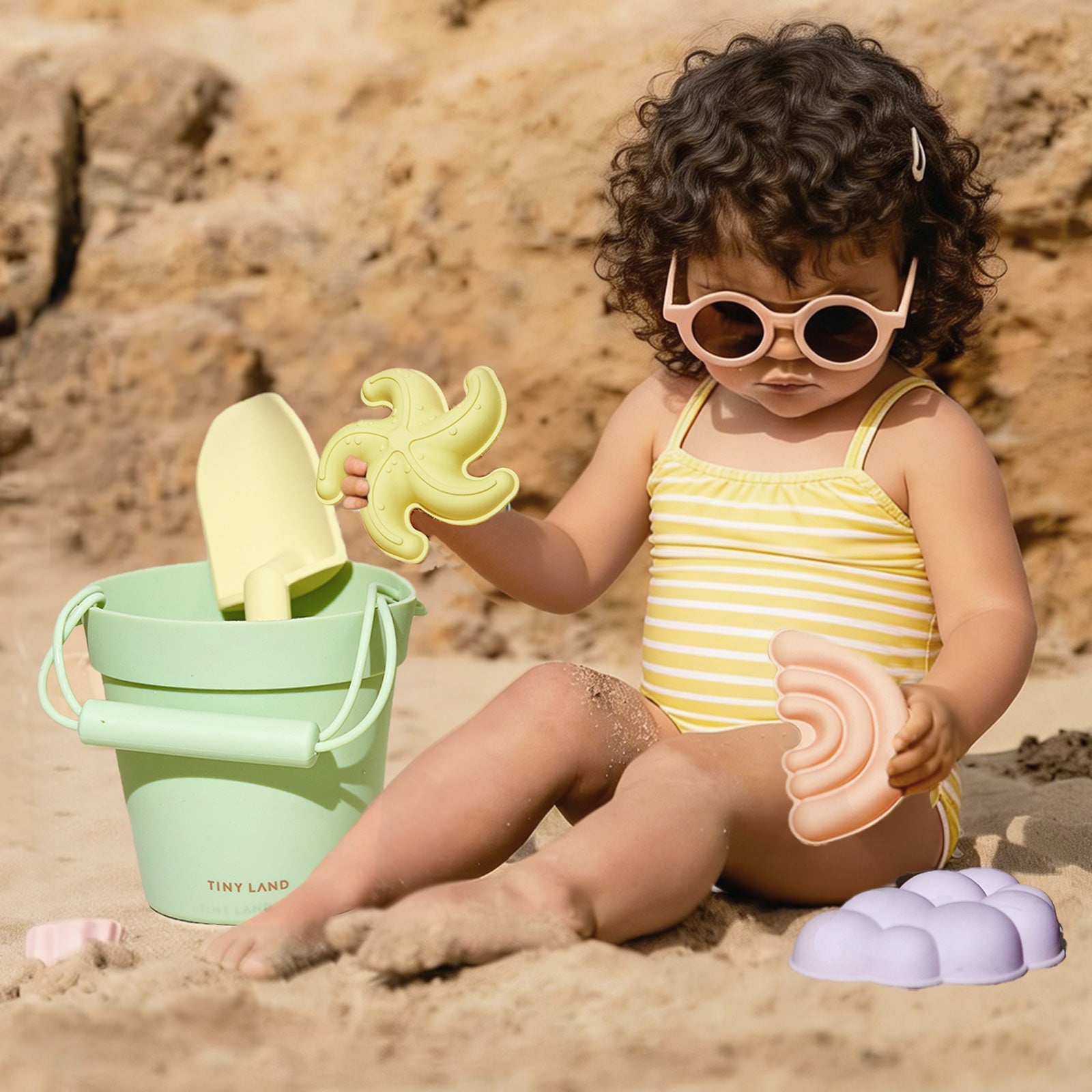

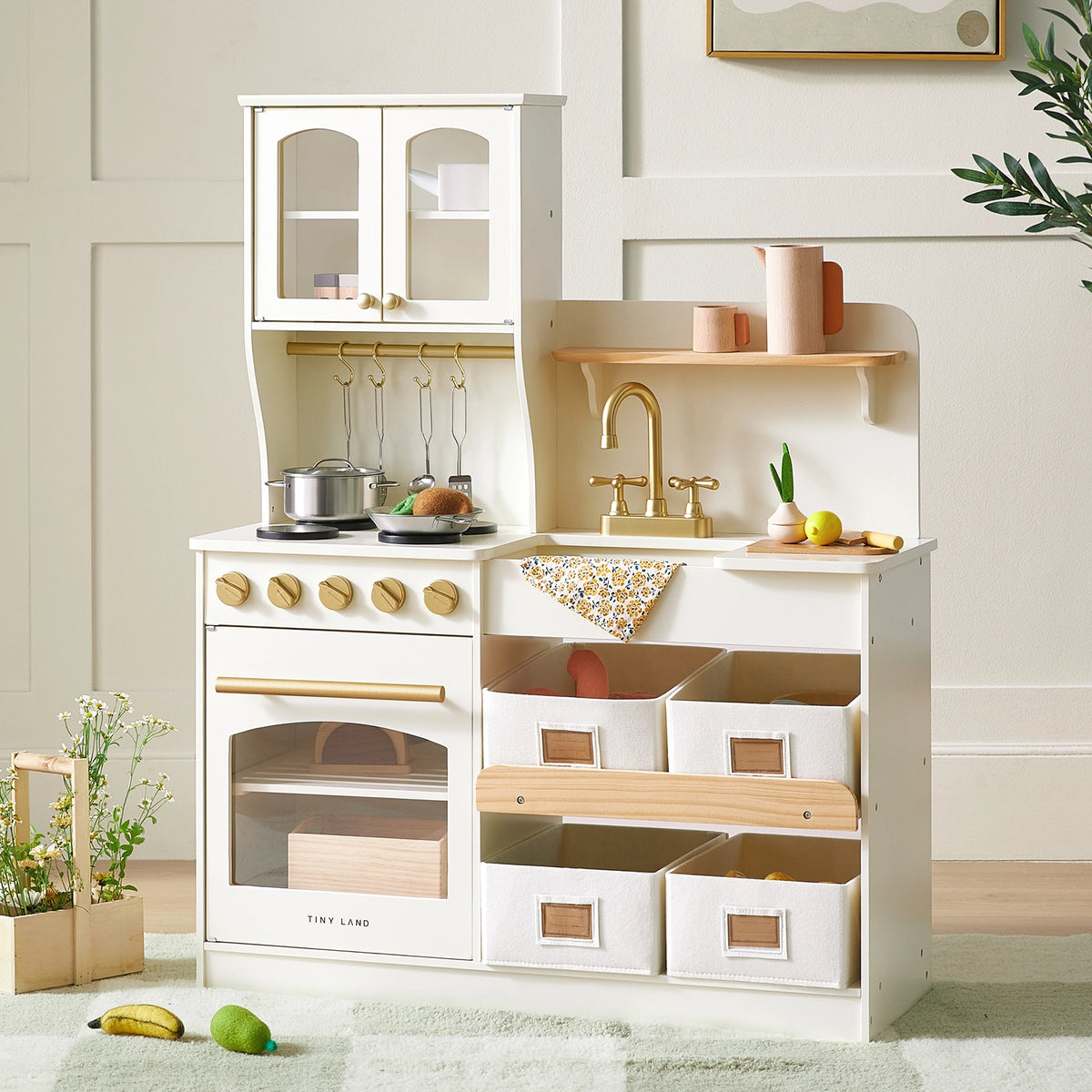
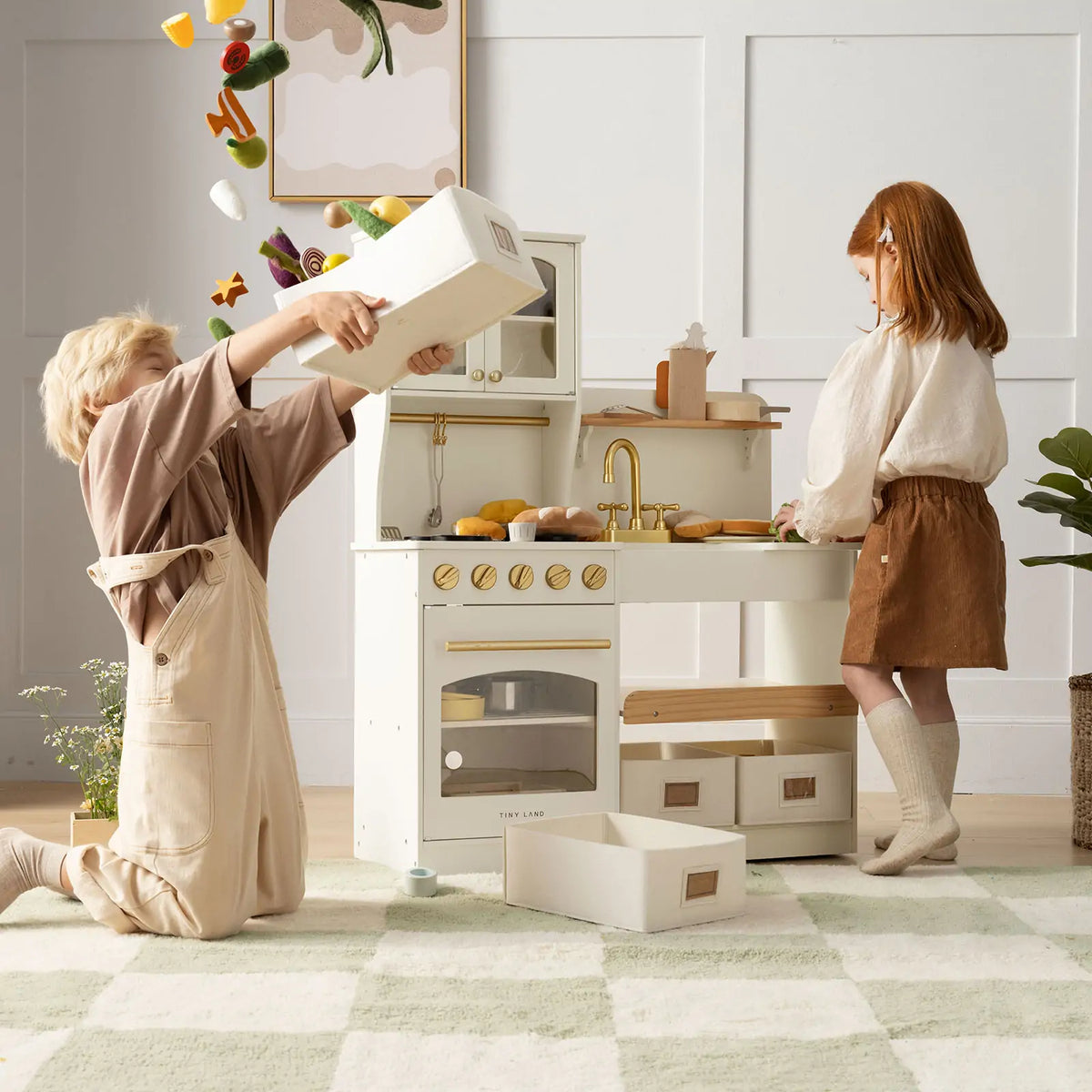
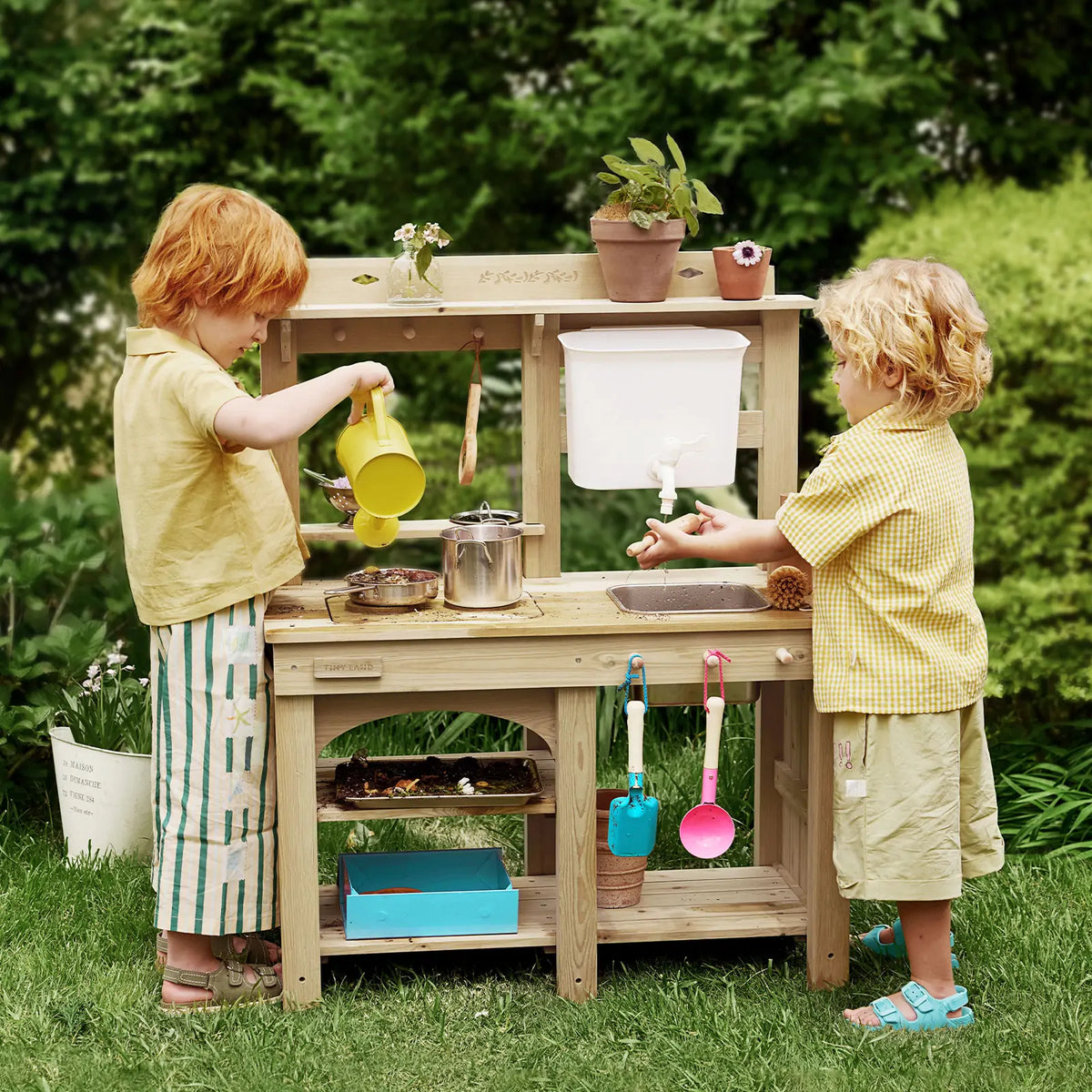



A mud kitchen is one of those toys that looks simple at first, but quickly becomes a whole world of imagination for kids. With a little mud, sand, water, a sink, a stove top, and a few pans, children can spend hours cooking, mixing, pouring, splashing, and creating their own outdoor recipes.
For parents looking for the best mud kitchen, the goal is not only to buy a cute outdoor toy. A good mud kitchen should feel sturdy, be easy to clean, fit well in the yard or on a deck, and give children enough space to explore nature through hands-on play.
Unlike indoor play kitchens, a mud kitchen brings the pretend cooking experience outside. Kids can make a mud pie, pour water into flowerpots, mix dirt in a pot, test different textures, and discover how water, sand, and natural materials feel together. It is messy, yes — but that is also the point.

Why a Mud Kitchen Is Great for Outdoor Play
Outdoor play gives children a chance to move, explore, and feel more connected to the world around them. A mud kitchen turns the yard into a mini cooking station where kids can pretend to cook, clean, serve, and create.
The best part is that there are no strict rules. One child may use the oven area to “bake” a mud pie. Another may fill two pans with leaves, dirt, and water. Someone else may spend the whole afternoon splashing in the sink or using utensils to mix sand and mud.
This kind of open-ended play supports creativity because children are not just pressing buttons or following one fixed activity. They are building stories, testing ideas, and making their own plans.
A mud kitchen also encourages gross motor skills. Kids bend, scoop, carry, pour, stir, lift, and move around the outdoor space. These simple actions help the body grow stronger while still feeling like fun.

Best Mud Kitchen Features to Look For
When choosing the best mud kitchen, parents should look beyond the first product photo. A beautiful design matters, but the real value comes from the features that make play easier and more complete.
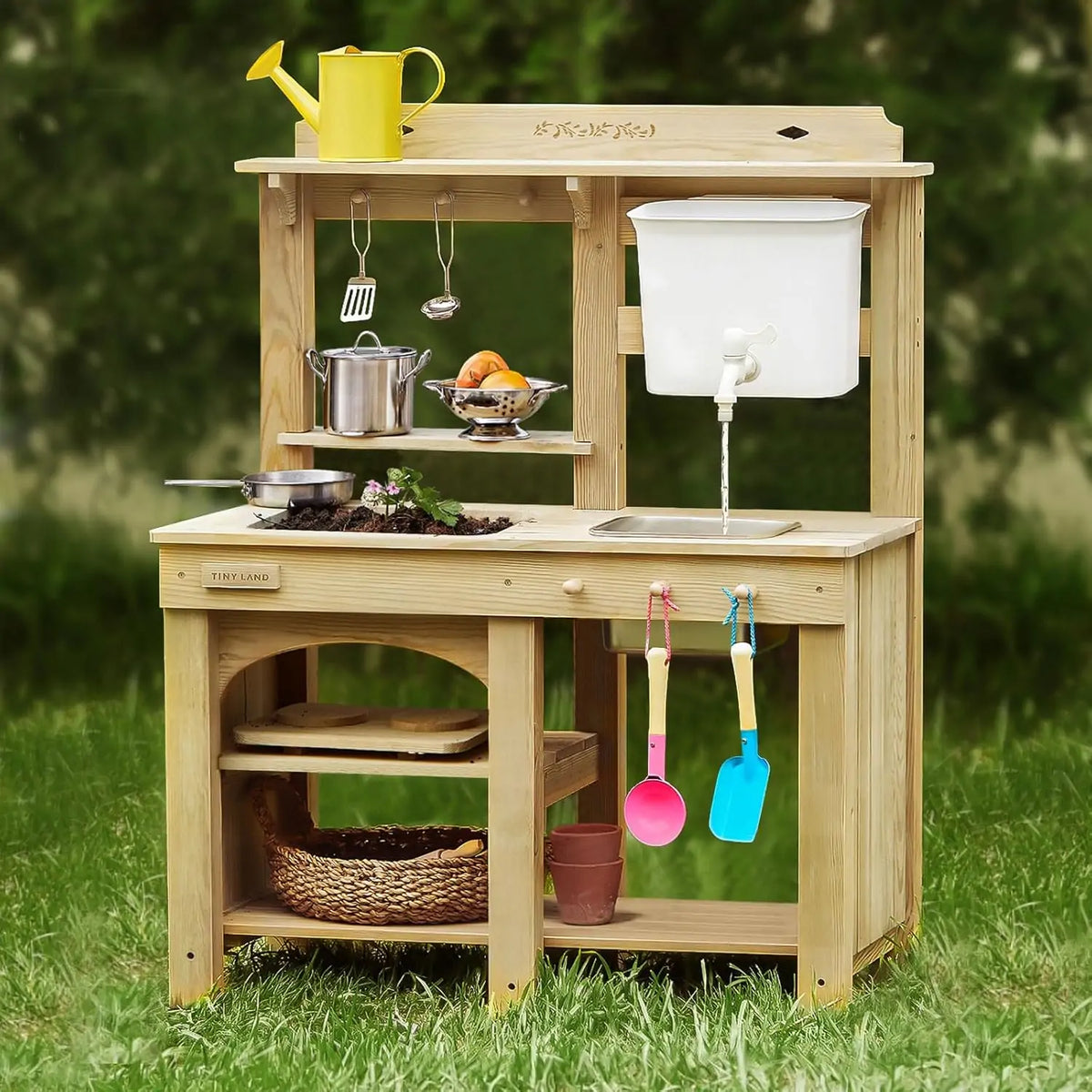
A good mud kitchen usually includes:
-
A sturdy wood structure for outdoor use
-
A sink or removable bowl for water play
-
A stove top for pretend cooking
-
Hooks for utensils and accessories
-
Shelves or space for pans, pots, and toys
-
A backsplash to make the kitchen feel more realistic
-
Easy-to-clean surfaces
-
Enough counter space for mixing, pouring, and creating
Some mud kitchens also include a water tank or hose connection for running water. This can make outdoor play more exciting because kids love turning water on, filling the sink, washing pans, and pouring water into different containers.
However, running water is not required for a great play experience. A simple pot of water, a few utensils, and natural materials from the yard can already create tons of messy fun.

Mud Kitchen vs Indoor Play Kitchens
Parents often wonder whether they should buy a mud kitchen or one of the more classic indoor play kitchens. Both are great, but they serve slightly different purposes.
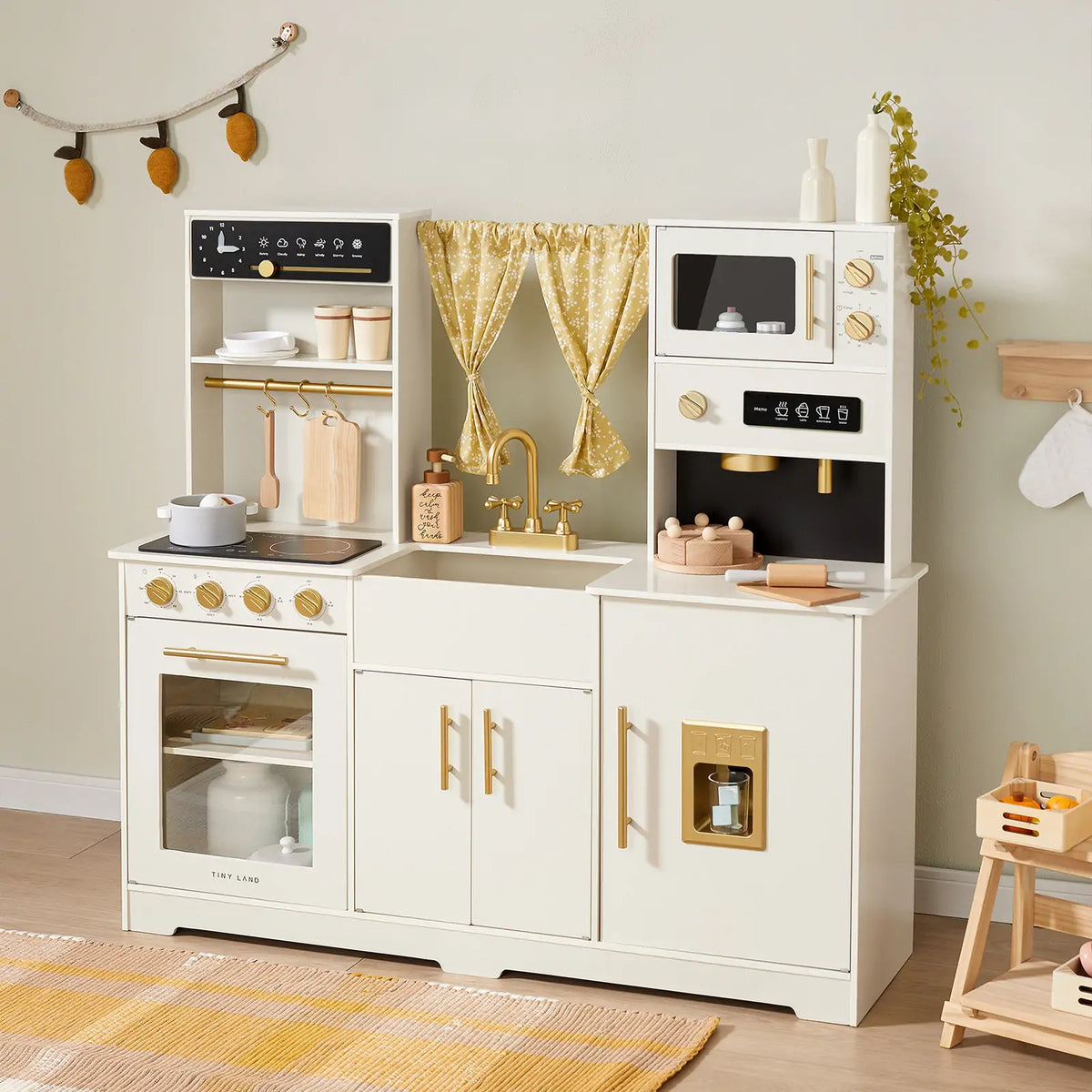
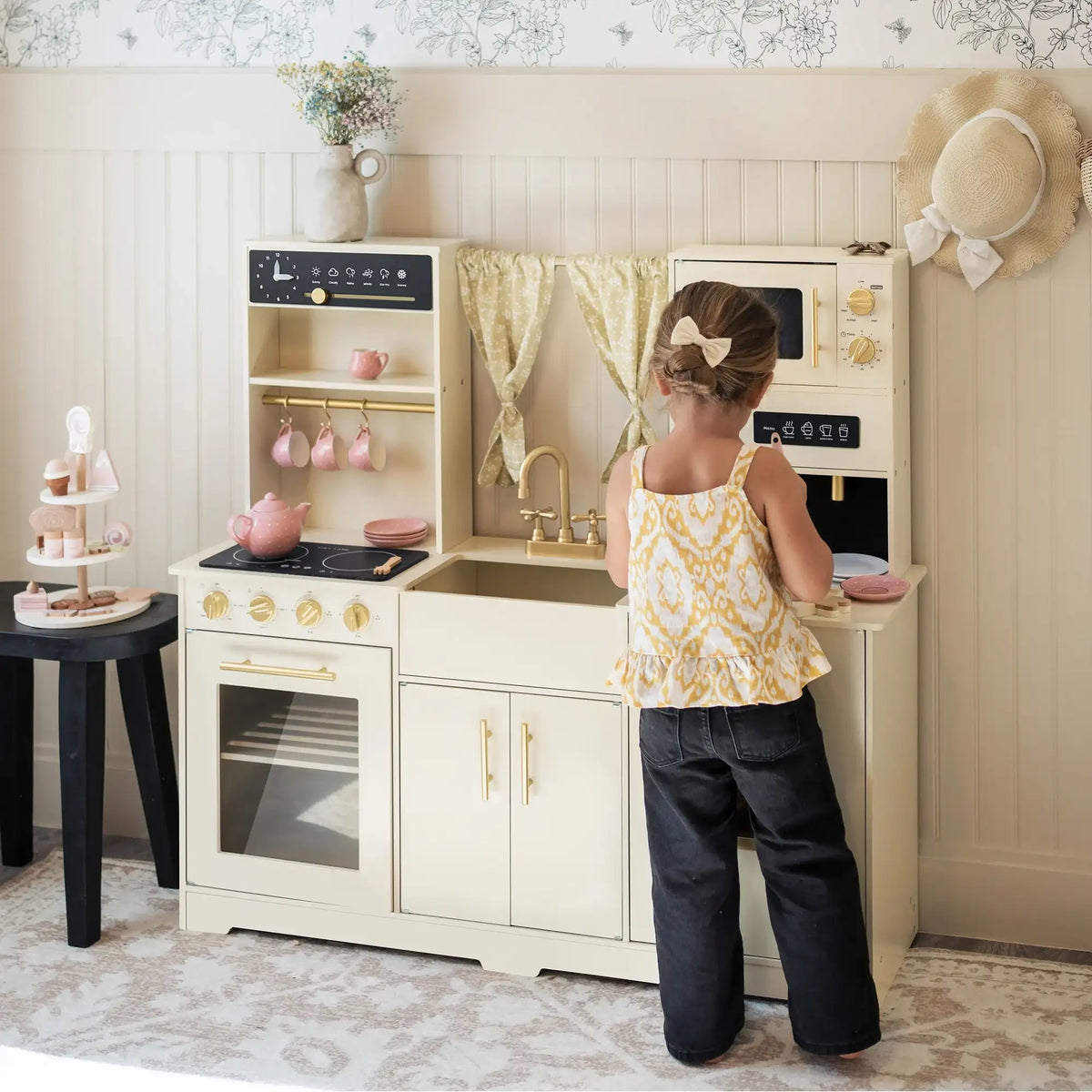
Indoor play kitchens are ideal for pretend cooking inside the home. They are usually cleaner, more controlled, and better for everyday play in a playroom. Children can use pretend food, toy pans, and accessories without worrying about dirt or water.
A mud kitchen, on the other hand, is made for outdoor play. It gives kids the freedom to use real mud, sand, leaves, flowerpots, water, and natural materials. It feels more physical, more sensory, and more connected to the outdoors.
If indoor kitchens are about pretend home life, mud kitchens are about discovery. Kids can feel wet mud between their fingers, hear water splashing in the sink, smell the dirt after rain, and learn how different textures mix together.
For many families, the two can work well together. Indoor play kitchens support daily pretend play, while a mud kitchen creates a special outdoor space for summer, backyard afternoons, and sensory play.

How Mud Kitchens Support Sensory Play
One of the biggest benefits of a mud kitchen is sensory play. Children learn through their senses, and a mud kitchen gives them a safe place to touch, pour, scoop, stir, splash, and experiment.
They can feel the difference between dry dirt and wet mud. They can see how sand changes when water is added. They can hear the sound of water hitting a pan or a pot. They can discover what happens when leaves, mud, and water are mixed together.
This type of play may look simple, but it helps children build focus, patience, and problem-solving skills. A child might wonder, “What happens if I add more water?” or “Can I make this mud pie thicker?” These small questions are part of early learning.
The best mud kitchen gives kids enough room to repeat these experiments again and again. Repetition matters because children often learn by doing the same thing in slightly different ways.

Why Messy Fun Is Actually Helpful
Many parents see mud and immediately think about cleanup. That is understandable. Mud kitchen play can be messy. Clothes may get dirty, hands may need washing, and the yard may look a little chaotic for a while.
But messy fun has real value.
When kids play with mud, water, and sand, they learn to feel more comfortable with different textures. They build confidence by making choices. They learn that play does not always need to be perfect or clean. They also get a healthy chance to be active outdoors instead of staying inside with screens.
A mud kitchen gives this messy play a proper place. Instead of having dirt all over the deck or random toys scattered through the yard, the child has a clear outdoor play station where the mess belongs.
To make cleanup easier, keep a small bucket, towel, and hose nearby. You can also add a simple lid or cover when the mud kitchen is not in use to help keep the space cleaner.

What Accessories Make a Mud Kitchen More Fun?
Accessories can turn a simple mud kitchen into a complete outdoor play setup. You do not need to buy a lot at once. In fact, some of the best accessories are simple items children can use in many different ways.
Useful mud kitchen accessories include:
-
Two pans for pretend cooking
-
A pot for mixing mud and water
-
Small utensils for stirring and scooping
-
Flowerpots for planting or pouring
-
Cups for water play
-
A small bucket for sand or dirt
-
A lid for pretend cooking
-
Hooks for hanging tools
-
Natural items like leaves, sticks, stones, and flowers
Recycled materials can also be great. Empty containers, clean jars, old measuring cups, and safe kitchen tools can help children create their own outdoor cooking station. Just make sure everything is child-safe, easy to wash, and suitable for their ages.
The goal is not to make the kitchen look perfect. The goal is to give kids more ways to create, test, pour, mix, and imagine.

Where Should You Put a Mud Kitchen?
Before you buy a mud kitchen, think about where it will go. The right space can make outdoor play much easier.
A flat area in the yard is usually best. If you place it on a deck, make sure water can drain and the surface is easy to clean. Some parents like placing the mud kitchen near a hose so kids can refill water easily. Others prefer a shaded area so children can play comfortably in summer.
Also think about visibility. It is helpful to place the mud kitchen where adults can easily view the child while they play. This makes supervision easier without interrupting their creativity.
If your outdoor space is small, look for a compact mud kitchen with shelves, hooks, and vertical storage. If you have more room, a wider design with a larger sink, stove, and counter space may feel more complete.

What Ages Are Best for a Mud Kitchen?
A mud kitchen is usually best for toddlers and young kids who enjoy pretend play, water play, and outdoor discovery. Many children around ages 3 and up can enjoy a mud kitchen, especially when the height and accessories fit their size.
Younger children may love the splashing, pouring, and mixing. Older kids may create more detailed stories, recipes, games, and pretend restaurant setups.
The key is to choose a mud kitchen that feels safe, sturdy, and age-appropriate. Check the product note, size, and safety information before you buy. Also make sure the accessories are suitable for your child’s age.

How to Keep a Mud Kitchen Clean
A mud kitchen does not need to stay spotless, but it should be easy to clean after play.
Here are a few simple habits:
Use water to rinse the sink, pans, and stove area after play. Let the wood dry naturally when possible. Empty standing water from pots and pans. Store utensils on hooks or in a small container. Remove old mud, leaves, or food-like mixtures before they dry too hard.
If the kitchen has a water tank, check it regularly and keep it clean. If it connects to a hose, turn the water off after play. If your mud kitchen has a lid or cover, use it when the kitchen is not in use.
A little cleanup after each play session helps the kitchen last longer and keeps the outdoor space more inviting.

What Makes the Best Mud Kitchen Worth Buying?
The best mud kitchen should feel like something your child can grow with. It should not be a one-day toy. It should offer enough features and space for different kinds of play across seasons.
Look for a sturdy wood design, a realistic sink, stove top, storage space, and accessories that make play feel complete. If the kitchen includes a water tank or space for running water, that can be a nice bonus. If it has hooks, shelves, pans, and utensils, it becomes easier for kids to organize their own little cooking world.
Most importantly, the mud kitchen should invite creativity. A good mud kitchen does not tell the child exactly what to do. It gives them the tools and space to wonder, test, build, mix, splash, cook, and imagine.

Final Thoughts: A Mud Kitchen Turns the Yard Into a Creative Play Space
A mud kitchen is more than an outdoor toy. It is a place where kids can enjoy messy fun, practice gross motor skills, explore sensory play, and create their own little world with mud, water, sand, dirt, pans, pots, and natural materials.
For families who want more outdoor play and less screen time, the best mud kitchen is a simple but powerful choice. It gives children the chance to cook pretend meals, make mud pie, pour water, mix textures, and discover new ideas in the yard or on the deck.
Yes, it gets messy. But that mess often comes with laughter, learning, creativity, and hours of play. That is what makes a mud kitchen such a special part of childhood.