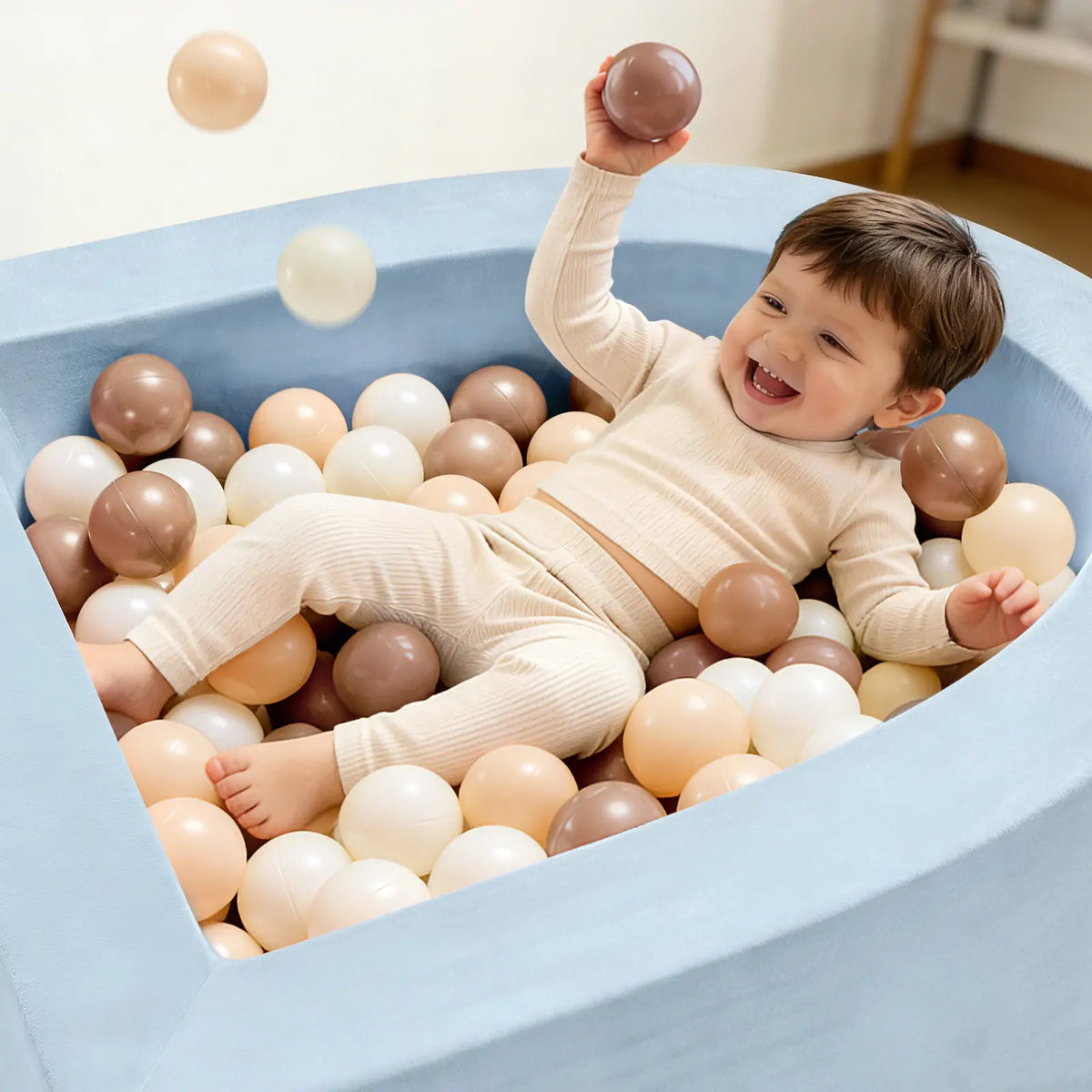
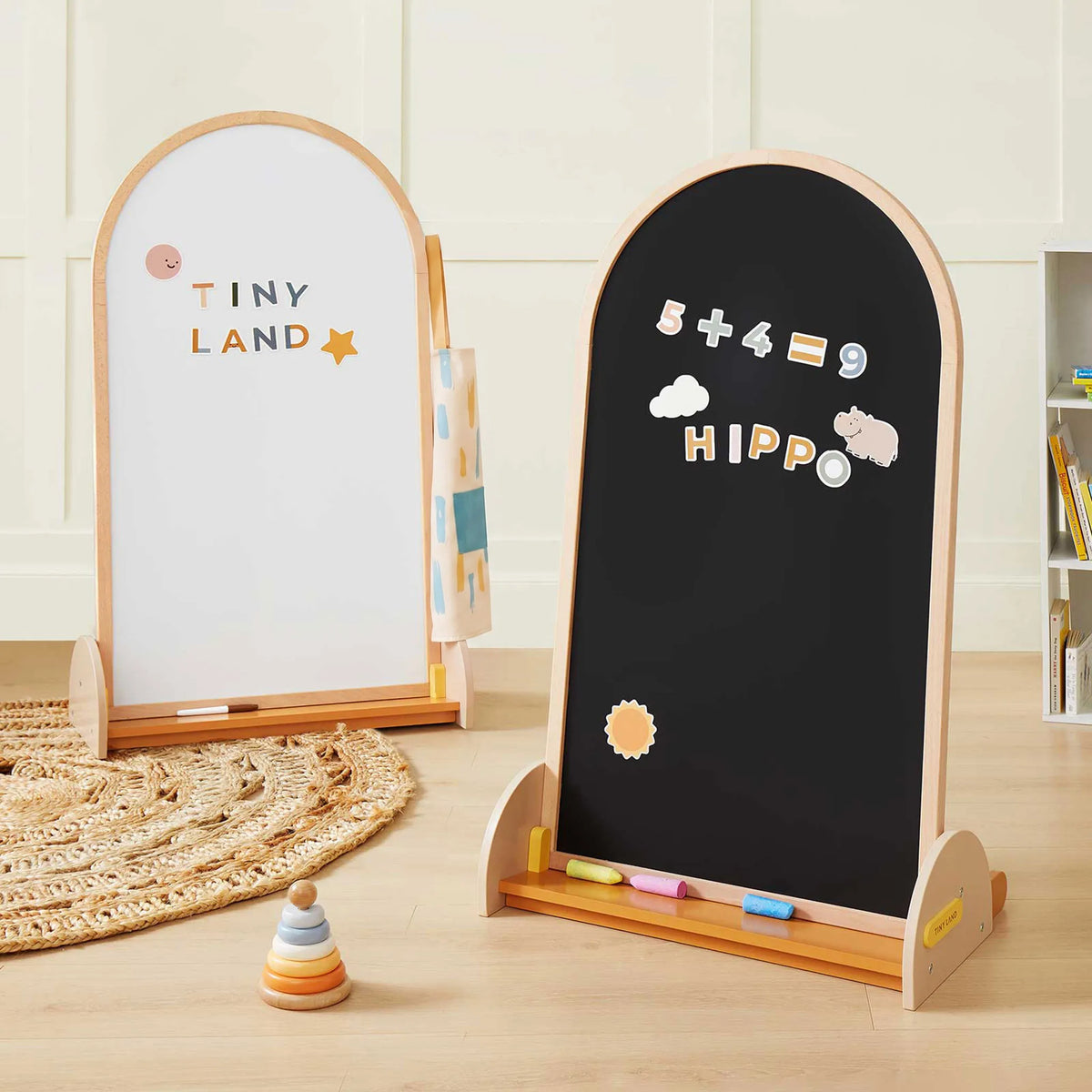

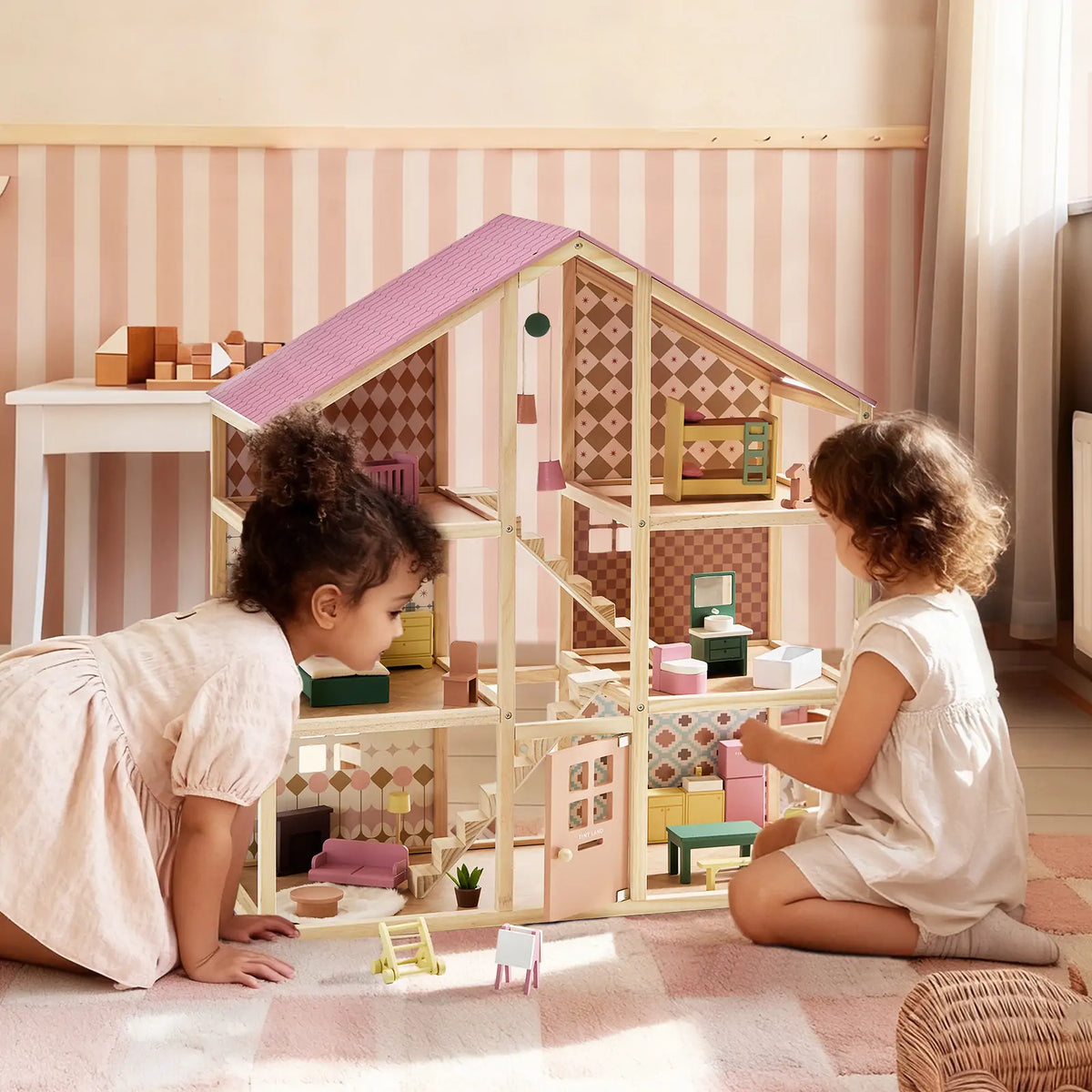
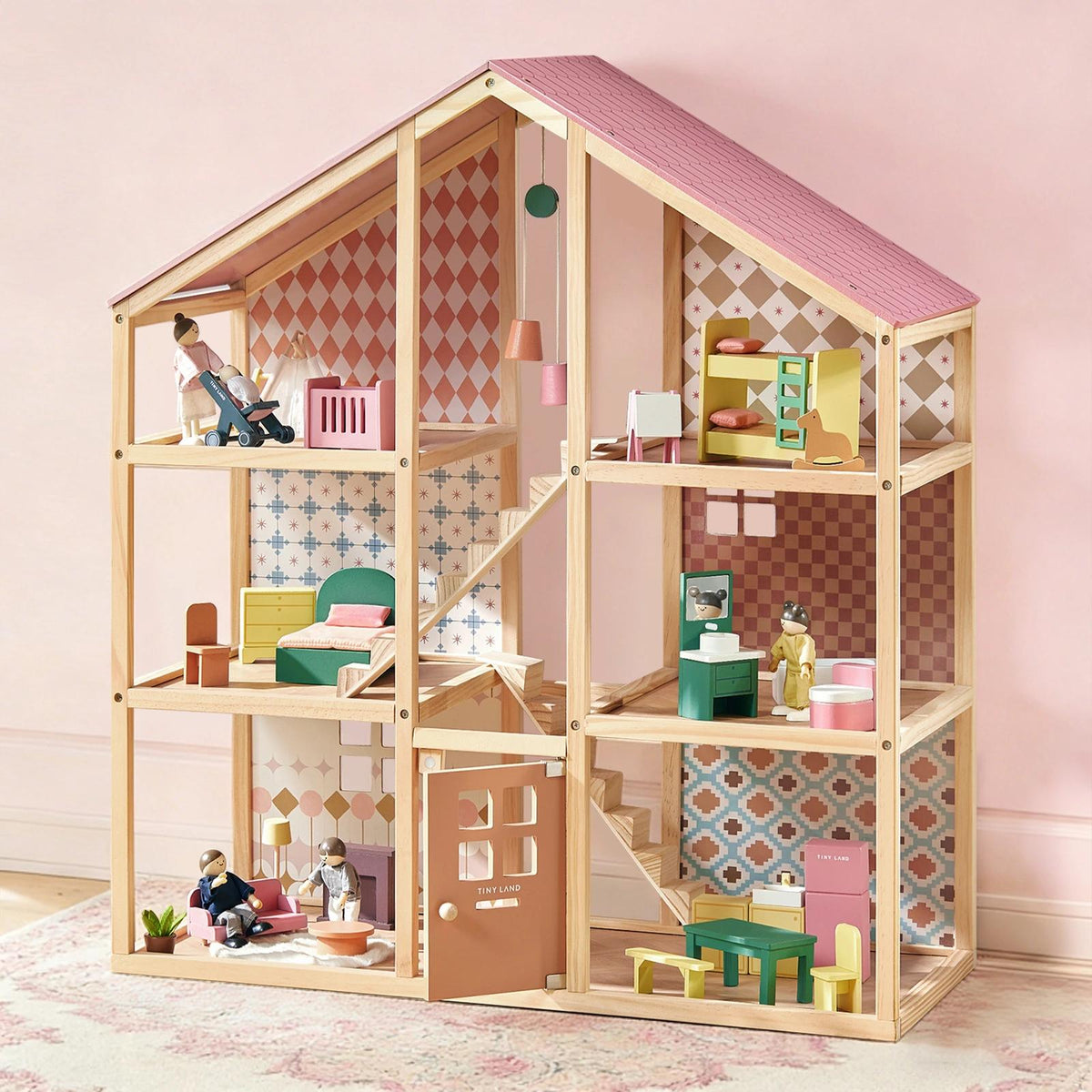
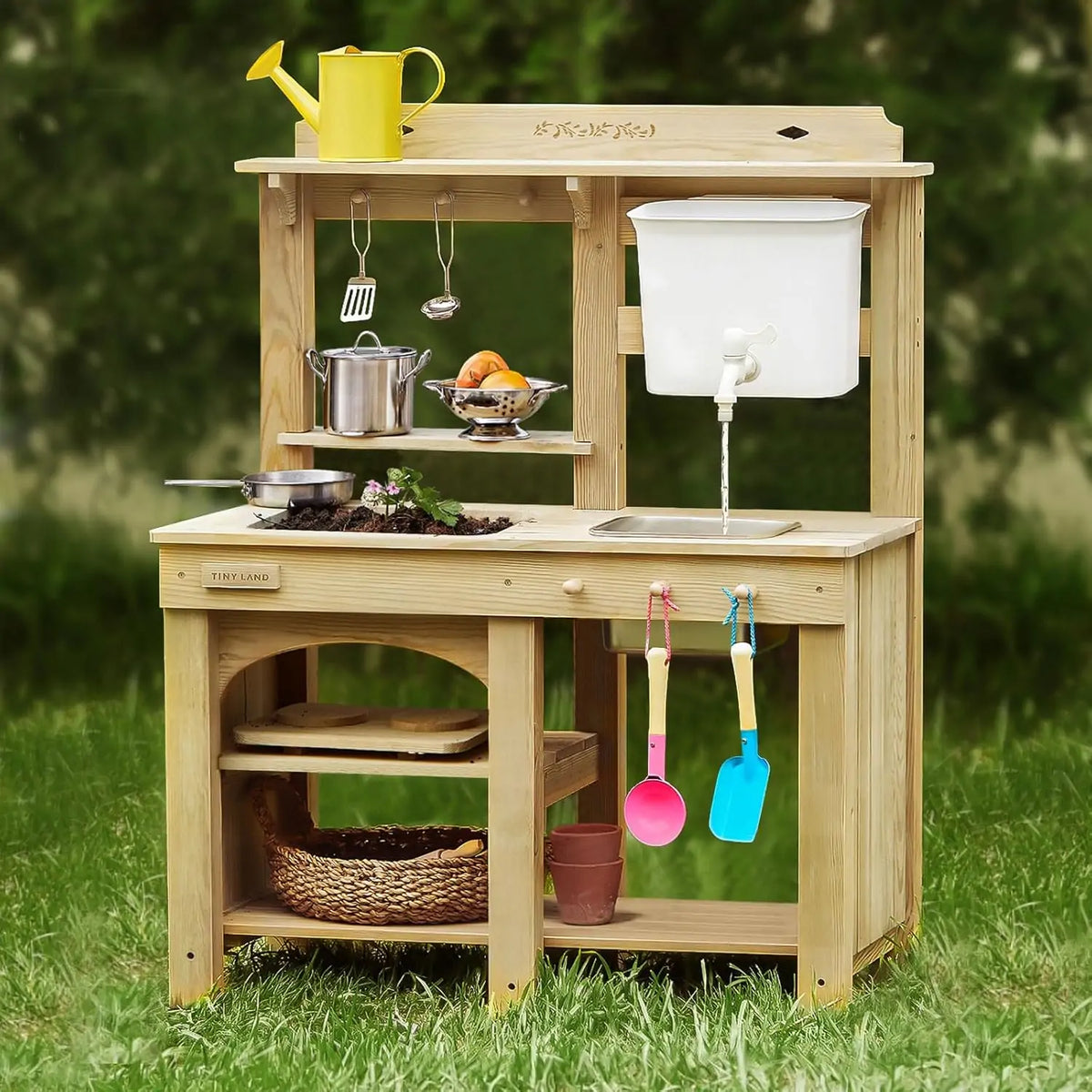
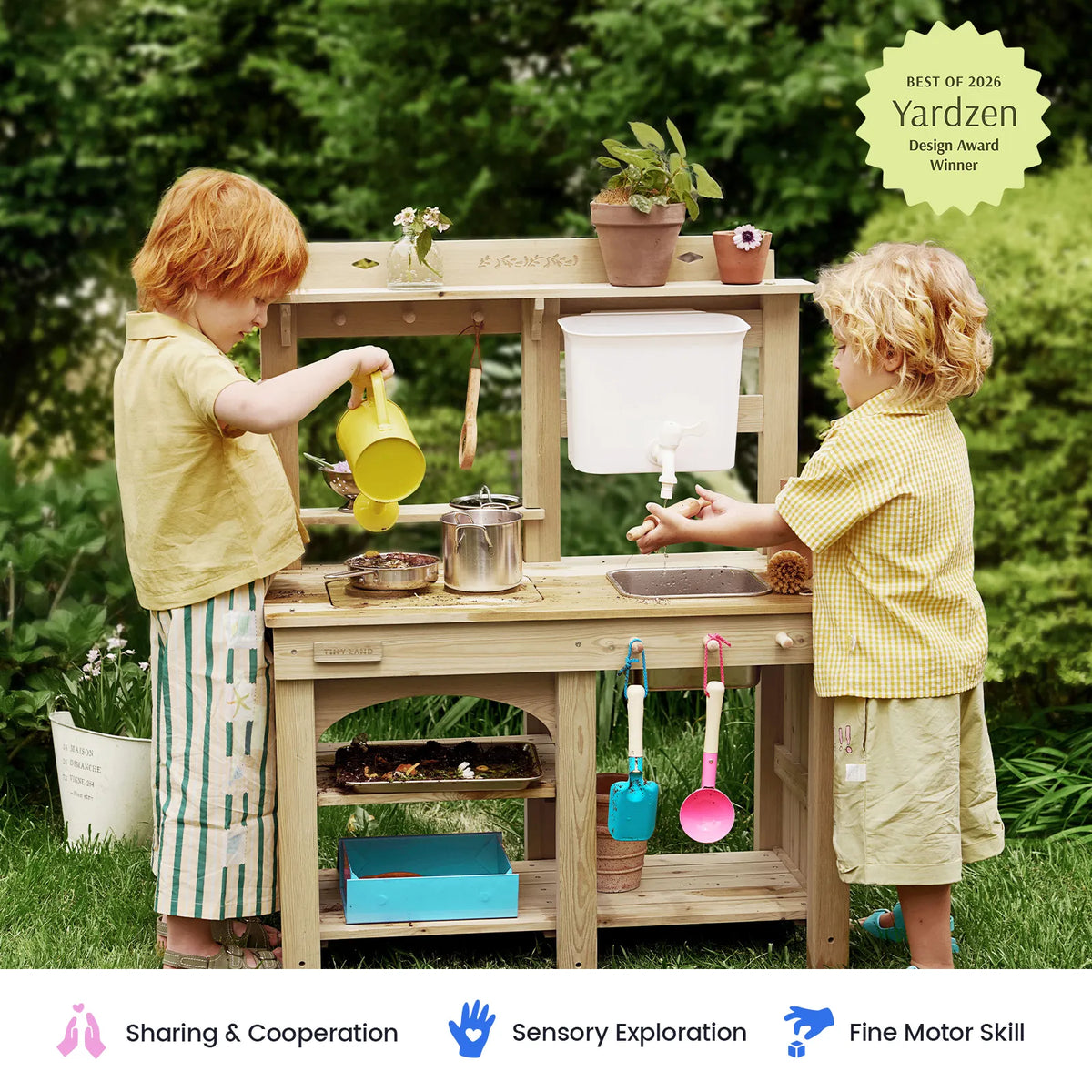
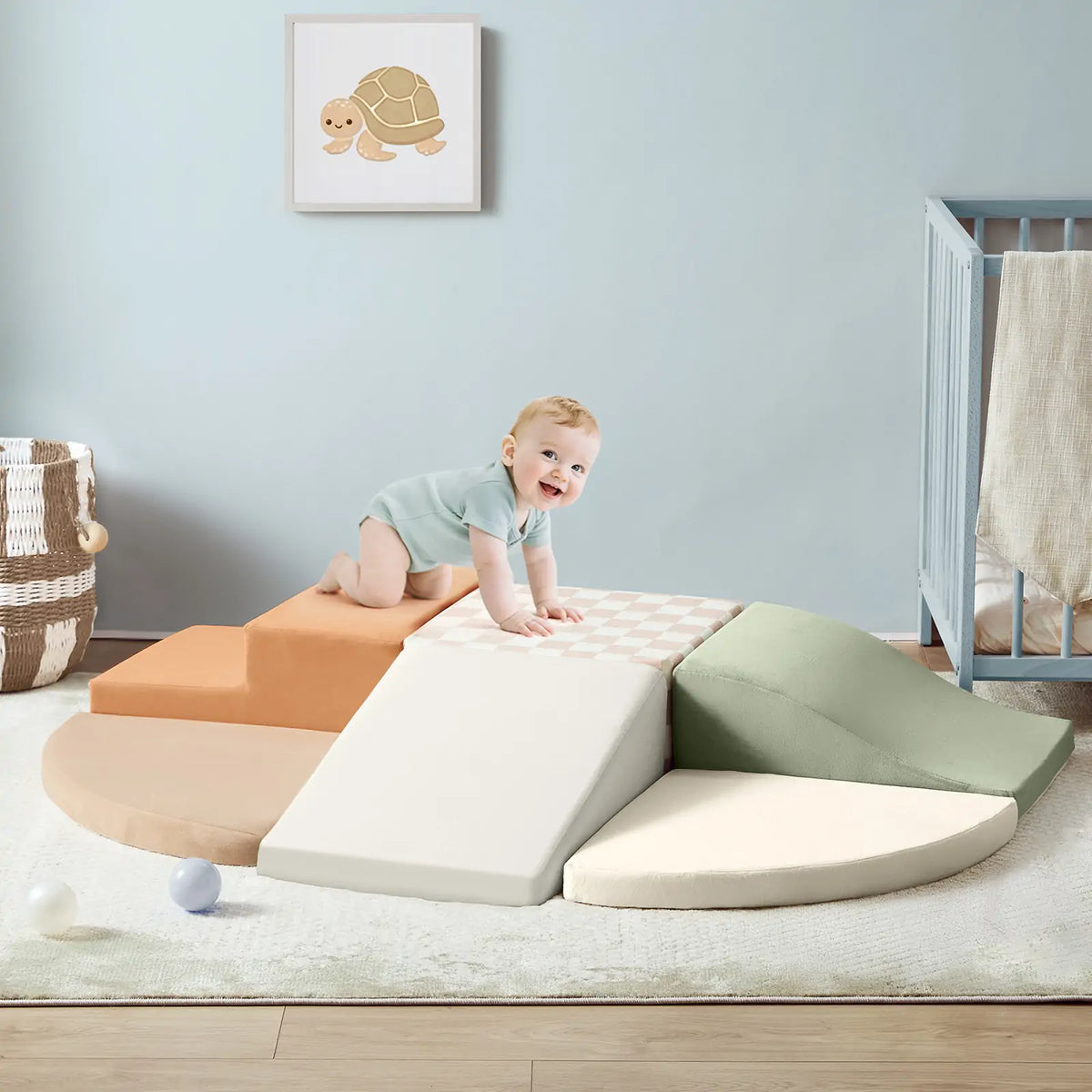
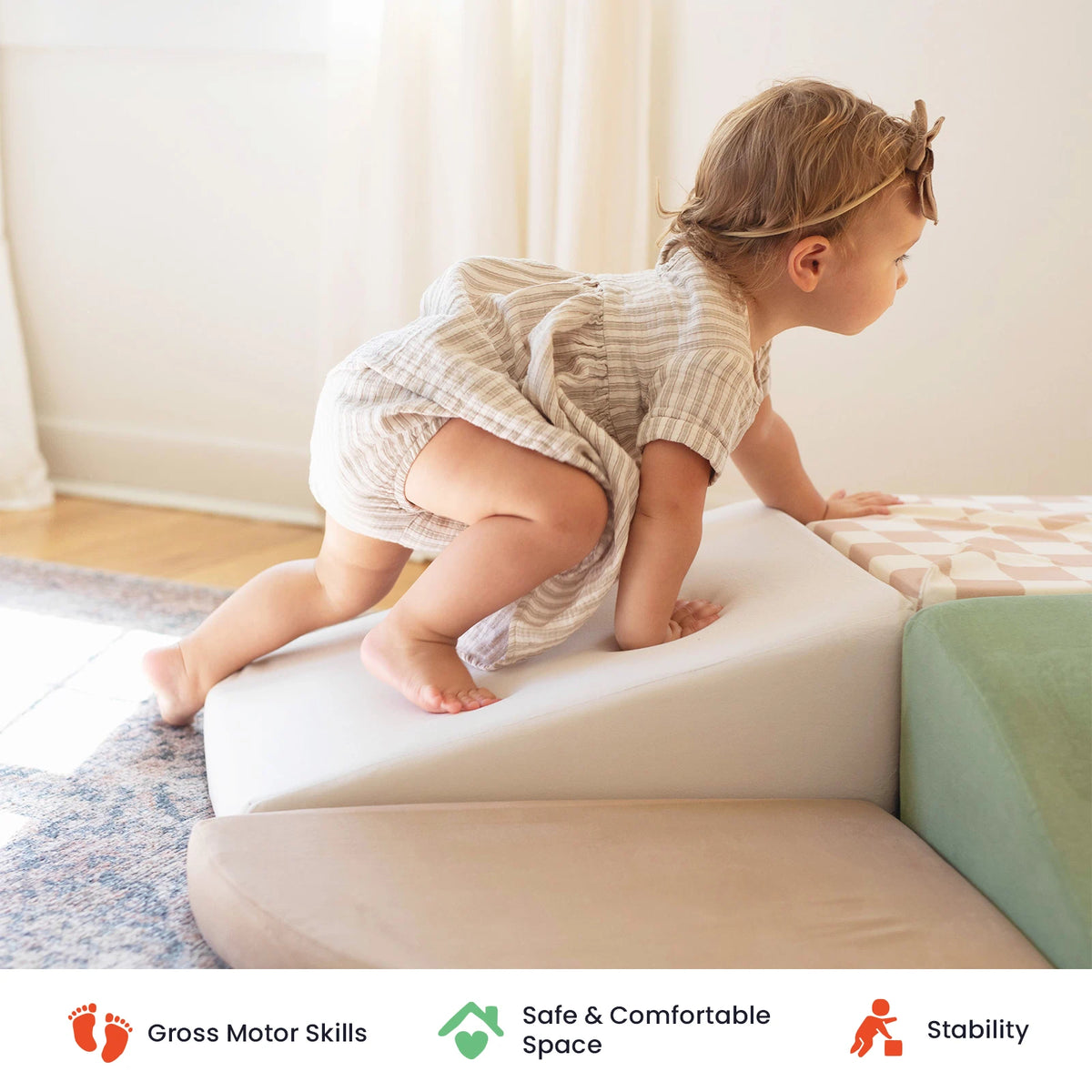


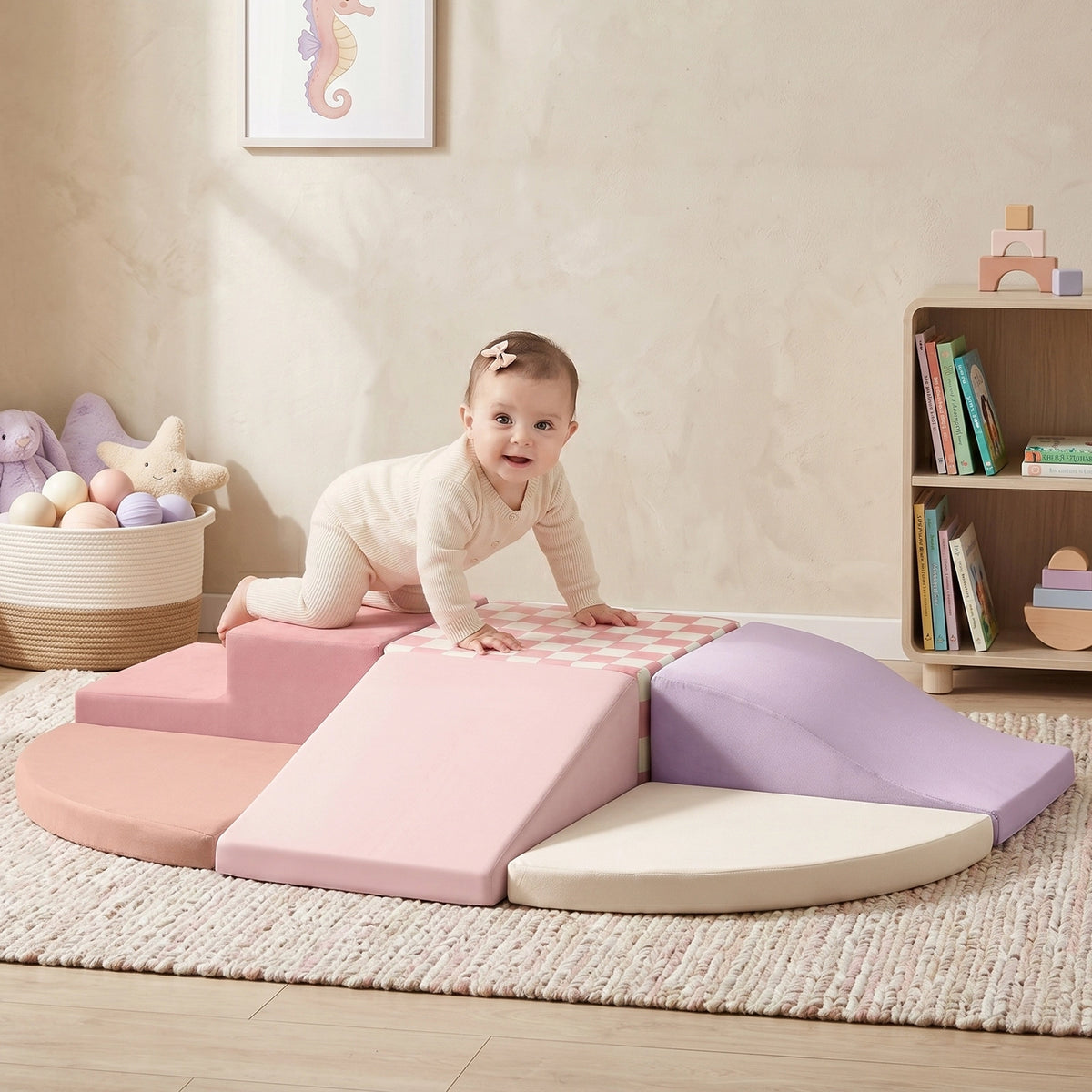
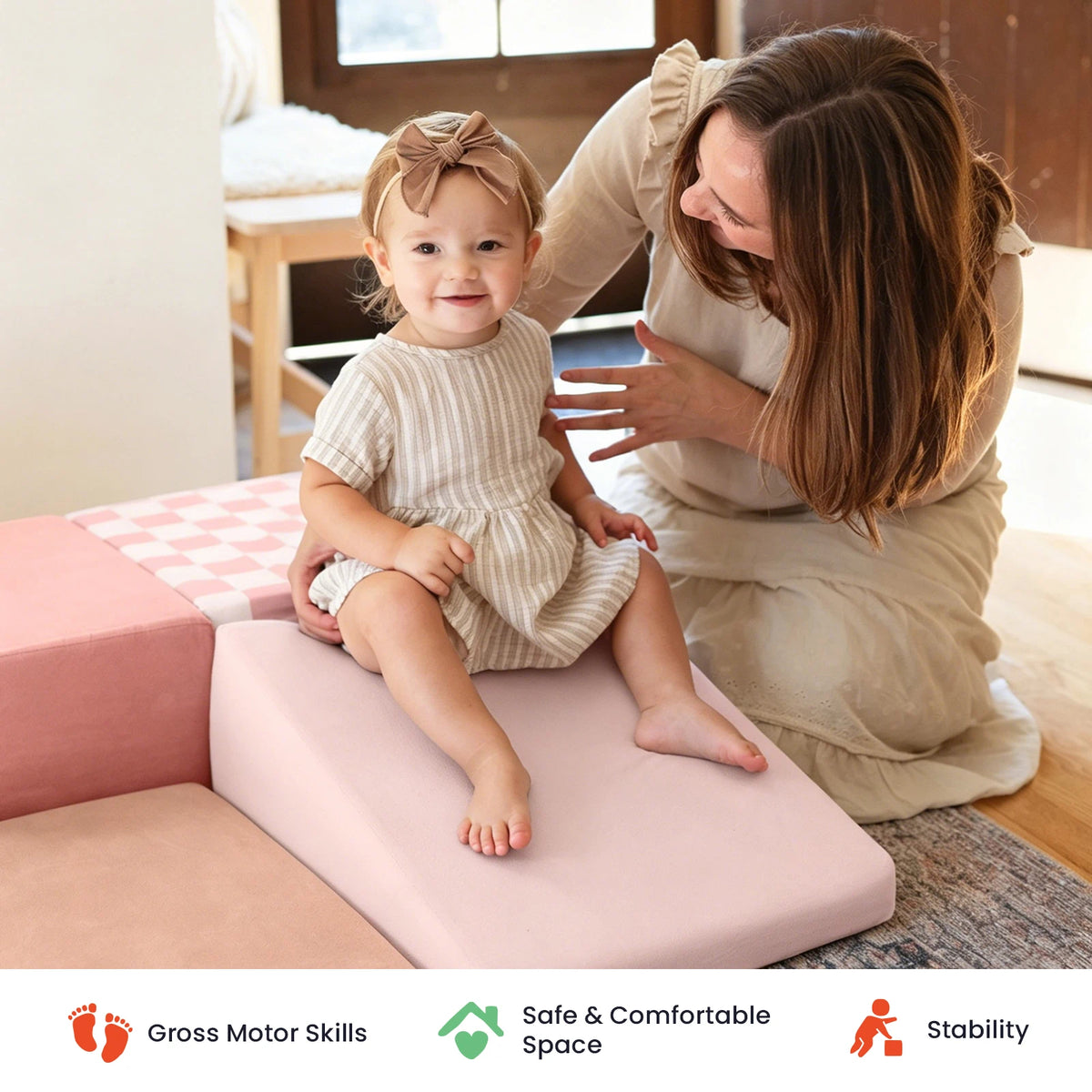


Choosing a Christmas gift for young children can feel overwhelming, especially when you want something meaningful, educational, and genuinely enjoyable. A well-designed play kitchen is more than just a toy—it becomes a space where children explore daily life, express creativity, and build confidence through play.
This guide is written for non-expert buyers and families, helping you understand how to choose the right play kitchen that delivers long-term value, safety, and joy for children and the whole family.

Why Play Kitchens Make a Thoughtful Christmas Gift
Play kitchens remain a holiday favorite in U.S. homes because they combine learning and enjoyment in a natural way. Instead of short-lived entertainment, children return to kitchen play again and again, creating stories, routines, and shared moments with parents or siblings.
Parents often notice that kitchen play becomes a daily activity—before school, after dinner, or during quiet weekends. This repeated engagement turns a Christmas gift into a meaningful part of everyday family life.
Wooden Play Kitchen vs Other Toy Kitchens
A common question for parents and grandparents is whether a wooden play kitchen is worth choosing over other options.
Wooden kitchens are known for their sturdy structure, timeless appearance, and ability to grow with a child. Compared to lightweight plastic options, wood offers better stability, smoother edges, and a more realistic feel that supports deeper play.
Many families also appreciate that wooden designs blend naturally into home spaces, making the kitchen feel like part of the environment rather than clutter.

How Pretend Play Supports Early Childhood Growth
At its core, kitchen play is about pretend play—children copying what they see in everyday life and making it their own.
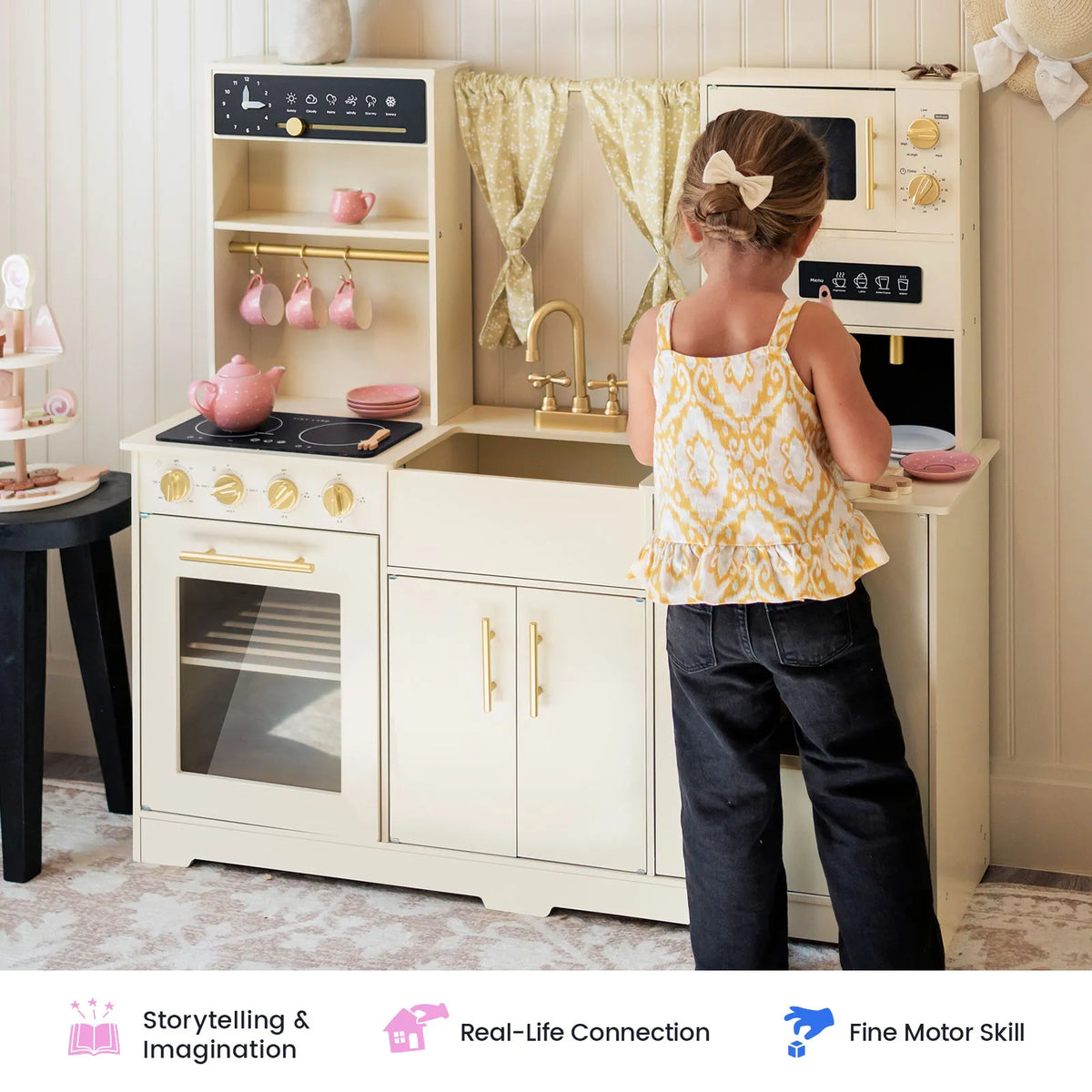
Through role-playing cooking, serving, and cleaning, children naturally develop communication skills, social understanding, and independence. These activities also encourage turn-taking, sharing, and cooperation when siblings or friends play together.
Over time, parents often see noticeable improvements in confidence, vocabulary, and self-expression, all driven by play rather than instruction.
Pretend Food and Real-World Role Play
Pretend Food Encourages Learning Through Play
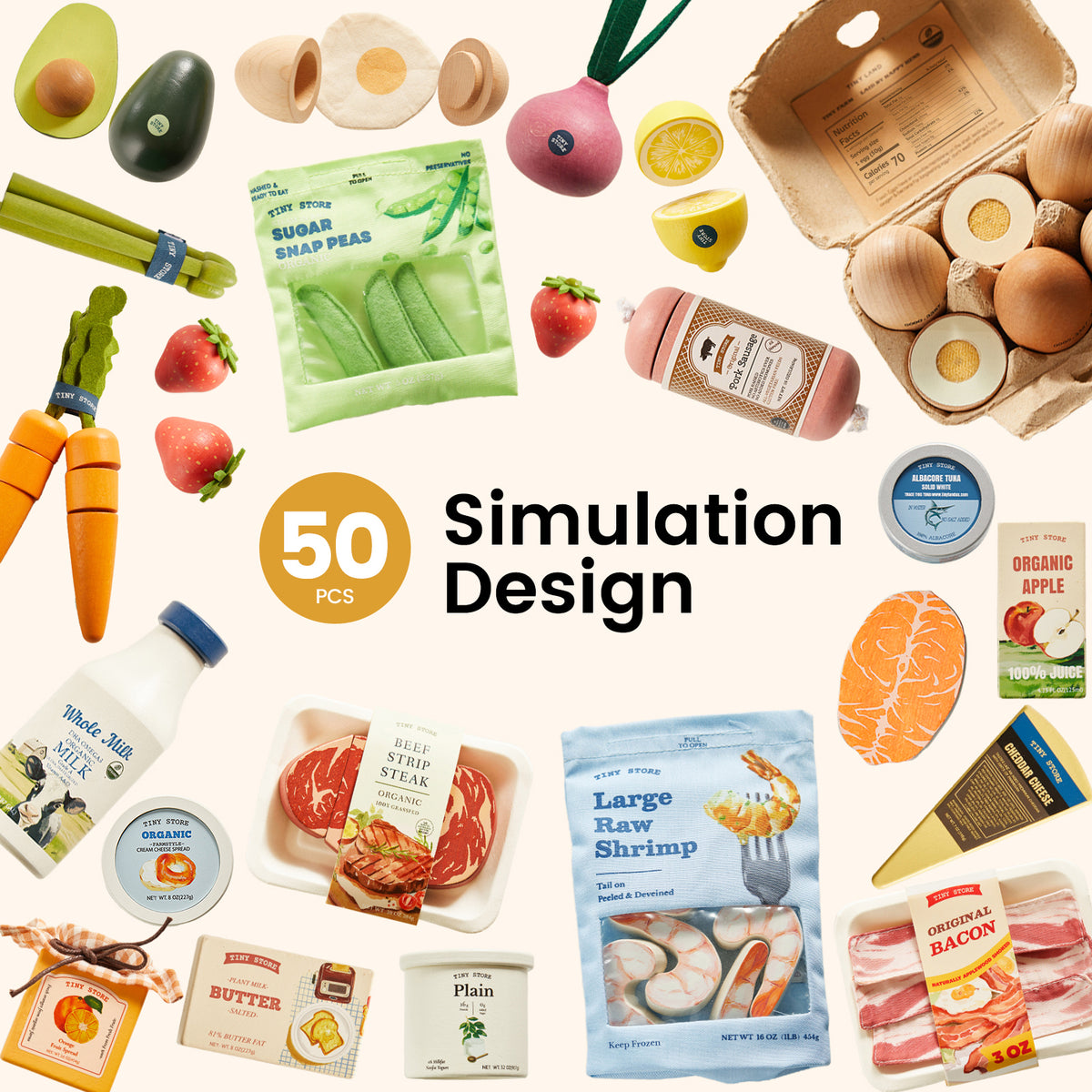
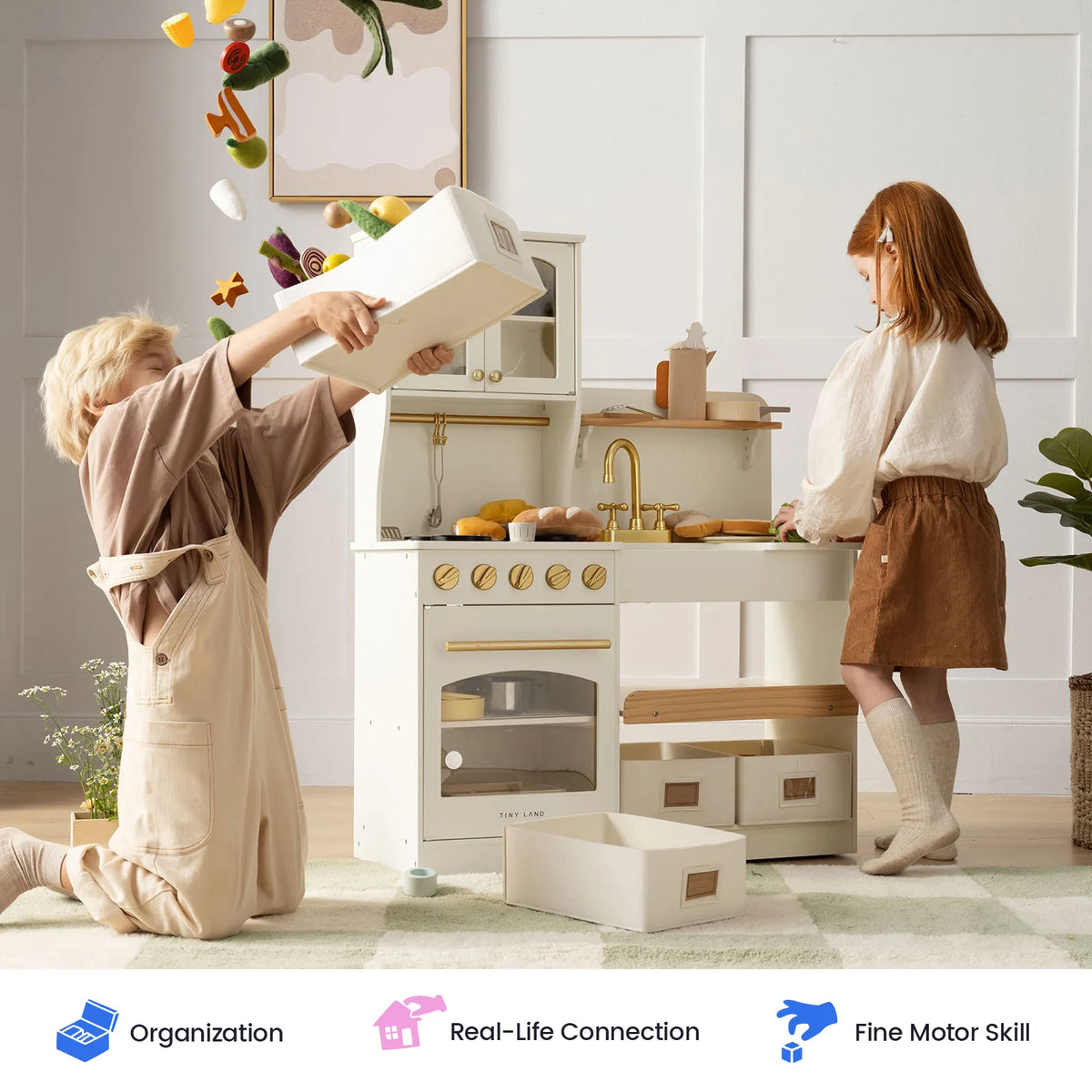
Adding pretend food transforms a kitchen from a static toy into a dynamic learning space. Children practice sorting, naming, and organizing while creating simple storylines around meals and snacks.
Using play food sets helps children understand daily routines like cooking and eating, making play feel familiar and comforting. This type of interaction supports both emotional growth and practical understanding of everyday life.

Choosing the Right Play Kitchen Set for Your Home
What Makes a Quality Play Kitchen Set
A good play kitchen set balances design, safety, and long-term usability. Look for kitchens that feel solid, provide realistic features, and allow children to interact freely without frustration.
Many families appreciate sets that include thoughtful details without overwhelming children, creating an immersive cooking experience that feels intuitive rather than complicated.
Safety, Materials, and Durability Parents Can Trust
When buying toys for young children, safety is always a top concern. Quality kitchens are built using non toxic materials and finished with child-safe paints that meet strict safety standards.
In addition, kitchens made with durable materials are designed to withstand daily use, active play, and years of enjoyment. This durability is especially important for families with multiple children or those planning to pass toys down.

Features That Spark Imaginative Play
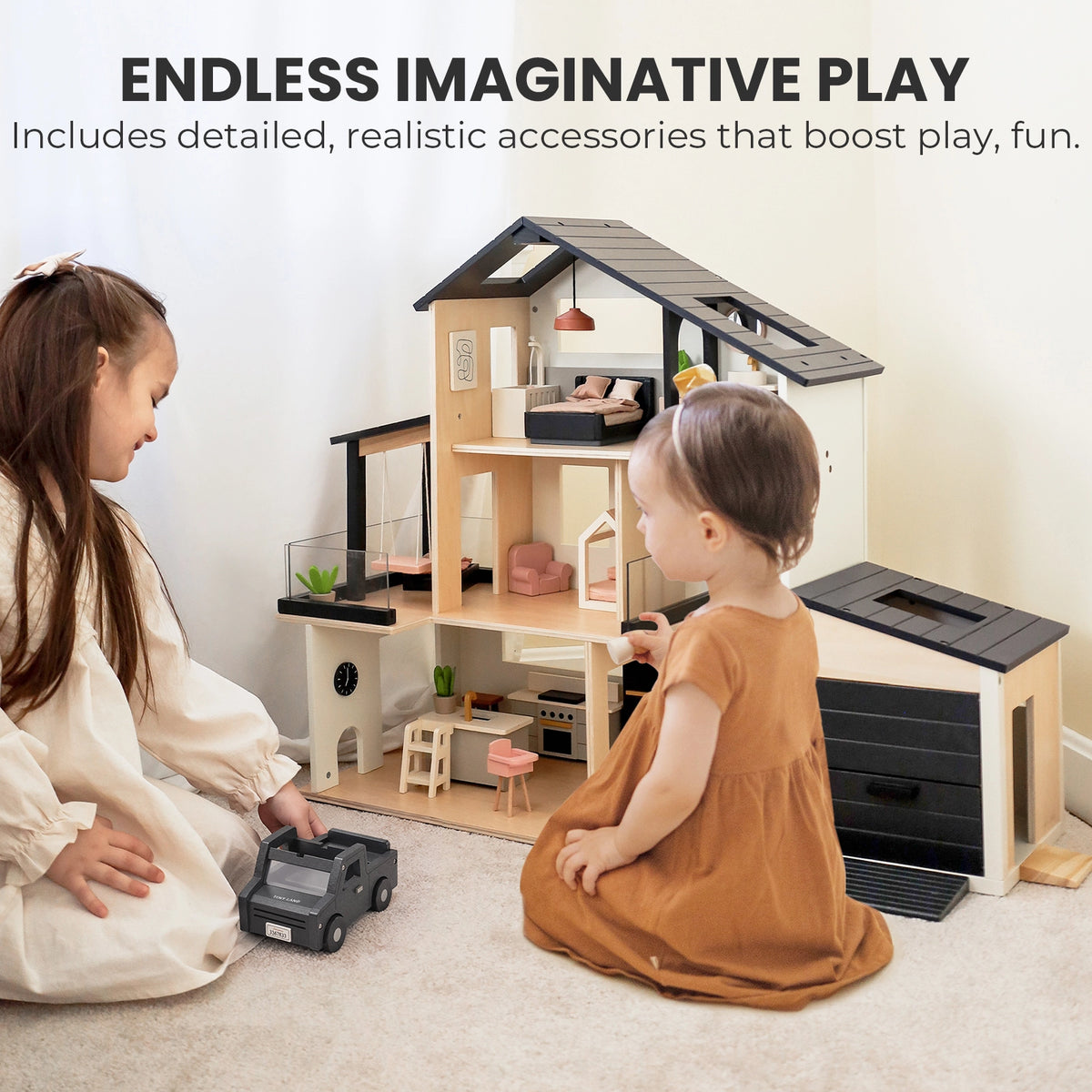
Well-designed kitchens encourage imaginative play by giving children the freedom to create their own stories. Simple knobs, doors, and open shelving allow kids to explore without rigid rules.
Because play kitchens are designed for open-ended use, children can turn them into cafés, bakeries, or family kitchens—whatever their imagination leads them to create.
This freedom supports creativity and helps children develop problem-solving skills naturally during playtime.
Skill Development Through Everyday Kitchen Play
Kitchen play supports a wide range of abilities, from fine motor coordination to early social skills. Turning knobs, opening cabinets, and organizing accessories all contribute to skill development in a way that feels natural and enjoyable.
Parents often notice that kitchen play also encourages patience, focus, and responsibility—skills that benefit children well beyond playtime.
Tinyland Play Kitchen Recommendations for Christmas
Modern Toy Kitchen for Interactive Play
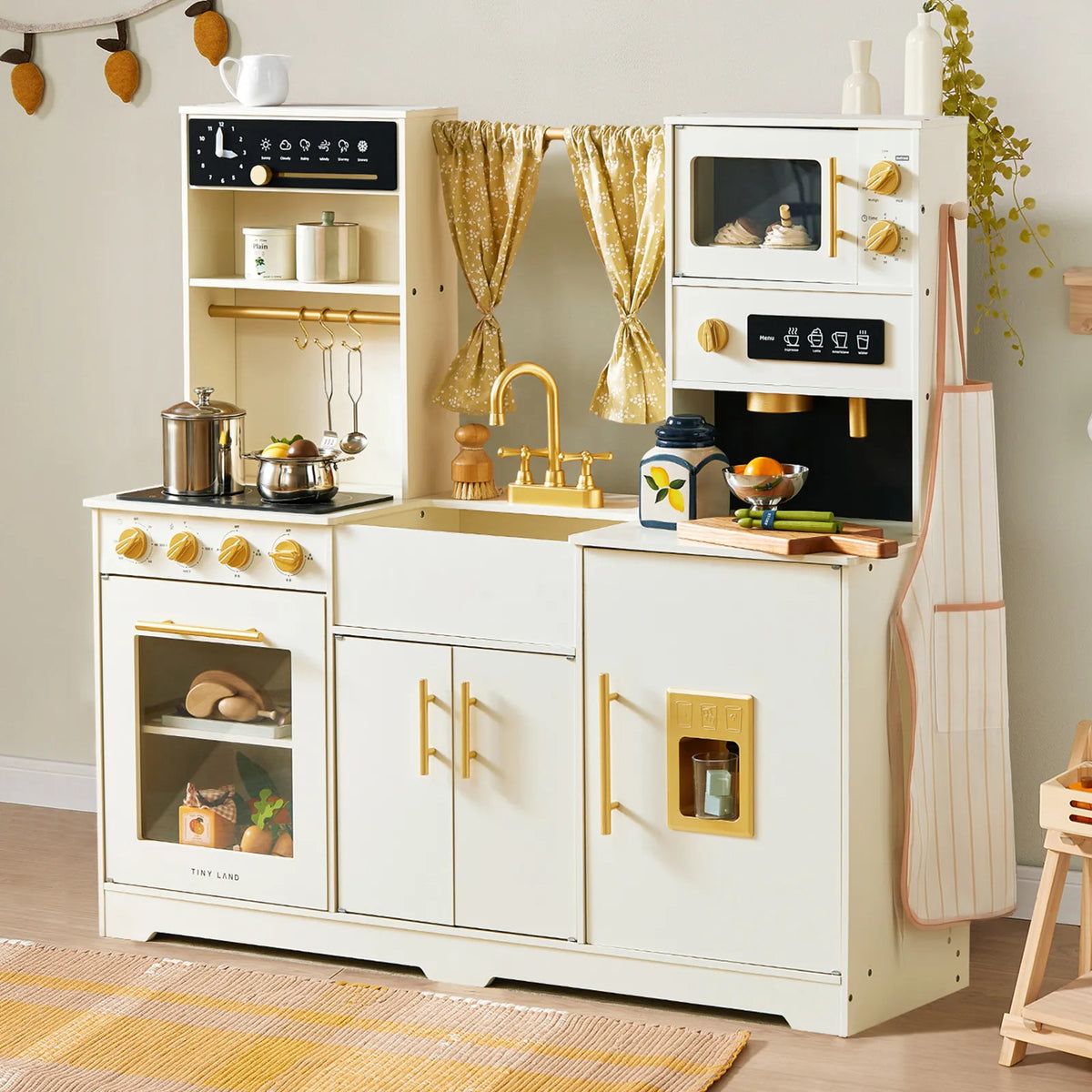
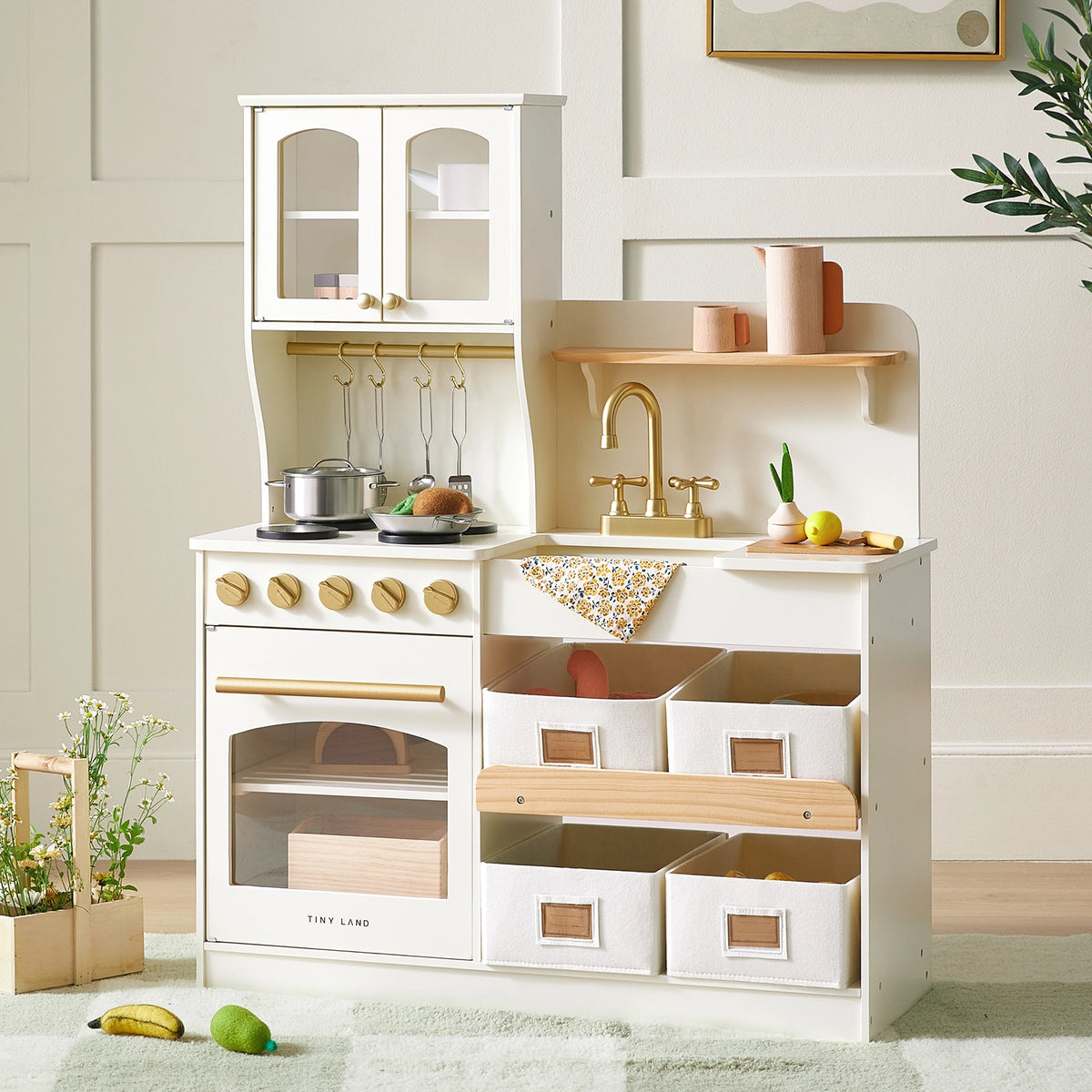
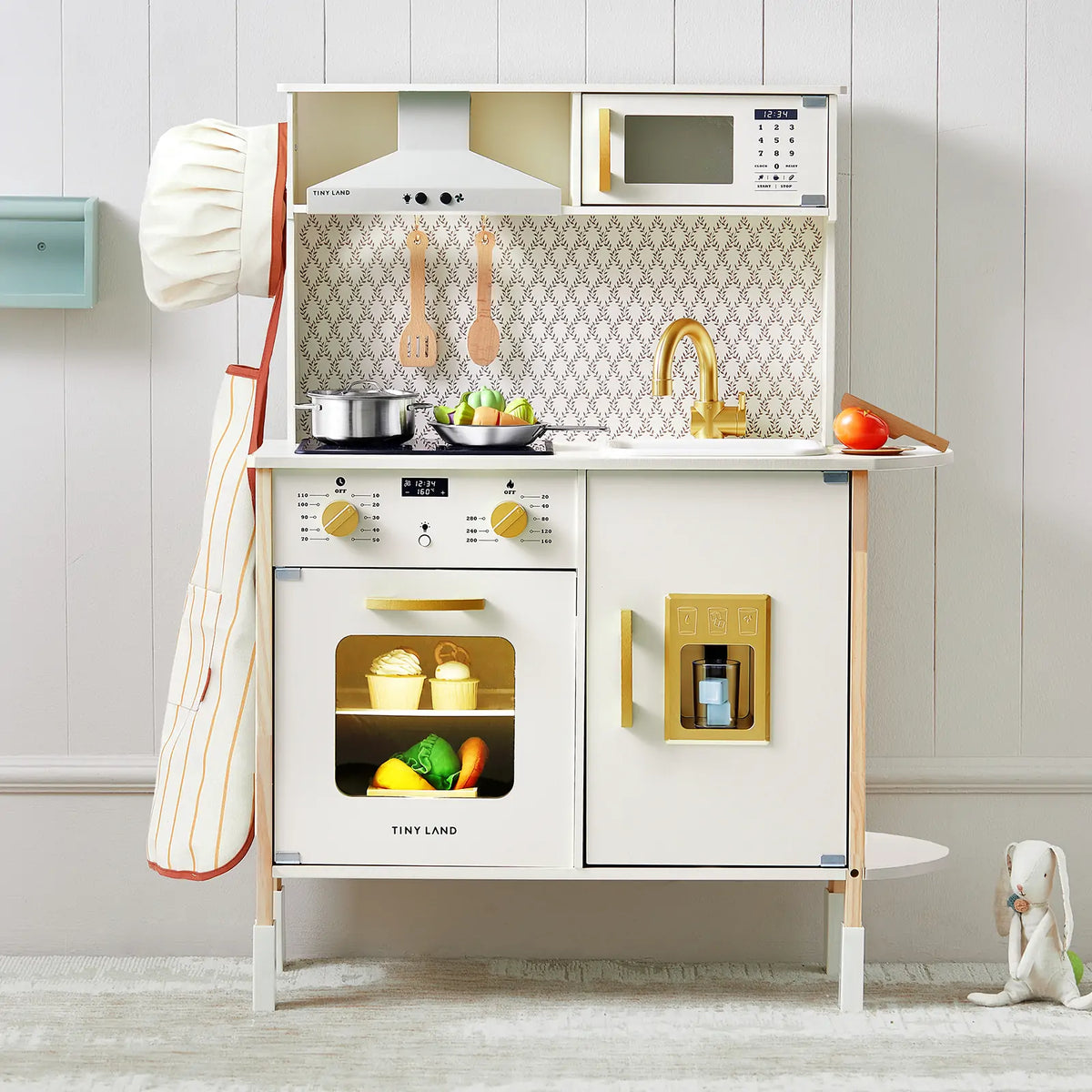
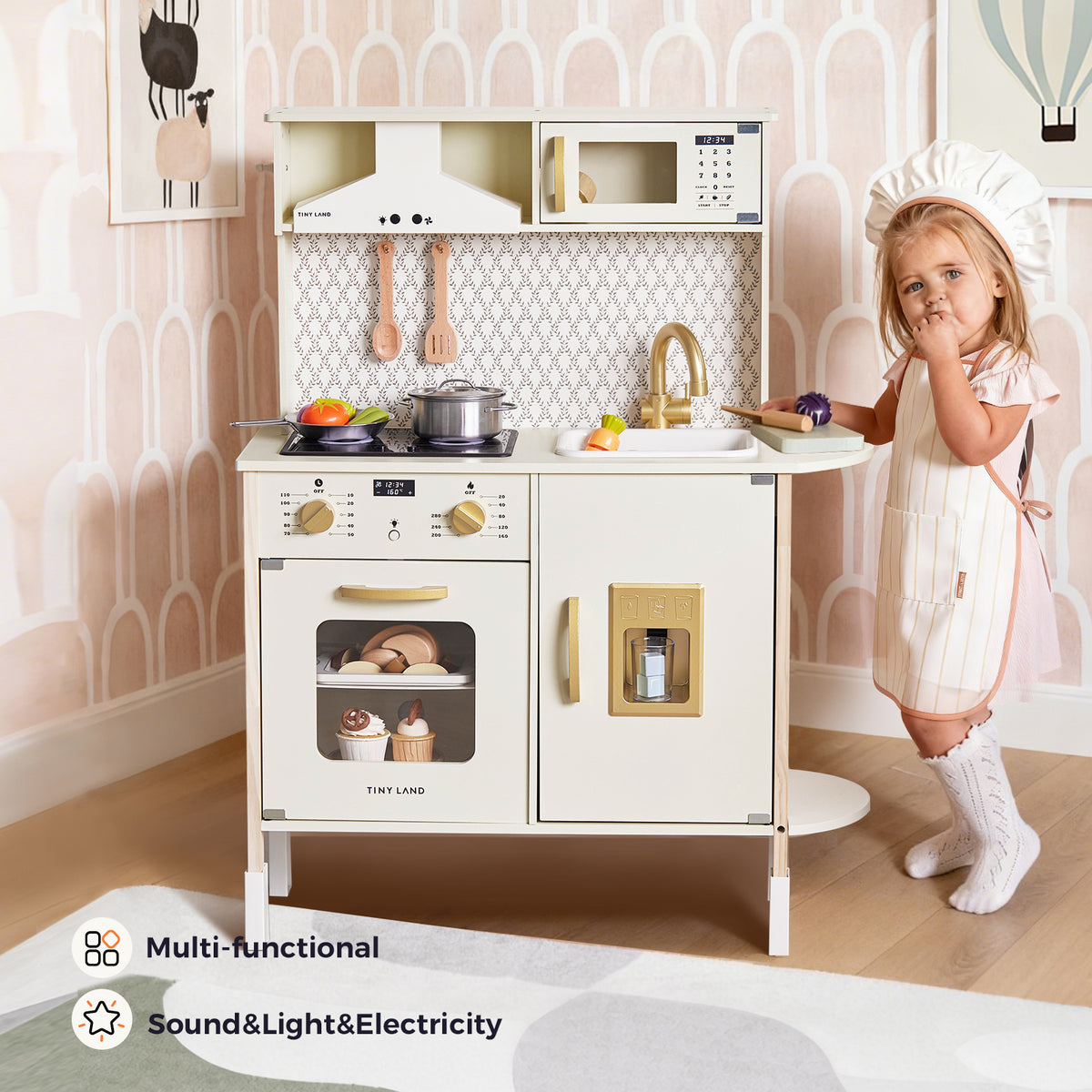
The Tinyland modern toy kitchen offers clean design, interactive details, and a child-friendly layout that encourages independent play. Its thoughtful construction supports realistic role-play while fitting beautifully into modern homes.

Kitchen Toys with Built-In Storage for Growing Families
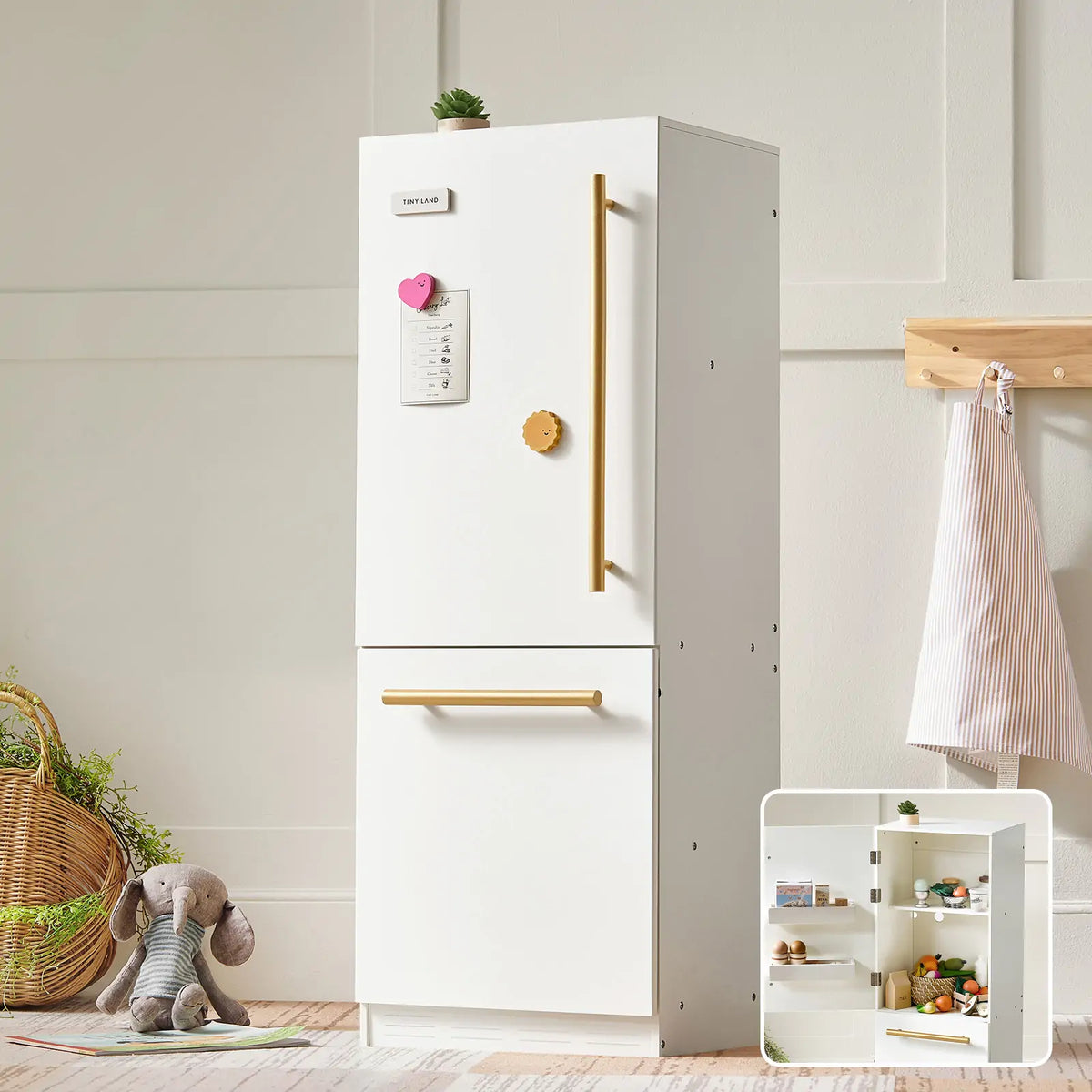
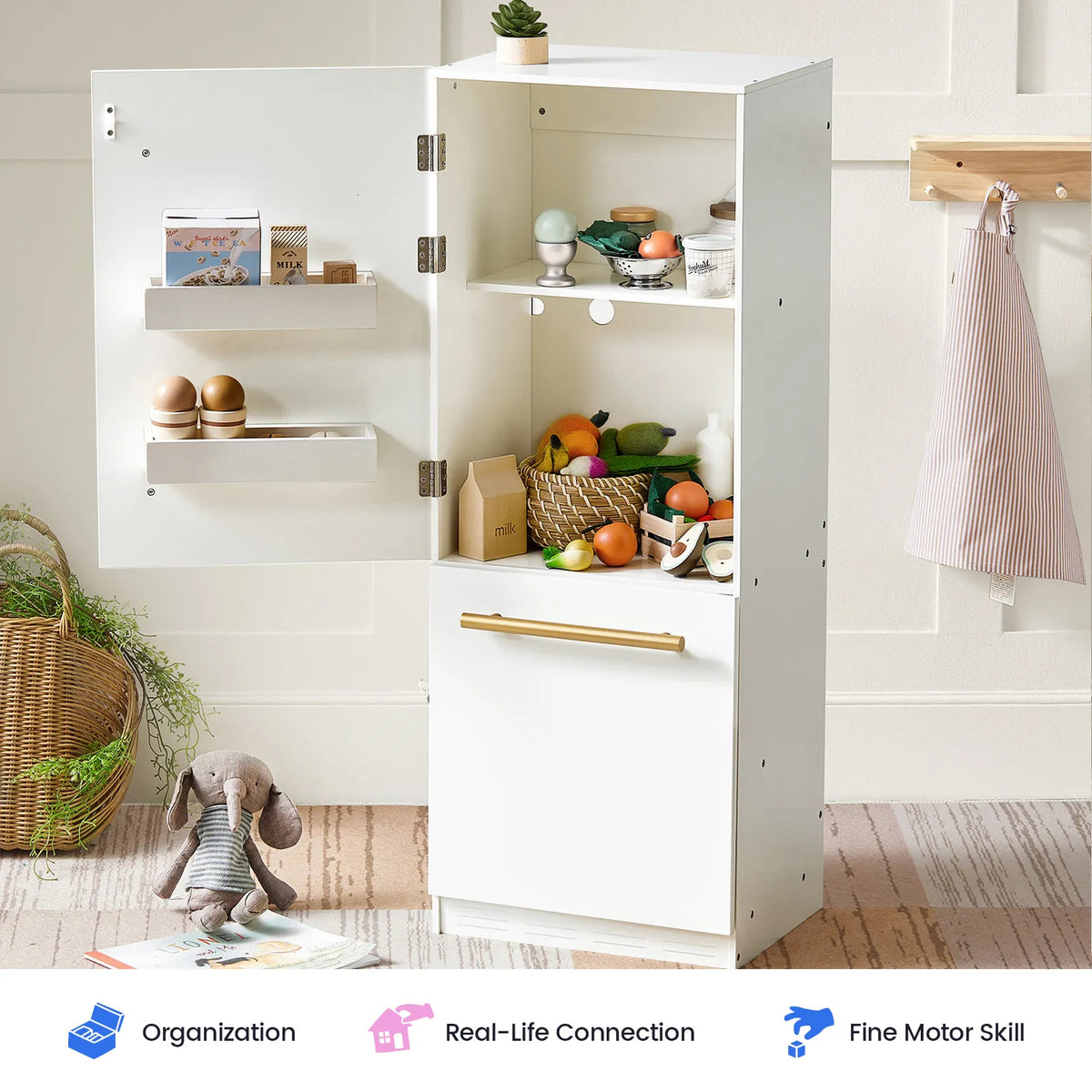
For families looking for organization and long-term use, Tinyland’s wooden play kitchen with storage provides space for other accessories while keeping play areas tidy. This design helps children learn clean-up habits as part of play.

Making Kitchen Play Enjoyable for Every Child
The goal of kitchen play is simple: to create moments of fun that children return to day after day. With the right setup, children enjoy a rich play kitchens experience that evolves as they grow.
From solo play to shared family moments, kitchen play remains engaging across different ages and personalities.
A Christmas Gift That Grows With Your Child
Choosing the right kitchen is about more than picking attractive kitchen toys. It’s about selecting a gift that supports learning, imagination, and connection over time.
A thoughtfully chosen play kitchen becomes a place where children explore the world, practice real-life skills, and enjoy meaningful moments with the people they love—making it one of the most rewarding Christmas gifts you can give.