





Pretend play turns familiar experiences into opportunities for children to imagine, create, and take the lead.
If you're building a pretend-play space for your child, three categories are especially versatile: play kitchens, dollhouses, and play food.
At Tiny Land, these three categories offer different ways for children to build their own pretend-play worlds.
Here's what makes each one special, how kids can play with it, and what kind of learning naturally happens along the way.

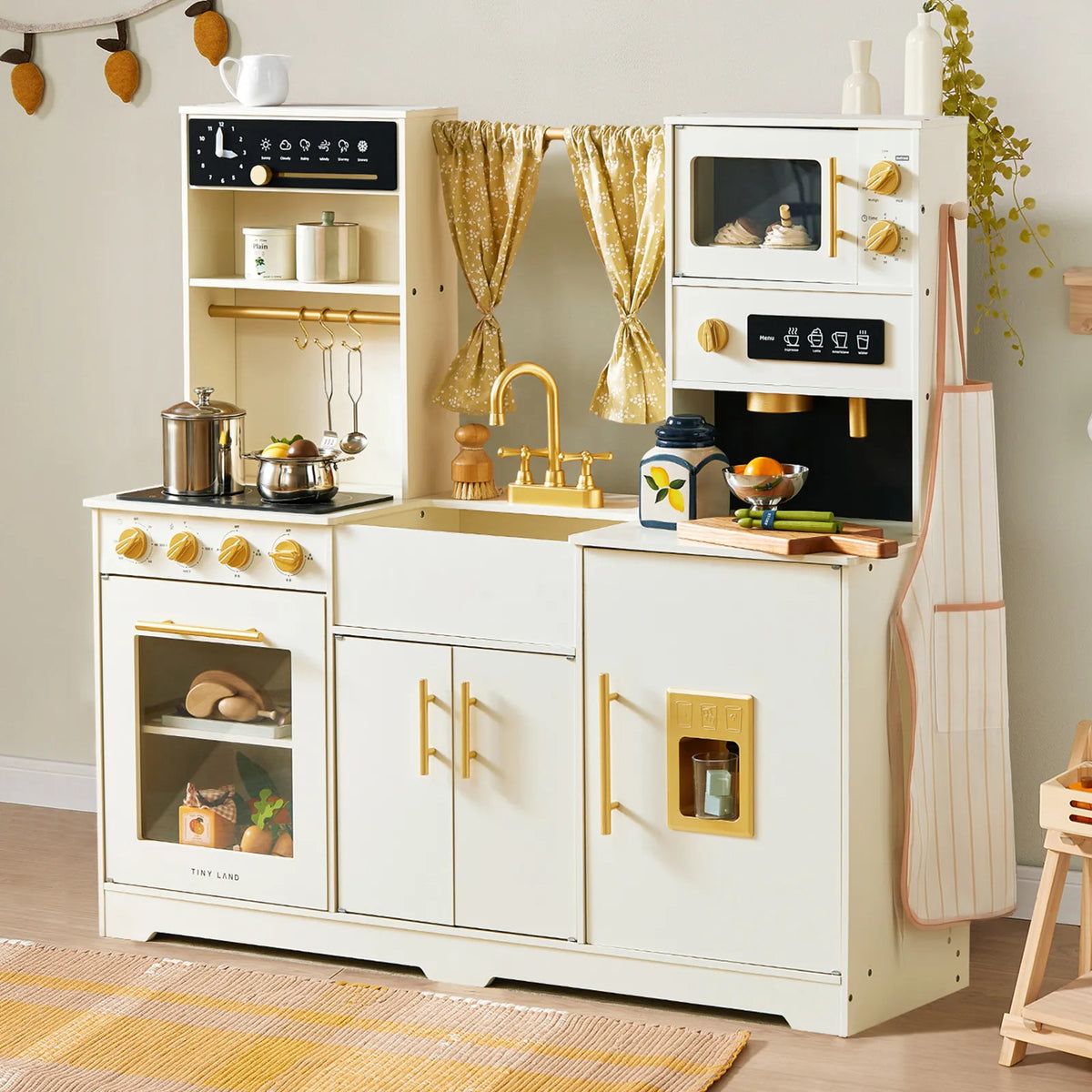
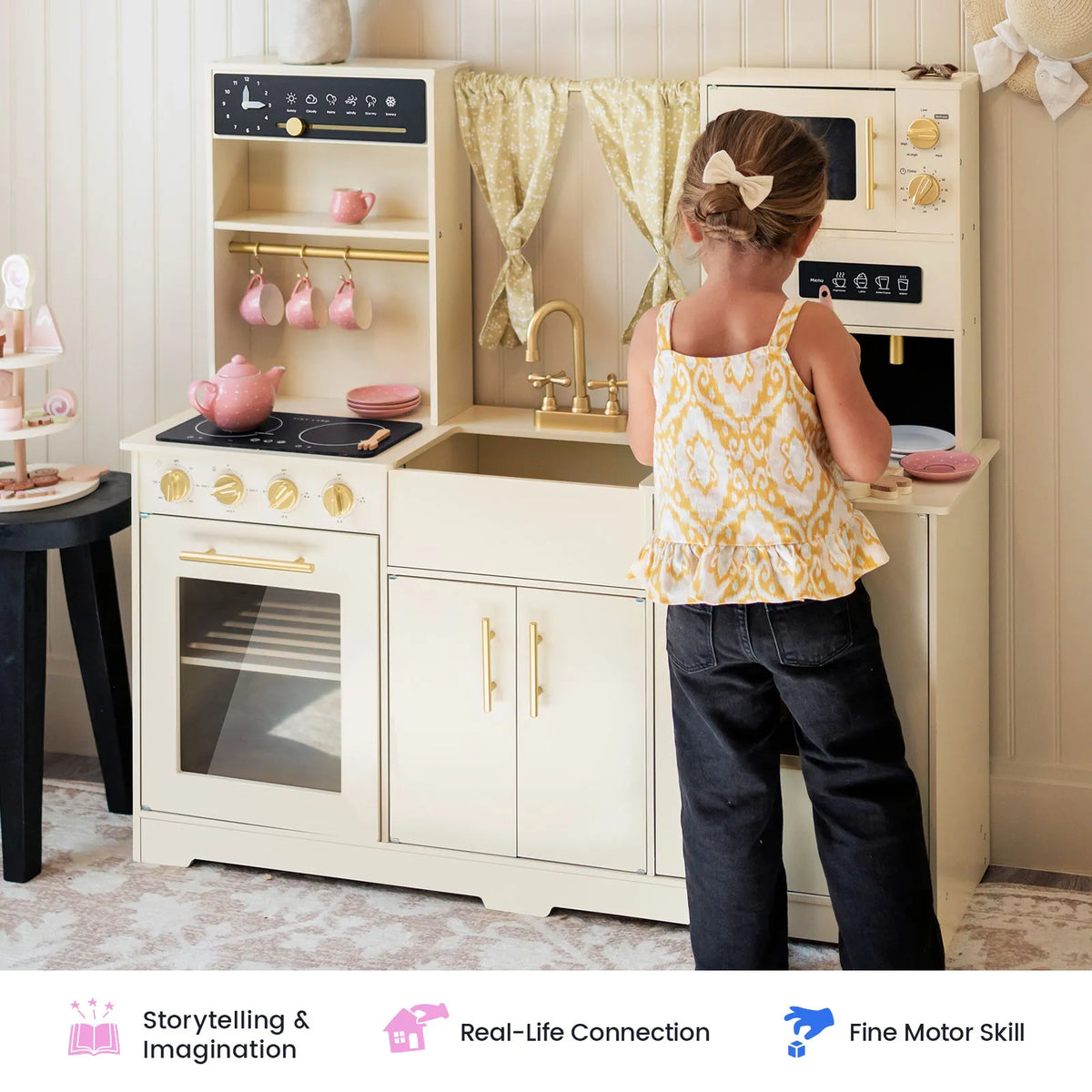
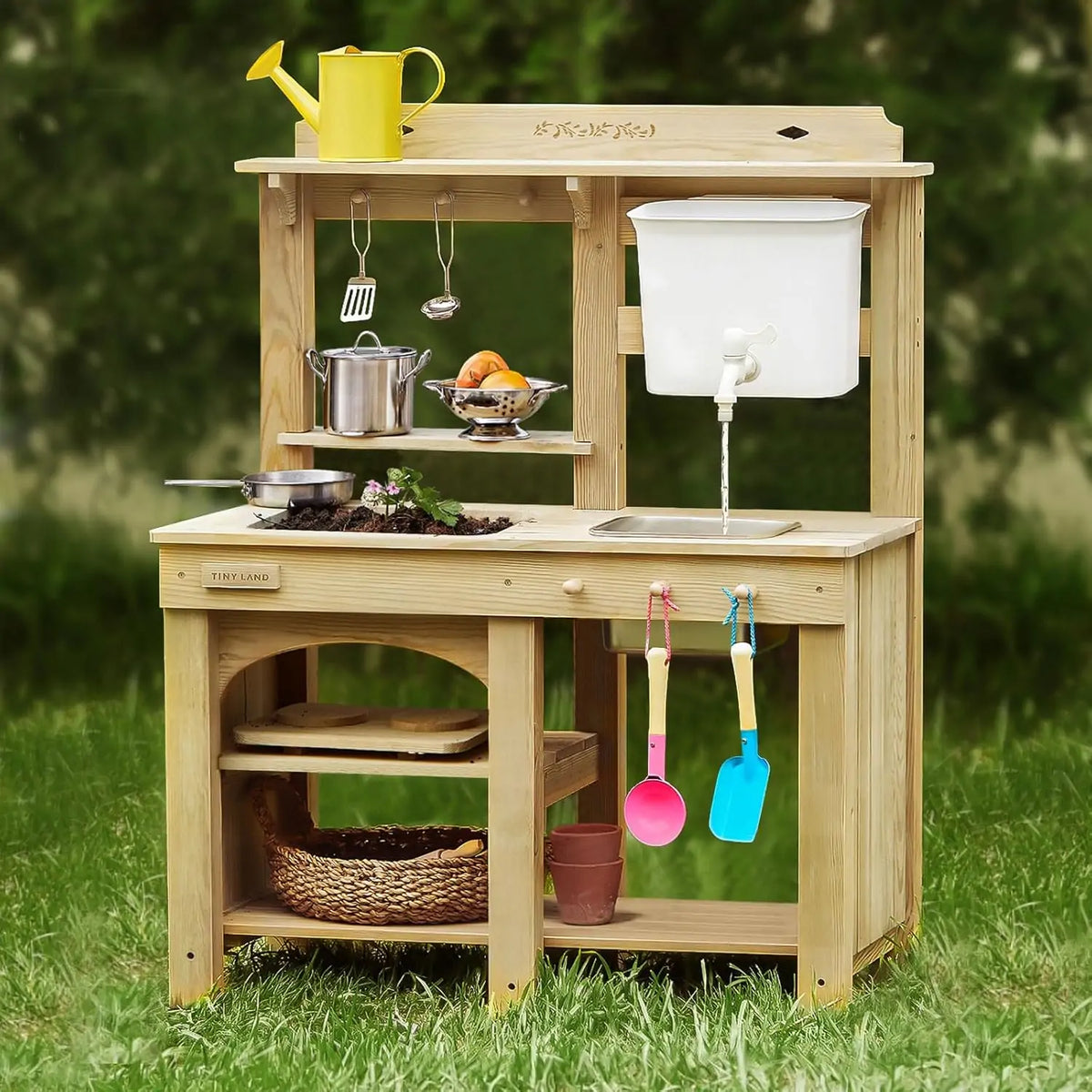
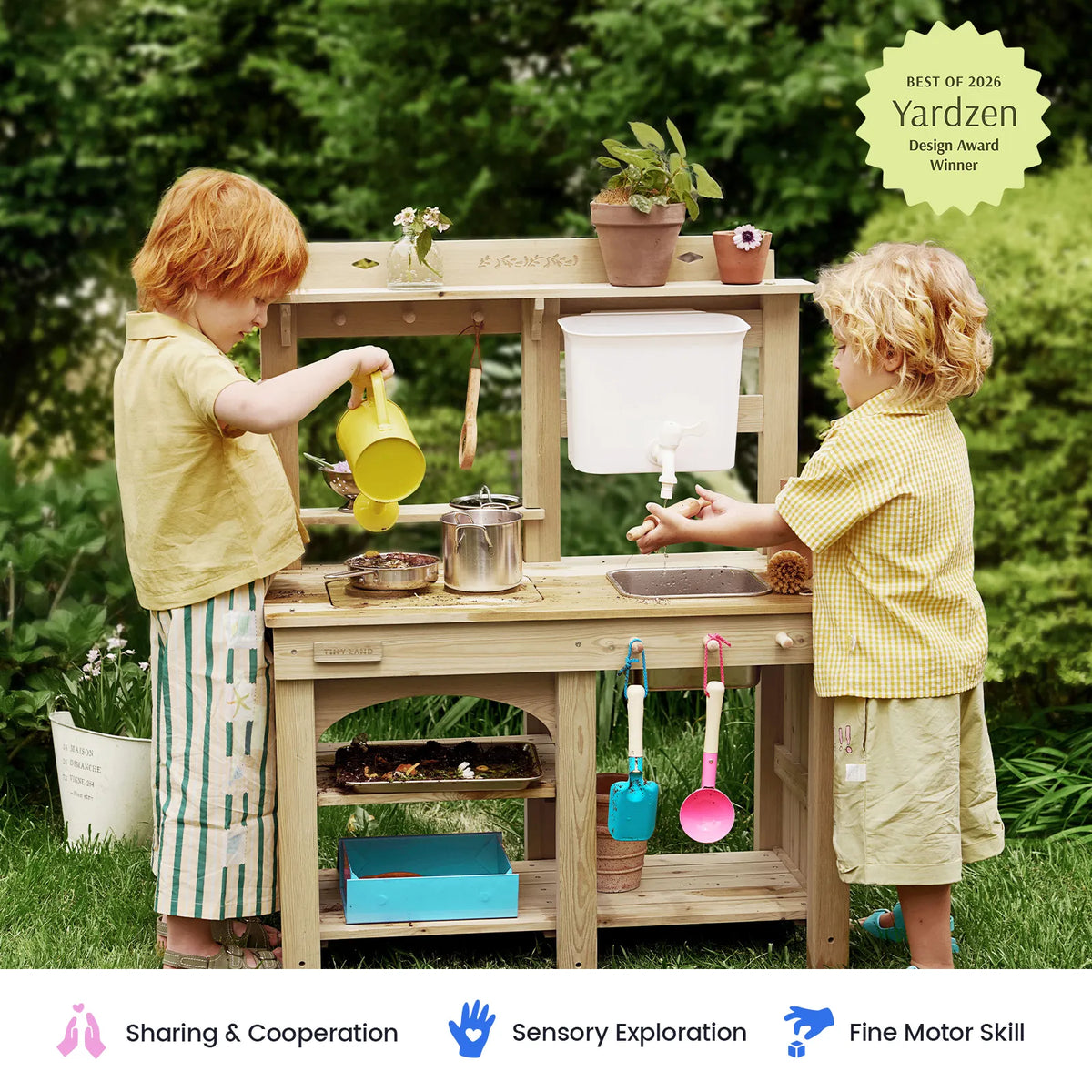
1. Play Kitchen: For Everyday Pretend Play & Independence
Best for: Kids who love cooking, helping, serving, and copying everyday routines
How kids play: Prepare → cook → serve → clean up
Standout skill: Independence
A play kitchen gives children a miniature version of something they already know: the family kitchen.
That familiarity makes it easy for them to take over the story.
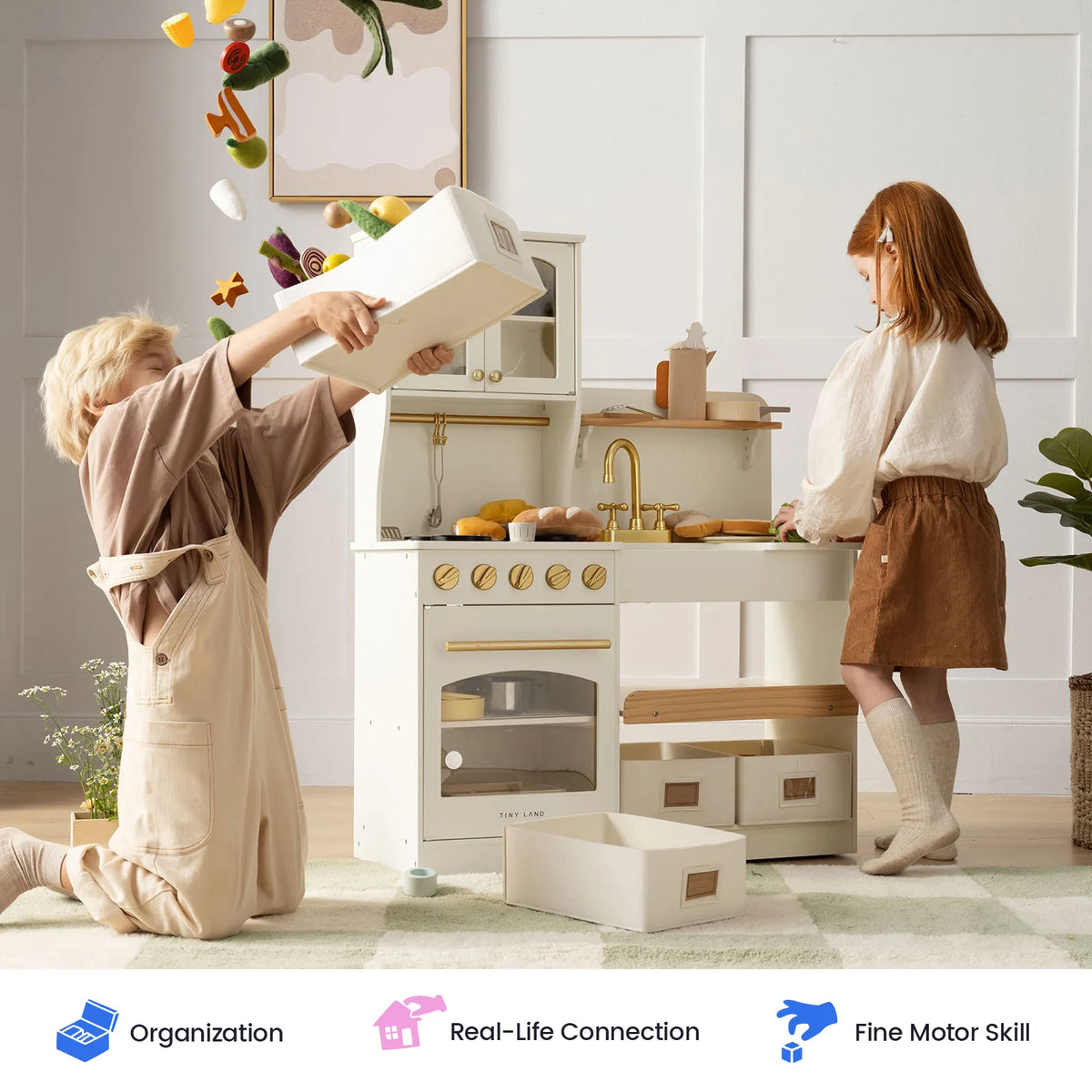
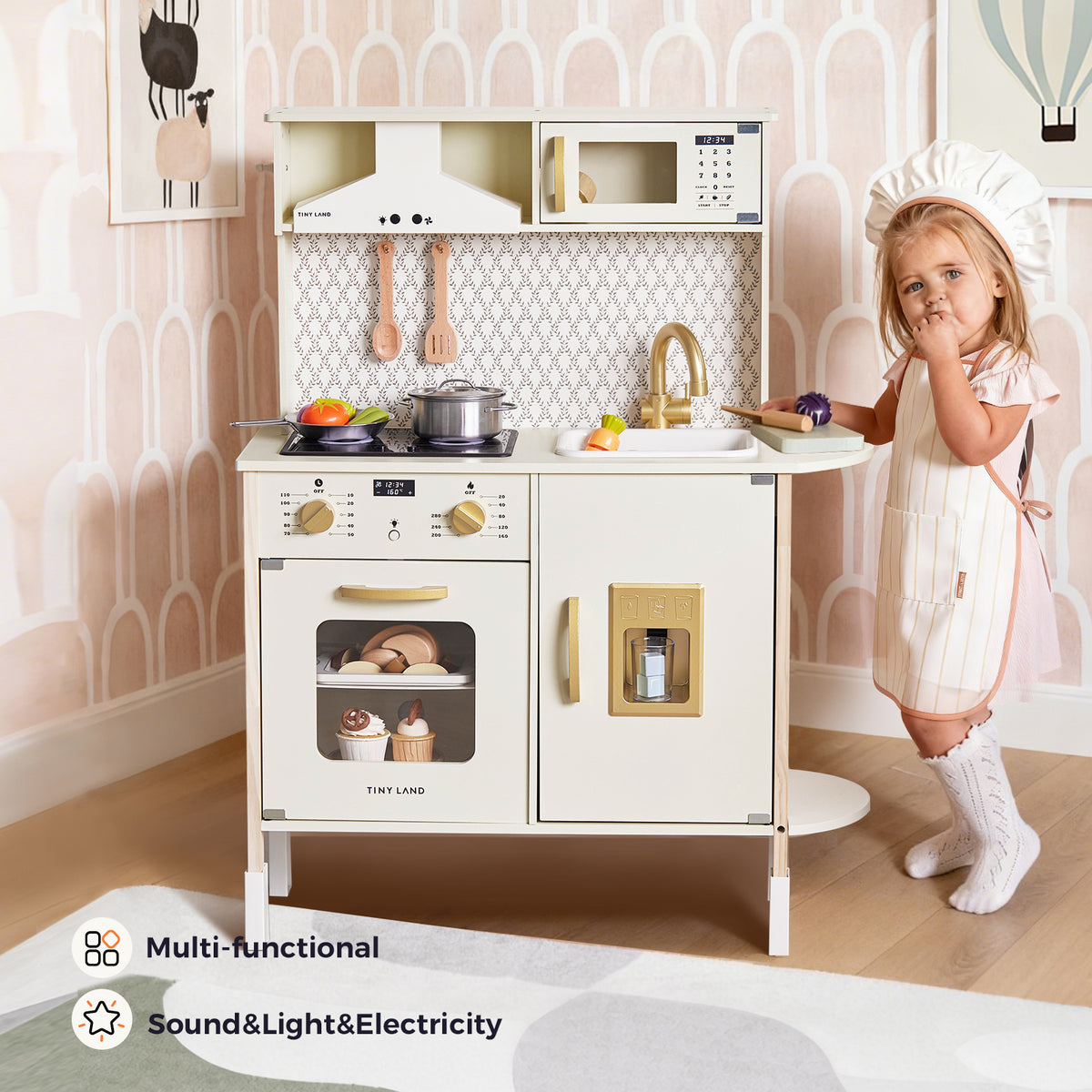
One day, your child might make breakfast. The next, they might open a pretend café. They may cook for their parents, prepare dinner for a doll, or decide that everyone needs a snack.
The play can be simple or surprisingly elaborate.
How Kids Can Play With a Play Kitchen
Try letting your child take the lead:
-
Make breakfast for the family
-
Wash and prepare pretend vegetables
-
Cook a pretend meal
-
Serve food to dolls or stuffed animals
-
Run a restaurant or café
-
Set up a pretend dinner
-
Put ingredients away after cooking
These activities naturally involve multiple steps. A child might decide what to make, gather ingredients, prepare them, cook, and then serve the finished meal.
That gives children opportunities to practice sequencing, fine motor coordination, decision-making, and everyday vocabulary while staying within a familiar pretend-play scenario.
Why Independence Stands Out
The real value of a play kitchen isn't simply pretending to cook. It's giving children a space where they get to decide what happens next.
- They choose the meal.
- They decide who they're cooking for.
- They figure out what they need.
- They create their own routine.
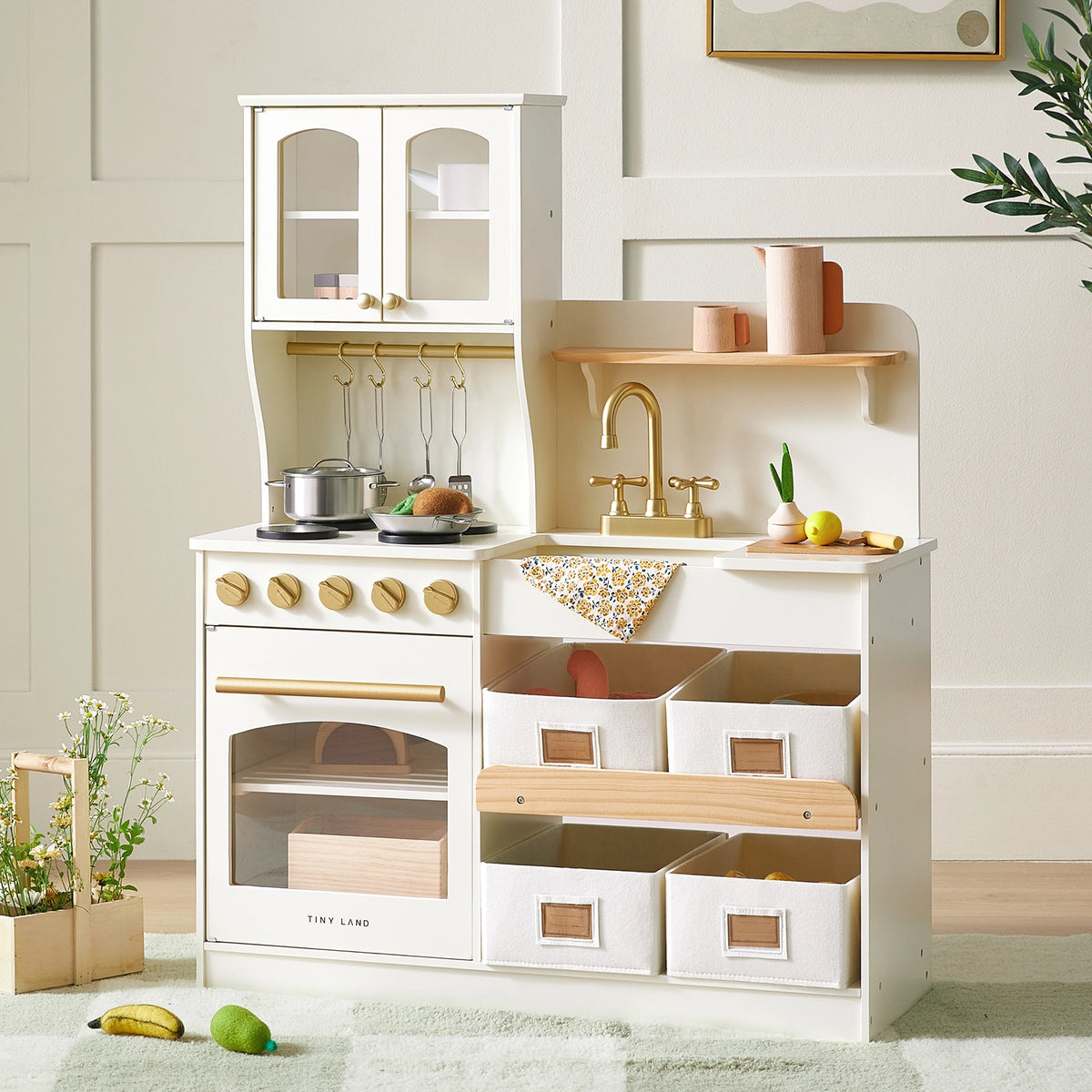
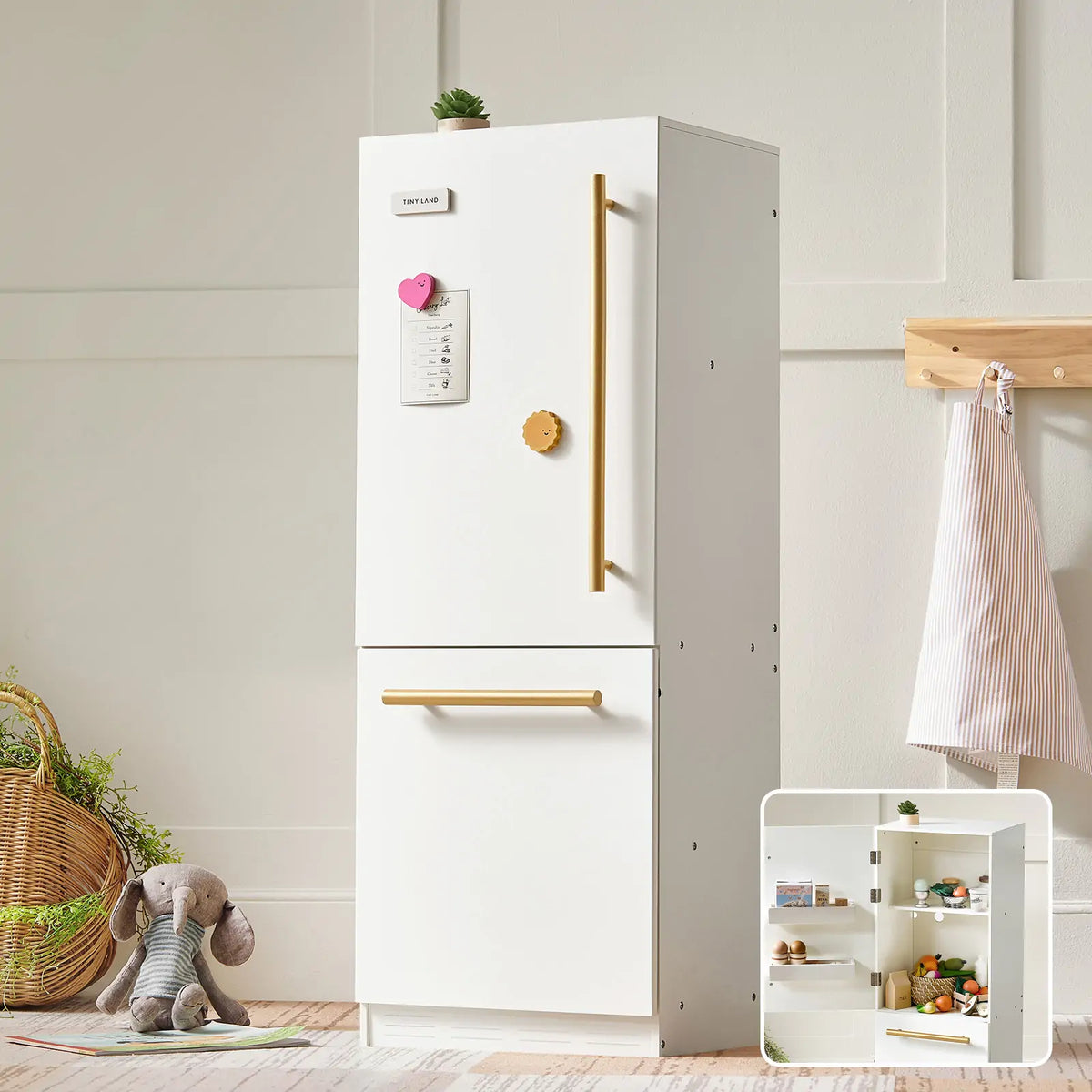
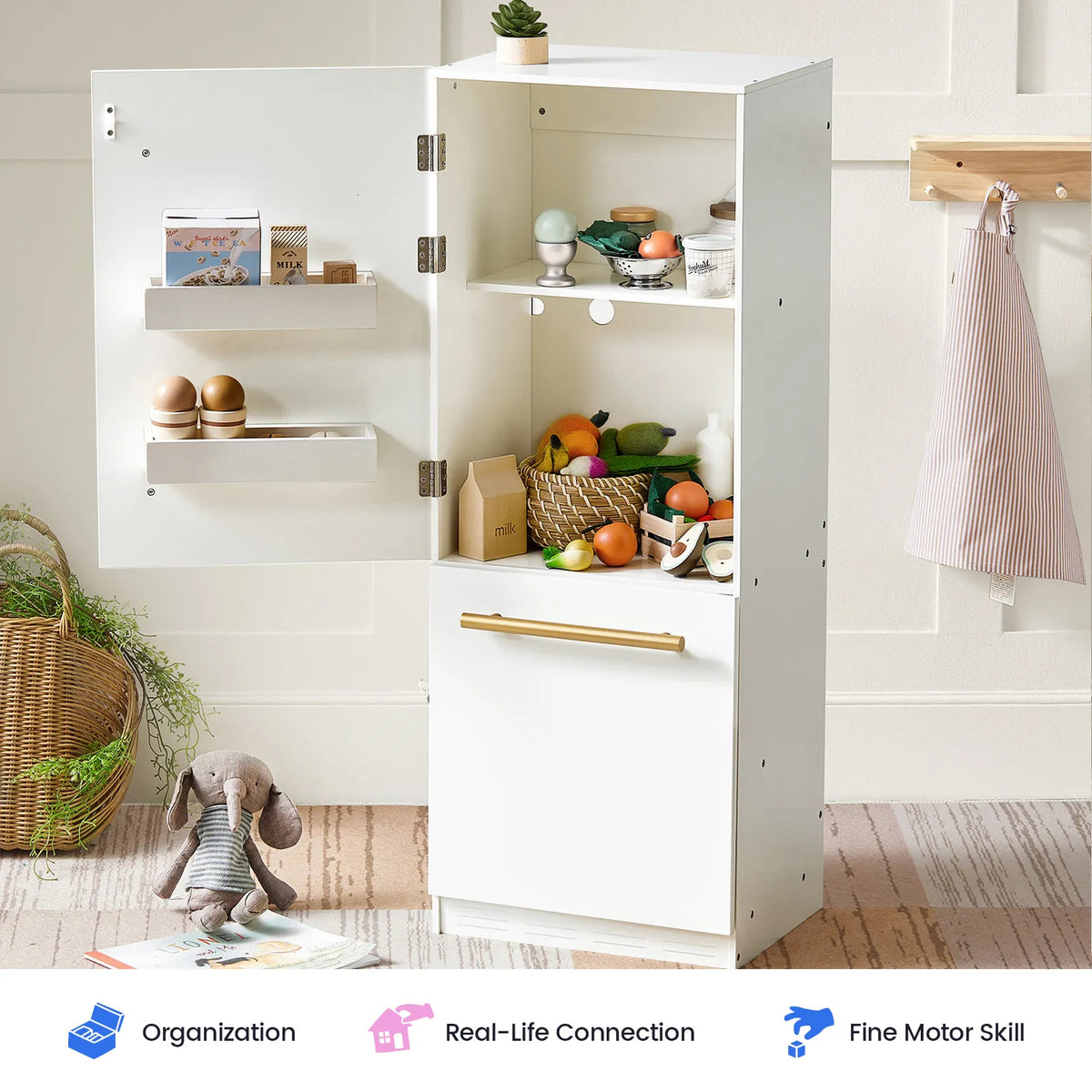
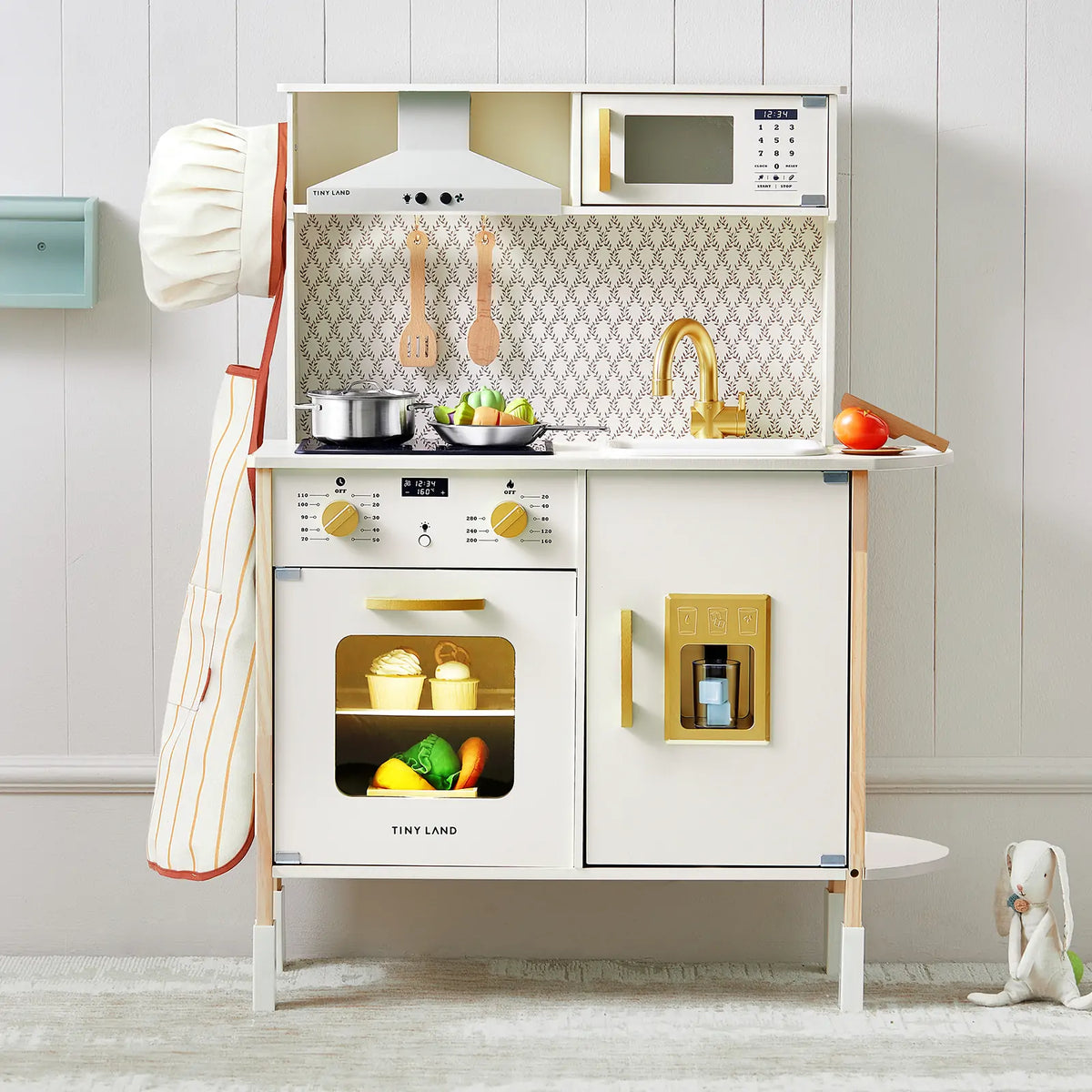
Tiny Land play kitchens are designed to support this kind of hands-on, open-ended play, with features such as sinks, stovetops, storage, ovens, refrigerators, and accessories depending on the model.
The BistroSwitch Play Kitchen, for example, offers both kitchen and bistro-style pretend play, giving children more than one way to use the same play space.

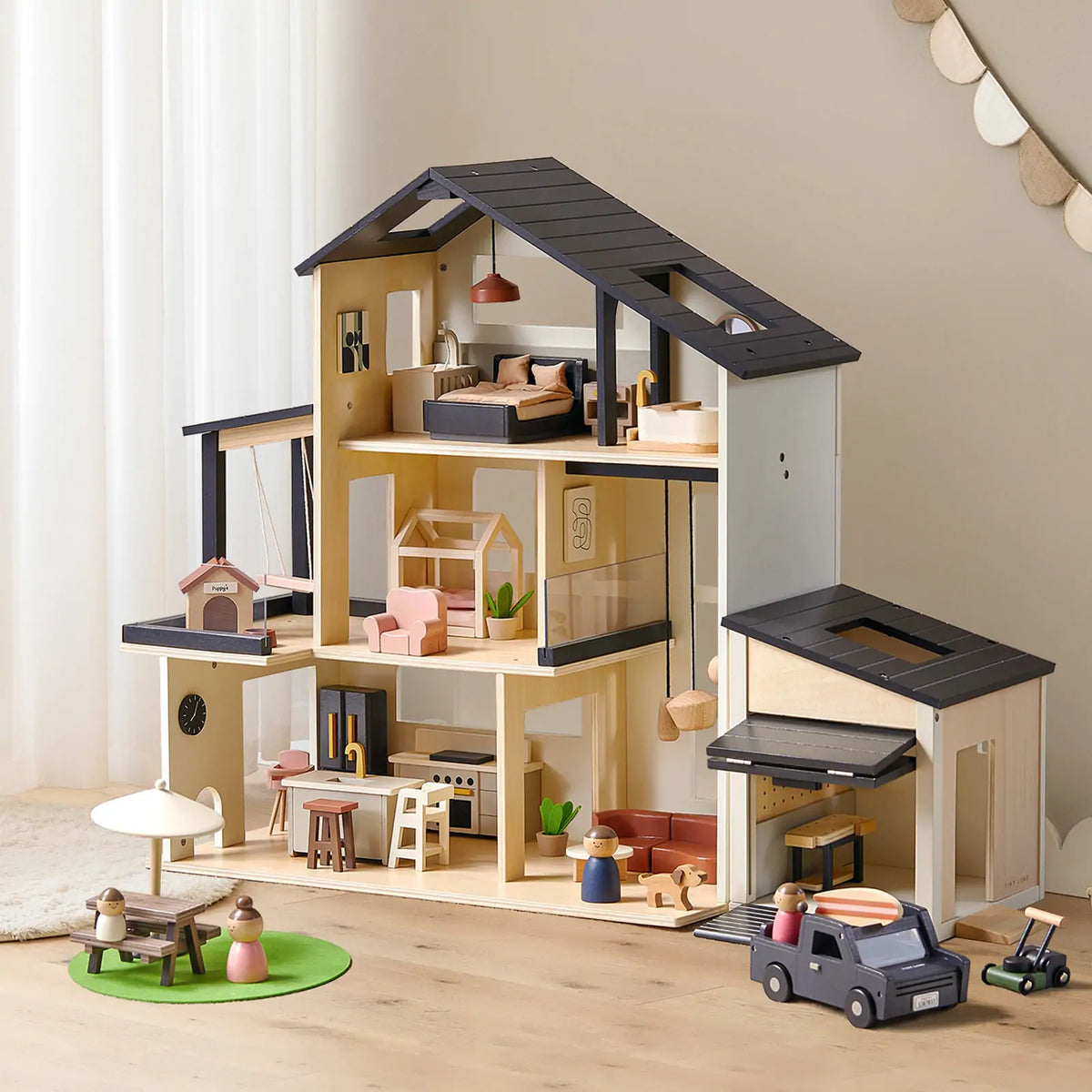
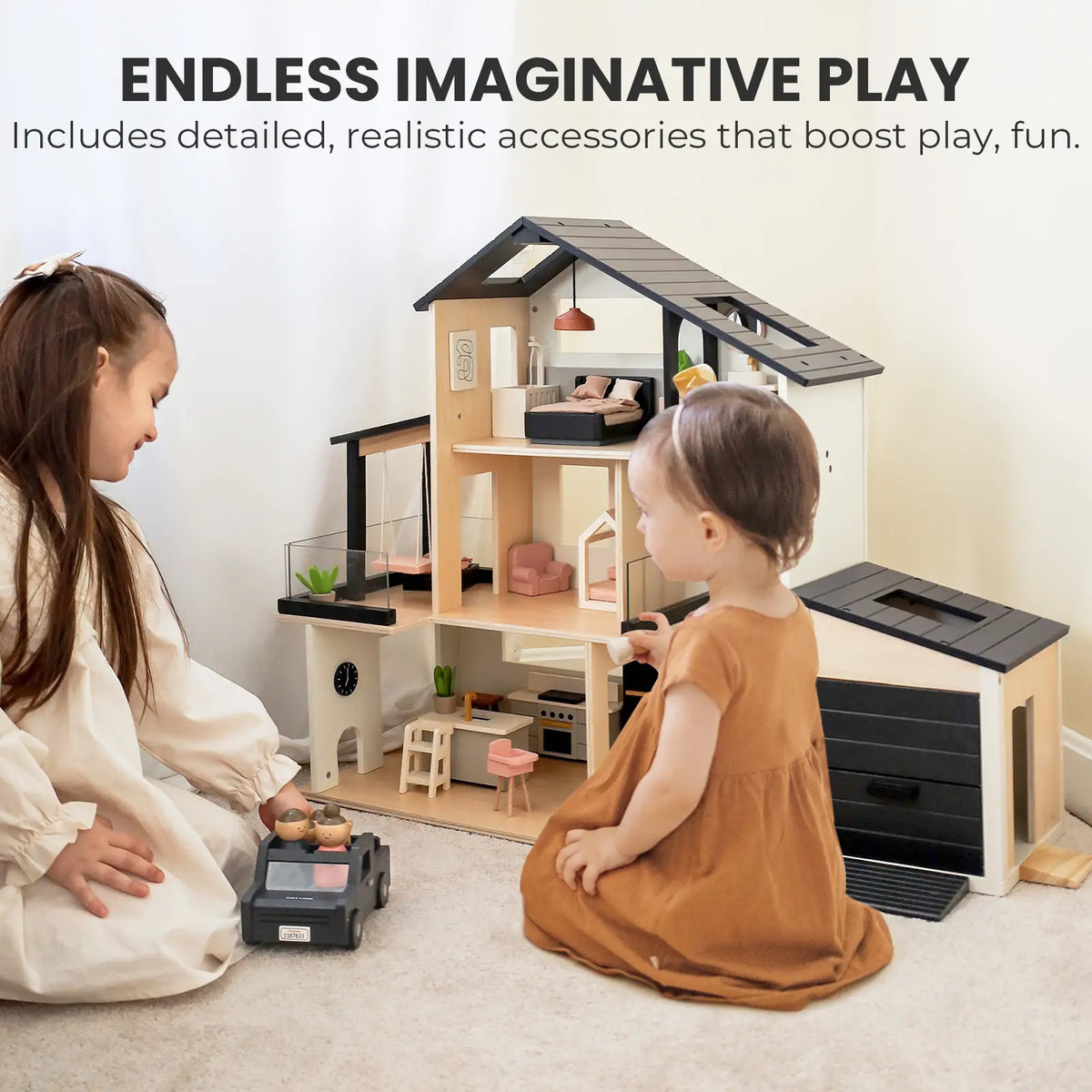
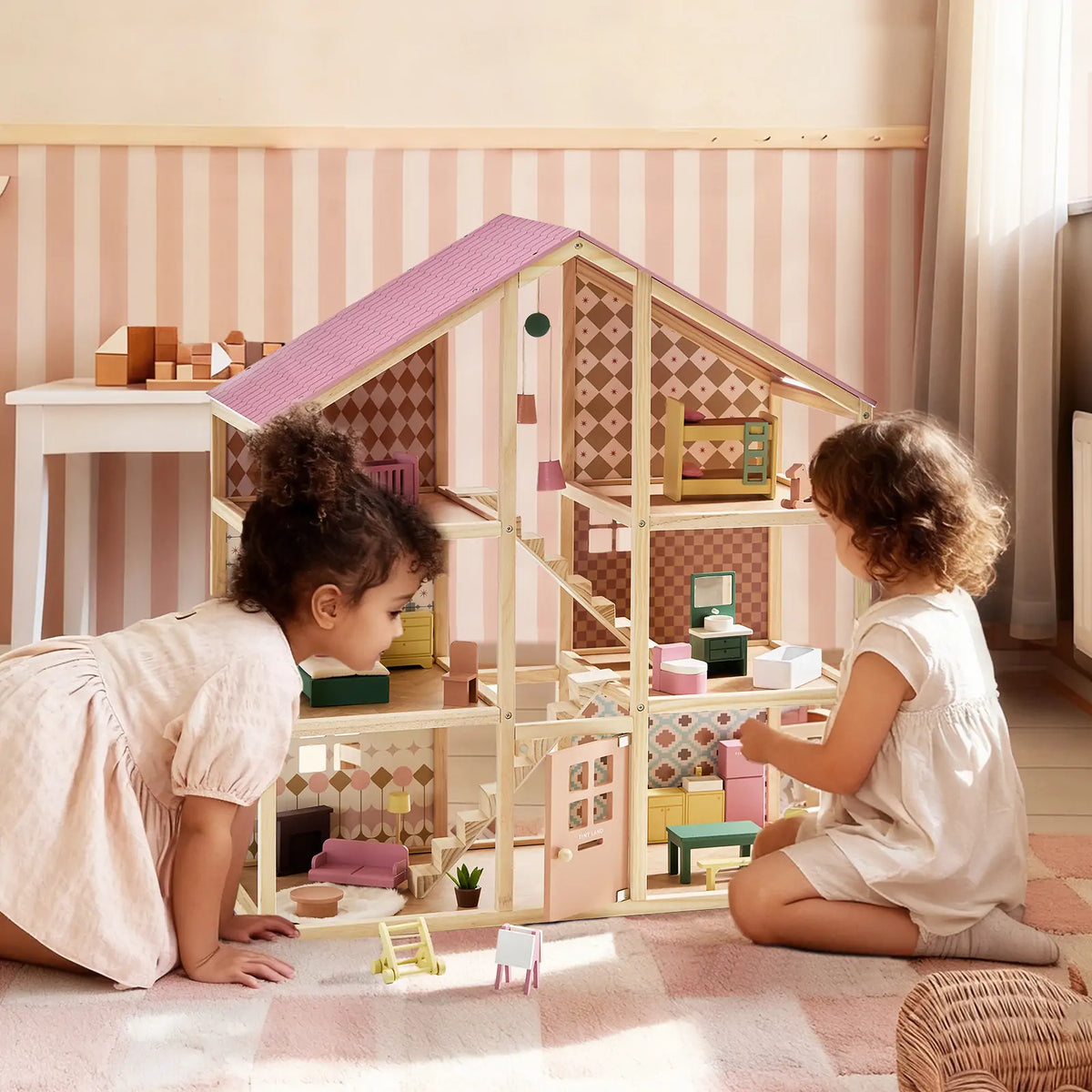
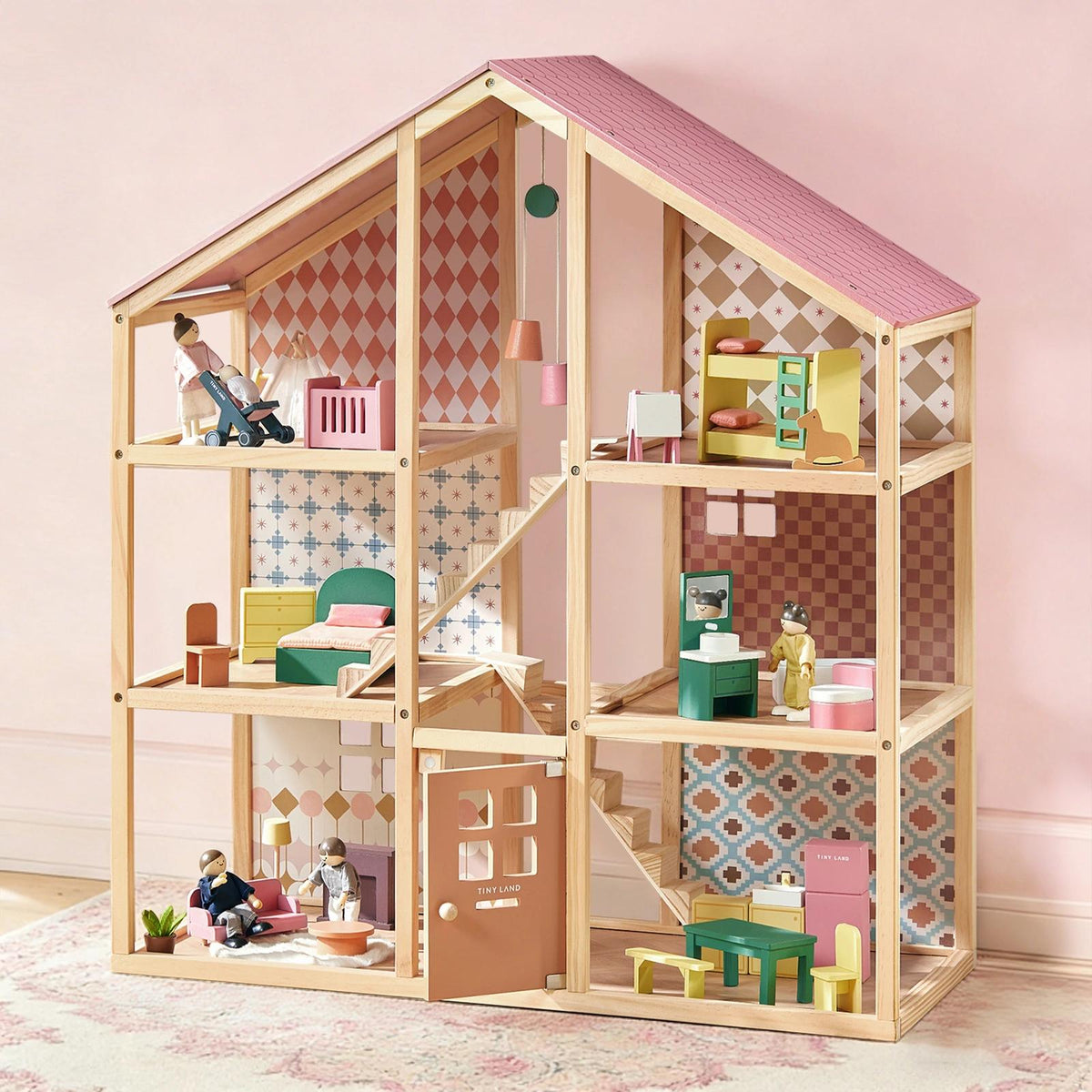
2. Dollhouse: For Storytelling & Imagination
Best for: Kids who love dolls, characters, family stories, and creating little worlds
How kids play: Create characters → act out routines → build stories
Standout skill: Storytelling
If a play kitchen lets children recreate everyday routines, a dollhouse gives them a place to invent what happens next.
- Who lives here?
- What are they doing?
- Who is coming over?
- Where are they going?
- Your child gets to decide.
A dollhouse can be a family home in the morning, a school in the afternoon, and a hotel by bedtime. The setting stays the same, but the story can change completely.
How Kids Can Play With a Dollhouse
Children can:
-
Arrange rooms and furniture
-
Create families and characters
-
Act out morning and bedtime routines
-
Pretend to cook and eat meals
-
Have dolls visit one another
-
Care for babies or pets
-
Create celebrations and special occasions
-
Invent completely imaginary stories
The important part is that children aren't simply moving figures around. They're deciding who the characters are, what they want, and what happens next.
Why Storytelling Stands Out
Dollhouse play gives children a miniature setting for creating narratives.
A simple scene can quickly become a story:
- Mom is making dinner.
- The baby is hungry.
- Grandma is coming to visit.
- Everyone needs to sit at the table.
That kind of play can naturally encourage language, communication, imagination, and role play.
Parents can help extend the story without taking it over. Instead of telling your child what the dolls should do, try asking: “What happens next?”
Or:
- “Who is coming to visit?”
- “What are they going to do today?”
The answers belong to your child.

3. Play Food: For Language-Rich & Real-World Pretend Play
Best for: Kids who love cooking, shopping, sorting, serving, and feeding
How kids play: Shop → sort → prepare → serve
Standout skill: Language & real-world learning
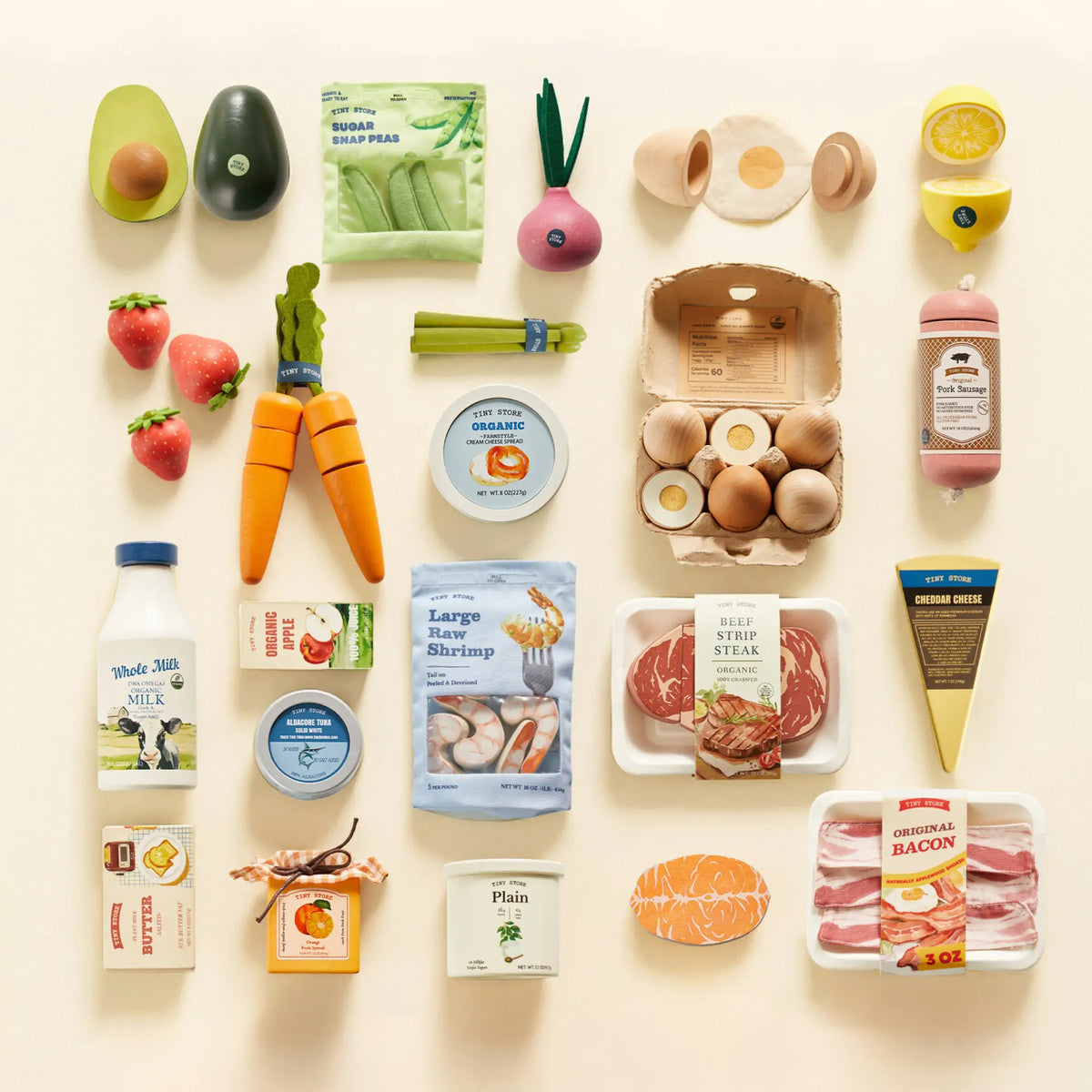
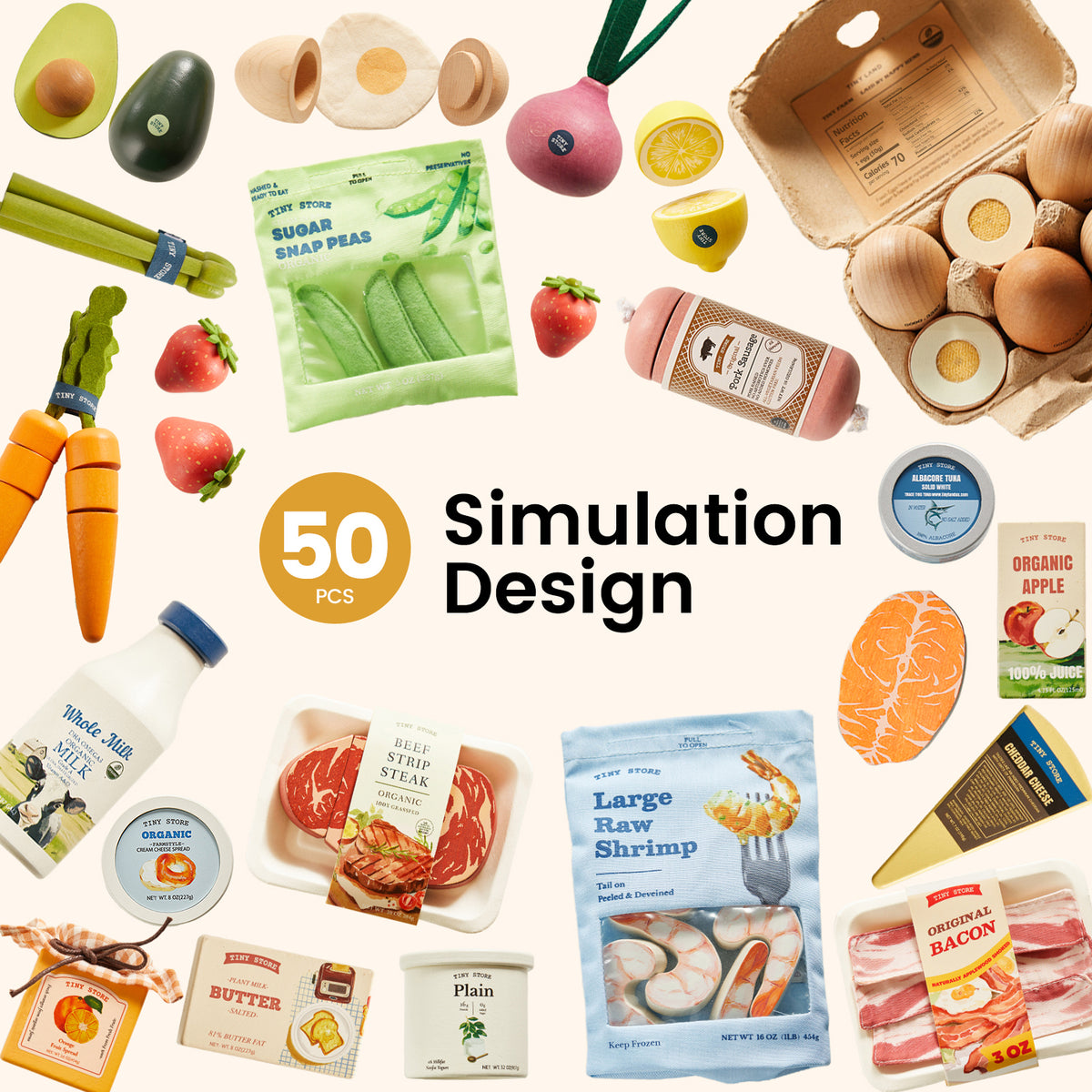
Play food may be one of the simplest pretend-play toys, but it can connect almost everything else in the playroom.
- A carrot can be a grocery item.
- Then it can become an ingredient.
- Then it can become part of a pretend meal.
- And later, it can become dinner for a doll.
That's what makes play food so versatile.
How Kids Can Play With Play Food
Use it to create different pretend-play scenarios:
- Pretend Grocery Store
“Can you find three apples?”
- Pretend Kitchen
“What should we make for dinner?”
- Pretend Restaurant
“What would you like to order?”
- Family Meal
“Can you set the table?”
- Pretend Picnic
“Let's pack our food and go outside.”
These simple scenarios can introduce opportunities to practice vocabulary, sorting, matching, counting, sequencing, and conversational skills.
And because children are already engaged in an imaginary scenario, these skills can emerge naturally through play rather than feeling like a lesson.
Why Language Stands Out
Play food gives children something concrete to talk about.
They can name foods, describe colors and shapes, discuss what they're cooking, decide what they need to buy, and explain what they're serving.
A few simple questions can turn a short activity into a much richer conversation.
Tiny Land's wooden play food sets are designed to work across pretend-play scenarios, from cooking and serving to grocery shopping and sorting. They can also be paired with a Tiny Land play kitchen to create a more complete pretend-play setup.

Which Pretend Play Toy Should You Start With?
There isn't one pretend-play toy that every child will use in exactly the same way.
Instead, think about what your child already loves to pretend to do.
| If your child loves to... | Try... | Standout experience |
|---|---|---|
| Cook, serve, organize, and copy everyday routines | Play Kitchen | Independence |
| Create characters and make up stories | Dollhouse | Storytelling |
| Shop, sort, prepare, and serve | Play Food | Language & real-world learning |
And if your child enjoys all three types of play, they can work together beautifully.
Build a Bigger Pretend-Play World
The fun doesn't have to stop with one toy.
Put play food in a play kitchen, and it becomes ingredients.
Move that same food into a dollhouse, and it becomes dinner for the family.
Add a pretend grocery-shopping game, and your child can create an entire story around getting the food, bringing it home, preparing it, and serving it.
For example:
The dolls wake up → go grocery shopping → bring home the food → cook dinner → sit down for a family meal.
One play session can connect several different pretend-play activities.
That's the beauty of open-ended toys: children can combine them in ways that adults may not have planned.
 Three Tiny Land Pretend Play Essentials to Know
If you're looking to build a pretend-play space, these three Tiny Land categories give children three different ways to play:
Play Kitchen
Cook. Serve. Pretend.
For children who love everyday routines and want to take the lead.
Dollhouse
Create. Imagine. Tell stories.
For children who love characters and building their own little worlds.
Play Food
Shop. Prepare. Connect.
For children who love adding more detail, conversation, and real-world experiences to pretend play.
You can start with the one that best matches your child's current interests—or combine all three to create a pretend-play world that grows with their imagination.
Because the best pretend-play toy isn't the one that tells children exactly what to do.
It's the one that gives them the freedom to decide what happens next.

