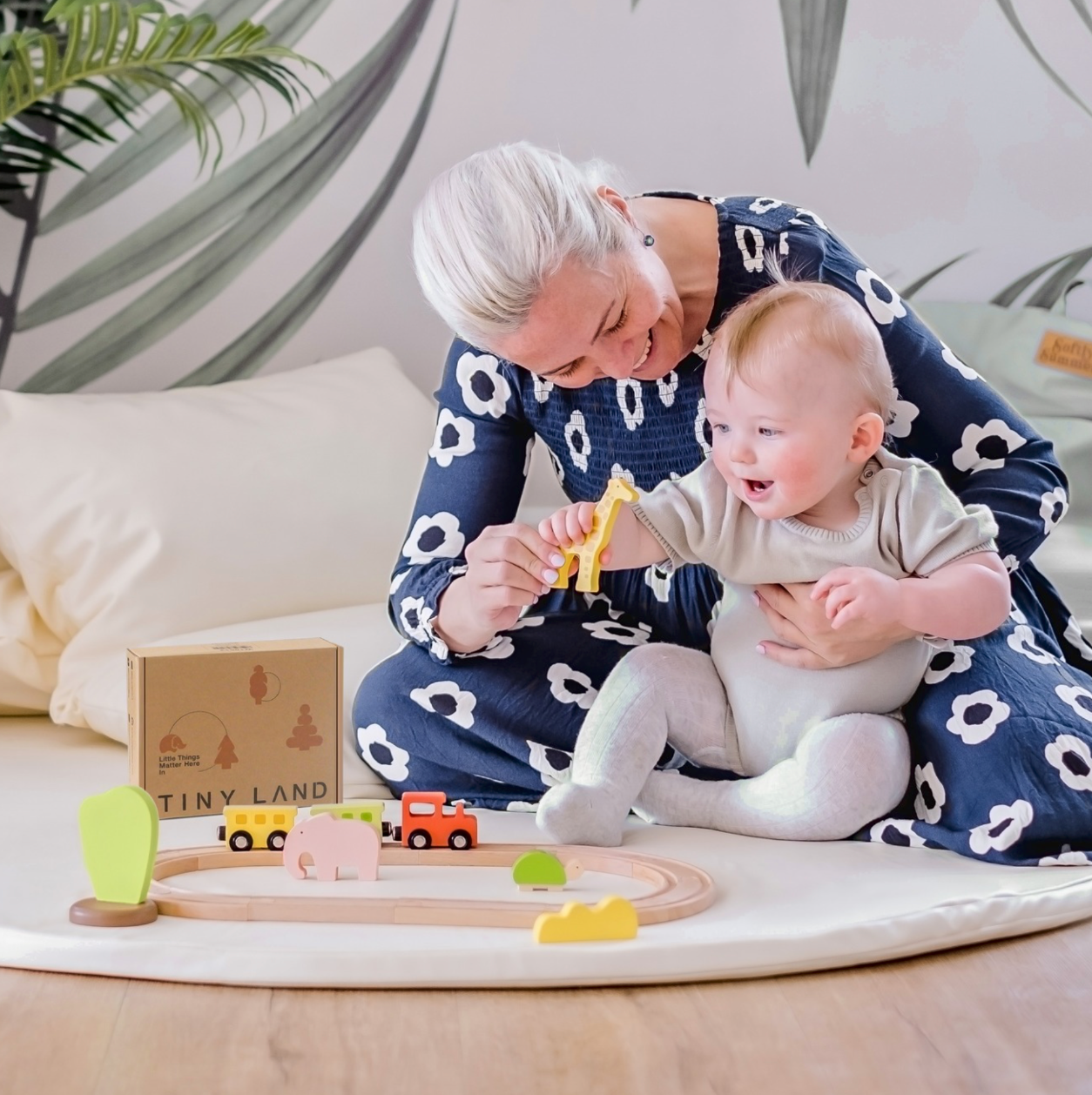





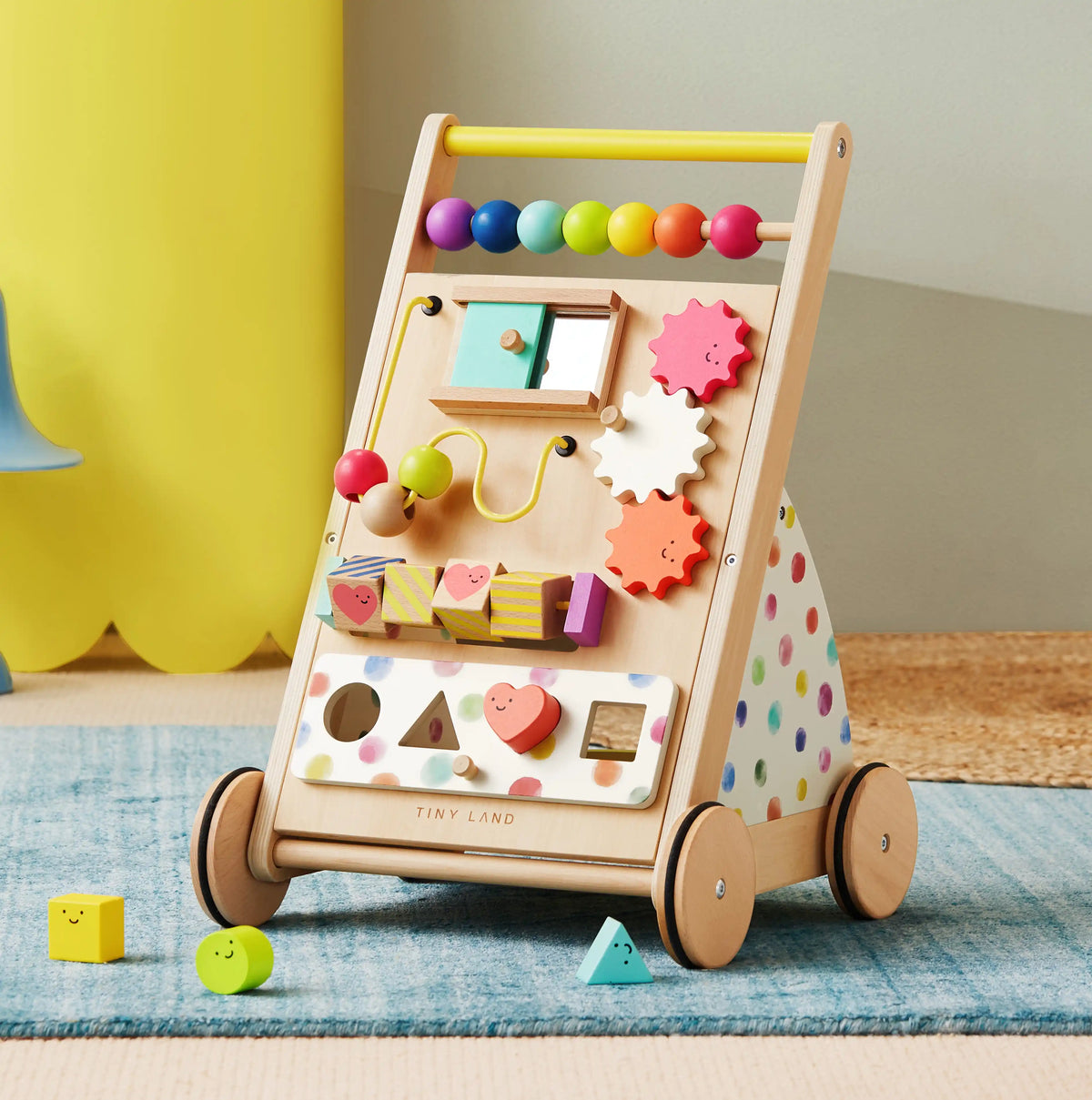


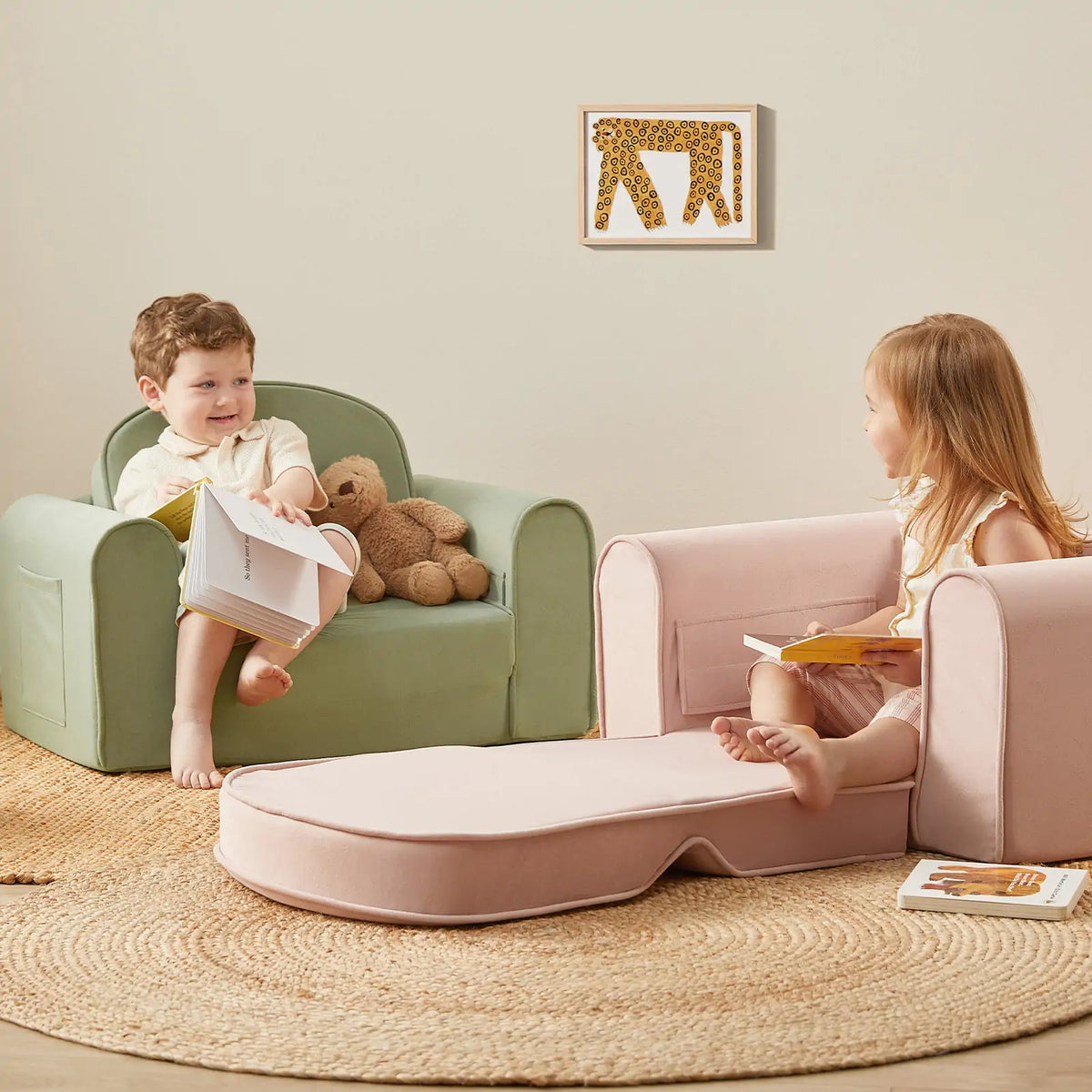

Imaginative play is when kids step into their own made-up worlds—turning toys, everyday objects, and simple spaces into anything they can dream up. There are no fixed rules, just creativity leading the way.
This type of play is a key part of early childhood development. It helps build creativity, problem-solving skills, language development, and emotional understanding, while also giving kids space to build confidence through expression, storytelling, and social interaction.
Below are Tiny Land’s top picks for imaginative play that turn everyday moments into endless stories and big little adventures.

1. Imaginative Play Starts at Home
Home is where imaginative play naturally begins. It’s the environment kids know best, which makes it the perfect foundation for creativity to grow. Everyday routines they observe at home often become the starting point for their own stories, roles, and ideas.
That’s where pretend play at home becomes so powerful—it turns familiar routines into opportunities for creativity. Simple everyday moments, like preparing meals or organizing a space, become the foundation for richer storytelling and role exploration.
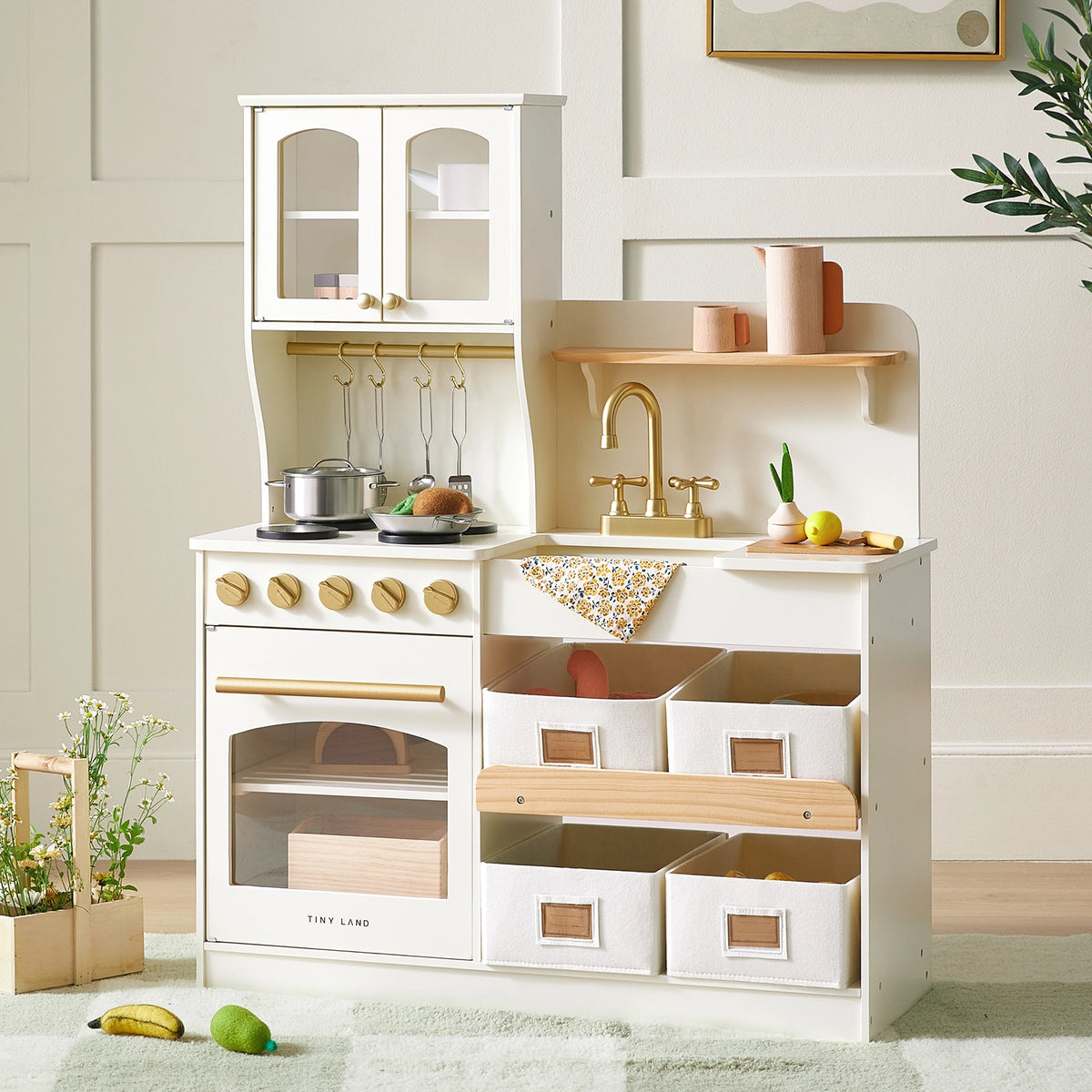
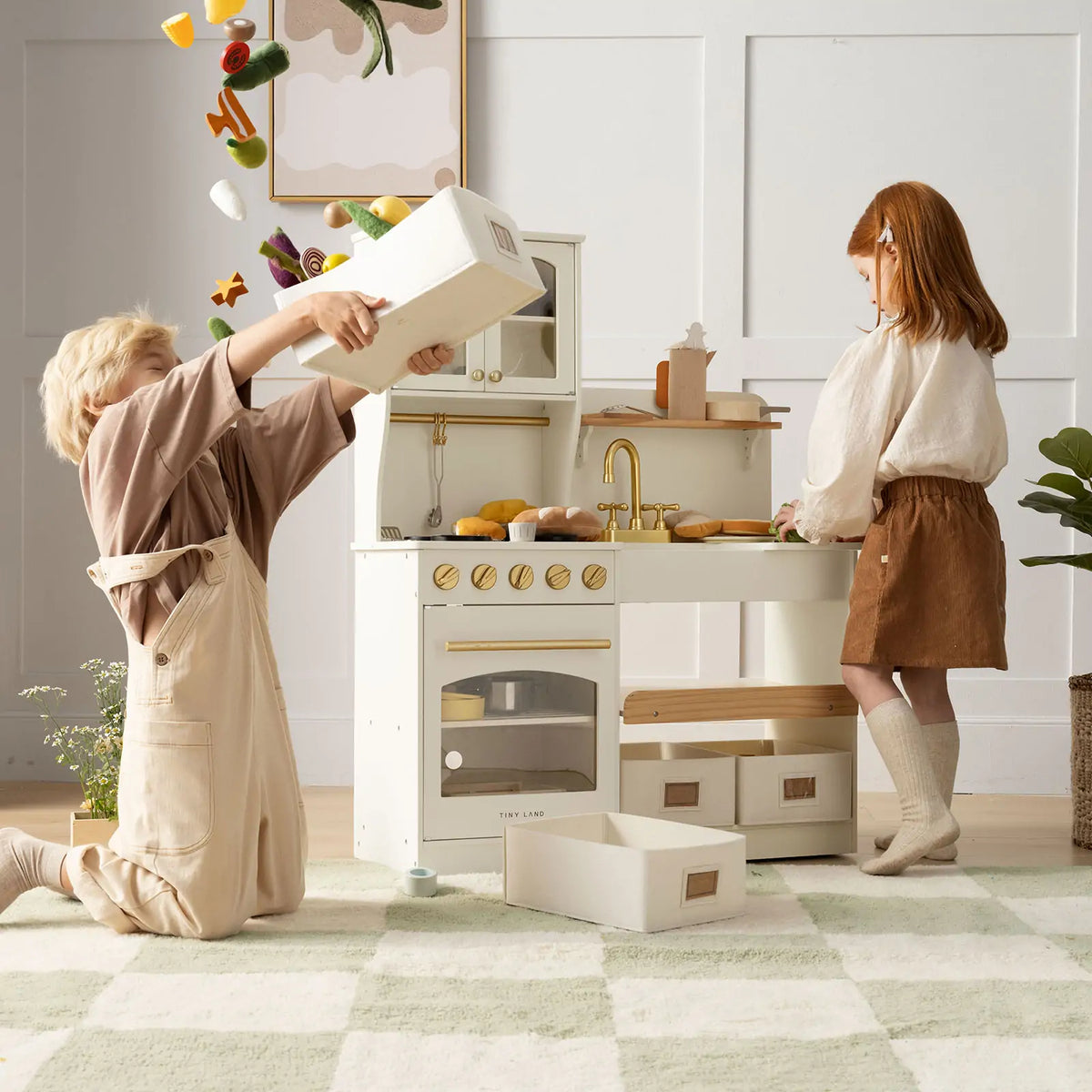
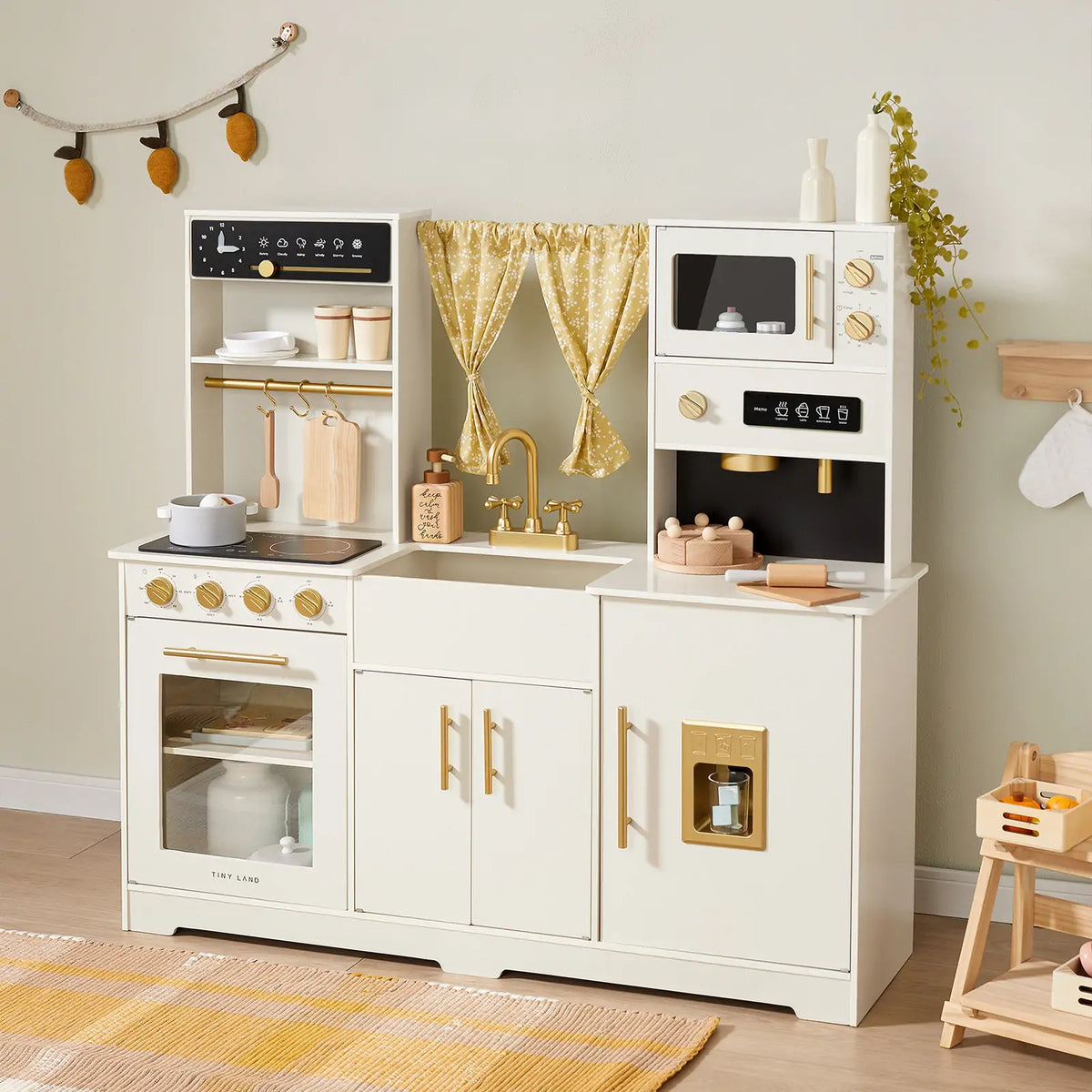
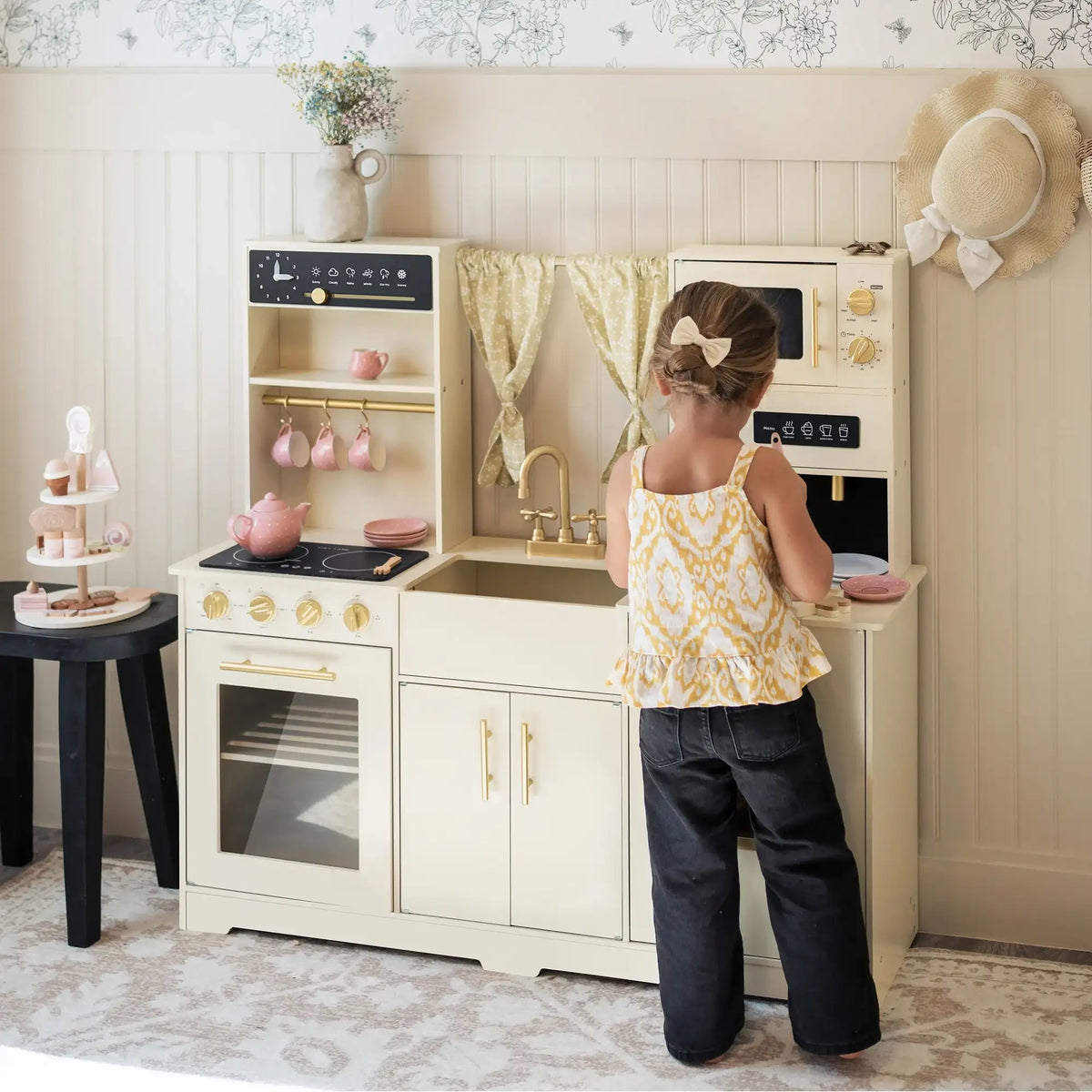
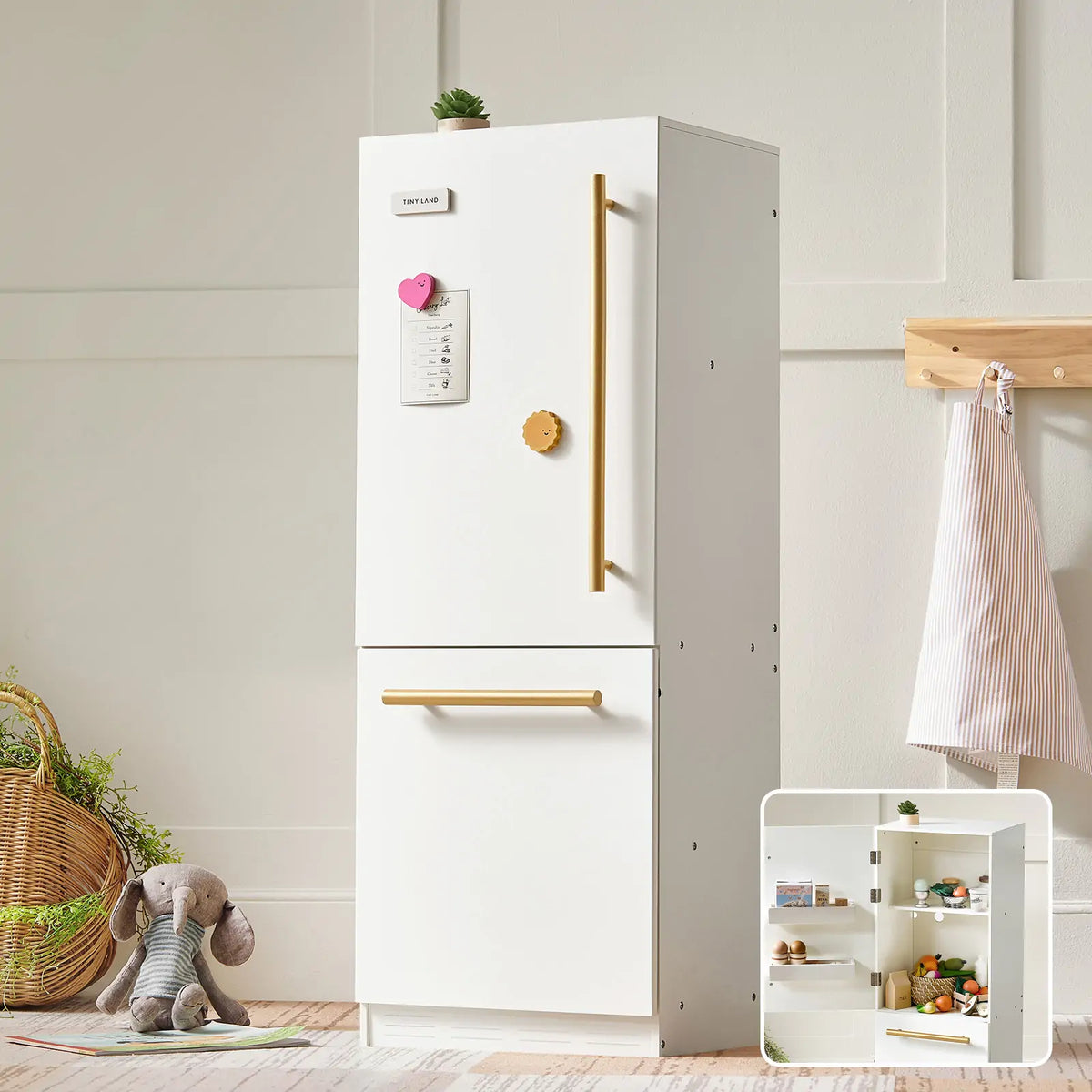
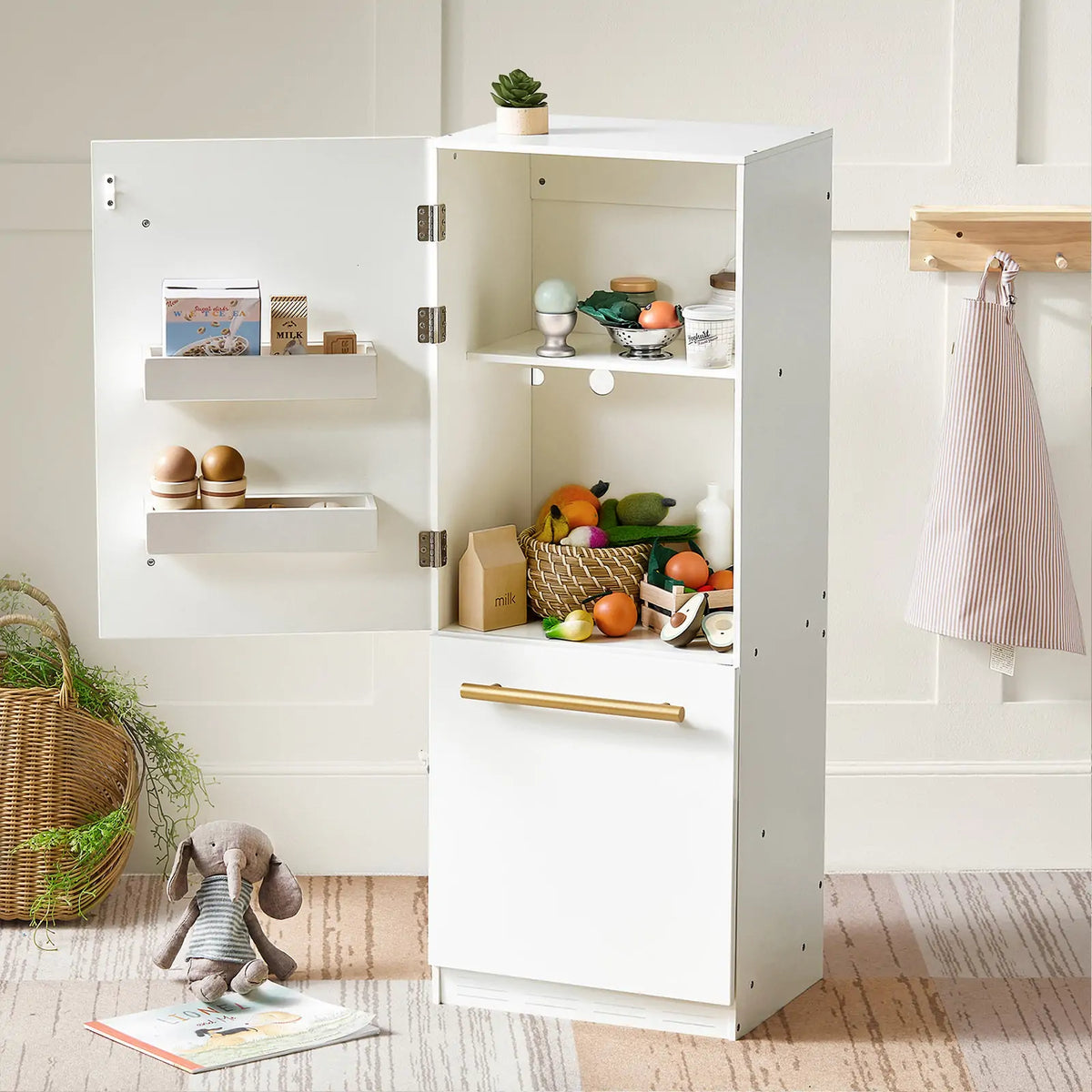
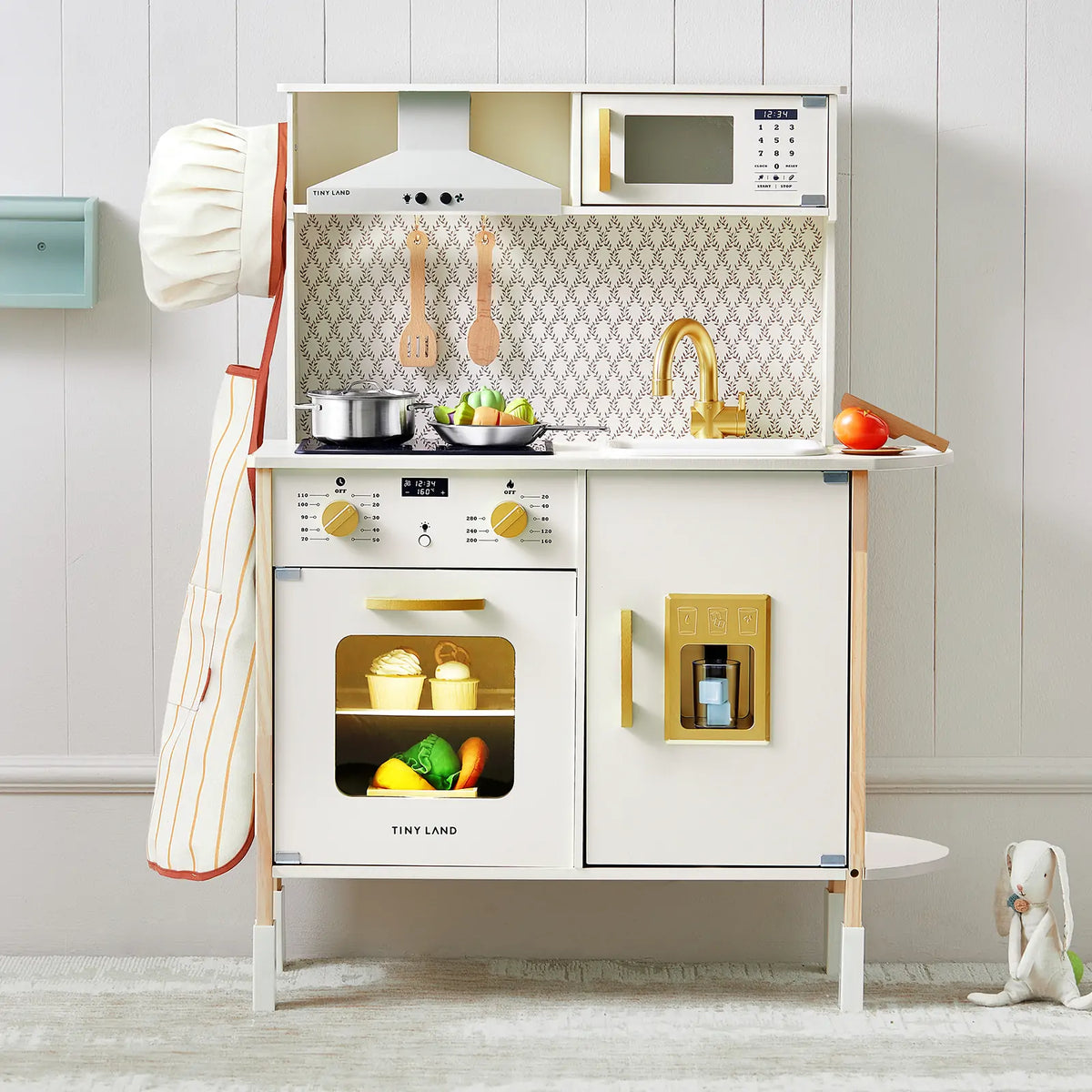
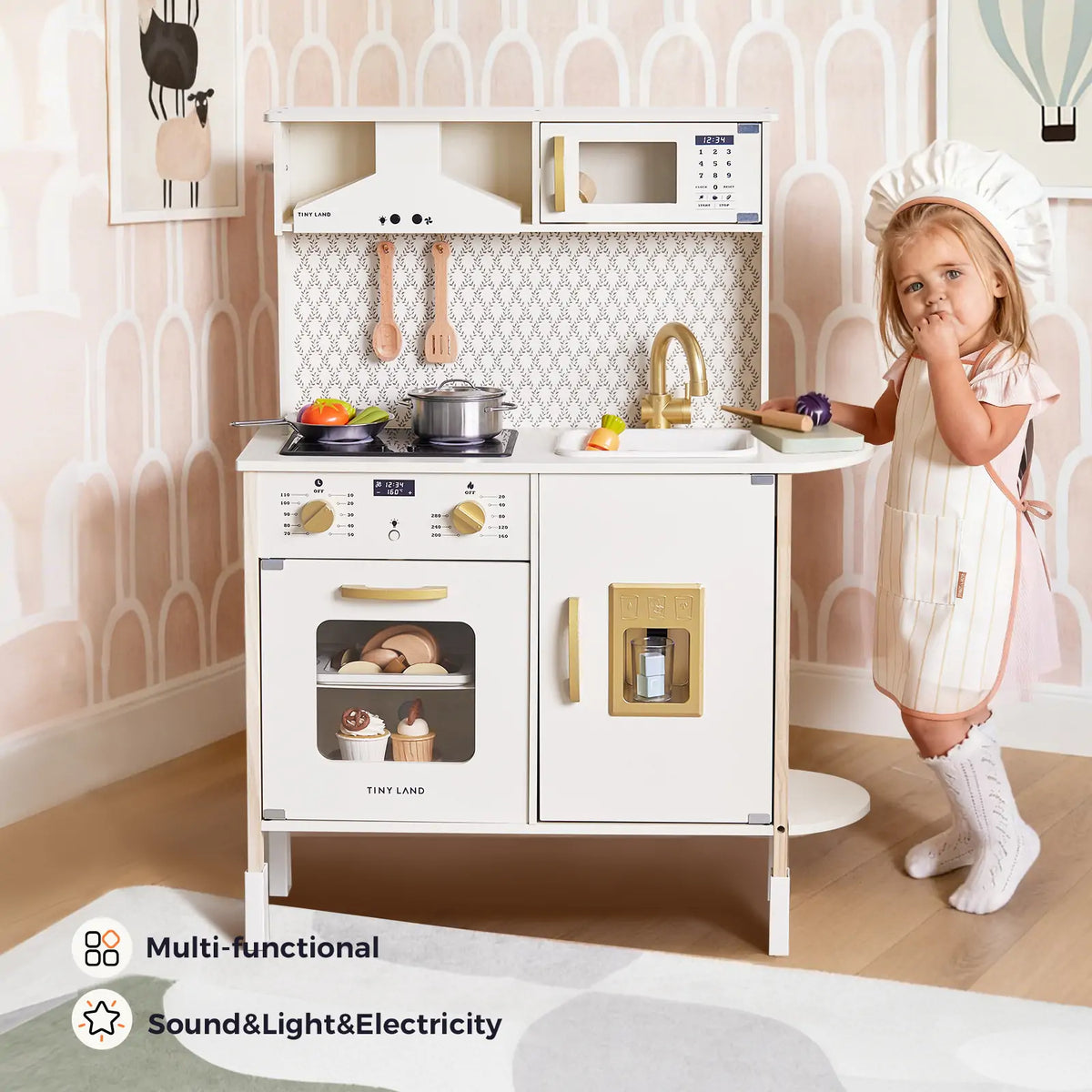
Toy Pick: Play Kitchen
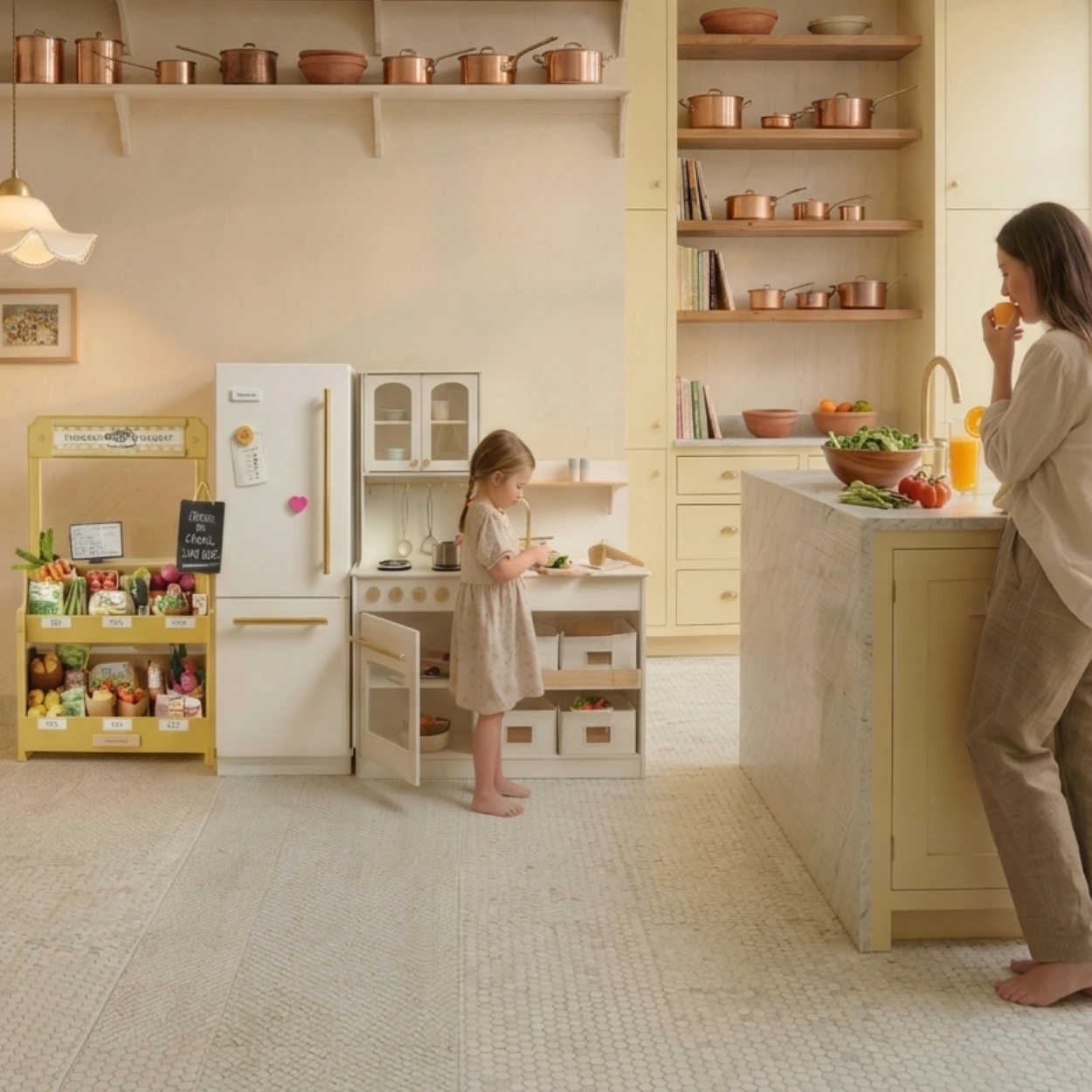
A play kitchen introduces children to imaginative play through a single, focused world they know well. It gives them one clear environment where they can concentrate their imagination, repeat familiar actions, and build their own small but complete stories within a defined space.
Children can imagine themselves taking on different roles, such as a chef, a host, or a guest, and explore their own creative cooking stories through fun hands-on play.
This kind of focused imaginative play helps children stay grounded in a single world while developing early thinking skills like sequencing, decision-making, and communication.
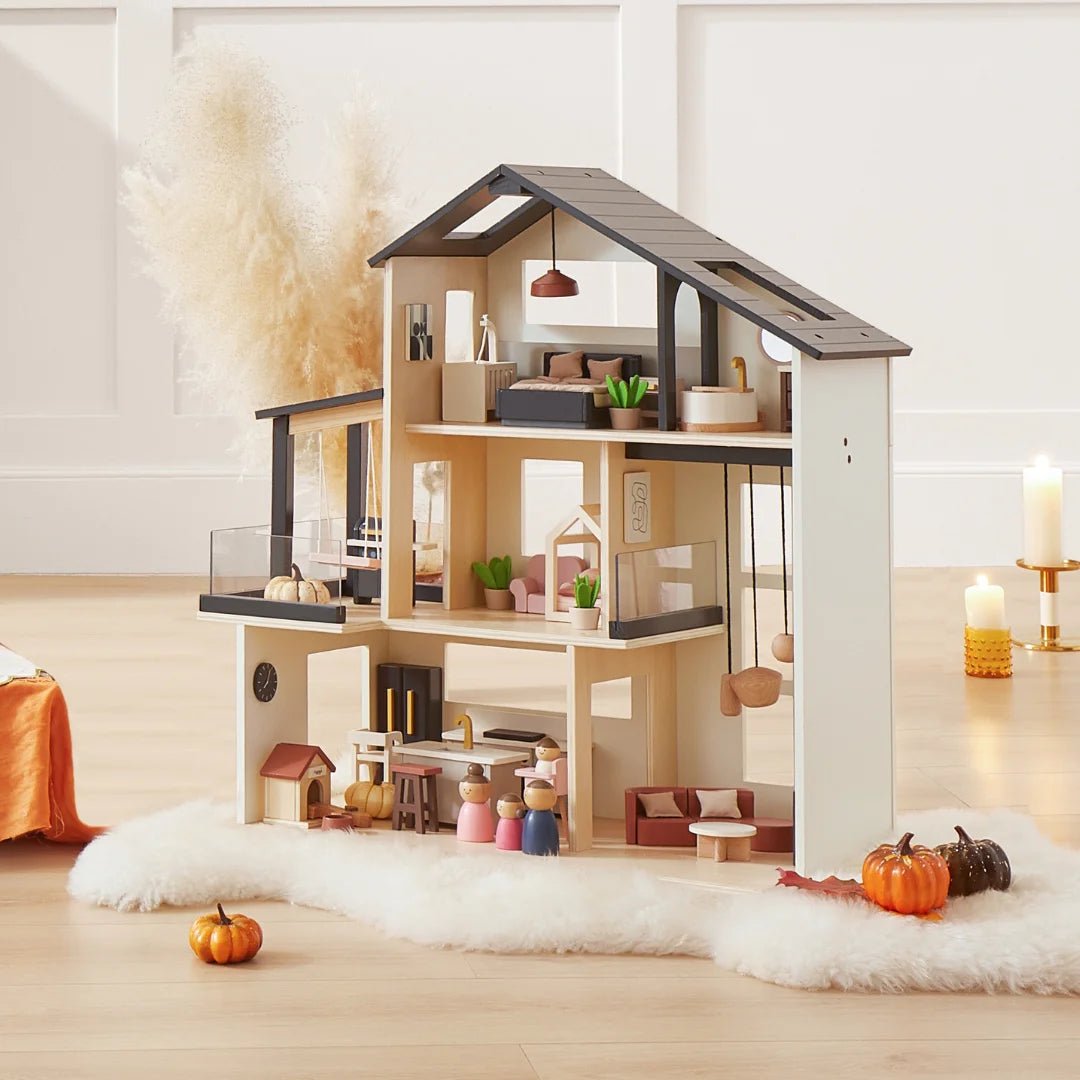
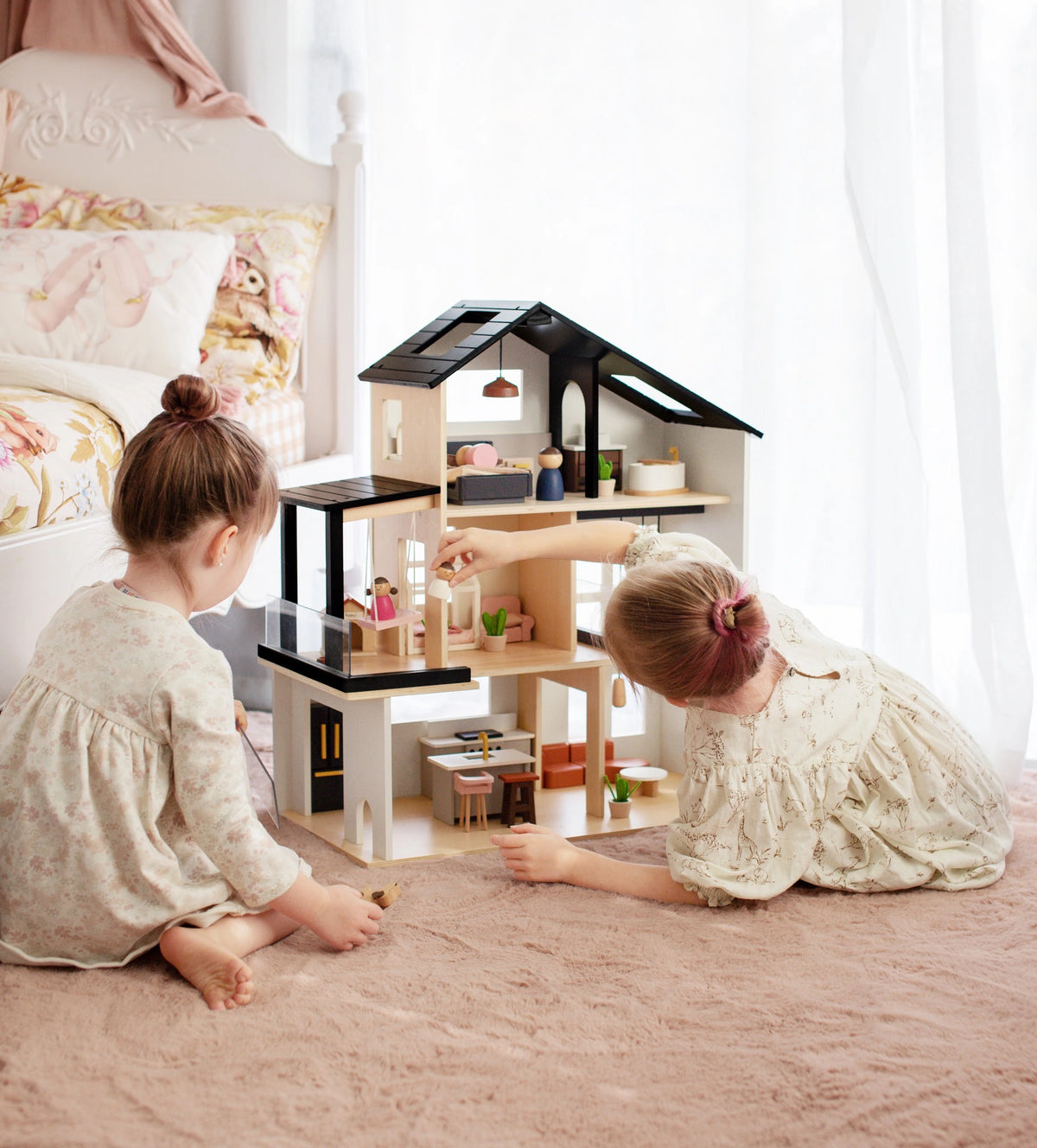
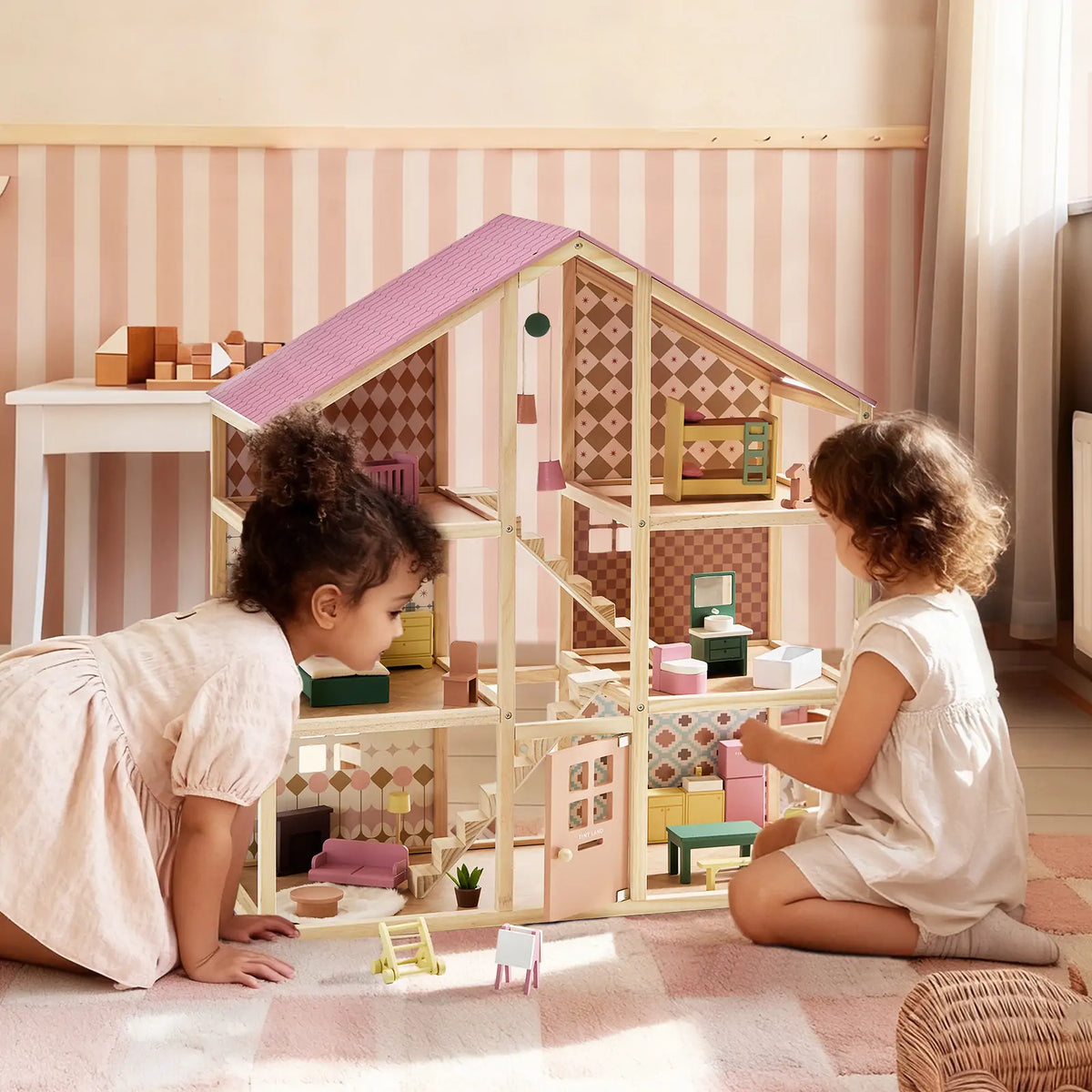
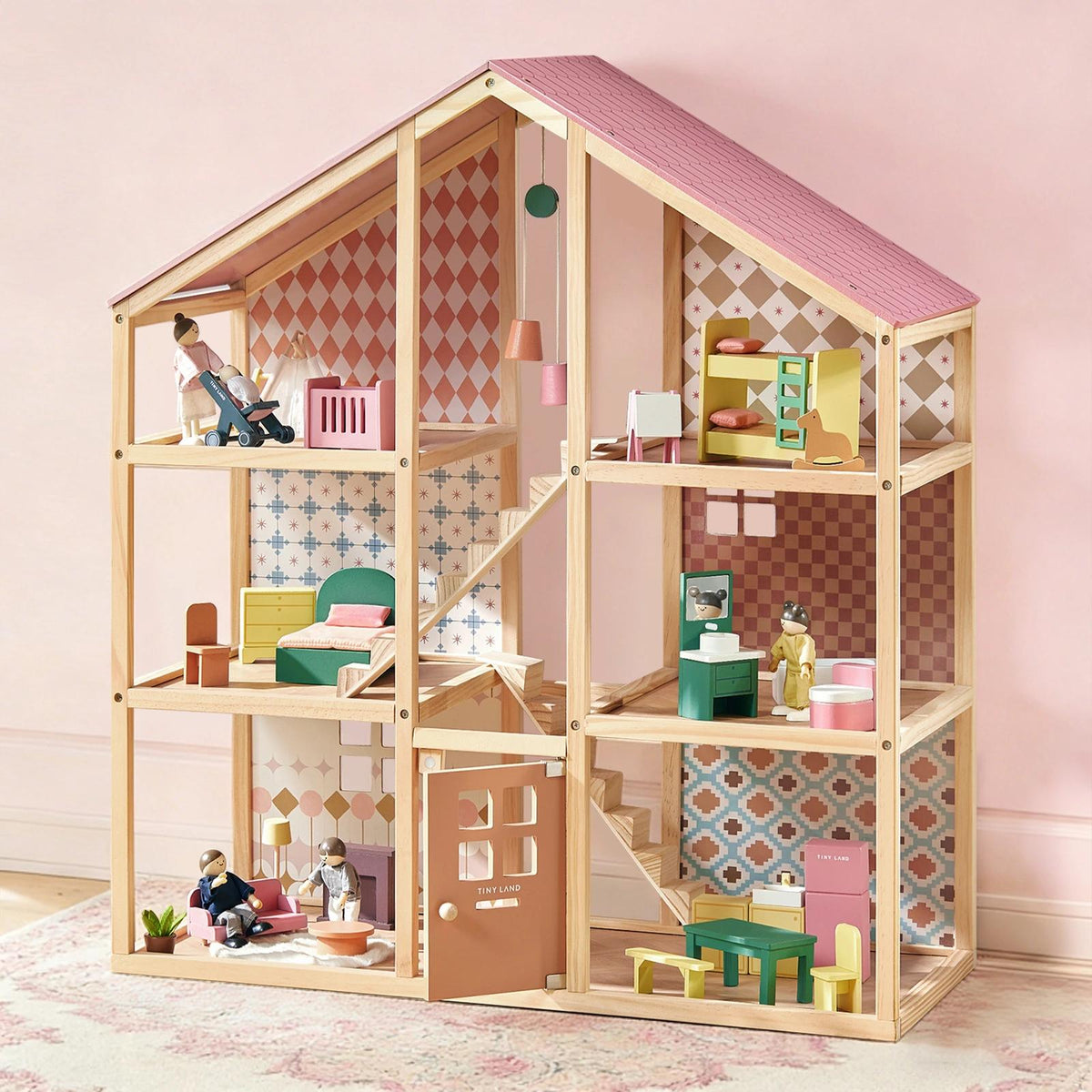
 Toy Pick: Dollhouse
A dollhouse takes imaginative play beyond a single space and opens it up into a larger home world. Instead of focusing on one area, children can move between multiple rooms, characters, and situations—building a more connected and layered story universe.
Here, imaginative play becomes more dynamic. Children are not just creating one story in one space—they are linking different moments together, creating relationships, and shaping how life unfolds across an entire home environment.
This expanded form of imaginative play naturally supports storytelling, emotional awareness, and social understanding, as children begin to manage multiple ideas and interactions within one evolving world.

2. Local Community Play
As children’s imagination grows beyond the home, their curiosity naturally expands into the world around them. They begin to explore different social roles, real-world interactions, and everyday scenarios they observe in their communities. This stage of imaginative play helps children connect what they see outside the door with the wider world they are beginning to understand.
Toy Pick: Grocery Store
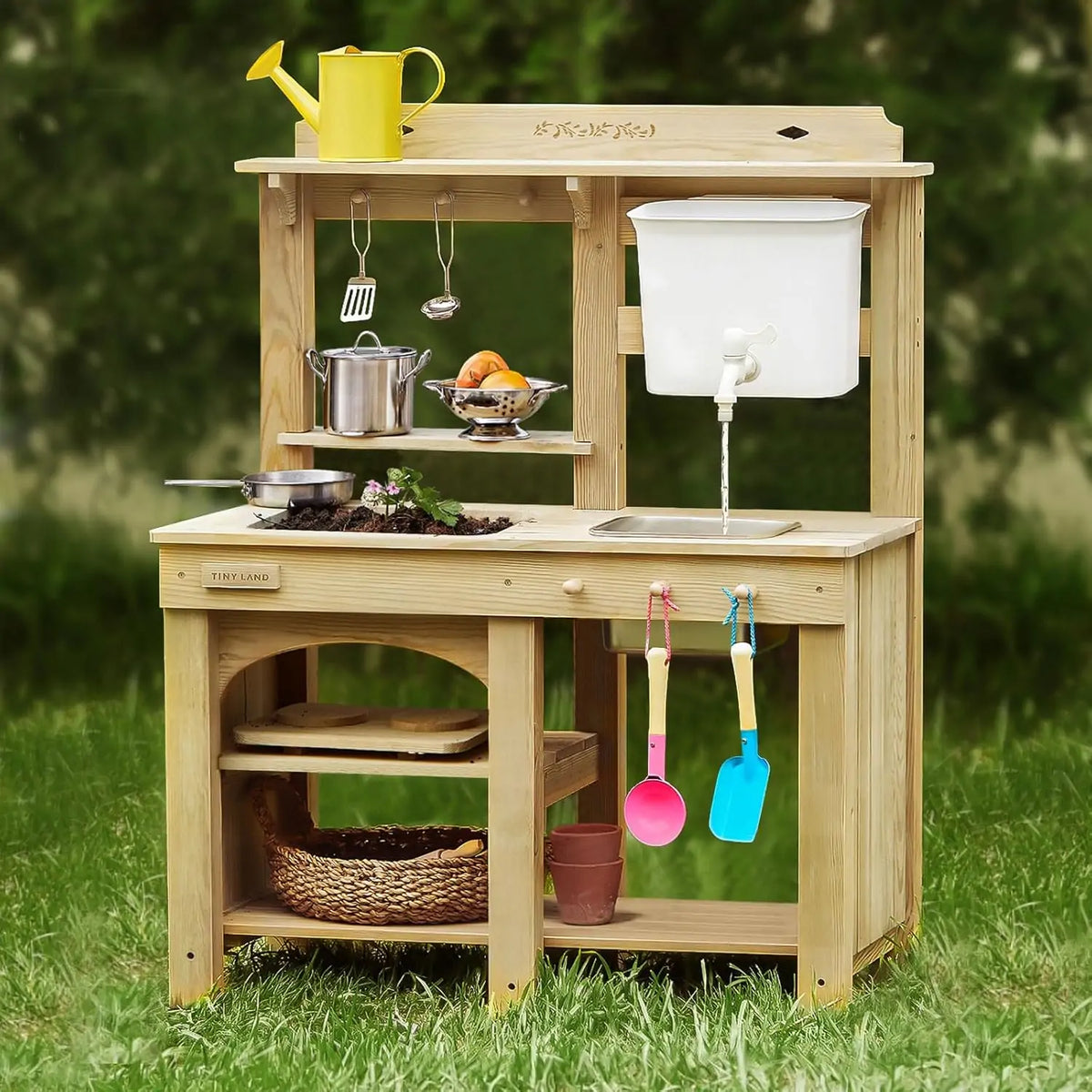
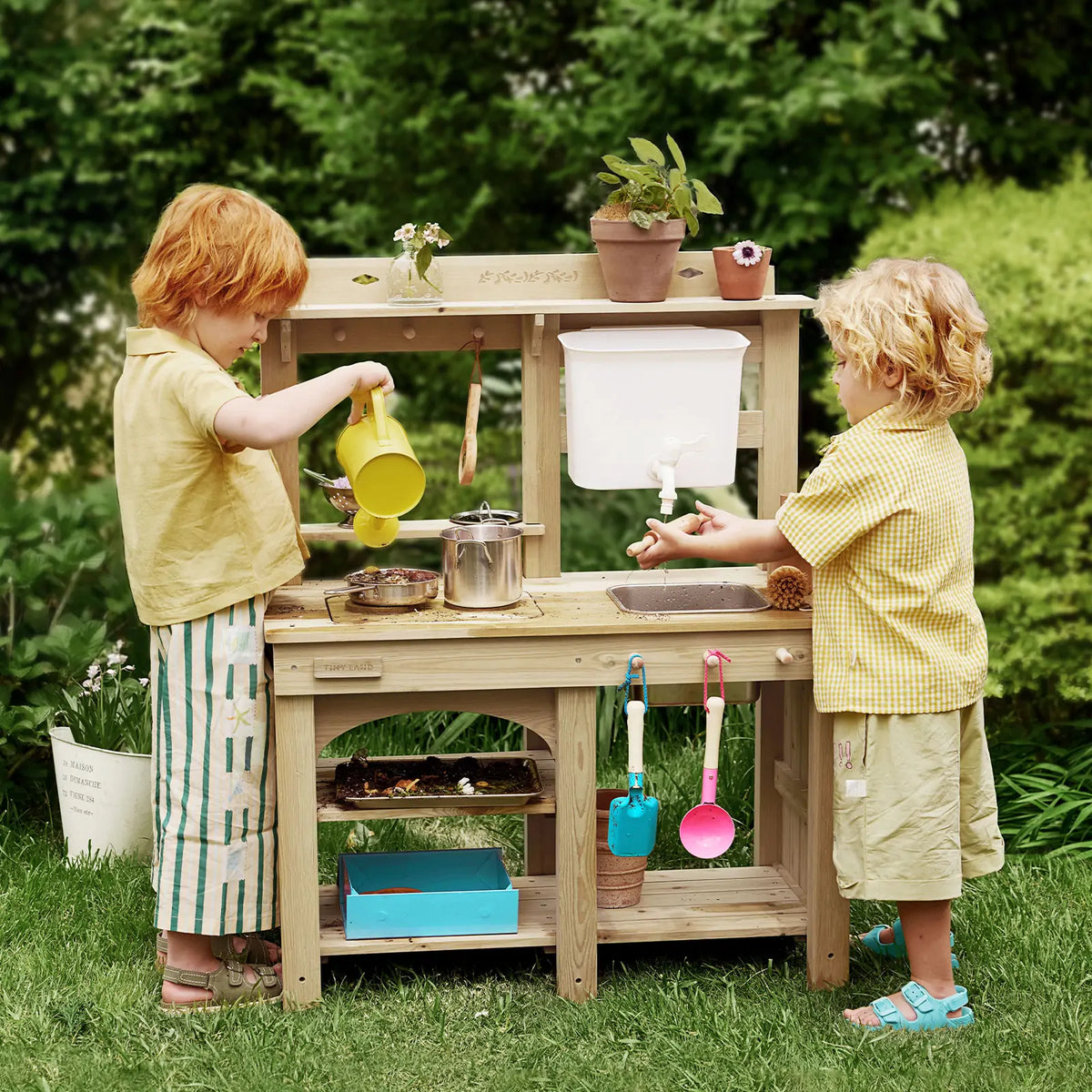
A grocery store opens up a wide range of imaginative play possibilities. Children can step into different roles and settings—from running a farmers’ market stand, to a coffee shop, hardware store, bookstore, flower shop, or even a lemonade stand—each becoming its own small world of interaction, exchange, and storytelling.
Through pretend play, kids explore how people organize spaces, interact with others, and create value through simple exchanges and communication. When combined with play kitchen activities, it can even extend into a “farm-to-table” experience, where children imagine ingredients becoming meals through their own creative process.
This type of play helps children build early understanding of community roles, strengthen communication skills, and develop problem-solving abilities—all while engaging in rich, open-ended imaginative scenarios.

Toy Pick: Doctor Kit
A doctor kit introduces one of the most familiar community experiences into imaginative play, where children can step into different roles such as a doctor, nurse, or patient. Each role allows them to explore how care, communication, and support work in a simple, hands-on way within their own imaginative scenarios.
Through pretend play with medical tools, children begin to understand how real-world items are used in context. This kind of exploration helps bridge imagination and reality, making doctor visits feel more familiar and less intimidating. It can also help children process uncertainty in a safe environment and build confidence when facing real-life experiences.
At its core, doctor play supports children in developing empathy, emotional resilience, and a sense of responsibility. It encourages them to care for others, express concern, and navigate emotions with greater understanding—all through the safety of imaginative play.

Toy Pick: Pet Care Set
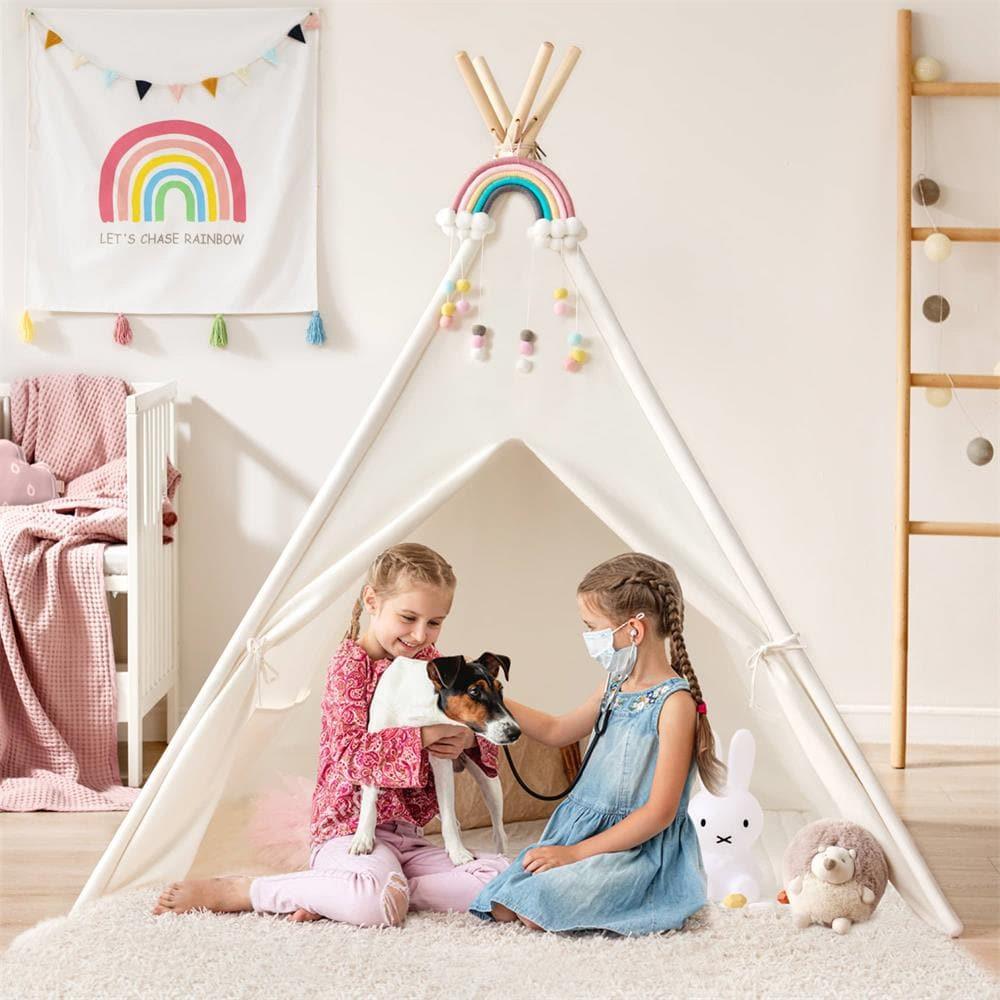
A pet care set invites children into an imaginative world where they can care for their loving friends. In this imaginative play, kids can imagine feeding pets, giving baths, training them, playing with them, and taking care of their daily needs with attention and love.
Through this kind of play, children begin to understand what responsible pet care looks like in modern life. It introduces them to the idea that pets require consistent care, patience, and understanding, helping them connect imaginative scenarios with healthy, real-world habits of caring for animals.
This type of imaginative play naturally builds empathy, responsibility, and nurturing behavior, while also strengthening emotional connection skills and helping children develop a deeper sense of care for living beings.

3. Traveling Across the Country
As children’s imagination continues to grow, they become curious about stories that go beyond their immediate world—exploring different times, places, and ways of life.
Toy Pick: 1920 Railway Adventure Train Table
The 1920 Railway Adventure Train Table invites children into the Roaring Twenties in America—a time of transformation, energy, and discovery. In this world, they can imagine the rise of iconic city skylines, Broadway theaters, early Ford factories, coal loading sites, and the development of traffic control systems that helped shape modern cities.
Within this imaginative setting, children can step into a wide range of roles. They might imagine themselves as factory workers, city planners, theater performers, engineers, or community organizers—building their own version of a growing town and deciding how their world operates and evolves.
Through this type of historical imaginative play, children develop creativity, curiosity, and an early understanding of how societies function and change over time. It also encourages storytelling, problem-solving, and perspective-taking, helping them build a broader view of the world beyond their everyday experiences.

Conclusion
Imaginative play is not about teaching children what to think—it’s about giving them the freedom to explore how to think. From familiar home routines, to community roles, and even historical worlds beyond their own experience, every stage of play becomes a way for children to understand the world and their place within it.
At Tiny Land, we believe these moments of imagination are more than just play. They are the foundation of curiosity, confidence, and connection—helping children grow not only in skills, but in empathy and creativity as they build their own stories at their own pace.