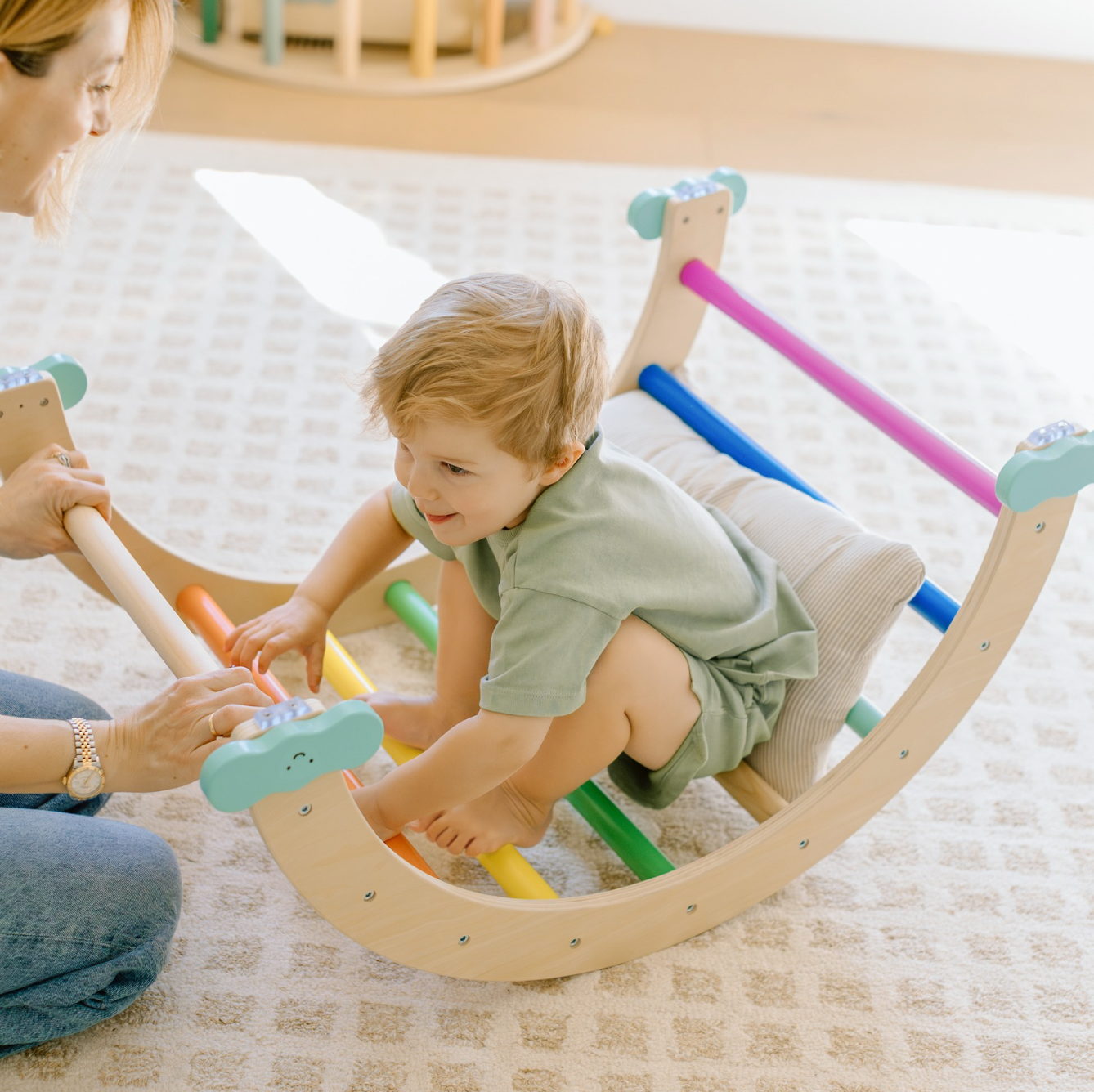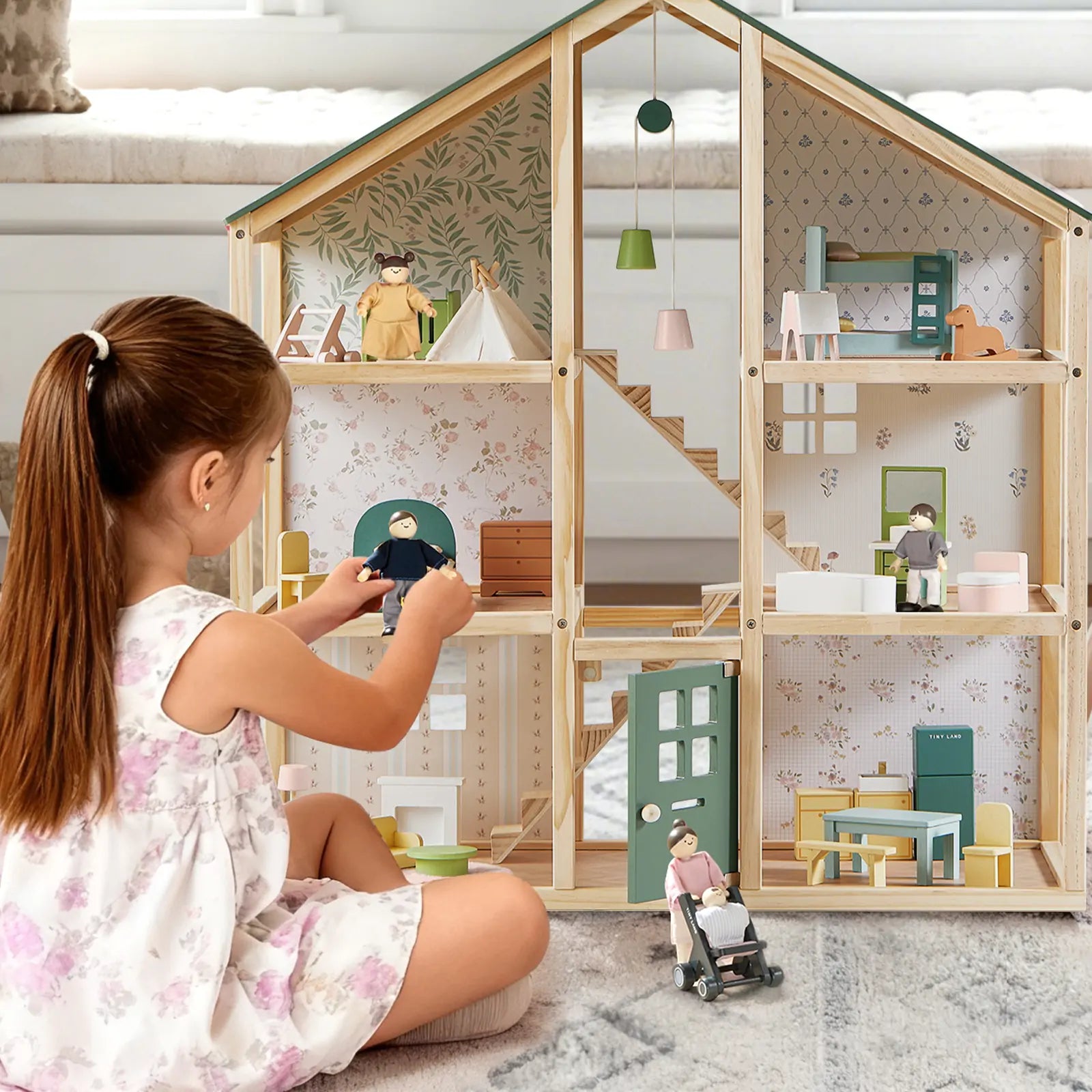

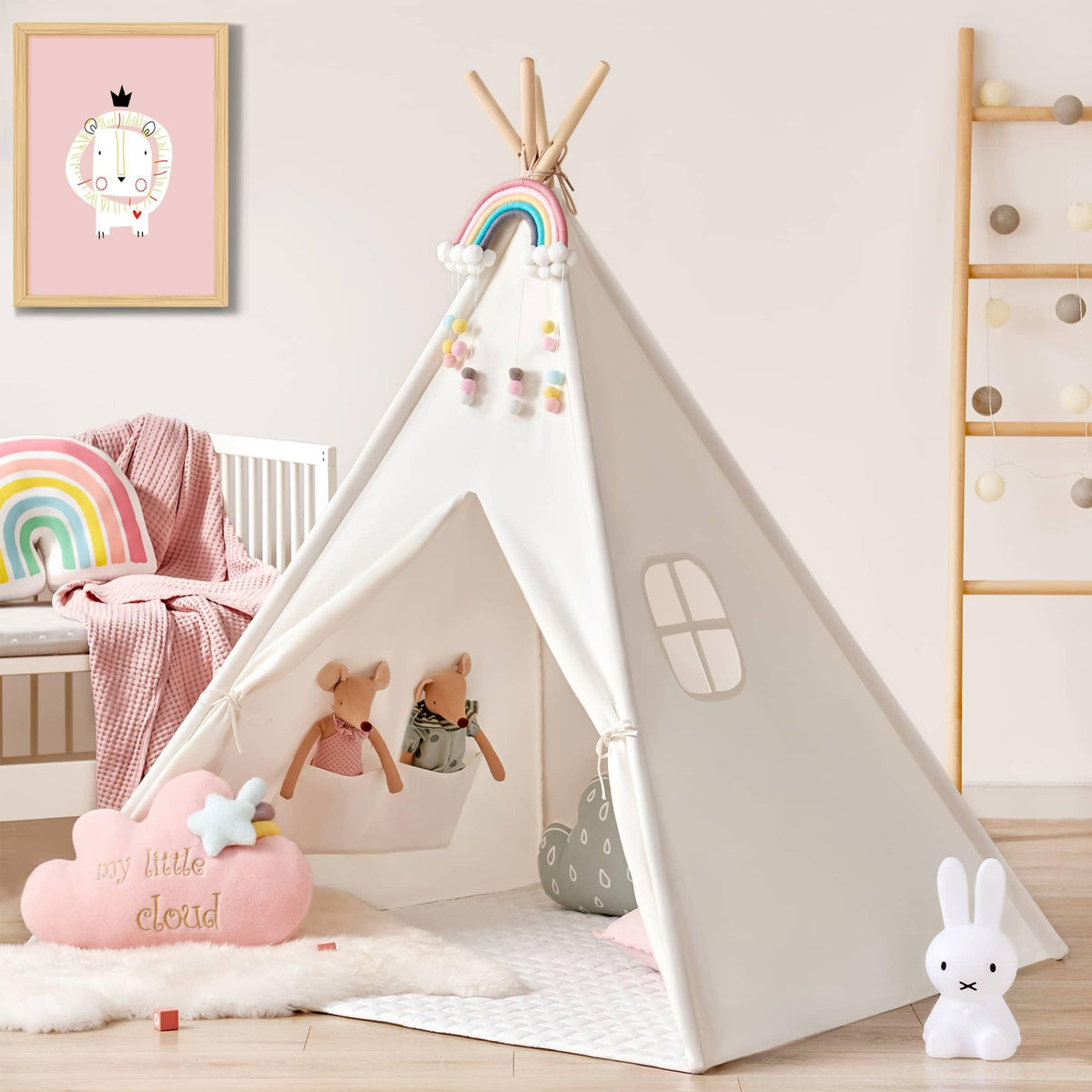
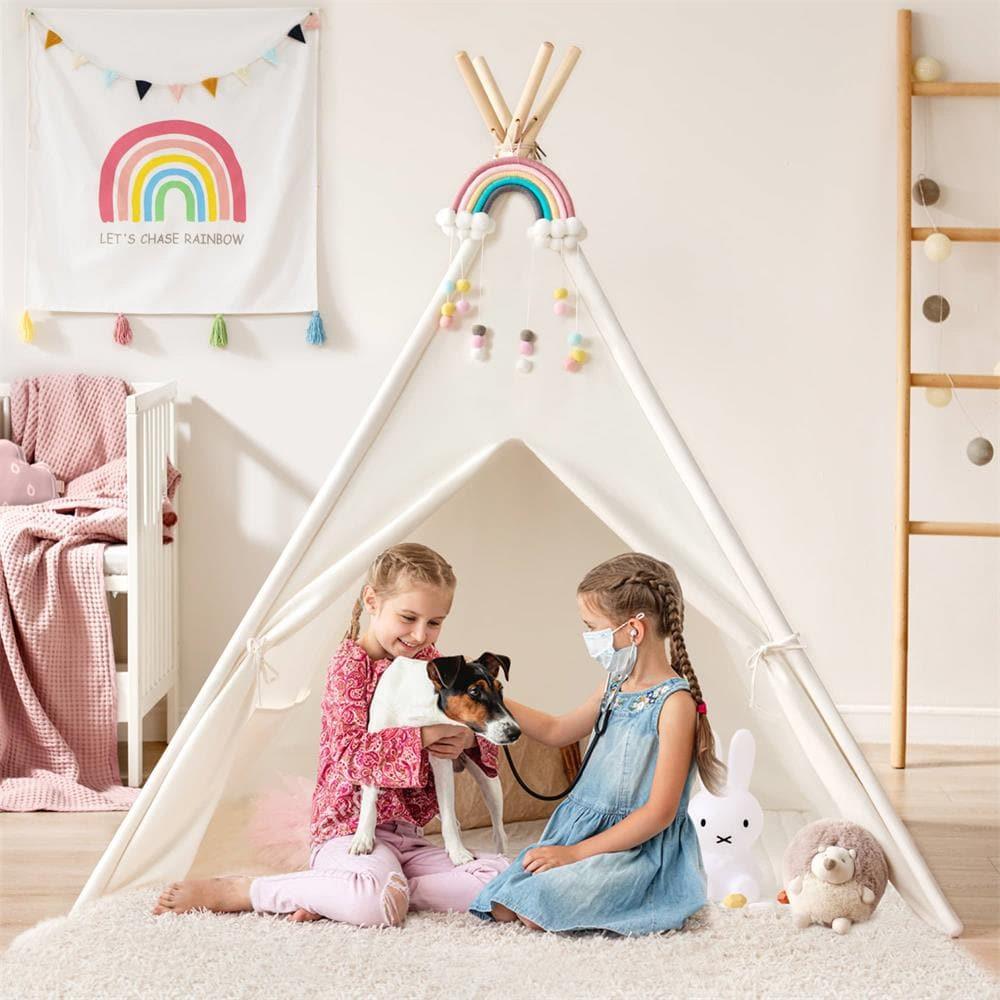
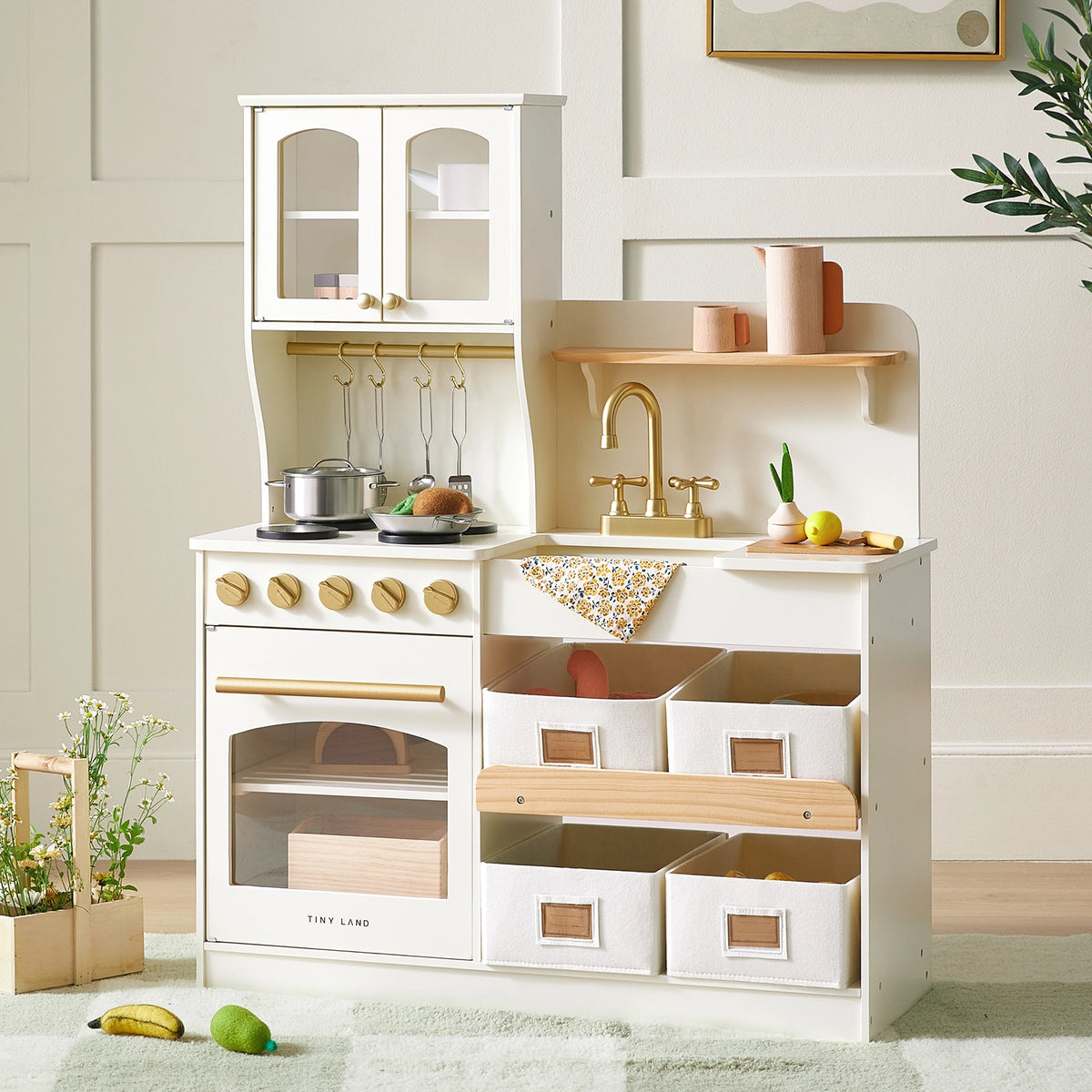
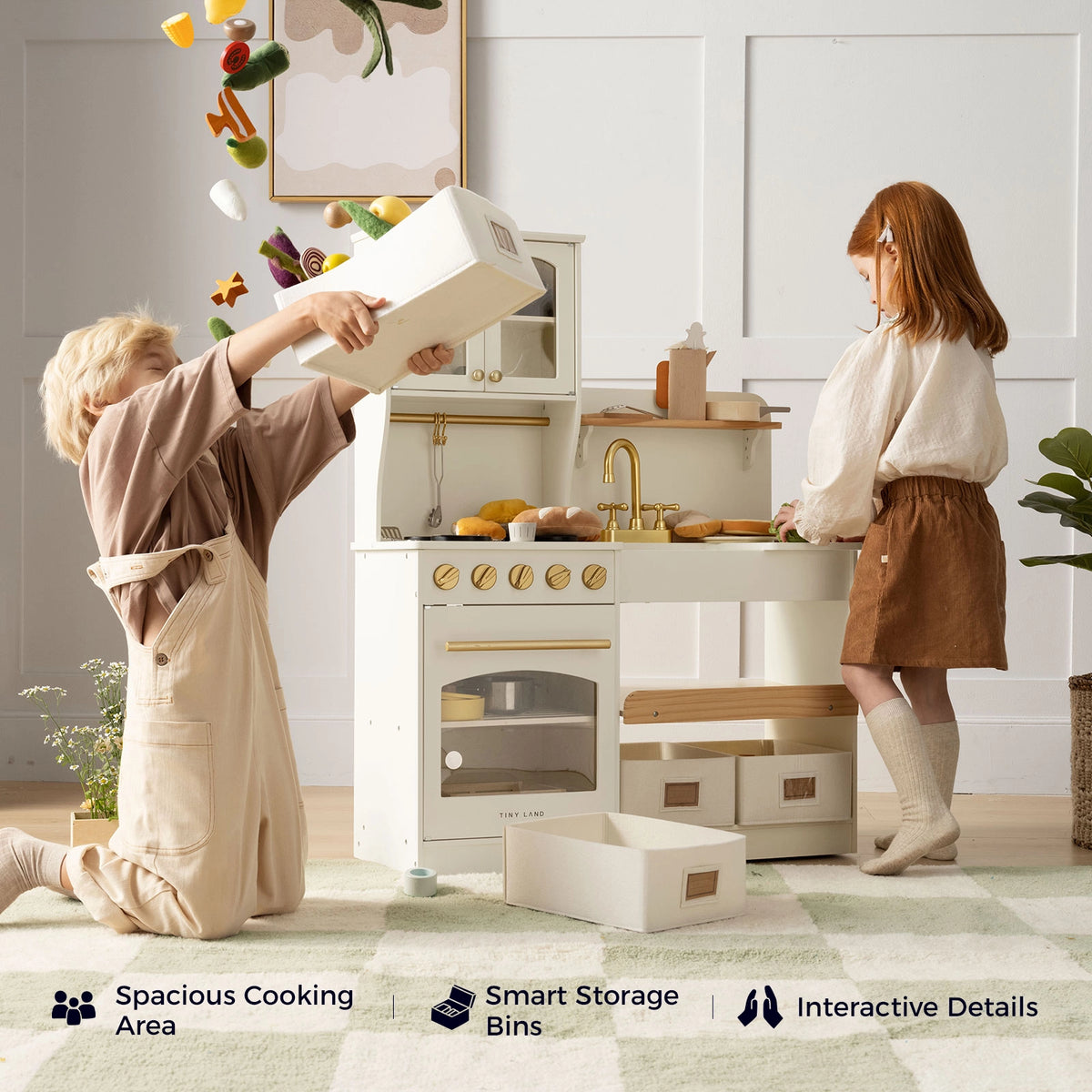
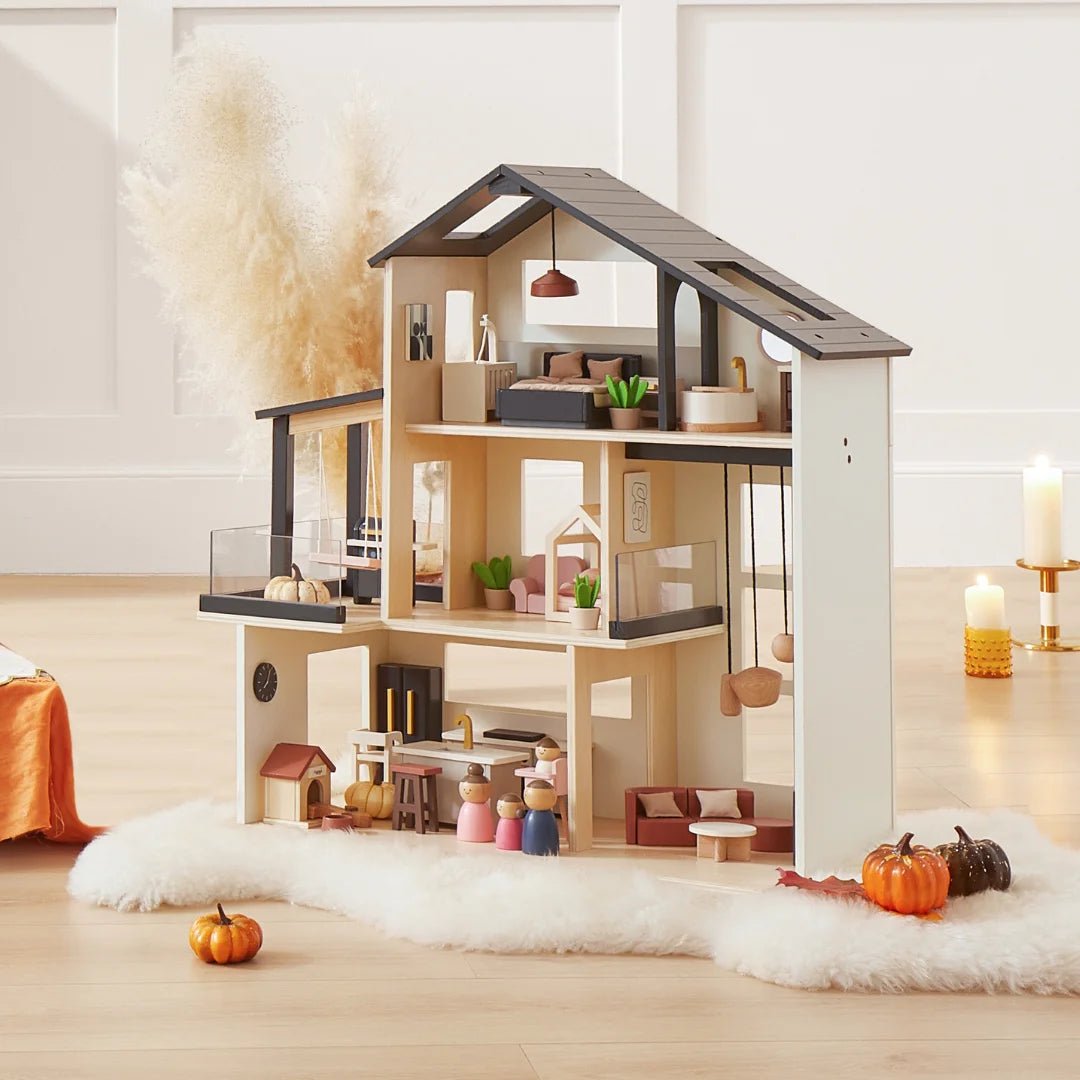
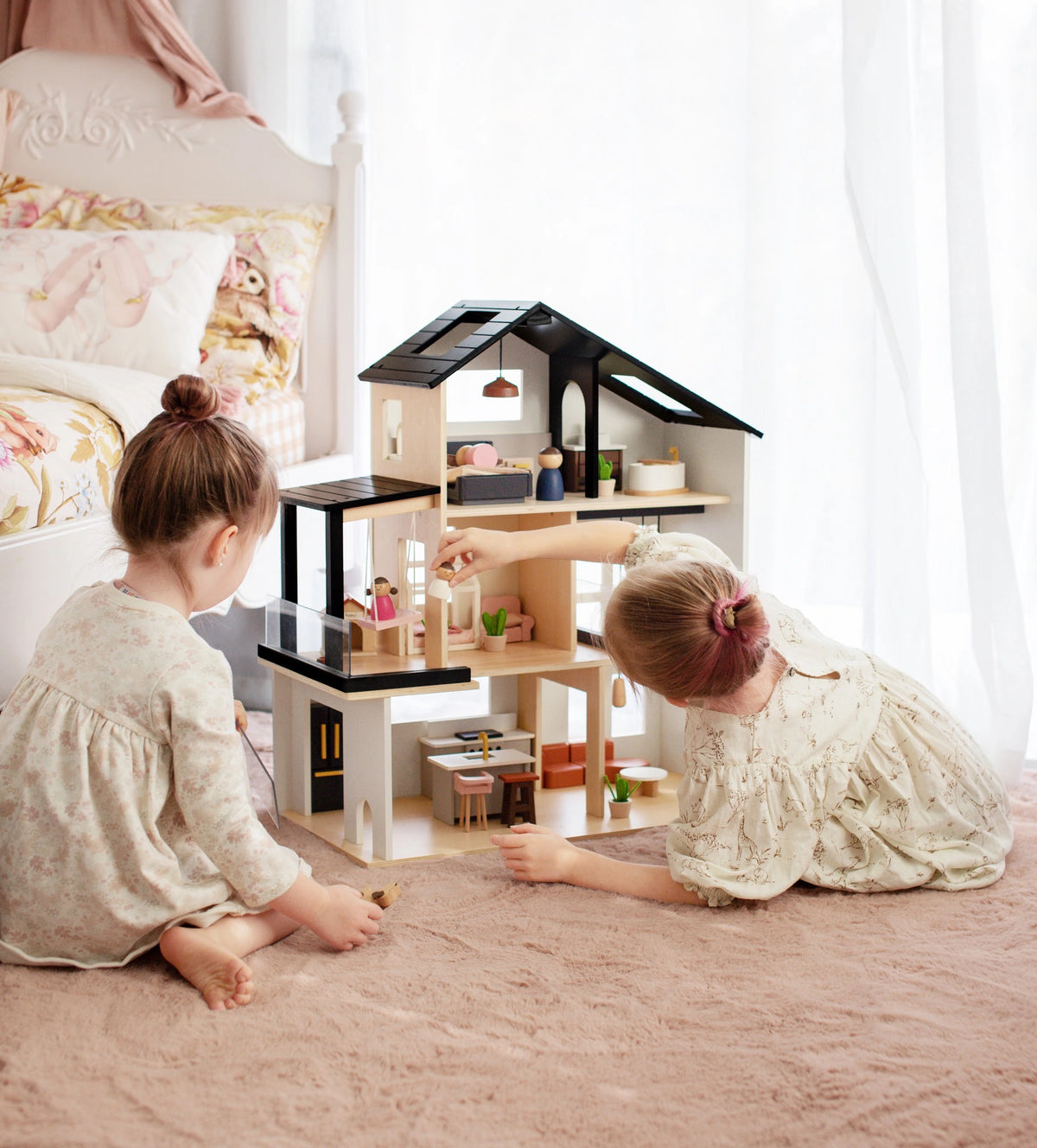
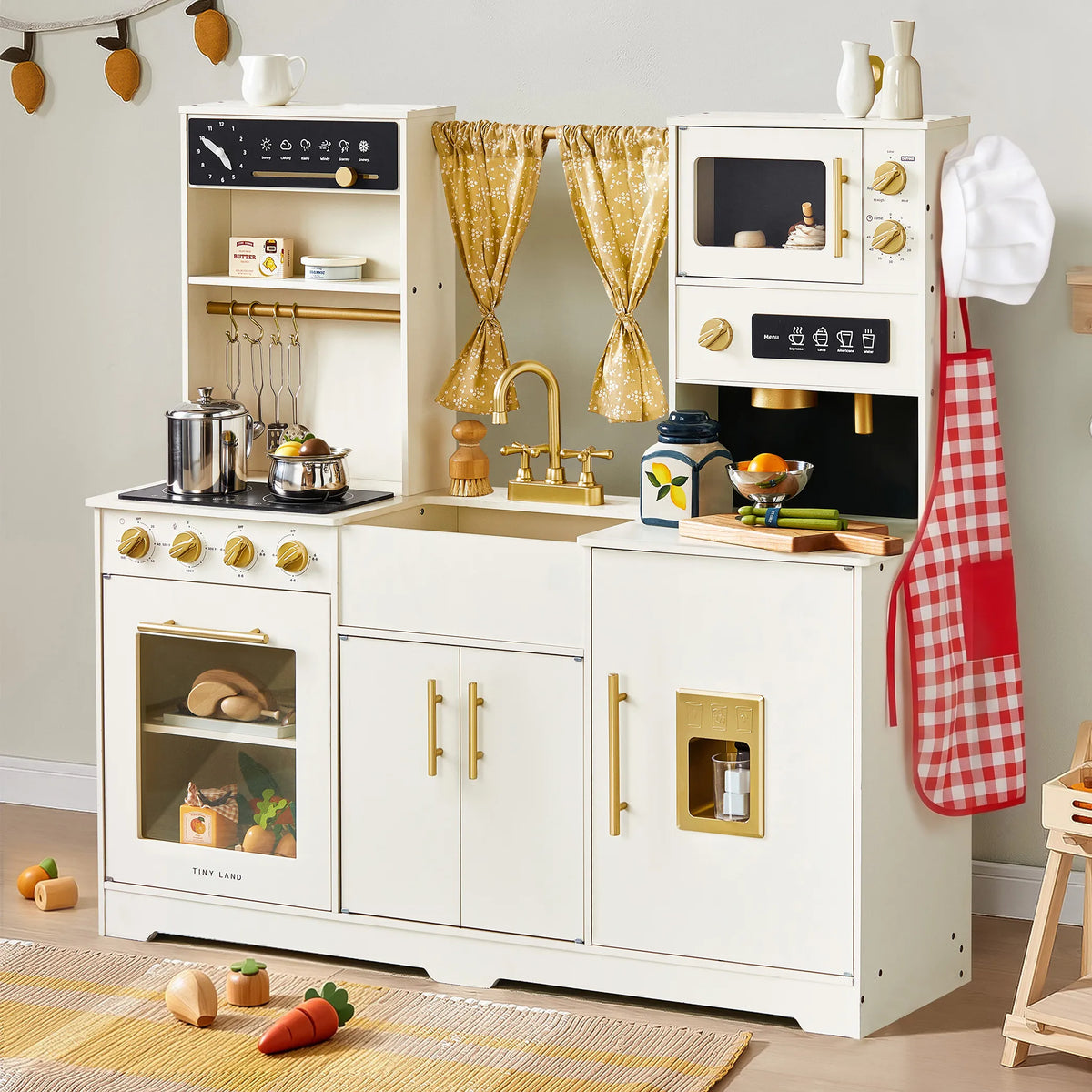
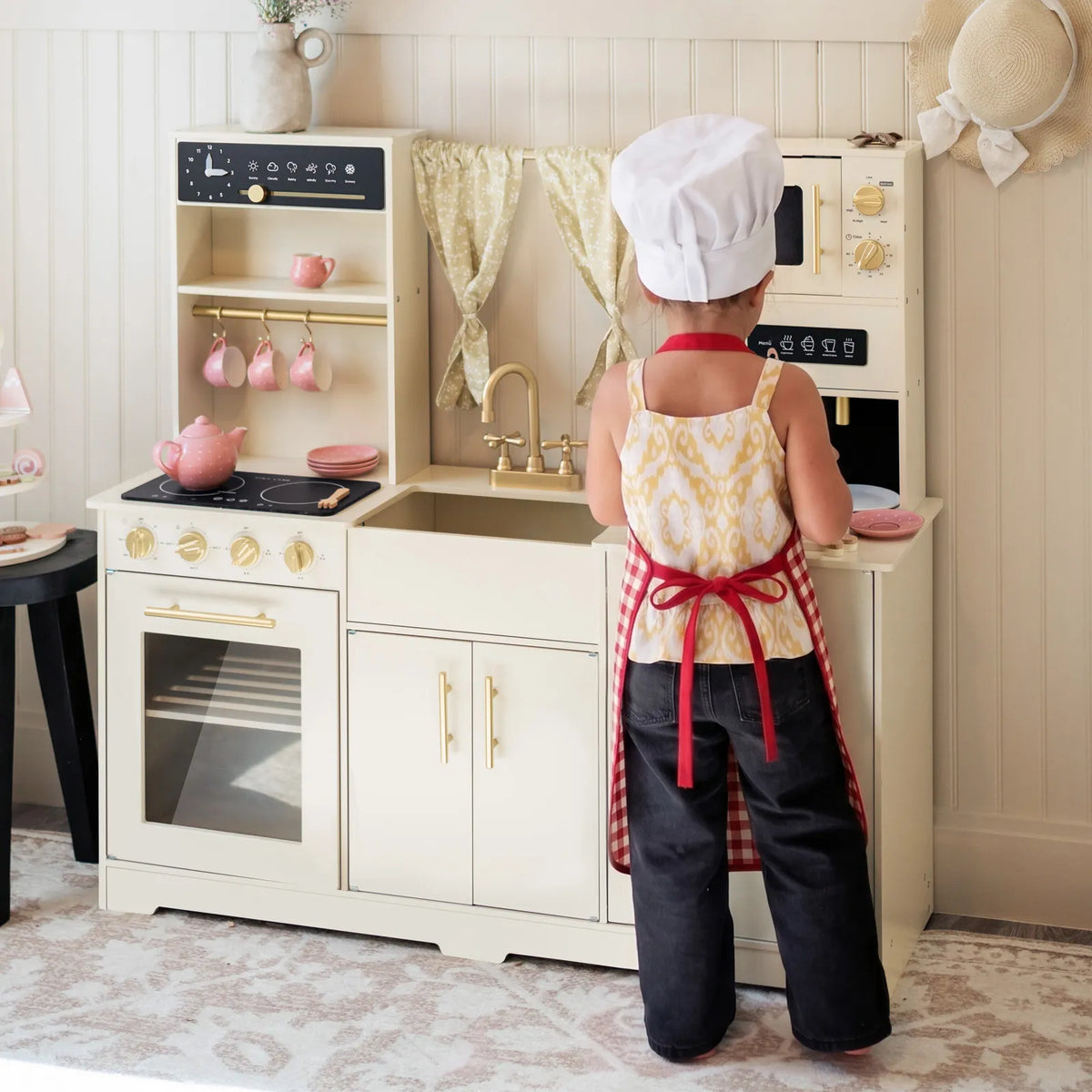
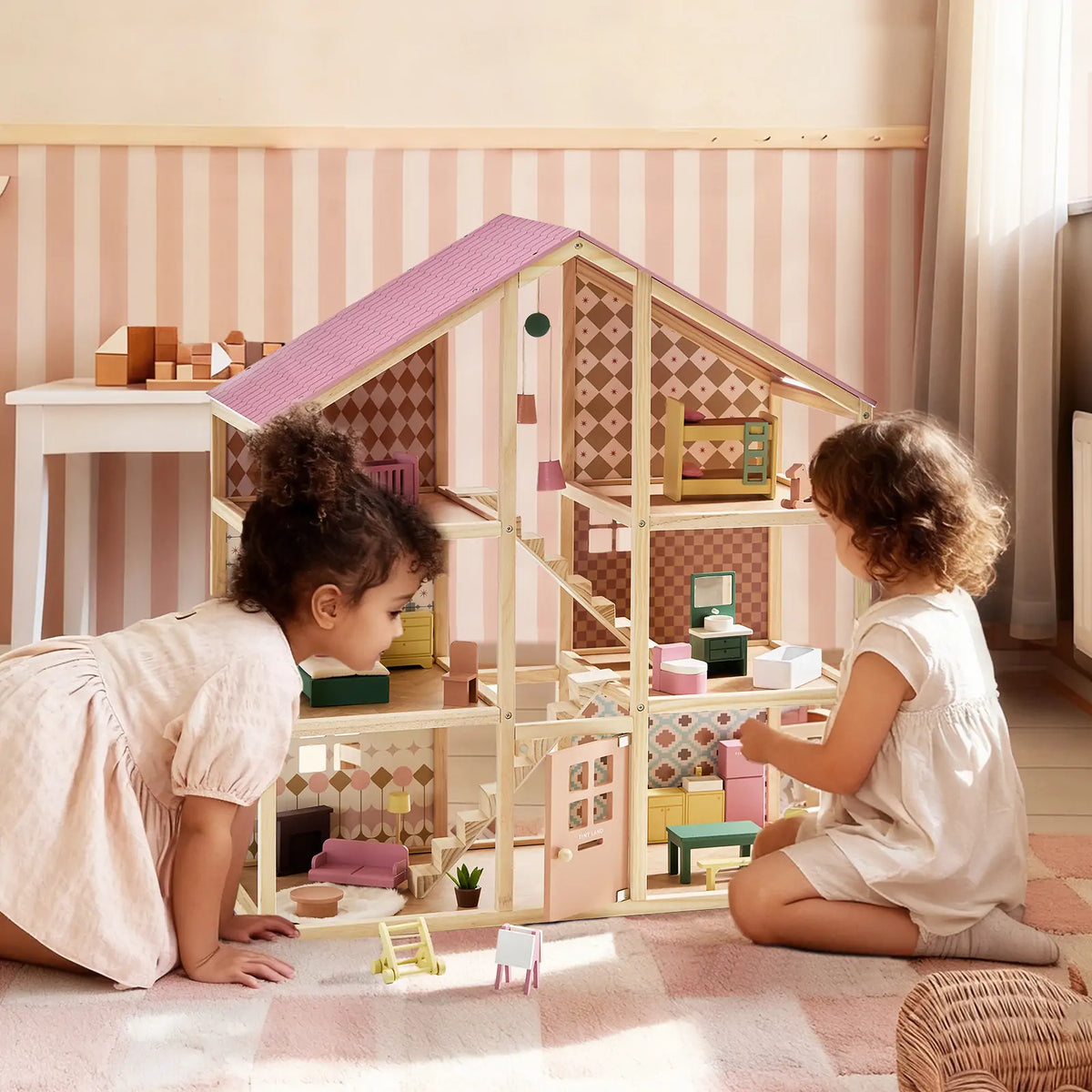
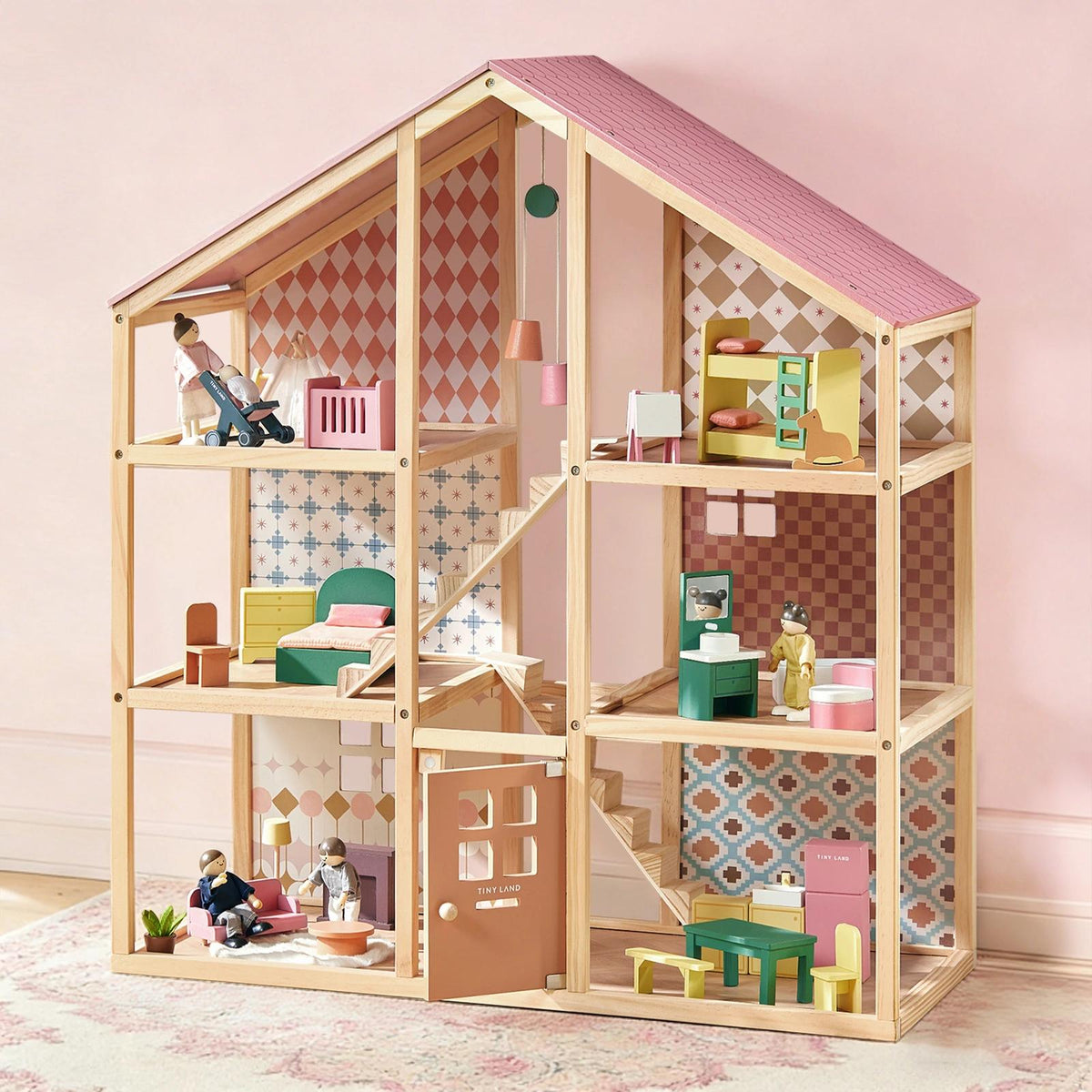




A doll house may look like a simple toy, but for kids, it can become a full little world. With dolls, furniture, rooms, animals, accessories, and a bit of imagination, children can create stories, play games, decorate the house, and practice new words without feeling like they are doing “learning time.”
That is why doll house activities are so helpful for language development. When children play with a dollhouse, they naturally talk about what is happening: who is in the room, where the dolls are going, what the animals are doing, how someone is feeling, and what comes next in the story. For parents, this kind of kids play is a simple way to support language, creativity, and confidence at home.

Why Dollhouse Play Helps Children Talk More
Children learn language best when words connect to real actions. A dollhouse gives them a clear setting: a house, a room, a floor, a bed, a table, windows, walls, furniture, and little accessories they can move around. Instead of only hearing words, kids can see, touch, and act out the things they are learning.
For example, when a mom says, “The doll is sleeping in the bedroom,” the child can place the doll on the bed. When a parent asks, “Who is coming to visit?” the child can add friends, animals, or more dolls into the story.
This kind of play can encourage children to describe, answer, ask, pretend, and explore new ideas. It also makes learning feel fun instead of forced. Over time, these small conversations build a lot of confidence.

Activity 1: Name Each Room and What Happens There
A simple way to get started is by naming the rooms in the dollhouse. Point to each room and ask your child what happens there.
You can say:
“This is the kitchen. What do we make here?”
“This is the bedroom. Who sleeps in this room?”
“This is the living room. Who wants to sit with their friends?”
“This is the bathroom. What do we need to clean?”
As children answer, they practice everyday vocabulary. They also start connecting words to real life. You can add more details over time: “The baby is tired,” “The dog is on the floor,” “The cat is under the shelf,” or “The family is making breakfast.”
This activity is especially helpful for younger ages because it keeps language simple, visual, and easy to remember.

Activity 2: Tell a Story with Dolls
Storytelling is one of the best doll house activities for language development. Choose two or three dolls and create a short story together.
You might begin with:
“One doll just woke up. Another doll is making breakfast. Their friend is coming to visit.”
Then let your child decide what happens next. Maybe the dolls go to the shop. Maybe they decorate the house for the holidays. Maybe animals are brought into the room for a pet party. Maybe one doll is feeling sad and another doll tries to help.
This kind of play helps kids understand sequence words like first, next, then, and finally. It also gives children space to create their own world, characters, games, and ideas. The story does not need to be perfect. What matters is that children are using words, making choices, and sharing what they imagine.

Activity 3: Use Feeling Words During Play
A dollhouse is a very natural place to practice feeling words. Children can talk about happy, sad, tired, scared, excited, angry, surprised, or lonely in a gentle way.
You might ask:
“How is this doll feeling?”
“Why is the baby crying?”
“What can the friend do to help?”
“Is the dog excited to go outside?”
“Does the doll feel special today?”
These questions support emotional language. They also help children understand kindness, friendship, problem-solving, and social situations. The activity is simple, but it can be very helpful because children often find it easier to talk about a doll’s feeling before talking about their own.

Activity 4: Decorate the Dollhouse Together
Decorating is a fun way to bring more language into play. You can use wallpaper, paper, cardboard, paint sticks, craft pieces, free printables, or hand-drawn pictures to decorate the walls, floor, windows, and rooms.
Let your child choose where things should go. Ask:
“Should we put this wallpaper on the wall or the floor?”
“Which room needs a picture?”
“Do you prefer blue paper or yellow paper?”
“What can we add to make this room beautiful?”
“Does this piece fit here?”
This gives children a reason to use descriptive words such as big, small, bright, soft, pretty, old, new, tall, short, and special. It also helps them practice decision-making.
Parents who love craft projects can find a lot of dollhouse tutorials online. Some families share free printables, craft ideas, and helpful links on a blog, a Facebook page, or a small Facebook group. But you do not need anything complicated. A piece of cardboard, a cut paper rug, a small shelf, or a simple drawing can offer plenty of inspiration.

Activity 5: Create a Daily Routine Game
Kids love copying daily life. Use the dollhouse to act out familiar routines, such as waking up, brushing teeth, eating breakfast, going to the shop, cleaning the room, visiting friends, or getting ready for bed.
You can say:
“First, the doll wakes up.”
“Next, she eats breakfast.”
“Then, she goes to play with friends.”
“After that, she puts her toys on the shelf.”
“At night, she goes to bed.”
These small games help children learn action words and time-related words. They also connect language to things children already know from home. When kids understand the routine, they may begin making their own version of the story.
This is also a good way to encourage longer sentences. A child may start with “doll sleep,” and later say, “The doll is sleeping because she is tired.”

Activity 6: Add Animals, Accessories, and Little Things
Dolls are not the only characters in a dollhouse. Animals, furniture, toys, and accessories can make the house feel more alive.
Add a cat, dog, rabbit, or toy animal and ask your child what it is doing. Is the cat on the shelf? Is the dog under the bed? Did the rabbit hide behind the furniture? Are the animals making a mess on the floor?
These little games help children practice location words such as on, under, inside, outside, next to, behind, and between. They also make play more fun because kids have more things to talk about.
You can also add small household objects, paper food, cardboard boxes, or pretend gifts. These little pieces do not need to be expensive. Sometimes the simplest accessories inspire the most creativity.

Activity 7: Make a Mini Shop or Holiday Scene
A dollhouse does not always have to stay a house. It can become a shop, a school, a hospital, a birthday party, or a holiday home.
During the season, you can decorate the dollhouse for Christmas, Halloween, birthdays, or family holidays. Use paper decorations, tiny cards, craft projects, or free printables. Ask your child what the dolls need to purchase, what food they will make, who will visit, and what games they will play.
This activity is a good way to introduce new words around holidays, weather, family traditions, shopping, gifts, and special events. It also keeps the dollhouse fresh for years instead of becoming a toy children forget in a corner.
A holiday scene can be very simple. Add one paper tree, one small gift box, or one handmade decoration, and let your child build the story from there.

Activity 8: Make Your Own Dollhouse Pieces
DIY dollhouse projects are a great way to combine language, creativity, and hands-on learning. Children can help cut paper, draw windows, make cardboard beds, decorate walls, or create simple accessories.
You might say:
“Let’s make a table.”
“What shape should we cut?”
“Where should this piece go?”
“Do we need more paper?”
“Will this fit in the room?”
These questions help children use words while making something. They also learn that play is not only about what parents purchase. It can also be about making, trying, fixing, and imagining.
If your child enjoys this kind of work, keep a small file or box of paper, cardboard, stickers, and craft pieces. Over time, the dollhouse will feel more personal because your child helped build part of it.

Helpful Tips for Parents
Keep the play relaxed. You do not need a perfect setup, expensive accessories, or complicated dollhouse tutorials. A few dolls, some furniture, a room to decorate, and a little time are enough.
If your child loses interest, add one new thing instead of changing everything. Add animals one week, wallpaper another week, and a small shop scene the next. You can also share ideas with other parents, check simple tutorials, or find inspiration from craft projects and free printables.
The goal is not to make the dollhouse look perfect. The goal is to create a place where children feel free to talk, imagine, explore, and share their own stories. Tiny changes can bring a lot of new language into play.

Final Thoughts
The best doll house activities are simple, playful, and easy to repeat. Naming rooms, telling stories, using feeling words, decorating walls, adding animals, making accessories, and creating daily routine games can all encourage language development in a natural way.
A doll house gives kids more than a place to play. It gives them a world to explore, a home for their dolls, and a space where creativity can grow. With the right ideas and a little support from parents, children can spend hours making stories, building confidence, and discovering the joy of language through play.