







Not all play kitchens are created for the same kind of play. Some invite little ones to get messy outdoors with mud, water, and natural materials. Others bring kitchen-inspired activities indoors, whether through hands-on water play or classic pretend cooking.
But what's the difference between an outdoor mud kitchen, an indoor play kitchen with a working water system, and a traditional indoor play kitchen without running water?
Each offers a different play experience, and the right choice depends on what your child enjoys, the space you have available, and how much setup and cleanup works for your family.
In this guide, we'll walk you through the key differences to help you choose the right play kitchen for your family.

1. Outdoor Mud Kitchens: For Sensory Play & Outdoor Messy Fun
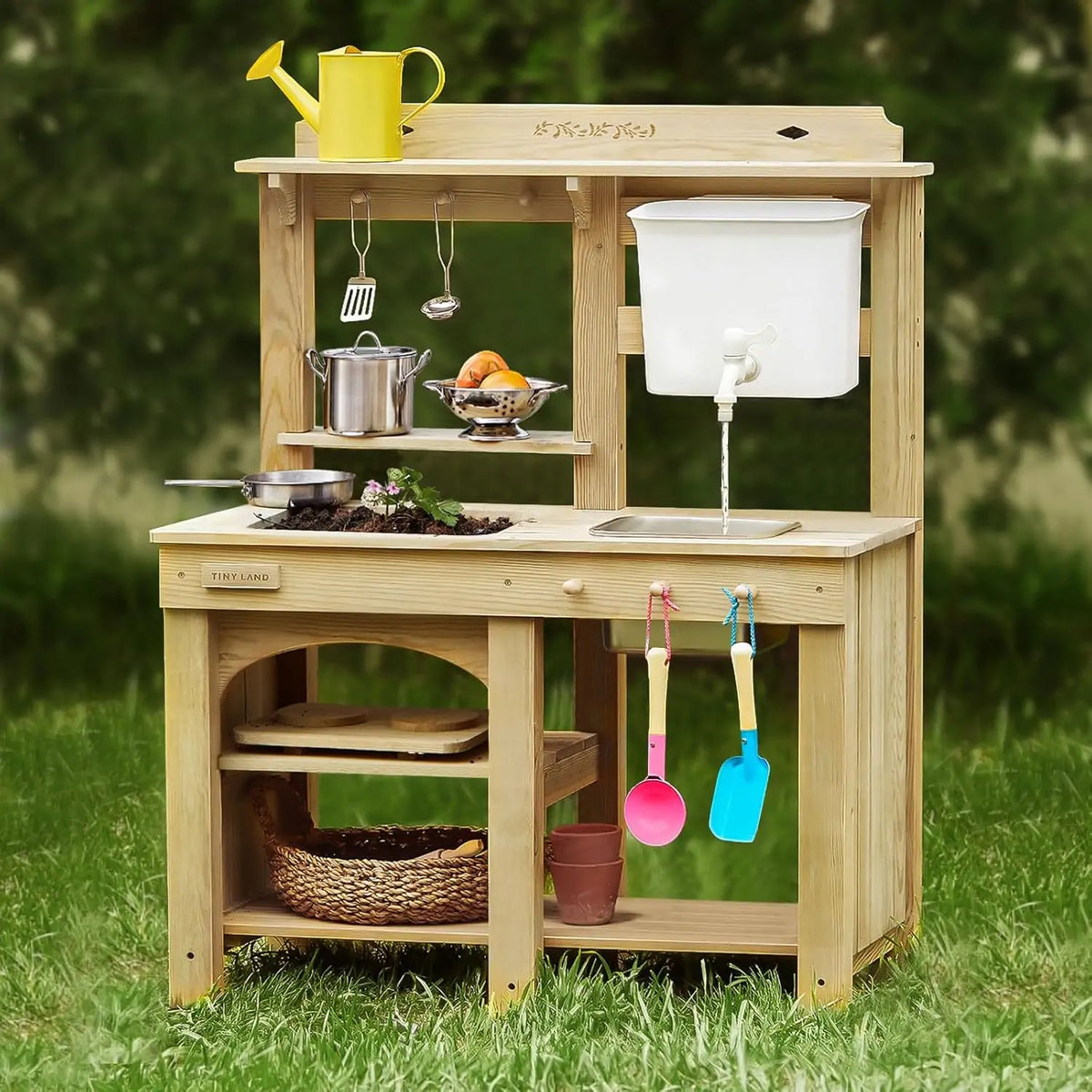
An outdoor mud kitchen gives children a space to explore nature through hands-on play. They can scoop mud, pour water, mix sand, stir leaves, and create their own pretend recipes. These simple activities let children experiment with different textures and turn natural materials into imaginative creations.
Unlike traditional indoor play kitchens, mud kitchens make the outdoor environment part of the play experience. A handful of dirt, a little water, and some leaves can become anything from muddy soup to a pretend garden café.
An outdoor mud kitchen may be right for your family if:
-
Your child loves playing with mud, water, sand, and other natural materials.
-
You want to encourage hands-on sensory exploration outdoors.
-
Your child enjoys open-ended activities and doesn't mind getting messy.
-
You have a backyard, garden, patio, or other suitable outdoor space.
What to consider before buying
Think about where you'll place the kitchen, how much room children will need to play, and whether a nearby water source is available. Also consider the product's materials, weather resistance, care instructions, and storage requirements.
An outdoor mud kitchen is a great option for families who want to bring more nature-inspired play into their outdoor space.

2. Indoor Play Kitchens: With Running Water or Without?
When choosing an indoor play kitchen, one feature can make a noticeable difference in the play experience: a working water circulation system.
Some models let children interact with real flowing water, while traditional play kitchens focus on pretend cooking, food preparation, and role-play. Here's how the two compare.
Indoor Water Play Kitchens: Add Real Water Interaction
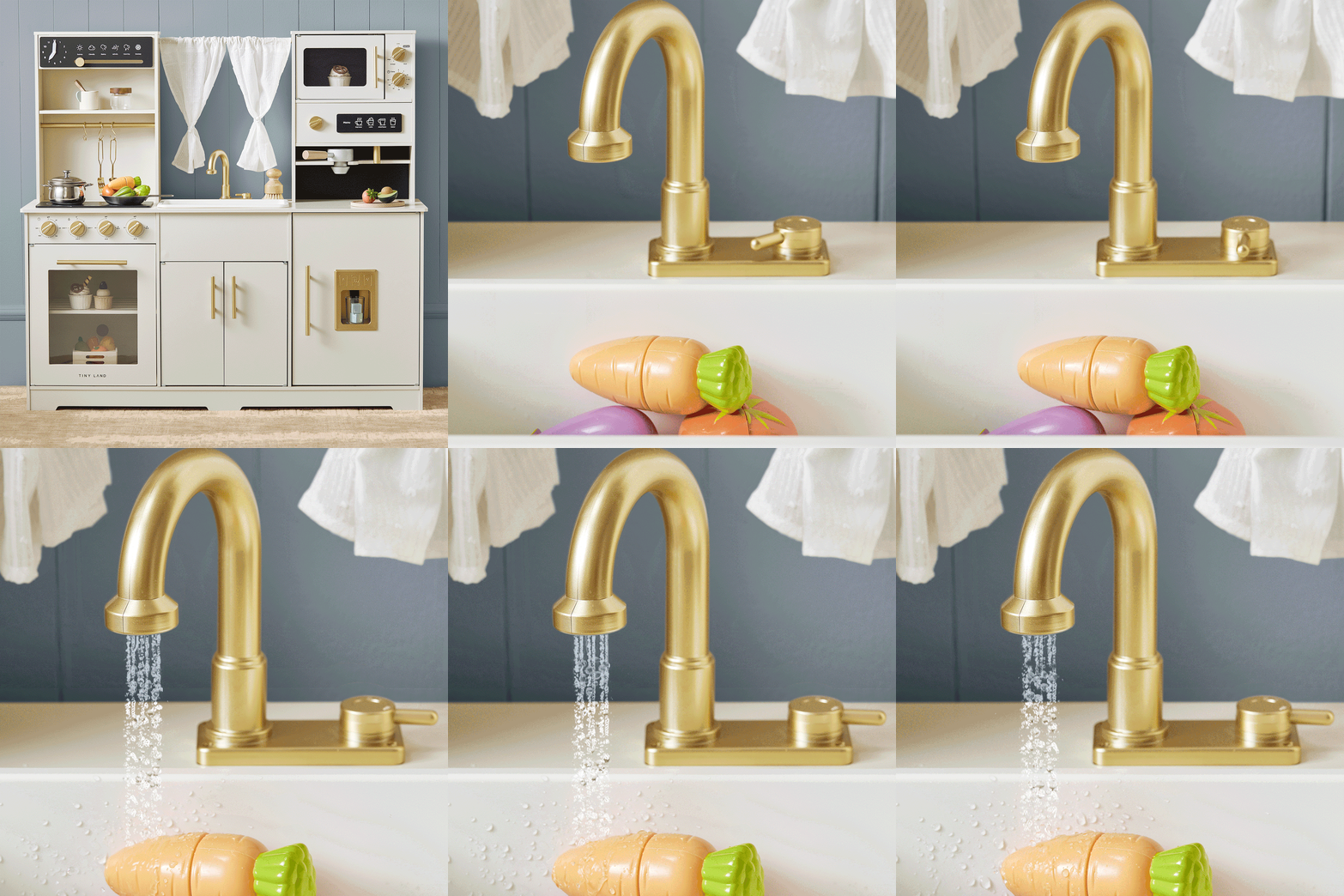
An indoor water play kitchen takes pretend cooking a step further by allowing children to interact with real flowing water. Instead of simply pretending to turn on a faucet or wash dishes, children can pour water, watch it flow, and incorporate hands-on washing activities into their play.
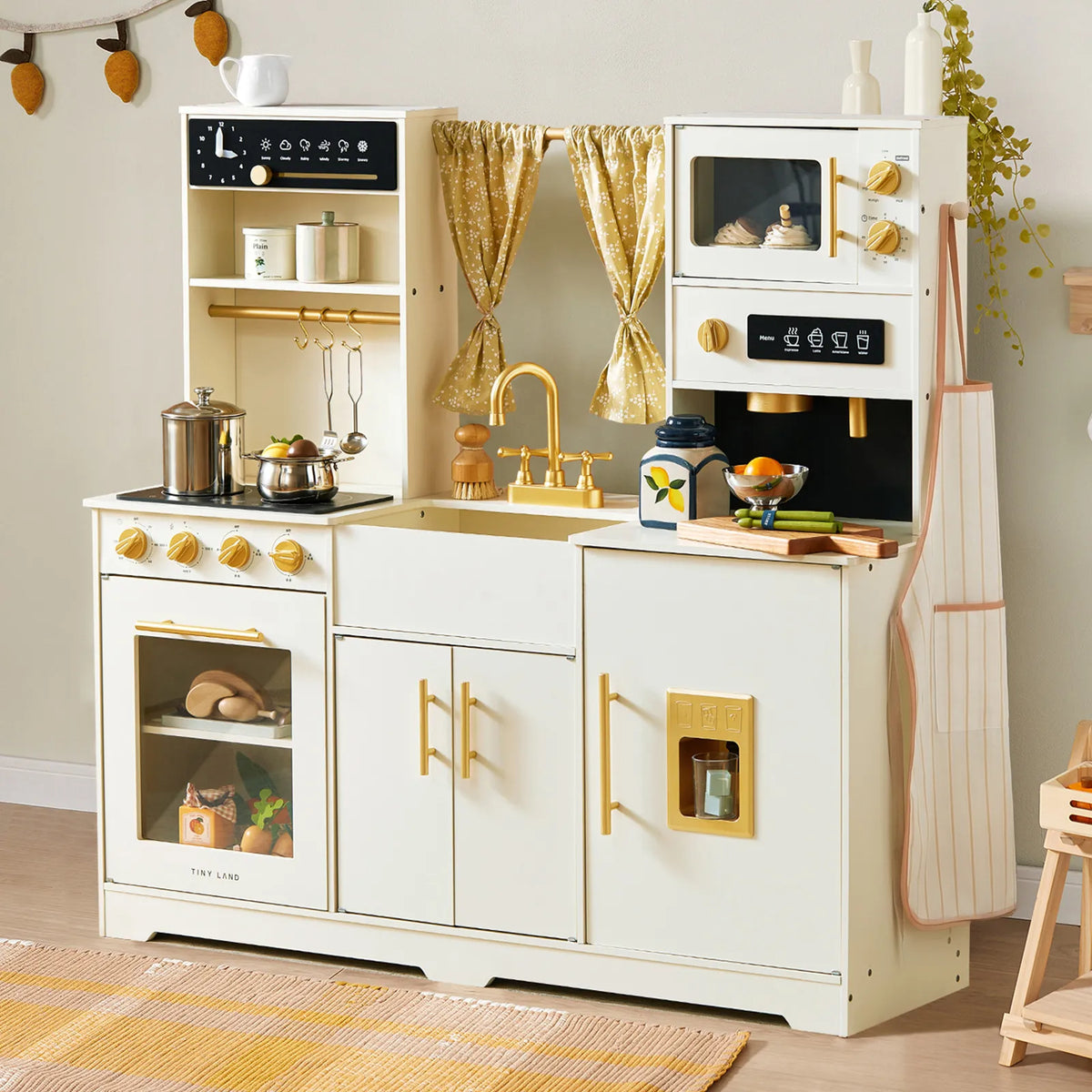
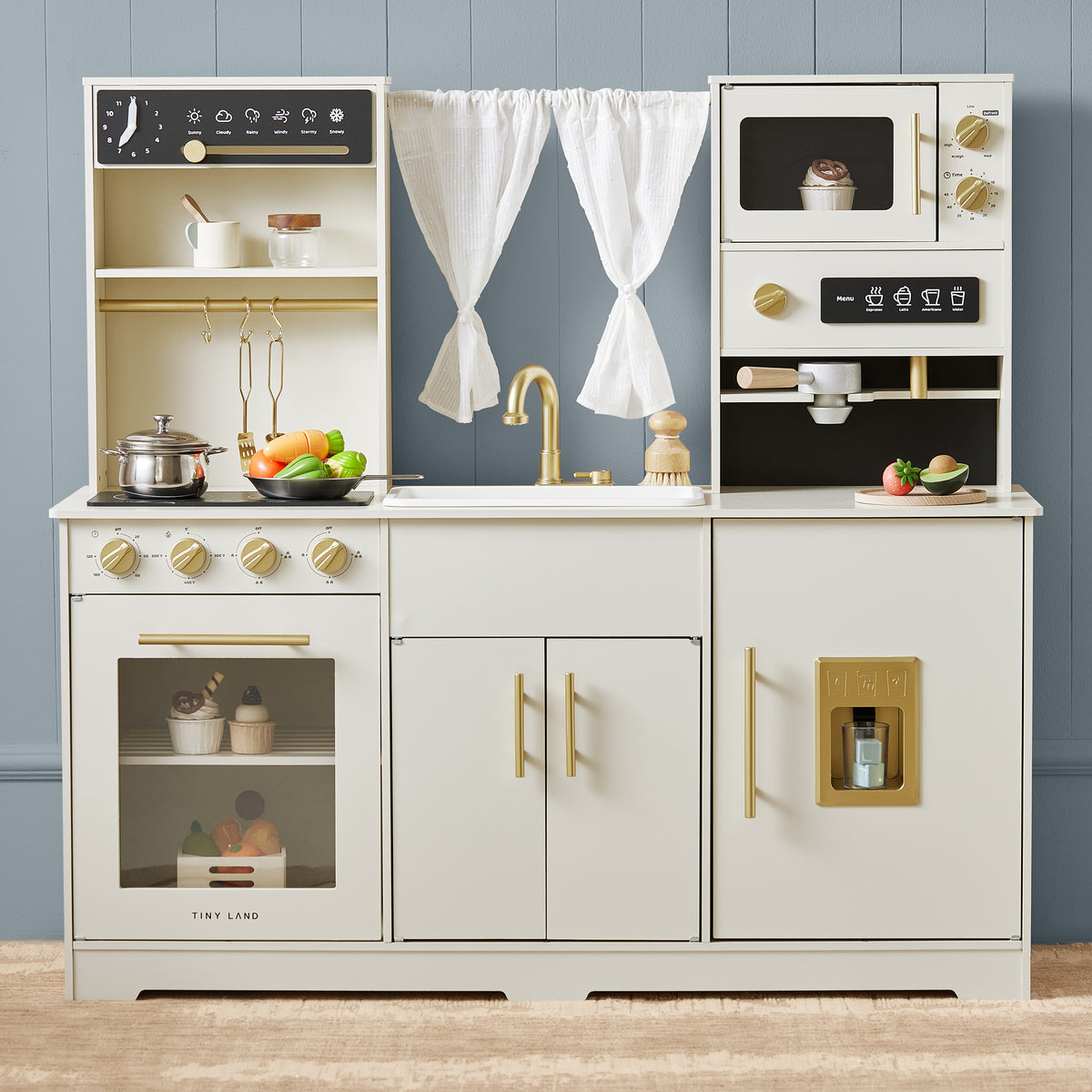
The Tiny Land® Play Kitchen with Running Water – Iconic Aqua Kitchen in Cream features a water circulation system with a clean water tank and a separate waste bucket. Water flows from the faucet into the sink and drains into the waste bucket, allowing children to explore pouring, observe water flow, and incorporate pretend washing into their kitchen activities.
Beyond the water feature, the kitchen also includes a stovetop, oven, microwave, pretend coffee machine, clicking knobs, and other interactive details for imaginative cooking and role-play.
An indoor water play kitchen may be a good fit if:
-
Your child is curious about water and enjoys pouring and washing activities.
-
You want to add real water interaction to indoor pretend play.
-
Your child enjoys imitating familiar kitchen routines.
-
You have a suitable indoor space where water use can be supervised.
What parents should consider
A working water system adds another dimension to play, but it also requires some preparation. Parents need to fill the clean water tank, empty the waste bucket, and supervise water use to help manage spills.
Consider placing the kitchen on a floor surface that's easy to clean. Remember that the water is intended for play only, not for drinking.

Traditional Indoor Play Kitchens: For Imaginative Cooking
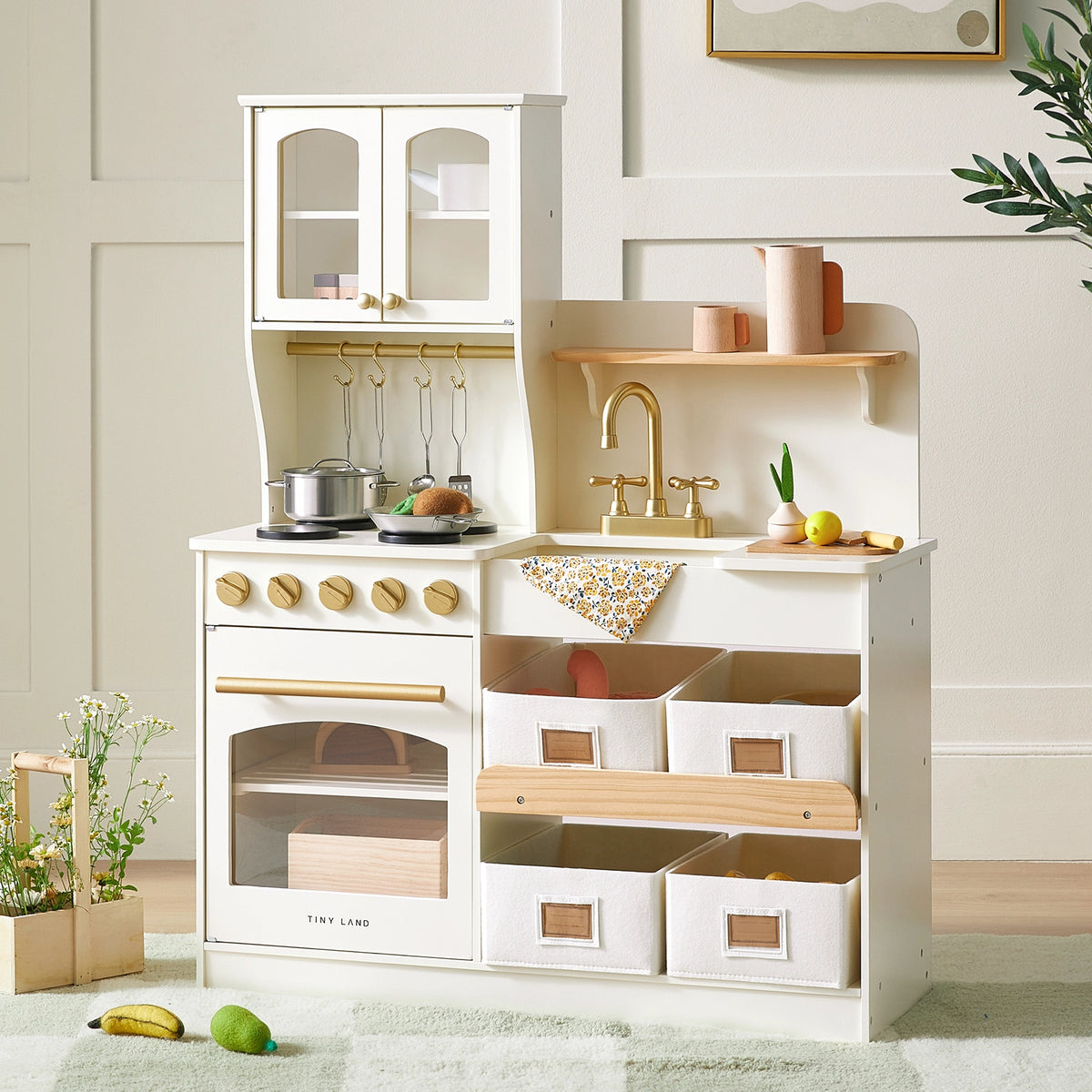
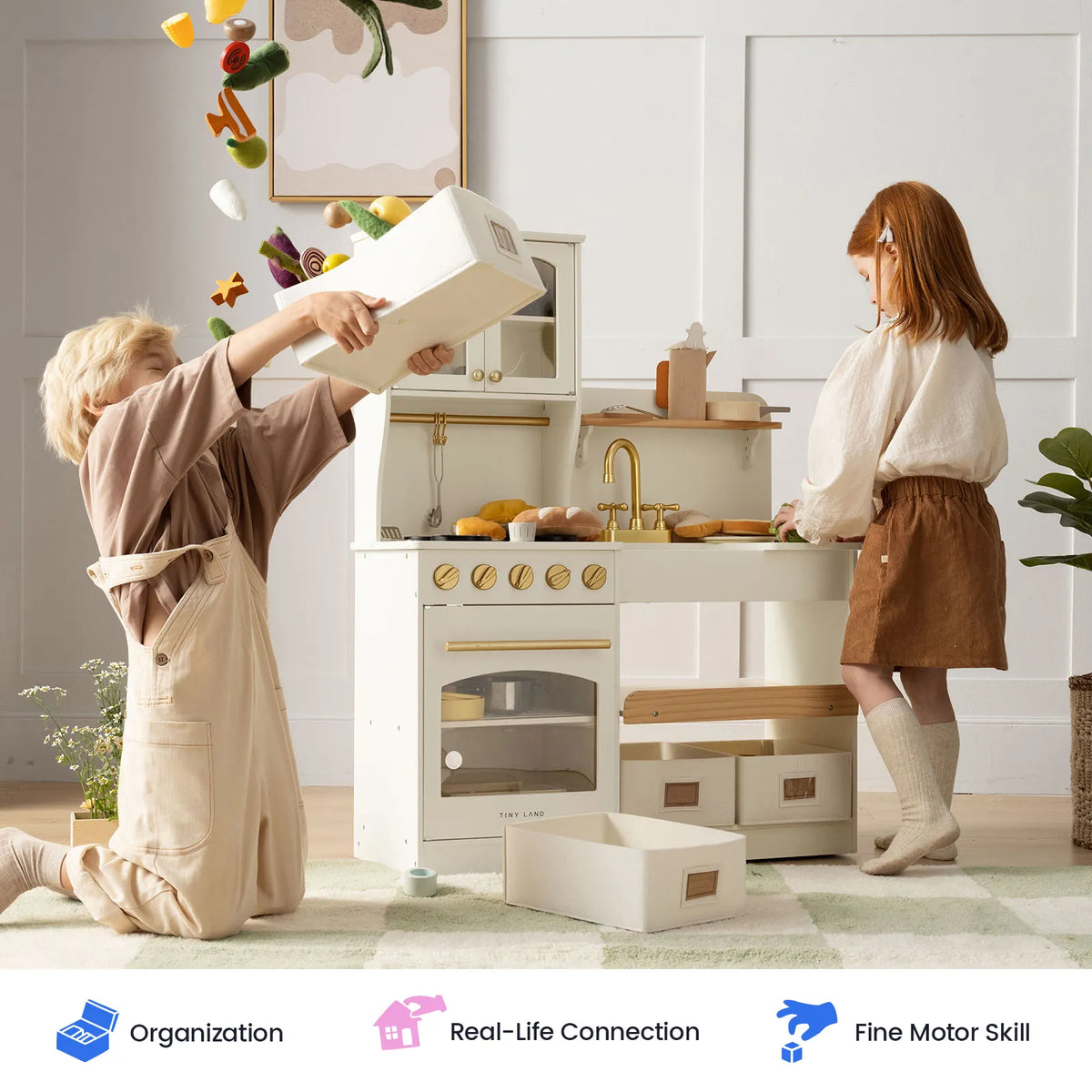
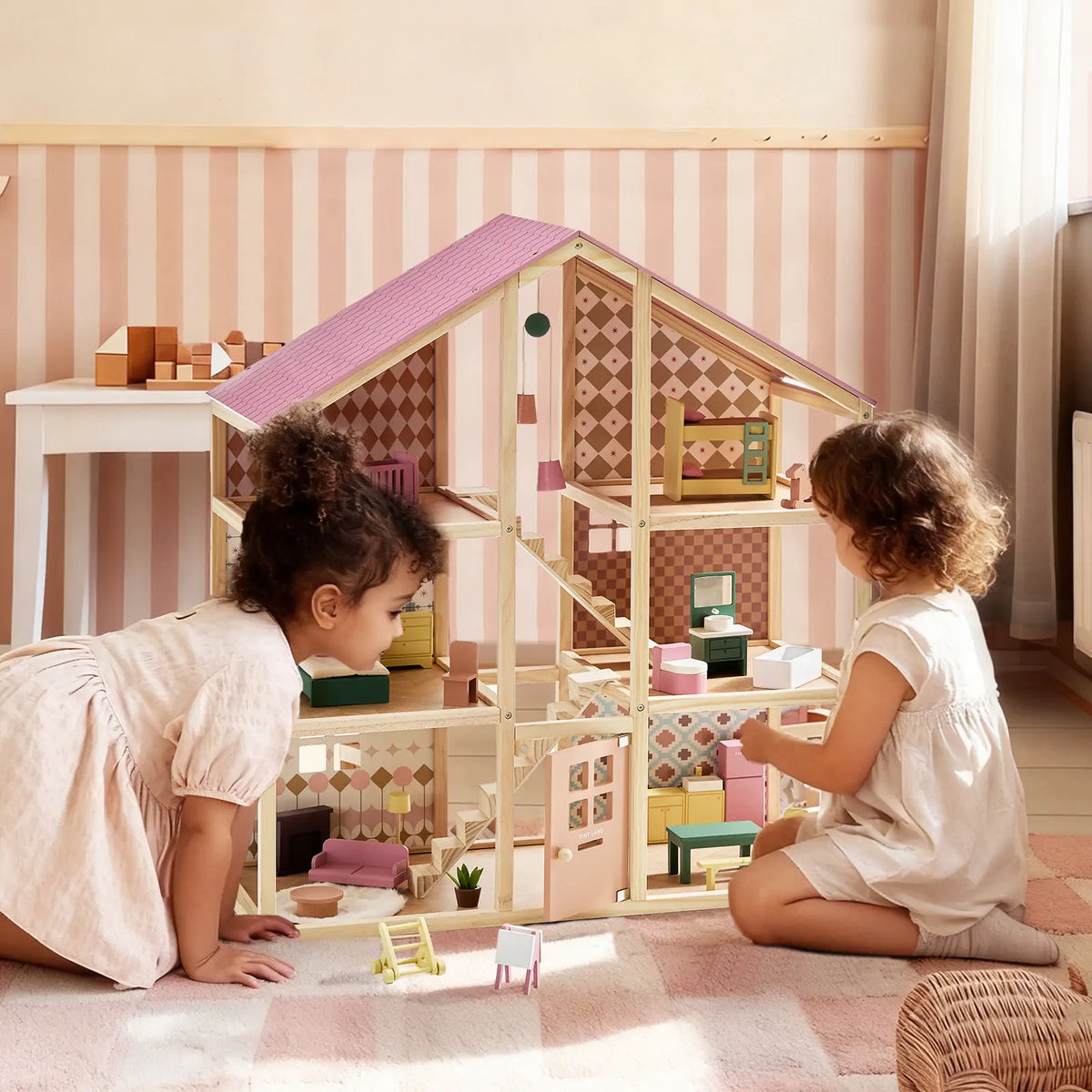
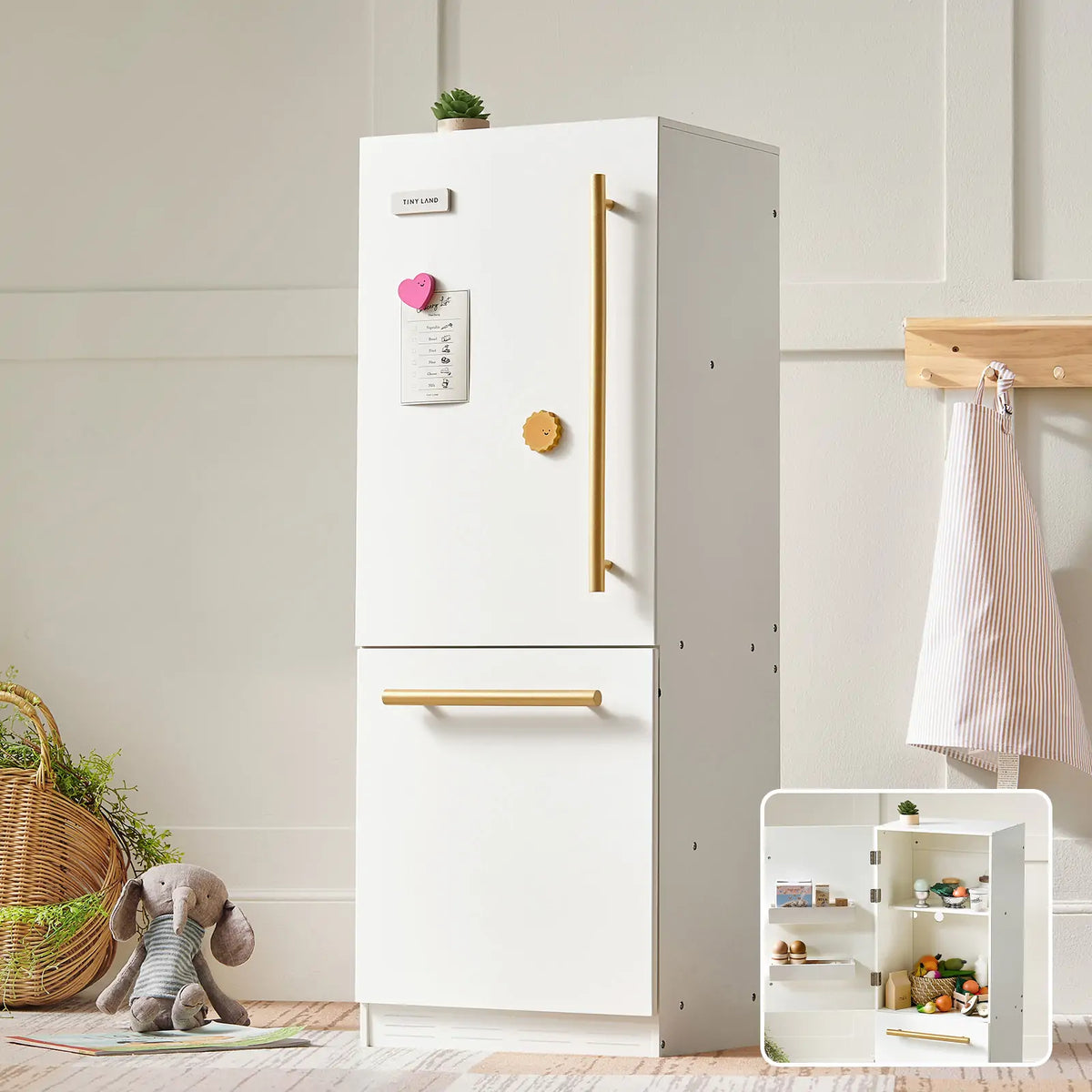
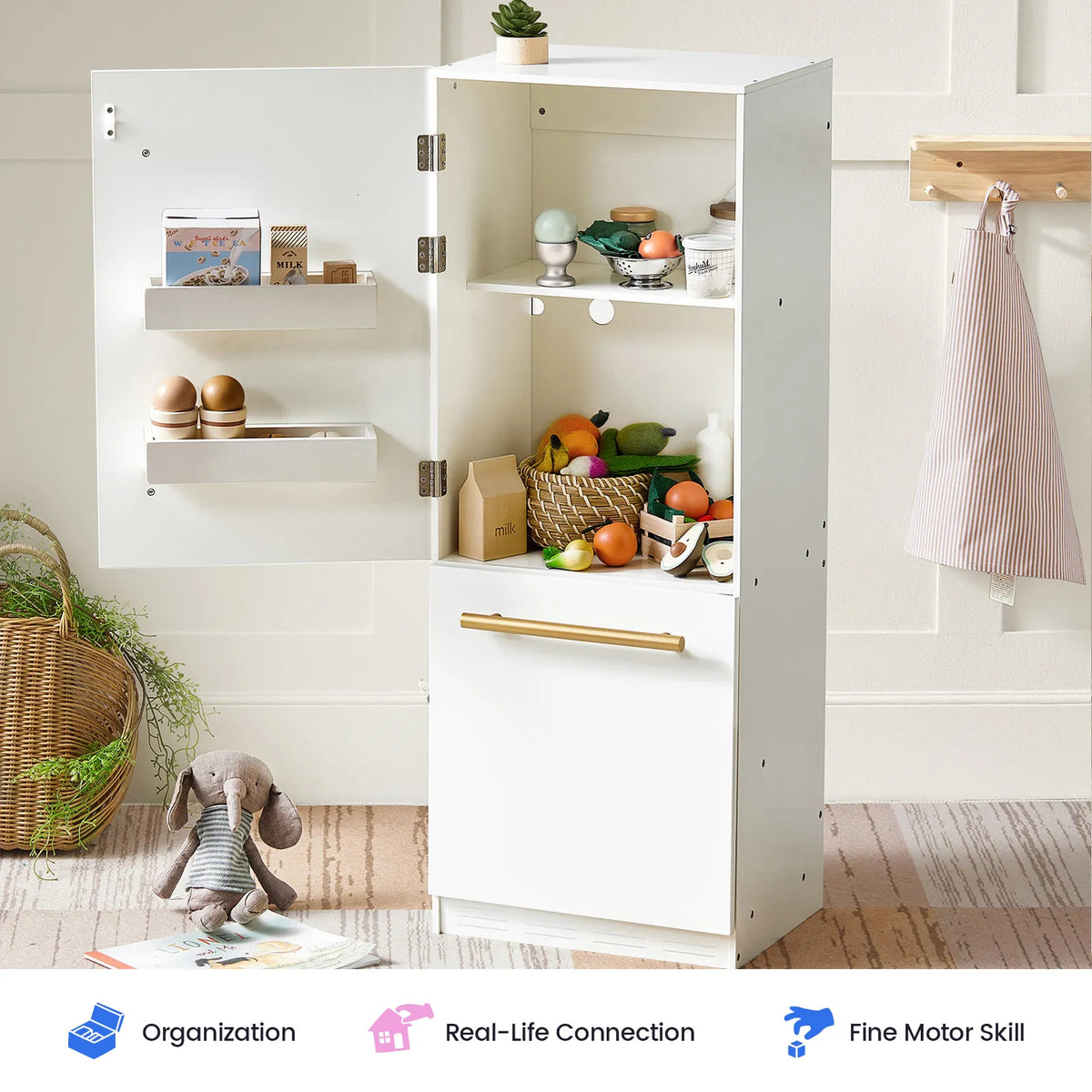
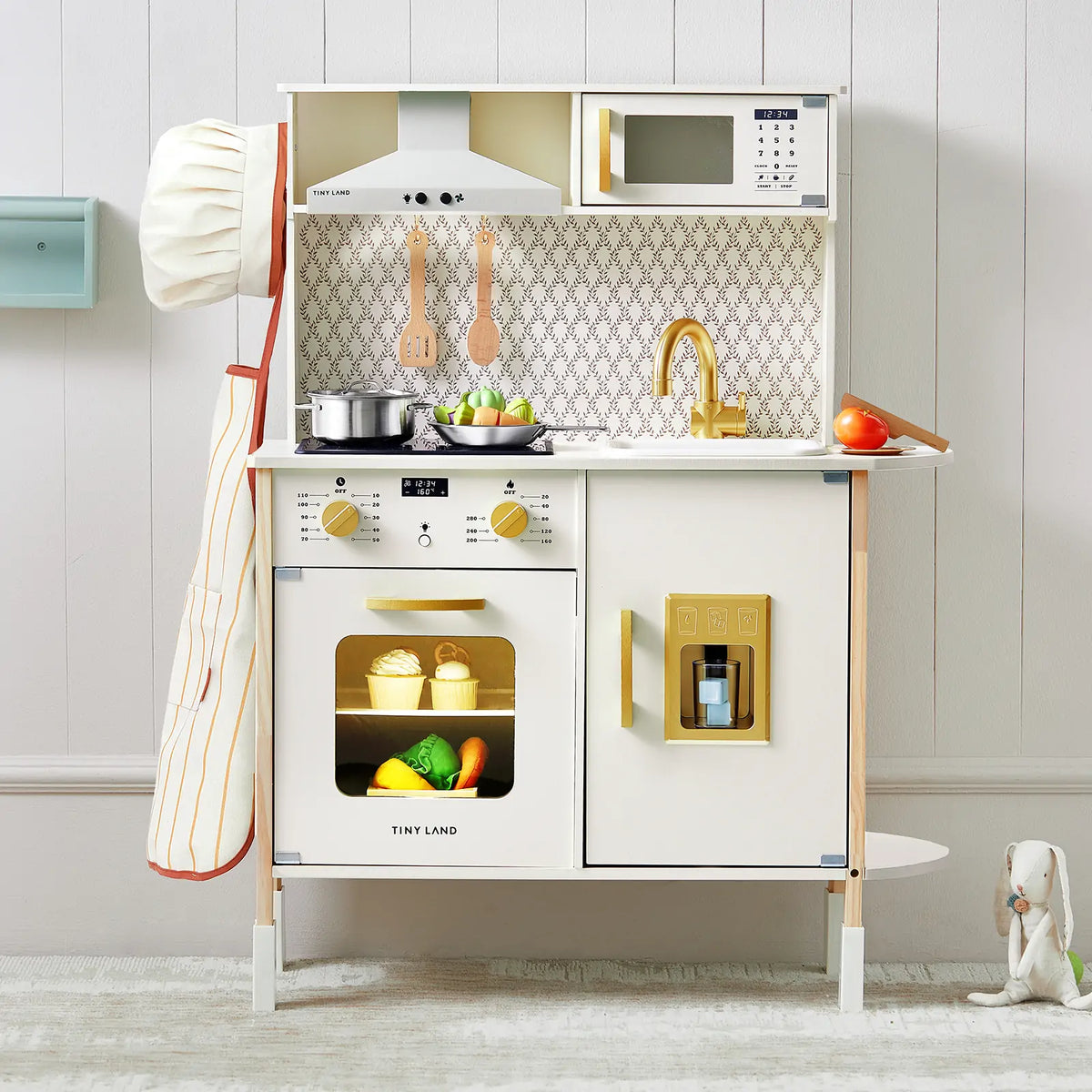
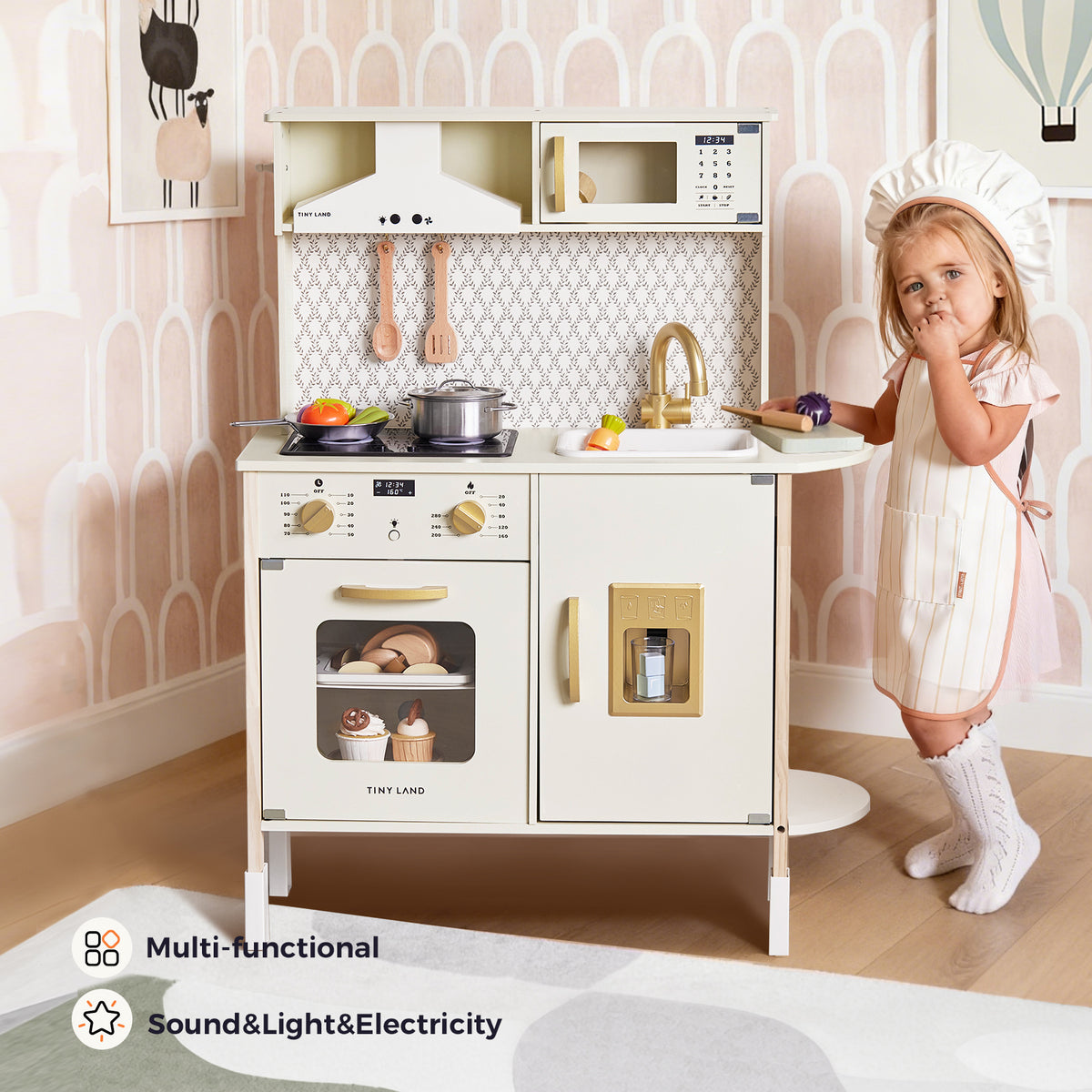
Traditional indoor play kitchens focus on pretend cooking and role-play without a working water circulation system or running water.
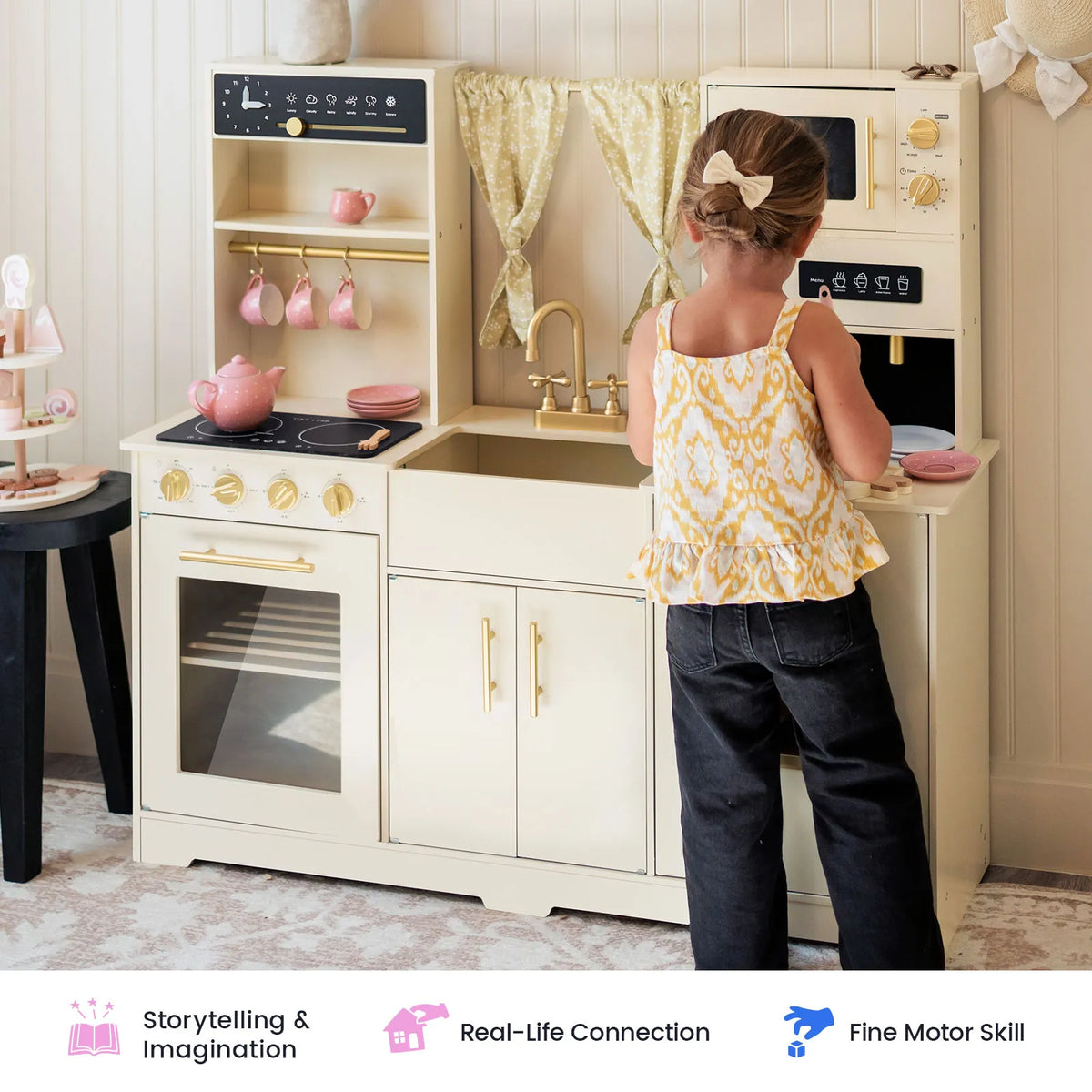
Children can pretend to prepare breakfast, bake a cake, serve dinner, or run their own restaurant. A familiar kitchen setting gives them room to invent stories and recreate everyday routines through imagination.
A traditional indoor play kitchen may be a good fit if:
-
Your child enjoys pretend cooking, serving food, and playing restaurant.
-
You want a dedicated space for everyday indoor role-play.
-
You prefer a setup that doesn't require filling or emptying water containers.
-
Your child's main interest is imaginative play rather than real water activities.
What parents should consider
A traditional kitchen offers a straightforward setup for everyday pretend play, without the additional preparation involved in a working water system.
If your child mainly enjoys pretending to cook and serving meals, a traditional model may be all they need. If they're particularly interested in pouring water or using a working faucet, an indoor water play kitchen may be a closer match.

3. Outdoor Mud Kitchen vs. Indoor Water Play Kitchen vs. Traditional Indoor Play Kitchen
Now that we've explored each type, here's a side-by-side comparison to help you see the differences at a glance.
| What to Compare | Outdoor Mud Kitchen | Indoor Water Play Kitchen | Traditional Indoor Play Kitchen |
|---|---|---|---|
| Main setting | Outdoors | Indoors | Indoors |
| Water use | Outdoor water and natural materials | Working water circulation system | No running water |
| Main play experience | Sensory exploration and messy play | Real water interaction and pretend cooking | Imaginative cooking and role-play |
| Play materials | Mud, sand, leaves, water, and etc | Water and pretend food | Pretend food and kitchen accessories |
| Parent preparation | Outdoor setup and access to water | Fill clean water | No water-system preparation |
| Cleanup considerations | Mud, nature/sensory materials, and outdoor cleanup | Water spills and emptying the waste bucket | Mainly putting away play food and accessories |
| Main consideration | Outdoor space and weather exposure | Water use and supervision | Available indoor space |
The biggest difference comes down to the kind of experience each kitchen offers:
-
Outdoor mud kitchens bring children closer to nature through sensory exploration and hands-on messy play.
-
Indoor water play kitchens combine pretend cooking with real water interaction, adding pouring and washing activities to the experience.
-
Traditional indoor play kitchens give children a dedicated space for imaginative cooking and everyday role-play without the need for a working water system.
None is automatically better than the others. Each offers a different way for children to explore and enjoy play.

4. How to Choose the Right Play Kitchen for Your Family
Beyond the features of each kitchen, three practical questions can help you make your decision.
What kind of play does your child enjoy most?
Think about your child's interests. Do they love exploring outdoors and experimenting with natural materials? Are they fascinated by water and enjoy pouring and washing activities? Or do they prefer pretending to cook, serving meals, and creating their own restaurant stories?
The kind of play your child naturally gravitates toward can help narrow down your options.
Where will the kitchen go?
Consider your available space before choosing a model. Outdoor mud kitchens need a suitable backyard, garden, or patio, while indoor kitchens need enough room for children to play comfortably without interfering with everyday household activities.
How much setup and cleanup works for your family?
Think about the practical side of everyday use. Mud kitchens may involve muddy hands and outdoor cleanup. Water kitchens require filling and emptying water containers and managing occasional spills. Traditional indoor kitchens generally offer a simpler setup without water-related preparation.
The best choice is one that matches your child's interests while fitting naturally into your home and everyday routine.

5. Explore Play Kitchens at Tiny Land
From outdoor sensory adventures to indoor pretend cooking, Tiny Land offers play kitchens designed for different kinds of play.
Outdoor Mud Kitchens
Give little ones room to explore natural materials and enjoy hands-on messy play outdoors. Explore Tiny Land Outdoor Mud Kitchens for your backyard or garden.
Indoor Water Play Kitchens
Bring real water interaction into pretend cooking with the Tiny Land® Play Kitchen with Running Water – Iconic Aqua Kitchen in Cream. Its water circulation system lets children explore water flow and pretend washing as part of their play.
Traditional Indoor Play Kitchens
Explore Tiny Land Indoor Play Kitchens without a working water system, designed for imaginative cooking, serving, and everyday role-play.
Explore the Tiny Land Play Kitchen Collection to find a play kitchen that fits your child's interests and your family's everyday routine.