
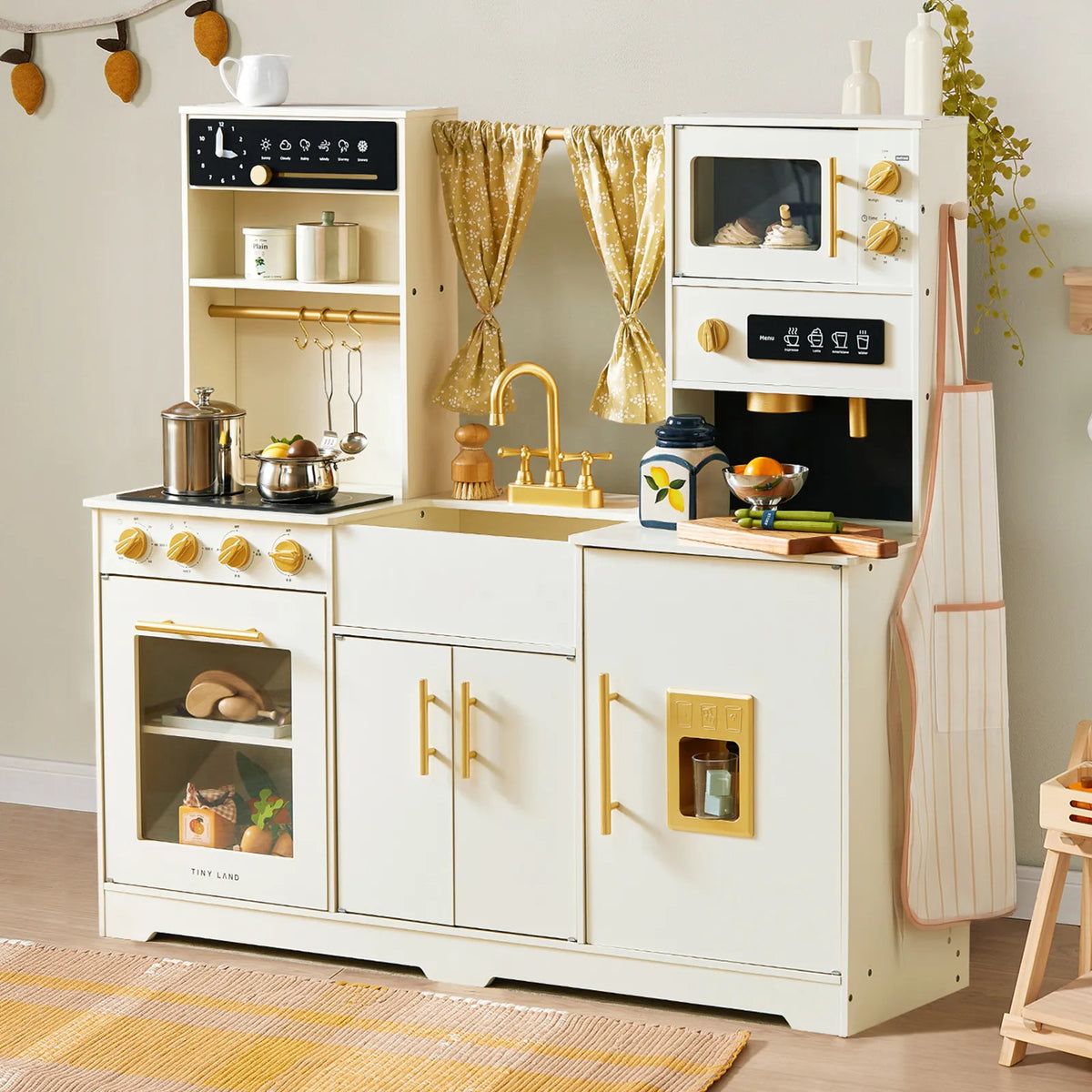
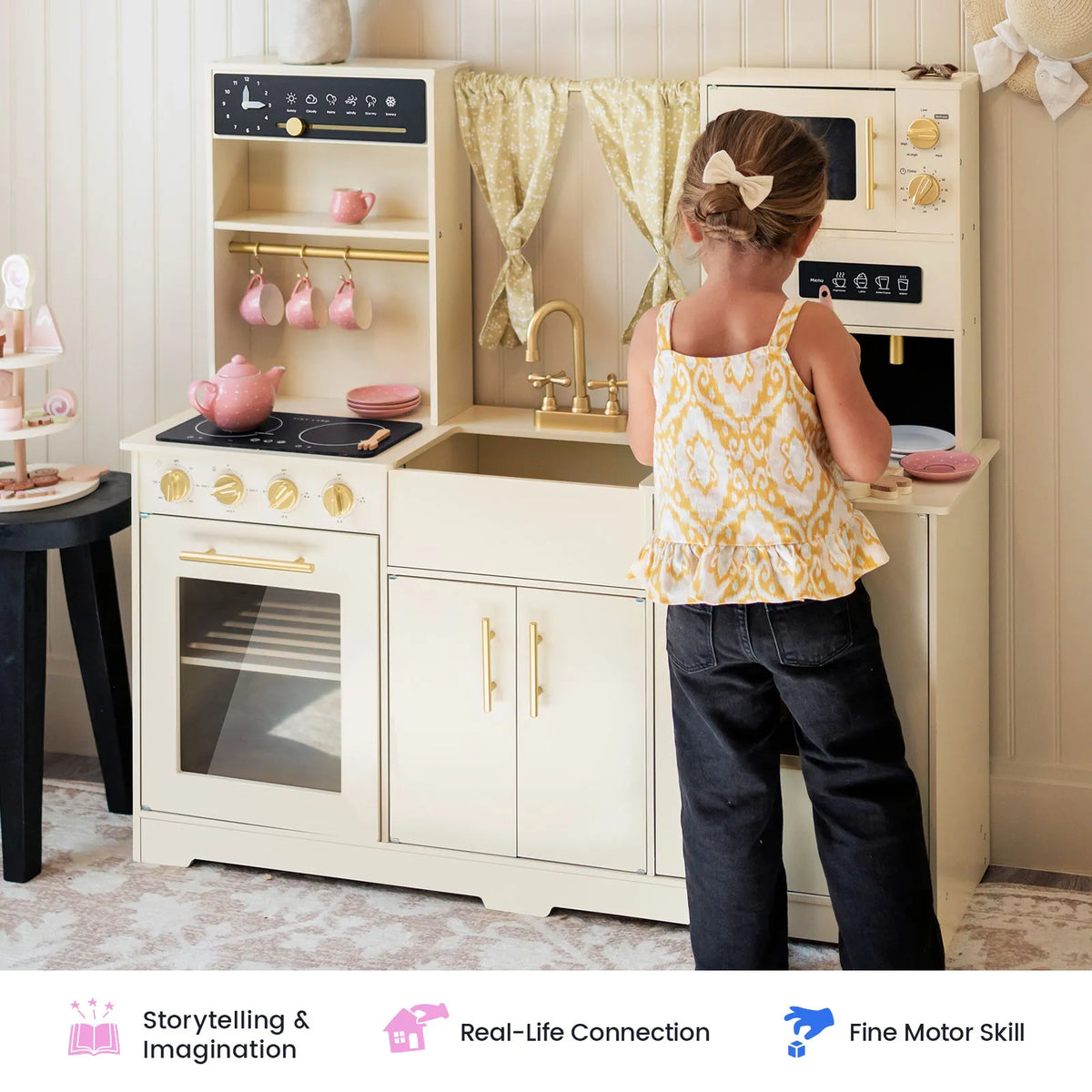
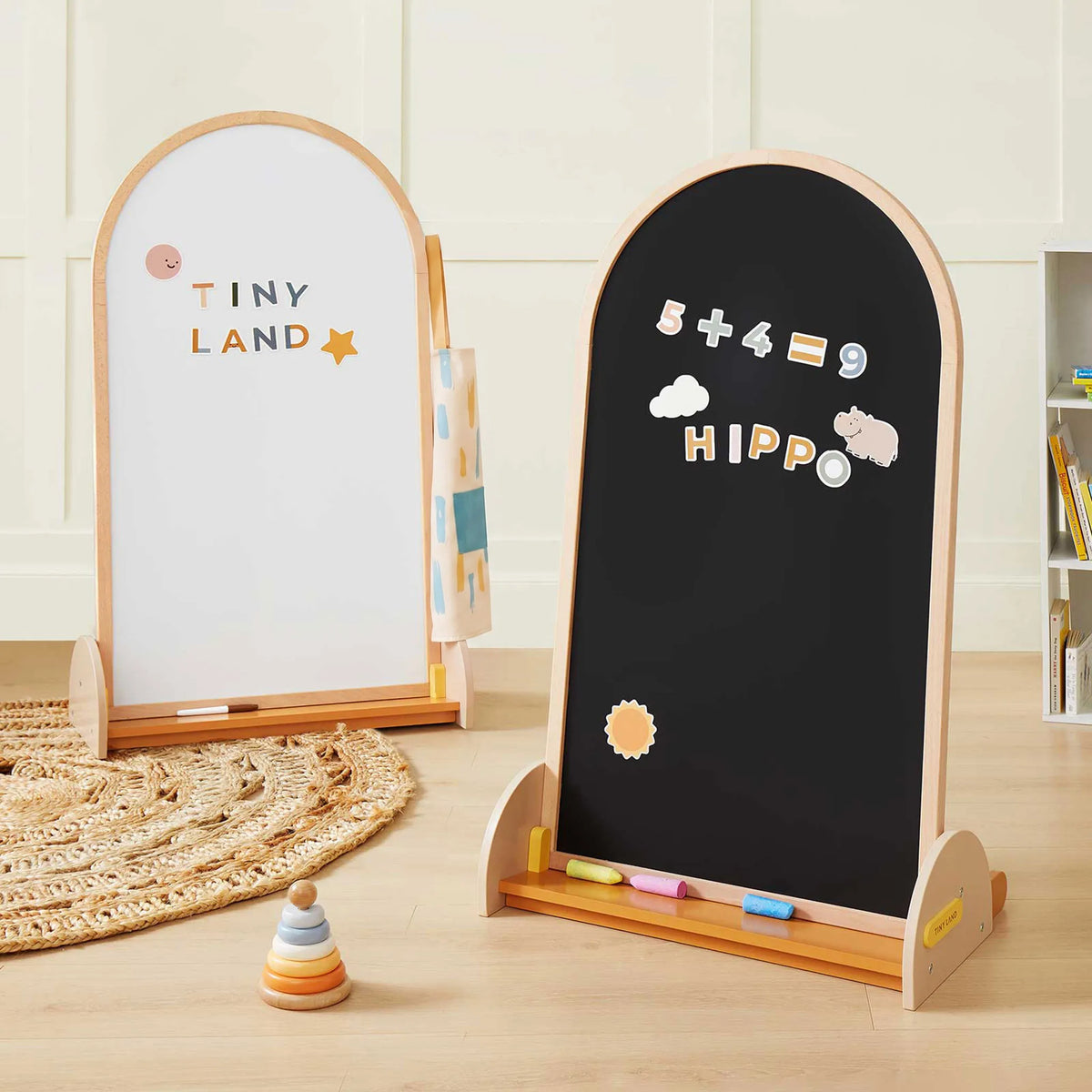
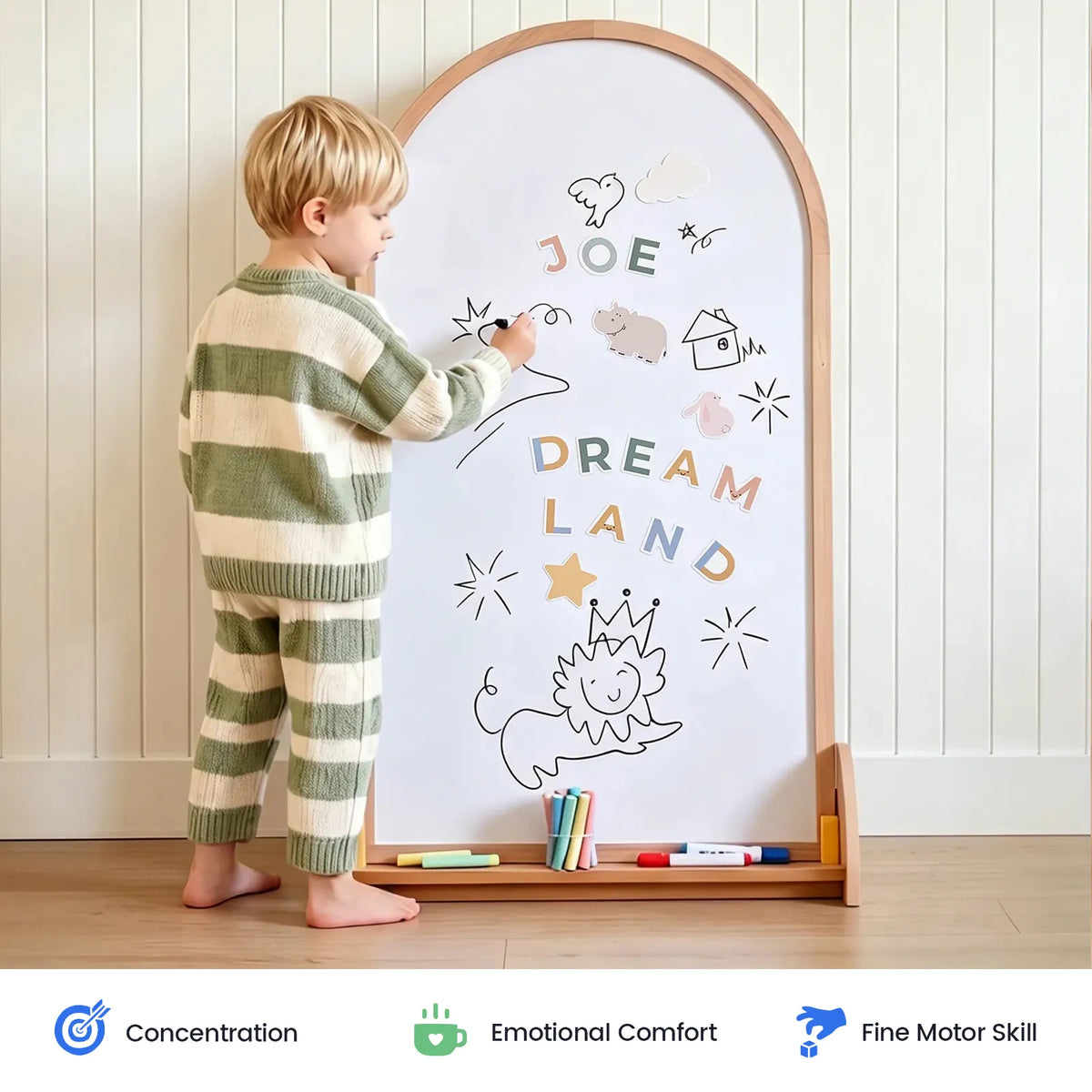
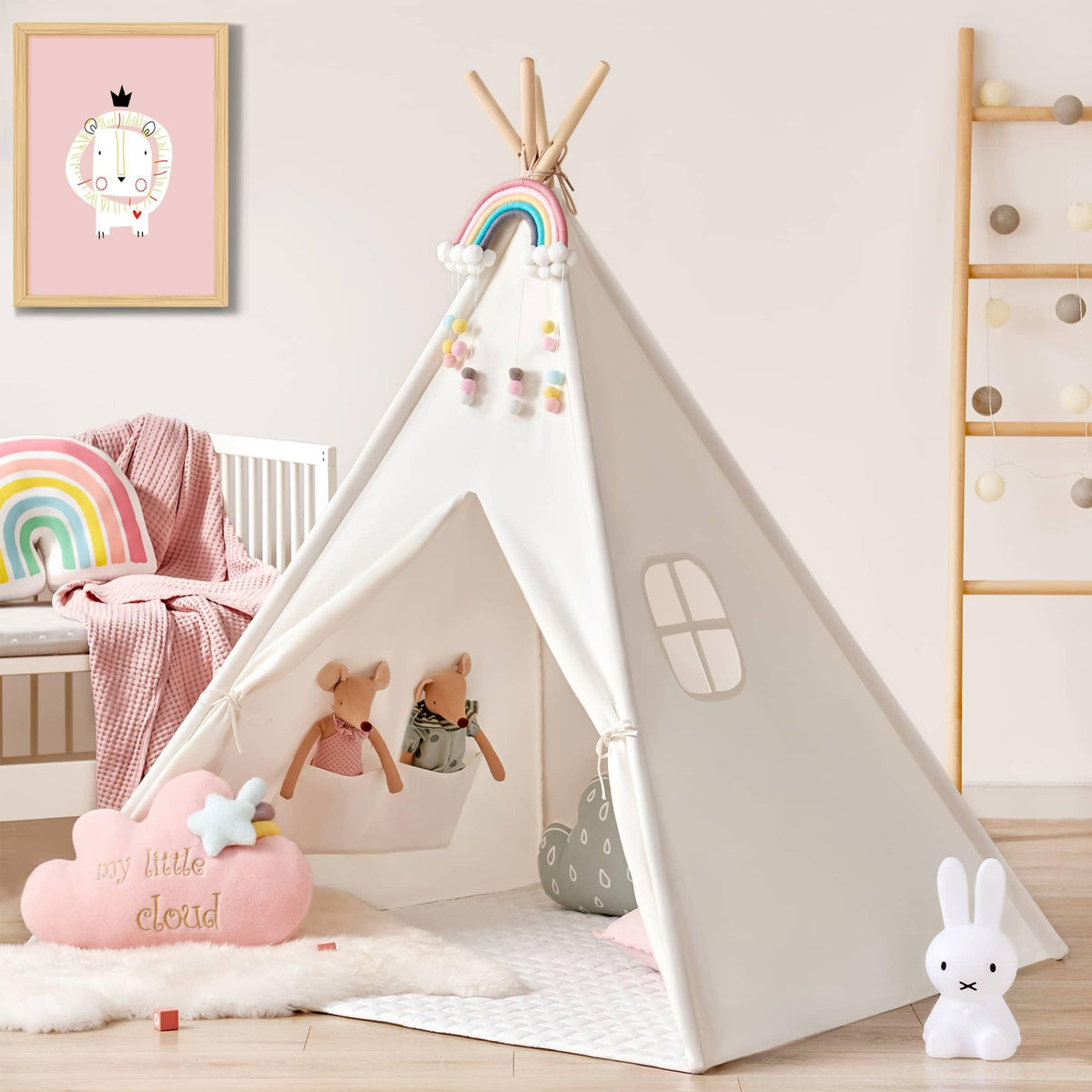
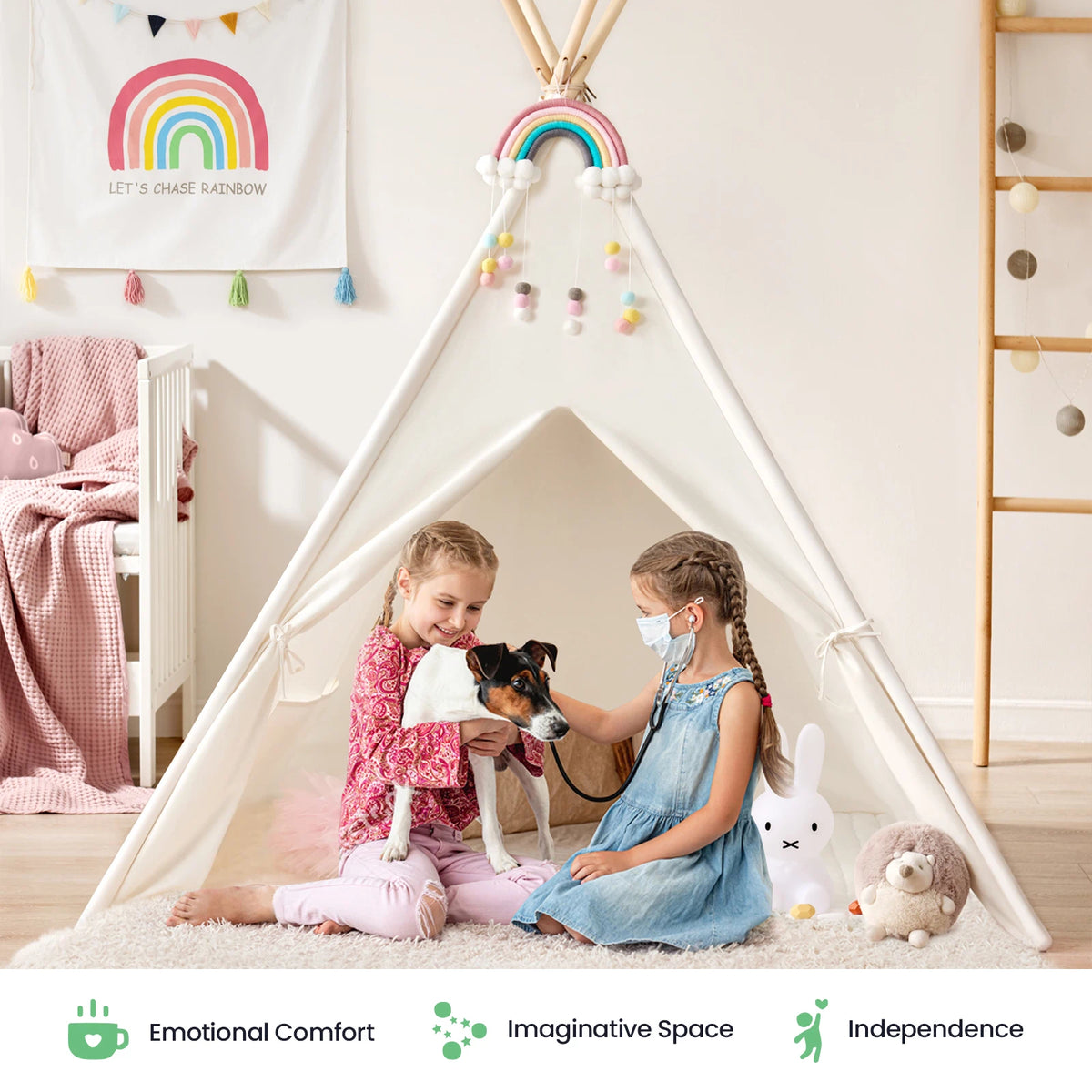
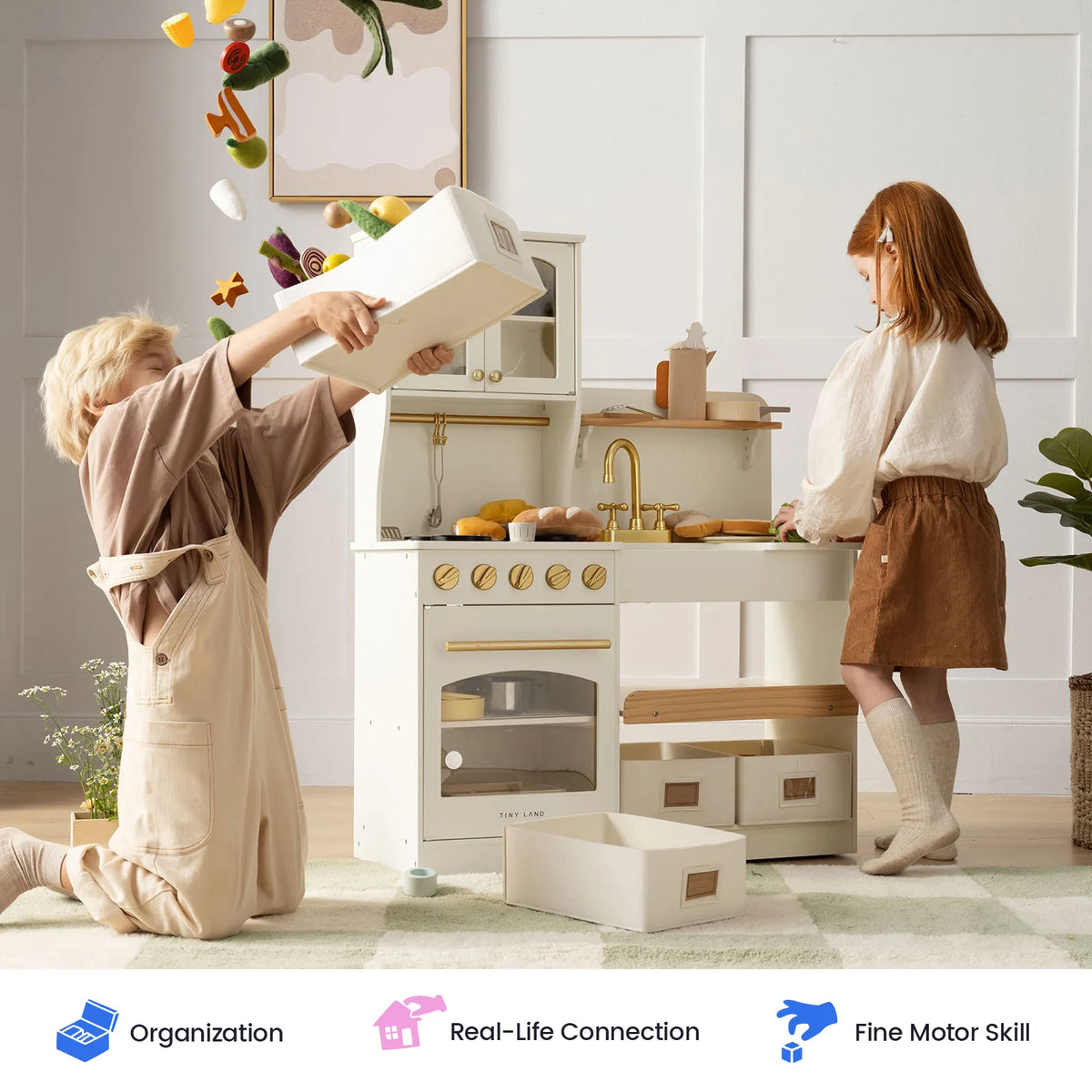
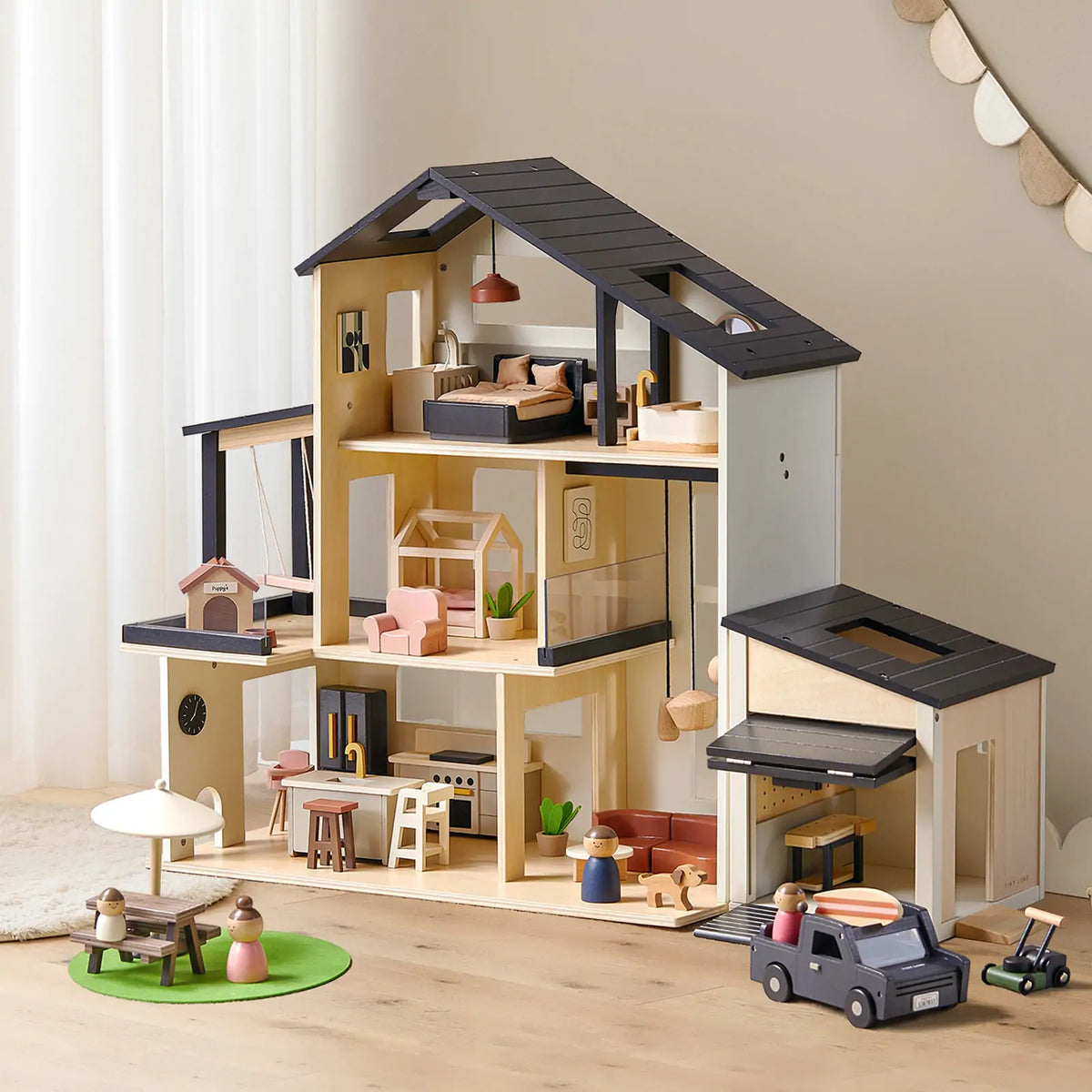
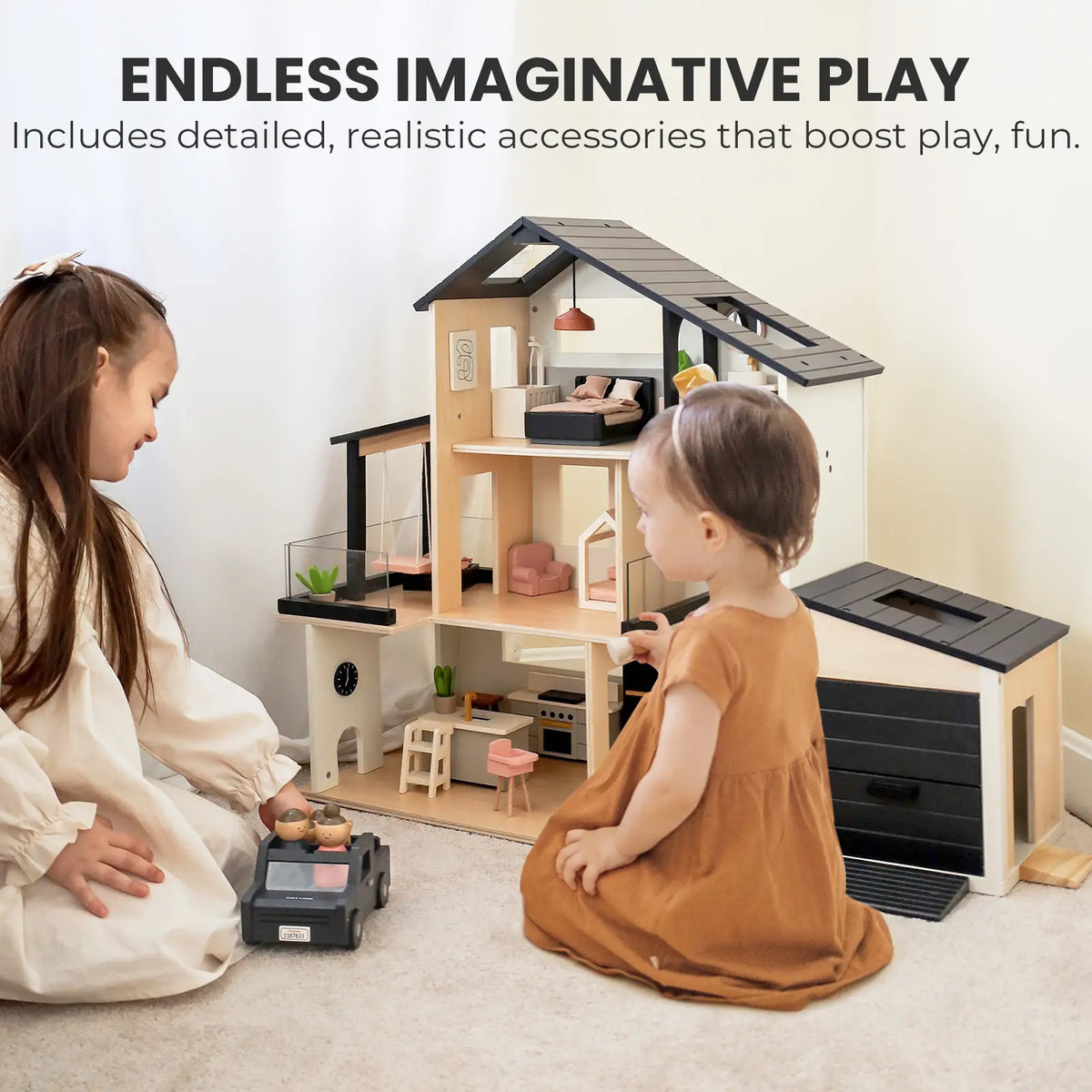
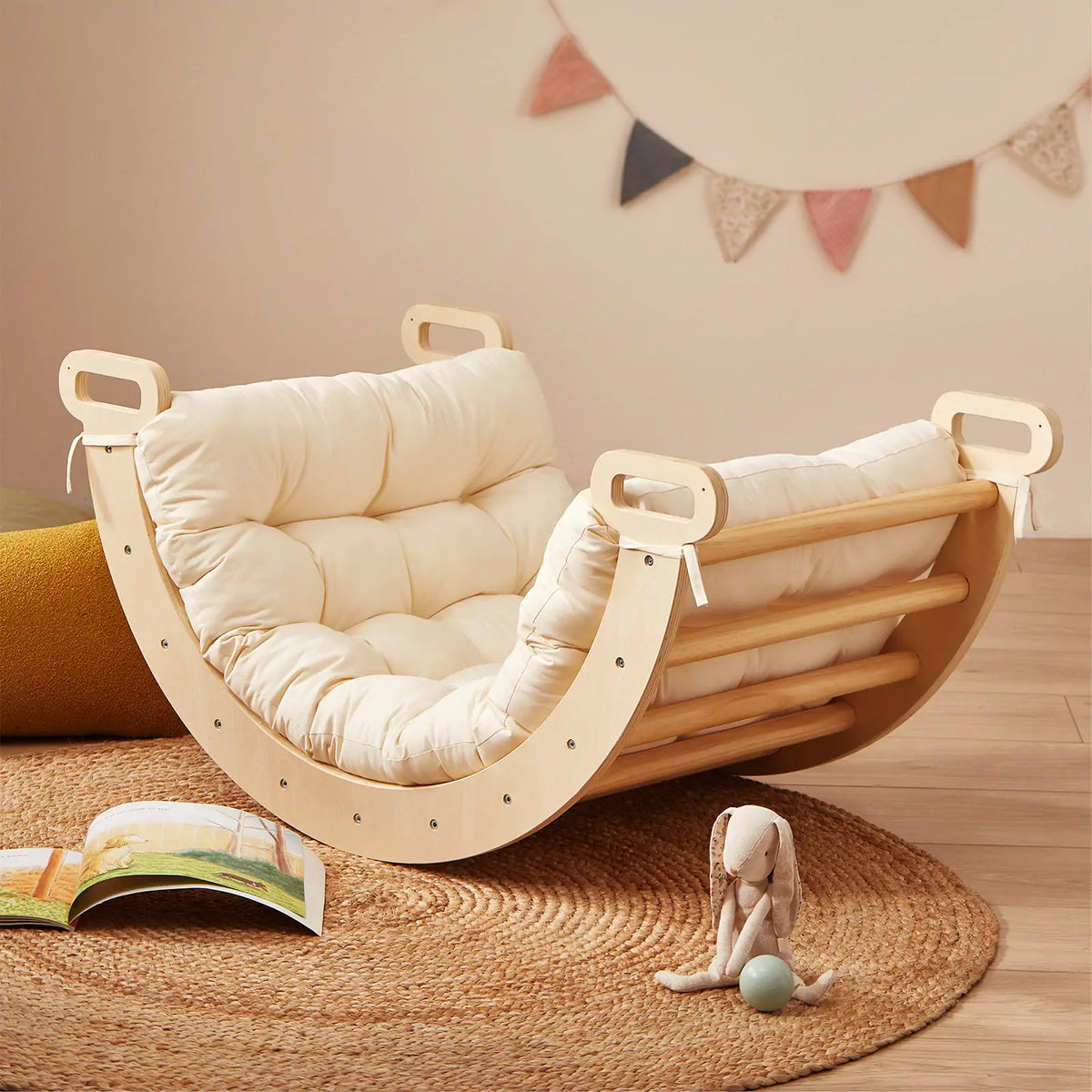
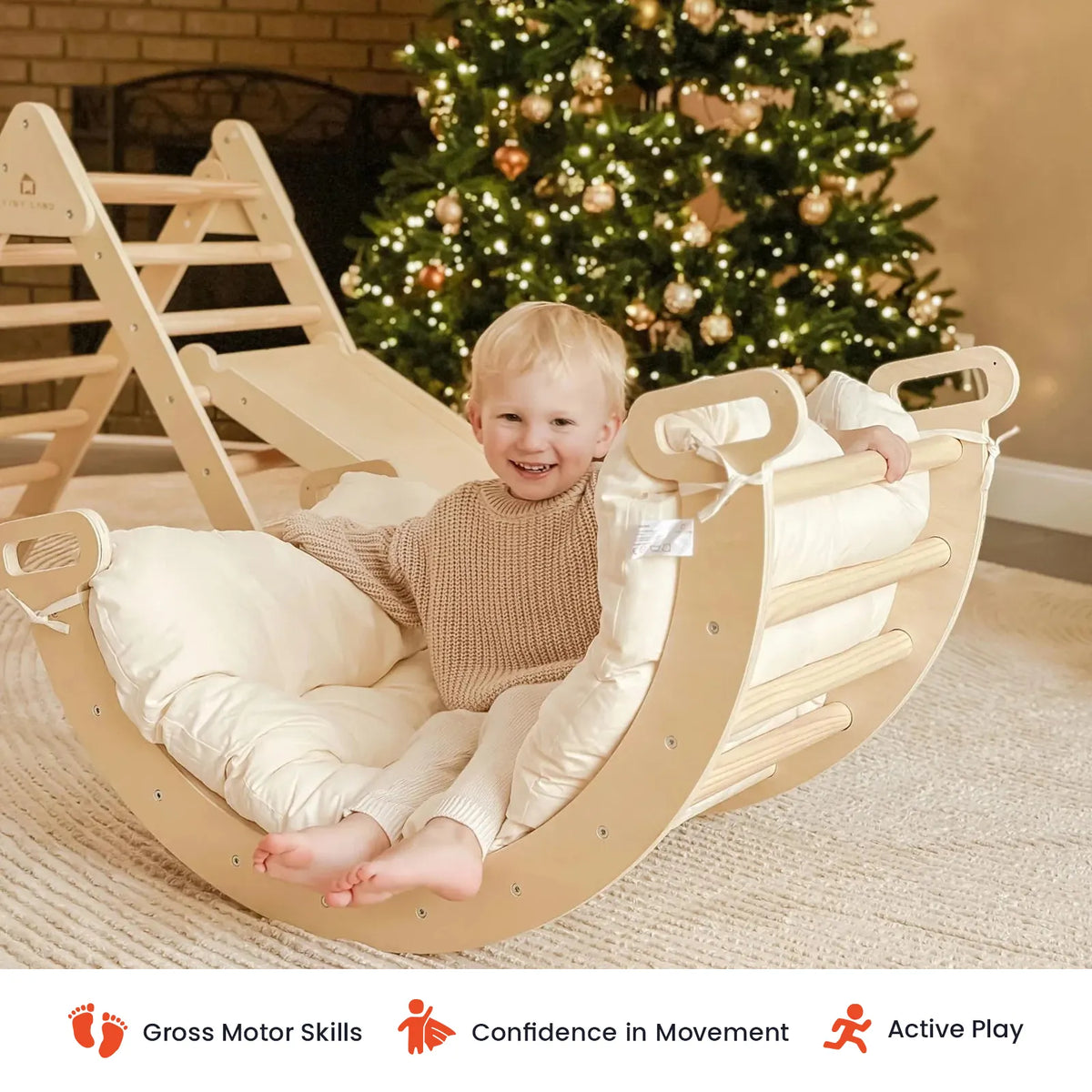
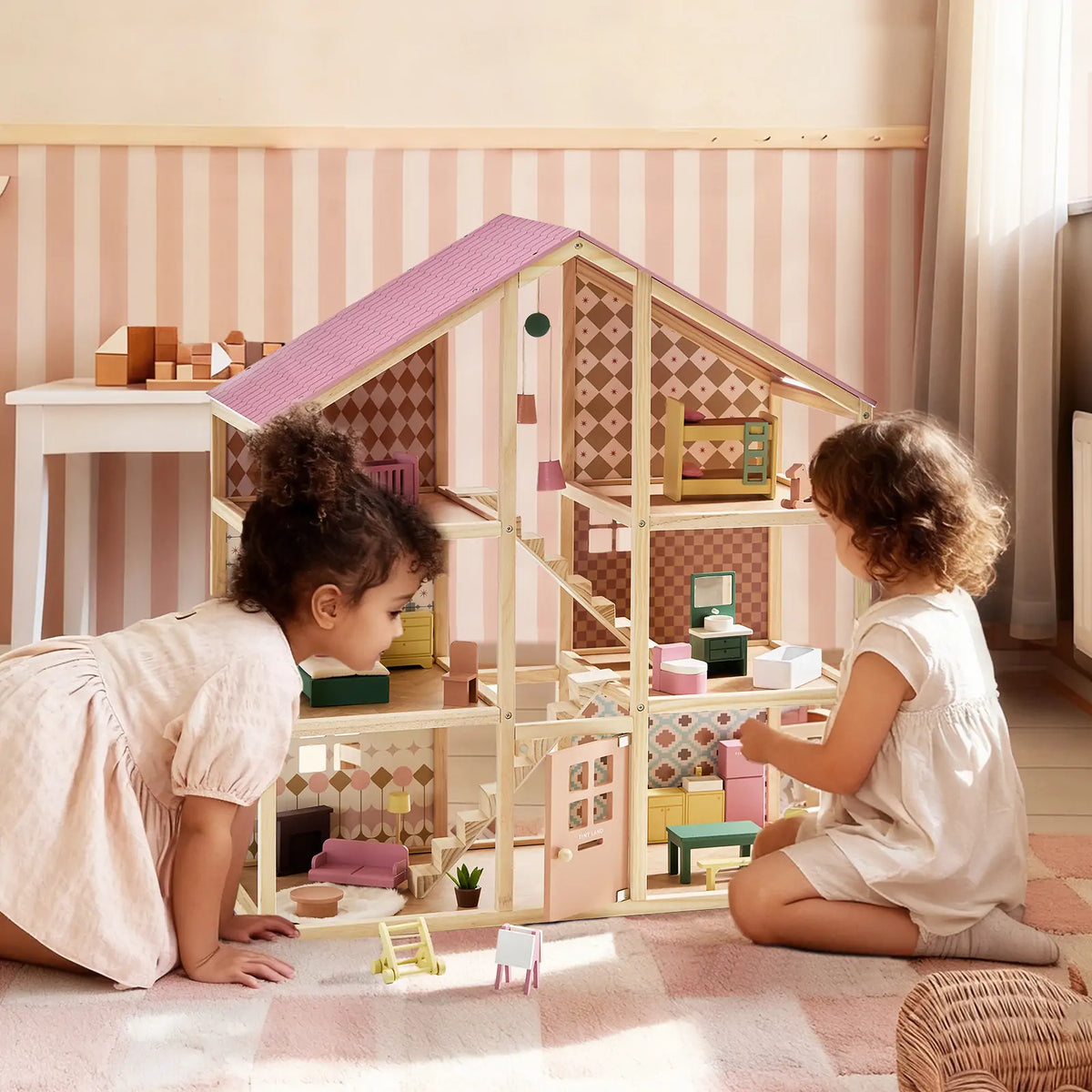
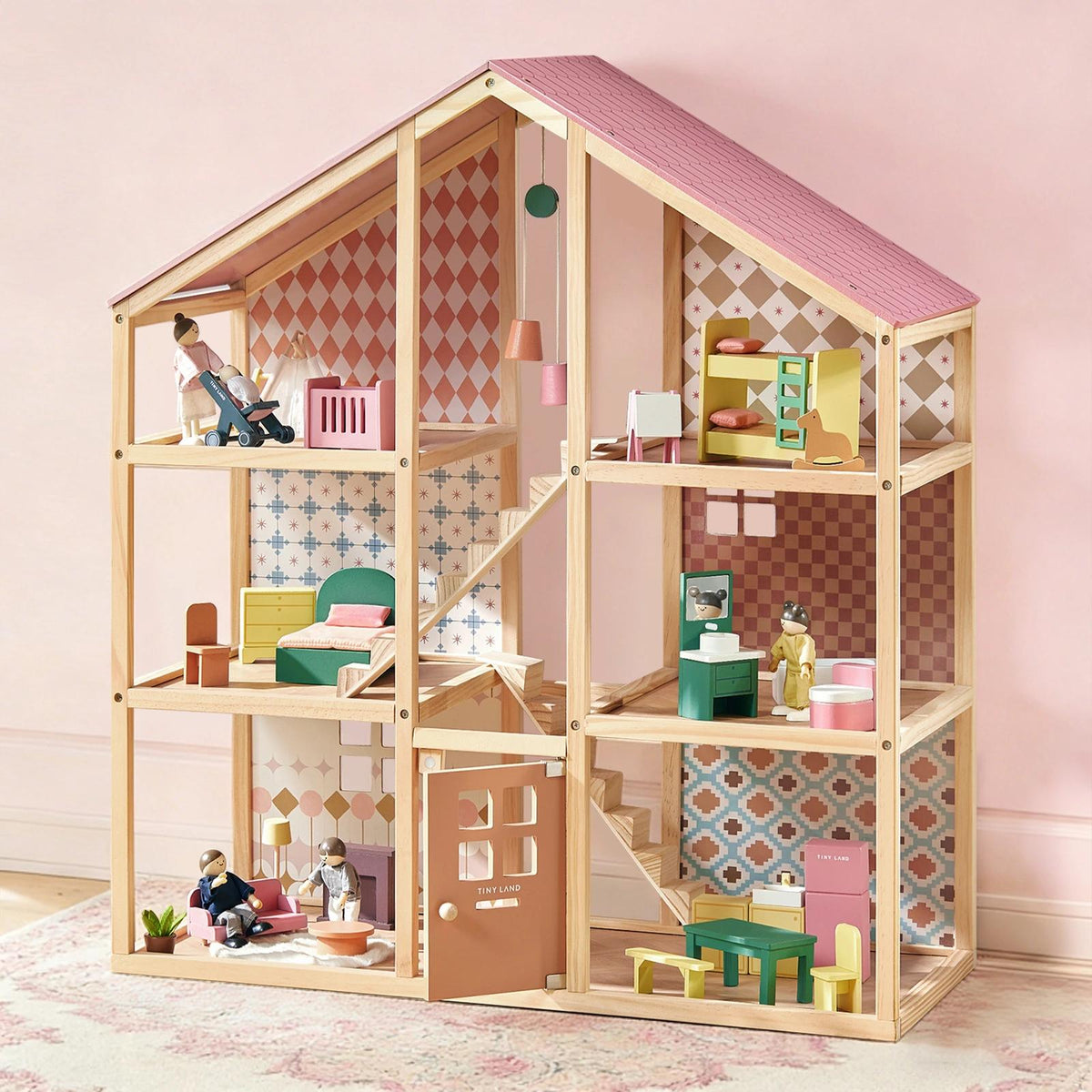
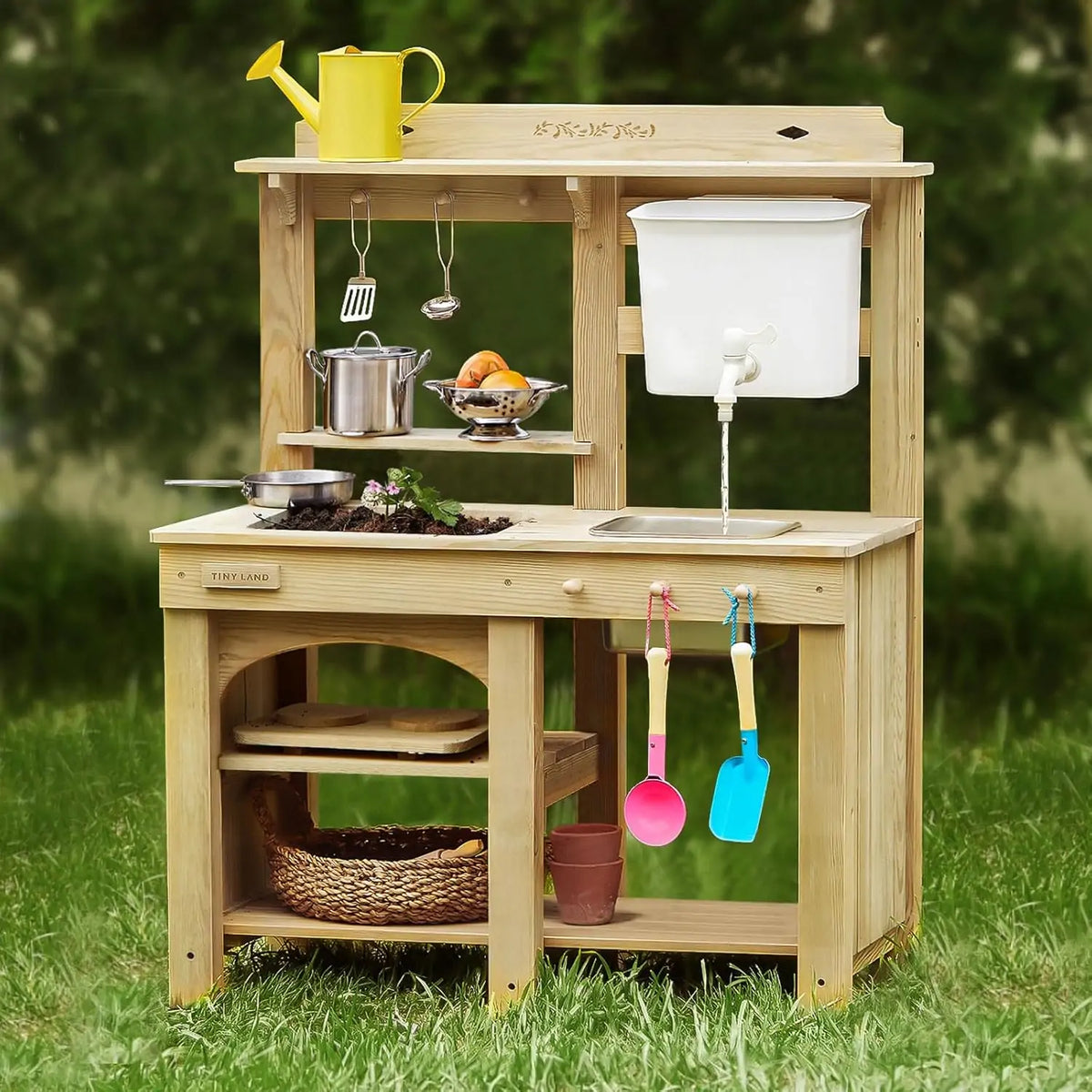
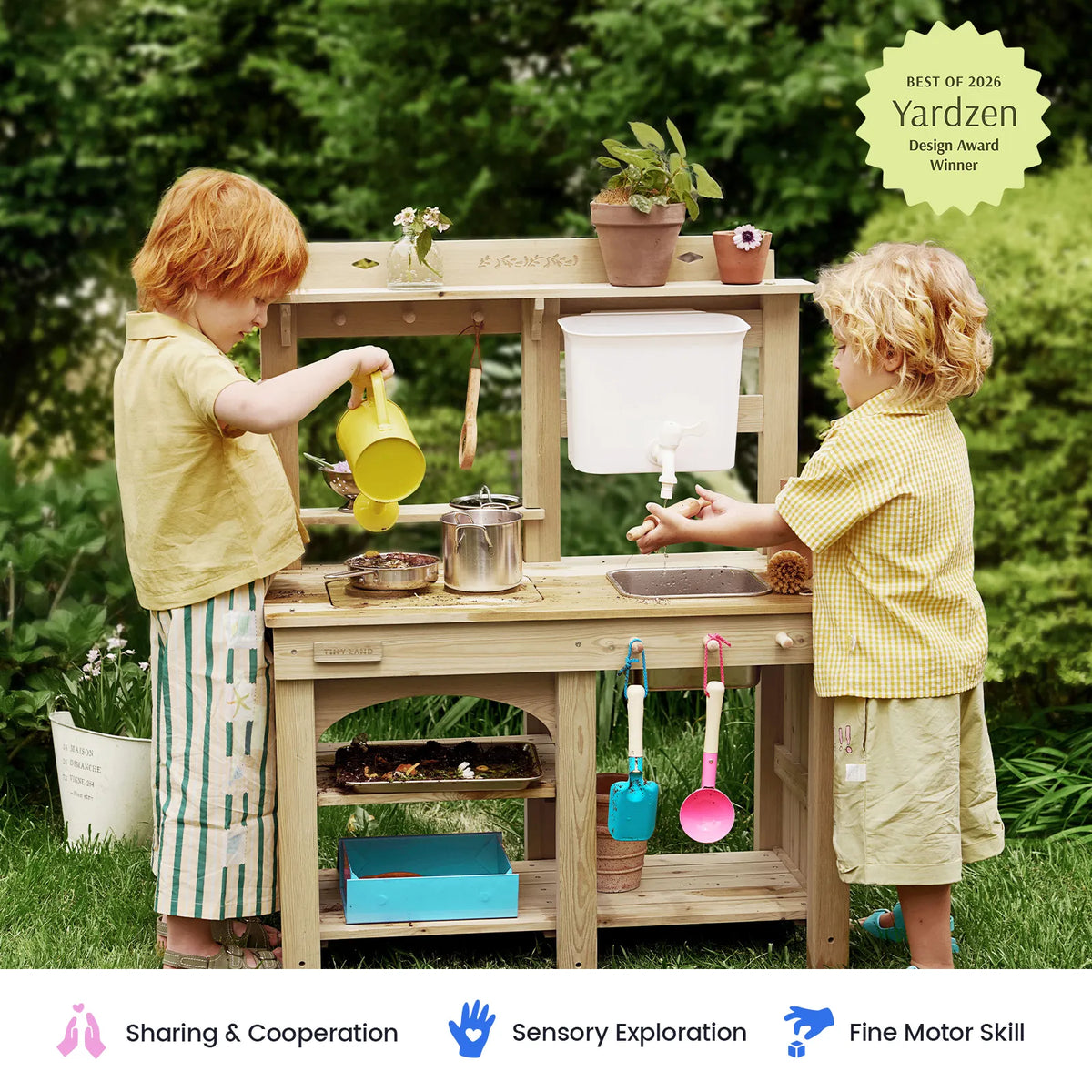
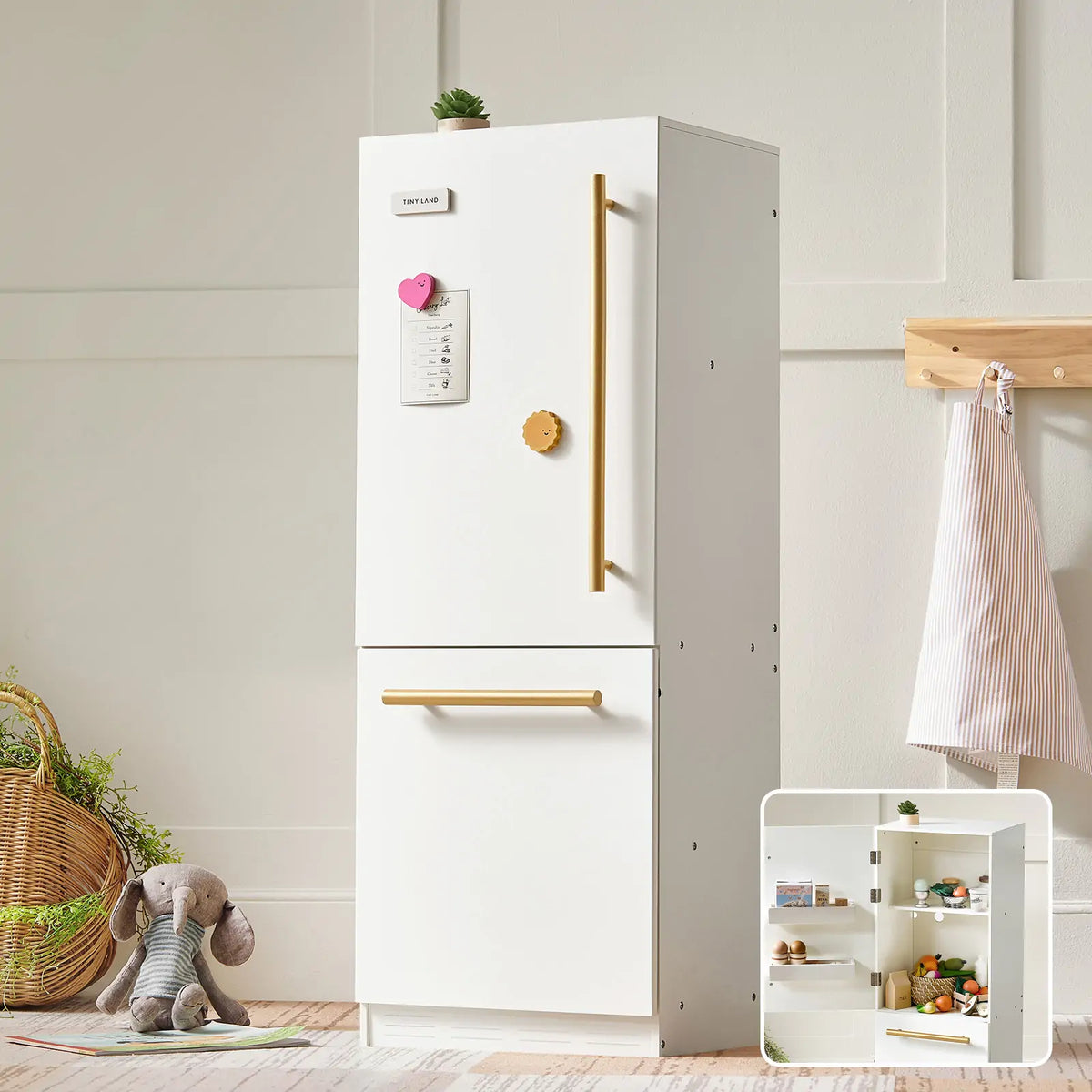
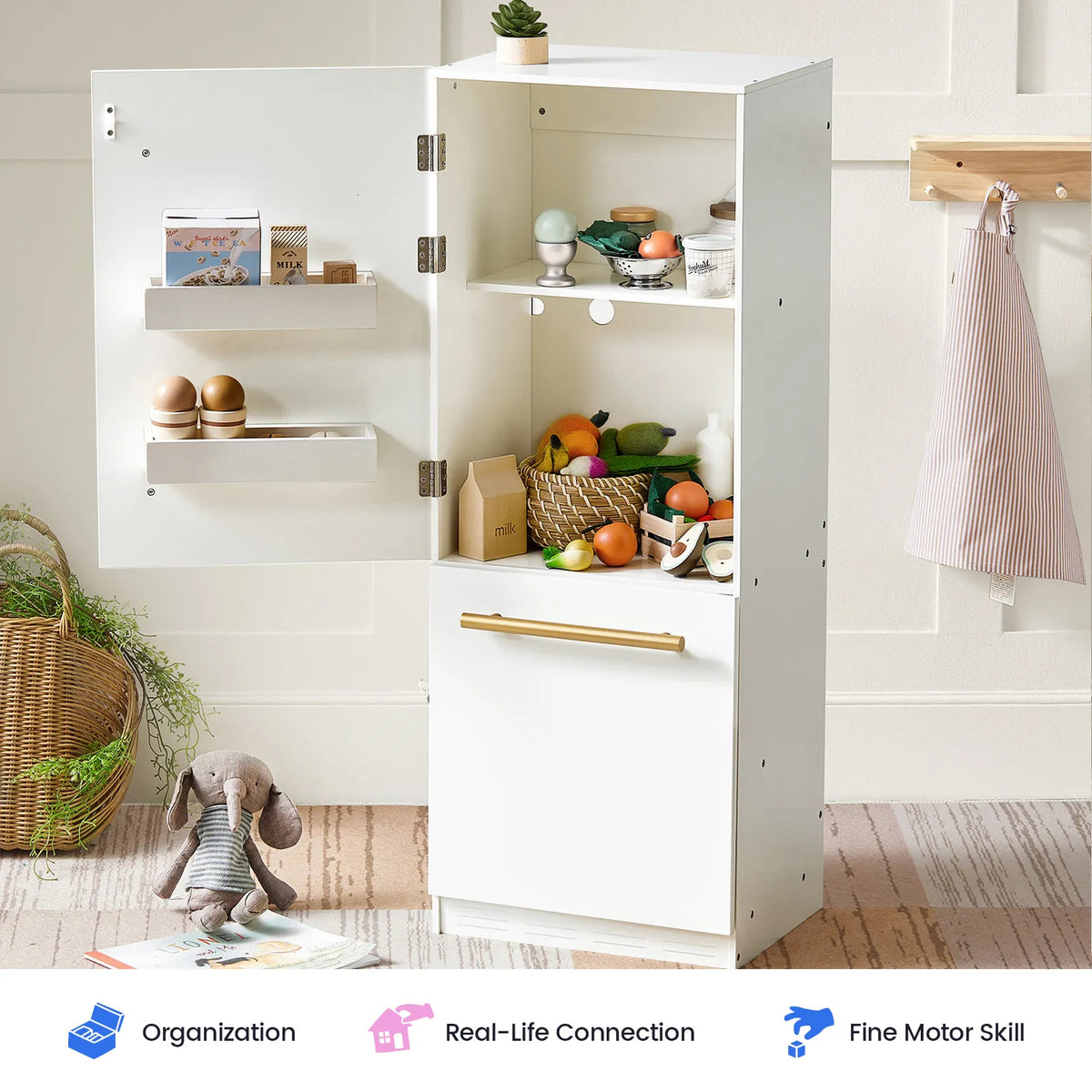
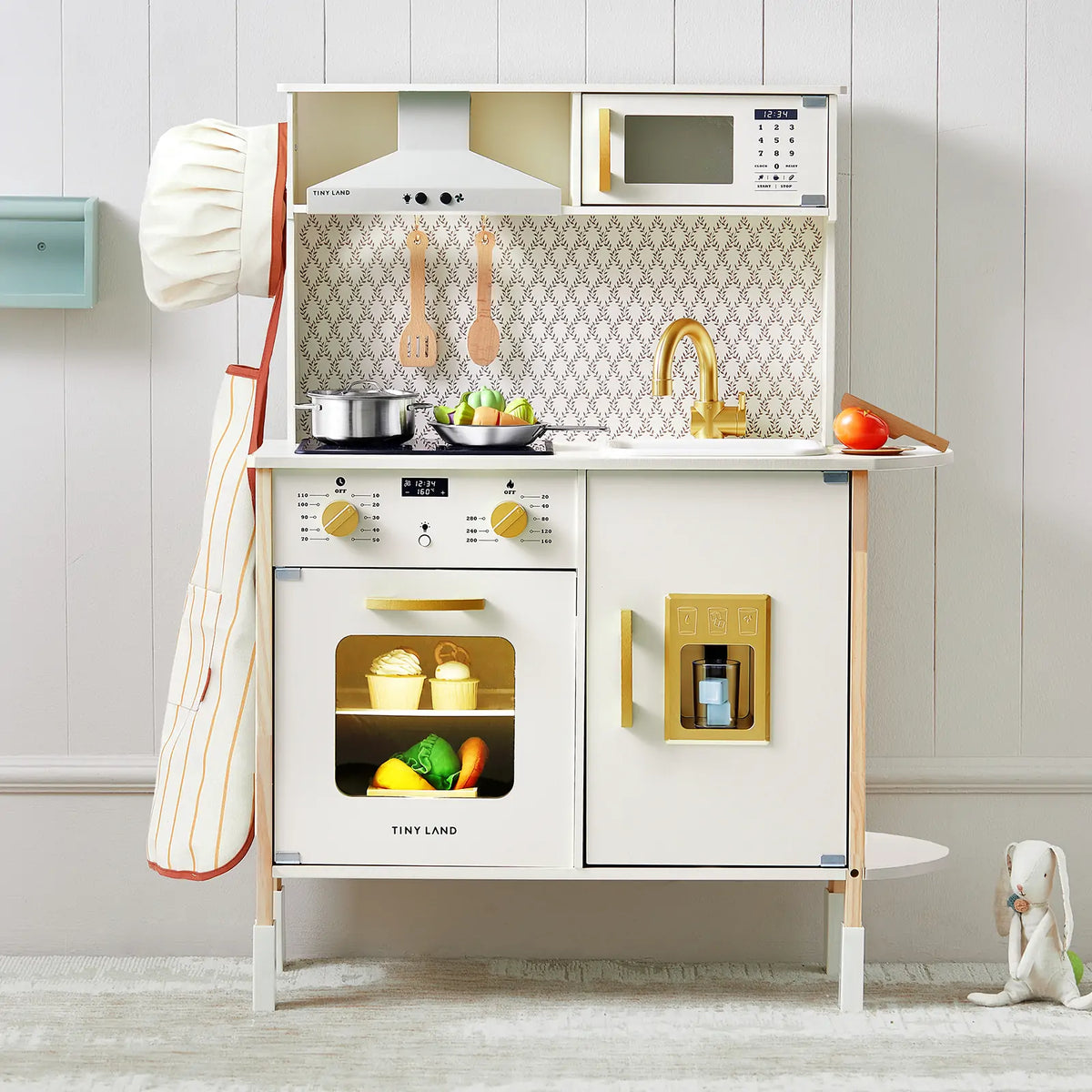
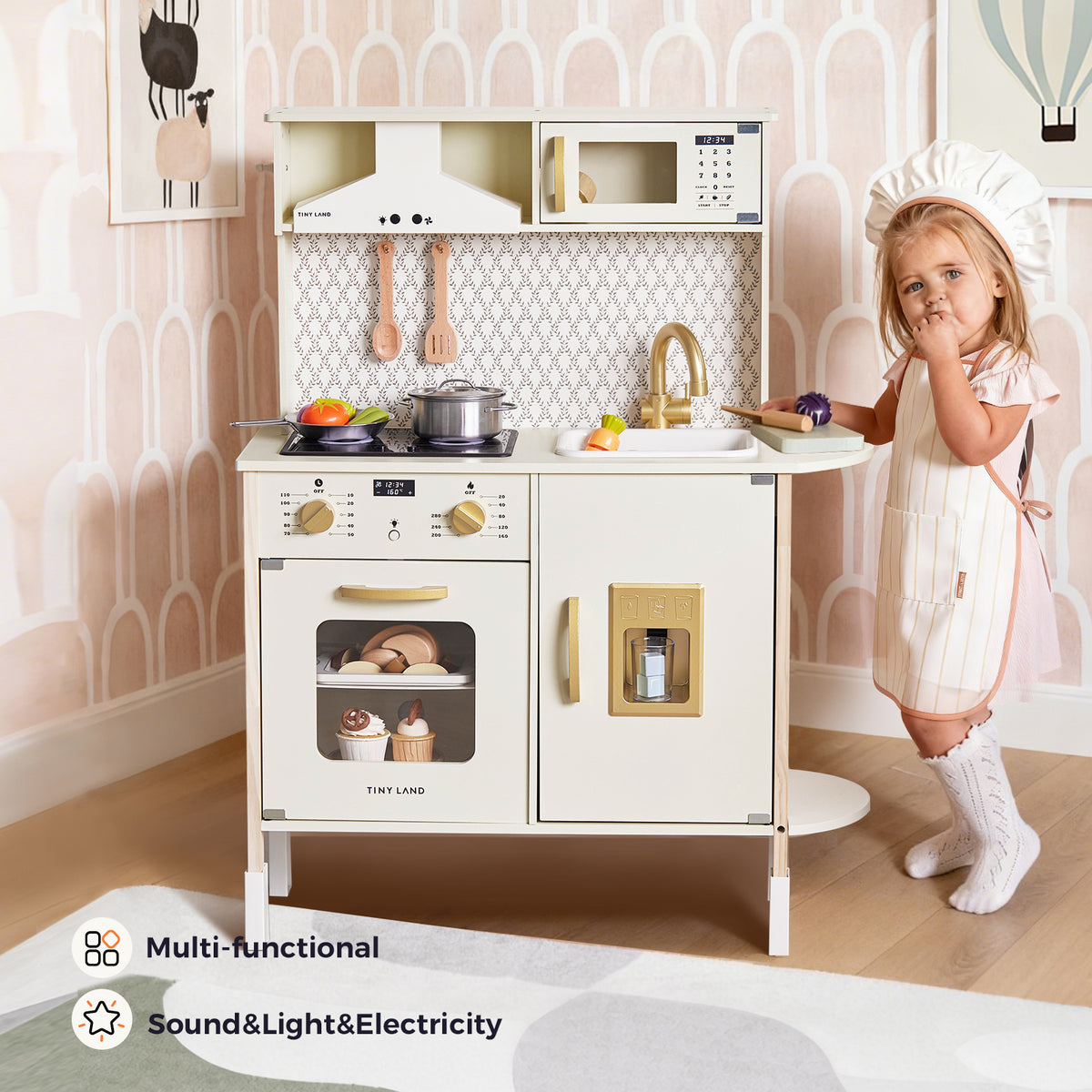
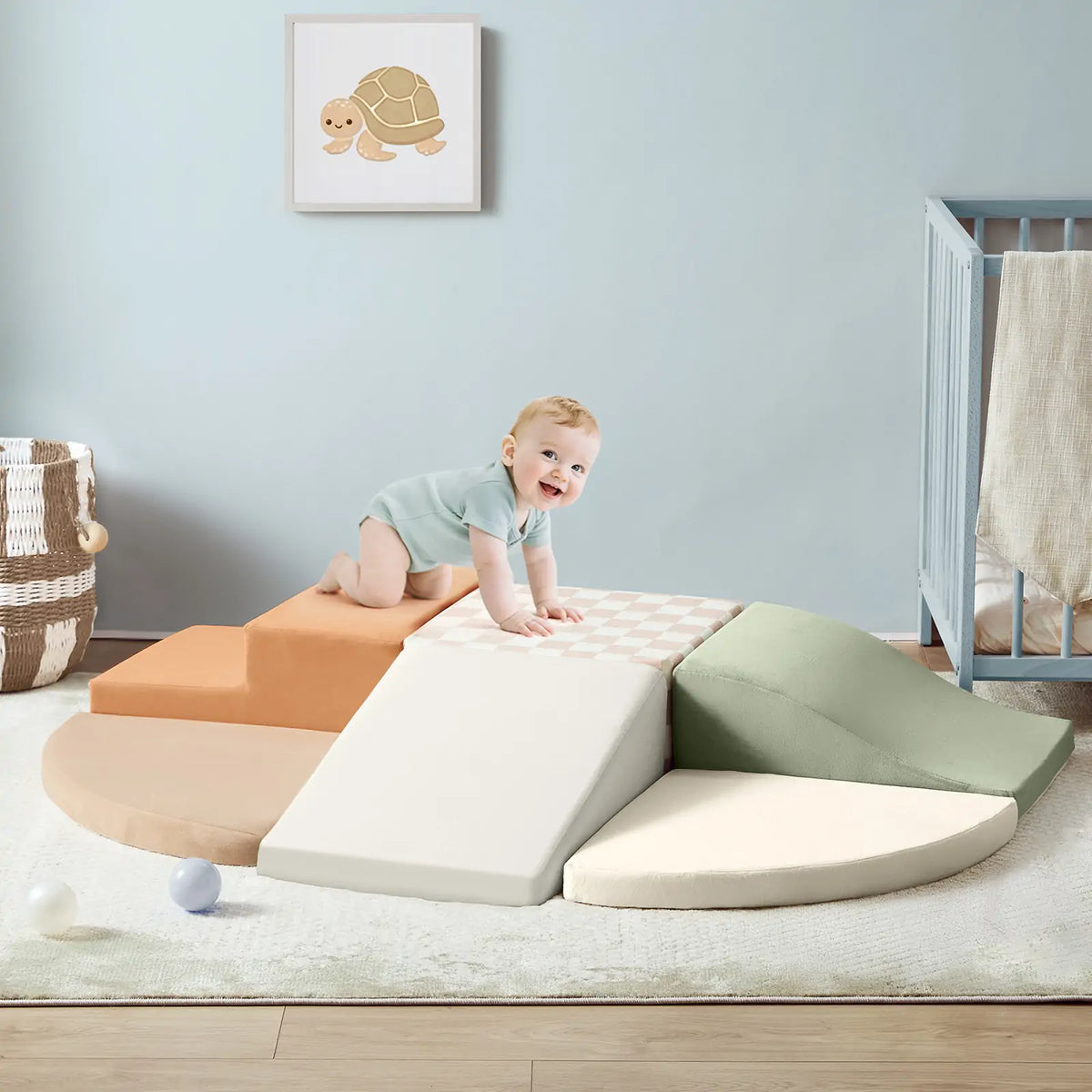
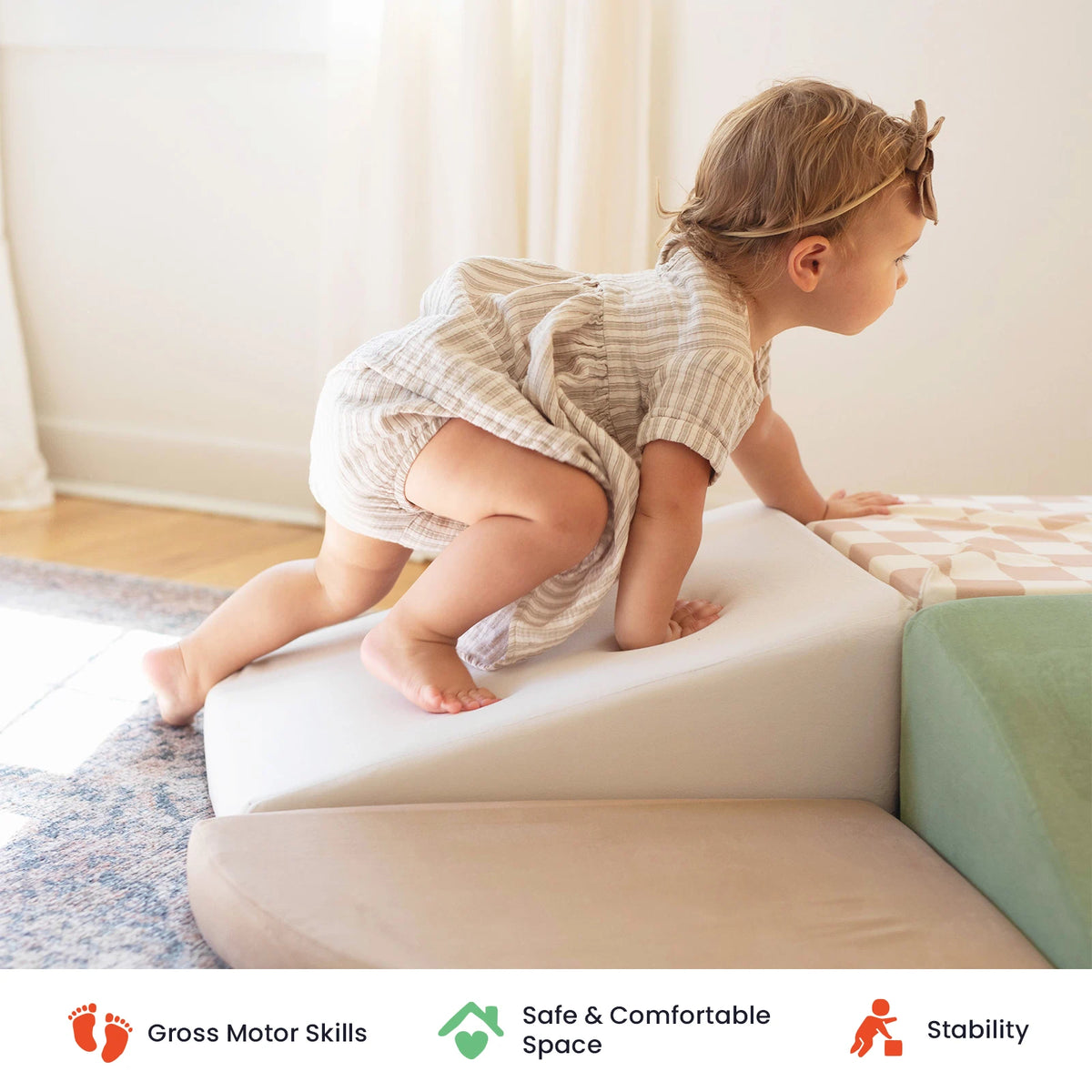

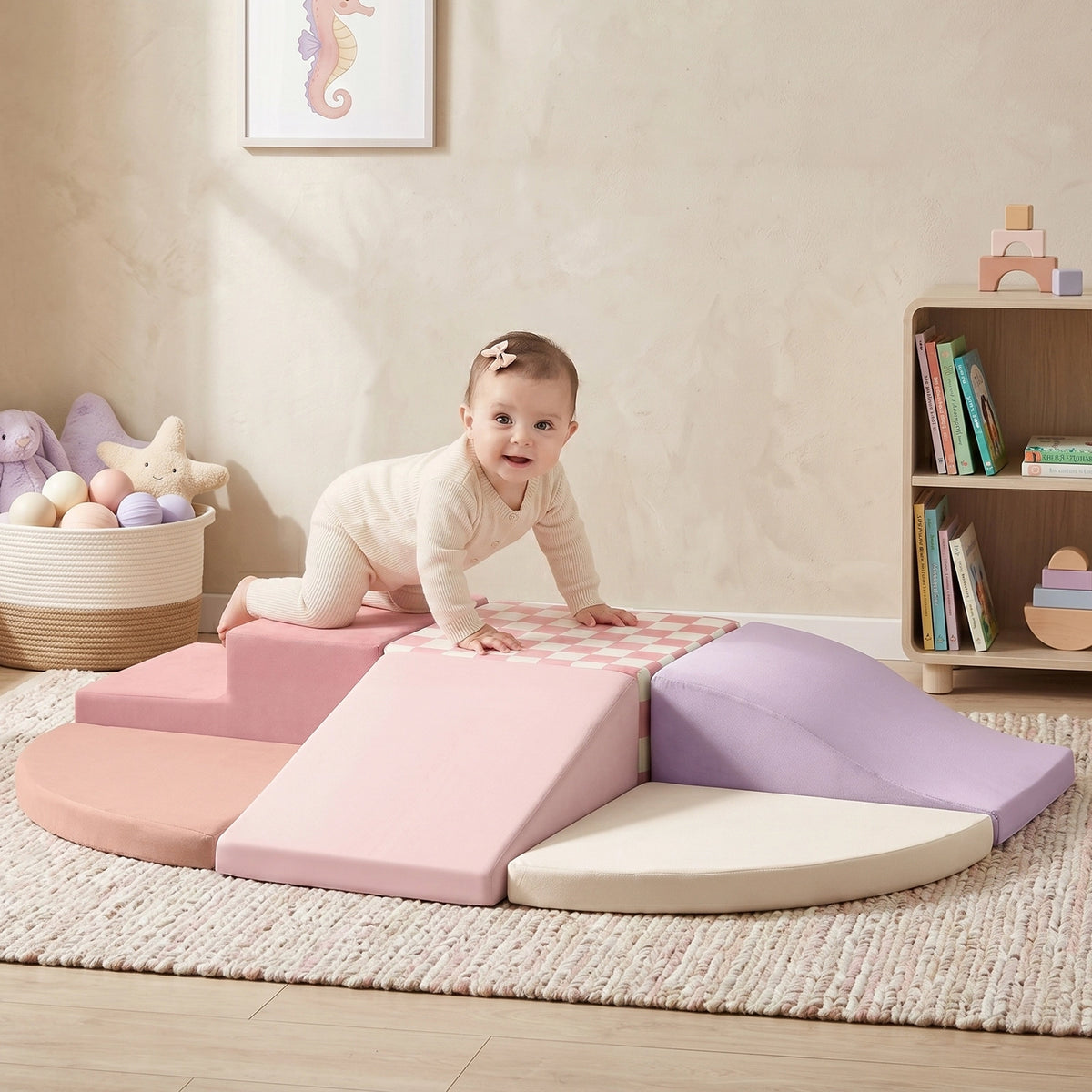


A thoughtfully designed playroom is more than a place filled with toys. It is a space where children create stories, practice independence, and develop important skills through everyday play.
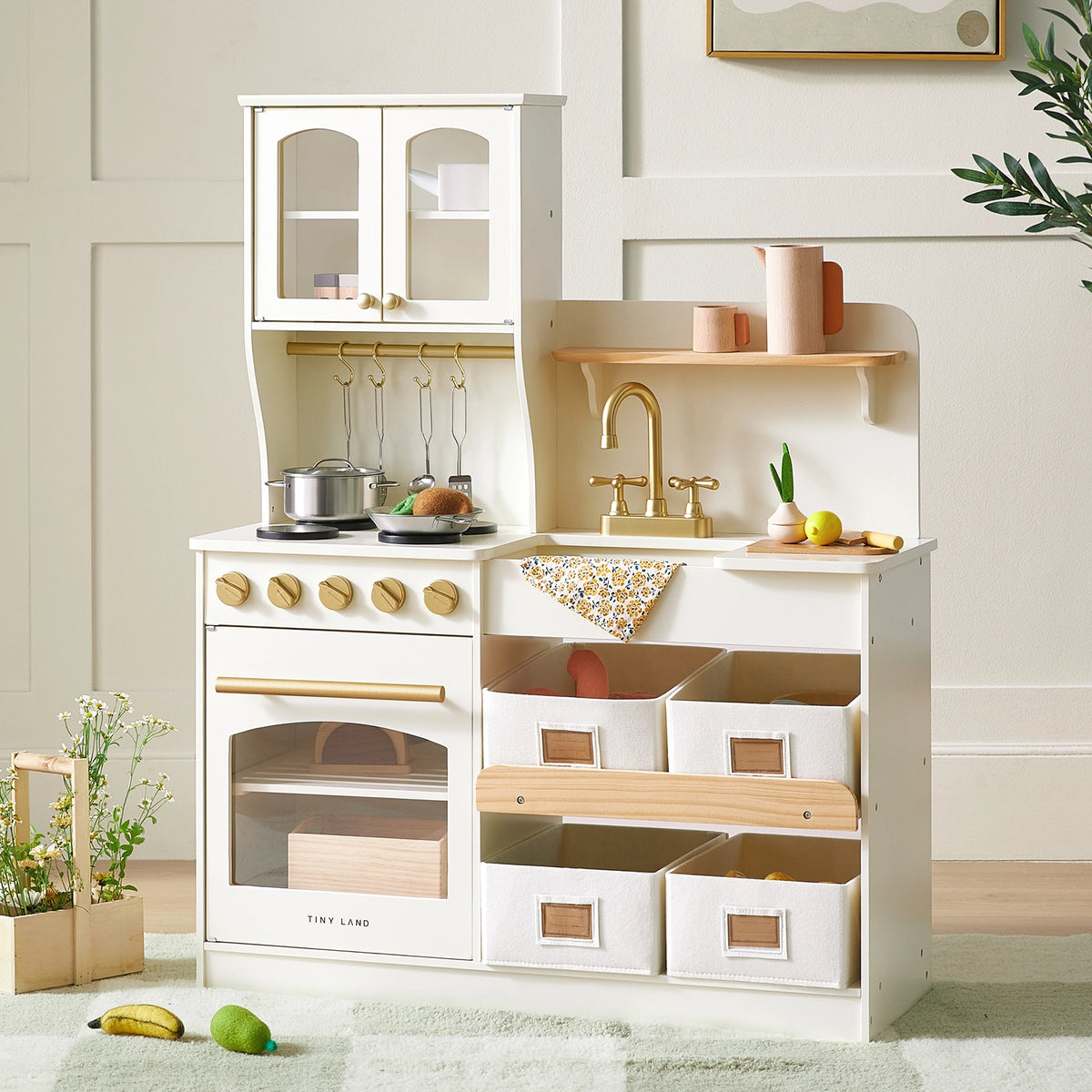
At Tiny Land, we believe meaningful play spaces are built around more than individual toys. A play kitchen gives children a place to cook, imagine, and explore different roles, while comfortable seating creates a space where those stories continue.
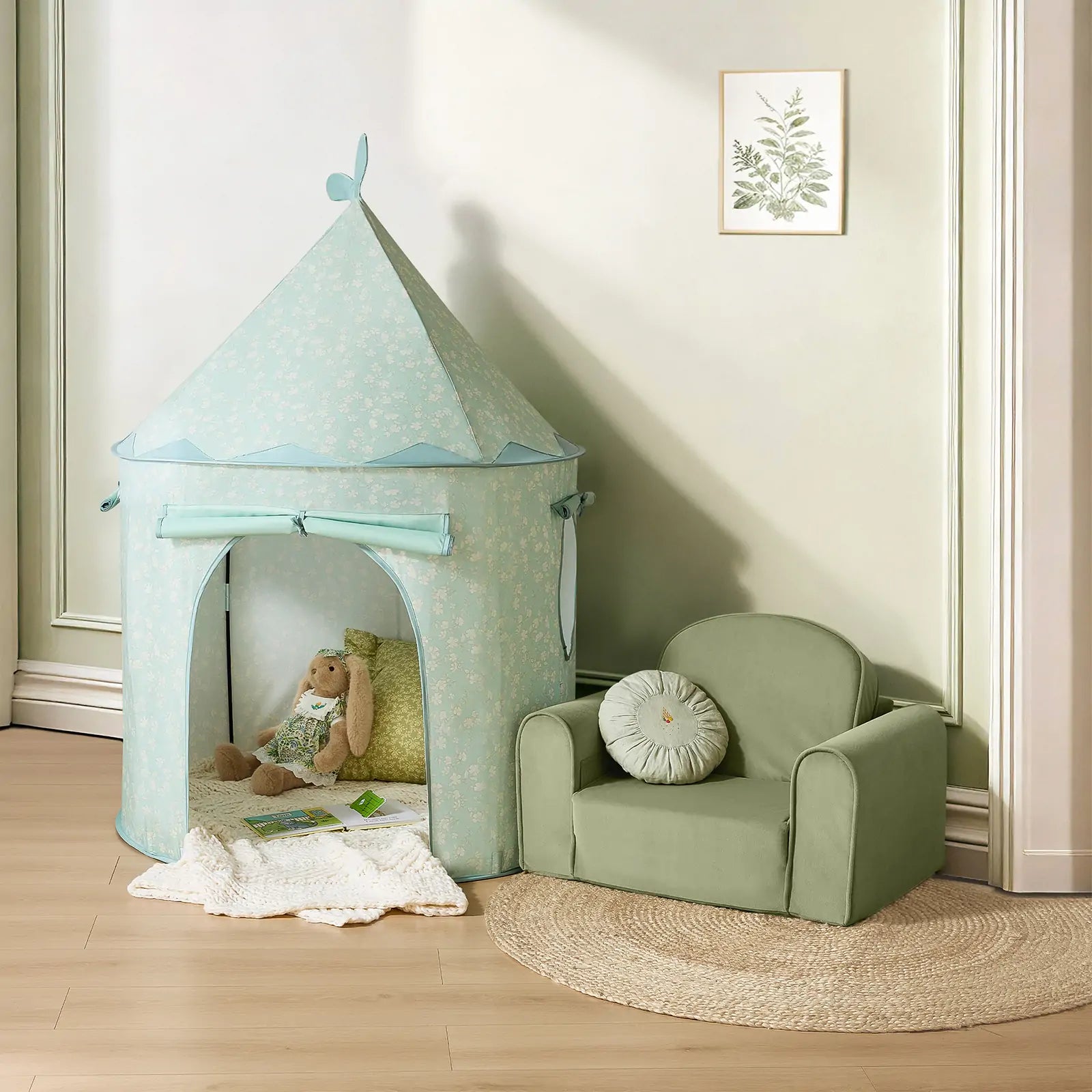
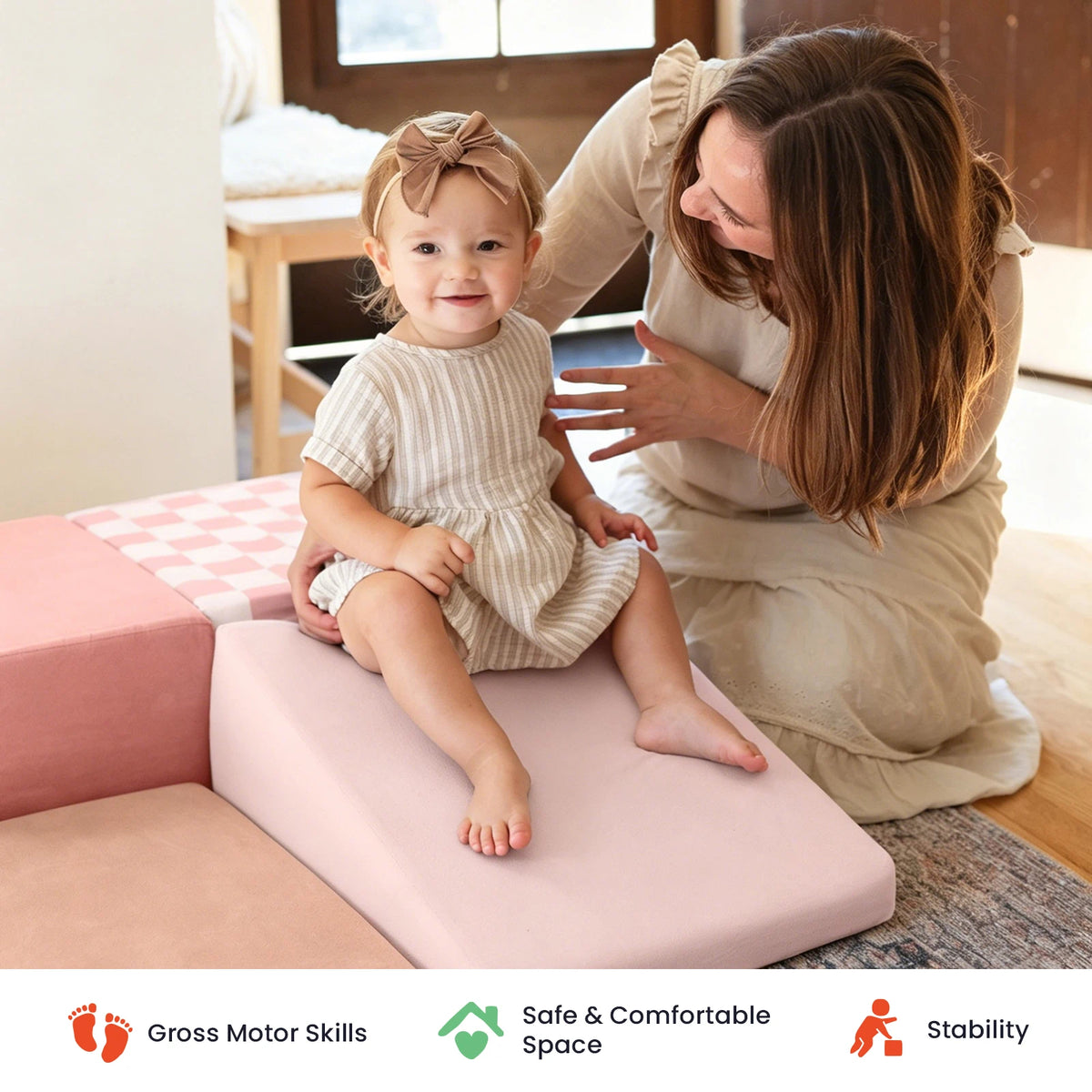
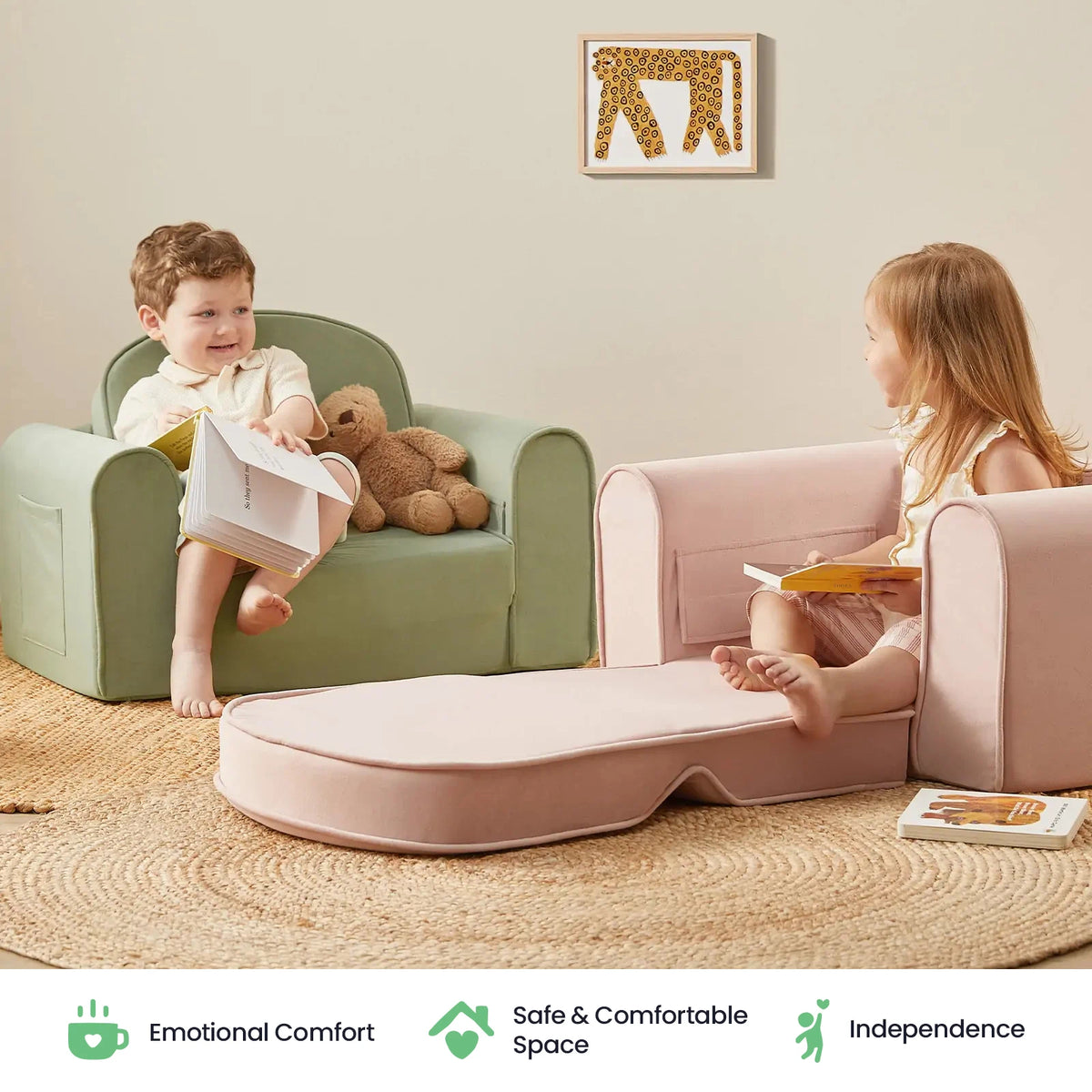
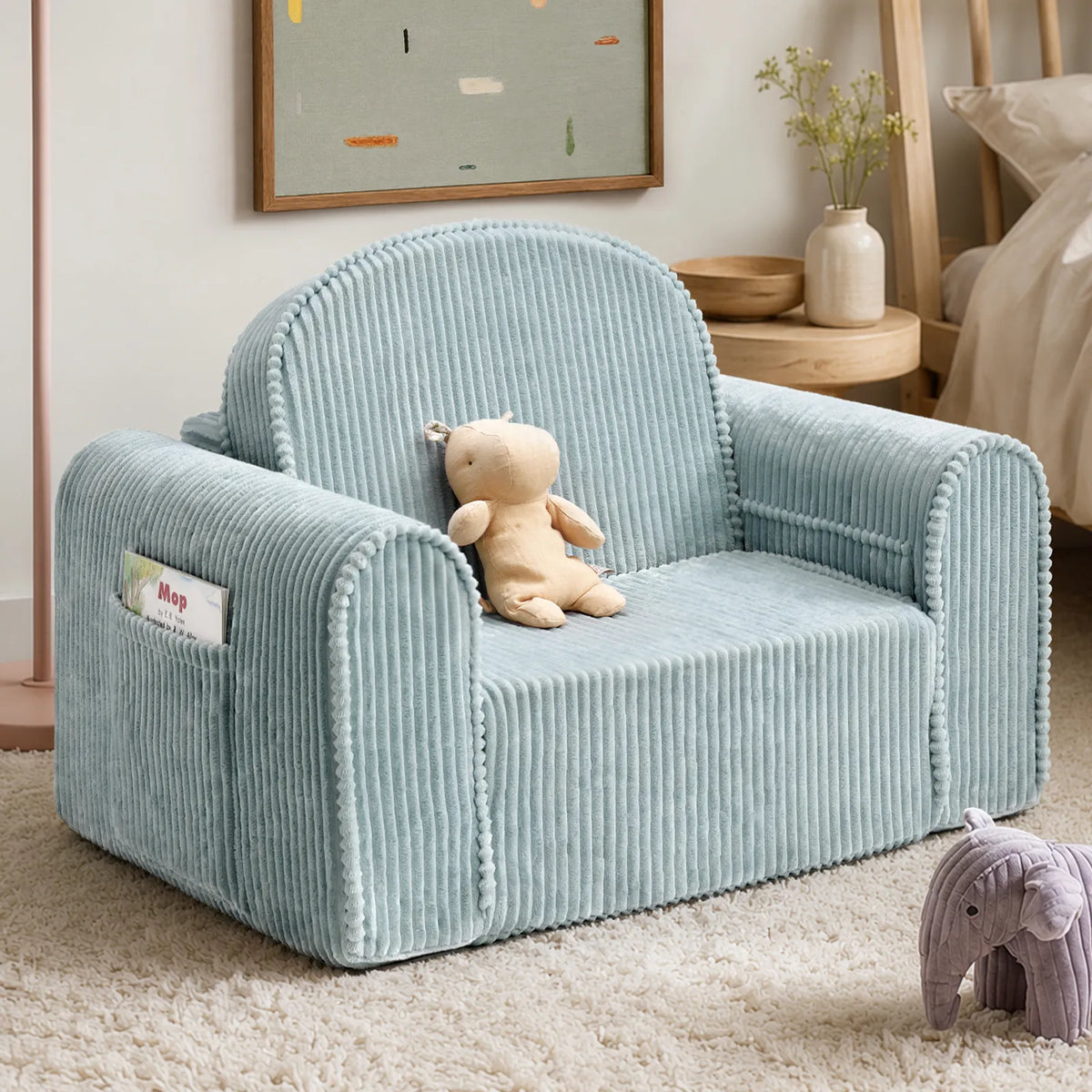
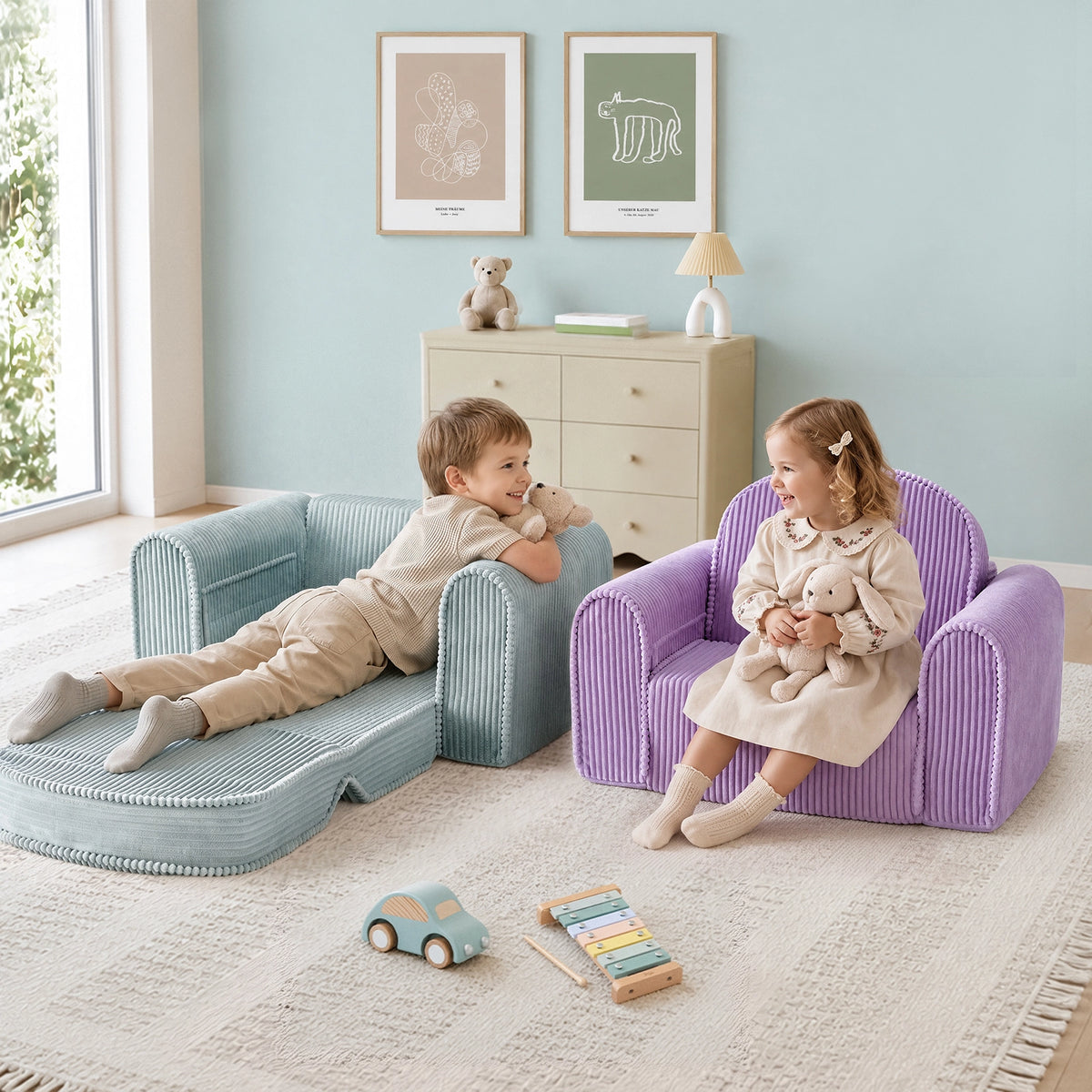
Adding a kids foam sofa can transform a simple play area into a complete pretend play environment. It gives children a cozy place to relax after active play, share stories with siblings, read books, and continue their imaginative adventures.
For families designing a playroom, choosing the right soft toddler sofa is about more than finding a comfortable seat. The right kids sofa should support children’s creativity while fitting naturally into everyday family life.
In this guide, we’ll explore how to choose the best kids foam sofa for play areas, what features parents should consider, and why pairing soft seating with a play kitchen creates a richer pretend play experience.

Why Foam & Sponge Kids Sofas are Perfect for Toddler Play Spaces
Soft, Safe, and Bump-Proof: No Sharp Wooden Edges
Toddlers learn through movement. They crawl, explore, experiment, and quickly move between different activities during play.
Unlike traditional furniture with hard surfaces and rigid edges, a foam kids sofa provides a softer seating option designed for children’s everyday play environments.
A kids foam sofa for play area spaces creates a comfortable transition between active play and quiet moments.
After children spend time cooking in a play kitchen or creating pretend stories, they have a cozy place to:
- Share imaginary meals
- Read picture books
- Play with toys
- Talk with friends and siblings
- Continue storytelling adventures
A comfortable seating area allows children to slow down while keeping their imagination active.

Lightweight & Easy for Toddlers to Move Around
One of the biggest advantages of a toddler chair is flexibility.
Traditional furniture can be heavy and difficult to rearrange, but lightweight foam seating allows families to adjust their playroom layout based on different activities.
Children can help create their own play scenes, such as:
- A pretend café corner
- A reading nook
- A family lounge
- A social play area
This process encourages independence and allows children to take ownership of their environment.
A great playroom is not fixed — it grows with children’s imagination.

Kids Foam Sofa vs. Kids Chair: Which Is Better for a Playroom?
Both kids chairs and foam sofas can provide comfortable seating, but they support different types of play.
|
Feature |
Kids Foam Sofa |
Kids Chair |
|
Comfort |
Soft cushioning for relaxing, reading, and lounging |
More structured seating |
|
Safety |
Soft surface and cushioned edges |
Harder materials |
|
Flexibility |
Easy to move and redesign play areas |
Usually stays in one location |
|
Best for |
Pretend play, social interaction, quiet activities |
Individual sitting activities |
For families creating a pretend play space, a soft toddler sofa provides more opportunities for children to interact, relax, and extend their stories.
A chair gives children a place to sit. A sofa creates a place where play continues.

Top Features to Look for in a Toddler Foam Sofa
Choosing the best kids foam sofa requires more than selecting a design that looks beautiful. Parents should consider comfort, durability, cleaning, safety, and how the sofa fits into everyday family routines.
High-Density Sponge Cushioning for Long-Lasting Support
A quality foam chair for playroom spaces should provide the right balance between softness and support.
High-density foam cushioning helps maintain the sofa’s shape through regular use while providing a comfortable surface for toddlers during reading, relaxing, and pretend play.
A supportive toddler sofa works well for:
- Quiet reading time
- Pretend café games
- Toy activities
- Family bonding moments
The best playroom seating supports both active imagination and peaceful downtime.

Understanding Foam Quality in Kids Sofas
When choosing soft playroom furniture, parents should consider how materials perform during everyday use.
Quality foam construction can help provide:
- Comfortable support during daily play
- Better shape retention over time
- A reliable seating experience for growing children
Parents should also consider factors such as fabric durability, cleaning convenience, and whether the sofa can maintain comfort through frequent use.
A well-designed kids foam sofa should be comfortable for children while practical for parents.
Removable and Machine-Washable Covers for Easy Cleaning
Playrooms are designed for creativity — and creativity can sometimes get messy.
Pretend cooking, snacks, crafts, and everyday adventures are all part of childhood. That is why easy-care furniture is especially important for families.
When choosing a kids foam sofa, look for:
- Removable covers
- Easy cleaning instructions
- Durable fabrics
- Materials suitable for everyday use
A practical design helps parents maintain a fresh play space without limiting children’s creativity.

Ergonomic Soft Seating After Active Kitchen Play
Pretend play often involves movement, creativity, and social interaction. Children may spend time preparing pretend meals, serving guests, and acting out different roles in their play kitchen.
After active kitchen play, a comfortable seating area gives children a natural place to pause, relax, and continue their imaginative stories.
An ergonomic kids sofa can support children during everyday activities such as:
- Sitting comfortably while sharing pretend meals
- Reading books after playtime
- Talking with siblings and friends
- Continuing role-play activities from the play kitchen
A thoughtfully designed playroom includes both active and relaxing spaces.
By combining a play kitchen with soft seating, families can create a more complete environment where children can move, imagine, and connect through play.

Styling Your Playroom: Pairing Soft Sofas with Play Kitchens
A play kitchen creates the action. A kids foam sofa creates the space where the story continues.
A thoughtfully designed playroom is not only about having different toys — it is about creating an environment where children can move between different types of play naturally.
When a play kitchen is paired with a soft toddler sofa, children can enjoy both active role-play and relaxing moments in the same space. They can cook, serve, socialize, read, and continue their imaginative stories.
Child development experts often emphasize that thoughtfully designed play environments with different activity zones can encourage children to practice communication, creativity, and social skills through pretend play.
A play kitchen encourages children to explore different roles, while a cozy seating area gives them space to interact, communicate, and continue their stories.

Creating a Cozy "Kitchen & Cafe" Rest Corner
One popular playroom design idea is creating a mini kitchen and café-inspired corner.
By combining a play kitchen with a toddler couch or kids foam sofa, families can create connected areas for different types of play.
Instead of children moving from one toy to another, a thoughtfully arranged play space allows them to build longer and more meaningful stories.
Cooking Zone
The play kitchen becomes the center of imaginative activity.
Children can:
- Prepare pretend food
- Act as chefs
- Run an imaginary restaurant
- Practice storytelling
- Explore different social roles
Through pretend cooking, children can develop creativity, communication, and problem-solving skills while having fun.
Café & Rest Corner
The sofa becomes an extension of the pretend play experience.
After cooking and serving, children can use the seating area to:
- Welcome guests
- Share pretend meals
- Read books
- Continue conversations
- Relax with siblings and friends
A comfortable rest corner gives children a place to pause while keeping their imagination active.
By combining a play kitchen with soft seating, families can create a playroom that supports both energetic exploration and quiet connection.

Color Matching: Neutral & Pastel Tones for Modern Homes
Many families want children’s furniture that encourages imagination while also fitting naturally into their home.
Neutral and pastel colors work especially well with wooden play kitchens because they create a warm, calm, and timeless playroom aesthetic.
Popular combinations include:
- Natural wood play kitchen + beige sofa
- White play kitchen + soft gray seating
- Pastel toys + modern playroom furniture
Soft colors can help create a relaxing environment while allowing children’s toys and activities to remain the focus.
A well-designed playroom does not need to feel separate from the rest of the home. With thoughtful furniture choices, children’s spaces can become beautiful areas where the whole family enjoys spending time.

How to Choose the Right Size Kids Foam Sofa for Your Playroom
The best kids sofa should fit both your available space and your child’s play style.
For Small Playrooms
Choose a compact sofa that fits comfortably beside a play kitchen while leaving enough room for movement.
For Larger Playrooms
A larger kids sofa can help define different activity zones:
- Cooking area
- Reading corner
- Social play space
For Shared Family Spaces
Many families create play areas in living rooms or open spaces.
Choose soft playroom furniture that complements your home while still supporting children’s creativity.
The best playroom seating should work for both children and families.

Are Premium Kids Foam Sofas Worth It?
Parents often wonder whether investing in a higher-quality kids sofa is worthwhile.
A well-designed kids foam sofa can provide long-term value through:
- Better comfort
- More durable materials
- Easier maintenance
- Longer usability
Since children spend many hours playing, reading, and relaxing in their favorite spaces, comfortable seating becomes an important part of their everyday environment.

Frequently Asked Questions About Kids Foam Sofas
Are Foam Sofas Safe for Toddlers?
Foam sofas are popular choices for toddler playrooms because they provide soft seating and reduce exposure to hard furniture edges.
Parents should always check recommended age guidelines and choose products designed specifically for children.
Are Kids Foam Sofas Durable Enough for Everyday Use?
Yes. A quality kids foam sofa can support everyday toddler activities when designed with durable foam and easy-care materials.
Features such as supportive cushioning and washable covers help improve long-term usability.
What Age Is a Toddler Sofa Suitable For?
Many toddler sofas are designed for young children during the toddler and preschool years.
Parents should consider:
- Child size
- Product recommendations
- Seating height
- Overall design
The right sofa should allow children to sit comfortably and independently.
How do I wash and maintain a sponge toddler sofa cover?
Cleaning instructions vary depending on fabric and construction.
General maintenance tips include:
- Clean spills quickly
- Follow manufacturer instructions
- Avoid harsh cleaners
- Allow covers to fully dry before reuse
Regular care helps keep playroom seating comfortable and ready for everyday adventures.

Create a Complete Pretend Play Space With Tiny Land
A kids foam sofa is more than a place to sit. It helps complete the environment where children create stories, explore imagination, and connect with others.
When paired with a play kitchen, soft seating transforms a simple play area into a complete pretend play world.
From cooking pretend meals to hosting imaginary cafés, children can enjoy endless possibilities when their play space is designed around creativity and comfort.

Shop Cozy Foam Kids Sofas & Play Seating Today
Explore Tiny Land’s play kitchens, kids couch, and pretend play collections to create a thoughtfully designed space where little moments become meaningful memories.