






Bedtime can often feel like the hardest part of the day for many families. You may go through the usual routine—bath, pajamas, a book, lights dimmed—yet your toddler is still wide awake, asking for one more story, getting out of bed repeatedly, or struggling to settle down.
For many parents, this doesn’t feel like an occasional challenge, but a consistent nightly pattern. While routines are important, there is another factor that often gets overlooked: the sleep environment itself. The way a child’s space is designed can significantly influence how quickly they settle, how secure they feel, and how independently they are able to fall asleep.
This guide explains how to create a calm sleep space for toddlers using simple, intentional adjustments that support comfort, emotional security, and more predictable nights.

Why Sleep Environment Matters More Than We Realize
Many parents assume bedtime struggles are mainly about behavior, consistency, or routine. But toddlers are highly sensitive to their surroundings—especially during transitions from active time to rest.
When a sleep space feels too open, too stimulating, or visually distracting, children often remain in a more alert state even when they are physically tired. This can lead to prolonged bedtime routines, resistance to sleep, or frequent nighttime wake-ups.
A calmer environment helps send a clear and consistent message:
It is safe to rest now.
In many cases, the environment becomes the “silent anchor” of the bedtime routine—either supporting or disrupting everything else.

Key Elements of a Calm Sleep Space
Creating a more supportive sleep environment does not require a full room redesign. Small, thoughtful changes can make a meaningful difference. The key areas to focus on are lighting, spatial structure, and emotional safety.
1. Lighting: Helping the Body Wind Down Naturally
Light plays a direct role in regulating a child’s internal sleep rhythm. A more supportive sleep environment includes:
- Warm, dim lighting in the evening
- Avoiding bright overhead lights before bedtime
- Consistent night lighting patterns that feel predictable
The goal is to align the environment with what the body is meant to do—slow down and rest.
2. Space: Reducing Overstimulation and Creating Calm
Toddlers are easily distracted by their surroundings. A room filled with toys, visual clutter, or mixed play-and-sleep zones can make it harder for them to transition into rest mode.
A calming sleep space typically includes:
- A clean, visually simple sleep area
- A clearly defined space dedicated to sleep
- Soft, familiar textures that feel comforting and safe
This separation helps children mentally understand the difference between “play time” and “rest time,” making transitions easier.
3. Safety and Emotional Security
At this age, sleep is not only physical—it is deeply emotional. Many toddlers struggle at bedtime not because they are not tired, but because they feel uncertain when separating from parents or when their environment feels too open during the night. This can lead to repeated calls for reassurance or difficulty settling independently.
Creating a gentle sense of enclosure or personal space can help children feel more secure while still supporting independence.

How a Sleep Tent Supports Comfort and Independence
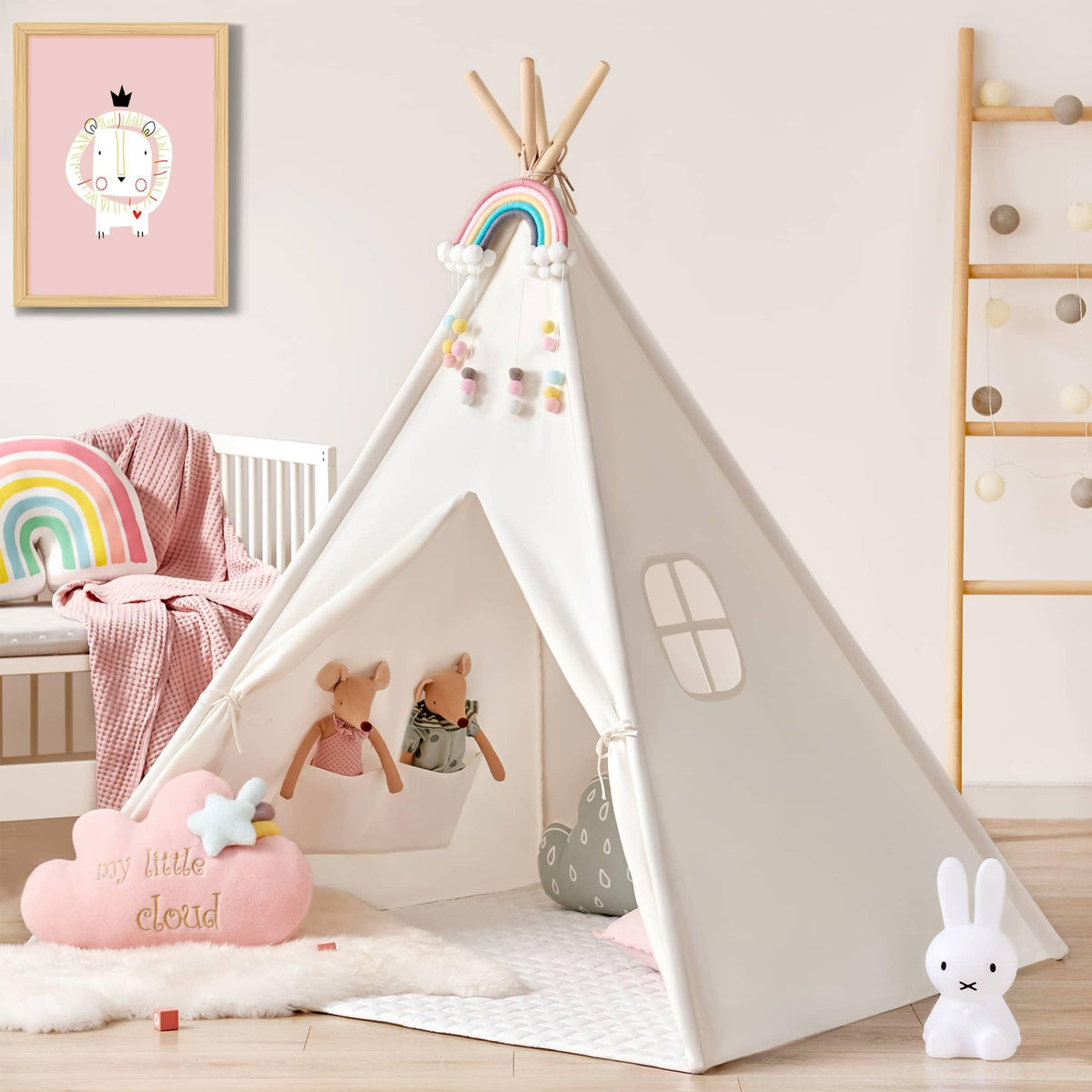
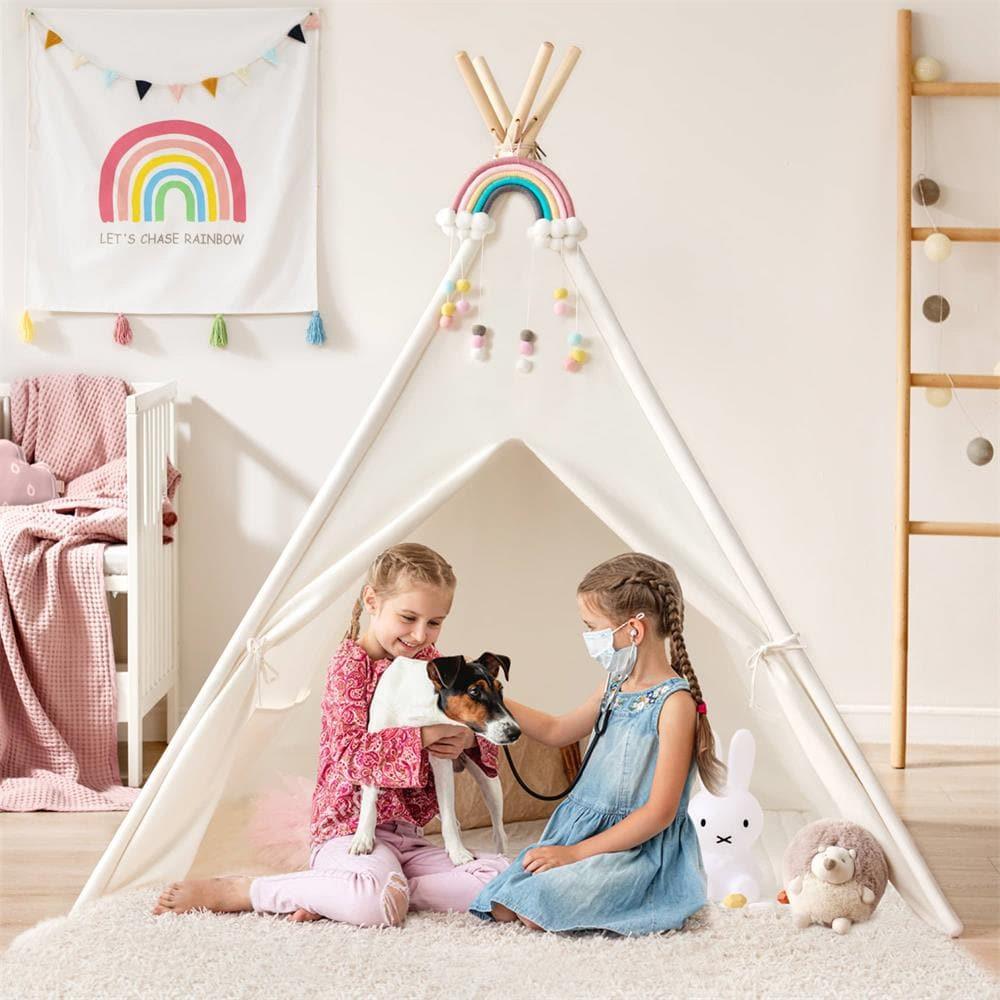
A sleep tent can help bridge the gap between independence and emotional reassurance by creating a defined, cozy sleep space within the room.
Instead of an open bed area that can feel visually exposed, a sleep tent introduces a soft, structured environment that feels more contained and predictable.
For many children, this can help:
- Create a clear “this is your sleep space” boundary
- Reduce visual distractions at bedtime
- Provide a sense of comfort and personal ownership
- Support smoother transitions into sleep without constant reassurance
Importantly, it does not isolate the child—it simply adds gentle structure that supports emotional security.

How to Choose the Right Sleep Tent for Your Child
Not every sleep tent works the same way for every child. The right choice depends on sensitivity, sleep habits, and your home environment.
Instead of focusing only on design, it helps to think in terms of comfort cues, practical needs, and emotional response.
1. Material: Soft, Breathable, and Comfortable
If your child is sensitive to touch or tends to wake easily, material quality becomes especially important.
Look for:
- Soft, skin-friendly fabrics
- Breathable construction that allows airflow throughout the night
- Safe, non-irritating materials designed for indoor use
The goal is to create a sleep space that feels gentle and calming, not enclosed or heavy.
2. Size: Spacious Enough for Natural Comfort
Comfort is not only about softness—it is also about space.
A well-designed sleep tent should:
- Allow natural movement like turning and stretching
- Feel cozy without feeling restrictive
- Support continued comfort as your child grows
A space that is too tight can unintentionally create restlessness rather than relaxation.
3. Ventilation & Visibility: Comfort for Both Child and Parent
Airflow and visibility are often overlooked but play an important role in sleep quality.
A good sleep tent should include:
- Breathable mesh or ventilation panels
- Continuous airflow to maintain comfort overnight
- Visibility that allows parents to check in easily
This balance helps children stay comfortable while giving parents peace of mind.
4. Color Choice: Setting the Emotional Tone of Bedtime
Color subtly influences how a sleep space feels, especially at night.
Space-themed design: Supports imagination while still helping transition from play to rest, especially for children who enjoy storytelling routines
Beige: A calm, neutral option that reduces visual stimulation and blends seamlessly into most home environments
Pink: Soft and warm, creating a gentle and comforting atmosphere that can help children feel emotionally settled at bedtime
There is no single best choice—only what best fits your child’s temperament and your family’s bedtime rhythm.

Bringing It All Together
A calm sleep space is not created through one single change, but through a combination of environment, consistency, and emotional reassurance.
When lighting is soft, space is structured, and the environment feels predictable and safe, children are more likely to settle into sleep without resistance.
A sleep tent can be one simple way to support this environment—offering a defined, comforting space that helps children feel both independent and emotionally secure.

Final Thought
There is no perfect bedtime, and most families go through phases of adjustment and challenge.
But in many cases, small changes in the sleep environment can make nights feel more manageable and less stressful—for both children and parents.
The goal is not perfection.
The goal is a space where your child feels calm enough to rest, and safe enough to stay asleep.