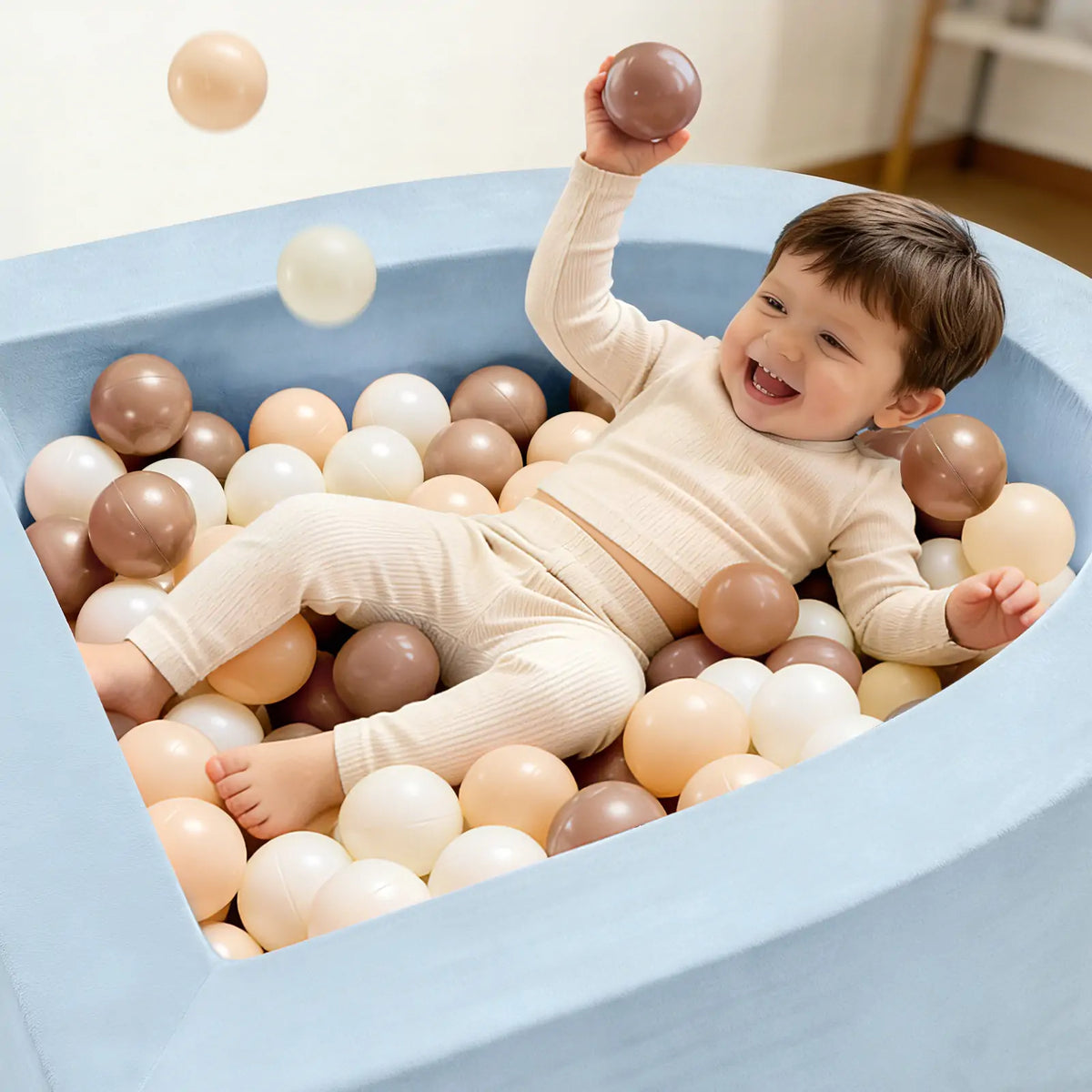





Looking for easy indoor activities for kids that don't involve screens?
Good indoor activities for toddlers and preschoolers can include pretend play, creative projects, movement games, building, storytelling, and quiet play.
They don't need to be complicated or require a long list of supplies. With a few simple materials and an open-ended approach, an ordinary room can become a café, grocery store, campsite, art studio, or cozy reading nook.
Whether you're looking for rainy day activities for kids, a simple after-school activity, or new ideas for screen-free play at home, these 12 indoor activities are easy to adapt to different ages, energy levels, and interests.

12 Indoor Activities for Kids at a Glance
| Type of Play | Activity | Best For |
|---|---|---|
| Pretend Play | Pretend Grocery Store | Toddlers & Preschoolers |
| Pretend Play | Play Café | Preschoolers |
| Pretend Play | Indoor Farmers Market | Toddlers & Preschoolers |
| Pretend Play | Dollhouse Storytelling | Toddlers & Preschoolers |
| Creative Play | Play Dough Bakery | Preschoolers |
| Creative Play | DIY Art Station | Toddlers & Preschoolers |
| Creative Play | Sticker Story | Toddlers & Preschoolers |
| Active Play | Indoor Obstacle Course | Preschoolers |
| Active Play | Indoor Camping | Toddlers & Preschoolers |
| Active Play | Dance & Movement Games | Toddlers & Preschoolers |
| Quiet Play | Cozy Reading Nook | Toddlers & Preschoolers |
| Family Play | Teddy Bear Picnic | Toddlers & Preschoolers |
You don't need to try all 12. Choose one based on what your child needs that day—movement, creativity, imagination, quiet time, or family connection.

1. Set Up a Pretend Grocery Store
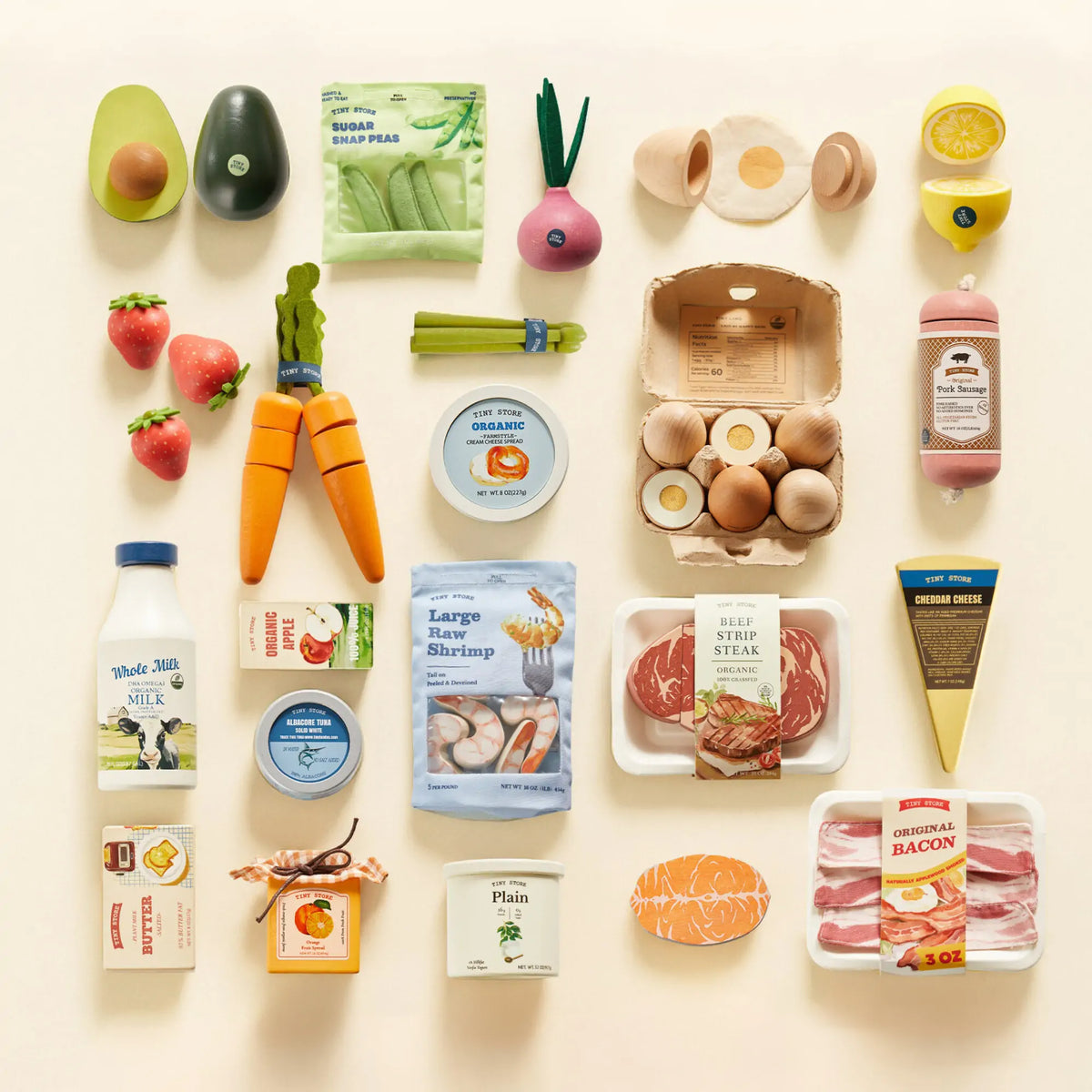
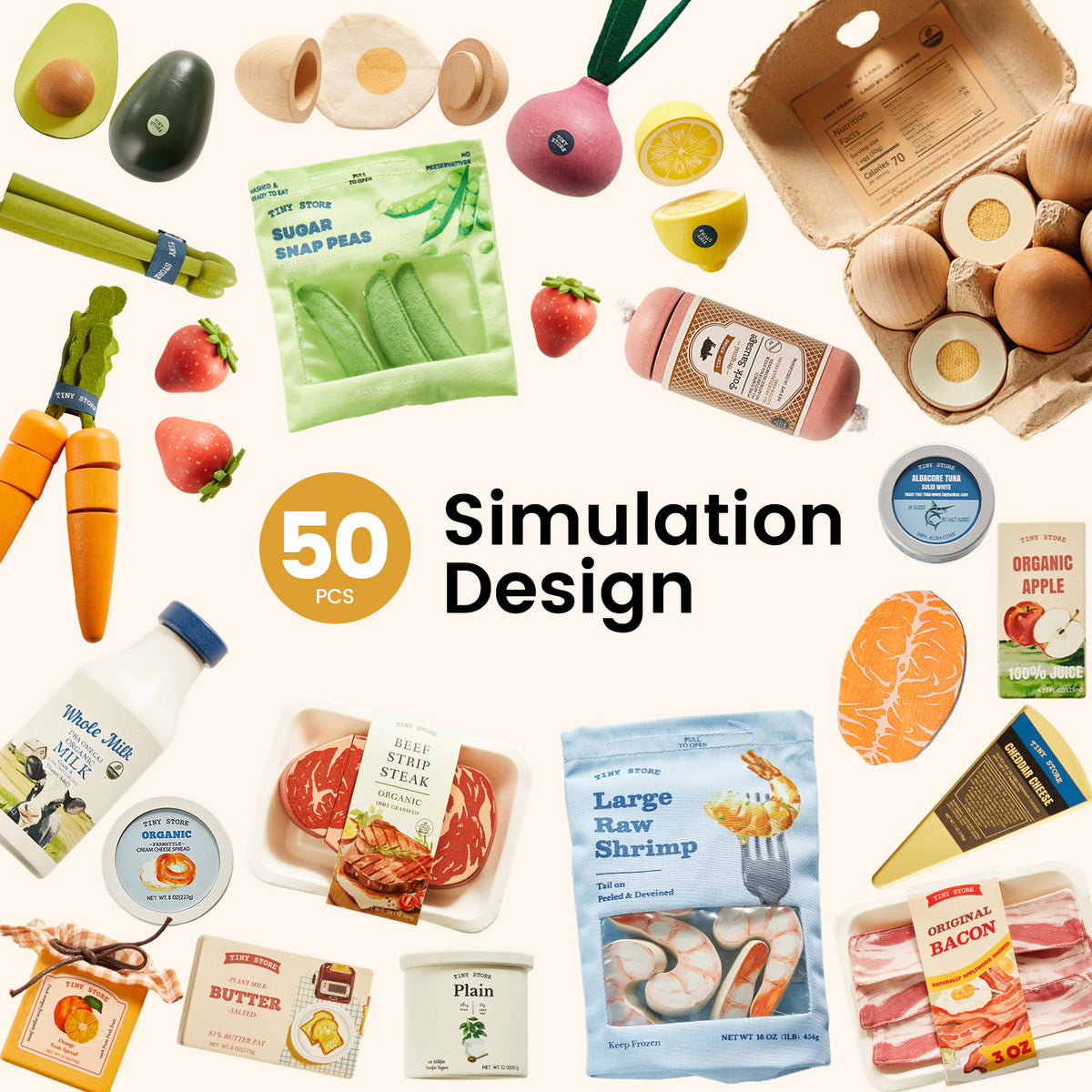
Turn a corner of your home into a pretend grocery store with play food, baskets, paper, and simple signs.
Children can take different roles, including shopper, cashier, or store owner.
Make It More Engaging
Add:
- A simple shopping list
- Pretend money
- Price tags
- Shopping baskets
- Different food categories
For toddlers, focus on naming and sorting foods. Preschoolers can create shopping lists, count items, compare pretend prices, and act out conversations between customers and the cashier.
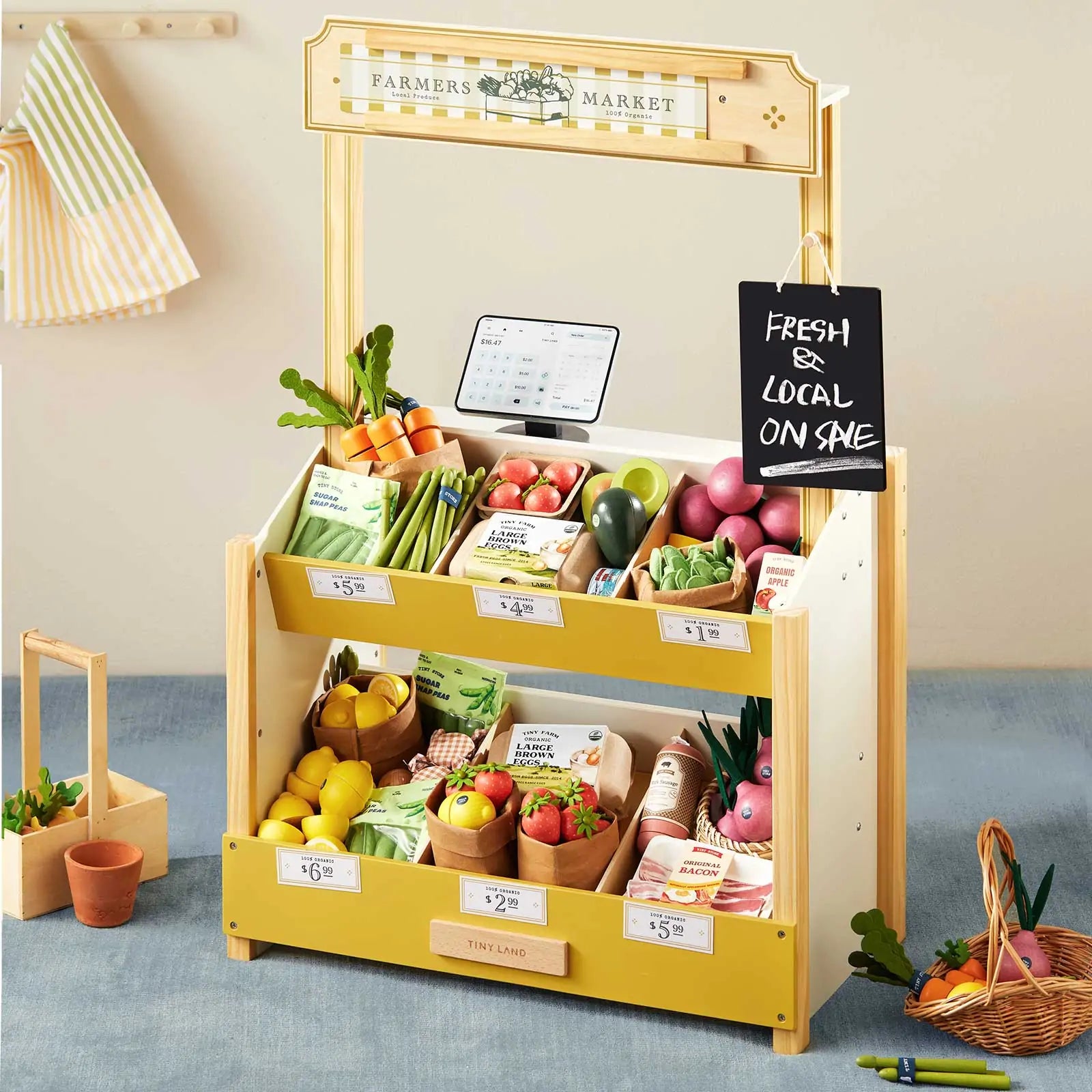
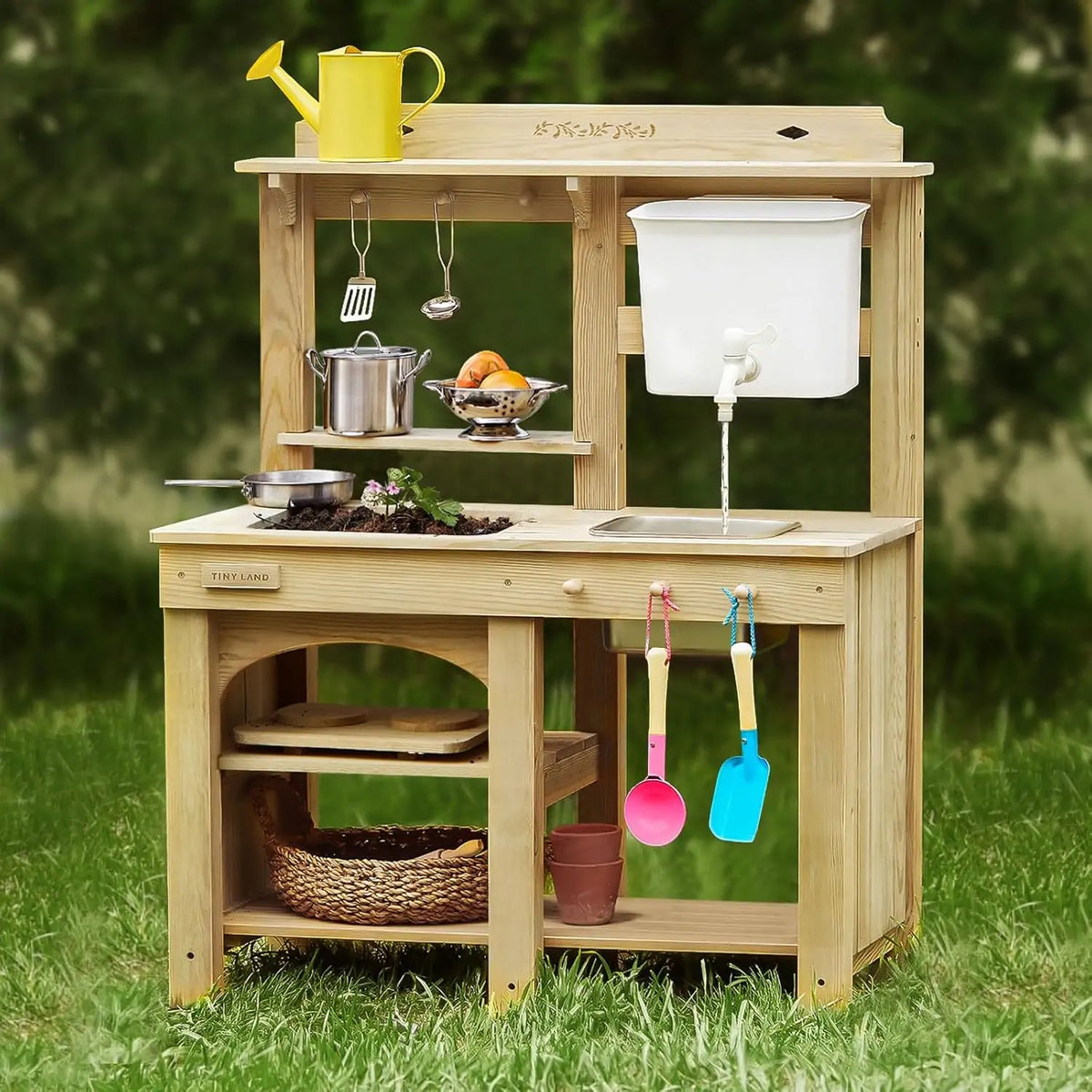
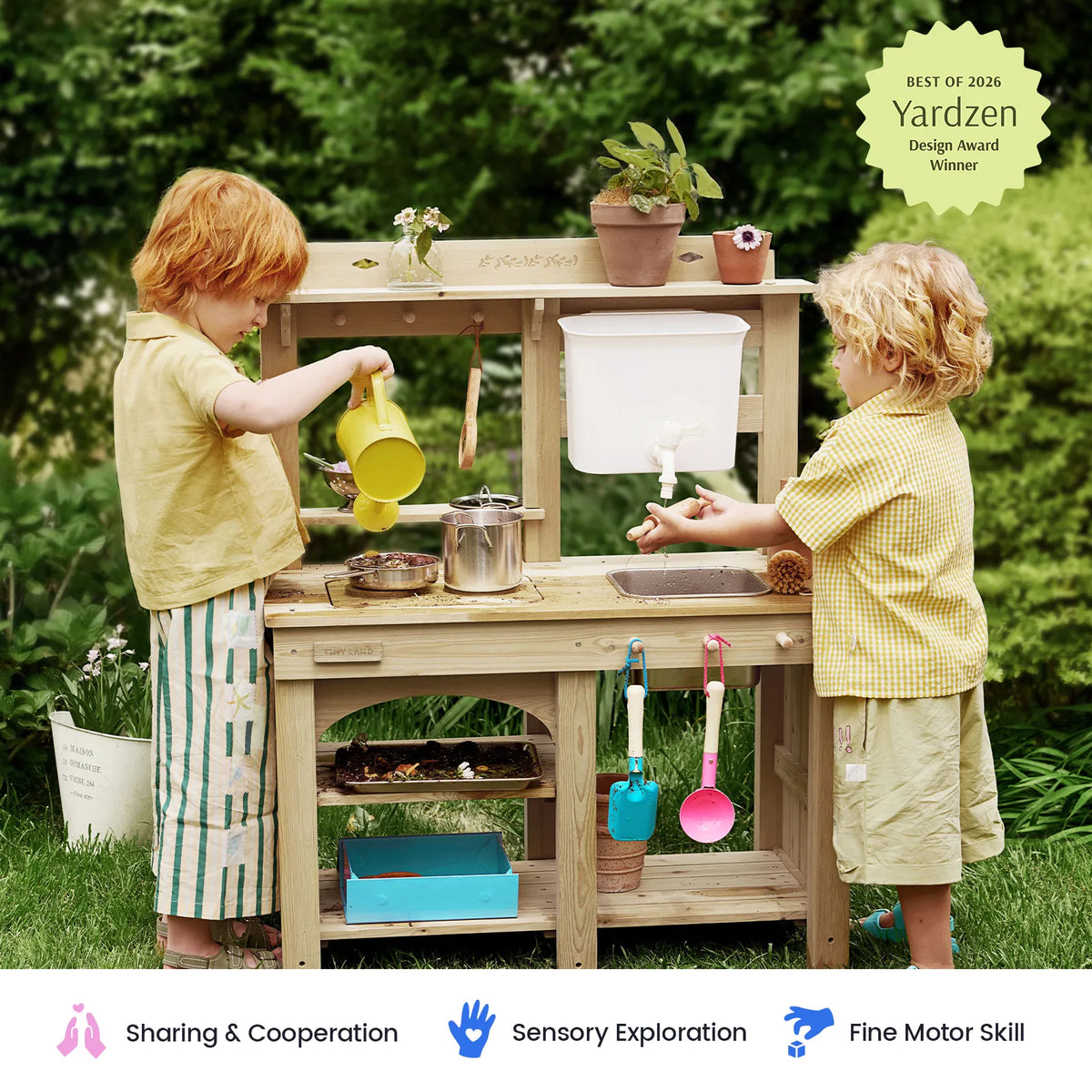
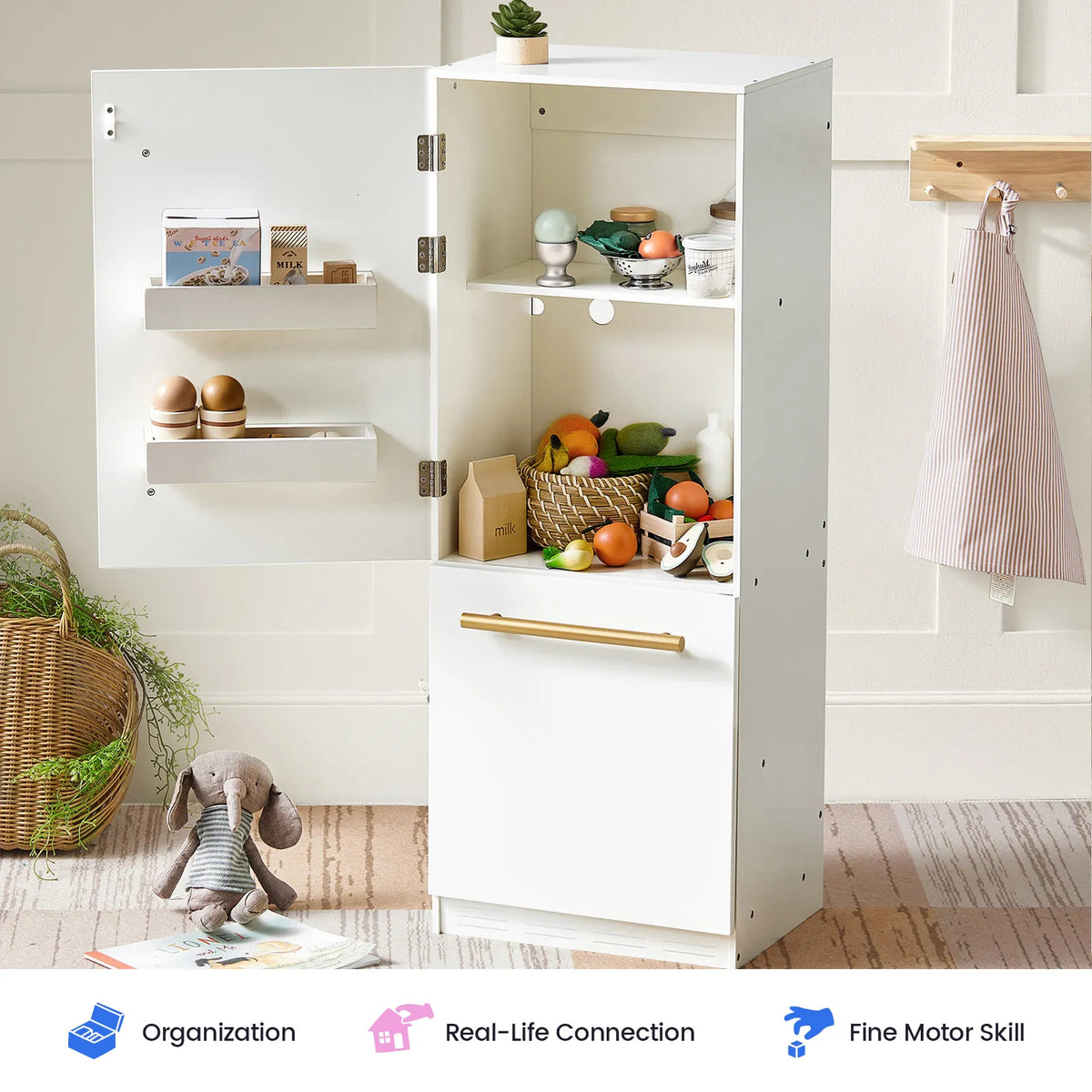
A kids' market stand can provide a dedicated space for this type of pretend play while still leaving room for children to create their own stories.

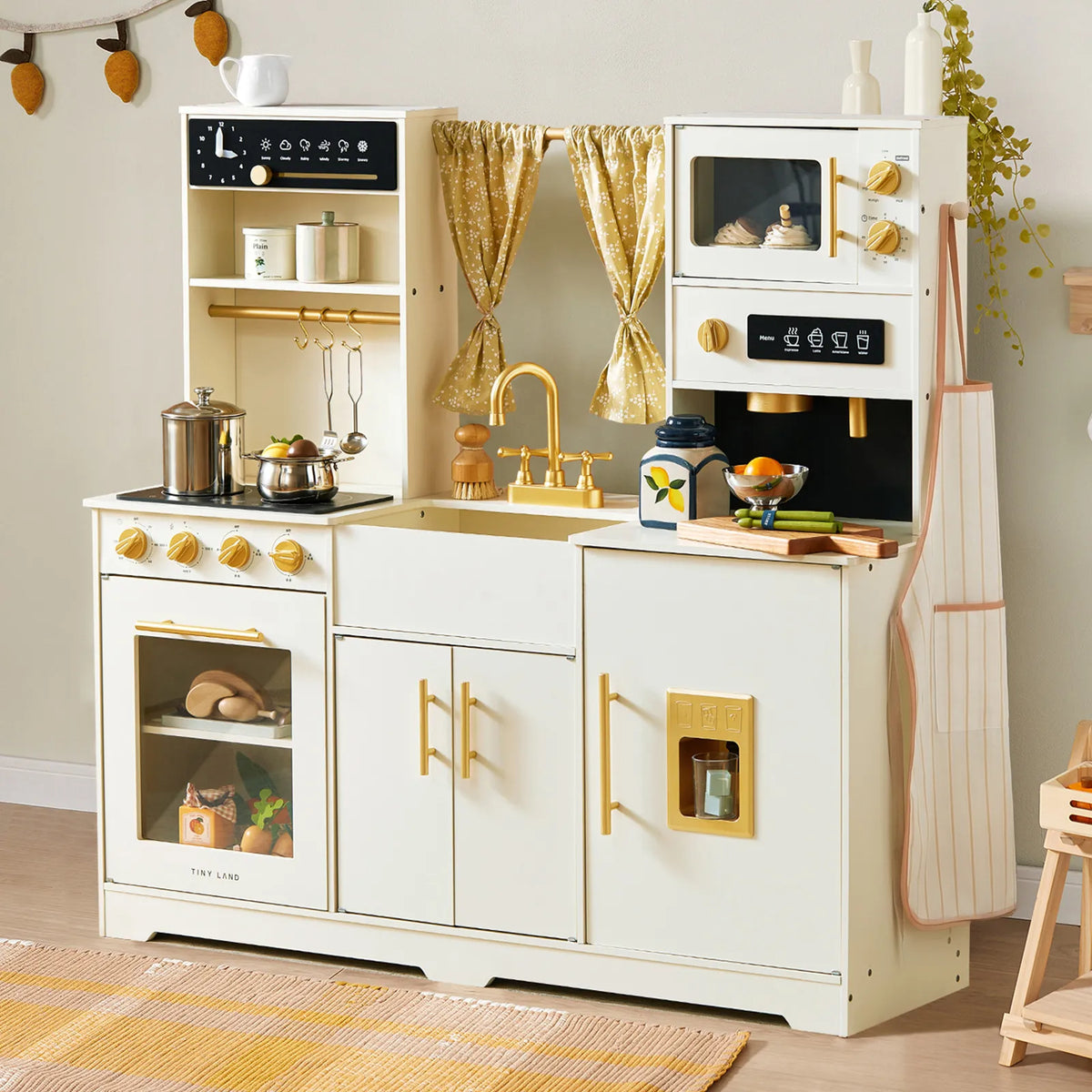
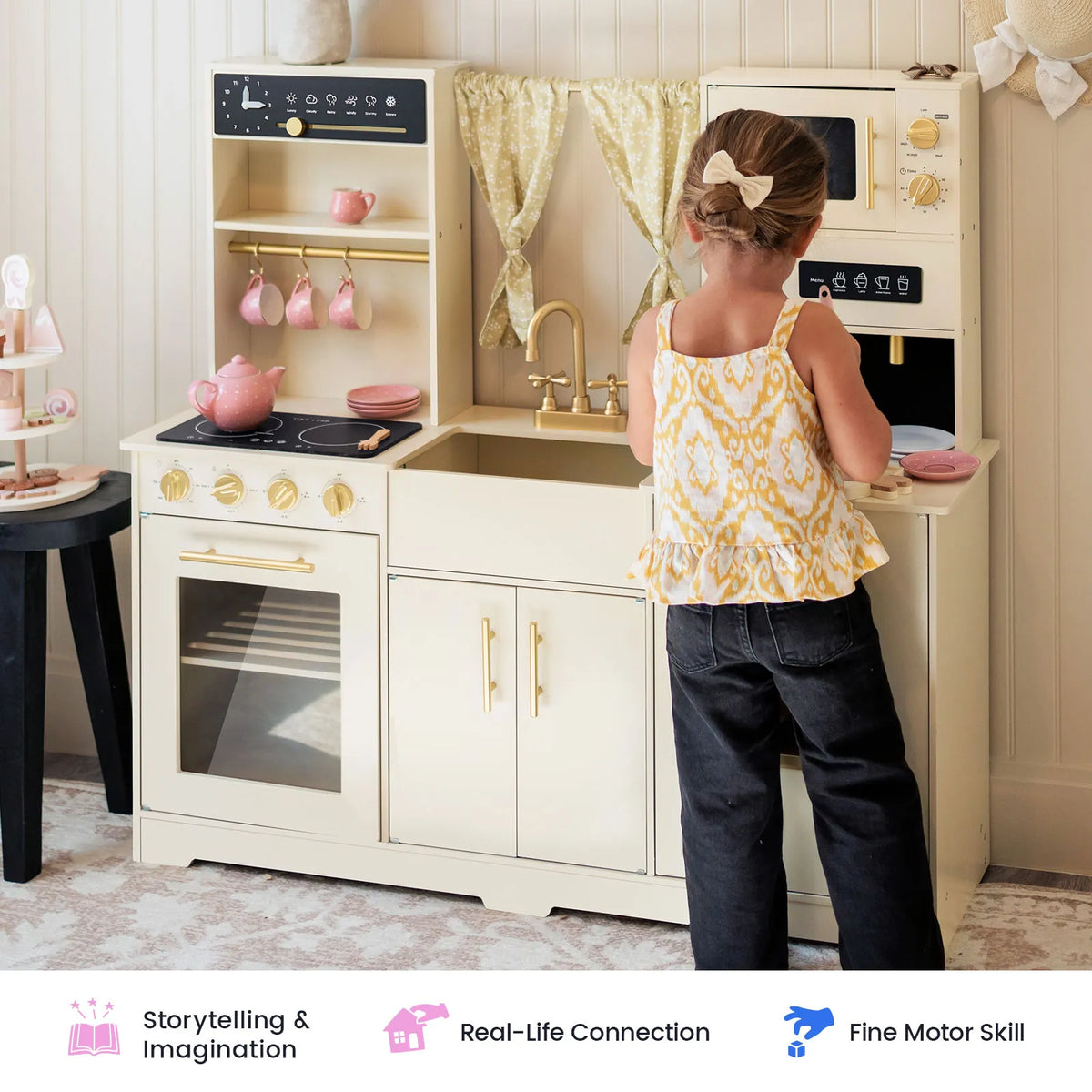
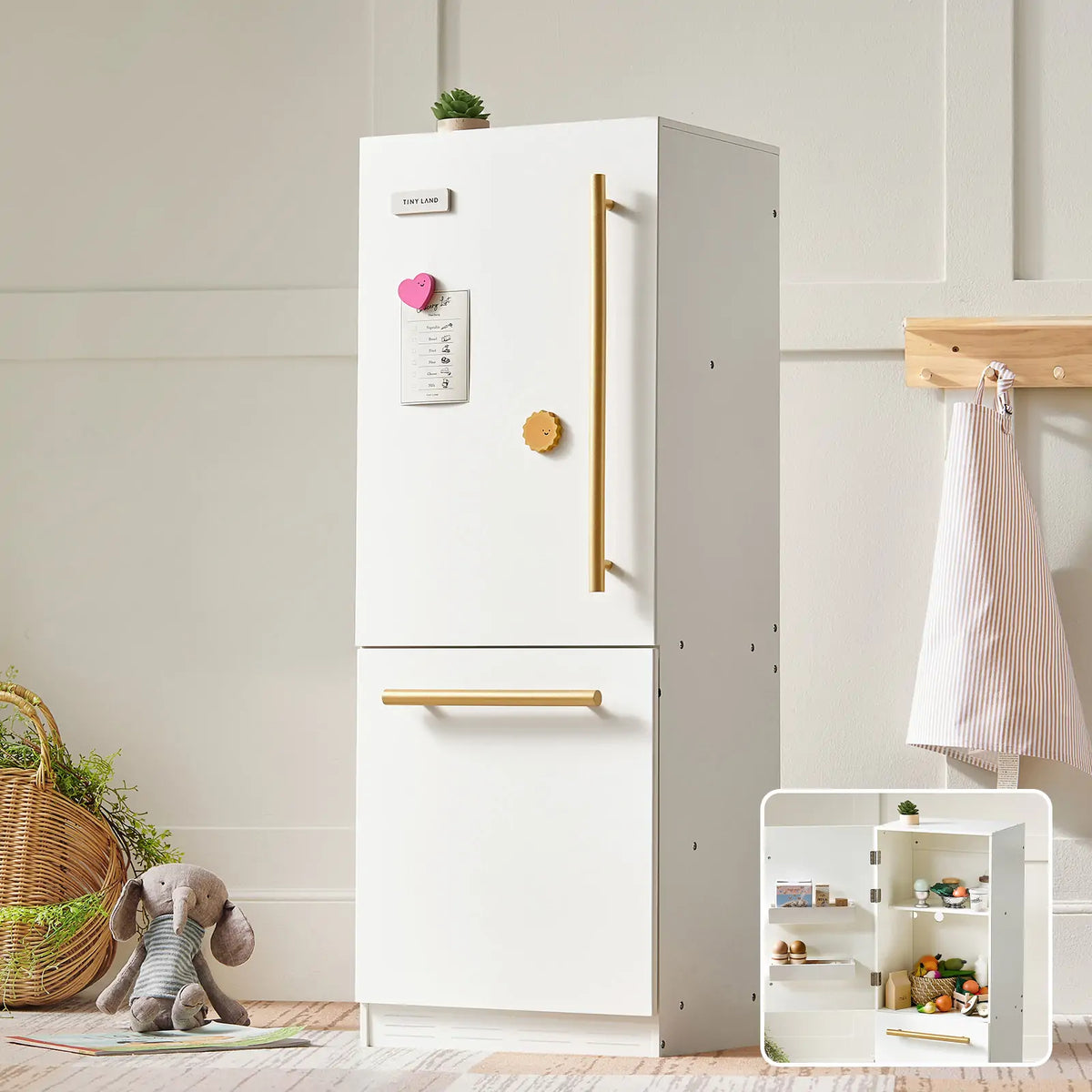
2. Turn a Play Kitchen Into a Café
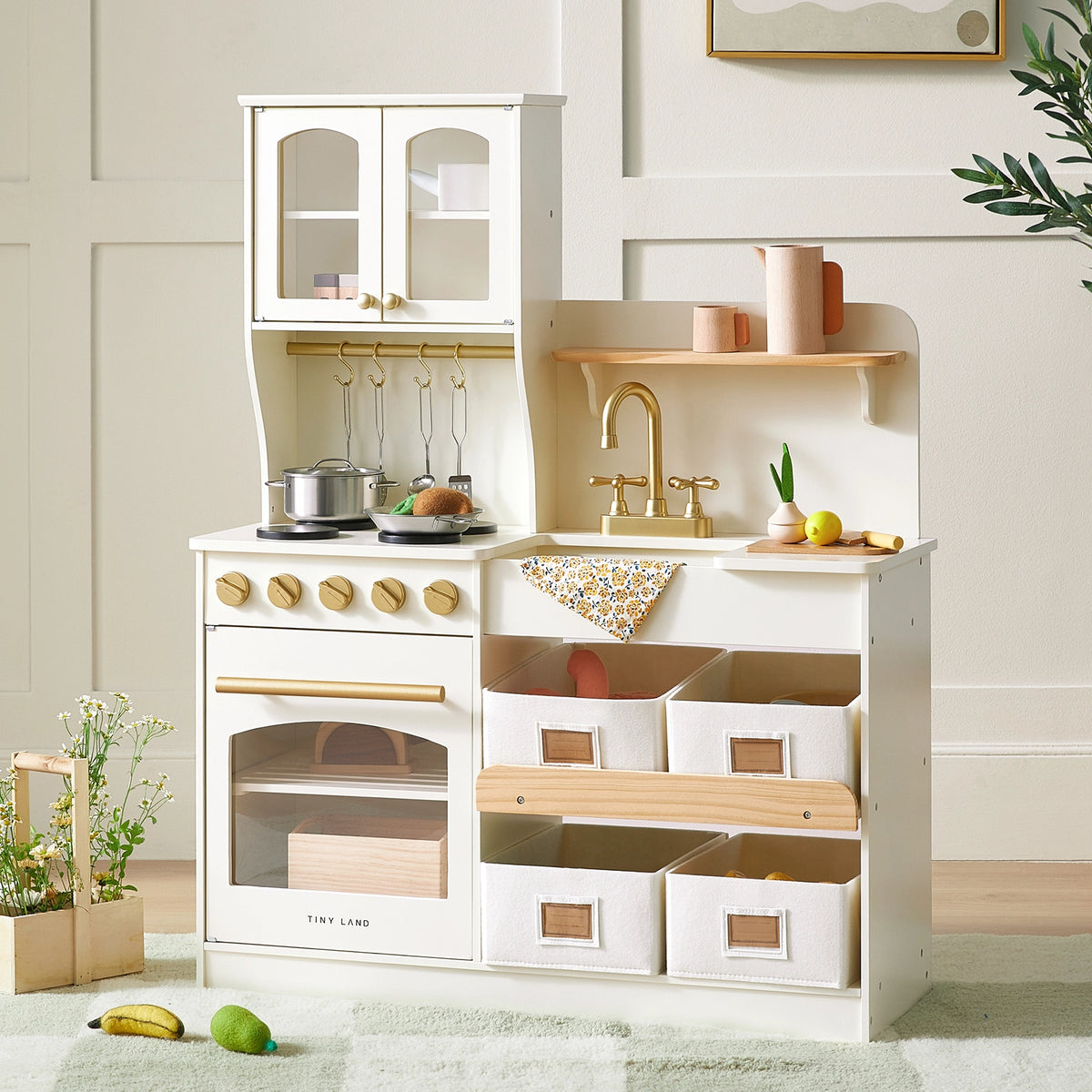
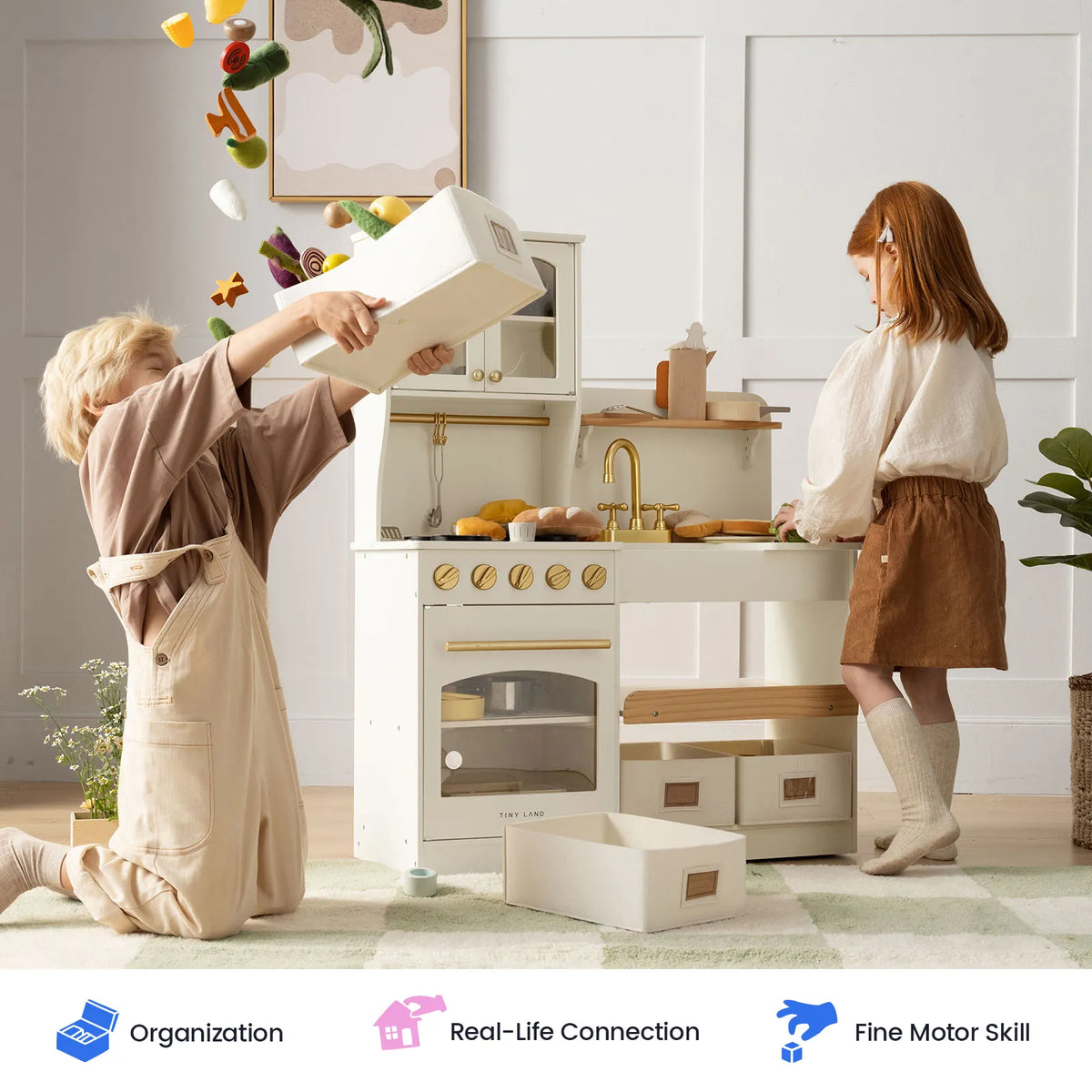
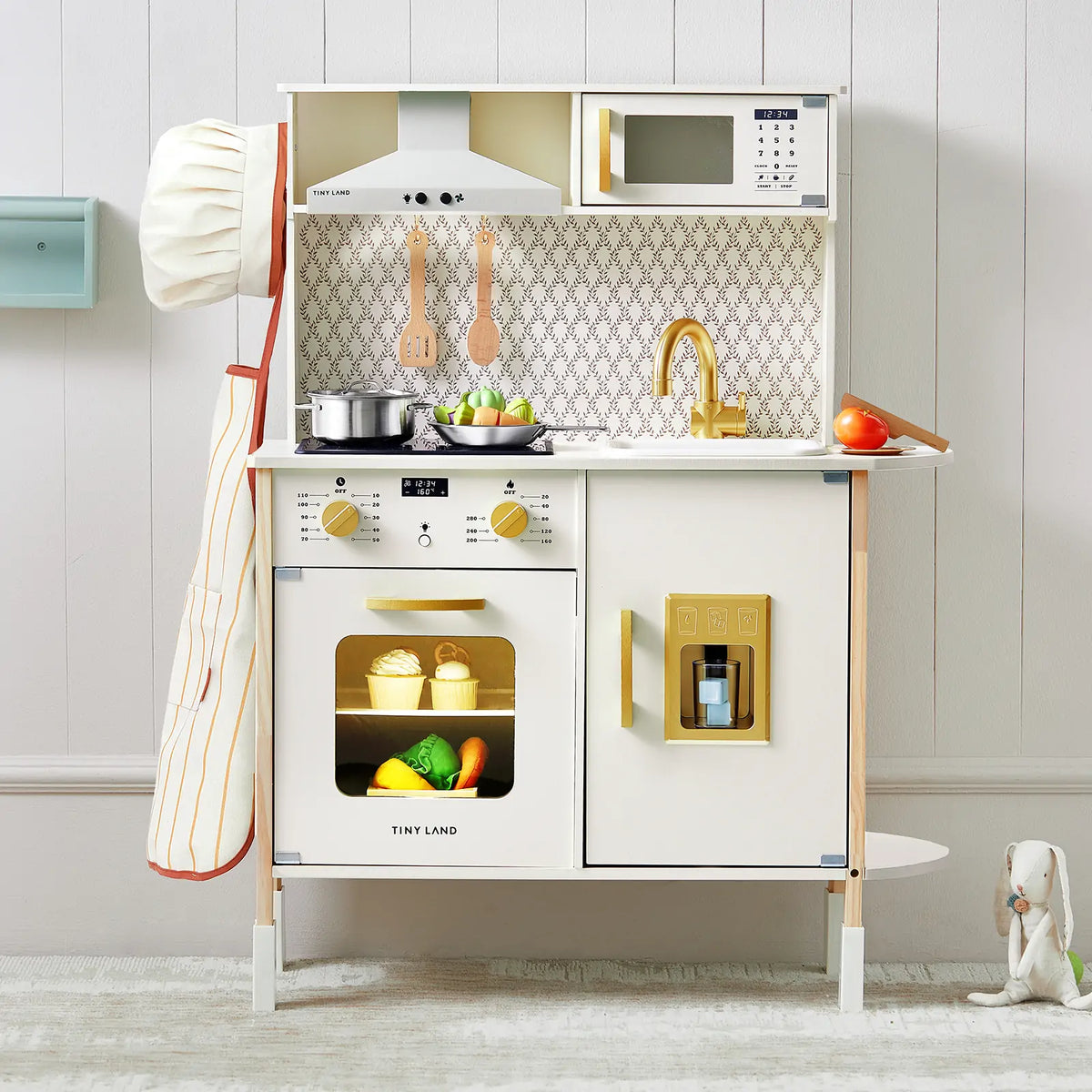
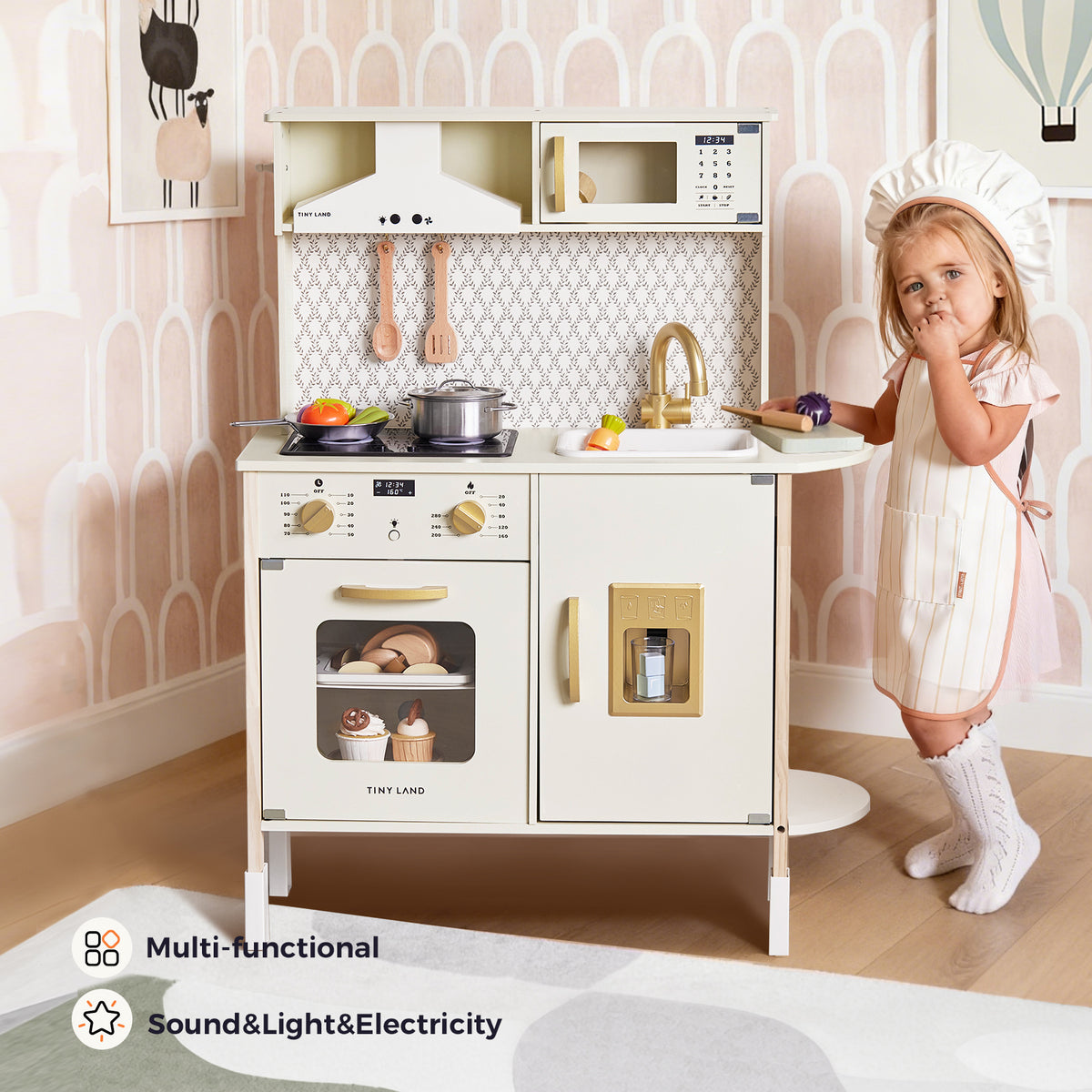
A play kitchen can become a café, bakery, restaurant, or family kitchen depending on the story your child creates.
Invite your child to open a pretend café for the family.
They can:
- Choose a café name
- Create a simple menu
- Take pretend orders
- Prepare play food
- Serve customers
Encourage the story with open-ended questions:
- What should we put on today's menu?
- Who works at the café?
- What does the customer want?
- What should we make next?
The goal isn't to follow a fixed script. Let your child decide what happens next.

3. Create an Indoor Farmers Market
An indoor farmers market is an easy way to combine pretend play with sorting, counting, and everyday-life experiences.
Set out pretend fruits, vegetables, baskets, or play food and let your child create different market stalls.
They can sort food by:
- Color
- Type
- Size
- Fruit or vegetable
Then open the market and invite family members to become shoppers.
For preschoolers, add paper signs, pretend prices, shopping lists, or play money.
You can even let your child decide what the market sells and what each stall is called.

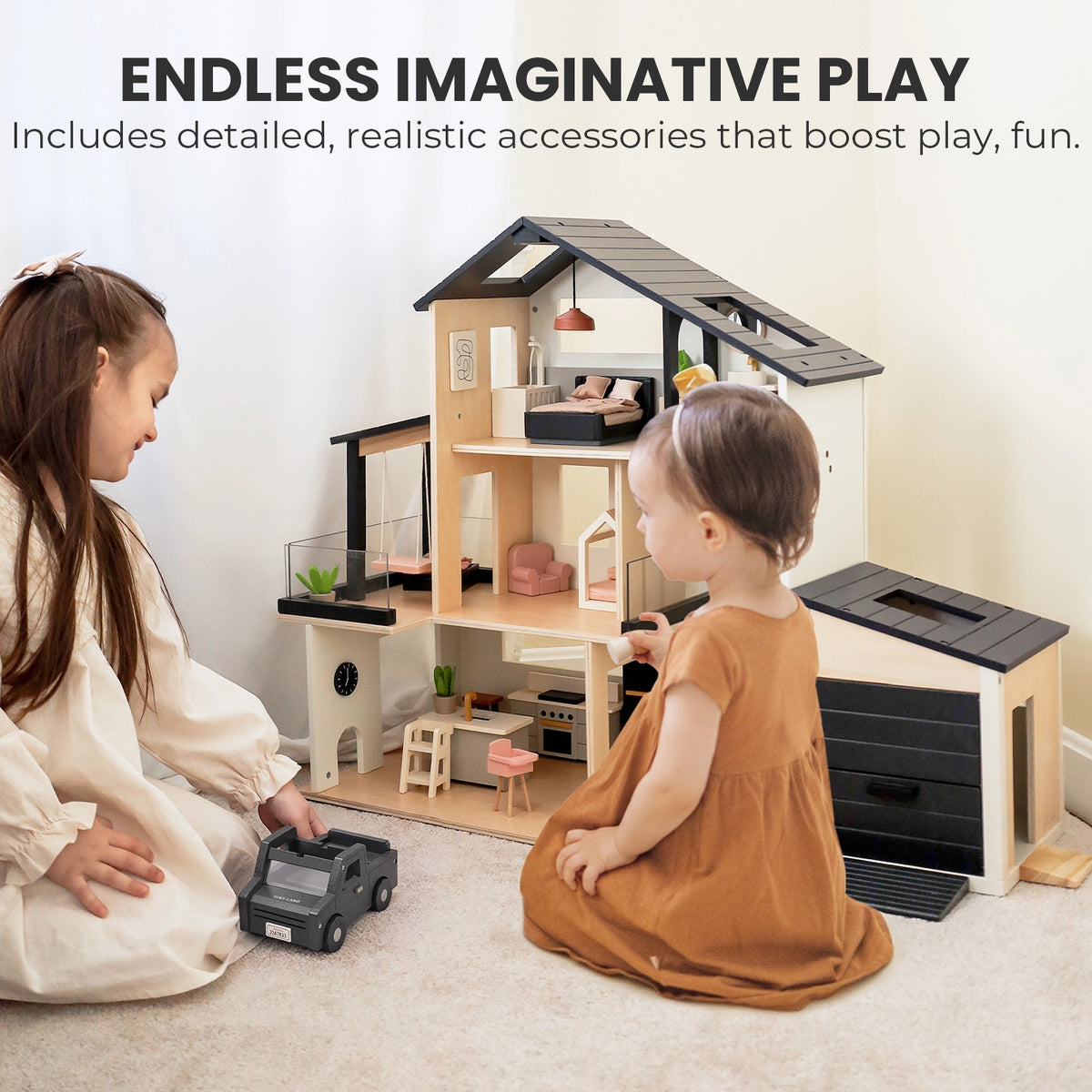
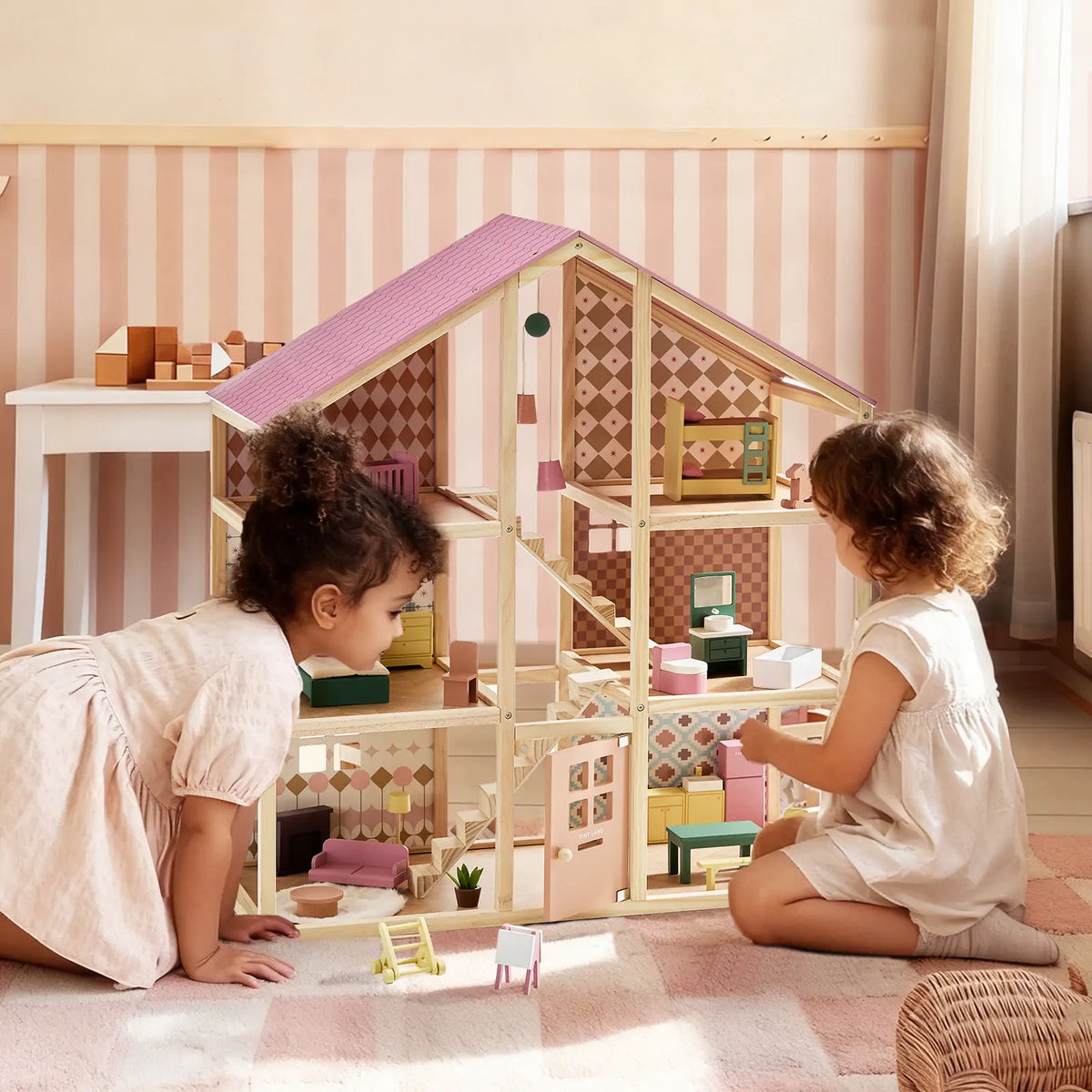
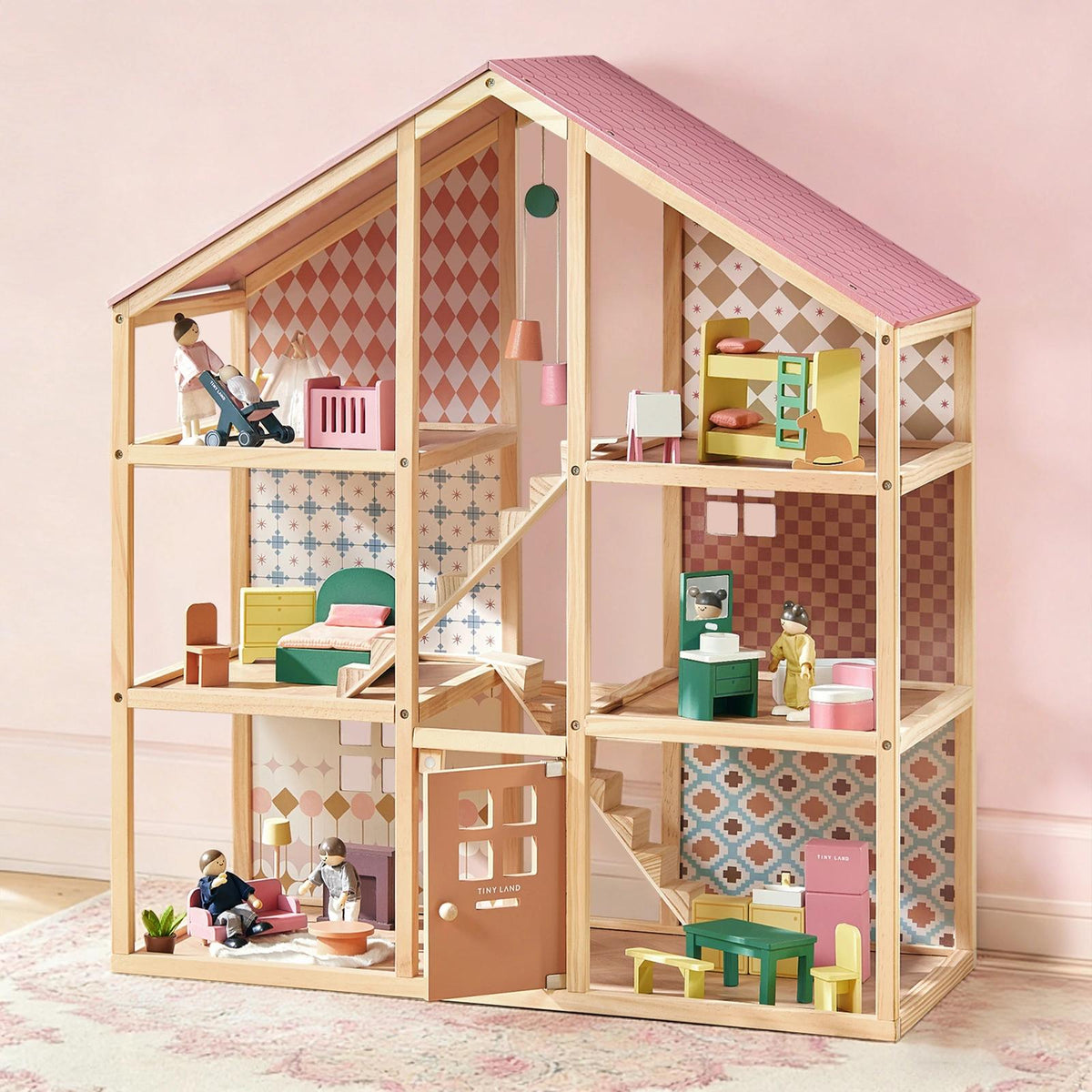
4. Tell Stories With a Dollhouse
Dollhouse play gives children a familiar setting for creating their own stories.
Instead of telling your child exactly what to do, start with a simple scenario: "The family is getting ready for breakfast. What happens next?"
Your child might decide that someone needs to go shopping, a friend is visiting, or the family is preparing for a special dinner.
You can also introduce everyday scenarios such as:
- Getting ready for school
- Cooking dinner
- Having a birthday
- Cleaning the house
- Going to bed
Dollhouse play can turn familiar routines into opportunities for storytelling and imaginative play.

5. Open a Pretend Play Dough Bakery
Set up a simple bakery using play dough, cookie cutters, plates, and child-safe utensils.
Children can create pretend:
- Cookies
- Cupcakes
- Bread
- Donuts
- Pies
Then turn the creations into a bakery.
One child can be the baker while another plays the customer. Preschoolers can create a menu, take orders, organize the bakery, and decide what to make next.
This activity combines creative play, pretend play, and storytelling without requiring a complicated setup.
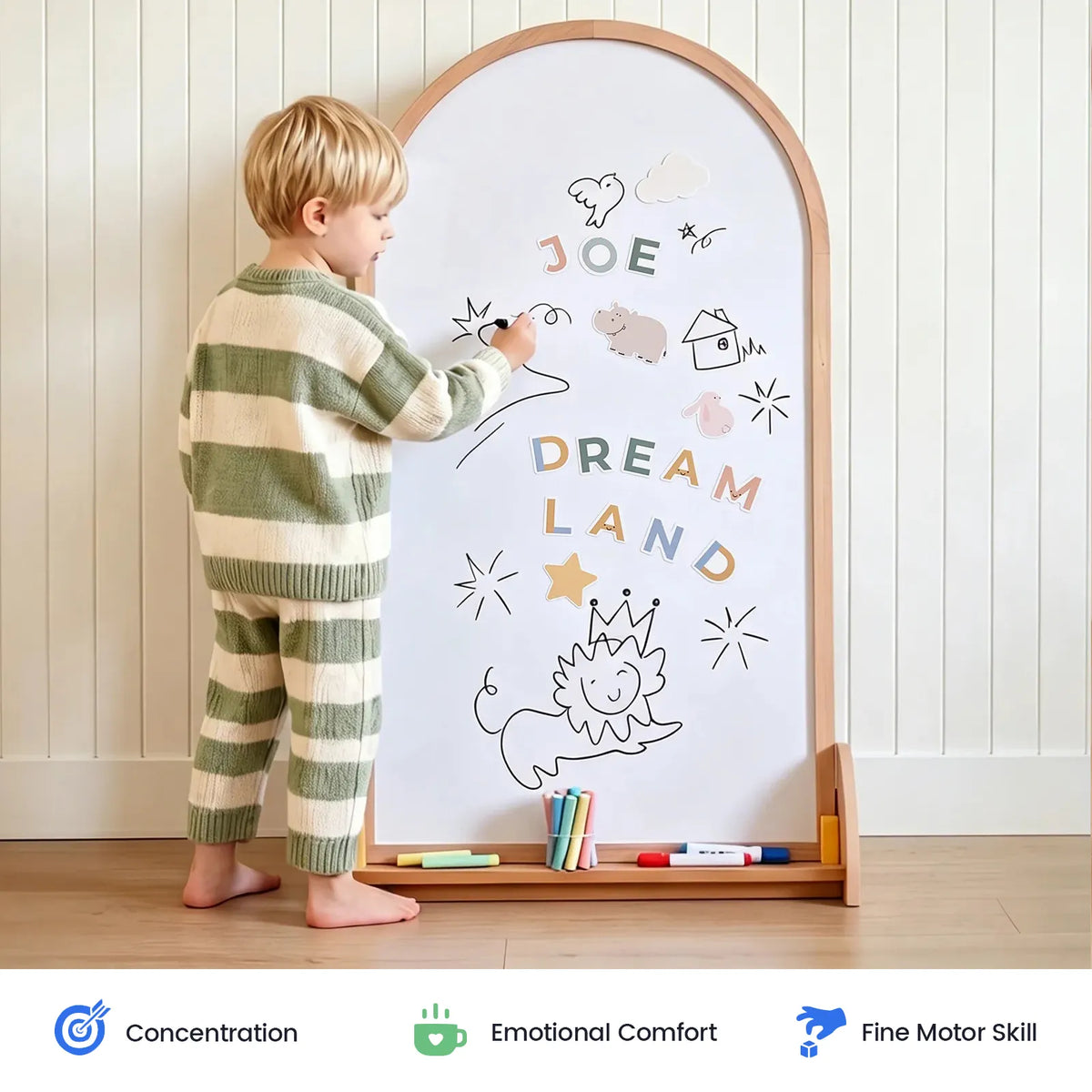
6. Create a Simple Indoor Art Station
You don't need a complicated craft project to encourage creativity.
Set up an accessible art space with age-appropriate supplies such as:
- Crayons
- Washable markers
- Paper
- Stickers
- Child-safe scissors
- Glue
Instead of asking children to copy a specific picture, offer an open-ended prompt:
- Draw your dream house.
- Design a restaurant.
- Draw your favorite animal.
- Draw what you see on a rainy day.
The finished picture doesn't need to look a certain way. Give children room to decide what they want to create.

7. Make a Sticker Story
Give your child stickers and a large piece of paper.
Ask them to create a scene using the stickers, then tell you the story behind it.
A few stickers can become:
- A farm
- A zoo
- A city
- A garden
- An imaginary world
For preschoolers, extend the activity with questions:
- "Who lives here?"
- "What happens next?"
- "Where are they going?"
This turns a simple art activity into a storytelling experience.
8. Build an Indoor Obstacle Course
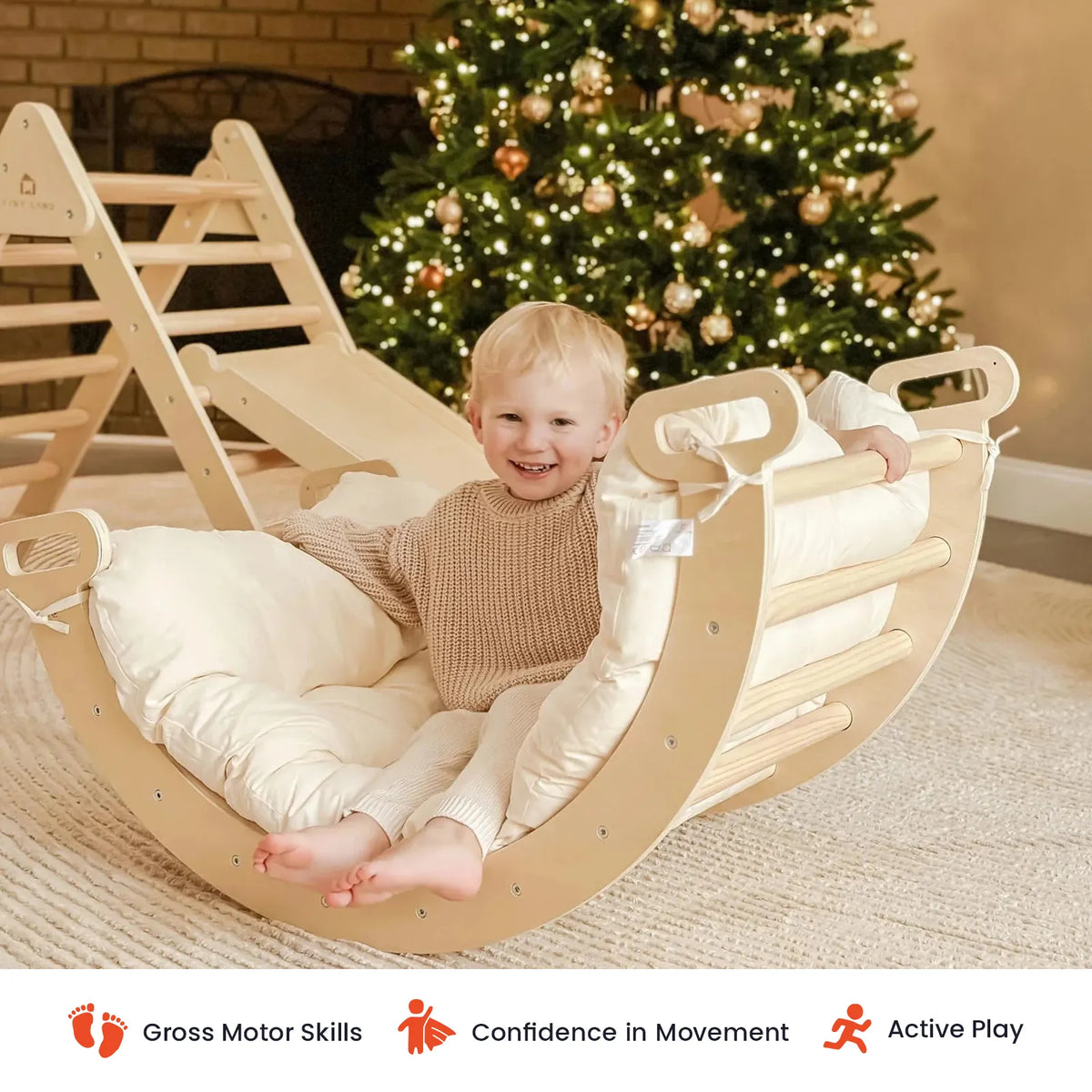
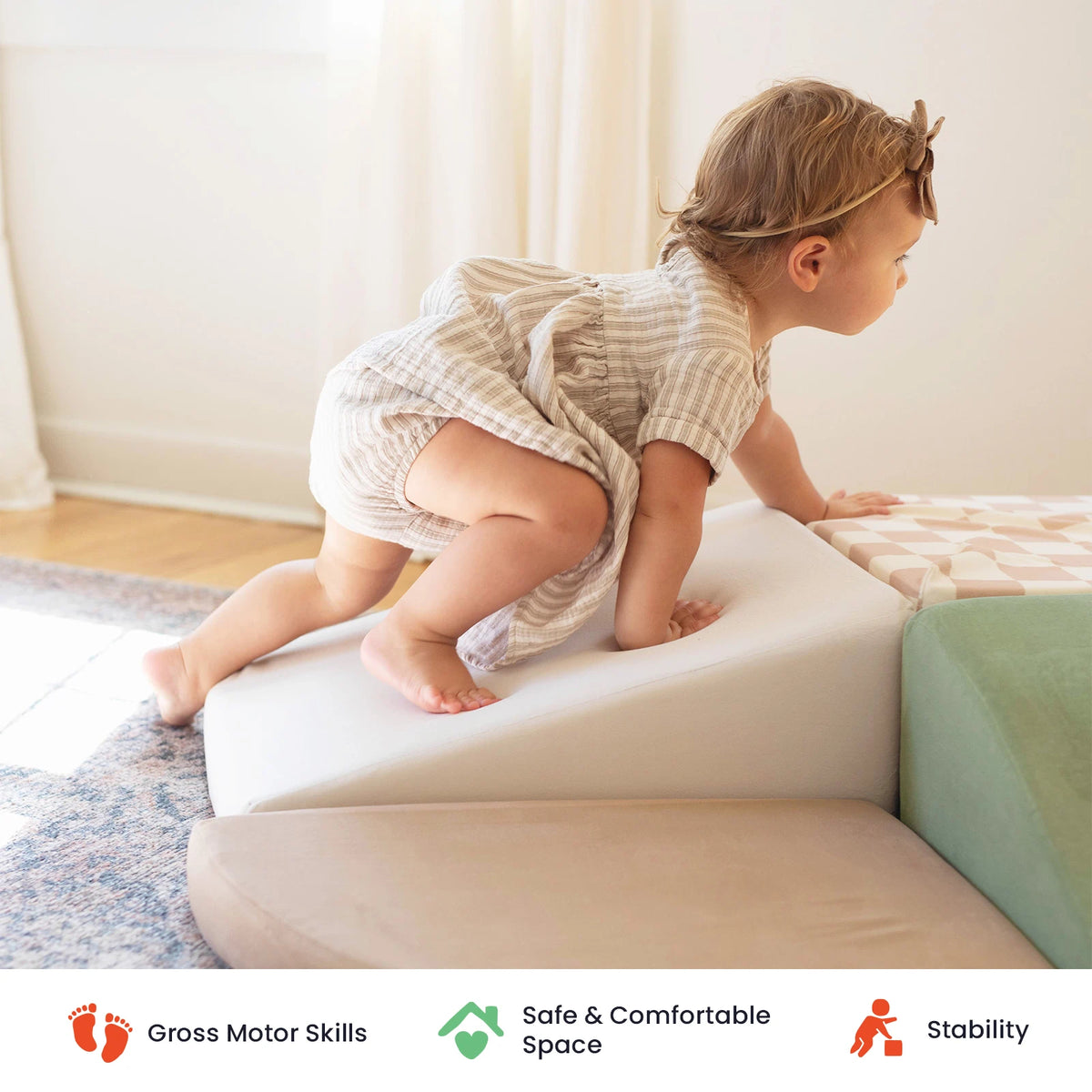
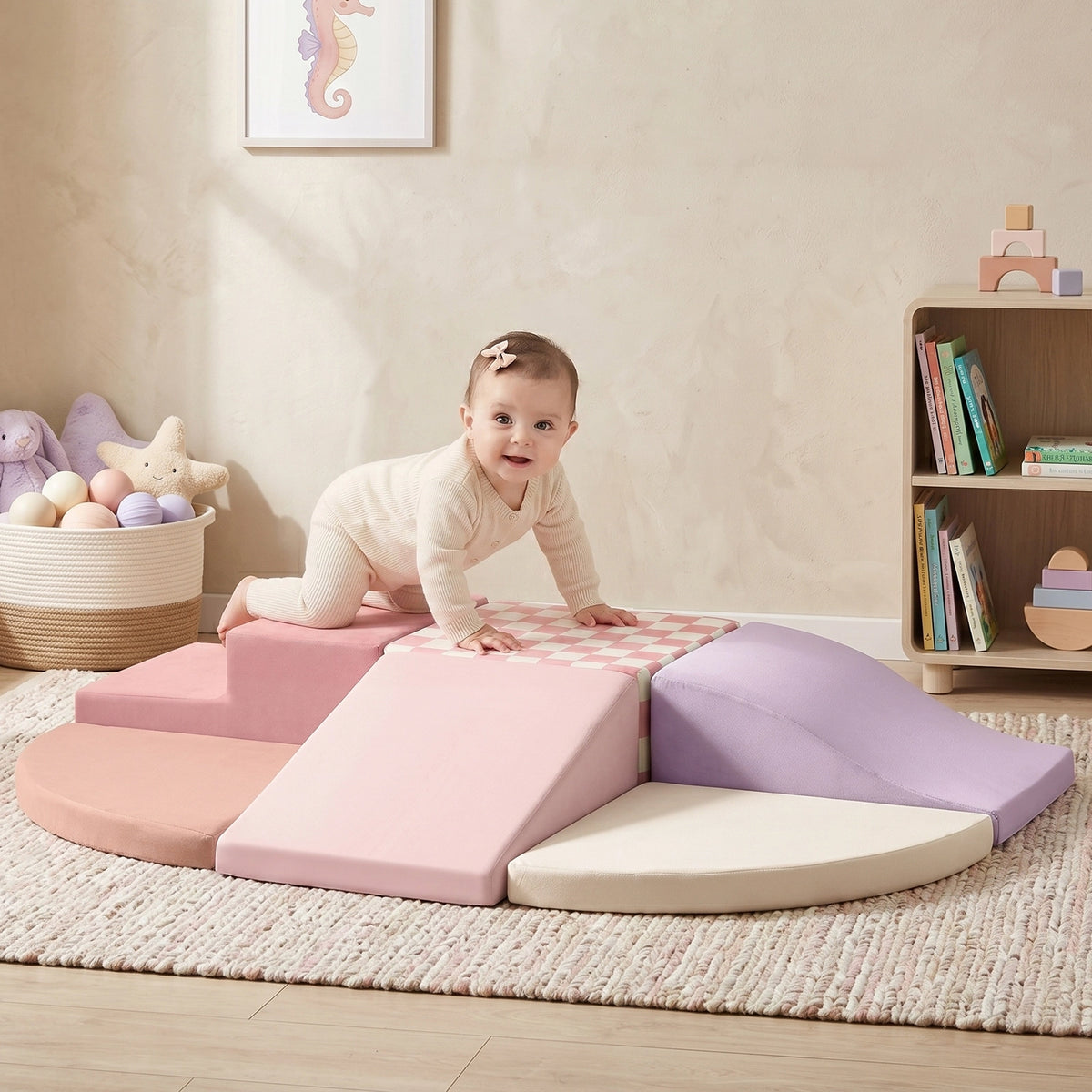
When kids have extra energy, an indoor obstacle course can turn part of the home into an active play space.
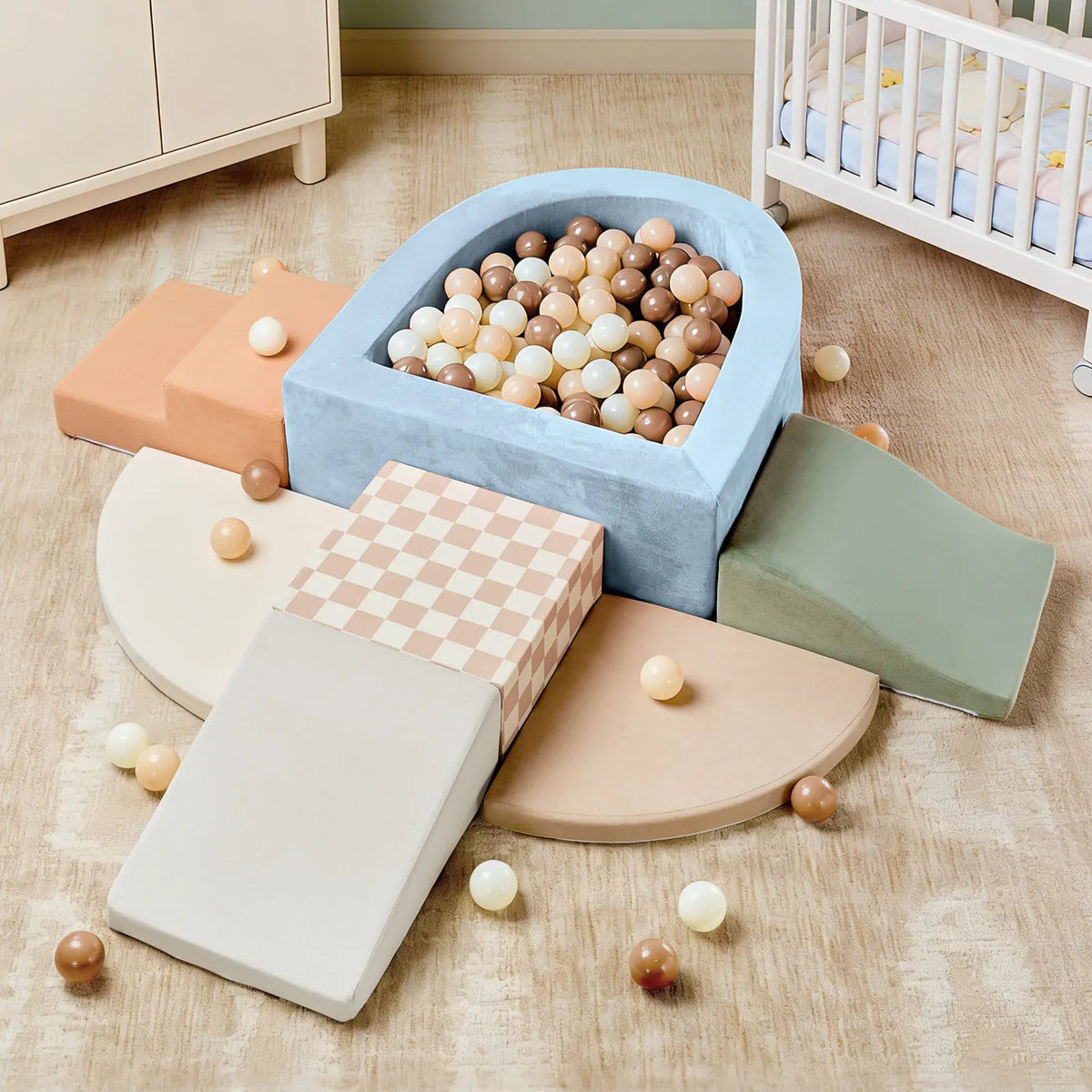
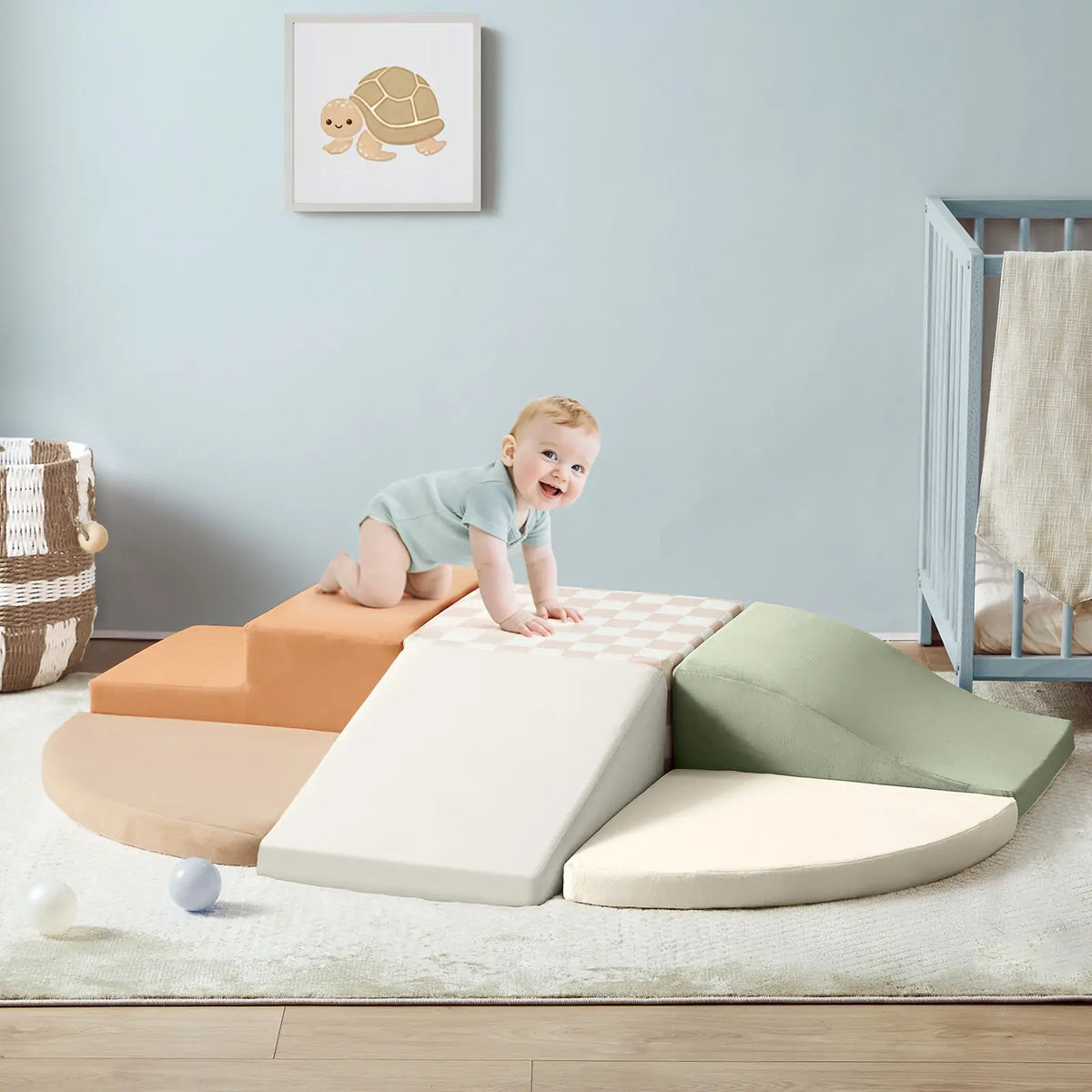
Depending on your child's age and your available space, you might use cushions, soft objects, or other safe household materials.
For example:
- Crawl through a safe tunnel
- Step around cushions
- Walk along a line
- Toss a soft ball into a basket
- Finish with a few jumps
Keep the course appropriate for your child's abilities and supervise active play.
You can also let your child design the next course. This turns the activity from simply following instructions into another opportunity for imaginative play.

9. Go Indoor Camping
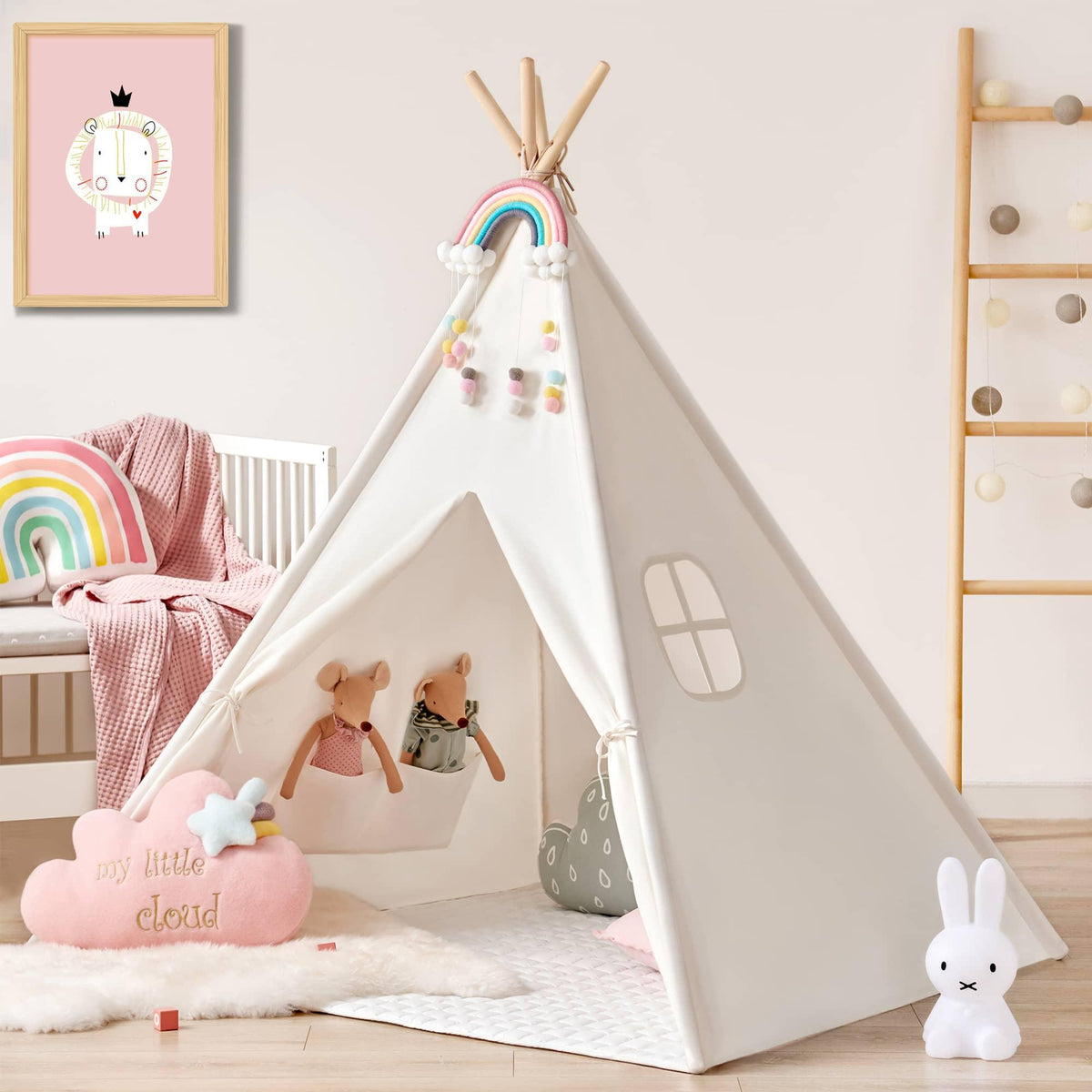
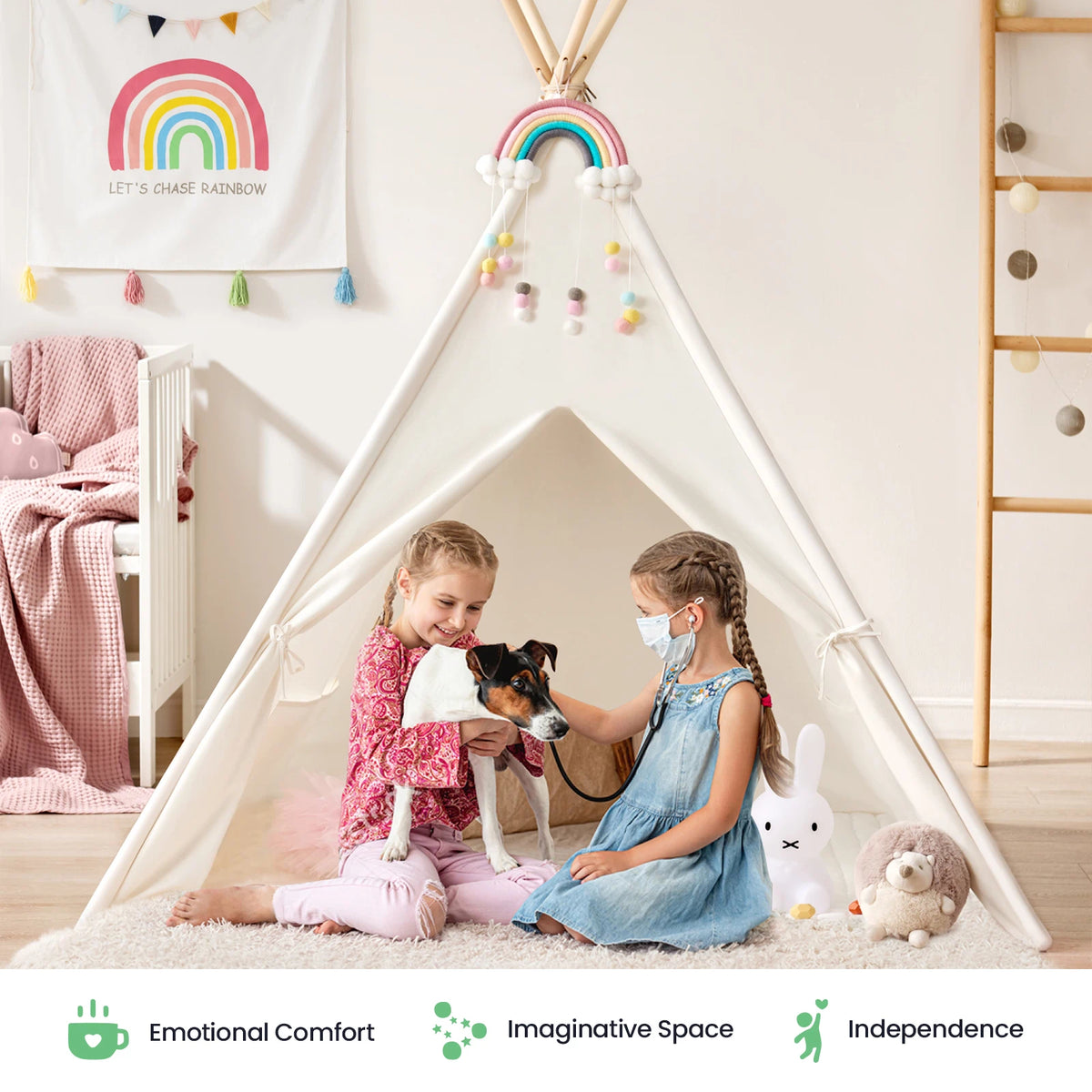
A rainy day can become an indoor adventure with a play tent or blanket fort.
Add:
- Blankets
- Pillows
- Stuffed animals
- Favorite books
- Flashlights
Then let your child decide where the adventure takes place.
- Maybe you're camping in a forest.
- Maybe you're exploring another planet.
- Maybe your stuffed animals are your camping companions.
A play tent can also become a reading nook, pretend house, puppet theater, or quiet hideaway, making it a flexible part of an indoor play space.

10. Have a Dance & Movement Game
Sometimes the simplest indoor activity for kids is getting them moving.
Put on a few favorite songs and introduce movement prompts such as:
- Jump
- March
- Clap
- Spin
- Freeze
- Tiptoe
For preschoolers, take turns being the leader and let your child invent movements for everyone else to copy.
This can also work well as an after-school activity when children need to release some energy before transitioning to dinner, reading, or bedtime.
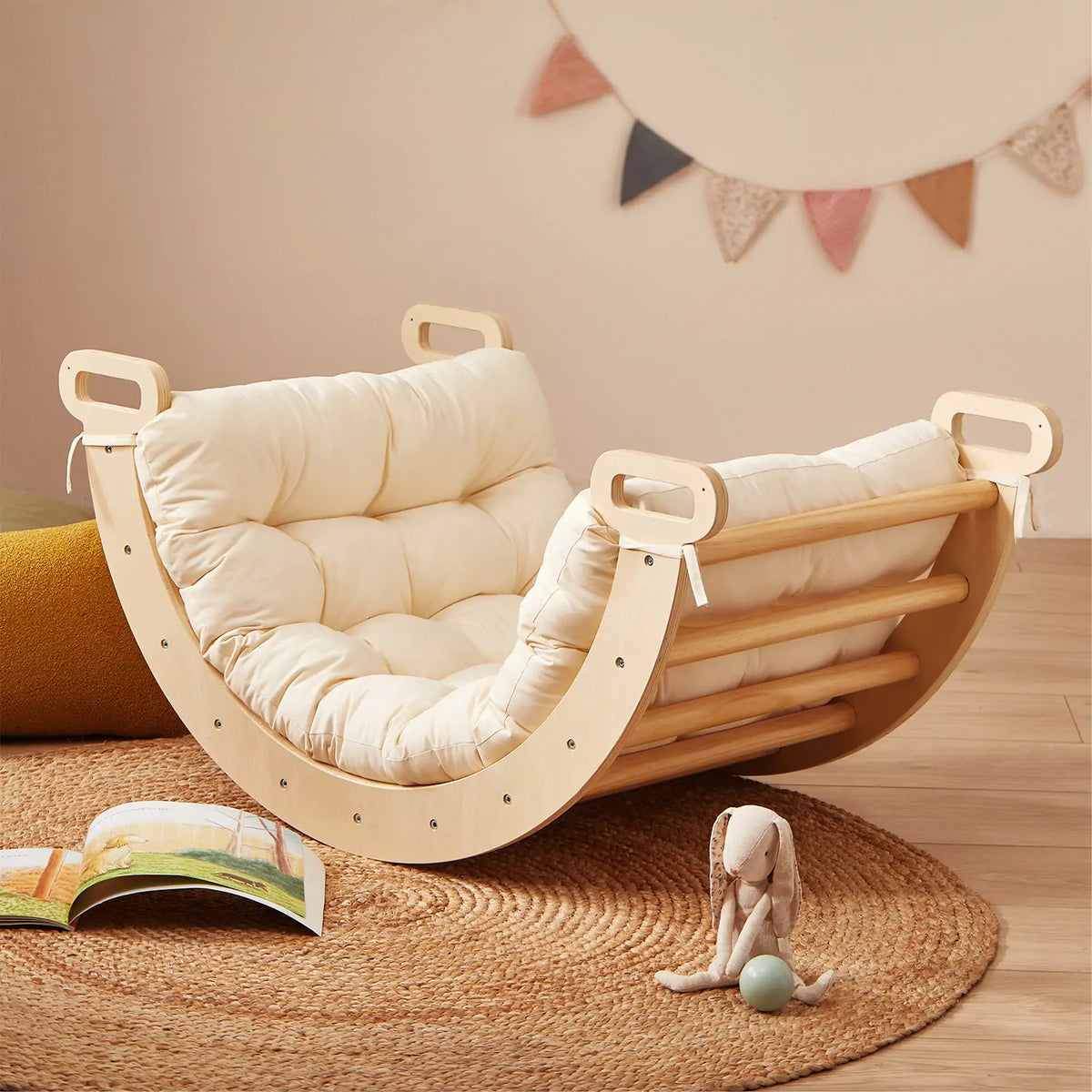
11. Create a Cozy Reading Nook
Not every indoor activity needs to be energetic.
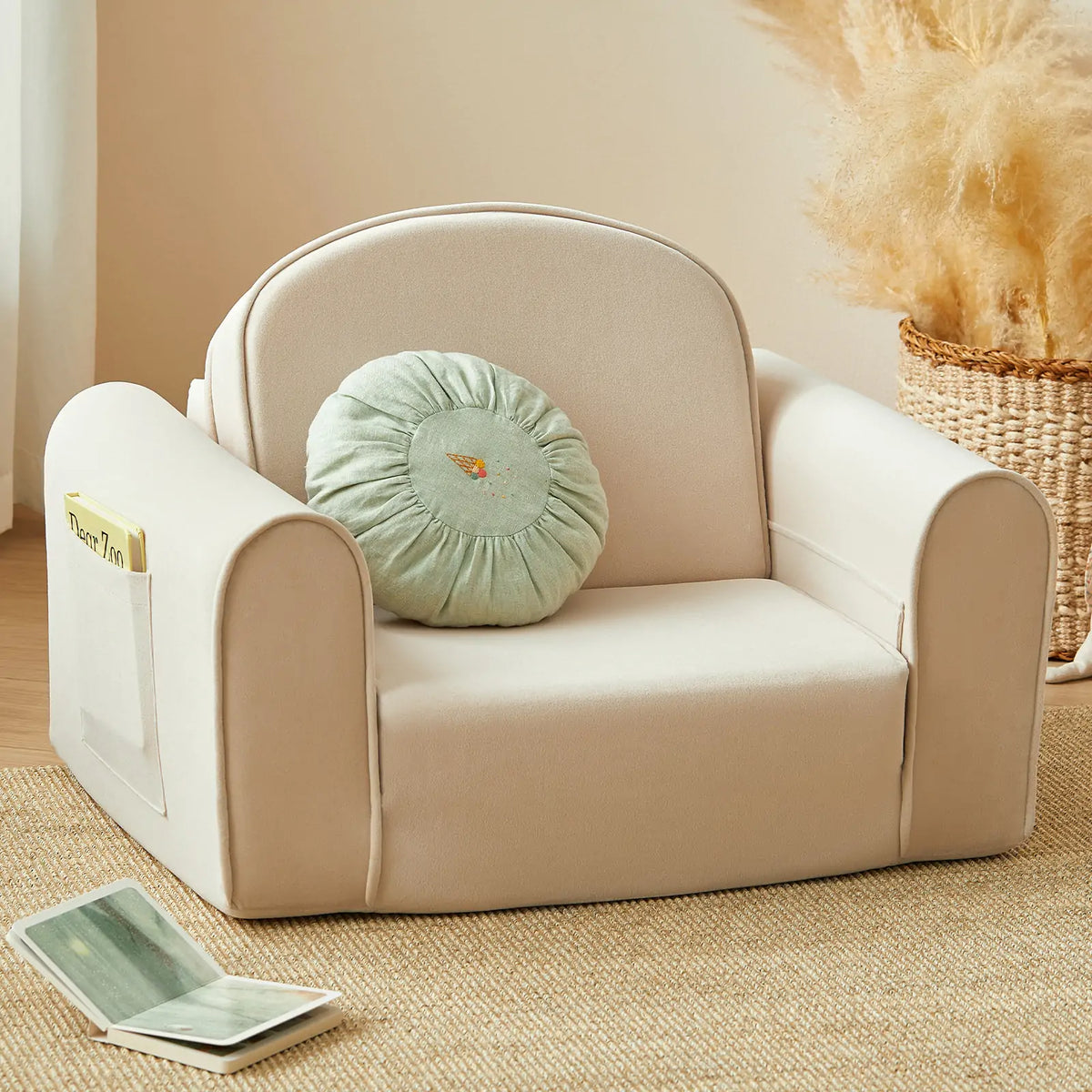
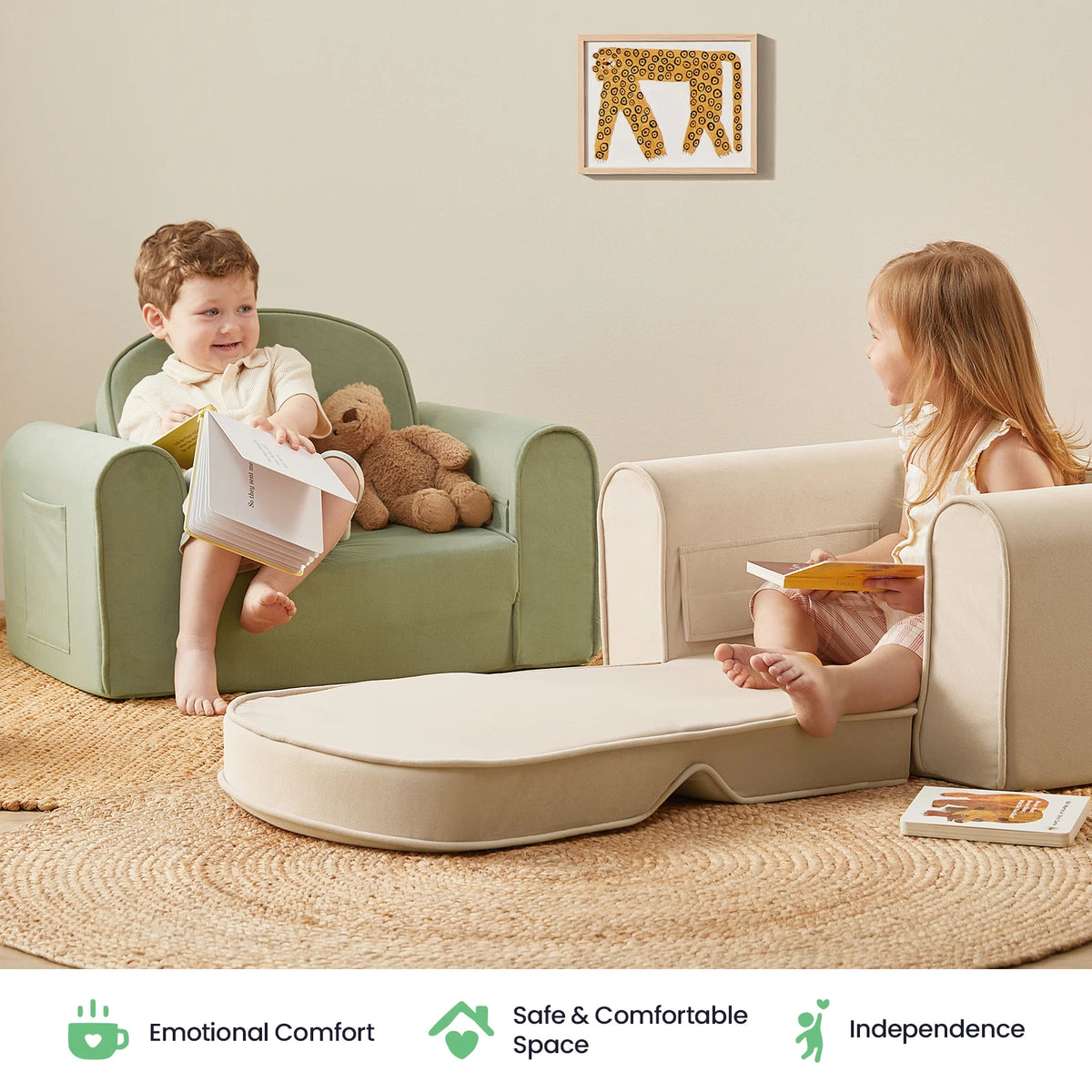
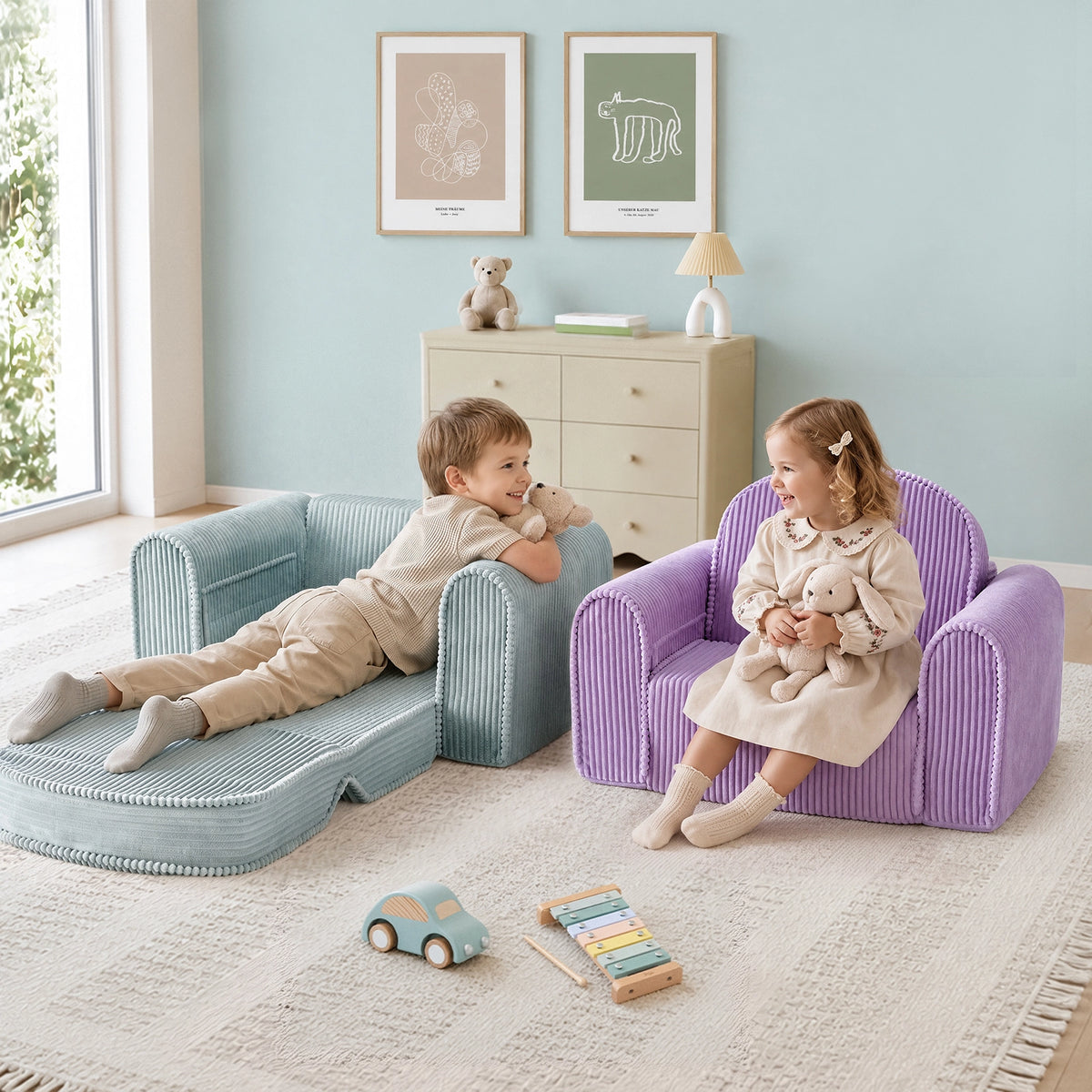
Create a small reading space with a play tent, cushions, a soft lounge area, and a few favorite books.
Let your child help choose the books and arrange the space.
Once it's ready, the reading nook can also become:
- A quiet hideaway
- A storytelling space
- A puppet theater
- A pretend campsite
A dedicated cozy space can make quiet play feel special without requiring a complicated activity.

12. Have a Teddy Bear Picnic
Spread a blanket on the floor and invite stuffed animals to an indoor picnic.
Your child can:
- Choose the guests
- Prepare pretend food
- Set the table
- Serve everyone
- Create a story about the picnic
Ask what each stuffed animal wants to eat or what happens during the picnic.
You can also turn the picnic into a larger pretend-play scenario by adding a café, market, or camping story.

Indoor Activities for Toddlers
The best indoor activities for toddlers are usually simple, repeatable, and easy to understand.
Try:
- Pretend cooking
- Color sorting
- Large-block building
- Simple movement games
- Sticker activities
- Reading in a cozy space
- Toy animal play
- Simple pretend shopping
Toddlers don't necessarily need a new activity every few minutes. Repeating a familiar activity is a natural part of early play.
Keep materials age-appropriate and supervise activities whenever needed.

Indoor Activities for Preschoolers
Preschoolers may be ready for more involved pretend scenarios, storytelling, and multi-step activities.
Try:
- Pretend restaurants
- Grocery stores
- Farmers markets
- Dollhouse stories
- Indoor camping
- Puppet shows
- Building challenges
- Art projects
- Movement games
You can also combine activities.
For example, a pretend café can begin with designing a menu, continue with preparing play food, and end with serving family members.
One play setup can therefore provide several different ways to play without requiring you to prepare a completely new activity.

Screen-Free After-School Activities
After school, children often benefit from a simple transition between structured school time and the rest of the day.
Instead of immediately reaching for a screen, offer a few choices based on their energy level.
If They Have Lots of Energy
Try:
- Dancing
- An indoor obstacle course
- Movement games
If They Want to Create
Try:
- Drawing
- Stickers
- Play dough
- Building
If They Want to Pretend
Try:
- A café
- Grocery store
- Farmers market
- Dollhouse story
If They Need Quiet Time
Try:
- Reading
- A cozy play space
- Independent pretend play
A small number of choices can help children transition without turning after-school time into another structured lesson.

Rainy Day Activities for Kids
Rainy days are a natural opportunity for indoor play.
Rather than planning activities for every minute, create a simple rotation:
Move: Indoor obstacle course or dance game
Create: Art station or play dough bakery
Imagine: Café, grocery store, or indoor camping
Build: Blocks or a construction challenge
Relax: Reading nook or storytelling
This gives children different types of play throughout the day while keeping preparation manageable for parents.

How to Encourage Better Indoor Play
You don't need to constantly entertain your child for indoor play to be meaningful.
A few simple approaches can make a difference.
Follow Your Child's Interests
- If your child loves cooking, try a pretend restaurant.
- If they love animals, create an animal rescue or pet shop.
- If they love stories, make a dollhouse scene or puppet theater.
Starting with an existing interest can make it easier for children to become engaged.
Choose Open-Ended Play
Open-ended play gives children room to decide what an object or space becomes.
A play kitchen can become:
Restaurant → Bakery → Café → Family Kitchen
A market stand can become:
Grocery Store → Farmers Market → Pretend Shop
A play tent can become:
Campsite → Reading Nook → Castle → Pretend House
The same play space can therefore support different stories over time.
Let Children Lead
You can introduce an idea without controlling the entire activity.
Instead of saying: "Now you're going to be the cashier."
Try:
- "What should we call your store?"
- "Who works here?"
- "What happens when a customer comes in?"
Open-ended questions give children more ownership of their play.

How to Choose an Indoor Activity
You don't have to choose an activity based only on age. Think about what your child needs at that moment.
| If your child needs... | Try... |
|---|---|
| Movement | Obstacle course or dance game |
| Creativity | Art station or play dough |
| Imagination | Café, market, or dollhouse |
| Quiet time | Reading nook |
| Family connection | Teddy bear picnic or pretend restaurant |
| Independent play | Building, dollhouse, or pretend kitchen |
The best indoor activity for kids is often the one that matches their energy, interests, and mood that day.

Frequently Asked Questions About Indoor Activities for Kids
What are good indoor activities for kids?
Good indoor activities for kids include pretend play, art, building, movement games, storytelling, reading, and simple hands-on activities.
For toddlers and preschoolers, open-ended activities can be especially easy to adapt at home.
What are good indoor activities for toddlers?
Simple pretend cooking, building, sorting, sticker play, movement games, reading, and pretend shopping are good indoor activities for toddlers.
Choose activities that match your child's age and abilities.
What can preschoolers do indoors without screens?
Preschoolers can enjoy pretend cafés, grocery stores, farmers markets, dollhouse stories, indoor camping, art projects, building challenges, movement games, and storytelling.
What are good rainy day activities for kids?
Good rainy day activities include indoor camping, blanket forts, pretend play, art, building, movement games, reading, and simple scavenger hunts.
What are good screen-free activities for kids?
Screen-free activities can include pretend play, drawing, building, reading, movement games, storytelling, and hands-on play.
The best choice depends on your child's age, interests, and energy level.
How can I encourage independent indoor play?
Create an accessible play space with a small selection of open-ended toys and materials.
Give children opportunities to choose what they want to play and allow them time to develop their own ideas before stepping in.

Final Thoughts
The best indoor activities for kids don't have to be complicated.
- A small table can become a café.
- A market stand can become a grocery store.
- A play kitchen can become a restaurant.
- A play tent can become a campsite or reading nook.
For toddlers and preschoolers, simple open-ended play can turn an ordinary afternoon into an opportunity to imagine, create, move, and explore.
So the next time you need a screen-free indoor activity for kids, start with something simple and give your child's imagination room to take it from there.